Thursday, May 7, 2026
Home Blog Page 249

Forget The Strength And Focus On This For The Best Weed

Breeders continue to miss out on a lot by focusing on increasing THC content in cannabis plants instead of terpene profiling.

Many argue that the best thing about cannabis is THC, but I believe that the terpenes in this plant are king. Terpenes give plants their aroma and flavor, and like all consumables, people will hardly consume anything unless it smells good.

Close your eyes and imagine the scent of pine emanating from your last Christmas. If you’re finding it hard to remember, visit the nearest grocery store or farm and catch the whiffs of the ripe fruits that have just been harvested or stocked. It would do you wonders to capture the unforgettable fragrance of lavender or eucalyptus that hits you when you enter a salon or spa.

cannabis smell terpenes
Photo by Sharon Mccutcheon / EyeEm/Getty Images

RELATED: Why You Should Smell Your Weed Before Buying

My point here is that aroma is directly linked to experiencing nature and the world at large. Any natural place or area you find yourself in has its unique smell. The scent given off in a location can boost your mood or put you off.

Aromas help solidify vital memories and also help remember these memories. For instance, whenever I catch a whiff of strawberries, I remember my late grandparents’ farm and the beautiful memories I made there with my siblings and cousins. No matter how faint the aroma is, it can instantly transport you to another location or period.

Terpenes are the astounding compounds responsible for producing these distinct aromas. Notable scientists worldwide have taken time to investigate these compounds and shed more light on their existence. Although the information available is still limited, it’s better than nothing.

A General Overview of Terpenes

Terpenes are available in most plants and trees, like lavender, oranges, roses, mint, and our favorite plant, cannabis. In the last decade, very little attention was directed at these compounds, whereas they occupy a crucial position.

In the cannabis ecosystem, terpenes play a direct role in cannabis’s acceptance within the human body. The first sense a consumer comes into contact with when holding cannabis is its aroma. All forms of cannabis, whether indica, sativa or hybrids, contain terpene compounds. These compounds determine how the entourage effect plays out. They are a key determinant of psychoactive and therapeutic cannabis effects. However, they’ve not been considered as much as they should be. To understand the interaction of cannabis compounds with receptors in the body, there has to be an in-depth understanding of the vital role terpenes play.

RELATED: The Definitive Guide To Terpenes And Cannabis Aromatherapy

The cannabis industry needs to prioritize research of these compounds to improve the quality of their products.

The industry is now at a critical inflection point. By 2028, the global cannabis industry will be worth at least $70 billion. Before then, the industry has to come together to study the different compounds in the revered cannabis plant. Every actor in the industry, including the breeders, testers, cultivators, retailers, and consumers, needs to prioritize terpene research. They must also try to figure out the other important traits in cannabis plants that should be prioritized. THC and CBD are not the only important compounds in cannabis, and their study alone will not provide the ecosystem with the needed diversity.

Why Is Terpene Research Important?

The cannabis industry has a lot to lose if it continues to prioritize only THC and CBD studies instead of looking into the other vital compounds. The industry needs to clearly understand the unique compounds in all forms of cannabis plants.

For starters, cannabis testing labs can focus on extracting and investigating the most dominant terpenes. This would save the industry from missing out on tapping into hundreds of diversities. The less common terpenes can be considered as soon as more information has been gathered on dominant terpene compounds.

RELATED: The Surprising Reason Some Cannabis Smells Skunky — And Why It’s Good For Your Health!

Regular cannabis consumers probably have no inkling or understanding of how the knowledge of terpene compounds could boost the breeding and testing niche in cannabis production lines. The absence of useful information has been detrimental to breeders. A majority of them do not understand why after-pains are formed in cannabis, as they cannot directly correlate this to genetics. Working with a few terpene profiles would show them better ways to improve cannabis genetics instead of focusing only on cannabinoids and their content levels.

cannabis pipe rolling papers
Photo by RODNAE Productions from Pexels

Misconceptions About Cannabis Potency and Terpenes

The cannabis industry has several misconceptions related to the potency of cannabis products. In the last 10 to 20 years, many breeders have focused on creating products with high THC content rather than genetic diversity. Consumers believe that the “skunky” aroma of some cannabis strains indicates high THC levels. I’m afraid that’s not right. The intense skunky smell can be traced to sulfuric compounds present in the plant.

Proper terpene profiling would be a far more accurate way to get information about various induced effects. Breeders continue to miss out on a lot as the focus is on increasing THC content in cannabis plants. In contrast, they should be looking into the “champagne” of supreme powerhouse cannabis, which are the terpene compounds.

Taking Advantage of the Terpene Market

The parents give plants, fruits, spices, and flowers unique flavors and aromas. Some of the dominant terpenes include linalool, myrcene, pinene, and limonene.

The best thing for cannabis operators to do is to look into the prospect of creating diversity through terpenes. This would prevent cannabis from going through the same path as tomatoes. Tomatoes are a prime example of what happens when a traditional market focuses more on increasing yield than improving the flavor and aroma profiles. Tomatoes in the US are more or less the same genetically. There is little or no genetic diversity in the breeding process, and no industry wants that.

Final Note

More information about the terpene profiles of cannabis plants will help breeders generate varying collections of cannabis genetics.

As an industry, breeders and other cannabis operators must decide to learn more about which dominant or less common terpenes produce the different aromas. Then breeders can take the next step by accessing these reports to grow genetically diverse plants with sufficient terpene levels. This is merely the surface of cannabis research. With successful alignments across the legal industry and a more intense focus on cannabis genetics inbreeding, expect to have dozens of newly-developed cannabis plants with brand-new fragrances.

This article originally appeared on Cannabis.net and has been reposted with permission.

DEA Sued By Rhode Island Lab Over ‘Foot Dragging’ On Marijuana Pharmaceutical Licensing

The companies behind the lawsuit are seeking to compel the DEA to act on their applications for bulk manufacturing and importing of specific strains of marijuana to treat two degenerative diseases.

By Jelena Martinovic

Two Rhode Island cannabinoid research laboratories are suing the DEA for standing in the way of what they consider to be the crucial development of pharmaceutical-grade cannabis products for use in clinical trials for the treatment of Multiple Sclerosis and Huntington’s Disease.

The companies argue that the DEA has long passed the deadlines to issue a decision and has delayed progress from the beginning, say scientists from the labs in question: MMJ BioPharma Cultivation Inc., and MMJ International Holdings Corp., which now say it’s time for legal action.

United States Focuses On Funding Negative Marijuana Research, Analysis Shows
Photo by naruecha jenthaisong/Getty Images

RELATED: DEA Delays Production Of Marijuana Drug As Potential Treatment For MS And Huntington’s Disease

“The three years that have passed since submitting the initial applications could have been used toward more research and development, working the clinical trials, etc. Instead, however, this time has been used to fight for a determination that should have been made over two years ago under the regulations,” the companies say in their filing.

“The DEA, however, appears to be dragging their feet despite MMJ’s constant and almost overbearing commitment to excellence that exceeds far beyond mere compliance with the DEA’s regulations and protocols.”

The companies confirm that they have fulfilled all requirements to secure licenses and have complied with rigorous FDA guidelines to produce pharmaceutical-grade soft gel capsules.

What’s In The Lawsuit?

The companies behind the lawsuit are seeking to compel the DEA to act on their applications for bulk manufacturing and importing of specific strains of marijuana to treat the two degenerative diseases.

“Countless patients who have been affected by Multiple Sclerosis and Huntington’s Disease and are waiting on the potentially life-restoring treatments associated with the development of these pharmaceuticals,” the MMJ entities wrote in federal court papers. “The DEA, however, appears to be dragging their feet despite MMJ’s constant and almost overbearing commitment to excellence that exceeds far beyond mere compliance with the DEA’s regulations and protocols.”

RELATED: GOP Lawmakers Introduce Bill To Streamline Cannabis Research After DEA Shows Support For White House Plan

While the lab received DEA approval in January 2022 as a Schedule 1 analytical lab research facility, it has not received DEA approval for bulk manufacturing and importing of strains that are required to produce botanical pharmaceuticals in keeping with FDA guidelines, according to the filing.

Duane Boise, president of the companies, said they have taken “extreme” efforts to secure the licenses and comply with rigorous Food and Drug Administration guidelines.

“The DEA is inhibiting manufacturing … It’s wrong,” Boise said.

5 ways medical marijuana can help you deal with pain
Photo by OlegMalyshev/Getty Images

MMJ names as defendants Attorney General Merrick Garland, DEA Administrator Ann Milgram, Providence DEA Investigator Tom Cook, and the DEA itself.

A spokeswoman for the DEA declined to comment because the litigation is pending.

Boise emphasized interest on a national scale in pharmaceutical drugs derived from marijuana. In 2016, the DEA adopted a policy designed to increase the number of entities licensed under the Controlled Substances Act to grow marijuana to supply legitimate research involving marijuana and its chemical constituents.

Boise said that is exactly what he and his team are intending to do, but believe they have been stymied by investigators who are “not advocates” of marijuana.

In response to numerous inquiries, DEA personnel have said that they did not know when a decision would be reached.

This article originally appeared on Benzinga and has been reposted with permission.
Omega-3 Fatty Acids Could Be Key To Unlocking Maximum Benefits Of Medical Cannabis

0

If you want to maximize your cannabis consumption and its healing properties, it’s in your best interest to eat more sources of omega-3 and omega-6 fatty acids. Here’s why.

This article originally appeared on Cannabis.net and has been reposted with permission.

There is so much to learn about how cannabis works in the human body. The growing body of knowledge we have is constantly increasing and evolving, revealing new breakthroughs and insights about our endocannabinoid system, cannabis, as well as the many other things we consume regularly.

One of the most fascinating discoveries recently is how omega-3 consumption enhances the therapeutic benefits of cannabinoids.

These Are The Next Big Cannabinoids To Go Mainstream
Photo by CBD Infos via Unsplash

What Is Omega-3?

Omega-3 fatty acids are some of the most important fats we need to be consuming. There are 11 different types of them, though the most of important are DHA, EPA, and ALA. DHA (docosahexaenoic acid) makes up the structures found in your eye’s retinas and in your skin.

It’s necessary for proper brain development both in childhood as well as in adults. DHA deficiencies have been linked to quicker onset of Alzheimer’s disease and impaired brain functioning. Making sure you get enough DHA helps with certain conditions including high blood pressure, arthritis, diabetes, and certain cancers.

EPA (eicosapentaenoic acid) is used by the body to produce eicosanoids, molecules that play an important role in reducing inflammation as well as promoting physiological health. EPA supplementation has helped women treat hot flashes.

Last but not least, ALA (alpha-linolenic acid), which is the most common type of omega-3 fatty acids.  It’s usually found in plants, and it is a precursor to DHA or EPA. Diets rich in ALA have been linked to reduced fatalities from heart disease, and protection from certain cancers.

These fatty acids are vital to maintaining many functions and improving overall health. Since the human body cannot produce its own omega-3 fatty acids, we need to obtain this from our diet. The best sources are fatty fish (salmon and sardines, for example), flaxseed oils, chia seeds, flax seeds, and walnuts. However, taking omega-3 supplements is recommended for individuals who are unable to get these foods from their diet.

How Omega-3 Works With The Endocannabinoid System

There has been recent research showing that when we consume adequate amounts of omega-3 in our diet, it helps us properly metabolize cannabinoids in the cannabis plant. In fact, omega-3 fatty acids can even help the body produce its own cannabinoids more efficiently, which is fantastic news for anyone who wants to improve their own overall health or is trying to cure a condition.

RELATED: Are You Endocannabinoid Deficient? Here’s How To Tell

The endocannabinoid system is responsible for helping regulate many important functions including stress response, inflammation, pain, hunger, energy, muscle control, and mood among many others. That’s why when we have an endocannabinoid deficiency, we feel completely out of whack. And the omega-3 fatty acids are extremely helpful for helping in these functions. Additionally, studies show that omega-3 fatty acids convert into endocannabinoids in the human body, helping people who suffer from sleep and mood disorders, inflammation, pain, and much more.

Our own endocannabinoid system feeds on omega-3 fatty acids so in the human body, they work extremely well together. The endocannabinoid system is much more regulated with adequate omega-3 fatty acid levels in the body, and enables it to metabolize cannabidiol (CBD), tetrahydrocannabinol (THC), and all the many other valuable cannabinoids in the plant that help us heal and stabilize our own systems. It’s also important to note that the active ingredients within the cannabis plant are fat-soluble, which means that they need fat to properly metabolize (this is also why cannabinoids bind so well to fat when making edibles!).

omega-3 capsules
Photo by stevepb/Getty Images

Furthermore, omega-3 deficiencies have also been found to be linked to obesity, anxiety, and other conditions because the endocannabinoid system is also dysregulated. These deficiencies can also explain why people respond to CBD products so well, and why consuming it as a supplement makes so many of us feel so much better.

So, eating more omega-3 fatty acids help to make your cannabis consumption more efficient and helps it do its job even better.

Aditi Das, a professor at the University of Illinois specializing in biochemistry and comparative biosciences, led a study digging deeper into how cannabinoids and endocannabinoids support the immune system. “Some cannabinoids, such as THC in marijuana or endocannabinoids can bind to these receptors and elicit anti-inflammatory and anti-pain action,” Das said.

“Our team discovered an enzymatic pathway that converts omega-3 derived endocannabinoids into more potent anti-inflammatory molecules that predominantly bind to the receptors found in the immune system. This finding demonstrates how omega-3 fatty acids can produce some of the same medicinal qualities as marijuana, but without a psychotropic effect.”

RELATED: Is Hemp Seed Oil As Good For Your Skin As Cosmetics Companies Say?

Other benefits of consuming omega-3 include helping to repair and maintain cannabinoid receptors, helping the body synthesize cannabinoids efficiently, ensuring that the ratio of omega-3 and omega-6 fatty acids are optimal, which ensure healthy receptor membranes. It also helps convert one type of cannabinoid to the other, and regulate the endocannabinoid system by producing enzymes that help the body make more of these cannabinoids.

Getting More Omega Fatty Acids

If you want to maximize your cannabis consumption and its healing properties, it’s in your best interest to eat more sources of omega-3 and omega-6 fatty acids. Aside from the sources mentioned earlier, healthy sources of eggs, fish, nuts, and meat are also excellent ways to ramp up your fatty acids, which the body will then convert into endocannabinoids.

You may also want to consider taking fish oil supplements to get these nutrients in, if your current diet doesn’t enable you to get enough of these foods.

Not only will it help cannabinoid conversion in your body, but omega-3 and omega-6 fatty acids also have their own powerful healing properties especially when it comes to fighting inflammation and disease.

The research primarily focuses on specific types of omega-3 and omega-6 fats, which are DHA and EPA.

This article originally appeared on Cannabis.net and has been reposted with permission.

New Bill Would Allow Edibles To Be Treated As Medical Marijuana In Pennsylvania Dispensaries

Marijuana dispensaries and caregivers in Pennsylvania are only allowed to include medical marijuana in food if it helps the patient ingest their prescribed medication.

A new bill in Pennsylvania aims to include cannabis edibles in the list of medical marijuana products available to patients. Currently, cannabis patients only have access to tinctures, pills, oils, topicals and flower.

The bill was proposed by Senator Dan Laughlin, who said he wanted to provide Pennsylvania patients with more cannabis products to treat their conditions. Laughlin argued that over 25 states grant their patients access to edibles, which can produce gradual results for users.

RELATED: How Long Do Marijuana Edibles Stay In Your System?

New Mexico Legalized Recreational Marijuana Leaving Medical Marijuana Patients Struggling To Find Product
Photo by Jupiterimages/Getty

“For many patients, their medical conditions require gradual relief over an extended period of time,” said Laughlin. “Consuming medical cannabis in edible form is among the best ways to achieve the time-release effect that these patients need.” He also said that, if the bill were to pass, dispensaries and responsible parties would test the edibles for their potency and would also package these products in child-proof containers, making them as safe as possible for families.

Marijuana dispensaries and caregivers in Pennsylvania are only allowed to include medical marijuana in food if it helps the patient ingest their prescribed medication. The law prohibits them from making medical cannabis in the form of edibles. “Edibles offer an easy and appropriate way to get relief from their medical conditions, and that’s always been the goal of medical cannabis: providing relief to patients,” Laughlin continued in the press release.

RELATED: Debunking 4 Common Myths About Edibles

Edibles are one of the most popular forms of consuming cannabis, whether for recreational or medicinal purposes. While edibles can be very enjoyable, they’re also a very effective medicine, producing some of cannabis’ strongest results. They’re effective for treating chronic pain, providing strong relaxation, and more. They’re also among the healthiest forms to consume cannabis, eliminating any smoke or vapor that can harm the mouth, throat, and lungs.

While recreational cannabis remains illegal in Pennsylvania, the state legalized medical cannabis in the year 2016. Following some growing pains and a bit of mismanagement, products became available two years later.

Cannabis Sales Are Expected To Climb This Much In 2022

For every $1 consumers and patients spend at adult-use stores and dispensaries, an additional $1.80 will be injected into the economy, much of it on a local level.

Legal marijuana is becoming increasingly popular. New predictions suggest marijuana sales will make $33 billion by the end of 2022.

This prediction, made by the 2022 MJBusiness Factbook, was released Monday and it expects the industry to keep growing over the years. By 2025, the industry is expected to produce $52 billion in revenue from annual sales.

RELATED: Legal States Collected Nearly $4 Billion In Legal Marijuana Revenue In 2021

medical marijuana
Photo by RODNAE Productions via Pexels

A growing marijuana industry can only mean more revenue for the states. “This means that for every $1 consumers and patients spend at adult-use stores and dispensaries, an additional $1.80 will be injected into the economy, much of it on a local level,” MJBiz Factbook editor, Jenel Stelton-Holtmeier, told Fortune.

Currently, there are 18 states with legal recreational marijuana, with 77% of the U.S. population residing in them. Thirty-seven states have laws for the drug’s medicinal purposes.

These past two weeks have seen great strides in legalizing marijuana on a federal level, with the U.S. House of Representatives passing two laws that could legalize it nationwide: the MORE Act and the Medical Marijuana Research Act. While many believe it unlikely that the laws will pass the senate, the growth of the industry suggests that things are headed in that direction.

While the current administration claims to be pro decriminalizing marijuana, throughout President Biden’s first year in office, marijuana has remained a very low priority. Still,  White House Press Secretary Jen Psaki said that Biden’s administration believes marijuana laws must change from what they are right now.

RELATED: What Do Republicans Need In Cannabis Legalization Bill To Support It?

“As the president said during the campaign, our current marijuana laws are not working,” she said. “He agrees that we need to rethink our approach, including to address the racial disparities and systemic inequities in our criminal justice system, broaden research on the effects of marijuana and support the safe use of marijuana for medical purposes.” It’s not an endorsement of recreational marijuana and it’s not in line with what the majority of Americans are thinking, but it’s something.

Marijuana legislation is a thorny subject, something that, in politics, is focused mainly on optics. Politicians will delay it until they can’t. Meanwhile, the cannabis industry will continue to grow, create more jobs and make significant amounts of money.

Your Personality Can Actually Help Protect Your Brain — Here’s How

0

A new study shows that your personality has an impact on your health, especially on this part of your body.

Your personality influences a lot of things. It points towards the things you enjoy doing and the types of friends you have. And now, according to a new study, we know that it can also protect your brain from cognitive impairment.

The study, published in the Journal of Personality and Social Psychology, indicates that people who are more conscientious and extroverted are likely to keep their brains more healthy. On the other hand, people with higher levels of neuroticism have higher odds of cognitive decline.

RELATED: This Popular Candy Flavor May Prevent And Treat Cancer

Study Suggests Women Are More Sensitive To THC Than Men
Photo by Retha Ferguson via Pexels

The study analyzed the personalities of 2,000 people participating in a longitudinal study from Chicago that’s been conducted since the late ’90s. The study analyzed three personality traits (conscientiousness, extroversion and neuroticism) and compared them to people’s cognitive decline as they aged up.

“Personality traits reflect relatively enduring patterns of thinking and behaving, which may cumulatively affect engagement in healthy and unhealthy behaviors and thought patterns across the lifespan,” said the study’s lead author Tomiko Yoneda.

Researchers found that people who were extroverted and conscientious had a more positive approach to life’s challenges, while those with neurotic traits lived life in the opposite way. They had more stress in their lives and experienced more anxiety in response to everyday frustrations. Finding that neuroticism is associated with cognitive decline makes a lot of sense; people with this personality trait find it more common to ruminate, experience anxiety, irritability, and more.

According to the researchers’ math, an 80-year-old person with high conscientiousness might live up to two years more than a person with low levels of this same trait. Another interesting result researchers made was that those who were extroverted had higher odds of recovery when faced with mild cognitive impairment.

Improve Memory
Photo by ANDRZEJ WOJCICKI/Getty Images

RELATED: Doing This At Any Level Increases Your Risk Of Heart Disease, Finds Study

It’s surprising to learn that something as individual and hard to categorize as people’s personalities has a direct impact on their brain, yet it also makes a lot of sense. Our behaviors and reactions to everyday challenges strengthen the more we use them, and while we all have our predispositions, it is possible to learn skills that can minimize our stress and thus the health of our brains.

Wisconsin Senator Says Republicans Are All Talk And No Action On Medical Marijuana Reform

“I am disappointed by my Republican colleagues’ constant refusal to do the right thing and listen to Wisconsinites when it comes to the issue of cannabis legalization,” said Sen. Melissa Agard.

By Nina Zdinjak

Wisconsin State Senate Committee on Insurance, Licensing and Forestry will hold a public hearing on a medical marijuana bill (Senate Bill 1034) on April 20. Sponsors say the fact that the hearing is scheduled on the popular 4/20 cannabis holiday is a coincidence.

Senator Melissa Agard (D-Madison) responded to the hearing notice, saying that the Wisconsin residents are ready for cannabis reform, reports Wispolitics.

Photo by 12019 via Pixabay

“It is supported by the majority of the residents of our state, including a majority of Republicans,” Agard said. “While I’m encouraged people will have the ability to come testify at a public hearing, it is disappointing that we had 15 months of session in which we could have rolled up our sleeves and worked in a bipartisan manner on this important and complex policy. Sadly, Republicans are all talk and no action when it comes to legalization efforts in Wisconsin.”

The main problem? The bill won’t become law this year because the Legislature has adjourned and it won’t be back until 2023. While there’s no doubt that the Senate committee hearing on the medical marijuana bill is an accomplishment in that it enables supporters to present their arguments about MMJ’s benefits as they seek reform in the state, Sen. Agard thinks this is not enough.

She further explained that this is the second session in a row that “legislative Republicans have introduced a late session, politically motivated bill to try and fool the people of Wisconsin into thinking they are genuine about legalization. Having a public hearing after the session has already been gaveled out is a cynical political ploy that gives people false hope about the prospects of this legislation.”

Agard added that in spite of reaching out to her fellow colleagues in relation to cannabis legalization in Wisconsin over nine years, no single Republican has helped her.

“I am disappointed by my Republican colleagues’ constant refusal to do the right thing and listen to Wisconsinites when it comes to the issue of cannabis legalization. My efforts will always work towards full cannabis legalization,” Agard concluded.

Measure’s Sponsor Sen. Felzkowski Still Enthusiastic 

On the other hand, the measure’s sponsor, Sen. Mary Felzkowski, (R-Tomahawk) is still enthusiastic, despite having presented the same medical marijuana bill last session, which died without a hearing, writes Madison.

“I want to encourage every Wisconsinite who has an interest in this to come to engage in the process, share your perspective, and learn about the bill,” Felzkowski stated. “Whether you think the bill goes too far, or not far enough, what’s important is that we all come together to have an open, honest and respectful discussion about moving this idea forward.”

Felzkowski also chairs the Senate committee that will be holding the hearing.

The Republican-controlled Legislature already killed several cannabis-related measures this session: bills from Democrats and Republicans proposing the legalization of MMJ, a bill from Democrats to legalize recreational cannabis use and a bipartisan measure proposing the decriminalization of marijuana possession.

RELATED: Wisconsin Governor Is Seriously Pushing Marijuana Reform

Will next week’s hearing pave the way for marijuana reform in 2023? Who knows? One thing is certain: cannabis legalization across the U.S. and the world is slowly but surely gaining momentum.

Recent Developments On Cannabis Reform 

The House of Representatives approved the Marijuana Opportunity, Reinvestment, and Expungement (MORE) Act, H.R. 3617 on April 1, sending it to Senate. The MORE Act removes cannabis from the federal Controlled Substances Act, allowing states to legalize cannabis, its production, and sale, free from federal interference.

So far, 37 states have legal medical marijuana programs, while some 18 states have fully legalized recreational cannabis use, including Wisconsin’s neighbors Illinois and Michigan, while the other two neighbors Iowa and Minnesota allow medical cannabis.

So far, industry experts agree that chances are slim that the MORE Act will pass in the Senate, with one of the main problems being garnering Republican support.

medical marijuana
Photo by LPETTET/Getty Images

According to Rep. Nancy Mace (R-SC), giving control to states and treating cannabis like alcohol is the only way for marijuana reform to win Republican support. Mace is one of the few members among GOP representatives in favor of removing cannabis from the list of federally controlled substances, nevertheless, she voted against the MORE Act. Why?

“The MORE Act forces a system on South Carolinians and other states they do not want. By comparison, my bill, the States Reform Act, removes the federal government from the equation and allows states to decide for themselves,” Mace explained as reported by The State.

RELATED: Federally Legal Weed: Are The Stars Aligning? Will The Dems And GOP Meet In The Middle?

Mace has her own bill, the States Reform Act, and there is also the Cannabis Administration & Opportunity Act sponsored by Senate Majority Leader Chuck Schumer (D-NY).

Is it possible that none of these will get the necessary support of enough Senators?

Anything is possible, but one thing that seems to be clearer as time passes is that medical marijuana legalization is more easily acceptable to many politicians.

This article originally appeared on Benzinga and has been reposted with permission.

Is Sticky Weed A Good Or Bad Sign?

0

One good rule of thumb to determine if your cannabis is sticky or wet is a quick smell test. Properly cured and sticky weed should smell potent and fresh.

There are so many types of marijuana on the market these days that many consumers have stopped trying to keep up with which strand is which. In fact, it can feel like every time you go to a dispensary there’s a brand new list of strain names you have never heard of.

The whole process of choosing from all these new types of weed can be a bit overwhelming. If you don’t want to choose by name, you might use your nose to smell through the variety of buds and see what perks your nostrils. 

Inevitably in your search you will locate a few buds that are so sticky, they almost feel like they are oozing a crystalized sap. These buds seem complex and unique, and are often fragrant. They can also be so sappy that they are a bit harder to handle.

marijuana nug
Photo by Kirill Vasikev / EyeEm/Getty Images

Considering these factors likely has you wondering about sticky marijuana. Are sticky buds a great trait to have or a cause for concern?

Sticky weed, if it was dried and cured properly, normally equates to high quality and potent flower. This is because trichomes are the main contributor to the sticky nug phenomenon. Merriam-Webster defines trichomes as “an epidermal hair structure on a plant.” So when you see a flower with lots of hairs and what appear to be crystals, you are looking at a plant with a great deal of trichomes. These nuggets will also most likely feel sticky when touched.

“Where the dry buds lack trichomes, the sticky buds have an overabundance. The long, beautiful hairs collect THC and create a dense, tacky covering on the buds,” according to Herb. When you see buds with lots of hairs and feels sticky to the touch, you are likely touching a bud that is packed with THC. In these instances, a little sticky weed will go a long way in getting you high.

While sticky weed can often mean potent, well cultivated product, it can also mean quite the opposite. Some illegitimate and shady cultivators may even try to make their weed appear to be sticky in order to fool their clientele. “Because stickier cannabis is associated with higher potency, illegitimate market cultivators can trick their clientele into thinking improperly dried and cured cannabis is sticky,” according to Massachusetts-based dispensary Happy Valley

growing marijuana
Photo by Jordan Siemens/Getty Images

RELATED: Why You Should Smell Your Weed Before Buying

They say the cultivators use moisture to fool the customer into thinking the bud is sticky, when really, it’s just wet. Not only is this dishonest, but it also often means an inferior product. “Wet or moist cannabis has less cannabinoids and terpenes, with a harsher smoke.” 

One good rule of thumb to determine if your cannabis is sticky or wet is a quick smell test. Properly cured and sticky weed should smell potent and fresh. It will be filled with intense and particular aromas you associate with strong weed. Wet, rushed weed will normally have far fewer fragrant notes and will often smell like hay.

RELATED: Does Cheap Weed Give You A Good High?

You will also notice the difference over time. One great thing about sticky well-cured weed is it holds up over time. Rushed and wet weed will deteriorate quickly, and may even become toxic and dangerous to smoke. “Curing cannabis also extends the shelf life of the product for commercial growers. Uncured cannabis can become moldy or develop mildew,” according to Greenhouse Grower.

As always, it is important to purchase your cannabis products from a reliable source. As long as you purchase your sticky weed from a trusted dispensary, your buds should be potent, long lasting and high quality weed.

What Are The Side-Effects Of Quitting Cannabis?

Although the physical effects of quitting cannabis will end after the drug has left an individual’s system, the mental and psychological symptoms can continue for longer periods.

This article originally appeared on Cannabis.net and has been reposted with permission.

According to the Centers for Disease Control and Prevention (CDC), marijuana is the most widely taken illegal drug in the United States.

In the last few years, more states have made the medical and recreational use of weed legal. Nevertheless, following a 2018 study from Washington State, the legitimization does not appear to have notably increased cannabis use. That being said, cannabis use has been receiving a lot of notice.

refusing marijuana joint
Photo by chabybucko/Getty Images

There are a lot of misunderstandings about whether people can get addicted to cannabis. In truth, it is conceivable that one becomes addicted to, or even dependent on, cannabis with frequent use. Sleep being on of the main issues user report having gone from using cannabis for sleep and then stopping the plant use.

Above three hundred thousand people start treatment for cannabis use disorders in the United States every year. According to a 2012 study, 30.6% of cannabis users had a cannabis use disorder between 2012 and 2013.

What Exactly Is Cannabis Withdrawal?

Cannabis withdrawal (or marijuana quitting) is when specific negative symptoms, psychological and physical alike, happen when an individual who regularly smokes weed stops using it.

There are a ton of misunderstandings when talking about the use of cannabis, and one of the greatest is the belief that it is impossible to get addicted to cannabis; that one can quickly stop taking it at any time. However, that is not always so.

Regardless of whether you make use of cannabis for medical purposes or recreationally, it is possible to get addicted to cannabis with regular use. As a matter of fact, according to the CDC (Centers for Disease Control and Prevention), one in every ten Americans who use cannabis will become dependent.

RELATED: Cannabis Use Disorder: How To Spot The Signs

If your use of cannabis is limited — that is, from time to time as opposed to regularly — it is less likely that you will experience any marijuana quitting symptoms. If, however, you take cannabis periodically and want to quit, here is what to expect when you quit using cannabis.

Withdrawal Symptom

Cannabis withdrawal symptoms can include sleep deprivation, irritability, and restlessness. Individuals who use cannabis regularly and stop all of a sudden can go through some withdrawal symptoms. Though a lot of people take cannabis without undergoing withdrawal effects, regular cannabis use can become a cannabis use disorder. In severe instances, this can come as an addiction.

RELATED: Do You Experience Withdrawal If You Stop Using Cannabis Cold Turkey?

Professionals define addiction as the continuous use of cannabis regardless of the adverse effects it has on an individual’s life, such as problems with their job, relationships, or family. Cannabis withdrawal symptoms reach their peak within the first week of quitting and can continue for up to two weeks.

napping
Photo by Keira Burton from Pexels

Symptoms of cannabis withdrawal can include:

  • Restlessness
  • Diminished appetite
  • Irritability
  • Nausea
  • Abdominal pain
  • Craving for weed
  • Difficulty sleeping

Some studies imply that women may experience a larger number of withdrawal symptoms of greater severity when compared with men. However, further investigation is required.

Why Cannabis Causes Withdrawal Symptoms

Cannabis is the name given to the dried extracts from the plant Cannabis sativa. The plant possesses terpenes and delta-9-tetrahydrocannabinol (THC), with THC adding to the primary psychoactive effects linked with the use of cannabis. Marijuana’s potency is determined by THC, while terpenes determine its scent and flavor. Marijuana’s effect on the brain is proportional to the amount of THC it contains.

RELATED: Why Your Marijuana Tolerance Break Isn’t Working

Taking cannabis frequently means that the body and brain get accustomed to a regular supply of THC. As soon as there is no longer a supply, the body takes some time to adjust to it no longer being available. This leads to uncomfortable physical and mental withdrawal symptoms.

As soon as the body and brain get used to not having THC in the system, the physical withdrawal symptoms will cease. However, some people might still have mental cravings for cannabis for some time. Based on samples of seized cannabis, the strength of the herb has steadily increased as the years go by. From about 3.8 percent in the 1990s, the THC content has gone up to about 12.2 percent in 2014. This shows that the present effects of cannabis, including withdrawal effects, may be more severe in comparison with their effects in the past decades.

Smoking Marijuana
Photo by Pavel Danilyuk from Pexels

Timeline Of Withdrawal

After quitting cannabis, the brain can take about a month to get back to normal functioning. The mood swings and physical pains of withdrawal are at their peak in the first week of quitting and can continue for up to two weeks. Although the physical effects of quitting cannabis will end after the drug has left an individual’s system, the mental and psychological symptoms can continue for longer periods. Within four weeks of stopping the drugs, a 2017 study states that brain receptors called cannabinoid one receptors start to revert to normal after two days without cannabis. Within four weeks of stopping the drugs, they regain normal function.

Some people who have quit using marijuana may experience cravings for it, particularly in situations and circumstances where they were previously exposed to it.

Bottom Line

According to the CDC, the use of cannabis has been linked to a slew of detrimental health effects. Memory problems, an increased risk of stroke and heart disease, lung problems caused by marijuana use, and mental health symptoms such as etymology and psychosis are just a few examples. According to the National Institute on Drug Abuse, there is strong evidence in both animal and human research that early life of marijuana exposure can lead to cognitive deficits such as memory and learning issues, as well as altered reward systems in the brain.

While the CDC and NIDA have been seen as very anti-cannabis in their publications and brochures, more and more positive scientific studies are coming out about the plant as access and legalization increases across North America.

Some people can get addicted to or even dependent on cannabis. Those people may experience withdrawal symptoms when they stop taking the drug. A person might go through mood swings or other problems or experience poor sleep. For those who are looking to quit cannabis, there are resources available. If you want to cut back on marijuana use, do it gradually to avoid withdrawal symptoms. Making a few healthy lifestyle changes can also help you transition more smoothly.

This article originally appeared on Cannabis.net and has been reposted with permission.
Medical Marijuana Patients In New Mexico Are Struggling To Find Product — Here’s Why

Since New Mexico legalized recreational cannabis, the state has been struggling to provide products to its medical marijuana patients.

Since New Mexico launched its adult-use marijuana market April 1, dispensaries have made a lot of money, bringing in about $8 million in revenue. And while this is great for the industry and the state, medical marijuana patients have been struggling to find the products to treat their conditions.

NBC affiliate KOB News spoke with several of these patients, most of whom are feeling forgotten and mistreated by their own state.

RELATED: First Cannabinoid-Based COVID-19 Treatment Hits The Market

marijuana
Photo by Elsa Olofsson via Unsplash

“I don’t do it to party. I don’t do it to go out and dance. I don’t get high. I don’t laugh. I do it because it makes my pain go away,” said one patient who’s been using medical marijuana to treat her anxiety. “They’re telling us we should keep our cards even though it’s recreational. For what reason? What are we getting? What perks are we getting? We don’t get to get in line in front of anybody, we don’t get to pay less prices, we don’t get better weed. No, we get nothing,” she said.

She explained that for medicinal purposes she can only use indica strains and that dispensaries were out of it, having sold it to recreational users. “If they’re supposed to be holding some back for patients, they should be holding some back for every single thing they have per patient,” she said.

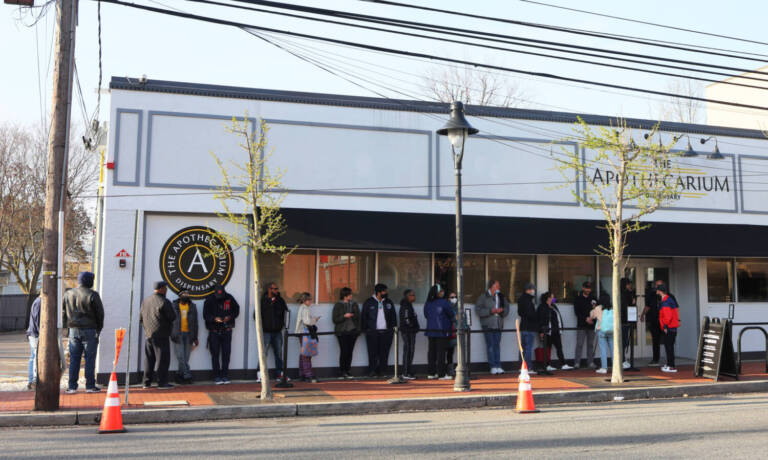
While there are medical-only dispensaries, these locations are rare and will likely disappear with the passage of time due to the profitability of recreational weed.

Some dispensaries have worked around this issue by separating medical from recreational products. “We wanted to, you know, take into account that there might be a frustration level with our loyal patients who didn’t want to contend with long lines, because they knew what they wanted,” said Ellie Besancon, executive director of Green Goods dispensaries.

RELATED: Biden Probably Won’t Reject Senate-Approved Cannabis Legalization Bill Despite Unclear Stance

Dispensaries are always supposed to have products for their medical patients, but the past two weeks have proved to be an awakening for most of these businesses, providing them with an unprecedented influx of consumers. The kinks will likely resolve with some time, but it’s important for the state to make rules to speed the process along and provide support to the customers who need it most.

Don't Miss Your Weekly Dose of The Fresh Toast.

Stay informed with exclusive news briefs delivered directly to your inbox every Friday.

We respect your privacy. Unsubscribe anytime.