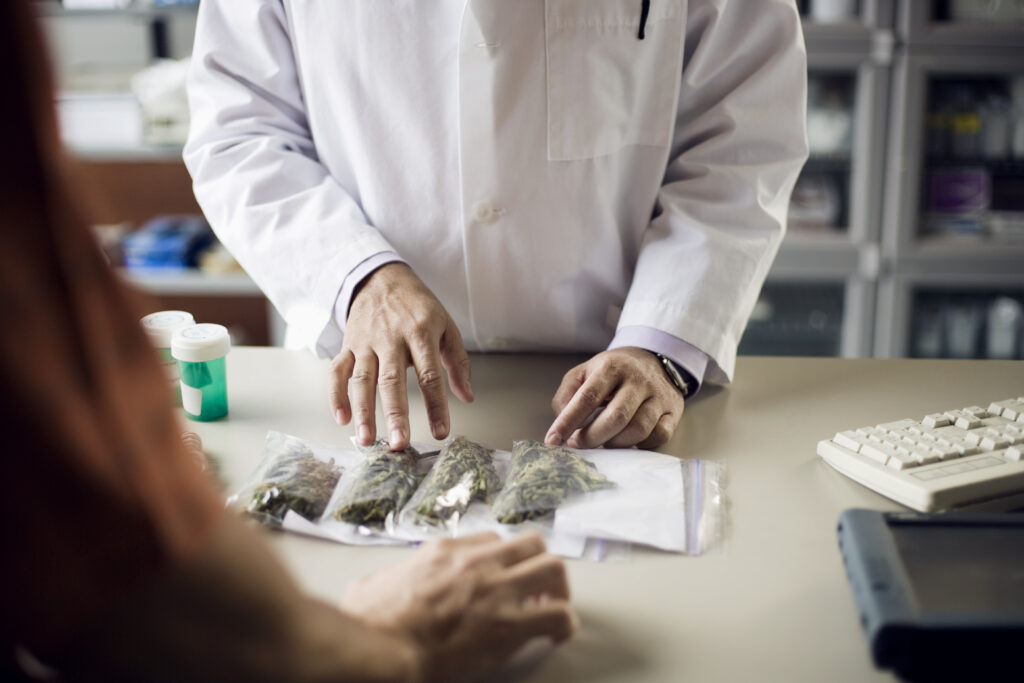
Eric Adams elaborated on his earlier statements regarding the use of federal housing rooftops as greenhouses to cultivate marijuana.
New York Mayor Eric Adams admits his idea to use federal property to grow federally illegal weed may hit a few bumps in the road, but he has an idea. He says that by asking for a “waiver,” the state could bypass federal rulings, avoiding conflict and providing use to this public space.
Adams first shared his “rooftop greenhouse” idea at a conference in Albany this past weekend. “We want to examine the possibilities of having a greenhouse space on (New York City Housing Authority) rooftops to grow cannabis,” he said. “The jobs can come from NYCHA residents. The proceeds and education can go right into employing people right in the area.”
The U.S. Department of Housing and Urban Development, which is responsible for these types of permits and authorizations, said they hadn’t been contacted by Adams’s office. “There isn’t much more to say, marijuana is illegal in public housing,” they said in an email to Gothamist.
On Tuesday, he was asked about the statements he made, making it clear that addressing the federal hurdles was among his priorities. “We have to get over the federal hurdle because, right now, the federal government does not recognize the legalization in the state,” Adams said. “I believe there’s a great opportunity for cannabis to be grown on NYCHA rooftops, with an employment aspect of it and using the medical cannabis aspect of it.”
Still, despite standing behind the idea, he recognizes that there are a lot of steps involved in circumventing cannabis federal laws. “We’re going to sit down with the federal government and federal agencies, [and] see if it’s a possibility to get a waiver [and] how we can get it done,” he said.
Adams believes using these rooftops could provide opportunities for employment and better use of the city’s space.
The U.S. Department of Housing and Urban Development (HUD) receives money from the federal government, something that could be put at risk if marijuana were to be introduced into the equation.
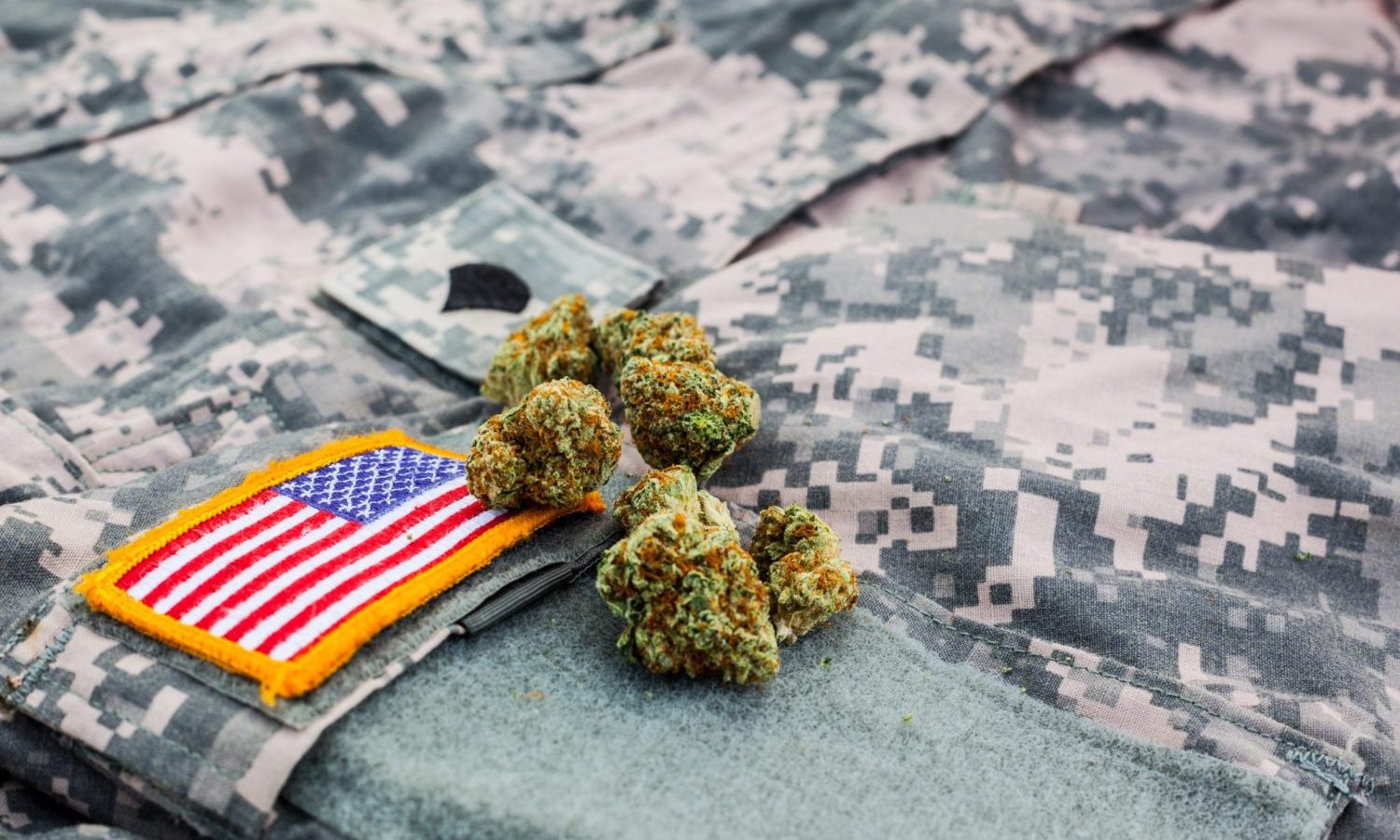
It’s simply unfair that even medical marijuana would be off-limits for army recruits, even if they have MMJ cards that have been issued by doctors for health conditions.
According to the Research and Development Corporation (RAND), military recruits who make it into the army even if they have records of low-level cannabis consumption did not perform worse compared to other soldiers.
This should be good news for recruiters around the country, considering that a majority of new recruits originate from states where cannabis has been legal medicinally.
However, cannabis use is still considered a disqualifying offense for hopeful recruits. Now those who have given it up a long time ago may request for a waiver, which is what recruits can do when they have conditions such as insomnia or diabetes.
Now, there’s a new congressional bill that would make the consequences for cannabis use or possession among military members similar to those if they are caught intoxicated from alcohol while on duty, reports Marijuana Moment. Filed by Rep. Anthony Brown, the Restoring Equity for Offenses Related to Marijuana (REFORM) Act would make changes to the current Uniform Code of Military Justice so that alcohol and marijuana penalties are similar.
According to the bill, the fine for cannabis use wouldn’t be worse than being “drunk on duty.” Currently, if military members were caught for wrongful possession of up to 30 grams of marijuana, they could face “dishonorable discharge, forfeiture of all pay and allowances, and confinement for two years.” Meanwhile, if they are caught with over 30 grams, this could exceed confinement to five years maximum.
Why The Military Should Be Allowed To Use Cannabis
Members of the military should be allowed to use cannabis, even off-duty. Just because they do so in their free time should not make them prone to dishonorable discharges.
Going back to RAND Corporation, there is no strong evidence that cannabis legalization in the United States has made an impact on the types of recruits in the army. “Contrary to expectations, waivered recruits and recruits with a documented history of marijuana or behavioral health conditions are not uniformly riskier across all dimensions,” says their almost 200-page report on army waivers. “In some cases, they are historically more likely to perform better.”
Now that legalization is spreading in the United States, more active duty soldiers have become vocal about the current policy. According to American Home Front, army veteran Matthew Kahl had to end his second deployment since suffering a serious face injury as well as spinal injuries, traumatic brain injuries, and post-traumatic stress disorder. Because of these, he had to be given some 20 different medications.
He then relocated to Colorado to start trying medical cannabis as an alternative, and he reports that it worked. It helped him get off many of the medications one by one, and eventually he was able to stop taking any of them altogether. Now, he manages an organization that helps veterans access the right to use medical cannabis.
Photo by DerwoodPhotography/Getty Imagess
“I know of people who are deployed, and they often come across hash in Afghanistan,” he tells the American Home Front. “They use hash to medicate not just to medicate the horrors, the hardships of war, but to alleviate the boredom,” he says.
Deciding the rules around cannabis use is what the government need to figure out, at least in the beginning. It could be understandable that, given cannabis does have psychoactive THC in it and that it could be worrisome to trust an individual high on it while using a firearm, there should also be allowances off-duty at the very least. Soldiers can also definitely make use of the calming properties of cannabidiol (CBD), which doesn’t get you high; on the field, this can help relieve traumatic stress immediately, and help them sleep better to do the job the next day.
This hasn’t stopped members from fighting for what they think is right.
In 2020, the House Armed Services Committee approved a $740.5 billion defense policy bill which had a provision stating it would allow one-time reenlistment waivers for former troops if they admit to cannabis use. The proposal by Rep. Ruben Gallego states that service members who end up separating from the army and want to reenlist in the future can request for a waiver if they admit to cannabis use, though it’s on a case by case basis, reports Military.com.
“Smoking pot just once shouldn’t prevent a patriotic American from fighting for our country,” said Gallego in a release. “We need to finally exercise some common sense when it comes to our marijuana policies, and I’m glad my amendment will lead us in that direction.”
He has been proposing this idea every year since 2018, and it was finally passed that same year. He’s not the only one, and it won’t be the last time people will be lobbying for amendments in military law.
Photo by RODNAE Productions from Pexels
Additionally, it’s simply unfair that even medical marijuana would be off-limits for army recruits, even if they have MMJ cards that have been issued by doctors for health conditions. In contrast, if veterans request for help from the US Veterans Administration, they won’t be denied benefits due to cannabis use. In fact, they are encouraged to talk to their VA providers about marijuana use.
“VA health care providers will record marijuana use in the Veteran’s VA medical record in order to have the information available in treatment planning. As with all clinical information, this is part of the confidential medical record and protected under patient privacy and confidentiality laws and regulations,” according to the VA’s website.
Hopefully, we’ll see more changes to help active duty soldiers maximize the use of cannabis.
Whether you’re shopping for the connoisseur in your life, or just want to keep your smoke sesh on the DL, we’ve got you covered this 420 with some of our favorite products.
We know better than to tempt Floridians with a good time, but this year’s 420 is destined to be the best one yet.
Whether you’re staying in or attending one of the many cannabis-friendly events across the state like The Florida Groves Festival or the annual 420 Fest in Miami, we’ve curated a comprehensive gift guide that will appeal to every type of consumer.
From premium flower to discreet edibles, these products will take your 420 celebrations to the next level.
Are you searching for the perfect high this 420? Origyn’s team of dedicated cultivators has developed some of the most innovative extracts that harness the raw power of each stain. Origyn’s proprietary processes pinpoint the plant’s purest and most potent traits to create truly superior experiences.
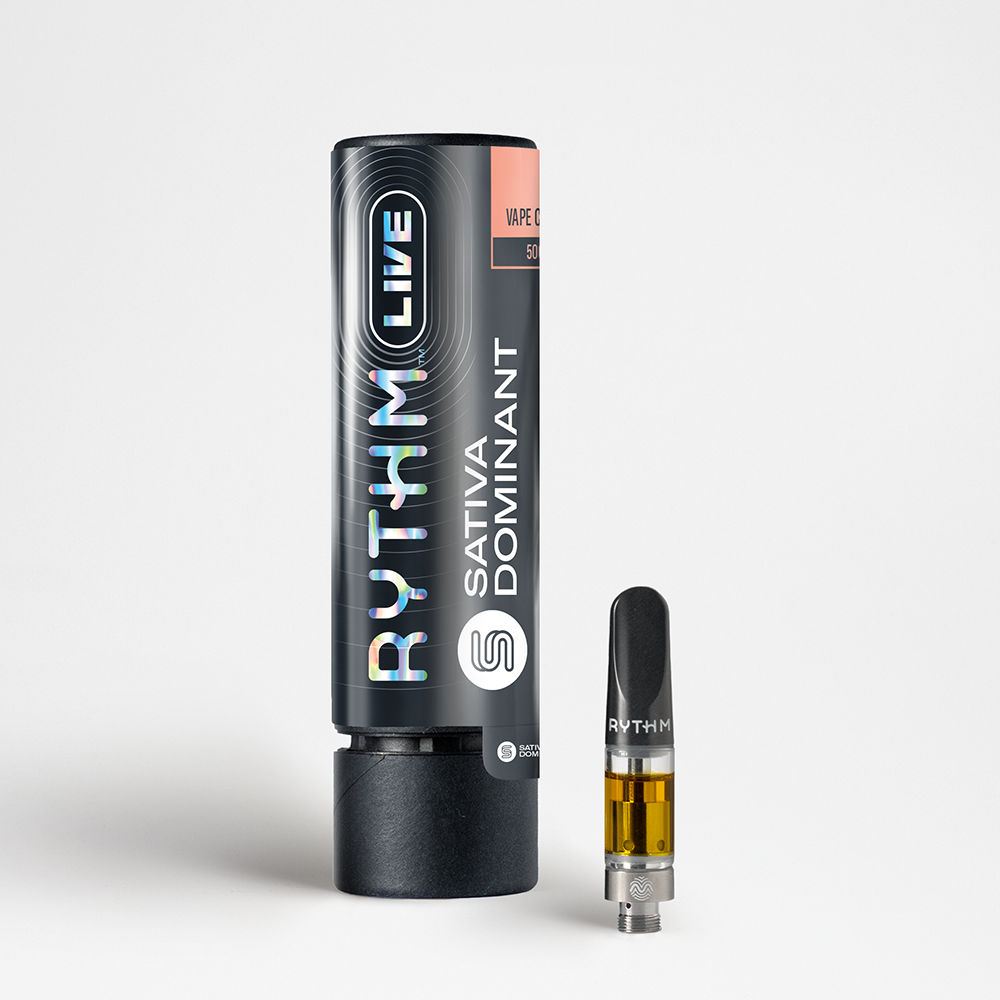
RYTHM’s premium vape pens and cartridges use only high-quality, full-spectrum C02 oil and 100% strain-specific terpenes to create a lasting high. The cartridge contains no fillers or additives, and the mind-elevating sativa-dominant, Jack Herer, has a sweet and tart flavor profile with a lemon-berry nose.
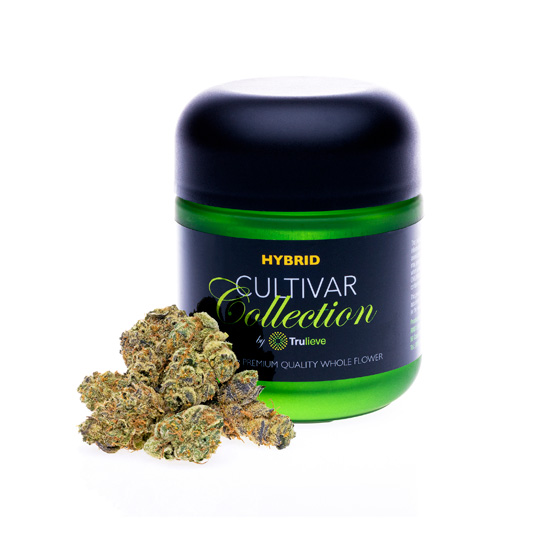
Trulieve spent years meticulously pheno-hunting ideal potencies, terpene profiles and aesthetics to create its Cultivar Collection. Each small batch harvest is hand-trimmed and slow dried to ensure the highest possible standards. Popular strains include Root Beer Float, Banana OG and Do Si Dos.
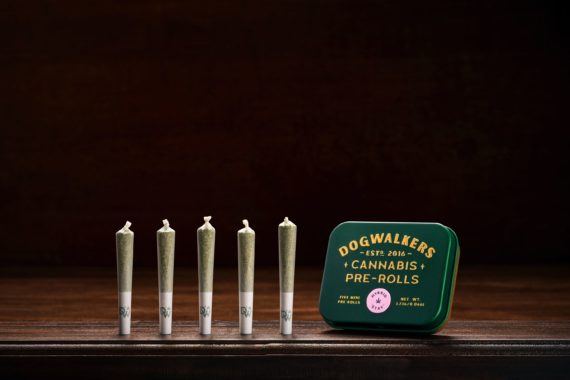
If you plan to spend 420 outdoors with your dog, Dogwalkers Mini Dog pre-rolls are designed to complement a leisurely stroll around the neighborhood with your four-legged companion. Not only are the pre-rolls hand-packed with premium flower and packaged in a sleek tin, but a portion of all sales go to deserving animal shelters across the country.
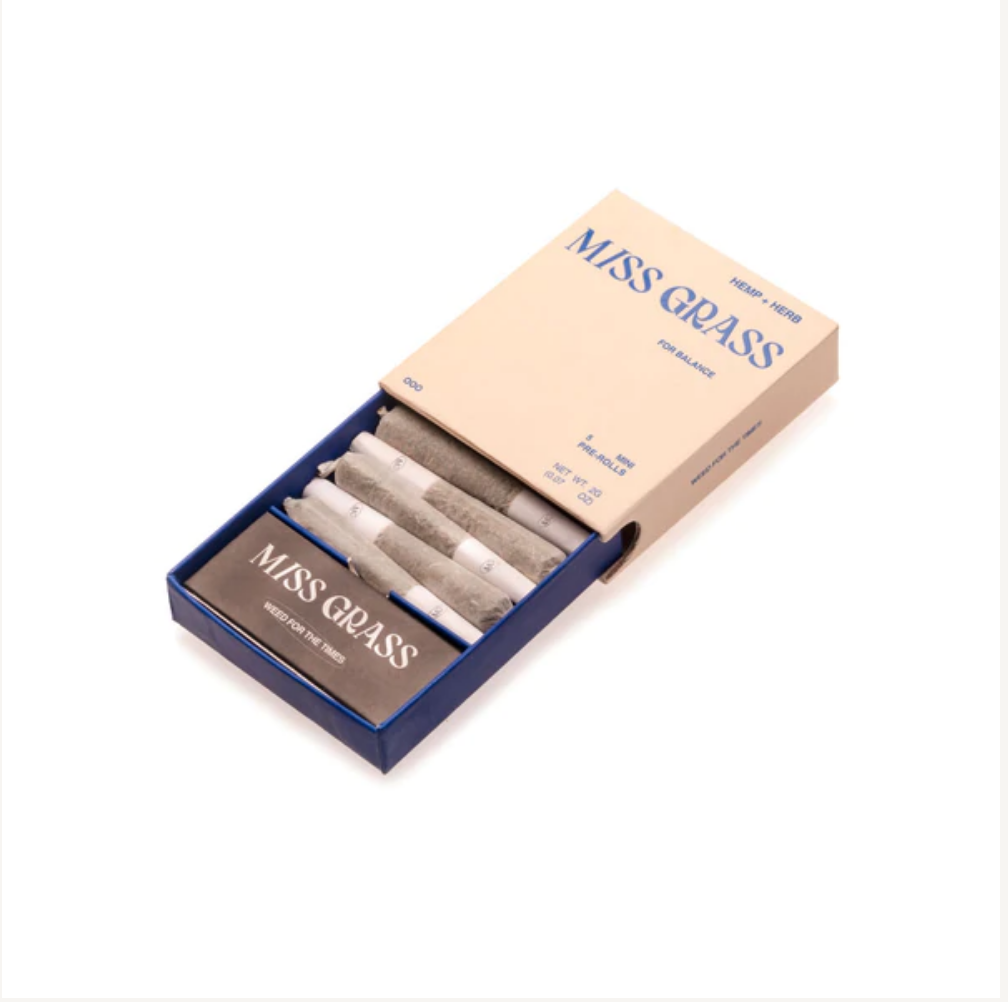
Miss Grass’ hemp is available in boxes of five .4g mini pre-rolls and formulated with adaptogenic herbs that create heightened effects without using THC. Available in Balance, Pleasure and Sleep offerings, these pre-rolls are perfect for those seeking out a blissful body high.
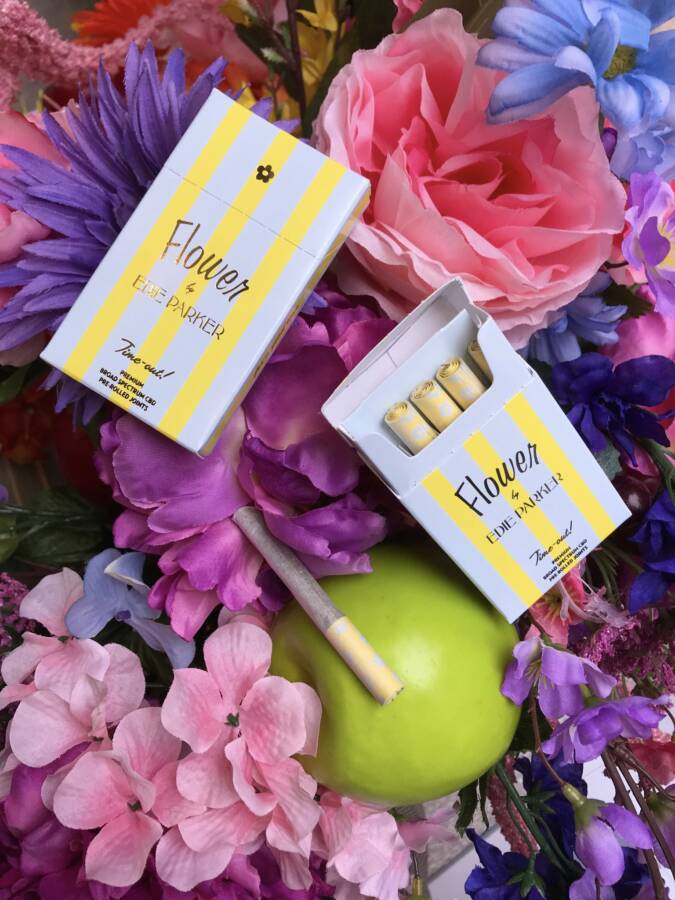
Edie Parker’s CBD joints are the perfect addition to any self-care routine. Filled with 2.5 grams of 100% premium broad-spectrum CBD flower, these elegant pre-rolls are also great for impressing friends during a chill night in.
If this is your first time celebrating 420, Muse vapes are tailor-made to ease you into the world of cannabis. Each cartridge contains distillate and strain-specific botanical terpene profiles to provide mind-expanding experiences. We highly recommend pairing Muse with your favorite album or book to unlock what’s within.
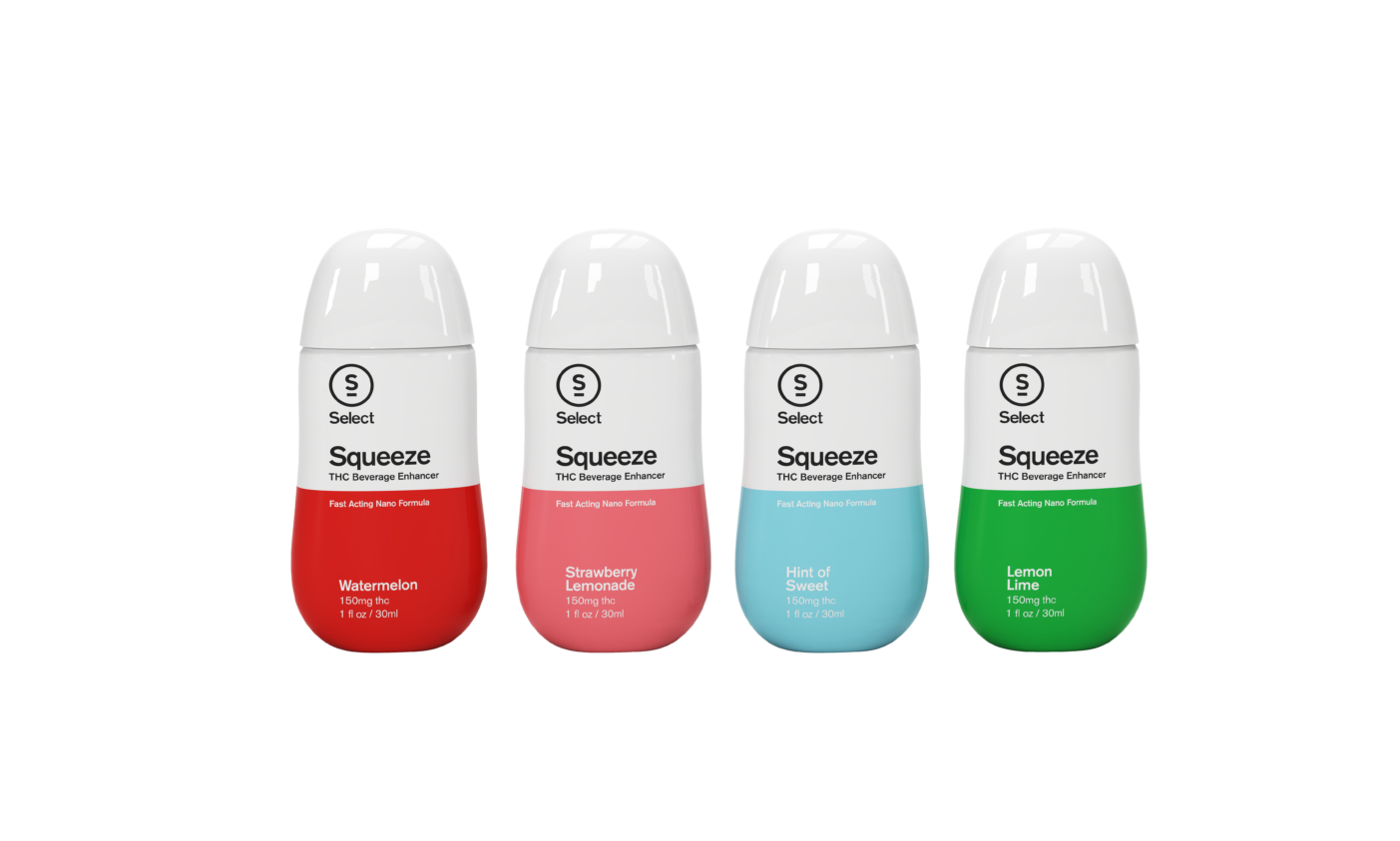
This infused beverage enhancer is a perfect way to elevate your drinks. The water-soluble liquid is infused with nano-emulsified cannabis oil that gives any drink a flavorful, THC-infused kick. The pocket-sized self-measuring bottle precisely dispenses 5 mg of THC and ensures controlled and predictable cannabis experiences each time. Select Squeeze is available in four inviting flavors, including lemon lime, watermelon, strawberry lemonade, and hint of sweet.
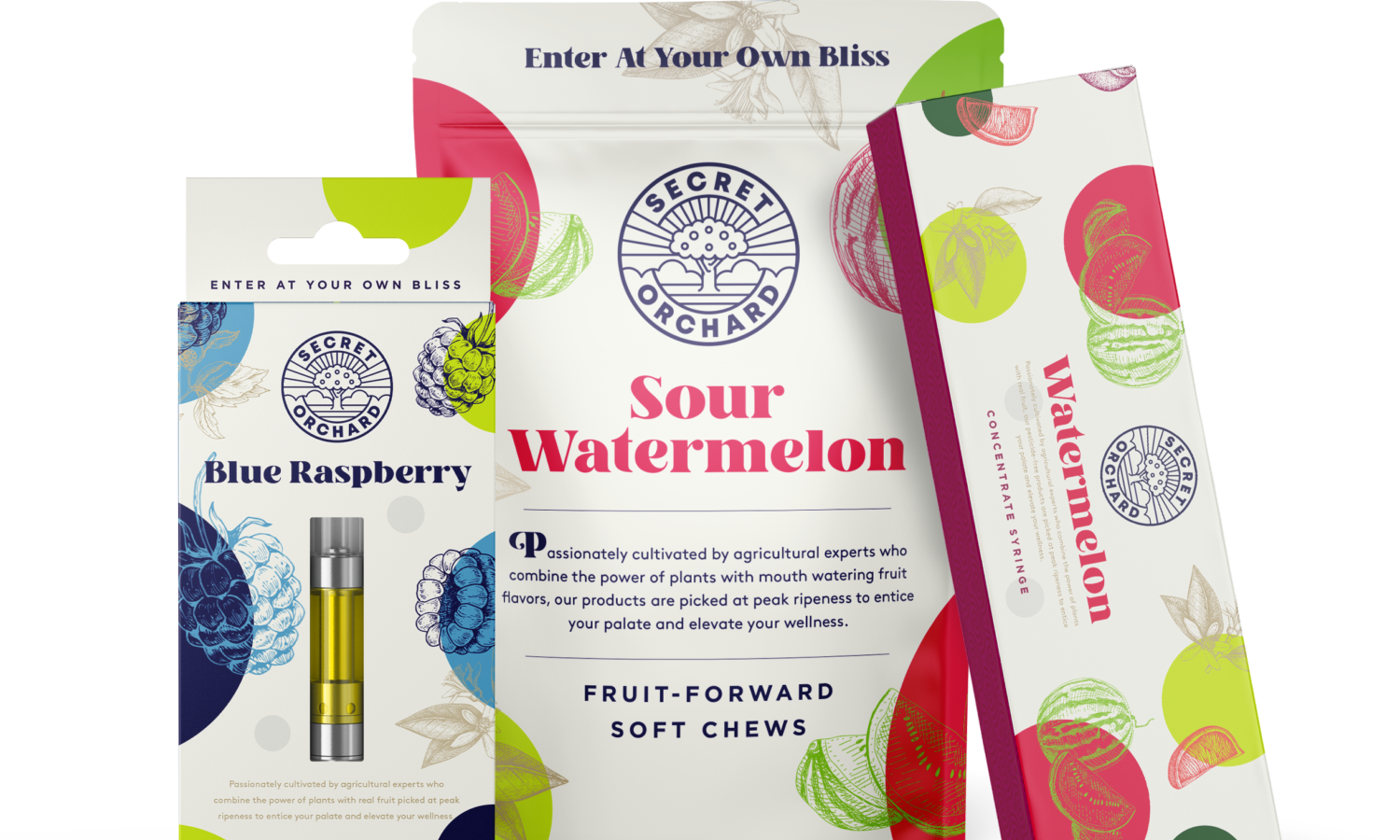
Secret Orchard’s expert cultivators are responsible for the magic behind these high-quality fruit-forward soft chews. These tantalizing confections combine the raw power of cannabis with amazing fruit flavors, such as Sour Watermelon and Blue Raspberry. They’re perfect to bring along with you if you’re headed out this 420.
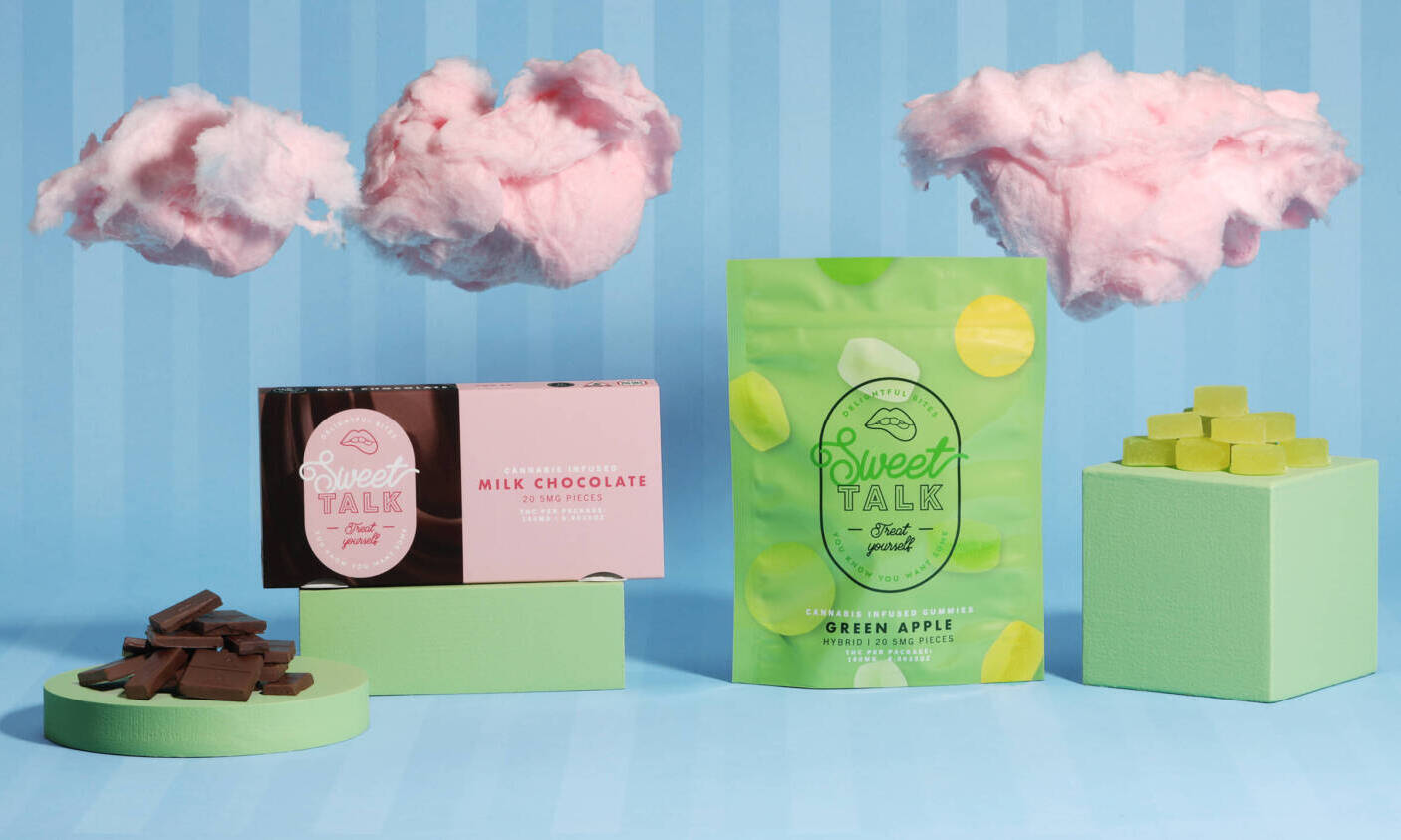
Lookingfor a 420 sugar fix? Sweet Talk’s gummies and chocolate bars are infused with premium quality cannabis and available in nostalgic flavors like raspberry lemonade and green apple. These bite-sized pieces of euphoria are sure to leave a big smile on your face.
It’s not too late to purchase some goodies for 420! Here are some great products you may want to explore.
420 may have started out in California, but it’s quickly become a beloved holiday in Massachusetts.
The Carniroll music and carnival experience is hosting The Roll Up, a music and community celebration headlined by Wiz Khalifa, Waka Flocka Flame, and others on April 15-17 in Northampton.
Mas Grass Festival, April 23rd-24th, is another cannabis-forward music and community event happening in Greenfield. The event will host 25 bands, feature a Mystical Village, and a 21+ Glass and Grass Lounge.
Whether you’re going all out or planning a chill get together this year, our curated 420 gift guide has something for every kind of consumer. From artisanal infused chocolates to high-tech vapes, these products are sure to elevate the vibes at any 420 celebration.
If you’re searching for a delicious gluten-free cannabis treat on 420, try Koko Gemz Handmade Infused Chocolates. 4Front Ventures’ master chocolatiers selected the highest quality ingredients for these rich, handcrafted Belgian chocolates. Its latest Ruby Red flavor is made from a special blend of ruby cacao beans and contains an elusive flavor with notes of fresh berries.
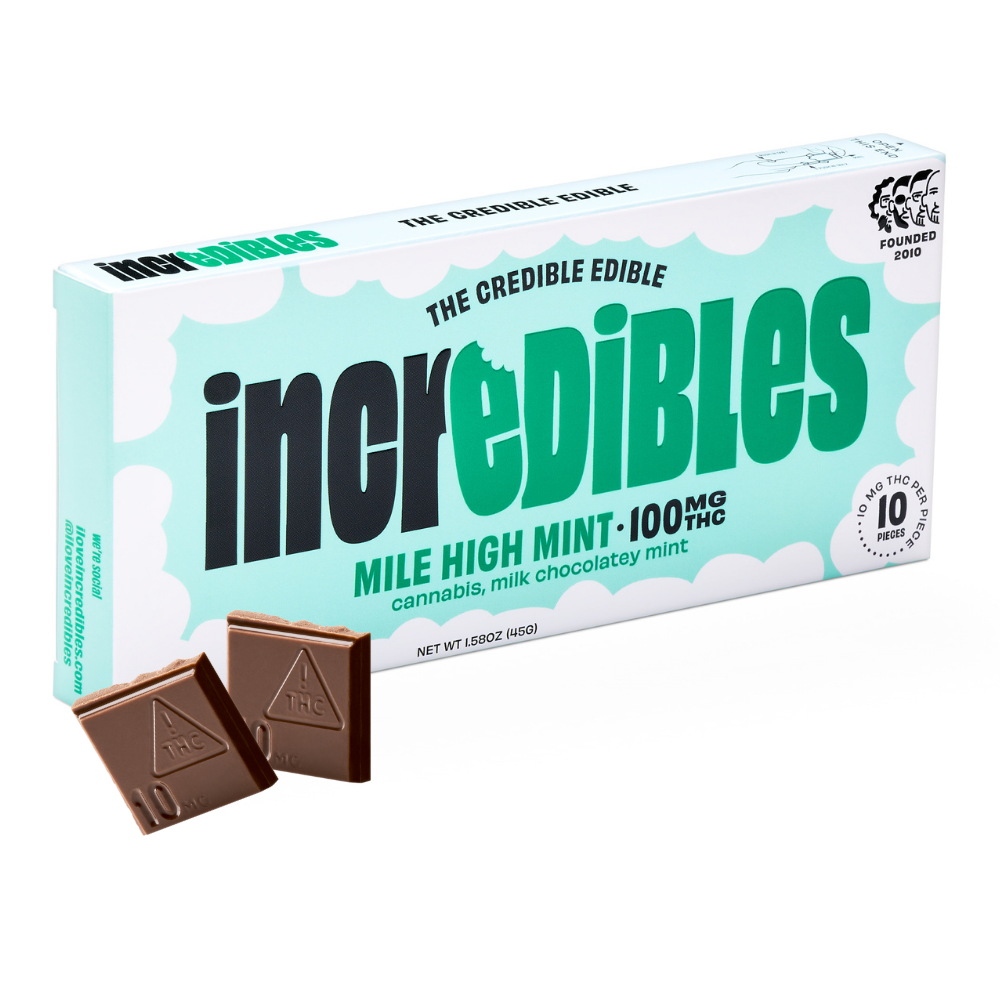
incredibles’ Mile High Mint bar is a great treat to bring along if you’re hiking on 420 and looking to reach peak elevation. The award-winning milk chocolate bar is made with pure THC distillate and contains 10mg of THC per square. The incredibles lineup also includes flavors like Snoozzzeberry, Strawberry Crunch, Peanut Butter Buddha, Monkey Bar and Black Cherry.
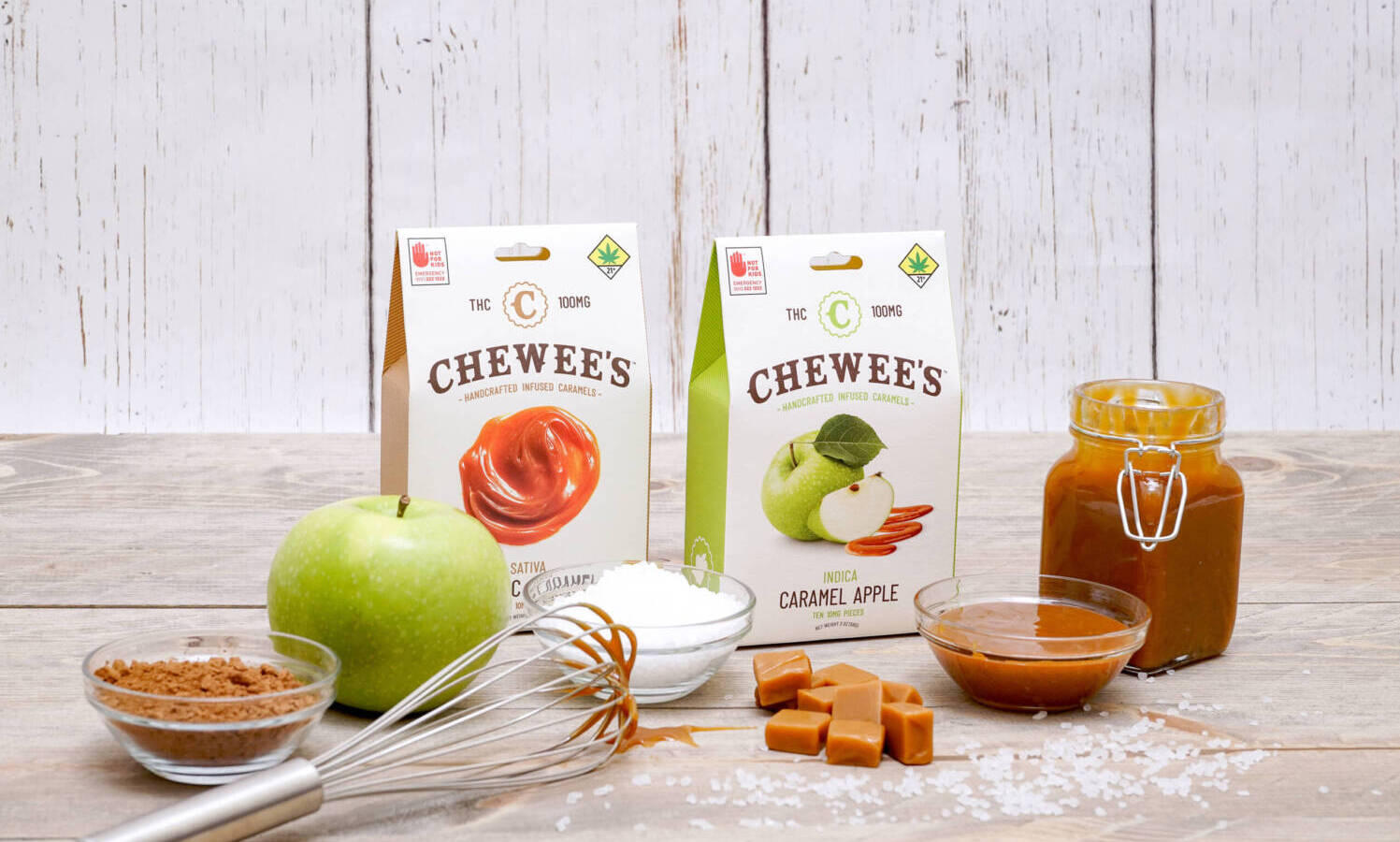
Trying to find a gooey, delicious treat for a cannabis-loving sweet tooth? Chewee’s hand-crafted infused caramels are available in indica and sativa blends with flavors like Cappuccino, Caramel Apple, Mocha, Sea Salt, and Classic. Made from only 8 ingredients, each Chewee caramel is vegetarian and gluten-free.
For lovers of sweet and sour candy, Hi-Burst infused fruit chews melt in your mouth and are designed to delight and offer a consistent high with each piece. This gluten-free treat is available in indica and sativa and blends and nostalgic flavors including Raspberry Lemonade, Blue Raspberry and Green Apple.
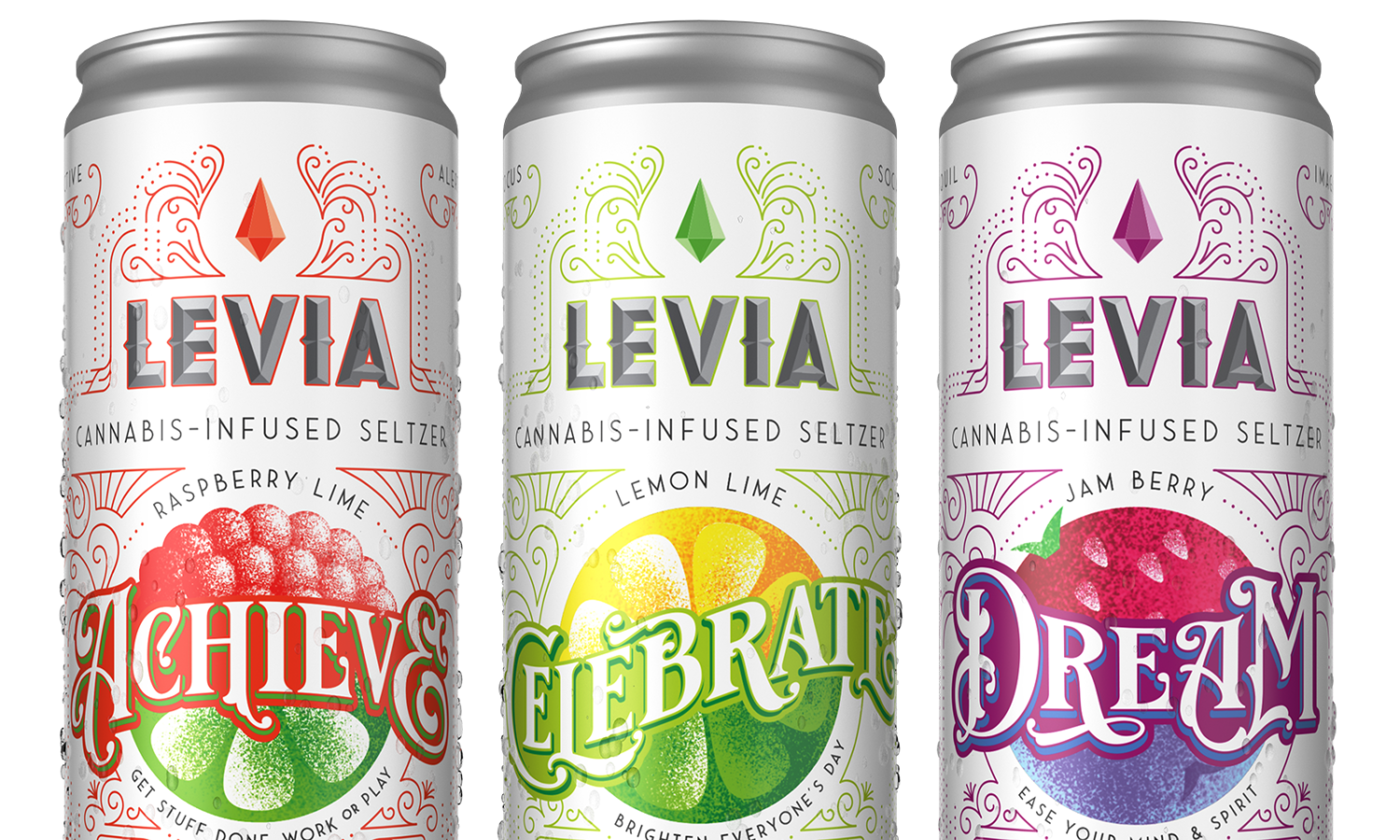
If you’ve been on the lookout for a healthier buzz, Levia’s cannabis-infused seltzers deliver a crisp and refreshing taste with zero calories and sugar. The newest seasonal flavor “Mellow Mule” is a hybrid cannabis blend combining ginger with a hint of lime. Mellow Mule launches for a limited time in celebration of 420.
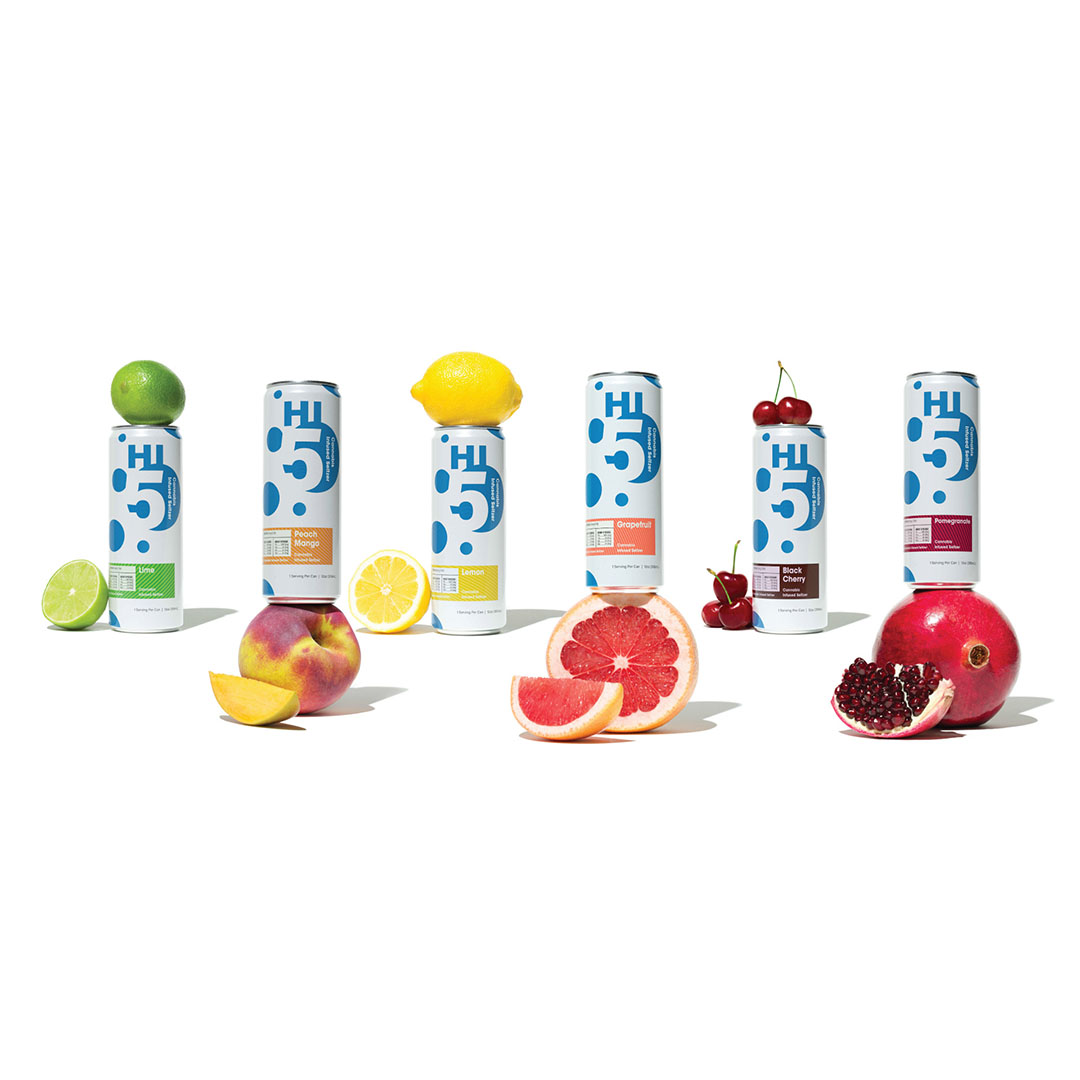
After the Summer of White Claw in 2019, it was only a matter of time until the cannabis space followed suit. With 5 mg of THC per can, Hi5 is the perfect alternative to hard seltzers or liquor. This all-natural, zero-calorie infused seltzer is formulated to kick in within five minutes and is available in refreshing flavors such as peach mango, pomegranate and pineapple.
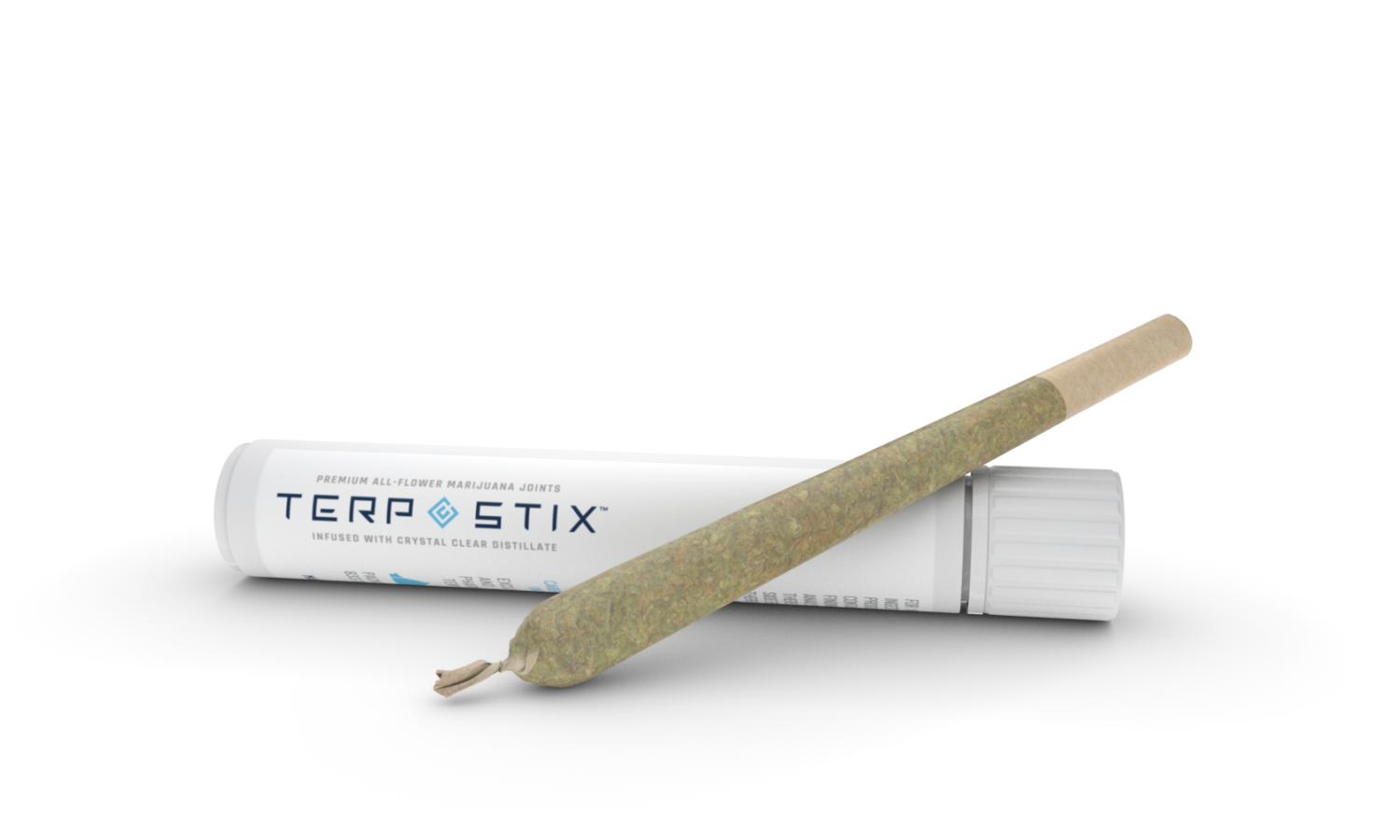
Are you headed to a 420 party this year? Terp Stix™ is a canoe-free pre-roll that burns evenly and is designed for smokers with a high tolerance. These high-quality distillate-infused pre-rolls are guaranteed to impress experienced smokers at any gathering.
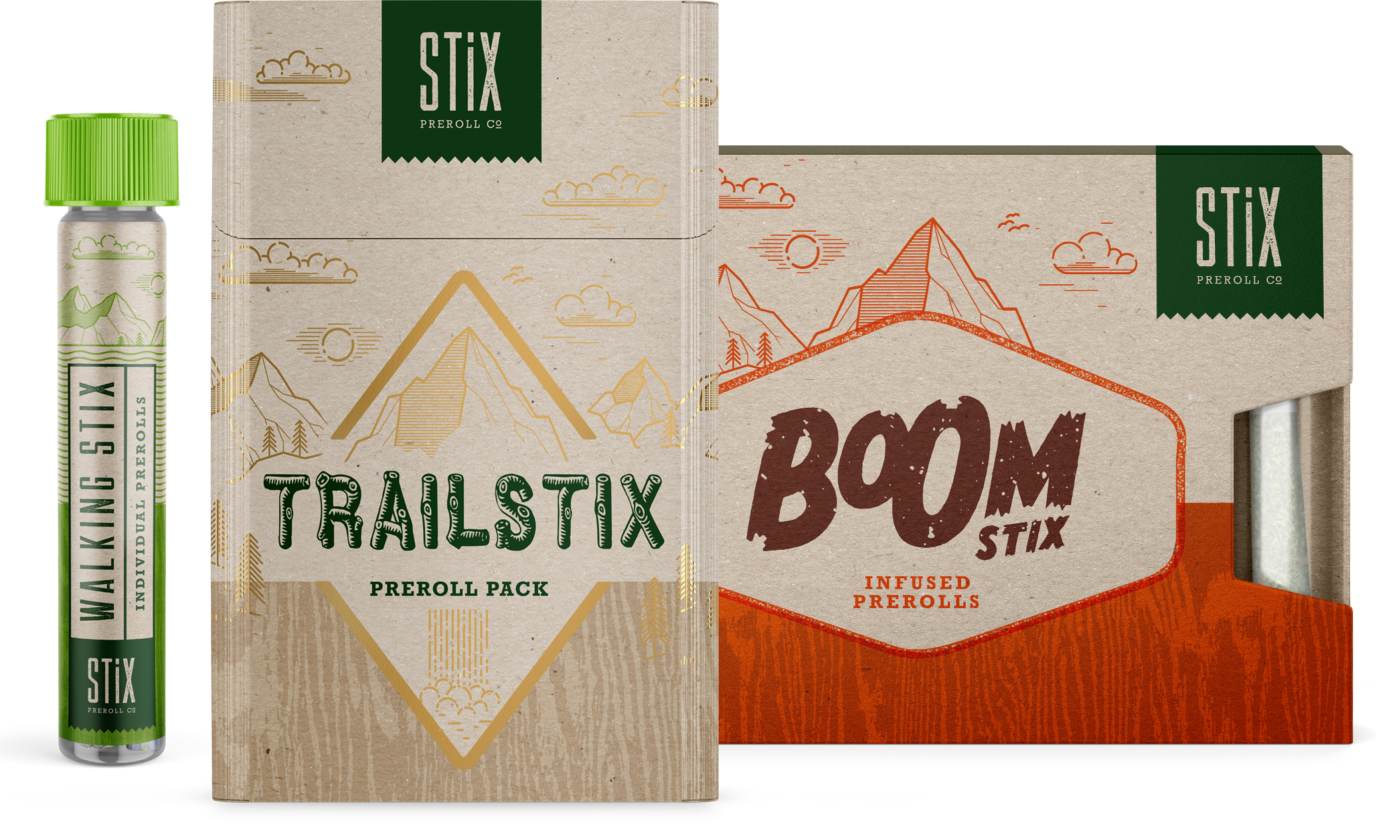
Thinking of going for a hike or going on a trip with friends during the holiday? StiX pre-rolls were made to be compact, convenient and easy to light anywhere. The premium cannabis is expertly rolled to ensure a smooth delivery that burns perfectly.
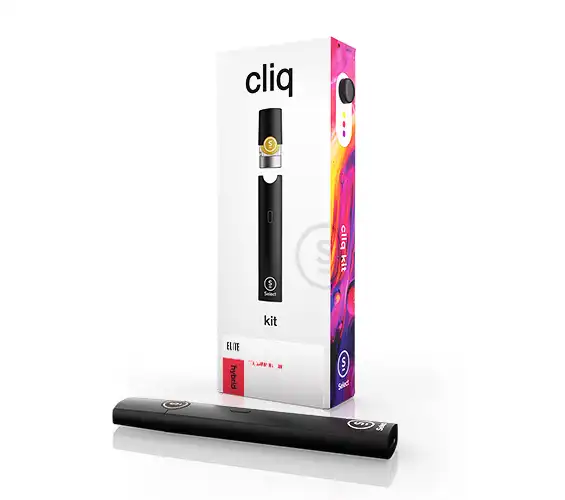
For vape connoisseurs on 420, Cliq by Select is a pocket-sized vape delivery system that uses gravity-fed pod technology to ensure you enjoy every drop of oil. Cliq’s hardware is only compatible with Select’s best-selling Elite oils and guarantees high potency and a broad spectrum of cannabinoids with the highest concentration of activated THC.
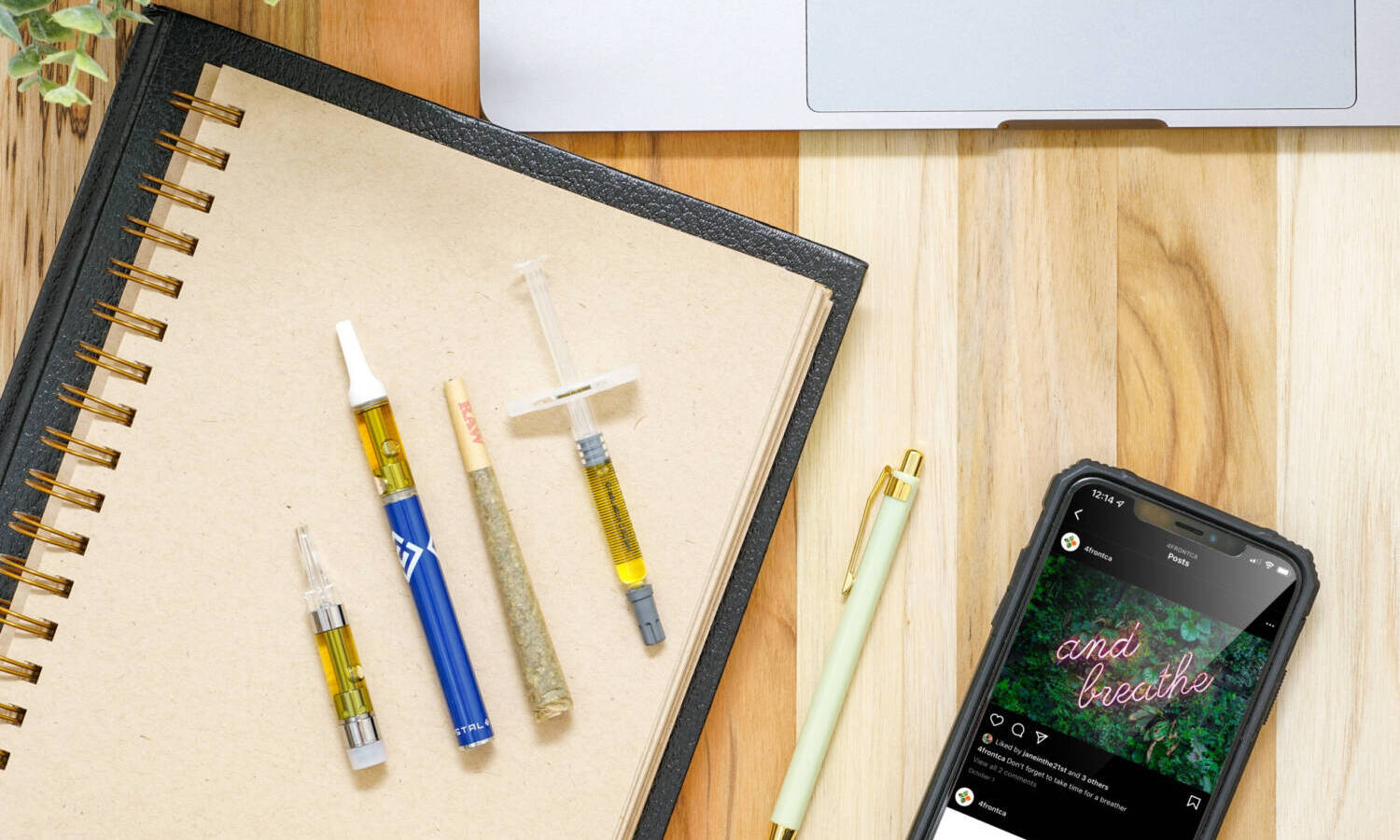
We like the founders of Crystal Clear because they are obsessed with quality control and creating a product that delivers a great high every time. These cartridges and disposable pens are available in proprietary blends that replicate a flower’s terpene profile to create the same high without tars and resins.
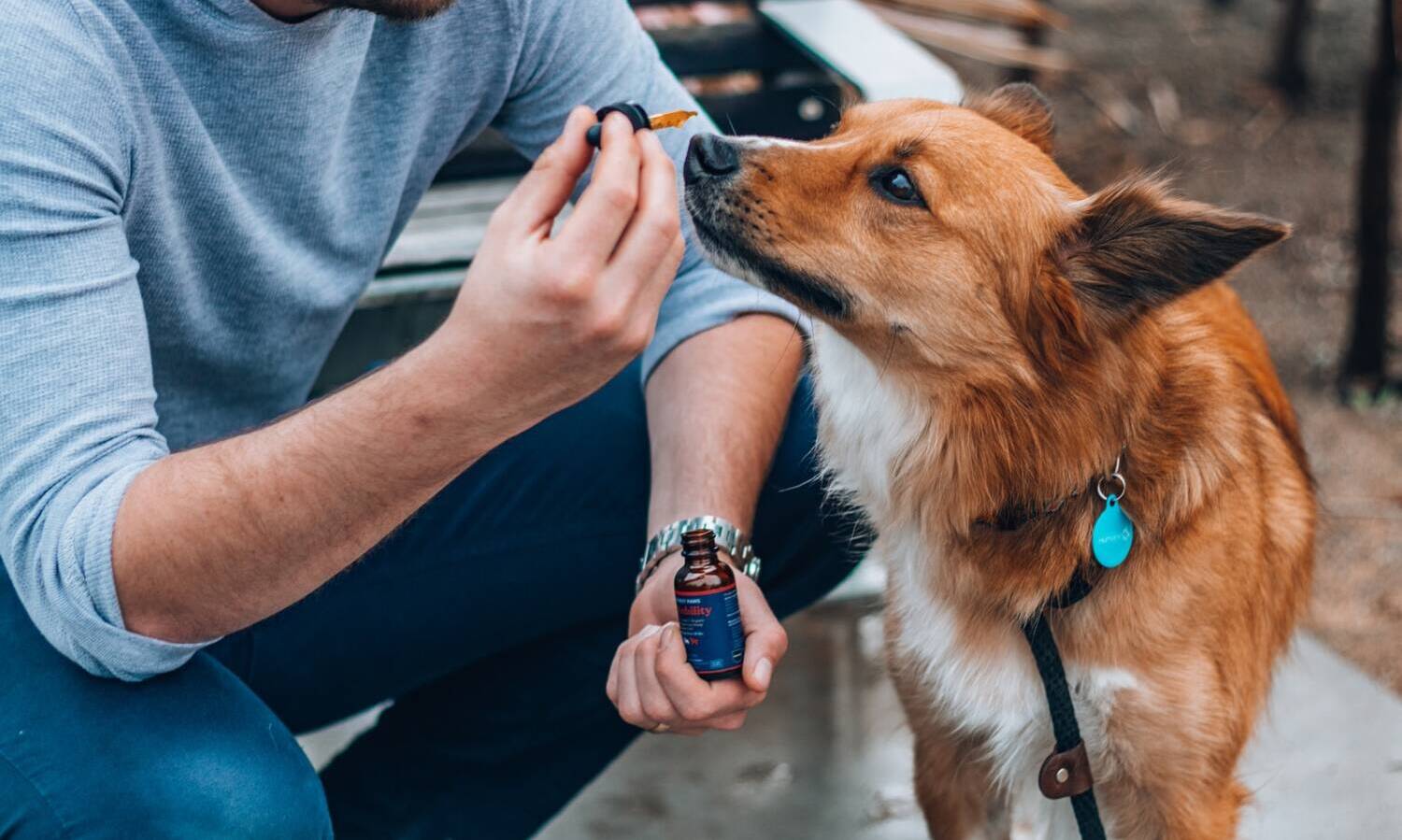
Although owners are always discouraged from using cannabis products formulated for humans on their pets, there is a growing variety of hemp derived products that may help relieve joint pain.
You see them in the dog parks and on walks around the neighborhood — those slower moving old dogs still doing their best to be the best companion they can be, striving to keep up the pace they once had. Try as they might, age and disease take a toll.
A whopping 70 million dogs experience some form of osteoarthritis (OA), a chronic form of joint inflammation that is the result of cartilage deterioration. It is a painful condition experienced by dogs, especially those in their senior years. Similar to humans , pain and swelling, stiffness, and aching joints are common symptoms.
Also similar to humans, there is no known cure. The therapeutic goal is usually to simply reduce the impact of symptoms, to make walking, getting up and down and even sleeping a bit more comfortable. Typically veterinarians and pet owners employ a variety of medicines such as NSAIDs, steroids and opioids to reduce their joint pain. The problem is each of these commonly used approaches comes with their own risks, including increased risk of heart attack, stroke, and weakening of bones.
Fortunately, the active compounds in the cannabis plant are also showing promise when it comes to treating the pain associated with certain types of canine arthritis. Amendments to the 2018 Federal Farm Bill stated that hemp containing less than 0.3% THC can be legally grown, sold, and possessed in every state in the U.S. That number is not only important for the legality of the products but is also at a threshold so low that it ensures pets will not become intoxicated.
A 2020 study by Baylor College of Medicine, published in the journal Pain, examined the use of CBD for canine OA. It showed both a significant decrease in pain and an increase in mobility for the affected animals.
This comes as no surprise for veterinarians like Dr. Tim Shu, who have been using whole plant CBD dominant products formulated for pets for years. I recently interviewed Dr. Shu for my YouTube series, Saturday Sesh, where he reminded us that, “..cannabis was a part of the veterinary pharmacopeia just like how it was for humans. Prior to the 1900s cannabis was recognized as medicine not just for humans but also for animals as well. There’s also texts from ancient civilizations that go into the use of cannabis as medicine for not just humans but also for animals.”
Although owners are always discouraged from using cannabis products formulated for humans on their pets, there is a growing variety of hemp derived products that may help do the trick. Dr. Shu reminds us that for those pet parents seeking to include cannabis based medicines for their animal’s health, it is important to not only consult a veterinarian, but to also seek out products that are formulated specifically for pets and have been laboratory tested.
Click HERE to watch the entire conversation with Dr. Shu.
For those new to the biggest cannabis holiday of the year, there’s never been a better time to get started on your journey.
Are you looking for a special way to celebrate 420 this year or just a fun gift for the cannabis enthusiasts in your life? Illinois’ growing selection of products can be overwhelming for new and returning consumers alike, which is why we’ve curated a list of our favorite brands that will make this year’s 420 the best one yet.
For those new to the biggest cannabis holiday of the year, there’s never been a better time to get started on your journey! From elegant mini pre-rolls to discreet edibles, there are options for consumers looking for a more low-key experience.
No matter where you are on your cannabis journey, these standout products will resonate with every kind of consumer.
Photo by XtockImages/Getty Images
If You Want a Good Time While Supporting a Good Cause:
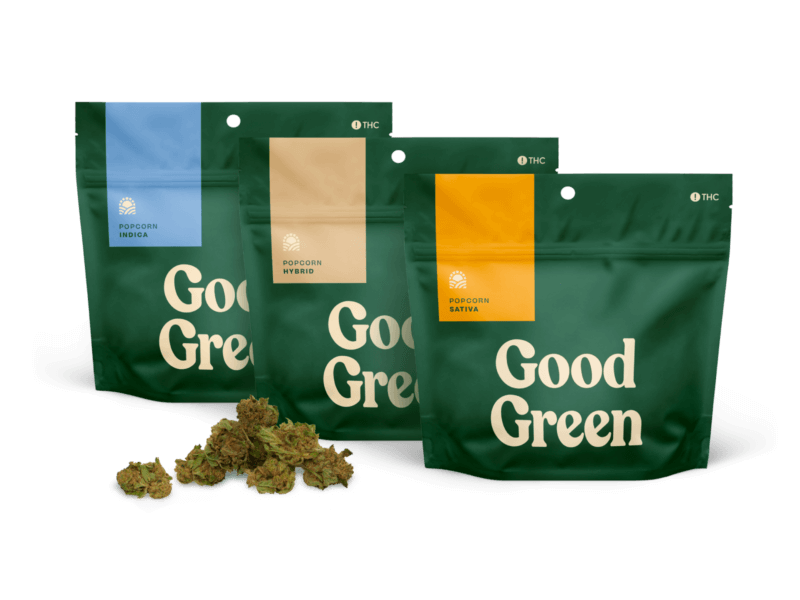
This 420, take some time to support the Good Green mission to partner with change-making organizations to create real, sustained progress against the War on Drugs in Black and Brown communities. Proceeds from Good Green sales support local nonprofitsselected through the grant application process so now you can enjoy a quality smoke while supporting a good cause. Good Green offerspopcorn buds at a great value with a unique three-eighths (10.5g)in a variety of Sativa, Hybrid, and Indica strains. The extra eighth makes this a smart idea for big gatherings.
If you plan to spend 420 outdoors, Dogwalkers Mini Dog pre-rolls are designed to complement a leisurely stroll around the neighborhood with your four-legged companion. Not only are the pre-rolls hand-packed with premium flower and packaged in a sleek tin, but a portion of all sales go to deserving animal shelters across the country.
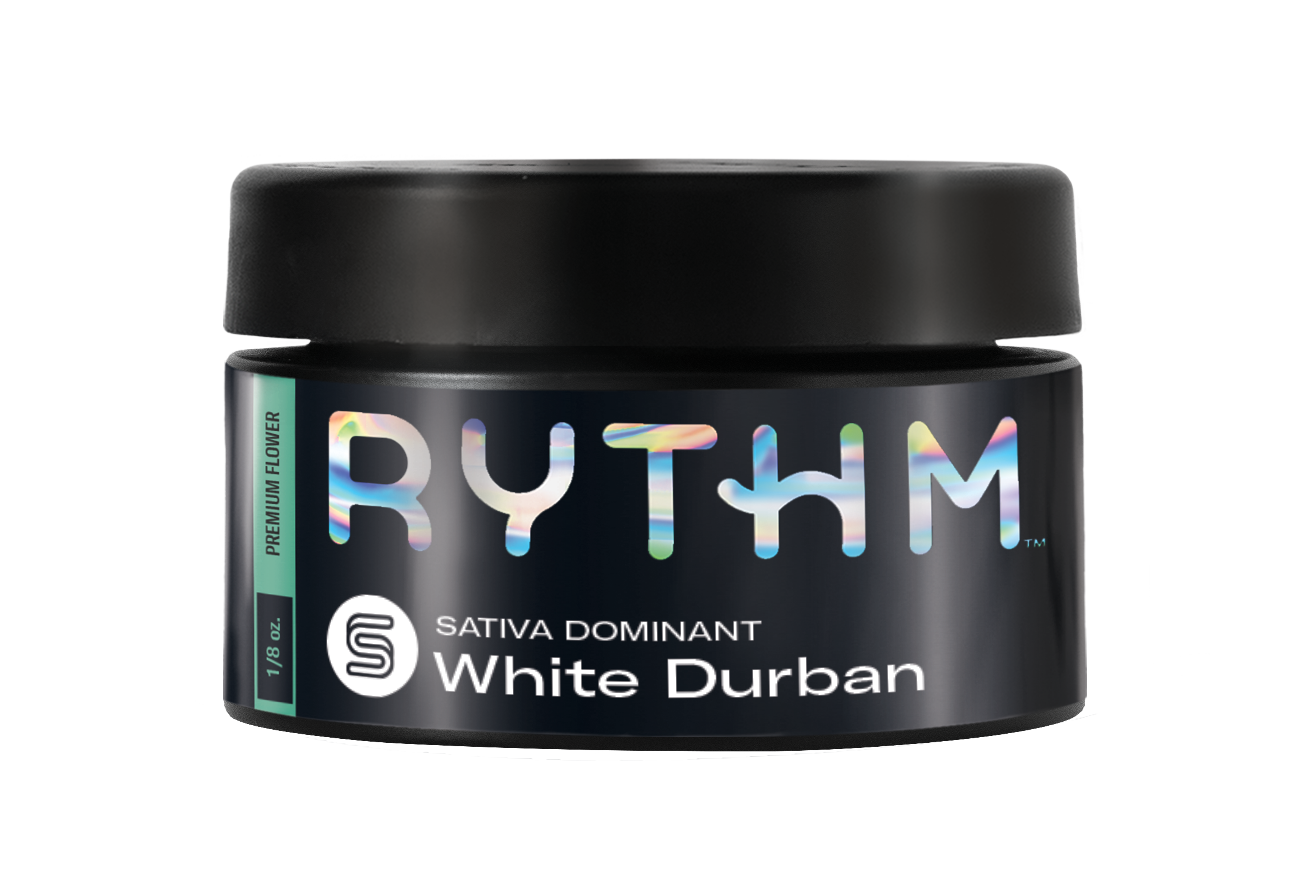
For true cannabis connoisseurs, RYTHM Hybrid Premium flower eighths offer a variety of expertly cultivated and meticulously cured strains with optimal potencies, lush aromas, and rich flavors. Our favorite strain of the moment is White Durban, a sativa-dominant offeringthat offers a euphoric and stimulating high. This strain is known for its notes of sweet earth and fuel, and its buds which are coated in a dense layer of glimmering trichomes.
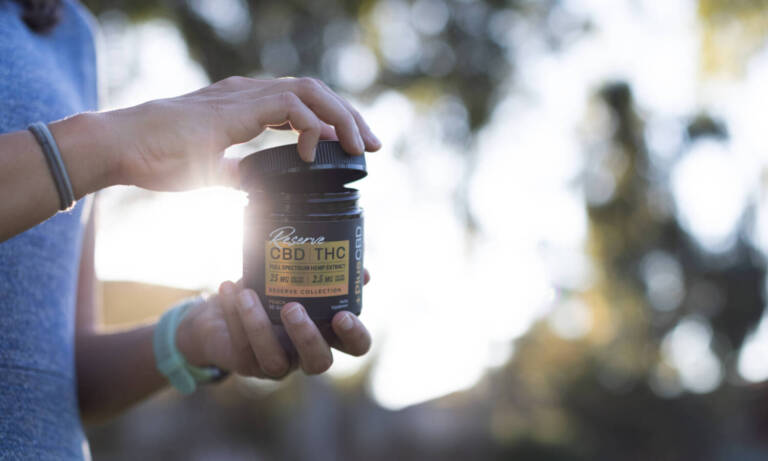
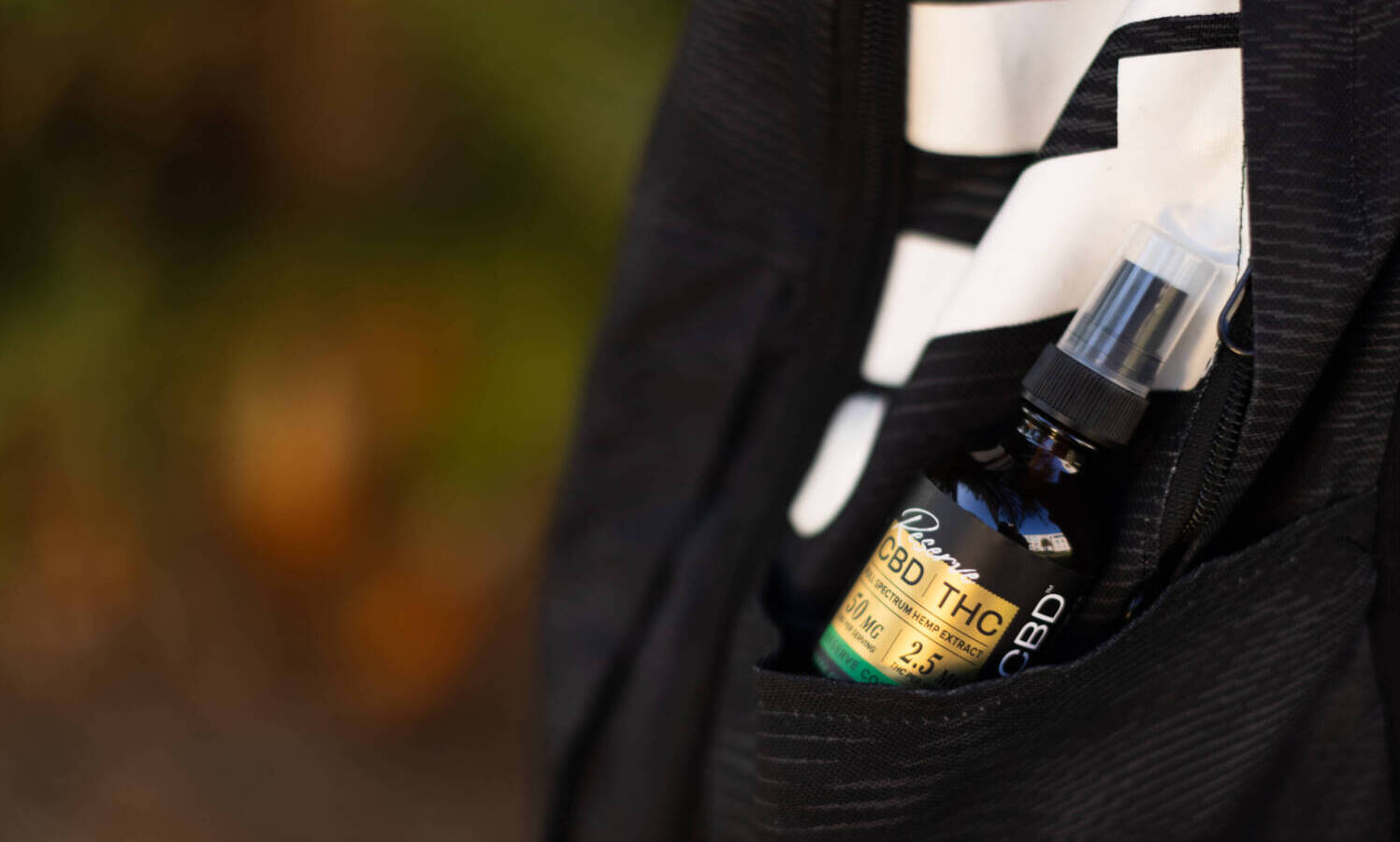
A great gift for a friend or loved one who is trying to reach new health and wellness goals, the +PlusCBD Reserve Collection was specially curated to celebrate the brand’s very first batch of +PlusCBD oil and gummies. Gummies and oils from the collection can offer physical and mental relief when intense support is needed. These products contain a healthy dose of a full spectrum hemp extract and less than 0.3% THC by weight.
Quim’s collection of high-quality, plant-basedlubricants meets all your intimate needs, fosteringproactive self-care rituals that support vaginal health andenhanced pleasure and relaxation.
Miss Grass’ hemp is available in boxes of five .4g mini pre-rolls and formulated with adaptogenic herbs that create heightened effects without using THC. Available in Balance, Pleasure and Sleep offerings, these pre-rolls are perfect for those seeking out a blissful body high.
Edie Parker’s fashionable fruit pipes are the perfect gift for sophisticated canna-lovers. Made of borosilicate glass, add the orange, cherry and grape pipes to your collection and show them off at your 420 get-togethers.
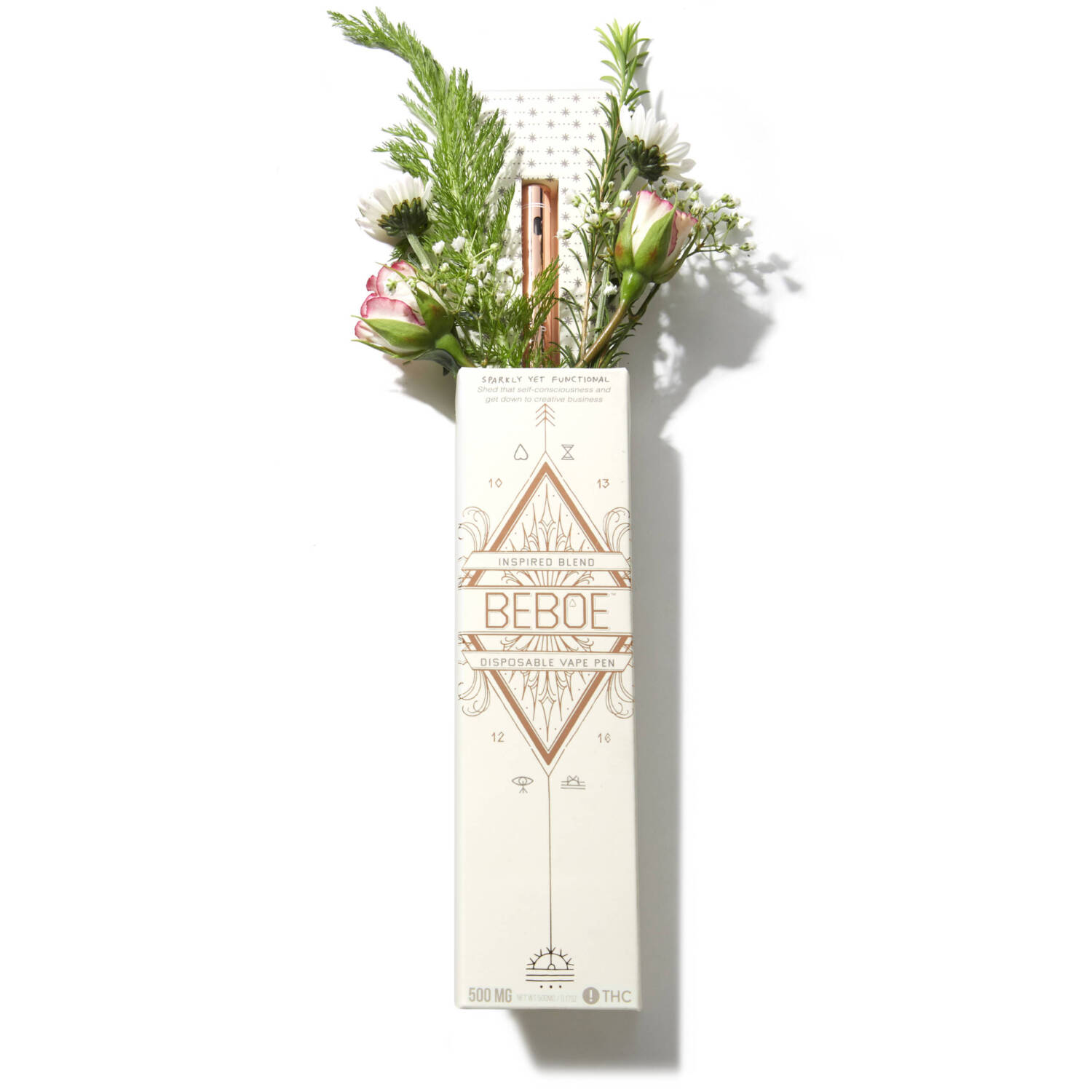
Looking to impress at this year’s 420 party? Sparkly yet functional, the light and bright Inspired Vape Pen is intended for afternoon enjoyment and social gatherings. Beboe products deliver sophisticated, sleek, 100% natural cannabis experiences so that you can enjoy your day without losing your cool.
If You’re in the Mood for a More Discreet Experience
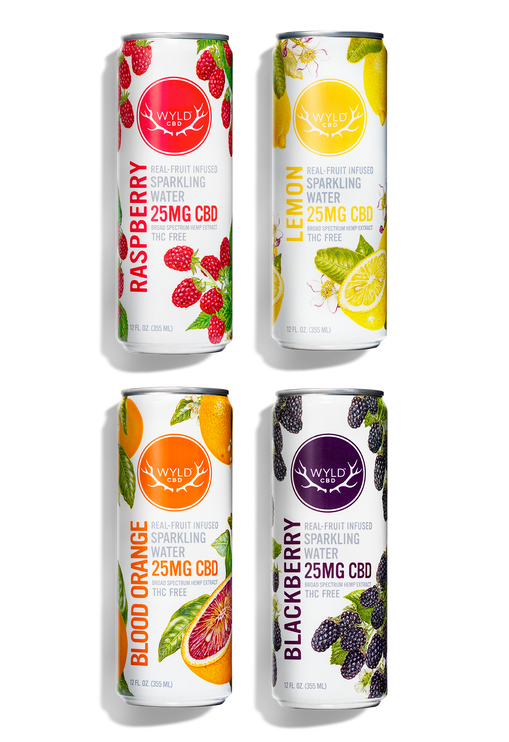
Wyld’s Sparkling Water Variety pack uses carefully honed recipes to create an enhanced concoction with real fruit flavors and THC-free hemp. This real-fruit and CBD-infused sparkling water come in 4 flavors: Raspberry, Lemon, Blackberry and Blood Orange.
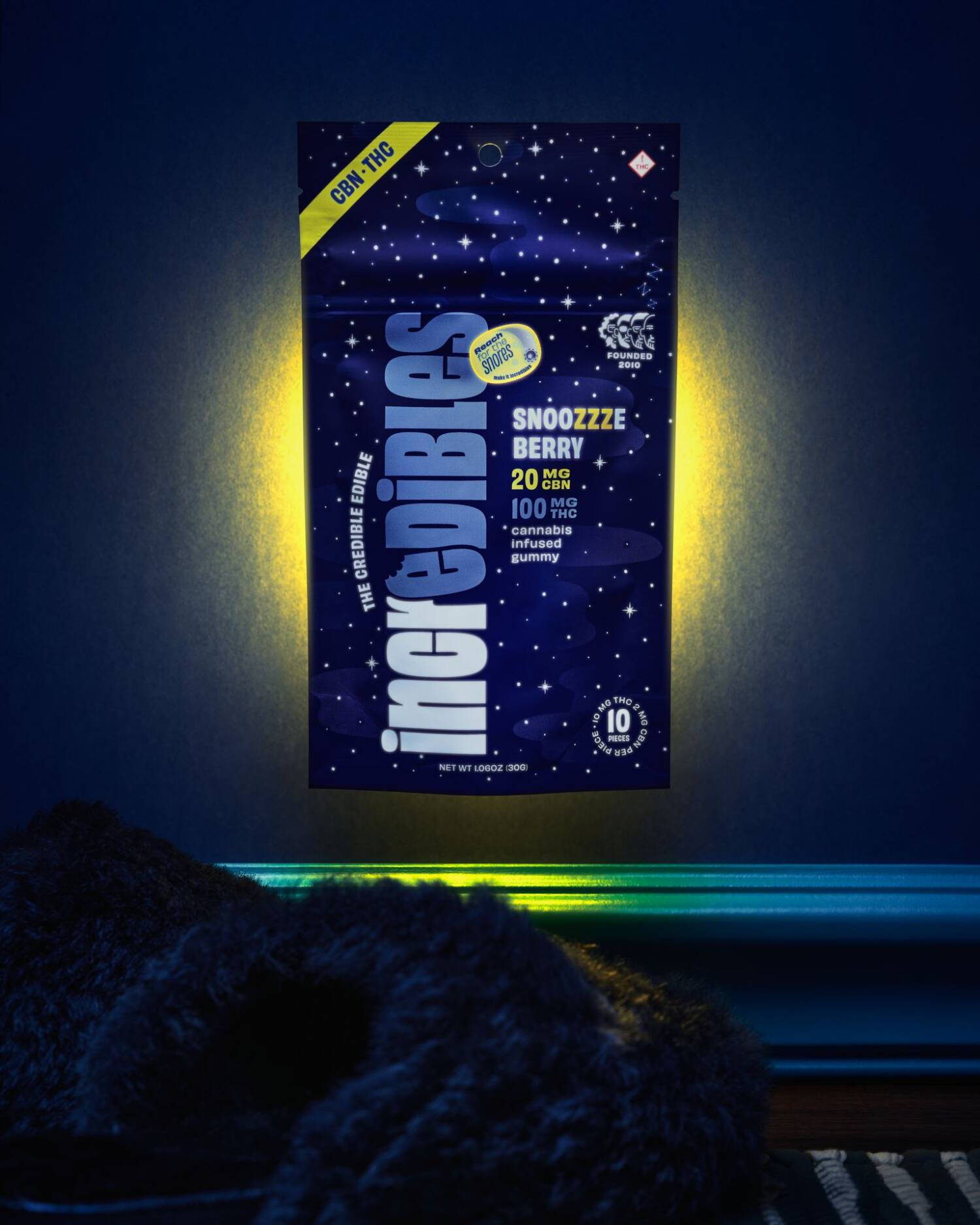
If you’ve blocked out the day to spend 420 in bed, incredibles’ Snoozzzeberry gummies with CBN and THC might be the right choice for you. Made with pure distillate in a homogeneous mixture to help deliver a consistent high, these gummies are specifically designed to help you get the quality sleep you’ve been missing.
To celebrate the state’s biggest 420 yet, we’ve curated a comprehensive collection of local offerings. You won’t want to miss these!
420 may be a global celebration today, but it’s important to remember the holiday’s deep Californian roots.
The tradition first originated in the 1970s when a group of San Rafael High School students would meet in the afternoons at 4:20 p.m. to smoke. The code was later popularized by the Grateful Dead and well, the rest is history.
To celebrate California’s biggest 420 yet, we’ve curated a comprehensive collection of local offerings featuring premium flower, delectable gummies and next-level infused beverages.
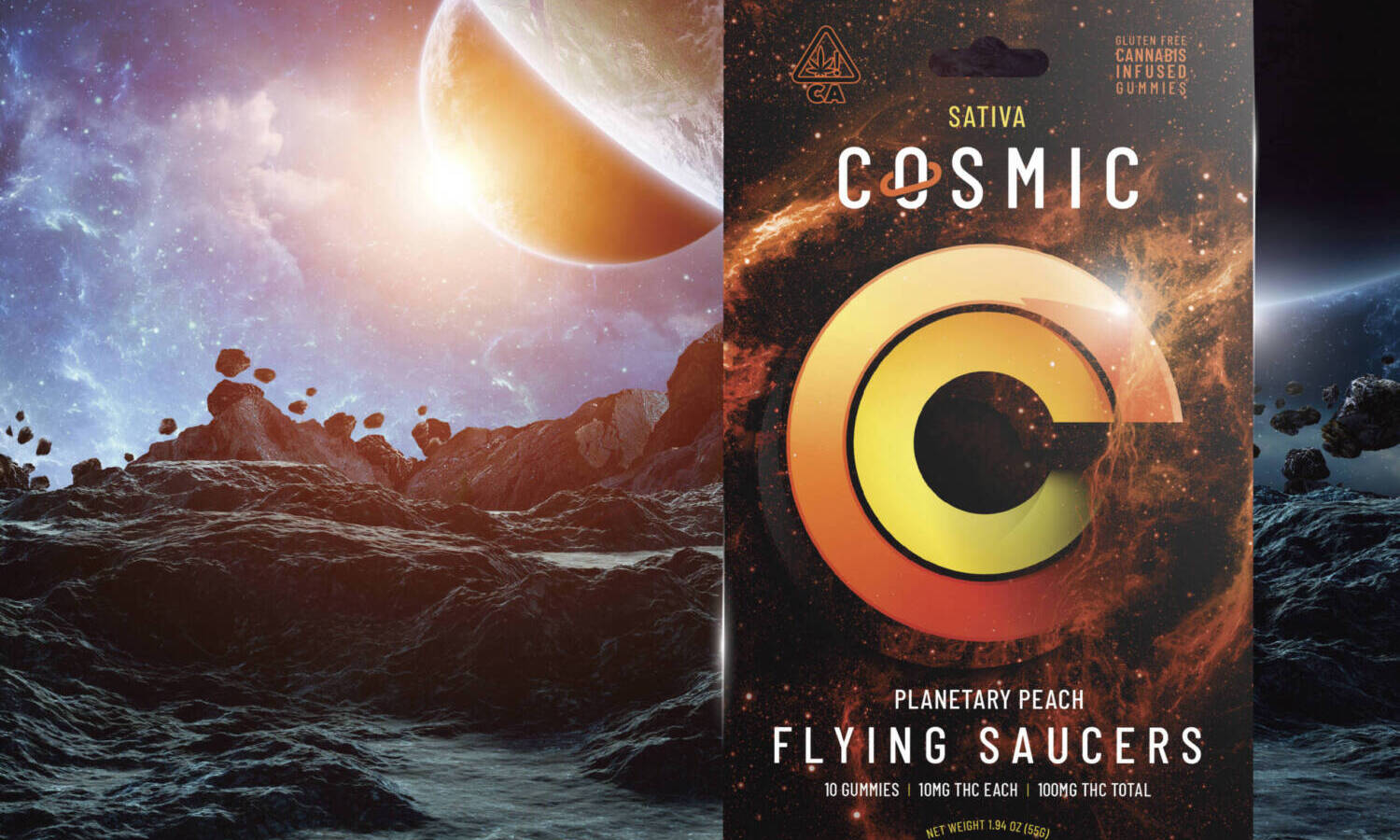
For an out-of-this-world time this year, look no further than Cosmic Infused Fruit Gummies. The flying saucer-shaped gummies are available in Indica, Sativa, and Hybrid offerings in a range of delicious fruit flavors including blue raspberry, sour pineapple, strawberry and sour apple cherry.
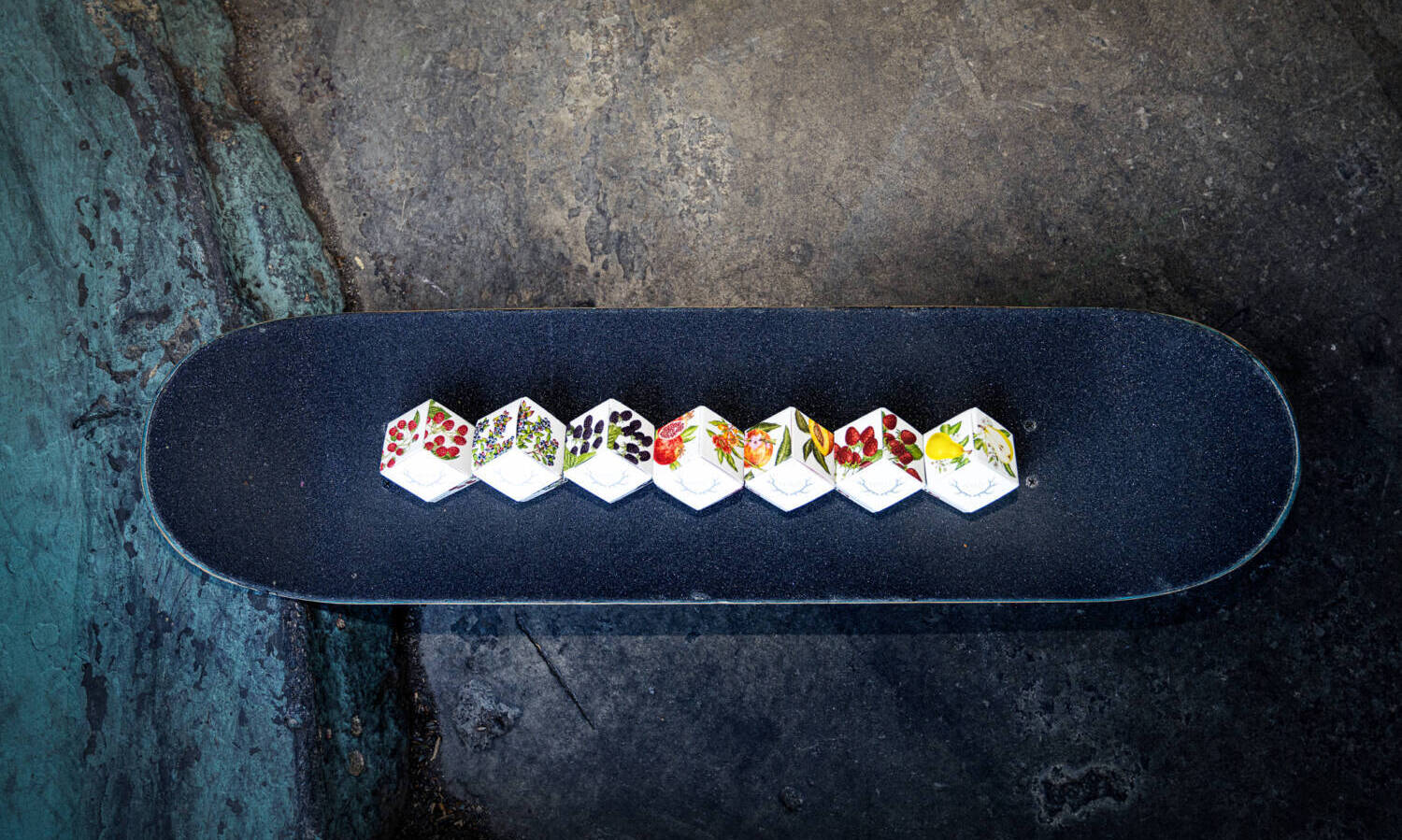
As the largest edibles brand in the country, WYLD has developed a loyal following for obvious reasons. Each gummy is formulated with unique botanical and fruit terpenes and carefully crafted for every type of adventure. Available in eight natural fruit flavors including Elderberry, Pomegranate, and Raspberry, these gummies are a crowd favorite and perfect for any 420 getaway.
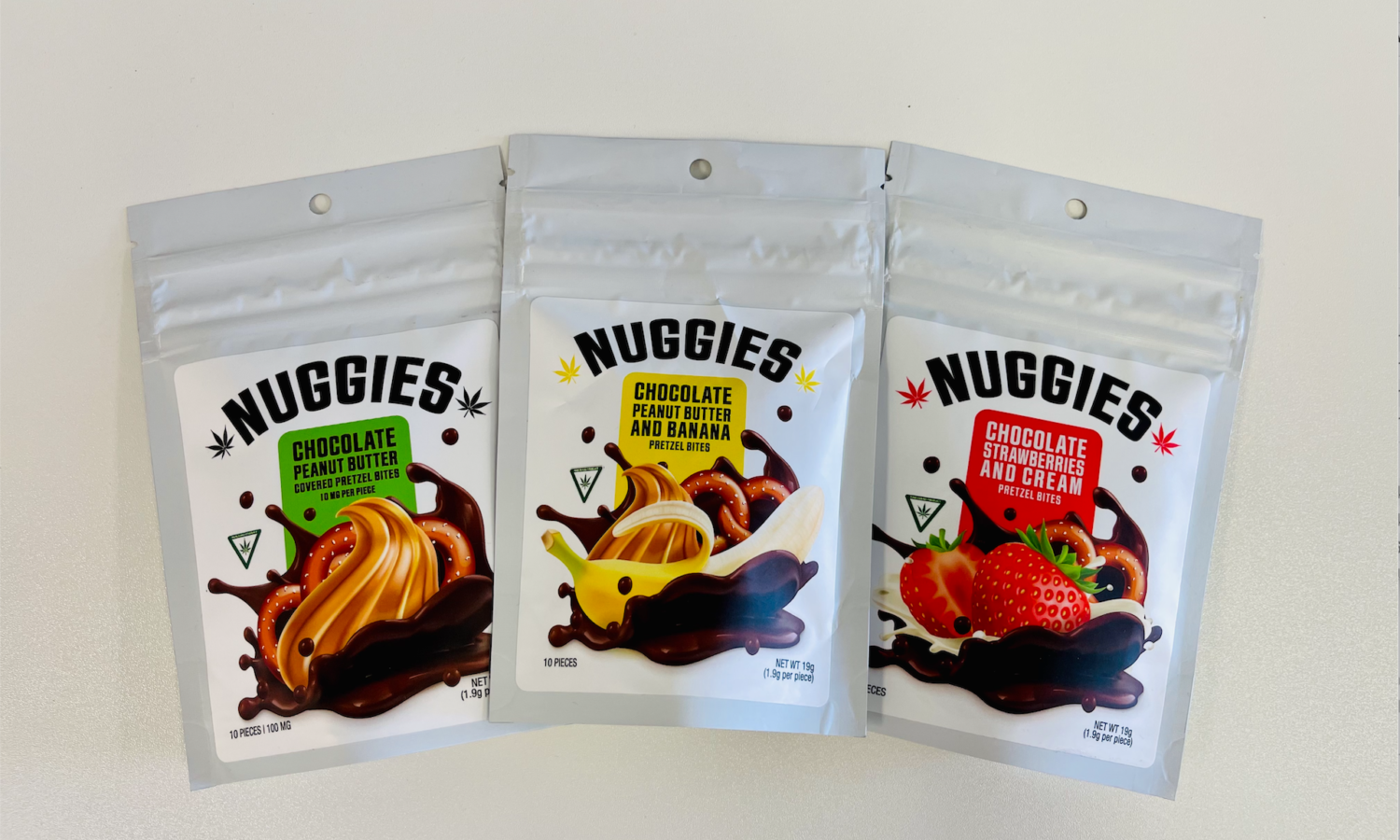
High Life Farms is the world-class cannabis kitchen creating confections for popular brands like Kiva and Wana. Nuggies, the farm’s line of THC-infused chocolate-covered pretzels, are a delicious 420 snack for foodies and cannabis connoisseurs. These indulgent bites are available in three flavor combinations, including Chocolate & Peanut Butter, Peanut Butter & Banana and Strawberry & Cream.
Valhalla’s Dark Chocolate bar is the perfect gift for those with a giant sweet tooth. These artisanal bars are wrapped in gold foil to represent the Golden State and taste like roasted cacao beans and silky sophistication. Each vegan bar is infused with 100mg THC of premium-grade cannabis that offers a relaxing yet uplifting high.
“The Cocktail Whisperer,” Warren Bobrow, is the genius behind Klaus, a newly launched brand of craft cannabis drinks. The Mezzrole is a terpene-forward cocktail featuring bold aromas from the Hippie Crasher strain. An adventurous alternative to alcoholic seltzers, Mezzrole gets its zesty flavor from caramelized spicy ginger and french lime puree. The result is a delightful cannabis-infused beverage that contains 10 mg of THC per can –perfect for cocktail and cannabis enthusiasts alike.
Another great gift for cocktail drinkers, MXXN (pronounced ‘moon’) is a cannabis-infused non-alcoholic beverage that is the first of its kind in the cannabis industry. One ounce of MXXN contains 4 mg of THC and can be used as a one-to-one replacement for traditional spirits. For those trying to unwind without the crippling hangover, consider swapping out your favorite bourbon, gin and tequila brands for MXXN’s Kentucky Oak, London Dry and Jalisco Agave offerings.
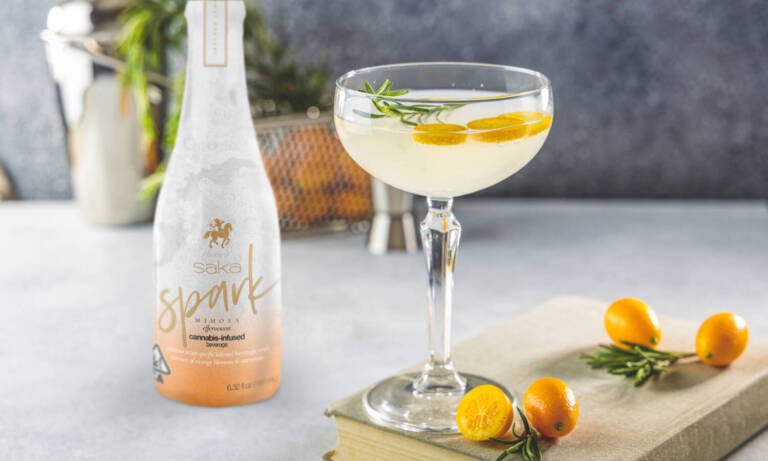
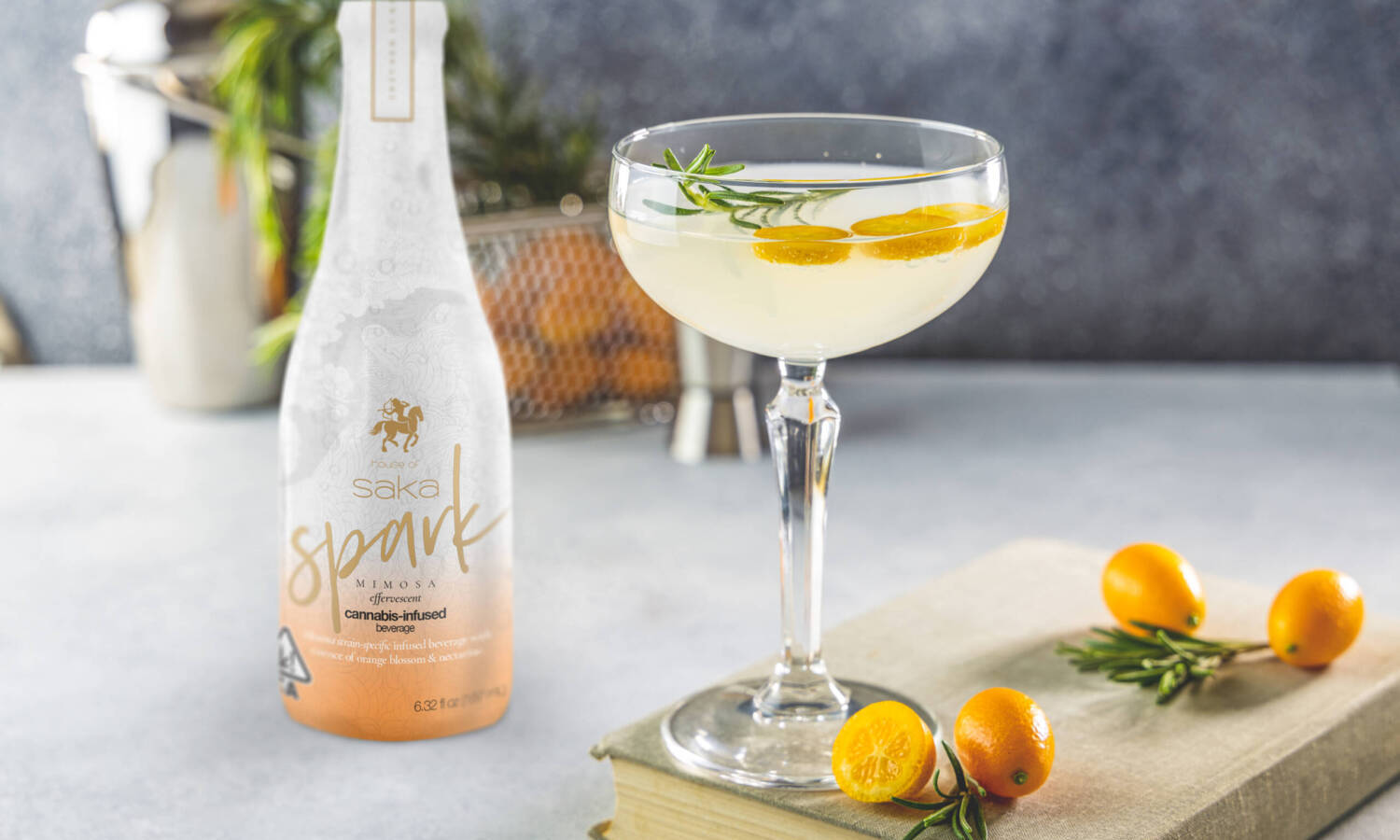
A 420 gift perfect for wine enthusiasts searching for an elegant cannabis-infused beverage. Just like fine wine, House of Saka is handcrafted from Napa Valley grapes, and each vintage varies in taste, color, and THC dosage. Saka PINK is an infused Pinot Noir that offers subtle aromas of red fruit, honeysuckle and spring flora. Chardonnay drinkers can opt for Saka WHITE, which contains mouth-watering aromas of ripe peach, apricot and toasty oak.
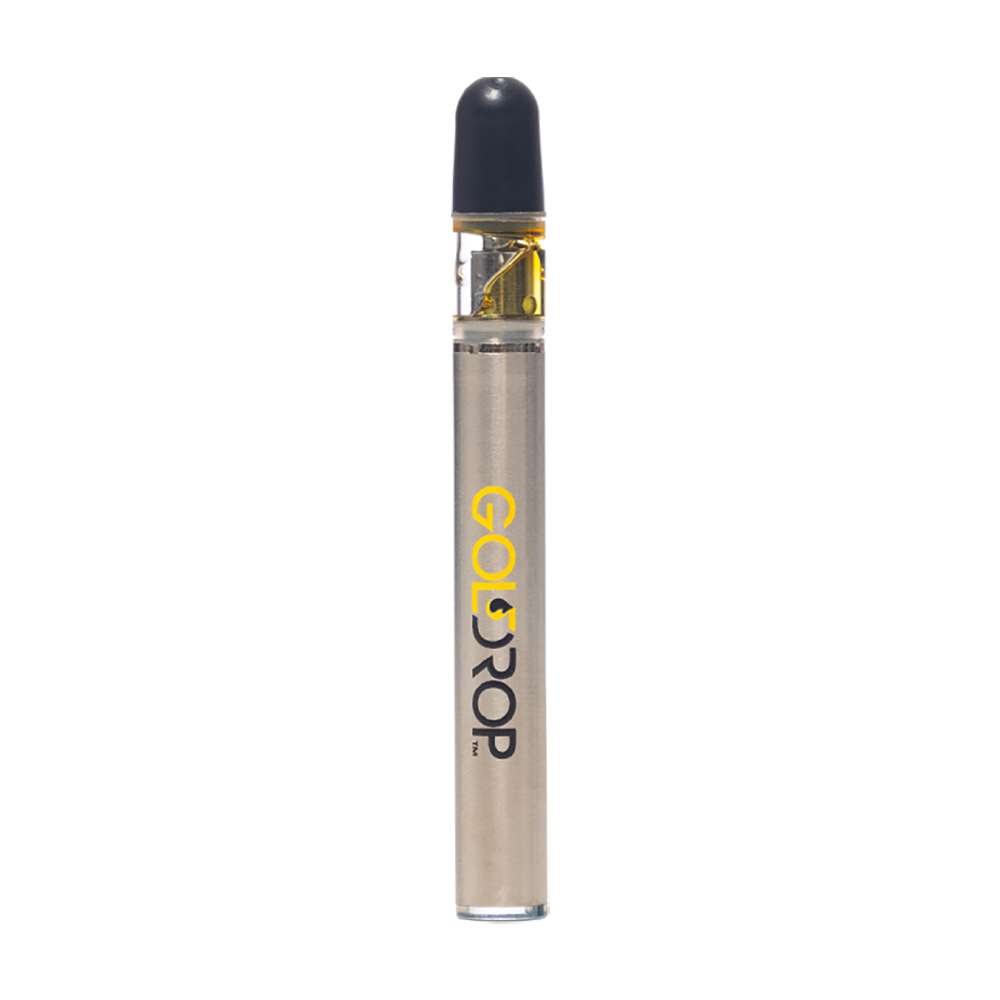
For vape connoisseurs, the Gold Drop High Terpene Sauce Pen contains 100% fresh cannabis extract and is additive-free while offering dab-like potency. The Sour Gelato strain delivers unique flavor and aroma with energizing dreamy cerebral effects.
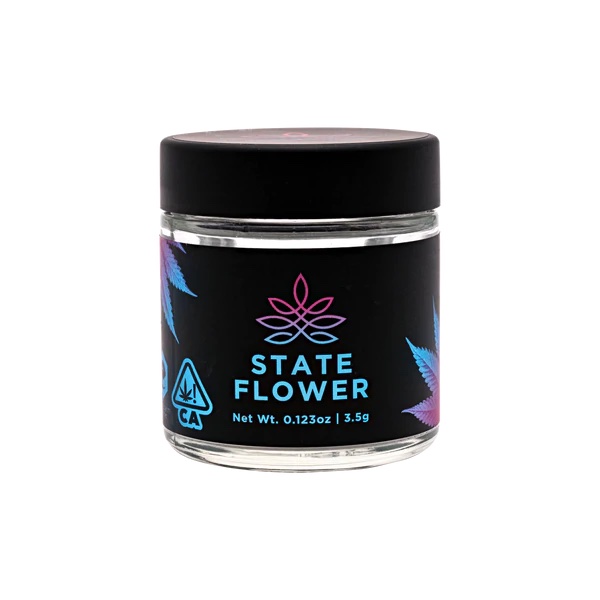
State Flower has proudly grown GrandDaddy Purple (GDP), the Bay Area’s most legendary purple strain, since 2009. A mixture of the Purple Urkle and Big Bud strains, GDP has notes of grape, dark chocolate and peat.
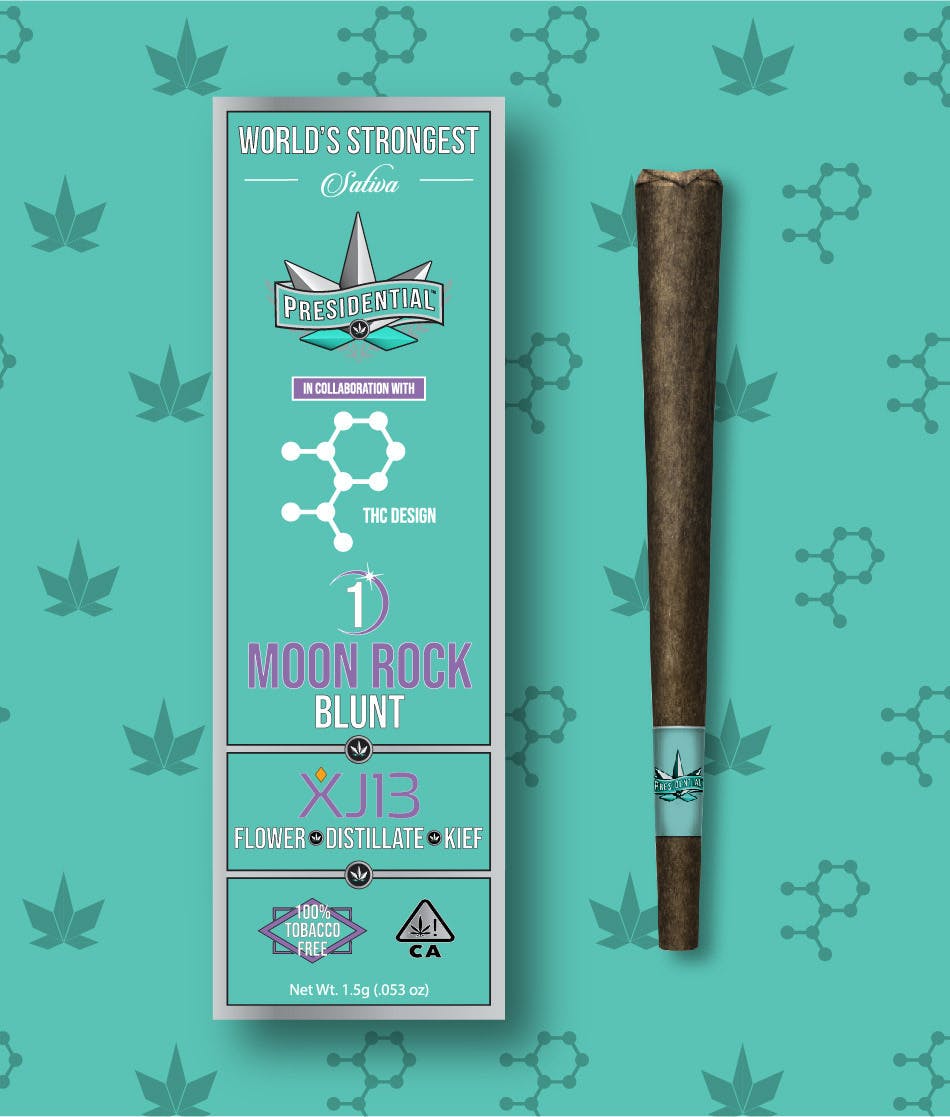
If you’ve been searching for a healthier smoking option this 420, Presidential’s blunts are rolled in 100% tobacco-free wraps and coated in the highest quality kief. The slow-burning Moon Rock Blunts feature flower cultivated by the award-winning THC Design and are infused with premium distillate in a proprietary process. The XJ13 strain is the perfect choice for anyone who prefers a euphoric and energetic high.
New research shows that people with mental illness are more likely to develop breakthrough COVID-19, an infection that occurs post-vaccination.
A new study finds that people with mental illnesses are more likely to develop breakthrough COVID-19 infections.
Published in JAMA Network and conducted by researchers from California, the study was conducted on over 250,000 fully vaccinated patients in the U.S. The data was acquired through the U.S. Veterans Affairs health system, with mostly male participants, with a significant percentage of them having a psychiatric diagnosis.
The study measured the odds of breakthrough COVID-19, infections that occur in people that were already vaccinated.
Researchers theorized that psychiatric disorders were associated with an increased risk for COVID-19 infections and set out to find answers considering that there’s a link between mental health and COVID-19. They found that there was a link between these conditions and COVID-19.
Results showed that participants over the age of 65 with “substance abuse, psychotic disorders, bipolar disorder, adjustment disorder, or anxiety” were 24% more likely to develop breakthrough COVID-19.
While age played an important factor, young participants with some kind of mental illness were 11% more likely than their counterparts to develop breakthrough COVID-19.
“Our research suggests that increased breakthrough infections in people with psychiatric disorders cannot be entirely explained by socio-demographic factors or pre-existing conditions,” said study leader Aoife O’Donovan of the San Francisco VA Health Care System.
Previous studies have found links between mental health conditions and COVID-19, noting that people who survived COVID-19 were more likely to develop mental health conditions afterward. These conditions included anxiety and mood disorders, and to smaller degrees, dementia, and stroke.
The study marks one of the first to examine the impact of legal marijuana on prescription drugs.
Legal marijuana has a significant impact on prescription drug use, which shouldn’t come a as a surprise to anyone who understands the plant’s affect on pain and other ailments. According to results of a new study, legal marijuana reduces the demand for prescription drugs through state Medicaid programs.
The data was collected by researchers from Cornell University between 2011-2019, a time when marijuana started to earn its legal status in several states. The prescription drugs that experienced the biggest change in demand include those that target pain, depression, anxiety, sleep, psychosis, and more.
The research, published in the journal Health Economics, marks one of the first studies to examine the impact of legal marijuana on prescription drugs.
“These results have important implications,” said study author Shyam Raman. “The reductions in drug utilization that we find could lead to significant cost savings for state Medicaid programs. The results also indicate an opportunity to reduce the harm that can come with the dangerous side effects associated with some prescription drugs.”
More research is needed on this topic, but marijuana’s ability to curb prescription drug use has long been a source of interest for proponents of the drug, who theorize that cannabis provides an opening for treating a variety of conditions with a more natural approach, eliminating the negative side effects associated with these medications.
Currently, 37 states have medical marijuana programs in place, while 18 allow for recreational marijuana.
While the DEA did not outright attribute recreational marijuana legalization to the decrease in trafficked weed over the U.S. border, there is certainly a connection to be made.
The United States and Mexico border has made front page news daily for nearly a decade for all sorts of reasons. Whether it is building an expansive border wall, or major immigration policy issues — or even the ever-evolving problems of drug smuggling — there is always something critical to report on this 1,954 mile long imaginary line.
Recently, however, there has been a shakeup in one of the U.S. and Mexican border’s previously-biggest talking points: marijuana trafficking. Only a decade ago, Mexico was smuggling a significant amount of the marijuana consumed by Americans, according to the DEA. Now it appears as though marijuana smuggling into the United States is decreasing, while Mexico is seeing an increase of American made pot entering its side of the border.
The DEA released a newreport, stating that, “in U.S. markets, Mexican marijuana has largely been supplanted by domestic- produced marijuana.” This is a major shift from the days when the vast majority of marijuana was coming into the United States from Mexico.
The report, titled “FY 2023 Performance Budget Congressional Budget Submission,” did, however, say that Mexico is still the main foreign supplier of U.S. marijuana. The report did not go so far as to attribute this decrease in illegal drug trafficking to legalization efforts in many U.S. states. Instead, itstated that “The national landscape continues to evolve as states enact voter referendums and legislation regarding the possession, use, and cultivation of marijuana and its associated products.”
While the DEA did not outright attribute recreational marijuana legalization to the decrease in trafficked weed over the U.S. border, there is certainly a connection to be made. In fact, this trend was noticed shortly after states began passing legalization measures.
According to a 2018 Cato Institute report on this exact subject, “State marijuana legalization starting in 2014 did more to reduce marijuana smuggling than the doubling of Border Patrol agents or the construction of hundreds of miles of border fencing did from 2003 to 2009.”
Not only is marijuana easy to get in America, it’s also a top quality product. This could be why marijuana is exiting the U.S. more and entering less. Mexico has made some small steps to catch up, likelegalizing adult cannabis use and legalizinglow-THC cannabis cultivation, but it has a long road ahead to total legalization. As we have previously reported, “For years, legalization advocates in Mexico argued that the country could easily establish a wildly profitable cannabis industry, but legalization came faster to parts of the U.S. — mostly importantly California — than its neighbor to the south.”
The United States and Mexico both have complicated relationships with marijuana, and neither country seems to have it figured out yet. Until the day comes where both countries have legalized the cultivation and sale of marijuana, there will likely be a continued ebb and flow at an already unpredictable and exhausted border.