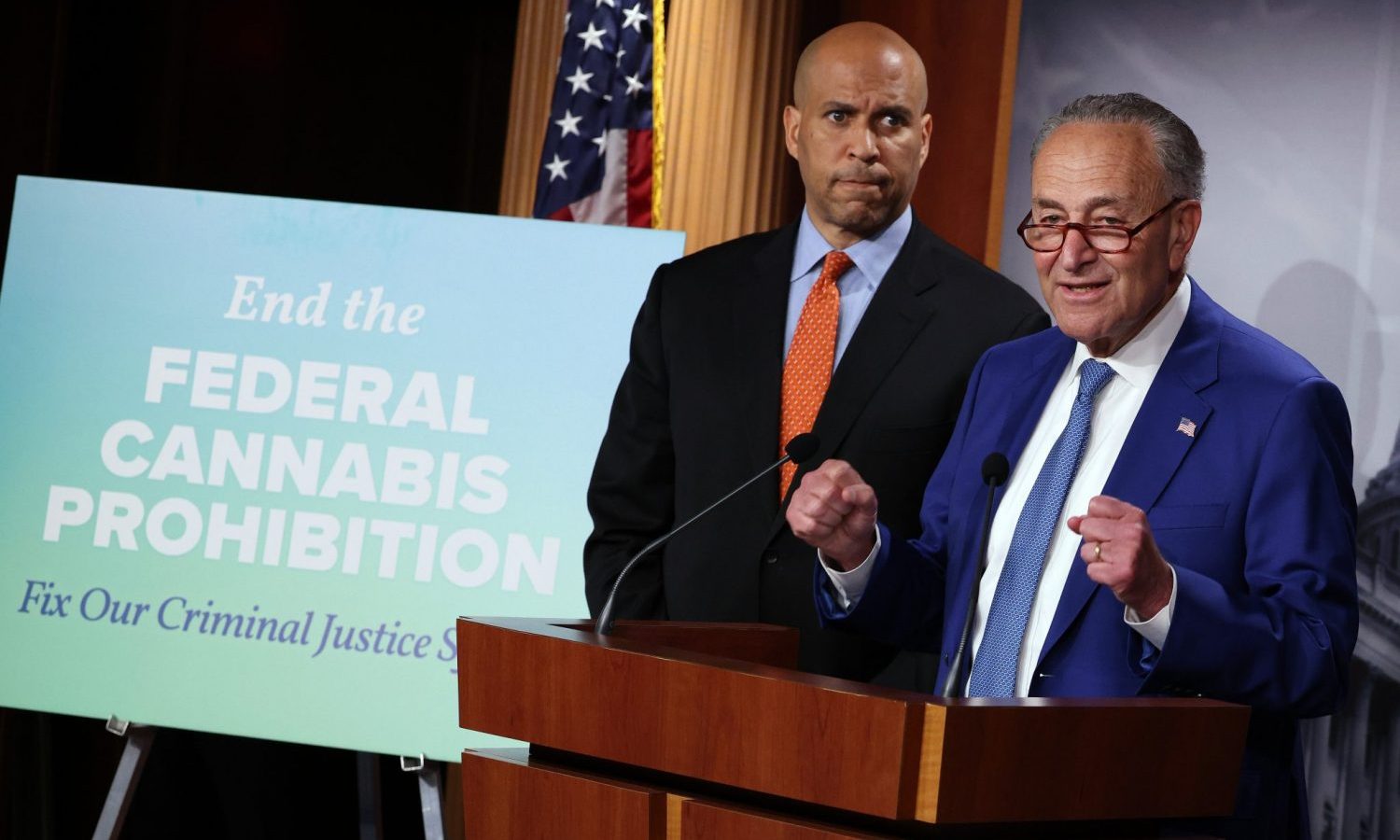
The bill will remove cannabis from the federal list of controlled substances and “help repair our criminal justice system, ensure restorative justice, protect public health, and implement responsible taxes and regulations.”
Democratic senators leading a push to legalize marijuana say they are now on track to introduce legislation in the Senate before the August recess, after initially announcing plans to file a comprehensive reform bill later this month.
Senate Majority Leader Chuck Schumer (D-N.Y.), who has been leading the push to legalize cannabis along with Sens. Cory Booker (D-N.J.) and Ron Wyden (D-Ore.), said in a statement Thursday that he’s proud of the progress they’ve made “bringing this vital bill closer to its official introduction” before the recess in early August.
Photo by Kevin Dietsch / Getty Images
That said, the long-anticipated Senate bill to federally legalize cannabis will have to simmer until the democratic leadership works out various provisions “with the assistance of nearly a dozen Senate committees and input from numerous federal agencies.”
The bill, Cannabis Administration & Opportunity Act (CAOA), will remove cannabis from the federal list of controlled substances and “help repair our criminal justice system, ensure restorative justice, protect public health, and implement responsible taxes and regulations,” among other measures.
The announcement came after Schumer said several weeks ago that he and the senators behind the effort had intended to bring the reform bill forward in late April.
“We hope to do that towards the end of April,” Schumer said then, noting that he was reaching out to “a few Republicans to see what they want.”
Photo by Chip Somodevilla/Getty Images
Many Republicans are opposed to legalizing cannabis, which poses one of the biggest hurdles to Schumer getting his bill through the 50-50 split Senate. To secure passage, Democrats would need the support of their entire caucus and at least 10 Republicans to bypass a likely filibuster.
However, some Democrats have also expressed reservations regarding adult-use marijuana, which presents additional challenges to the party getting the necessary 60 votes for approval in the upper chamber.
Wyden said in a statement that it was important for the text of the bill to be produced “well before the August recess to continue building momentum for cannabis reform.”
The Thursday announcement comes weeks after the House passed its own legislation, known as the Marijuana Opportunity Reinvestment and Expungement Act (MORE), to remove marijuana from the federal controlled substances list.
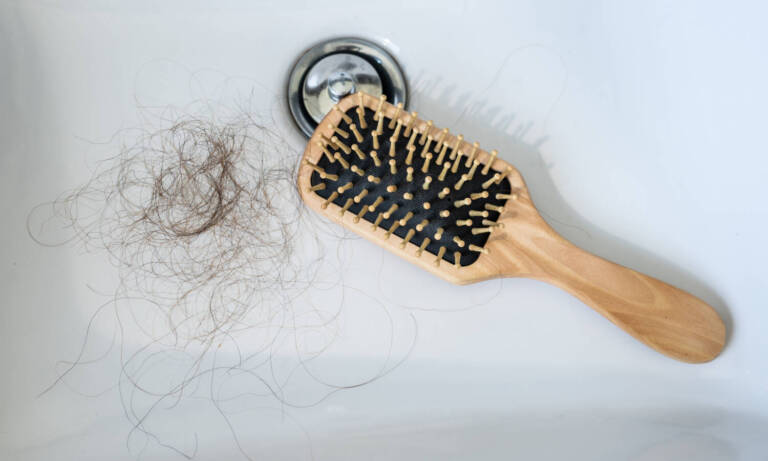
A significant proportion of patients with alopecia areata use cannabis, oftentimes seeking relief from psychosocial symptoms related to their hair loss. Here’s how else cannabis can be used.
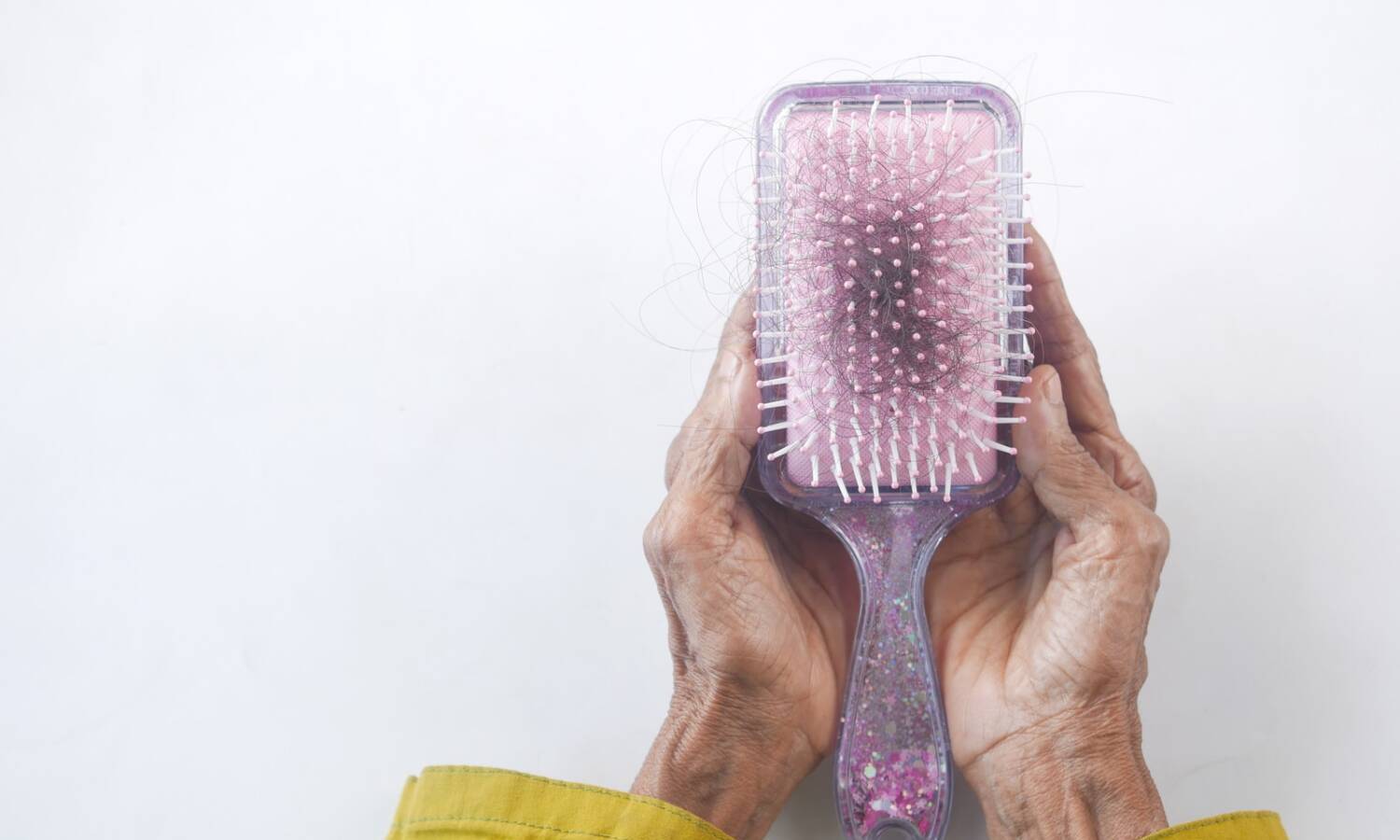
Alopecia areata is a type of autoimmune disorder resulting in severe, unpredictable hair loss. In many cases, hair falls out in clumps and sometimes large volumes.
It affects everyone differently; for some, they only lose hair in certain parts of the head while others lose much more, sometimes causing them to go bald. Then again, there are those patients who can grow it back only for it to fall out later on while for others, hair can regrow for good.
Photo by Taisiia Shestopal via Unsplash
There are several different types of alopecia areata: the primary condition as well as other rarer types, such as alopecia areata totalis, which causes people to lose all the hair on their head; alopecia areata universalis involves hair loss all over the body; diffuse alopecia areata involves sudden thinning of the hair instead of losing hair in patches; last but not least, there is ophiasis alopecia areata, which results in hair loss through a band pattern on the back and side of the head. Hair loss is the primary symptom of alopecia. Additionally, people may also experience brittleness and redness in toenails and fingernails.
According to the National Alopecia Areata Foundation, 147 million people around the world will develop this condition. Mild cases may end up resolving on its own without treatment, but it may recur several more times. For those individuals who suffer from more extreme cases, patients may need to undergo steroid injections in the areas where hair is shedding; topical applicants may also be applied.
However, it’s difficult to predict how patients would react to various treatments. There are many cases where patients find it difficult to regrow hair even after taking conventional treatments and medications.
There is also the grave emotional distress that alopecia areata brings on. While the condition itself isn’t fatal or harmful, it can bring on serious psychological consequences including depression and anxiety.
Can Cannabis Help?
In a recent survey, investigators from the Brigham and Women’s Hospital in Boston, Department of Dermatology, polled some 1,100 patients suffering from alopecia areata. The results revealed that a third of the participants admitted to current cannabis use, while two thirds of them said that cannabis helped address feelings of anxiety, depression, sadness, and stress.
“A significant proportion of patients with AA use cannabis, oftentimes seeking relief from psychosocial symptoms related to their hair loss. These findings build on existing literature suggesting that patients are seeking alternative methods to address the emotional impact of AA that traditional solutions have been unable to achieve,” report the authors.
Photo by Element5 Digital via Unsplash
There have been some studies exploring the benefits of cannabis for alopecia. In 2021, a study found that 35 patients who had androgenetic alopecia, which is a result of excessive dihydrotestosterone in the hair follicles, revealed that topical hemp oil with 3-4mg per day applied on the affected area revealed that there was a 93.5% increase of hair growth on average observed among the patients. The oil was applied on the vertex, which is the area on top of the head, as well as in temporal areas in the scalp.
Another study highlighted the benefits of topical CBD oil since it can help reduce the production of sebocytes in the skin and hair; it also has powerful anti-inflammatory properties. CBD can also help activate the TRPV type 4 receptors found in hair follicles and stimulates the local adenosine receptors, which can be beneficial as adenosine can promote hair growth.
Additionally, there is significant research supporting how CBD can benefit hair regrowth, particularly when applied topically among patients who suffer from various types of hair loss.
It’s also a known fact that CBD has potent anti-inflammatory properties, which can also benefit the scalp. CBD possesses high concentrations of antioxidants including vitamins A and C. In an investigative article on Byrdie regarding the use of CBD for hair loss, Dr. Michelle Henry, MD weighed in, saying, “The actual active cannabinoid is anti-inflammatory and can help psoriasis and eczema. For scalp and hair issues that are triggered by inflammation such as psoriasis, dermatitis especially in women who have hair loss in women.”
Photo by Towfiqu barbhuiya via Unsplash
“Hemp seed oil is going to help lock in moisture in the hair and scalp. What people forget is that the scalp is an extension of the face. What’s become more popular is the skifinification of the scalp and extension of skincare, so we should use similar ingredients,” Henry explained.
CBD products can also help patients deal with the psychological impact of alopecia areata. Its calming and anti-anxiety properties can help patients deal with the stress of having this condition. It also boosts immunity and helps fight inflammation, which is why it’s also used by cancer patients who are struggling with hair loss.
Using CBD for Hair Loss
If you decide that you want to try using CBD for hair loss caused by alopecia areata, you can use topical products. CBD oils can be added to your shampoos and conditioners, though it may also be applied topically directly. There are many topical CBD products out there in the market that can be used directly to the affected areas. You can also consume CBD orally to help strengthen your immunity and fight inflammation from the inside.
For individuals that have been diagnosed with alopecia areata, speaking to your medical professional first is always recommended. It would be ideal if they are knowledgeable about cannabis medication, and may be able to recommend a combination of treatments including cannabis that would have the best outcomes for your condition.
The next generation cannabis consumer is thinking beyond how high they can get, and searching for a more memorable (and perhaps Instagram-able) experience.
During the early days of recognizing the 4/20 holiday, lighting up was a bit more discreet. An apple meticulously carved into a pipe, a simple hand-rolled joint, or a run-of-the-mill tobacco pipe were a few of the slim options available for smoking THC.
With more states legalizing cannabis, the shameful stigma tied to smoking this herb is slowly but surely, fading away. We may not be totally out of the woods just yet, but there’s no denying that the cannabis culture is being embraced now more than ever before.
The stoners of yesteryear would be taken aback by what they’d find in the modern-day consumer’s toolkit. Going into the high holiday, the next generation cannabis consumer is thinking beyond how high they can get, and searching for a more memorable (and perhaps Instagram-able) experience to share with friends.
For when the secret “stash” becomes a display, and your bar cart becomes a bong cart, here are a few wild marijuana accessories for the modern-day 420 enthusiast.
Stündenglass Gravity Bong
Unlike the homemade gravity bongs you made in college with a plastic 2-liter and whatever other household items you could pull together, the Stundenglass Gravity Bong makes for a futuristic and immersive experience.
The 360° rotating borosilicate glass globes generates kinetic motion activation via cascading water displacement, opposing airflow technology and the natural force of gravity. The Stundenglass delivers large clouds of smooth, consistent and vaporous draws that would put any other makeshift gravity bong to shame. (Retail price: $599.99.)
Moose Labs MouthPeace
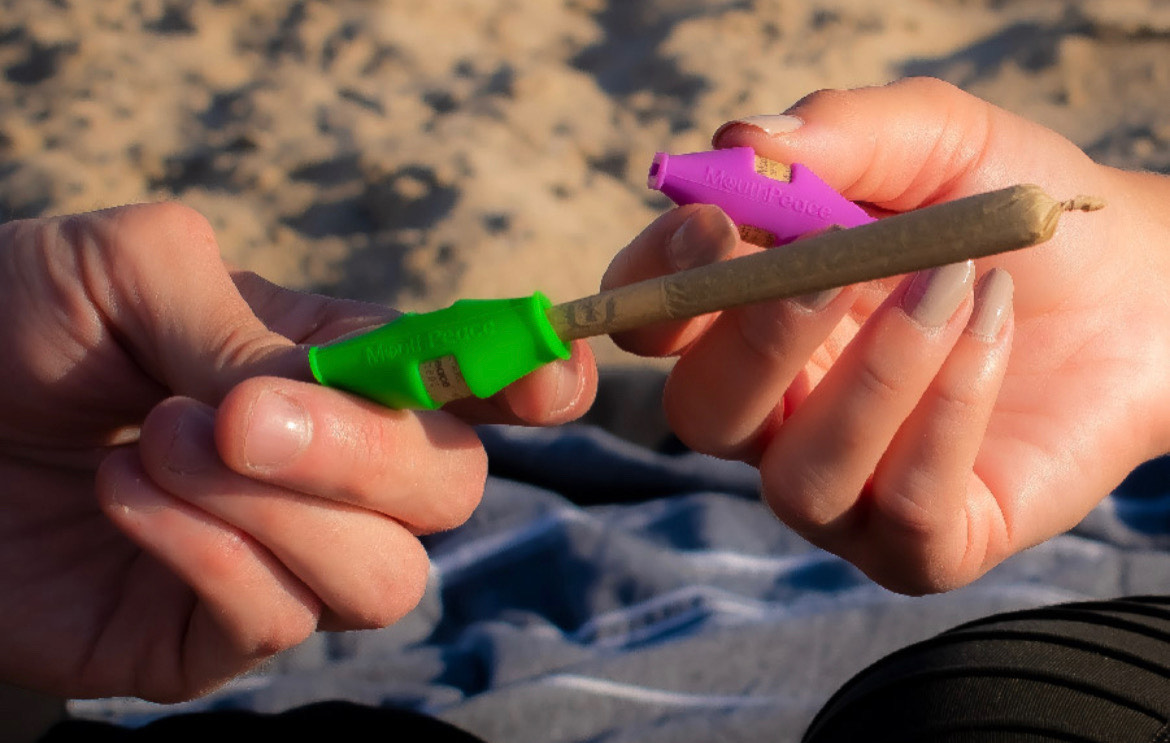
The MouthPeace is the first physician-backed, germ-preventing accessory designed to prevent direct oral contact with a variety of shared smoking devices. The original MouthPeace was designed to fit bongs and larger glass pipes, and the newer MouthPeace Mini was designed to fit joints, vape pens, and e-cigarettes.
Both MouthPeaces come with a proprietary MouthPeace Filters designed to fit snugly inside each device. The MouthPeace Filter was created to enhance the flavor of every inhale, while protecting your lungs. The Filter uses a triple-layer filtration system to remove resin, contaminants, and tar. (Retail price: $9.99 with 4/20 discounts available)
Moose Labs is offering 4 days of 20% off from 4/16-4/20 to honor the holiday, with the code MOOSE420.
Golden BirthJay
The BirthJay is the world’s first joint birthday candle and one-of-a-kind, smoke-able cake topper that’s guaranteed to drop some jaws. In collaboration with Shine Papers, creators of the world’s first 24 karat gold rolling papers, BirthJays are now available in 24K gold. These empty pre-rolled cones require you to simply fill with cannabis flower before topping it with the candle-wick and attaching the cake stake to the bottom of the cone.
The real magic happens when it’s time to place the BirthJay on top of the dessert of your choice, spark it up and make a wish. The new Golden BirthJay features Shine’s handcrafted 24K gold rolling papers, made with the finest edible gold and a hemp blend base for a smoother burn. (Retail Price: $19.99 with 4/20 discounts available)
Throughout the month of April, BirthJays is offering a 25% off discount on their entire suite of products, including the original BirthJays 5-pack and the brand new Golden BirthJay.
Piece Water Solution
There’s nothing more appauling than the stench of bong water, and cleaning glass pipes is no picnic either. Piece Water Solution not only keeps your bongs, rigs, and bubblers clean while you smoke, it also makes your hits as smooth as silk.
It’s made from a proprietary blend of safe, all natural mineral, vegetable, and fruit extracts that work to prevent resin from forming while eliminating the need to clean water pipes with harsh chemicals. Add Piece Water Solution to a clean piece and it will remain clean and clear from resin build up. (Retail Price: $7.00-$13.00)
Toker Poker
The Toker Poker is a simple, yet innovative and incredibly necessary item to have in your collection of toking tools. This unique lighter cover combines a poker to clear your bowl, a tamper and lighter all in one convenient contraption.
Now, if only we could figure out a way to keep your friends from “accidentally” stealing your lighters, the world would be at ease. (Retail Price: $9.95-$14.95)
New Jersey cops can consume cannabis without penalty while off the clock. The message came via a memo from acting New Jersey Attorney General Matthew Platkin to police chiefs telling them that they “may not take any adverse action against any officers because they do or do not use cannabis off duty.”
Officers are barred from consuming cannabis while on duty, but according to Platkin’s memo, a weed-tainted urine test would not serve as cause for firing, reported Police1.com.
“To be clear, there should be zero tolerance for cannabis use, possession or intoxication while performing the duties of a law enforcement officer,” Platkin said. But off the clock, officers can do what they like regarding the consumption of legal cannabis so long as they are 21 or above, once New Jersey begins adult-use cannabis sales on April 21.
Cannabis Use, On Or Off Job, Still Forbidden For New York Cops
By contrast, New York cops are “strictly forbidden” to use cannabis even when they’re off duty. A memo to that effect was dispatched to all uniformed and civilian NYPD members exactly one year ago, shortly after weed was legalized in the Empire State under then Gov. Andrew Cuomo.
New Jersey’s Legal Cannabis Roll Out
The Garden State’s Cannabis Regulatory Commission issued licenses to a group of medical marijuana dispensaries, known as alternative treatment centers, to begin selling recreational weed on April 21.
“We’re thrilled that New Jersey adult-use sales will begin on April 21st,” tweeted Boris Jordan, founder and chairman of Curaleaf. “We’ve prepared for this moment and look forward to seeing new customers at both locations, Edgewater and Bellmawr.”
We’re thrilled that New Jersey adult-use sales will begin on April 21st. We’ve prepared for this moment and look forward to seeing new customers at both locations, Edgewater and Bellmawr. $CURA$CURLF
The commission had given initial approval to a handful of multistate operators to begin sales, including Acreage Holdings, Ascend Wellness, AYR Wellness, Curaleaf, Green Thumb, Columbia Care, TerrAscend and Verano Holdings.
Weed can be laced with various drugs and non-psychoactive substances. It is not always easy to know if cannabis is laced just by looking at it. The consequences/effects that lacing weed can have on people can be minor or severe.
The dilemma with laced weed is that you can’t tell whether it’s laced unless you have tried it. If it turns out that you have used it, then you’ll definitely know because you’ll likely be really messed up.
Photo by Tim Allen/Getty Images
What Exactly Is Laced Cannabis?
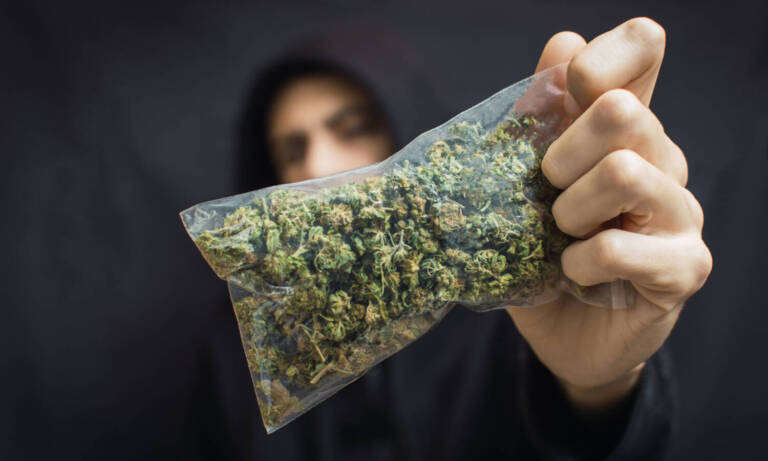
Laced cannabis is a cannabis flower mixed with different chemicals, inorganic substances, drugs, or additives. You will find it hard to believe the things people are prepared to mix with cannabis. Hair sprays, detergents, pesticides, and even glass are just some things that people add to cannabis.
Why, in God’s name, would anyone combine this powerful and healing herb with anything else? Well, there are several notable reasons. Crooked dealers will do almost anything to make more profit by selling you low-quality cannabis. For that reason, they would want to make it seem as heavy and high-quality as possible. Apart from covering the low quality, lacing cannabis with other potent drugs is a method these dealers use to get people hooked on the drug without their knowledge, ensuring that they keep coming back for more.
Getting high is no reason at all to lace cannabis, as it does that for you already, but people still use it as a reason to lace cannabis anyway. Some people intentionally sprinkle other drugs with their cannabis to make it stronger or give effects that cannabis typically does not provide.
Cannabis can be laced with various substances, including:
Glass
Methamphetamine
PCP (angel dust)
LSD
Embalming fluid
Laundry detergent
Heroin
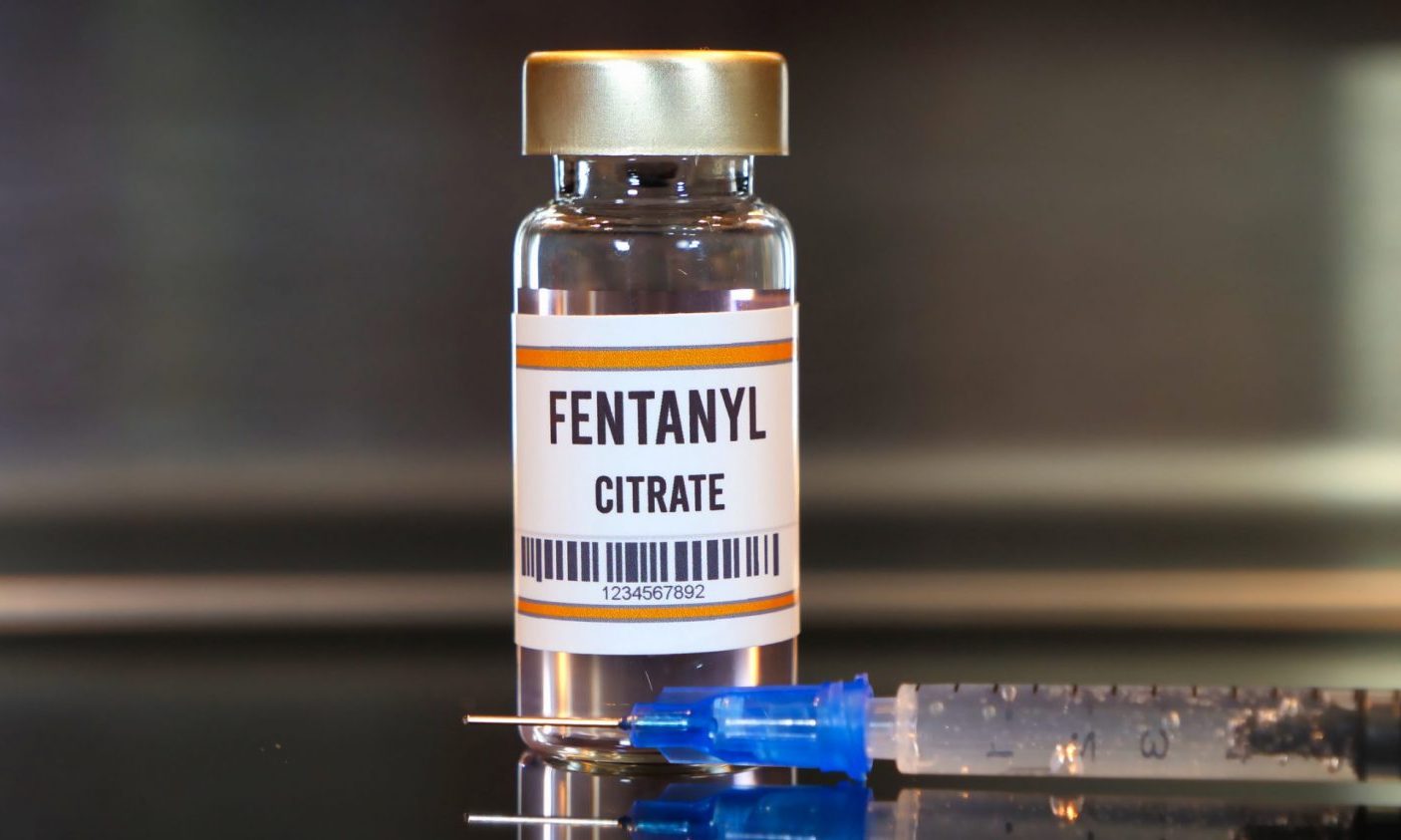
Fentanyl
Ketamine
The results of laced cannabis differ depending on what the drug is combined with, the method by which the cannabis is consumed, and various personal factors. A handful of people know what the marijuana bought on the street contains. Even many dealers do not understand what it is they are selling.
How to Tell if Weed Is Laced
If you found yourself in possession of laced cannabis, it was likely laced in one of two ways. It’s either a blunt or joint immersed in a liquid form of a chemical mix or drug, or chemical substances were sprinkled into cannabis that was already ground and likely wrapped.
Photo by Bernard Chantal/Getty Images
How to Know if You Smoked Laced Weed
Various forms of cannabis possess unique appearances, smells, and tastes. And they also have different effects. Common symptoms of cannabis use include forgetfulness, happiness, and relaxation.
Other strains may result in more relaxation and less euphoria, while a different strain may make someone feel more clumsy or blurry than others do.
Laced cannabis can lead to a slur of side effects that vary from what a person typically feels. Psychedelics, such ass meth and cocaine, can make you feel highly energized, strongly focused, and incredibly joyful. While downers, such as heroin, can make you feel overly relaxed, lethargic, or nauseous, PCP or LSD can make you start to hallucinate.
Other substances that are used, such as laundry detergent, glass, or fungi, may lead to overwhelming coughing, pain, or vomiting. The majority of people who smoke weed know the effect of cannabis on the lungs. Acute pain in the lungs may mean the cannabis has been laced with another drug.
Cannabis Laced With Cocaine
Cocaine is a white powder that feels like powdered sugar. It commonly smells like the chemical solvent used to extract it from the coca plant. It has a bitter and metallic taste, but your mouth will become numb to the sensations quickly if you smoke it.
New research shows that allergic reactions have a connection to heart conditions.
Allergic reactions vary greatly, swinging from one end of the spectrum to the other. While some responses don’t need medical attention to resolve, others need immediate intervention. To make matters worse, new research has discovered a link between allergic diseases and cardiovascular ones.
The study, published in the American College of Cardiology, found that adults with a history of allergic disease, such as eczema, hives, asthma, hay fever and food allergies, had a higher risk of high blood pressure. Those who had asthma were at the greatest risk. The sstudy confirmed a link between allergies and heart disease that has existed for some time.
While asthma and allergic reactions are considered different diseases, they often coincide with external substances (pollen, for example) capable of prompting both reactions at the same time.
Scientists tested their data against 10,000 allergy sufferers between the ages fo 18-57 who participated in a National Health Interview Survey. They found that subjects between the ages of 39 to 57 had the highest risk for coronary heart disease.
While researchers don’t know why this link exists, they believe it has something to do with people’s inflammatory systems. When there’s an allergen attack, the immune system increases blood flow to the affected area, which can trigger inflammation to a degree that can quickly turn problematic.
Inflammation is the body’s natural response to infection and fighting off a variety of pathogens. But it’s also connected to a variety of chronic conditions that include diabetes, high blood pressure, and more.
Interestingly enough, inflammation also plays a big part in COVID-19. The virus’ infection triggers a strong response from the body’s immune system, which can then result in organ damage and long-term repercussions. For those struggling with long COVID, some studies have found links between the condition and a prolonged response from the immune system, one that can last for up to eight months.
Cannabis-focused DNA testing services are a great way for curious canna consumers to dive deep into scientific insights about their health and endocannabinoid system.
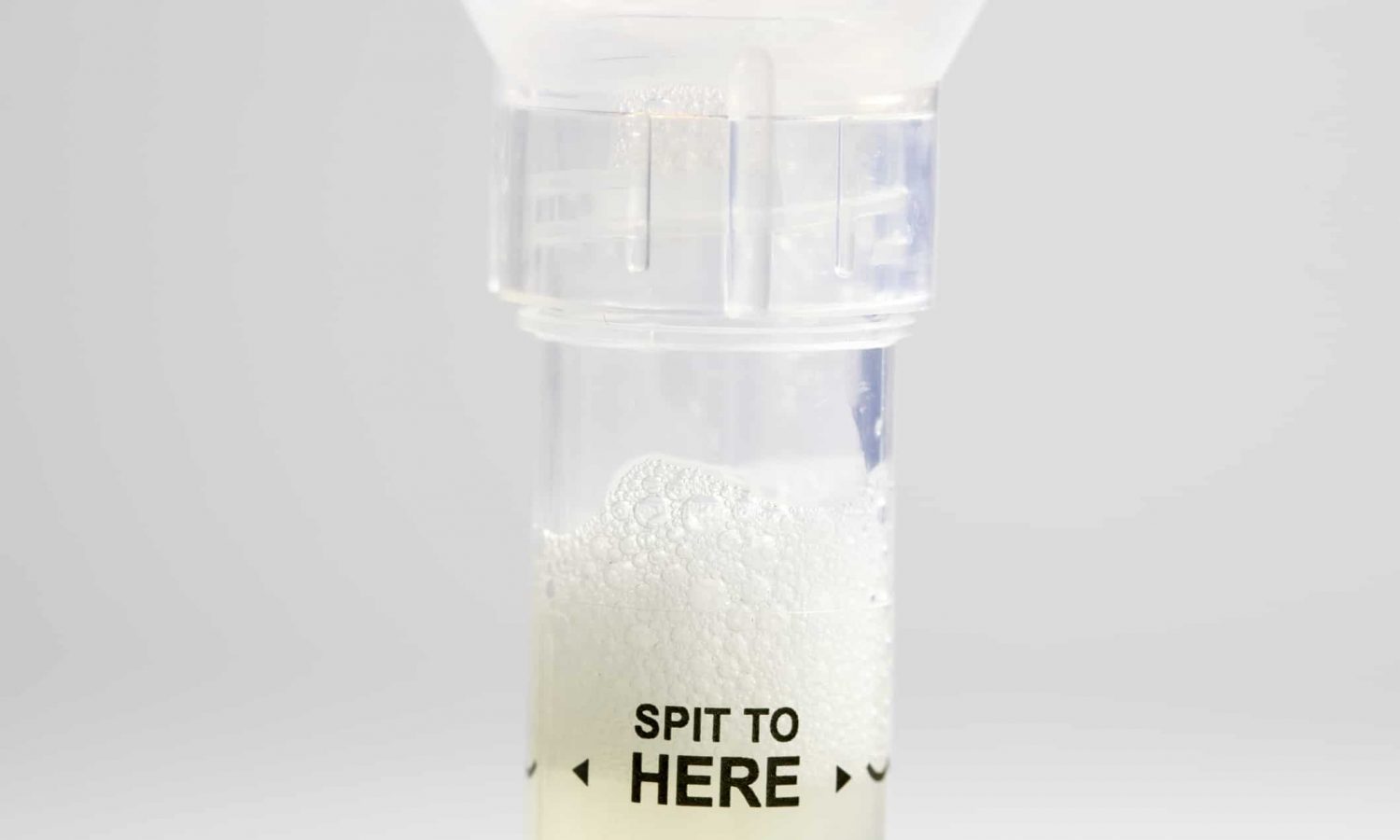
At-home genetic DNA tests have become so popular and trendy over the last few years. These tests, where you merely swab your cheek or spit in a tube and send it back to the manufacturer to have it analyzed, have made it so easy and convenient to learn about so much — from ancestry information, health and medical patterns within your family, what sicknesses you may be prone to, and even the chance to discover relatives that you perhaps didn’t even know about.
Some of these famous companies include 23andMe, Circle DNA, and Ancestry. But what about cannabis-specific DNA testing, which use your very own DNA to learn about the most efficient ways to use cannabis?
Photo by karenfoleyphotography/Getty Images
After all, knowing that everyone responds to cannabis differently makes it interesting to learn about how our bodies respond to it. This means that when you are sharing a joint with a group of friends, some of you will have a different reaction to the high based on your very own genetic makeup as well as the strain you’re using, personal experiences with cannabis, and many other factors. Another example is that for many people, high-THC cannabis makes them prone to anxiety and panic attacks while it calms others down.
Instead of doing a trial-and-error experiment with cannabis products, these tests can remove the guesswork — for a fee. You get to learn about exactly what kind of cannabis or CBD product to use, how much of CBD and THC you should be consuming for optimal health, which products won’t give you unwanted side effects of cannabis (this can range for some people from nausea to anxiety, insomnia, couch lock, etc), and which ones are best for any medical conditions you may have suffering from.
Understanding genetics is a very complex thing. The genetic mutations we are each born with can happen and change based on the very individual things we are exposed to in our lives, from our stress levels to the food we consume, we all have a very unique response to cannabis and understanding your DNA can help you learn more about it. And for many consumers, it’s worth the investment.
Here are some of the common cannabis DNA testing services available on the market.
Endocanna Health
Behind Endocanna Health is a team of scientists that have identified 57 human genetic signatures that have an impact on how we respond to cannabis. Consumers can choose to either swab themselves with a home kit, or you can also send data from another similar DNA service such as 23andMe. The company was founded to solve a problem: helping consumers identify cannabinoid or CBD products that suit their specific needs, which many people already struggle with.
“Think of us as a scientific matchmaker for cannabis,” explained Endocanna Health CEO Len May to Rolling Stone. “We provide you with your personalized ratio of cannabinoids and terpenes that align best with your genetic profile.”
The Endocanna website states that their product is the future of cannabinoid therapeutics, using the latest science and biotechnology for consumers to determine the best CBD and THC products for them. The patent-pending DNA tests together with genetically-customized formulations create the blueprint for users to learn about the optimal terpene and cannabinoid ratios and profiles that suit them best. For companies and cannabis product manufacturers, these services can help them match products that will work best for their customers on the first go.
Strain Genie
With easily over 10,000 different cannabis strains in the market today — and growing — it can be overwhelming for consumers to decide on which strains work best for them.
That’s where Strain Genie comes in: users get their DNA sequenced using a home test kit, though also you can upload raw data from other similar kits such as 23andMe. Afterwards, you will be asked to answer an optional questionnaire and share information about cannabis products or brands that you have already tried in the past. Then you will receive a full personalized report telling you about how your body and mind work with the various terpenes and cannabinoids so you can find out which ones suit you.
In addition, they can also make recommendations on CBD products as well as cannabis products that you can buy in a dispensary nearby, if you live in a state with legal adult-use or medical cannabis.
Mayara Klingner / EyeEm via Getty
Dynamic DNA
Dynamic DNA offers a range of DNA testing available with categories for consumers to choose from. There are tests for Proactive Health, Family + Ancestry, Personalized Medicine, and then there’s Cannabis under substances.
The steps are similar to other cannabis DNA testing methods: order a kit from the website, give a sample of your cheek swab, send in the mailer, and your DNA report will be mailed back to you. The test results will help you learn about 13 genetic traits that give you the information you need for maximizing your cannabis experience while also avoiding any unwanted side effects.
Aafter you have your report, you can learn about the best THC:CBD ratios to better navigate the cannabis products on the market.
Cannabis-focused DNA testing services are a great way for curious canna consumers to dive deep into scientific insights about their health and endocannabinoid system. While recreational cannabis users may want to do this for fun or simply to learn something new, these are excellent tools for medical patients or first-time medical marijuana patients who want to know which products work best without having to do a trial and error, so that they can find the best way to medicate for their specific needs and get it right the first time.
While retailers should definitely have an assortment of flower, concentrate, and candy products, expect beverages to play a bigger role in this year’s 420 celebrations.
BDSA, a market research firm focused on the cannabis sector, predicts that the impact of the 4/20 holidays will be greater than in the past two years. The past two years, April 20 fell on a Monday and Tuesday — the two days of the week with the lowest daily sales according to past BDSA retail sales tracking data.
This year, BDSA predicts that cannabis sales on 4/20 in mature markets will total 50% higher than the average daily sales for April.
Photo by Megaflopp/Getty Images
4/20: An Opportunity to Boost Dollar Sales
“The retail promotions and sales offered around 420 are a big draw across the consumer base, as “low price” is consistently a top three influencer of product choice, as well as the top three most important factors for consumers when choosing where to shop for cannabis,” reported BDSA in a press release.
With Americans contending with higher prices for a wide range of other goods, consumers are likely to take advantage of 4/20 promotions. BDSA retail sales tracking data from Colorado in 2021 showed that April 16-20 saw the lowest average retail prices, but also the highest daily dollar sales of any day of the month.
According to BDSA, in 2022 retailers are offering more heavily discounted products.
“On average retail prices on the 420 holiday are expected to fall 15% from average retail prices on other days in April, and a boost across all product categories, with the beverage subcategory “making a breakout performance.”
Cannabis Beverages Expected To Lead Sales
While sales volumes and total dollar sales will be driven upward during the days around 4/20, the source of these increases will not change compared to the category share during a regular week.
BDSA advised retailers to make sure they have “the right assortment of products leading up to the peak sales days around the 4/20 holiday.
“Beverages have seen the largest percent growth of the edible share of any edible subcategory in the past year. While retailers should definitely have an assortment of flower, concentrate, and candy products, expect beverages to play a bigger role in this year’s 420 celebrations,” noted the firm.
New Jersey legal weed sales can begin April 21, state officials announced. The state Cannabis Regulatory Commission will issue licenses to seven medical marijuana dispensaries, officially known as alternative treatment centers that will also sell recreational weed beginning April 21.
The seven treatment centers are now clear to sell adult-use cannabis at 13 locations across the state. It is up to each of them to decide when they will open.
“This is an exciting time for New Jersey,” said Cannabis Regulatory Commission executive director Jeff Brown. “We have been intentional and deliberate to do everything in our power to set the market on good footing to start.”
Earlier this week, the commission gave initial approval to alternative treatment centers, which are multi-state operators to begin operating. They include Acreage Holdings, Ascend Wellness, AYR Wellness, Curaleaf, Green Thumb, Columbia Care, TerrAscend and Verano Holdings.
Representatives of the companies told NJ Advance Media they all intend to open at least some of their facilities on April 21.
Why Not Open On 4/20?
A source representing one of the approved alternative treatment centers told NJ Advance that none are ready to open Monday or Tuesday. But more importantly, Wednesday is 4/20, “which the regulators want to avoid at all costs in opening any stores” due to fears of draining supplies. Thus, the source said, “Thursday is go time.”
The alternative treatment centers have been approved to sell recreational cannabis at their medical marijuana sites in various NJ cities.
Which Shops Are Opening Where?
A spokeswoman for Verano said late Thursday that the company is planning to begin recreational cannabis sales at its sites in Elizabeth and Lawrence on April 21.
Acreage intends to kick off sales at The Botanist Williamstown and The Botanist Egg Harbor on the 21st.
Acsend reps said it wants to begin sales at its Rochelle Park facility.
Green Thumb, which uses the RISE Mankato banner, confirmed that RISE Bloomfield and RISE Paterson will open this coming Thursday at 6 a.m.
Under CRC guidelines, registered patients can purchase up to three ounces of medicinal cannabis/cannabis product.
Recreational users will be able to purchase up to one ounce in a single transaction.
The CRC said it would provide a list of which locations will open on April 21 on its website as soon as the alternative treatment centers make their decisions.
A meta-study shows that this activity is extremely helpful for depression.
Exercise is the most popular suggestion for wellness, whether that’s mental or physical. It’s so pervasive that it’s almost an annoying suggestion to make, yet more and more research continues to appear in its support.
A new study shows that even small amounts of exercise can substantially decrease the risk of depression, helping people feel better in the long run and have less bad mental health days.
The research, published in JAMA Psychiatry, found that those who reaped the most benefits were the ones who transitioned from a sedentary lifestyle into adding more movement and activity into their day-to-day lives, a fact that researchers find encouraging for many who believe that a variety of workouts a week is unrealistic for their lifestyle.
Results show that those who worked out for 1.25 hours a week had 18% lower risk of depression. Those who worked out for 2.5 hours a week had 25% lower risk. After the 2.5 hour mark, the effects of exercise no longer appeared to have an increased effect on mental health.
More and more studies continue to add evidence that workouts are healthy, no matter their intensity or regularity. A good workout can range from a gym session to a vigorous walk, something that’s possible for most people, especially if they make the time for it by adding in more commutes in their lives or by making small decisions like incorporating the use of bikes and taking the stairs in lieu of elevators.