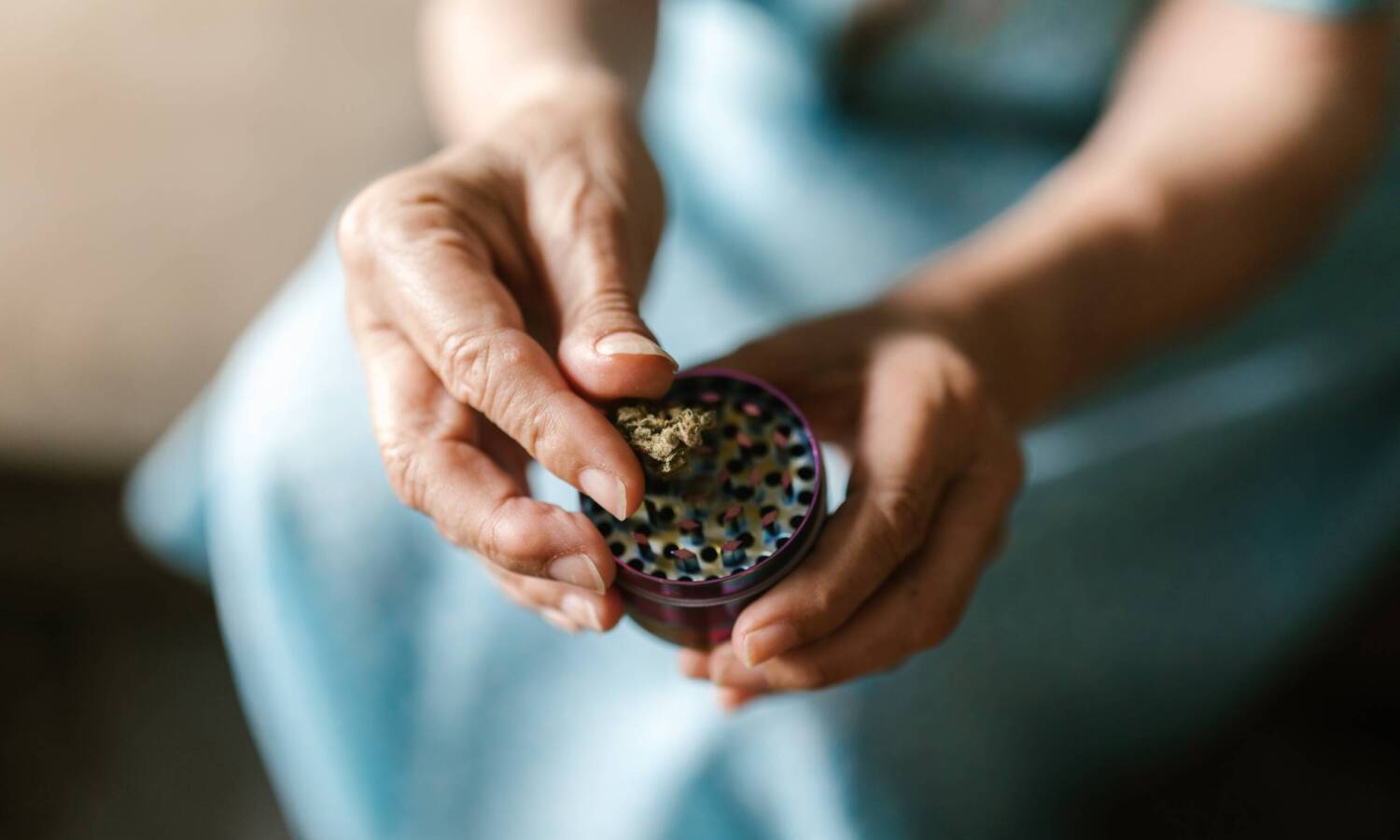
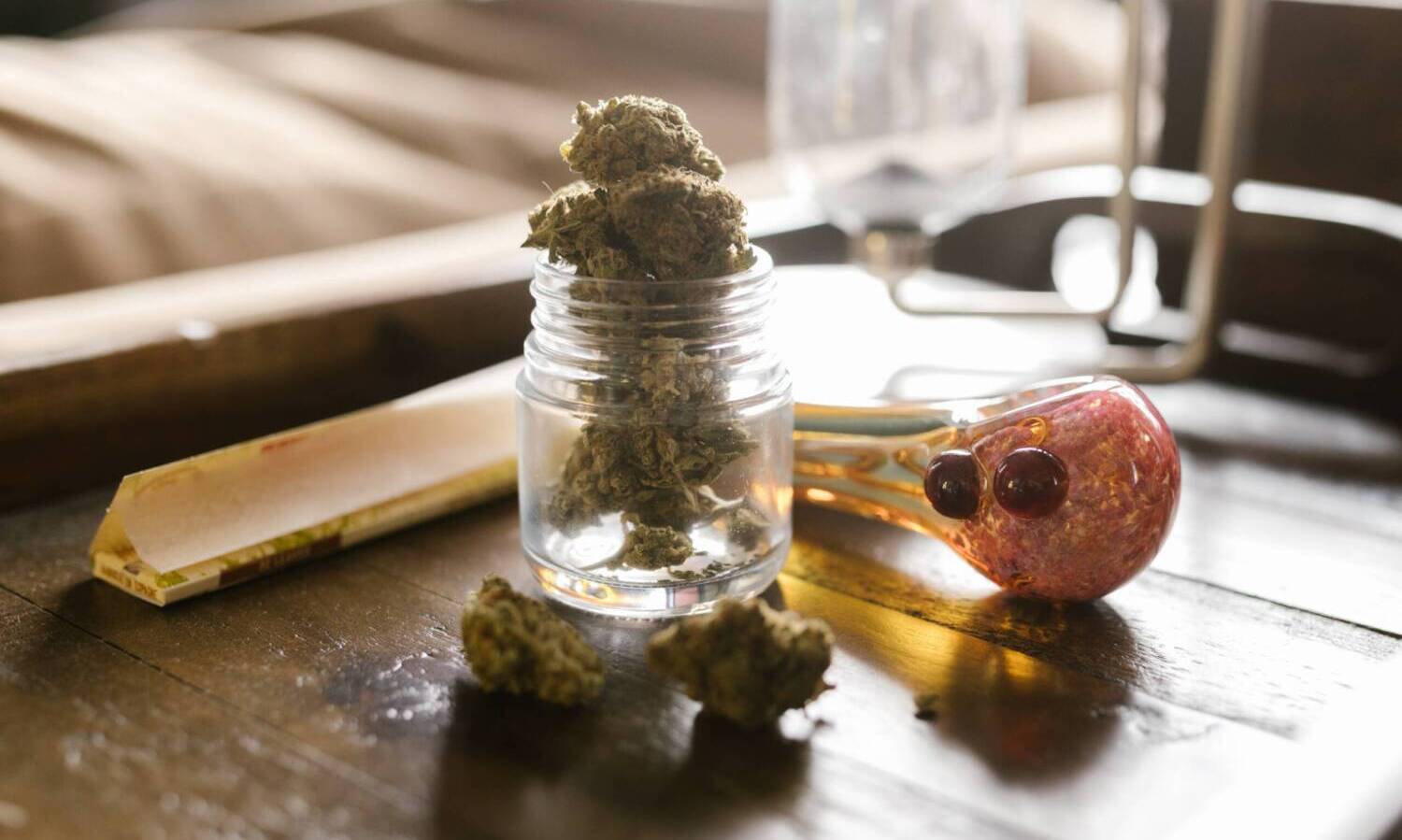
Medicare users are over the age of 65, a demographic that coincides with a lot of medical marijuana users.
A new report shows that Medicare users and medical marijuana patients have a lot in common. According to a survey reported by U.S. News, 1 in every 5 Medicare patients use medical cannabis. Cannabis is not covered by Medicare in any state.
The survey, which was conducted on 1,250 Medicare recipients, also found that 23% of them had used cannabis in the past. Out of all recipients, 21% of them use medical cannabis to treat an ailment.
According to the survey, patients used medical marijuana primarily to treat anxiety, closely followed by chronic pain. Other conditions that were submitted include depression, glaucoma, symptoms of HIV, like nausea, depression, and more. Two-thirds of respondents said they agreed with a statement that said that medical marijuana should be covered by Medicare.
Interestingly enough, current medical marijuana users aren’t too keen on having Medicare cover cannabis. They believe Medicare coverage could increase the price of the product, resulting in them paying more in the long run for the product they want to consume.
Lastly, 31% of Medicare users oppose Medicare’s coverage of marijuana, quoting a lack of research and knowledge on the drug as the main reason for their reticence.
Medicare is federal health insurance for people over the age of 65, a demographic that includes a lot of medical marijuana users. In recent years, seniors have increased their medical marijuana use steadily, coinciding with the legalization of cannabis across the country.
While Medicare tends to cover medicines like narcotics, something that’s different from cannabis’ more naturalistic bend, its coverage would mean a lot for the cannabis community as a whole and would add some validity to its medicinal use. Still, there’s a long road ahead, and more research and a more stable industry are needed before taking such big steps.
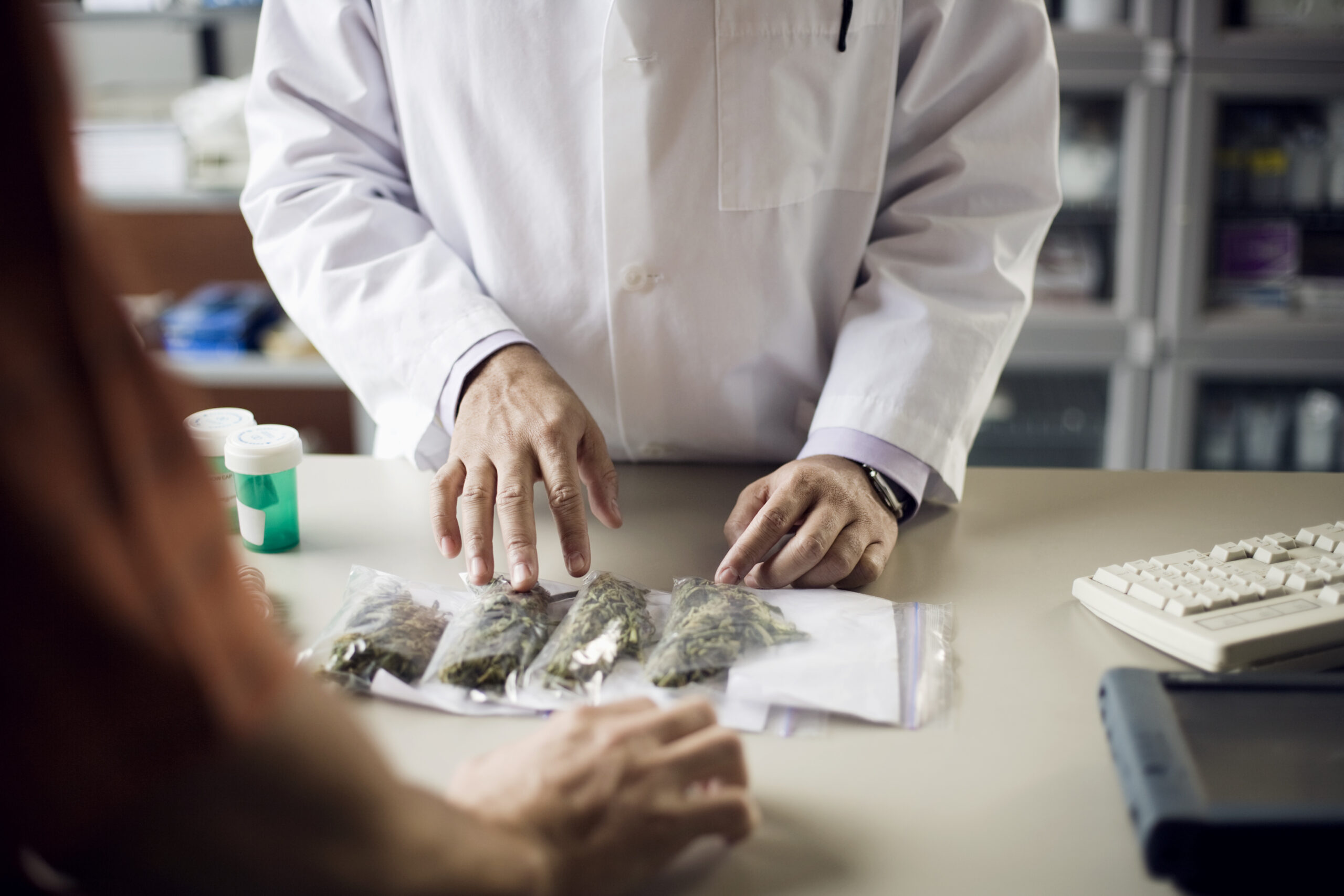
Senate Bill 1186, which aims to put back voter-created access to medical cannabis across California, sponsored by Senator Scott Wiener (D-San Francisco), recently passed the Senate Business and Professions Committee by a vote of 8-3. The bill was sent to the Senate Governance and Finance Committee, according to Senator’s official website.
“Access to medical cannabis is both a health and equity issue, which is why we need to ensure everyone who needs this medicine — including seniors, those living in rural areas, and those living with chronic illness — has access,” said Senator Wiener. “No one should have to drive two hours or buy from the illegal market in order to get their medicine. That’s unacceptable and undermines the will of California voters. SB 1186 ensures that every Californian can access medicinal cannabis, either at a store or by delivery.”
Photo by Jupiterimages/Getty
The California Cannabis Industry Association is sponsoring SB 1186, while California NORML is also backing the proposed measure.
What does the current California law say?
The Golden State allows cities to forbid any and all marijuana sales, which is something 62% of cities are doing right now, with medical marijuana sales included. This means that those city residents, including the ones who suffer from HIV, cancer, insomnia, arthritis and other illnesses and disorders for which cannabis could be helpful, have no other way than to buy it on the illicit market.
Because of this, the illegal cannabis market in the state is booming, and its residents are at risk of getting contaminated and unsafe cannabis products from illegal sources.
New Bill Summary
Under the SB 1186 cities would be required to allow some kind of medical cannabis access. The choice of how to enable that access would be given to each city. Options are several — enabling medical marijuana delivery, storefront or both. But, most importantly, if the bill passes into law, cities in California would no longer be allowed to ban all medical cannabis access.
After all, California was the first state in the U.S. to legalize medical cannabis in 1996, approving Proposition 215, and now medical marijuana is legal in more than 30 states.
This mantra was touted time and time again during the golden years of prohibition and in a way, we’re still adhering to this kind of thinking in related to cannabis policy.
Photo by Catherine Falls Commercial/Getty Images
The “What about the children” argument typically followed the following logic:
Drugs are bad
If you were to legalize drugs you send the message that “it’s okay to do drugs”
The “Children” would see this, imitate it…and….
YOU’LL INVOKE THE APOCALYPSE!!!
Perhaps the fourth point is a slight exaggeration, however the general logical progression in the argument suggests that having something “legal” is indirectly going to convince kids to try drugs.
The problem with this false sense of concern is that “The children” are exposed to a myriad of other social ills that are perfectly legal, and thus – “the children” can verily go fuck themselves, because in “those instances” parents are considered the caretakers of their children and the state no longer has any responsibility towards their wellbeing.
Confused yet?
Yeah, me too!
Let me make it simpler.
As of 2018, nearly half of Americans had a “propensity for obesity” with nearly 1 in 10 Americans being severely obese. When we look at Child Obesity Rates in the US, nearly 1 in 5 has a propensity to obese.
This is directly linked to the American diet. All the sugary, hormone packed, corn syrup-industrial guck they sell you as “food” are packaged in plastics drenched in phthalates that reduces fertility and shrinks the taints of young boys. This was sold en masse without virtually any over sight, and when you looked around in the room, you could hear the crickets as no one screamed “WHAT ABOUT THE CHILDREN!”
Only recently has the discussion on phthalates gained some popularity, but I’m not seeing any major legislations happening, no major push from these so called “Mother groups” concerned about the health of their children. I guess, if they ain’t smoking the icky sticky – they can eat themselves into a coma while actively working on a healthy dose of diabetes to accompany their shriveled little taints.
However, the “What about the Children” mantra might have even perpetuated actual harm against children as a new study found.
Photo by August de Richelieu via Pexels
Legal Cannabis – Fewer Foster Kids!
A recent study entitled, “Recreational marijuana legalization and admission to the foster-care system” found that legalizing cannabis actually could have a positive impact on child wellbeing. Here’s the abstract of the study:
We estimate the effects of legalized recreational marijuana on entry into the foster-care system. Exploiting state-level variation in legalization and its timing, we estimate that legalization decreases foster-care placements by at least 10%, with larger effects in years after legalization, and for admissions for reasons of parental drug and alcohol abuse, physical abuse, neglect, and parental incarceration.
Our findings imply that legalization may have important consequences for child welfare, and that substitution toward marijuana from other substances can be an important part of how legalization affects admissions.
In other words, because parents didn’t go to jail for cannabis, they were able to stay at home and take care of their children. Cannabis is a far less dangerous substance than alcohol on all measurements. Alcohol is involved in nearly 40% of all violent crimes and is highly addictive. Yet, you’ll see ads run on Youtube which can be viewed by children.
You can drink yourself into a stupor, pass out in your yard and piss yourself – which would all be legal and socially “acceptable”. Sure, people frown on alcoholism yet glorify it on T.V with Super Bowl commercials. Once again, the “what-about-the-children” protests are eerily silent when it comes to promoting a more harmful substance during “family time”.
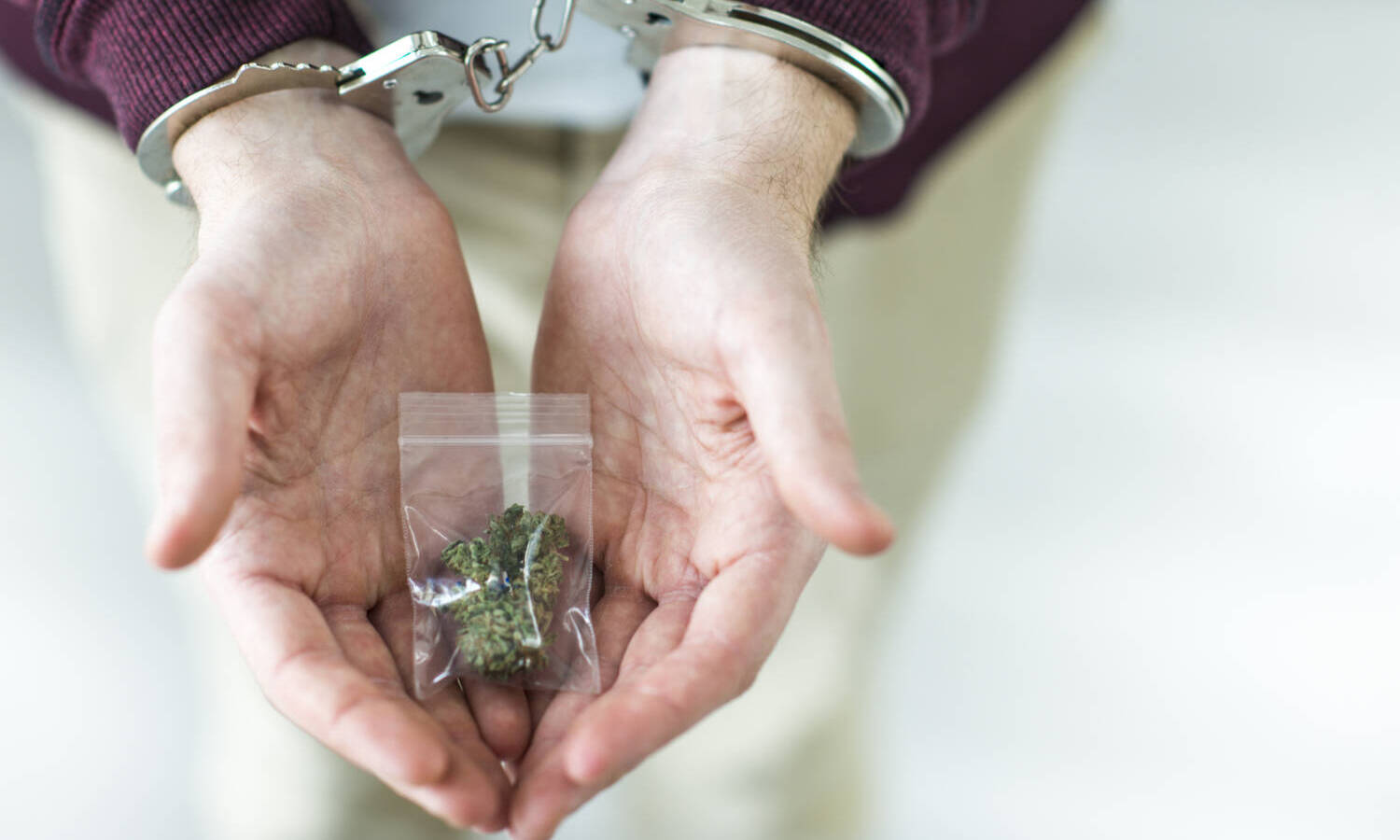
However, the fact that the War on Drugs sends roughly 25,000 kids with families to foster care per year…that is an atrocity. That does merit a “What about the Children!” Yet, once again, those moral-driven parent groups could give a damn about some “poor kids” that aren’t their own. The hypocrisy is real!
How did I get the 25,000 per year? Well, this is based on the general entries into Foster Care in 2019. You can check the stats here. Considering that the study found that it reduced admissions, “entries” by 10%, we’re roughly looking at 25,000-26,000 children.
These are 25,000 children that now have to deal with psychological trauma, a disruption in their development, and a forced separation from their parental figures by a “hostile state”. And you wonder why people don’t trust the government.
I’ve been very disappointed by the number of people who’ve supported legalizing marijuana not because they’ve come to understand the profound problems with the War On Drugs, but simply because weed is about as harmful as caffeine.
Unfortunately most people still don’t understand how the WoD is a harm maximization strategy that takes an already dangerous substance, and greatly exacerbates every dimension of it’s harm, from the user up through society as a whole and national governments.
The calculus is still “This thing is bad, we must ban it.” There’s just been a shift to ‘weed isn’t bad’. That’s why we’re in the midst of yet other drug panic and crackdown where we mindlessly ramp up penalties over fentanyl, even as weed gets legalized everywhere. Left unacknowledged is the fentanyl is a pure example of the consequences of prohibition; virtually no one prefers it, and the crisis was largely created by government policy when the CDC, acting as a mouthpiece for the DEA against medical expert consensus, started a war on pain pills in general, instead of targeted action against inappropriate prescribing, spiking demand for street opioids, leading to need for a greatly expanded supply. Then once they saw the easier sourcing and greater profits, it’s basically replaced heroin, at the cost of far, far, far more ODs.
Which brings us to the fundamental problem with prohibition – it doesn’t make drugs any safer. It also doesn’t solve the problem – only lines the pockets of criminals, bolsters a hostile state, and oppresses children by forcibly removing them from their parent’s care.
As Fafalone pointed out, the War on Drugs shifts in accordance with the latest “problem”. Currently we’re in an “opioid epidemic” and “need” the DEA and the government to “fight” more boogie men. But unlike the average person, I have been covering the War on Drugs, prohibition and the political policies of cannabis for over a decade.
What the study has revealed is that legalizing cannabis reduces admissions by 10%, but how many other drugs also play a role in that? What if treatment was free? What if there was a safe way to get out of addiction? What if locking people up for drug use is the worst possible way to deal with a drug problem?
Photo by FatCamera/Getty Images
The fact of the matter is that the War on Drugs cannot and should not exist at all. It’s an atrocious policy that corrodes the trust in governance, which for an anarchist like myself is something that has long been lost (trust in the gov).
The fact of the matter is that if we’re truly striving for a society that cares about people, we need to stop treating drug use as a crime. We need to acknowledge that we all use drugs, one way or another. We need to understand that Pharma isn’t god when it comes to medicine and people should be allowed to explore alternatives to the Pharma option.
It’s time we as a collective step up, challenge these dinosaurs, and once more “decentralize the power structure”.
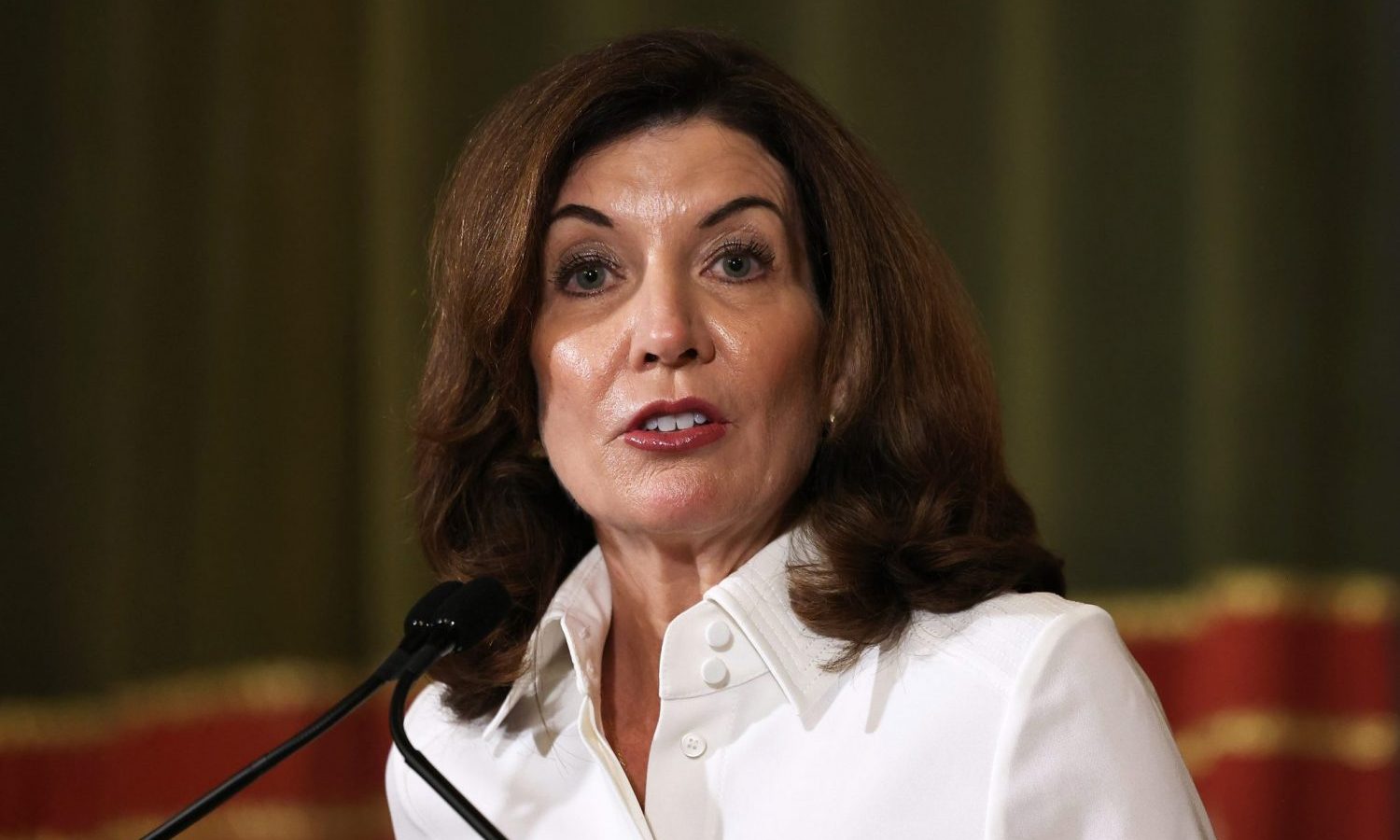
New York Governor Kathy Hochul announced that the Cannabis Control Board has approved 52 adult-use Cannabis Conditional Cultivator Licenses across the state. These are the first adult-use cannabis licenses granted in New York.
The approved licenses are from a pool of over 150 requests that were submitted to the Office of Cannabis Management (OCM) following the March 15 opening of the application portal.
Gov. Hochul said the OCM will continue to review applications on a rolling basis and work to get them to the board for approval as quickly as possible.
“New York’s farms have been the backbone of our state’s economy since before the American Revolution, and now, New York’s farms will be at the center of the most equitable cannabis industry in the nation,” Hochul said.
“I’m proud to announce the first adult-use cannabis cultivation licenses in the state, and I’m proud of the work the Office of Cannabis Management and the Cannabis Control Board are doing to get adult-use cannabis sales up and running as fast as possible without compromising our mission to uplift communities and individuals most impacted by the past century of cannabis prohibition,” said Hochul, who is up for election in November.
The approved licenses also advance the Seeding Opportunity Initiative, announced in mid-March. The initiative prioritizes people with past cannabis convictions enabling them to get the first round of adult-use cannabis retail licenses—ahead of existing medical cannabis businesses.
The policy is part of a concerted effort to assure that early business owners in New York’s projected billion-dollar marijuana industry will be members of communities that have been affected by the nation’s decades-long war on drugs.
This is a clear sign that the MORE Act has a slim chance of reaching President Biden’s desk, considering it needs 60 votes and most Republicans already openly spoke against it.
Even though the House of Representatives approved the Marijuana Opportunity, Reinvestment and Expungement (MORE) Act, H.R. 3617 on April 1, sending it to Senate, the big cannabis battle isn’t over. Some say it has just begun.
The MORE Act, which aim removes cannabis from the federal Controlled Substances Act, allowing states to legalize cannabis, its production, and sale, free from federal interference, seems to have many opponents among politicians.
On the other hand, the newest survey conducted by YouGov, more than 50% of the U.S. population wants to see marijuana legal on the federal level.
More precisely, 60% said yes to cannabis legalization. While Democrats are more likely to support the change, 72% of them voted for marijuana reform. Republicans are evenly split on the issue, with 46% supporting and 46% opposing it.
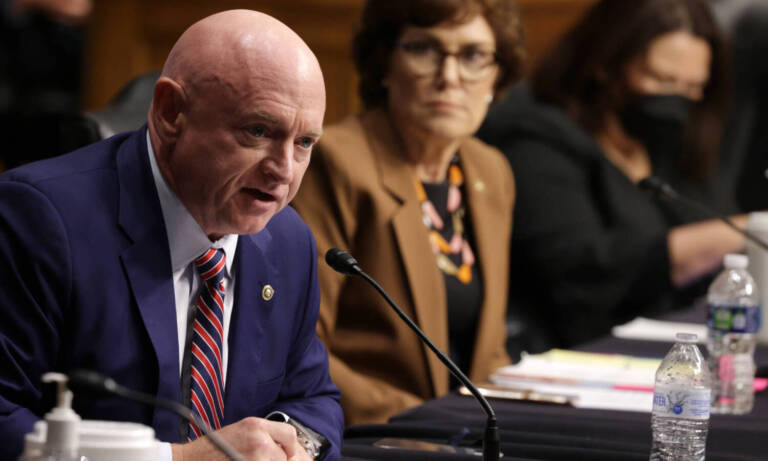
Just this week, U.S. Senator Mark Kelly (D-AZ) confirmed the fear that the bill doesn’t have the support of all the Democrats in the Senate.
Kelly, a retired NASA astronaut and retired U.S. Navy captain, noted that the bill should make operations easier for cannabis businesses in states that have legalized the plant, but “stopped short of endorsing it,” writes azfamily.
“I think in general, folks that are legally conducting business in states like Arizona should have access to the banking system, but I’ll have to look at the details,” Kelly said.
This is a clear sign that the MORE Act has slim chances of reaching President Biden’s desk, considering it needs 60 votes out of the 100-member chamber and most of the Republicans already openly spoke against it.
Photo by Olena Ruban/Getty Images
Senators Who Recently Opened Up Against Cannabis Reform
When asked last week at the Capitol about the MORE Act, Sen. Rick Scott (R-Fla.) said, “Okay, I don’t support that. I’ve had family members who have had a lot of drug issues, and so I’m not going to do it,” reported CNSNews.
Even, Rep. Nancy Mace (R-SC), who is one of the leaders among GOP representatives in favor of removing cannabis from the list of federally controlled substances voted against it. Why?
“The MORE Act forces a system on South Carolinians and other states they do not want. By comparison, my bill, the States Reform Act, removes the federal government from the equation and allows states to decide for themselves,” Mace explained as reported by The State.
Sen. Roy Blunt (R-MO.) doesn’t think the measure “would pass the Senate right now,” and Sen. Steve Daines (R-Mont.) emphasized that there are “serious drug problems in Montana,” a state that legalized recreational marijuana in recent years.
A Spark Of Light
What many cannabis enthusiasts across the U.S. say they’re hoping for, and most cannabis industry experts agree upon, is that medical marijuana legalization has a better chance, as does some form of cannabis banking reform.
Republicans, in general, seem to be more interested in helping to resolve what many see as one of the biggest problems in the industry: banking. Medical marijuana reform seems to be more easily acceptable to members of both parties.
In Colorado, checks for underage cannabis sales experienced a significant drop, something that concerns some lawmakers.
In the state of Colorado, marijuana regulators often send underage operatives to dispensaries to check whether or not IDs are required, ensuring that people under the age of 21 aren’t able to purchase cannabis.
The number of operatives sent to dispensaries has been slowly decreasing over the years, with this year marking the lowest number in three years. And this is disturbing news for some.
The Denver Post reports that in 2019, there were 600 underage operatives sent, compared to 118 the following year when he numbers dropped significantly due to the pandemic. In 2021, the numbers dropped to 80, and this year, there have only been 52 checks conducted, something that some lawmakers consider alarming.
Speaking to leaders of the Marijuana Enforcement Division in a state Senate committee hearing late last month, Sen. Sonya Jaquez Lewis said, “You now have a big old spotlight on you. You’ve got the whole Senate looking at you now.”
Per the division’s website, it’s tasked with “licensing and regulating the Medical and Retail Marijuana industries in Colorado,” ensuring the laws are followed and things are running smoothly. They believe these drops in underage operatives aren’t concerning since they have other ways of measuring how often dispensaries ask for IDs.
For example, children’s safety can be ensured by checking if dispensaries have the necessary tools to check for IDs, functioning surveillance cameras, and conducting regular checks of the dispensary’s footage.
At the beginning of the month, Colorado lawmakers tried to introduce a bill that would have increased dispensary supervision. Senate Bill 149 planned to limit black market cannabis usage, underage sales, and facilitate contaminated product recalls, but was denied due to adding further limitations on Colorado’s cannabis industry, which already has plenty of limitations.
On Monday, New Jersey’s regulators green-lighted the launch of the state’s recreational cannabis market.
The Cannabis Regulatory Commission (CRC) approved 34 conditional licenses and agreed that seven of the state’s ten medical cannabis companies begin sales, possibly within weeks, following a series of setbacks and 17 months after New Jerseyans chose to legalize the use of recreational cannabis in a ballot measure.
The process, which was quite frustrating not only for cannabis entrepreneurs, such as Boris Jordan — the founder and chairman of Curaleaf Holdings, one of the companies which have been given the green light to sell recreational marijuana — but also for lawmakers like New Jersey Senate president Nick Scutari (D).
Nick Scutari’s Mission
He earlier called delays in rolling out the state’s legal marijuana market unacceptable, announcing his intentions to form a special legislative committee to explore the issue through oversight hearings.
While advocates are praising the move and with cannabis prohibition finally reaching its end, Scutari still plans to hold cannabis hearings, Heady NJ writes.
“I am happy progress has been made,” Scutari said. “I will move forward with legislative oversight hearings so we can get an understanding of the delays, the uncertainties, and any obstacles that hinder the full implementation of the cannabis law. The special committee will engage in a fact-finding process with a problem-solving mission. We need to find ways to continue the expansion of medical dispensaries to the recreational market and get the adult-use retail facilities up and running.”
Scutari emphasized the need to reduce costs of medical marijuana.
“Affordability and availability must be priorities for medical consumers who rely on cannabis for health reasons,” he added.
The senator also pointed out that ensuring the “availability of enough cannabis to meet the needs of both the medical and recreational markets” is also important.
Can Cannabis Operators Keep Up With Demand?
Interestingly, the state regulator rejected applications from eight medical cannabis operators in late March precisely on the grounds that, in the aggregate, cannabis operators in the state do not have enough capacity to serve the current medical market.
Despite the setbacks, Cantor Fitzgerald’s Pablo Zuanic expects recreational sales to begin in the Garden State by mid-May. He earlier questioned the “motivations/intentions of the CRC and constant delays.”
Photo by RODNAE Productions via Pexels
Dispensary owners say they can keep up with the demand from both medical and recreational users. During Monday’s commission meeting, one company even said they’d keep one of their facilities open for medical-use cannabis only, New Jersey Monitor writes.
Still, some of the state’s 130,000 medical marijuana patients are worried that the market will be congested with those buying recreational marijuana.
“I’m advising people to stock up now on their weed because I expect there to be a run on it,” said Peter Rosenfeld, a medical marijuana patient since 2011 and involved with the Coalition for Medical Marijuana New Jersey and the New Jersey Cannabis Trade Association.
“As soon as the first one opens up, medical patients won’t even be able to access it anymore,” Rosenfeld said.
He fears that thirteen dispensaries will not be enough to supply nearly 1 million new consumers. Marijuana dispensaries, called alternative treatment centers, are all owned by cannabis MSOs, are already facing challenges in keeping up with demand from medical patients.
While cannabis advocates and market operators have been proposing cannabis home grow to reduce the price of medical cannabis, Scutari “does not see it happening any time soon,” as he is more open to the idea of the industry’s success.
In the meantime, cannabis home-grow remains a felony in the Garden State, even though the legalization of adult-use sales and the decriminalization of possession of up to six ounces of cannabis have taken effect.
Photo by Inside Creative House/Getty Images
Banking & Social Equity Issues
“There are also issues of banking and social equity that should be reviewed,” Scutari said.
With congressional leaders appointing key lawmakers to discuss the final form of a large-scale bill dealing with innovation and manufacturing in recent days, there’s hope that it will be the vehicle to protect financial institutions that work with state-legal cannabis businesses.
The U.S. House of Representatives formally attached a marijuana banking reform amendment from Rep. Ed Perlmutter (D-CO) to the COMPETES Act in February.
Following its latest and sixth attempt to get the Secure and Fair Enforcement (SAFE) Banking Act across the finish line, Perlmutter, who is preparing to retire soon, said he is determined to continue putting pressure on his Senate colleagues to advance the bill.
There are signs of late that the bipartisan bill could be a focal point for negotiators, with Maxine Waters (D-CA), the chairwoman of the House Financial Services Committee, on Monday citing the legislation as one of her legislative “priorities.”
With midterm elections looming, the U.S. Senate seems to be far from passing SAFE Banking or social justice-focused MORE Act and President Joe Biden appears to be indifferent to marijuana, at least for now.
The U.S. cannabis industry, excluding the black market, creates an average of 250 new jobs daily. This translates to a person getting hired for a cannabis-related job every two minutes.
The exponential increase in cannabis sales in the past two years has resulted in a massive expansion of the cannabis industry. The total number of people employed full-time in the cannabis sector today is almost five hundred thousand. And is still increasing monthly as more states establish their legal cannabis markets.
There are dozens of cannabis positions in the industry currently, and every day, more marijuana job openings are created across the cultivation, processing, retail, and even delivery niches. The industry is just kicking off.
Employment Opportunities within the US Cannabis Industry
Before the massive boost in sales during the pandemic, the marijuana industry had fewer than 100,000 workers. The increase in cannabis job creation started when retail sales increased exponentially.
As states like New Jersey, Connecticut, and New York are set to implement retail sales in the coming months, cannabis workers will exceed half a million. Figures from 2021 show a sizable difference in the number of workers from 2020 to 2021. Regardless of the ongoing issues, In the global business space, the cannabis industry has continued to soar. In fact, many displaced workers from other sectors have switched careers to delve into the different niches in the cannabis sphere.
In 2021, at least 100,000 new jobs were created in the U.S. cannabis industry by legal cannabis states. Compared to 2019’s 32,700 new jobs, last year was the best year for the cannabis industry. In 2020, about 76,000 jobs will be created. One can only wonder what this figure will be at the end of the year. As of December 31st, 2021, the total number of workers in the marijuana industry was pegged at 428,059—almost a hundred thousand more than 2020’s total count.
More Details About The Report
Leafly partnered with Whitney Economics, a cannabis economic analysis firm, to compile this detailed report. The report also pointed out that both cannabis markets, that is, the recreational and medical markets across legal states in the country, sold at least $25 billion worth of cannabis products from January to December 2021. This figure is about $6 billion more than 2020’s total cannabis sales.
The report stresses that the marijuana industry has the fastest growth in the global market. It has outpaced other legal traditional markets and is still OK with the move. The sector has an employment growth rate of more than 25 percent; this has been the case since 2018. Compared to the cannabis industry, other conventional businesses have grown by less than 10 percent. Experts predict this trend will continue until the current decade ends in 2030.
Leafly explained that the industry’s expansion is being slowed down by job shortages, pending retail implementations, and unfilled job positions. From now till the time retail sales are implemented in different states, employees will be busy hiring enough workers to ensure they are capable enough to meet their future demands.
Photo by Zummolo/Getty Images
An Economic Driver
For many legal states, the cannabis industry is acting as an economic driver, pushing their various economies to new heights. From the first implementation of retail sales of recreational cannabis in 2014, the U.S. cannabis industry has gone on to create hundreds of thousands of new job openings.
Yoko Miyashita, CEO of Leafly, pointed out that there are hundreds of new American jobs that will be made in the coming years. In an official statement, it is explained that the cannabis industry has the potential to be a food economic determinant in the future in legal states where hemp food and cannabis-infused are gaining traction. He expressed his joy at seeing the rising number of new jobs in the cannabis industry. He says that the employment numbers reflect the positive growth of the industry.
Miyashita mentioned that his corporation, Leafly, is proud to advocate for the federal legalization of cannabis. He promised that Leafly would continue to connect consumers and investors with reliable information about the industry. Note that there is a considerable gap brought about by the lack of federal reporting on cannabis-related issues. Without cannabis publishing groups, many would be in the dark about the state of cannabis operations in the country. As long as an equitable and accessible federal cannabis program is approved by the legislative or executive branch of government, more positive changes will be observed.
There’s no better time to solicit cannabis reforms than election years. This year, the midterm elections will take place. Voters have to ensure that elected officials understand the need for cannabis reforms. In countries like Canada and Germany, cannabis has remained a leading homegrown industry. America can also achieve its goal of an equitable and profitable industry in no time.
The Reality of the Cannabis Industry
The cannabis industry is growing to be one of the most populated industries for workers in the United States. Experts analyzed the industry’s figures and discovered three times as many workers in the marijuana ecosystem as there are dentist. You could even say that there are more cannabis job openings than barbers and tailors combined.
At this rate, the total number of workers employed in cannabis-related businesses will reach and exceed one million workers. The total annual revenue generated by the cannabis industry could also double before 2025. Even at that level, the industry would still be unable to meet half of its potential market.
Bottom Line
The American cannabis industry, excluding the black market, creates an average of 250 new jobs daily. This translates to a person getting hired for a cannabis-related job every two minutes. If this figure seems impossible, consult recent data on tax revenues and marijuana sales in different legal states, and you’d be amazed.
It’s more than evident that the cannabis industry is here to stay. It will continue to expand as more states adopt medical and recreational cannabis reforms. As it grows, hundreds of new jobs are created to satisfy consumer demand. If you’re looking to switch careers, look no further than the cannabis industry.
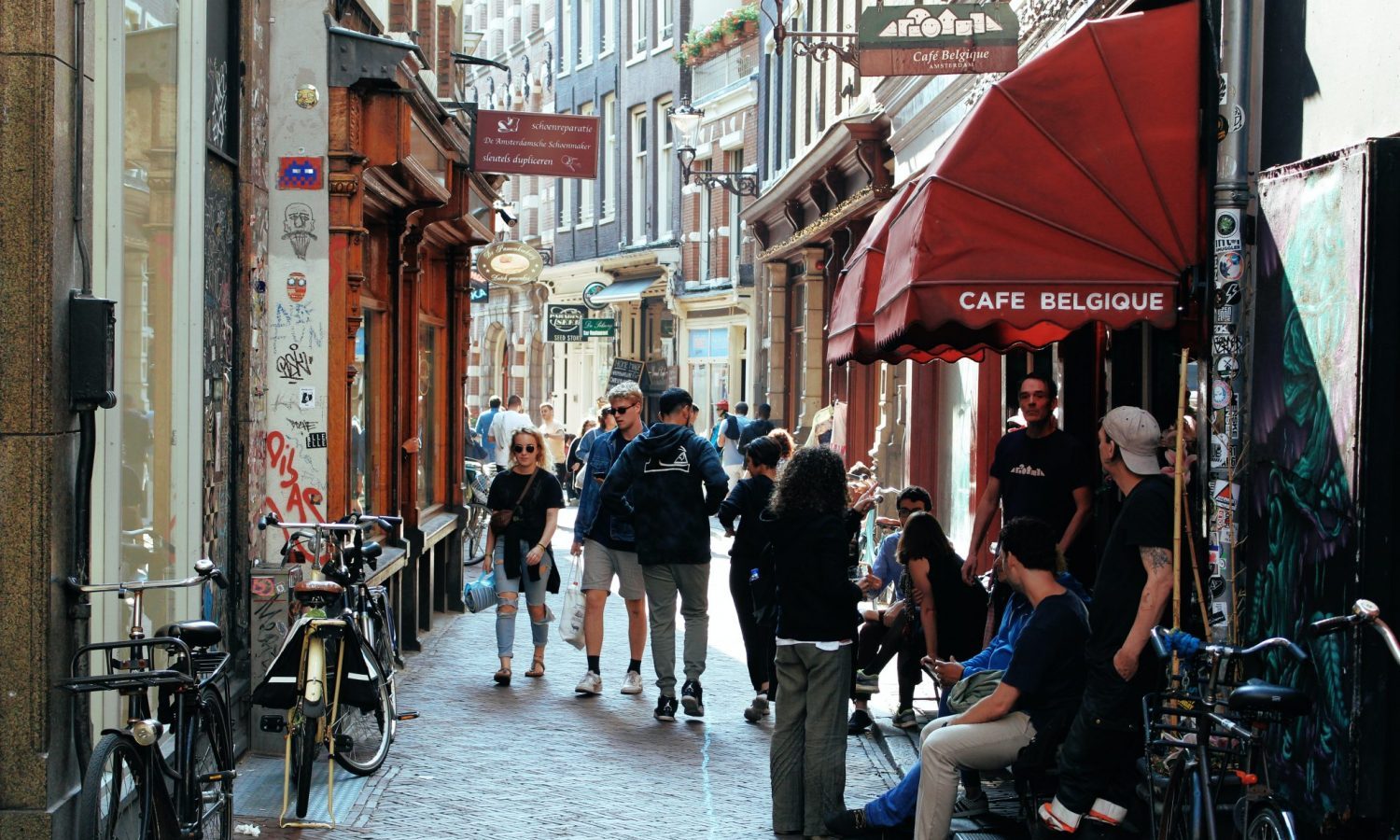
Amsterdam mayor Femke Halsema also wants to move forward with plans to close the city’s cannabis cafes to tourists, arguing the move is the only option to control the local soft drugs market.
As surprising as it sounds, Amsterdam’s cannabis tourism has been famous for decades even though cultivation is banned in The Netherlands. Coffee shops are forced to illegally buy a product that they then sell legally without any problems.
Now, the government is seeking to eliminate the illicit cannabis market through a regulated marijuana production program, due to start in 2023, to supply all coffee shops in 10 local municipalities. However, coffee shop owners are resisting the measure.
In addition, Amsterdam mayor Femke Halsema wants to move forward with plans to close the city’s cannabis cafes, or coffee shops, to tourists, arguing the move is the only option to control the local soft drugs market, reported dutchnews.nl.
Halsema told city councilors on Monday afternoon that there is a worrying interdependence between the soft and hard drug trade and that “money from the lucrative cannabis trade easily finds its way into hard drugs.”
The mayor launched a new campaign against street dealing, including warning signs, camera surveillance and the use of hosts to warn tourists about the risks in the city.
Breeders continue to miss out on a lot by focusing on increasing THC content in cannabis plants instead of terpene profiling.
Many argue that the best thing about cannabis is THC, but I believe that the terpenes in this plant are king. Terpenes give plants their aroma and flavor, and like all consumables, people will hardly consume anything unless it smells good.
Close your eyes and imagine the scent of pine emanating from your last Christmas. If you’re finding it hard to remember, visit the nearest grocery store or farm and catch the whiffs of the ripe fruits that have just been harvested or stocked. It would do you wonders to capture the unforgettable fragrance of lavender or eucalyptus that hits you when you enter a salon or spa.
My point here is that aroma is directly linked to experiencing nature and the world at large. Any natural place or area you find yourself in has its unique smell. The scent given off in a location can boost your mood or put you off.
Aromas help solidify vital memories and also help remember these memories. For instance, whenever I catch a whiff of strawberries, I remember my late grandparents’ farm and the beautiful memories I made there with my siblings and cousins. No matter how faint the aroma is, it can instantly transport you to another location or period.
Terpenes are the astounding compounds responsible for producing these distinct aromas. Notable scientists worldwide have taken time to investigate these compounds and shed more light on their existence. Although the information available is still limited, it’s better than nothing.
A General Overview of Terpenes
Terpenes are available in most plants and trees, like lavender, oranges, roses, mint, and our favorite plant, cannabis. In the last decade, very little attention was directed at these compounds, whereas they occupy a crucial position.
In the cannabis ecosystem, terpenes play a direct role in cannabis’s acceptance within the human body. The first sense a consumer comes into contact with when holding cannabis is its aroma. All forms of cannabis, whether indica, sativa or hybrids, contain terpene compounds. These compounds determine how the entourage effect plays out. They are a key determinant of psychoactive and therapeutic cannabis effects. However, they’ve not been considered as much as they should be. To understand the interaction of cannabis compounds with receptors in the body, there has to be an in-depth understanding of the vital role terpenes play.
The cannabis industry needs to prioritize research of these compounds to improve the quality of their products.
The industry is now at a critical inflection point. By 2028, the global cannabis industry will be worth at least $70 billion. Before then, the industry has to come together to study the different compounds in the revered cannabis plant. Every actor in the industry, including the breeders, testers, cultivators, retailers, and consumers, needs to prioritize terpene research. They must also try to figure out the other important traits in cannabis plants that should be prioritized. THC and CBD are not the only important compounds in cannabis, and their study alone will not provide the ecosystem with the needed diversity.
Why Is Terpene Research Important?
The cannabis industry has a lot to lose if it continues to prioritize only THC and CBD studies instead of looking into the other vital compounds. The industry needs to clearly understand the unique compounds in all forms of cannabis plants.
For starters, cannabis testing labs can focus on extracting and investigating the most dominant terpenes. This would save the industry from missing out on tapping into hundreds of diversities. The less common terpenes can be considered as soon as more information has been gathered on dominant terpene compounds.
Regular cannabis consumers probably have no inkling or understanding of how the knowledge of terpene compounds could boost the breeding and testing niche in cannabis production lines. The absence of useful information has been detrimental to breeders. A majority of them do not understand why after-pains are formed in cannabis, as they cannot directly correlate this to genetics. Working with a few terpene profiles would show them better ways to improve cannabis genetics instead of focusing only on cannabinoids and their content levels.
Photo by RODNAE Productions from Pexels
Misconceptions About Cannabis Potency and Terpenes
The cannabis industry has several misconceptions related to the potency of cannabis products. In the last 10 to 20 years, many breeders have focused on creating products with high THC content rather than genetic diversity. Consumers believe that the “skunky” aroma of some cannabis strains indicates high THC levels. I’m afraid that’s not right. The intense skunky smell can be traced to sulfuric compounds present in the plant.
Proper terpene profiling would be a far more accurate way to get information about various induced effects. Breeders continue to miss out on a lot as the focus is on increasing THC content in cannabis plants. In contrast, they should be looking into the “champagne” of supreme powerhouse cannabis, which are the terpene compounds.
Taking Advantage of the Terpene Market
The parents give plants, fruits, spices, and flowers unique flavors and aromas. Some of the dominant terpenes include linalool, myrcene, pinene, and limonene.
The best thing for cannabis operators to do is to look into the prospect of creating diversity through terpenes. This would prevent cannabis from going through the same path as tomatoes. Tomatoes are a prime example of what happens when a traditional market focuses more on increasing yield than improving the flavor and aroma profiles. Tomatoes in the US are more or less the same genetically. There is little or no genetic diversity in the breeding process, and no industry wants that.
Final Note
More information about the terpene profiles of cannabis plants will help breeders generate varying collections of cannabis genetics.
As an industry, breeders and other cannabis operators must decide to learn more about which dominant or less common terpenes produce the different aromas. Then breeders can take the next step by accessing these reports to grow genetically diverse plants with sufficient terpene levels. This is merely the surface of cannabis research. With successful alignments across the legal industry and a more intense focus on cannabis genetics inbreeding, expect to have dozens of newly-developed cannabis plants with brand-new fragrances.