Nearly two-thirds of Americans would like to see marijuana legalized, a recent poll shows.
In the new survey, conducted by YouGov using a nationally representative sample of 1,000 U.S. adult citizens interviewed online from April 1-5, 57% would support expunging marijuana-related convictions, while 51% back allowing banks to provide services to marijuana businesses.
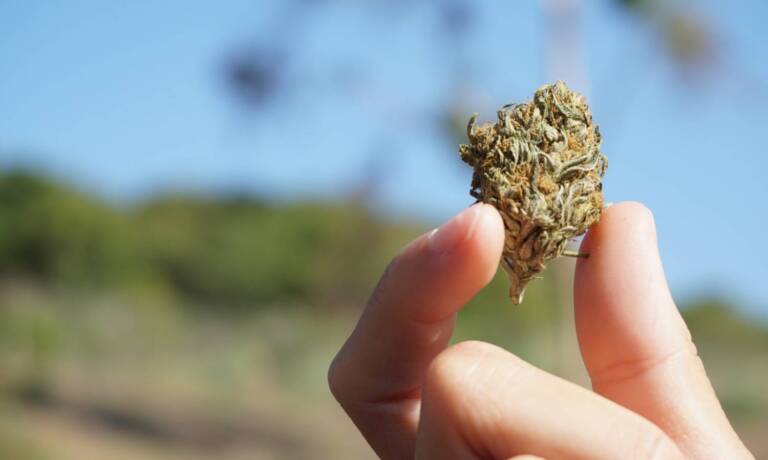
Photo by Fiordaliso/Getty Images
On the other side of the spectrum, 27% of those surveyed oppose the federal legalization of cannabis.
While Democrats are, unsurprisingly, far more likely to support the change, with 72% of them voting for cannabis legalization, Republicans are evenly split on the issue, with 46% supporting, and 46% opposing it.
However, it seems that Americans are mainly divided over the legal age of a person who can legally buy cannabis: 42% said the age should be 21 and 36% leaned toward 18.
The newest data confirm the results of the Gallup poll released late last year, which showed that as many as 68% of U.S. residents support cannabis legalization. Growing support for cannabis legalization was demonstrated recently with the U.S. House of Representatives passing legislation that would legalize and tax marijuana nationwide.
Photo by Matthew Micah Wright/Getty Images
Alcohol vs. Marijuana
Nevertheless, evidence of the plant’s popularity is demonstrated by another YouGov survey showing that nearly one-third of over 10 000 Americans think it would be ideal if people used more marijuana and less liquor. What’s more, the majority of U.S. adults view alcohol to be more harmful to a person’s health than marijuana.
Cannabis sales data only confirm this trend as Illinois took in more tax dollars from cannabis receipts than alcohol in 2021, according to an update released by the Illinois Department of Revenue. Recreational cannabis taxes in the Prairie State exceeded liquor taxes by nearly $100 million for the whole year after outpacing it for the first time in February 2021.
Massachusetts followed suit by bringing in $74.2 million from marijuana taxes, compared to $51.3 million from alcohol in half of the fiscal year.
Cannabis Bong Smoking Four Times More Toxic For Non-Smokers Than Tobacco Fumes
However, on the health side, there is evidence that secondhand marijuana smoke is more harmful than secondhand tobacco smoke.
Unfortunately, the list of health conditions and serious illnesses tobacco triggers in smokers, as well as non-smokers is long.
The data collected by the Centers for Disease Control and Prevention (CDC) indicate that over 8,000 stroke deaths can be attributed to secondhand smoke, 7,300 deaths from lung cancer, and nearly 34,000 premature deaths from heart disease annually in the United States among non-smokers.
The study, published in the JAMA Network Open by researchers at the University of California, Berkeley, found that non-smokers may be exposed to air pollutants at concentrations equal to twice federal air quality limits.
Thanks to a never-ending pandemic and more opportunities to telecommute, many Americans are picking up and moving. If you’re a weed lover, you may want to consider these cities.
The last few years have proven to be times of change for many Americans, whether it’s starting a new job or starting over in a new city. Because of this, along with the growing legality of marijuana, previously under-the-radar cities have skyrocketed in popularity.
Moving is not always enjoyable, but if you happen to love weed and are looking for somewhere new to live, there are several cities in the U.S. that might be a good fit.
Here are 10 of them.
Photo by RODNAE Productions via Pexels
Anchorage, AK
Weed enthusiasts who love the wilderness and don’t mind an extended winter might want to consider looking North. Alaska, while conservative leaning in several respects, was one of the first states to legalize recreational marijuana. Anchorage is the most populated city in Alaska. It has plenty of great restaurants and dispensaries, but the great outdoors is never far away in America’s 49th state.
Ann Arbor, MI
Historically known as a college town, Ann Arbor Michigan is becoming a very cool small city to live in, especially now that weed is legal in Michigan. Ann Arbor has many of the conveniences of a city, but still has a small town vibe for those who don’t love the hustle. This is among the reasons it ranks as the number 6 in best places to live according to CBS News.
Chicago, IL
The wind in the windy city smells a lot more like marijuana these days. Weed is now legal in this major metropolitan city, and its citizens have embraced it. Chicago is known as quite a foodie city, and “The city’s dining scene features some of the greatest cannabis cooks in the country,”wrote the Chicago Tribune. So if you love weed and food equally, Chicago might just be the perfect fit.
Photo by Pedro Lastra via Unsplash
Colorado Springs, CO
While you hear a lot about Denver being one of the top weed destinations, there is another city in Colorado that might be worth looking into. Colorado Springs has an active energy, and also has more favorable weather year round. This makes it possible to enjoy the outdoors for the entire year, unlike some higher elevation cities. It is also cheaper. “Colorado Springs real estate tends to be more affordable than in other parts of the state, which is a huge reason many people choose to live there,” wrote Uncover Colorado.
Las Vegas, NV
Entire neighborhoods seem to be popping up in Las Vegas almost overnight. This city has seen a major influx in residents. Real estate is much cheaper in Las Vegas, and there is a lot to do. Just as neighborhoods keep appearing, so do marijuana dispensaries. Las Vegas is quickly becoming one of the top destinations for weed tourism, and doesn’t plan to slow down any time soon.
Portland, OR
Portland is known for its progressive nature, delicious food and youthful nature. These qualities are all perks for those who love marijuana. Portland is one city that continues to get creative with weed, and it is woven into much of its hip culture. That, combined with the fact theU.S. News has yet again ranked it one of the Top 10 places to live, makes Portland a great place to call home if you really like pot.
San Diego, CA
While Los Angeles and San Diego are both great SoCal cities for those who love weed, San Diego has a slight edge. While it is still a major city, there is a slightly more laid back vibe. San Diego, although quite expensive, is slightly cheaper than LA, making it the top destination for weed enthusiasts looking to relocate to sunny California.
San Francisco is synonymous with marijuana and its legalization. This famously liberal city was a pioneer in early marijuana legalization, and there are a plethora of dispensaries throughout the City. San Francisco is notoriously expensive, but if price is not a concern, it really is a weed Mecca for those on the quest to find it. The fact that some of the best weed is grown just a few hours drive away in Humboldt County only sweetens the deal.
Santa Fe, NM
New Mexico recently legalized marijuana, and its most beautiful city has become a great option for marijuana-inclined home seekers. Santa Fe has stunning landscapes, a plethora of art museums, a liberal laid back vibe — and now weed. Santa Fe recently came in at number four on Conde Nast Traveler’s Readers’ ChoiceAwards “Best Cities in the U.S.” If you are looking for a new home, you may want to take a look at this beautiful desert oasis.
Seattle, WA
Coffee and weed go so well together, and no place does coffee and weed quite like Seattle. This city is as rich in caffeine as it is in culture. In addition to being a progressive city, it is famously known for being clean and green, hence The Emerald City. In fact, it is ranked the number one city for outdoor activities byNiche.
With all of these benefits and more, you can’t deny that CBD is an essential supplement that women can benefit from at all stages in their lives.
More and more women are taking CBD and demand for cannabidiol (CBD) products continues to soar. In 2020, the value of the CBD market reached $2.8 billion, according to data from Grand View Research. Its healing benefits are what drives the demand, along with an increasing acceptance in its use since CBD is the most popular cannabinoid due to the absence of psychoactive effects compared to THC.
It may be surprising to learn that women have been significant in spurring CBD market growth for many years now. A 2018 study showed that more women use CBD compared to men, and a study that same year by Ease that analyzed 450,000 cannabis consumers showed that female baby boomers were the biggest segment of CBD users. A more recent survey found that women were more likely to use CBD for a medical condition, and men tended to use CBD for overall health and wellness.
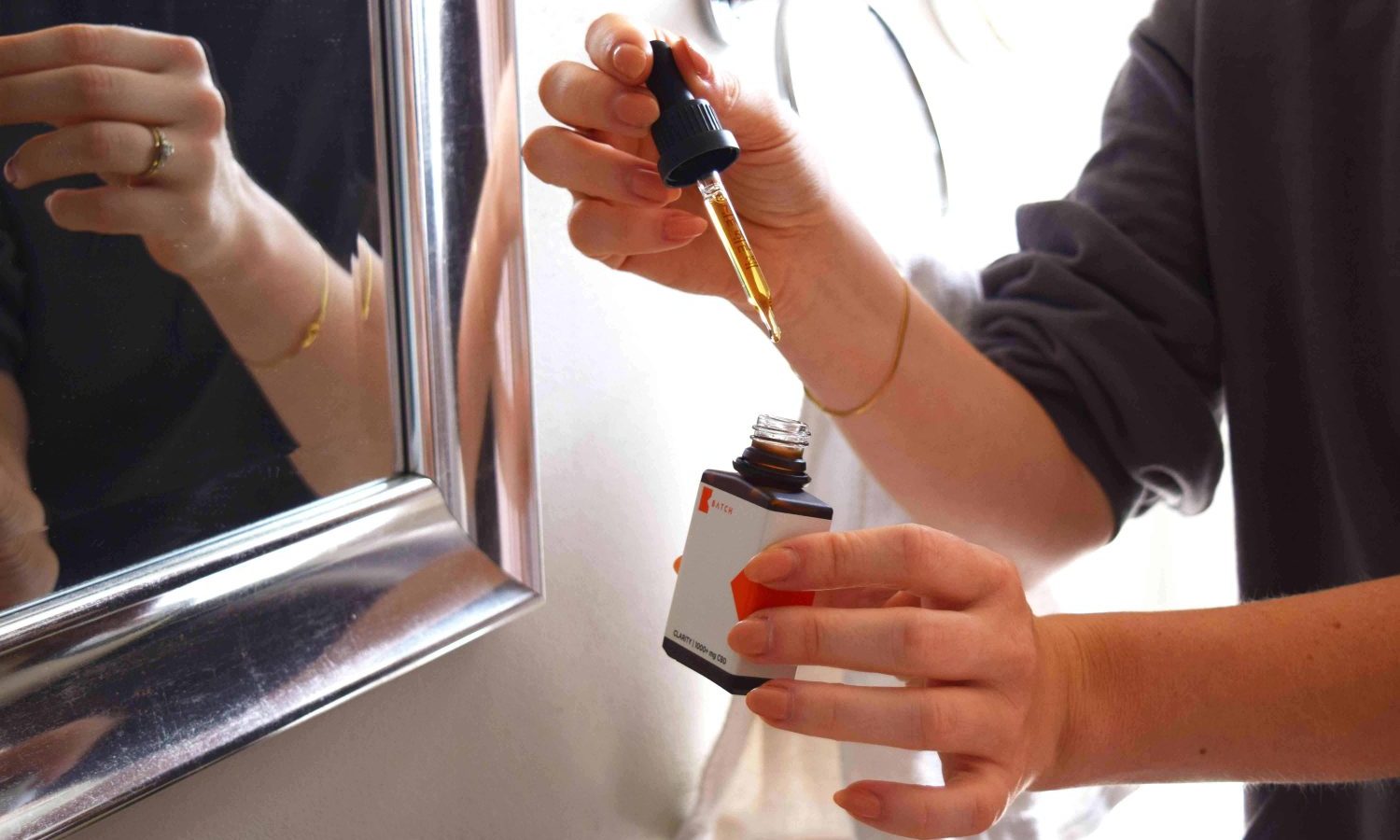
Photo by BATCH by Wisconsin Hemp Scientific via Unsplash
While the conditions that cannabis has been proven to treat aren’t gender-specific, for a great deal of them, women lacked access to proven safe remedies for women’s health problems. That’s why it’s become so much easier to supplement with CBD for overall women’s health; it can be taken in many forms the way you would supplement with other things such as vitamins.
Additionally, women can safely take oils and other consumption methods without having to worry about side effects. And there are a growing number of women who are taking CBD-based medicines even without consulting their doctors, thanks to the research and anecdotal support that can be found online and within our communities.
Let’s take a look at the reasons why CBD is the best and safest supplement out there for women’s health.
Pain
Men and women perceive pain differently, and there are biological reasons for this.
Women are prone to fluctuating female hormones, which can affect how pain is perceived. An example of this is when the menstrual cycle is ongoing or after menopause, there is an increase in pain receptor activity due to lower estrogen levels. This will then result in the body becoming more sensitive to pain. In addition, women possess greater nerve density, which causes them to experience pain more intensely compared to men.
CBD can be used to treat many pain conditions including migraines, arthritis, fibromyalgia, and so much more. Women are prone to all kinds of pain in all stages of life, and these are where CBD can help because CBD reduces pain when it interacts with the endocannabinoid system to cut down on inflammation.
Pelvic Pain
With at least 6.5 million women in the US alone suffering from endometriosis, and a majority of women struggling with dysmenorrhea during their periods, pelvic pain is simply something men do not understand but has become a normal part of women’s lives.
Photo by PixelsEffect/Getty Images
However, pain shouldn’t be normal. Some 20% of women have dysmenorrhea bad enough that it can interfere with daily activities, and for those who struggle with endometriosis, we can tell you that the pain can sometimes be much worse than childbirth. CBD is an excellent tool that can help ease the inflammation causing both of these conditions as well as the flare-ups of endometriosis.
Last year, a survey conducted by researchers linked with the University of Michigan revealed that women who struggle with chronic pelvic pain use CBD frequently to help them with their symptoms. They also use it instead of other prescription medications, says the data, which has been published in the Journal of Minimally Invasive Gynecology.These findings were similar with others, verifying that more and more women use cannabis products to treat chronic pelvic pain while reducing dependence on opioid medications.
Remedy Review, a natural health product website, polled some 1,000 women to see how they make use of CBD. Pain relief was touted as among the top reasons why Generation X females use CBD, though baby boomers also use CBD for pain relief.
Beauty
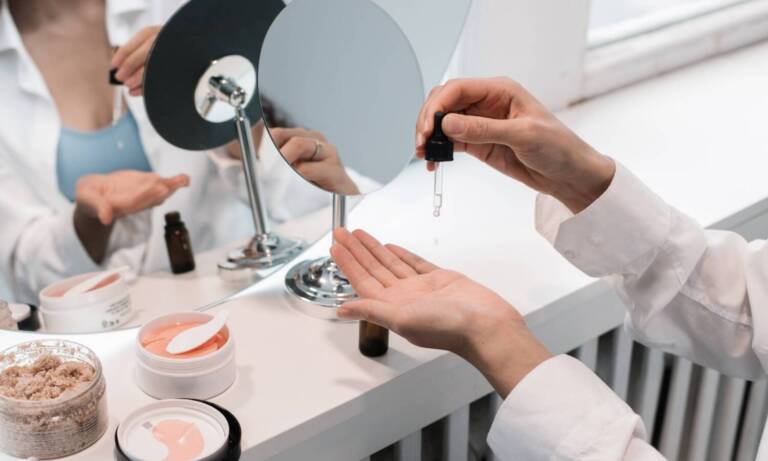
These days, CBD can be found in countless serums and other beauty products. Studies show that CBD is beneficial in treating and preventing acne breakouts because of its ability to reduce skin inflammation while regulating oil production.
These benefits also extend to its anti-aging properties. CBD is a powerful antioxidant that does an excellent job of eliminating the signs of aging. You can consume CBD orally but also apply it topically through serums as well as creams and lotions to enjoy localized benefits on your face to prevent wrinkles.
Anxiety and Depression
Women are doubly prone to anxiety and depression no matter what age, compared to men. Many of these mood changes are caused by hormonal changes, but there are other factors too, such as life experiences and some inherited traits.
The risk for developing depression begins in puberty, which is when women are exposed to fluctuating hormone changes. It continues during premenstrual times of the month, pregnancy, postpartum depression, then perimenopause and then finally, menopause. Women who supplement with CBD can greatly benefit from its ability to help provide balance to the hormones; a study even shows that it can also help to regulate the production of cortisol, a stress-activating hormone.
Sex
CBD-infused lubricants are helping countless women find joy in their sex lives again. These greatly alleviate dryness and the pain associated with sexual intercourse that some women suffer from. You can also take CBD orally to promote muscle relaxation, while treating performance anxiety.
With all the stress and mental health problems that women are prone to, it can make enjoying sex difficult which is evident in painful intercourse. CBD can help with that too. THC-infused lubricants are newer to the market but are getting strong reviews from couples where access to these products is more available.
With all these benefits and more, one can’t deny that CBD is an essential supplement that women can benefit from at all stages in their lives.
Seasoned weed users claim that the cannabis market in Massachusetts sells subpar weed at premium prices.
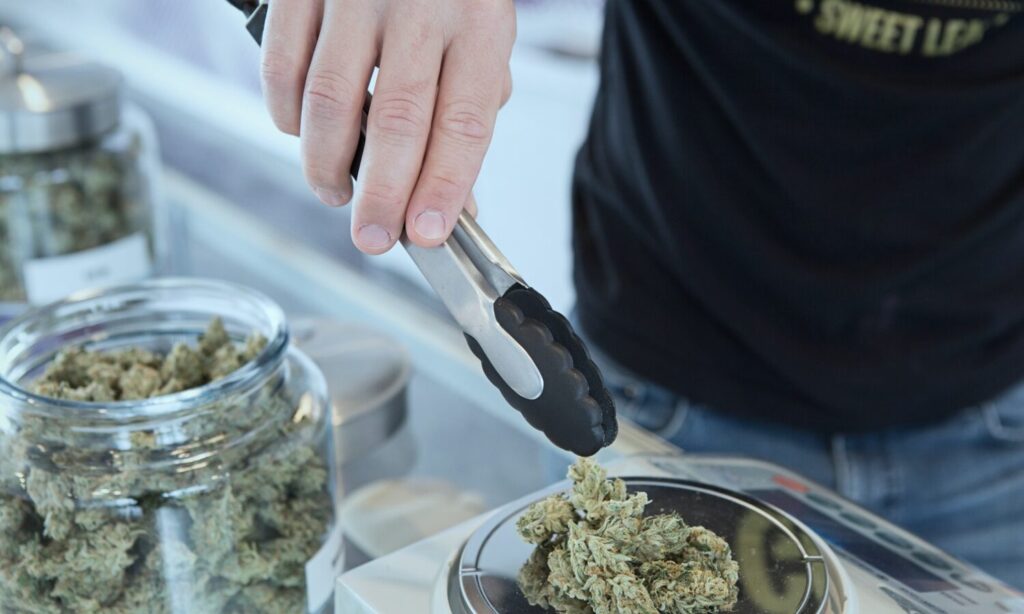
Legal marijuana has led to a lot of perks. Aside from the fact that cannabis is more accepted and is less of a taboo topic, there’s a wide variety of products. Cannabis comes in all shapes and sizes and, if you know where to look, is of reliably solid quality. Except in the Bay State, where consumers say Massachusetts weed is “garbage”
The Boston Globe reports that dozens of marijuana connoisseurs have been complaining about the quality of their state’s weed. Most agree that while cannabis has improved with its legalization, the state produces mediocre weed and sells it at premium prices.
“It’s garbage,” said Warren Lynch. “The market here is dominated by nasty corporate schwag.”
“People from other states don’t want our weed when they visit,” said Chandra Batra. “They think it’s a bad joke.” They share that those who know better prefer to purchase cannabis illegally or to go out of state for their medical marijuana.
Some of the problems that consumers recall include purchasing prepackaged flower from dispensaries, preventing them from interacting with the product and noticing its qualities, one of the main ways in which cannabis connoisseurs can tell whether or not they are handling a good batch of weed. These problems were augmented by COVID-19, which prevented people from handling a variety of products or spending extended periods of time in dispensaries.
While people’s taste in cannabis is subjective, qualities like sticky buds, bright colors, milky trichomes, and strong smells are all associated with a better experience. This isn’t at the forefront of the majority of cannabis consumers, but it’s still an issue for long-term consumers.
Cannabis growers and cultivators from Massachusetts claim that many of their problems stem from a young industry, ones that aren’t exclusively limited to Massachusetts. “What you saw a lot of in Massachusetts, especially early on, was people sacrificing quality to pass testing through a quick-drying process,” said Brandon Pollock, chief executive of the cannabis firm Theory Wellness.
Experts claim that good cannabis comes when batches are made with care, usually in smaller amounts. Still, in most legal states, the cannabis industry is busy establishing itself and producing sufficient products to satisfy people’s demands.
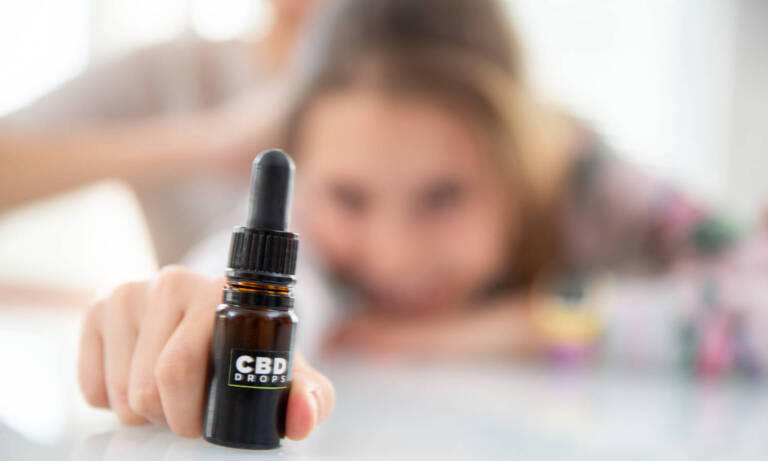
Result of a recent poll revealed that some three-quarters of parents in the United States view CBD as a good alternative for their children when conventional medications don’t work.
When a child is suffering, parents will naturally do anything they can do to help them. It can get especially challenging and emotionally taxing for parents of children who are diagnosed with treatment-resistant or difficult-to-treat conditions such as epilepsy, autism, chronic pain, anxiety, and more. However, the Food and Drug Administration (FDA) has only approved one condition that can be legally treated with CBD and that is epilepsy.
In 2018, the FDA approved Epidiolex, a cannabis-based drug that was recommended for its use on certain types of epilepsy. Since then, there have been other similar pharmaceutical versions that are used for epilepsy. However, what about the CBD oils that are popularly used and can even be purchased online and in convenience stores?
That hasn’t stopped parents from exploring the use of CBD for their children. After all, it has a very good safety profile — it doesn’t even get you high. Result of a recent poll revealed that some three-quarters of parents in the United States view CBD as a good alternative for their children when conventional medications don’t work.
Additionally, 83% of the respondents believe that the FDA should be regulating CBD products, and 74% think that using it should require a prescription from doctors. The results also showed that more than 90% of parents have never given their children CBD, while 2% have, and 4% have considered giving it. For the parents who have given or have considered, 29% said that they discussed it with their healthcare providers. The most common reasons that parents give their children CBD was anxiety followed by sleep problems, ADHD, muscle pain, autism, and lastly, overall health.
These results reveal that even though CBD is so easily accessible and legal, parents still don’t know much about it. In fact, some of them even think that it’s the same thing as cannabis.
Having said that, parents, here’s the low-down on CBD and what you need to know about using it for your kids:
Cannabidiol doesn’t get you high. It’s tetrahydrocannabinol (THC) that does that, and provided that you are buying your cannabis from a reputable brand, then you shouldn’t have to worry about its THC content.
CBD oils sold at pharmacies and dispensaries that are intended for medical or pediatric use will usually indicate its CBD to THC ratio, and you can safely buy one from a licensed dispensary with the least THC ratio possible such as 1, and have peace of mind that your child won’t get high. Having a tiny amount of THC usually cannot be felt and in many cases can even enhance the therapeutic benefits of CBD.
Kids may be able to feel the effects of CBD faster and stronger. This means that if you decide to medicate your child with CBD, you must always do so in a safe and controlled environment such as your home.
If your kid is a teenager, don’t allow driving after they are medicating. While CBD generally doesn’t impair us adults, it may have a different effect on young kids whose brains are still developing. This is especially important if your child is still new to CBD medication, and both of you are still gauging how it feels with them.
Photo by 24K-Production/Getty Images
Some common effects that kids can feel when medicating with CBD include fatigue, sedation, decreased appetite, or diarrhea.
Don’t just buy CBD products online. Always research the brand before buying, whether it’s for yourself or for your kids.
What you read online may tell you that CBD is safe, gentle, and harmless. But remember that for children, this can be 100% not the case especially if you aren’t buying from a reputable, renowned manufacturer. It’s bad enough that the CBD industry is unregulated as it is, but when consumers accidentally buy without doing the proper research, this is where the danger can come in.
Many CBD oils and other products that are sold on the internet can contain ingredients that are harmful, and companies aren’t mandated to disclose all the ingredients they use since the FDA doesn’t require them to in order to be sold online. It simply isn’t safe, whether for child or adult, to consume just any cannabis product. Always look for a certificate of analysis (COA) which reputable manufacturers provide with their products.
CBD is effective in treating a range of pediatric conditions. Having said all that, it’s in your (and your child’s) best interest not to give CBD oil without recommendations from a medical professional. Now as long as it has been legally purchased and with a recommendation, using CBD correctly can be extremely effective in treating conditions that affect children including ADHD, seizures, depression, anxiety, and autism.
Doctors will be able to provide guidance on the right dosage as well as the CBD-THC ratio based on the condition you are trying to treat. Just be careful not to treat CBD oil as a cure-all.
CBD can have interactions with other medications your kid may be taking. This is another important reason why you should be consulting with a medical professional before giving CBD to your kids.
Taking cannabis medication combined with pharmaceutical medications may have an impact on liver function as well as the enzymes that the body requires to metabolize medications.
Most importantly, always talk to your child’s physician before putting them on CBD. The good news is that more and more medical providers are already becoming knowledgeable on the therapeutic effects of CBD, so even if the case isn’t epilepsy, they may have up-to-date information on treating certain pediatric cases as well as news on the best products or dosage to best help your child.
Now that the great state of New York has fully legalized cannabis and future participants are already applying for business licenses, the Workforce Development Institute and Cornell University have teamed up to form the Cannabis Workforce Initiative (CWI).
As state regulators begin the licensing process, members of this joint effort are seeking to connect people interested in joining the industry, especially those applying for social equity licenses, with the educational and training resources they’ll need to be successful.
Photo by Olena Ruban/Getty Images
How Will It Work?
The CWI initiative is developing a system of outreach and education for employers, organizations and individuals looking to get into the industry, including those with criminal records and others harmed by cannabis criminalization. Indeed, Gov. Kathy Hochul pledged $200 million to support social equity applicants.
Start With A Survey
According to a national survey undertaken by the CWI to determine possible stakeholder needs, out of the nearly 100 respondents, 60% said they either plan to or are already operating in New York and eight in 10 said they want to learn about state and federal labor and employment laws. The survey also suggests that dispensary positions will be the most in-demand jobs, followed by cultivators and inventory specialists and that customer service will be the most in-demand skill.
“Our work is very exciting. We are participating in the building of a new major industry in New York state, one that has the potential to be a game-changer for New York’s citizens and communities who have suffered due to the criminalization of cannabis and other workers who often work in substandard conditions for little pay,” said Esta Bigler of Cornell’s School of Industrial and Labor Relations who is heading up the legal education portion of CWI.
Workforce Development Institute’s executive director, Amy Desjardins, said her team is also encouraged by the survey results.
“It is clear that, while there is general support for New York’s social equity goals among employers, there is also a role for CWI to fill as the bridge between social equity job seekers and the industry’s high-road employers,” Desjardins said.
“Our aim is to help New York state make good on its promise of restorative justice in the adult-use cannabis industry. Along with our ongoing research and outreach, this survey is a key tool to make sure we’re hearing from the industry directly.”
Rosin is an excellent way for medical patients to get the most out of CBD. There are many ways to consume it, and there are no side effects if you accidentally consume too much.
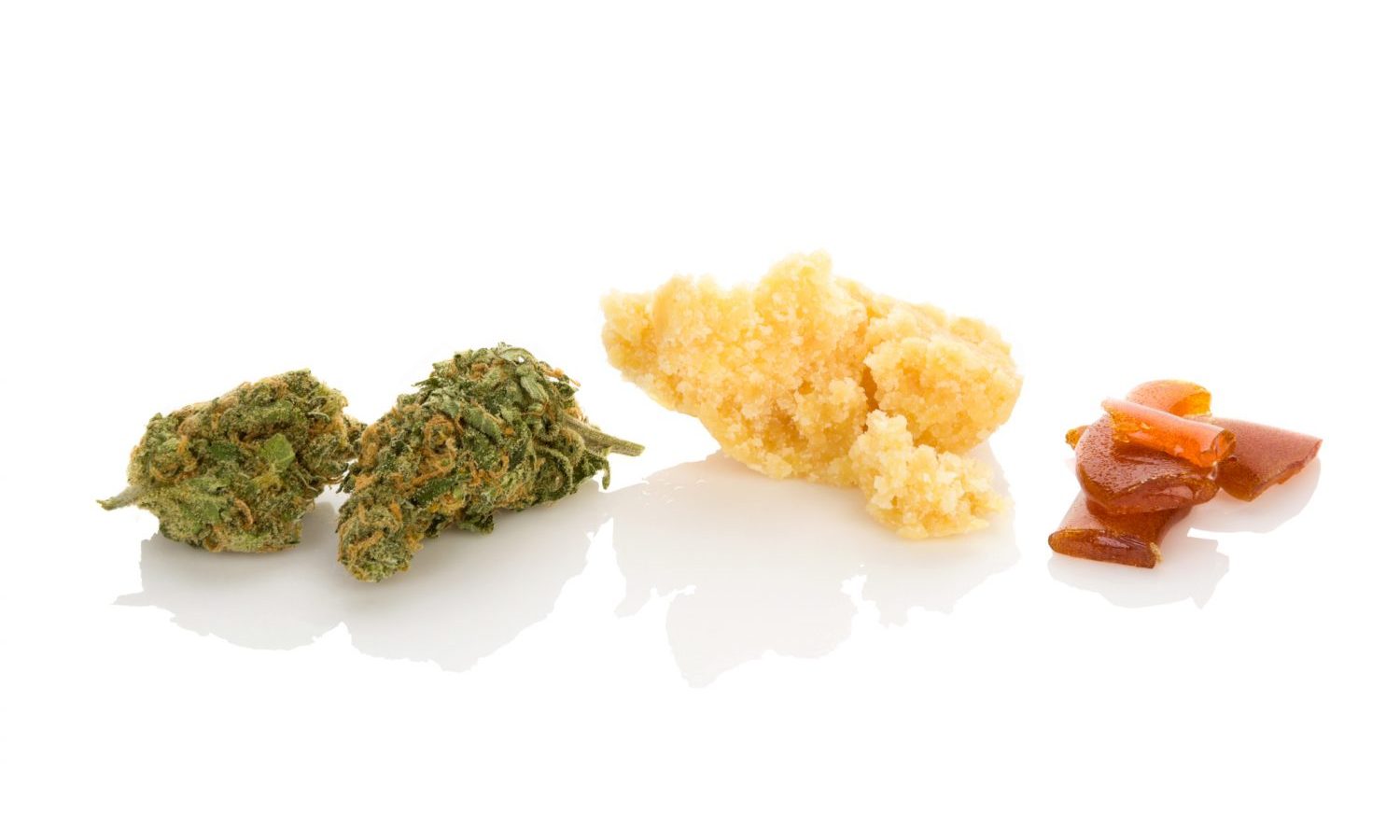
The world of cannabis concentrates isn’t just reserved for people who want to get high as a kite for fun. Concentrates are renowned for being extremely potent and powerful. They contain significantly higher concentrations of cannabinoids, and in the case of THC sometimes 80% and up. For medical users, that means you’re consuming a strong source of cannabinoids that can have profound therapeutic effects for a range of conditions. So here is a guide for CBD Rosin, what is it and how does it work.
However, cannabis concentrates aren’t necessarily for getting high. That’s what intimidates people so much about it. But did you know that CBD concentrates exist too?
Rosin is one of the most popular forms of concentrates around, and it also comes in CBD forms. This is an excellent way to medicate for people suffering from severe anxiety, chronic pain, insomnia, stress, depression, and many other conditions. If you are interested in benefiting from the healing properties of CBD without the high, or are an experienced CBD user who is keen to try out a new consumption method, CBD rosin could be your next favorite.
What Is CBD Rosin?
Just like its THC counterpart, CBD rosin is a highly potent and solvent-less concentrate. It’s made using high-end processing equipment, though it can also be made at home. CBD rosin can be consumed in a variety of ways: dabbed, processed into a topical, added to a joint, infused into edibles, and so much more. It comes in a range of forms including oil and tinctures; these are full-spectrum products that are made with all compounds of the hemp plant. Unlike THC-based rosin, CBD rosin will not get you high.
The main benefit of consuming CBD rosin is that its therapeutic effects are felt immediately. You need a significantly smaller amount to feel its effects compared to when you smoke flower or consume edibles. Best of all, you don’t get a head high the way you would with THC concentrates because it can have as much as 85% CBD with less than 0.3% THC. Additionally, since CBD rosin is a full-spectrum extract, you also get all the other good stuff including minor cannabinoids, flavonoids, and terpenes. These are all what most medical marijuana patients look for.
When shopping for CBD rosin online, you might find that they are more rare compared to CBD made out of solvent-based extraction methods. That’s because it can be a little more tricky and challenging to make compared to other extraction methods involving solvents, but discerning consumers know that CBD rosin is worth the price and the effort to make (if you decide to make it yourself) because it results in a cleaner product that is also potent and more aromatic. An ice water bath or a heat/rosin press is usually necessary to make CBD rosin.
Since there are no chemicals that are required to make CBD rosin, this is also the top choice for health conscious consumers who only want clean and fast-acting cannabis medicine.
Photo by eskymaks/Getty Images
To summarize, here are the benefits of CBD rosin:
Clean and safe: the production process for making CBD rosin doesn’t need any chemicals
No solvents: again, since there are no residual chemicals made for high-quality CBD rosin, you get a clean and pure product that gives you peace of mind you aren’t consuming any harmful matter or toxins
Affordable: there is a great deal of good quality CBD rosin out there that is affordable. You don’t need a lot to enjoy its benefits, even if you decide to splurge on a mid-range or high-end product.
Fast-acting: because CBD rosin is so concentrated, you can feel its effects within seconds of consuming it no matter how you decide to ingest it.
Easy to make: if you decide to make your own CBD rosin, it’s simple to do especially if you already have some experience making concentrates or have a rosin press.
Best Ways To Consume CBD Rosin
There are many kinds of CBD rosin out there, as we mentioned earlier.
You can experiment with various methods of consumption to find one that suits you the most. If you do decide to dab it, remember that you should always heat the heating element or the nail properly as you inhale it. It’s always recommended to go with lower temperatures whenever dabbing even if it’s CBD and not THC. Practice the same kind of guidelines as you would when dabbing THC for the first time: start small.
While consuming high amounts of CBD isn’t dangerous, you could get more sedated than you were hoping, and you could end up sleepy. This would not be ideal if you have to drive, or aren’t in the comforts of your own home.
Many consumers medicate with CBD rosin by consuming oils or tincture versions underneath the tongue. This is a discreet way to medicate with small dosages, allowing you more control compared to a dab. In addition, sublingual absorption provides a fast way to enable CBD to get to the bloodstream. When you consume CBD rosin with just the right amount, you can enjoy its effects which work in your endocannabinoid system to promote healing and homeostasis, while you will feel calm and relaxed.
There are also ready-to-eat CBD edibles that have been made with rosin, such as gummies and other candies. These products make it quick and easy to medicate without having to do anything else.
Conclusion
CBD rosin is an excellent way for medical patients to get the most out of CBD. There are many ways you can consume it, and there are no side effects if you accidentally consume too much — except for the fact that you will be extremely sedated, so always experiment in the safety of your own home.
Cannabis amnesty boxes are supposed to provide an easy out for people who are carrying weed in an airport. This hasn’t been the case.
Following the decriminalization of marijuana in Chicago, authorities wanted to remind people that while marijuana might be legal in their state, it isn’t legal in others, much less on flights. So the Chicago Police Department added some bright green amnesty boxes to two of their main airports, where people could put their weed and leave the state, facing no repercussions. The catch? No one uses them.
“The boxes, placed at the end of every TSA checkpoint at both O’Hare and Midway, were in place once the new cannabis law went into effect on Jan. 1, 2020. The boxes are where travelers can safely dispose of cannabis and cannabis products prior to travel, as they still remain illegal under federal law,” Maggie Huynh, spokesperson for the Chicago Police Department, told USA Today back in 2020.
The amnesty boxes are located in the city’s two principal airports, locations where there should be plenty of traffic. According to the Chicago Sun-Times, since January 2020, there have only been 34 collections made from these boxes. This information was gathered via Chicago Police logs, which go into even deeper detail as to how useless these boxes are.
Only half of the logs show that cannabis or something leafy that could be misconstrued as cannabis are placed in these boxes. The other half is made up of plastic bags and other forms of trash, showing that people confuse these boxes with regular trash bins.
Never saw one of these before. At O’Hare International Airport, Chicago. Recreational #Cannabis just got legal here on Wednesday. pic.twitter.com/zVh0ATuaVv
While clearly made with good intentions and the wish to prevent trouble for people who have weed on themselves in the wrong place, airports haven’t made any arrests regarding cannabis. The only weed-related altercation that occurred following the addition of the amnesty boxes was an instance where someone managed to steal some weed before the police could retrieve it. The person escaped, but the amnesty boxes are now bolted to the floor.
For now, it appears that amnesty boxes don’t serve much of a purpose, outside of holding trash. Now on to the important question: what happens with that weed?
The EU’s openness to cannabis legalization should not come as a surprise as Europeans are witnessing the economic benefits in the United Stated, especially during the COVID-19 pandemic.
Europeans are becoming more open to embracing cannabis legalization, according to new polling data released by Hanway Associates and reported by Curaleaf International, one of the vertically integrated marijuana companies in Europe.
The data revealed that the majority of Europeans support legal, government-regulated marijuana sales to adults over 18. The survey questioned more than 9,000 people, out of which 55% said they are in favor of legal recreational cannabis, 20% said they were indifferent and the remaining 25% were against it.
Furthermore, some 48% support regulated retail marijuana shops, 35% favor home cultivation and 32% support social clubs. Interestingly, home grow garner the most opposition with 41% against it.
Europe & Cannabis
The EU’s openness to cannabis legalization should not come as a surprise as Europeans are witnessing the economic benefits in the United Stated, especially during the COVID-19 pandemic, when cannabis use jumped and lots of money was made selling and delivering it during the lockdown.
What’s more, numerous European countries have legalized marijuana for specific medical purposes and others have decriminalized general use while some are currently testing these two options in the form of pilot programs, such as France.
Just last year, Luxembourg was the first European country to legalize growing weed for personal use, while Malta became the first on the continent to officially legalize cannabis. Many industry experts believe that Germany might be next in line to go fully recreational.
Some five years ago Germany decriminalized medical cannabis. Last year’s analyses from the Institute for Competition Economics (DICE) at Dusseldorf Heinrich Heine University suggested that a fully legal cannabis market could bring Germany up to €3.4 billion ($3.85 billion) in tax revenue.
“There is clear political desire and willingness in Germany to legalize recreational use,” Curaleaf CEO Joe Bayern told Reuters. “Given it (Germany) is the largest economy in Europe, we think it will lead the way and create a domino effect for the rest of the continent.”
Photo by sabina fratila via Unsplash
The European market is expected to grow at a compound annual growth rate (CAGR) of 67.4% from 2021 to reach €3.2 billion ($3.49 billion) by 2025, according to a report by the research firm Prohibition Partners.
“This report makes it evident the majority of Europeans want to see recreational cannabis available in a way that allows adults access to high-quality products that are regulated,” Antonio Costanzo, Curaleaf International CEO stated. “As the largest vertically integrated cannabis company in Europe with a market-leading medical cannabis offering in nine European countries, I believe Curaleaf International is ideally positioned to leverage this opportunity. Moreover, our parent company, Curaleaf Holdings, utilises a Multi State Operator model in the USA that can be replicated in Europe to offer us a meaningful first mover advantage.”
A study found links between COVID-19 and a higher risk for developing a variety of circulatory conditions months after infection.
Long COVID-19 is scary and unpredictable. While researchers are trying their best to understand the disease and its behavior, there’s still much that remains mysterious. A new study found evidence that long COVID-19 is related to serious health conditions developed afterwards, among them: the presence of blood clots.
The study, published in the BMJ. It was a big study, looking over the results of over a million people in Sweden who’d contracted COVID-19 between February 2020 and May 2021. These results were then compared to people of their same gender and age group, who had not contracted COVID-19.
The results showed that patients who’d had COVID-19 had higher risks of deep vein thrombosis, pulmonary embolism, and bleeding, the three conditions that researchers set out to find. Despite patients clearing their infections, these risks remained for months later.
This isn’t the first study to connect long COVID-19 with a variety of health conditions, including cardiovascular and clotting issues. While infections are related to clotting issues, in the case of COVID-19, this situation is made worse by the severity of the virus. Researchers speculate that COVID-19’s inflammatory response on the immune system could be responsible.
While the study’s results are pretty concerning, it’s important to know that a significant percentage of the data that was gathered occurred during a time where there was no access to vaccines in Sweden. Vaccines are proven to lower the risk of severe COVID-19 infection and would likely influence the amount of people experiencing these type of circulatory problems.
Studies on the effect of long COVID-19 not only help us understand the disease, helping us be more careful about contracting it, but also providing orientation for health care professionals. Knowing that cardiovascular conditions are a risk for people who’ve contracted COVID-19 can help treat others in similar situations and provide faster treatment, saving more lives in the long run.