Wednesday, July 1, 2026
Home Blog Page 259

Medical Marijuana And Aphasia — Here’s What We Know

Marijuana has already proven to be an effective option when treating some symptoms associated with neurological disorders.

As of 2022, 39 states and the District of Columbia have legalized marijuana for medical use. Marijuana’s proven effectiveness in assisting patients with various ailments has led the vast majority of states to allow its citizens to partake in marijuana’s proven benefits.

While the number of states that allow marijuana for medical use is high and continues to grow, it still remains a schedule I drug on a federal level. According to the DEA, Schedule I drugs, substances, or chemicals are defined as drugs with no currently accepted medical use and a high potential for abuse. This means the majority of the states have approved marijuana for medical use, but the deferral government still defines marijuana as having no accepted medical use. 

This legal conundrum has put medical marijuana in a state of limbo. States can prescribe marijuana to patients in need, but at the same time there is a limited ability for doctors and scientists to conduct necessary studies to unlock medical marijuana’s true potential. There have been many proven benefits to medical marijuana, but significantly more research must be done to understand its true medical potential.
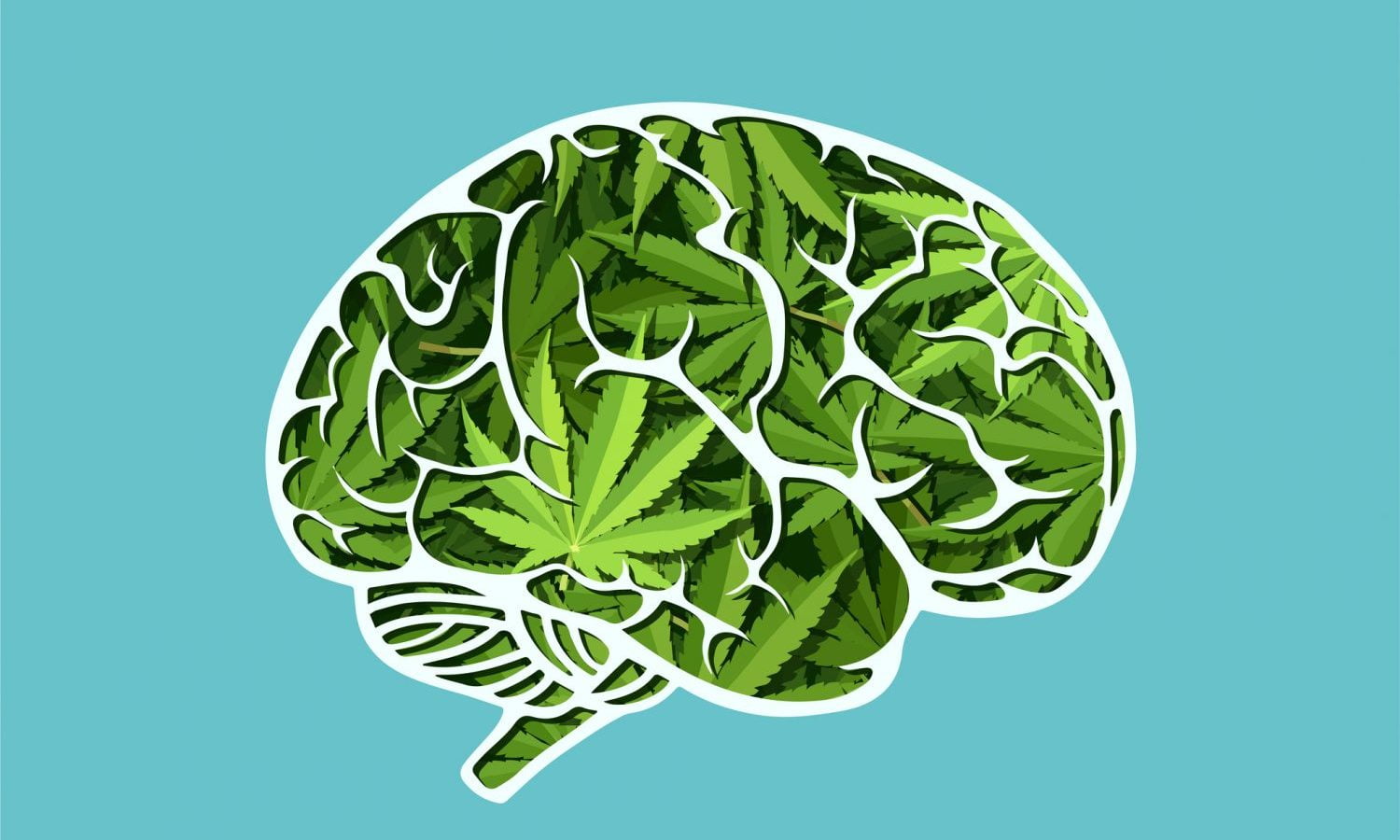
cannabis brain
Photo by Feodora Chiosea/Getty Images

RELATED: Can Cannabis Keep Your Brain Young?

One area where it’s becoming more understood is neurology. According to the Premier Neurology & Wellness Center, “Although medical marijuana may not be ideal for treating every neurological condition, it has proven to be especially effective in managing seizures, multiple sclerosis, and muscular dystrophy.” While this is optimistic news for those with multiple sclerosis and muscular dystrophy, there are many other neurological disorders that could potentially benefit from further research and studies.

Take neurological disorders like aphasia for example. It’s the condition actor Bruce Willis was recently diagnosed with, and why he has decided to step away from acting. While studies have shown it to assist other neurological disorders, there have not been nearly enough studies done to understand whether or not marijuana can help with aphasia therapy.

“Aphasia is a condition that robs you of the ability to communicate. It can affect your ability to speak, write and understand language, both verbal and written,” according to the Mayo Clinic. Currently, aphasia is treated using a variety of therapies, including speech and other cognitive therapies. There have not been enough studies to understand if medical marijuana can assist in aphasia therapy.

It is important to conduct significantly more research studies on various neurological disorders like aphasia. After all, marijuana has already proven to be an effective option when treating some symptoms associated with neurological disorders.

“In general, cannabis can be a safe option to help with muscle spasms, pain, anxiety, and sleep that may be related to the primary condition (Aphasia) or the secondary effects of the primary condition,” Eloise Theisen, Leaf411 Chief Nursing Officer and board certified Adult Geriatric Nurse Practitioner, told The Fresh Toast. “We encourage anyone exploring cannabis with this condition to work with a knowledgeable cannabis healthcare professional to weigh the risks versus benefits of a cannabinoid treatment.”

RELATED: DEA Delays Production Of Marijuana Drug As Potential Treatment For MS And Huntington’s Disease

The American Academy of Neurology wrote about its inability to properly research medical marijuana and its potential benefits in its official position on the matter: “The federal government currently classifies marijuana as a Schedule I drug. Efforts to conduct rigorous medical research and/or reclassify marijuana in the DEA schedule will increase the potential for additional scientific data to inform clinicians and medical professionals.”

There is no denying that medical marijuana has come a long way in just a few years. It is now helping more Americans than ever before. Until the federal government takes a new stance on marijuana and the way it is scheduled as a drug, however, many of its medicinal benefits may continue to remain elusive to many of those it can help.

Is THC-P Really 30 Times Stronger Than THC

0

The potential of this cannabinoid to deliver highly psychoactive effects is enough reason for users to be extra cautious when using the products.

Tetrahydrocannabiphorol (THC-P) is one of the popular, but limited cannabinoids making waves in the cannabis market at the moment. The cannabinoid is mainly preferred by hemp lovers because of its rich collection of psychoactive derivatives. While obeying federal laws, THC-P offers hemp lovers a perfect way to feel the intoxicating effects of weed.

Tetrahydrocannabiphorol (THC-P) was discovered about three years ago. The available information on the fascinating cannabinoid is somewhat limited at the moment. Research showed that the compound is at least twenty times more intimidating than delta 9 THC. It has been observed to bind uniquely to the CB1 receptors. Potent psychoactive compounds like THC-P offer users a one-of-a-kind experience. However, it is imperative to dose the compound as you could easily get overwhelmed by it. New users are always advised to start with the lowest amount possible.

Smoking Marijuana
Photo by Jamie Grill/Getty Images

THC-P Dosage and THC-P Strength

Cannabinoid dosage and strength are two different features that need to be taken into consideration. Before consuming any THC-P product, it’s advisable to know your limit. THC-P dosage defines the exact amount of the rare cannabinoid a person can ingest at once. It is often measured in ml. For instance, 2 mL of THC-P tincture While some measure it in vape puffs, that is five puffs off of a vape.

RELATED: 6 Low-THC Cannabis Strains To Help You Relax And Chill Out

THC-P strength, on the other hand, specifies the precise milligram strength of cannabinoids in a product. The market offers different brands of hemp products that have been produced by infusing pure tetrahydocannabiophorol extract into the base formula. The exact milligrams of THC-P infused into the formula determine how potent each dose of the product can be.

THC-P Dosage Chart (Standard)

The guide chart is divided into three: The beginner THC-P for low tolerance, the advanced HHC for high tolerance, and the intermediate HHC dosing for medium tolerance. Users in the first category are recommended to use 1 mg to 3.1 mg per session, while the second uses 5 mg to 10 mg. Users with a medium tolerance can consume 3 mg to 5 mg per use. This standard dose applies to all products with THC-P. Everything from tinctures to cartridges, disposables, and flowers is available. New users ingest very little on the first trial until they get to the point where they start feeling its effects.

Dosing Instructions  

THC-P products can be highly or mildly potent. When used as a vape or dabs, the user will begin to feel the effects about 20 minutes later. The impacts occur within 1 hour after ingesting THC-P tinctures. These products work the same way other cannabinoids like THC and CBD do, which is why it is best to always use patience after each dose before taking another.

RELATED: What Is It Like To Smoke THC-O Dominant Flower?

There were instances where the users felt the need to use more THC-P because the effects had not fully registered yet. Experienced THC-P users recommend a 2-hour break between each session. Different brands produce THC-P products. And each brand has a recommended dosage guide for users to follow. Check the product packaging and label to find the dosage chart for each product. With this chart, you can tell how much THC-P you’d be able to consume in a session. It’s always best to follow the instructions of each brand to reduce the risk of being overwhelmed.

How To Determine The Right Amount Of THC-P  

Tolerance levels differ among users. Not every new user can handle up to 1 mg, and not all regular users can handle more than 1 mg. Several factors influence how many cannabinoids a person can consume in order to have a satisfying experience. Before you consider only the dosing guidelines, here are some other factors you need to understand.

Tolerance Level

THC-P is a powerful cannabinoid that could intoxicate even the most tolerant user. You can use your tolerance to regular THC products to determine the appropriate dose of THC-P you can handle. If you have never tried out other existing forms of THC, then it’s best you start with delta 8 THC or delta 10 THC. This will help build a reasonable level of tolerance. Starting off with THC-P could be overwhelming. Even if you are a regular user of other cannabinoids, it’ll be best to start slow with this newer product. As mentioned earlier, its effects are much stronger than regular cannabinoids.

Delivery Method

Like all cannabis or hemp-derived products, THC-P can be consumed in different ways. Either as a sublingual, inhalable, or ingestible product. Whichever method is used, it determines how fast the THC-P compounds will be broken down and absorbed into the body. THC-vapes offer the highest potency effects as the compounds are immediately bioavailable. Tinctures, however, have a milder effect. Hence, vapes have lower dosage recommendations than tinctures.

Strain Type

THC-P products come in different strains. Each strain has its own unique cannabinoid and terpene profile. It is always advisable to stick to one strain of THC-P. Always try to research the synergistic effects of several strains before purchasing them.

Smoking Marijuana
Photo by Tony Sergiu / EyeEm/Getty Images

THC-P Dosage Recommendation

The dosing recommendations for THC-P depend on the type of product and delivery method. For vape cartridges, one puff would give a threshold effect, while three or more puffs would translate into more psychoactive effects. Disposable vapes also work the same way as vape cartridges. THC-P delivered through both mediums is highly bioavailable.

In contrast, THC-P tinctures are more accessible to dose. They are sold with dropper cases. 1/4 of a dropper delivers a threshold dose, while 1/2 or more delivers a more psychoactive impact. Other products like gummies and dabs have dosing guidelines on their packages.

Bottom Line

THC-P is an exciting cannabinoid for researchers to work with and for hemp lovers to dose on. Its potential to deliver highly psychoactive effects is enough reason for users to be extra cautious when using the products. Consuming too much or too little would leave the user over-intoxicated or unsatisfied. The best option to experience THC-P bliss is to find your comfortable limit and work with that. There are several THC-P brands to select from. Look up various brands and their reviews before deciding your preferred product.

Denver Hotel First In Nation To Receive License For Legal Weed Consumption

By Maureen Meehan

Denver has long been a desirable travel destination. With the legalization of adult-use cannabis, tourism has been on fire and hotels have been trying to keep up. Indeed, a recent study showed an increase of 120,000 hotel rooms rented per month once tourists were able to purchase cannabis legally, yet public consumption of cannabis was banned in Denver.

Enter the Patterson Inn, the first licensed cannabis consumption lounge in a hotel, which just obtained a provisional license from the city of Denver, clearing a major cannabis licensing hurdle to operate a cannabis consumption lounge as an amenity to the adjacent hotel.


View this post on Instagram


A post shared by The Patterson Inn (@thepattersoninn)

Chris Chiari, CEO and founder of the 420 Hotels, was the first to apply for a license under Denver’s new social consumption rules. Now that he’s received approval, Chiari is transforming part of the Denver-based luxurious castle into into a first in the nation, in-hotel licensed legal cannabis consumption lounge.

“The 420 Hotels sees cannabis hospitality as the most unique and exciting amenity in the hotel industry today,” Chiari said. “We are excited to be the first cannabis lounge to be licensed as an amenity to overnight hospitality, and to provide a welcoming space for legal cannabis consumption.”

Heads In Beds

cann_hotel_bedroom_1_0.jpg

“Licensed cannabis hospitality is the final mile in the effort to destigmatize and normalize cannabis possession and use. This has been my career focus for just over a decade and it’s exciting to be leading the charge with our keystone property, The Patterson Inn and our cannabis consumption lounge, The 420 Denver,” Chiari said.

“The 420 Hotels Inc. is pairing four-star hospitality with a licensed cannabis lounge. Our brand focus is heads in beds, and we see the addition of a licensed lounge for cannabis consumption as one of the most unique and exciting amenities in hospitality today,” Chiari told Benzinga.

RELATED: How The Hotel Industry Benefits From Legal Marijuana

With the provisional license in hand, The 420 Hotels Inc. is moving forward on renovating the carriage house of the Victorian era inn with a lounge that adheres to recently passed state laws for commercial cannabis consumption spaces. The goal is to have the updates, funded by an equity crowdfunding campaign through Republic.com, complete by the end of 2022.

cann_hotel_lobby_1_0.jpg

“We look forward to welcoming the canna-curious as well as informed consumers looking for a space that doesn’t require sneaking around and allows for the open and responsible use of cannabis in a social environment,” Chiari said.

This article originally appeared on Benzinga and has been reposted with permission.

Failed Workplace Drug Tests Hit A Two Decade High — Here’s Why

0

As cannabis earns legal status across a variety of states and younger people enter the workforce, it’s important for laws to reflect the reality of the country.

Last year, American workers turned in more positive drug tests than in the past two decades, fueled largely by marijuana.

Per The Wall Street Journal, Quest Diagnostics received over 6 million drug tests. Of these, 3.9% came back positive for weed. According to Quest’s indexes, this number represents an 8% increase from the previous year.

RELATED: Will Drug Testing For Weed Eventually Disappear Forever?

5 Products That Can Help You Pass A Drug Test
Photo by KLH49/Getty Images

2021 numbers form an even wider gap when compared to 2017, representing a 50% increase in positive drug tests that align with how much the public’s perception of marijuana has evolved over the past couple of years.

Marijuana testing continues to be an issue, even though the landscape is much different than it was in years past. According to representatives from Quest Diagnostics, fewer companies are testing for THC, while some states have legislation in place that prevent employers from drug testing prospective employees.

Yes, evolving perceptions of weed are largely responsible for these changes, but these failed drug tests have also been sped up by the pandemic, which caused a shortage in employees and more lenient employers.

While some industries where employees handle heavy machinery remain understandably adamant about their drug testing policies, others have been changing with the times or simply admitting that they’re playing a losing game. Younger employees have different perspectives of marijuana, with drug testing limiting the pool of prospective and talented employees.

weed laptop
Photo by José Antonio Luque Olmedo/Getty Images

Drug testing in the workplace is an ongoing conversation, one that shifts by the day. Earlier this month, the Department of Transportation proposed a new rule, giving employers the chance to provide different options for drug testing, including saliva tests.

RELATED: Which Industries Most Often Test Workers For Cannabis?

Saliva tests are less invasive, capable of spotting THC use within the past 24 hours. Urine samples are the norm and can spot THC use within the past month.

Workplace drug tests are understandable under specific circumstances, but not for most cases. As cannabis earns legal status across a variety of states and younger people enter the workforce, it’s important for laws to reflect the reality of the country.

Eating This Fruit Twice A Week Can Reduce Odds Of Heart Disease

0

A new study found many heart health benefits associated with this popular fruit, which you likely have in your kitchen.

The food we eat is very important, influencing our bodies on several levels. A new study shows that eating fatty fruit like avocados reduces the risks of heart attacks in men and women. These benefits are even better when the avocado replaces a food like cheese or butter.

The study, published in the Journal of the American Heart Association, found that consuming avocados reduced the odds of heart disease by 21% when compared to people who didn’t consume avocados.

RELATED: These Popular Foods Might Be Reducing Your Life Span

Is Marijuana Use Risky For Your Heart?
Photo by Khwanchai Phanthong/EyeEm/Getty Images

Researchers tracked 68,000 women and 41,000 men over a 30 year time span. They found that avocados had heart-healthy properties, producing better results than foods like eggs, yogurts, and butter. Per the study, consuming avocado in lieu of these foods decreased the risk of heart disease from 22% to 16%.

“The full benefit of routine avocado consumption observed here derives from swapping avocado into the diet, and less healthful foods out,” Dr. David Katz, a specialist in preventive and lifestyle medicine and nutrition, told CNN. Still, researchers explained that eating avocados won’t solely prevent a heart attack; the study simply shows that they have plenty of heart benefits.

Katz explained that while avocados were healthy, delicious, and filling, they were also expensive and, thus, not as easy to acquire as other foods. He suggested foods like walnuts, almonds, and olive oil, which could provide similar results. More accessible foods like lentils, chickpeas, and beans would also provide benefits in the same vein.

RELATED: These Popular Foods Might Be Reducing Your Life Span

Cardiovascular disease includes a variety of symptoms and diseases, from heart valve problems to heart attacks. The American Heart Association predicts that over 82 million people in America live with at least one form of cardiovascular disease. heal

People over the age of 40 and those who are overweight are at a higher risk for these diseases, which can be prevented by exercising regularly, cutting down on alcohol and tobacco, and maintaining a balanced diet.

US House Of Representatives To Vote On Cannabis Legalization Bill This Week

Sponsored by House Judiciary Committee Chairman Jerry Nadler (D-NY), the MORE Act would remove cannabis from the Controlled Substances Act, and so much more.

By Javier Hasse

This week, the U.S. House of Representatives is expected to vote on the Marijuana Opportunity, Reinvestment, and Expungement (MORE) Act, a comprehensive federal cannabis legalization bill that contains strong social equity provisions with an emphasis on restorative justice for communities most impacted by cannabis prohibition.

Toi Hutchinson, president and CEO of the Marijuana Policy Project, applauded the MORE Act’s approach to legalization, as it “promises to address many of the harms caused by prohibition through an equity- and justice-centered framework.

marijuana legalization
Photo by RODNAE Productions via Pexels

RELATED: Lawmakers Release Report On MORE Act Ahead Of House Floor Discussion

“Americans have made their support for cannabis legalization abundantly clear, and states across the country have taken the lead on cannabis legalization. Now it is time for Congress to take action and finally put an end to the failed policy of prohibition. We urge members of Congress to once again pass this historic piece of legislation,” Hutchinson added.

What’s The MORE Act

Sponsored by House Judiciary Committee Chairman Jerry Nadler (D-NY), the MORE Act would remove cannabis from the Controlled Substances Act; require federal courts to expunge prior cannabis-related convictions and provide for re-sentencing; provide grants and funding to communities most harmed by the war on cannabis; lift barriers to licensing and employment in the cannabis industry; protect immigrants from being denied citizenship over cannabis; and allow VA physicians to recommend medical cannabis to veterans. In 2020, the House passed the MORE Act, but it did not advance in the Senate.

RELATED: The MORE Act Will Not Legalize Cannabis Nationwide — Not Like You’re Thinking

On the Senate side, Senate Majority Leader Chuck Schumer (D-NY), Sen. Ron Wyden (D-OR), and Sen. Cory Booker (D-NJ) introduced a draft version of an alternative cannabis legalization bill, the Cannabis Administration and Opportunity (CAO) Act.

According to the latest Gallup poll, 68% of Americans support cannabis legalization. To date, 18 states have legalized cannabis for adults 21 and over, and 37 states have legalized medical cannabis.

This article originally appeared on Benzinga and has been reposted with permission.

Is There A Link Between COVID-19 Vaccines And Hearing Problems?

0

The World Health Organization is looking into claims of hearing loss after people receive their COVID-19 vaccine. Here’s what we know.

The World Health Organization (WHO) is looking into hearing issues as a sequel of COVID-19 vaccines. The organization announced they’d be looking into the issue in a recent newsletter posted on its website.

According to the newsletter, the organization has learned of a variety of hearing issues that people all over the world have reported following their COVID-19 shots. These issues include tinnitus, hearing loss, or sudden changes in people’s hearing habits.

RELATED: The Length Of This Body Part Could Impact Your COVID-19 Symptoms

An FDA Advisory Panel Is Recommending Booster Shots Of This Vaccine
Photo by Mufid Majnun via Unsplash

So far, according to the numbers reported to the WHO, the cases of hearing problems are quite rare. The organization reported 367 cases of tinnitus and 167 cases of hearing loss from people all over the world.

The data suggests that the people affected were between the ages of 19 and 91 and primarily women. Over a third of the people who reported these symptoms worked in the health care industry, something that could suggest the problem is more pervasive and that these people are able to spot new patterns in their hearing due to their medical training and exposure. According to WHO, “As there is still only limited data in the literature providing evidence for this link, further monitoring is required.”

While some patients have recovered, others claim the ringing in their ears has disrupted their lives. NBC spoke with some patients who said they’d been experiencing loud phantom noises for over a year. “It startled me,” said a 66-year-old patient. “I thought it was a dog whistle going off right next to me.”

Tinnitus can be described as any number of sounds and noises that people hear, with others being unable to hear them. The sounds can range from buzzing, ringing, vibrations, and more, with symptoms expressing themselves as manageable or severely disruptive. While some people notice these symptoms, others don’t, carrying on with their lives as normal.

RELATED: People With Depression And Anxiety Find This Activity Much More Beneficial

While the WHO will be looking into this subject more closely, a study published in the Journal of the American Medical Association found no link between the COVID-19 vaccine and hearing loss. These results were gathered by analyzing a pool of vaccine side effects and detailed studies of over two dozen patients who looked for medical help following hearing loss after their COVID-19 vaccines.

According to the researchers, the people that were treated were not at a higher risk of developing a hearing loss problem. These issues are relatively common, with the CDC reporting that around 10% of Americans have experienced some form of tinnitus.

Is Now The Time To Invest In Weed?

0

The trajectory of the market looks to remain unclear for the foreseeable future, or at least until there is substantial federal legislation that makes investing in cannabis a more stable investment.

Cannabis stocks have been in the news after showing dramatic gains and losses over the course of just a few days. The activity started in response to the announcement that Congress will soon hold a floor vote on the Marijuana Opportunity, Reinvestment, and Expungement (MORE) Act.

With this announcement coupled with the reality that more and more states are legalizing recreational marijuana, one might wonder if now is the perfect time to invest in marijuana.

After the dip in the market Monday, however, there is a renewed understanding that maybe marijuana stocks are not a safest bet quite yet. With continued forward momentum happening in marijuana legalization every year, is now a good time to invest in weed? And if not now, then when?

Are Americans Ready To Invest In Marijuana Stocks?
Photo by Darren415/Getty Images

First, there is the fact that more and more states are legalizing recreational marijuana. This means more marijuana businesses, and increased growth for the industry as a whole. This should mean profits stocks should increase for many cannabis companies, or at least one would think.

“It’s a big deal, but we won’t see any money from those states for a while,” Jason Spatafora, co-founder of MarijuanaStocks.com, told U.S News in reference to the recent increase in states legalizing weed. The recent legalizations will be good news for the market eventually, but these single state legalizations do not make the immediate impact on Wall Street that one might expect, especially without the backing of the federal government. This is where the MORE Act comes into play.

“Before there will be any significant institutional investment, federal legislation must pass giving the cannabis industry access to the U.S. banking system,,” according to Forbes. In short, the cannabis industry needs to be able to conduct business with banks like any other major market player, which the industry currently cannot. If the MORE Act passes, cannabis stocks might be able to attain more stability and legitimacy.

While Congress is putting the MORE Act to a vote in Congress, it is unlikely that it will swiftly become law. The vote itself appears to be more symbolic than anything. 

person using phone and laptop computer
Photo by Austin Distel via Unsplash

“We expect the MORE Act to clear the House once again, but we view it primarily as a messaging bill as it has no viable path to passage through the Senate,” Barrons reported, quoting a research note from BTIG strategist Isaac Boltansky. The fact that there will be a vote means there is potential to spark up much needed debate and discourse on the matter, but it will likely fall short of the federal legislation the cannabis industry needs to achieve stronger legitimacy.

RELATED: Legal Weed: Cannabis Dispensaries, Marijuana Stocks And How It All Works

Still, just because cannabis stocks are not currently as stable as some more established industries does not mean they should be completely overlooked. In fact, some say now is a great time to get in at the ground level.

“Investors may think now is the time to get out of cannabis stocks, but those falling share prices provide an opportunity to lock in a low share price before things eventually bounce back,” according to NASDAQ

RELATED: Time For Nasdaq And NYSE To List US Cannabis Companies

For those confident in the future of marijuana, now might be a good time to start investing in the companies they believe in. NASDAQ’s rule of thumb? Look for the ones that are growing revenue and already making a profit.

While investing in weed is currently a bit of a gamble, its future looks very green.  America’s cannabis industry is currently worth around $60 billion, and is projected to grow to upwards of $100 billion by 2030. The current stocks might not be secure, but the industry itself is on a very profitable path. The key is knowing there will be highs and lows over the next few years, and being at peace with that as an investor.

marijuana money
Photo by IURII BUKHTA/Getty Images

If you are investing in weed today, be cautious in your investment and be prepared for inevitable ebbs and flows. “It may come as a shock to investors who haven’t experienced extreme volatility in their portfolios before, or whose portfolios are too heavily tilted toward cannabis,” wrote NextAdvisor, in reference to the extreme highs and lows of marijuana stocks. 

RELATED: Cannabis Market Experts Explain When To Consider Stocks And ETFs

It looks like investing in weed will continue to be a bit of a roller coaster ride. The trajectory of the market looks to remain unclear for the foreseeable future, or at least until there is substantial federal legislation that makes investing in cannabis a more stable investment. Still, if you believe in the product or a specific company that has stock available, now may be a very cheap time to buy. Just remember that if you invest in weed today that you are playing the long game. It’s a marathon, not a sprint.

3 Problems Blamed On Weed Which Have Nothing To Do With Weed

Government policy has stifled cannabis research for over 50 years and yet they are still wasting money on trying to find out how dangerous it is.

Every other week there seems to be  “cannabis studies” finding using it to treat pain could make you an addict or that cannabis users age quicker and a number of other alarmist titles.

Of course, a majority of these studies could be designed to make milk have similar findings, yet rarely do we see actual studies on the “cannabis problems” that are not caused by cannabis, but rather the laws surrounding cannabis.

marijuana joint
Photo by RODNAE Productions from Pexels

Crime

One of the things that has long been associated with cannabis use is crime. The story goes that wherever people are consuming cannabis, crime is rampant. That’s because the law says that smoking, growing, selling, or “anything-ing” is illegal and by default the very act of consuming is a criminal act.

Therefore, by the sheer number of people consuming the plant, the inflated perception of crime is used as a justification for maintaining a policy that pursues non-violent human beings exercising the autonomy of their bodies.

marijuana arrest
Photo by FatCamera/Getty Images

RELATED: More Legal Marijuana Equals Less Crime? Not So Fast

However, after the legalization of cannabis in places like Washington and Colorado, police crime clearances improved. This suggests that when the cops aren’t spending their time and resources going after non-crimes, they actually become more efficient on stopping actual crimes. This creates a net benefit for society.

Mental Health Issues

For decades the propaganda machine has been trying to pin mental health issues on cannabis. Every few years a new “bombshell study” reveals some correlative relationship between a particular mental health condition and cannabis.

When looking at the data, in virtually all of the studies the data is ascertained via self-administered surveys which is then interpreted by researchers. They would create complex statistical mathematics to come up with their findings, and conclude to whatever their corporate sponsors want them to say.

RELATED: People With These Disorders May Be More Likely To Overuse Cannabis, Finds Study

The problem with this is that cannabis is never responsible or never causes these issues. In virtually all cases, people who do experience some sort of mental health break down have had a history of mental health problems in the past. Throughout my 12+ years of writing in this space, the vast majority of the people who experienced psychotic breaks were on anti-depressives before their cannabis use. But this is often discarded seeing that it doesn’t fit within the narrative.

People With Depression And Anxiety Find This Activity Much More Beneficial
Photo by Anthony Tran via Unsplash

Furthermore, people who aren’t previously medicated but have genetic predispositions to mental health conditions can experience these catalyst events within any moment of stress. The sudden loss of a family member could spiral them into a psychotic break.

Sure, for these people, cannabis is probably not the best for self-medicating. But often times, it’s the only thing that provides some sort of relief, which is why most people with mental health problems (I know) use cannabis.

Drug Cartels

One of the core arguments I can remember from my youth is, “Did you know that for every joint you smoke someone died in Columbia because YOU’RE funding the cartels!”

For the un-initiated, this would be the equivalent of saying, “If you don’t wear a mask, you’re killing granny!” which is absolute nonsense.

Of course, ethical consumption is something we should all take into consideration. If you know that you’re buying weed from a brutal gang that murders and rapes the world, then buying from them most certainly would be participating in the carnage by proxy.

buying marijuana
Photo by athima tongloom/Getty Images

Just like buying electronics from companies that create inhumane working conditions for their workforce is attributing to the suicides and poor living conditions around the world. You can play the morality card all you want, but the only reason why purchasing weed would have anything to do with the cartels is because there is a law that prohibits “non-criminals” to participate in the market.

RELATED: The Downside Of Declassifying Cannabis As A Schedule 1 Drug

Of course, this is shifting and we’re still seeing the cartels trying to bank on the legal market, however, this is something that will eventually disappear as the whole world becomes legal. Illegally participating in a legal trade would be like trying to be a bootlegger today.

This, once more, is a problem of policy.

Bottom Line

While cannabis isn’t a “risk free” activity, it’s certainly not as dangerous as alcohol. However, unlike alcohol, I don’t see the same level of scrutiny towards the substance. If our aim is to educate people on the potential risk factors of drug consumption, should we not consider all drugs? Shouldn’t we consider Coca Cola as a drug, which contains 28 grams of sugar per can?

Currently, there is an unbalanced focus on cannabis which is frankly a waste of resources. Government policy has stifled cannabis research for over 50 years and yet they are still wasting money on trying to find out “how dangerous it is”.

Perhaps, if we would spend the same amount of time and effort in trying to find out how we could most effectively use it as a medicine, who knows what we could have achieved in that time. While the past is gone, maybe it’s time that at the very least in the present, we begin to focus on the benefits of cannabis and not constantly the hypothetical bad things.

This article originally appeared on Cannabis.net and has been reposted with permission.

Biden Is Blocking Legal Marijuana In DC

Why would the president continually hamstring the nation’s capital wherein an equally vast majority voted to legalize and properly control cannabis?

By Maureen Meehan

President Joe Biden has once again moved to exclude Washington, D.C. from legalizing marijuana sales as part of the budget proposal for Fiscal Year 2023, which he sent to Congress on Monday.

Despite D.C. voters having overwhelmingly approved cannabis legalization in 2014, the district government has consistently been prevented by a legislative rider from implementing regulated cannabis sales each time the budget comes up. Failing to remove the D.C. rider prevents the nation’s capital from using local tax dollars to implement its legal cannabis program.

capitol building
Photo by Louis Velazquez via Unsplash

“The nation’s capital could be a model for how to get cannabis legalization right. Instead, it’s the very opposite, and President Biden now shares some of the blame,” said US Cannabis Council CEO Steven Hawkins, adding that the administration is fueling a dangerous gray market in the District of Columbia that operates with no standards or safeguards that targets underage consumers.

Last week, the Drug Policy Alliance along with more than 50 criminal justice reform, business, labor and drug policy organizations, sent a letter to House and Senate appropriators and Majority Leader Chuck Schumer and Speaker Nancy Pelosi, demanding to keep the removal of the appropriations rider that prevents DC from spending its own money to legalize and regulate adult-use marijuana sales.

What Are They Thinking?

In an election year with inflation off the charts and a war raging in Eastern Europe that could plunge the U.S. economy into further crisis, one wonders why the administration would not seek to garner votes for its party’s candidates on a relatively non-controversial topic: cannabis legalization. After all, nearly 70% of the country, Dems and Republicans alike obviously, have expressed their approval of it.

And why would the president continually hamstring the nation’s capital wherein an equally vast majority voted to legalize and properly control cannabis?

RELATED: Doctors No Longer Needed For Seniors To Get Medical Marijuana In DC

“No one expects cannabis reform to be top of mind for a president facing down Russia, inflation and COVID-19. However, President Biden has consistently passed up opportunities to make good on his campaign commitments to pardon non-violent offenders, fund expungement programs, boost research and give states autonomy over their medical and adult-use programs,” said USCC’s Hawkins. “In some cases, the administration has even gone in reverse on cannabis.”

RELATED: Congress Upholds DC Weed Sales Ban, Protects State Medical Programs

Again, and with all due respect: What are they thinking?

Don't Miss Your Weekly Dose of The Fresh Toast.

Stay informed with exclusive news briefs delivered directly to your inbox every Friday.

We respect your privacy. Unsubscribe anytime.