Saturday, May 2, 2026
Home Blog Page 265

DC Approves Bill Preventing Pre-Employment Marijuana Testing

The new ruling makes it clear that no businesses or employers can request a cannabis test from a job candidate.

It just got a lot easier for most job applicants in Washington D.C. The Labor & Workforce Development Committee unanimously approved a bill to prevent pre-employment marijuana testing. It’s a good first step for the state, which is slowly aligning the law with the mindset of the people, protecting them from workplace discrimination due to the use of medical cannabis.

Per Marijuana Moment, the legislation was sponsored by Democratic Councilmember Trayon White. “This is an important step towards eliminating historic inequities of cannabis use and ensuring that those who use cannabis medically or recreationally are not penalized in their work spaces [for what they do] on their private time,” he said in a statement.

The new ruling makes it clear that no businesses or employers can request a cannabis test from a job candidate. They make exceptions for police, safety-sensitive construction workers, and jobs that require a commercial drivers’ license, working with children or with patients.

legal marijuana
Photo by Ivan-balvan/Getty Images

RELATED: What To Know About Weed In The Workplace In 2022

While the bill sounds pretty lenient, they make it clear that this protection extends only to protect prospective employees. “Nothing in this act shall be construed to require an employer to permit or accommodate the use, consumption, possession, transfer, display, transportation, sale, or growing of marijuana in the workplace,” explains the bill.

D.C. voters approved medical marijuana in 2011, even though the industry has moved at a glacial pace, running into roadblocks from Congress. While gifting and possessing marijuana is allowed in the state, accepting money or any sort of remuneration for it is banned, putting a damper on any kind of legal cannabis market.

RELATED: Will Drug Testing For Weed Eventually Disappear Forever?

Cannabis and the workplace is an issue that continues to create problems for employers and employees. While rules vary depending on the state, the fact that cannabis is illegal at a federal level creates a lot of risks for medical cannabis users. For the time being, in most states, employers have a final say on their cannabis policies.

Georgia’s MMJ Patients Still Forced To Rely On Illicit Market 7 Years After Legalization

MMJ patients in the Peach State say that obtaining medical cannabis these past several years has been more difficult than it was before legalization.

By Nina Zdinjak

Cannabis advocates around the planet are pushing for the legalization of the plant in an effort to make it more available, and of course, safe. Unfortunately, legalization is not always enough. With it, comes burdensome regulations and often complicated cannabis programs that take an inordinate amount of time to set up.

When developing their legal programs, U.S. states tend to look at how other states have successfully undertaken the process to avoid making mistakes that others have made. But, as they say, easier said than done.

Best States For Medical Marijuana Dispensaries
Photo by CasarsaGuru/Getty Images

RELATED: Grading Every State’s Marijuana Program — How Well Did Your State Do?

For example, Georgia lawmakers probably had good intentions to make medical cannabis available once it became legal nearly seven years ago. Unfortunately, MMJ patients in the Peach State say that obtaining medical cannabis these past several years has been more difficult than it was before legalization, reported Alive.

In 2019, the state passed a law meant to enable the licensing of up to six companies to cultivate and produce medical marijuana. But the legislation was stalled under the weight of litigation after litigation; sixteen protests were filed mostly by companies that were passed over for licenses.

Georgia only issued six licenses last July, and alas, after eight months, no one in the state is legally producing medical marijuana.

‘Real Lives Are Affected’

Unfortunately, that’s not all.

According to medical cannabis advocate Dale Jackson of LaGrange, who needs medical marijuana for the treatment of his autistic son, out-of-state sources are drying up, forcing those in need to turn to illicit sellers.

“None of you understand how I can legally obtain oil because legally I cannot,” Jackson told a House committee this week. “Anywhere in the country. Colorado, nowhere.”

Jackson further confirmed to the committee that he used to travel to Colorado to buy it, and then illegally brought the oil back to Georgia by himself. But now, it looks like out-of-state dispensaries are refusing to sell marijuana oil to him, out of concern that they could lose their licenses.

RELATED: Why Voting For Cannabis Doesn’t Always Equal Cannabis Legislation

“Then I go to the next state. And the next one. You know where I end up?” Jackson said to the committee. “I end up about a block and a half from (the state capitol), buying my son’s medicine from a drug dealer.”

Jackson added, “So that’s what seven years looks like to me. That’s real, people. Real lives are affected by this.”

buying marijuana
Photo by athima tongloom/Getty Images

What’s The Solution? 

Currently, there are three proposed bills that could potentially resolve this important matter. One bill in the house proposes expanding the number of legal licenses from 6 to 12, while another bill aims to raise the number of licenses to 22. Jackson is supporting the second one.

There’s also a bill that would enable the governor to temporarily award licenses instead of the state’s medical cannabis commission.

It looks like any proposal is better than the current situation, so hopefully, whichever is approved, the situation will get easier and safer for Georgia’s medical marijuana patients and Jackson’s autistic son.

This article originally appeared on Benzinga and has been reposted with permission.

Biden Administration Advises Applicants Not To Invest In Cannabis Companies, Is Federal Legalization Behind This?

Could it be that the issuance of new guidance indicates possible or imminent federal legalization, with the government’s intentions to be prepared with its policies so as to avoid conflicts of interest?

By Nina Zdinjak

The Biden administration recently expanded its employee conduct guidelines to potentially decline security clearance to people who have backed marijuana-related business, reported Politico.

“Eligibility may be negatively impacted if an individual knowingly and directly invests in stocks or business ventures that specifically pertain to marijuana growers and retailers,” according to the document obtained by Politico. “Decisions to willfully invest in such activity could reflect questionable judgment and an unwillingness to comply with laws, rules, and regulations.”

Joe Biden
Photo by Saul Loeb – Pool/Getty Images

RELATED: President Biden’s SOTU Speech — A Bad Night For Marijuana, Again

It looks like the federal government is working on updating its human resources policies to keep up with the development of the seemingly unstoppable cannabis industry, seeing that 37 states and the District of Columbia have already legalized marijuana for either medical or recreational use, or both.

Mixed Signals

President Joe Biden’s White House seems to be taking a kind of loosening approach to cannabis use than its predecessors. Shortly after setting up in the Oval Office, Biden issued a memo stating that prior marijuana use would not automatically disqualify applicants.

Nevertheless, this did not actually happen. Last year, several White House staffers were fired due to prior cannabis use.

Hence, the new guidance makes things even more confusing. On the one hand, the presentation says that any cannabis-related investment “through a diversified mutual fund that is publicly traded on a U.S. exchange” should be considered to have been made unwittingly, but on the other, at the end of the presentation it clearly states: “NOT KNOWING IS NOT AN EXCUSE.”

Furthermore, the updated guidance also notes that “The new guidance also states that ‘divestment or disassociation of willful, direct investment in such activities should be considered a mitigating factor.’”

Existence Of Cannabis Investment Boom Remains Up For Debate, Say Industry Insiders
Photo by Darren415/Getty Images

The Chaos Continues…Or Is It Indication Of Federal Legalization Plans? 

The real question here is: which cannabis stocks the White House is alluding to? It is well-known that American cannabis companies can’t be traded on major U.S. exchanges because they are not federally legal businesses. This means that U.S.–based marijuana companies usually list on the Canadian securities exchange, or on a lower-tier stock exchange in a country where marijuana is legal.

RELATED: Apple Joins Amazon In Supporting Legal Weed — What Does This Mean For Marijuana Industry?

Neither the NYSE nor NASDAQ exchanges accept companies that sell cannabis in the U.S., even when operating in states where adult-use consumption is now legal for the simple reason that federal law trumps state law.

Some major Canadian cannabis companies, like Tilray (NASDAQ:TLRY) and Hexo  (NASDAQ:HEXO), do list on these exchanges. When it comes to their operations in the U.S., they don’t touch the cannabis plant but rather remain focused on hemp-derived CBD.

Here’s The Question

Could it be that the issuance of new guidance indicates possible or imminent federal legalization, with the government’s intentions to be prepared with its policies so as to avoid conflicts of interest?

Well, anything is possible.

After all, during his 2020 presidential campaign, Biden repeatedly said that he wanted to see marijuana decriminalization as well as automatic expungement of prior cannabis convictions.

After a full year in the Oval Office, Americans have seen neither, so perhaps the President has finally decided to make good on his campaign promise.

This article originally appeared on Benzinga and has been reposted with permission.
The Difference Between Cannabis Grown Indoors Vs. Outdoors

0

The debate about outdoor, indoor, and greenhouse-grown marijuana will always be inconclusive, because they’re all winners in their own right.

Cannabis plants grow in many sizes and shapes. They also come in various colors, contain differing cannabinoids, and are processed into a wide range of products. The plants are commonly distinguished by their strains, modes of cultivation, and even consumption methods. There are three methods of growing cannabis plants, namely indoor, outdoor, and greenhouse cultivation.

One of the fundamental questions for cannabis consumers is differentiating between indoor, outdoor, and greenhouse-grown weed. There are a few differences between each plant, although some are more obvious than others.

hemp cannabis crop
Photo by Remedy Pics via Unsplash

New operators in the cultivation scene ask what form or method produces the best yield. There’s no direct answer because each has its own unique advantages and liabilities. The plain truth is that there is no general best growing option.

Here are comprehensive details of the three cannabis cultivation methods and the differences between them. We’ll also review the impact of each growing method on the plants.

Outdoor Cultivation

This involves the production of cannabis in open spaces. These cultivation methods tend to produce giant cannabis plants. These plants have wider and taller appearances, with bigger buds. However, this does not necessarily mean that they have better cannabinoid content. This method has been around since the dawn of agricultural cultivation.

Farmers who live in environments with perfect weather conditions for cannabis plants grow beautiful plants that blossom throughout their growing phase. Cannabis plants are unique plants whose optimal growth environments are rarely lived in. Growers have perfected the practice of growing cannabis plants in most inhospitable areas. They supplement available nutrients in the soil with fertilizers and make up for the insufficient water with irrigation systems. Cannabis farm settlements in California and Oregon grow the best outdoor-grown marijuana plants, thanks to the constant sunny and dry climate.

Outdoor cultivation gives plants direct access to the sun. As you know, no artificial light source has been able to compete with the sun’s efficiency. Outdoor-grown plants have better terpene profiles due to their development under the full spectrum of sunlight. The terpenes are fuller. Cannabinoids also possess better properties than cannabis plants grown through the other methods.

Not all outdoor-grown cannabis plants come out looking great. They are sometimes worn out by the elements (sunlight, wind, rainfall, etc.). Due to this, the plants develop darker colors and thicker stems to adapt to the conditions.

Outdoor marijuana can grow to incredible heights and sizes. They are often tougher and harder than indoor-grown marijuana plants.

Outdoor cultivation is the easiest and cheapest method of growing cannabis. It is also best for large-scale cannabis production. The best strains for outdoor cultivation include Sour Diesel and Killer Queen. Both strains are popular for their heat resistance and high yield potential.

Ancient Chinese Tomb Shows Evidence Of Cannabis Use
Photo by CRYSTALWEED cannabis via Unsplash

Indoor Cultivation

Indoor cultivation of cannabis began as a secret way of planting cannabis for the illegal sector. Through this covert cultivation, growers discovered that the plant’s growth could be controlled.

A scientist described indoor cannabis cultivation as a “manual” means of growing weed. The entire process involved in the plant’s growth depends on how the farmer handles it. Unlike outdoor-grown cannabis, where nature dictates the growth rate of the plants, here, the farmer controls the environmental conditions to produce the optimal yields of the plant.

RELATED: Outdoor Vs. Indoor Grown Cannabis: Which To Choose?

Indoor-grown plants are fine-tuned for better flavor and potency. However, they do not grow as big as outdoor-grown weeds. A lot of work goes into producing indoor cannabis. The advantage of this method is that the plants have a high trichome density. They are also less exposed to elements like wind, sunlight, and rainfall. They tend to have a more even coloration that stays fresh throughout the growth duration. Growers prefer indoor cultivation because it is not dependent on seasons.

The downside is that these plants are expensive to grow and maintain. Operational costs for energy to power bulbs, water pumps, and fans must be considered. Strains that fare best when grown in these controlled environments include Strawberry Haze, Big Wreck, and Skunk # 1.

Greenhouse Cultivation

Greenhouse cultivation is a combination of indoor cultivation and outdoor cultivation. It costs more than outdoor cultivation but less than indoor cultivation.

Cannabis grown in greenhouses has access to outdoor resources, especially sunlight. They are also located within secure and protected housing facilities free from pests and extreme climatic factors. This method is best suited for growers who reside in locations that are unfit for cannabis growth—those who cannot afford to finance an indoor cultivation space, in particular.

RELATED: What’s The Difference Between Sun Grown And Indoor Grown Marijuana?

Cannabis seeds are grown in sizable transparent glass facilities. The sun can shine through these glass materials to increase the temperature within. The advantage of this method is that plants can thrive all year round. Energy costs are also reduced significantly, as electrical appliances are mainly used during the darkest and driest period of the year.

Greenhouse-grown cannabis plants are often free from molds, mildew, diseases, and pest attacks. Even the vulnerable plants. Not all strains can thrive in a glasshouse. Some of the strains best suited for this facility are Northern LightsJack Flash, and Tahoe OG.

cannabis crop
Photo by Olena Ruban/Getty Images

The debate about outdoor, indoor, and greenhouse-grown marijuana will always be inconclusive. One winner cannot emerge from all three because they’re all winners in their own right. Experts have stressed that there is no single best number of plants produced from the three options.

Growing your cannabis outdoors will result in bigger sizes but not higher cannabinoid levels. Outdoor-grown plants are often cheaper to purchase than indoor and greenhouse plants because of the lower cost of production. For the best results here, ensure the farm area has good soil and adequate rainfall. Use effective pest and disease prevention measures as well.

Growing your cannabis indoors will result in plants with higher THC levels. However, the cost is something to consider. These plants are more expensive due to the increasing cost of power, nutrients, and effective fertilizers. At the same time, greenhouse cultivation also produces moderately sized plants with suitable levels of THC. Ventilation, temperature regulation, and power sources are some of the important factors to consider for the best indoor-grown cannabis plants.

Th

International Cannabis Sales Expected To Reach $35 Billion

0

The cannabis industry is making a lot of money, surpassing predictions and expectations.

Cannabis sales are on the rise. A new report shows a 22% increase in sales compared to 2021, capping off the market at 35$ billion.

The data was acquired by BDSA analytics and reported on by Forbes, and demonstrates the impressive growth that the cannabis market has experienced in just a year.

Data experts predict the opening of new cannabis markets will increase the output of the industry, producing more money and activity in the United States. “New Jersey’s launch of adult-use sales, expected in the second quarter will likely cause the most substantial jump in any market in the US in 2022,” explains Jessica Lukas, BDSA’s chief commercial officer.

Cannabis sales
Photo by Ivan-balvan/Getty Images

RELATED: Despite Inflation, Cannabis Prices Are Dropping

In the U.S., the area that experienced the most growth was the Midwest, with Illinois and Missouri bumping up their sales due to newly functioning cannabis markets. The company predicts that within five years, states like Florida, New Jersey, New York and Michigan will experience large growths.

One thing that will remain consistent is California’s dominium of the cannabis market. “California is and will continue to be the largest US cannabis market and the largest global cannabis market,” said Lukas.

RELATED: Cannabis Is The Top Job Creator In America Right Now — Here Are The Stats

On an international level, Canada leads the pack with $4.7 billion in sales. Mexico comes in second, with the Supreme Court approving adult cannabis use by the year 2023. Countries like Germany, France, and the United Kingdom are expected to make a dent in international sales in the near future, making slow but steady progress.

Long COVID Symptoms Could Be Linked To This Condition, Finds Study

0

Long COVID-19 is not wholly understood, but new research is shedding some light and helping with plausible theories.

Long COVID-19 continues to puzzle physicians, but more answers are being acquired thanks to research and the general passing of time. A new study could explain why some people experience long COVID-19 while others don’t.

The study, published in the journal Neurology: Neuroimmunology & Neuroinflammation, was conducted on a small group of just 17 subjects, and found that symptoms of long COVID-19 can be influenced by nerve damage.

RELATED: 30 Minutes Of Weight Training Can Reduce Your Risk Of These Diseases

Medical Marijuana Is Too Strong For Pain Relief, Says Researchers
Photo by roungroat via rawpixel

Researchers found that 10 of the patients suffered from peripheral neuropathy, a condition that results in weakness and pain in the extremities due to nerve damage, usually presented on the hands and feet.

“What we asked is, could some of what’s going on with long-haul COVID actually reflect an undiagnosed peripheral neuropathy?” said Anne Louise Oaklander, associate professor at Harvard and leader of the research team. “That’s really point one: We found a real objective medical problem in over half of these patients.”

Long COVID-19 expresses itself in a variety of ways, ranging from symptoms like fatigue and brain fog, to trouble breathing, lingering coughs, joint pain, chest pain, and more. It’s a debilitating condition that’s not thoroughly understood and thus not yet able to be diagnosed. It can affect anyone who suffered from a COVID-19 infection, with the severity of the disease often correlated with the appearance of these symptoms in the long term.

While this study shows some compelling evidence that could help physicians in the future, researchers warn that it’s important to take things one step at a time and not jump to any conclusions just yet. This study was based on a very small sample of subjects, who were already diagnosed with a neurological condition.

RELATED: This Is How Prevalent Hair Loss Is For Women Post-Menopause

For now, researchers hope to find a way to determine how to better understand long COVID-19 by learning who is more at risk. A previous study, published in the journal Nature, found that people with long COVID-19 tended to have lower antibodies post COVID-19 infection than others. “These individuals might have a disadvantage from the start,” said the lead researcher. “And then due to their asthmatic background, they might also react slightly differently to viruses, which then leads to a misguided immune response.”

Poll: One-Third Of Parents Think Consuming CBD Is Same As Cannabis

As many as 71% said they’d never used a CBD product themselves, 24% have tried it and 5% say they use CBD products regularly.

By Nina Zdinjak

About 80% of parents confirmed they know little to nothing about CBD use in children, according to a recent poll by the University of Michigan C.S. Mott Children’s Hospital National Poll on Children’s Health.

More precisely, around 46% admitted they don’t know much about it, while 34% never heard about CBD use in children. The poll surveyed a national sample of parents of children 3-18 years.

National CBD Day Is Saturday
Photo by Thanit Weerawan/Getty Images

Just those few stats from the poll indicate how much educational support is needed to better comprehend this new industry.

The poll also revealed that 17% are familiar with CBD use in children at some level, while only 3% said they know a lot.

Other Poll Highlights 

  • As many as 71% said they’d never used a CBD product themselves, 24% have tried it and 5% say they use CBD products regularly.
  • For parents the most important factors to take into account when determining whether to give their kids a CBD product are 1) side effects – 83%; 2) if it was tested for safety in children – 78%; 3) the efficiency in children – 72%; 4) child’s doctor recommendation – 63%; 5) the US Food and Drug Administration approval – 58% and 6) product review – 41%.
  • 73% of parents believe that CBD may be a viable alternative for children when other therapeutics aren’t efficient.
  • One-third of parents (35%) consider consuming CBD is the same as consuming cannabis.
  • The most common reasons parents would think about giving their children CBD products include: 1) anxiety – 51%; 2) sleep problems – 40%; 3) ADHD – 33%; 4) muscle aches – 20%; 5) autism – 19%, and 6) making their children feel better in general – 13%.
  • From 7% of parents who have already given or only thought about giving their child a CBD product, only one-third consulted about it with their child’s physician.
  • 3 in 4 parents agreed that CBD for children should require a doctor’s prescription.
  • Even though as many as 83% of parents say CBD products should be regulated by the FDA, only 58% confirm FDA approval would matter much for their decision on whether to give a CBD product to their child.

Parents Should Consult With Doctors

Due to the lack of studies on CBD use in children, it is very difficult for physicians to recommend these products, said Sarah Clark, co-director of the poll, in a CTV News interview. Clark is also a research scientist in the department of pediatrics at the University of Michigan’s Institute for Healthcare Policy & Innovation.

RELATED: Whole Plant Medicinal Cannabis Could Be More Effective Than CBD In Epilepsy Treatment

“It’s not enough to just go on what the manufacturers claims are, we actually need to have some data behind that, and right now we just don’t have enough,” Clark said.

Assistant professor of neurology and pediatrics in the pediatric neurology division at Washington University Medical School in St. Louis and the St. Louis Children’s Hospital, Dr. Jennifer Griffith agreed.

RELATED: 6 Possible Benefits Of CBD That Doctors Are Studying Right Now

“I don’t recommend CBD for any condition other than epilepsy because I know that CBD has real risks, and I don’t have any evidence of proven benefit,” Dr. Griffith told CTV News.

This article originally appeared on Benzinga and has been reposted with permission.

How Cannabis Has Been Used In Times Of War

0

The relationship between the U.S. military and weed seemed to diminish completely with the prohibition of marijuana in America. But this all changed during the Vietnam War.

The United States Armed Forces and cannabis have had an adversarial relationship since the two met more than a century ago. Still, even with current zero tolerance rules within the military, there are some strides being made to make cannabis accessible on a medical level to those who have previously served. 

While the military is intolerant towards weed, cannabis has popped up through the cracks on more than one occasion in times of conflict. From medical use for horses and soldiers to reports that nearly half the armed forces were getting high in Vietnam, weed has found its way into times of war on more than one occasion.

The earliest links to the U.S. military and cannabis can be found in the published manual for army horses called “The Army Horse in Accident and Disease.There was, in fact, a time that the United States military openly supported the use of cannabis as a medicine for horses. The manual indicated that cannabis indica could be used as medicine to assist horses’ abdomen issues “as it relieves pain without causing constipation.”

Veterans Can Use Medical Marijuana, They Just Have To Pay For It
Photo by Bumblee_Dee/Getty Images

RELATED: 5 NATO Countries That Support Cannabis Legalization

Horses weren’t the only beneficiaries of cannabis in the early 1900s. According to National Botanicals, “before the 1920s, medics of the American Expeditionary Force were taking medical cannabis to Europe to treat troops overseas.” Cannabis, in these circumstances, was used to elevate headaches, cramps and insomnia. This was a short-lived situation as cannabis was soon vilified in the U.S., and eventually became completely illegal on a federal level in 1937.

Other than some testing of soldiers who used marijuana in Panama in 1931, the relationship between the U.S. military and marijuana seemed to diminish completely with the prohibition of marijuana in America. This all changed, however, during the Vietnam War.

During the Vietnam war, slightly more than 50% of the armed forces smoked marijuana. Interestingly enough, even with federal laws against marijuana, this cannabis usage was tolerated at first, or at least ignored, by the higher-ups.

“That changed when John Steinbeck IV, a Vietnam soldier and son of the Nobel-prize winning author, wrote an article for Washingtonian magazine in January 1968 about the common use of marijuana among the troops, setting off a media firestorm,” according to the History network.

Since this media firestorm in Vietnam, and the subsequent demonization of cannabis in the 1970s and 1980s with the War on Drugs, the zero tolerance policy for marijuana in the military is stronger than ever. 

Trump's VA chief
Photo by Defence-Imagery via Pixabay

There looks to be no major internal change in drug policy with the U.S. military any time soon, even with the legalization of recreational marijuana on the rise in the civilian world. There is, however, optimistic legislation in action currently that could grant veterans the benefits of medical marijuana. 

RELATED: Military Veterans Can Use Medical Marijuana Without Losing Eligibility For Care And Services

The Veterans Medical Marijuana Safe Harbor Act, which was introduced to the House last April, would “allow veterans to use, possess, or transport medical marijuana and to discuss the use of medical marijuana with a physician of the Department of Veterans Affairs,” according to the bill

The VMMSHA may seem like a very small step compared to how quickly legalization is happening outside the military. Still, if you look at it historically, by establishing marijuana as a potential treatment to those who have honorably served, it could be the birth of a relationship between marijuana and the military that can finally have a positive outcome and an optimistic future.

Americans Are Choosing Marijuana Over Alcohol

As experts and advocates have pointed out, liquor is strongly associated with negative long-term health issues, such as deadly alcohol poisoning.

By Jelena Martinovic

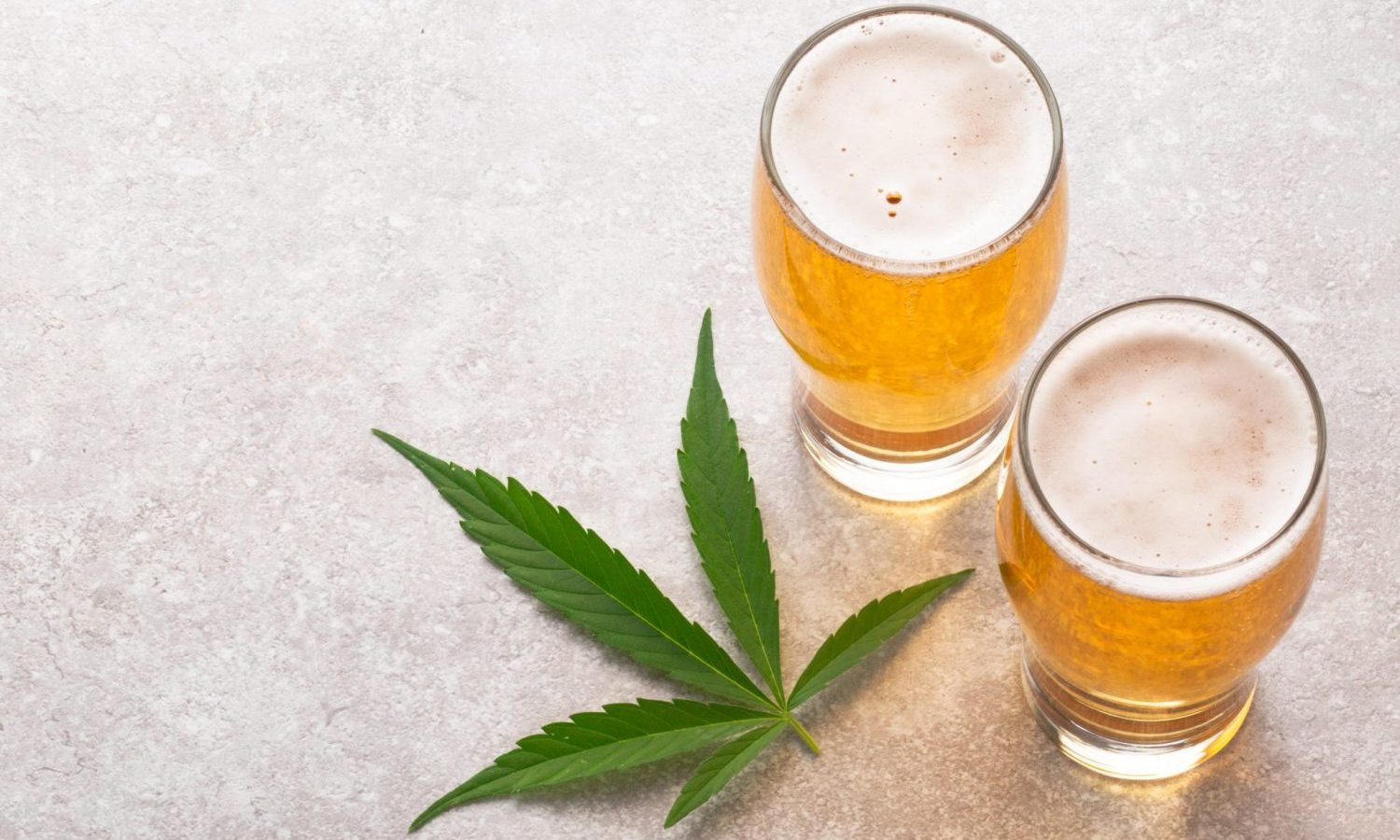
Despite marijuana still being a Schedule I drug, while alcohol is legal for adults over 21, nearly one-third of over 10 000 Americans said they think it would be ideal if people used more marijuana and less liquor, a new poll suggests.

The results of the YouGov survey also showed that 20% of those questioned think that would be a bad idea, Marijuana Moment reported.

Anti-Marijuana Folks Credit Legalization To Alcohol-Related Deaths
Photo by Adam Jaime via Unsplash

Most respondents (38 %) agreed that it would be neither good nor bad, while 15% were undecided.

The poll also found Democrats were more likely to say that switching to marijuana from alcohol would be good (34%), compared to 18% of Republicans and 27% Independents.

Moreover, 34% of those aged 30-44 said that substitution would be good, whereas only 17% of those over 65 held the same opinion.

Cannabis Tax Dollars Surpass Alcohol In Several States

Nevertheless, a stronger trend toward marijuana sales is evident in states where the plant is legal.

New data has revealed that Massachusetts brought in $74.2 million from marijuana taxes, compared to $51.3 million from alcohol in half of the fiscal year.

RELATED: Alcohol Vs. Weed: How The Two Affect Young Adult Brains

Illinois is another state where liquor sales brought in fewer tax dollars than marijuana. In 2021, recreational cannabis taxes exceeded alcohol taxes by nearly $100 million.

marijuana joint
Photo by Tim Allen/Getty Images

Marijuana Is Safer Than Alcohol

In the meantime, the endless debate over whether marijuana is safer and healthier than alcohol continues.

study published in the journal Scientific Reports in 2015 suggests that marijuana is approximately 114 times less deadly than alcohol.

The study included seven drugs, with alcohol being the deadliest at an individual level, followed by heroin, cocaine, tobacco, ecstasy, methamphetamines and lastly cannabis.

RELATED: Marijuana Is Replacing Alcohol During The Pandemic And May Have Long Term Benefits

As experts and advocates have pointed out, liquor is strongly associated with negative long-term health issues, such as deadly alcohol poisoning.

The same cannot be said for cannabis, as there are no recorded deaths attributed solely to a marijuana overdose —by the federal government’s own admission.

This article originally appeared on Benzinga and has been reposted with permission.
Grading Every State’s Medical Marijuana Program

A new report from Americans For Safe Access  shares recommendations programs can make, especially when it comes to regulatory language and legislations.

Americans for Safe Access (ASA) has just released their latest annual report, entitled: “2021 State of the States report: An Analysis of Medical Cannabis Access in the United States” where they evaluate how well each state MMJ program is doing when it comes to patient care.

ASA categorizes states based on 100 categories including affordability, civil protections, barriers to access, product safety, social equity, penalties, and more. The report is given to state legislators each year in every state, including many patient and health organizations.

medical marijuana
Photo by LPETTET/Getty Images

In addition, the report shares recommendations that programs can make, especially when it comes to regulatory language and legislations. Their first edition was released in 2014, and since then, state legislators have relied on their sound recommendations for improving their laws.

On February 22, 2022, a press briefing was held to discuss the report.

“With a decline in legislative improvements in state medical cannabis programs, millions of patients are left with limited or no access,” explained ASA Executive Director, Debbie Churgai. “It is ASA’s hope that the report will inspire a renewed commitment to patients by policymakers to improve state laws and end the federal prohibition once and for all.”

“Americans for Safe Access’ State of the States Report has been an important resource for me as I work to ensure all Pennsylvanians have access to medical cannabis,” said Chris Rabb, Pennsylvania State Representative.

Findings

There were only 7 states that saw an improvement in scores from 2020 to 2021: Arizona, Utah, Louisiana, Arkansas, North Dakota, New Hampshire, and Rhode Island. Meanwhile, Maine got the highest grade of all states: B, and Illinois a B-. They were the only two that garnered grades higher than a C.

The two states that scored the lowest were Nebraska and Idaho, since they received 0 points due to prohibition.

Here’s a summary of ASA recommendations for some of the top selling cannabis states:

California

California, which is home to one of the world’s biggest legal cannabis market, surprisingly scored only a C+. Their recommendations for this year include encouraging lawmakers to reduce the gaps in civil protections for employed patients, as well as addressing housing and DUI discrimination problems. Patients in California are still experiencing workplace discrimination merely because of their status as an MMJ patient, and the fact that employers are still making hiring and firing decisions based on the employee’s use.

RELATED: New Report Says Medical Cannabis Consumers Spend More

Furthermore, California residents are still having problems with renting since leases can be specified by tenants to prevent patients from consuming their cannabis at home. They also recommend that police officers be barred from discriminating patients during roadside sobriety evaluations since the ASA believes that patients should be exempted from roadside tests that want to evaluate how impaired one is. After all, they need their medication to function.

Colorado

Colorado scored a C+ as well. In the report, the ASA was explicit in stating their disappointment with the path that Colorado’s lawmakers have chosen to go when it comes to cannabis law reform.

The ASA thinks that policymakers should have an emergency meeting to immediately repeal HB1317, which has been the biggest issue for MMJ patients in the state since it involves larger fees for the program, and patients are forced to go through several rounds of certification from physicians. What’s more, physicians will also be required to indicate a patient’s maximum dose, which will limit the sales a patient can buy. On top of that, HB1317 limits the cannabinoid levels since it places restrictions on potency so that patients in Colorado who are under 21 cannot buy concentrates.

RELATED: Doctors No Longer Needed For Seniors To Get Medical Marijuana In DC

For Colorado state legislators, protecting civil rights of patients should be a priority for 2022. It’s bad enough that patients still face the risk of losing custody of their kids as well as their job just because they are MMJ patients. They can also be denied organ transplants and can be subject to unfair discrimination for roadside testing. Landlords can also customize leases so that they can prevent patients from dosing at home.

seniors and cannabis
Photo by RODNAE Productions from Pexels

Michigan

Michigan scored a C on the report. The ASA recommends that lawmakers stop restricting caregivers from growing their own medicine since this is a critical way for them to make their medicine more affordable and accessible. Regulators should also consider other means of making the medicine more affordable such as by putting in place mechanisms like discounts and financial hardship waivers.

Policy makers should also provide additional patient rights such as housing and employment protections. Product recall processes are recommended for improvement so that products that are not affected wouldn’t be impacted by recalls, which can cause supply problems for patients.

Florida

Florida landed a D+, and the current laws clearly leave patients with little choice for many aspects especially when it comes to protecting patient civil rights. MMJ patients in Florida don’t have any protections that prevent employers from discriminating them, and the ASA recommends that these protections are extended for all kinds of employees.

RELATED: Florida’s Roadmap To Cannabis Legalization

Additionally, Florida patients also face issues when medicating at home. They also recommend that cannabis should be treated just like other types of prescription medications in the context of organ transplants and medical procedures. Parents should also not be denied any rights because they are patients.

Washington

Washington got a C- on the report. The ASA recommends lawmakers to also address other gaps in civil protections especially when it comes to DUI discrimination, housing, and employment.

Patients in Washington should be exempted from any roadside tests while lawmakers should seek strategies that can address resistance to patients accessing their medicine since there are numerous roadblocks around the state that cause patients difficulty in obtaining their medicine.

The complete report can be viewed here.

This article originally appeared on Cannabis.net and has been reposted with permission.
Don't Miss Your Weekly Dose of The Fresh Toast.

Stay informed with exclusive news briefs delivered directly to your inbox every Friday.

We respect your privacy. Unsubscribe anytime.