Researchers in Philadelphia concluded that medical cannabis reduces opioid prescription for patients with chronic OA pain and improves pain and quality of life.
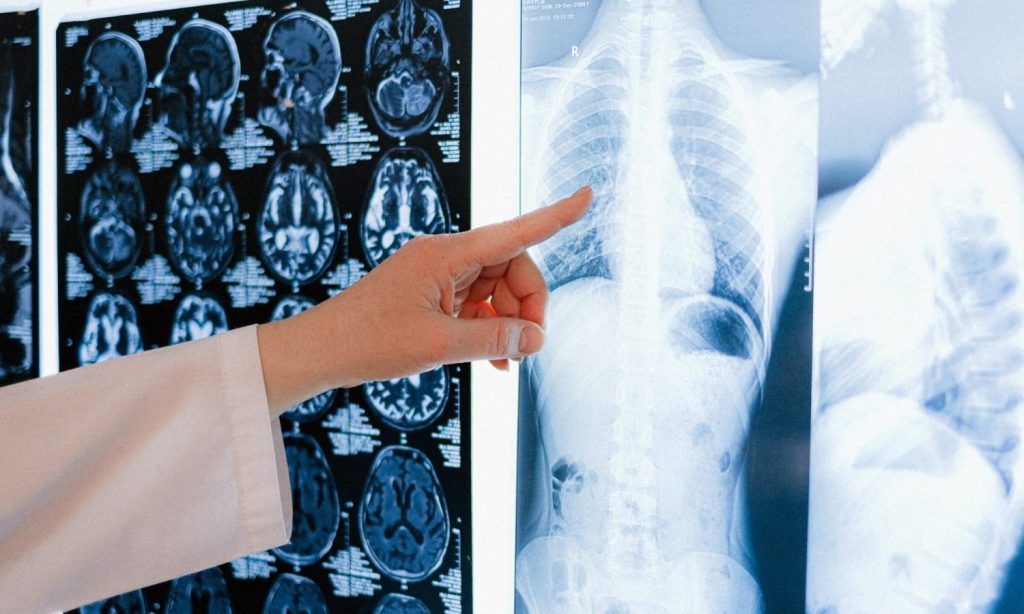
Osteoarthritis (OA) can result in significant pain, often requiring pain management with opioids, which can be addictive. According to a study performed by researchers at Thomas Jefferson University and the Rothman Orthopaedic Institute in Philadelphia, medical cannabis has the potential to be an alternative to opioids for chronic pain conditions.
The study acknowledges the current opioid crisis in the U.S., including “opioid-related deaths nearly quadrupling between 1999 and 2015 and 37.8% of adults using opioids in 2015.”
Photo by Christina Victoria Craft via Unsplash
According to the report, opioids have shown statistically significant “but small improvements in treating chronic pain at the cost of dose-dependent risks of substance abuse disorders, addiction, overdose, and death.”
The researchers, nevertheless, noted that opioid use for OA increased from 13.4% to 17% between 2007 to 2014, despite increased awareness of their adverse effects.
“Population studies show that Medical Cannabis legalization has been associated with reduced mortality due to opioid overdose, reduced opioid-related hospitalizations, and decreased opioid prescription. However, there is so far insufficient evidence to show that Medical Cannabis can be an effective replacement for opioids.”
The study, titled “Medical Cannabis Use Reduces Opioid Prescriptions in Patients With Osteoarthritis”, investigated whether medical cannabis used in the management of OA-related chronic pain can at least reduce opioid use.
Researchers examined 40 patients with chronic OA pain, who were certified to use medical cannabis. Average morphine milligram equivalents per day of opioid prescriptions filled within the six months prior to medical cannabis certification was compared to that of the six months after. Researchers monitored the pain and Global Health scores at baseline, three, and six months post cannabis certification.
They found that the average morphine milligram equivalents prescribed per day decreased from 18.2 to 9.8 (n=40, p<0.05). Likewise, the percentage of patients who dropped to 0 was 37.5%. Pain scores “decreased significantly at three and six months, and Global Physical Health score increased significantly by three months,” stated the report.
Medical cannabis “reduces opioid prescription for patients with chronic OA pain and improves pain and quality of life,” concluded the researchers.
A new study suggests eating this fruit can help you protect and preserve your vision as you grow older.
According to a recently published study, goji berries, known for providing good a dose of healthy anti-oxidants, could help protect our vision. In fact, they could help prevent macular degeneration, a condition that is the leading cause of vision loss as people get older.
The study gathered a group of participants and split them into groups, with one eating dried goji berries five times a week for three months, while the other consumed an eye supplement for that same duration. Researchers analyzed all participants’ eyes before and after the study, finding benefits in the group that consumed goji berries.
According to the study’s lead author, Xiang Li, Ph.D, these positive results are likely due to two elements present in the goji berries: lutein and zeaxanthin. These elements are usually featured in foods like egg yolks, zucchini, orange bell peppers, spinach, and more.
“These two compounds are like sunscreen for your eyes,” she said. “The higher the amount is in your retina, the more protection you have. That’s important for early-stage AMD, but it’s also helpful even for those with healthy eyes because it filters out harmful blue light and provides antioxidant protection.”
She also explains that dried goji berries are very effective since they pack a lot of nutrients in this form, with the body quickly absorbing them.
Our vision is the type of thing that we can easily take for granted, yet something that, like everything else organic, deteriorates with the passage of time. Eating a diet with plenty of veggies, fruits and nuts, and shielding your eyes from UV rays, will all help in preserving your eyesight.
“Like so many in this country, we believe it’s time to reform the nation’s cannabis policy and Amazon is committed to helping lead the effort,” said Amazon.
Amazon.com, Inc. (NASDAQ: AMZN) announced its support on Tuesday for a Republican-backed congressional bill that would decriminalize cannabis at the federal level and let states decide how and whether to ban or regulate it.
Congresswoman Nancy Mace’s (R-SC) State Reform Act, released in November, would remove cannabis as a Federal Schedule I substance and introduce a new 3% federal tax on that substance. It was the first bill issued from the Republicans and it created quite a stir at the time.
Photo by Bruce Bennett/Getty Images
Now, Amazon, which already supported cannabis legalization, has expressed support for the GOP bill.
We’re pleased to endorse @RepNancyMace‘s States Reform Act. Like so many in this country, we believe it’s time to reform the nation’s cannabis policy and Amazon is committed to helping lead the effort. https://t.co/g04Dn5KZq5
In a tweet on Tuesday, Amazon’s public policy department said, “We’re pleased to endorse @RepNancyMace’s States Reform Act. Like so many in this country, we believe it’s time to reform the nation’s cannabis policy and Amazon is committed to helping lead the effort.”
Mace said Amazon was likely motivated to approve her bill because legal issues with marijuana could make hiring difficult.
“They see it from a worker’s point of view,” Mace said, according to Forbes. “The ban at the federal level actually affects their workforce.”
The congresswoman’s got that right.
In September, Amazon asked its delivery partners to openly advertise that they don’t screen applicants for marijuana use in an effort to address the shortage of the company’s delivery drivers, noting that cannabis screening reduces prospective applicants by up to 30%.
Photo by Mark Makela / Getty Images
Prior to that, in June, Amazon stopped testing for workplace cannabis use for most of its on-site positions, apart from those regulated by the Department of Transportation.
American As Apple Pie
Cannabis connects us all, says Mace. And she’s got that right too.
“There are three things that really connect people. Animals, Britney Spears and cannabis. These are the three things I’ve found that touch the hearts of Americans and make people like apple pies for dinner.”
There are CBN supplements already on the market which have been designed to help consumers fall asleep or relax quicker, with an onset time of an hour or less.
Melatonin is one of the most widely used supplements worldwide. It’s an over-the-counter supplement that adults rely on to help treat insomnia.
Melatonin is natural, because it’s a hormone that the body already produces when we are exposed to darkness. It assists in regulating the circadian rhythm to ensure that we are getting proper sleep, and it is effective even at small doses to help you get some shut-eye.
Photo by Weiquan Lin/Getty Images
There are also many benefits to taking melatonin. Aside from it being accessible and affordable, this popular sleep aid also has antioxidant properties, can help reduce the production of cortisol — the stress hormone, regulate blood pressure, and improve the immune system.
However, many people have found relief from using cannabis. There are numerous cannabinoids within the cannabis plant that offer the same benefits as melatonin, some even more. Enter CBN.
Meet CBN – Cannabinol
CBN is one of the newer cannabinoid compounds from cannabis, though lesser known compared to its other cousins, CBD, CBG, and of course, THC. However, it’s been getting some attention recently because of its ability to induce sleep and relax. This is possible because it’s created when Delta 9 THC is degraded, which can be done in the lab.
CBN also forms naturally when THC is exposed to light and heat, that’s because it naturally oxidizes in these situations. That’s why if you have left your weed out for a long time, or exposed to air, it might not get you as high as you wanted though it can make you sleepy – because the THC has already turned into CBN.
Once we consume CBN, it binds to the CB1 receptor though not as tightly as THC would. For this reason, CBN is often referred to as the THC but without the high.
While CBD does relax, it’s not as powerful as taking CBN. There are CBN supplements already in the market which have been designed to help consumers fall asleep or relax quicker, with an onset time of an hour or less. There are numerous anecdotal reports of CBN helping people fall asleep quicker and stay asleep longer, though there are very few studies that document its ability to do that. But that hasn’t stopped people from trying and buying CBN supplements.
Pain Relief
Aside from sleep, CBN is promising on other fronts, such as pain relief. There was a 2019 animal study revealing that the consumption of both CBN and CBD were effective in reducing myofascial pain among the rat subjects; they also found that using both cannabinoids together was more effective than using any of them alone. This can be explained because of the widely studied entourage effect of cannabinoids, where the presence of other cannabinoids has been proven to enhance the therapeutic effects of the other.
Photo by peterschreiber.media/Getty Images
Inflammation
There’s also some studies showing that CBN has some anti-inflammatory properties. In the study, researchers discovered that it was effective in reducing the pain caused by arthritis, which is caused by inflammation within the joints.
Skin and Bone Health
Some studies suggest that CBN has the potential to help create new bone cells by activating stems cells and promoting the growth of new bones. It can also help minimize bone loss while helping to treat fractures. Furthermore, CBN has been found to be helpful in decreasing the overgrowth of skin cells when applied topically, and may help treat psoriasis.
Antibacterial
Consuming CBN has been shown to be effective in fighting bacteria, even for bacteria that resists conventional antibiotic medications such as MRSA.
Anti-Cancer
Most research of using CBN to fight cancer is still in its early phases, but what scientists have found so far is that CBN may be promising in for its ability to slow the spread of cancer cells. In addition, it was one of many cannabinoids that was found to be successful in reducing the growth of tumors for lung cancer.
CBD Vs. CBN: What’s The Difference?
While cannabidiol (CBD) is largely more popular compared to CBN, they do have unique properties that can be beneficial to many people. They occur in varying quantities within the cannabis plant, and also respond to the endocannabinoid system in different ways.
There are a few key differences between the two star cannabinoids that are helpful for first-time users to know more about them. For one, there is more evidence that CBD can be beneficial for anxiety compared to CBN. Another is that, while thy are both effective for sleep, CBN has been shown to be more powerful in inducing shut-eye.
Photo by Aleksandr_Kravtsov/Getty Images
What To Know Before Taking CBN
CBN is widely available usually in oil form, and it has such a loyal following especially among people who struggle to get some shut-eye. Since it has no known side effects, just like other cannabinoids, you can go ahead to experiment and see if it does indeed do a better job than melatonin.
Keep in mind that, just like other cannabis products, you should start small and go slow until you are confident of the expected effects you take when you consume CBN. On top of that, don’t take it unless your physician has cleared you to mix it, if you are already taking pharmaceutical drugs.
While taking cannabinoids alone don’t have any side effects, there could be several unwanted effects if you combine them with pharmaceutical drugs. It can also unexpectedly weaken the effects of medicines, render medications useless in your body, or amplify them, so it is never recommended to mix cannabinoids with pharmaceutical drugs.
An interdisciplinary team of researchers from the University of Chicago has found evidence that cannabidiol, or CBD, can inhibit infection by the COVID-19 virus in human cells and in mice.
They caution, however, that the COVID-blocking effects of CBD come only from a high-purity, specially formulated dose taken in specific situations. The study’s findings do not suggest that consuming commercially available products with CBD additives that vary in potency and quality can prevent COVID-19, reported UChicago News.
Photo by Anna Efetova/Getty Images
The study, published on Jan. 20 in Science Advances, found CBD showed a significant negative association with positive COVID tests in a national sample of medical records of patients taking the FDA-approved drug for treating epilepsy.
Now clinical trials should be conducted to determine whether CBD could eventually be used as a preventative or early treatment for COVID-19.
“CBD has anti-inflammatory effects, so we thought that maybe it would stop the second phase of COVID infection involving the immune system, the so-called ‘cytokine storm,’” said Marsha Rosner, Charles B. Huggins professor in the Ben May Department of Cancer Research and a senior author of the study. “Surprisingly, it directly inhibited viral replication in lung cells.”
Researchers first treated human lung cells with CBD for two hours before exposing the cells to the COVID virus and monitoring them for the virus and the viral spike protein. They found that, above a certain threshold concentration, CBD inhibited the virus’ ability to replicate. Further investigation found that CBD had the same effect in two other types of cells and for three variants of the COVID virus in addition to the original strain.
“A clinical trial is necessary to determine whether CBD is really effective at preventing or suppressing SARS-CoV-2 infection,” said Rosner. The research team emphasized that the COVID-blocking effects of CBD were confined strictly to high purity, high concentrations of CBD. Closely related cannabinoids did not have the same effect and combining CBD with equal amounts of THC actually reduced the efficacy of CBD.
“We caution against the use of non-medical formulations including edibles, inhalants, or topicals as a preventative or treatment therapy at the present time,” added the researchers.
The new certification and registration system brings the system under the full control of the state’s OCM and continues the work of expanding the program, pursuant to the MRTA.
The New York State Office of Cannabis Management (OCM) announced on Monday the launch of a new medical cannabis certification and registration system that will not only be far easier to use but will expand eligibility criteria for patients who can benefit from medical cannabis.
The program, the first of its kind nationally, will allow the certification of a patient by a practitioner for any condition that the practitioner believes can be treated with medical cannabis, reported local CBS News outlet WRBG Albany. A precedent can be found in Argentina’s REPROCANN program.
This practitioner’s discretion in certifying patients was essentially granted with the passage of the Marijuana Regulation and Taxation Act (MRTA), which legalized cannabis last March.
The new certification and registration system brings the system under the full control of the state’s OCM and continues the work of expanding the program, pursuant to the MRTA.
“It is terrific to see the Medical Cannabis Program expand so vastly with the launch of the new certification and registration program and the ability of practitioners to determine qualifying conditions as included in the MRTA,” said Cannabis Control board chair Tremaine Wright.
“The new cannabis industry is taking shape as we continue to implement the MRTA and provide greater access for New Yorkers to a medicine that we’re learning more about every day. We’re continuing to move forward swiftly and today’s system launch follows our achievements that already include adding whole flower medical product sales, permanently waiving $50 patient fees, and advancing home cultivation regulations, among others.”
OCM executive director Chris Alexander added that the new patient certification and registration system are significant steps forward for New York’s program.
“We will continue to implement the MRTA and ensure that all New Yorkers who can benefit from medical cannabis have the access they need to do so,” Alexander said. “It’s important for New Yorkers to know that even as we shift the medical program to the OCM, your access will not be disrupted and the program will continue to expand.”
All current caregivers will be re-issued new registry ID cards with the patient’s name printed on them to better identify which patient(s) they are authorized to assist.
A new study examined how the legalization of cannabis at the state level affects deposits and lending activity of banks in legalizing states.
After analyzing bank data over the course of several years, researchers have concluded that recreational cannabis legalization caused a spike in deposits and lending.
Researchers collected data from more than 150,000 regulatory filings from banks across the country in states with legal marijuana between 2011 to 2016, finding a significant increase in deposits and lending after recreational cannabis was legalized. They found that in states with legal cannabis, bank deposits increased by 3% or 4% while bank lending increased from 6% to 8%, a small yet significant change.
“We attribute this finding to either limited concern about the perceived riskiness of deposits surrounding cannabis legalization, or optimism that policies would be adapted to limit banks’ risks from regulatory uncertainty,” wrote the study’s authors.
“Although we are unable to specifically identify whether the higher level of deposits is due to the acceptance of deposits from cannabis-related activities and whether banks knowingly accept these types of deposits, our findings suggest that the risk from regulatory uncertainty did not decrease banks’ willingness to accept deposits or make loans.”
Whatever the cause of this increased bank activity, it’s clear that legal cannabis is good for business.
Cannabis’s status as a federally illegal drug not only impacts cannabis businesses, it also impacts the amount of money and the permits that are necessary for its research. The system that’s now in place in the U.S. is one that limits cannabis capabilities as a business and as medicine.
There are a number of variables that have an impact on the vaping experience, none more vital than the substance being vaped and the device itself that’s being used.
Given how popular vaping has become in the cannabis community, it’s easy to assume that vaping is a one size fits all proposition, and that the end result is the same regardless of how you go about it. The reality is that while this may be a common thought process, it couldn’t be further from the truth.
There are a number of variables that have an impact on the vaping experience, none more vital than the substance being vaped and the device itself that’s being used. Having an understanding of how vaping cannabis cartridges is different from vaping dry herb can save you money and provide the framework for knowing how to achieve the exact sensation that you desire.
Cartridges Are Cut With Chemicals Which Alter Effects
Since cannabis cartridges are made with flavoring additives, along with a myriad of other chemicals naturally, it provides different effects from vaping dry herb cannabis.
Photo by Rattanakun Thongbun / EyeEm/Getty Images
Dry herb cannabis vaporizers allow users to only load finely grounded cannabis buds into devices. This means cannabis consumers who use them are likely going to consume more THC than they would with cartridges. That caveat could explain why dry herb vaporizing provides such a different sensation from consuming cartridges.
Cartridges Reduce Amount Of Cannabinoids And Terpenes Consumed
Another factor that explains the difference between vaping cartridges and dry herbs is the lack of cannabinoids and terpenes that are consumed when people choose to vape cannabis cartridges.
Cannabinoids are a category of chemical compounds that are derived from cannabis that communicate with the body’s endocannabinoid system. Terpenes are the compounds within cannabis buds that are responsible for providing a strain with its unique scent and taste profile.
Terpenes and cannabinoids each are responsible for providing qualities that specific strains are known for. Since terpenes and cannabinoids can’t be found in cannabis cartridges, consumers who dry herb vape instead are likely going to be in for a completely different experience from those that choose to vape cartridges instead.
Vaping Dry Herb Cannabis Provides Greater Control Over Smoking Experience
The devices themselves play a bigger role in the vaping experience than a lot of cannabis enthusiasts may realize. Each dry herb vaporizer comes with the ability to choose specific temperature settings for heating cannabis. Some even provide options for extended draws or shorter sessions.
Cannabis cartridges are only able to be used with batteries that often only come with 2 or 3 pre-set temperature options. This means finding that “sweet spot” where the smoke isn’t too harsh, but the effects are perfectly satisfying, difficult for consumers to find. The dry herb cannabis vaporizers provide increased options for temperature settings means that vaping dry herb cannabis is easier for a lot of consumers.
Photo by Sharon McCutcheon via Unsplash
A Proper Dry Herb Vaping Experience Entails More Maintenance
Even though dry herb cannabis vaporizers offer more customization, they also require more upkeep from a maintenance perspective. Vaping with cannabis cartridges typically entails nothing more than affixing the cartridge onto the battery. Dry herb vape cartridges are much more involved since the mouthpiece, filter and chamber can get clogged with enough use.
The key to maximizing the use of dry herb vaporizers is making sure it’s clean prior to each use. When it comes to vaping cannabis cartridges, maintenance has less of an effect on the end results as opposed to dry herb vaporizers where proper care can be make or break for consumers.
If you think you can’t do without your regular dose of edibles, then you might be interested in the following information on how to work around your cannabis drug tests.
Many people prefer edibles to other forms of cannabis. Some people like it because of its regular appearance, while others don’t because they can’t stand the harshness of smoking flowers.
Edibles are one of the top five preferred methods of consuming cannabis. It is safer and tastier than most methods. Additionally, cannabis edibles are legal to consume in most public spaces, but this does not remove their negatives.
Photo by Sarah Pender/Getty Images
Like every consumable, edibles also have health risks. They can be detected in the blood, urine, and saliva, just like other cannabis products. The upside is that it takes more time for its effects to subside, so the user gets to feel suitable for a long time. With the increasing cannabis reforms blitzing through the U.S., cannabis retailers are developing edible products for sales.
What Are Cannabis Edibles?
Cannabis Edibles are regular food products that have been prepared with cannabis. These foods contain a significant amount of cannabis, enough to induce an intense “high” effect on the consumer. Some edibles have less THC than cannabis flowers, while others have equal levels or more THC than smokable cannabis. Edibles can be in the form of cookies, gummies, candies, capsules, or beverages. Medical marijuana edibles may be more restrictive on selection due to the high dosages needed for things like chemotherapy.
Simply put, edibles are food products that contain cannabinoids.
Edibles are best consumed at home; however, they are occasionally served at parties and cannabis establishments. They are sold in recreational cannabis dispensaries and can be made at home with recipes on the web. New edibles consumers are advised to start with about 2 mg of THC products and then build up from there. It’s better to consume edibles in low doses because they tend to induce very intense highs, even more severe than vaping or smoking.
Breakdown of Edibles in The Body
The body doesn’t process edibles the same way it processes inhaled cannabinoids. Once a person eats an edible, it goes through the digestive tract and is broken down by the body organs involved in the normal digestion process. The liver also processes these digested materials.
The cannabinoids in edibles take a longer time to digest completely, unlike those in smokable cannabis and vape. For one, the processing phase is delayed for at least an hour or two, which causes the user to feel normal for about two hours after eating the product. In smoking or vaping, the user feels the impact as soon as the cannabinoids enter the bloodstream. This is why it is pretty tricky to overconsume edibles.
After edibles are entirely broken down and allowed to enter the bloodstream, the user can remain high for up to 12 hours or more if a more potent product is consumed.
Edibles and Drug Tests
Some states in the U.S. have laws that guide against the use of cannabis at the workplace. Employees are also warned against using marijuana. This is usually maintained by regular drug tests during office hours. In some legal states, this law has been scrapped, and workers are no longer required to pass THC drug tests to maintain their job positions. Flip through your workplace’s policy to ensure you can continue to enjoy cannabis as a hobby. Trust me; no one wants to lose their job just because of their love for weed.
If you think you can’t do without your regular dose of edibles, then you’d be interested in the following information on how to work around your cannabis drug tests.
Depending on the sample tested, these test materials are uniquely modified to detect even the tiniest amount of cannabis in the body. Cannabinoids can remain in the body by hiding within certain parts.
At most, THC can remain in the bloodstream for up to four hours, but can stick to saliva molecules for more than a day at most. Companies commonly test employee urine to retain cannabinoids for up to a month. The most extended period a cannabinoid can remain detectable in a human is three months (90 days), and it is usually within the hair follicles.
Photo by SageElyse/Getty Images
This proves that cannabis can be detectable in the system regardless of the method of consumption. Regular consumers have cannabinoids in their system (blood, saliva, urine, or fair) longer than these standard durations. The above time limit is observed among casual edibles users based on THC consumed. To reduce the risk of being caught with a positive cannabis drug test, it’s best to detox with your go-to detox kit. You must also drink water, a lot of it.
The Downside of Eating Edibles
The best way to consume edibles is by micro-dosing (consuming edibles with cannabinoids no more than 1–5 mg). The biggest concern arises when excess edibles are consumed. This results in confusion, insomnia, hallucinations, paranoia, and cannabis-induced psychosis. There have been emergency cases where patients suffering from panic attacks confess to consuming too many edibles.
There are also reports of older adults suffering from cardiac-related issues after consuming a high amount of cannabis. These cases have put edibles in a bad light, as many believe consuming edibles brings one step closer to cognitive impairments, lack of coordination, and even worse scenarios. The truth is that edibles have to be used responsibly, especially when the dominant cannabinoid in the product is THC.
Last Words
Frequent consumption of edibles could lead to an addictive habit unless the edibles consumed have been micro-dosed to the lowest limit. But even this could cause the user to be tolerant and feel the same level of high if the dosage is topped. Users are put at more risk when they unknowingly consume edibles spiked with synthetic drugs like Spice or K2.
It is best to either prepare your edibles yourself or purchase them from trusted sources like cannabis dispensaries or licensed edibles bakers/producers around your location.
A new study shows that vaccines don’t have an impact on fertility in males. Instead, what could impact their fertility is a COVID-19 infection.
One of the leading fears of COVID-19 vaccines is fertility, a theory that has prompted many to avoid getting their shots. But a new study found no evidence to support this belief, however, it shows that males infected with COVID-19 could experience decreased fertility for up to 60 days.
The study, funded by the National Institute of Health (NIH) and published this past week in the American Journal of Epidemiology, tracked the data of 2,100 women and their male partners for about a year, finding that while COVID-19 vaccines didn’t impact the fertility of either gender, getting sick with it did affect males.
Researchers found that men who tested positive for COVID-19 were 18% less likely to conceive during their partner’s menstrual cycle when compared to men who did not test positive for the virus. Their fertility was more likely to be affected if their illness was moderate to severe.
Researchers theorize that these findings occur due to fevers and inflammation, both symptoms of COVID-19 that have been linked with lower sperm counts. While more research is necessary to understand why this happens, couples who’ve yet to get their vaccines and haven’t done so due to fertility concerns should take this information into account.
“The findings provide reassurance that vaccination for couples seeking pregnancy does not appear to impair fertility,” said Diana Bianchi, M.D., director of NIH’s Eunice Kennedy Shriver National Institute of Child Health and Human Development, which funded the study. “They also provide information for physicians who counsel patients hoping to conceive.”
While researchers will continue to monitor the impact of vaccinations on fertility, they find it unlikely for this to become a real concern, no matter the maker of the vaccine. According to researchers at Boston University, “It is unlikely that adverse effects on fertility could arise many months after vaccination.”