Cannabis has become an unlikely source of relief for many suffering from PMS. Here are some products that could ease the discomfort.
Periods affect women in unpredictable ways. While some may feel a general sense of grumpiness and discomfort, a significant group of women experience rough menstrual periods, where they are faced with crippling pain and symptoms such as nausea, muscle aches, abdominal pressure and more. Some cannabis products can help cope with your period.
While women have turned to all sorts of medications and practices for relief, marijuana has become an option to alleviate a variety of symptoms.
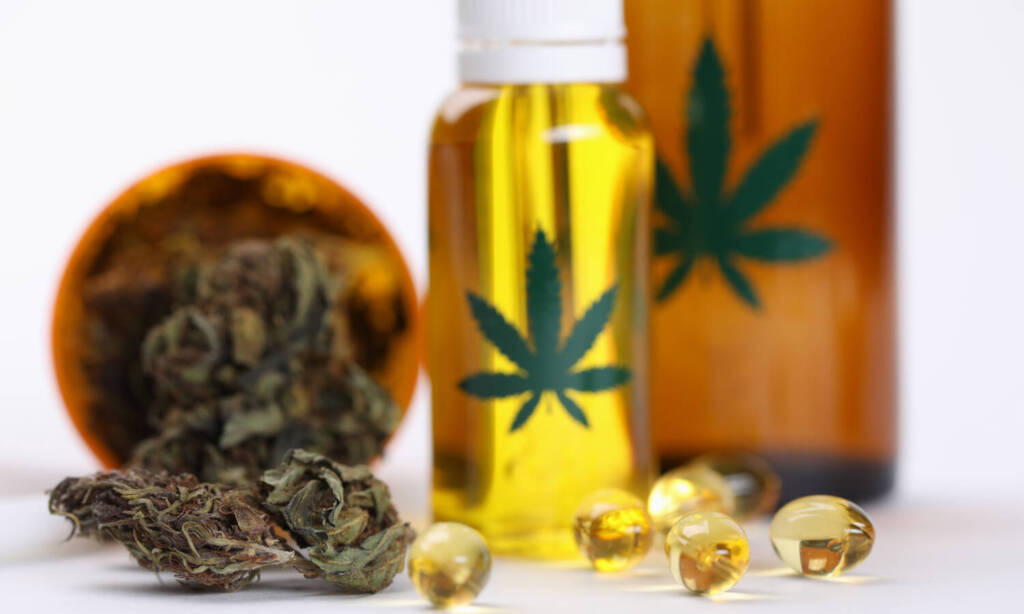
The cannabis industry has capitalized on this need, creating products to treat these symptoms, such as cannabis suppositories and tampons, which provide localized and fast relief. But there’s also soaks and bath salts to relax your entire body while targeting other symptoms aside from the pain in your uterus. Here are four of the best cannabis menstruation products you can find.
Cannabis suppositories are meant to provide fast-acting pain relief. Taking around 15 – 20 minutes to kick in, cannabis suppositories affect your pelvis region, relaxing your muscles and uterus. Depending on the brand, suppositories can contain more or less THC, with there being CBD options as well.
While cannabis suppositories are mostly mentioned when discussing periods, they can treat a wide range of ailments. They can make sex less painful, treat constipation and hemorrhoids, and more. The most popular of these products is made by Foria, a company that also makes cannabis lubricants and oils.
Soaks and bath salts
Photo by Matthew Henry via Burst
A good remedy against pain and period cramps is relaxation, which can be facilitated with a nice long bath and some fancy bath salts. These can be effective and powerful, providing relief for up to 5 hours, and maybe leaving you a little loopy after your bath. Use with care. There’s a variety of brands making these products, including Vertly, Happy Dance, and more.
Tinctures are very concentrated and strong, healing your pain with just a few drops if you can stomach the powerful and oily taste. They’re placed under your tongue, and they act fast, within 10 minutes you’ll experience effects, hopefully getting some much-needed relief for your cramps. Tinctures are also a great and safe option for consuming during the daytime, because they won’t make you feel high at all.
Cannabis balms can be used anywhere on the body, providing analgesic effects. Products like Love Your Lady Parts allow you to scoop a spoonful of product and apply it, providing an effective, if a bit messy, option for pain and cramp relief. Wear your least favorite underwear.
When it comes to creams, there’s a wide variety of products that can be applied on your lower back and abdomen, areas commonly affected by period pains, while providing effective pain relief. Popular brands like Lord Jones and Well Care Botanicals make some of the best-reviewed products on the market.
While testifying at a recent House subcommittee hearing, the Drug Enforcement Administration (DEA) and National Institute On Drug Abuse (NIDA) signaled their willingness to align with a White House proposal that seeks to streamline the process of researching Schedule I drugs.
The federal government’s treatment of Schedule I drugs, which includes LSD, MDMA, cannabis and peyote, is defined by the DEA as having “no accepted medical use and a high potential for abuse” has prevented many beneficial drugs from being readily obtained and studied by researchers.
Photo by RODNAE Productions from Pexels
Studies are showing that cannabis and a variety of psychedelic drugs are proving effective for treating a range of mental injuries, for instance, clinical studies of MDMA-assisted therapy to treat PTSD, which is currently in Phase III trials with the FDA.
Marijuana Moment reported that the DEA has said in written testimony that “expanding access to Schedule I research is a critical part of the DEA’s mission to protect public safety and health.”
The proposal looks to align research limitations of Schedule I drugs with those of less-restricted Schedule II drugs, which include effective and widely prescribed drugs like hydrocodone, Adderall and Ritalin. Researchers and policymakers alike have pointed out that existing protocols for studying Schedule I substances have for decades restricted essential research of therapies that could save lives.
Photo by Esther Kelleter/Getty Images
“It is critical that the scientific and medical community study Schedule I substances, as some may turn out to have therapeutic value,” DEA principal deputy administrator Louis Milione said. “DEA supports the administration’s legislative proposal’s expansion of access to Schedule I research. DEA looks forward to continuing to work with the research community and our interagency partners to facilitate Schedule I research.”
Current regulations include onerous situations where each researcher involved in a Schedule I drug study must obtain individual DEA registration. The proposal would make it possible for multiple researchers at a given institution to be authorized to participate under a single registration and potentially extend to multiple location sites as well.
Nora Volkow, director of NIDA, has voiced her opposition to the handling of Schedule I drugs and how such rules impede viable research. “One of the barriers that has actually been noted is that cannabis, by being a Schedule I substance, requires certain procedures that actually can be very lengthy,” Volkow said. “In some instances, it detracts researchers who want to investigate it because it’s just much more cumbersome than doing studies with other substances.”
COVID-19 can leave long-term effects that people may have missed if they didn’t confirm their original diagnosis with a doctor.
We’ve been in the ebb and flow of the COVID-19 pandemic since early 2020. The disease has disrupted our lives, to the degree where a 2019 world — one without worrying over face masks, travel, and COVID-19 variants — seems almost unthinkable. Here are 3 signs you may already have had COVID-19.
Throughout the past two years, it’s possible for people to have gotten COVID-19 and then to have received their vaccines, or for them to have gotten their vaccines and then have caught COVID-19, or any of these in order.
Photo by Kay Lau via Unsplash
It’s also possible for people to have had COVID-19 without knowing about it. In fact, many of them may be experiencing symptoms of long COVID-19 without knowing they’re related to the disease. Since some of these symptoms are so strange, it’s understandable not to connect them to a virus that’s considered mostly respiratory. These people may no longer be dealing with the COVID-19 virus, yet may still be reckoning with debilitating symptoms.
Here are three of the most common and concerning symptoms that suggest you’ve had COVID-19 and are dealing with its long term symptoms:
In conversation with Medscape, Dr. Anthony Fauci spoke about extreme fatigue. “And it’s extraordinary how many people have a post-viral syndrome that’s very strikingly similar to myalgic encephalomyelitis/chronic fatigue syndrome. They just don’t get back to normal energy or normal feeling of good health,” he said. This condition worsens when people are exposed to extraneous physical and mental stress, but, unlike other forms of fatigue, doesn’t get better when people rest and sleep.
Muscle pain
Photo by Karolina Grabowska from Pexels
Another common side effect of long COVID is muscle aches and pain, also known as myalgia. This pain is strong and can be confused for other conditions, such as a pulled muscle or even a heart attack when the pain is located in the chest area.
Brain fog
Photo by Nubelson Fernandes via Unsplash
Lastly, brain fog is another symptom that has been extensively reported. This blanket term envelops things like confusion, feeling scattered brain, and even forgetting the events of a trip or a moment you spent with friends and family. “There are thousands of people who have that,” Dr. Igor Koralnik, Professor of Neurology and Chief of Neuro-infectious Diseases and Global Neurology at Northwestern Medicine, told the New York Times.
“The impact on the workforce that’s affected is going to be significant.” Brain fog is one of the most mysterious side effects of COVID-19. It can affect anyone who suffered from it, even if their symptoms were mild.
In order to know if these symptoms are a sequel of a COVID-19 infection or if they’re an underlying condition of something else, it’s important to talk to a doctor and to get an expert opinion. Aside from providing some clarification, an expert may also suggest viable ways of moving forward and improving these symptoms. Hopefully these 3 signs you may have already had COVID-19 is helpful.
The Sensible Marijuana campaign was four signatures short of qualifying the measure to be voted on last month. However, findings suggest that officials incorrectly marked several signatures as invalid.
Ohio lawmakers filed a bill to legalize cannabis in the state recently.
The move comes on the heels of a recent push to place a full marijuana legalization initiative on the Ohio ballot, with activists nearing completion of the first phase of their signature drive for the cause.
Photo by traveler1116 / Getty Images
The legislation was formally introduced by Reps. Jamie Callender (R) and Ron Ferguson (R), almost two months following the first announcement of their plan to legalize the plant.
Ohio Adult Use Act would allow adults 21 and older to purchase and possess up to 50 grams of cannabis. Moreover, the cultivation of up to six plants, with only three being mature, would be permitted for personal use under the new bill, as well as gifting up to 25 grams of marijuana between adult consumers without remuneration.
Money from a 10% tax on marijuana sales would go to the state’s general revenue, law enforcement, mental health, addiction treatment and recovery services.
The state Department of Commerce would regulate the new recreational marijuana and existing medical cannabis program and issue business licenses through a new Division of Marijuana Control.
The new bill would also limit regulators to approve only one retail cannabis dispensary license per 60,000 residents in the state up until January 1, 2027.
While provisions to promote social equity by expunging prior cannabis convictions or prioritizing licensing for communities most impacted by prohibition were left out from the introduced version of the bill, a spokesperson in the lawmaker’s office told Marijuana Moment that “it is still the plan to add any needed language on the subject once we get it to committee. Conversations on modifications are continuing, but with Thanksgiving here and the end of the year approaching, we wanted to get the ball rolling with introduction.”
Ohio Activists Prove Local Marijuana Decriminalization Initiative Had Enough Signatures After All
In the meantime, marijuana activists in the Buckey State recently proved that they had indeed turned in enough valid signatures to put a local decriminalization initiative before Kent voters after having missed the 2021 ballot due to a verification error made by county officials, as The Portagerreported.
According to The Portage County Board of Elections, the Sensible Marijuana campaign was four signatures short of qualifying the measure to be voted on last month. Kent is in Portage County.
Photo by Ivan-balvan/Getty Images
However, activists’ findings suggest that officials incorrectly marked several signatures as invalid.
A bipartisan team asked by the Portage County Board to examine the three-part petitions from the Sensible Marijuana petition found that the ballot initiative had garnered 815 signatures, well above 806 necessary to trigger a referendum.
“This was the outcome we expected from the beginning,” said Sensible Kent campaign manager Michael Fricke.
Now that the Board of Elections is expected to notify Kent City Council of its updated findings, it remains to be seen what the council will do next.
Years of petitioning the DEA to remove cannabis from the controlled substance act have yielded no positive results, in spite of its proven and established therapeutic potential.
Imagine pushing for marijuana legislation for decades, just for a drug produced from a more potent and harmful controlled substance to receive more support from the DEA.
Very few people would have guessed that the “cocaine versus cannabis” discussion would come to light this year, and fewer still would have guessed that it would be the Drug Enforcement Administration (DEA) working tirelessly to see that a cocaine-derived drug is rescheduled before cannabis on a federal level.
Photo by Westend61/Getty Images
Scheduling System in America
The federal government of the U.S. authorizes the DEA to regulate all forms of drugs. The DEA is in charge of classifying or scheduling a drug depending on its therapeutic value and its potential to be abused.
According to the DEA policies, drugs like cocaine and marijuana are scheduled due to their relative potential for abuse being higher than their medical value. The hindrance of this scheduling process is that it prevents in-depth clinical trials from being carried out on these substances.
The current schedule system could be described as “flawed.” Marijuana, which is a fast-rising medical drug, is classified as a Schedule 1 drug, meaning that it has no medical value and a high potential for abuse. Whereas cocaine, which has an established reputation of posing one of the highest risks of abuse and little medical value, is a Schedule 2 drug. All these and more are some of the reasons why the majority are confused about the DEA’s stance on decriminalizing a cocaine-derived drug before cannabis.
The DEA’s Petition for Policy Change
Some weeks back, the DEA announced its proposal to remove the cocaine derivative from its current schedule. The agency also implied that the drug would be completely decriminalized, meaning all civil and criminal punishments associated with the drug’s use and sale would be resolved.
In defense of this proposal, the DEA wrote that the drug, [18 F] FP-CIT, could be effective in diagnosing adult patients suspected of suffering from Parkinsonian syndromes. It would be used in the evaluation phase to visualize striatal dopamine transporters (DAT). The process itself would use a positron emission tomography (PET) imaging system.
The first time a rescheduling petition was submitted on this drug was in June 2018. The Advanced Imaging Projects, as well as other federal agencies played a role in processing the application.
Photo by Ivan-balvan/Getty Images
The HHS’s Role In This Policy Change
The new announcement has been put up for public comments till December 6. This session will see to it that the due process which ought to take place before a drug schedule is revised is accounted for. The reclassification of this cocaine derivative by the DEA has been under wraps for several months. The agency had been busy gathering information and data which was subsequently passed along to the Health and Human Services (HHS) department, along with the petition. They also requested a scientific and medical evaluation for the drug, as well as a scheduling recommendation.
Following this request, the HHS, FDA and the National Institute on Drug Abuse worked together to offer a recommendation. Reports have it that HHS established that the new derivative happens to have more abuse potential than cocaine. In some behavioural assessments, the drug showed more potency with respect to its effect on dopamine transporters. When taken in high doses, the user might get hooked, especially when the impeding effect of very low concentrations of the available ” radioligand” is not taken into account.
However, the HHS concluded that FP-CIT does not correspond with the description of schedule 2 drugs, nor does it match the findings for any other schedule.
What’s Next?
The Attorney General has delegated the CSA to establish whether or not the drug should be rescheduled. To do this, the CSA has requested the DEA to prove that the HHS’s medical and scientific evaluation is accurate.
The DEA has reviewed the HHS’s report and other important data. It has also completed an eight-factor review document to support the scheduling recommendation provided by HHS pursuant to 21 U.S.C. 811 ( c).
Photo by Cavan Images/Getty Images
The following are the eight factors considered in this review.
Up-to-date available scientific evidence about the drug.
The actual or relative potential of the drug to be abused.
The physiological dependence risk of the drug.
Whether or not the drug is a precursor of an already scheduled substance under the CSA’s control.
Scientific evidence of the pharmacological effect of the drug.
Previous and current history of the drug’s abuse patterns.
Risk to public health and,
Information about the scope, duration and significance of abuse.
What This Means for Federal Cannabis Legalization
The main concern cannabis advocates have about this move by the DEA is that cannabis reforms would fare better with this type of action. It appears that the scheduling review process of the derived-cannabis drug would.be followed up with changes. This is bewildering.
Federal cannabis reform has taken ages to get to this current point, and it still faces a very difficult phase before it can be achieved.
Years of petitioning the DEA to remove cannabis from the controlled substance act have yielded no positive results, in spite of its proven and established therapeutic potential. The DEA has also rejected motions to simply schedule cannabis based on its medical value. Advocates have also challenged the agency’s rulings through lawsuits, and whatnot. None of these has served the movement, nor has it caused any change in the schedule 1 classification of cannabis.
Bottom Line
The closest cannabis has gotten to a schedule review came last year when the DEA completely removed Epidiolex from Schedule 5 of the CSA. The marijuana-derived drug is produced from purified CBD.
The DEA can only postpone this review for a few years at most. A judge was quoted as having said that the DEA may soon consider a policy change due to the medical potential of cannabis. For [18F] FP-CIT, the DEA has disclosed that the drug does not fall under any CSA controlled schedule. Let’s see how this would eventually play out.
Now, the next time you’re in the middle of a smoke session with friends and the munchies hit, you can offer an explanation behind why it’s happening.
Having access to your favorite meals or snacks is essential to any successful session. Most people are familiar with the concept of getting the munchies after consuming marijuana, but why they occur still remains a mystery to many.
Even though the munchies may seem like one of life’s unsolved mysteries, there are a few scientific reasons that can explain what causes it. Here are a few factors that help explain why people get the munchies after consuming marijuana.
The Role Sleep Plays in Bringing on the Munchies
Want to keep the munchies at bay? You may want to make sure you get enough sleep. Numerous studies attribute an increase in appetite to a poor sleep schedule.
Photo by KoolShooters from Pexels
According to a 2019 study, a lack of sleep can bring on the munchies in an identical manner to consuming marijuana due to the fact that sleep restriction causes increased endocannabinoid levels in the blood leading to hunger pangs, specifically for high-calorie foods.
“We found that sleep restriction induced qualitative changes in food intake, biasing choices toward energy-dense options, without altering total calorie intake,” wrote researchers, adding that, “Our results further elaborate on the effects of sleep deprivation on the human brain, suggesting that neural processing of odors is enhanced in primary olfactory brain areas after sleep restriction.”
Taking this into consideration, getting a full night’s rest could be instrumental in helping to ward off the munchies.
THC Heightens the Senses
One of the many cliches about marijuana shared by cannabis enthusiasts is that, “it just makes everything better”. Research proves that this idea is more than just a cliche.
According to a 2014 study using mice, neuroscientists discovered that THC stimulated the brain’s olfactory bulb — the part of the brain responsible for recognizing odors — causing the mice to eat more than usual.
There’s also data that suggests THC stimulates receptors in the hypothalamus, leading to the production of the hormone gherlin, which regulates hunger.
Photo by Carles Rabada via Unsplash
Marijuana Decreases Inhibitions
One of the key reasons people use substances like marijuana in the first place is to experience a release of dopamine. While there are lots of benefits to how a dopamine release can make you feel, one of the drawbacks is that it can lower your inhibitions. While decreased inhibitions are typically associated with social settings, they can also have a big impact on cravings. Lowering inhibitions means eating more of foods that you probably shouldn’t be eating in the first place.
Think about it. After consuming enough marijuana, knowing when to stop snacking can feel nearly impossible. The reason why is because dopamine controls the brain’s reward and pleasure centers. Once enough THC has been consumed, it’s nearly impossible to tell yourself “enough is enough” when it comes to your favorite food.
The munchies may be mildly inconvenient, but at least it’s no longer a mystery. Now, the next time you’re in the middle of a smoke session with friends and the munchies hit, you can offer an explanation behind why it’s happening. While that may not make the munchies go away, at least it can provide a distraction until you’re able to satisfy those cravings for good.
The U.S. Department of Agriculture revealed Thursday that it is working toward advancing insurance policies for hemp businesses to make them more flexible.
Ever since hemp and its derivatives were declared federally legal under the 2019 Farm Bill, the industry has been waiting for clear rules and regulations with regard to food and beverages infused with hemp-derived CBD.
The wait seemed endless, but now, a certain optimism has emerged in the form of a new bill presented on Thursday by a group of bipartisan House lawmakers. The measure demands that the Food and Drug Administration (FDA) set up regulations for food and beverages with hemp-derived CBD to enable their interstate commerce, reported Marijuana Moment.
Photo by IRA_EVVA/Getty Images
The “CBD Product Safety and Standardization Act,” sponsored by Kathleen Rice (D-NY), Morgan Griffith (R-VA), Angie Craig (D-MN) and Dan Crenshaw (R-TX), aims to help resolve the ongoing regulatory issue hemp stakeholders have been asking the FDA to clear up.
“CBD products are exploding in popularity, but the lack of federal regulation surrounding them has put consumers at risk and left businesses looking for clarity,” Rice said in a press release. “The bipartisan CBD Product Safety and Standardization Act will establish the clear regulatory framework needed to provide stability for business and ensure unsafe products stay off the shelves.”
Under the bill, the FDA is being requested to create clear guidance and to open a public comment period on the maximum amount of hemp-derived CBD that can be added to food or beverages per serving, as well as on labeling and packaging demands, among other issues.
With interest in CBD products booming, not having FDA rules puts the industry in an unregulated and therefore unsafe position.
“As a result, adulterated or unsafe products are available that threaten consumer health, and businesses lack clarity,” Griffith said. “The CBD Product Safety and Standardization Act would require the FDA to address the issue and ensure more certainty in the CBD marketplace.”
USDA To Change Hemp Policy To Advance Insurance Coverage For Manufactures
This week the hemp industry welcomed another important move when the U.S. Department of Agriculture revealed Thursday that it is working toward advancing insurance policies for hemp businesses to make them more flexible in regards to stakeholder feedback, wrote Marijuana Moment.
Photo by TorriPhoto/Getty Images
USDA’s Risk Management Agency (RMA) highlighted it will ensure that hemp producers will no longer have to deliver their crops “without economic value for insurability.” The policy will precisely state how the “amount of insurable acreage is determined if the processor contract specifies both an acreage and a production amount.”
“This change was made in the policy to ensure producers know how their insurable acreage is determined for those contracts,” the agency said in a press release.
“[hemp is] an emerging crop, and we are working with hemp producers to provide insurance options that make sense for producers and for insurance providers,” RMA administrator Marcia Bunger said. “RMA has worked to expand and refine our offerings to be responsive and dynamic. “
This article originally appeared on Benzinga and has been reposted with permission.
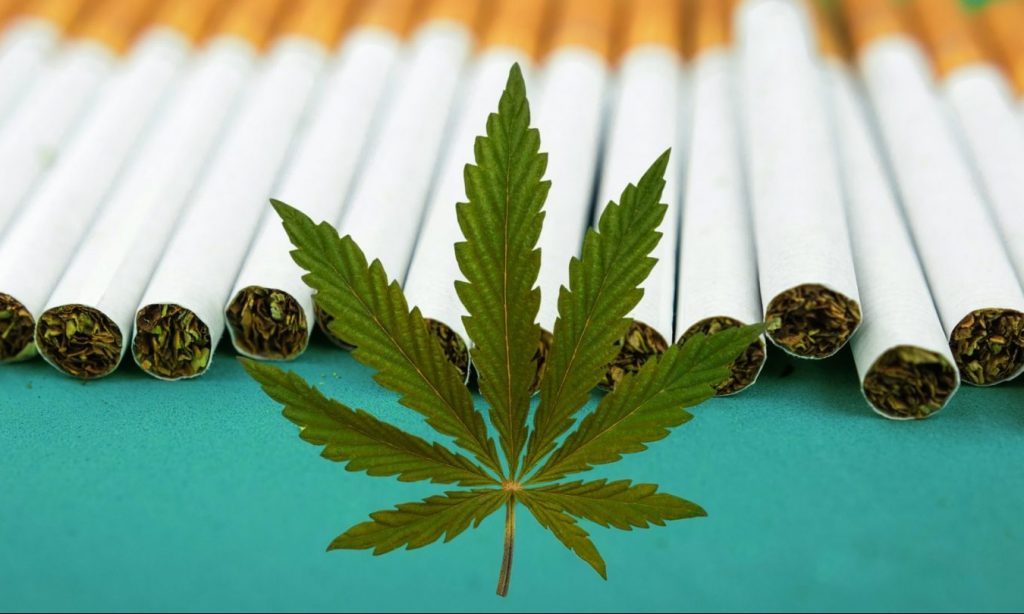
As tobacco sales continue to dwindle, and the research backing the health claims behind cannabis compounds rise, the country is moving toward the dawn of a booming new industry.
In the past 30 years or so, there has been a major shift in the public perception of both tobacco and cannabis industries. The popularity of tobacco has been on a slow decline, while cannabis use (and acceptance) is on the rise.
But what do the futures of these markets look like from a practical, legal, and financial perspective? In this article, we’ll discuss a bit of recent history in the tobacco and cannabis industries in the United States, as well as speculate on future legal changes.
Photo by Lumppini/Getty Images
At the end of the day, which will come out on top: tobacco or cannabis? By gathering and analyzing the opinions of industry experts, we hope to get a good idea of how the future will answer this question.
A Recent History of Tobacco and Cannabis Industries in the U.S. The Rise and Fall of Tobacco
Over the past 50 years, tobacco-smokers in the U.S. population fell from 42 to 15%. (1) The height of tobacco use peaked in 1963, with smokers consuming an average of 4,345 cigarettes per year. Though scientists knew about the health risks associated with inhaling tobacco smoke as early as the 1940s, tobacco companies did their best to bury these findings.
And in fact, many doctors didn’t really bang the drum on the issue until decades later, even though it was an accepted fact that smoking causes cancer in the late 50s. (2) The tobacco lobby was a powerful one, and it wasn’t until the 90’s that sales began to really take a hit. People finally understood that they were risking their health and lives for no benefit at all.
Even now, the delivery method has shifted a bit to accommodate a younger generation. While cigarettes are on the wane, vapes have come onto the market… just one more way for tobacco to get its last gasp.
The Fall and Rise of Cannabis
The cannabis industry has been on an almost completely opposite trajectory over the years. In the early years of the original colonies, many farmers (including George Washington) grew cannabis on their land. These plants were turned into paper, fabric, ship sails, and rope. Physicians in the 1800s used cannabis to treat various conditions, from cancer to epilepsy.
Then in the early 20th century, there was a shift in the public opinion of cannabis in the United States. Smoking cannabis was pretty much unknown to much of the U.S. population in those days…but small groups of Mexican immigrants were doing it and anti-Mexican sentiments took hold in a large way. In Texas, law enforcement began to circulate stories of violent crimes committed by those who smoked cannabis. The plant itself was increasingly referred to as “marijuana” as a scare tactic.
Government officials repeated claims that marijuana was the drug of choice for minorities, jazz musicians, and other “undesirables”. The movie “Reefer Madness” (which later became a cult classic hit for stoners) was released. It followed the stories of “wholesome American teens” captured by the evil of the drug and forced into sexual deviancy, murder, and suicide.
The DEA was formed and took action against cannabis, waging the “War on Drugs” under the Nixon administration. In 1969 only 12% of Americans thought that marijuana should be legalized by the federal government. Through the ’80s and early ’90s, marijuana continued to be largely vilified as a “gateway drug” to harder substances. Then in 1996, things began to look up for cannabis.
Possibilities of Federal Cannabis Legalization
1996 was the year that California legalized cannabis for medicinal use. More and more, activists were getting out the word on the health benefits of THC and CBD…and an increasingly wellness-seeking public was beginning to listen. In 2019, 66% of the American public approved the legalization of cannabis–an astonishing leap over a short period of time.
As of 2019, the federal government took a quietly favorable step in the process by approving a bill to remove cannabis from the Controlled Substances Act, although no further action has been taken since then. Cannabis laws can be confusing, as it is still considered illegal on a federal level, while individual states have the power to decide how to legislate its use within their borders.
Photo by Hugo Cattelain / EyeEm/Getty Images
Thanks to the Farm Bill of 2018, hemp production and sales became legal on a federal level, although the hemp laws vary from state to state. The laws are a bit fuzzy and difficult to navigate and can vary widely at state levels in a variety of ways.
In 36 states, the use of medical cannabis is legal. 18 states allow recreational cannabis use, while 13 states have decriminalized cannabis use altogether. In the meantime, the FDA has begun to approve certain derivative cannabis compounds for use in medicines: THC in Marinol and Syndros, and CBD in Epidiolex.
While the legalization of cannabis is inevitable in the U.S., it is nevertheless moving forward slowly. This is due to a large contingent of older Republican lawmakers who have continued to hold onto an inherent bias against the plant.
As the country moves slowly forward, the most likely scenario, according to experts, is that more states will begin to pass medical use laws or recreational use laws, while the federal government continues with decriminalization and expungement. It’s essentially a waiting game, as the old guard of more conservative lawmakers die off.
The Cannabis Market vs Tobacco Market: What Happens Next?
As the market opens up for both THC and CBD products (not to mention a variety of other exciting new cannabinoids), profits are expected to boom in this industry. The greater issue for many experts is whether large companies can be prevented from dominating the marketplace with cheap, generic cannabis products.
However, Concordia University law professor Ryan Stoa doesn’t believe this to be a problem due to the variety of strains available. He went on to say: “On the regulator size, states have a role to play. You already see states like California putting a cap or limit on the size of marijuana farms, essentially saying, ‘If we’re going to legalize this industry, we want to spread the benefits to as many people as possible.’ Other states are capable of replicating that model.’”
Photo by Lumppini/Getty Images
Meanwhile, marijuana is big money–and money talks in the United States. According to Viridian Capital Advisors, the marijuana industry raised $116.8 billion in 2019. This is expected to grow as more and more states begin lifting bans on cannabis.
A Surprising Harbinger of Tobacco’s Future
As to whether cannabis will overtake big tobacco, there is an interesting story that shows which way the wind is blowing. In the conservative state of Kentucky, a place where state lobbyists have steadily resisted legalization bids, hemp growers have built an enormous movement.
In fact, tobacco farmers are beginning to transition some of their land from tobacco to hemp crops. One third-generation large tobacco farmer, Shack Newman stated: “Tobacco is, I won’t say on the way out, but it sure seems like it.” He went on to say that hemp cultivation is far less labor-intensive.
Experts who are watching the situation speculate that hemp could outstrip tobacco in the near future. And this is just the beginning. As tobacco sales continue to dwindle, and the research backing the health claims behind cannabis compounds rise, the country is moving toward the dawn of a booming new industry — one that is expected to overtake the once thriving tobacco trade.
As we harness the plant’s benefits, it’s highly important we don’t lose track of its effect on the environment, and continue working to prevent any negative impact.
Marijuana is a psychoactive drug extracted from the cannabis plant. It has been used over the centuries for medicinal and recreational purposes especially in the Central Asian region of the planet.
As more countries adopt the use and cultivation of the plant, concerns have arisen about its impact on the environment. Extreme energy and water usage, its method of disposal, and also its extraction process, seem to leave a footprint on the environment.
Photo by Olena Ruban/Getty Images
Should we be worried? Is our growing marijuana market going to pose a problem to our planet?
How Marijuana Is Cultivated
In a nutshell, marijuana cultivation is the process of growing cannabis plants. The plants start as seeds and can be grown through outdoor or indoor farming, with light from the sun or artificial ones.
The following resources are required in the cultivation of marijuana:
SOIL: Except you are practicing aeroponics or hydroponics, the soil is vital to the cultivation of marijuana; and not just any soil, the ideal soil must have nutrients like nitrogen, potassium, and phosphorus. These nutrients can be added to the soil through fertilization. The soil’s pH should fall between 5.8 and 6.5.
WARMTH: Ideal temperature for marijuana cultivation falls between 24 – 30 °C (75 – 86 °F). Any temperature above 31 °C or 88 °F and less than 15.5 °C or 60 °F can inhibit growth and reduce THC potency.
LIGHT: You can use either natural light or artificial light. When using artificial light, the plant is exposed to 16–24 hours of constant light and 0–8 hours of darkness.
WATER: Watering frequency depends on the age, size, temperature, light, and plant’s stage of growth. Wilting of leaves is a sign of an under-watered plant.
NUTRIENTS: The plants soak up nutrients from the soil through their roots. Marijuana plants need more nitrogen, potassium, and sulfur throughout their life cycle. When soil nutrients have been depleted, chemical or organic fertilizers can be added.
As with any other plant, pest invasion is a challenge to cannabis cultivation.
Photo by David McNew/Getty Images
How Marijuana Cultivation Affects The Environment
Even though marijuana itself has its medicinal and recreational purposes, growing it has some not-so-good effects on streams and rivers. While farmers of other food crops store water up during the rainy season to use in the dry season, growers of marijuana divert water directly from rivers and streams during the dry period.
Dry seasons are characterized by low water levels. Creatures living in the streams already struggle for survival. Imagine diverting a large quantity of water from the same stream or river. In a few cases, some parts of the streams dry up completely. This threatens the survival of amphibians, salmon, and other organisms living in the stream. As the water levels go down, temperature increases, and this stresses the fish living in the water.
Another problem related to marijuana cultivation is pollution. Farming sometimes occur close to the streams and rivers which may result in erosion. Sand and fine sediment may run straight into the streams harming living organisms living in the stream.
Also, herbicides and pesticides may contaminate the water and poison animal that drink from it. Oftentimes, diesel leaks from generators that are used in pumping water. This further pollutes the streams and stresses fish.
Most marijuana farming techniques use natural resources but cannabis cultivation requires much more resources than other types of horticulture. The farming techniques used in growing marijuana require an excessive quantity of natural resources and electricity while simultaneously emitting injurious wastes into the environment. If this is not put in check, it may result in a grossly negative impact on the environment and climate.
Photo by SEASTOCK/Getty Images
The good thing is cannabis can grow much faster than other plants. As such, it consumes a great quantity of carbon dioxide while releasing lots of oxygen. This could be highly beneficial for the environment, especially if the cultivation occurs in the open.
However, this benefit is canceled out by the excess energy used in ventilating the indoor facilities. Some cultivation facilities may even produce excessive levels of harmful C02 to increase the growth potential of the plants.
Also, marijuana has the potential to rapidly increase the quantity of Volatile Organic Compounds (VOC) in the atmosphere. This is something to be worried about because VOCs combine with several other contaminants in the atmosphere and form an unstable poisonous gas. Studies reveal that the VOCs emitted by the cultivation of cannabis plants can result in over 2,000 metric tons of poisonous gas each year. And that’s from the cannabis market only.
Apart from VOCs emitted, there are also other hazardous wastes which include extraction solvents, vape pens having batteries, polluted lab debris.
These kinds of wastes are usually problematic and can pose a challenge to the environment. They infect landfills, release toxic VOCs into the atmosphere, and pollute water sources.
Imagine that millions of marijuana vape pens are being disposed into landfills each year, this can pose a huge problem.
How To Reduce Impact Of Marijuana On The Environment
The best way to reduce the carbon footprint of cannabis farming in the U.S and the world at large is by legalizing its cultivation at the federal level. With this significant change, extensive works of research being conducted to unearth better farming techniques and procedures will increase at an astronomical rate. This will also greatly reduce the number of illegal cannabis farms littered around the country thus curbing some of the harm being done to the environment by these illegal farms.
Other strategies of minimizing the negative environmental impacts of marijuana farming are as follows:
Create environmental rules and regulations for marijuana farmers – This could be as simple as carrying out a compulsory assessment before the construction of any cannabis growing company.
All marijuana vendors must list all farm chemicals used for production on their packaging
Farmers should be asked to submit details on how they plan to monitor and control pollution
environmental, social, and governance (ESG) reports should be provided by all marijuana farms, etc.
Natural methods of growing the plant should be adopted – organic methods of farming should be encouraged among cannabis farmers. More effort should be put into raising awareness about organic farming techniques and the numerous benefits it offers.
Cannabis soil may be used again for up to 2 years before being disposed
Bottom Line
The cultivation and processing of marijuana is rapidly expanding. As we harness the benefits of the plants, it’s highly important we don’t lose track of its effect on the environment and keep working to prevent any negative impact. Mother Nature takes care of us all, it’s the least we can do.
This article was created in partnership with Cannabis.net
Overall, the cannabis industry has much to be optimistic about as 2022 approaches. The U.S. industry, in particular, should be enthusiastic despite its remaining required maturation.
Operators across numerous pot sectors told Benzinga what they are most optimistic about for 2022. These were the four most discussed topics.
Photo by Kindel Media from Pexels
Legalization Helps Grow Sales, Further Erodes Stigmas
Cannabis reform progress continued across much of the country in 2021.
Nine states passed decriminalization, medical use, or adult-use laws in 2021. Numerous other states reformed their regulations through legislative means this year.
Despite various bills making progress on the state level this year, federal law remains the same, though the House of Representatives once again approved the SAFE Banking Act and the MORE Act.
“No matter how long it takes to legalize cannabis on a federal level, as a country, we’ve definitely been making significant inroads on the path towards cannabis liberalization,” said Andrew Thut, chief Investment officer of 4Front Ventures Corp.
Thut said he hopes to see more states pass social equity measures when reforming cannabis laws.
Tom Bruggemann, CEO and inventor for ag-tech brand Tom’s Tumble Trimmer said reform helps promote the plant’s social acceptance. He expects acceptance to grow in 2022, leading to increased retail demand.
Calling the moment “exciting,” Bruggemann believes consumers will look beyond big brands. “As many consumers wish to support independent farmers rather than corporations, the market will continue to thrive with private operations next year and beyond,” Bruggemann predicted.
A Growing Market Drives Consumer Demand
Investors and operators alike believe the market’s growing numbers should continue in 2022.
In a November interview for a previous article, Brian Jansen, president of Bellrock Brands Inc., said he liked the market’s momentum.
“I am confident we will see continued normalization across the country in the next twelve months,” he said.
Photo by colnihko/Getty Images
Todd Green, director of investor relations at Jushi Holdings Inc., offered a similar take. “I’m looking forward to watching the cannabis industry continue to balloon, foster and maintain more careers, and expand access across the country,” he said.
In November, Morgan Paxhia, managing director at Poseidon Investment Management, told Benzinga that he was also eager for expansion, saying, “We are looking forward to new market expansion in 2022, supporting an uptick in overall growth in the US after a mid-cycle slowdown.”
He added that tax rates should come down and states revisit regulations.
Continuing Tech Innovations
Cannabis tech continues to be introduced and refined, affecting sectors from cultivation to compliance and much more. Several operators said 2022 will be a significant year for their tech spaces.
Marion Mariathasan, co-founder and CEO of regulatory and operational compliance software platform Simplifya, believes that 2022 is the year reg-tech takes center stage.
“Reg-tech has the potential to play a critical role in streamlining the challenges that ultimately pop up when working in a constantly changing, fractured regulatory environment,” he said.
Mariathasan added that tech expansions allow banks and other ancillary services to work and comply with the high-risk sector.
Photo by JohnDWilliams/Getty Images
Brett Stevens, CEO of LED grow light company Fohse said an increased focus on sustainability means more states could take up legislation to eliminate HPS (high-pressure sodium) lights.
“As an emerging industry, we must set standards and try and create better products that are more sustainable,” Stevens said.
In 2021, Fohse saw its revenue grow by a reported 510%. It also partnered with Belushi Farms to fit its Rogue Valley site with LED grow lights.
Production Shifting Towards Full Spectrum, Solventless
Sources say that product developments continue as brands compete to enhance consumer experiences and meet shifting market demands.
Lo Friesen, founder and CEO of Seattle-based extraction brand Heylo, noted that consumers are becoming more educated about THC content and whole plant experiences. The uptick in education leads to a reported shift in production processes.
Still, market education remains. “Cannabis dispensaries and consumers continue to fixate on THC content as a measure of potency, a practice that yields subpar experiences and limits the potential effects that can be obtained by consumers,” Friesen said.
Christine Shollenberger, VP of marketing for Michigan-based brand Fluresh, is thrilled to see fast-acting edibles and other products growing in popularity.
“As more states legalize and more new consumers enter the market, product offerings for fast-acting products will continue to exponentially grow,” she predicted.
Shollenberger said she believes further reform will increase interest in premium craft products made from live resin, full-spectrum and solventless extracts.