If you’re spending the holidays at home, you need a backup plan for all of your weed needs. Here it is.
As the holidays approach, the majority of us are consolidating our plans. Whether these mean going back home to stay with your parents or hosting some guests in your home, you’re going to want to make a plan when it comes to your weed usage.
While everyone has a different tolerance for the funky smell of weed, it’s nice to be polite with others and to be mindful of their space. Thanks to the large amounts of marijuana products at your disposal, it’s also easier than ever to smoke or consume discreetly.
Here are some options that could make it easier for you to get high, no matter your situation.
Wait until the time is right
Photo by Parker Gibbons via Unsplash
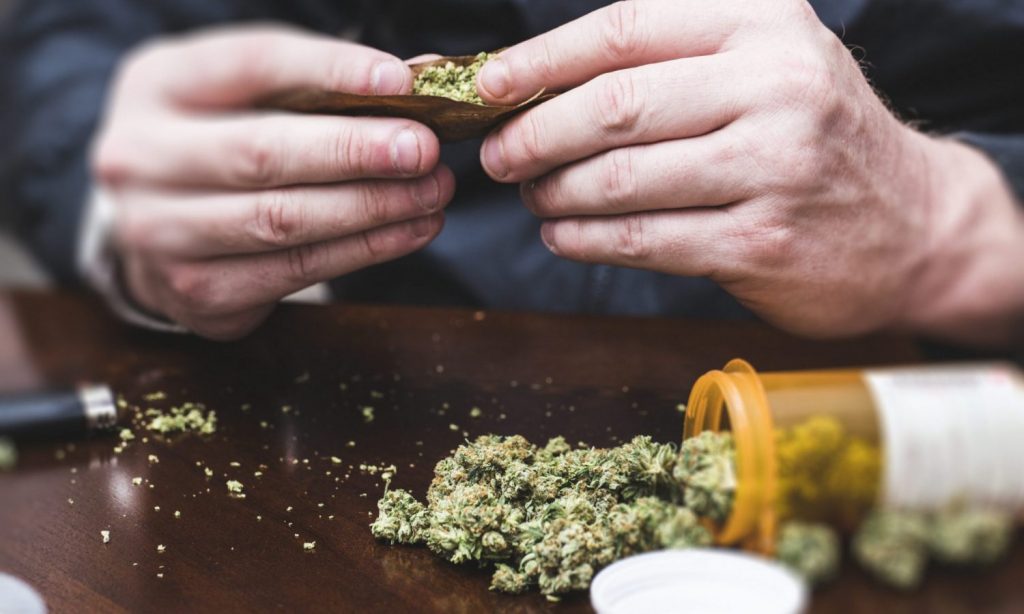
While the holidays are cluttered, there’s always small pockets of space where you can have some alone time. Take advantage of these, whether you’re home alone or are leaving for a quick trip to the grocery store. To hide the evidence of your smoke sesh, keep your weed stashed in a sealed glass container and keep your windows open. If short on time, use a sploof or purchase a smoke buddy. The bathroom is always a great option for smoking for brief amounts of time, especially if you turn on the shower and allow for the steam to dilute the weed smoke.
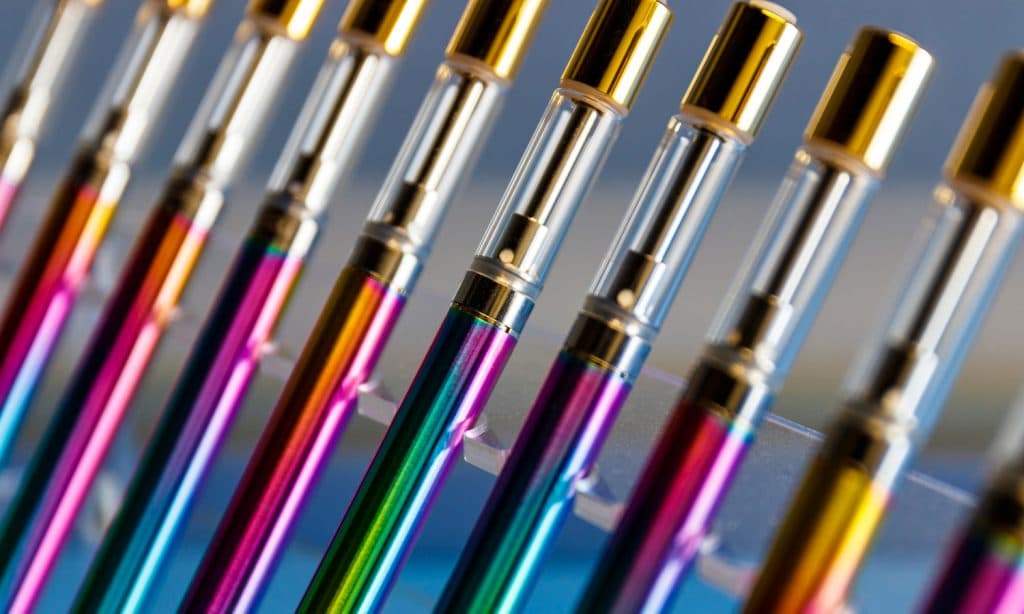
Buy a vape pen
Photo by jetcityimage/Getty Images
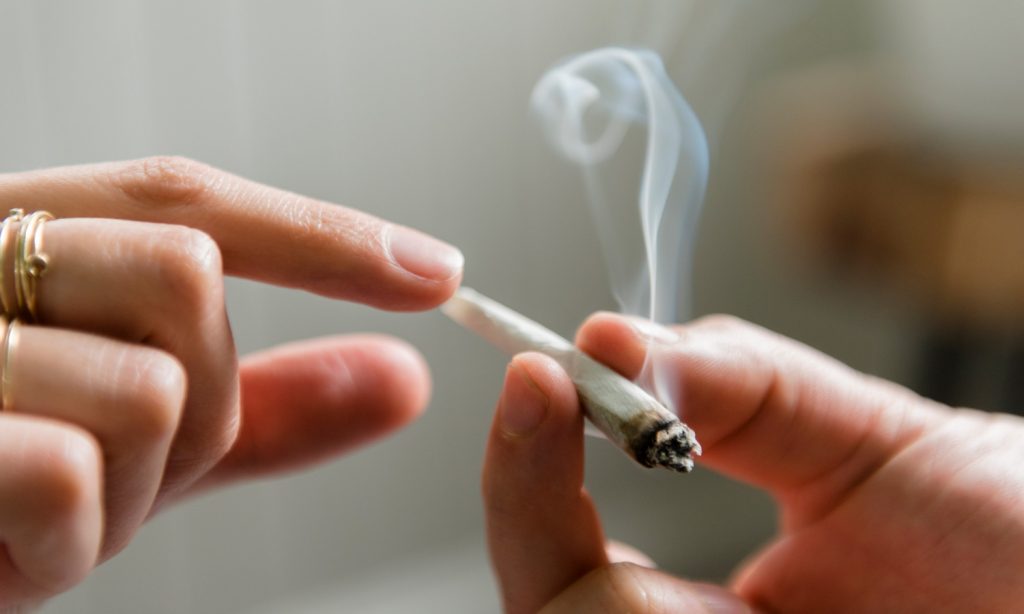
The best thing you can do for discreet smoking is to purchase a vape pen. This item is not only useful for the holidays, but year-round, simplifying the smoking process and allowing you to get high without releasing weedy odors and without having to pack a bowl, roll a joint, etc. If you want to be super safe, test the pen with a sober friend, who can let you know if the cartridge is doing the job or if you need to purchase something that has a lighter smell.
The most obvious thing you can do is to leave your house and get high someplace where you can be alone. Be mindful of others and obey the laws of your state. While this isn’t a full-time solution, adding weed to your walks and times of escape can be a healthy way of getting some much-needed alone time. Keep in mind that you’re gonna have to come back to your place and face whoever you’re living with. Carry some gum and perfume, but don’t go overboard, since that might make things more obvious.
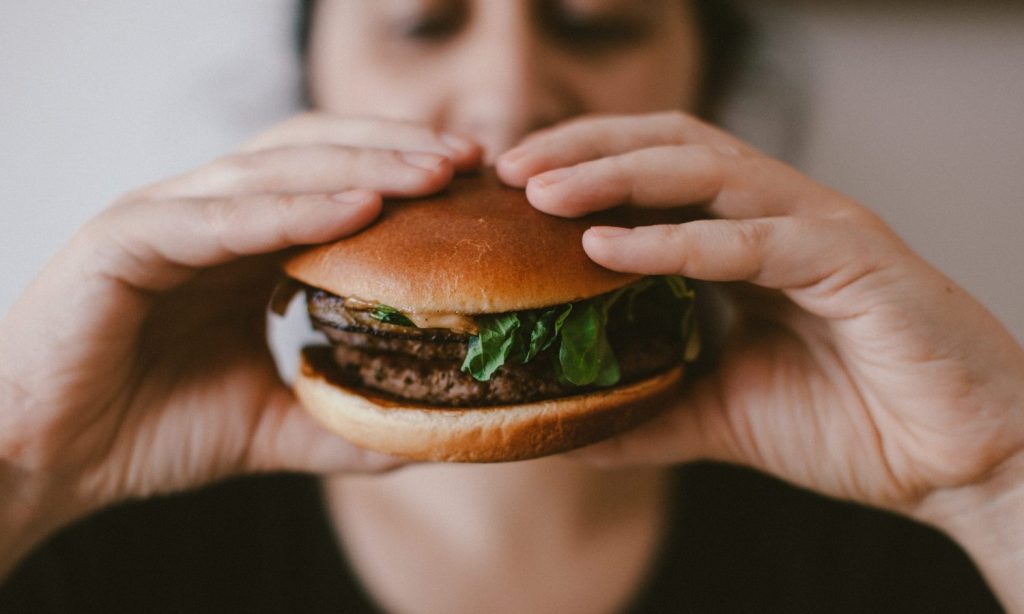
Edibles are convenient, eliminating smoke or paraphernalia, which are always pesky things to deal with when spending time with others. They can be consumed around other people without them knowing any better. Just monitor your dosage in case you don’t feel like pretending you’re not high when you very much are.
Practice your poker face
Photo by bongkarn thanyakij via Pexels
When using weed around parents or disapproving roommates, it’s always important to be discreet. Be mindful of other people’s space and make sure that your marijuana use isn’t an inconvenience for the rest of your household. Practice your poker face and relax as best as you can; most of the time, people are too busy to notice if your eyes are a little red and you’re acting a little giggly.
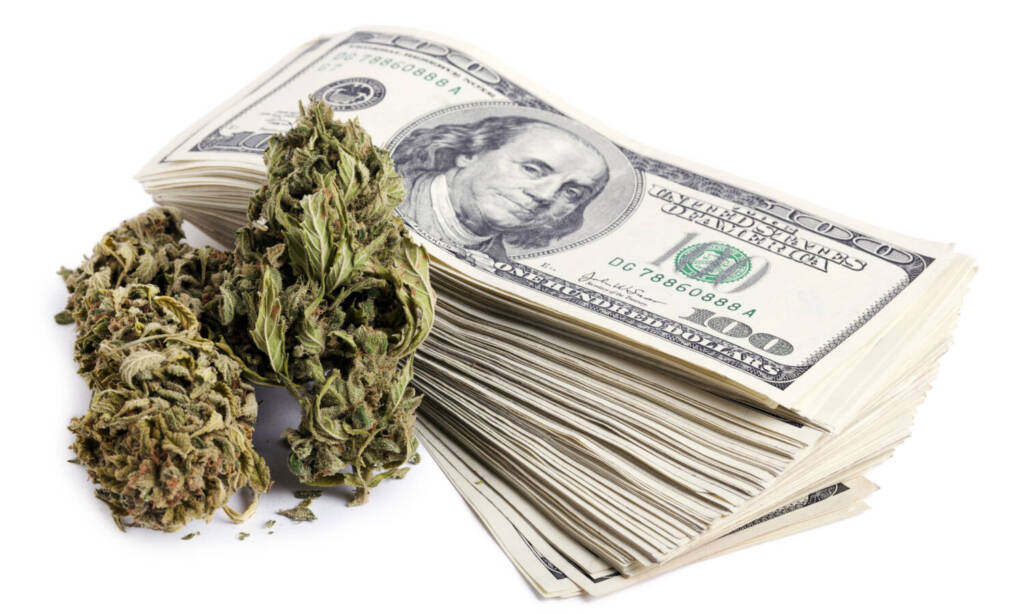
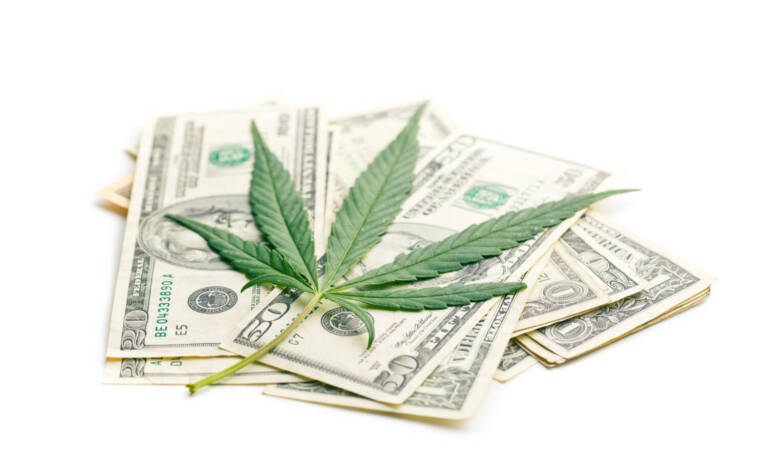
The recreational and medical cannabis industry has made great strides in the United States and Canada throughout the past few years. According to a recent report, cannabis is now the fifth-most valuable crop in the United States.
This phenomenal growth in the cannabis industry has allowed investors and business people alike to rack up significant profits in the space. Here are 10 of the richest people in the cannabis industry.
Photo by eldadcarin/Getty Images
10.) Bruce Linton Collective Growth Corporation Chairman/founder
Snoop Dogg is widely known for his 1990 music hits but has recently used that money from record sales for new business ventures in cannabis. Snoop co-founded Casa Verde Capital, an investment fund with a portfolio worth more than $200 million. Snoop Dogg’s net worth is around $150 million according to Celebrity Net Worth.
Seth Rogen (l), Snoop Dogg (r), Screenshot via The Howard Stern Show/Youtube
8.) Steve DeAngelo ArcView Group co-founder/president
ArcView Group, which DeAngelo co-founded in 2010, is one of the largest cannabis investment firms in the industry, with more than 600 investors contributing over $200 million. DeAngelo reported sales of more than $35 million from the dispensary, Harborside Health Center.
7.) Andrew Modlin MedMen co-founder
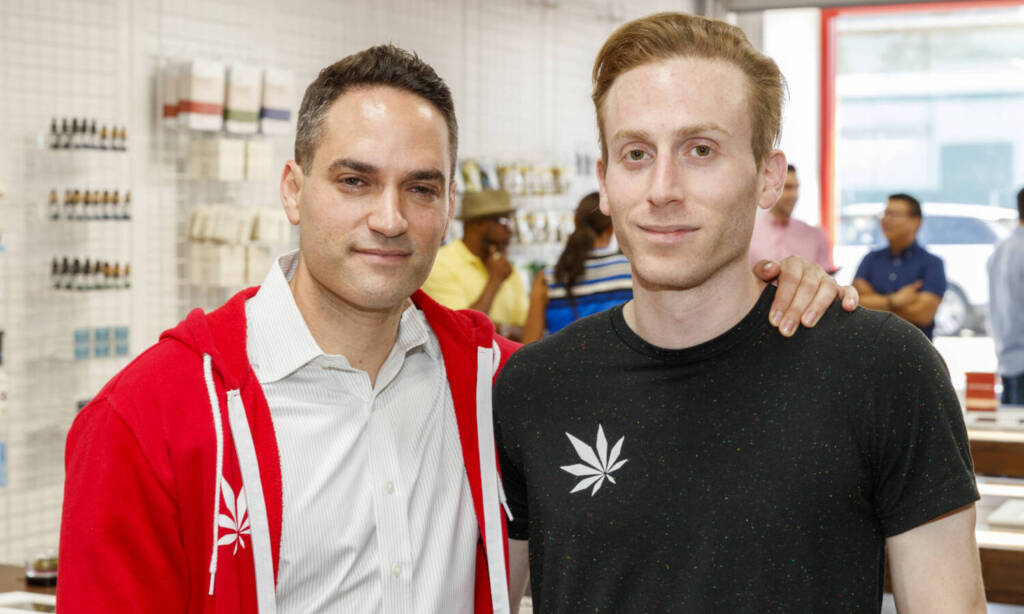
Modlin is a co-founder of MedMen, a cannabis company with more than 25 retail stores and six cultivation facilities. Modlin’s net worth is estimated to be around $50 million, according to Celebrity Net Worth.
MedMen Co-Founders Adam Bierman (l) and Andrew Modlin (r), Photo by Rich Polk/Getty Images for MedMen Enterprises)
6.) Terry Booth Aurora Cannabis co-founder
Booth, who co-founded Aurora Cannabis in 2013, later acquired CanniMed Therapeutics for more than $1 billion CAD. This made Aurora one of the largest cannabis companies in the world. At one point, Booth held a stake worth more than $90 million in Aurora.
5.) John Cervini Aphria founder
Cervini is the founder of Aphria, a Canada-based cannabis company. The Cervini family owned a greenhouse business and grew peppers and tomatoes, but John Cervini wisely saw an opportunity in growing cannabis. At one point, Cervini held a stake worth more than $100 million in Aphria.
4.) Irwin Simon Tilray CEO
Simon is the CEO of Tilray, one of the largest cannabis companies in the world. Simon pulls in a tremendous annual salary of more than $10 million. His net worth is estimated to be around $50 million.
3.) Nicholas Kovacevich KushCo founder
Kovacevich founded KushCo in 2010, before cannabis was legalized at any level in the United States. KushCo focuses on producing packaging for cannabis, oils, edibles and more. Kovacevich earns a salary of nearly $1 million a year; his estimated net worth is around $15 million.
2.) Seth Rogen Houseplant founder
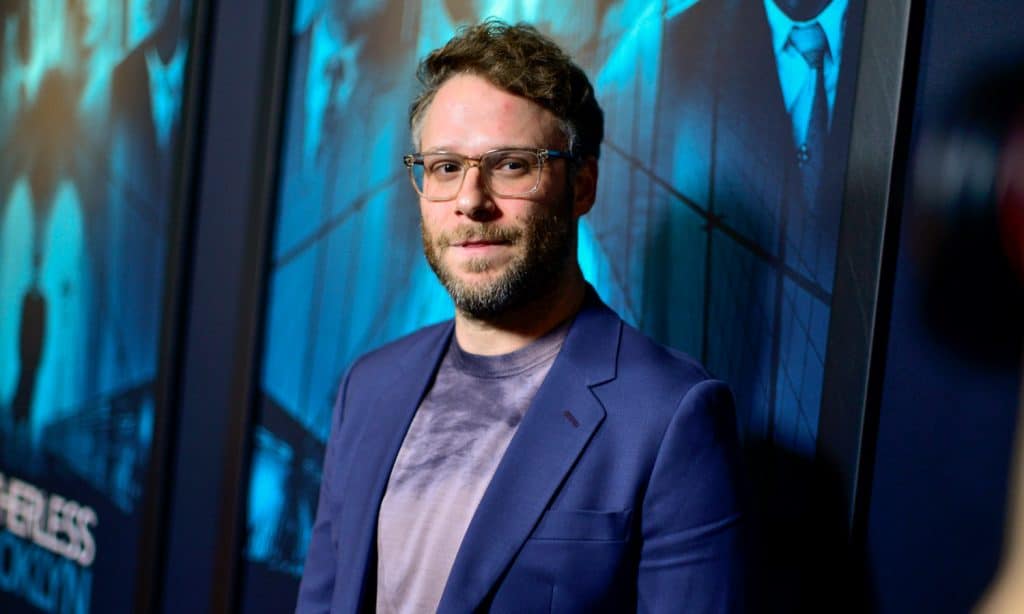
Rogen, famous for comedy movies such as Superbad and Neighbors, recently ventured into the cannabis space with his company Houseplant. While most of his millions did not come from the cannabis industry, Rogen’s estimated $80 million makes him one of the richest people in the cannabis industry.
Photo by Jerod Harris/Stringer/Getty Images
1.) Brendan Kennedy former Tilray CEO
Kennedy is the cofounder of Privateer Holdings and former CEO of Tilray. When Tilray’s stock was at an all-time-high, Kennedy’s net worth was more than $2 billion, according to Bloomberg. After the stock crashed, his net worth dropped to around $200 million. In 2019, Kennedy earned a salary of more than $3 million from Tilray.
With the weather dropping and the rise of the Omicron variant, it’s more important than ever to learn the difference between COVID-19, the common cold, and the flu.
Winter is here and so is the rise of the Omicron variant. Cue the stress sweats every time you get a sniffle.
There are a lot of similarities between a cold, the flu, and COVID-19, including chills, body aches, and coughs. But there are also some key differences between these conditions that we should all learn in order to have some peace of mind.
Colds are the most common, especially once the weather starts dropping. Although they can make us feel pretty terrible, they tend to be milder than the flu and much milder than COVID. They typically last anywhere from 7 to 10 days and are accompanied by symptoms like sore throat, runny nose, cough, fatigue, and physical aches. While some medication can be taken, the majority of the symptoms that appear are your body’s way of getting rid of the infection. Most often, what works best is to give your body time to fight the cold off.
Photo by twinsfisch via Unsplash
While it’s not allergy season, these can still be triggered by elements within your home, like dust mites, animal dander, and mold. If you enter a new place and start noticing symptoms like a stuffy nose or itchiness, you’re likely coping with an allergy.
At the moment, aside from COVID-19, the flu should be your biggest concern, since it produces some strong symptoms that can quickly grow complicated and require medical attention. The flu can be easily prevented by taking a flu shot. The infection affects your nose, throat, and lungs and can last from 5 to 7 days, with fever, cough, fatigue, aches and pains, sore throat, and more as symptoms.
Photo by Kelly Sikkema via Unsplash
Finally, COVID-19 is similar to all of the conditions previously listed. It can range from mild to severe, affecting older people and those who struggle with underlying health conditions more severely. Symptoms include shortness of breath, difficulty breathing, fatigue dry coughs, and more. A runny nose or sinus congestion is very rare with COVID cases and very common with the conditions listed above, making it one of the key distinctions between these ailments.
There’s a lot of variability from people who’ve experienced COVID-19, with cases ranging from barely noticeable to those that require hospitalization. Among their most identifiable symptoms, there’s the loss of taste and smell, which usually appears suddenly. Lastly, if your condition is too confusing, the most definite way of knowing what’s affecting you would be to get a COVID test.
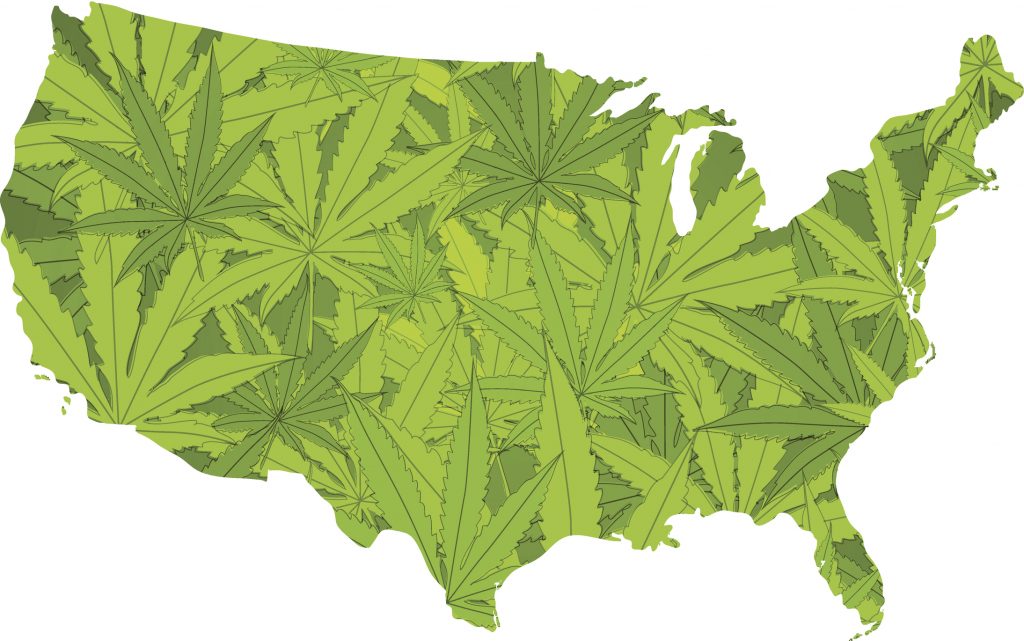
The United States presents a unique perspective on the legality of cannabis. It is not yet legal on a federal level, and yet each state is permitted to legalize its use and production to whatever level they deem appropriate. This leads to a lot of confusion, grey areas, unequal enforcement of laws, and other problems.
However, there is a faint light visible at the end of the tunnel. Public opinion has been quickly shifting toward the legalization of cannabis and hemp. And while lawmakers tend to be more conservative on the issue, they are ageing out of power.
Photo by Anton Petrus/Getty Images
In this article, we’ll take a deep dive into the licensing and legality of cannabis legislation. We’ll share what is happening state-by-state, what the issues are, and how they are being overcome.
Licensing Cannabis in the United States
Because there is no comprehensive law regarding the sale of cannabis, licensing procedures vary from state to state. Each state has its own set of laws that allow the production and use of cannabis and hemp products at a differing degree — some have opened the door to recreational THC use, others allow medical. Some allow CBD, but not THC. Some allow one analog of THC, but not another.
Due to this legal complexity, there is no official guide to licensing agencies by state… you just sort of have to research for yourself on an individual basis. However, knowing this information is extremely important for the very reason it’s difficult to find–because of the complexity behind licensing laws.
When purchasing a CBD or THC product from a source, as a consumer, you want to know that what you’re doing is legitimate where you currently are. And if you are trying to create a cannabis business, it’s even more important. What can you grow, and how much? Can it be transported over state lines?
There are licenses that can be acquired for both medical and recreational cannabis, respectively. You need to know just where you plan to produce and sell so you are aware of what laws may pertain to your business. Some states aren’t even offering the opportunity to apply for licenses at the present time.
A State-by-State Guide
There are fifty states to get through, so we’ll group them carefully by their current legal status. We’ll get a little more in-depth for the states that have more issues plaguing the licensing process.
Photo by traffic_analyzer/Getty Images
The Fully Legal States
In the following states, cannabis is completely legal in all forms for both medical and recreational purposes.
Alaska — apply online for a Marijuana Establishment License
Arizona — Arizona DHS accepts periodic applications. Must be set up as a medical dispensary
California — apply to one of three state licensing authorities based on type (cultivator, retailer, etc.)
Colorado — you may apply for either a medical or recreational license
Connecticut — state occasionally awards licenses to applicants for medical marijuana businesses
Illinois
Maine
Massachusetts — you may apply through the Cannabis Control Commission
Montana
Nevada
New Jersey* — not issuing licenses at this time
New Mexico — not currently accepting applications
New York — not currently accepting applications
Oregon — licenses may be applied for through the Oregon Liquor Control Commission
Vermont — not currently awarding licenses
Washington — not currently accepting applications.
Even in fully legal states, licensing laws vary. In fact, in New Jersey, an individual may not have any amount of growing seed or plant unless they are licensed as a cultivator. In Arizona, while recreational marijuana was legalized in 2020, they currently only license under state medical marijuana clinics.
Colorado, on the other hand, has a state website that links to an enormous list of licensed operators, manufacturers, cultivators, transporters, and other industry players. (3) Even within the fully legal areas, there are some fuzzy lines.
Photo by LPETTET/Getty Images
Medical Legal Marijuana States
Here is a list of states that have legalized medical marijuana, but continue to prosecute for recreational use:
Alabama
Arkansas — apply through Arkansas Medical Marijana Commission
Delaware — extremely limited
Florida — not currently accepting licenses to manufacture medical marijuana
Louisiana
Maryland
Maine — rarely awarded, but you may apply to create a marijuana social club
Michigan — Department of Licensing and Regulatory Affairs is currently taking applicants for growers, transporters, processors, and safety compliance facilities.
Oklahoma
Pennsylvania
South Dakota
Utah
West Virginia
Within these states, there is also a varying yardstick for prosecution…while medical cannabis is legal, recreational use ranges from jail time to misdemeanor infraction/fines. What also changes within these parameters is how much and what kind of product may be transported over state lines.
For example, in the case of Alabama it is unclear. There is no stated law one way or the other, and therefore it’s dangerous to mess with. Other states like Arkansas allow for transportation of THC (though no specified amount) for medical purposes only. Also in Alabama, only licensed cultivators may have plants, while in other states like Florida, an individual may grow cannabis for medical purposes.
Photo by Jamie Grill/Getty Images
The Illegal States
In the following states, there is little question of legality or licensing; all cannabis is illegal.
Georgia
Idaho *
Indiana
Iowa
Kansas
Kentucky
Mississippi
Nebraska
North Carolina
South Carolina
Tennessee
Texas
Wisconsin
Wyoming
And yet, even in these states where cannabis products are strictly illegal, there are still some grey areas within the law.
Idaho is one state that has very little wiggle-room. Possession of cannabis plants is a felony charge, and even CBD oil isn’t allowed to contain more than 0.1% THC. While marijuana use is illegal in Georgia as a whole, certain cities have decriminalized it — Atlanta, Clarkson, Forest Park, Savannah, South Fulton, Statesboro, and a couple of unincorporated counties.
Ironically Kentucky, a state where both medical and recreational marijuana are illegal, hemp is a big business. Kentucky is a huge supplier of industrial hemp for CBD extraction (CBD is legal in Kentucky). Their law has no clearly stated prohibition against the transportation of cannabis or hemp over state lines.
Photo by Hoptocopter / Getty Images
THC Grey Area States
Finally, there are some states that can best be described as “grey area” states. These states have difficult-to-parse laws that are unclear at best.
Delaware
Hawaii–unclear whether more licenses will be awarded by the state
Louisiana *–limited
Maryland
Mississippi *
Minnesota–no licenses available at this time
Missouri
Nebraska *
New Hampshire–not currently issuing licenses
Ohio–due to recent legalization of marijuana, demand is up and therefore more licenses may be issued at this time.
Rhode Island–only accepts applications during open periods.
North Carolina
Tennessee
Texas *
Wisconsin *
Some of these states are repeats, as cannabis is either straight-up illegal or only medically legal. However, they get a special category as the laws pertaining to use, possession, or sales can be super wonky.
Some of these states work more toward the side of leniency. This includes states like New Hampshire. They allow for medical marijuana and have decriminalized recreational marijuana, but only up to 0.75 oz. You can also grow plants, but only for medical use. Nebraska has decriminalized the use of marijuana also, but only for the first offense.
In Louisiana, recreational marijuana is decriminalized up to 14 grams, and medical marijuana is legal, but it is illegal to grow your own, even for medical purposes.
The Bottom Line
So what does all this mean for the licensing process for the cannabis industry? Essentially, it’s time to watch for changes in state laws. Because of the popularity of legalization, many states with limited sales or unclear laws may be changing in the near future.
Take a look at the example of Ohio. Because they recently opened up for medical marijuana, they are currently accepting far more applications than many states that have established laws in favor of marijuana use. States that are closed for licenses may be suddenly wide open for business if recreational use takes hold in a previously illegal area.
Like all good entrepreneurs, it’s best to keep a finger on the pulse of trends. This may be especially smart in states where they seem to be on the cusp of legalization (legal for medical, decriminalized for recreation, for example). Opportunities may await in these places.
The notoriously pungent smell of skunky cannabis share molecular structure similarities as those in garlic — and the actual skunk!
The unique smells that cannabis contains is one of the many things that’s so special about it. With over 200 terpenes, or the aromatic compounds found in all plants (not just cannabis) available in marijuana, scientists have only begun discovering in recent years that these compounds don’t just play a role in how cannabis smells but also its medicinal properties.
However, the skunk variety has left many researchers in the dark until recently.
Photo by Heath Korvola / Getty Images
A new study conducted by researchers in Abstrax Tech in California, published in the journal ACS Omega, revealed that the notoriously pungent smell of skunky cannabis share molecular structure similarities as those in garlic — and the actual skunk!
Garlic is an herb famous for its tremendous benefits particularly when it comes to inflammation, cancer, bacteria, and viruses. They also discovered new compounds, called “prenylated volatile sulfur compounds (VSCs)” which are also found in the aerosol defensive sprays of skunks.
“These compounds in garlic are some of the most important regarding this plant’s health benefits in our diets,” explains Iain Oswald, lead author of the study and a principal research scientist at California-based cannabis research firm, Abstrax. “They contribute toward garlic’s positive cardiovascular properties; as well some have been shown to possess certain anti-carcinogenic properties in vitro,” he told McClatchy News.
Researchers found that the VSC’s tend to be significantly more concentrated in the cannabis plant when it reaches the flowering stage and will also reach its peak stage during curing. Afterwards, the levels of VSCs will drop after the plant has been stored for 10 days, they observed when doing a greenhouse experiment.
“We specifically focused on identifying VSCs for two reasons: First, the aroma of cannabis is often described as ‘skunk-like’, and skunks are well known to possess several potent VSCs in their defensive aerosol spray, we suspected there could be similar compounds in cannabis. Secondly, VSCs are also important in the chemistry of other plants known for their oftentimes pungent aromas and flavors, including hops (Humulus lupulus), garlic (Allium sativum), and durian (Durio zibethinus),” study researchers wrote.
The very unique flavor and aroma of garlic is attributed to various types of VSCs particularly triallyl disulfide and diallyl disulfide, which are quite similar to the VSCs that were identified in cannabis.
The researchers also did a chemical analysis on 3 cannabis concentrate extracts and discovered that it contains high concentrations of specific compounds, proving that cannabis extracts can also have the skunky aroma. And because of garlic’s well-known health benefits, the authors think that these VSCs in cannabis can also have some special benefits for our health, though this requires more study.
Photo by boonchai wedmakawand/Getty Images
“Furthermore, identification of the reported VSCs definitively confirms the chemical origins of the odor of cannabis and provides a new family of secondary metabolites that can be investigated regarding their biosynthetic pathways and medicinal benefits,” they conclude.
Increasing Interest In The World Of Cannabis Terpenes
Today, we know that terpenes do far more than just contribute to the unique scents of cannabis.
In the plant world, there have been some 20,000 terpenes that have already been identified, which can also cause a wide range of effects on the human body. They can vary from stress reduction, fight inflammation, reduce pain, improve focus, and even cause hallucinations.
A few decades ago, the focus of cannabis research was primarily for cannabinoids, the dominant active compounds in the plant specifically THC and CBD. However, when isolated versions of these compounds were given to patients, researchers found that it didn’t have the same health benefits as when patients were given whole plant medicine.
Many studies of THC and CBD revealed that these cannabinoids didn’t work as effectively alone, as compared to when they were given together with other compounds. This led scientists to conclude that there were far many other compounds within the plant that enhanced its therapeutic effects, including terpenes, which became known today as the entourage effect.
Photo by CasarsaGuru/Getty Images
It’s also interesting that aromatherapy practitioners were the ones who were previously dedicated to studying terpenes, though there are only few and far in between quality studies into the cannabis terpenes. It’s good to note that they are growing, as commercial and private interest in the potentials of cannabis terpenes are blowing up and it’s no secret.
Another interesting discovery about terpenes is that they can help cannabinoids get absorbed by the bloodstream much quicker. For example, linalool has been shown to adjust how neurotransmitters react to THC and CBD, resulting in anti-anxiety and relaxing effects. In addition, CBD together with certain terpenes work together to reduce long term memory loss which is a common side effect of THC, while diminishing the psychoactive effects of the cannabinoid too. These are just some of the many wonderful ways that terpenes work together with cannabinoids to produce desirable outcomes through the entourage effect.
What we know about terpenes today is merely the tip of the iceberg. A year from now, we’ll likely find out even more exciting breakthroughs about these amazing aromatic compounds in the cannabis plant, and how they can help us.
Our stomachs are very telling of our mental and physical health. While appetite fluctuations are normal, this is when you should get outside help.
Appetite loss can be a reflection of a variety of things. It affects some more than others, who experience appetite loss due to stress, nerves, a cold, or a fever. It can also be a symptom of something more serious, which is why you should keep a close eye on your symptoms, especially if you’re the type of person who’s forgetful and doesn’t keep track of the fluctuations of their body.
Your stomach is linked to a variety of elements, making it highly susceptible to your moods. Appetite loss can also be a side effect of taking certain medications, like narcotics or antibiotics. It can also be a symptom of a GI issue, or a hangover.
Interestingly enough, your appetite can also be affected by the weather. During this time of the year, you’re more likely to experience different cravings. The cold is likely to boost people’s appetites and cravings, making you crave carbs. Warm weather produces the opposite effect; many people feel like skipping meals once the weather gets very hot, since eating raises your internal temperature and can make you feel hotter.
Common colds and infections can influence your appetite, making you lose it and even promoting weight loss if the infection or the cold is particularly debilitating. This experience shouldn’t last too long and as long as it’s resolved, it shouldn’t be very concerning.
Other situations, like stress and anxiety, can also result in appetite loss, and these might be more difficult to deal with since they’re not infections that can be quickly battled off. If stress and anxiety are triggered by a particular event — say, a job interview or a work presentation, the hunger should return soon.
When dealing with long-term stress and anxiety, your appetite can be heavily impacted, making you eat more or not be hungry at all. This problem is more serious and difficult to treat, making it something that’s worth a trip to the doctor or mental health therapist, especially if the changes are noticeable.
Photo by Szabo Viktor via Unsplash.
According to experts, no matter the circumstance, you should start getting worried over your appetite loss if it lasts more than a few days. Appetite loss can quickly devolve into weight loss and malnutrition, situations that are tough to treat. Per Medical News Today, if you’re experiencing symptoms like stomach pain, fever, coughing or irregular heartbeats that accompany your appetite loss, you should seek medical help as soon as you can.
In states where cannabis is fully legal, financial institutions that accept weed-earned cash can face federal charges, which forces cannabis growers, distributors and retailers to perform their transactions in cash.
When Colorado Congressman Ed Perlmutter of the House Financial Services Committee asked Treasury Secretary Janet Yellen on Wednesday if she agreed that giving cannabis companies access to U.S. banks would facilitate tax collection by the IRS, she replied “Yes, of course it would.”
No one doubts that the IRS would also love to have the cannabis industry’s billion-dollar revenue streaming into its coffers. U.S. banks would likely be delighted to get in on the action as well.
Photo by eldadcarin/Getty Images
But, how to do that? Here’s a start, at least from the point of view of the banks, some of whom are lobbying lawmakers to support the Secure and Fair Enforcement (SAFE) Banking Act, which is intended to create protections and to enable financial institutions that provide banking services to legitimate cannabis-related businesses.
In a recent move to push the envelope a bit, the American Bankers Association, Union National Association, United Food and Commercial Workers Union (UFCW), wrote a letter to the Senate leadership imploring them to allow legitimate cannabis businesses access to banking services. The hope, the group says, is to pass marijuana banking reform as part of this year’s National Defense Authorization Act (NDAA).
Even though the sale or use of marijuana is legal to some degree in 47 states and Washington, D.C., it’s still illegal on the federal level. In states where cannabis is fully legal, financial institutions that accept weed-earned cash can face federal charges, which forces cannabis growers, distributors and retailers to perform their transactions in cash.
“If you really wanted to create an industry that’s dependent on gangs and cartels, make it all cash. It’s almost like the system that is there now is oriented towards promoting things that we don’t want,” said Sen. John Hickenlooper (D-Colo.), speaking at The Hill’s Regulating Cannabis event.
Photo by krisanapong detraphiphat/Getty Images
“If you de-schedule it, banks can start banking it so it’s no longer a cash business. There are multiple negative consequences of having it be a cash business. One is that businesses themselves can’t get loans.” Hickenlooper told The Hill.
Rep. Nancy Mace (R-S.C.), who voted for the SAFE Banking Act and is one of few Republicans in Congress in favor of decriminalizing marijuana, introduced legislation to federally decriminalize and tax marijuana in mid-November.
“There’s nothing really controversial about cannabis except for here in Washington where you have some members who are afraid of it, or afraid to touch it. It shouldn’t be that way,” Mace said.
“We’re funding the cartels by having all cash businesses,” Mace added, reiterating the notion expressed by Hickenlooper. “It’s dangerous.”
Meanwhile, the Internal Revenue Service is clearly chomping at the bit.
In October, the IRS provided some useful suggestions to cannabis businesses in the form of a seminar presented by the National Association of Tax Professionals for cannabis companies in which they learned that all income from any source is taxable.The IRS also set up a new website last year to tax state-compliant cannabis dispensaries.
Public health officials agree that the federal government’s current grip on cannabis as a Schedule 1 drug precludes it from rigorous research, harming millions.
The federal government’s current position on cannabis and its stranglehold as a harmful Schedule 1 drug, which makes it ineligible for rigorous medical examination, is hampering vital research on the plant and harming millions of Americans, including veterans.
Federal research of cannabis through the National Institute on Drug Abuse (NIDA) has been woefully scant for decades, though respected sources show that cannabis is associated with a reduction in PTSD symptoms. Scientists agree that further investigation is necessary with larger sample sizes to explore a broader range of patient-important outcomes.
Photo by Matthew Lloyd/Getty Images
But since 1968, U.S. researchers have only been allowed to use cannabis from one domestic source: a facility based at the University of Mississippi. That has meant that only a trickle of research is performed on a narrow range of cannabis products.
Add to that the fact that public health officials, such as the director of NIDA, Nora Volkow, agree that the federal government’s current grip on cannabis as a Schedule 1 drug precludes it from rigorous research.
“One of the barriers that has actually been noted is that cannabis, by being a Schedule I substance, requires certain procedures that actually can be very lengthy,” said Volkow. “In some instances, it detracts researchers who want to investigate it because it’s just much more cumbersome than doing studies with other substances.”
Recently, a few bipartisan voices who see cannabis as a crucial medical treatment are beginning to make some noise and implore access to cannabis for veterans.
In a recent letter to Veterans Affairs Secretary Denis McDonough, bipartisan Congressional Cannabis Caucus co-chairs Reps. Earl Blumenauer (D-OR), David Joyce (R-OH), Barbara Lee (D-CA) and Don Young (R-AK), conveyed the following: “Research has shown that cannabis can be safe and effective in targeted pain-management. Additionally, cannabis has proven benefits in managing PTSD and other health issues, including multiple sclerosis and seizure disorders. Despite its efficacy, antiquated bureaucratic red-tape continues to deny veterans these life-altering treatments.”
Photo by RODNAE Productions from Pexels
The feds are not only facing mounting pressure from lawmakers and public health administrators, but also from powerful union and financial groups, including the likes of American Bankers Association, United Food and Commercial Workers Union and Credit Union National Association, the latter of which alone has over 120 million members. Leaders from those groups came together and penned a letter that pushes for marijuana banking reform to be included in the National Defense Authorization Act (NDAA), expected to pass this month or next.
The letter reads: “Banking is germane to NDAA because it bolsters national security by keeping bad actors out of the cannabis industry and the financial system, while also supporting the thousands of veterans who rely on the cannabis industry for medical treatment, employment, or entrepreneurial opportunities.”
The food you consume plays an important role in your mental health. One particular type of food can increase your odds of developing dementia or Alzheimer’s.
Our days are made possible (and better!) with the help of healthy meals and snacks that maintain our productivity and keep us fueled throughout the day. But according to a recent study, your afternoon snack might increase odds of dementia.
Published in the journal Alzheimer’s & Dementia, the study found that foods high in refined carbs can increase your odds of dementia, especially when consumed after lunch.
Researchers examined more than 2,000 people aged 65 and older, who provided food questionnaires covering their meals, snacks, activity levels, and calorie intake.
Photo by Joyful via Unsplash
According to BestLife: “Results showed no connection between the total daily glycemic load or the glycemic load recorded at breakfast, lunch, or dinner and long-term increased risk of cognitive decline or Alzheimer’s at the end of a 12-year follow-up period. However, they did find that there was an increased dementia risk associated with eating foods high in refined carbs as a snack after lunch in the afternoon.”
Researchers theorize that snacking on things like sugary sodas, baked foods, and cereal bars can, over time, result in insulin resistance. This could then turn into conditions that have been linked with dementia and Alzheimer’s. “During meals, carbohydrates are rarely ingested alone, and their degradation and absorption rates during digestion are modified by the other macronutrients,” noted researchers.
The link between food and dementia has long been of interest to researchers. Cecilia Samieri, PhD, spoke to Healthline on the issue and explained it further. “People who developed dementia were more likely to combine highly-processed meats with starchy foods like potatoes, alcohol, and snacks like cookies and cakes,” she said of a different study she conducted.
Photo by Christopher Williams via Unsplash
We tend to place more importance on our meals than on our snacks, having balanced meals three times a day and snacking on whatever’s available in between. Experts suggest a complex approach to fixing this issue: having a plan for your meals and snacks, that way all elements complement each other.
While this all sounds exceedingly complicated when we have to work and have a social life, a good first step would be to avoid processed foods. Some good options for snacks include fruits, vegetables, grains, and other plant-based whole foods. Hopefully you avoid our afternoon snack might increase odds of dementia.
The feds have a vested interest in allowing marijuana businesses to access banking, if for no other reason than to more effectively collect taxes from them.
In a bid to see marijuana banking reform passed as part of this year’s National Defense Authorization Act (NDAA), vocal members of labor and financial organizations penned a letter to Senate leadership imploring them to afford legitimate cannabis businesses with banking services, which would also give them access to essential insurance products and protections that are given to other industries.
Marijuana Moment recently reported that the letter included contributions from the American Bankers Association (ABA), Credit Union National Association (CUNA), United Food and Commercial Workers Union (UFCW), as well as 11 other organizations, asking members to adopt language protecting banks that work with state-legal cannabis businesses.
Photo by Kindel Media from Pexels
The member-backing of these organizations is enormous and far-reaching. CUNA alone has over 120 million members.
The Secure and Fair Enforcement (SAFE) Banking Act, which is intended to create protections for financial institutions that provide banking services to legitimate cannabis-related businesses and service providers for such businesses, has been approved in the House five times, yet on each occasion has fizzled out in the Senate.
Of course, many large financial institutions are reticent to embrace cannabis businesses due to the plant’s designation federally as a Schedule 1 controlled substance alongside heroin and LSD. That makes it a risky business for some commercial interests.
The recent letter from powerful labor and financial groups impacted by the laws was written to express dissatisfaction by leaders of the organizations who believe that pending marijuana banking reform language may be in jeopardy again through the final processes of the NDAA passing this month or next.
“Our organizations have banded together because the status quo is untenable for workers, communities, ancillary businesses and law-abiding financial institutions … SAFE Banking is germane to NDAA because it bolsters national security by keeping bad actors out of the cannabis industry and the financial system, while also supporting the thousands of veterans who rely on the cannabis industry for medical treatment, employment, or entrepreneurial opportunities,” the letter reads.
In addition to listening to the millions of members of the groups who contributed to the letter, the feds have a vested interest in allowing marijuana businesses to access banking, if for no other reason than to better track their revenues and more effectively collect taxes from them.