Like most cannabis related activities, the preparation of edibles requires a healthy amount of trial and error.
Making edibles is a learning experience. Aside from the fact that you’re handling and cooking with weed, you’re also baking, which is a temperamental art. While dosage may take a few attempts to get right, a bad tasting edible ruins a good amount of weed, which is something we should avoid.
While there’s no way of protecting yourself against all unexpected factors when making infused treats, there are a few simple mistakes that can be avoided with some foresight. These will prevent your edibles from tasting gross and, most importantly, from not wiping you out with a single bite.
Here are six common mistakes to watch out for when preparing edibles.
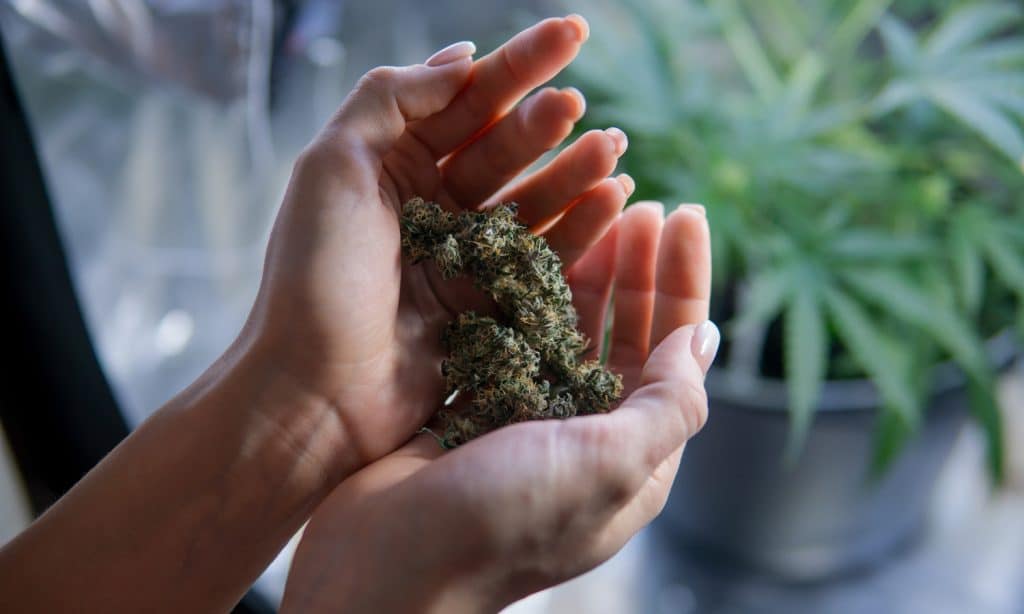
Use equal amounts of weed and oil
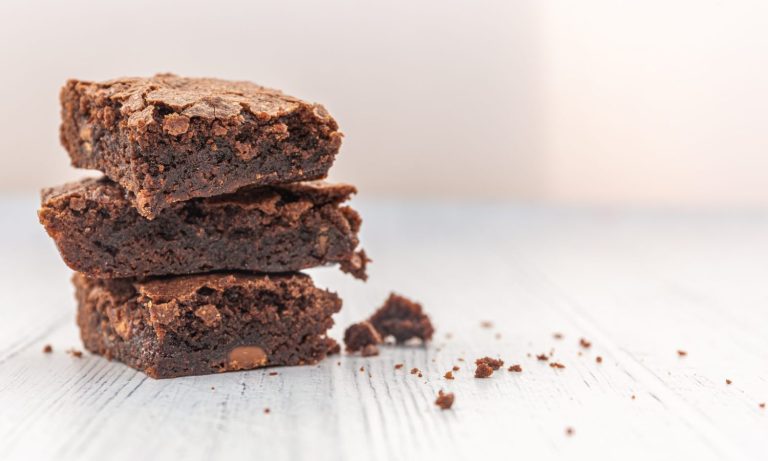
Photo by Tree of Life Seeds via Pexels
“Less is more” might as well be marijuana’s tag line, because it’s preferable to be a little buzzed than to have a full blown freak out because you ate an edible that was too strong. Even if you want to get crazy high, there’s only so much the lipids in oil will bind to your cannabis, so avoid wasting your weed and money.
The ratio you’re looking for is 1:1 — equal parts ground cannabis and oil. If you want to extend the life of your weed, you can also infuse your oil with cannabis stems, trims and vaporized flower.
Remember to decarboxylate
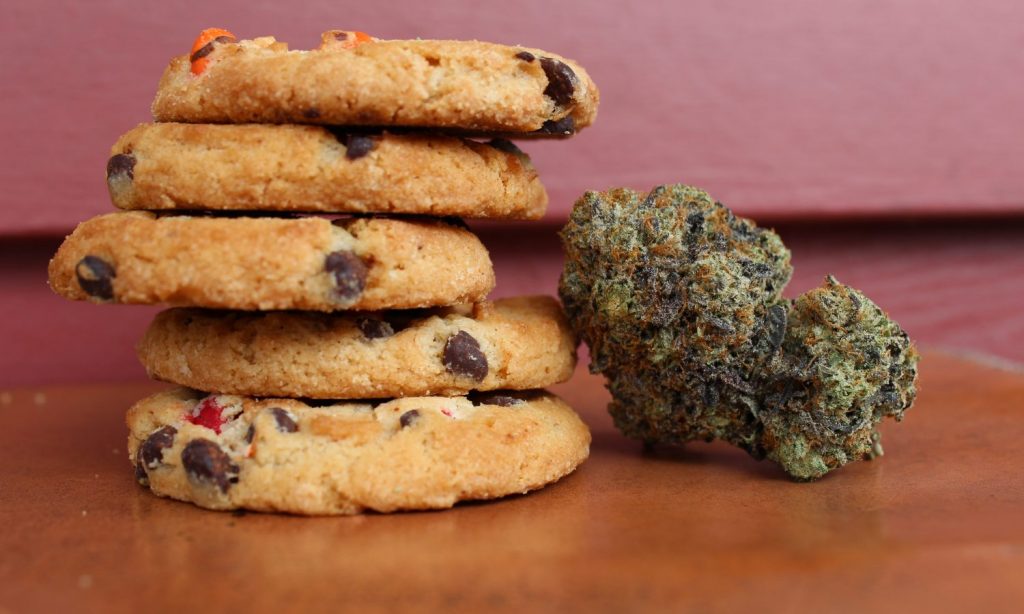
Photo by StockSnap via Pixabay
Before adding cannabis into your recipe, you must decarboxylate it. This process occurs when you heat up cannabis on its own and allow it to release its effect.
If you add raw cannabis into a mix, your edibles will taste terrible and no one will get high. Be sure to heat the cannabis beforehand and to add it in once the decarboxylation process has occurred. Here’s How To Decarb Cannabis, According To Pros.
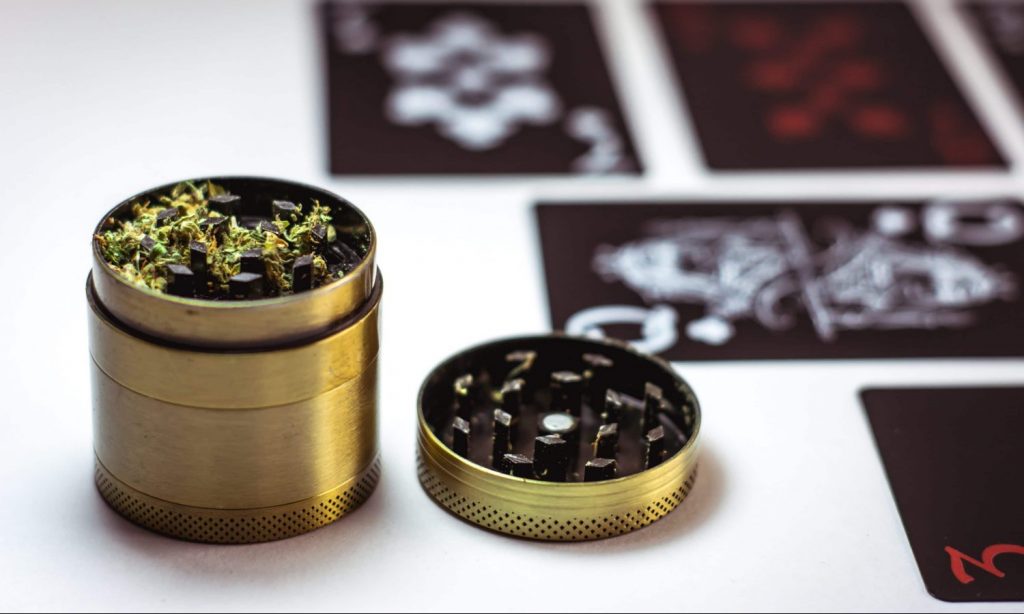
Grinding your cannabis into a fine powder will make your recipe taste grassy and bad, all the while giving a green tint to your oil. The fine grind will also make it harder for you to strain the plant out of the oil, leaving you with ugly and bad tasting chunks of weed in your edibles. In order to avoid this, grind the marijuana with your hands, mix it into the oil and then strain it.
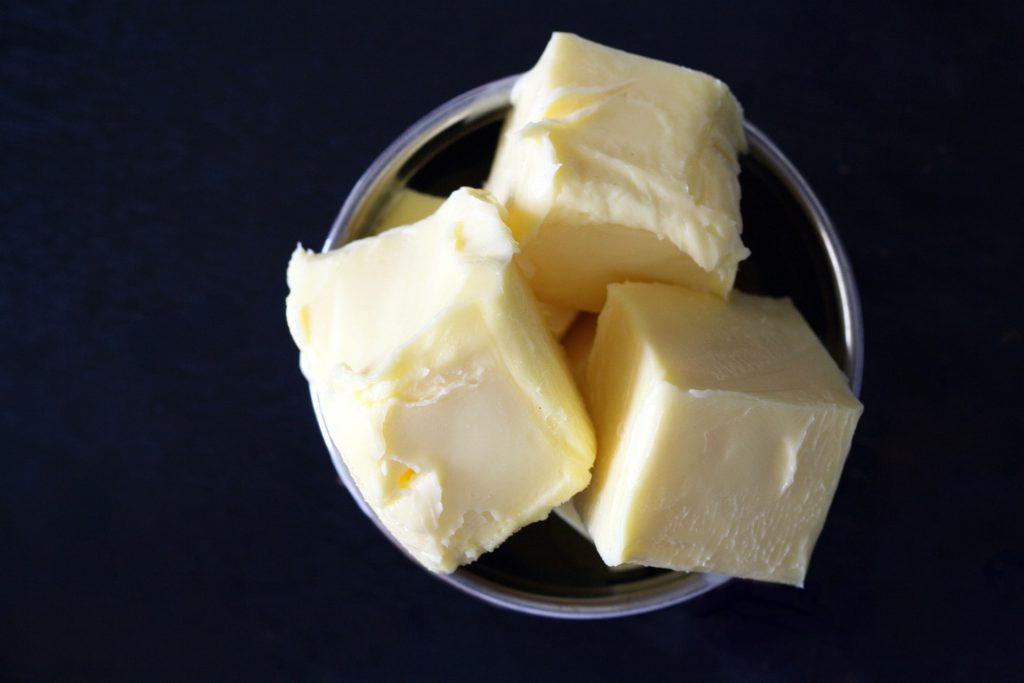
If you’re making cannabutter, remember to taste as you go. Cannabutter is great in cannabis edibles, simplifying recipes, so it’s very important to ensure that you know what you’re working with, in terms of flavor and potency. Before you start cooking, try a spoonful of cannabutter. If you cook with the necessary time, you’ll have an understanding of how strong your cannabutter is and how much you should pour into whatever it is you’re baking.
Avoid taking liberties with the recipe
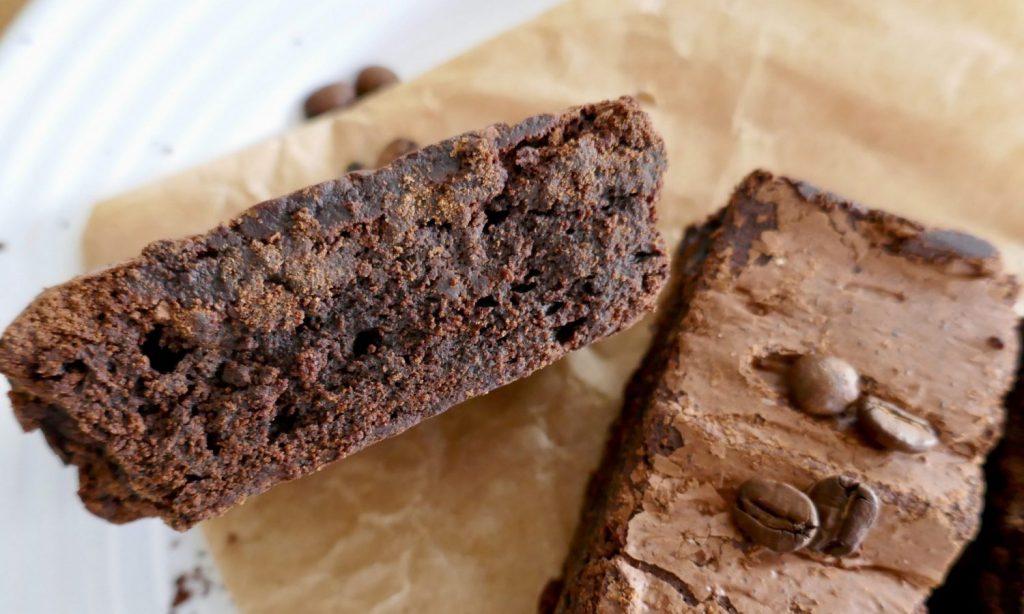
Photos by Jessie Moore
If you’re feeling creative, hold back. Unless you’re a baking and cannabis handling expert, it’s best to stick to the recipe, increasing your odds of success and making an edible that’s actually edible.
It’s better to be safe than sorry
Preparing edibles is a taxing process, so it’s logical if you’re feeling tired and just want to get to cooking without having to take any extra steps. Nevertheless, if you want your edibles to have some sort of uniformity, make sure to use the same amounts of infused oil per serving. If you prepared the oil yourself and want to know how strong it is, have a teaspoon, wait for an hour and see how you feel.
The best prospects for replacing concrete are adobe, concrete made from non-traditional cement, bricks and panels made from algae, and structural tubes made from mycelium.
They want to build data centers and other buildings with an eye to the future. This is why Microsoft wants to use hemp and seaweed for sustainable buildings. The proposal seeks to displace concrete (a material that contributes to 8% of global CO2 emissions) with materials that store carbon.
Here’s a fact: if the concrete industry were a country, it would emit more carbon than any other nation in the world except for the U.S. and China. Why? Because concrete is manufactured at high temperatures that require high energy input and because it uses chemical reactions that generate CO2.
Photo by Matthew Manuel via Unsplash
Microsoft bets on hemp and other natural materials
Meanwhile, research funded by Microsoft and conducted by the University of Washington’s Carbon Leadership Forum (CLF) found that buildings could replace much of their concrete with natural materials such as hemp, mushrooms, algae, and common soil.
According to the study, the six best prospects for replacing the material are adobe, concrete made from non-traditional cement, bricks and panels made from algae or consciously grown fibers, and structural tubes made from mycelium (threads produced by fungi).
In addition, the company commits to advocating for low-carbon public policies.
“Investing in a proof-of-concept plan to bring new carbon storage technologies to market is in line with Microsoft’s environmental values and its commitment to reduce carbon emissions in its current operations by 2030 and to remove all carbon historically emitted by the company from the environment by 2050,” the company added in the report.
The report presents prototypes to be made with sustainable materials by 2022.
While most people think there’s no big difference between vaping concentrates and THC cartridges, there are a few key characteristics that help to tell them apart.
Vaping cannabis has become just as popular as rolling a blunt or taking a bong hit in recent years. Part of the reason for this is because there are so many different forms of vaporizing the compound. Additionally, vaping cannabis offers a level of convenience that’s hard to top.
For people who are just beginning to familiarize themselves with the world of vaping cannabis products, some of the terminology can get confusing. That’s especially the case when determining whether it’s best to go with a vape pen or a wax pen. While a vape pen can be used with any cartridge with 510 threading, wax pens require users to have their own concentrates to use with the device. Here are some other key differences between vaping cartridges and raw concentrates.
One of the biggest differences between vaping raw concentrates and vaping THC cartridges is the fact that cartridges are essentially plug and play. After affixing it to the battery, users are ready to find the temp that works for them and begin taking hits from their device. Concentrates are a different story. In order to properly vape concentrates, users must apply their concentrates directly into the pen itself, which can leave excess residue behind if not done properly. Another downfall is that sometimes the pen may not burn the concentrates all the way, which leaves behind sticker residue that is difficult to clean.
Vaping Cartridges Means Consuming Potentially Harmful Chemicals
Although vaping THC cartridges is easier for many cannabis users, vaping concentrates has increased in popularity for good reason. While the primary ingredient in vape cartridges is THC distillate, there are numerous ingredients that they’re cut with ingredients like coconut oil and other potentially harmful ingredients like heavy metals. Vaping concentrates, on the other hand, provides consumers with the opportunity to consume pure concentrates, free of any additives. The fact that the individual consumer adds the concentrate themselves provides more peace of mind that the product they’re consuming is safer for consumption than potentially harmful cartridges.
Vaping Concentrates Requires More Maintenance
Since consumers who choose to vape concentrates instead of cartridges are able to use more sophisticated devices than those who vape cartridges, they often are left to perform more maintenance than their counterparts who rely on disposable vape pens with 510 threading. When regularly using a wax pen to vape concentrates, consumers should be aware that they’ll likely need to replace parts of their device, like the atomizer and the coil. That can be a tricky process depending on the type of wax pen. Consumers who prefer to vape THC cartridges don’t have to worry about much maintenance with their devices since they can simply discard their pen and get a new one once it starts to show signs of decline.
While most people think there’s no big difference between vaping concentrates and THC cartridges, there are a few key characteristics that help to tell them apart. This can make life easier when trying to determine whether it’s smarter to purchase a wax pen with the ability to vaporize concentrates or a vape pen just for cartridges.
The CCB made clear that its new regulations “prohibit the sale of Delta-8 THC products,” and because they contain intoxicating qualities, they “are better left to be regulated in the future Adult-Use program.”
The New York Cannabis Control Board (CCB) made it clear on Wednesday — controversial delta-8 THC products cannot be sold, though hemp flower is allowed. Empire State regulators also approved the sale of hemp-infused food and beverages reported Marijuana Moment.
Considering the complexity of a legal marijuana program, New York is still figuring out which rules and guidelines are needed to make it function properly. The new rules and clarifications are often coming, and the state just recently made a really bold move becoming the first in the Union to prohibit employers from testing most employees for cannabis, setting up all the rules on cannabis in the workplace.
Photo by 2H Media via Unsplash
The Anticipated Ban On Delta-8 THC Is Here
Among the many issues taken up by the CCB Wednesday, including advertising, labeling, packaging and lab testing, the most anticipated among cannabis companies and consumers was the decision regarding delta-8 THC, an intoxicating component in the cannabis plant that can be converted from CBD derived from hemp.
Just recently, a study revealed another problem with delta-8 products: too much mislabeling. Many argued that the mislabeling issues are just another reason for lawmakers to ban these products, which in the case of New York, turned out to be true. In this way, the state has officially joined others prohibiting delta-8 THC products such as Texas, Colorado, Oregon, Utah, and Washington to name a few.
The CCB made clear that its new regulations “prohibit the sale of Delta-8 THC products,” and because they contain intoxicating qualities they “are better left to be regulated in the future Adult-Use program.”
The board further declared a 60-day public comment period, during which people can weigh in on a draft proposal to permit medical cannabis patients to cultivate their own plants.
As for the hemp flower, the rules are set — those products are allowed for sale, but not to be advertised “for the purpose of smoking or be in the form of a pre-roll, cigar or joint.”
“We are working as quickly as we can to build a new, safe industry that promotes public health and grows our economy, and with today’s approval of hemp regulations, we are taking another step forward in delivering on that promise for New Yorkers,” CCB chair Tremaine Wright stated. “In just our first month of operating, we have already made it easier for patients to access medical cannabis.”
Homemade edibles are becoming more popular than ever with a lot of people getting creative with cannabis in the kitchen. Undoubtedly, freshly-baked canna-infused brownies do sound appealing, which is why homemade edibles are usually on trend.
However, making edibles with a safe dose of THC is an art that requires accuracy and precision. It needs careful math, an understanding of decarboxylation, and vast knowledge of the THC content of the flower you’re using. As such, manufacturers need to follow strict processes in making sure edibles contain a safe quantity of THC. But don’t get discouraged just yet. This article explains how to ensure your homemade edibles are safely and consistently dosed with THC.
Photo by Margo Amala via Unsplash
Why It’s Important to Correctly Calculate THC Dosage In Edibles
Edibles vary from other types of cannabis delivery in several ways. To begin, you should know that the human body processes the THC in edibles differently. But, the basic digestive process of THC in the human body is the same. During digestive processes, THC is converted into 11-hydroxy-THC which is a long-lasting and potent compound with heightened sedative processes. Thanks to the digestive process, the high can last for aba out six hours or more depending on the individual.
Consuming edibles with high THC content translates to a high level of 11-hydroxy-THC in your system. This compound can make you severely impaired and highly uncomfortable. Given that a high can last up to six hours, that’s you experiencing six hours of discomfort and severe anxiety. History of cannabis use, weight, age, genetics, diet, and gastrointestinal health all influence an individual’s response to edibles
An Overview of Edible Potency
Measuring the potency of edibles is quite different from that of concentrate or flower. Cannabinoid concentration in edibles is measured in milligrams. Ideally, every cannabis product identifies the CBD and THC concentrations as well as its cannabinoid content.
There’s a need to get familiar with the potency of your flower before you start cooking. Ensure you know the percentage of CBC, THC, and other cannabinoids in the chosen flower. The potency of THC varies from one flower to the next. And based on research, flowers grow to be stronger over time. The potency of flowers today is much stronger than it was 40 years ago. Without knowing the potency of your flower, you won’t be able to calculate edible doses correctly.
Because of the low THC content in raw cannabis, it cannot be used to make edibles. Instead, what you do is heat the flower which contains a high level of THCA (THC precursor) to convert it to THC. The conversion of THCA to THC is known as the decarboxylation process.
So, heat your flower in butter or quality oil then strain. This should give you a canna-infused oil or fat ready to use. Note that the cooking time influences how much THC you get. Too brief and you don’t get enough THC. Too long and you might end up converting THC to CBN.
Photo by Vyshnavi Bisani via Unsplash
Calculating Edible Dosage
For individuals new to edibles, the recommended dosage is between 1 to 5 milligrams of THC. That’s a very minute quantity given that the edible itself could weigh around 15 grams. For context, 1 gram equals 1,000 milligrams.
Even though a lot of self-directed or recreational users have developed a high tolerance to THC, low doses are still the best. High doses are neither necessary for recreational activities nor for patients to get relief. Low will get the job done and also avoid you not building a tolerance to THC.
Once you’ve decided on your target dosage, take the following steps to calculate it.
After you have established your desired target dose, take these steps to calculate it.
Estimate the Decarb Rate
It’s necessary to be very cautious when calculating your decarb rate. Many calculations set the total conversation efficiency to be between 75% and 88% depending on the time used and temperature. To put yourself on a safer side, assume you will decarb 90% of THCA into THC.
Estimating the Extraction Efficiency
Once you’ve determined your decarb rate, estimate the extraction efficiency. Ideally, not all the THC present in the flower will infuse into the oil or butter. The extraction efficiency is believed to be around 30% to 40%. However, on the side of caution, assume your extraction efficiency to be 60%. This will save you from unpleasant surprises.
Photo by Pot Head Coffee via Unsplash
Do the Math Multiple Times
Assuming you’re using 10g of flower with THC of 20%. That would give you a total of 2,000mg of THC. Using a decarb rate of 90%, the flower would yield 1,800mg (2,000 x 0.9) of THC.
Also following the extraction efficiency of 60% (1800 x 0.6), you will have 1,080mg of THC in the oil or butter. 1,080mg of THC is adequate for 216 portions infused with 5mg each.
There’s no need to make your edibles stronger than required. A little THC goes a long way in producing edible. Just make sure you do the math correctly and accordingly. To reduce the potency of a recipe, you can have a higher ratio of regular butter to cannabutter in favor of regular butter. Don’t forget, always do the math right!
Ensure Thorough Mixing and Portioning
Thorough mixing is very vital in ensuring even mixture and distribution of oil or cannabutter. If the mixture is not properly mixed, you will not be getting a uniform distribution of THC in the batch. Hence, different results from one edible to the next. Make sure you take all possible precautions to standardize dosage across servings.
Bottom Line
If at any time you’re not sure of your calculations, you should opt for manufactured edibles to avoid dosing problems. One of the primary benefits of organizations we enjoy today is the regulated dosing of cannabis. So instead of risking an overdose resulting in a “green out”, get manufactured edibles.
Lastly, whether you’re making edibles in your kitchen or buying manufactured ones, remember to start and go slow in your dosage. Know your tolerance baseline before you experiment with a higher dosage.
Some cannabis advocates fiercely opposed the measure claiming that higher taxes would result in more expensive cannabis products, making them unaffordable to those who need them.
A ballot measure that would impose higher taxes on cannabis in an effort to fund education programs in Colorado, was voted down in Tuesday’s elections. Under the proposal that was denied, Colorado Learning Enrichment and Academic Progress (LEAP) program, low-and middle-income families would obtain a $1,500 stipend for children to take part in various educational activities, writes Marijuana Moment.
Photo by NeONBRAND via Unsplash
Under the measure, endorsed by Governor Jared Polis (D) and a few ex-governors, the excise tax on sales of recreational cannabis products would have been gradually raised from 15% to 20%. The first increase of 3% would be initiated on January 1st and reach 5% by January 2024.
Fiscal analysis concluded that Colorado would have raised an extra $138 million annually to support the measure until the final rate was set.
The Measure’s Advantages And Disadvantages
The policy’s backers argued that the measure is much needed, especially during the COVID-19 pandemic, which has exacerbated income-related educational problems.
On the other hand, some cannabis advocates fiercely opposed the measure claiming that higher taxes would result in more expensive cannabis products making them unaffordable to those who need them for medical purposes.
“We are encouraged to see Coloradans vote down a regressive tax on people’s pain, especially veterans, teachers, and the elderly who need cannabis for medicine but can’t get a medical card,” said Chuck Smith, CEO of BellRock Brands and board president of Colorado Leads. “The cannabis industry, which has generated $1.6 billion in state taxes since legalization, is an integral part of Colorado’s business community and always supports doing our fair share.
“However, our more than 30,000 employees and hundreds of thousands of customers have made a statement: stop unfairly taxing our industry,” Smith continued. ”We are hopeful the business community will oppose any future efforts to increase taxes on the cannabis industry just as they would for any other industry in the state.”
Separately, a proposed local measure in Denver that would increase marijuana sales taxes to support pandemic research also did not pass, based on preliminary results. Under the initiative, the local cannabis tax rate would have been raised by 1.5%.
Some people report an ultra-sensitivity to cannabis, along with symptoms that are similar to allergies. Is it possible to be allergic to marijuana?
Allergic reactions can include almost anything you can think of, from different types of foods, drinks, and even marijuana.
According to estimates from Medical News Today, around 10% of people have an allergic reaction to marijuana. These can vary, with some doctors believing that piercing red eyes, runny nose, itchy skin, hives, and sneezing could be some of the symptoms.
Photo by Kirill Vasikev/EyeEm/Getty Images.
There’s an important term for allergies called allergic sensitization. It refers to the complex exchange that occurs between the allergen and the person who’s developing the allergy according to the environment they’re in. The allergy develops due to the body’s reaction, triggered by the immune system when exposed to the allergen, in this case, marijuana.
The degrees to which people react to the plant vary from case to case, sometimes occurring when they come in contact with the plant, ingest it orally, or smoke it. Asthma and other lung problems have also been reported as marijuana allergy symptoms.
While most of these side effects sound like standard allergies and not much to worry about, some people report much more serious symptoms, like diarrhea and vomiting when marijuana is ingested orally. For people with these types of sensibilities, having contact with marijuana in any shape is a bad idea, especially when mixed with foods like bananas, almonds, tomatoes, and other fruits, since compounds in the different elements can interact and result in anaphylaxis. This condition causes plenty of serious symptoms including shock and difficulty breathing.
Since there’s not a lot of research available on marijuana and allergies, there’s no clear way of treating these conditions. There’s also no way of knowing if CBD or other marijuana compounds could cause these same reactions in people with these sensitivities.
If you’ve ever felt strange and uncomfortable while interacting with the plant, it’s best to visit a doctor and obtain some orientation. The doctor could provide you with a skin prick test, which can inform you on your allergies, or you could simply choose to steer clear of your allergen for the time being. While now there are no treatment options, with cannabis getting legalized, there may be some sort of immunotherapy developed in the future.
If you are often troubled with the stress of work, or anxiety to meet deadlines, you should give Indica cannabis a shot. Sativa strains, on the other hand, are energizing
Ever since edibles infused with cannabis have entered the markets, individuals are eager to learn about them and try them first hand. If you are involved in the endeavor too, you should have come across edibles that are specially comprised of Sativa strains and others from Indica strains.
For those who are left in awe with the demarcation in the two varieties, the Sativa strains are popular for the stress-relieving effect they have on an individual’s mind, whereas Indicas are famous for sedating one’s mind into feeling relaxed.
Photo by iMattSmart via Unsplash
Nowadays, this differentiation between the two has become an important matter more than ever because cannabis is legalized in over 30 states in the U.S. and Canada. Here, we have compiled some more information for your convenience.
Sativa Strains And How They Have A Relaxing Effect On Users
For individuals including the ones looking for recreational effects, medical advantages, and the cultivators, Sativa strains are nothing but profitable. Here is how and why they benefit each group.
• Sativa for recreational purpose
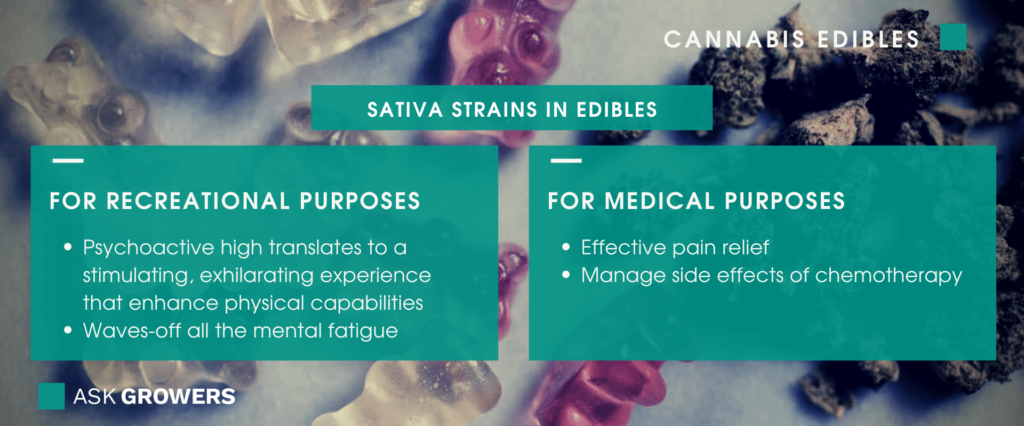
The individuals who have tried Sativa strains even once in their lifetime will only describe the experience as satisfying. Well, that is not all to this recreational drug as the concentrates blend in with the edibles flawlessly, too. Not to forget the exceptional high they give to the users.
A psychoactive high directly translates to a stimulating, exhilarating experience that will enhance your physical capabilities. So, if you have begun your search for some substance that can make your party hipper and trending, Sativa is for you. Sativa is the stuff—this waves-off all the mental fatigue. Hence, the individuals who are otherwise short of confidence at gatherings will join the party mood.
THC is one of the cannabis compounds that allow a better psychoactive effect and Sativa strains have them in great abundance. Therefore, if you ask for a recommendation for recreational cannabis, the first advice of seasoned users will be Sativa strains.
• Is Sativa useful for medical purposes also?
Yes. Even though this variant of cannabis is popular for recreational gains, it doesn’t come across as disappointment for people with medical requirements as well.
Effective pain relief
The ones who are looking for relief from the intense pain from chemotherapy, or just cannot get rid of some chronic pain can consume them for instant relief.
Pain relief provided by Sativa is not limited to patients with chronic pain but can also help the ones suffering from acute strain in muscles, severe headaches, and more so that the patients can live a life that is free of pain.
Manage side effects of chemotherapy
Other than that, issues like nausea, vomiting, and lost appetite are some issues in cancer patients that can be taken care of with the help of Sativa strains. The ones who tend to skip the scheduled chemo sessions due to the fear of pain can also rely upon the Sativa strains to help them feel less pain and manage side effects. In this way, they can complete their treatment and get healthy soon.
Indica Strains and How They Can Please the Body and Soul
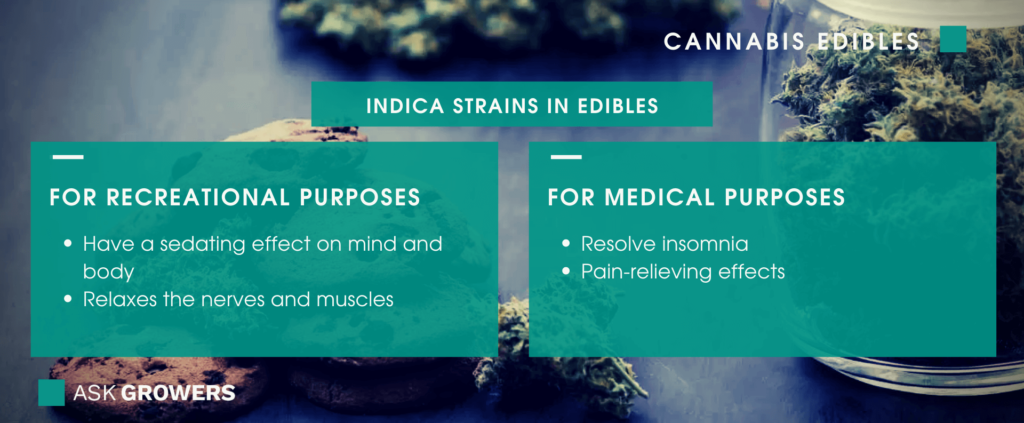
If you are a consumer who is looking for a variety to unwind and relax, then you should definitely look for Indica strains. They have a sedating effect on mind and body, can be grown privately in small quantities as well, and allow you to create new cannabis strains too.
• Indicas for recreational users
Indica is the go-to variety of cannabis for enthusiasts who are looking for a recreational high, whether they are planning to spend their evening alone or have company over. Such sedation is the result of the effects of CBD, and it is present in abundance in Indica strains. It relaxes the nerves and muscles of the users and lets them unwind after days of hard work.
If you are often troubled with the stress of work, anxiety to meet deadlines, or facing a future project, then you should give Indica cannabis a shot. They will help your mind give up on other stressing thoughts so that you can direct your energy towards your goals. This is possible because the sedating effect puts the brain at rest, giving it time to rejuvenate.
With Indica, you can bid adieu to anti-anxiety drugs which do nothing more than give you side-effects. Smoke some vapors of Indica and let yourself experience the mind relaxation offered.
Indica strains are perfect for helping you get rid of any kind of block that you are experiencing in your creative field. Now, since Indica has got your creative juices flowing, all your hard work will earn success for you in all endeavors without any delay.
• Indica Strains And Their Medicinal Benefits
We would not be wrong if we tell you that Indica strains are incredibly effective in most medical conditions. Yes, patients who are looking for a way to get rid of disease-related stress and anxiety can always resort to the calming effect they impart. Also, you do not have to consume lab-obtained, harmful drugs anymore.
Resolve insomnia
Insomnia is another condition that is common amongst individuals who are seriously ill or the ones who are way too fatigued to fall asleep. So, Indica strains can be consumed by them to relax their brains and get a good night’s sleep. The hospitals, before cannabis was legalized, used tranquilizers, pills, and other aids to make patients fall asleep, which came with a variety of negative effects. Now, they can take the strains when they wish to relax and fall asleep, which also put their sleeping patterns in place.
Pain-relieving effects
Like THC, CBD is effective in dealing with pain. Therefore you can consume Indica strains as a natural pain-relief solution. Then again, no matter whether you are experiencing chronic ache, inflammation, or strain in the muscles, or severe headaches, you resort to the apt dosage. Excessive consumption can be harmful too.
Now you can live a pain-free life without having to resort to pain-killers which come with several potential side-effects.
Hybrid Strains And How They’ve Revolutionized The Cannabis Industry
With the increased reach of Sativa and Indica strains, people have started taking them more seriously as recreational and medicinal herbs. Therefore, debates and discussions that revolve around their effects have also increased. Even today, scientists are contesting to find out whether the classification of the two variants according to their effects is justified.
Some scientists argue that the effect strains have on them depends upon how people react to these substances rather than their specific properties.
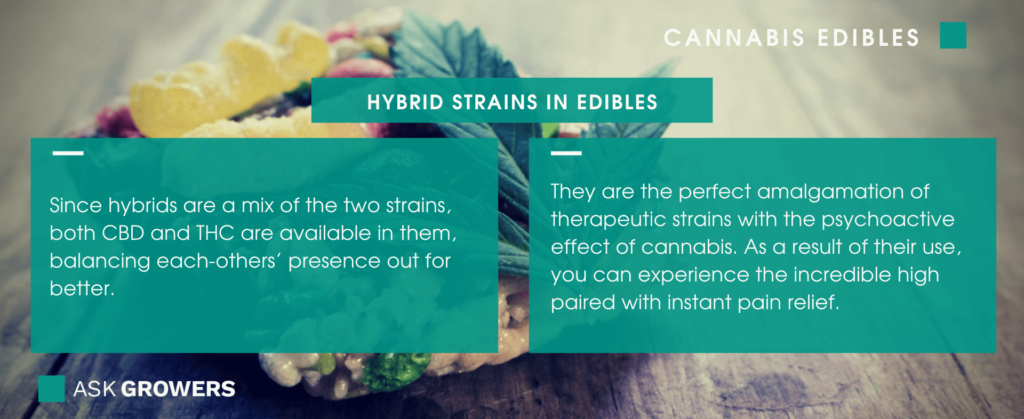
Then again, the experts, as well as growers, have devised a solution to counter it all – hybrid cannabis strains. Essentially, they are a combination of Sativa and Indica strains. They can have one of the varieties as dominant and the other one as a mild infusion.
They are the perfect amalgamation of therapeutic strains with the psychoactive effect of cannabis. As a result of their use, you can experience the incredible high paired with instant pain relief.
Also, since hybrids are a mix of the two strains, both CBD and THC are available in them, balancing each-others’ presence out for better.
Ingesting infused edibles is one of the most popular ways of consuming Sativa and Indica. These yummy, delicious treats are not mere tinctures or oils to be qualified as oral cannabis; they can be devoured as food and their high can be experienced later.
However, one has to exercise extra care when consuming Sativa or Indica edibles because they look and taste like regular foods. So, make sure that you exercise enough caution if you have minors around. Even if you are an adult and cannot resist the temptation, you should stick to limited quantities because an excess of cannabis can be harmful to your health.
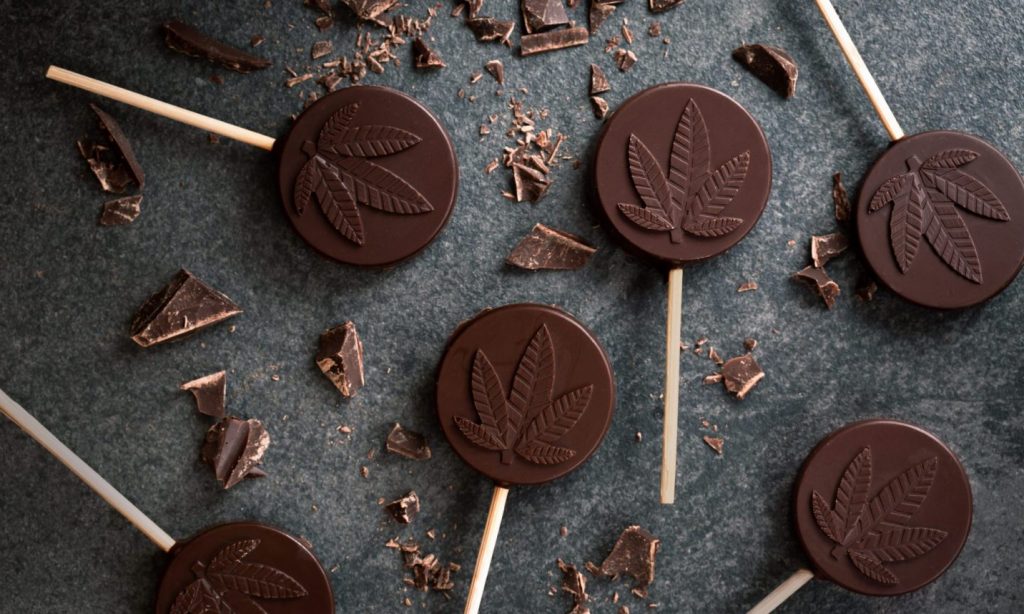
The appealing aroma, taste, and appearance of these treats might push you to fill up on them, but you will have to exercise self-control. Ensure that you buy accurately dosed products and when preparing them yourself, use a moderate amount of weed. For instance, when you are buying or preparing a marijuana chocolate bar, ensure that a piece of it doesn’t contain more than 10 mg of THC.
Another advantage of having cannabis in oral form, especially edibles, is that the individuals who are not a fan of smoke and have trouble ingesting it can take these too.
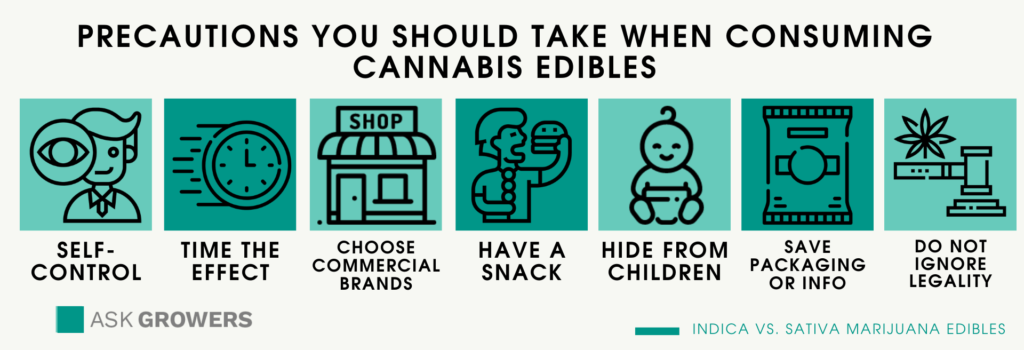
Precautions to Take When Consuming Cannabis Edibles
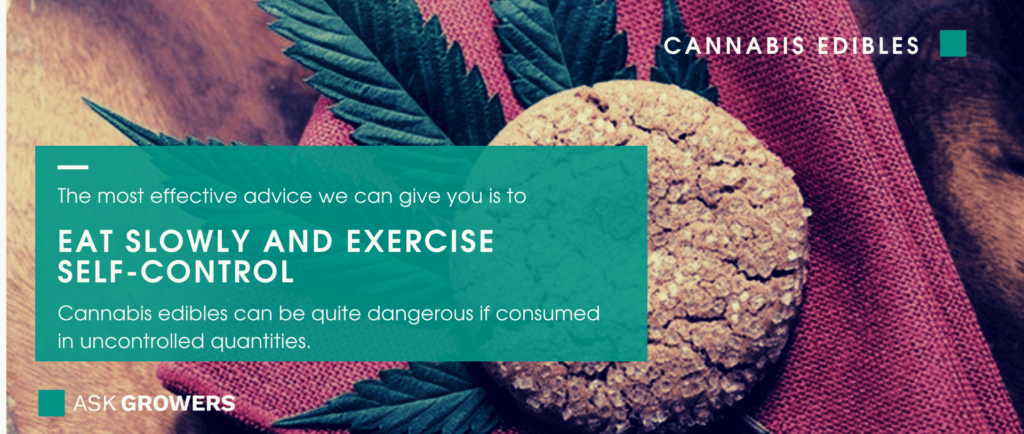
Cannabis edibles do paint a harmless picture, but they can be quite dangerous if consumed in uncontrolled quantities. Also, what you do not know is that these edibles can be quite addictive. So, you can end up eating enormous quantities of edibles at one go and suffer the side-effects of overdose.
Practice moderation The most effective advice we can give you here is to eat slowly and exercise self-control. Apart from self-control, you should also focus on the dosage of the edibles you are eating. Remember to check it according to each serving. Often, this dosage is 10 mg of THC per serving. If you are new to the substance, you should refrain from anything more than this.
The sweet-toothed individuals should simply place one bite of the chocolate below their tongue and let it dissolve. Otherwise, they might end up eating the entire pack waiting for the high to reach their bloodstream and then the brain.
Time the effect Apart from sublingual edibles, you can also try timing the effects. For this, simply consume half of the serving of chocolate or candy and let it enter your system. Turn on the clock and check the amount of time it takes to show its effects. In this way, you will know how to regulate consumption. Normally, it will take 30-35 minutes before the effects of cannabis will hit you.
Opt for commercial brands Also, prefer the commercial brands rather than homemade ones in the beginning because they will provide you with a regulated dosage. For those who want to up the usage, commercial packaging has labels that will advise you what needs to be done.
Snack before you consume edibles Another good advice will be to snack lightly before having the cannabis candies as once you are full, you will abstain from loading up on edibles. However, remember that since you are already full, then you will experience the high much later. So, do not eat more just in anticipation. Or not… Then again, if you want to experience the best high possible from a light dose, take it with an empty stomach. This will allow the edible to reach your bloodstream faster.
Keep the stack hidden and away from the reach of children and pets Another important caution you should take is to keep the stack of these candies and chocolates away from kids and pets because they can be tempted easily. You do not want your children and pets to mistake the weed edibles for candies and eat them. Even if your child or pet consumes the edibles accidentally, you should rush them to the emergency room immediately. In case of pets, you should urgently see a vet.
The major issue most of you will face here is that the chocolates and candies are supposed to be stored in a refrigerator. And your children have access to it. So, do not let your children see where you are storing them in the first place and store them in disguise. Ideally, cover them in the wrapper of something your kids and pets detest. Try covering them with broccoli and capsicum perhaps?
Photo by Sarah Pender/Getty Images
Lose the packaging if you have to, not the information If you are forced to remove the packaging from the edible, make sure you take down the important information like date of expiry, contents, and composition on a plastic wrap.
Do not ignore legality of the substance Another aspect you cannot ignore is the legality of the substance in the region you reside in. Yes, check whether the state in which you are buying the product has legalized marijuana for recreational purposes or not. Also, make sure that you are the right age before buying and consuming it. Currently, it is 21 in the USA and 19 in Canada.
Not just the permissions in your state, if you are living in a society or apartment, you should confirm that there are no restrictions imposed regarding smoking or bringing weed in the premises. If yes, then you should not bring them home.
The amount of cannabis each individual can buy is also subject to legal issues since they can call for legal action against you if ignored.
Apart from that, some individuals also plan to grow cannabis instead of buying them. If you are planning to do it in the open, whether for private or commercial purposes, you should obtain permission if required.
Final Thoughts
As for the demarcation between Sativa and Indica strains according to the effect they have on the human body, they are discussed above. Now, the decision about the one you would like to buy and consume is up to you. If both of them have impressed you, you can also try out their hybrid version.
Cannabis edibles are in trend nowadays and are a delicious medium to consume cannabis for those who are not a fan of smoking it. And why shouldn’t they because you can buy these delectable candies and chocolates in a wide variety of flavors. Moreover, they are available in gluten-free, sugar-free variants, with only organic ingredients going in them.
Delta 8 THC is in the spotlight again — this time because of growing accusations that it is being mislabeled by the companies that sell it.
Though product mislabeling is nothing new and happens across probably nearly all industries either by accident or accidentally on purpose, the cannabis and hemp industries have been scrutinized so closely that one might unfairly regard them as recidivist offenders. Though CBD products have had the most labeling malfunctions, it seems they’re losing their spot on the throne to delta-8.
Photo by Catherine Falls Commercial/Getty Images
CBD Oracle, which reviews hemp-derived products such as CBD and delta-8, recently sent 51 different delta-8 products to FESA Labs, a licensed testing center in Santa Ana, California to check if potency and other metrics on the label matched what’s actually contained in the products, reported Forbes.
But First, A Review: What Is Delta 8 THC?
Delta-8 is a chemical component in the cannabis plant and though it occurs naturally in small concentrations, it can produce a mild psychoactive effect in some people.
The new industrial methodologies allow for delta-8 THC to be converted from CBD derived from hemp, which is also where a few problems may lie but that’s another story.
FESA Labs Results – 75% Mislabeled
Testing revealed that more than 75% of delta-8 THC products had inaccurate labels and that 77% contained less delta-8 than labeled. For example, Bionid’s Blue Dream concentrate had only a third of the advertised amount of delta-8 THC.
What’s more, 76% had more than 0.3% delta-9 THC, making them federally illegal for sales at gas stations and smoke shops.
“The problem for many of the delta-8 companies based on our testing is that the customers probably shouldn’t trust what’s on the labels,” stated Jayneil Kamdar, a FESA Labs chemist who ran the tests.
CBD Oracle claims that delta-8 THC product manufacturers often inaccurately label their vape cartridges and other products.
Faking Lab Results Could Make Delta 8 Federally Illegal
Are companies just making up the numbers they put on the labels? It is possible, as the investigation shows. In any case, this could end badly for both consumers and companies responsible for mislabeling, not to mention providing federal regulators with more reasons to make delta 8 illegal.
Some states, like Texas, have already done so in a way and New York will discuss banning delta 8 at its upcoming Cannabis Control Board meeting.
Kids and teens predictably spent more time in front of their screens during lockdown. But a new study revealed even higher results than expected.
Screen time was a concern long before the pandemic. Now, following a year of remote learning and social distancing measures, it’s become inevitable, with there being much bigger concerns for us to worry about. A recent study conducted on teens found that while screen time for schools predictably increased, so did screen time for recreational purposes.
Published in JAMA pediatrics, the study was conducted on kids and teens between the ages of 10 to 14 years old. It found that screen time unrelated to online school jumped from 3.8 hours a day to 7.7 hours.
Photo by Aedrian via Unsplash
Researchers used data to compare teens’ screen time from 2016 to 2020. Results showed that more screen time was correlated with worse mental health, increased stress, and poor physical health. They theorize that the connection between poor mental health and screen time is bi-directional, meaning that declining mental health results in teens using more screens, which then makes for worse mental health.
While unsurprising to many, these results were shocking for health care experts, who said that kids had put the same amount of hours into their screens as adults do into their work. “That’s a pretty crazy phenomenon when you consider they were also on screens for 5 to 7 hours a day for school,” Dr. Michael Rich told USA Today.
Photo by cottonbro via Pexels
While the use of social media during the pandemic was the main form of communication between friends and people who lived in different households, according to the study, screen time wasn’t used for this purpose. “More screen time was linked to poorer mental health and greater stress among teens,” lead researcher Dr. Jason Nagata told CNN. Researchers theorize that this could be explained due to “doomscrolling,” since more time on screens prevented children from engaging in healthy online behaviors.
Researchers recommend setting screen time limits for children, especially since screen time usage will likely remain at a higher level than in pre-pandemic times. Leading by example goes a long way, ensuring that devices are off for all family members during meals and family time. Still, some leniency is necessary; while schools are transitioning into a back-to-in-person format, there will likely be remote days and online activities.