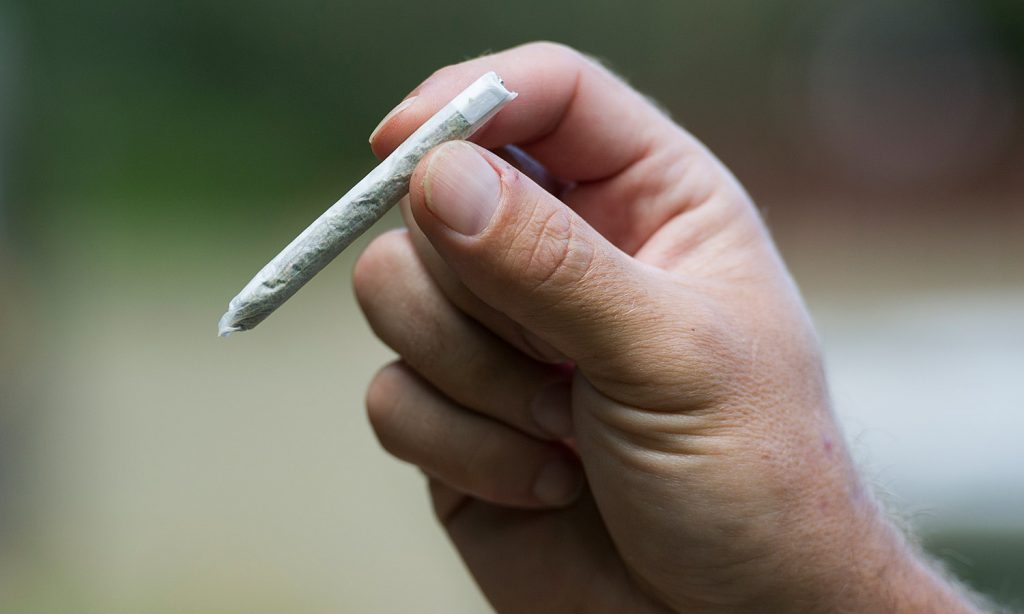
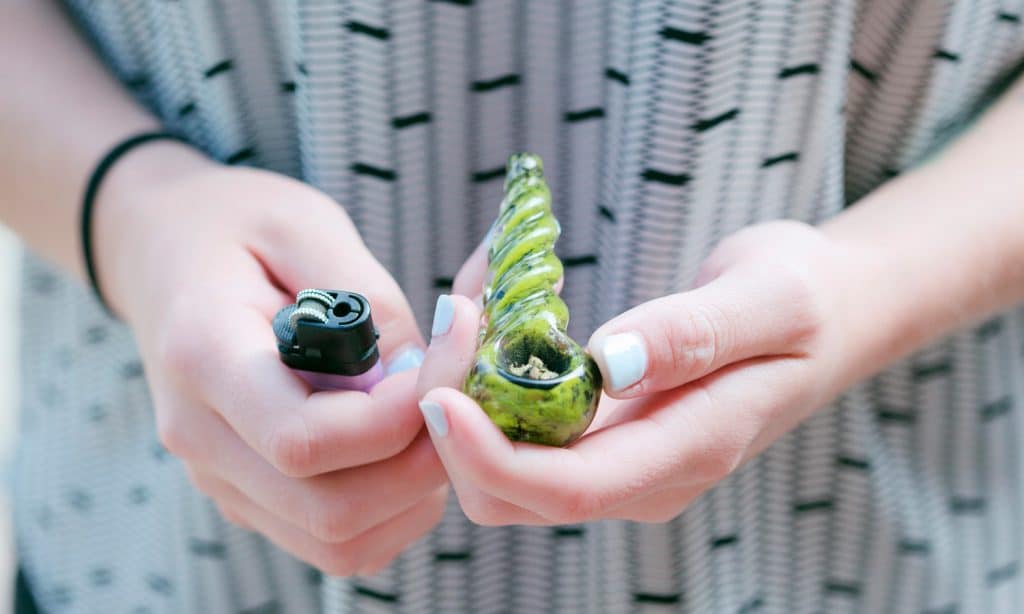
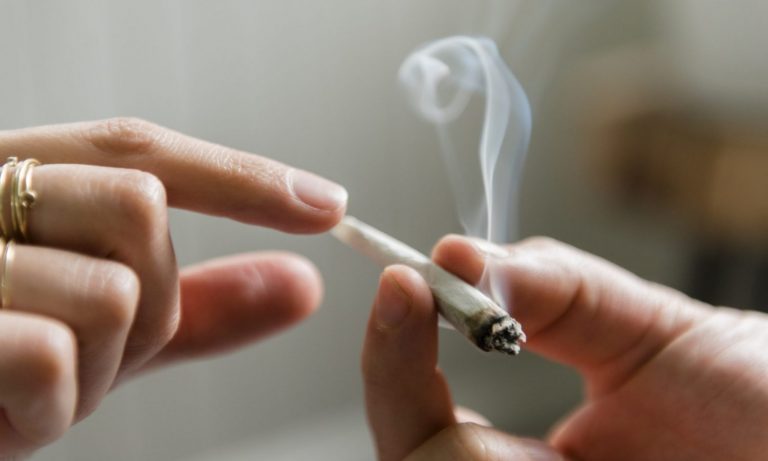
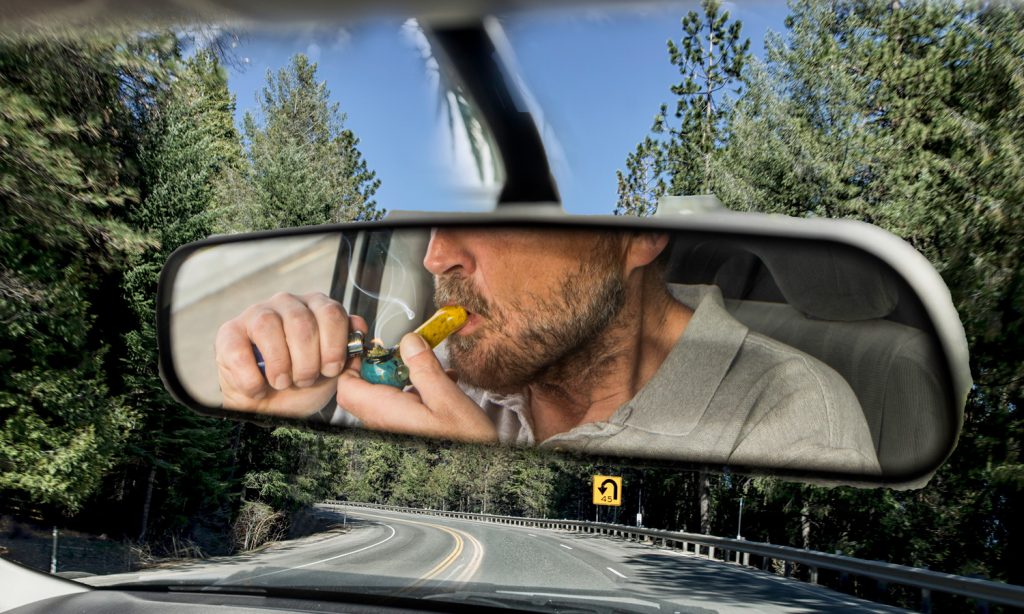
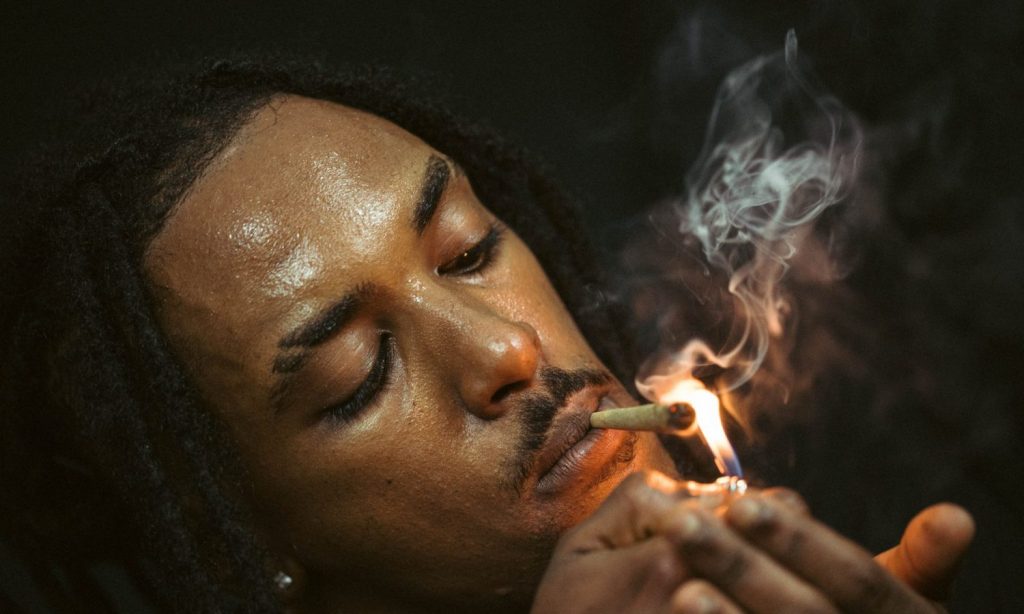
Burnt popcorn, hot showers, vaporizers and more. Here are a few ways to eliminate the linger scent of weed in your home.
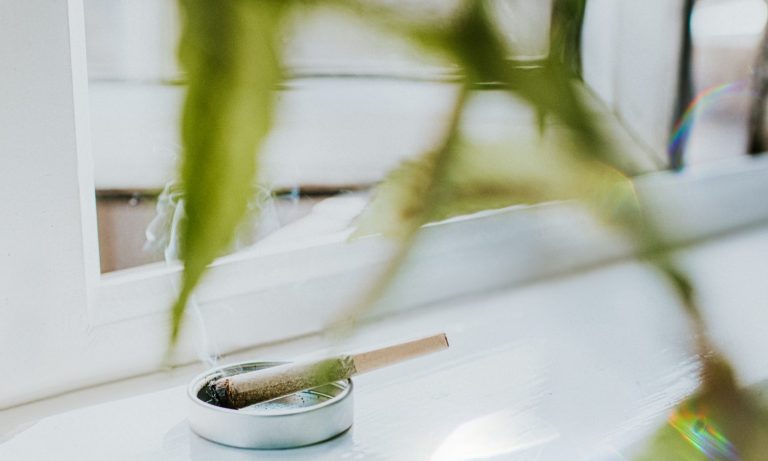
One of the most emblematic aspects about marijuana is its smell. Equally particular as it is enticing, marijuana’s scent is one of the world’s most recognizable smells. It’s also one of the hardest to get rid of.
In order to prevent your fabrics and your home from reeking of weed, there are a few things you can do, although it’s always better to prevent the smell over having to erase it once it settles in.
Here are 5 of the most useful bits of advice when it comes to making your home as marijuana-smell-proof as possible:
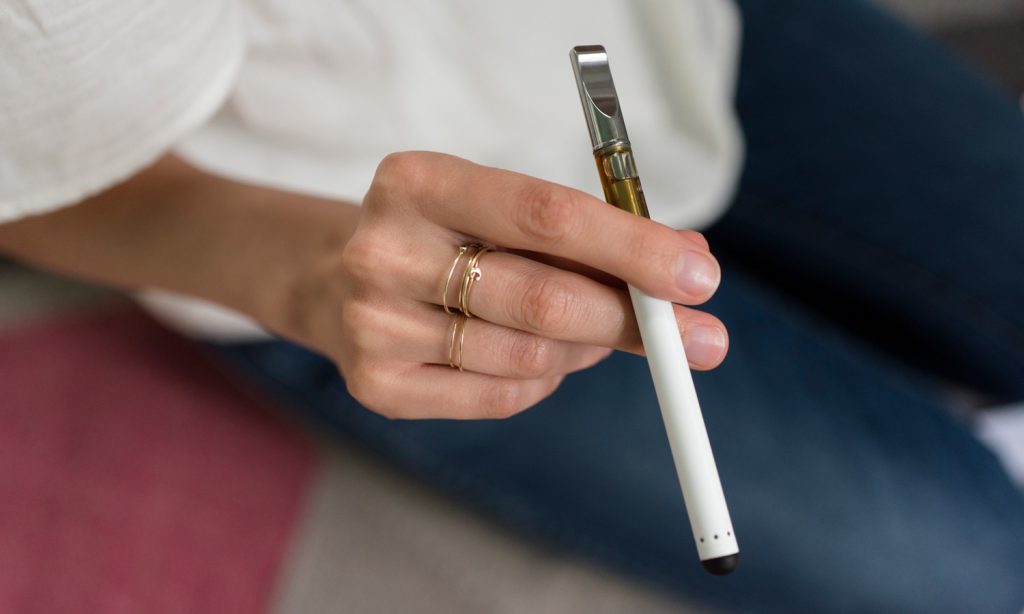
Use vaporizers
Photo by Jamie Grill/Getty Images
While there’s a lot of people who prefer to smoke joints and use bongs, vaporizers are effective if you want to consume something discreet and that produces little to no smell. These devices heat up marijuana instead of combusting it, creating no weedy smell (or at least a much subtler version of it) and saving your clothes a trip to the laundry.
Smoke buddies are a little clunky, but they’re a cheap and portable option that will help you get rid of lingering marijuana smoke. These devices allow you to blow smoke directly into them, leaving your surroundings odor-free. You can also make a sploof, which is cheaper and just as effective, only needing some dryer sheets and a cardboard toilet paper roll.
Febreze works in covering up the smell of weed, even if it leaves your home smelling of chemicals. If you prefer a more natural scent, you can try incense, which also produces a strong and distinct smell that will mask the odor of marijuana.
A common way to smoke marijuana on the low is to smoke in the bathroom while the shower is running. The water must be hot in order to create some steam, which will in turn mix up with the marijuana smoke and dissipate the smell.
Burn some popcorn
Photo by Georgia Vagim
While this measure is extreme, it is an effective way of masking the marijuana smell. Burnt popcorn smells very strong and will stay in your house for hours, maybe even days. However, when choosing this option, you’re basically trading in one smell for another. So hopefully you know how to get the burnt popcorn smell out of your home.
As more and more states embrace the cannabis plant in its “full form,” some still challenge the legality of hemp-based products.
Cannabis company Hometown Hero filed a suit against the Texas Department of State Health Services (DSHS) last week claiming that its hemp policy was improperly revised in order to ban products with Delta-8 THC, reported Marijuana Moment. A Texas judge, however, disagreed with the lawsuit and ruled that the state’s ban remains.
Photo by MasterKeySystem/Getty Images
What’s the deal with Delta-8 THC?
Delta-8 THC is a chemical component of the cannabis plant. Although delta-8-THC occurs naturally in very small concentrations, it can produce a mild psychoactive effect in some people similar to delta-9 THC. The new industrial methodologies allow for delta-8 THC to be converted from CBD derived from hemp.
New Ban Or Just A Clarification?
Due to the novelty of delta-8 products and legal questions around they are produced, the DSHS reportedlyfelt the need to take another step and ban products with more than 0.3% of any type of THC. More precisely, the DSHS’ site now states the following:
”Texas Health and Safety Code Chapter 443 (HSC 443), established by House Bill 1325 (86th Legislature), allows Consumable Hemp Products in Texas that do not exceed 0.3% Delta-9 tetrahydrocannabinol (THC). All other forms of THC, including Delta-8 in any concentration and Delta-9 exceeding 0.3%, are considered Schedule I controlled substances.”
Though Hometown Hero was intending to get a temporary restraining order against DSHS to block it from taking action against companies that sell delta-8 THC, it seems the cannabis company will now need to wait for next months’ follow-up hearing, wrote the outlet.
The plaintiff’s attorney said in court that “the DSHS stance flips the hemp definition on its head,” while the department, on the other hand, claimed it has not made any policy change as delta-8 THC has been statutorily classified the same as delta-9 since hemp was legalized in 2019. The DSHS highlighted that it had only added clarification on its website as a way of responding to the many requests from hemp growers who found the situation confusing.
More Research Needed, FDA And Reddit
When it comes to the safety of delta-8 THC products, more research is needed.
The Food and Drug Administration (FDA) and Centers for Disease Control and Prevention (CDC) recently warned about delta-8 THC products causing unwanted health effects, though as yet seem to be lacking the hard science to back their claims.
Just last week the FDA announced it will use Reddit to learn more about cannabis-derived products including CBD and delta-8.
Medicinal cannabis use was associated with lower self-reported depression, according to the study. Users also reported superior sleep, quality of life and less pain on average.
Cannabis is becoming universally known as a mood enhancer and anxiety-reducing substance. However, the plant notoriously lacks clinical research to inform its safe and correct use in specific psychiatric disorders like anxiety and depression. A new study published last month is shedding light on the plant’s therapeutic potential.
While a bipartisan group of federal lawmakers only recently introduced a bill to remove federal barriers for conducting research on marijuana, researchers have come up with creative ways to study the plant’s effects on the general population by conducting observational studies.
Photo by Kilito Chan/Getty Images
The paper, published in the peer-reviewed journal Frontiers In Psychiatry, found that medicinal cannabis use was associated with lower self-reported depression as well as decreased anxiety in adults. The research was conducted by Johns Hopkins University in association with the Realm of Caring Foundation.
An Observational Study On The Effects Of Cannabis In Anxiety And Depression
The research team conducted an observational study in which 538 participants over the age of 18 completed a series of surveys around their cannabis use and associated symptoms.
All participants included in the study had reported having anxiety or depression disorders, including major depressive disorder, postpartum depression, dysthymia, premenstrual dysphoric disorder, seasonal affective disorder, generalized anxiety disorder, panic disorder, social anxiety disorder or agoraphobia.
Of the total, 368 participants reported current use of medicinal cannabis products while the remaining 170 were considering the use of medicinal cannabis, but had not started yet. The latter group was used as a control group.
The surveys included validated self-reported questionnaires and investigator-developed measures of health outcomes.
Cannabis use was analyzed by indicating product type (dried flower, hemp extract oil, etc), chemotype (THC-dominant, CBD-dominant, and balanced THC:CBD ratio), dosing regimen and mode of administration.
The result? “Medicinal cannabis use was associated with lower self-reported depression,” according to the study. Medicinal cannabis users also reported superior sleep, quality of life and less pain on average.
Photo by Joshua Rawson-Harris via Unsplash
Users who initiated medicinal cannabis treatment during the follow-up period reported having significantly decreased anxiety and depressive symptoms — an effect that was not observed in patients in the control group who never initiated cannabis use.
The study concluded that medicinal cannabis use may reduce anxiety and depressive symptoms in clinically anxious and depressed populations.
Since the study relied on self-reported data, future placebo-controlled studies are necessary to replicate these findings and to determine the route of administration, dose and product formulation characteristics to optimize clinical outcomes, concluded the paper.
The study’s population also was not universal; it consisted of mostly Caucasian female adults. Research into broader populations sample is also vital to better understand the effects of cannabinoids in these indications.
Over the last five years, this Vancouver, B.C.-based stock has outperformed some of the most popular stocks in the world, such as Microsoft, Apple, Netflix, and Facebook.
Investors who enriched their portfolios with Canadian cannabis company Village Farms International, Inc. (NASDAQ: VFF) some five years ago are now enjoying their bulging wallets.
The vertically integrated greenhouse grower with a 30-year history as a Controlled Environment Agriculture pioneer started off producing and selling fresh produce until it recognized the potential of the booming cannabis market.
Photo by rgbspace/Getty Images
Over the last five years, the Vancouver, British Columbia-based Village Farms’ stock has outperformed some of the most popular stocks in the world, such as Microsoft, Apple, Netflix, and Facebook.
International Expansion, Acquisitions
In Nov. 2020, Village Farms acquired Pure Sunfarms, one of the largest producers and top-selling cannabis brands in Canada, making it its wholly-owned subsidiary. Pure Sunfarms has been EBITDA positive since starting sales in 2018.
This year, in a bid to be in place for the eventual U..S. federal legalization of marijuana, the company made a $75 million acquisition of the Colorado-based CBD-platform Balanced Health Botanicals. In addition to this cannabinoid platform with a top-5 CBD brand, Village Farms is leveraging 5.5 million square feet of high-tech CEA facilities in West Texas and has joint ventures with Village Fields Hemp USA, LLC and Arkansas Valley Green and Gold Hemp LLC.
Village Farms is also targeting international markets. Recently, itacquired an 80% stake in the Netherlands-based Leli Holland B.V., one of the 10 applicants selected by lottery to obtain a license to grow and distribute cannabis to retailers who run the Dutch “coffee shops,” placing the company in a prime position for when the Dutch government implements its Experiment to Investigate Closed Cannabis Supply Chains.
Furthermore, Village Farms recently completed its first medical cannabis shipment to Australia and announced that Pure Sunfarms intends to start shipping cannabis products to Europe in the first quarter of 2022.
Here’s how returns break down from October 2016 to the present:
Facebook is up from $131.29 a share to $328.69 for a return of 150.35%
Microsoft is up from $59.87 a share to $308.13 for a return of 414.67%
Apple is up from $28.43 a share to $148.64 for a return of 422.83%
Netflix is up from $126.57 a share to $671.66 for a return of 430.66%
Village Farms is up from CA$1.30 per share to CA$9.76 for a return of 650.77%
You only need marijuana, a lighter and some rolling paper to get high, but these items will make your experience better and smoother.
Experimenting with a new activity is a trial and error process. Not everyone has the proper tools, and by the time you find out what you’re missing, your first crack at a new experience has come and gone, likely a little lackluster. This is the case with cannabis, which tends to be a messy, low-quality smoke session with friends the first time you give it a go.
While items like proper grinders and quality rolling papers are not necessary to smoke weed, they will definitely contribute to a better experience. If you’re new to the plant, a positive experience will greatly impact your relationship with cannabis, resulting in something that’s fun and easy, which is what most people are looking for when they’re first trying it. Here are 5 simple items that cannabis newbies should have on hand before getting high:
Grinder
Photo by Esteban Lopez via Unsplash
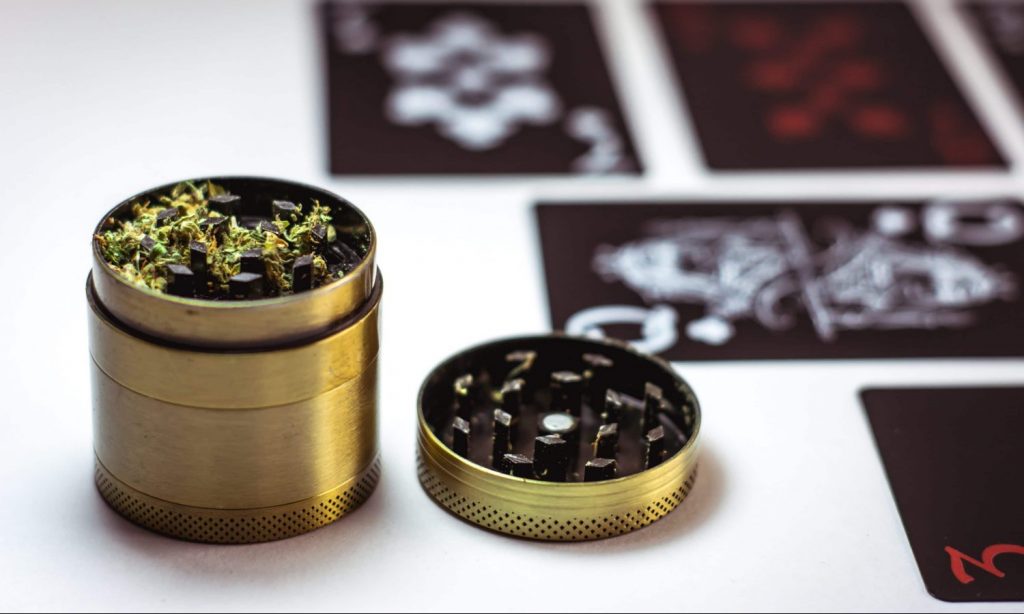
While grinders are not necessary for packing a bowl or prepping a joint, they make the end product a much more enjoyable one. When picking apart marijuana with your hands, trichomes will stick to your fingers, robbing it from some of its flavor. Using scissors will make it more likely for you to lose a little bit of marijuana and will also result in big chunks of weed that make it more difficult for the joint or bowl to burn evenly, making your marijuana last less and taste poorly.
Quality rolling paper
Photo by Flickr user Ian Burt
Not all rolling papers are made equal. Quality rolling papers can make your marijuana last longer and can get rid of annoying and painful coughing fits. Raw rolling papers are made with organic materials, are cheap and can be found in most stores, making them one of your best options.
A cigarette roller is a practical solution for beginners, doing most of the heavy lifting and providing you with perfectly rolled joints that are more likely to burn evenly.
While there are people who use pens or pencils to roll their joints, giving the paper its joint shape, pens can also be used to pack the weed inside the joint. This method ensures that everything is snug in your joint, making it last longer, burn evenly and hold steady as you smoke it.
Clean pipes/bongs
Photo by SharonMcCutcheon via Pixabay
Clean pipes and bongs are very important since they make it easier and healthier for you to inhale smoke and vapor and are also more comfortable to use. Before you start, make sure to thoroughly clean the pipe or bong you’ll be using by letting it soak in a solution of alcohol and salt or by washing it with soap and water. Can’t decide between a bong or water pipe? This is the one that produces a smoother smoke sesh.
Vaping in teens is growing more and more prominent. A new study shows that the vaping rate has doubled in teens over recent years.
More teens are vaping these days than ever before. And now, a new study reveals that this troubling trend could result in a variety of health issues over the long run.
The study, published in JAMA Pediatrics, found that between 2013 and 2020, the vaping rate had doubled in teens. Researchers analyzed data from over 200,000 teens in Canada and the United States. Teens in their senior year of high school were more likely to vape when compared to younger teens and preferred vaping to smoking cannabis flower — something that’s of interest to researchers since it could potentially expose teens to bigger risks over the years.
Cannabis extracts, such as the ones that are present in vapes, dabs, and more, contain a higher amount of THC per dose. Study author Carmen Lim told CNN in an email that, “Not only it is linked to poorer cognitive development in adolescents, it could increase risk of dependence, other substance use and many other health, social, and behavioral problems later in life.”
We’ve often talked about the risks of cannabis abuse in teens, a concern that plagues marijuana advocates and opposers. Marijuana’s effect in the adolescent brain is different than the one it has on adults, correlated to damage in learning, memory, problem solving skills, and their overall attention spans.
Aside from all of this information that has been gathered over the years, vaping has been linked with a variety of risks that make it more dangerous than smoking THC or cigarettes. It has been linked with cases of EVALI, a lung condition that’s present in people who regularly vape, especially those who regularly vape cannabis.
The cannabis landscape is tough to navigate nowadays, especially since the drug is going through a phase of revision and researchers and healthcare workers are emphasizing on many of its medicinal effects. Still, when it comes to teens, the data is clear; cannabis affects them differently and the substance should be viewed as any other risky substance.
Researchers may be closer to developing the equivalent of a breathalyzer for detecting marijuana in a person’s system, according to an article published this week in the journal Science Translational Medicine.
At the moment, the gold standard for detecting marijuana usage is to measure THC, the active ingredient in cannabis, in the blood or urine. But those tests can take days to process and unlike alcohol, THC can linger in the bloodstream for days, said Hakho Lee, Ph.D., director of the Biomedical Engineering Program at Harvard University and senior author of the new study, as reported by the American Association for the Advancement of Science (AAAS).
Photo by JasonDoiy/Getty Images
There are some existing saliva tests for THC, but they are limited by issues like slow processing time or giving “binary” results (yes/no). To enable quick on-site THC quantification, the scientists behind the research developed a rapid assay for oral THC analysis called EPOCH, which is similar to a breathalyzer and allows assay completion within 5 minutes.
“With marijuana becoming more accessible, it is important for public safety to have an objective way to tell whether a person is under its influence,” Lee said.
The initial testing accurately picked up THC in saliva samples from all users of the plant within about three minutes. The researchers eventually plan to expand their test to detect drugs, such as oxycodone and other synthetic opioids.
“Since our device is a platform technology, we could readily detect different targets by switching capture [molecules],” Lee added.
The number of Republicans in favor legalizing marijuana in some form or another is growing. Here’s a list of 10 that have recently shown their support.
The majority of Americans favor cannabis legalization in some form. This statistic combined with other new perspectives on cannabis has several republicans in congress speaking out in favor of marijuana legalization.
A number republicans have recently supported or vocalized their continued support to further cannabis legalization. Some live in states where cannabis is a major industry, while others are seeking medical marijuana approval for veterans.
There are several reasons for the shift among some conservatives. Regardless of their personal motivations, republicans are vocally changing their tune on cannabis. Here is a list of 10 notable republicans in congress that have backed some form of marijuana legalization.
Photo by Bet_Noire/Getty Images
Dave Joyce, Ohio
Joyce isco-sponsoring a GOP plan that would regulate marijuana like alcohol and enable the Department of Veterans Affairs to prescribe cannabis treatments to veterans, according to NPR.
Joyce proposed the bill, known as “Common Sense Cannabis Reform for Veterans, Small Businesses, and Medical Professionals Act.” The legislation is the first of its kind by a republican congressman, and its sentiments have the potential to begin shifting Republicans’ stance on cannabis reform.
Don Young, Alaska
Don Young was the other co-sponsor of the cannabis reform bill with Joyce. “This bill isn’t perfect, but it takes important steps to safeguard our personal liberties and freedom,”Young tweeted in regards to the Bill. Young has also called on his fellow congressmen on both sides to unite on this bill to help move in the direction of what he sees as liberty.
Today, I helped the House pass the most significant #cannabis reform legislation in decades – the #MOREAct. This bill isn’t perfect, but it takes important steps to safeguard our personal liberties and freedom. THREAD: pic.twitter.com/3ey5RcY0VP
“Congressman Mast has been a longtime advocate for federal decriminalization of marijuana,” said a spokesman for Mast.
Photo by matt_benoit/Getty Images
Matt Gaetz, Florida
Matt Gaetz, also of Florida, voted for the MORE act as well. Gaetz has been publicly vocal about his opinions on Marijuana, and says it is time for his fellow republicans to change their tune on cannabis.
“The American people do not support the policies of incarceration, limited research, limited choice and particularly constraining medical application,”Gaetz said.
Greg Steube, Florida
Greg Steube is a third Florida congressman who supports cannabis legalization. Steube did not vote in favor of the MORE Act, but has supported other cannabis legislation.
Steube is particularly vocal about veterans having access to medical marijuana, and has recently passed amendments in support of Veterans’ use of state-approved medical marijuana programs.
Tom McClintock, California
Tom McClintock has a unique position on marijuana as a Republican in a blue state with a long cannabis history. The Republican representative for a region of California known for its cannabis agriculture, McClintock stands with his constituents on the issue of cannabis.
During a 2003 debate when he was running for governor, McClintock said in regards to Proposition 215, which legalized marijuana, “The people of California spoke clearly on that subject. The federal government has no right to intervene.”
Guy Reschenthaler, Pennsylvania
Guy Reschenthaler was the co-sponsor of the SAFE Banking Act, which gives banks permission to do business with the cannabis industry. Recently, he has re-introduced the “Clean Slate” law with great momentum. This law would help seal conviction records, including non-violent marijuana offenses.
Photo by Kindel Media from Pexels
Thomas Massie, Kentucky
Thomas Massie has a long track record supporting cannabis, especially as it pertains to gun ownership. Massie was also quoted saying he believes the first party to fully endorse marijuana will gain significant popularity and favor.
When asked by Fox Business about cannabis legalization, Massie said,“The first party that does this—and I don’t understand why either party won’t do it—is going instantly gain 10 points in the general poll on which party versus the other.”
Denver Riggleman, Virginia
Denver Riggleman was recently defeated by his democratic opponent in November. Before he left office he joined in voting for the MORE act. Since leaving office, Riggleman has stayed in the spotlight and campaigns for the Veterans Cannabis Project.
“The states should be in charge of their own marijuana legislation, it shouldn’t be the federal government,”said Riggleman.
Justin Amash, Michigan
Congressman Justin Amash also voted in favor of the MORE Act as a Republican. Since then, Amash has shifted to the Libertarian party, but his views on marijuana legalization have stayed the same.
The marijuana bill:
Better to tax marijuana like alcohol than keep it illegal, which amounts to an infinite tax.
Better to have some regulation of marijuana than the current maximal regulation: prohibition.
Better to let people buy marijuana than put people in prison for it.
“Better to tax marijuana like alcohol than keep it illegal, which amounts to an infinite tax,” Amash tweeted in December 2020. “Better to have some regulation of marijuana than the current maximal regulation: prohibition..”
Enjoying a good book is a habit that needs to be cultivated in order to be wholly understood. Here are some tips that can help you get started.
Weed is one of the most malleable substances out there. It can be used for a variety of activities, from watching movies, to going to parties, to working out better. Reading is probably one of the toughest activities you can do while high, asking some engagement from your brain that, if some factors are off, might be too difficult to achieve. Here is how to read while high.
Similar to doing any other activity while high, what you really need to do in order to succeed is to practice. Marijuana can add a lot of layers to reading, making the experience more enjoyable or even helping you reconnect with it if you’ve been having a hard time focused on full books.
Just like listening to music and reading, getting high and reading can help craft a better mood. Once you hit that stride you’ll see that you’re more relaxed and engaged with the story and that the weed is helping you get in the right zone. Here are some tips that’ll help you read while high:
If you’re just starting out pairing weed and books, you don’t want to kick it off with dense literary novels. Try something that feels easy to for you, going back to something you used to read when you were young or a genre that’s simple and compulsive, like romance or horror. Good ideas are the Harry Potter books or something by Stephen King. A graphic novel can also make for a really good starting place.
Let go of the “right way to read”
Photo by Thought Catalog from Pexels
Reading lends itself to very ritualistic behaviors. Some people prefer to read paper books and can only read when they’re surrounded by total silence. While there’s no judgment, you’ll have more success if you’re able to read while in a variety of situations. Train yourself to read in different places, even if it’s only for 5 or 10 minutes at a time. When high, try your best to read and enjoy yourself, avoiding stress if your mind can’t hold on to all of the words that are on the page.
The strain you’re smoking will have an impact on your reading experience as a whole. Try to avoid sleepy strains, since they’ll make a relaxing activity even more relaxing and you’ll fall asleep, which is great but doesn’t really serve the purpose of this article. Choose a strain that’s cerebral yet contained, something that will help you feel creative but also grounded. Ask your budtender for a light indica or a sativa that doesn’t produce too much anxiety.
Watch your dosage
Photo by Brian Lundquist via Unsplash
When starting on your weed reading journey, watch your dosage, taking a couple of puffs to see how your body takes to this new experience. You can always smoke later if you need more, but it helps to start off slow. Happy reading!
The legislation requires the DEA to license outside of the National Institute on Drug Abuse (NIDA) to ensure that there is an adequate supply of cannabis products to study.
A bipartisan group of federal lawmakers introduced a bill on Thursday to remove barriers to conducting research on marijuana. The bill will allow scientists to access cannabis from state-legal dispensaries.
The Medical Marijuana Research Act, filed by Rep. Earl Blumenauer [D-OR] and Rep. Andy Harris [R-MD] would ease the process by which researchers apply for approval to study cannabis and it would place deadlines on federal agencies to consider the applications in a timely manner.
Photo by boonchai wedmakawand/Getty Images
“This legislation would remove barriers for research into cannabis and facilitate access to an increased supply of higher quality medical-grade cannabis for research purposes,” said Blumenauer.
“Congress is hopelessly behind the American people on cannabis, and the quality of our research shows why that is an urgent problem,” Blumenauer toldMarijuana Moment. “Despite the fact that 99 percent of Americans live in a state that has legalized some form of cannabis, federal law is still hamstringing researchers’ ability to study the full range of health benefits offered by cannabis, and to learn more about the products readily available to consumers.”
Scientists ‘Jumping Through The Hoops’
“Because cannabis is a Schedule I substance, researchers must jump through hoops and comply with onerous requirements just to do basic research on the medical potential of the plant”, Blumenauer said at the House on Thursday.
The Medical Marijuana Research Act amends the Controlled Substances Act to establish a new, separate registration process, specific for marijuana.
Streamline the often-duplicative licensure process for researchers seeking to conduct cannabis research;
Facilitate access to an increased supply of higher quality medical-grade cannabis for research purposes;
Ensure that research on cannabis and other potentially beneficial marijuana-derived substances is based on sound science;
Reduce the regulatory barriers associated with marijuana research.
The legislation requires the Drug Enforcement Agency (DEA) to license outside of the National Institute on Drug Abuse (NIDA) to ensure that there is an adequate supply of cannabis products to study.
Representatives Debbie Dingell [D-MI], Steve Cohen [D-TN] Morgan H. Griffith [R-VA], Barbara Lee [D-CA], and Ed Case [D-HI-1], co-sponsored the bill.