Tuesday, May 5, 2026
Home Blog Page 327

Your Phone Might Keep You From Too Much Weed

The idea behind this project is to create a detection model that would enable “just-in-time intervention” to reduce possible harm.

By Nina Zdinjak

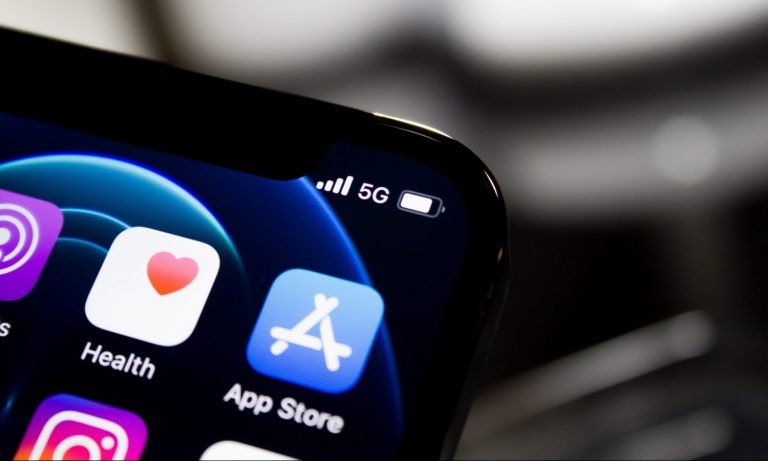
In addition to the myriad uses for which a smartphone comes in handy, in the near future, another one might be coming down the line: detecting cannabis intoxication in young adults.

A new study, published in the journal Drug and Alcohol Dependence, evaluated the feasibility of using smartphone sensor data such as GPS to identify episodes of cannabis intoxicationwhich include euphoria, motor skills impairment, time and spatial distortion, or in more severe cases, extreme anxiety panic attacks, hallucinations, and/or chest pains, among others.

5 Polite Ways To Tell People You Need Alone Time
Photo by Ketut Subiyanto via Pexels

It is commonly believed that cannabis overuse has been associated with slow response time, which can affect work and school performance or impair driving ability. Current cannabis detection techniques measure blood, urine, or saliva but have their limitations, about which experts, as well as law enforcement agencies, generally agree because levels of impairment cannot be determined by a single measure, unlike alcohol.

RELATED: Marijuana Overdose: Don’t Freak Out, It’s Only Cannabis

This latest study, undertaken by the Rutgers Institute for Health, Health Care Policy and Aging Research, adds to the research by examining daily data collected from young adults in real-life situations who confirmed marijuana use at least twice a week.

The Perfect Combo – Time Features Plus Smartphone Sensor Data 

By analyzing time features (tracking the time of the day and day of the week) in combination with smartphone sensor data, researchers achieved 90% accuracy in identifying cannabis intoxication incidents. Time features alone had only 60% accuracy in identifying self-reporting of cannabis intoxication.

RELATED: How To Avoid Going To The Emergency Room For Marijuana Overdose

The two most valuable phone sensor features for this detection were travel patterns from GPS data (at times when they reported feeling high) and movement data from the accelerometer. The accelerometer tracks different motions including shaking, swinging, tilting, rotation and changing the orientation of the app that was utilized.

Photo by Dmitry_Tishchenko/Getty Images

“Using the sensors in a person’s phone, we might be able to detect when a person might be experiencing cannabis intoxication and deliver a brief intervention when and where it might have the most impact to reduce cannabis-related harm,” said corresponding author, Tammy Chung, professor of psychiatry and director of the Center for Population Behavioral Health at Rutgers’ Institute for Health, Health Care Policy and Aging Research.

The “Higher” Goal 

The idea behind this project is to create a detection model that would enable “just-in-time intervention” to reduce possible harm. It was concluded that this model has the potential to reach that goal.

Other study authors include faculty from Stevens Institute of Technology, Stanford University, Carnegie Mellon University, University of Tokyo, Japan and University of Washington, Seattle.

This article originally appeared on Benzinga and has been reposted with permission.

Data Warns Long Term Partners Could Suffer From This

Genes play an important role when it comes to your health, but so does your lifestyle. A new study tracked long term married couples and found a surprising discovery.

Married couples spend a lot of time together, making it reasonable for them to go through the same life experiences. A new study found that long term married couples often suffer from the same medical conditions. While weird, it makes sense since these people often share similar diets and lifestyle choices.

The study, published in the journal Atherosclerosis, tracked over 33,000 couples, using data from two longitudinal studies: one from the Netherlands, containing the majority of data, and another from Japan, which had information on about 5,000 couples. Both studies spanned years, with the Netherlands study collecting data for seven years, and the Japan study tracking its couples for three.

RELATED: Doing This Could Help Curb Some Of The Side Effects Of Sitting

Couples Who Eat This Food Have More Sex, According To Study
Photo by Brodie Vissers via Burst

Researchers found that couples who’ve been together for long periods of time act very similarly, sharing similar lifestyle habits like the type of food they eat and whether or not they smoke. These important lifestyle choices then had an influence into their weight, body mass index (BMI), cholesterol levels, blood pressure and more, making the couples more likely to suffer from the same conditions.

The study highlights that while genes are important for determining people’s health and predisposition to a variety of diseases and conditions, lifestyle is just as pivotal, which is why healthy choices matter so much. Partners generally encourage each other to live similar lifestyles, for better or worse. When used for their benefit, these lifestyle choices could help decrease the odds of certain diseases, particularly those that pop up due to environmental factors, including diabetes and hypertension.

RELATED: How To Make Friends As An Adult

“Many of the correlations were between couples with low genetic similarity and high lifestyle similarity, suggesting the importance of healthy choices,” explain the study’s authors. They recommend seeking similar healthcare guidance and setting up a friendly competition that will inspire positive health changes in their every day lives.

Was The Illinois Cannabis Lottery Rigged

Lotteries in general are a problematic tool to deal with scarce goods, as shown in categories from housing to visas. With cannabis, the government both creates and regulates the scarcity in real time.

I was born in Rogers Park, Chicago. When I abandoned college (one of the times), I moved back to work in a Greek and Albanian restaurant and live with my grandparents. I used to enjoy sitting at the breakfast table with them and reading the Tribune, which often carried stories of city and downstate corruption. My grandfather told stories of local aldermen spending $1mm to win $70k jobs (still happening), and recounted the sagas of the state’s jailed governors (there were four in his time). This kind of stuff is endemic to Illinois, the most corrupt state in the nation by evidence and acclamation. It’s Chinatown. Now, you wonder, was the Illinois cannabis lottery rigged.  There is big money at stake.

Because these stories of graft and malfeasance are personally interesting to me, and because I’m a cannabis business lawyer, I thoroughly enjoyed this gem of a post last week by Thomas Howard, Esq., on LinkedIn:

Do I trust Mr. Howard’s research, and his math? I want to — he’s a lawyer and “licensing nerd” after all. Of course, nothing I wrote above about Illinois would be admissible as evidence of a lottery fix if we were in court; and neither would anything Mr. Howard wrote (although he is closer). You have to prove it. But the lottery has been rife with problems already, explained away as “clerical oversights” and leading to at least six filed lawsuits. If Mr. Howard’s data are correct, we should see more of them soon on theories spanning from civil rights to administrative process. In the meantime, here are a few takeaways.

Cannabis License Lotteries Are a Bad Idea

Cannabis license lotteries invariably lead to litigation, as a quick Google search will show going back at least as far as 2014 in states like Washington and Massachusetts. Lotteries in general are a problematic tool to deal with scarce goods, as shown in categories from housing to visas. With cannabis, the government both creates and regulates the scarcity in real time, so it’s probably more analogous to visas than housing. Said another way: with cannabis, public policy doesn’t meld with market factors over a long period to create a limited class of goods. The government just says, “we are only going to issue X amount of cannabis licenses, and you all get to fight for them.”

Ahead Of Marijuana Legalization Cannabis Arrests Decrease In Illinois' Largest Suburbs
Photo by Pedro Lastra via Unsplash

When a jurisdiction decides to create a limited pool of cannabis licenses, one of three approaches to licensing is typically pursued. These include: 1) competitive licensing (which can also be controversial— we’ve filed these lawsuits); 2) “first to file an application” (always a disaster— e.g. L.A. in 2019Oregon in 2014); or 3) the lottery. Of these three, competitive licensing and lotteries are attractive to policymakers in that the systems can be designed to favor certain classes of applicants— which is what Illinois was ostensibly trying to do with social equity applicants.

RELATED: Illinois Hits $109M In Marijuana Sales In March, Marking New Record

In my view, though, the best approach is NOT to cap license numbers artificially. There are better ways to help social equity applicants and marginalized communities, starting with priority application processing and extending through grants, reduced or waived fees, reinvestment of tax revenues in disproportionately affected areas, automatic expungement, etc. In all other respects, states should treat cannabis businesses like other state-licensed businesses, with zoning laws and local control factors allowed to shape the market. Could you end up like Oklahoma? Sure. But things will even out. The market and not the state should be picking winners here.

Public Records and Transparency Are Essential

We have been writing recently about public records in the cannabis context, spurred by some frustrating experiences here in Oregon. Public records law is crucial in the context of cannabis licensing. Presumably, Mr. Howard extrapolated his data from a review of public records, a valuable tool for auditing government, gathering market information, or even defending cannabis businesses in administrative proceedings.

RELATED: Cannabis Licensee Residency Requirements (Which Are Dumb) Are Probably Unconstitutional

Some government records, including meetings, are published and available without much effort on the part of the public. Other records take some digging. You may even have to pay a nominal fee to the government body for their time and effort in fulfilling the request; but most information is up for grabs. With the Illinois cannabis lottery, it seems you can find information on the process and program here. But that is not the end of the story. You can bet the state is awash in public records requests related to its cannabis lottery and will be for a while.

“A Couple of Politicians Getting Together in Chicago is a Crime Scene Now”

A federal prosecutor named Jeff Cramer gave us that wonderful quip. Chicago — and Illinois — have always been famously corrupt. But was the lottery rigged? Maybe so! More likely, though, most of these licenses were granted legitimately, and some inappropriately. If that were the case, the scheme would still be consistent with a grand Illinois tradition going back generations— politicians using a state apparatus for personal benefit. Why should cannabis be any different?

Vince Sliwoski is an attorney at Harris Bricken, a law firm with lawyers in Seattle, Portland, Los Angeles, San Francisco, Barcelona, and Beijing. This story was originally published on the Canna Law Blog and has been reposted with permission.

This Is A Huge Perk Of Getting Vaccinated After Having COVID-19

0

A new study shows that having a previous COVID-19 infection and vaccine immunization  gives people an edge when it comes to their safety.

It’s advised that everyone who’s able get the COVID-19 vaccine, but there remains some questions about those who’ve already been infected with the virus. People who’ve dealt with COVID-19 infections have a degree of immunity, one that acts similarly to the protection granted by the vaccine.

Now, new data suggests that those who had COVID-19 and received the vaccine might experience the best immunization of all.

RELATED: Which Vaccine Is More Effective? Studies Suggest It’s This One

Which Vaccine Is More Effective? Studies Suggest Its This One
Photo by Spencer Davis via Unsplash

The data was obtained from a study by the Centers for Disease Control and Prevention (CDC) that examined the effects of the Delta variant in a Texas prison, where three-quarters of those incarcerated were infected. Prisons have long been spaces where viruses are rampant, primarily due to poor ventilation and lack of preventions measures.

About 80% of people who were incarcerated were fully vaccinated, which goes to show how common breakthrough COVID-19 is within these contained environments. It also spotlights how important it is for prisons and other closed quarters to use additional COVID-19 prevention measures along with efficient vaccinations.

We Need Medical Marijuana For America’s Enormous Prison Population 
Photo by Grant Durr via Unsplash

One of the highlights of the study was the joint effect of getting the vaccine and having the natural immunity granted by a previous COVID-19 infection. While having the vaccine granted a significant amount of immunity and prevented severe illness, the people that were most protected were the ones who had dealt with a COVID-19 infection in the past and were later vaccinated.

RELATED: Here’s Another Health Benefit Associated With COVID-19 Vaccine

Despite the wariness that surrounds the topic of having had COVID-19 and then getting the vaccine, the CDC has been advising for months that this is the right thing to do. “Natural” immunity is not safer when compared to vaccine immunity; the latter is more controlled and understood, especially since the pandemic is still ranging and it’s not known how long natural immunity lasts.

But perhaps the most important discovery that the study made was the importance of COVID-19 prevention methods and how they, paired with proper vaccination, are capable of protecting people. While we’re all sick of these mitigation strategies, they remain just as important as they were during the start of the pandemic.

Illicit Cannabis Farm So Huge, It Was Visible From Space

0

If the pot farm was big enough to see from Google Earth, why did it take authorities more than a year to raid the site?

By Maureen Meehan

Okay, we know that NASA’s international space station and other such spacecraft can pick up a heck of a lot of what’s happening here on the third planet from the sun, but an indoor cannabis farm?

Last week, authorities in Nevada, along with an impressive backup of national law enforcers, raided what they called the largest illegal marijuana grow in Douglas County history, and perhaps one of the largest ever to be discovered in the state, which legalized adult-use cannabis in 2017.

Emerald Triangle: Does The Best Weed In The World Really Grow There?
Photo by Olena Ruban/Getty Images

With 80 workers, the cannabis farm was also the largest employer in the area, rivaling several smaller firms in Douglas County, which is located some 20 miles south of Nevada’s state capital Carson City and borders Lake Tahoe.

RELATED: Why Enforcement Is Not The Best Way To Combat The Illicit Market

The numbers associated with the 160-greenhouse pot grow on 22 acres of land were “staggering,” reported the Record-Courier.

What Did Authorities Do With the 62 Tons of Weed When They Found It? 

They buried it on the site, “…hopefully deep enough to discourage anyone else from trying to dig it up,” according to the newspaper.

“These were not little plants either. People working on-site in rugged conditions that wouldn’t pass muster in any regulated business tended the plants for months. Residents first started reporting the site last summer (2020) even as the last embers of the Numbers Fire were growing cold.”

RELATED: Nevada Is Making So Much Money Off Legal Weed That Other States Want In

The Numbers Fire was a wildfire that burned nearly 19,000 acres in Nevada’s Pine Nut Mountains in July 2020 and damaged over 1,000 homes.

What Took Authorities So Long To Raid The Site?

The Record-Courier opined that law enforcement may have been waiting to uncover the source of funding in the hope of busting a sophisticated criminal enterprise and then tracking down the kingpins.

DEA
Photo by Eric Kayne/Stringer/Getty Images

Meanwhile, when the Douglas County Sheriff’s Office, the DEA, Homeland Security  Investigations, Bureau of Indian Affairs, the FBI, the Washoe Tribal Police Department Nevada Division of Investigation and several other local law enforcers finally raided the cannabis greenhouses, they detained approximately 80 people for questioning, per the Sheriff’s webpage. But only two were arrested — one for an immigration violation and one for possession of a controlled substance that wasn’t marijuana.

It seems, for now at least, the authorities’ chances of tracking down the cannabis kingpins might have gotten buried with the 62 tons of weed.

This article originally appeared on Benzinga and has been reposted with permission.

This Trick Can Instantly Make You Feel Better

0

Managing stress and anxiety usually take time. But this trick can make you feel better instantly. Here’s what to do.

There are thousands of tips on managing stress and anxiety, but they usually show their results over time. If you start meditating, you likely won’t reap the benefits until weeks later, once your body has experienced the perks and is able to acclimate to the long term effects. When looking for quick relief or a fast reboot, therapists believe one trick might help you snap out of your discomfort.

According to science, plunging your face in cold water, no matter how strange it sounds, is effective when trying to make yourself feel better. This is known as the mammalian diving response, and it’s an instinct we all have, making us feel better and providing us with much needed oxygen — something that is key when going through a stressful moment.

RELATED: How To Know If Your Stress Is Normal — Or If It’s Becoming Something More

How To Prevent And Treat Blackheads, Including CBD
Photo by Vitória Santos via Pexels

Diving in water soothes our senses, something that’s particularly helpful when experiencing strong emotions. It’s a trick that’s even used in a variety of therapy sessions. “Submerging your face in cold water is a technique for managing intense emotional arousal,” therapist Liz Kelly told Bustle. “Your heart rate slows and you feel calmer.”

The colder the water, the better the results, with the intensity of the temperature making us feel very present and, thus, away from our anxieties and concerns.

This helpful tip is simple, working by simply filling up the sink or a bowl and submerging your face in it until your eyes and cheekbones are immersed. You should feel your heart rate go down and should feel some discomfort, providing a waking jolt.

RELATED: 5 Self-Care Activities You Can Do At Any Moment

Cold water is one of the easiest methods, with actual scientific support, to help us stay rooted in the present and calm down when we need it most. While you’ll most likely need to do other things in order to cope with long term anxiety or stress, when feeling stressed and out of your body, some cold water can help you think clearly and thus resolve your problems more effectively.

New York Gov. Hochul: Legal Cannabis Industry Will Generate ‘Thousands Of Jobs And New Industries’

0

In regards to the cannabis industry, Kathy Hochul said she believes “there’s thousands and thousands of jobs and new industries, to be created that were not even focused on.”

By Maureen Meehan

The governor of New York, Kathy Hochul (D), highlighted the potential of the cannabis industry to create thousands of job opportunities and industries, she said after having cleared a key regulatory hurdle last week when she named the final two members of the state’s five-member Cannabis Control Board (CCB).

“We do want to go big or go home, and I want to help you get there. I need you to survive because you’re the identity of New York that people create jobs and opportunities. You are who we are as New Yorkers. Your success means the success of this entire state,” the governor said on Friday at the Business Council of New York State’s annual meeting, reported Marijuana Moment.

Kathy Hochul
Photo by Spencer Platt/Getty Images

“So count me in as an ally—someone who’s going to be there for you, who will fight for you to make sure that we do not lose out to any competition, whether it’s in the space of cannabis, where I believe there’s thousands and thousands of jobs and new industries, to be created that were not even focused on,” Hochul continued.

RELATED: New York’s Cannabis Control Board Now Complete: Gov. Hochul Appoints Regulators

New York State’s seasonally adjusted unemployment rate decreased from 7.6% in July to 7.4% in August 2021, according to a Sept. 21 Labor Dept. press release.

Moving Forward On NY’s Stalled Cannabis Program

“New York’s cannabis industry has stalled for far too long – I am making important appointments to set the Office of Cannabis Management up for success so they can hit the ground running,” Gov. Hochul said after appointing the final two members to the CCB.
“I had to unleash this opportunity that had been stifled for the first five months [after legalization was signed into law] because a few appointments hadn’t been made. Got that done.” Hochul added.

RELATED: Will New York’s New Governor Kathy Hochul Get Legal Cannabis Moving? She Says Yes

Under New York’s legalization law, the independent Office of Cannabis Management (OCM) within the New York State Liquor Authority was established and will be responsible for regulating the recreational cannabis market as well as the existing medical marijuana and hemp programs. The OCM, in turn, will be overseen by the Cannabis Control Board.

This article originally appeared on Benzinga and has been reposted with permission.

Has The Pandemic Changed Your Drinking Habits? Here’s How To Know

0

The pandemic has affected many things, including our relationship to alcohol. Here’s how to tell if your drinking habits have changed.

One of the first effects of the pandemic was the fact that most people simply started drinking more. Working from home and those first few months of lockdown made it seem like there was no clock, blurring the lines between weekdays and weekend, enabling people to drink more without feeling like there were repercussions.

Alcohol companies capitalized on their power during the pandemic, using our stress to their advantage. When speaking to the New York Times, Elyse Grossman, a policy fellow at Johns Hopkins, said that this behavior is dangerous. “It’s not an ordinary product, like coffee or pencils. It’s the third-leading cause of preventable death in the U.S.”

You Should Monitor Your Wine Intake If You Suffer From This Medical Condition
Photo by Alfonso Scarpa via Unsplash

While a lot of people returned to their normal drinking habits once they got used to the pandemic, others didn’t, and may still experience changes in their drinking habits despite going back to their offices and leading more normal lives.

Here are some cues that can inform you on whether or not your drinking habits have changed. While these changes can be for the better, if you’ve dramatically increased your alcohol intake, it’s important to talk to someone and make some changes if necessary, developing a relationship with alcohol that’s healthy and that works positively for you:

You drink more than you planned to

Binge Drinking Plummeting in States With Legalized Marijuana
https://unsplash.com/photos/MxfcoxycH_Y

Whether you’re alone or with others, you might find yourself drinking more than you planned to, or getting drunk without having that intent when the night first started. This could be due to developing these patterns following the pandemic or simply adapting to now hanging out in bars and surrounding yourself with more people. This behavior is particularly difficult to avoid, especially since once you start drinking it becomes more difficult to stop.

RELATED: You Should Monitor Your Wine Intake If You Suffer From This Medical Condition

Some things that can help is limiting the amount of times you put yourself in this situation, having a glass of water after each drink, being mindful of how much you’re drinking and making plans ahead of time, that way you go into the evening with a plan.

Your tolerance levels have changed

Photo by Andrea Piacquadio via Pexels

Changes in your alcohol tolerance are to be expected if you’ve had more or less alcohol throughout the pandemic. You may find yourself drinking more than you used to and being surrounded by drunk friends while you’re sober. The opposite might also be true; you may have consumed less alcohol over the previous months and now find that your tolerance is lower and you get drunk much more easily.

In order to prevent issues, it helps to make a plan before hand and to avoid driving when you’re going out for drinks. Go out with people you trust and make sure you all have each other’s backs.

You don’t want to drink anymore

How To Make Friends As An Adult
Photo by Raghu Nayyar via Unsplash

RELATED: Drinking This Every Day Can Reduce Your Odds Of Heart Disease

If, following the pandemic, you simply are not into as drinking as you were before, that’s fine, even though it might take a few tries for you and your friends to find social stuff to do that’s still fun for everyone. Consider other social plans you can do together, like working out, watching a movie, or having a meal together. The smaller and more trustworthy the group, the more comfortable you’ll feel with being open and discussing your attitude regarding alcohol use.

This Is Your Brain On Drug War Propaganda

0

Minority marijuana users will have to pay more for marijuana to buy votes for the very politicians who voted for the Drug War that oppressed them. 

Disclaimer: The views expressed in this article solely belong to the author and do not necessarily represent those of The Fresh Toast.

Recently, there have been some excellent articles noting the 50th anniversary of Richard Nixon’s declaring his “War on Drugs.” Except that, as I have pointed out, the Drug War is really over 100 years old. 

SEE: We Need To Recognize That The War In Afghanistan Is Not Our ‘Longest War’

That little 50 year “discrepancy” demonstrates how serious our problem is. The aphorism about failing to learn from history is even more relevant if we don’t even know when history began.  

Retired New York Prosecutor Doesn’t Mention Drug War In NY Post Op-Ed On Black Lives
Photo by BrianAJackson / Getty Images

Can we just blame Nixon and then forget Obama and Biden, the Bushes and Clinton? 

SEE: How Marijuana Prohibition May Cost Trump a Second Term – Will Biden’s Prohibitionist Past Catch Up With Him?

Donald Trump made libertarian noises before he ran for President, but he appointed Prohibitionist Attorneys General, based on his assumption that they would be his personal Consiglieres.

Biden is a very slightly repentant Drug Warrior, who can not even admit that he was wrong about marijuana, much less the rest of the Drug War.  

SEE:  Joe Biden Isn’t Senile — He’s Just Hard Of Learning When It Comes To Weed

His hapless Vice President has been drafted to solve the “Border Crisis” by doing photo ops.  

SEE: Why Was Vice President Harris Greeted With Trump Campaign Signs In Guatemala?

The utterly incompetent Governor of Texas cannot keep lights on in the energy rich state, but he wants Texas to spend $250 million on Trump’s border wall. (That Mexico was going to pay for???)

SEE: Four Common Misconceptions about U.S.-bound Drug Flows through Mexico and Central America

I have been talking about the racist origins and disproportionate impact on racial minorities for decades, but now the African American leadership, having supported the Drug War even as “our” prisons filled up with “their” people, want marijuana retailing to be regulated in ways that benefit the victims of their own policies.  

'wet' used tampon
Photo by jtgriffin07/Getty Images

Consequently, minority marijuana users will have to pay more for marijuana to buy votes for the very politicians who voted for the Drug War that oppressed them. 

SEE: Marijuana Prohibition Racism and Real ‘Social Justice’ From Los Angeles to New York

And the United States incarceration rate really is a national disgrace. 

“While the United States represents about 4.4 percent of the world’s population, it houses around 22 percent of the world’s prisoners. Corrections (which includes prisons, jails, probation, and parole) cost around $74 billion in 2007 according to the U.S. Bureau of Justice Statistics.” 

I have largely focused on marijuana, but the rest of the Drug War has raged on.  

SEE: Drug Overdose Deaths Remain High

The medical profession organizations have presided over a “system” that is intellectually, morally and financially bankrupt, and yet they still expect to be taken seriously as experts on criminal justice, social engineering and law enforcement. 

SEE: The Individual Courage and Collective Cowardice of the Medical Profession

The American Medical Association has even opposed medical marijuana. Even in Mississippi!  

SEE: AMA urges court to overturn medical cannabis ballot initiative

However, the AMA “supports legislation ensuring or providing immunity against federal prosecution for physicians who certify that a patient has an approved medical condition or recommend cannabis in accordance with their state’s laws.” 

Medical Marijuana Not Always An Affordable Alternative To Prescription Drugs
Photo by Matthew Lloyd/Getty Images

In other words, the AMA lobbies for its own members. Well, as we used to say in the old days, that’s mighty white of them. 

SEE: Cannabis Legalization for Medicinal Use D-95.969

It is just common sense that anyone who has a substance abuse problem must start by recognizing that problem. That is also true of countries, cultures and professions. Denial is the first problem to face, but don’t mention the Drug War.

SEE: Don’t Mention the Drug War! America’s Elite Would Rather Follow Mobs Than Lead the People

Richard Cowan is a former NORML National Director and author of What to Choose Between THC and CBD to Treat Chronic Pain.

New Jersey’s Legal Cannabis Roll Out Could Face Delays: Will Neighboring States Benefit?

What happens in New Jersey will/could spur the start of recreational sales in neighboring states that have already legalized recreational cannabis, or that may in the future.

By Nina Zdinjak

In the November 2020 elections, some 67% of New Jersey’s adults voted in favor of cannabis legalization.

The new cannabis law, signed by Governor Phil Murphy in February, had a deadline of Aug. 21 for the New Jersey Cannabis Regulatory Commission to create its rules and regulations. The commission complied.

New Jersey Legalized Recreational Cannabis — Now What?
Photo by Jametlene Reskp via Unsplash

However, out of the state’s 565 municipalities, some 32 cities and towns have chosen not to allow the creation of recreational cannabis programs in their towns, although they have the right to change their decisions in the future and jump back in.

Cantor Fitzgerald analyst Pablo Zuanic shared his notes from the last week’s New Jersey cannabis conference in his Sunday analyst note.

RELATED: New Jersey Lawmakers Pass Legalization, Sales Expected This Summer

MSO Incumbents In Advance If The Program Starts On Time “Multi-state operator incumbents in New Jersey should have a great head start if recreational sales begin on time by the February 2022 deadline,” said the analyst who noted that incumbents are vertically integrated medical operators, who will be grandfathered into the adult-use cannabis program.

According to Zuanic, these incumbents will obtain a notable advance over both the 24 new Alternative Treatment Center licenses and the new applicants.

RELATED: Atlantic City Casinos Will Probably Continue To Ban Marijuana

Currently, there are 12 licensees that will be grandfathered into the program, of which only two are not completely operational: Justice Grown, iAnthus Holdings. The rest include two private companies — Breakwater and Harmony — and eight multi-state operators — Acreage Holdings, Ascend, Wellness Holdings, Ayr Wellness, Columbia Care, Curaleaf, Green Thumb, TerrAscend and Verano Holdings.

At the moment there are 22 stores opened in New Jersey, but Zuanic said he believes all ten active operators will have three stores by the time the new program begins.

New Jersey Gov: Extremely smart to legalize marijuana to offset coronavirus pandemic
Photo by Howard Kingsnorth/Getty Images

Possible Delays

Zuanic further offered a possible scenario in which the start of recreation cannabis sales in New Jersey will be delayed by litigation, with the state’s Cannabis Regulatory Commission (CRC) having to estimate incumbents’ capacities to meet the demands of both medical patients and future recreational consumers. Another reason for the delay could come from the townships, which remain in opt-out status by the deadline.

“What happens in New Jersey will/could spur the start of recreational sales in neighboring states that have already legalized rec (Connecticut, New York, Virginia), or that may in the future (Pennsylvania, Maryland),” pointed out Zuanic, adding it could also impact the rule drafting depending on how the CRC’s plans workout.

“We continue to think NJ rec sales will be off to a slow start if we go by one of the required ‘three As’ (accessibility, assortment and affordability), with the number of approved stores at the beginning maybe only in the teens,” Zuanic concluded.

This article originally appeared on Benzinga and has been reposted with permission.

Don't Miss Your Weekly Dose of The Fresh Toast.

Stay informed with exclusive news briefs delivered directly to your inbox every Friday.

We respect your privacy. Unsubscribe anytime.