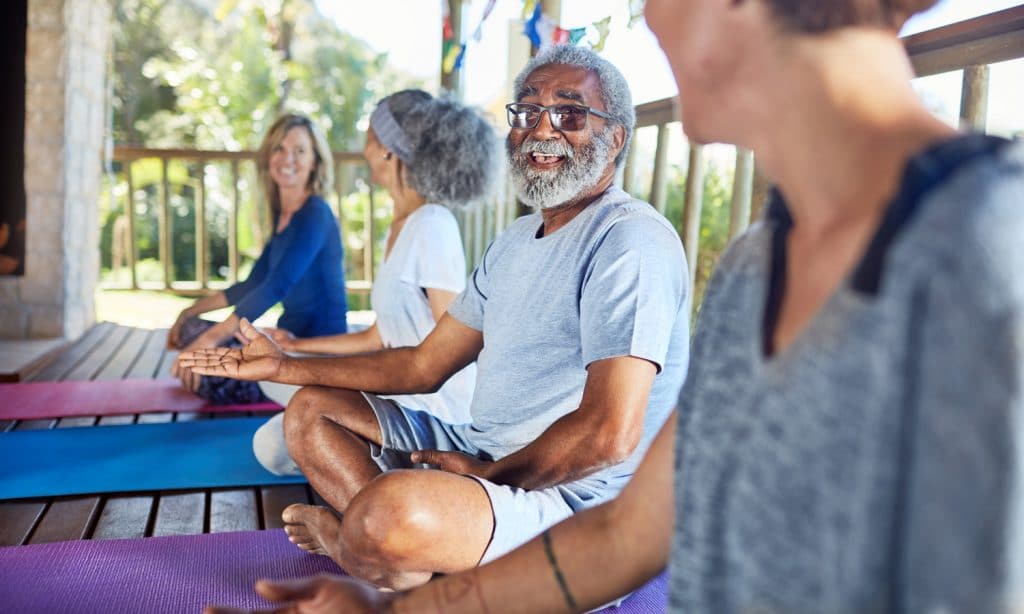
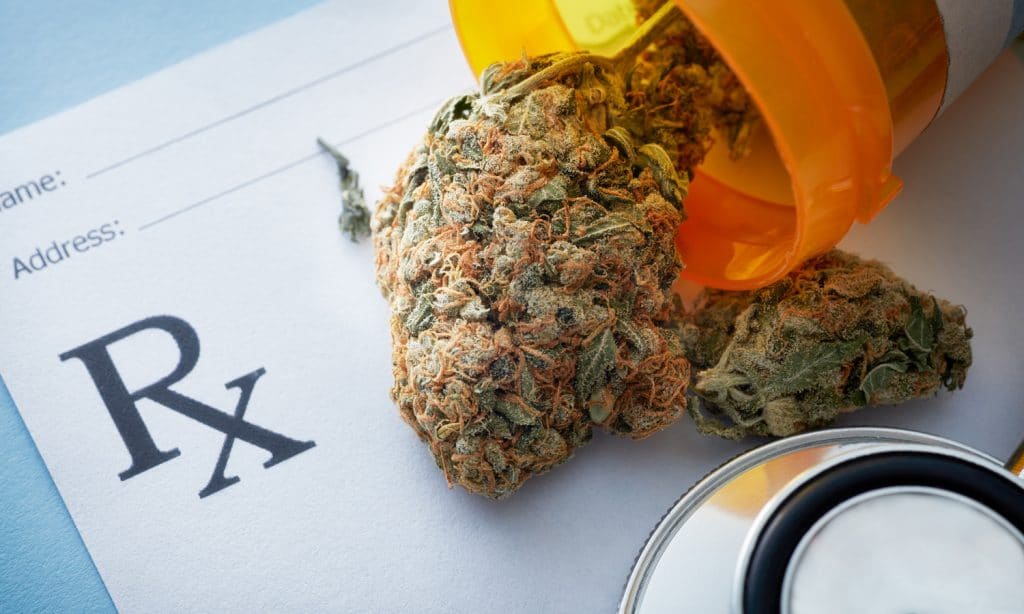
When applied to seniors, the plant’s effects can treat a variety of symptoms that affect them, including libido.
Cannabis and its effect on sex is a topic that is often discussed. But cannabis and its effect on the sex lives of seniors doesn’t get nearly as much coverage, but it should.
The range of which cannabis can affect someone’s sex life is wide, from simply helping people feel more turned on, to opening the mind to deeper intimacy and promoting mindfulness. When applied to seniors, cannabis can provide an even larger influence, offering relaxation and increased libido, while also treating symptoms that naturally appear as people grow older and their bodies start to change.
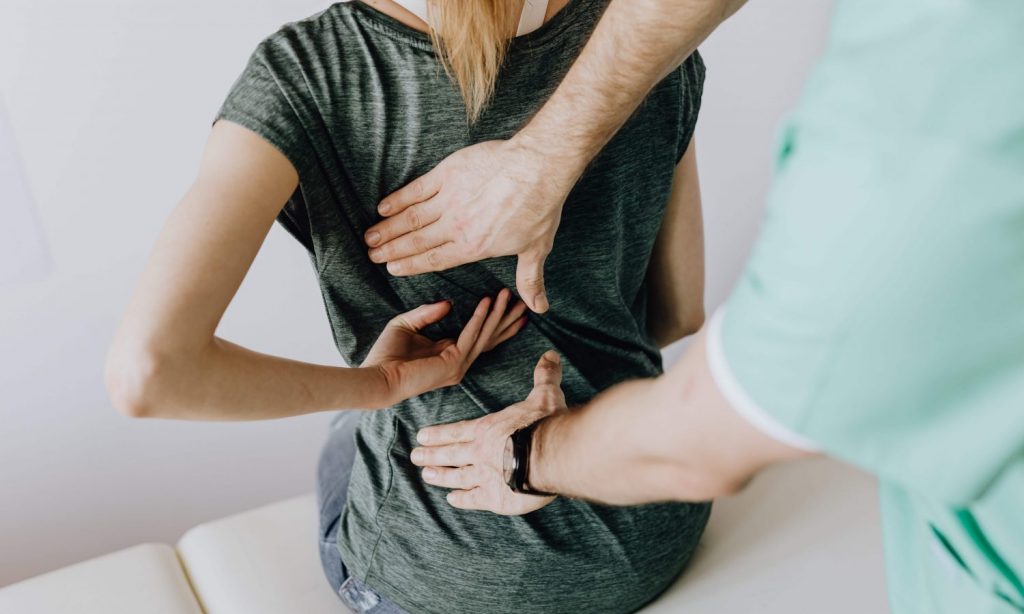
Forbes spoke with Ashley Manta, a coach that specializes in the “cannasexual.” She said, “Cannabis is so useful for seniors because it addresses the common things that get in the way of intimacy. For folks whose bodies are aging, one of the more common things is pain. Whether from arthritis, stiffness or an injury, pain can be very distracting when it comes to pleasure.”
She specifically calls out the benefits of topicals, which provide a localized effect and can prevent distracting head highs for those who aren’t used to them. “You can apply them directly to the places that hurt — elbows, knees or hips — and that can take a lot of the edge off,” she said.
Aside from body aches and pains, cannabis also has a variety of lubricants and intimacy oils that can help boost sex, especially post-menopausal women who sometimes experience decreased libidos. These oils can heighten arousal and provide different opportunities for bonding, whether that means an intimate massage or simply something new that couples can try out together.
Cannabis and its use on seniors is a topic worth pursuing and initiating. Studies show that cannabis use among seniors steadily increases year after year, with a majority of people growing more educated on the subject and learning to use the plant to their advantage. Cannabis’s influence can be beneficial for a variety of aspects in seniors’ lives, like treating chronic conditions or providing some escape from stress. Sex is the least discussed of these issues, but it’s just as important.
As more companies continue to get involved with cannabis, there will likely be more products designed to reach a variety of people, including older demographics who want to have sex because it’s fun and healthy, and it makes them happy.
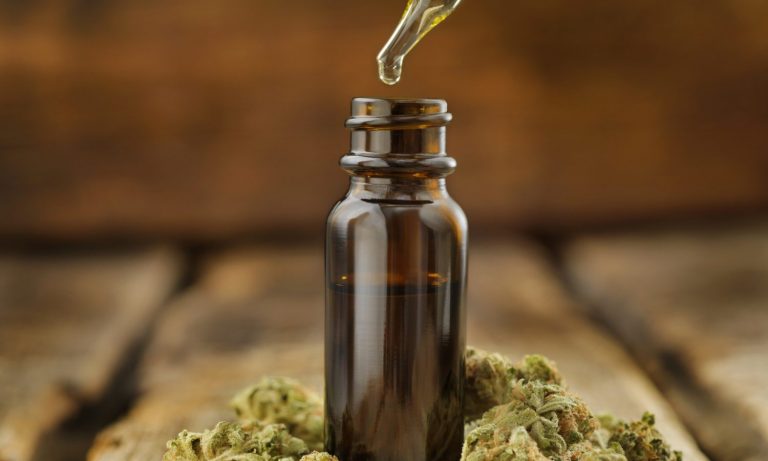
Tinctures are a great way for cannabis consumers to partake in all the relief marijuana provides without the smell or the need for supplies like lighters and ashtrays.
Over the last decade or so as marijuana acceptance has steadily increased, consumers have had an increasing amount of options to choose from as far as method of consumption goes. As opposed to decades ago, nowadays many marijuana consumers can simply take a stroll into their local dispensary to be greeted by a smorgasbord of edibles, cartridges, extracts, and tinctures.
Although they’re relatively new to most cannabis consumers, tinctures are actually one of the oldest ways of ingesting marijuana for medicinal purposes. In fact records reveal before cannabis was deemed illegal, it was a fairly common treatment for both people and pets.
Thanks to the growing acceptance of medical marijuana, tinctures have again become a common method of pain relief. Both CBD and THC tinctures are popular methods for both relieving pain or simply relaxing. From the way they’re made to how they’re injected, marijuana tinctures are probably far from what you’re used to when you think about weed.
Photo by IRA_EVVA/Getty Images
How Marijuana Tinctures are Made
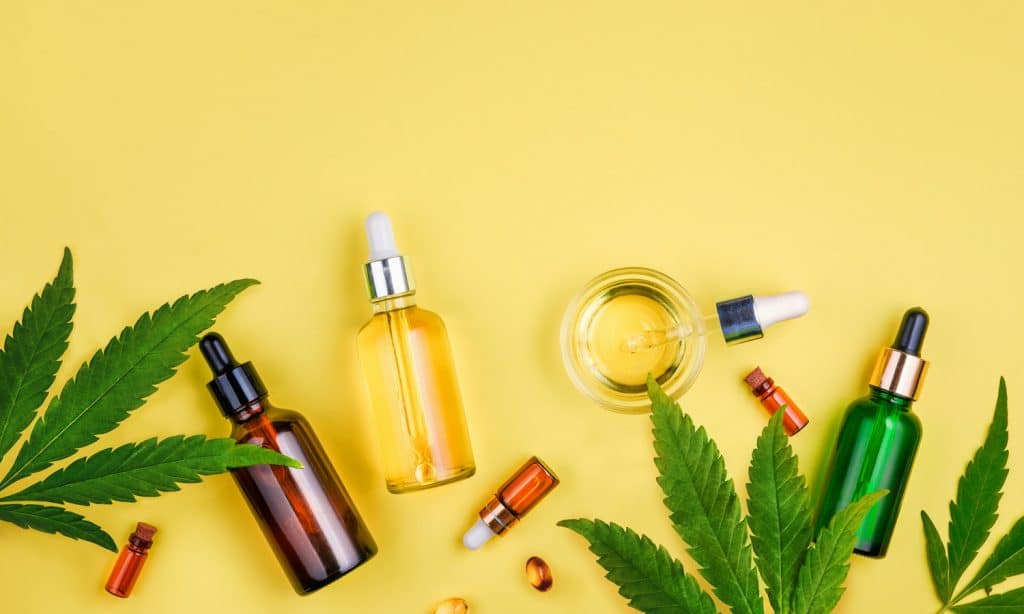
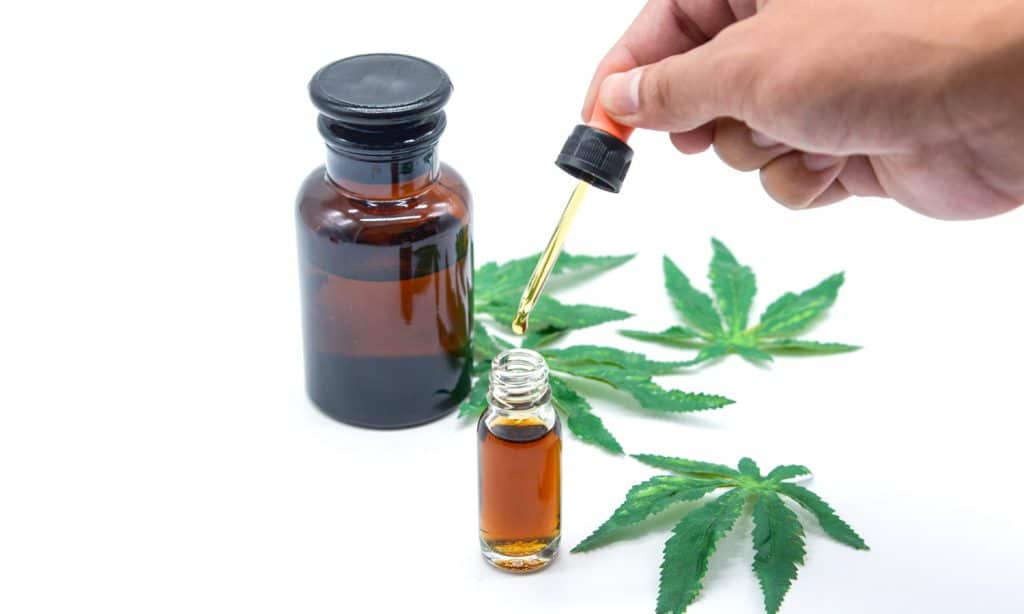
Tinctures are typically alcohol-based cannabis extracts, although sometimes they’re made with vegetable glycerin and oil. They’re made by grinding down the bud, then decarboxylating it by heat. Afterwards the grounded, dried, bud is soaked in high-proof alcohol, in a jar-tightened lid. After it’s been stored, it ideally sits in a cool, dark area for a couple of weeks being periodically stirred or shaken. Before use, any remaining flower can be filtered out using a coffee filter. Once the grounds have been filtered out, it gets transferred into a medicine bottle with a dropper for easy injection.
How to Take Tinctures
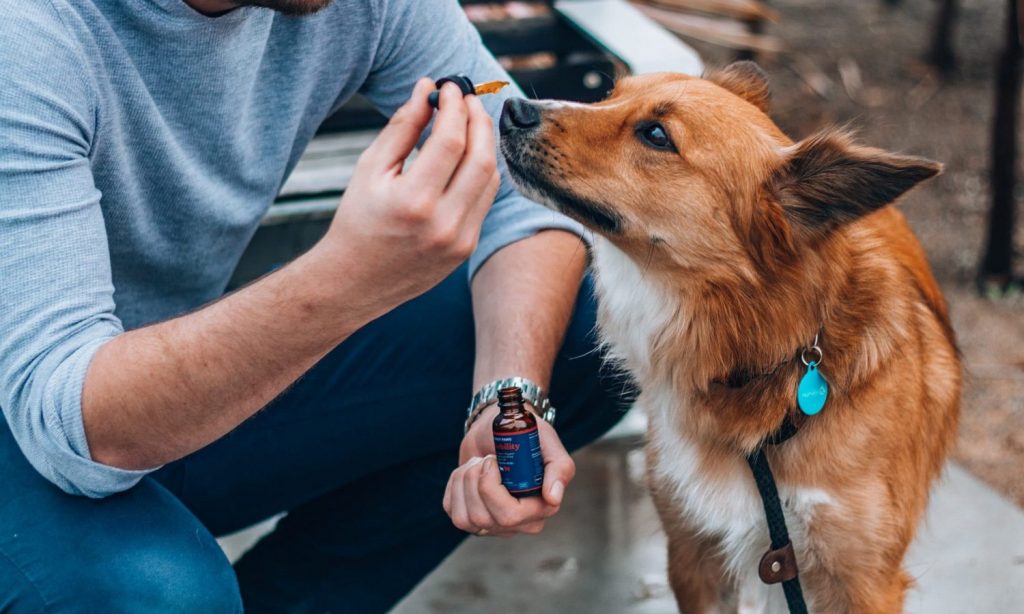
One of the great things about marijuana tinctures is the fact that there’s really no wrong way to inject them. They’re also a relatively discrete method of consumption. While it’s common for consumers to simply take them sublingually (underneath the tongue), it’s also common for them to be injected into foods, drinks and desserts. Even though there’s nor right or wrong way to ingest topicals, taking them with food may provide a different sensation than taking it on its own. That’s partly why it’s recommended that consumers who are new to marijuana tinctures may be better off starting with a lower dosage.
Marijuana tinctures are typically felt within the first fifteen minutes or so after ingesting them sublingually. The physical effects should last anywhere from a half an hour up to 3 hours. When they’re taken with food, it’s common for consumers to feel similar effects to that of eating an edible.
One of the reasons it’s suggested for newer consumers to start by taking a lower dosage is because a higher one could lead to unwanted side effects like paranoia and anxiety. By starting off with a lower dosage, consumers can always go back and take more if they’re after a stronger sensation.
Tinctures are a great way for cannabis consumers to partake in all of the relief marijuana provides without the smell or the need for supplies like lighters and ashtrays. Taking that into consideration, it wouldn’t be surprising to see more medical cannabis users trying tinctures as an alternative to smoking or vaping.
As boosters become available for more people, not everyone needs to rush out to get one. Here’s who can stand to wait a little longer.
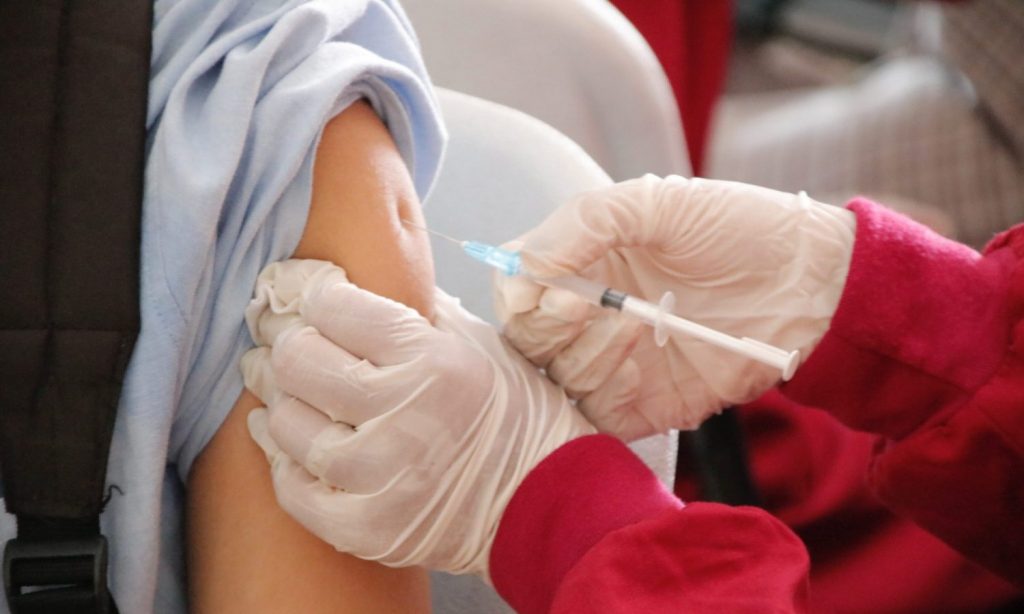
While COVID-19 boosters are available for certain groups of people (mainly those most vulnerable), and we should all make the time to get our shot when it’s our turn, there are some variables we should consider. Experts agree that the people who are fully vaccinated and have coped with a COVID-19 infection should be last to get their booster.
The Wall Street Journal spoke with several experts who said that this group of people was more protected than the rest since they’ve already had three exposures to the virus (two vaccines, one infection).
“I wouldn’t ask them to get a booster dose. I think they just got it,” said Dr. Paul Offit, director of the Vaccine Education Center at the Children’s Hospital of Philadelphia. While Offit supports boosters for older adults, he believes it’s a bit early for the general public just yet.
In fact, Gary McLean, professor in Molecular Biology in London, said that fully vaccinated people who’ve had COVID-19 may not even need a booster. While vaccines produce an immune response to the virus’s spike protein, producing “spike-specific” immunity, an infection produces a more general immunity, which protects you from variants and more. The union of these two means that these people are very well equipped to battle the virus.
New data suggests that vaccine immunity starts to wane after five months of getting the shot, particularly in regards to the Pfizer vaccine. Still, experts claim that an antibody test might be the most accurate way of determining who needs the booster or not, since everyone’s body responds to the vaccine differently.
When discussing COVID-19, a day by day approach is the appropriate response. It’s important to keep up with the news and the COVID-19 rates in your area, that way you stay protected and know the activities that are safest to do.
While CBD itself is safe for dogs to consume, the booming CBD industry has spawned its fair share of bad actors and shady retailers.
The supplement industry is rife with unsupported health claims, mysterious ingredients, and trending controversies. As most wellness products are unregulated by the FDA, the market can be a bit of a Wild West for consumers, who are pretty much left to rely on their own wits and research.
Over the past year, we’ve talked to dog owners, read enough studies to melt our eyes, and kept up to date with the lead edge of cannabis research. All of which allows us to say confidently that CBD for dogs does indeed work—with some caveats. Here’s what we found.
Photo by Eric Ward via Unsplash
CBD is a legit, bioactive compound
When properly made (extracted from organic hemp and combined with a safe carrier oil), CBD is both safe and legal to consume in the US. Studies on CBD’s toxicity suggest that ill-effects only begin to occur at super-high concentrations of more than one hundred times the recommended amount which is generally 0.2 to 0.5 mg per pound of body weight.
Since the 2018 amendments to the federal Farm Bill, industrial hemp used to manufacture pet CBD can also be lawfully grown, sold, and bought across state lines, so there’s no need to worry about the legalities of giving your pet hemp-derived products.
Finally, repeated use and study of CBD in humans shows a clear bioactive effect in the vast majority of situations. Like all cannabinoid compounds from the cannabis plant, CBD is able to influence the endocannabinoid system, which is a key regulator of inflammation and homeostasis found in humans, dogs, mice, and pretty much all mammals. While extensive studies have not been done, anecdotal evidence of CBD oil for dogs suggests potential in the oil.
Photo by Joe Caione via Unsplash
But not all CBD products are created equal
While CBD itself is safe for dogs to consume, the booming CBD industry has spawned its fair share of bad actors and shady retailers, offering products that don’t match up to owner expectations. As a consumer, there are a few things you can do to make sure your dog is only consuming the best CBD items:
Look for CO2 extraction.
When it comes to extracting CBD from hemp plants, it’s the quality rather than the type of method that really counts. But of all extraction types, CO2 is generally considered the safest and most professional method.
Always choose CBD made from hemp.
By law, Industrial Hemp must have less than 0.3 percent THC content, which means that it cannot get your dog high. As a result, the majority of CBD pet products will be made from hemp plants—but there are a minority of non-hemp CBD oils out there. While CBD made from other types of cannabis may be safe for your dog to consume, we don’t recommend taking the risk.
Despite thousands of search results appearing under ‘CBD for dogs’ on its marketplace, Amazon officially bans the sale of CBD products on its site. Because of this, it’s not possible to verify the legitimacy of products sold through Amazon.
There aren’t many studies on dogs, but those that do exist are promising
The ethics of running tests on dogs, as well as traditional scientific procedures, means that studies using CBD on dogs are thin on the ground. However, that’s not to say that science doesn’t exist in this area. Researchers have tested the effects of CBD on dogs for a range of conditions, including osteoarthritis and seizures—two of the most common issues affecting today’s pups.
In studies on both of these disorders, dogs taking CBD orally and topically showed marked symptom improvements, with one study on arthritis recorded positive effects for two weeks after CBD treatment was stopped!
Looking more widely, there are numerous clinical trials involving the use of CBD on humans and mice, which overwhelmingly stack in favor of CBDs’ ability to suppress inflammation, prevent seizures, and more. In fact, a CBD product for alleviating seizures remains one of the only FDA-approved uses for cannabis supplements.
Photo by Honest Paws via Unsplash
Dogs aren’t great at communicating discomfort
While the science and anecdotal evidence for CBD and dogs is definitely there, knowing when to use CBD on your dog—and telling whether or not it’s working—can be a different story.
As a species, dogs are apt to hide feelings of pain and discomfort for as long as they can, only showing symptoms such as whimpering or limping when conditions have significantly progressed. Many experts believe this behavior can be traced back to a wolf pack mentality, where an injured wolf may be considered a risk by other members of the pack.
Whatever the reasons behind their behavior, dogs’ reluctance to communicate discomfort means that CBD’s effects can be subtle and easy to miss. While you’re likely to notice a reduction in seizures or severe anxiety, many owners have reported only slight increases in mobility or decreases in visible stress. Some report nothing at all.
CBD will work for most, but not all dogs
All dogs have endocannabinoid systems, but like humans, some pups just don’t seem to be affected by CBD, regardless of the correct dosage. The reasons behind this are unclear, reflecting the fact that research on cannabis and its effects on the body is still very much in its infancy.
CBD also won’t work in the same way for every dog. Some owners claim that to have seen CBD take effect in as little as twenty minutes after a dog’s first dose. More likely, however, is that benefits become visible after about a week of steady consistent treatment with CBD.
Anxiety expresses itself in a variety of ways. Here are some symptoms you might be surprised to learn are indicators.
Anxiety is extremely common. Although we’ve all experienced it in one form or another, it’s a condition that can express itself in a variety of ways, from overt forms, like getting nervous before a job interview, to more hidden ones, like losing your appetite when faced with a stressful situation. This at times makes it difficult to recognize.
Anxiety can result in serious conditions, like a panic disorder or a phobia. It’s commonly experienced with physical side effects like a fast heart rate, sweat, rapid breathing and difficulty falling asleep. But it also encompasses some symptoms that are tougher to notice.
Here are 3 weird symptoms that suggest you have anxiety.
Sore Muscles
Photo by Karolina Grabowska from Pexels
Muscle aches are not the first thing that come to mind when discussing anxiety, but they are common afflictions for those who a3 Weird Symptoms That Suggest You Have Anxietyre consistently affected by this condition. This occurs due to the body tensing up when experiencing stress and anxiety, especially over prolonged periods of time.
This tension makes it likely for people to experience weakness or muscle twitches as reactions from the tensed up muscles. Mouth guards are important for protecting teeth and yoga can help muscles unwind and relax.
Yawning
Even a small amount of sleep loss affected workers’ concentration in a recent study. / Kittisak Jirasittichai/Shutterstock.com
While sleep is commonly disturbed by anxiety and can result in more yawning, anxiety can also trigger the yawning response as it is one of the body’s simplest ways of relaxing. The more stressed you are, the more likely you are to yawn, growing into a very annoying symptom.
If the idea of relaxing and spending a chill evening is anxious for you, that might be a symptom of anxiety. Relaxing is tough for anxious people, since it leaves them with ample time to stress out and ruminate on past or future problems. These behaviors make it more likely for you to experience these problems in the future, which is why it’s important to recognize these behaviors and try to stop your brain from indulging in them by meditating, admitting them and then letting them go.
The question now is which sports league will be the next to step up and evolve their views on the place cannabis has in pro sports.
As the puck dropped on another NHL season on Tuesday night, kickstarting the 104th season of play, the league is well-positioned to lead the four major sports leagues out of the Stone Age and into a new frontier regarding cannabis.
Fans may recall that during the 2020 postseason, when NHL teams were forced to finish out the postseason in a bubble, reports of players accessing weed gummies for help relaxing started to leak.
The reality is that cannabis use among NHL players has never been much of a secret. If you don’t believe us, ask former Stanley Cup Winning Detroit Red Wing Darren McCarty, who opened up his own cannabis dispensaries across Michigan following a decade-plus long career of evading the league’s anti-drug program.
Photo by skynesher/Getty Images
Nowadays, it appears that the NHL has evolved well beyond punitive punishments for players who choose to consume cannabis to recover after games or recreationally on their free time. Here are a few ways the NHL has evolved its stance on marijuana, setting the pace for other professional sports leagues to follow.
By Removing It From Its List of Banned Substances
When the NHL chose to remove cannabis from its list of banned substances, it was the first major sports league to do so until the MLB followed suit in 2009. Even though cannabis isn’t banned, NHL players are still subjected to two “no-notice” tests per year where they can be tested for all drugs, including for THC.
The point of the tests is to anonymously identify players who may be struggling with their consumption habits so the players association can provide players with the help they need. Upon being recommended, players have the choice to join the NHLPA’s joint Substance Abuse and Behavioral Health program, but they aren’t forced to do so.
By Choosing Not to Suspend Cannabis Users
Since the league has chosen not to take a hardline stance against cannabis, players are free to experiment with forms of treatment outside of the painkillers they were restricted to a decade or so ago. Now, instead of being restricted to opioid painkillers, some players have reported relying on CBD to help them overcome injuries and recover after games. Another benefit of the league’s stance on cannabis is the fact that they’re able to do more research on it to learn more about its medicinal benefits.
By Actively Studying the Effect Cannabis Can Have On Concussions
Among the research helping to guide the NHL’s cannabis policy are studies regarding the impact that cannabis could have on concussion recovery. In 2019, news came out that members of the NHL’s alumni association would be participating in a study aiming to reveal a better understanding of the relationship between CBD and the brain function of former players living with post-concussion symptoms. Doctors and former players alike are hopeful that the research can present effective alternatives to traditional painkillers.
From removing cannabis from its list of banned substances before any other major sports league, to participating in research on its long-term medicinal benefits, its clear that the NHL has taken the lead when it comes to removing the stigma around marijuana in pro sports.
Players and fans alike gain from an evolution in the way the major sports leagues think about cannabis; players get to recover on their own terms and fans get to see their favorite athletes and teams perform at the top of their game, without having to worry about suspensions or fines. The question now is which sports league will be the next to step up and evolve their views on the place cannabis has in pro sports.
A new survey shows that a significant amount of breast cancer patients are using cannabis for medicinal purposes. They’re also not turning to their doctors for answers.
Cannabis has long been used to treat symptoms of cancer. But now a new survey shows that while this is still the case, many patients are wary of sharing this information with their doctors.
The survey was conducted online and anonymously, with over 600 breast cancer patients. While the vast majority of participants were women, there were also a few men involved in the survey. The responses were gathered through Breastcancer.org and Healthline.com.
Per the survey’s results, 42% of participants reported using cannabis to treat their symptoms, which include vomiting, pain, nausea, insomnia, stress and more. The survey showed that while 39% of participants mentioned cannabis use to their doctors, only 4% of them asked further questions to obtain more information about the drug from their physicians. According to participants, sources like friends, the internet, or dispensaries, were used instead.
When it comes to the reason why these patients are turning to cannabis, the majority of participants (70%) considered the drug an alternative treatment similar to plant-based medicine, providing less side effects than the “chemicals” that are often present in other medications.
Dr. Marisa Weiss, lead author of the study, spoke with NBC News and shared some of her insights on the study. She said that while it’s okay that people are using cannabis to treat the symptoms of their cancer, she worries about their doctors not being in the loop. “Some of these products can interact with treatments they are taking, and there is a safety issue there,” she said. “We want to make sure they get relief from their symptoms without interfering with the treatments.”
While it’s understandable for doctors to not know all there is to know about medicinal cannabis, as the drug becomes more available, it’s important for them to have all of the information to help them guide their patients, including the possible side effects of choosing an alternative treatment like cannabis. Patients should be open with their doctors, but it’s the doctors’ responsibility to do their research on the topics their patients could use to treat their diseases.
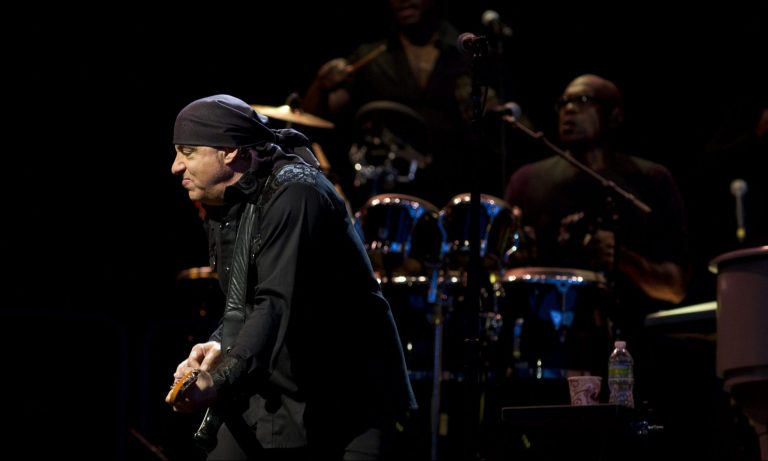
Actor and musician Steve Van Zandt is launching his own line of cannabis products, Little Steven’s Underground Apothecary, reports Rolling Stone.
“The United States may be the only country in the world that considers health care, both physical and mental, as an afterthought,” Van Zandt shared in a statement.
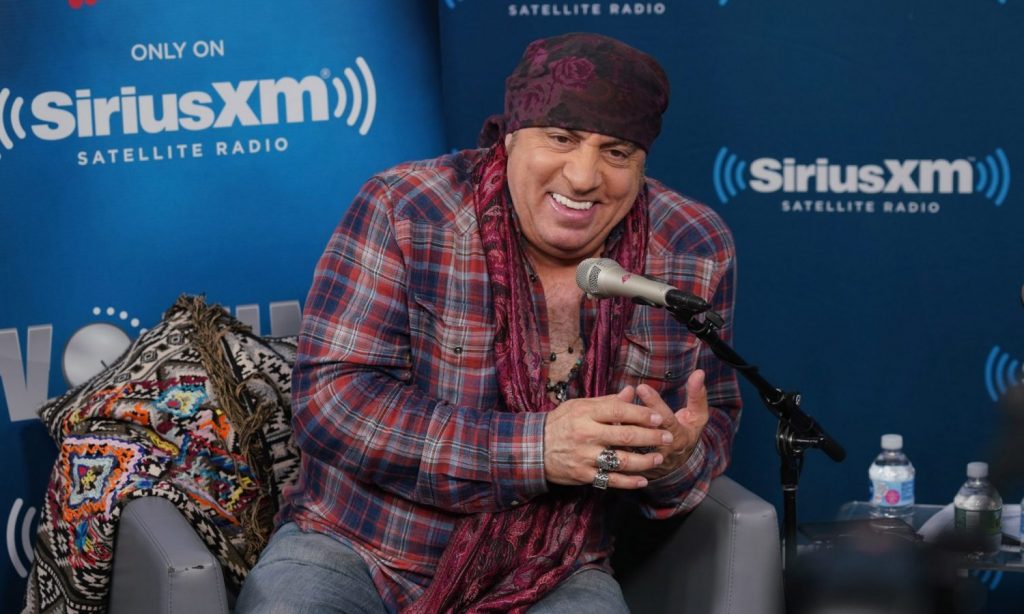
Steven Van Zandt is interviewed during a SiriusXM Town Hall/Photo by Cindy Ord/Getty Images for SiriusXM
“Little Steven’s Underground Apothecary was created to help combat that issue by focusing on natural, holistic remedies. Some will help relax you, some will help energize you, all will help you take charge of your own wellness.”
Van Zandt expressed a desire to increase education around cannabis and decrease the stigma that has plagued its consumption for decades. In doing so, Van Zandt hopes to “stop unjust criminalization for a plant that not only does a lot of good but has proven during COVID-19 to be almost as essential as art to people’s well-being and quality of life.”
Ten percent of profits from Little Steven’s Underground Apothecary sales will be put toward the National Organization for Marijuana Legalization.
Available in Massachusetts
Canna Provision shops in Lee and Holyoke Massachusetts will be the exclusive carriers of Little Steven’s Underground Apothecary cannabis pre-rolls which will be made with hand-grown high-CBD, low-THC craft cannabis from CannaProvisions.
“You don’t have to smoke cannabis or even use it to support national legalization,” said Meg Sanders, Canna Provisions CEO. “But for those that do use it, Little Steven wanted to be sure to have an approachable, low-THC and high-CBD cannabis that is less about the recreational high, and more for people seeking the benefits of cannabis and cannabinoids like high-CBD cannabis on the body and mind.”
Winter depression is a real thing, starting to affect people right around this time of the year. Here’s what you can do to prepare.
Raise your hand if you’re a fan of winter.
Aside from the cold and shorter days, a lot of people are more prone to seasonal affective disorder (SAD), a type of depression that arrives during winter and vacates when the sun starts to show its face again. SAD affects around 1 in 20 people, throwing a wrench in their days and making it difficult to function and carry on with normal life. But the good news here is that you can prepare for it.
Not a lot is understood about this condition. According to the New York Times, it tends to run in families, affecting women more often than men. Some experts believe it’s possible to, in a way, trick your body with some foresight and knowledge. Here’s how.
Understand the Stages of SAD
Photo by Mert Kahveci via Unsplash
According to experts, seasonal affective disorder functions in stages. At the start of the winter season, symptoms include sleeping for longer hours, having difficulty getting up in the mornings and craving carbs. Later, within three or four weeks, it’s possible to develop major depression. The key lies in tending to your condition before you reach the depression period. Experts recommend using bright light therapy, the most direct and efficient method of treating this condition, for a half hour every morning. This method provides better results than medication although users must be consistent in order to reap benefits.
The Sooner You Start, the Better
Photo by Bruno Aguirre via Unsplash
This is a good time to start preparing for winter depression. Slowly, start creating pockets of time where you do activities that make you feel physically and mentally happy and balanced, from regular workout sessions to pursuing fun habits to reconnecting with old friends. Consider these experiences and activities as you stocking up for what’s to come. The more fulfilled you feel, the better.
Most experts agree that going into hibernation mode isn’t great, even if that is what your body is craving. Make time for daily walks, of at least 20 to 30 minutes. If you could add in an activity to look forward to outdoors, that’s even better.
Sometimes the best way to treat a condition is with the help of medication. Pay attention to your symptoms and track them so you know if they’re increasing. This way, you can talk to someone who can provide you with the proper guidance.
There are still many European countries that will need to follow suit, but every time one country takes the bold step, it means several other countries will do the same.
Europe is beginning to take its cannabis industry seriously, and it is such a rewarding time to experience this movement. We are used to hearing cannabis news from countries like Germany, Spain but not the Czech Republic. So this information is quite informative as it shows the speed at which the marijuana sector is thriving.
This move is expected to increase calls for more marijuana reforms for all European countries. Czech President Milos Zeman signed a law in September that permits industrial hemp cultivated in the country to contain THC up to 1.0%. This prescribed level exceeds the present limit set by the European Parliament.
Photo by Animaflora/Getty Images
The prior guidelines set by the Parliament are way lesser than what is proposed (0.2% – 0.3%). Even though the changes will not happen until 2023, this move has ignited hope in millions of people that cannabis is making headway in Europe and the Czech Republic.
The changes also represent an exciting time for the global cannabis market because, with such regulations, more countries, cities, and communities will look to implementing such laws. If you are reading this, you love cannabis. If you have ever had challenges with getting marijuana, you will know it is because of severe legalization issues.
When you hear such good news, it provides an insight into what you can expect from other countries in the future. Other additions to the new provisions in the Czech Republic will improve the conversations we have regarding cannabinoid drugs. Private groups will also be permitted to produce medical marijuana products.
This move will affect the Czech Republic. It will also affect countries in the EU searching for lower-priced marijuana products beginning with, but not limited to, extracts.
With this move, the Czech Republic will be well-positioned as a significant competitor in North Macedonia regarding pricing, and its reach extending to Portugal. It will also create an alternative revenue-generating stream for the economy and increased labor in the market.
Denmark used to be the leading market point, but it will no longer be the same with the Czech Republic disrupting the market. For other countries like Poland, this move may lead to a boon in the way patients can now get access to medical marijuana, which they couldn’t afford under strict laws.
Italy will also get into the conversation as the country is already holding talks about decriminalizing marijuana and other plants like psilocybin. Growing marijuana at home is currently permissible in Italy, and that is yet another significant stride in Europe.
What Is Legal in the Czech Republic?
The cultivation of medical marijuana has been legal in the Czech Republic since 2013. However, only a few growers that grow on a large scale have been licensed. The Czechs are permitted to grow only as much as five plants at a time at home, and it is still occasionally decriminalized even though you can be punished and fined for possessing it.
The current third-place political party, Pirate Party, has promised to embrace cannabis and set up progressive policies that will favorably work for the marijuana community. This political party is set to win the nation’s election in October, and that will also be a big win for the cannabis community.
Even if the Pirates don’t win the election, the changes in the country’s marijuana policies will take the Czech Republic one step closer to becoming a cannabis-friendly nation. This country is taking a stand on a significant issue and is bound to encourage even more reforms in other places.
With the renewed call for more recreational trials all over Europe, one can understand why the Czech Republic is making significant strides. There is also another reason why the Czech Republic is taking this step, and it has to do with exportation.
The Exportation Discourse
In current times, the medical marijuana produced in the Czech Republic was solely for domestic consumption. This situation is a unique chance in Europe because the cultivation after 2017 was mainly for export. Therefore, within the country, medical marijuana doesn’t have to meet GMP (Good Manufacturing Practice) certification, making it even less expensive to grow than in other sections of the EU.
So it is safe to say that the dispensation of medical marijuana has tremendously increased within the past few years. In 2020, patients received up to 70 kgs, which is a sharp increase from what was obtainable in 2019, which pegs the figures at 17 kgs.
Photo by Sezeryadigar/Getty Images
Czech GMP discussions are one of the most exciting things in the EU. Unless the marijuana is domestically cultivated and is GMP rated, growers wouldn’t be able to export it to other Medical marijuana markets in Europe. There will most likely be a significant uptick in terms of domestic production and medical usage. So because of this, Czech Republic might become one of the countries in Europe, such as Portugal, where medical marijuana is constantly re-examined.
This move is also set against a rising wave of demands for recreational trials in different countries. The Czech Republic is not waiting for recreational tests: it is going right ahead to get rid of limitations so its market can flourish. The new development in the Czech Republic will broaden the view of cannabis enthusiasts in Europe to imagine a continent where access to marijuana is free for all (legal age limits).
Bottom Line
The excitement over the Czech Republic’s move with its new marijuana laws goes beyond one country making such brilliant regulations for the future; it births a sense of awareness in the minds of entrepreneurs and the health and wellness sector that anything is possible with marijuana.
There are still many European countries that will need to follow suit, but every time one country takes the bold step, it means several other countries will do the same. They may not all take that bold step this year, but the wheels are already in motion, and the future of marijuana is certain. If you are a cannabis enthusiast in Europe, these are exciting times for you!