Mindfulness is helpful for sticking to the present, discouraging anxiety and stress. Here are some activities that mindfulness can heighten.
Mindfulness is a word that gets thrown around a lot, especially nowadays, when meditation is in vogue. But it’s a helpful tool, not only for relaxation but for leading a more present and fulfilling life.
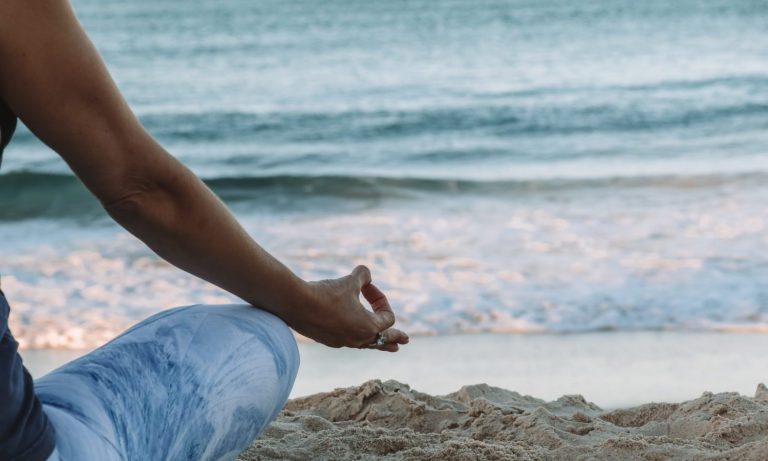
Mindfulness means actively being present and aware of the current moment. When you meditate and close your eyes, breathing in and out, mindfulness is the goal. It helps disperse anxiety and a wide variety of emotional stress.
Here are 5 activities made better with mindfulness:
Important conversations
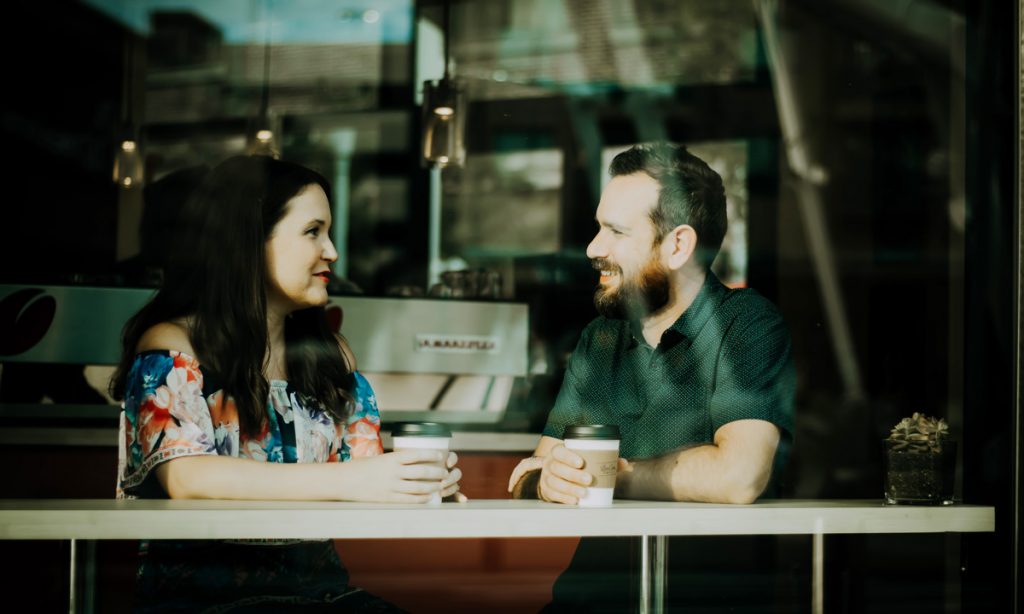
Photo by Christin Hume via Unsplash
Important conversations are usually emotionally taxing. When we discuss important topics with people we care about, they can quickly devolve into arguments and more. Having mindfulness when discussing these things is important, even though incredibly hard, since your emotions are involved. Having a dialogue with yourself in the midst of your conversation can help, giving you time to formulate your ideas and taking every opportunity you can in asking yourself why this person thinks this way and how you can relate to them.
Helpful patterns to follow include asking yourself what you’re feeling, whether that’s sadness, happiness or unease, and allowing your body to experience that. It also helps to ask yourself what is the purpose of the conversation, that way you can stick to that topic and prevent yourself from taking any detours.
Whether you’re drawing or writing, mindfulness is key for your enjoyment, helping you focus on the fun part of the process over the end result. Focusing on the laptop’s keystrokes, on your pen on the paper, or on the feel of applying paint, will help you have an almost therapeutic experience, one where you’re not focusing on your everyday life but on making a story, stringing words together, or a drawing and painting.
Working out
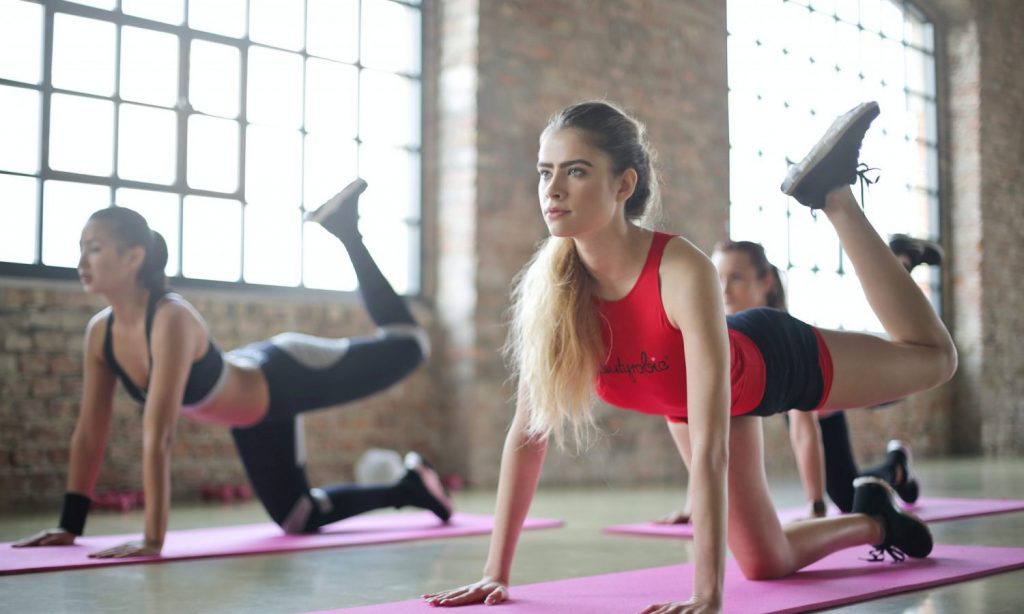
Photo by bruce mars via Unsplash
Working out is usually best when we feel good about doing it, whether we’re lifting heavier at the gym, getting lost in our music, or running further than usual. Often, when applying mindfulness to workouts and focusing on the way our muscles and body feels, we obtain better results. While it isn’t easy, the goal of mindfulness when working out should be to focus on the moment, with no intrusive negative thoughts or recollections getting in the way. While thoughts will come, try to focus on letting them go and focusing on your body’s movement.
We read all the time, via texts, social media, ads, and more. Reading fiction and non-fiction feels very different, so it provides the perfect opening for mindfulness. Focus on the feel and smell of the page, on the font type and the way the words are strung together. Noticing these little details can help you get lost in a story and really appreciate it instead of simply reading it to pass the time.
Getting High
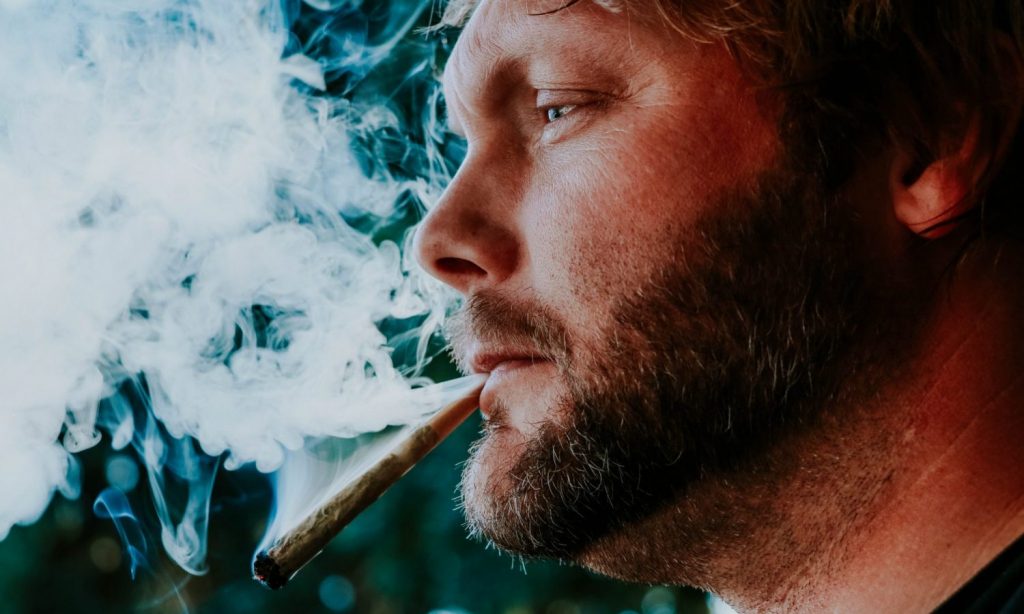
Photo by Elsa Olofsson via Unsplash
Lastly, getting high can be done with some mindfulness. Focus on the ritual of it, such as the rolling and lighting of a joint, the feel of the bong, and the act of packing a pipe. Smell the weed you’ll be consuming and focus on the feel of it between your fingers. Once you grind it and pack it, smoke the joint and give all of your attention to it, as if you were meditating. Going on a walk while you smoke, preferably during a quiet moment of the day or surrounded by nature, might help make the process more efficient, with your body’s movement distracting you from your thoughts.
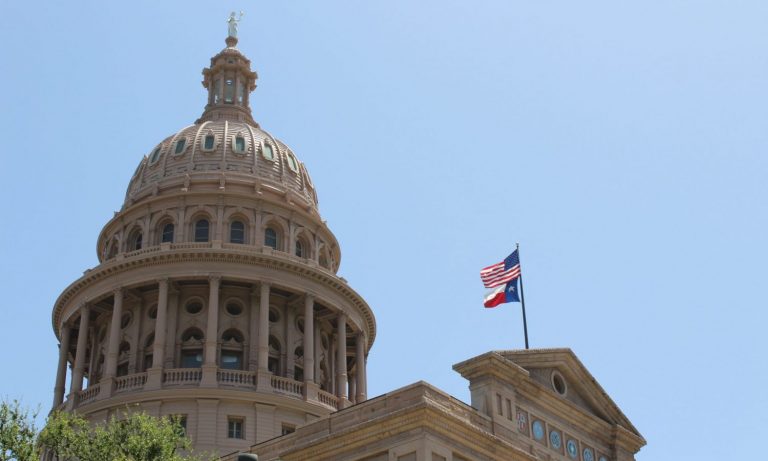
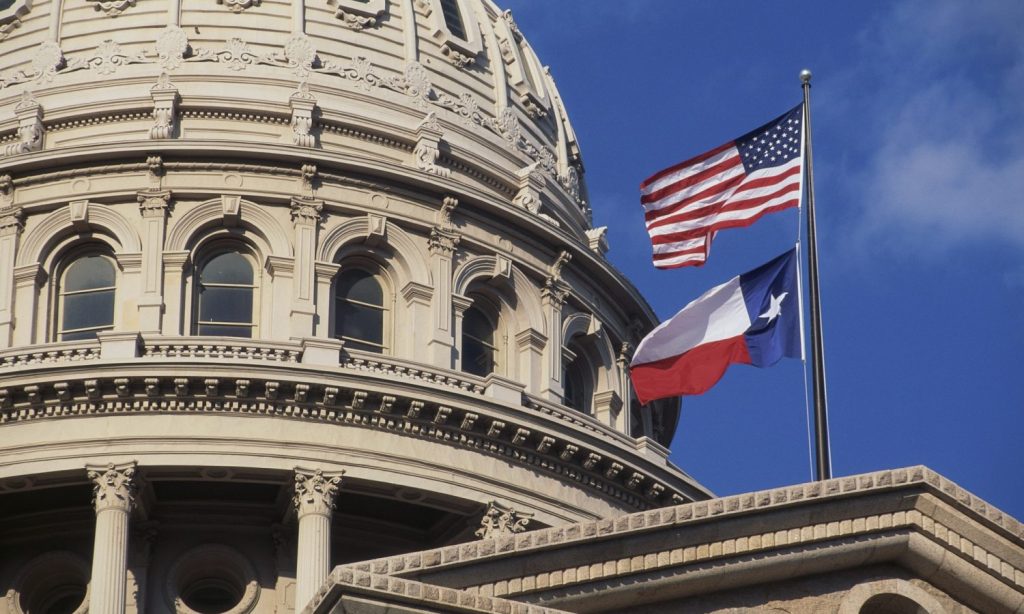
Texas, one of the most conservative states in the U.S. seems to be moving one step forward and two steps back when it comes to civil liberties; in this case, marijuana and abortion.
On the one hand, the state is loosening its policies regarding cannabis, starting with changes to state law allowing more eligible patients to request a prescription for medical cannabis. In addition, a Texas court declared unconstitutional a law prohibiting the smoking of hemp.
Photo by Adam Thomas via Unsplash
Despite these more progressive policies, a law banning abortion after six weeks went into effect statewide on Wednesday. It’s one of the strictest abortion laws in the United States, especially in view of the fact that most women are unaware that they are pregnant in the first six weeks.
The new law allows citizens to report abortion providers and gives them a reward of at least $10,000 if the lawsuit is successful.
President Joe Biden called the law “extreme” and said it “blatantly violates” the constitutional right to abortion.
Meanwhile, More Patients Have Access to Medical Marijuana In Texas
Thanks to changes in state law, patients with any type of cancer can now request a prescription for low-THC marijuana. Until recently, the treatment was reserved for people with terminal cancer.
In addition, patients suffering from post-traumatic stress disorder (PTSD) are also eligible now.
Photo by Bo Zaunders/Getty Images
“We still have a long way to go in Texas, but I think we can still help Texans a lot more by expanding their ability to get the medication,” said Dr. Francisco Daniel Medrano, of CannaMedRx, a medical cannabis clinic in Houston.
“We’re very happy to be able to help Texans, particularly our veterans with PTSD,” Medrano added in remarks picked up by Click 2 Houston.
Texas Hemp Smoking Ban
Judge Livingston of the 261st District Court of Texas issued a ruling finding that the law prohibiting “the processing or manufacture of a consumable hemp product for smoking” violates the state constitution.
Likewise, the implementing regulation prohibiting the distribution and retail sale of smokable hemp was also deemed invalid by the judge.
“If one of my drivers crashes and kills someone and tests positive for marijuana, that’s my problem, not Amazon’s,” one company owner said anonymously.
Amazon.com, Inc.is asking its delivery partners to openly advertise that they don’t screen applicants for marijuana use in an effort to address the shortage of the company’s delivery drivers, according to Bloomberg.
In June, the e-commerce giant stopped testing for workplace cannabis use for most of its on-site positions, apart from those regulated by the Department of Transportation. Now, the company is urging its contractors and partners to stop testing their drivers for marijuana use, saying the move is necessary to increase job applications by as much as 400%. Amazon noted that screening for cannabis reduces prospective applicants by up to 30%.
Photo by Getty Images
Different Views, Tough Decisions: Though some delivery companies apparently agree that screening for weed is among the main reasons for the nation’s ongoing driver shortage, others have chosen to continue screening applicants, citing insurance and liability implications.
“If one of my drivers crashes and kills someone and tests positive for marijuana, that’s my problem, not Amazon’s,” one company owner told Bloomberg anonymously due to Amazon discouraging its partners from talking to the media.
Many companies that have chosen not to screen applicants for marijuana are still screening for other drugs like opiates and amphetamines, which, according to one owner, more drivers pass.
Amazon’s advice to counter its own driver shortage is consistent with other internal policies around marijuana use as well as the company’s advocacy for marijuana legalization, in which Amazon has correctly cited the fact that communities of color are disproportionately affected by cannabis prohibition.
Zero Tolerance For Working While Impaired: However, Amazon says it will continue to have zero tolerance for working while impaired and will treat workers’ consumption of marijuana on the job the same as alcohol use.
“If a delivery associate is impaired at work and tests positive post-accident or due to reasonable suspicion, that person would no longer be permitted to perform services for Amazon,” an Amazon spokeswoman said in a statement, according to Bloomberg.
While traveling is the main concern come Labor Day weekend, experts are also worried about social gatherings.
Labor Day is approaching (it’s Monday), signaling the end of summer. While the pandemic started off positively this year, with rising vaccination rates and fewer cases of the virus, things took a quick turn over the summer, and now the picture is less clear.
With the Delta variant on the rise, data suggests that we’re in for a rough latter half of the year, much like 2020. When it comes to Labor Day, the Centers for Disease Control and Prevention (CDC) has some advice for travel and social gatherings.
“First and foremost, if you are unvaccinated, we would recommend not traveling,” CDC Director Dr. Rochelle Walensky said during a White House briefing. “People who are fully vaccinated, and who are wearing masks, can travel, she said.
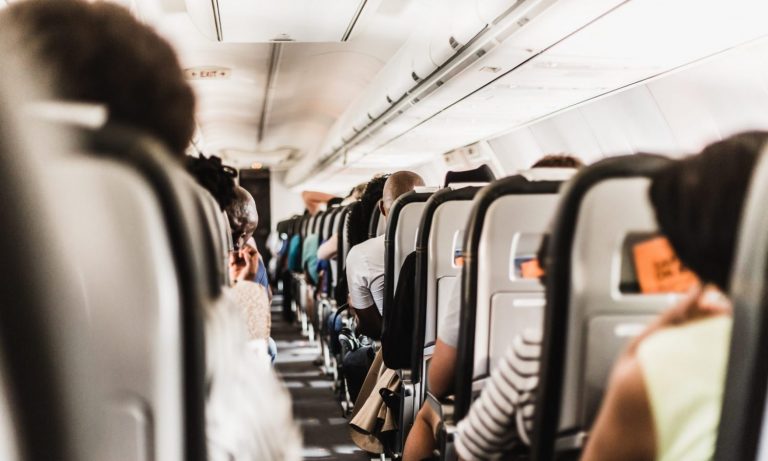
Photo by Nik MacMillan via Unsplash
“Although, given where we are with disease transmission right now, we would say that people need to take these risks into their own consideration as they think about traveling.”
If you’re not vaccinated and plan on traveling anyway, the CDC suggests to follow the next steps: get tested 1-3 days before your trip, and 3-5 days after you’ve arrived at your destination; quarantine for 7 days once you’ve arrived at your destination; monitor for symptoms; and wear a mask and social distance from others. Honestly, just get the vaccine.
While traveling is the main concern come Labor Day weekend, experts are also worried about social gatherings. CNN spoke with Dr. Leana Wen, their medical analyst, who explained that things are very different when compared to last year’s Labor Day, since there are vaccines available and we have a better understanding of the virus. Still, there remains plenty of cause for concern.
Photo by monkeybusinessimages/Getty Images
“That said, the vaccines are not 100% effective,” said Dr. Wen. “The higher the rate of infection in the community around you, the higher likelihood you will have of contracting a breakthrough case COVID-19. Chances are that you would get a mild infection even if you did get the virus, but some people will not want to get a breakthrough infection.”
She reiterates that unvaccinated people are at greater risk, including kids under 12, who are yet not approved for their shots. “They are probably at higher risk this Labor Day compared to last year, because of the more contagious Delta variant,” she said. So it’s important to take the necessary preventative measures when it comes to children and their families.
Like last year, outdoor gatherings remain the safest option for hanging out with family and friends. If located indoors, when mixing unvaccinated people of different households, masks and distancing guidelines are the simplest ways of keeping everyone safe.
The New York City Cannabis Industry Association and the Hudson Valley Cannabis Industry Association released a statement applauding the appointments.
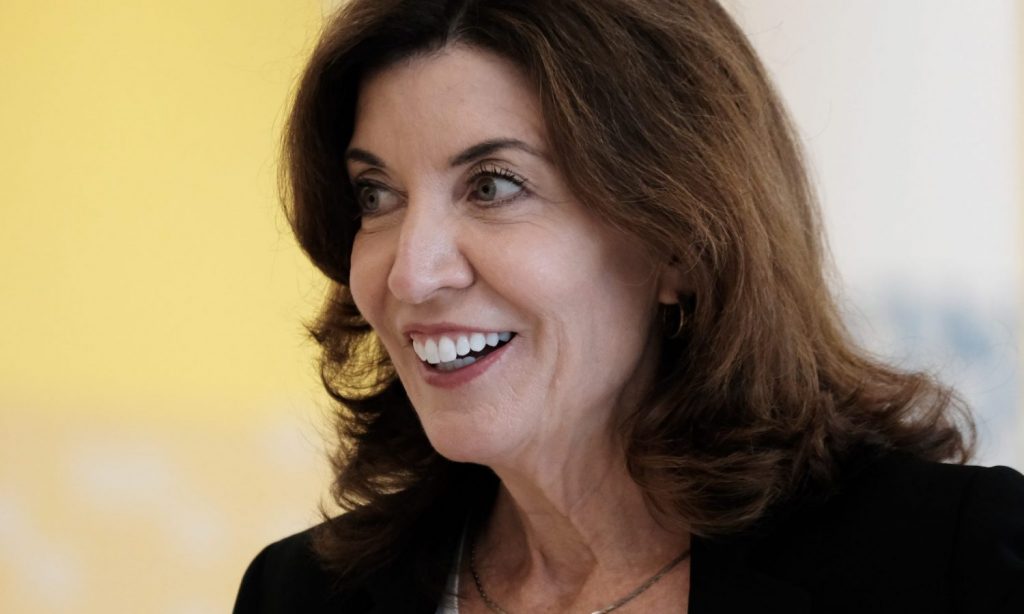
Green Market Reportbroke the news yesterday that New York’s Governor Kathy Hochul had named her two candidates for leading the adult-use cannabis legalization movement. Chris Alexander for the Executive Director of the Office of Cannabis Management and Tremaine Wright will be named Chair of the Board.
Late Wednesday, the state Senate confirmed both nominees to lead the agencies that will regulate cannabis sales in New York. The process had stalled under Governor Cuomo who publicly supported legalization, but often stalled the process behind the scenes.
Hochul said at the special session she called for legislators, “There is no reason why simple announcements in terms of who the executive director is and who the chairperson is were not done in time, but I’m going to make up for that lost time.”
Photo by Spencer Platt/Getty Images
Alexander is the government relations and policy director at the cannabis company Vill LLC, a Multi-State Cannabis Company based in Canada. He was also an Associate Counsel in the New York State Senate and Policy Coordinator for the Drug Policy Alliance. Alexander is said to have resigned from his position at Vill. Many in the industry were happy with the appointment and often describe Alexander as a cannabis policy nerd.
At a webinar in May, Alexander was quoted as saying, “What we have in terms of our social economic equity program is really an MWBE program on steroids, essentially, where we’re really trying to target the folks who want to access the market. That includes people who have been impacted by prohibition, that includes people who live in communities that have been over policed. For marijuana possession offenses, that includes you know, social and economically disadvantaged farmers who are struggling to keep, you know, products flowing and keep their industry alive.”
The New York City Cannabis Industry Association (NYCCIA) and the Hudson Valley Cannabis Industry Association (HVCIA) released a statement applauding these appointments and saying it would now accelerate the process “so that we won’t have to wait until January’s regular session to start the work of creating the new legal market.
“With staff coming online in the near term, the state can start work on regulations to implement New York’s groundbreaking new law and thereby get us that much closer to realizing the law’s critical goals of promoting social and economic equity and creating as much opportunity as possible for those who want to take part in a new diverse and inclusive industry that can be a model for the rest of the world to emulate.”
Wright is a former representative for the 56th District of the New York State Assembly, which includes parts of Bedford-Stuyvesant in Brooklyn. Wright ran for State Senate in 2020, but lost to Jabari Brisport. Wright has been active in the New York cannabis scene for years fighting for legalization. She is currently the Director of the Office of Financial Inclusion and Empowerment in the NYS Department of Financial Services. Many saw the move to appoint Wright as a possible strategic move for Hochul who would need support from that area when she runs for Governor versus the assignment due to the resignation.
According to a new study from the University of Arizona, nurses are getting stoned to help deal with the mental and physical stress that comes with the job.
No one in their right mind could ever argue that nurses aren’t the lifeblood of the healthcare industry. These men and women do all the heavy lifting to ensure that both patients and doctors live to fight another day.
Let’s be clear, without nurses, the bedside manner of American medicine would undoubtedly disintegrate to nothing, and a lot more ailing people would be in hospital beds right now eating lousy food and watching Andy Griffith reruns with little to no hope. So, the next time you have a face-to-face encounter with a nurse, why not show some appreciation? The best way to do that, according to a new study, is to give them marijuana.
Photo by Karolina/Kaboompics via rawpixel.com
It seems that researchers at the University of Arizona College of Nursing have uncovered a shocking truth: Many nurses across the country are regular cannabis users. If they aren’t, they probably want to be. This might not shock anyone who has a personal relationship with one of the nearly 4 million registered nurses in the United States. But the idea that many front-line healthcare workers are getting red-eyed and ripped would almost assuredly surprise Mr. Smith in Room 315, who in just a matter of hours is scheduled to be prepped by one of them for a vasectomy.
Snip, snip.
The reason nurses are getting stoned, the study finds, is to help deal with the mental and physical stress that comes with the job. Most of these people have been working non-stop for the past year to help combat the COVID debacle. The tension is mounting to the point where if they don’t get to chill, they might go right over the edge. It’s an edge that many nurses are closer to than you’d think. The Centers for Disease Control and Prevention (CDC) estimates that 50% of healthcare workers suffer from mental health issues like anxiety and depression. Nearly 10% are having suicidal thoughts. Some go through with it too. In fact, suicide rates for nurses have increased over the years.
So yeah, nurses are smoking weed. Not only is it legal now in over half of the nation, but there is mounting evidence that marijuana can help alleviate the symptoms of anxiety and depression. It’s presumably also helping some of these people get some much-needed sleep. But don’t worry about them botching that vasectomy, Mr. Smith. No sir, you’re in good hands. It’s not like they are gathering in the break rooms to get smoked out before or during their shift. Researchers found that most of the cannabis use that occurs in the nursing world happens after hours.
“We really found that nurses were doing these things to recuperate after work,” Dr. Jessica Rainbow, an assistant professor in the College of Nursing at the U of A, told KOLD News 13. “So, they were coming home from work, they were in a lot of pain, and then they were using these different coping strategies, rather than using them prior to work.”
Photo by Irwan iwe via Unsplash
Rainbow’s team plans to examine cannabis use among nurses in an extensive study set to get underway soon. The goal is to identify the reality of the situation and provide honest, data-based recommendations to state boards regarding cannabis products. As it stands, nurses cannot test positive for marijuana and keep their jobs — not even in legal states.
Trying to beat the system is undoubtedly causing them even more stress than the job itself entails. To that end, researchers will also investigate how cannabis use in the nursing community affects patients. Because make no mistake about it, Mr. Smith wants to be sure that a nurse with THC coursing through her veins will not put him or his boys in peril when he shows up for his appointment.
We know that doctors are currently the gatekeepers, but this article outlines the need for a separation between “cannabis” and “cannabis medicine”.
For the longest time, marijuana was seen as pathological in the eyes of the research community. This was not because researchers believed so, but rather that the vast majority of the grants were given to studies that supported this premise.
These days, we’re changing our tune and some scientists and medical researchers are asking for a new standard in cannabis research. In fact, in this Psychiatric Times article, Dr. John Miller points out some glaring issues with cannabinoid research that needs to be addressed.
Here, I’ll be walking you through the basics of the article, focusing on his 10 suggestions for cannabinoid research.
Photo by Wanida Prapan/Getty Images
A Problem With Current Cannabis Research
One of the issues that Dr. Miller pointed out is that cannabis isn’t a single drug. Unlike all other drug research that focuses on a singular substance, cannabis is comprised of over 500 compounds that include cannabinoids, terpenoids, and flavonoids.
Therefore, to test for cannabis, but not the proportions of these different compounds means that the standardization of the tests are faulty.
Perhaps there is a greater ratio of THC:CBD in one strain compared to another, which would undoubtedly affect the outcome of a study. Maybe there’s a greater presence of myrcene, a monoterpene that is often found in cannabis.
Scientists know about the “net effect” or the “entourage effect” of cannabis, however, this is excluded from research when testing cannabis, and as a result, creates faulty evidence.
“Interestingly, the odors (skunk is a common description) often associated with cannabis are largely due to the complex combination of terpenes, another compound that complicates the study of cannabis. (Cannabinoids are odorless.) An extensive literature documents the essential role terpenes play in the biology of the cannabis plant, the plant’s production of cannabinoids, and the properties of a specific strain of cannabis that help determine its market value. Terpenes likely also contribute pharmacodynamic and pharmacokinetic effects that impact the neuropsychopharmacology resulting from ingestion of each different strain of cannabis.8,9”
Photo by Esther Kelleter/EyeEm/Getty Images
The above mentioned segment comes from the article published in Psychiatric times and points out how terpenes are also contributing to the pharmacodynamics effects of cannabis. In other words, you cannot study cannabis without also studying the interactions between these “other” substances.
And so, the good doctor has created an extensive list of suggestions scientists should consider the next time they decide to study the effects of cannabis.
Below, we’ll explore the different suggestions provided.
The Use of the Word “Cannabis”
The word cannabis should not be used casually in medical literature, as it is nonspecific and includes varying molecular combinations of diverse cannabinoids, terpenes, and flavonoids, states Dr. Miller.
This is probably one of the first things that need to be addressed within all modern studies. We often see that “cannabis” is responsible for X, Y or Z, but that is a blanket statement.
What specific characteristics of cannabis besides “dose” is responsible. Could it be a combination of different cannabinoids and how they interact with a host body?
All of these subsequent questions are equally important, especially if you are trying to establish scientific protocols.
Single Strain Research
According to Dr. Miller, Future research involving cannabis should use a single strain in each study; each strain used should be analyzed quantitatively and qualitatively for biologically active components.
Since each strain has its own genetic sequences, it should be noted that “X Strain” helped for “X condition” and understanding the combinations of terpenes, cannabinoids and flavonoids should be considered.
This is how researchers identified specific strains that shows promise in fighting off COVID-19.
Photo by CasarsaGuru/Getty Images
Multiple Strain Studies Should Be Studied Separately
If multiple strains are used in a clinical trial, they should be analyzed (as noted in #2), and each strain should be studied as a separate arm compared with placebo.
This is standard in modern research and should be applied to all future studies. If you’re going to be using different strains, it’s almost like you’re using different drugs. They should not be lumped together.
More Funding For Discovery Research Is Needed
Increased funding is needed to accurately characterize the 500-plus molecular components of the cannabis plant, including the pharmacokinetics and pharmacodynamics of each component.
With 95% of studies being funded to find “what’s wrong” with cannabis, more funding is necessary for discovery research, meaning that the research is focused on understanding the different molecular components of cannabis.
Better Education
A public education campaign should aggressively disseminate the molecular facts about cannabis, especially the oppositional effects of THC and CBD. Similarly, the risks of increased psychosis and cognitive impairment with heavy regular use of THC in the developing brain should be explained, much like disclaimers on alcohol about drinking during pregnancy.
This is really something that should have always been practiced. We need to have a robust educational program that allows people to take informative decisions about their own actions and consumption choices.
If you can do this for alcohol, tobacco and virtually every other drug, you should do the same with cannabis.
Cannabis Should Be Regulated Like Alcohol And Tobacco
Cannabis should be federally legalized and regulated similarly to alcohol and tobacco products.
Amen!
Cannabis Should Not Be Regulated By The FDA
Cannabis should not be regulated by the FDA due to its extreme heterogeneity of components and the associated unpredictable pharmacological properties.
The FDA simply isn’t equipped to handle the complexity of cannabis. They are more a wing of Big Pharma drugs, and thus should be used for cannabinoid medicine with specific cannabinoid combinations. The whole plant goes beyond the scope of the FDA.
Photo by Esther Kelleter/EyeEm/Getty Images
Cannabis Should Not Be Prescribed By Doctors
Cannabis should not be prescribed by medical practitioners. However, as molecular components of cannabis are developed and garnish FDA approval, those components should be prescribed appropriately.
Once a cannabis medicine passes the tests, then it should be considered a cannabis-based medicine, however doctors should not prescribe cannabis. They could, instead, recommend it like yoga or meditation, but unless it’s an actual medicine that’s passed the tests, doctors should not get involved.
Continued Exploration Of Cannabinoids
Pharmacological exploration and development of cannabis components that demonstrate medical benefits should be continued. CBD is a successful model of such.
There’s so much more to discover, it’s a shame that it’s taking this slow.
Physicians Need To Be Educated On Cannabis
Medical practitioners should discuss cannabis with their patients only after they have attained competence in understanding the science and factual risks/benefits/adverse effects of cannabis, similar to how a practitioner would discuss alcohol or tobacco use.
The fact that a doctor might know a lot about health, doesn’t mean that they know a lot about cannabis and the impact on health. Many practitioners are guessing, and until the research is more standardized, their recommendations should currently be taken very lightly.
We know that doctors are currently the gatekeepers, but this article outlines the need for a separation between “cannabis” and “cannabis medicine”.
At the end of the day, we’re on the verge of a shift within cannabis research and once the transition is completed and protocols established, we’ll see a whole new face of medicinal cannabis.
John Hudak, a leading voice in the cannabis space and a senior fellow at Brookings Institute, sat down with White House correspondent Brian Karem to discuss cannabis, politics, and that time Trump revoked his press pass.
Additional writing by JJ McKay
Journalist, musician, rebel, and Playboy‘s Senior White House correspondent Brian Karem has lead a life that schoolboy dreams are made of. Karem is the lead singer of the Rhythm Bandits Band when he is not questioning the President and West Wing staff, or being a political analyst for CNN and his “Just Ask The Question” podcast. Sitting down with John Hudak , Brian Karem talks politics, Trump drama and marijuana.
In August 2019, the Trump White House suspended Karem’s press pass. Karem filed a lawsuit in response and on June 5, 2020, Judge David S. Tatel of the United States Court of Appeals for the District of Columbia Circuit ruled the White House Press Office wrongly suspended Karem’s press pass allowing Karem to continue to cover the president. In 1991, Kareem received the National Press Club Freedom of the Press award for refusing to reveal his sources in a story related to the killing of a police officer in Texas.[4][5]
John Hudak, a leading voice in the cannabis space and a senior fellow at Brookings Institute, sat down with Karem to discuss politics and marijuana.
Photo by Francois Galland/Getty Images
HUDAK: How did you get to become a White House reporter and someone who covers the White House and national politics?
KAREM: I’ve been a reporter since 1980…something. I first covered the 1984 presidential campaign with Reagan. The first time I stepped into the briefing room was 1986, and I’ve covered national politics off and on for a variety of venues since then.
HUDAK: Were you always interested in journalism?
KAREM: I was always interested in writing. My family’s profession is mostly lawyers and judges, and I remember when I was a kid my uncle handed me a check and said “here go to law school.” And I tore it up, handed it back to him, and said, “I don’t want to.”
I really wanted to write, and I had a really keen interest in seeing things as they happen. And that led me to journalism. Being able to see things as they happen and chronicle them and let people know what happened—I just felt more comfortable doing that than anything else.
HUDAK: You’ve covered multiple presidents both at home and abroad. How would you rate the first seven months of President Biden’s tenure?
KAREM: He had a low bar to reach because Donald Trump was the single worst president I’ve ever covered in my life. That said Biden stepped over that very low bar. I think one of the most impressive things Biden has done in his first seven months is trying to get the atrophied muscles of bipartisanship working again. I sat through four years—maybe 200 weeks—of Donald Trump telling me it was infrastructure week and he did nothing on infrastructure, and this administration has. And its response to the COVID crisis has been rather impressive.
All in all I think (President Biden) has done some really good things. That being said, I’m still concerned about how he has related to the media. I think the failure to hold Saudi Arabia accountable for (Washington Post reporter) Jamal Khashoggi’s death is reprehensible. I expected it out of Donald Trump. I expected better out of Biden.
But on the balance I think he is something we haven’t seen in the United States in the last four and a half years, and that is: a president. I think there is no doubt he is dedicated to bringing the country together and working with all the factions to move the country forward.
HUDAK: To pick up on one of those points: first, you’re not just a member of the media, but also a critic and someone who writes about the role of media. There is always some tension between a White House and the media, what has that relationship been like in the last seven months?
KAREM: The relationship for me personally has been a lot better. I haven’t had a death threat since the (January 6) insurrection. The briefings are back to “semi-normal.” (White House Press Secretary Jen Psaki) treats the media with respect; she does a very good job at that. She is reminiscent to me of Mike McCurry who is the best Press Secretary I have seen in my lifetime.
But the East Room is not open to the full press; they selectively choose who is in there to talk to the president (after formal events). There are reporters who have covered all seven months of this administration who have not been able to ask the president a single question. But the relationship is much more in the realm of normal than the last administration.
HUDAK: To transition a bit to discuss cannabis: Cannabis has emerged as a mainstream public policy issue of the last 25 years, what do you see as the most interesting aspect of this topic’s evolution?
KAREM: What’s most interesting to me, the demystification and de-demonization of the issue. People from my age and lower, cannabis is no big deal. I remember when I was growing up, I was told if you smoke one marijuana cigarette you were going straight to hell—that’s what the priest would tell you. The other part was if you smoke one, you’d become addicted to it forever. And I was always cynical on that.
When my dad had lung cancer, and he was dying and losing a lot of weight because of chemotherapy, and the doctors could find no way to get him to eat. And I said “well, I have a way…” So, dad who had been taught it was the “evil weed.” And so, I got him high and he got hungry and he got his weight back. And (the doctors) had given him 30 days to live at that point, and he lived another year and a half, and I attribute that partly to the availability of weed to get him healthy enough to exercise so I could get him out of the house so he didn’t waste away.
HUDAK: One of the issues early on that you covered in the Biden Administration involved, staffers being dismissed for past cannabis use. Have there been any updates, whether the practice has continued, and if the White House has responded?
Photo by Alex Wong/Getty Images
KAREM: The White House responded about it not being about the use of cannabis but about how the questions were answered. I believe that. Look, the administration isn’t anti-marijuana by any stretch of the imagination. I believe that particular story was blown out of proportion in the media.
HUDAK: You talked early about the demonization of cannabis and the indoctrination of Americans about it. Do you think that that behavior for decades is the reason why cannabis remains such a toxic issue with some elected officials despite its popularity in the public?
KAREM: I think there’s a combination of reason why some people don’t want to address marijuana in the public eye. One is they’re scared. Another is evangelicals. Third, the far right doesn’t think about it, they just knee jerk to everything. And that sad part is most of those people who have been elected to office have been high. Or, if not, they should be.
You know, I worked as a bouncer in college, and I broke up a lot of fights. But they were never between two people stoned. They were always among drunks; they would get violent and angry. The misunderstanding about marijuana, its medical applications, its importance, the fact that it helps some people relax—it was always called a “gateway drug,” and I gotta tell you, in my experience, liquor was more of a gateway drug than marijuana.
I unfortunately coached a kid in high school who spent a year in jail for two marijuana joints—for two joints! They sent him away for a year. He went in innocent; he came out a criminal. There is no way in hell marijuana should be criminalized. It should be decriminalized; it should be legal; it should be available. And it should be taxed. And if you think there is a problem with marijuana, go to places where it’s legal and see it first-hand.
The COVID-19 Delta variant has been sweeping across the country, reminding us that the pandemic remains a very present danger.
COVID-19 regulations have fluctuated over the year, to say the least. At the start of the pandemic, we were all learning about what we could and couldn’t do, and now, while some follow guidances more closely than others, we know the basics: face masks protect against illness, especially when people use them in places that are crowded or poorly ventilated.
While there are many preventative measures you can take, some situations are just a recipe for the spread of the COVID-19 Delta variant, at least according to one expert.
Luis Ortofsky, MD, explained to CNBC, that traveling aboard cruise ships is among the most risky situations you can get yourself into right now. “It’s just a recipe for transmission,” he said. While all sorts of travel while unvaccinated is currently discouraged, a cruise is much riskier than a flight, where people wear their masks for the duration of it and there’s presumably good airflow.
Ortofsky makes it clear that while being vaccinated is a good thing, with the Delta variant in circulation, it “no longer guarantees that you’re not going to acquire the infection, or be able to transmit it,” he said. We can try to do cruises as safely as possible, but we are going to have breakthrough cases.”
Another complication that’s thrown in the mix are state laws, like Texas, banning state and local mandates that require COVID-19 vaccinations, making it more difficult for cruises to protect their passengers and employees.
Photo by Colin Lloyd via Unsplash
Cruises are particularly tough places to avoid a virus. You eat and drink there, usually in indoor locations where other people are doing the same. The majority of your time is spent in common areas, interacting with people and touching a variety of surfaces, making it very easy for germs to transmit from person to person. It’s not only COVID-19 that’s easy to spread; cruises are notorious for having respiratory and gastrointestinal viruses spreading from passenger to passenger.
It could be a while before you are able to board a cruise safely. Still, the safest way to board one would be to ensure that the cruise line you’re traveling with asks for proof of vaccination and that allow for reduced capacity. While you may be able to dine outdoors, cruises have most of their entertainment in indoor locations, so a degree of risk is implicit.
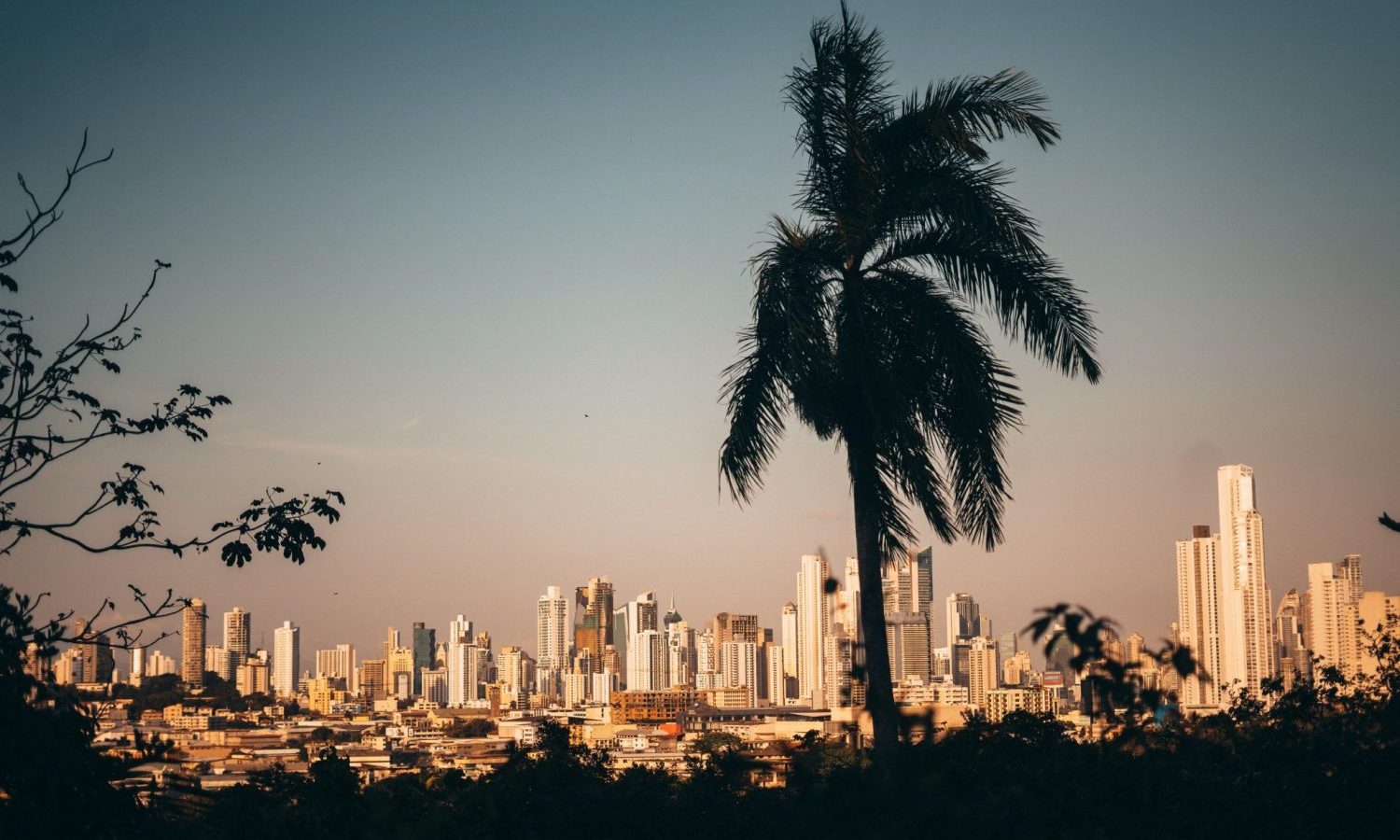
Panama’s National Legislative Assembly approved a bill legalizing medical cannabis in a unanimous vote of 40 to 0.
Thus, the country will become the first in Central America to regulate the medicinal use of cannabis. However, the new regulations must be approved by Panamanian President Laurentino Cortizo.
Photo by Fabrice Parchet via Unsplash
In this regard, activist Carlos Ossa warned: “Until the new law is approved we will continue in the same situation: forced to commit illegalities out of necessity and we will continue to be exposed to the illegal market where there are no guarantees.”
Details of the law
As reported by Ciudad Cannabis, the new legislation creates a regulatory framework that allows “monitored and controlled” access to medical cannabis and its derivatives.
In addition, the law creates the National Program for the Study of the Medicinal Use of Cannabis and its Derivativesto promote research and develop educational campaigns addressed to the population.
The new regulation establishes that only seven licenses for the manufacture of cannabis derivatives will be granted.
According to France 24, licensed companies will be able to export seeds, plants and derivatives. To do so, they must submit an export plan and register buyers with Panama’s regulatory authorities.
Meanwhile, the law establishes that it is prohibited to sell cannabis from home or outside authorized establishments and that advertising pertaining to marijuana may only appear in scientific journals, not the media or social networks.
Growing marijuana could result in a penalty of 10 to 15 years in prison.
“This is a great achievement, it is not a perfect law nor perhaps the ideal one, but it is definitely a first step that is fair and necessary,” Ossa concluded.