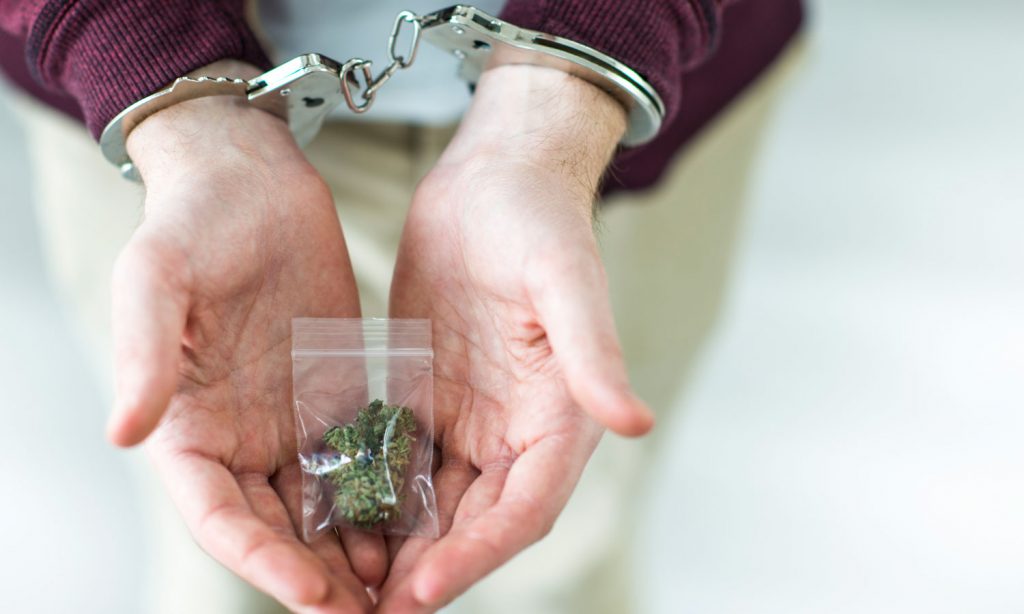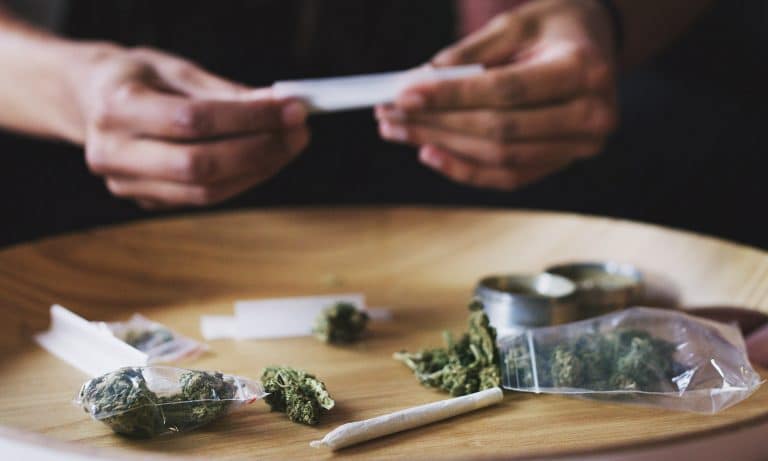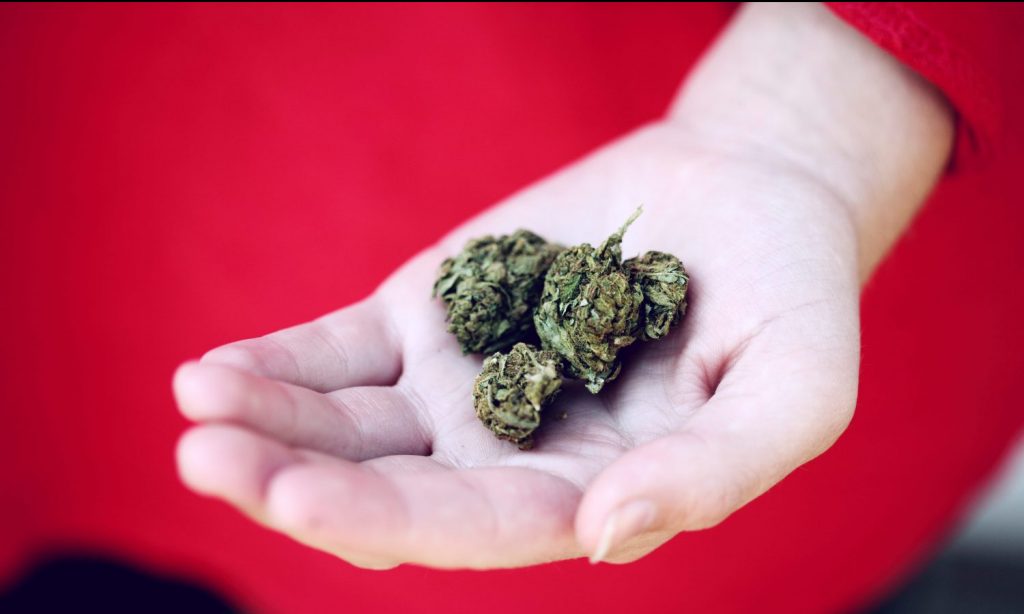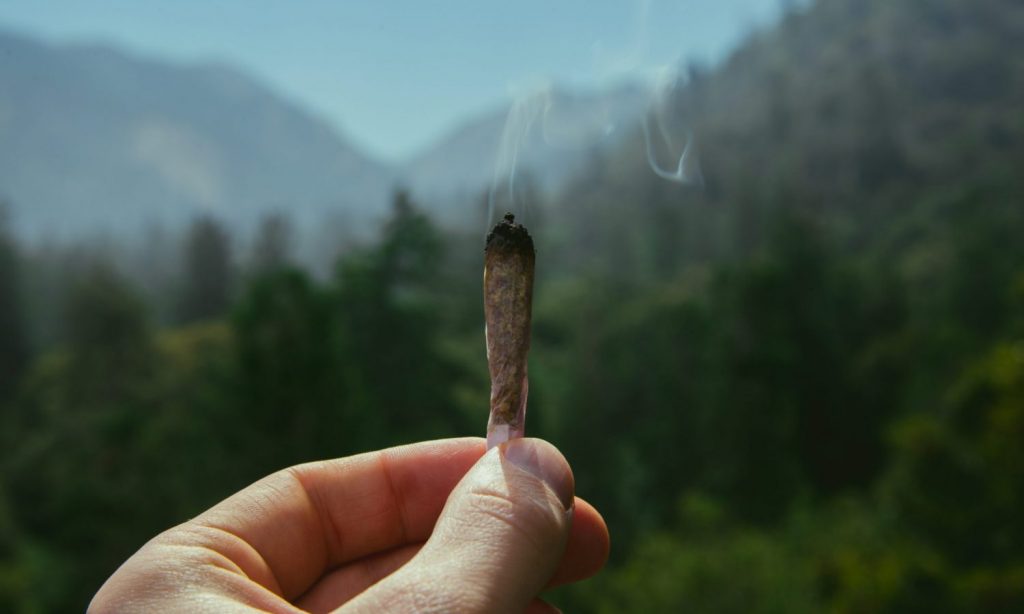
A Gallup poll suggests that Americans have been using more marijuana as the plant has earned legal status across the country.
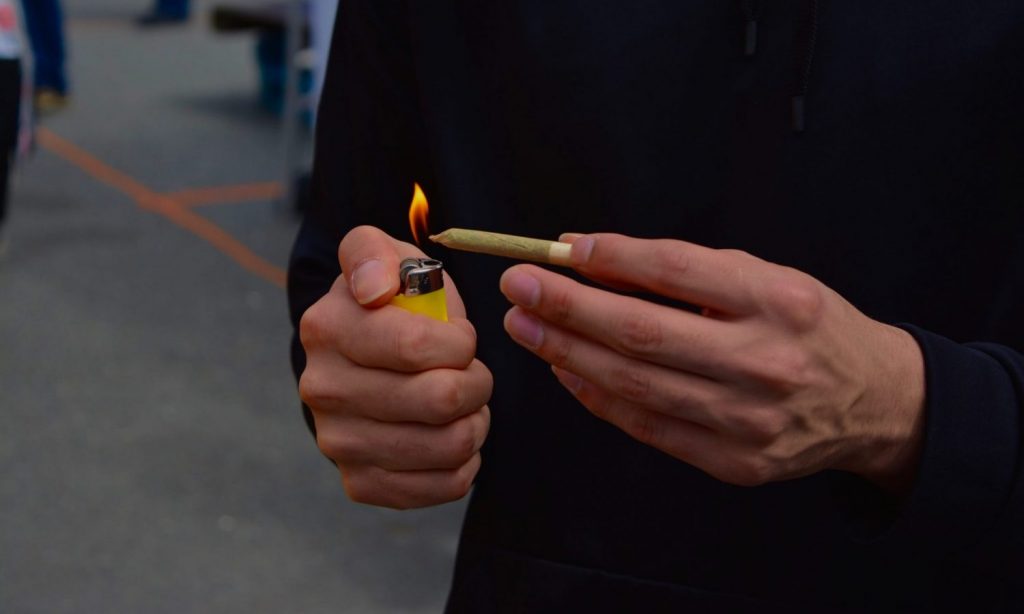
A new poll shows that Americans have been using more and more cannabis over the years. In fact, the poll, conducted by Gallup since the 1970s, reveals that 1 in 10 Americans actively smoke cannabis today and that almost half of them have at least tried it.
For decades, the number of cannabis users has stayed steady at 30%. As cannabis has earned legal status in a variety of states, the numbers have risen, with an average of 49% of respondents answering “yes” when asked if they’d ever tried marijuana, according to this most recent poll.
A deeper look at the study finds that while more people have experimented with marijuana, consistent cannabis use has remained steady over the years. Twelve percent of respondents said they currently smoke cannabis, the same result as the previous year’s survey. It also revealed details about the demographics of people who’ve tried marijuana at least once. Half of Millennials said they’d tried cannabis between 2015-2021, with Gen X and Baby Boomers coming in at 49% and 50% respectively.
The biggest differences appear when discussing the number of active users. Millennials are the demographic most likely to say they’re active users, with 20%, followed by GenXers (11%) and Baby Boomers (9%).
“The percentage of Americans who have tried marijuana has steadily climbed in recent decades,” said Gallup. “Soon it should reach 50%, but it may not get much higher than that given the rates of experimentation have been steady around 50% in Gen Xers and among baby boomers. Half of millennials have also tried marijuana, and with many in that group approaching middle age, that proportion seems unlikely to increase in future years. Gen Z’s incidence of trying marijuana will likely determine the trajectory of the trendline.”
Photo by Jen Zwarthoed via Unsplash
Another interesting discovery made by the poll is that people don’t need to be cannabis users in order to support its legalization. Sixty-eight percent of respondents said they favored the legalization of the drug, marking it the highest percentage in the poll’s history.
While there are certain caveats in the poll — like the fact that they refer to cannabis consumption as “smoking,” possibly alienating consumers — it does paint a picture about how cannabis use is evolving and losing some of its stereotypes and misconceptions.
The COVID pandemic has enabled celebrities with new ways to monetize their brands, such as podcasts, Twitch performances, OnlyFans content and cannabis.
Cannabis and celebrities seem to go increasingly hand in hand.
Some celebs have decided to become part of the industry as brand ambassadors, while others have launched their own brands. Musicians, actors and athletes have expressed their love for the plant.
Photo by Kevork Djansezian/Getty Images
But why now? Is it because the stigma around cannabis has faded more than ever before? Or, is it because of industry growth, which thus presents lucrative opportunities?
1933 Industries Inc. CEO Paul Rosen told Benzinga that “the industry has crossed a tipping point from an object of curiosity to a recognized credible emerging asset class promising the potential of high growth.”
He explained that the COVID pandemic has enabled celebrities with new ways to monetize their brands, such as podcasts, Twitch performances and content subscription service OnlyFans.
For most celebrities, money is one important motivator.
“This is just another way for a celebrity to leverage their own brand equity and to be crass to make money,” Rosen says. “They all have their own reasons, but behind the individual narratives the one common denominator is money, which as far as I can tell celebrities like as much as anyone else.”
But there’s at least one celebrity who is more spiritually motivated by cannabis.
Carlos Santana
Last week, guitar legend Carlos Santana spoke withBenzinga bout his creating high-quality cannabis and CBD brands via a partnership with Left Coast Ventures. In October, Mirayo by Santana — a line of cannabis products influenced by musician’s Latin heritage and dedication to spiritual well-being — was launched.
Photo by Alberto E. Rodriguez/Getty Images for The Recording Academy
Santana grew up familiar with the plant’s healing properties, thanks to his mother. Throughout his career, he talked about the benefits of cannabis. From alleviating pain and stiffness to awaking consciousness and creativity.
It is certain, Santana’s approach to cannabis is spiritual.
“Cannabis is a window or a door to a different awareness of consciousness,” Santana says. He created Mirayo, which means “my ray” to help people find the light inside them.
Kristen Bell
Kristen Bell, star of Happy Place and Disney’s Frozen, teamed up with Cronos Group Inc. to launch a CBD skincare brand Happy Dance.
“I don’t need another paycheck, so how are we going to do good in the community here,” she said. The Veronic Mars actress is reportedly engaged in all steps of creating the new brand.
Photo by Christopher Polk/Staff/Getty Images
She also chose to collaborate with A New Way of Life Entry Project, an organization that provides housing and pro bono legal services for women restoring their lives after prison.
The three initial products are cruelty-free and vegan, with affordable price tags. The company is donating one percent of profits from all products sold on the brand’s website to A New Way of Life Entry Project.
“As a working mom, I turned to CBD skincare as a way to turn down the volume of my life and CBD products have since become an essential part of my self-care routine,” Bell says.
In 2020, many celebrities looked after Santana or those who joined the space even before him — such as Seth Rogen and Evan Goldberg, and Snoop Dogg and Karan Wadhera.
Celebrity Newcomers
In July of 2020,Killer Mike and El-P — the rappers known collectively as Run the Jewels — partnered with a lifestyle and cannabis brand Cookies, and its sister brand Lemonnade, to launch its first cannabis strain Ooh La la.
In June, Wu-Tang Clan member Method Man launched a cannabis business with a goal to encourage more black ownership join the industry. The company was named Tical (like his 1994 solo debut album) which stands for “Taking Into Consideration All Lives” and it succeeded to raise $300,000 for its initial launch.
Timed to coincide with the premiere of her latest stand up special, “Chelsea Handler: Evolution,” Sweet Flower joined forced with the comedian to introduce the Evolution Kit, a curated set featuring Handler’s favorite cannabis products.
At least two Academy Award Winners have attached their names to cannabis brands.
Nicole Kidman, who won Best Actress for The Hours, became the first-ever brand ambassador of The Sera Labs Inc., a health, wellness and beauty company known for its CBD products. Sera Labs was acquired by CURE Pharmaceuticals Holdings for $20 million. Kidman “easily” agreed to endorse the company’s topical products.
“With my injury last year, I experienced the benefit of CBD wellness products firsthand,” she shared.
Goop CEO Gwyneth Paltrow, who won the Best Actress Oscar for Shakespeare In Love, invested in cannabis beverage brand Cann. Other big names joined her including Ruby Rose, Rebel Wilson, Darren Criss, Baron Davis, Tove Lo, Casey Neistat, and Calesha Murray (aka Bre-Z).
Paltrow said that cannabis is a “hero ingredient of the future.”
Photo by Matt Winkelmeyer/Staff/Getty Images
Grammy Award-winning artist and radio personality Khaled Mohamed Khaled— better known as DJ Khaled — recently partnered with CBD company Endexx Corp.to launch a new CBD company with products.
“I was drawn to Endexx Corporation because they’re an innovative company that has proven they have the keys to deliver consistently, top of the line, high-quality products,” Khaled said.
Industry Veterans Also Grabbed Headlines
Some celebrities joined the industry earlier, but made some major business moves this year.
For example, music industry mogul Shawn Carter, known widely as Jay-Z, joined the newly formed cannabis company last year. The venture was formed via a partnership between Caliva, Left Coast Ventures, Subversive Capital Acquisition Corp. and Roc Nation, Jay-Z’s entertainment company. The company now operates as The Parent Company and trades in the U.S. as TPCO Holding Corp.
Photo by Craig Barritt/Stringer/Getty Images
Back in February 2018, the “Domestic Goddess” Martha Stewart took an advisory role at Canopy Growth Corp to help with developing a new line of CBD products across various categories. This year, Stewart launched several CBD products, including a holiday-inspired CBD gummies line.
An American actor, comedian, and musician, known for starting in According to Jim, and Saturday Night Live, Jim Belushi joined the cannabis industry back in 2015 as a legal cannabis farmer with a 48-plant crop.
Belushi told Benzinga that his mission in the industry is “to break even — because the purpose, the power of this plant, serves the greater good.”
Courtesy image
In 2020, Belushi’s Farm partnered with Curaleaf Holdings Inc. to create a vape pen for the Oregon cannabis market.
Former NBA star and four-time champion, John Salley is no stranger to the cannabis industry. He has taken up several cannabis ventures in the previous years. Salley, who is also a member of the Benzinga Cannabis Advisory Council this year announced his plans to create a health insurance package for cannabis enterprises, their workers, and cannabis users.
Photo by Jason Kempin/Staff/Getty Images
“We’ve literally got to a point where we can insure cannabis smokers and cannabis companies,” Salley said.
Furthermore, this October, Salley became the vice president of business development at CBD-concentrated wellness company, The Anthos Group. At The Anthos Group, Salley will help launch a new brand focused on the needs of athletes.
Does A Name Make A Difference?
One question that comes up with this subject is: How important is a famous face behind a brand and does it make a difference?
“They are celebrities for sure, but then there are the rare few that have created a devoted community,” Holistic Industries CEO Josh Genderson says. “Jerry Garcia is at the top of the list when you think of cannabis culture and raising consciousness about cannabis in the U.S.”
Garica, leader of the psychedelic rock band The Grateful Dead, is the latest on a list of late celebrities whose likeness has been used on legal cannabis products — others include Bob Marley and Jimi Hendrix.
Genderson told us that the company was reached out by a few celebrities through the years with the idea to partner on a new collection, but the company decided to collaborate with Garcia’s family, introducing the new line in 2020.
“Jerry’s fan base is diverse in generation, geography and almost every other demographic,” Genderson says. “What we all share is a sense of belonging to the unique community Jerry helped build. We wanted to give fans something new to celebrate in Garcia Hand Picked, while also creating something that would appeal to people who aren’t fans yet but know enough to try the products and engage with the brand. From eco-friendly packaging to Jerry’s original artwork, quotes from Jerry and suggested playlists for each strain, Garcia Hand Picked products and merchandise were designed specifically for the fans.”
A Long Shadow
Does celebrity involvement mean that smaller brands are in danger of being overshadowed if they don’t have celebrity backers?
Rosen doesn’t think so. He believes authenticity is the key.
“Consumers are super savvy and they have to love the product first and foremost not the spokesperson. I think this is a time and place event and over time I don’t believe that a good brand needs a celebrity to validate it unless the authenticity of the celebrity is beyond dispute,” Rosen says.
“Do I want to smoke a $50 monogram joint because it has Jay-Z’s fingerprints on it? No doubt many will but the premium price likely is not borne out so much by the superior quality of the product as it is by the cool factor associated with an icon like Jay Z,” he adds. “And to answer my own question, I definitely want to try one of those $50 joints by Jay Z, but I doubt I would make a habit out of it. As much as I am a massive Jay Z fan, that shit is just too expensive.”
Indeed, famous names help spread the word on weed. So while the cannabis space appears big enough for both celebrity-backed and non-celebrity-backed brands, celebrity influence on breaking the stigma around the plan shouldn’t be underestimated.
As for whether the trend will continue in 2021, Rosen expects it will.
“To quote the philosopher Eric Hoffer when people are free to do as they please they usually imitate each other,” he says. “So absolutely yes more will follow out of a sense of FOMO and opportunity.”
Chuck Schumer’s dream of advancing nationwide cannabis reform must come now, or else it might not get another chance.
Democrats are on borrowed time with respect to their control of Congress, which means they either must work extra hard to ensure the votes necessary to stay in power, or beg, borrow, steal, and call in every favor to see that the party’s agenda is well-served before they are snuffed out by Republicans.
Among the many issues the Democrats are trying to pass, nationwide cannabis reform is a hot topic. Senate Majority Leader Chuck Schumer said earlier that legalizing marijuana at the federal level was a top priority for the upper chamber, but he has so far come up short. Unfortunately, the clock is ticking for the Democrats to get something on the books.
As it stands, next year’s midterm elections aren’t looking good for Democrats. Early indicators show that the Republicans are poised to take back control of the House majority, further dividing Congress. “Based on all factors, you’d have to consider Republicans the early favorites for the House majority in 2022,” David Wasserman with the nonpartisan Cook Political Report recently told NBC News. As for the outcome of the Senate, it seems to be any party’s game at this point.
Photo by Drew Angerer/Getty Images
Some politicians believe that history is repeating itself — and it’s not going in favor of the Democratic Party. Senator Lindsey Graham said earlier this week that next year is looking like another 1994. That’s when the GOP swooped in with a vengeance and gained total control of Congress. “I think a tidal wave is brewing,” he said. “When you look at rampant inflation, out-of-control crime, and a broken border and just [a] general lack of knowing what you’re doing, lack of competency … the Republican Party’s going to have a great comeback if we recruit the right people.”
Assuming the political analysts are correct, that means Schumer’s dream of advancing nationwide cannabis reform must come now, or else it might not get another chance. Last month he brought forth a proposal aimed at ending federal marijuana prohibition. The concept is now up for public comment until September. The only problem is that Schumer, by his own admission, doesn’t have the votes to get the bill to the President’s desk anytime soon. He doesn’t have the support, the filibuster is still in the way, and even members of his own party are not onboard.
Still, Schumer is hopeful. “I think we will get it done because it’s so, so overwhelmingly supported by the American people,” he said when interviewed on ABC’s The View.
Photo by Nicholas Kamm-Pool/Getty Images
Even though most Americans support legal weed, there’s no denying that Mitch McConnell continues to stand in the way. Despite his demotion to Senate Minority Leader, the Kentucky Republican has still managed to manhandle Schumer at nearly every turn. Most recently, however, McConnell embraced bipartisanship, voting in favor of the Democrat’s infrastructure deal. But — and it’s a big one — he said there are no plans to work with Democrats on any other issues in the future.
So, regardless of those cannabis advocates brimming with positivity about the chances of marijuana legalization happening soon — making the industry as legit as alcohol and tobacco — there’s really no chance that McConnell is going to rally his Republican colleagues to help Schumer pass a bill aimed at legalizing marijuana nationwide. No way. All Schumer can do at this point is fight to end the filibuster and pass the pot bill by a simple majority, which is something else he doesn’t have the votes to do. By all accounts, Schumer’s hands are tied.
If Farhad Manjoo’s column in the New York Times is accurate, Democrats not only have a year to save the planet, but the party has precisely the same amount of time to legalize weed. Come November 2022, the Republicans will probably return to power and destroy any hope of cannabis reform.
Despite the approved legality of hemp, the government has not been proactive in enacting appropriate regulations for the industry.
There is a clear disparity in the prices of CBD products globally. This difference has become more obvious over the last year due to the increased demand for CBD products.
Currently, it has been observed that the difference in the prices of the most expensive and least expensive products is around 4718%.
Not only is the cost of CBD products running high, but demand is also at its highest point and still increasing exponentially. The relaxed laws regarding the use of cannabis products have changed the stance of a high population of people on the usefulness of CBD products. Now, it’s been used to lessen the symptoms of medical conditions like pain, insomnia, PTSD, anxiety, depression, amongst others.
Photo by Anshu A via Unsplash
Since the COVID-19 pandemic started, the demand has gone higher, so has the production of expensive and cheap CBD products. Makes one think if the reason for this is that the producers are trying to meet the demands of the different classes of individuals in the country.
However, this difference is too much to be overlooked. CBD products are used by all for common reasons, such as treating medical conditions. These products should be priced evenly for all to have access to the best products. Not to mention that the cannabis market has not been regulated or legalized on a federal level.
So What’s Going On?
Once in a while, sales representatives of several CBD companies release statements to justify the high cost of their products, after which they either increase the cost of the products or continue with the same exorbitant price being complained about.
We decided to take it upon ourselves to figure out the main causes for this cost disparity in the CBD market. First of all, we considered the discrepancies in the quality of the cheapest and most expensive products. We also took into account the popularity of the brands and how it relates to the quality of the product.
We came to a few conclusions, but the highlight of it all is that these companies are charging a premium price for the best products in the market and selling them to elite society. The shady products are charged at cheap prices and sold to those that can afford them.
The Reasons For This Cost Difference
Type of product
CBD is a versatile compound and has been infused into various products. From gummies, topicals, creams, tinctures, oils, to edibles for pets. For now, CBD oil and et edibles are two of the most expensive CBD products in the market. Demand for CBD oil is currently at an all-time high and the hype may be here to stay for a while.
Method of cultivation
Hemp and marijuana are the major types of cannabis plants. Hemp is a cannabis plant with less than 0.3% thx, while marijuana has more than 0.3% THC. Legally, hemp has been approved for use in some states.
The price of CBD depends on the type of cannabis plant grown. Very few people have access to grow CBD rich cannabis plants.
In states where more people can grow CBD high cannabis plants, the prices tend to be reduced.
Photo by Elsa Olofsson via Unsplash
Extraction method
The method used by a CBD company to extract the CBD compound from the cannabis plant also determines the price of the products.
Some methods are more expensive than others—although CBD extracted through these methods are always of high quality. CO2 extraction is the most expensive and certainly worth it. Not all companies can afford to mass produce using this extraction method, they use cheaper methods like infusions and ethanol extractions, hence they sell out their products at reduced prices. Companies using the CO2 extraction method cannot cut prices.
Some CBD companies invest a lot in how their products are packaged and sold. It is good to note that a good and appealing packaging does not imply that the product is of the best quality, but it is enough for the company to place an expensive price on it.
Ingredients
The ingredients used also play a part in determining the cost. Regardless of this, many companies sometimes claim to make use of quality organic ingredients such as MCT oil, or olive oil, to justify attaching an expensive price tag to their products.
On the other hand, some companies sometimes make use of toxic substances to save costs to maintain the cheap prices the products are sold at.
Photo by Pharma Hemp Complex via Unsplash
Testing
CBD products are tested by third-party laboratories to ascertain the quality of the products. CBD product testing is not cheap and there are so many tests that need to be done.
The number of tests carried out on a product determines its price. Expensive products have been tested for other qualities beyond the CBD content like the presence of toxins, quality and level of terpenes. The price of a CBD product is a partial reflection of the quality of tests carried out.
Other factors include;
Business location
Cost of labour
Number of product producers
Etc.
What’s Next?
The next step is to discover ways to reduce the disparities in the cost of expensive and cheap CBD products.
Despite the approved legality of hemp, the government has not been proactive in enacting appropriate regulations for the industry. Due to this, the end-users have borne the brunt of the irregular prices and high tax rates charged to the end products.
For a high-profit margin, CBD companies have conveniently chosen to charge the bulk of the production costs to the consumers.
The government has to take action by giving standard prices to different CBD products in the market. To protect the producers, farmers and consumers, a standard range of prices will significantly reduce the huge difference in cost.
Consumers will also have access to the best products at affordable prices depending on the price range approved by the government. If this is done, soon enough the price of products like CBD oil may be as low as four cents per bottle depending on the percentage of CBD present in the oil.
Studies show a connection between mental illness and marijuana use, but it’s one that’s complex.
The use of marijuana has many scientifically proven health benefits. These can be as simple as helping users relax or as complex as managing chronic pain or stimulating appetite. There’s a lot we don’t know about marijuana, especially when discussing its negative side effects; aside from red eyes and the occasional bout of paranoia, can the use of the plant worsen conditions like mental illness?
There’s not a lot of evidence or scientific research out there, but some studies have found links between marijuana use and some mental health conditions, such as depression and even psychosis.
Studies have shown that people who smoke large amounts of marijuana on a daily basis are five times more likely to develop psychosis than others, with there being an influence on the age in which marijuana is first consumed and the individual’s genetic vulnerabilities.
Photo by kilarov zaneit via Unsplash
While these studies aren’t very useful for regular marijuana consumers, they do show a connection between marijuana use and mental health illnesses, although the existing link does not imply that one causes the other. While marijuana may sporadically cause hallucinations and paranoia, these effects fade once the drug wears off.
According to a survey conducted by Washington State University, people who use marijuana to treat their chronic pain are at more risk of developing depression and anxiety. The survey contacted 150 adults who used marijuana to treat their chronic condition and asked them about their experiences.
“When people have depression and anxiety and use cannabis on top of this, it would appear they have more negative outcomes,” explained lead investigator Marian Wilson. “Is it that they’re using more cannabis because the pain is so bad and their mood is affected, or is it because people with depression and anxiety are at greater risk of using cannabis in a way that may not be therapeutic?”
Photo by Benjamin Combs via Unsplash
More research is needed to draw a clearer picture, but what is becoming more and more apparent is that people with depression, anxiety and other mental health conditions are more likely to use marijuana. As “Some people with depression may use marijuana as a way to detach from their depressive symptoms,” Dr. Daniel K. Hall-Flavin told the Mayo Clinic. “Heavy users may appear depressed as a result of the dulling effects of the drug on feelings and emotions.”
Marijuana and mental health appear to be connected, with the relationship being positive or negative depending on the user, their genes and the regularity of use. Still, it’s unlikely that the occasional or regular use of marijuana will worsen an illness that’s being treated and tended to by mental health professionals.
Most of the Social Clubs in Madrid and other cities have closed or operate on a very low profile. However, over the last few years the number of clubs in Barcelona has exploded and there are — or were — several hundred, including some very lavish venues. The clubs were supposed to be places where members could share their cannabis, perhaps growing them together, etc. Yeah, sure.
In the real world, it was very easy to join, and there was cannabis for sale.
Photo by Henrique Ferreira via Unsplash
The new decision could force them to close, but the Barcelona police have told the clubs that they can only allow members to smoke their own cannabis.
Speaking of the real world, in the early days of Amsterdam and Vancouver, etc., there was usually a “house dealer”, the guy in the corner. At the Mellow Yellow, Amsterdam’s first “coffeeshop”, the house dealer had a stool with a slot where he could hide his stash if the police showed up.
Meanwhile, Spain is the country in Europe that needs marijuana legalization most urgently.
First, Spain is just 8 miles across the Straits of Gibraltar from Morocco, which has long been a source of traditional hashish, and more recently for all the other contraband drugs, especially cocaine, that are then distributed around Europe.
There are obvious parallels with the American relationship with Mexico, especially that traditional cannabis (hashish) smuggling has become less important than hard drugs, especially since cannabis is now widely grown in Europe, just as it is in the U.S.
Spain has the ideal climate for growing, and the Southeast coast is a major agricultural area. It seems obvious that Spain should follow the U.S., Canada, and several former Spanish colonies in legalizing cannabis.
Photo by Ken Cheung via Unsplash
Also, Spain is more dependent on international tourism than any other major European country, and, of course, the pandemic has devastated their economy. Spain also has long had major unemployment problems with young people, who would be ideal for the cannabis sector.
Unfortunately, the national government in Madrid has avoided the subject, and the Spanish media treat it as a crime issue, but do not recognize the economics of contraband that make prohibition counterproductive.
Meanwhile in Barcelona, closing the “social clubs” to tourists will be a major blow to its already devastated hospitality and tourism industry. Without getting into the often bizarre complications of Catalonia’s politics, there is a strong generally leftist drive for independence that usually gets about half the vote. Although this court ruling was from a Catalán court, it will be rightly blamed on the national government. Not helpful.
In fact, this ruling may be so damaging to both the economic and political situation that it may finally force Spain to confront the Drug War. The easy way out for Madrid would be something like the US approach, leaving the cannabis laws to the autonomous regions, and redirecting law enforcement to hard drugs.
Some dads turn to cannabis to get the boost they need to play with their children when they can’t naturally turn it on.
Parenting is tough, the lack of sleep, learning new skills, helping guide a new life forward through multiple stages, sharing your life with someone, it can be stressful and hard. Alcohol is a factor in domestic violence and other issues that add strain to a family and to parenting. So, can marijuana help guys be better dads?
To date, little research has explored the topic at length. However, as is the case with most cannabis claims, scores of anecdotal findings fill the research void for many fathers.
In addition to self-reports, studies focusing on the effects of marijuana allow for dads to deduce for themselves if such experiences may improve their parenting. These are some of the most common benefits consumers claim.
Photo by Nikada/Getty Images
Mood Enhancement
Playtime is an essential, can’t-miss way for dads to bond with their kids.
That said, even the most doting dads may find it difficult to play after a grueling day. With worries ranging from their child’s future to bills on the mind, switching into play mode can be trying at times. Some dads turn to cannabis to find the boost they need to play with their children when they can’t naturally turn it on.
There is little conclusive data to confirm the science, however, some suggest that the neurotransmitter anandamide, an apparent joy and happiness enhancer, could play a part. Others point towards dopamine, which has found increased levels in animals thanks to THC. However, a 2015 review found no link between its use and higher dopamine levels.
Pain Relief
After playing with the kids, your body can feel beat up. The unwelcome sensation can last a few days afterward as well.
Some dads say they find relief in cannabis. With studies backing its validity as a pain reliever, dads are just a small section of consumers turning to marijuana. Through the years, studies suggest cannabis may reduce pain in a myriad of conditions from multiple sclerosis to cancer to chronic pain.
Photo by Hero Images/Getty Images
Possible Calming Effects
Parents stand to benefit greatly from the calming effects of cannabis, however, lab studies have clouded that conclusion over the year.
Dads hoping to cut back on beer may find relief in cannabis. Many have already taken up the practice. A 2017 cannabis consumer group study found that 27% of 40,000 surveyed, or roughly 10,800 people, replaced beer with marijuana.
COVID-19 stress is back with a vengeance. Here’s what you can do if you’re vaccinated and feeling anxious about getting sick.
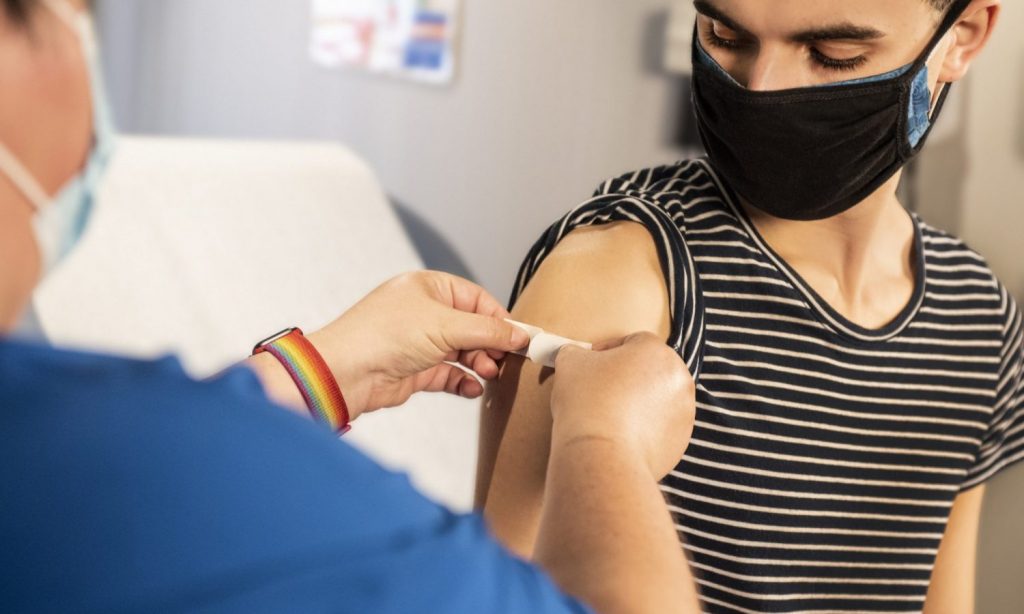
The rise of coronavirus cases and stress surrounding the Delta variant is not pleasant. Especially for those people who stopped socializing and hanging out with loved ones in order to keep themselves and others safe. While the vaccine appeared to be the answer to the pandemic, that’s not the case. Vaccinated and stressed? Here are tips for peace of mind.
It’s understandable to feel stressed out and angry after complying with COVID-19 guidelines, getting vaccinated, and still feeling at risk for the disease. While breakthrough COVID-19 is rare, it’s still a scary fact that’s occurring to more and more people.
While learning that Florida is dealing with a big rise of COVID-19 cases is informative and important, if you don’t live there, it’s not the most pertinent information when it comes to living your everyday life. Stay informed on your local transmission rates and know that if your community has a low rate of COVID-19 and a high vaccination rate, you’re very well protected.
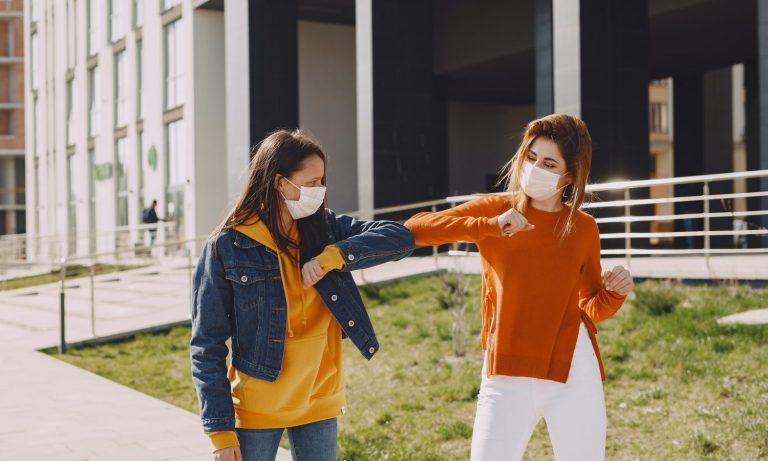
If you’re an area with high rates of COVID-19 and low rates of vaccine, then the opposite is true. It would be helpful to wear a mask in indoor locations or crowded spaces since you’ll likely be exposed to a variety of people who may or may not be vaccinated.
Attend vaccinated events only
Photo courtesy of Cannaclusive/Flickr
Vaccinated-only events are growing in popularity and are efficient ways of keeping everyone involved safe. While they may be a little controversial for the people you know who are not vaccinated, if they give you peace of mind, make sure that you only hang out with those who have their vaccine.
If we’ve learned anything from living in a pandemic is the fact that things change fast. For your peace of mind, it’s best to have the mindset that things can change quickly, whether that means masking up or changing plans. In the near future, the virus, guidelines, and expert recommendations will change.
Runners are often linked with having knee injuries, but the evidence is confusing.
Running as a sport experienced a boom during the pandemic. When people wanted to distance themselves from others and carve out a little time for themselves, they turned to running, a relatively private activity that allowed them to get in their cardio, be alone with their thoughts and stay clear of danger. But does running damage your knees?
Running is one of the workouts that are most commonly connected with knee damage. Surprisingly, there’s not a lot of data that supports this claim. Long-time runners are quick to point out that knee damage is likely to occur when people run incorrectly, something that can be very common.
Here’s what we know about knee damage and running:
Running may curb arthritis and strengthen the knees
According to a study that compared runners to non-runners, the former are less likely to develop arthritis in their knees. While not wholly understood, this protection that runners experience might be due to the theory that runners have stronger knee cartilage. This extra tissue adds some protection to runners’ knees and makes it less likely for them to suffer from arthritis, something that non-runners don’t have.
Still, running incorrectly can result in knee pain and injuries and make it more common for runners to experience more lesions than non-runners. If running is the basis of all of your workouts, and you do it every day, then it’s likely you’ll develop some sort of knee injury or pain. In order to prevent this, you must use the right running shoes, and replace them if they wear out.
Building up other muscles in your body can also help you be more balanced when it comes to your running, preventing further injuries. Strength training over different areas of your body and increasing the intensity of your runs over time are all important elements for preventing injuries and for achieving your running goals.
Holy smokes, these nuns grow weed! Although they do not belong to any religious order, the Sisters of the Valley’s devotion is unquestionable. Also known as the “Weed Nuns”, these women are dedicated to growing cannabis and selling medicinal products derived from it.
Based in Merced (which means “mercy”, by the way), California, the organization has been working since 2015 and composed by women of all ages with a very clear goal: to share the medicinal benefits of cannabis and achieve its legalization. In addition, their end is to fight a medical system that has historically oppressed holistic medicine.
Photo by Shaughn and John.
All their products are CBD based. CBD, unlike THC, is non-psychoactive so it has no effect on the mind, but it is a powerful pain reliever and myorelaxant. In recent years, crucial research has been conducted regarding the use of CBD to treat many conditions, such as epilepsy, cancer, arthritis, stress and depression, among others.
The Sisters of the Valley strictly abide by lunar cycles for their work, as they believe this increases the healing powers of the plant. According to them, the two weeks following the new moon are ideal for medicinal development. In fact, they even sell cheaper products that they have not been able to create within the corresponding cycle. Their products include oils, soaps, balms, topicals, tinctures, and more.
Activism As A Vow
Not being nuns in the strict sense, they do not take Catholic vows, but they do have some of their own. Not to a religion or a god, but to a particular lifestyle. They are committed to providing services to suffering people, to living simply, and to respecting nature and moon cycles. They also include a vow of chastity, but clarify that this does not necessarily imply celibacy.
One of their most important pledges is the activism vow: the Sisters commit to spending several hours a week fighting for progressive causes in their communities. These causes are not limited to those related to marijuana; the Sisters also lend their voice to feminist and social equality struggles, among others.
This is not at all surprising considering that the organization’s founder, Sister Kate, has been an activist for a decade. In 2011, the United States Department of Agriculture responded to Michelle Obama’s concerns about children’s health by declaring that pizza sauce could be considered a vegetable. Then, Christine Meeusen declared that “if pizza is a vegetable, then I am a nun”, and began to dress as such when assisting protests. She was part of the Occupy Movement in 2011 and earned the nickname “Sister Occupy.”
Having left her job in the corporate world, she is now known as Sister Kate, and she continues to use the habit to emphasize her spiritual commitment to her activity. She has also stated that “we need a new kind of nun”, as the archaic model no longer works.
Sister Kate and her partner, Sister Darcy, aim to create “spiritual and honorable jobs for women.” The only requirements are a strong social and ecological commitment, and the desire to live and work as a community. After working there two years, women can choose to become Sisters and take the vows. Of the current members, only one has a background in the Catholic Church.
An Ancient Calling
Their way of life has often been compared to that of the Beguines. In fact, they were a great source of inspiration for the Weed Nuns.
The Beguines were groups of Christian women that emerged in the 12th century. They engaged in charitable activities, worked independently, and owned land. They also produced literary material, took no vows and were allowed to leave the association whenever they chose to.
To the surprise of absolutely no one, their medicinal practices and their rejection of the Catholic Church caused many to be persecuted and even burned at the stake. The Sisters of the Valley cannot escape this comparison: they know that their rituals, their mission and way of life would have condemned them to fire a couple of hundred years ago. This is why they place so much emphasis on social struggles and applaud the growing cultural and gender diversity in the cannabis arena.
Holy smokes, these nuns grow weed and it is excited!
All pictures by Shaughn and John. Follow them on Instagram.