Current COVID-19 hospitalizations are very different from what they were a year ago. But those who have been hospitalized have this in common.
As the pandemic progresses, doctors from across the country are reporting fewer hospitalizations. The one thing they all have in common? The patients hospitalized haven’t been vaccinated.
“Less than 1% of our hospitalized COVID patients are vaccinated,” infectious disease expert Dr. Mark Sannes told USA Today.
Photo by wutwhanfoto/Getty Images
Vaccinated people are very unlikely to get seriously sick and be hospitalized due to COVID-19, making it all the more pressing and important for unvaccinated people to get their shot.
According to recent hospital data, the hospitals with the highest hospitalization rates tend to be located in states with low vaccination. These include Idaho, Wyoming, Arkansas, and Missouri.
As the vaccine program develops, doctors are starting to see a marked change. A year ago, hospitalized patients tended to be seniors or people with underlying health conditions. Now, the majority of people in hospitals are young adults who haven’t yet gotten their shots.
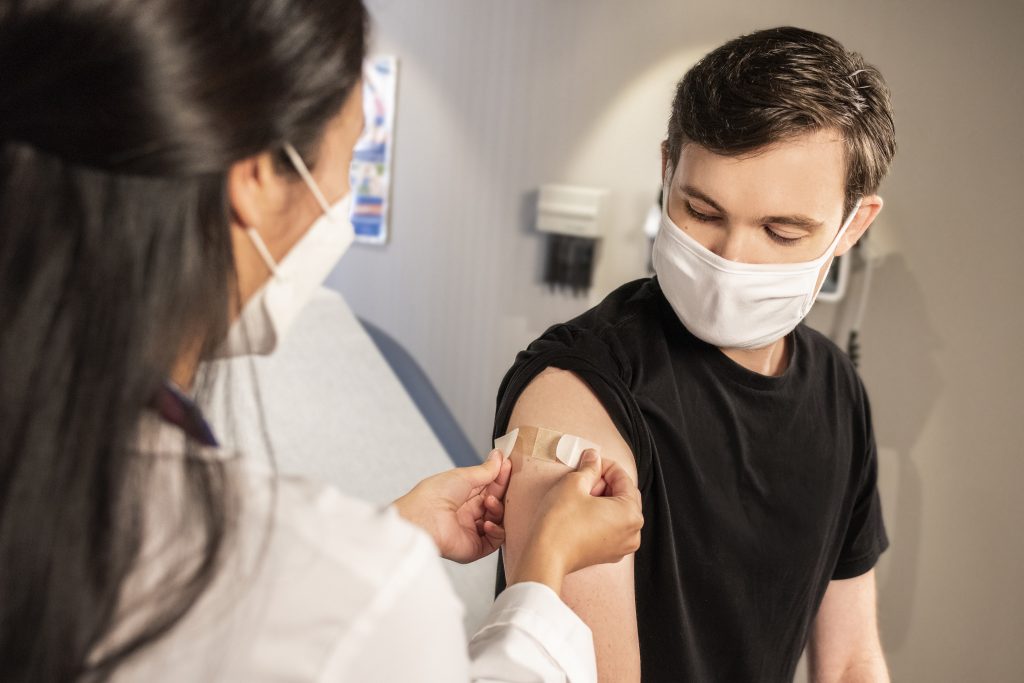
Photo by RF._.studio from Pexels
Despite the government’s efforts in trying to get people motivated to get the vaccine, there are some who remain reticent, whether that’s due to vaccine mistrust because they can’t get their time off work or due to an inconvenient location. Even though both shots of the vaccine are free, a small group of people believes that getting their shot will result in billed expenses later on.
While it’s up to every person to get their shot, vaccinations have a community impact. When people get their shot, they make it easier to protect their family members, from the people they live with to kinds who haven’t yet been vaccinated.
Despite the conspiracy theories and concerns over vaccine side effects, the one thing that data and evidence proves is how effective these shots are against the virus.
COVID-19 side effects are typically mild, but there are some exceptions. This particular reaction is obvious when you lie down.
While reactions like headache and fatigue are expected when getting the COVID-19 vaccine, there are some rare ones that have also been reported. From allergic reactions to blood clots, these reactions are concerning, even if they’re highly unlikely. One of these includes myocarditis and pericarditis, conditions that result in heart inflammation.
According to former FDA commissioner Scott Gottlieb, one of the clearest ways to tell if you have this is if you lie down. “The signs and symptoms of pericarditis typically are a stabbing or a sharp chest pain that’s persistent. It’s positional. So it hurts more when you lay back,” he told CBS News.
“Sometimes it hurts when you take a deep breath because the pericardium, the lining of the heart, rubs against the chest wall, and it might be associated with a fever,” he said. In most cases, the appearance of these symptoms was relatively quick, “within probably the first two or three days, mostly after the second dose.”
These conditions express themselves through a variety of ways, with symptoms that include shortness of breath, stabbing chest pains, chest fluttering, and fever. While these symptoms remain unlikely, the CDC reports that they have been higher than expected in young adults.
Out of 20 million vaccinations, about 275 cases were reported amongst people between the ages of 16 to 24.
Due to how unlikely these side effects are, Gottlieb said that there was no reason why people should delay their vaccines. “I don’t think people should be nervous about it right now. I don’t think it changes the risk-benefit balance for this vaccine.”
It’s important to know that, as of now, there’s no way of knowing if the vaccine caused these heart palpitations. It’s possible that young adults developed their disease for other reasons, be that through other viruses or through the vaccine’s effect on people’s immune systems.
The bill eliminates the possibility that being arrested for possession of small amounts of cannabis will result in prison time, which cannabis reform advocates typically demand.
Louisiana Gov. John Bel Edwards signed off on House Bill 652 to decriminalize small amounts of cannabis possession for personal use.
Possession of up to 14 grams will now be categorized as a misdemeanor rather than a felony. Those caught violating the law face up to a $100 fine without jail time.
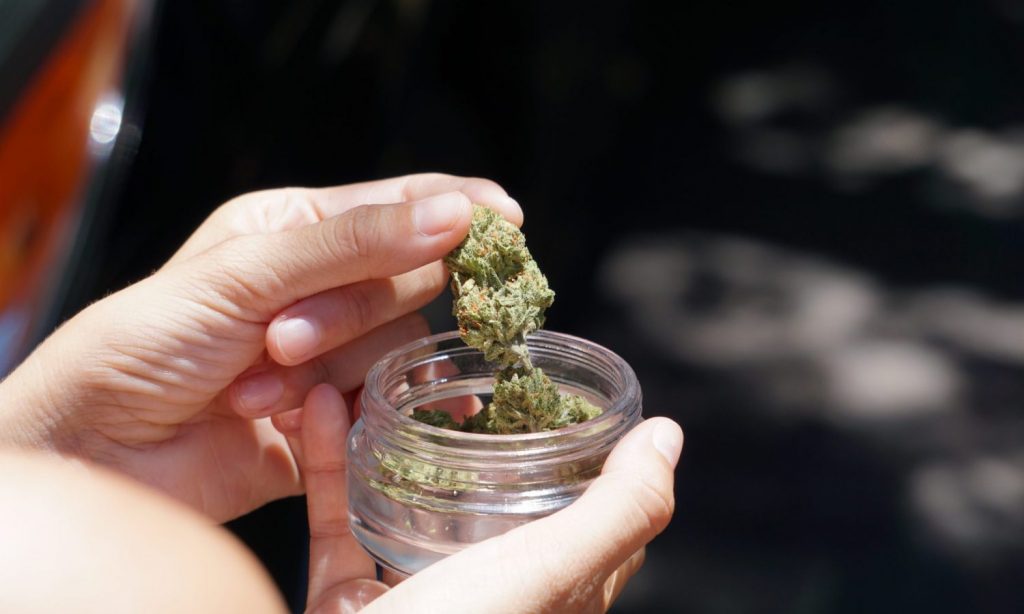
Photo by Elsa Olofsson via Unsplash
“It essentially provides for the officer to write a ticket with no jail time,” Shreveport Rep. Alan Seabaugh told the Daily Advertiser about the bill, signed on Tuesday.
Only possession was revised under the legislation. Laws against distribution and unlicensed cultivation remain in effect.
Governor Signs Off Despite Cannabis Concerns
In a Twitter statement, Gov. Edwards, who has stood out as one of the few remaining democratic governors leery of cannabis legalization, said he did not take the decision lightly. He stated that the bill passed with bipartisan support after “a robust discussion” regarding the effects of the ongoing drug war against cannabis.
Gov. Edwards released the following statement today, upon signing House Bill 652 by Representative Cedric Glover, which reduces the penalties for possession of small amounts of marijuana. #lagov#lalegepic.twitter.com/HqjoBa0WZv
The governor pushed back on the notion that the bill decriminalized cannabis, noting that small fines remain. Still, the bill eliminates the possibility that being arrested for possession of small amounts of cannabis will result in prison time — a substantial step — which cannabis reform advocates typically demand.
Cannabis advocates believe the influence of the Mormon church in Utah has led to the creation of a recreational-proof cannabis model that conservative states might want to reference.
A handful of states across the nation still do not have any kind of marijuana program on the books. A lot of these areas of prohibition are in the conservatively driven Deep South and Great Plains, where lawmakers continue to believe the Bible is the only law of the land they really need.
For them, even therapeutic marijuana is like opening the first gate to Hell. Many are worried that cracking the door to medicinal use will lead to the eventual legalization of marijuana for adults 21 and older and subsequently tarnish their moral compass and drive it South of Heaven.
And they’re right, at least for the most part.
Photo by Patrick Fore via Unsplash
Cannabis advocates believe the influence of the Mormon church in Utah has led to the creation of a recreational-proof cannabis model that conservative states might want to reference. “Some of the legislators who are opposed to medical marijuana are opposed based on concerns that it somehow will lead to legalization,” Karen O’Keefe, director of state policy at the Marijuana Policy Project, told Politico. “[Utah is] a good example of a state that has a medical program that’s limited, where there’s not any eye to adult-use legalization, and where there was actually active involvement from the medical society in working out the details of the program.”
Although the Mormons initially rejected the concept of medical marijuana, they eventually jumped on board with a compromise, and it only passed because the church wanted it to. The Church of the Latter-Day Saints has so much pull in Utah that the whole of society is forced to live mostly sober in an area where drinking and drugs are really the only things to do.
Try traveling through the endless emptiness of the Beehive State without a cocktail or two, and let’s just say, coming out on the southern end, the debauchery of Las Vegas is amplified. It’s enough to turn stuffed-shirt moderates into wild animals. Still, if medical marijuana was going to happen in Utah, the Mormons wanted it to look, uhm, medical. So that’s the policy they went with.
Utah’s medical marijuana program doesn’t allow weed to be smoked, only vaporized. There are also strict purchase limits, and every dispensary must staff a licensed pharmacist to make sure the rules are adhered to. Although the restrictive nature of the program has made it expensive for the cannabis industry to operate, Utah’s medical marijuana program is often considered the most successful. Why? Because there is no pathway to full-blown legalization, and patients are okay with that.
Photo by Petri Oeschger/Getty Images
“Utah … probably will be one of the last states to legalize marijuana recreationally,” O’Keefe said. “There is no push at all, even to decriminalize simple possession of marijuana.”
But is this medical marijuana model really what the United States is buying? Not really. The concept of medicinal cannabis has been losing ground ever since the CBD craze resulted in so-called “therapeutic products” being sold in truck stops. We don’t even hear much about medical marijuana at the federal level these days.
Senate Democrats want to bypass this step and work towards a fully legal market like alcohol and tobacco. How will the nation continue to argue the need for medicinal use when marijuana is being sold to adults 21 and over across the country like beer? Well, it’ll get much harder to do. Because while states like Utah might forge a conservative path for marijuana consumption, this position is no match for pot progressives and capitalism.
Photo by jp26jp via Pixabay
No, Mormon marijuana won’t be catching on anytime soon. Eventually, the industry will require more to stay functional. Seventeen states, many of which began with restrictive medical marijuana programs, have already taken the leap into adult use. It’s a matter of straight economics.
And history repeats itself.
Alcohol was once prescribed in this country for a variety of medical conditions. By 1933, however, the federal government brought it back around for adult use. Conservative states fought this concept. Mississippi waited until 1966 to embrace the legal drink. So, while states like Utah will presumably fight the real marijuana movement for decades more, they can’t hang on forever. The real future of legal weed in the U.S. is a taxed and regulated market. Sin always wins.
The approved proposal comes after state Senators heard feedback from advocates and municipalities harboring concerns over how many stores they would have to host.
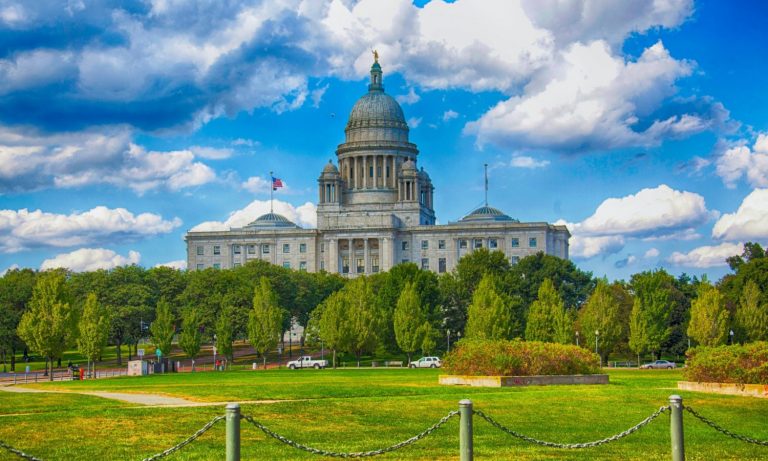
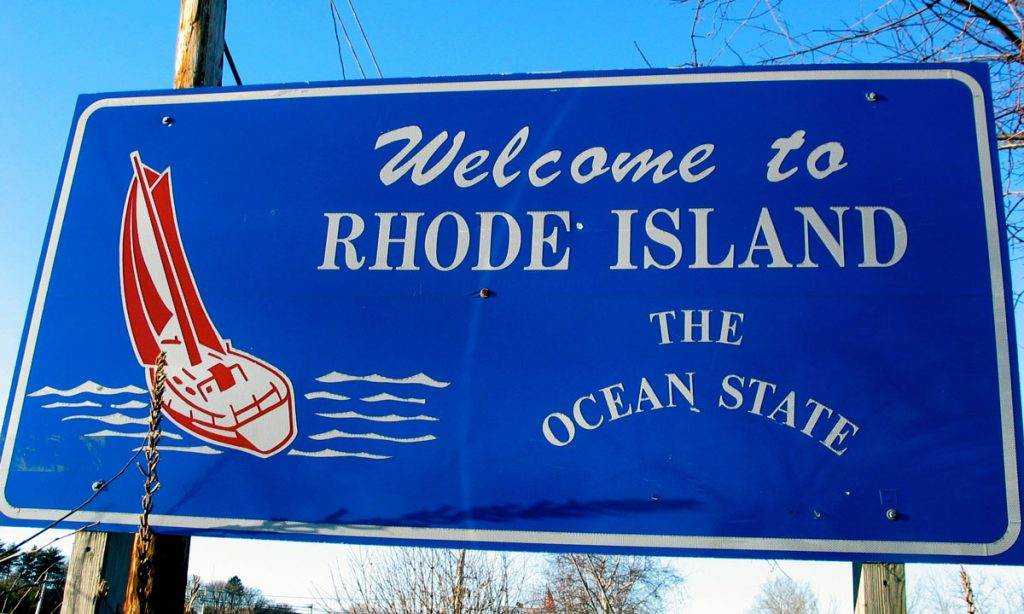
On Monday afternoon, Rhode Island‘s Senate Judiciary Committee approved an adult-use cannabis bill, marking the first time a cannabis proposal of its nature has ever reached the state General Assembly floor.
The bill, expected to reach the Senate today (Tuesday), is the first of three in the state making its way through the legislative process.
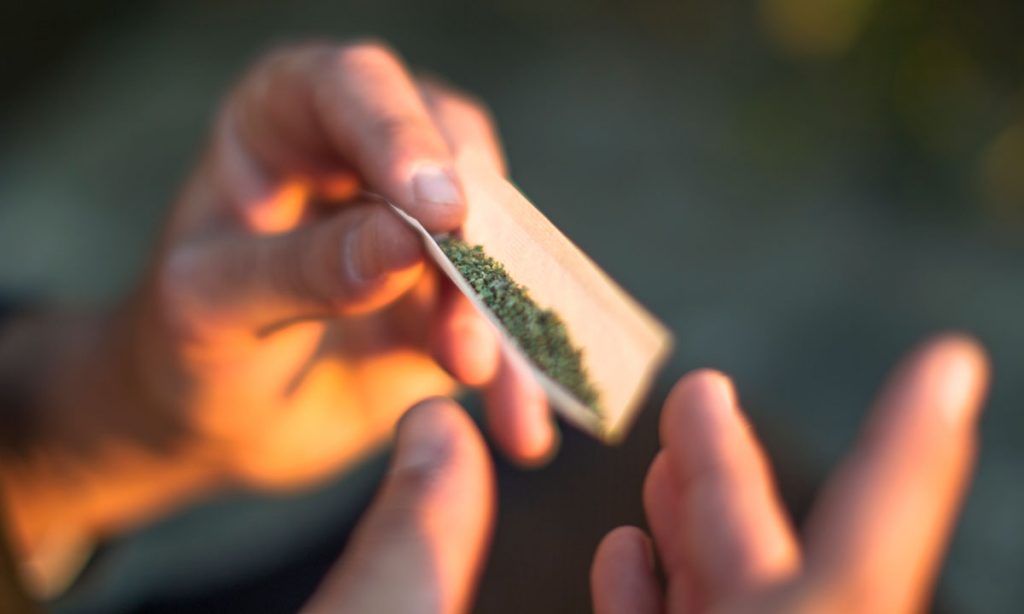
Photo by Flickr user Taber Andrew Bain
Gov. Dan McKee previously submitted his version during his annual budget proposal. A House bill proposed by Rep. Scott Slater and several cosponsors was introduced in late May.
As Marijuana Moment notes, the bill approval comes days after House Speaker Joseph Shekarchi indicated that legalization would likely need to wait until the summer or fall for discussion.
Gov. McKee is expected to sign the legalization bill when it reaches his desk.
Bill Highlights
If passed, the bill would create an independent commission to oversee programs and licensing. The approved proposal comes after state Senators heard feedback from advocates and municipalities harboring concerns over how many stores they would have to host.
To address the latter concern, revisions were raised, capping retail licenses to one for every 20,000 citizens in town. Each municipality is permitted a minimum of three retail permits unless it opts out of the marketplace.
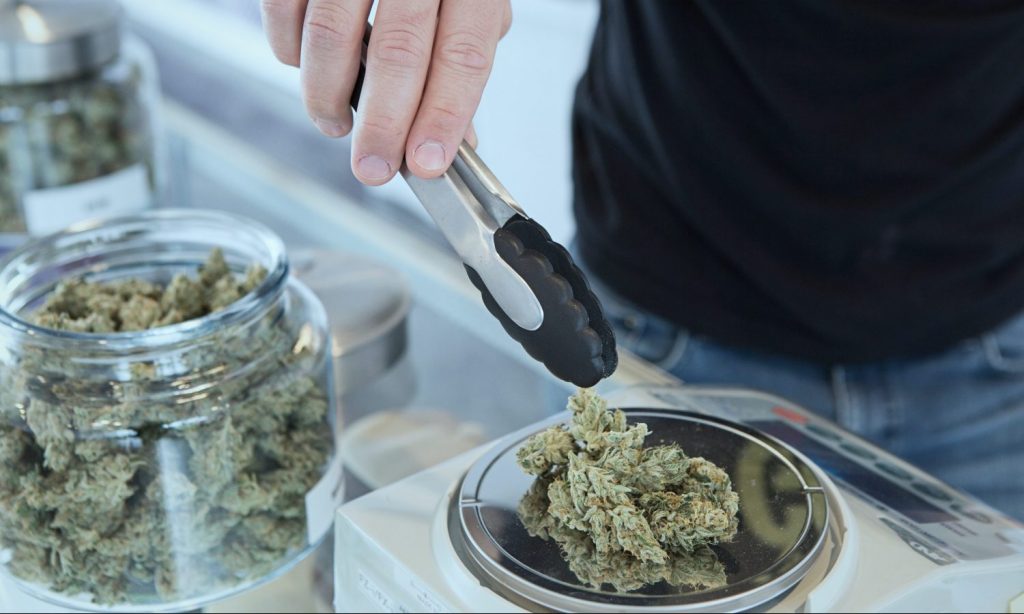
Photo by Add Weed via Unsplash
The proposed bill would temporarily cap cultivation licenses to roughly 60 until 2023.
The bill also aims to address social equity. Under the submitted guidelines, one-third of all retail licenses would be reserved for those disproportionately affected by the drug war.
The stated number of reserved permits adds specificity to the previously proposed plan while maintaining the original bill’s social equity assistance fund.
The progressive language of the new bill takes an important step towards addressing the harms of the Drug War. But passing it is still a long shot. Here’s why.
By Janve Sobers
Second verse, same as the first, a whole lot louder and a lot MORE woke.
The House of Representatives passed the first version of the MORE Act, which would deschedule cannabis from the Controlled Substances Act, at the end of 2020. The bill promptly died in the Republican-controlled Senate. This blog tracked the evolution of the bill’s original version:
The House reintroducedthe second version of the bill on May 28th, 2021. This version is the same as the first with the addition of some progressive upgrades. Most notably, drafters of the bill removed language that barred applicants with felony cannabis convictions from federal permitting. This languageproved controversial at the time of the passage of the 2020 MORE Act. Denying federal permitting to those directly impacted by prohibition seemed counterintuitive to the stated intention of the bill, “to provide for reinvestment in certain persons adversely impacted by the War on Drugs.” Removing this language shows that Congress aims for an even more progressive vision of legalization this time around.
Notably, the MORE Act 2021 has received resounding support from Amazon. The company offered its formal support for not only the new MORE Act, but for cannabis legalization in general. Amazon’s representative even promised that it would change its drug testing policy for some employees to allow for cannabis use. Amazon’s support for the MORE Act speaks volumes and suggests that the company may see profit-making potential in federal legalization. What’s more, the corporation’s size and ubiquity could compel other companies, Congress, and the President, to broaden support for federal legalization.
Photo by drnadig/Getty Imges
So, you might be wondering if there is hope for this new bill. Unfortunately, even with a Democratic majority in both houses, a Democratic President, and support from Amazon, the short answer is still no, not really.
The bill needs 60 votes to pass the Senate. That’s a vote from every Democrat plus ten Republicans. The progressive language of the new bill takes an important step towards addressing the harms of the Drug War. But progressivism probably won’t appeal to the reluctant centrist Democrats and the 10 Republicans needed to pass the bill in the Senate. As it stands, conservative legalization bills have a better chance of passing, bills such as the Common Sense Cannabis Reform for Veterans, Small Businesses, and Medical Professionals Act (an unfortunate name with far less pun-tential than MORE).
Barring some political miracle (such as ending thefilibuster), the MORE Act most likely won’t make it to President Biden’s desk. We will keep you posted.
New research suggests testosterone levels in men have a connection to the severity of the COVID-19 symptoms experienced.
A new study might explain why some men experience more severe COVID-19 cases than women.
Conducted by researchers at the Washington University School of Medicine in St. Louis, the study indicates that men with lower testosterone are more likely to develop severe symptoms of COVID-19. This might explain why men, who account for less than half of the population who get COVID-19 in the U.S., are likelier to die of the disease than women.
The effect of sex hormones on COVID-19 has been under scrutiny since the start of the pandemic. Testosterone, which is available in higher percentages in men, made for a perfect opening for a clearer picture of the effect of sex hormones on the disease.
Studies conducted earlier this year showed links between low testosterone levels and severe COVID-19, but this new study, published in the JAMA Network, expanded on these findings by tracking patients as their disease progressed. It followed 90 male and 62 female patients with COVID-19, noting their hormone levels and trying to pinpoint the link between testosterone and severe symptoms.
While there were no links between women’s COVID-19 disease and their sex hormones, men admitted to hospitals with severe COVID-19 had very low testosterone levels. All men with COVID-19 saw their testosterone levels decrease as their disease progressed.
It’s important to know that while a link between COVID-19 and low testosterone exists, it’s not a causal correlation. It’s not known if low testosterone levels result in severe COVID-19 or if the reverse is true.
Photo by Cottonbro via Pexels
Men who fared worse with COVID-19 tended to have more risk factors like obesity, older age, and diabetes, all of which are also linked with lower testosterone. More research is needed in order to draw further conclusions. Still, this knowledge is important, painting a clearer picture of the disease and perhaps offering new treatment options for a variety of patients.
When discussing testosterone therapy, Abhinav Diwan, cardiologist and senior author of the study, said, “This therapy has been used in men with low levels of sex hormones, so it may be worth investigating whether a similar approach can help male COVID-19 survivors with their rehabilitation.”
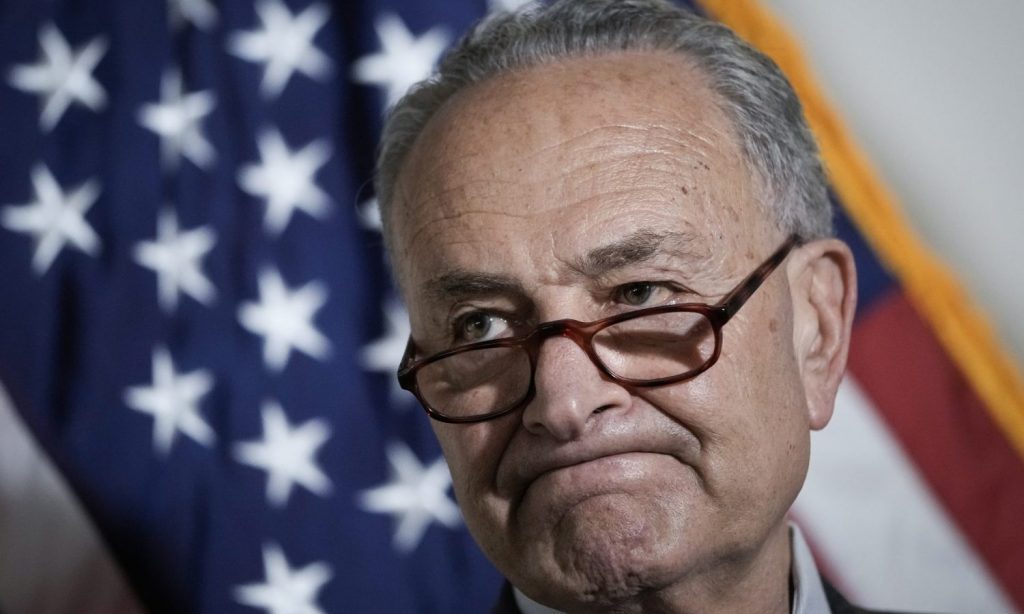
Chuck Schumer needs to sell McConnell on the concept of legal marijuana he expects to sidestep the filibuster and get the Republican majority on board.
There’s little doubt that Senate Majority Leader Chuck Schumer is spinning his wheels trying to figure out how he will introduce a comprehensive marijuana reform bill “soon” and actually get it to pass. Although Schumer is technically the long, strong arm of the Hill, he’s learned in a few short months that he doesn’t have the clout to accomplish much if the Republicans continue to stand in the way.
And they will, too, don’t worry about that.
They’re making Schumer’s life miserable this session, and that’s not expected to change when he starts talking about legal weed. But it’s not that he’s up against the entire Republican party. Schumer could quickly legalize marijuana nationwide this year. He just needs to convince Mitch McConnell it’s the right thing to do.
Photo by Kevin Dietsch/Getty Images
Although McConnell is no longer responsible for dictating which legislation goes to the Senate floor, he can block most Democratic legislation with the filibuster — a Senate rule that requires 60 votes to pass. Furthermore, McConnell still has the political influence to command enough GOP Senators to oppose an issue and cause it to fail. He tells them to jump, and they ask how high. “I don’t necessarily like it, but when he decides to tell his caucus…they mostly fall in line,” Democratic Senator Tim Kaine of Virginia told NBC News. “When he tells them, ‘Stick with me,’ they usually do.”
Simply put, Republicans do what McConnell wants.
“We stay with him. He’s a good leader. He’s a good negotiator. He understands the program and the Senate as well as anybody I’ve ever known,” said Republican Senator Richard Shelby of Alabama.
This means all Schumer needs to further his idea of legal weed in the United States is get McConnell to side with the issue. But that is easier said than done. To begin with, McConnell is intent on crippling the Democratic agenda this year. He recently said, “One-hundred percent of our focus is on stopping this new administration.” Also, McConnell is not a fan of marijuana, nor is he the slightest bit interested in passing a bill that legalizes it. Last year, McConnell criticized House Democrats for last minute efforts to legalize weed during the pandemic.
Photo by Drew Angerer/Getty Images
Schumer is presumably scurrying around the Hill right now, trying to scrounge up support for his marijuana bill when it is finally introduced. He’s been talking a lot of smack about it for months, which has given cannabis advocates hope that legal weed is right around the corner. It’s not. Schumer needs to sell McConnell on the concept if he expects to sidestep the filibuster and get the Republican majority on board.
Everyone, except for Schumer, seems to understand that this is the only way. Yet, bringing an end to the filibuster is all that is being discussed as an option. And while the demise of the filibuster may be long overdue, it’s not an immediate answer to forever cannabis reform.
All legislation passed in a scenario where the filibuster has been destroyed would undoubtedly lead to those policies being repealed once the Republicans are back in power. Senator Cory Booker, who is working with Schumer on nationwide marijuana legalization, said recently that he was working on getting the 10 Republican votes needed to skirt the filibuster. In reality, the gateway to the super critical 10 votes is through Senator McConnell. Unfortunately, until he’s a believer in bud, federal marijuana legalization is not going to happen.
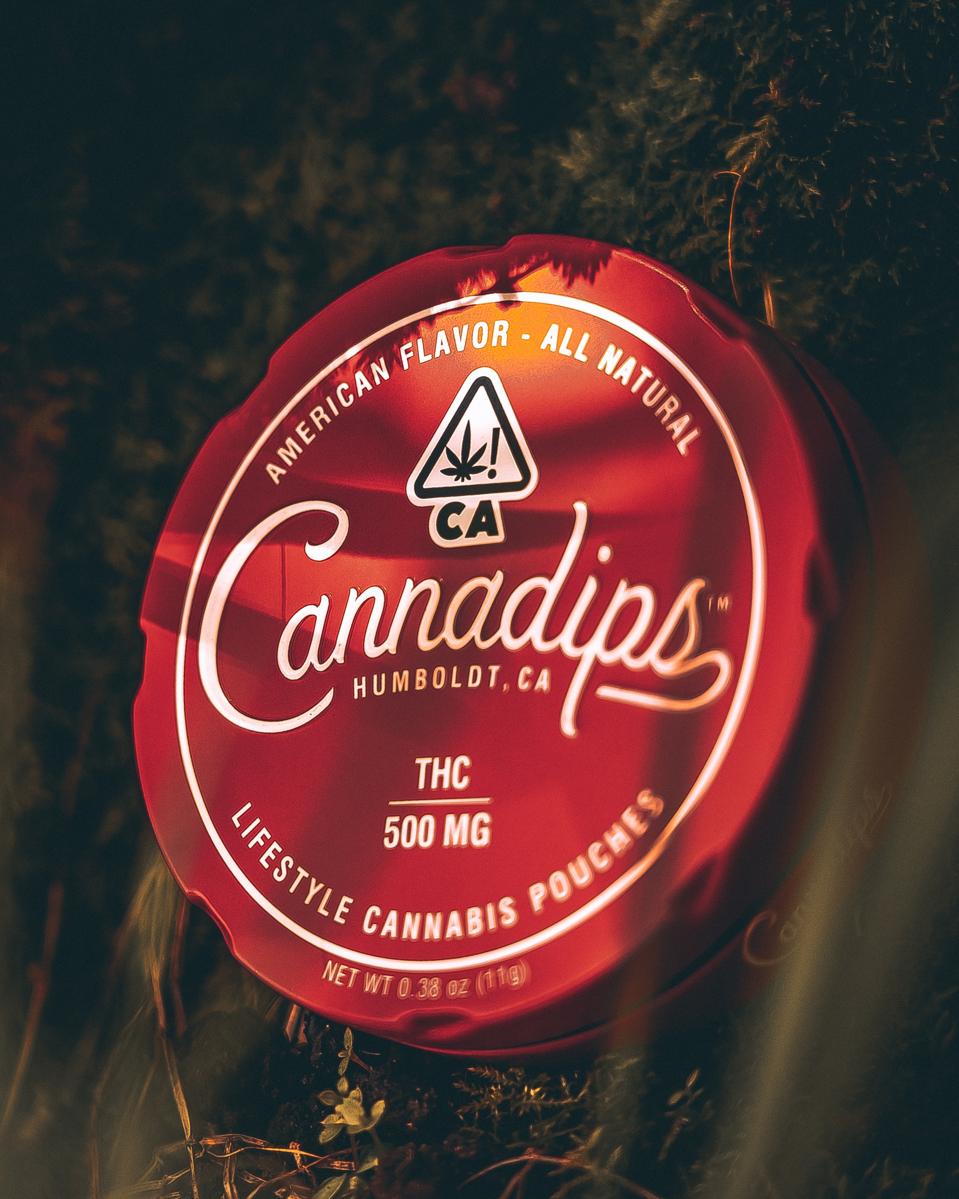
Cannadips, a company that makes hemp-derived CBD pouches to help people quit tobacco, is pulling back the Redwood curtain and inviting 10 lucky people to check out the upcoming cannabis harvest.
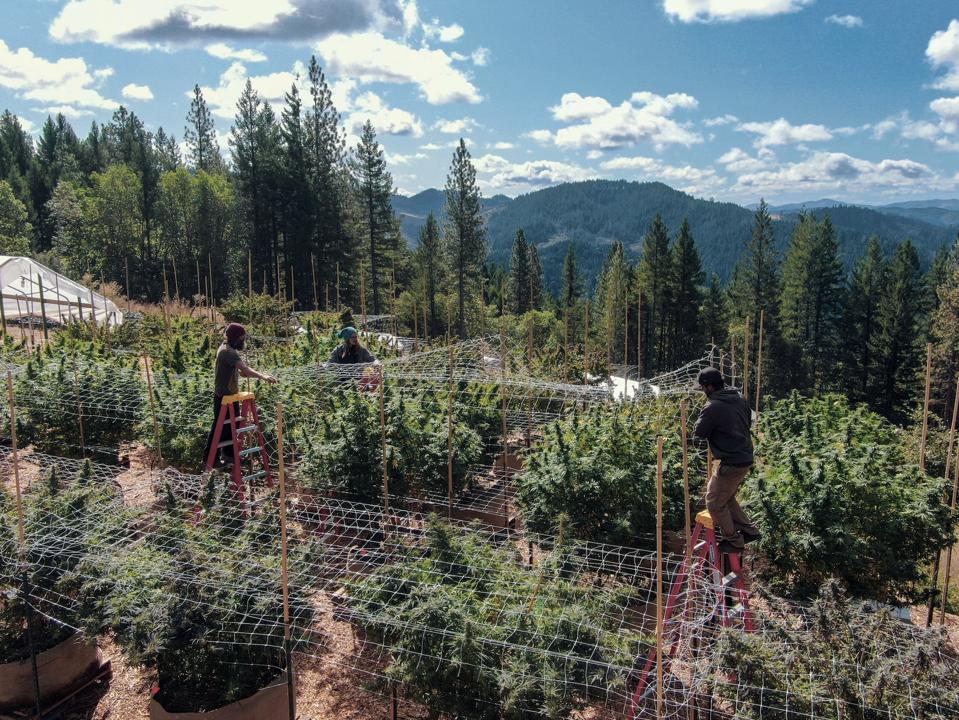
Have you ever wondered what a cannabis crop in one of the most legendary grow regions of the world looks like?
It’s probably like nothing you’ve ever experienced: weed as far as your eyesight can go, the buds emanating their unique smells and contrasting against beautiful sunsets, the sound of plants swinging with the wind.
What’s even more magical and breathtaking than the grow itself is the harvest season, when the plants are at their best. For outdoor grows in the U.S., this usually takes place between October and November. According to Green Market Report, approximately 80% to 85% of the legal cannabis industry’s outdoor cannabis is harvested during this brief period of time.
The ‘Croptober’ Contest
Cannadips – Courtesy Photo
Now you have the opportunity to experience the famous “Croptober” festival in Humboldt County, California, first hand.
Cannadips, a company that makes hemp-derived CBD pouches to help people quit tobacco, is pulling back the Redwood curtain and inviting 10 lucky people to check out the upcoming cannabis harvest. The tour will have attendees visiting multiple grow operations in a day: from Xotic Flavorz, Ridgeline Farms and Humboldt 36 Farms, to CannaCountry Farms, Arcata Fire and Ammo Brand.
A total of 4 winners of the Croptober Getaway Sweepstakes contest will be picked every 2 weeks between May 1st and June 30. One last winner will be announced on June 30, and selected through an Instagram competition where the author of the best photo posted using the #Croptober2021 hashtag will win a free trip to Humboldt.
All winners will get a plus one for the trip, taking the total number of guests to ten.
A Special Occasion
According to Case Mandel, co-founder of Cannadips, the fact that his product is being sold at more than 6000 stores nationwide makes his brand the largest CPG brand hailing from Humboldt County.
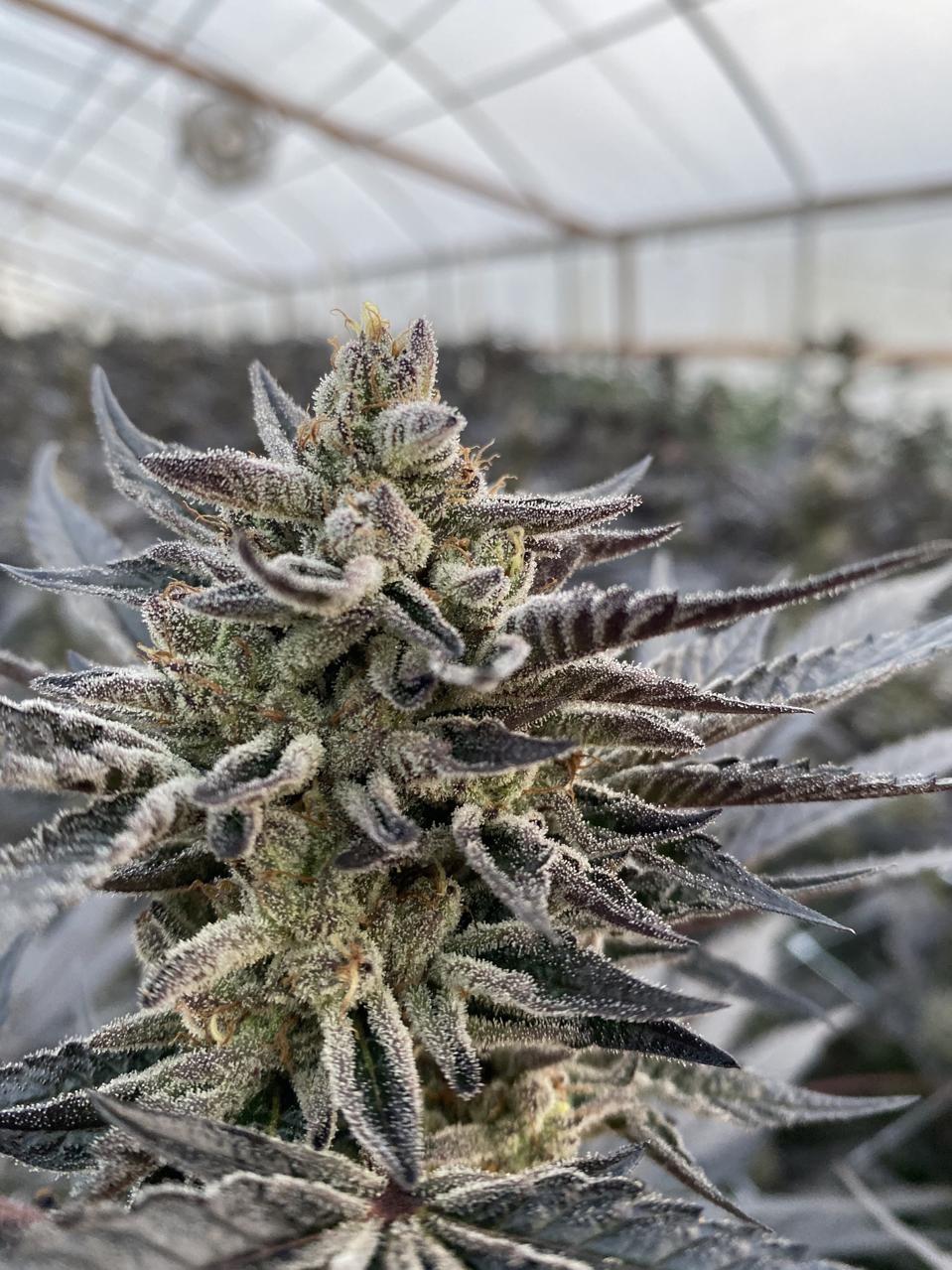
Kushmintz cannabis grown in Humboldt – Xotic Flavorz
“We take that seriously and are using our brand as a vehicle to create exposure to the other amazing innovators and craftsmen from our region who put cannabis and Humboldt on the map,” he said.
And Mandel takes his company’s Humboldt identity very seriously.
“Croptober is so special to us: It is welcoming people into our region to experience something that has been illegal for the last 50+ years, and showing them not another monocropped field in Southern California, but high-quality artisan Humboldt sun grown cannabis.”
Cody King, founder Xotic Flavorz, one of the farms people will visit during the tour, added, “I’ve been around cannabis since birth in Southern Humboldt. Our community has been of secrecy and artisan innovation. We didn’t take the risk for the last few generations to let corporate cannabis steal our thunder. We are excited to partner with Cannadips and show people across the country how amazing Humboldt and the cannabis culture really is.”
The Itinerary
Below is an itinerary for the contest winners:
October 15: Winners fly in.
October 16: All-day Cannabis tours with Xotic Flavorz, Ridgeline Farms, Humboldt 36 Farms, CannaCountry Farms, Arcata Fire, Ammo Brand.
October 16: Concert at Arcata Theater Lounge led by Deejay Theory and a surprise headliner.
October 17: A tour of the region’s redwoods, rivers and beaches, and a cookout at the Cannadips facility.
October 18: Attendees fly back home.
Jason Gellman, founder of Ridgeline Farms – Courtesy Photo
Flights to and from Humboldt, the stay at the historic Hotel Arcata, food, drinks and cannabis are included in the prize.
“I’ve been running in the hills of Humboldt since 2009. To be able to make the transition to the legal industry and then create a leading national CPG brand rooted in this region is an honor. We are coming full-circle in now being able to be a vehicle to our consumers and provide them access to the amazing cultivators and manufacturers that have made this region famous. It’s the Emerald Triangle baby, we are polishing it and letting it shine,” Mandel concluded.
“From the old days of working the hills behind locked gates to Croptober and bringing in consumers across the country- it has been one insane transformation.”
A cannabis farm in Humboldt – MatCa Films
This article, which appears on Benzinga, was originally published on Forbes and has been reposted with permission.
According to a one study, heart health can be improved by consuming this food twice a week.
Good heart health involves a lot of factors, from working out regularly to eating the right type of meals. Despite having no short cuts when it comes to having good cardiovascular health, there’s one food that can increase your heart health, specifically if you eat it twice a week.
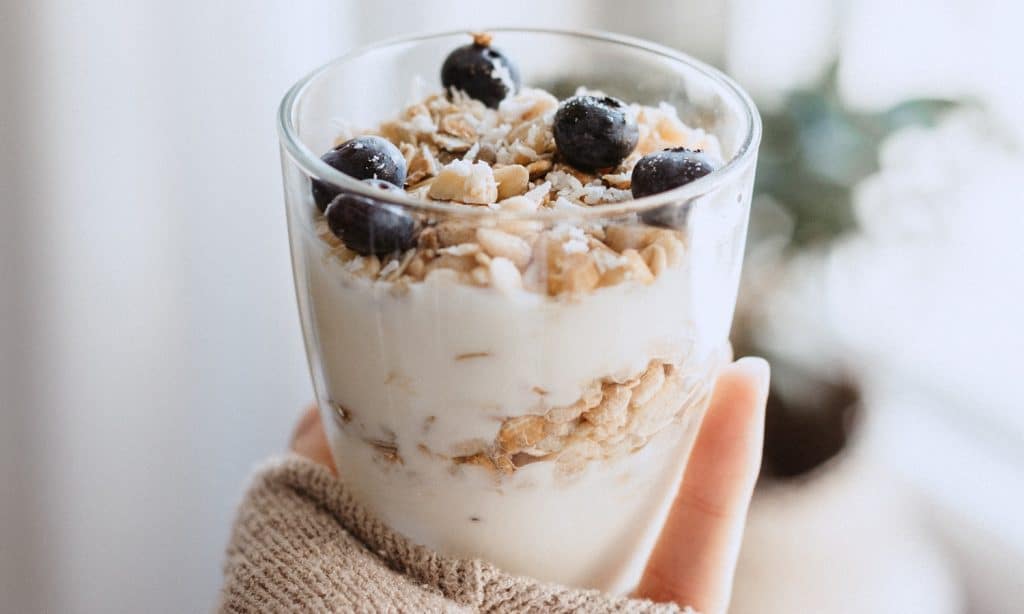
According to a 2018 study published in the American Journal of Hypertension, there’s a link between eating yogurt twice a week and less risk of cardiovascular disease.
“We hypothesized that long-term yogurt intake might reduce the risk of cardiovascular problems since some previous small studies had shown beneficial effects of fermented dairy products,” said Justin Buendia, one of the study’s authors. “Here, we had a very large cohort of hypertensive men and women, who were followed for up to 30 years.”
These results were gathered by examining the health records of over 55,000 women between the ages of 30 and 55 with high blood pressure. Stats from 18,000 men between the ages of 30 and 55. Participants kept logs of their diets and medical diagnoses that included strokes and heart attacks.
Subjects who ate two or more servings of yogurt on a weekly basis were 19% less likely to suffer a heart attack than subjects who didn’t eat yogurt at all. While all subjects experienced benefits, these results were more pronounced in women, who were 30% less likely to experience cardiac arrest by consuming yogurt often.
Yogurt, especially those with no added sugars or added flavors, is healthy for your overall health. It has protein, calcium, and probiotics. It’s especially beneficial for heart health, being linked with positive blood pressure and cholesterol levels.
If you want to add yogurt to your diet, it’s important to know that not all yogurts are made the same. Many brands of yogurt have sugars or unhealthy artificial sweeteners. Your best bet would be to eat plain non-fat yogurt, mixing it with fruits or other ingredients for flavor and for rounding out meals.