The pandemic influenced our eating habits, from the products we bought to their pricing. Here are some other changes that were triggered by the lockdown.
The pandemic has affected many aspects of our lives, including our drinking and eating. In several reports presented at the annual meeting of the American Society of Nutrition, researchers spotted trends in our habits, not all of them for the better.
CNN reported on some of the most significant changes we experienced with our eating habits through the pandemic. Here are four of them:
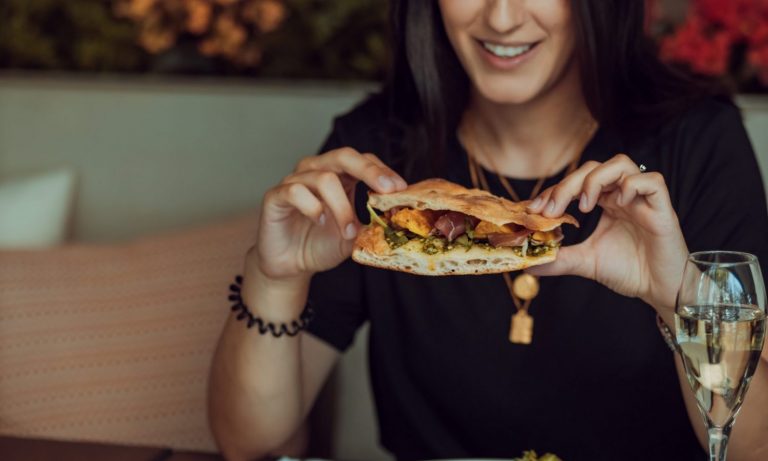
Less healthy eating
Photo by Emiliano Vittoriosi via Unsplash
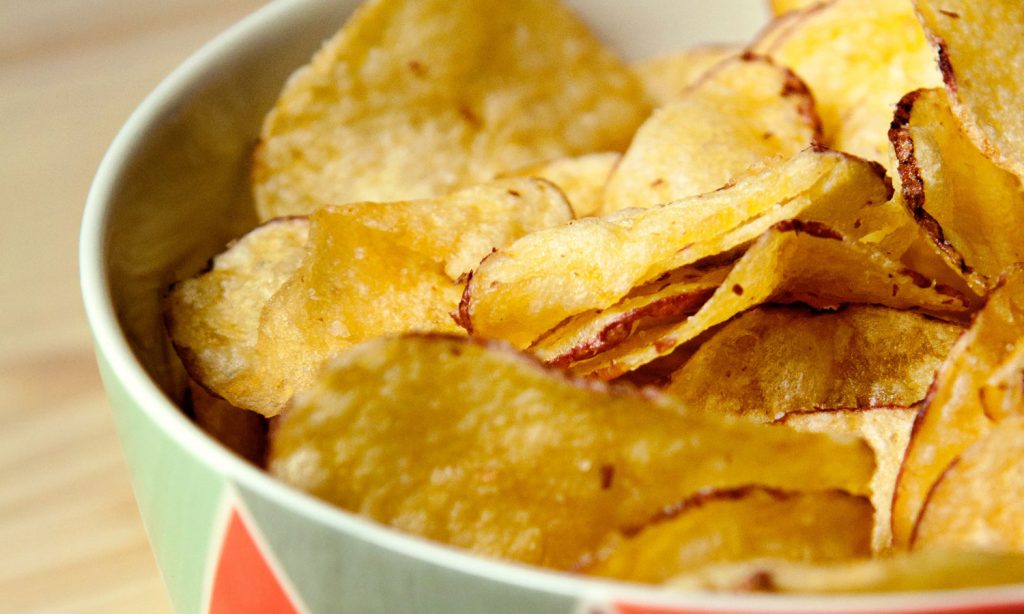
The consumption of unhealthy snacks and deserts increased significantly. Throughout the pandemic, people were more likely to snack and drink chips, cookies, sweetened coffees, teas, and sodas.
When it comes to eating healthy foods, the consumption of vegetables and whole grains dropped during the past year. “This decrease was the most pronounced among women, black and Latino study participants, and participants who gained at least five pounds or more since 2018,” said Caroline Um, post-doctoral fellow at the American Cancer Society.
More pandemic weight jokes
Photo by Brodie Vissers via Burst
A study that looked into the impact on children when families comment on their weight found that these behaviors internalized weight bias. According to the study, as few as three comments of this type per month were enough to impact children. This kind of internalization and weight bias has been found to predict future weight gain, promoting unhealthy eating habits and lifestyle decisions.
During the early days of the pandemic, a lot of people ordered their groceries in order to minimize their contact with germs and other people. Throughout the months of March and April of 2020, 18,000 households were surveyed. A third of them were ordering their groceries online due to the pandemic and convenience.
Higher food prices
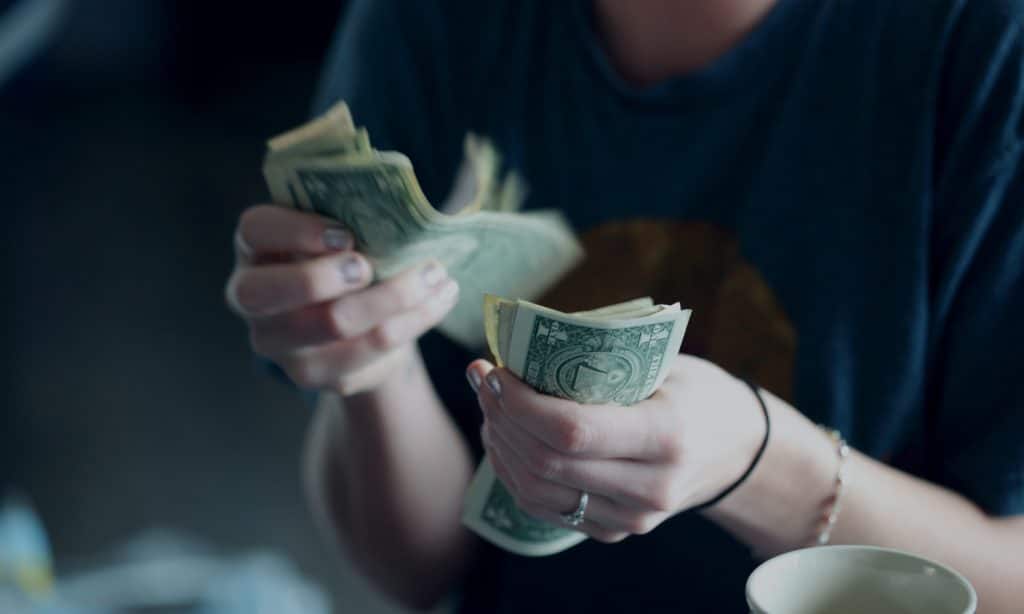
Photo by Sharon McCutcheon via Unsplash
Lastly, research from Tufts University found that there was a link between local governments that put high-level restrictions in their community and higher food prices. The data was found via analyzing food and consumer goods pricing in different counties in the United States, all the while comparing them to the community’s COVID-19 restrictions.
The threat of antibiotic resistance is one of the many global health challenges that will be solved with the chemical compound in the cannabis plant.
One of the most prevalent threats to human beings that have become a global health challenge is drug-resistant infections. This threat increases fears that there is a high possibility of our generation returning to the pre-antibiotic age because such diseases are life-threatening.
Over 700,000 people are dying from drug-resistant infections yearly. This number increases daily, and it has put scientists and researchers on the quest for new antibiotics that will target superbugs.
Photo by Bacsica/Getty Images
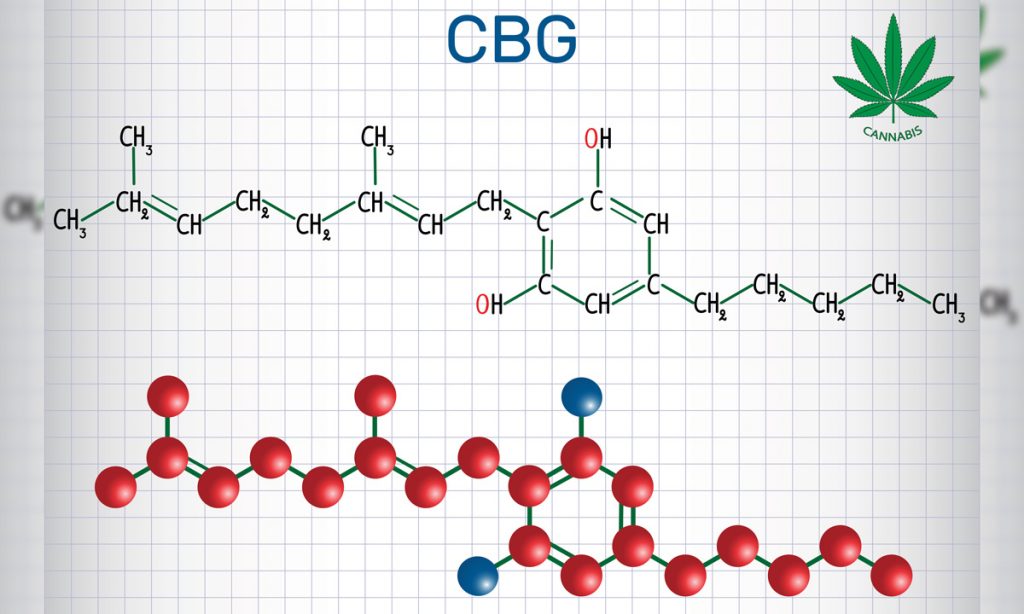
What is cannabigerol?
Cannabigerol (CBG) is a form of the cannabinoid from cannabis plants and often called the “Mother” of all cannabinoids. Cannabigerol holds an extraordinary place in the heart of cannabis researchers and users because other cannabinoids are derived from its acid.
CBG is also found in smaller quantities than other cannabinoids in the cannabis plant, as in most plant strains; you will find 1% of CBD, unlike the 20-30% of THC in the plant.
So products gotten from CBG are rare and very expensive. Researchers have found that CBG has many benefits to offer the medical world, which has increased its popularity.
What are antibiotics?
Antibiotics are drugs created to prevent and cure bacterial infections, thus saving people from dying when the infection spreads without a cure. But antibiotics are also under severe threat because of the availability of different types of antibiotic-resistant bacteria.
These bacteria, which overcomes the effects of even the most potent antibiotic, are a problem that has caused the pharmaceutical industry to become stagnated with the creation of new antibiotics. Alongside climate change, the antibiotic-resistant crisis is also seen as a global threat.
How can cannabigerol help?
As researchers carried out tests for a solution to this threat, it was discovered that natural ingredients in cannabis could proffer a solution to the crisis. According to a recent study, cannabigerol was identified as a chemical from the cannabis plant that can kill stubborn bacteria.
The antibacterial activities of cannabinoids (which are the chemicals in cannabis) effectively suppress and fight off this group of bacteria.
The research carried out by two MacMaster microbiologists, Dr. Omar El-Halfawy and Dr. Maya Farha, maintain that scientists need to rethink new ways of discovering the next antibiotic. With all focus on cannabigerol, it is evident that this cannabinoid is the future.
Photo by Lukas Dvorak/EyeEm/Getty Images
The cannabinoid is also an attractive research area with tremendous potentials for long-term solutions for this crisis. Therefore, scientists in academia hope that their discovery will raise more antimicrobial investigations into the possibilities of cannabinoids.
CBG was proven to effectively kill both the normal bacterial cells and other persister cells that showed excellent resistance to antibiotics. CBG was also effective with preventing and disrupting biofilms which cause build-ups on the person’s skin.
Although these test results are preliminary, there is a very high potential for additional findings and further studies; a powerful solution can come from CBG.
The power of cannabigerol in the cannabis plant.
For decades, researchers have agreed that cannabinoids, particularly cannabigerol, have antibacterial properties. For instance, since the 1950s, cannabis extracts have been used as antiseptics in many parts of the world. This realization confirms the fact that cannabinoids still have a lot of untapped potential for antimicrobial development.
The drug properties in cannabinoids are also helpful in the human body, making them a good starting point for the creation of new antibiotics. The team at McMaster University tested 18 varieties of cannabinoids and other related molecules against several antibiotic-resistant superbugs.
Photo by Roxana Gonzalez / EyeEm/Getty Images
The tested bacteria also included gram-positive bacteria and gram-negative bacteria. Well, scientists discovered that cannabigerol showed very high promise as an antibacterial agent.
Researchers also collected different antibiotic-resistant bacteria from local hospitals to observe if the cannabinoids killed the bacteria. They immediately realized that CBG has a unique and extraordinary antibacterial activity against other bacteria groups during their experiments.
Their discovery also revealed that CBG is a non-psychoactive and non-sedative chemical excellent for antibiotic development for both animals and human beings. Interestingly, unlike other cannabinoids such as THC, you cannot get high with CBG.
So a combination of significant chemical compounds with an inability to get you high makes cannabigerol the perfect candidate for a solution for this global health crisis. Since CBG cured MRSA-infected mice without any toxic side effects, it means it holds high potentials for human beings.
Scientists also discovered that within 30 minutes of the treatment on mice, CBG stopped the bacterial growth and killed all MRSA bacteria that are tolerant to current antibiotics like ciprofloxacin. Additionally, CBG was also tested against the most brutal gram-negative bacteria.
Photo by naruecha jenthaisong/Getty Images
Many antibiotics are ineffective against gram-negative bacteria such as E. coli because of the antibiotic’s inability to get into the bacterium cell. CBG “alone” couldn’t kill E. coli, but when it was maximized in combination with another antibiotic (like a Polymyxin B), the E. coli membrane becomes easily penetrable.
With the penetration, CBG gains entry into the E. coli and kills the bacterium!
Yes, the cannabis plant has given us a miracle through cannabigerol, and so many health experts are excited about the breakthroughs this will bring on a global scale. But, it will take time before it is commercially available as it needs to go through rigorous CBG safety tests and pre-clinical development trials.
Bottom line
The world is still going through a reawakening phase with the possibilities that cannabis offers. So much has been discovered with cannabis so far, and much more can be done as scientists and researchers continue to ask questions and test the cannabis plant.
The threat of antibiotic resistance is one of the many global health challenges that will be solved with the chemical compound in the cannabis plant. The potent cannabinoid cannabigerol is proven to contain antibacterial properties that can effectively fight the global threat.
No one knows for sure what the future holds, but one thing is certain: cannabis and its cannabinoids will be a big part of it.
A new study found a strong link between men who have belly fat and this type of common cancer.
Being overweight has long been correlated with conditions like heart disease and diabetes. But a new study has found surprising links between males who are overweight and having higher odds of developing prostate cancer.
A Canadian study published in Cancer Causes & Control looked into fat distribution and whether or not it plays a role in cancer development.
Researchers collected data from over 1,900 males from 2005-2012 and compiled waist and hip measurements, height, weight, BMI and other relevant statistics. They found that abdominal fat was linked with aggressive prostate cancer. The more the BMI increased, the higher the odds were of developing prostate cancer.
Photo by huettenhoelscher/Getty Images
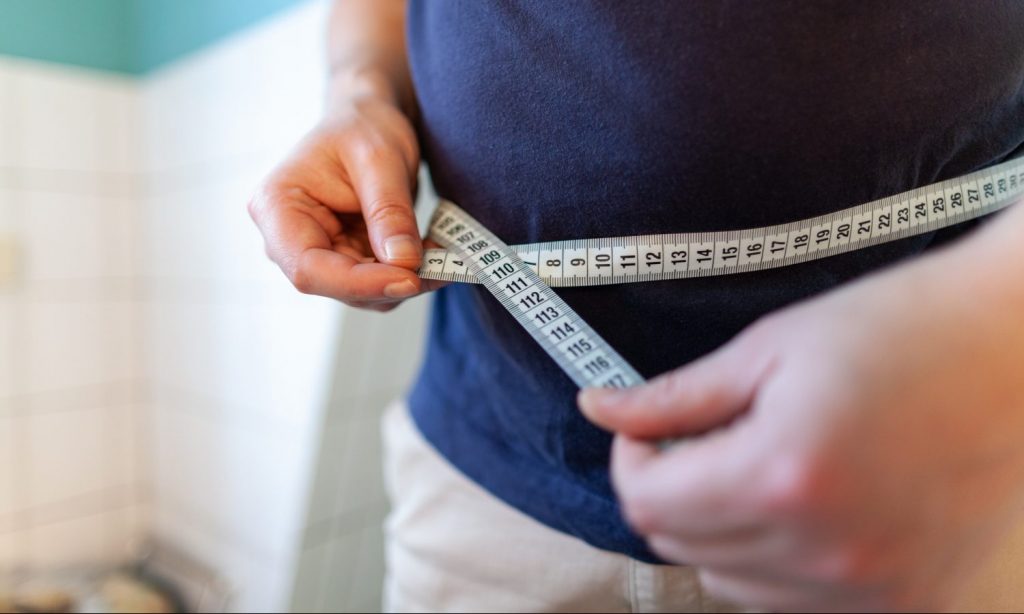
A closer look at the results revealed that waists measuring 40 inches or higher were even more dangerous, linked with an elevated risk of advanced prostate cancer.
One of the most important facts that the research uncovered is that general obesity wasn’t connected to prostate cancer. The problem is belly fat, which is believed to be the cause of proliferation of prostate cancer cells.
“Abdominal obesity causes hormonal and metabolic variations that can promote the growth of hormone-dependent cancer cells,” said one of the authors of the study, Éric Vallières. “Abdominal obesity is believed to be associated with a decrease in testosterone, as well as a state of chronic inflammation linked to the development of aggressive tumors.”
While the results are concerning, having this knowledge is a good thing. Studies like this can be used to orient doctors and patients and provide answers in treating complicated diseases, like cancer. Men who are overweight can be closely monitored for prostate cancer, preventing the disease or treating it early on.
If you don’t have access to THC or prefer not to have such a “head trip” while getting high, then delta-8 is a great solution for you.
By now you have heard about delta-8 THC and the huge push to have it shipped and sold across state lines. You may be asking yourself questions such as what is delta-8 THC, does it get you high like regular weed, how is it legal, and why are so many states now banning it or making it illegal. I wanted to see what all the fuss was about, so I decided to only use delta-8 THC for a week and see how it compares to smoking and eating the “real deal” marijuana products with regular old THC in them. So, what happened and what was it like to do hemp-based delta-8 THC for a week and why would someone switch to from regular THC to delta-8?
Meet the delta-8-THC (tetrahydrocannabinol), which is very similar to the delta-9 THC cannabinoid. You may already be familiar with THC, the legendary cannabinoid that is responsible for the psychoactive effects of cannabis. Both are very similar, and the only thing that differentiates them is the presence of a few electrons.
Delta-8-THC is one of the four common cannabinoids present in dried flower, but it still only makes up less than 1%. The others include CBD, CBN, and THC. Just like its close cousin THC, the delta-8 also has psychoactive effects although it’s less potent.
Delta-8-THC is different from delta-9-THC and this accounts for the differences in the physical and mental effects induced by both compounds. Delta-8-THC has a double bond on the 8th carbon while delta-9 has a double bond on the 9th carbon. This difference in the orientation of the double bond makes delta-8-THC completely different from delta-9-THC though there still exists some similarities.
The National Cancer Institute in its definition of delta-8-THC defined it as an analog of tetrahydrocannabinol (THC) with antiemetic, anxiolytic, appetite-stimulating, analgesic, and neuroprotective property. Further clarification on the compound shows that it binds to CB1 and CB2 cannabinoid receptors located in the central nervous system. These cannabinoid receptors are G-protein coupled receptors. Upon binding to these receptors in the brain, delta-8-THC also causes a euphoric feeling though not as potent as delta-9-THC.
Isn’t it all THC? Who cares?
This is where it gets complicated or interesting, depending on where you stand in the industry. We know Delta-8 gets you high, in a similar way to regular THC but just off a delta, but THC is listed as a schedule 1 drug on the CSA, or Controlled Substance Act, and it is considered a very dangerous drug by the US Federal government and has extremely strict distribution and sales protocols. Delta-8 THC is technically not the THC compound since it has a double bond on the 8th carbon if you want to go back to Chemistry class and the Periodic table. Boom! We have a loophole!
Photo by Christina Winter via Unsplash
Delta-8 THC is technically not on the CSA, not regulated by the US Federal government. The loophole gets even bigger when you find out you can extract delta-8 from hemp and create products that get you high but that are legal under the 2018 Farm Act, which legalized hemp in all 50 states in America. So, we have an extra bonded 8 carbon atom that keeps it off the Controlled Substance Act, and since you can make it in a lab from hemp to make a long story short, it is legal under the Farm Act Right? Check out our story on Josh Swisher, the chemist who figured all this out and how to make it.
Wait, so the hippies and chemist figured out a way to beat the US government on getting high and shipping products that get you high all around the country?
They did for a while, but the jig is up for the most part. State governments are banning delta-8 THC at a rapid clip as over 14 states have now made selling and distributing delta-8 off limits and illegal. The Federal government probably won’t take an official stance and change the CSA at this point for delta-8 as they are trying to legalize regular old THC and getting ready to collect taxes on its sales.
Why not just use regular THC and why even switch or try delta-8?
Many people don’t have access and legal ways to get THC products, so the loopholes mentioned above were ways to order a product that gets you high, a molecular cousin of THC, and have it delivered right to your door, “legally”.
Well, do you get high or what is delta-8 like?
I tried delta-8 THC for one week straight and put the “real deal Holyfield” on the shelf for 7 days. I ordered a variety of THC edibles from Delta Munchies. I wanted to give it a full spectrum look, no pun intended, so I got 5mg, 10mg, 30mg bags and said, “let’s do this”.
I started out slow as I had no idea what to expect or the experience I would have. We talking getting body high like CBG? We going tripping balls like LSD or shrooms? We talking “weed lite”?
Photo by GRAS GRÜN via Unsplash
My first day I ate 5mg of delta-8 THC in gummy form. The second day was 10 mg, and then 30mgs or more a day after that. I ordered delta-8 THC gummies, worms, and circles.
Delta-8 THC review
Let’s get to what you want to know. Do you get “high high” off it? Yes, while it seemed I needed more quantity for the effect, ie, bang for the buck, you do get “high high”. For example, a 10mg THC edible would be a solid high AF for 3 or 4 hours for me, where to get that same entrenched feeling, it required 30mg of Delta-8. While I may have a higher tolerance than “normal folk”, I assume if 20mg is what you need to get a good hit of THC through a few hours, you will need to use a multiple of 1.5x or 2x to “get there”. Okay, so how much do you need and quantity is covered, moving on.
Do you get high like you do on regular THC?
I wish this was an easy answer to tell you, like either “yes, it is exactly the same,” or “no, it doesn’t really get you high”. It does get you high, but with a delta-8 carbon bond difference, you do have a different feeling getting “high” on delta-8 THC compared to regular THC. Is it better or worse? The high was more CBG or CBD high, lots of body relaxation and body buzz, but as our previous articles on delta-8 THC have talked about, it has less psychoactive effect than regular THC.
What’s it like getting lubed up on delta-8 THC edibles?
While you won’t get crazy head high or stoned like regular THC, if you had no access to “real deal THC”, it is a no-brainer home run, beggars can’t be choosers, right? The best way to describe it would be like coffee, Red Bull, Monster Energy, and 5-Hour Energy. Coffee high and addiction has been around for 2,000 years like weed, you know how much caffeine is in one cup and you know what 1, 2, and 3 cups of coffee will do to you in a morning.
Delta-8 is like the new kid on the block, the Red Bull or 5-Hour Energy. It has caffeine in it, expressed on the packaging on how equivalent it is to a cup of coffee, ironically. Does coffee, Monster, and Red Bull all have caffeine and have the similar effects on you when you drink them (i.e. caffeine in the blood system)? Yes. Are they all the same as a cup of coffee, the exact same affect as a 5-Hour and Red Bull for everyone, no.
Photo by Grav via Unsplash
Delta-8 THC and regular THC are similar, cousins if you will, in the same way coffee and Red Bulls or Monster Energies are all in the same family tree of ingredients and desired affects, but they are different. The feeling and sensation from a cup of coffee is different than a Red Bull, similar in a 50,000-foot level and intended results, but different when digested and passing through the body.
If you are used to regular THC, you will not be as impressed with delta-8 as it has less psychoactive effects than THC. If you have no access to regular THC, then Delta-8 will blow you away and you will love it. Weed Lite may be an apropos name, yes it works, and if you don’t know any better or can’t get THC in your area, then it is a fine product. The body high is right up there with CBD or CBG, a strong body warm and buzz is guaranteed included with Delta-8 highs, so that is great for body aches and pains and a good night sleep.
Will you drop your weed and run to hemp-based delta-8 THC once you try it? No. If you have no access to THC or prefer to not have such a “head trip” while getting high and want more of a complete body high and relaxation, then delta-8 is a great solution for you. If you fall under the “I love getting high on weed but I don’t like the crazy psychoactive effects sometimes in my mind and head”, then delta-8 THC made from hemp is a great, repeat, great, product for you. It is also cheaper and easier to get than THC if you are in a non-legal or highly regulated market.
Think of delta-8 THC as “weed lite” or “body high weed.” The marijuana industry now has a Red Bull or Monster Energy type variant from THC. Will one replace the other? No. Are states banning delta-8 THC by the month? Yes.
Enjoy it while you can, experience it, and put it on the shelf for the “I really want to sleep well or get my achy body to relax, but I don’t want to go on a THC roller coaster high in my head.”
A new study suggests short walks and workouts are related to a longer lifespan.
As experts understand more about our bodies, new research pops up and provides supporting evidence. A new study discovered that short spurts of movement, like walking up and down the stairs or walking your dog for a little longer than usual, may lead to a longer life.
This information was presented at the 2021 American Heart Association’s Epidemiology, Prevention, Lifestyle & Cardiometabolic Health Conference. This meet-up offers the latest scientific developments on health and wellness and its implications on people’s lives. The data presented was gathered through step tracking apps and wearables, which monitored the progress of thousands of women from 2011-2015.
“Technological advances made in recent decades have allowed researchers to measure short spurts of activity. Whereas, in the past we were limited to only measuring activities people could recall on a questionnaire,” explained lead study author Christopher C. Moore, M.S. “With the help of wearable devices, more research is indicating that any type of movement is better than remaining sedentary.”
According to researchers, “Study participants who took more steps in short spurts lived longer, regardless of how many steps they had in longer, uninterrupted bouts. The benefits leveled off at about 4,500 steps per day in short spurts. Compared to no daily steps, each initial increase of 1,000 steps per day was associated with a 28% decrease in death during the follow-up period.”
Like plenty of new studies and approaches to fitness, this information shows that small changes like parking your car further away from your destination or ensuring that you walk a little bit every day make a significant impact. This knowledge can help in changing the way people approach fitness, making it more accessible, like it’s something that anyone can do, no matter how busy their days are or whether they consider themselves athletic or not.
“It doesn’t necessarily need to be something planned or that you make time for,” cardiologist Dr. Seth Martin told Today. “It can be attained just by living life, taking the stairs, walking further distances to the car. It all adds up during the day. It’s surprising sometimes how quickly steps add up, a little here and a little there.”
Recommendations and guidelines for workouts can be demoralizing, interpreted as indicators of you doing something wrong. Studies like this show that, at the end of the day, what matters is that you move.
The timing and temperature of your shower could have an impact on your sleep habits, for better or worse.
Hot and cold showers serve their purpose. Whether it’s a very hot day and you wan to cool off, or you love standing under hot water, extreme temperatures can affect us in positive and negative ways.
The Washington Post spoke to several doctors who provided their expert opinion on the subject of showers and sleep. It turns out, temperature and timing play very important roles.
“If you take a shower close to bedtime and it’s a very hot or cold shower, that temperature can negatively affect your sleep,” said sleep neurologist Rachel Salas, MD. “What you’re doing is you’re making your body temperature so different from baseline.”
Photo by 955169 via Pixabay
Extreme temperatures appear to be the issue. Super hot or cold showers provide similar experiences, providing a jolt to your body that can be helpful in the mornings or when needing to stay alert.
Taking a warm bath or shower a couple of hours before bed can produce the opposite effect, helping you fall asleep faster.
Experts explain that a warm shower will heat up your body. Once the water evaporates from your skin, your body will start to cool down. This feeling of cooling is one that your body naturally goes through when falling asleep, being a signal for your brain to get ready to temporarily shut down. The warm water could help you speed the process up.
There’s a lot of freedom when it comes to showers, with people showering first thing in the mornings to feel energized, late at night to go to bed, or perhaps on their work break now that working from home is a possibility. If you’re showering with moderate temperatures, the timing of your shower makes little difference and can be used in your favor.
In the run-up to last Sunday’s elections, the Senate backed away from its commitment on cannabis reform, apparently preferring to shift any political blowback to the Supreme Court.
Two months ago we postedto celebrate the passage by Mexico’s Lower Chamber of the Cannabis Law bill sent to it by the Mexican Senate last November. In that post, I wrote, “The Law will now return to the Mexican Senate, where it is expected to be approved pretty much as written, at which point, it will go to the Executive Power for publication.”
Oops.
Just over a month ago the Senate ended its session not only without having approved the Law, but also having ignored the Supreme Court’s directive (dating from 2018) to do so. As a reminder, Mexico’s Supreme Court ruled in 2018 that the federal government’s prohibition on recreational marijuana use was unconstitutional and ordered Congress to pass a reform legalizing recreational use within 90 days. Since then, the Court has set multiple deadlines for Congressional action, with April 30, 2021 set to be the final one.
Photo by John Coletti/Getty Images
Congress’ only obligation under the Supreme Court mandate was to regulate cannabis cultivation and consumption for personal use, but for a long time, members of Congress publicly stated that they would try to create a framework to provide for the creation of a cannabis industry.
Unfortunately, politics intervened. In Mexico, as in many countries, cannabis is a polarizing issue. Social conservatives use the issue to scare voters (¡drogas!) about the intentions of the opposition and to reassure them about their own credentials.
In the run-up to last Sunday’s elections, the Senate backed away from commitment on the issue, apparently preferring to shift any political blowback to the Supreme Court, which way back in 2018 said it would strike down the government’s prohibition on recreational marijuana use if Congress did not enact reforms. A complication is that the composition of the Supreme Court has changed slightly since its 2018 ruling, and the issuance of a General Declaration of Unconstitutionality would require the support of eight of 11 justices.
So, where do things stand today for cannabis businesses (or start-ups) interested in the Mexico market?
The final outcome of the elections will be an important factor, of course. President Andrés Manuel López Obrador’s MORENA party appeared to maintain its plurality in the Lower Chamber of Mexico’s Congress, but lost a significant number of seats and will need to work with its allies in the Workers Party (PT in Spanish) and Green Party (PVEM, in Spanish) to pass legislation.
For cannabis businesses, this is good news; MORENA politicians and legislators were the originators of the Cannabis Law, and are the most likely to press for further action toward enactment, e.g. by taking it up again during the next Senate session, scheduled to begin on September 1, 2021. Victory by the opposition would likely have postponed the creation of a legislative framework to underpin the development of a cannabis industry until the political winds have shifted once again.
Photo by Flickr user Jorge Mendoza-Torres
Another question is whether or not the Supreme Court will press ahead and issue a General Declaration of Unconstitutionality in relation to the government’s prohibition on recreational marijuana use. If it does press ahead, and if at least eight justices vote in favor, the existing legislation will be expunged from Mexican law, which would create a legal vacuum in which there is no law applicable to non-medical use of marijuana.
If the Supreme Court does meet to consider issuance of a General Declaration of Unconstitutionality, but a majority of justices does not approve, consumers will have to continue applying to the Federal Commission for Protection against Health Risks (in Spanish, Comisión Federal para la Protección contra Riesgos Sanitarios, or COFEPRIS) for a self-cultivation/self-consumption permit and will have to continue filing amparo actions (lawsuits in federal court that require the government to defend its actions) in case of non-response or denial.
A final factor to consider: as in the United States, Mexican state legislators have a different view to their federal counterparts on the cannabis issue, and I have been told that legislators in many states are drafting legislation that would pave the way for the establishment of a legal industrial hemp industry. Again, the outcome of yesterday’s elections will be critical to the development of this storyline, but certainly this would be good news for industry stakeholders and consumers.
The above is an update on the political situation governing the development of recreational cannabis and industrial hemp businesses in Mexico. Shortly I will post again, with my suggestions for how cannabis businesses and investors should react to this news.
Adrián Cisneros Aguilar is an attorney at Harris Bricken and oversees the firm’ss Mexico practice, where he helps companies on US-Mexico cross border legal matters, including cannabis law matters, Latin American and European companies on China and International Law issues, and local companies with international and domestic business transactions.
An ACLU poll shows that a large percentage of Americans believe the war on drugs was unsuccessful.
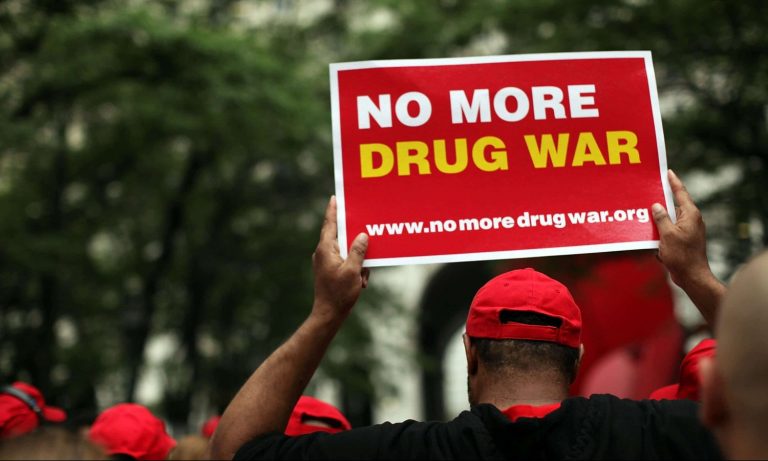
More than half, 60%, of Americans believe the War on Drugs should end, and support the decriminalization of illegal substances.
The American Civil Liberties Union (ACLU) and the Drug Policy Allegiance (DPA) released the poll ahead of the 50-year anniversary of President Nixon declaring that drugs were “public enemy number 1.” This rhetoric and decision impacted the lives of thousands, resulting in mass incarcerations and the proliferation of violence all over the world, disproportionately affecting Black, Latino and Indigenous people.
According to the poll, 65% of the people surveyed agreed that the U.S. should stop the War on Drugs, with 66% of participants believing in decriminalization of drugs altogether.
Our poll found that nearly two-thirds of the country believes we need a new approach based in public health, not law enforcement. pic.twitter.com/aUUVgH3wtq
Poll results show how much views have evolved since the 70s. Nearly two thirds of the country believe there should be new healthcare enforcement instead of new law enforcement. The majority of respondents think drugs should be a problem solved by healthcare providers and not officers. And 83% of respondents believed the War on Drugs has failed.
The message of the poll and statement was for the Biden Administration to take actions against the War on Drugs, using these results as evidence of what the American people want and believe in.
“On this 50th anniversary of the drug war, President Biden must make good on his campaign promises and take steps to begin dismantling the system of over-policing and mass incarceration that is endemic to the war on drugs,” said Udi Ofer, director of the ACLU’s Justice Division.
Photo by krisanapong detraphiphat/Getty Images
“Today, drug possession continues to be the number one arrest in the United States, with more than 1.35 million arrests per year. Every 25 seconds, a person is arrested for possessing drugs for personal use, with Black people disproportionately targeted by this over-policing,”
In the coming weeks, the ACLU and the DPA will be launching a media campaign asking President Biden to begin dismantling the war on drugs by reducing the sentences of people in federal prison due to drugs.
In the past, Biden has said that no one should go to prison for low-level drug cases. His administration has stated that rescheduling cannabis would be a good first step in order to release inmates charged with marijuana convictions.
The Senate Majority Leader didn’t count on conservative Democrats being the policy blocking forces that they have become.
It was just last year that Senator Chuck Schumer, optimistic about the outcome of the November 2020 election, swore up and down that if the Democrats seized majority rule on Capitol Hill, making him the new Majority Leader, a marijuana legalization bill would be put on the floor, and it would pass.
Well, some of that happened.
The U.S. Senate is now split 50-50 with Vice President Kamala Harris as the tiebreaker. All that was left to do is draft a weed bill, and Americans would live happily ever after. Well, five months ago, Schumer and two other Senators came forward to proclaim how cannabis reform was going to be a priority in the upper chamber. Since then, the nation hasn’t witnessed any action. The main reason, presumably, is because Senator Schumer knows that trying to pass a cannabis reform bill right now will end in failure.
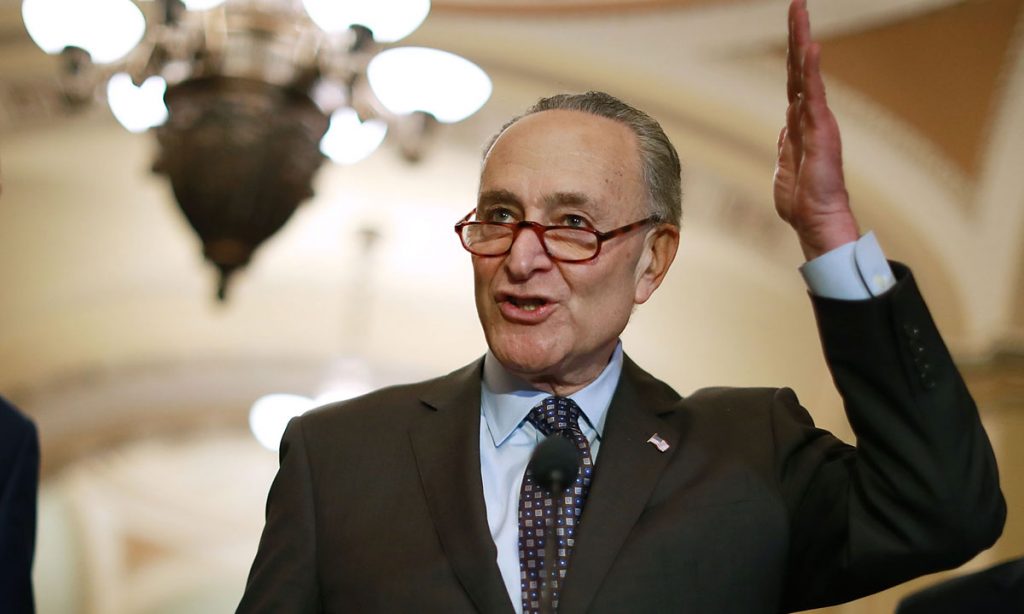
Photo by Chip Somodevilla/Staff/Getty Images
But we’ve got to hand it to Schumer: He came out swinging, as though that slim majority in the Senate gave him all the fighting power that he would ever need to pass a progressive agenda. It’s conceivable that, in the back of his mind, he was going to use his newly appointed clout to give America the makeover it needed to gussy up a Trump-soaked population.
Marijuana reform was his hot topic there for a while. It seemed like every time we logged on to our computers, there was Schumer talking about how he was going to legalize weed, how they had the support, and how they were going to do it in such a way that repaired a tattered and torn Black America and stopped large corporations. Look up in the sky; it’s a bird, it’s a plane, it’s Super Schumer.
Over the past couple of weeks, however, Schumer has learned that not only is the Republican party 100% against him, but so are a few Democrats. Senate Minority Leader Mitch McConnell has vowed to cripple the Biden agenda, while several Democratic Senators have come forward to express their unwillingness to support everything from voter’s rights to cannabis-related reforms. Some have even opposed changing the filibuster rules, which Schumer believes is now being used as a weapon of obstruction. Still, without every Democratic member working together on these issues, the whole of Schumer’s progressive plans is as good as sunk.
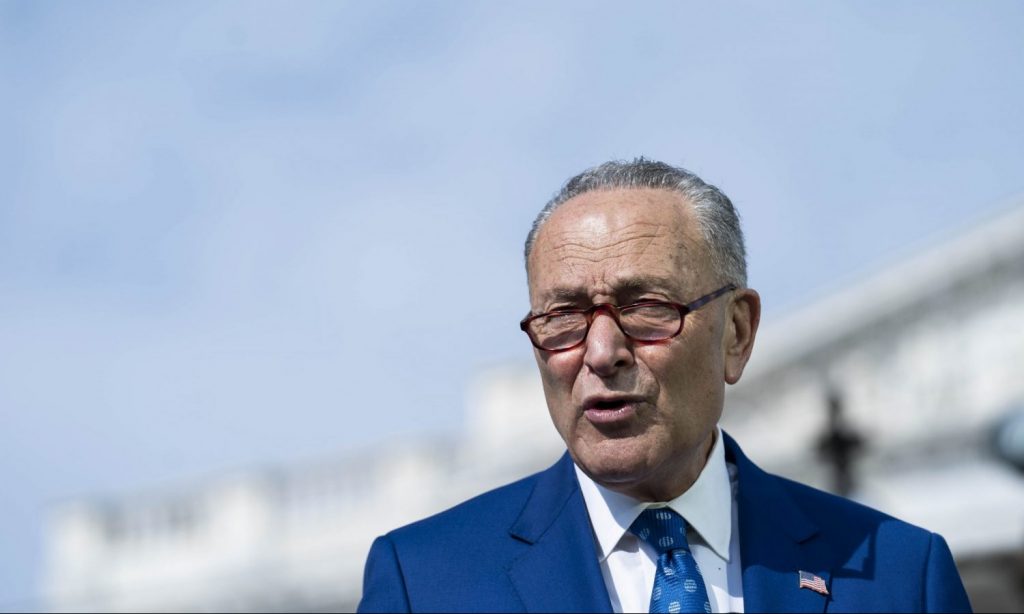
Photo by Sarah Silbiger/Getty Images
Now, Schumer’s only hope is to convince those of his colleagues that remain unfavorable against ending the filibuster that Republicans are going to use this maneuver to stop every piece of Democratic legislation — putting the session in a constant state of gridlock.
Schumer needs Senators Joe Manchin and Kyrsten Sinema to get behind the elimination of the filibuster. Who knows if getting them to switch sides is even possible? The real problem is there are undoubtedly more Democratic Senators who also oppose killing the filibuster, they just haven’t made their intentions known. There could be a slew of Democrats waiting to go against Schumer on this issue.
Schumer is in a tight spot. He’s proved that he isn’t made of the same cutthroat chainsaw grease as his predecessor, Senator Mitch McConnell, and he’s more about flexing peace and harmony than being a wrecking ball of total domination. Yet, if Schumer goes dark and takes steps toward ending the filibuster, a seemingly necessary bully move if he wants to pass controversial legislation such as federally legal marijuana, any policies the Dems push could be temporary.
Without the filibuster, Republicans could simply repeal legal weed with a simple majority once they are back in power. Again, this puts Schumer in a tight spot. Ideally, the two parties should sit down and discuss a legitimate bipartisan compromise on cannabis reform. It’s not like it’s going anywhere. So far, 17 states have gone fully legal, and most of the population supports allowing weed to be taxed and regulated like alcohol. The federal government needs to get ahead of it now.
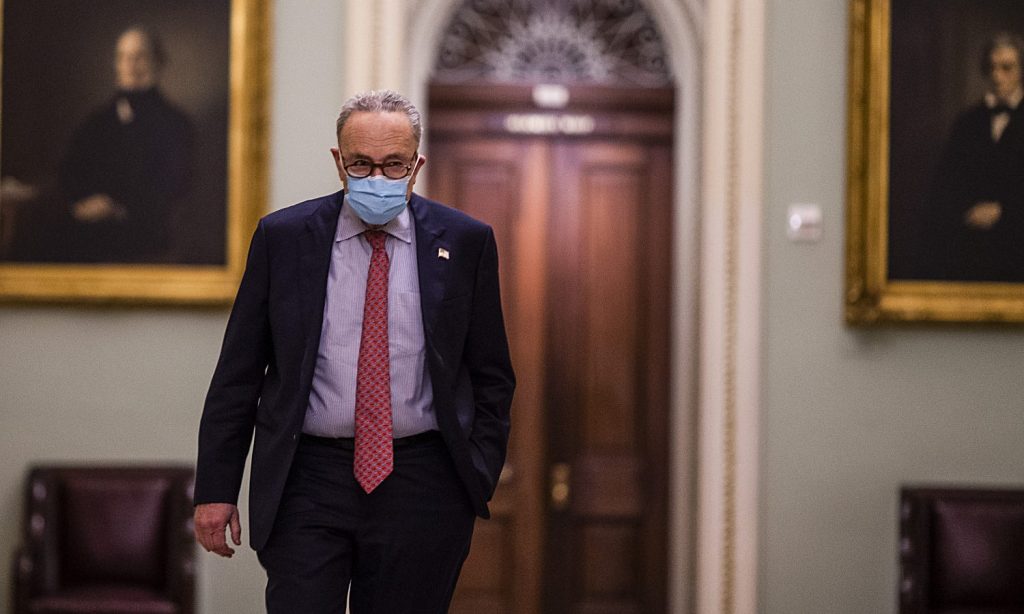
Photo by Tasos Katopodis/Getty Images
Super Schumer has found his kryptonite. It didn’t take long. He didn’t count on conservative Democrats being the policy blocking forces that they have become. We expect more opposition to come floating to the top the second he introduces his comprehensive cannabis reform bill.
All of us have had jobs that require an adjustment period to learn the ropes and gain the respect of our co-workers. Finding his footing will be the trick. The Art of War states, “victorious warriors win first and then go to war, while defeated warriors go to war first and then seek to win.”
Schumer’s focus on forcing votes to change the filibuster is defeat. For the greater good of America, regardless of whether it is cannabis reform or whatever, the two parties must come together to prevent the nation from going up in smoke.
Prince Harry and Meghan Markle are reportedly considering a lawsuit against the BBC for reporting that the royal couple failed to inform Queen Elizabeth II that they were naming their new daughter Lilibet, the childhood nickname given to the monarch.
What Happened: The BBC cited an anonymous “Palace source” in a story that raised the speculation that the couple, formally known as the Duke and Duchess of Sussex, sprung the baby’s name on the queen without advance notice.
Photo by Chris Jackson/Getty Images
“The source disputed reports in the wake of the announcement of the name that Prince Harry and Meghan had spoken to the Queen before the birth,” the BBC reported, adding that a spokesperson for the couple denied that allegation.
“The duke spoke with his family in advance of the announcement – in fact his grandmother was the first family member he called,” the spokesperson said. “During that conversation, he shared their hope of naming their daughter Lilibet in her honor. Had she not been supportive, they would not have used the name.”
What’s Next: The Daily Mail reported Prince Harry, through his law firm Schillings, has threatened to take legal action against the BBC for filing what he claimed to be a false and defamatory story.
However, the Daily Mail speculated the Palace source cited by the BBC might a senior official, adding that it would be “considered almost unprecedented for the monarch not to sign off on quotes from senior officials, even if they are anonymous briefings.”
The royal couple have been highly critical of the U.K. media and cited their coverage as being among the primary reasons they stepped away from royal duties and relocated to the U.S., where they have pursued business opportunities with companies including NetflixNFLX 0.38% and Apple Inc.AAPL 0.74%.
Photo by Chris Jackson/Getty Images
Baby Lilibet was born Sunday in Santa Barbara, California, marking a rare occasion when a member of the royal family was born outside of the U.K.
U.K. libel laws are much stricter in comparison to U.S. laws. Last month, Prince Harry generated criticism in an interview when he questioned why the U.S. didn’t follow the legal mandates found across the Atlantic.
“I believe we live in an age now where we’ve got certain elements of the media redefining what privacy means,” he said. “I’ve got so much I want to say about the First Amendment as I sort of understand it, but it is bonkers.”