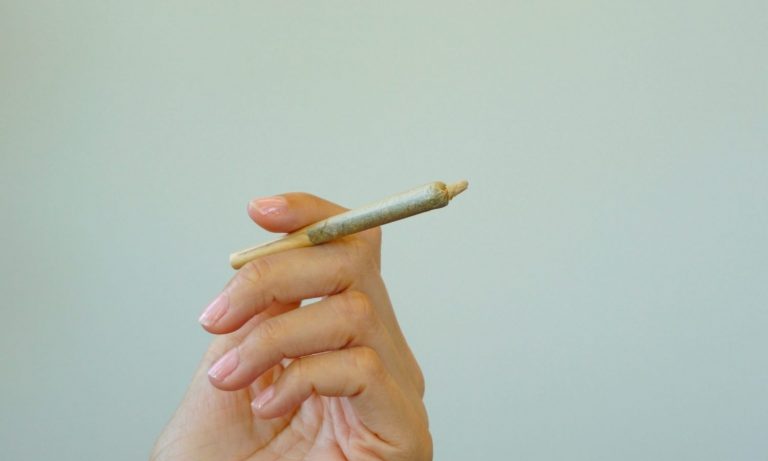
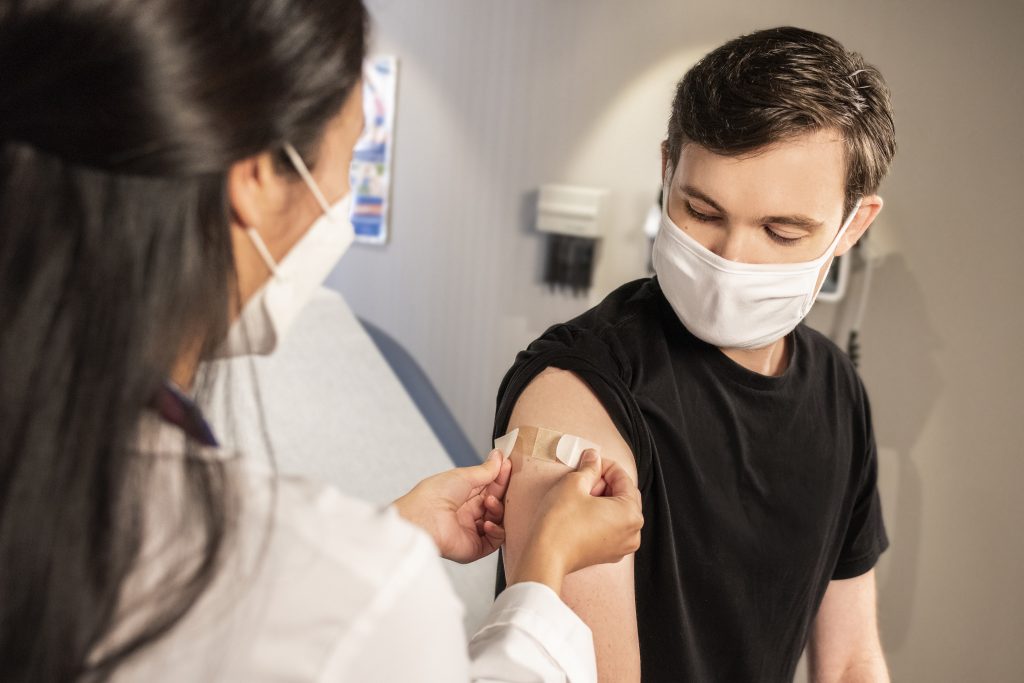
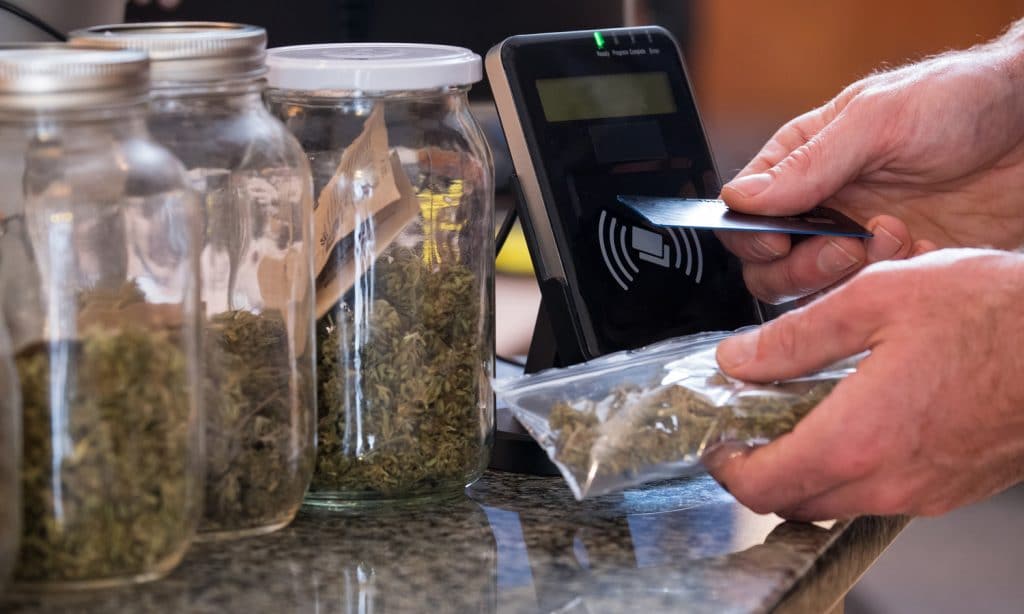
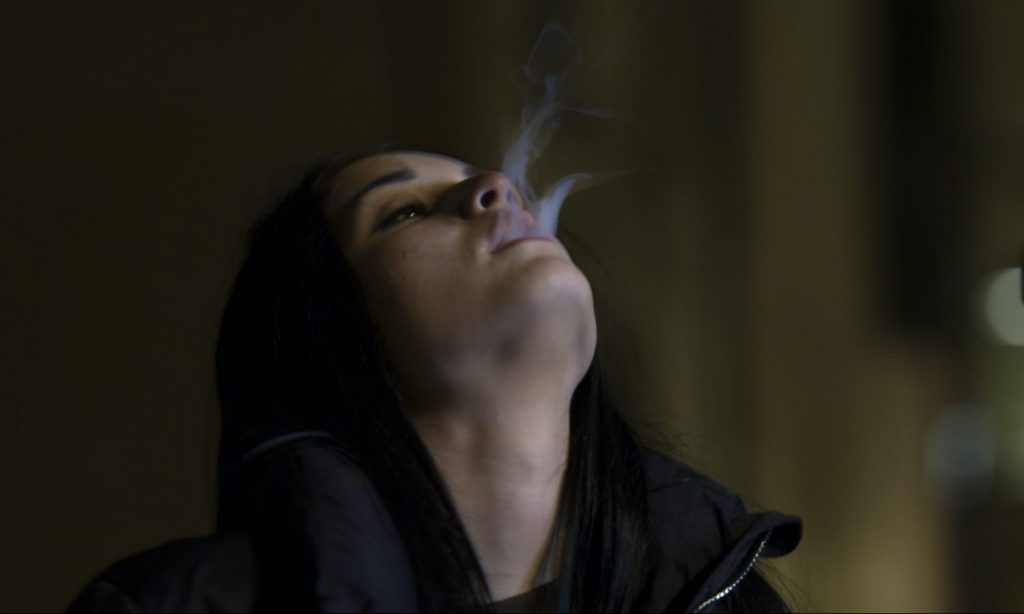
Washington State will be handing out free joints in participating cannabis retailers for adults getting a COVID-19 shot.
In an effort to encourage vaccinations and speed the process up, Washington State has approved a “Joints for Jabs” policy, giving adults the chance to get a free joint with their COVID-19 shot.
The joint must be claimed at the time of vaccination. The “Joints for Jabs” policy will stay in place until July 12, with retailers being able to advertise if they’re participating in the promotion.
According to the LCB, cannabis retailers had been asking for permission to engage in promotions to support state vaccinations.
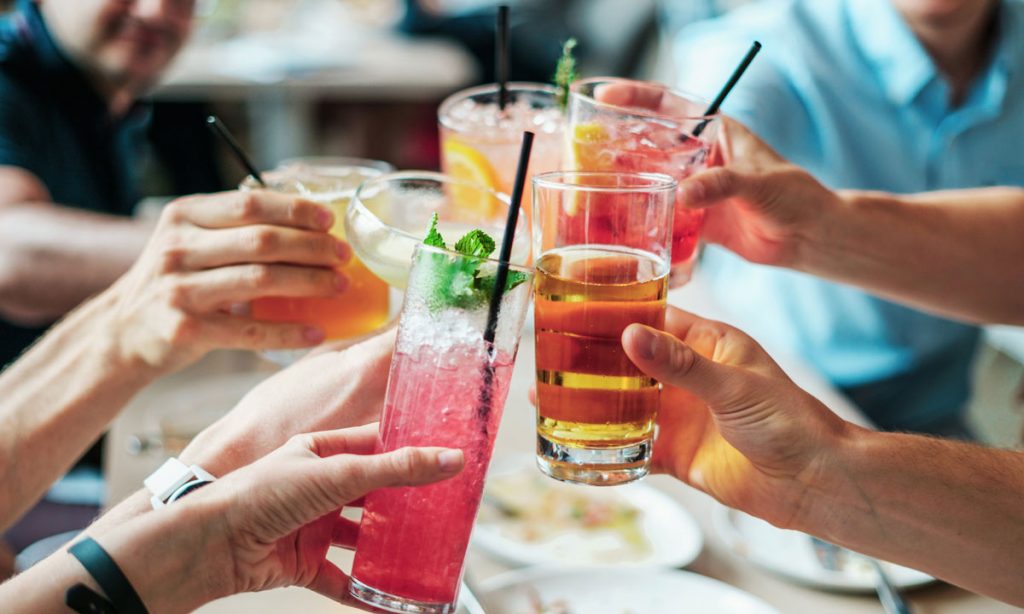
“The LCB has provided dozens of allowances for alcohol and cannabis licensees throughout the COVID pandemic in an effort to support businesses during the restriction period and to support the vaccine effort,” explains a press release. “Most recently, it to be provided an allowance for a beer, wine or cocktail to be provided at no cost for those vaccinated by June 30.”
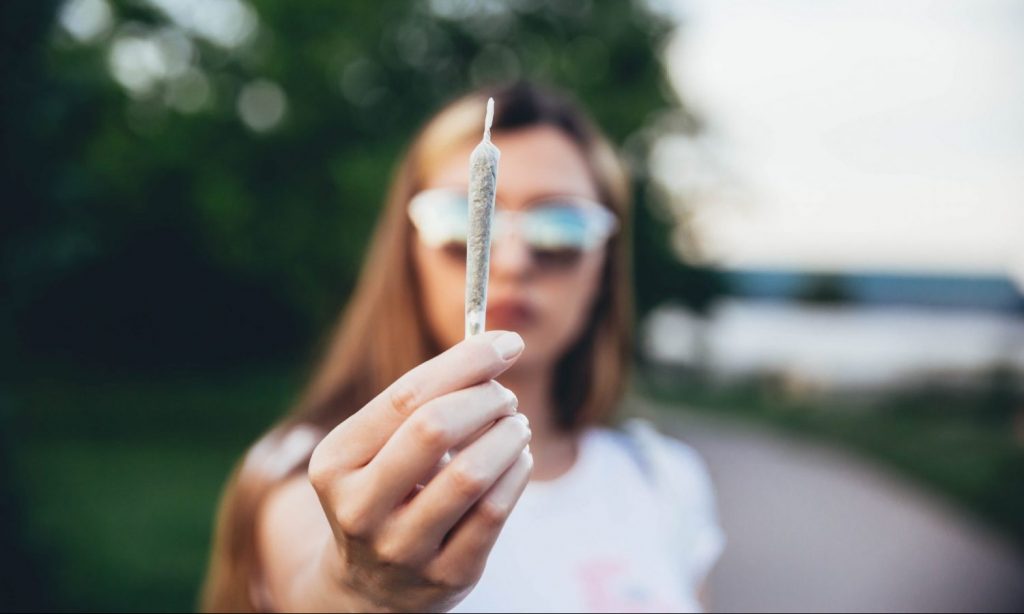
Only people 21 or older are eligible for this promotion, and only pre-rolls are being handed out for free. Edibles, bongs, and other ways of consuming marijuana aren’t included in the deal.
Nearly half of the people in Washington State have been vaccinated, but, like other states, governments are designing creative ways to get reticent people involved in the vaccination process.
States that are trying to get people lured to get their COVID-19 shot include Arizona, New York, Ohio, and more. Prizes are varied, including free beers, wine, cocktails, doughnuts from Krispy Kreme and lottery prizes. The state of West Virginia is providing participants with scholarship opportunities, trucks and even hunting pistols and rifles.
What we can gather from this report, and other consumer reports like this one, is that Americans are past ready for cannabis legalization, especially after the stress of 2020.
The cannabis industry’s proof was in 2020’s revenue, but a new report from consumer data firm Brightfield shows consumer behavior to match exactly what the cannabis industry already knew: people consumed more cannabis during the pandemic than they were before.
Gen Z makes up a large part of new consumers
A clear factor is stress and anxiety, and the Brightfield report confirms that. New recreational cannabis consumers made up 6% of all consumers in 2020, with 22% being Gen Z. If you thought Generation Z wasn’t old enough to consume cannabis, so did we (kidding), but many of them are now 21 which means legal access to cannabis if they live somewhere where it’s legal.
Photo by Eliott Reyna via Unsplash
Consumers seeking relaxation, sleep, and emotional relief from cannabis
New recreational customers saw the heaviest consumption, specifically in Q4 2020, with 22% of new consumers reporting they utilized cannabis multiple times a day. This declined a little bit in Q1 2021, but nonetheless, new cannabis consumers are entering the market at a faster rate than pre-pandemic. The top three desired cannabis product effects are relaxation, sleep, and emotional relief. Over half, 54%, of new recreational consumers reported utilizing cannabis for anxiety, while a whopping 74% of consumers sought cannabis for relaxation.
Women are newly consuming cannabis in droves
Also, 59% of new consumers are women, further diversifying the cannabis marketplace. Female consumers made up 51% of cannabis consumers in Q1 2021. Women consumers steadily rose in 2020, and they tend to be younger and heavier consumers than men, with 21% of female consumers reporting daily consumption. The Brightfield Report shows women and men approach cannabis consumption differently, with women focusing more on the effects of cannabis and how it benefits their mental and physical health.
Photo by Ramille Soares via Unsplash
Women use more product types than men do, especially gummies (48% of female consumers utilize gummies, as opposed to 34% of men), but women select specific times of consumption.
The report says 80% of women consume cannabis right before going to bed, 59% of women say before taking care of home duties, and 50% save cannabis consumption for date night with their partner. This gender balance varies by state. In Michigan, 59% of cannabis consumers are women. In California, the number goes down to 43%.
How brands can take advantage of the new demographics
All of this means good news for cannabis businesses. The key is approaching it well. The data tells us 2020 brought a slew of new and heavy consumers to the cannabis market, with a large majority of those new consumers being women. The report further says women favor products like gummies, topicals (17% of female consumers), vape cartridges (40% of women consumers), and flower (57% of female consumers). Cannabis companies can take advantage of these new consumers and develop a brand strategy that appeals to them.
More Americans consume cannabis than plant-based meats
More Americans reported consuming cannabis in the past three months than hard seltzer, soy milk, and plant-based meat. According to the Brightfield report, 10% of Americans reported consuming cannabis in the past three months, with 13% of total consumers being Millenials — the most likely generation to consume cannabis. Hard seltzer, soy milk, and plant-based meat were used by 7%, 6%, and 8% of Americans, respectively. Americans still consumed more granola bars and sports drinks in 2020 than cannabis though. The report shows 13% of Americans consumed granola bars in the past three months and 15% of Americans consumed sports drinks.
Photo by LikeMeat via Unsplash
Key takeaways
What we can gather from this report, and other consumer reports like this one, is that Americans are past ready for cannabis legalization, especially after the stress 2020 brought.
All different kinds of people are entering the cannabis market, both as businesses and consumers, so those brands who identify and aim to understand their target audience will do well as American (and global) cannabis policy reforms over time.
Many consumers believe now that Joe Biden is the president, April 20, 2021 will be the last illegal 4/20. Currently, there’s not a bill in circulation to legalize cannabis at the federal level, but many are pushing and hoping for it under the new blue administration.
Lighters are important for any type of smoker, but sometimes it’s nice to have other options.
A lighter is a necessity for all kinds of cannabis smokers. Whether you’ve invested in a nice Zippo lighter or you’re constantly buying BICs from your nearest gas station, there’s no getting high without them — at least if you’re a bong or joint person. But, there are other ways to light up, removing butane from the equation and managing a more organic way to get high. Here are alternatives to using a butane lighter when you smoke.
There’s no best way to light a joint, but at least there’s plenty of options at your disposal. From the organic to DIY hacks that can rescue a faltering smoke session.
Hemp wicks are lengths of hemp twine that have been dipped in beeswax and can be used to light your joints and bowls. They’re slow burning and easy to handle, meaning that you won’t burn your fingers off simply because you have no experience wielding them. Hemp wicks have no butane, and converts believe it results in a better-tasting experience.
Flame free lighters
Photo by Sharon McCutcheon via Pixabay
Flame-free lighters don’t require butane and are windproof, which is one of the most amazing things that can happen to someone. No more huddling in the corner to light a joint on the street. Depending on the maker of the lighter, these products produce flame through a tiny spark or through high levels of heat that are capable of lighting a joint upon contact. They’re pretty cool even if there’s a learning curve to how you use them.
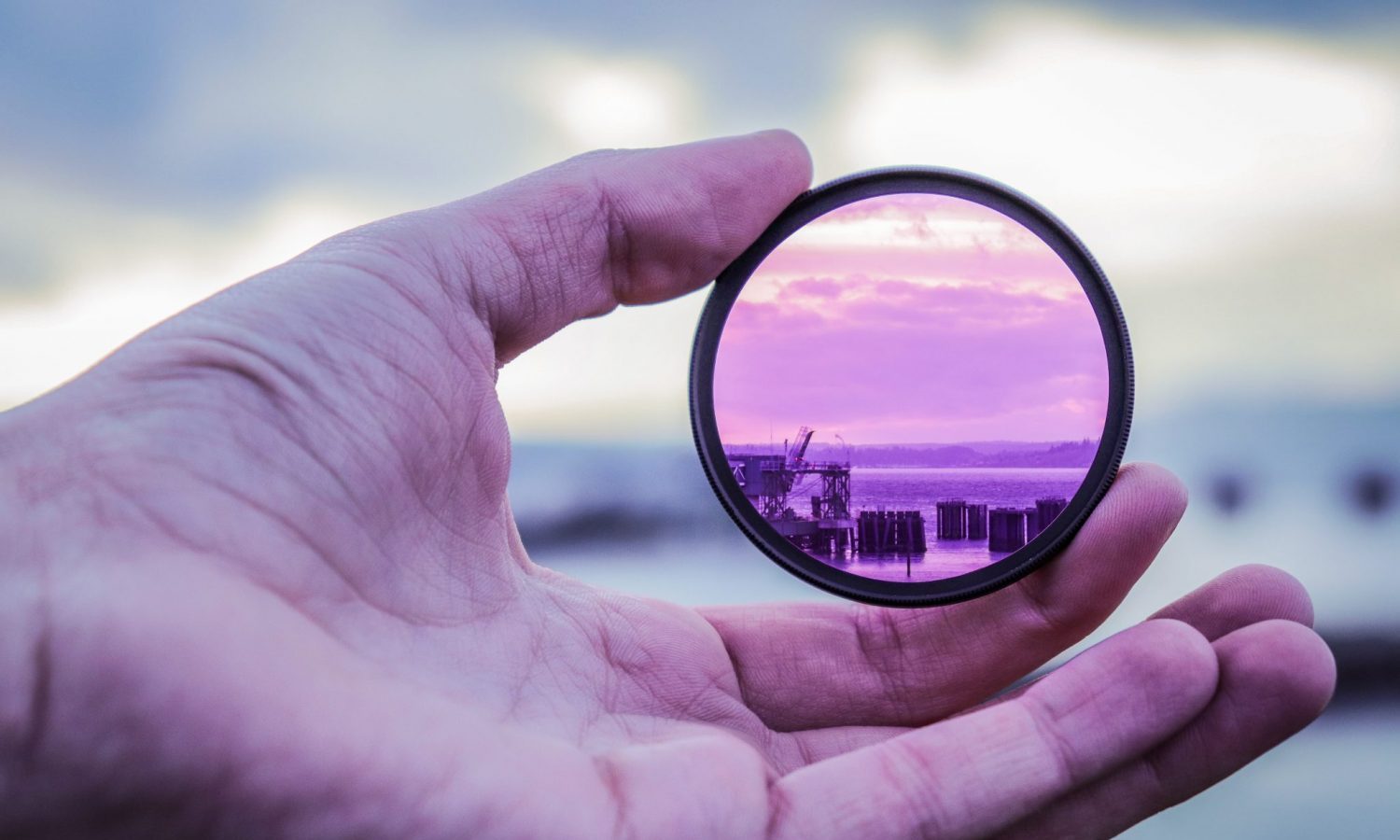
While not every piece of glass will work, a magnifying glass or camera lens should be able to light a joint if you know what you’re doing or had a knack for chemistry experiments when you were little. Hold a glass over your joint or bowl at an angle in broad daylight and wait for the magic to happen. Make sure the reflection is pointing at the weed or at the tip of the joint in order to avoid burning your table or whatever is underneath.
A dry spaghetti noodle or a toothpick
Photo by Markus Winkler via Unsplash
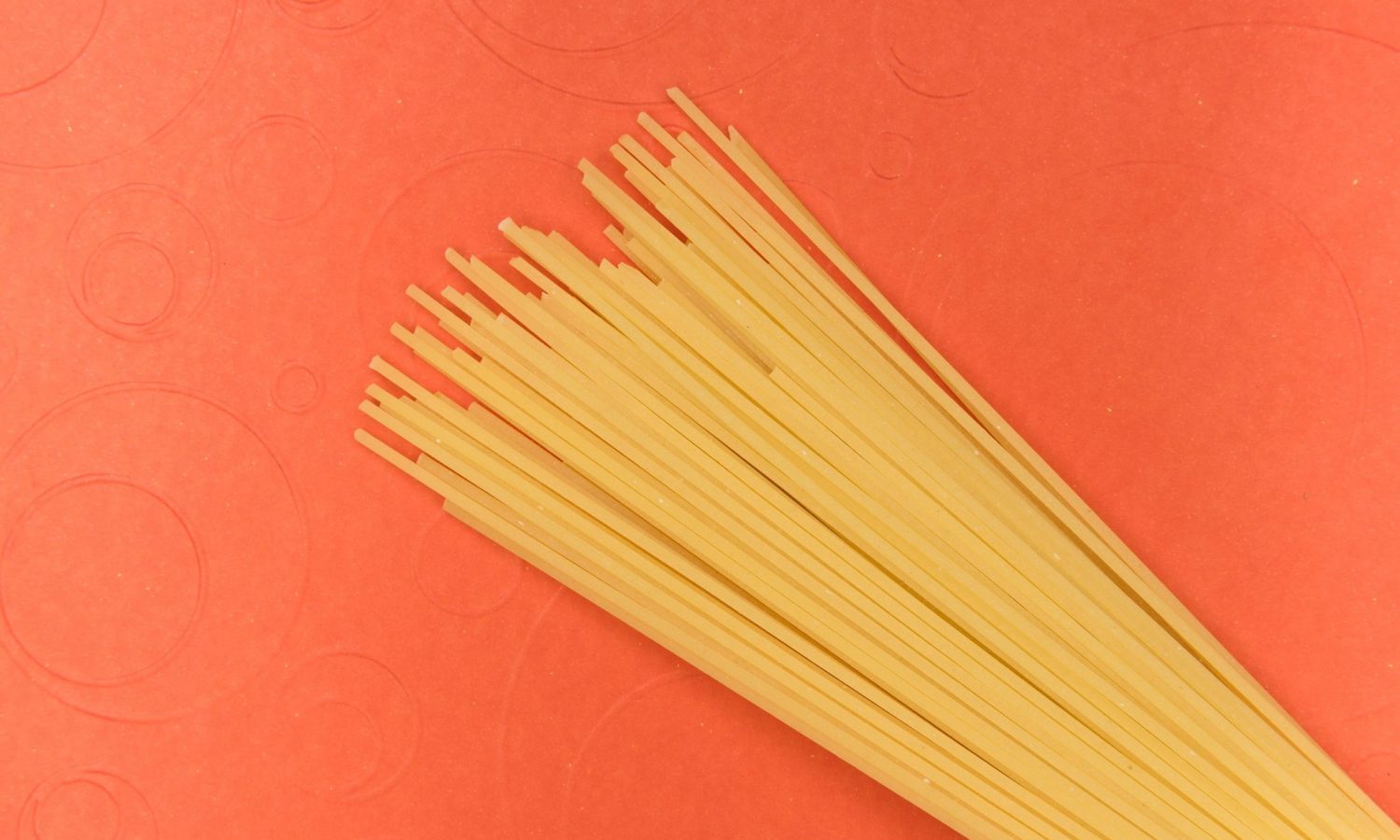
A more reliable way to light a joint when you can’t find a lighter would be to use a dry spaghetti noodle or a toothpick and place it over the stove. This method removes all of the butane from the equation, transforming your noodle/toothpick into a temporary match. Just don’t burn yourself or set something on fire by accident.
Because marijuana remains illegal at the federal level, using personal protection in the form of firearms really isn’t an option.
Since cash-seeking criminals across the United States keep trying to rob cannabis dispensaries with brute force, budtenders are now reportedly packing heat to show them what’s what if they try any funny business in their neck of the woods.
One dispensary worker in Oklahoma recently shot and killed an armed robber. These budtenders aren’t messing around. They believe that if someone walks into their dispensary flashing a piece, “you have every right to shoot them dead.”
Photo by nattrass/Getty Images
Although there’s been a lot of media coverage over the past few weeks about armed robberies in Oklahoma and Oregon, this crime is a problem in every state where weed has gone legal. It’s not that marijuana dispensaries attract this kind of bad mojo. It’s just that they operate in a way that makes them a hard target. Although these businesses are legitimate in the eyes of the state, they are still working on a mostly cash basis. There could be unspeakable amounts of cash in these establishments on any given day, making them an excellent mark for desperate criminals.
Some cannabis advocates argue that the propensity for violence in pot dispensaries is why Congress should get behind the SAFE Banking Act. This bill, which the House has already approved, would allow banks to do business with the cannabis industry without fear of federal money laundering charges. Yet, it’s not like most financial institutions are avoiding the cannabis market altogether. This is mostly a myth, “From coast to coast, MRBs (marijuana related businesses) are banking with reputable institutions. This is not a crisis,” according to a report from Forbes.
However, there’s still lots of cash flowing regularly into dispensaries – making them a dangerous place to work. So, should budtenders be allowed to carry firearms to level the playing field? Many say yes, it’s a worker’s right to defend themselves. “It’s not a chance of if, but when, it’s going to happen,” said one of the owners of the dispensary Highest Choice. Others don’t believe guns are the answer. “I don’t need to talk about the gun, especially since my friend died from a gun,” said Jina Yoo, owner of Cured Green. “Guns are the most hateful things.”
Photo by Heath Korvola / Getty Images
Most Americans probably wouldn’t argue that cannabis employees should have the right to protect themselves against dangerous criminals. But because marijuana remains illegal at the federal level, using personal protection in the form of firearms really isn’t an option. Budtenders in legal cannabis states who shoot armed stick-up men in self-defense can still face charges.
That’s what the dispensary worker from Oklahoma must worry about. “That employee could end up facing prosecution by the U.S. Attorney’s office in Oklahoma,” reports the website Bearing Arms.
There’s a bill in Congress right now called the GRAM Act that aims to change that.
The proposal would offer some protections to cannabis users who defend themselves during a robbery. It would also safeguard gun owners who use marijuana in legal states. But until it passes, which is super unlikely, any cannabis industry employee who shoots an armed thief could be sent to prison for manslaughter or murder. It hardly seems right, but this is just one of the many bizarre grey areas that exist between state-legal cannabis markets and the federal government.
Of course, ending marijuana prohibition nationwide and making it part of legitimate commerce, just like alcohol and tobacco, would also give cannabis industry workers more rights when it comes to defending themselves against armed robbers. For now, though, budtenders fighting to stay alive in the midst of a holdup will almost certainly feel the brunt of the heat once the gun smoke clears.
Main character syndrome is a term growing more and more popular. Here’s what it means and how to spot it in yourself.
The majority of us go through life believing we’re the protagonist. Like when you listen to music and dramatically look out the window. There’s reason to believe that social media has made this problem into a more serious one — one that affects your health and the people that surround you.
Main character syndrome isn’t a medical condition, but it is a condition that is being discussed by medical professionals. It refers to a wide range of behaviors, principally when someone presents themselves as the lead of their own life or someone else’s. Often, this life is presented through social medial.
Behaviors of this kind are nothing new, but now that social media exists, they are much more common. In an interview with Newsweek, Dr. Michael G. Wetter called main character syndrome the “inevitable consequence of the natural human desire to be recognized and validated merging with the rapidly evolving technology that allows for immediate and widespread self-promotion.”
Still, this all sounds pretty difficult to diagnose. How do you know if you or someone in your life struggles with this?
A healthy dose of main character syndrome shouldn’t be bad. It might help you appreciate the little moments in your life, like finding that a song speaks directly to you or thinking that your friendships and relationships are fulfilling and special. It grows into a problem when you think that these experiences make you unique and that other people don’t know what that’s like.
“Unhealthy narcissism is behaving as if others are minor characters in one’s own drama rather than main characters in their own intersecting dramas,” professor Michael Karson of the University of Denver told Newsweek. “My view is that it is healthy to see oneself as the main character of one’s own life, and it is also healthy to realize that one is not the main character of all humanity.”
So don’t stress if your Instagram or Twitter is solely about you. It is your account. In order to battle main character syndrome, try to remember that other people are as complicated as you are and that everyone is coping with their own problems, no matter how idyllic their lives look on social media.
A new bill allows adults 21 and older to purchase and consume adult-use cannabis products on-site at any licensed cannabis consumption lounge.
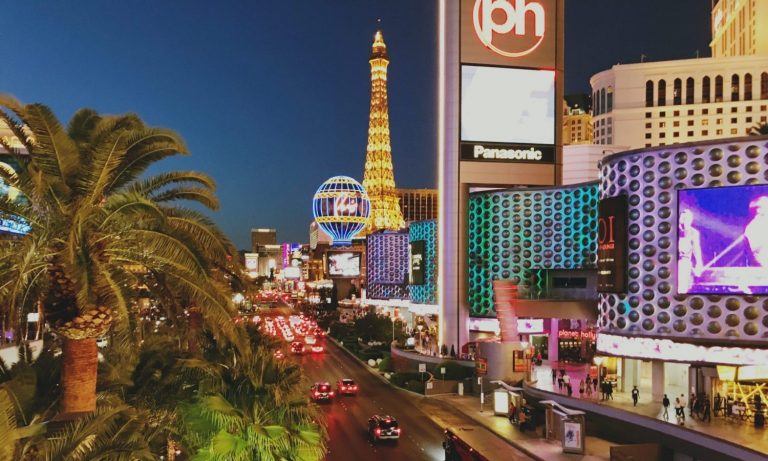
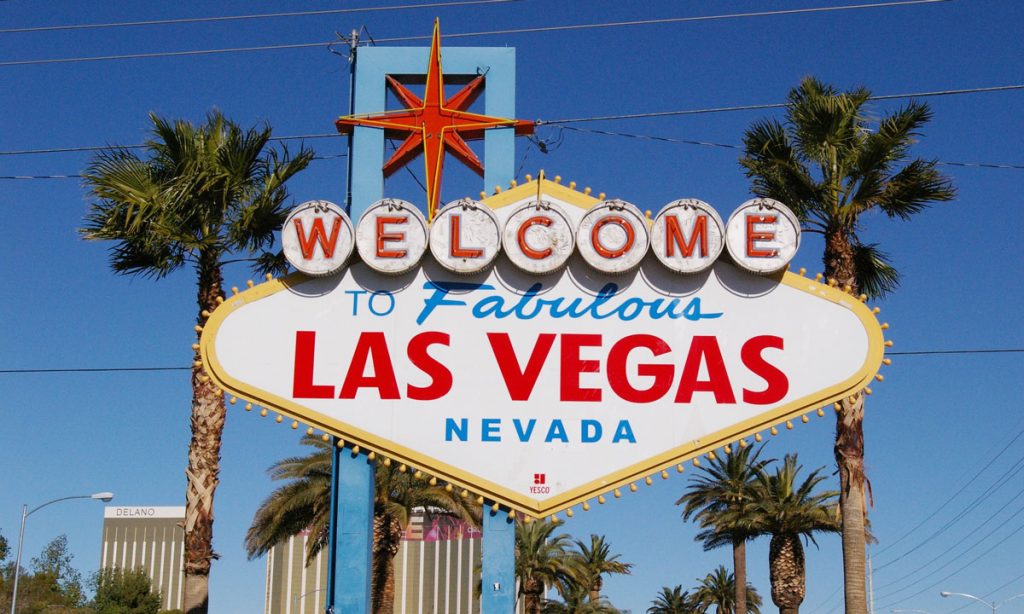
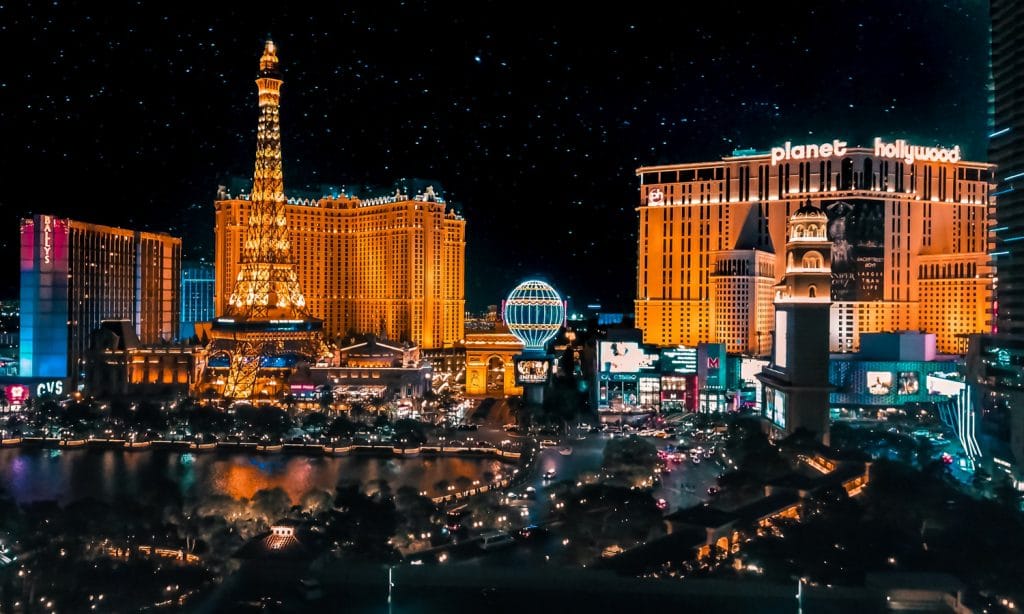
Nevada seemed like a sure bet before the pandemic for cannabis companies. A seemingly never-ending stream of tourists from states where cannabis isn’t legal or the legal product offerings were meager. Several companies made huge investments in the state, especially in Las Vegas, to capitalize on tourists happy to plunk down big bucks to sneak some products back home.
Of course, it isn’t legal to take cannabis products across state lines, but that doesn’t stop many tourists from taking the risk. The pandemic, of course, caused that market to crash as tourism dried up and the operations were left to depend on the business of residents only. Now it looks like the cannabis comeback is underway.
Photo by lindsayascott via Pixabay
Planet 13 Holdings Inc. (CSE: PLTH)(OTCQB: PLNHF) reported record sales in May of $11.2 million with gross margins above 50%. The company said that May represents the third consecutive month of record sales as Las Vegas and America return to normal. In a statement, Planet 13 said that hotels across the Las Vegas strip have reported having hotel rooms sold out for the foreseeable future and Planet 13 expects continued strong sales on the back of increased tourist traffic. In May, Planet 13 reported that its first-quarter revenue rose 41% to $23.8 over 2020 before the pandemic had really settled in and lockdowns began. So, there is a great deal of optimism about the second quarter.
“Tourism and business are looking up in Nevada and our operations are mirroring this trend by experiencing consistent, month-on-month growth. We are thrilled to share that the momentum gathered over the past few months is continuing, with yet another month of record sales in May. Planet 13 has built a successful retail cannabis brand that resonates with Americans. We remain confident about the continuation of this upward trend as Las Vegas reopens to its full potential as well as the upcoming opening of our Orange County SuperStore in July,” said Larry Scheffler, Co-CEO of Planet 13. The company is opening its California Super Store on June 24, which will feature electronic waves, a 16-foot octopus, an Instagrammable Planet 13 bus, and 50 registers.
Consumption Lounges
One of the biggest issues that Las Vegas had faced with cannabis sales was the lack of places for tourists to consume. Flower sales are always the biggest seller, but there was nowhere to smoke. Hotels often don’t allow smoking in rooms or on balconies. While cigarette smoking is allowed in some spaces, cannabis smoking isn’t. This caused the state to pass Assembly Bill 341 in early June that allows adults 21 and older to purchase and consume adult-use cannabis products on-site at any licensed “cannabis consumption lounge.”
According to NORML, “The measure establishes regulations for two distinct types cannabis consumption lounges. One group would be reserved for existing marijuana dispensary license holders who can then apply to operate an on-site cannabis consumption lounge. The other designation would be for new, independent businesses to apply for a license to operate an ‘independent cannabis consumption lounge’ which is not attached to or adjacent to an existing retailer. The bill also provides for reduced license application fees for qualifying social equity applicants. Local governments can enact policies restricting access to cannabis consumption lounges under this bill.”
Photo by Ameer Basheer via Unsplash
Prior to the legislation, only NuWu Cannabis in Vegas featured a tasting room within its 16,000 square foot marketplace. Since the dispensary is located on sovereign land owned by the Las Vegas Paiute Tribe, it is not subject to the same restrictions as the rest of the state. Instead, NuWu is self-regulated through the Las Vegas Paiute Cannabis Authority. As such, there are no Nevada marijuana taxes, no waiting rooms, and no reason not to open a consumption lounge. However, the location is north of the Fremont strip so consumers must travel about 15 minutes by car to get there.
Planet 13 said it has reserved an expansive dedicated space within the Las Vegas SuperStore for a consumption lounge which it will look to get built as soon as possible.
“We are thrilled that after the long wait, Nevada will finally be home to consumption lounges. We’ve long believed that tourists needed a safe, legal, and enjoyable place to consume cannabis and have been planning for a consumption lounge at the SuperStore since the bill was originally proposed two years ago,” said Bob Groesbeck Co-CEO of Planet 13. “Our SuperStore is one of the only dispensaries with the space on site and the proximity to the Las Vegas Strip to create a truly Vegas-style club. As with the rest of our dispensary, we look forward to setting the bar and showing the industry what is possible when your goal is to out Vegas, Vegas.”
Burnout isn’t easily treated. And doing nothing only makes it worse.
Burnout is more common than you think. It affects your lifestyle and zaps the joy out of your hobbies, work, and relationships. It’s difficult to define since it can encapsulate a lot of symptoms, but burnout refers to that mental and physical exhaustion that occurs when faced with a recurring and stressful situation. This can be a job, a micromanaging boss, or any other situation in your life. Despite how common it is, burnout is difficult to treat, which is why the best path is to check in with yourself regularly and take the necessary steps to prevent it. Here are 5 simple hacks to prevent burnout.
Go to bed a little earlier than usual
Photo by Kinga Cichewicz via Unsplash
Sleep is pivotal for preventing and treating burnout. It’s also one of those habits that’s incredibly difficult to incorporate since people approach sleep so differently. A simple recommendation would be to go to bed at a fixed time. While that is great, it’s also a bit unrealistic, so you can make an effort every day to go to bed a little earlier than usual. By keeping this in mind, slowly and progressively, you’ll find a bedtime that works for you and that makes you feel rested and better.
Burnout tends to create a self-sabotaging dialogue within your brain. Unconsciously, your brain tells you that your tasks are unmanageable, that you can’t cope with this particular situation, etc. Come up with a brief and positive mantra you can use when faced with this, and repeat this to yourself when going through one of these moments. Mantras are easy to remember and will quickly make you feel better and calm.
Find a funny podcast
Photo by Meghan Schiereck via Unsplash
There are podcasts for all kinds of people, from true crime to scripted series. Laughter is always great, especially when coping with burnout, so look for a funny podcast you can get into and incorporate that into your routine. When experiencing burnout it’s important to protect yourself; surrounding yourself with good and positive things is a good first step.
The state of your home and workspace has a significant impact on your functioning. If your house is all messy, it’s common for you to feel overwhelmed like you don’t know where to start cleaning and picking things up. Make your space more comfortable by adding some flowers, organizing your desk, or cleaning things up. It’s a small change that will make a significant difference.
Talk about it
Photo via rawpixel.com
Lastly, it’s very important to talk about burnout if you think you’re experiencing it. This conversation can be had with a friend, family member, or even a professional. They can advise you on how to move forward and care for yourself. By validating your feelings and listening to you, you’ll start feeling better and less overwhelmed.
In the real world, people should try to take care of their health, but public health advice should be realistic.
Disclaimer:The views expressed in this article solely belong to the author and do not necessarily represent those of The Fresh Toast.
Alexander Woollcottquipped that “All the things I really like to do are either immoral, illegal, or fattening.” He died in 1943 so he missed so many other hazards that modern science would discover.
For example, The Guardianreports that researchers recently discovered that, “Any amount of alcohol consumption harmful to the brain.
Photo by Shopify Partners via Burst
“A senior clinical lecturer at the University of Oxford said that a “UK study of 25,000 people finds even moderate drinking is linked to lower grey matter density.”
The study’s authors suggested that, “The associations of wine-drinking with higher educational attainment and socioeconomic status may explain the perceived health benefits.”
“If you look at who is moderately drinking, at least in this country, they are better educated, wealthier people that would do much better on a memory test … just because of who they are, than people that are less educated,” said lead author, Anya Topiwala, a senior clinical lecturer at the University of Oxford.
In other words, smart people, everyone from Jesus to Bill Buckley, have been drinking wine and giving it a good name, but now we know they would have been even smarter, if only…
One of the standard arguments against marijuana legalization is based on the view that the human brain isn’t fully developed until we are 25, so cannabis should not be legalized for people who aren’t at least that old.
Photo by LordHenriVoton/Getty Images
Of course, the contraband markets don’t have age limits, and scientists need to factor that into policy recommendations. Also, public health choices are not a “zero-sum game.”
Now consider that, according to the Centers for Disease Control and Prevention: “Excessive alcohol use is responsible for more than 95,000 deaths in the United States each year, or 261 deaths per day. These deaths shorten the lives of those who die by an average of almost 29 years, for a total of 2.8 million years of potential life lost.”
And yet alcohol prohibition was a disaster that was abandoned after 13 years, while it has taken almost a century to repeal marijuana prohibition, even though marijuana may help with alcoholism.
That is the only realistic answer to those who claimed that there is no “harmless” level for alcohol or cannabis use. And that is also true of pandemics.
Another quote from Woollcott seems very relevant today:“I’m tired of hearing it said that democracy doesn’t work. Of course it doesn’t work. We are supposed to work it.”
In the real world, people should try to take care of their health, but public health advice should be realistic.
Cannabidiol (CBD) is one of at least 144 cannabinoids found in the cannabis plant. Unlike delta-9 tetrahydrocannabinol (THC), which is another well-known cannabinoid, CBD has no intoxicating effects.
CBD acquired from hemp has different effects than marijuana because of its lack of an ability to produce a “high,” unlike THC. Legally, delta-9 THC cannot be present in any chemical entities in quantities of more than 0.3% on a dry weight basis. Hemp contains less than this amount of THC, while marijuana has a greater concentration.
Photo by Nisangha/Getty Images
Effects of CBD on the Brain
Before understanding the effects of CBD, we have to learn about an important system in our body known as the ECS, or endocannabinoid system. It is a critical system that helps the body maintain homeostasis (i.e. balance).
CBD supports the ECS to work more efficiently. Furthermore, some researchers have found that CBD is effective in reducing symptoms of both anxiety and depression. CBD works to ease these symptoms by binding to the CB1 receptor, one of the key receptors in the ECS.
Another anxiety and stress blocker which helps calm the neurons is known as gamma-Aminobutyric acid, or GABA. Some researchers agree that CBD is able to help reduce neuronal excitability. If you have a prescription from your doctor, you can look at CBD edibles UK for resources.
There is promising evidence that indicates that CBD is capable of reducing symptoms of depression in animals. However, studies have not been as clear about its effect on humans, although CBD is gaining popularity as a treatment for depression and anxiety.
CBD’s Effect on Anxiety and Depression
Some of us assume that anxiety and depression are essentially the same, but they are quite different disorders. Anxiety is characterized by chronic worry, nervousness, and fear, while depression revolves more around sadness, numbness, or a loss of interest in normal activities or hobbies.
Research indicates that CBD may have a positive influence on insomnia, mood disorders, and pain. It may also be useful for acne and neurological disorders like epilepsy and multiple sclerosis. If you have one of these conditions and would like to track your response to CBD, consider The CBD Jotter.
Photo by Elsa Olofsson via Unsplash
Some patients who are suffering from depression may also develop social phobias as well, facing difficulties with social events such as public speaking or attending parties. CBD can be used to improve such panic disorders and phobias by decreasing the functioning of the amygdala. However, it’s important to note that research on the effects produced by cannabinoids is still ongoing and evolving.
Before consuming CBD, you should consult with your medical health specialist or primary care physician. CBD may help with some psychological difficulties, but it is important to adhere to any directions offered by your care provider.
Most Effective Forms of CBD
Tinctures or Oils
Photo by Stefan Rodriguez via Unsplash
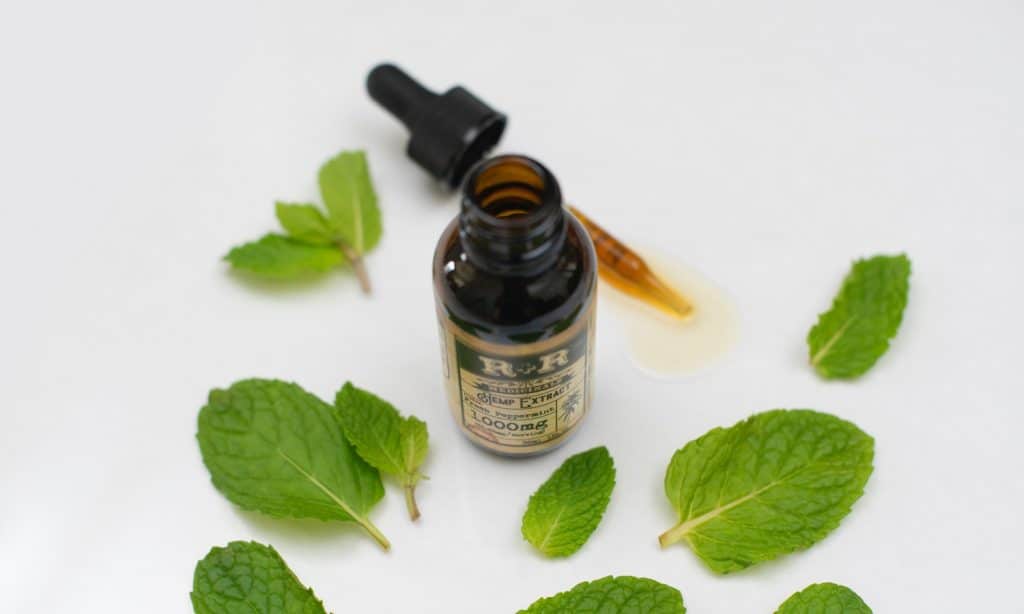
Not all CBD extracts are produced in the same way; one of the most recommended forms of CBD is in an oil or tincture. A tincture is an alcohol-based solution consumed sublingually, ensuring quick absorption and proper distribution of the cannabinoids throughout the body.
With tinctures, the medicine passes through the gut and may be destroyed by the gastrointestinal system before it can be effective. Because of that, medical experts often suggest consuming CBD as edibles. However, the effectiveness of CBD edibles may differ from person to person based on their metabolism and other factors.
Vaping
Photo by nd3000/Getty Images
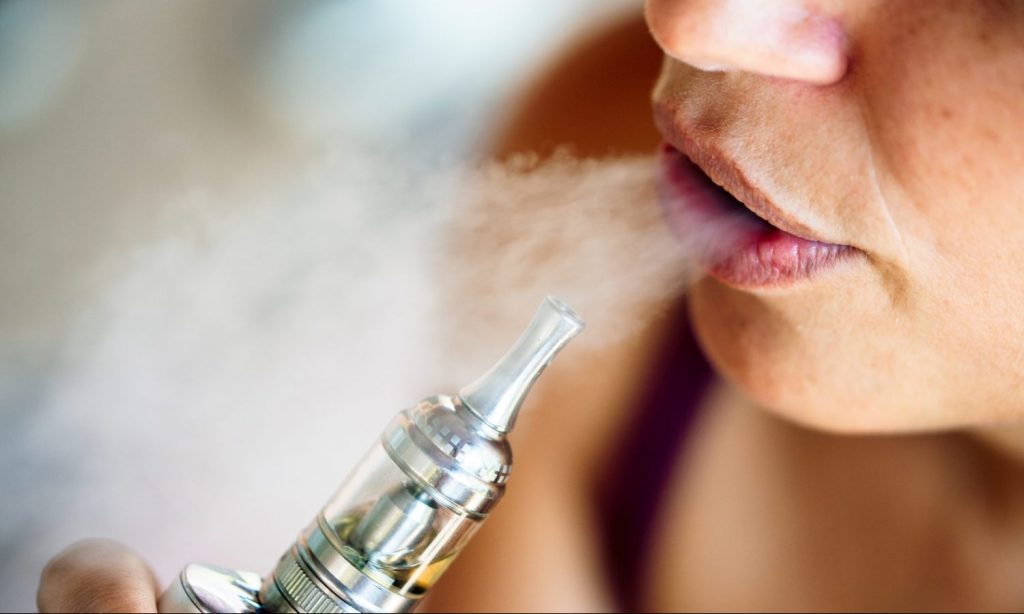
Some medical professionals recommend that patients who require immediate relief vape CBD through a dry herb vaporizer. Through this method, dry CBD flowers are vaporized and inhaled. However, vaping has recently come under scrutiny because of health issues that some users have suffered.
Safe Consumption Dosages
One of the interesting facts about CBD is that there is no exact amount that can be considered ideal. Given that the effects of CBD differ from person to person, there is no way to tell beforehand which dosage is correct for you. The same response has been noticed among animals as well.
Most experts agree that regular consumption of CBD may work more efficiently than occasional use. Like most medicine, CBD may require time to produce desired effects, however, some patients feel relief after a single treatment.
No matter how immediate the reaction, a patient should start to consume CBD at a minimum dosage, which can be increased if you or your medical professional deem it potentially worthwhile. This ensures a higher likelihood of effective treatment while causing the least number of side effects. It is highly recommended not to consume CBD without advisement. Consult with your doctor to develop the best treatment plan for you.
Possible Reactions and Side Effects of CBD
Like many other medications, side effects of CBD have also been noticed in some cases. These can include:
Diarrhea
Fatigue
Poor appetite
Another possible problem is reactions with other medications. Migraine, heartburn, and hypertension medication can potentially cause such reactions. Consult with your doctor about possible negative interactions with other medications you are taking.
Many medical schools have not yet started to teach their students about CBD and other cannabinoids. Moreover, many physicians are still unaware of the effects and usage of medical cannabis. However, many integrative and holistic physicians who deal with phytomedicines have clear knowledge about CBD and would be happy to help you explore your options.
Working out after ingesting cannabis is a popular habit for a reason. Here’s how to do it safely.
Marijuana’s legalization has had wide-ranging implications. From attracting a varied base of users to the production of a larger selection of products, the plant’s legality has opened up a whole new landscape for enthusiasts and people who are curious. It has also launched a growing “weed and workout” cult.
Many people call their weed workouts invigorating and joyful, going against the pervasive lazy stoner stereotype. Cannabis has always been pretty malleable; Once you know how to use it, you can pretty much add it to any activity and obtain positive results. Still, whenever you ingest a substance, it’s very important to prioritize your health and well-being and to practice safety above all.
Here are a few tips that can make your workouts on weed safer and just as efficient:
Start small
Photo by Alessandro Zambon via Unsplash
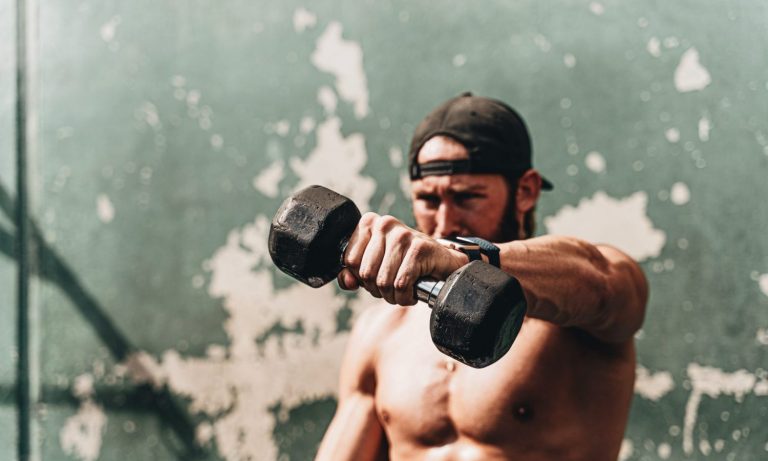
Whether you’re an experienced bodybuilder or an experienced cannabis user, it’s important to start slow when combining the two activities for the first time. You don’t want to be high out of your mind when working out; the sweet spot is a little less than a nice high, an amount of THC that feels invigorating and that allows for focus but that doesn’t cloud your mind.
Smoke less than you’d usually smoke and work out, monitoring your experience. Increase the dose if necessary.
The consumption method is just as important as dosage. For your first couple of times, stick to a method you’ve tried before, something that you know how to manage. While a lot of people are experts at handling their edibles, when it comes to working out, timing plays a key factor. Ideally, you’d want something that’s fast-acting, that way you can reach peak high while working out and have that reflect on your performance.
This is also very up to you and the kind of highs you generally have. If you regularly run, try out running while on weed. If you practice something else, try that too. Generally, it’s best to pair weed with a workout that is kind of mindless, allowing you to be hyper-focused on movement. Walks, light hikes, spinning, or treadmill workouts are ideal since your mind will focus and you’ll likely work out much harder than what you’re used to.