Wednesday, July 8, 2026
Home Blog Page 388

Solutions For A Sore Throat From Marijuana

A few solutions that can soothe your sore throat and other symptoms the next time you smoke that unique strain.

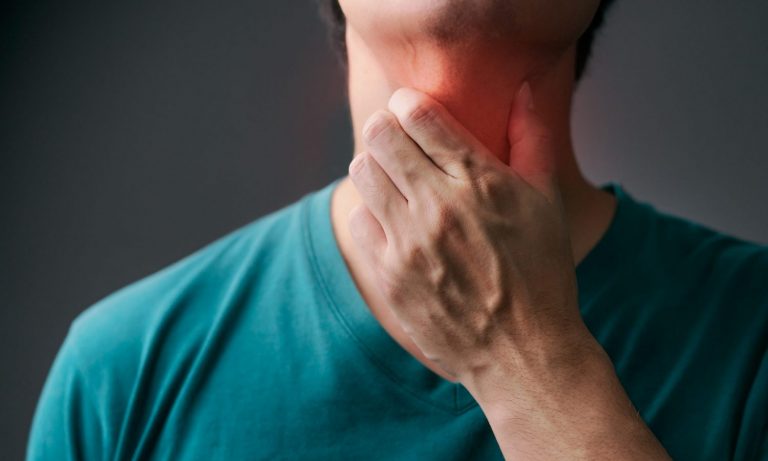
Toking can be really frustrating and dissatisfying when it produces irritating symptoms in a user’s throat. These symptoms include a continuous cough, a raspy voice, as well as a painful and dry sore throat.

The appearance of these irritations may vary depending on the type of cannabis smoked or the user’s tolerance to the common irritant in this situation: smoke.

The enjoyment of several weed smokers has been cut short due to the painful sore throat developed almost immediately after smoking one or two sticks. It not only affects recreational cannabis smokers, it also affects medical patients using marijuana to relieve the symptoms of their ailments. In fact some users have had to quit the use of medicinal cannabis due to the sore throat developed. What the majority of users don’t know is that there are other ways you can try to soothe your sore throat and still be chanced to smoke some more.

Why Cannabis Users Develop A Sore Throat After Smoking

When a person smokes, it results in a dry mouth and throat. This is because toxic chemicals are inhaled along with the tar present in the hot and dry air. These particles can irritate the throat. Research carried out by the National Institute on Drug Abuse (NIH) has made it known that the smoke inhaled when smoking cannabis comprises ‘carcinogenic combustion products’. This is enough reason for users to develop sore throats.

While the user can continue smoking when the throat is sore and irritated, it is not advisable, unless he/she attends to the irritation.

Alcohol Vs. Weed: How The Two Affect Young Adult Brains
Photo by DESIGNECOLOGIST via Unsplash

If you’re a new user or you just recently developed the irritation to a new strain and you’re feeling helpless, don’t fret. To help with this, I have curated a few solutions that can soothe your sore throat and other symptoms the next time you smoke that unique strain.

Solutions To Help With Sore Throat After Smoking

Stay hydrated

Smoking dehydrates the throat and mouth—that is, it draws and dries out the moisture that is needed by these tissues.

The intake of at least the recommended daily amount of H2O  is necessary for regular smokers. Although, they need almost 50% added to the recommended amount.

Smoking for hours on end without drinking water or any other hydrating liquid can be detrimental. The healthy lining of the throat gets stripped off when there is no moisture available, hence, the painful soreness felt in the throat as well as the raspy voice that’s developed.

RELATED: How To Stop Coughing So Hard From Marijuana Smoke

Stay hydrated with water regardless of the amount of smoking you plan on doing.

Before smoking—drink water,

While smoking—drink water,

Immediately after smoking—drink water.

Avoid spicy foods

Smoking marijuana induces a healthy appetite in seasoned smokers. They either crave more pot or they crave food.

In this situation, you have to do well to avoid spicy meals when you have a sore throat.

The acidic nature of these hot spices could worsen the inflammation. Chilli pepper, hot sauces, and even nutmeg should be avoided.
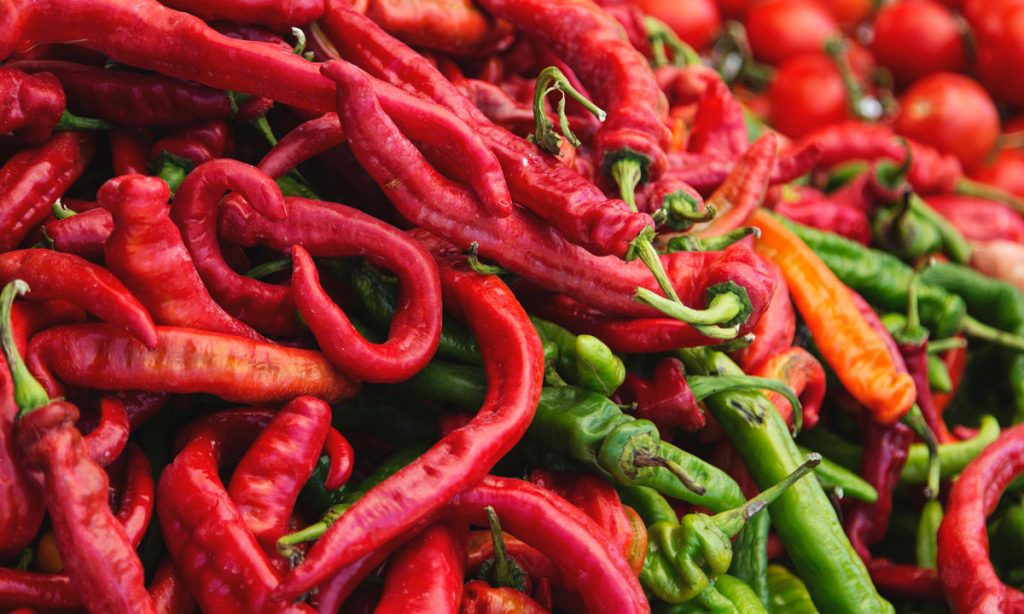
Photo by Sarah Pflug via Burst

Rather, you should eat and enjoy only soothing meals. Like ramen, tomato juices, and other soothing sauces can help ease the pain and boost the immune system.

Although, it is common for you to crave more weed after smoking, eating these soothing meals will help satisfy your cravings in a way.

So when you’re about to smoke, make sure your fridge is filled with your favorite non-spicy meals. Ice cream is also a better option for when your throat is burning up after smoking.

Gargle with warm salt water

Saltwater gargle is an old but gold solution to throat infections. In the same way, it is an efficient solution for easing a sore throat.

While it has bad taste, the relief it offers is worth it.

You just have to warm up a little amount of water, add at most 5 tbsp of salt and stir till the salt dissolves. Then you gargle for at least 30 seconds before spitting the water out and gargling another. Continue till you feel better. Results can be seen in a few minutes, or at most a few hours.

For cannabis users that tend not to smoke at home or in a place where they can easily access salt and tap water, they tend to carry around a Chloraseptic spray— which acts the same way salt water does.
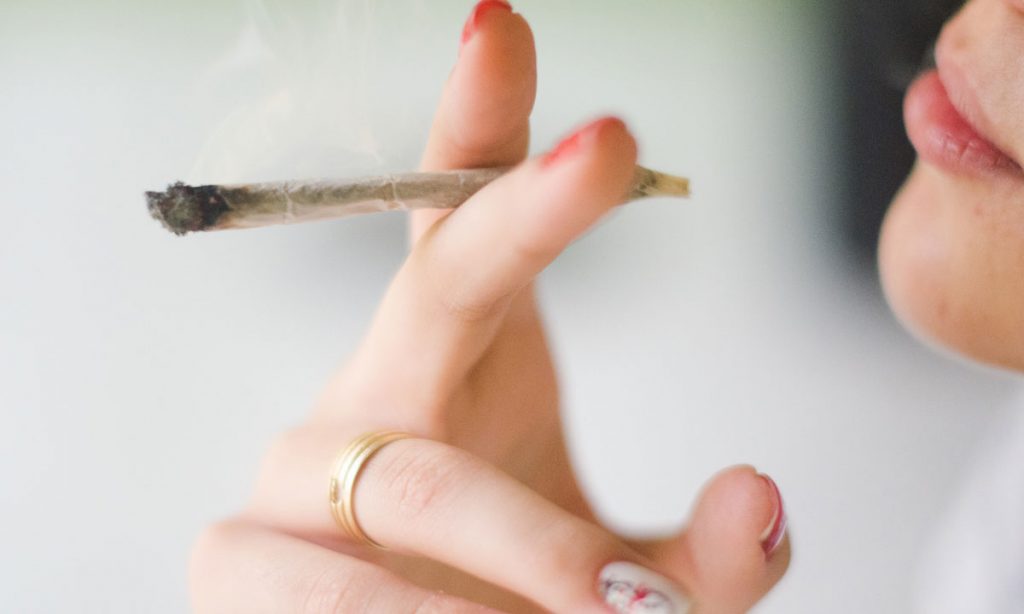
Are You Smoking Too Much Marijuana?
Photo by Mayara Klingner/EyeEm/Getty Images

Reduce the amount of cannabis consumed

This does not mean you should quit cold turkey (that’s a bad idea). This means you should reduce the number of sticks you smoke. However, if the sore throat turns out to be very bad, you might need to take a few days off. This would give the throat time to recover, rather than degenerate into more serious issues.

RELATED: New To Smoking Marijuana? Expect Coughing, Anxiety, And Paranoia

By cutting down how much or how often you smoke, you’re helping your throat tissues and sinuses stay hydrated and less irritated.

Other solutions include:

Lick honey or lemon.

Drink soothing herbs tea with fruits

Avoid caffeine or energy drinks

Switch your usual smoking location to a more airy place.

Purchase a vaporizer or humidifier to remove stale dry air in your homes.

Try another method of using cannabis— vaping and consuming edibles.

Top 10 Benefits Of Vaping Over Smoking
Photo by Itay Kabalo via Unsplash

Vaping: This is an inconspicuous way of enjoying the effects of the cannabinoid in a marijuana strain. It is also healthier, as no dry/hot air is inhaled. Although, you might still take in a little bit of tar.

Edibles: Not everyone fancies smoking. Edibles are food products that have been infused with an active cannabinoid— could be THC, CBD, or both. It is the healthiest way of ingesting weed— no risk of having respiratory issues in the process of getting high.

Bottom line

If you have adjusted and tried every solution listed above, and your throat has still not recovered — it is still sore and the pain persists — it might be an indication of an underlying illness. If so, consult your health practitioner ASAP.


5 Spots To Stash Your Weed

Not want to share what you do or your weed? Here are a few creative hiding spots both discreet and convenient.

Whether you live with roommates or prefer to have your weed out of sight, good hiding spots are important. The ideal place will preserve the quality of your cannabis while also being discreet and disguising the smell, something that’s easier said than done.

It’s important to have a designated spot for your weed; that way you won’t lose it and it won’t appear during inconvenient times. It’s also important to keep it in a place that’s out of reach, with some sort of security mechanism that prevents pets or children from accessing it.

Here are 5 great spots to hide your weed:

A hollow book

5 Online Bookclubs To Join Now That You're Spending More Time At Home
Photo by Thought Catalog from Pexels

If you have a bookshelf at your disposal and a small stash of weed, a hollow book is a great option. You can purchase some off of Etsy or make one yourself, with there being plenty of DIY manuals online. Hollow books are beautiful and discreet, but they’re not the best at containing smell; be sure to store your weed in an airtight container which can then be stored in the hollow book.

Inside clothes in your closet

Photo by KaoruYamaoka via Pixabay

RELATED: How To Keep Your Kids From Getting Into Your Marijuana Stash

While definitely creating a risk for washing your jeans and ruining your weed, clothes usually make for a lowkey hiding spot that’s aptly dark and moist. As is the case with the hollow book, a pocket won’t isolate smells, so it’s important to store the weed in an airtight bag or jar beforehand.

A coffee can

Should You Mix CBD With Your Morning Coffee?
Photo by Clay Banks via Unsplash

Aside from being discreet, coffee cans have that distinct coffee smell, which can perfectly disguise the scent of marijuana. Keeping the coffee can in a plain sight place will make the can less conspicuous.

Inside a marker

markers
Photo by Kelly Sikkema via Unsplash

RELATED: The Best Kinds Of Stashes For Discreet Marijuana Use

A thick market or highlighter is also an efficient place to store weed, which can be conveniently stored in a pencil case. In order to store the cannabis, make sure to remove cap, take out the highlighter or ink. This won’t serve for a long term solution, but it can keep your weed portable.

Old gadgets

Roomba Vacuum Cleaner Camera
Photo by TheDigitalWay via Pixabay

Old gadgets and phones serve as discreet hiding places for weed, especially because you can find one in every house and no one is going to check their insides. Depending on the amount of weed you want to store in it, you could use a battery pack or an empty speaker, which can store larger amounts cannabis.

SAFE Act Won’t Reach Senate Vote, But Compromise Maybe

With so much noise around Democrats and cannabis legalization going on for a while, the analyst doubts they’ll end up doing anything substantial

By Nina Zdinjak

The U.S. House of Representatives voted for the Secure and Fair Enforcement Banking (SAFE) Act on Monday for the fourth time. The bill aimed at enabling banks to provide its services to state-legal cannabis businesses never before passed to the Senate floor.

And Cantor Fitzgerald’s analyst Pablo Zuanic doesn’t see the bill reaching a Senate vote either, as leading Democrats there are pushing for broader reform, and not for “isolated federal level changes” for the industry.

Back in March, Senate Majority Leader Chuck Schumer held a short conference with Senate Finance Committee Chairman Ron Wyden (D-OR) and Sen. Cory Booker (D-NJ) sharing their actions on drafting extensive reform legislation.

Just last week, Schumer announced his plans to introduce a federal legalization bill soon.

“Once it is introduced, it will go on the floor,” Schumer said.

Photo by OlegMalyshev/Getty Images

‘Compromise Scenario’

“With the considerable limitations of a two-year Congressional term, President Biden’s apparent lukewarm support, and the threat of a Republican filibuster, we are starting to see a ‘compromise scenario’ is quite likely,” Zuanic said in a Tuesday note.

RELATED: If Senate Democrats’ Idea Of Cannabis Reform Is SAFE Banking Act, They Should Give Up Now

With so much noise around Democrats and cannabis legalization going on for a while, the analyst doubts they’ll end up doing anything substantial, but instead thinks “a narrower bill of bills” is likely to get the final signature.

According to Zuanic, that limited bill would include:

  • Federal level decriminalization, which is allegedly acceptable to the President as well;
  • Cannabis rescheduling from class 1 status under the Controlled Substances Act;
  • Banking reform;
  • Enabling states to decide about their programs.

If the bill passes in the above-stated format, it would imply a positive change for multi-state operators, ultimately boosting their valuations.

RELATED: Why The Cannabis Industry Needs Congress To Pass SAFE Banking Act

”We think the banking reform provisions would propel the US exchanges (NYSE, NASDAQ) to list US MSOs, and such a move would mean, in our opinion, that both the TSX (Toronto Stock Exchange) and US exchanges would have to be OK with large listed Canadian LPs buying US MSOs (in full or stakes),” the analyst explained.

Photo by Aleksandr_Kravtsov/Getty Images

New York Flower Sales Update

Also in the note, Zuanic looked into the New York market, noting it’s probable that adult-use flower sales won’t begin prior to January 2022.

With the “Office of Cannabis Management” yet being in the process of configuration, the analyst thinks a full staff won’t be chosen prior to June. This means that the process of drafting the new rules for the adult-use program and introducing changes to the medical program would only commence in summer.

“We think this process could take as long as a year, so we model recreational sales starting only by 7/1/22.”

This article originally appeared on Benzinga and has been reposted with permission.

How Long Before The Senate Approves SAFE Banking

The longer it takes for the Senate to approve the SAFE Banking Act, the longer it takes for traditional financial institutions to render their services to businesses in the cannabis industry.

Marijuana businesses have been operating on an all-cash basis for years now. No thanks to the federal government’s ancient policies that make accessing the services of banks and lenders impossible for hemp-based companies. This circumstance makes the cannabis industry a target of crime.

In 2017, a beacon of hope appeared in the form of a bill called the SAFE Banking Act, though the edict has not been authorized, despite passing the house several times. This begs the question, “How long before the Senate approves the SAFE Banking Act?”.

How The House Approved MORE Act Would Jack Up The Economy
Photo by Hillary Kladke/Getty Images

The SAFE Banking Act and Its Origin

The Secure and Fair Engagement Banking (SAFE) Act was originally sponsored by Sen. Jeff Merkley of Oregon and Rep. Ed Perlmutter of Colorado in 2017. Since this initial introduction, it has been introduced eight more times to the House.

The newest and modified version of this bill passed recently on April 19, but, hopes can’t be raised right now because it is not the first version of this bill to pass the House.

As is the usual procedure, after a bill has passed the House, it has to be approved by the Senate, after which it can finally be signed into law by the President. The longer it takes for the Senate to approve SAFE Banking Act, the longer it takes for traditional financial institutions to render their services to businesses in the cannabis industry.

This regulation is the only progressive step that can be taken to curb the financial problems facing the US cannabis industry.

It will resolve the confusion between cannabis businesses in marijuana-legalized areas and non-legalized areas.

RELATED: How Cannabis Banking Bill Fares In Senate Will Dictate Future Of National Marijuana Reform

To make this clearer, currently, a marijuana enterprise in a state that has legalized the use of marijuana will still have problems procuring the assistance of financial organizations in that state.

This is because these institutions are restricted by federal regulators from extending services to businesses that are founded on cannabis plant sources.

Erring banks can be punished for failing to adhere to these regulations.

So, it doesn’t matter if the region a canna-business is located has legalized the use of marijuana or not, the federal law trumps all.

This has affected the cannabis industry so much, some entrepreneurs have had to close shops because they couldn’t access needed loans to grow, expand their companies or even recover from unforeseen events that wiped their inventories.

As soon as the SAFE Banking Act is signed into law, federal regulators would be unable to sanction these financial facilities for rendering their services to cannabis companies and their workforce.

How Cannabis Banking Bill Fares In Senate Will Dictate Future Of National Marijuana Reform
Photo by
krisanapong detraphiphat/Getty Images

One of the current Sponsors of the bill, Sen. Berkeley said in a statement recently that ‘it is extremely dangerous for legal marijuana businesses to run all-cash operations in the community’.

These companies are forced to cart around bags filled with cash to pay for their business expenses. Making them exposed to robbery attacks, organized crime, and money laundering schemes.

The senator also reiterated that the issue is of utmost importance and the law is needed for public safety.

An Overview of the 2021 SAFE Banking Act

The 2021 bill is a slightly modified rendition of the 2019 and 2017 SAFE banking act. There are added protections for the banks that would be serving cannabis-related businesses. All these juicy additions were included to cajole the bipartisan senate members to approve the bill.

The cannabis businesses are also protected by this bill

The 2021 version that was adopted a few days ago passed by a vote of 321 to 101.

Despite the senate-house being the death ground of the previous versions, there have been a lot of positive speculations that the bill will be approved by the Senate in a few weeks or months—Lesser amount Of opposition, and there is more support from senators that see the commonsense in the bill.

RELATED: Why The Cannabis Industry Needs Congress To Pass SAFE Banking Act

The bill will secure the future of thousands of workers in the cannabis industry, as well as ensure small hemp businesses have access to capital or loans required to keep their businesses afloat and profitable.

The playing ground would be equal for all small, medium, and large-scale cannabis entrepreneurs.

“The SAFE bill will provide ample assurance to all traditional financial institutions. It would ensure that they’re comfortable and confident enough to render their services to businesses in the cannabis industry” said Morgan Fox, the director of media relations for the group.

Future Of The SAFE Banking Act

While it is almost certain that this bill will be passed this year, it does not promise to be hitch-free.

One of the senators in the Senate banking committee, Sherrid Brown, has said that he is not yet fully convinced about the bill. He added that there are other things to be considered—like the sentencing reform— before the bill can have its full backing.

Photo by OlegMalyshev/Getty Images

The chairman of the Senate Banking Committee, Sen. Mike Crapo, has not called any meeting on the bill yet, and reports say that he is against the proposal until it is modified to include some terms and conditions which have been considered illogical to the growth of the cannabis industry.

For instance, Chairman Crapo says the bill should have a condition that reads “all cannabusiness in need of financial services from banks mush have a THC content of at most 2%”. This is untenable.

RELATED: Cannabis Analyst: SAFE Act Won’t Reach Senate Vote, But ‘Compromise Scenario’ Likely

The fact that it was approved by an extremely bipartisan house gives the bill an optimistic future. Also, the bill has massive support from the American Banking Association.

At the last count, more than a third of the chamber is fully vested in approving this bill. And there are now over 30 cosponsors long with the original sponsors of the bill.

The SAFE Banking act is a big deal for entrepreneurs and employees in the marijuana industry. The approval of this bill will not only provide banking reforms for the cannabis industry but would also kick start the process of legalizing the drug.

Yes, banking reforms are just a temporary solution, the most effective solution is delisting cannabis from being a Schedule 1 drug. Interestingly, the MORE Act is all about this.  The sooner the SAFE Acts get approved, the earlier the MORE Act can be worked on.

5 Tips To Help You Manage Nighttime Anxiety

0

Nighttime anxiety is very common. Here are some tips to help you manage it.

Anxiety during any time of the day is terrible, but if you were to choose the worst time for anxiety to strike, the majority of people would agree on nighttime. Thinking about all the stuff you have to do, awkward encounters with people or a random comment you made can quickly leave you feeling uncomfortable and like you’re not good enough.

Anxiety during the night results in loss of sleep, tossing and turning, and anxiety spirals, which not only ruin your night, but also the following morning. Despite all of this, nighttime is one of the most common times to experience anxiety, since our guard is down, allowing the weight of our day to hit us with full force. Since we don’t have anything else occupying our time when we’re sleeping, we become vulnerable to intrusive thoughts.

Here are 5 tips that can help you avoid nighttime anxiety:

Create a bedtime routine

Evidence Explains Why Sleeping 8 Hours A Night Is So Difficult
Photo by Kinga Cichewicz via Unsplash

Bedtime routines not only prevent nighttime anxiety, they also make it easier to wake up in the morning. While this is definitely a process that takes some time, it helps you get better at sleeping, which is a skill we should strive for. Make a bedtime routine that works for you, whether that means turning off your screens an hour before sleeping, incorporating reading time in your bed or making your bedroom the most peaceful space you can manage.

Try a breathing exercise

Photo by leninscape via Pixabay

RELATED: Let’s Talk About Why Sleep Is Important — And How To Get Some

Stopping to take a breath in the middle of a sweaty anxiety spiral might not sound effective, but it is. Tricking your body by breathing in and out calmly will trick you into feeling like there’s nothing chasing you, which is actually the truth. Breathing exercises are some of the best tools at your disposal when experiencing anxiety, reentering your body and giving it something to hold on to.

Get up from bed

5 Online Bookclubs To Join Now That You're Spending More Time At Home
Photo by Thought Catalog from Pexels

If the anxiety is preventing you from staying calm, get up from bed and do something that requires low light and effort. Organize your laundry or your closet, or turn on your lamp and read some pages of a book. While this will rob you of some time of sleep, it’ll likely distract you and stop you from getting increasingly more anxious.

Go over your day

burnout is now an official medical condition
Photo via rawpixel.com

RELATED: Does Hitting The Snooze Button Help Or Hinder Our Sleep?

Another activity that can also help you is to go over the events of your day, trying to find whatever caused anxiety. This review of your day will distract you and will also provide you with some perspective.

Try to have some perspective

cannabidiol milk
Photo by Eli DeFaria via Unpslash

Speaking of which, perspective is important to have when experiencing anxiety. Chances are, you are not in a “fight or flight” situation when you’re lying in bed, despite what your mind is telling you. Remind yourself that your anxiety is temporary and that tomorrow is a new day, where you’ll get plenty of opportunities to resolve whatever is disturbing you. For now, there’s likely not a lot you can do, so your anxiety is just making your life more difficult for you.

Terpene Flavor Guide: Where Cannabis Gets Its Taste

Cannabis strains have unique terpenes that are responsible for their aroma. Whether your strain of choice smells lemony (limonene), spicy (caryophyllene) floral (linalool) or piney (alpha-pinene), your nose knows what it prefers.

By Alfonso Colasuonno, Researcher and Writer at Goldleaf Ltd

Terpenes can be found in almost all species of flora. They are chiefly responsible for the aromatic and flavor diversity in the plant kingdom. Simple chemical compounds, terpenes are created to help plants defend themselves against threats and to attract beneficial species. In Cannabis sativa, terpenes are produced in the resin glands along with the cannabinoids and often work together to enhance or alter the effects of one another.

This list houses information about the most common and abundant terpenes found in cannabis, including their flavors and known medical benefits. For full guides and artistic visualizations, view the terpene infographics from Goldleaf.

Federal Marijuana Legalization Could Mimic End Of Alcohol Prohibition
Photo by Sharon McCutcheon from Pexels

LINALOOL

This terpene’s hallmark is its floral scent, reminiscent of sharp and sweet wildflowers. It is also found in lavender, laurel, birch and rosewood. It has calming and sedative properties and can help relieve anxiety.

Medical value: analgesic, anti-epileptic, anti-depressant, anti-anxiety.

β- CARYOPHYLLENE

Known to have an aroma that is peppery, woody and spicy, this is the only terpene proven to interact with the endocannabinoid system (CB2) in our bodies. It is also found in basil, oregano, pepper, and cinnamon leaves.

Medical value: anti-inflammatory, analgesic, anti-spasmodic, sleep aid.

α PINENE

The most common and abundant naturally occurring terpene, it is a main contributor to cannabis’ tell-tale piney aroma. It is also found in many conifer species and herbs such as sage. It is known to enhance memory and alertness.

Medical value: anti-inflammatory, bronchodilator.

RELATED: Here’s Why Cannabis Terpenes Are So Very Important

A Primer On The Science Of Cannabis Terpenes And Cannabinoids
Photo courtesy of Trail Blazin’

MYRCENE

Described as earthy and musky, this terpene is prevalent in most all strains of cannabis. It is known to enhance THC uptake and contributes to the sedating and calming effects often associated with indica. Myrcene is also found in mango, hops, thyme, and citrus.

Medical value: analgesic, anti-inflammatory, antibacterial, antifungal, sedative.

HUMULENE

Another strong contributor to the tell-tale “earthy” aroma of cannabis, this terpene is also present in hops and coriander. Humulene can act as an appetite suppressant and offers potent anti-inflammatory abilities.

Medical value: anti-inflammatory, anti-bacterial, analgesic.

TERPINEOL

Due to its pleasant aroma reminiscent of lilac and flower blossoms, it is often used in cosmetic products such as soaps. It is often found in higher concentrations alongside pinene, which unfortunately may mask its scent. It is known to have relaxing effects.

Medical value: antibacterial, anti-anxiety, immunostimulant.

LIMONENE

This terpene is normally found in higher concentrations in sativa varieties and is associated with elevated mood. It can be found in the rinds of various citrus fruits, juniper, and mint. Limonene has a unique ability to quicken the absorption of other terpenes in the body.

Medical value: anti-anxiety, anti-depressant, gastroesophageal reflux, antifungal.

RELATED: Everything You Need to Know About The Terpene Limonene

terpenes
Photo by Kirill Vasikev/EyeEm/Getty Images

TERPINOLENE

Having a piney aroma with notes of herbs and wildflower, this terpene is often used in perfumes and as an insect repellant. It is also found in rosemary, sage, and Monterey cypress. Terpinolene has been shown to exhibit antioxidant and anticancer effects and as a sedative.

Medical value: sedative, anti-tumor.

GERANIOL

Creating a delightfully sweet smell akin to roses, this terpene is present in geraniums, lemons, and tobacco and is often used in perfumes and other cosmetics. It is also an effective mosquito repellant.

Medical value: neuroprotective, anti-fungal, anti-tumor.

VALENCENE

Getting its name due to its high concentration in Valencia Oranges, this terpene has a citrusy sweet aroma. It is also found in grapefruits, tangerines, and some herbs. It is common in many strains of cannabis and is shown to be a powerful tick and mosquito repellant.

Medical value: *still being researched.

RELATED: Why Terpene Profiles May Shape The Future Of Cannabis

What Are Heirloom Marijuana Strains, Exactly?
Photo by Elsa Olofsson via Unsplash

OCIMENE

Found in a wide variety of botanicals, it is known for its sweet and woodsy scent. Plants use ocimene to defend themselves against pests in nature. It is also found in mint, parsley, pepper, basil, orchids, and kumquats.

Medical Value: antifungal.

BISABOLOL

Also carrying a distinct floral aroma, this terpene is prevalent in chamomile and likely responsible for many of its medical benefits. It can be used to heal wounds due to its antibacterial properties.

Medical value: antibacterial, anti-inflammatory.

EUCALYPTOL

Commonly associated with the Eucalyptus tree, this terpene has an iconic spicy and fresh scent. It is used in a variety of products such as cough suppressants, mouthwash, and deodorants and has many proven uses. It is a mainstay in traditional Chinese and ayurvedic medicine.

Medical value: analgesic, antibacterial, anti-inflammatory, sleep aid.

Sources: National Center for Biotechnology Information (NCBI); SC Labs Inc; “Cannabis sativa: The Plant of the Thousand and One Molecules“, Andre CM, Hausman JF, Guerriero G.

This article originally appeared on Green Market Report and has been reposted with permission.

What Researchers Get Wrong About Marijuana’s High

While it’s important to have a fixed standard of intoxication for cannabis, we should not simply put up a number arbitrarily.

Researchers in Australia found that you can be stoned for up to 10 hours depending on the means and the potency of the cannabis you consume.

Impairment is important because it will be the indicator that determines whether people can drive or not. Currently there are no real standards for the duration of intoxication mainly because cannabis impairment differs from person to person.

For example, depending on your tolerance levels, a high could last you as little as an hour. Yet the prevalence of THC would be high. Therefore, the presence of THC does not indicate intoxication, but due to the lagging nature of law reform, the “presence of THC” could be more than enough to revoke one’s license.

Smoking More Weed Gets You Higher — Until A Point
Photo by Alex Moiseev via Unsplash

Now according to these researchers, an edible can last up to 10 hours whereas smoking high potency pot could last up to three hours. This information helps consumers more than it helps law enforcement however and does nothing to protect cannabis patients from legal scrutiny.

How does one measure impairment?

I wrote recently about the DRUID app, which tests your response time to basic eye-motor responses. This in my opinion is one of the more accurate means of detecting minor impairment, at least to the point where we can see “reaction time” being affected.

We know that THC prevalence in the blood does nothing in terms of indicating whether someone is stoned or not. This is because THC binds to lipids and can remain in your body at detectable levels for up to a month afterwards.

RELATED: Smoking More Weed Gets You Higher, But Here’s The Downside

Trace elements of THC can be found up to 90 days after consumption.

Another way that law enforcement measures impairment is through making the suspected driver do a few motor skill exercises to indicate whether they are impaired or not.

But as the DRUID founder told me, people can learn how to beat those tests with enough practice. You may be drunk or stoned, but you can train your muscle memory to ace the test — and some drunks do just that!

Why non-stoners shouldn’t be the only ones “determining things”

Why is it that “non-consumers” are telling consumers how to consume? This is something that I have noticed a while now – we have most of our “drug laws” created by people who have never consumed a single “drug” in their lives.

Some may argue that you need an “objective assessment” on the nature of drugs to determine how one should and should not consume them. The problem with this assessment is that without actually experiencing the drug itself, how would you know how it affects the individual?

woman lying on bed
Photo by Kinga Cichewicz via Unsplash

It’s not the same to know what happens in the brain when you’re looking at it through an MRI Scan than it is to experience the alterations within the brain. Yet, researchers believe that they “know” what it’s like.

I ask: Do these researchers that have determined that you’re stoned between 3-10 hours ever been stoned themselves? If so, how much? Do they know how a seasoned cannabis user metabolizes cannabis or are what are their indications for an “average consumer”?

RELATED: Cannabis 101: How Long Will You Be This High?

You see, consuming cannabis is purely subjective and over time, as you increase your tolerance threshold, the effects will diminish.

How then can you definitively say that “at least 3-hours” without doing tests on the person right after they smoked weed?

We do need some standard don’t we?

This is also an important point: We do need some “standard” for intoxication. Unlike alcohol, where the blood-alcohol level is a pretty reliable indicator of impairment, cannabis does not have the same reliability.

This is why tech solutions like the DRUID app is being explored. There are other means also currently in production to test this because we do need a standard.

Photo by Tobias Tullius via Unsplash

The ultimate purpose of these kinds of tests is to make the roads safer for people. We don’t want people to be driving under the influence of drugs mainly because they are sitting behind the wheel of an accelerating piece of metal (aka their cars).

However, while it’s important to have a fixed standard of intoxication for cannabis, we should not simply put up a number arbitrarily.

RELATED: Understanding The Timeline Of A Marijuana High

I personally think at least two hours is enough time to reduce ones high if you’re smoking. I agree however that if you’re eating edibles, you should probably just not drive at all.

How long does it take you to get sober?

Depending on the strain and the potency, I get “soberish” after about 90 minutes. Of course, I’ve been smoking weed for more than 20-years and have a pretty good understanding of my own tolerance levels.

It would be interesting to know — at least from a purely subjective perspective — how long it takes for you to get sober after smoking weed.

This article was created in partnership with  Cannabis.net

You Can Now Book (And Get A Ride To) Your Vaccine Appointment Through Uber

It just got easier to get vaccinated thanks to a new set of features announced by Uber.

In an attempt to help get more people vaccinated, Uber has announced a set of new features that includes the ability to book a vaccine appointment (and ride to said appointment) through their app.

According to Uber:

We know that by making it easier to get to and from their appointments, more people will get vaccinated. So we’re partnering with Walgreens to make getting that shot as easy as booking a ride with Uber. Starting today nationwide, with just the tap of a button, you can reserve a vaccine as well as your ride there, all through your Uber app.

The vaccine appointment service functions nationwide. Per Walgreens, COVID-19 vaccines are available in over 9,000 locations across the country, with more availability as states loosen up their vaccination guidelines.

Are Amazon, Uber, Etc. The Future Of Post-Pandemic Cannabis?
Photo by Kai Pilger via Unsplash

Another feature that Uber announced includes a partnership with car rental services such as Hertz, Avis and Budget, which offers customers the ability to rent cars through their app and have them delivered without interacting with people. For an extra fee, users can have the car delivered straight to their homes by an Uber driver, avoiding having to get inside a car with someone else. This service will start in May and will only be available in Washington D.C. It’s expected to expand to other states by the latter half of the year.

RELATED: Uber Wants To Explore Marijuana Delivery Once It’s Federally Legal

Other features announced include the ability to bundle deliveries in a single trip, allowing users to order grocery items and take out and have them delivered in one go. People will also be able to preorder take out from restaurants that are closed, and more, which sounds like a lot of work for Uber drivers.

Despite Uber’s growth and impressive roster of partnerships, 2020 was a rough year for ride share apps. The company is now facing a driver shortage due to stressful working conditions, very low wages and a decrease in business due to the pandemic.

RELATED: Are Amazon, Uber, Etc. The Future Of Post-Pandemic Cannabis?

With new features and lures like bonus pay and raises for their drivers, Uber hopes to catch up. We’ll have to see how the coming months develop, whether the number of COVID-19 cases decrease and if people feel comfortable enough to use ride sharing apps for their day to day activities.

Are Employers Allowed To Issue COVID-19 Vaccine Mandates For Employees?

Very few employers are currently planning on requiring a COVID vaccine as a condition of returning to or continuing employment.

As the COVID vaccine is rolled out, many employers are asking a big question: Can we mandate a COVID vaccine in order for employees to return to their physical place of work? The answer will often be “yes,” although there are significant restrictions and qualifications.

EMERGENCY USE AUTHORIZATION

COVID vaccines are being rolled out under an Emergency Use Authorization (EUA), rather than through the regular Food and Drug Administration (FDA) approval process. This path creates a question about whether employers can institute a COVID vaccine mandate as a condition of employment because the EUA process moves much fast in comparison to the time it would take if these COVID vaccines were subject to standard FDA approval. Under an EUA, recipients of the vaccine must be counseled that they have the “option to accept” the vaccine, as well as told the “consequences for refusal.” At this point, it may be enough for an employer to counsel employees that one of the “consequences for refusal” may be loss of hours or potentially even exclusion from the worksite. According to a blog post from Faegre Drinker Biddle & Reath LLP, there is at least one case, in New Mexico, that is testing the boundaries of a COVID vaccine mandate under the EUA. It is likely that there will be more tests in the future.

VACCINES CAN BE REQUIRED – WITH EXCEPTIONS

According to the Equal Employment Opportunity Coalition (EEOC), a COVID vaccine mandate is not in and of itself a medical exam, and therefore does not implicate potential Americans with Disabilities Act (ADA) issues, and may be a work qualification for the health or safety of the workplace. However, if the employer wants to offer the vaccine on-site, asking the prescreening questions could be considered a medical exam, because the questions could uncover a disability. Generally, it will create less liability for the employer to institute a COVID vaccine mandate, but have the employees go to a third-party, off-site provider to receive the vaccine.

An Essential Legal Marijuana Guide For US Employers — Here Are The Rules
Photo by Annie Spratt via Unsplash

Once the employer begins requiring the vaccine, if the employees get vaccinated during the time they would ordinarily be working, the employer needs to pay for that time, even if the employee receives the vaccine off-site. However, if the employer merely requires the vaccine, but the employee receives the vaccine off-site and on their own time, the employer does not have to pay the employee for the time it took to get vaccinated.

Finally, if the employer is requiring proof of vaccination (for example, review of the employee’s COVID vaccine card), the employer should not ask follow-up questions to determine why the employee did not receive the shot, since that could also potentially uncover disabilities.

EXEMPTIONS TO A COVID VACCINE MANDATE

There are two main exemptions to an employer’s COVID vaccine mandate. First, if an employee has a sincere religious belief, practice, or observance, the employee may propose a reasonable accommodation in lieu of receiving a COVID vaccine. The employer does not have to provide the requested accommodation if it would pose an undue hardship to the business, meaning something more than a nominal cost. The employer may offer another accommodation, as well – the employer does not have to provide the employee’s preferred accommodation solely because the employee asked for a specific accommodation.

RELATED: The Truth About MMJ Card Protection In Employment

Second, if the employee provides a disability-related or medical reason for not getting the vaccine, the employer should again evaluate the requested accommodation. If the proposed accommodation would cause significant difficulty or expense, (in light of the nature and cost of the accommodation, the facility and employer’s financial resources and the number of employees, and the effect on operations) then the employer does not have to provide the accommodation.

In either case, potential accommodations could include additional personal protective equipment, alternative shifts, off-site work (if available), leave, modifying job duties, and temporarily reassigning the employee.

INCENTIVES

Bureau of Labor and Industries (BOLI) and the EEOC allow employers to offer incentives for getting vaccinated, but these incentives should, in general, be non-discriminatory. That means that the incentives should not result in a pay disparity between vaccinated and non-vaccinated individuals and should not require information that is otherwise protected, such as personal health information.

Top 5 Perks At Work
Photo by Matthew Henry via Burst

Under the Trump Administration, the EEOC proposed rules allowing small incentives for COVID vaccine, such as water bottles or small gift cards from employers. As part of a broader effort to re-orient several federal agencies, these rules were pulled back by the Biden administration. More rule making around vaccine incentives is expected, but as of this writing, no rules or guidance materials have been published by the Biden Administration.

RELATED: An Essential Legal Marijuana Guide For US Employers — Here Are The Rules

BOLI has specifically approved a system that would allow employers to provide a bonus to all employees once a certain threshold of vaccines has been reached. Other options would be providing a certain amount of paid leave for employees who receive the vaccine, and also for employees who provide documentation of an exemption. Fred Meyer offers a $100 incentive to employees who get vaccinated, and also for those with an exemption who complete a safety course.

Biden recently announced a paid leave program to allow for employees to qualify for paid leave while they get vaccinated and recover from any COVID vaccine side effects. The IRS should reimburse smaller employers for this cost, but as this is a recent development, no regulations or guidance are yet available.

BOTTOM LINE

Very few employers are currently planning on requiring a COVID vaccine as a condition of returning to or continuing employment. If you are one of those employers, it is important to work with an employment law attorney on forming a COVID vaccine agreement that lays out what is required, how the program will be implemented, how to handle exemptions, and whether incentives will be instituted.

Alicia is a business transactions attorney with experience in highly regulated industries. She works with a wide range of marijuana and hemp clients providing strategic counsel and unique insights. You can contact Alicia Altenau ainfo@gl-lg.com or 503-488-5424.

This article originally appeared on Green Light Law Group and has been reposted with permission.

How CBD Blocks The Paranoia And Anxiety From Marijuana’s THC

0

A recent Canadian study demonstrates how CBD blocks the negative side effects caused by marijuana’s THC.

A common refrain from those who abstain from marijuana consumption is that smoking weed gets them paranoid. The green stuff turns their brain red, blasting their synapses with anxiety and panic. Neil Young has some pretty good advice if this happens to you. “Try black pepper balls if you get paranoid. Just chew two or three pieces,” Young told Howard Stern back in 2014. “I just found this out myself.”

But a recent study published in the Journal of Neuroscience suggests there’s something even more helpful you can consume — cannabidiol, or CBD. Using rat models, researchers discovered those paranoid thoughts you might experience while smoking marijuana is no apparition. THC, the psychoactive cannabinoid in marijuana, stimulates a molecule located in the brain’s hippocampus, where memory, learning, and emotional associations are often stored.

which cbd product is the right one for you
Photo by seksan Mongkhonkhamsao/Getty Images

When that molecule is triggered, the study found, it can have side effects of anxiety, depression, and addictive behaviors.

Scientists then tried giving rats CBD and THC simultaneously and discovered lower levels of anxiety and paranoia. In addition, the molecule in the hippocampus, called extracellular-signal regulated kinase (ERK), maintained normal levels of activity. To put it more clearly, CBD blocked the negative side effects that marijuana’s THC can typically cause.

RELATED: New To Smoking Marijuana? Expect Coughing, Anxiety, And Paranoia

“Our findings have important implications for prescribing cannabis and long-term cannabis use. For example, for individuals more prone to cannabis-related side-effects, it is critical to limit use to strains with high CBD and low THC content,” said researcher and professor Steven Laviolette.

That said, these scientists didn’t find lower levels of ERK and anxiety when administering CBD on its own. As the Western University researchers told Global News, CBD and THC are a combination that operate best in unison.

RELATED: What is THC? A Beginner’s Guide To Marijuana’s Psychoactive Cannabinoid

“However, by co-administering CBD and THC, we completely reversed the direction of the change on a molecular level,” the study’s lead author Roger Hudson said, adding that “CBD was also able to reverse the anxiety-like behavior and addictive-like behavior caused by the THC.”

Don't Miss Your Weekly Dose of The Fresh Toast.

Stay informed with exclusive news briefs delivered directly to your inbox every Friday.

We respect your privacy. Unsubscribe anytime.