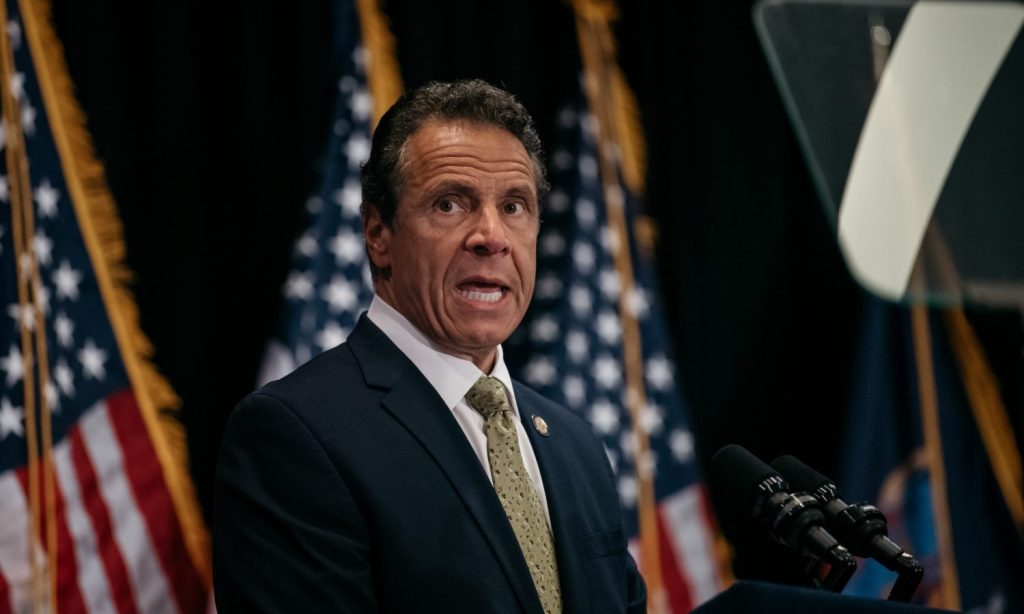
New York Gov. Andrew Cuomo signed recreational marijuana into law today, making the Empire State the 15th in the U.S. to legalize cannabis.
The legislation allows adults 21 and older to possess up to 3 ounces of cannabis or 24 grams of marijuana concentrates and to buy recreational cannabis from licensed retailers.
The bill also permits the cultivation of up to three mature and three immature plants for personal use.
In addition, it will also help those unfairly punished for a marijuana-related activity that would now be legal.
#BREAKING: I just signed legislation legalizing adult-use cannabis.
The bill creates automatic expungement of previous marijuana convictions that would now be legal.
This is a historic day.
I thank the Leader and Speaker and the tireless advocacy of so many.
Highlights From New York Legislation: New Yorkers will be allowed to smoke marijuana publicly wherever tobacco is allowed, The New York Times reported, adding that municipalities and a new state agency could add stricter regulations.
Smoking will not be allowed in schools, at work or in cars.
New York legalized medical cannabis in 2014, capping the number of operators at 10. Medical operators in the state will now be able to enter the recreational market by paying a one-time fee, the Times reported.
Photo by Alex Azabache from Pexels
Those 10 medical marijuana operators include the publicly traded cannabis companies Columbia Care Inc. (OTCQX:CCHWF), Curaleaf Hldgs Inc. (OTCQX:CURLF), MedMen Enterprises Inc. (OTCQX:MMNFF), Acreage Holdings Inc (OTCQX:ACRHF) and Vireo Health International Inc. (OTCQX:VREOF).
The Path To Approval: New York lawmakers approved the bill to legalize marijuana on Tuesday night, just days following the release of the latest text.
The state’s Assembly passed it by a vote of 100-49, ABC7 New York writes.
“That’s what’s good about this legislation … we’re going to turn around the lives of some of those people and help them to be able to take care of themselves, their families, and their communities,” said Assembly Majority Leader Crystal Peoples-Stokes.
According to a 2020 study, bongs, bowls and vape pens contain 50% more bacteria than a public toilet and around 90% more than a garbage dumpster.
Ready or not, live music is set to make its long-awaited return in 2021. Although the COVID-19 debacle put concerts on hold for more than a year, the word on the street is that we could see these events making a comeback in the coming months.
Bob Ruox, president of Live Nation’s U.S. concerts, recently told Rolling Stone in a statement that “all signs point to 2021 getting back to the summer concert season we all know and love. With vaccines being available to everyone in May,” he continued, “we’re confident events can return to regular capacity soon after.”
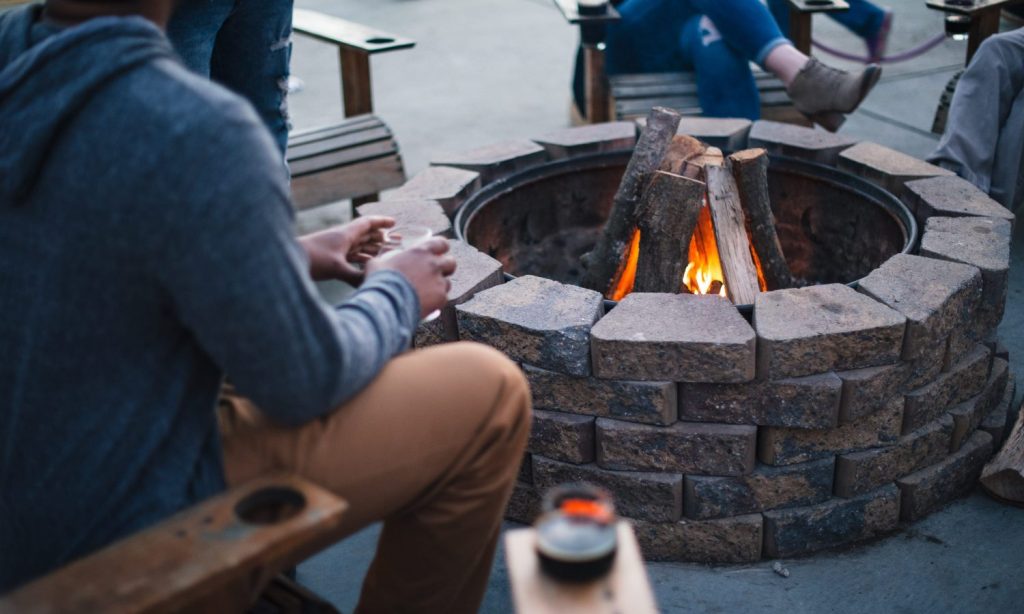
To some antsy music lovers, this news sounds like society is about to return to normal, and everything we love about live shows — camaraderie with strangers, expensive beer, free drugs — is on the fringe of a resurgence. But not so fast. While Americans will get out this summer and feed their sonically deprived ears with loud guitars and a reason to live, caution will continue to be a requirement. Most of the immunization era restrictions will come with limited seating and masks, but health pros probably won’t warn Americans about another significant health risk:Smoking marijuana with others.
Listen, marijuana and concerts have been a thing since the inception of, well, marijuana and concerts. Many of us got our first experience with weed while watching musicians perform onstage. But times are a-changing, even though Bob Dylan probably never thought his lyrics would mean that we’d have to, one day, amend the way we use pot as part of the concert experience. Even with Dr. Fauci saying that people should be able to feel safe being in an audience by “early-to-mid fall,” the science surrounding the spread of viruses remains the same. So, maybe taking a hit off the joint getting passed around the crowd isn’t the best move this year.
We know that COVID-19 travels mostly from person-to-person by way of respiratory droplets. It’s the reason everyone has been walking around faceless for the past 12 months. Other viruses, like herpes, can also spread through saliva. So whether we are talking about a virus that could have you on life support by September or just one that makes your lips look like a deleted scene of a horror film, smoking marijuana (or anything else for that matter) with others should be avoided.
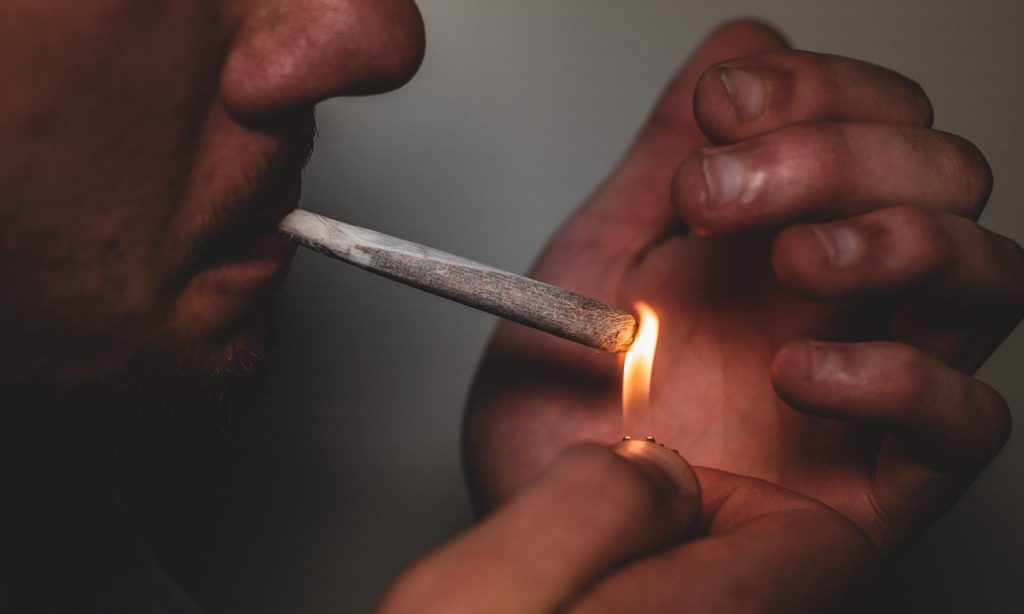
Studies have shown that consuming marijuana through smoking devices is filthy business anyway. According to a 2020 study, bongs, bowls and vape pens contain 50% more bacteria than a public toilet and around 90% more than a garbage dumpster. Furthermore, the average smoking device — like the one you might have in front of you right now — has 1304% more bacteria than a dog food bowl, 530% more than a cell phone screen, 92% more than an ATM keypad, and 62% more than the handle on a shopping cart.
Photo by Sebastian Ervi from Pexels
So, yeah, smoking marijuana in a communal setting is pretty disgusting. Some of you might even have compromised immune systems after being on lockdown for the past year. Even though many are getting vaccinated as a way to stave off the Rona — and studies have shown that vaccinations are extremely effective — they’re still willing to lick the cannabis equivalent of a toilet seat. So in the interest of a healthier America, maybe it’s better if concerts are BYOB for a while.
It’s conceivable that we might need to rethink how we use pot at concerts from here on out. Thanks to legalization in more states, that’s easier to do now than it has been in the past. There is a whole slew of cannabis products on the market these days designed for the personal pot experience. Edibles and vape pens are among some of the most popular.
Sure, a lot of old-time stoners refuse to give up smoking as their favorite consumption method, and that’s perfectly fine. We need those people to fill the air at concerts with the aroma of marijuana to let us know that the drum solo is around the corner. Just keep that soggy, fish-lipped, petri dish to yourselves.
It’s up to entrepreneurs, activists, and various public entities to create campaigns making their local cannabis industries less exclusive and much more inclusive.
The statistics on disproportionate arrests against Black people when it comes to marijuana-related crimes are nothing short of shocking. Systemic racism plagues the industry, and cannabis crimes are just one part of it.
A recent study reveals that Black individuals have a 3.6 times higher risk of being arrested for cannabis possession compared to white people within the United States, and this racial gap only continues to grow. From 2010 to 2018, this gap increased 300% in 20 counties, and in Tennessee the gap rose by 977%.
There were 49 states participating in the study, excluding Florida, and it revealed that Montana had the highest racial disparity rates. This is where Black people have a 10 times higher risk to be arrested for cannabis crimes compared to whites; Kentucky, Illinois, Iowa and West Virginia weren’t too far behind and in these states Black people have a 7x higher risk of being incarcerated. However, in two of these states, recreational cannabis was recently legalized so it has nothing to do with the state’s overall attitudes when it came to cannabis use.
Meanwhile, Colorado had the least racial disparity rates, followed by California and Oregon. Recreational cannabis was already legal in these states during the period of data collection.
“All too often I see suspicious police reports that justify traffic stops and detentions of Black people with suspicious justifications ultimately leading to a search and seizure of their persons. It’s these kinds of suspicious justifications that I rarely see as much when the individual is white,” explained Brian Joslyn of Joslyn Law Firm. “I believe the data clearly shows that Black people are being targeted by police. It would be impossible to suggest otherwise.”
Josly tells GreenState that he believes the legalization of marijuana is necessary to remove the racial prejudice that is affecting the industry now. Until it happens, law enforcement will only continue to detain and search an unfair number of Black people for cannabis law violations. “What needs to occur are policy changes within the police departments that train and instruct officers to only pull over or detain individuals for well-established violations of law,” he says. “In addition, all officers should be equipped with both cruiser cams and body cams so their arrests can be reviewed and verified, and our state legislatures need to further work and protect individuals’ Fourth Amendment rights through the passage of laws that would raise the standards for law enforcement to search one’s person or property.”
Cannabis Business Opportunities Still Limited For Black People
Aside from that, Black people are also struggling to make it in the cannabis industry. Back in 2017, only 4.3% of marijuana business owners were Black, reported Marijuana Business Daily. Meanwhile, white people made up 81% of business owners.
But it’s a messed up situation, because while Blacks are already suffering from disproportionate arrests, having any felony convictions for cannabis crimes means you will have a challenging time getting a cannabis business license in several states. For example, in California, you can’t get a license if you have a felony involving a controlled substance within the last three years. In Colorado, license applicants shouldn’t have any felonies with controlled substances within the last decade.
Photo by Priscilla Du Preez via Unsplash
Another survey conducted by Marijuana Business Daily revealed that 19% of participants who founded a cannabis business and/or possess ownership stakes in cannabis businesses are composed of racial minorities. According to Jesce Horton, board chairman and co-founder of the Minority Cannabis Business Association, there’s a much smaller portion of minority cannabis business owners. “The biggest need and the biggest disparity and the biggest outrage has been the licensing process and the ability for small businesses to first get into the market, and then to survive after dealing with large taxes, huge licensing fees or all these other things that we fear are shaping up in opposition of minority entrepreneurship,” he says.
The racial wealth gap is difficult to overcome. Black business owners already have a hard time getting loans, so while they can make use of equity programs to some extent, Black people who obtain licenses may end up having to partner with white firms to get the financing they need. As a result, big corporations end up dominating the space because it’s so much easier for them to raise capital and afford better attorneys.
At the end of the day, there is a huge opportunity; after all, it’s been a billion dollar business for a very long time now. In fact, Blacks were primarily the ones distributing cannabis decades ago, so out of everyone, they should have the biggest advantage in terms of expertise.
Photo by OlegMalyshev/Getty Images
While there seems to be no legislation that will make policing more just, it’s up to entrepreneurs, activists, and various public entities to create campaigns making their local cannabis industries less exclusive and much more inclusive. The wealth gap that exists is because of so many systemic imbalances which are prevalent in the cannabis industry too. Some states have taken action, like Colorado’s Senate Bill 224, established in 2019 to create an accelerator program so that underfunded entrepreneurs can make use of existing cannabis facilities to jump-start their business while operating on a micro-license.
What can cannabis businesses do to tackle racial disparity?
There are solutions out there. The Black Cannabis Equity Initiative (BCEI) partnered with LightShade and MedPharm, Colorado-based businesses, to develop a report card that they can use to determine and improve the racial inclusivity in their business. They also offer an referral service for matching job candidates with businesses that have committed to employ people of color.
So there are these initiatives that exist, but it’s up to businesses to do the work and make a change for people of color.
Can Democrats use a third budget reconciliation to pass the comprehensive marijuana reform bill that is supposed to be introduced soon?
There’s no use in mincing words: Senate Democrats are screwed. Although they have the majority this year, it’s by such a slim margin that it will be next to impossible for them to further their agenda without some support across the aisle. And so far, nobody over there wants to play nice.
The Republicans are still sore because the Democrats won the November election and even more so with how they went about passing President Biden’s $1.9 trillion COVID-relief bill. Capitol Hill is now full of back-biting tension, which has left Democrats scrambling for a way to work.
Unfortunately, since the Senate is split 50-50 (with Vice President Kamala Harris being the tiebreaker), Republicans can still use the filibuster to sabotage almost every bill the Democrats try to push through. The filibuster is an old Senate rule that requires a 60 vote supermajority on controversial issues. Democrats have threatened to do away with the filibuster, but they don’t really have the votes to do it. They need all 50 members of the Democratic Caucus to blow it out of the water.
Furthermore, Senate Minority Leader Mitch McConnell has said more than once that he will bring the Senate to a screeching halt the second they so much as try to amend the rule.
For now, the filibuster stays.
This means the comprehensive marijuana bill that cannabis advocates had high hopes would pass this year probably won’t go far. There’s just not enough support in the upper chamber to get it done.
Schumer has a plan, however, to help further the Democratic agenda. It will not require him to eliminate the filibuster, and it still allows the party to continue its winning streak. He hopes Section 304 of the Congressional Budget Act will allow the Democrats to pass a third budget reconciliation, requiring only a simple majority. Congress is typically only given one reconciliation per fiscal year. That one was technically used up when they approved Biden’s coronavirus plan. They want to use a 2022 budget reconciliation that covers infrastructure, jobs and climate change, and apply the third one that they believe they are owed to focus on additional issues.
Senate Majority Leader Chuck Schumer (D-NY), Photo by Kevin Dietsch-Pool/Getty Images
“I believe that big, bold action is an imperative. We must get that done. And we prefer our Republican colleagues to work with us on these things. Many of the things I mentioned are bipartisan in the sense that a majority of Republicans support them,” Schumer said last week.
“If they don’t, our caucus will come together and we will discuss the best way to produce that big, bold action. And as I’ve said before, everything, everything is on the table,” he concluded.
The big question is: Can Democrats use a third budget reconciliation to pass the comprehensive marijuana reform bill that is supposed to be introduced soon? Sadly, no. Anything related to marijuana legalization would not be achievable in this manner. This issue fits in along the lines of the $15 per hour minimum wage deal that Democrats attempted to squeeze in the latest coronavirus relief effort. They tried, but in the end, nonpartisan Senate parliamentarian Elizabeth MacDonough said the increase couldn’t be done under budget reconciliation. And that was that.
It’s possible, though, that Democrats will attempt to push the boundaries of budget reconciliation once again to get some kind of cannabis reform on the books. Maybe the SAFE Banking Act — a simple bill that allows banks to do business with the cannabis industry — could be slipped in and passed with a simple majority. But the interpretation of the reconciliation and its boundaries will be up to the parliamentarian.
As for now, Democrats haven’t made any decision regarding legislative strategy. But suddenly, and very interestingly, MacDonough, whose job is to interpret the rules, has become the most influential person in the nation’s capital.
Ohio’s medical marijuana sales may reach $400M this year; South Dakota Gov. wants to limit current medical cannabis program; New Mexico Gov. pushes for adult-use cannabis legalization; and more.
Kansas House Passes Medical Cannabis Legalization Bill, Sends It For A Floor Vote
After many meetings held to review a plethora of amendments to a medical cannabis legalization bill, a Kansas House Committee passed the overall measure on Monday in a 13 to 8 vote, writes Marijuana Moment.
After the House’s approval, the bill is now going to a floor vote.
Separately, lawmakers in the Sunflower State voted for a procedural motion to include the measure’s language into an unrelated Senate proposal to accelerate its discussion in the two chambers, reports the outlet.
The original bill was introduced in the committee in February and would establish a medical cannabis program for qualified patients. Among 21 conditions that would qualify patients for medical cannabis therapy were PTSD, HIV, and chronic pain. An amendment to expand the list was approved on Monday as well.
New Mexico Governor Calls For Special Legislative Session To Push For Adult-Use Cannabis Bill
The New Mexico State House approved a recreational cannabis bill, HB 12, in a 39 to 31 vote. The bill also passed the Senate Judiciary Committee and was sent over to the full Senate for discussion and a vote.
The expected Senate floor vote, however, was postponed past the deadline.
Now, as expected, Governor Michelle Lujan Grisham is calling for a special legislative session to try to push for an adult-use cannabis legalization bill, according to Marijuana Business Daily.
The special session is scheduled for March 30.
Previously, Lujan Grisham has advocated for cannabis legalization in an effort to end New Mexico’s dependency on oil and gas revenues.
Rhode Island Lawmakers Presented With A Bill To Decriminalize All Drugs
Last week, during a Rhode Island Senate panel, legislation on ending criminal penalties for possession of small amounts of drugs was presented, writes Marijuana Moment.
Photo by LeszekCzerwonka/Getty Images
The bill proposes a $100 fine instead, and it is of many drug-related measures currently proposed in the state, including a cannabis legalization measure supported by the governor and the top lawmakers.
Two measures were heard during last week’s panel: S. 604, which is sponsored by Senator Tiara Mack, and S. 188, sponsored by Senate Majority Leader Michael McCaffrey.
S.604 would reduce felony charges for simple drug possessions, while S. 188 would make possession of small amounts of controlled substances a misdemeanor, reports the outlet.
Ohio’s Medical Marijuana Sales May Come To $400 Million This Year
Ohio’s medical marijuana market had a prolonged start, with legalization happening back in 2016, but sales commencing early 2019.
In spite of a lagging development, medical cannabis sales in the Buckeye State are now growing at a fast pace. From weekly sales of around $2.5 million prior to the start of the global pandemic, numbers are now hitting $5 to $6 million, reports Marijuana Business Daily.
According to the “Marijuana Business Factbook,” Ohio medical marijuana sales could amount to $350 to $400 million this year. This compares to $221.5 million in 2020.
Photo by thegoodphoto/Getty Images
The number of registered patients almost doubled from the prior year hitting 176,387 on March 19.
“It’s a potential $400 million market this year, and there’s plenty of growth in sight,” said Nate Reid, vice president of commercial strategy for Illinois-based Cresco Labs (OTC:CRLBF), which owns cultivation, processing and dispensary licenses in the state.
South Dakota Gov. Wants To Limit Current Medical Cannabis Program
South Dakota Governor, Kristi Noem, known for her passionate anti-cannabis stance, is working towards limiting the existing medical cannabis program in the state, writes Marijuana Business Daily.
Currently, she is pushing to ban people younger than 21 to smoke or vape medical cannabis. She is also trying to limit the number of plants medical marijuana patients are allowed to grow at home.
A few months ago, Noem was unhesitant to challenge the voter-approved adult-use cannabis measure, claiming it is unconstitutional. Circuit judge Christina Klinger supported that view, but the case has been appealed to the state Supreme Court.
Last week, New York legislators announced a three-way agreement between Gov. Andrew Cuomo and the State Legislature (Senate and Assembly) that would fast-track adult-use cannabis in the state.
Reports state that the bill expects to include a 13% sales tax with an excise tax of up to 3 cents per milligram of THC content. Most tax revenue expects to go towards government expenses and communities affected by the war on drugs. Cantor Fitzgerald analysts forecasted that tax revenue would not help ameliorate the state budget.
Relatively Uncharted Excise Tax Territory: Excise taxes are common in cannabis, breaking into three categories of basis: price, weight and potency.
The National Conference of State Legislatures January 2021 report notes that Illinois is the only state to tax on THC content, likening the approach to alcohol.
Advocates and operators in New York’s cannabis community voiced concerns that a THC tax could turn off operators and buyers from the legal market. There’s also a belief that a potency tax further demonstrates the disconnect between lawmakers and the cannabis plant.
Concerns From New York: New York operators and advocates tell Benzinga they oppose a THC tax for various reasons. Ryan Lepore, deputy director of NYC NORML and member of the board of directors for Empire State NORML, doesn’t support the idea.
Believing the excise tax stands to create regulatory friction, Lepore sees the entire supply chain affected, with consumers paying higher prices for access to offset distributor-based taxes.
He believes regulators are regularly missing the mark on cannabis knowledge.
“The far-reaching constituency of chemovars, plant compounds and cannabinoids determines the efficacy of the cannabis plant, unlike other regulated substances,” said Lepore, pushing back on the THC emphasis.
Photo by Cavan Images/Getty Images
Lauren A. Rudick, partner law firm Hiller, PC, called the proposed excise tax “an unnecessary exercise of political power that will discourage participation in the regulated market.”
If the tax remains in place, Rudick hopes the decision leads to further education on the entourage effect, or the effect created by consuming the whole plant profile.
The Ideal Tax Model Remains Uncertain: Morgan Fox, media relations director for the National Cannabis Industry Association, said most consumers wouldn’t be concerned with the tax structure, but rather the bottom line.
Fox noted he wasn’t a tax expert and debates about the proper cannabis tax model are ongoing. However, higher taxes do lead to unavoidable higher consumer costs.
The scenario is largely unavoidable.
“It’s pretty difficult to be able to bring high-quality products to market while cutting costs because you can’t really cut costs when it comes to taxation,” stated Fox.
Fox noted that various tax structure rollouts would continue in the cannabis space. He recommends that states and operators work together to quickly address any regulations that prove to be onerous or burdensome.
“It’s something that they should regularly look at and listen to stakeholders involved, particularly producers and retailers,” said Fox, emphasizing that regulators need to hear from operators dealing with the consumers.
More and more people are getting their COVID-19 shots, which is great, but what about the rest of us? Here’s how you can cope with your vaccine FOMO.
An increasing number of states are allowing more people to be vaccinate. New York is the latest to announce that those 16-years and older will be eligible soon. This is exciting but also anxiety inducing, since, having lived through the past three months, vaccines aren’t all that easy to come by.
When people upload a photo of their “vaccinated” sticker, there’s usually two reactions: positivity, because we can finally see the light at the end of the tunnel, and envy, because these people will be able to hang out with everyone with practically no concerns while the rest of us are still baking bread at home alone.
Envy is normal, especially in an unprecedented life or death situation like this one. Still, this doesn’t mean you have free license to be rude to people or to question what they did to get the vaccine. Some things should be thought, not said.
Here are 5 tips to help you deal with vaccine FOMO (fear of missing out):
Accept your emotions and let them go
Photo by Ketut Subiyanto via Pexels
It’s okay to feel frustrated by the current moment and by people who’ve somehow managed to get vaccine appointments. Vaccine FOMO isn’t like regular FOMO, where you’re just jealous of someone else. This year has been challenging for everyone; now that many are getting vaccinated and have carte blanche to do what they want, it’s very sad for those who are exhausted of being alone and depriving themselves of the company of other people. Let yourself feel sad or angry but try your best to move past the feeling and to not let it taint your every day life. If seeing the selfies on social media upsets you, take a much needed break.
Find balance between being proactive and not losing your mind
If you desperately want to get vaccinated, use this as fuel for productivity. Stay on top of your local news since more and more states are opening up their eligibility, loosening age and comorbidity restrictions. There are also resources out there for people who want to get vaccinated but aren’t eligible, like TurboVax, an NYC Twitter account that informs people of openings for vaccination spots. There’s also Dr. B, a service that connects you with leftover vaccines.
You’re not alone
Photo by roungroat via rawpixel.com
The pandemic is a global event and while you may feel like everyone and their mom is getting vaccinated, the vast majority of people haven’t been able to get their shot yet. The more time passes, the easier it’ll become for you to find a vaccine appointment.
You know when you get obsessed with something, and you can’t stop thinking about it? While this is good for getting things done, especially if there’s an expiration date, there’s no set date for the end of the pandemic. While things are looking up right now in terms of vaccination rates, it’s difficult to predict when you’ll find a vaccine appointment if you’re not constantly glued to your phone refreshing the CVS website. So try your best to think about other things. Now that the weather is changing, find safe activities you can do out in the open. We’ve all hit pandemic burn out, so try to nourish yourself by doing other things.
Have some perspective
Photo by mirsad mujanovic via Pexels
You’ve made it this far. What’s a couple of more months in the grand scheme of things?
Both vaporization and combustion are popular ways to use cannabis, but they should be used based on particular circumstances and instances.
Cannabis has become a highly sought-after plant globally. Its healing properties and wide array of impactful benefits on patients dealing with critical health issues have been the major reasons behind the astronomical growth.
Yes, cannabis is a treasured plant, but many people are still conflicted about how to take it. Should I combust (smoke) it? Should it be vaporized? Or do I chew it?
What are combustion and vaporization?
Basically, combustion entails burning something, which in this case is cannabis. Vaporization is quite a different process that entails the transition from liquid to vapor. Some cannabis users are quick to point out that vaping is better than smoking, but you can use both methods, depending on your preferences.
There are several factors to consider when thinking about the pathway to chose. A good step to take entails considering the temperature used with each method, your purpose for taking cannabis, and the option that offers more flavor and aroma.
A scientific understanding of combustion vs vaporization
Temperature is the most critical aspect to consider when you think about combustion and vaporization. Some vaporization devices heat the cannabis below the combustion point between 180-190 degrees Celsius (this is 356-374 Fahrenheit). With combustion, the lighter produces an open flame that goes beyond 315 degrees Celsius or 600 degrees Fahrenheit. The combustion process offers a very high temperature that takes off a substantial amount of cannabinoids and terpenes before the cannabis is even consumed.
Scientifically, vaping cannabis increases the cannabis compounds activated in your system, which enhances the health benefits you get from cannabis. Patients who receive a marijuana prescription from a doctor agree that the vaping process enhances their cannabis experience.
There was a cannabis research conducted in 2009 that analyzed the medicinal qualities of cannabis through various consumption methods. The researchers analyzed the differences between vaporization and the traditional “cannabis smoke.” The temperature was the primary factor used in this analysis.
Photo by Christian Wiediger via Unsplash
The research showed that the by-product of cannabinoids was significantly higher through vaporization than through combustion. Temperature also impacts the aroma and flavor of the cannabis as different terpenes have specific boiling points. This means the lower the temperature, the more flavor and aroma you will get from the cannabis.
The researchers concluded that vaporization has more advantages because it gives the users the ability to fine-tune the temperature such that their cannabis experience is more beneficial.
The effects of vaporization and combustion on cannabis users
Based on several works of research, and the firsthand accounts of several users it is evident that vaping is safer than smoking. Medical patients also prefer vaping because they are easily irritated with the smoke fumes.
Additionally, vaping also produces fewer carcinogenic compounds than combustion and eliminates toxic compounds that may occur during high combustion. The vaping process helps you retain more of the cannabinoids, impacting your body with all the natural chemicals you need to thrive in good health.
The fact that vaporization offers more heightened benefits doesn’t mean smoking is an entirely useless process. For thousands of years and in prehistoric times, people smoked cannabis for healing and got results. However, vaping is a recent invention that protects patients with underlying issues from the combustion fumes hence why the majority prefer it.
Photo by GRAS GRÜN via Unsplash
As we all know, if you have a health condition that needs help from cannabis, you will need ALL the properties and parts of the cannabis. This realization means you may miss some vital properties through combustion. But those who just enjoy cannabis for fun will get a more refreshing experience through combustion, so it’s a case of your reason for using cannabis.
How to get a good vaporizer
Since vaping is the most preferred and healthiest way to inhale cannabis, it is rapidly becoming popular among cannabis users. To get the best from vaping you will need a good vaporizer, while if you are taking cannabis intentionally for health purposes, a vapor device is essential.
It should be noted that vaporizers made with metal alloys are NOT recommended because they emit high heat. Some other vaporizers that contain plastic pieces near the heating elements are also not recommended as they release harmful compounds alongside the cannabis.
Please conduct your research on vaporizers before buying one. Below are a couple of helpful tips:
Get a vaporizer with adjustable temperature controls
Temperature control is one reason why vaporization is effective for inhaling cannabis, so you need a vaporizer with adjustable temperature controls.
Buy a glass or ceramic vaporizer.
Metals and plastics are not good enough as cannabis vaporizers because of the toxic chemicals they release. Hence the reason you should stick to ceramic vaporizers.
Don’t buy vaporizers with pre-filled cartridges.
These pre-filled cartridges contain thinning agents that will affect the quality of your cannabis. You must buy your weed yourself to verify the source and ensure that you are inhaling the excellent stuff.
Photo by Jose Luque / EyeEm/Getty Images
Cannabis offers so much to users, and if you haven’t joined the cannabis trend, you might want to get started today! If you are already using cannabis, it is customary to consider your consumption method as you want to ensure that you are taking it the right way.
Both vaporization and combustion are popular ways to use cannabis, but they should be used based on particular circumstances and instances. For example, if you take cannabis for recreational purposes, it is okay to go the combustion way.
For recreational purposes, you are only looking to have fun with your weed at a party or after a long day at work. You will enjoy smoking cannabis for recreational purposes and bask in the “burnt” flavor/aroma. But if you are taking cannabis for medicinal purposes, vaping may be a better option. Vaping helps you achieve the perfect temperature with your cannabis such that you get the required marijuana medication experience.
New York is poised to legalize recreational cannabis after lawmakers released a new bill that would tax and regulate marijuana for people over 21.
The text of the proposed legislation, which has been negotiated for weeks, was introduced Saturday, Marijuana Momentreports.
What Happened: The Marijuana Regulation and Taxation Act (MRTA) will “legalize adult-use cannabis in a way that foregrounds racial justice, while balancing safety with economic growth, encouraging new small businesses, and significantly diminishing the illegal market,” Sen. Liz Krueger, a Democrat and the lead Senate sponsor of the bill, said in a statement.
Lawmakers are to vote on the bill early this week after months of talks between the Senate, Assembly and Gov. Andrew Cuomo’s office.
Why It’s Important: Besides allowing adults 21 and older to possess up to 3 ounces of cannabis or 24 grams of marijuana concentrates and buy recreational cannabis from licensed retailers, the legislation also allows the cultivation of up to three mature and three immature plants for personal use.
Photo by Scott Heins/Getty Images
In addition, it also allows for people convicted for marijuana-related activity that would now be legal to have their criminal records expunged.
“For generations, too many New Yorkers have been unfairly penalized for the use and sale of adult-use cannabis, arbitrarily arrested and jailed with harsh mandatory minimum sentences,” Cuomo said.
Assembly Majority Leader Peoples-Stokes said the bill “provides long-awaited marijuana justice for New Yorkers, and makes significant steps and investments to begin to address the generational devastation caused by marijuana prohibition and mass incarceration.”
What’s Next: The bill would take effect immediately upon passing, and sales would launch when New York sets up rules as well as a cannabis board.
Peoples-Stokes said the process could take from 18 months to two years, according to the Associated Press.
It is very unlikely that these problems were caused by cannabinoids, or they would not be confined to vaping.
Disclaimer:The views expressed in this article solely belong to the author and do not necessarily represent those of The Fresh Toast.
Whenever I critique a study that purports to show some danger related to marijuana I always make clear that the arguments against marijuana prohibition are not based on the assumption that marijuana is harmless. Nothing is harmless for everyone under all circumstances, and harmlessness cannot be a criterion for anything to be legal.
The first problem is simply that the teens were not vaping “pot”. They were vaping some unknown liquids that supposedly contained THC and perhaps other cannabinoids.
Second, the sample for the study was based on national data, which would normally be a good thing, but in much of the country, marijuana was and still is still illegal, so the vaping devices and their content may well have been contraband.
Third, the data was based on sampling from “between December 2016 and January 2018 — prior to the wave of lung injuries among young people that occurred in 2019. It was given the name EVALI, or e-cigarette or vaping use-associated lung injury.”
That timeframe increases the uncertainty about whether the products were contraband, and the study acknowledges that their findings may include individuals who were using products contaminated with vitamin E.
Finally, it is very unlikely that these problems were caused by cannabinoids, or they would not be confined to “vaping”.
For millennia most cannabis users have only had bud or hashish which they had to burn in a joint or a pipe of some sort. Not always the coolest source of smoke (vapor).
Photo by Parker Gibbons via Unsplash
It should also be noted that “vape pen” is not a standardized device, especially in what may still have been contraband markets. The “vape” that is produced may simply be too hot, so some of the problems may be independent of whatever is being “vaped.”
Vape pens are very handy, but bongs and tabletop vaporizers, like the Volcano, maybe much better, especially for heavy users.
Sadly, the pandemic may have finally ended the custom of sharing hits on joints, etc., with friends and/or friendly strangers. The end of the pandemic will coincide with a demand for social venues for cannabis users, so we will be looking at healthy ways of sharing. Some of the “coffeeshops” in Amsterdam have bongs designed for multiple users. They may be popular in the new “cannabis bistros.” (A term borrowed from Haarlem, the beautiful little city 15 minutes from Amsterdam.)
Well, so much for the “latest research.” We learned something anyway.