The act of sitting down is associated with lots of health hazards. While it is important to move, there’s a lot of exaggeration going in the health world.
One of the most discussed perils of modern living is the fact that we spend the majority of our days sitting down. Even before the pandemic had us trapped in our homes for almost a year (who’s counting?), the design of modern life, where people work for long stretches of time in an office or at a desk, means that there’s no way of avoiding sitting.
While sitting down for long stretches of time isn’t great (it messes with your posture and encourages all sorts of lethargic lifestyles), data looking into the issue suggests that things aren’t as simplistic as some health experts would make it out to be.
Statistics that claim that we spend 15 hours a day sitting down don’t account for how varied this experience is from person to person, or how different their weekdays are from their weekends.
Photo by LinkedIn Sales Navigator
Professor Dan Liberman, author of the book Exercised, spoke with the Huffington Post about the ways in which information is manipulated in order to make us feel bad about our health. “We make them feel anxious and nervous and worried and confused because we give them all this bad information, and there’s a lot of value and judgment added to it,” he said.
Liberman is also opposed to the idea of evolution as a health hazard; just because we work in offices now doesn’t mean that our ancestors didn’t used to spend a lot of time sitting down. While they had to hunt and forage in order to eat, they also had to rest. “Your average hunter-gatherer out there who has no chairs and doesn’t have a desk job, they sit as much as most Americans,” he said.
Sitting down is inescapable, whether you’re an Olympic athlete or you work in an office. Whether you’re sitting down to eat, watch TV, rest or have a conversation with friends, you likely spend a significant amount of time doing it. The one activity that’s in your control and that can work to your benefit is how active you are in between; set periodical timers to get up and stretch, go for a walk or play with your dog. If you want to go the extra mile, you can try a standing desk or a medicine ball. Who knows, the discomfort might just push you to work faster.
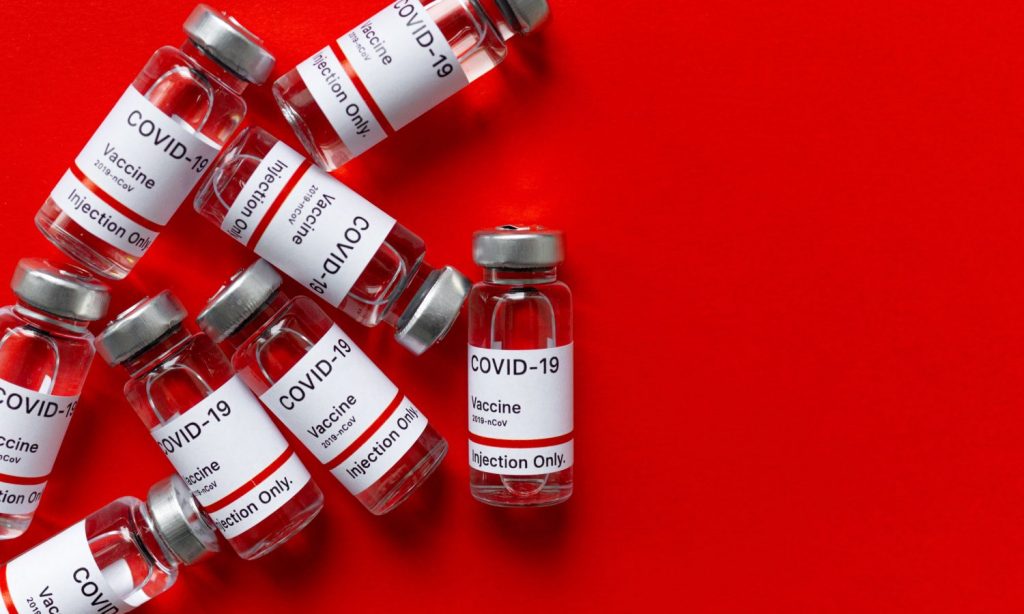
COVID-19 vaccinations are at the top of our minds. Here are some tips that can help you have an easier time scheduling them.
Every day, more and more Americans have access to the COVID-19 vaccine. At some point soon (hopefully) restrictions like occupation, age and underlying health conditions will be a concern of the past, and a large majority of the population will be able to schedule their inoculations.
Anyone who’s tried to get a vaccine for a parent or grandparent knows that the process is more complex than it should be, and that it takes some determination to succeed. The limited supply of vaccines and technical blips have made this process difficult, but there are some things you can do in order to improve your odds of booking an appointment, whether you’re doing that now or are planning to do so in the near future.
Lifehacker published a pretty comprehensive list of things you should keep in mind in order to make this process as painless as possible. Here are some of their most useful tips and suggestions:
Figure out your eligibility
Photo by tortugadatacorp via Pixabay
Every state has different eligibility guidelines, making it very important for you to learn them. If you’re scheduling an appointment for yourself and are over the age of 65, you have to check for preexisting conditions. Ailments vary per state, so it’s important to check. If you have no conditions, set email alerts for your county’s vaccination guidelines, that way you know when is the right time for you and can focus on signing up.
Look at all possible options
Photo by Flickr user Ron Cogswell
Make a list of all the possible places where you can get a vaccine, like a hospital or your local pharmacy. Keep this at hand, that way once it’s your turn to get vaccinated, you can focus on getting that much awaited appointment.
In order to save some time in the future and improve your odds of booking, make sure to register or create a profile to these sites. When you’re in the heat of things, you don’t want to have to add in your address, name, etc.
Keep all of your relevant information at hand
Photo by Vlada Karpovich via Pexels
Another tip Lifehacker suggests is piling all of your relevant information in an accessible place, like a Google Doc. This should have your basic data like full name, address, phone number, email, date of birth, but also more annoying bits of data, like your primary care physician info and your health care insurance, including member and group ID.
This might seem like a very OCD way of keeping all of your data at hand, but when entering all of this stuff in a small screen in your smartphone with a lot of time pressure, anything you can do to save time helps a lot.
When trying to schedule an appointment, the more screens that are participating the better. Make sure your laptop is working perfectly and that your internet connection is as strong as it can be. Make sure it’s updated before you have the ability to schedule your appointment. Anyway, when scheduling, all methods are valid. If your laptop isn’t loading, go on your phone. If you can, get on hold on the phone and try to register through the laptop.
Don’t fall for scams
Photo by Westend61/Getty Images
People are at peak dumb when desperate, clicking on deals that look too good to be true or believing stuff that isn’t verified. It’s completely understandable, but kind of upsetting, so try your best to do your research beforehand. Going through these steps can help you avoid scams. Also, the vaccine is supposed to be free; if the website asks for your credit card or bank account information, close the tab, because it’s a scam.
PA Gov. urges cannabis legalization; proposed California bill aims to legalize some psychedelics; and Malta’s Prime Minister says cannabis may be decriminalized.
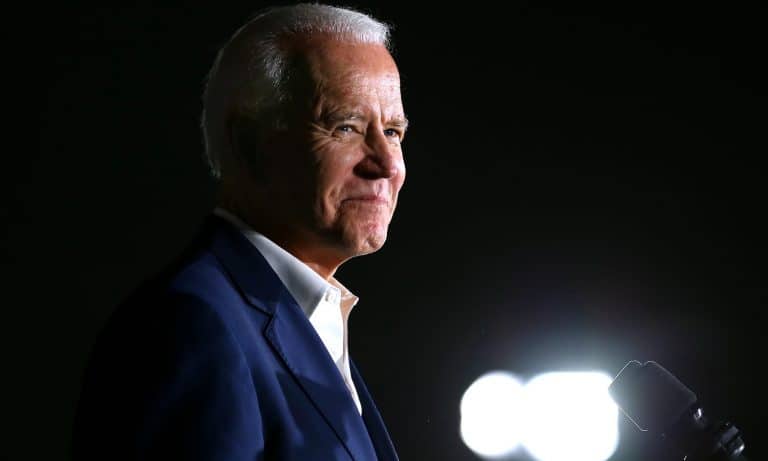
Congress Members Ask President Biden To Pardon Federal Cannabis Offenses
Thirty-seven members of Congress have issued a letter to President Joe Biden, asking for a blanket pardon to those with federal nonviolent cannabis-related offenses. (h/t NORML)
The letter was first signed by Congressional Cannabis Caucus co-chairs Barbara Lee and Earl Blumenauer, who led the initiative.
The lawmakers wrote:
“During your previous tenure at the White House, President Obama understood that decades of harsh and discriminatory federal drug laws unfairly trapped minority individuals and communities in cycles of despair. That is why he used the tools of justice to grant clemency for 1,927 individuals convicted of federal crimes. Most of these individuals had been convicted on drug charges and would not have been sentenced so harshly, if at all, under today’s standards.”
“During your campaign, you committed that you would “automatically expunge all past marijuana convictions for use and possession.” Therefore, we urge you to grant executive clemency for all non-violent cannabis offenders. We look forward to working with you and the incoming Attorney General on quickly making this a reality.”
It is estimated there are millions the U.S. citizens with cannabis-related arrests and criminal convictions, many of whom are very young, or a part of a minority group.
California Bill Proposes Legalization Of Specific Psychedelics
A new Senate bill that proposes the legalization of possession of specific psychedelics in California was presented on Wednesday.
The bill was filed by Senator Scott Wiener and three Assembly cosponsors (h/t Marijuana Moment).
Under the new legislation, the possession of magic mushrooms, LSD and DMT would be legal, and also people with criminal records in relation to the possession or use of these psychedelics could ask for expungement.
Photo by eskymaks/Getty Images
What’s more, the bill proposes forming a group that will tackle the issues of potential future regulatory structures for psychedelics.
Other psychedelics covered in the legislation count ketamine, mescaline, MDMA, and ibogaine.
Social sharing would also become legal.
“Policy should be based on science and common sense, not fear and stigma,” Wiener stated. “The War on Drugs and mass incarceration are destructive and failed policies, and we must end them. Moreover, given the severity of our mental health crisis, we shouldn’t be criminalizing people for using drugs that have shown significant promise in treating mental health conditions.”
It’s worth noting that the Senator’s office says the bill is not supposed to mimic a “cannabis model,” or to create the ground for retail trade in psychedelics. It is, however, aimed at helping to “end the failed War on Drugs approach to addressing psychedelics while building on the science and research in the psychedelic field to create the potential for a therapeutic framework that could help people struggling from the effects of depression, anxiety, PTSD and other health conditions.”
Pennsylvania Governor Urges Cannabis Legalization
Pennsylvania Governor Tom Wolf has often expressed his support for cannabis legalization (h/t High Times).
The latest push came in a series of tweets, by which Wolf repeated his appeal to end prohibition in recreational cannabis use.
Revenue from the adult-use market would significantly help the Keystone State economy recover from the damages caused by the global coronavirus pandemic, he explained.
Photo by Igor Oliyarnik via Unsplash
“I want to see Pennsylvania begin the process to legalize adult-use marijuana this year,” Wolf said Wednesday morning. “The profits from this measure would be used to help us recover from COVID. Plus, it’s past time that we restore justice to those harmed by marijuana criminalization.”
In another tweet, Wolf noted that legislators should aim to “keep up with other states and legalize adult-use marijuana.”
Malta’s Prime Minister Says Cannabis May Be Decriminalized
Robert Abela, the Prime Minister of Malta revealed on Thursday that the government works on legalizing “responsible use” of cannabis. (h/t leafie)
“The reform proposes the elimination of police arrests on cannabis for personal use,” the Prime Minister’s office told Lovin Malta in a written statement.
According to Abela, cannabis consumers may soon be allowed to cultivate their own plants as well.
This is the first time that a government official in Malta has provided “a clear indication of the direction the promised reform will take.”
“By pushing up the limits of possession to reasonable levels, users will avoid police interrogation and legal proceedings. Government is also considering allowing the cultivation of a small number of plants strictly for personal use.”
Malta recently hit the headlines for the arrest of a couple caught with cannabis on Valentine’s Day. The arrest was welcomed with strong and widespread disapproval.
Roberta Metsola, Member of the European Parliament representing Malta, tweeted: “Are we really still charging teenagers for smoking a joint? If only we went after the corrupt with the same fervour, our country might just move forward…”
Cannabis isn’t just about smoking anymore; it is incredibly inclusive to people from all walks of life for both medical and recreational purposes.
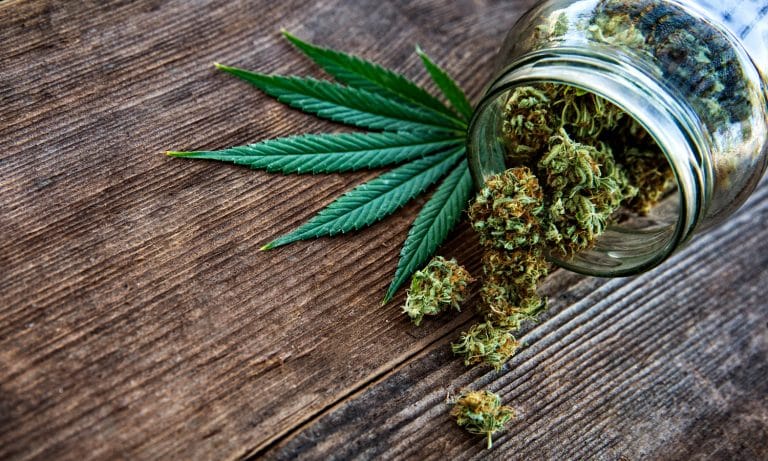
In the past few years, there has been one major central theme debated heavily by society. That is the legalization of cannabis. The once demonized plant stigmatized to cause delusions and murderous tendencies have been finally revisited and approved by government officials. As the health benefits of cannabis become more prominent, more and more stares are starting to legalize it.
In fact, legal cannabis has been taking over the market and skyrocketing in growth. During its first year of legalization in Colorado, the state earned over $700 million in tax revenue. The number has since grown to more than a billion dollars a year.
The industry is now considered a mega-giant, catering to those who need it for both medical and recreational purposes. However, there is a lot more to be said about this. If you are wondering about the ins and outs of the cannabis industry and how it became such a profitable industry virtually overnight, then here are a few points to keep in mind.
Photo by BATCH by Wisconsin Hemp Scientific via Unsplash
A large market of products
One of the bigger reasons why cannabis has become a hyper popular resource is the incredibly wide range of products that are available in the market right now.
Thanks to technological advancements since the advent of legal cannabis, users are no longer only given the choice of a few ways to smoke, such as joints, water bongs and pipes. Many online head shops, such as Smoke Cartel, still sell water bongs, as well as the accessories needed for them. The market is so large that there are even bongs and dab rigs that look like pieces of art, which have now been labeled luxury marijuana products.
Now, there exist state-of-the-art wax vaporizers which are bound to give you a long-lasting buzz from a quick odorless hit. There are also dry herb vaporizers for the people who still enjoy the feeling of smoking.
Even for those that do not smoke, there are many new ways for them to feel the effects of cannabis. For example, cannabis edibles come in all shapes and sizes, such as ChronTella which is an infused Nutella mix, cannabis lollipops, gummy bears, and more traditionally, cookies and brownies.
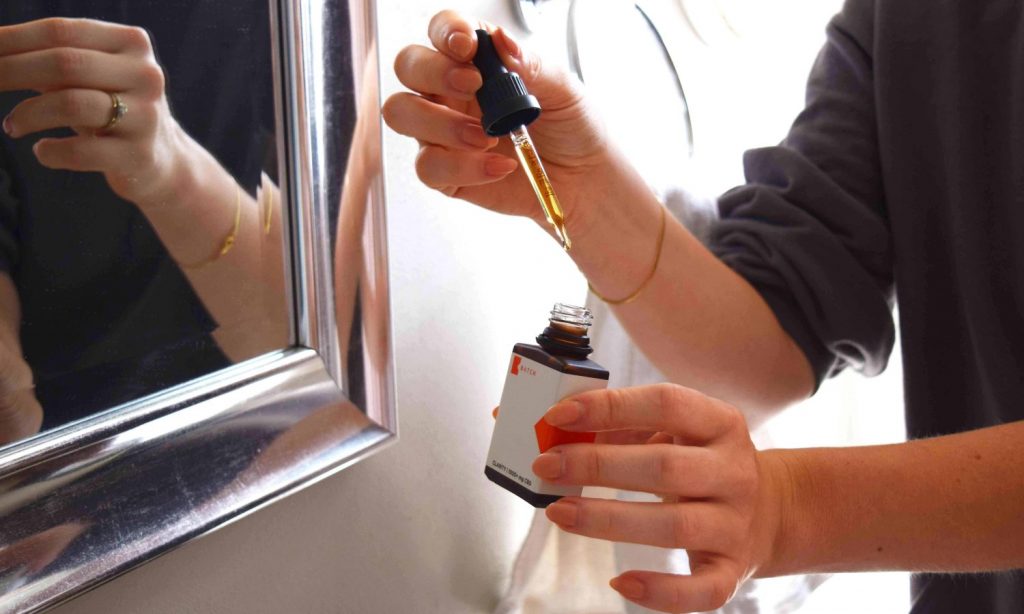
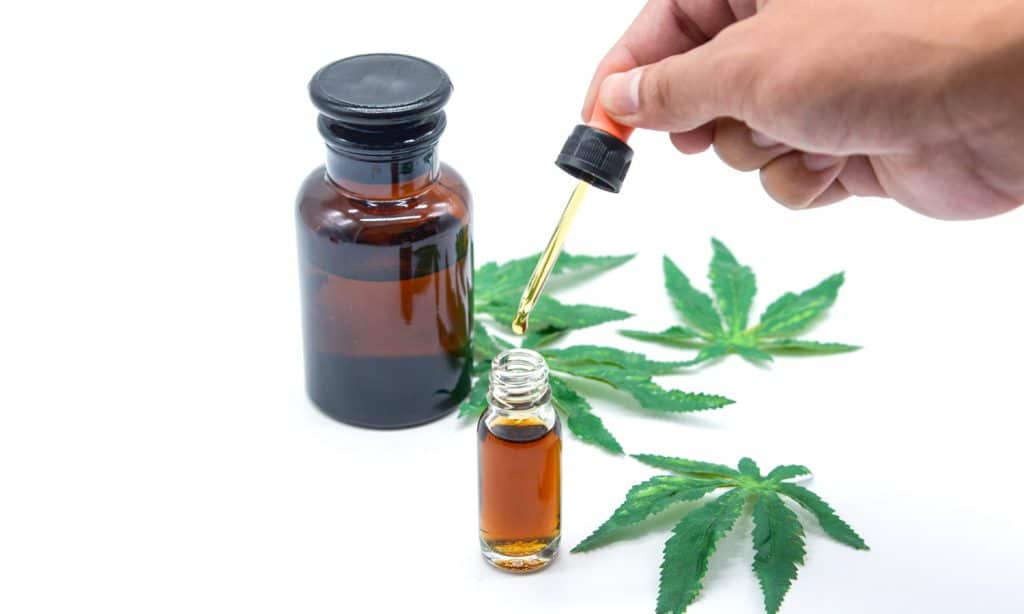
For those that do not want to eat nor smoke their dry herb, there is also an option for this demographic. Through the use of tinctures, everyone can enjoy the calming effects of cannabis with a single drop of concentrate under their tongue.
With all these new inventions, cannabis is not just about smoking anymore, it is incredibly inclusive to people from all walks of life.
Photo by Kirill Vasikev/EyeEm/Getty Images
There are a ton of benefits
One of the biggest reasons why cannabis was legalized is because of its anti-cancer properties. However, that is not the only thing cannabis is good for. Almost like a cure all, the plant offers a ton of medical benefits to users. For example, it is well known to reduce anxiety for many people as it offers a calming effect. Medical cannabis is also proven to have properties that combat and treat mental disorders such as Tourette syndrome, PTSD, eating disorders, depression, insomnia and many more.
The vast number of medical benefits makes it incredibly appealing to many people. Because of this, the medical marijuana industry has particularly benefited from this and it has allowed people suffering from various conditions to find relief.
A lot of people smoke
You might be surprised to hear, but a lot of people smoke. In fact, a poll conducted in 2020 suggests that up to 25% of U.S. citizens have admitted to using cannabis on a regular basis. One-quarter of the U.S. enjoys the herb, and if infrequent users are added into the mix, then this percentage goes much higher.
Moreover, the number of users has only been continuously increasing as more and more cannabis dispensaries, lounges and paraphernalia shops are starting to pop up all around the country. Also, as the stigma relating to cannabis has been proven a falsehood by the government, it serves as a bolster to further empower many people’s new outlook on the drug.
It is not only about THC
Cannabis is not just about getting high. There is so much more than just THC, namely CBD, which is the main component of cannabis’s health benefits. It is being use in a variety of ways other than treating mental illnesses. For example, CBD is used in skincare products, topicals, creams for sores and much more. Furthermore, CBD is not psychoactive, so it is more widely available than marijuana as it does not necessarily break drug laws.
Hemp vapor products cannot be shipped through the USPS, even though these products appear not to fall in the FDA’s jurisdiction over tobacco products.
Recent changes (covered here) to the Prevent All Cigarette Trafficking Act (the “PACT Act”) by the Consolidated Appropriations Act, 2021 (the “Appropriations Act”), a COVID-19 relief bill signed into law on December 27, 2020, will bar the US Postal Service (USPS) from delivering hemp vapor products directly to consumers as of April 26, 2021 (120 days after the passage of the Appropriations Act).
In the aftermath of the Appropriations Act, both UPS and FedEx have announced they will no longer ship vapor products for home delivery. According to reporting from Vaping360, starting April 5, 2021, “UPS will not transport vaping products to, from, or within the United States due to the increased complexity to ship those products.” FedEx will end shipments on March 1, 2021. The leaves manufacturers of hemp vapor products with fewer options for shipping their goods to consumers.
Photo by RoseBox رز باکس via Unsplash
The prohibition on mailing of hemp vapor products comes as a result of the broad language inserted into the PACT Act by the Appropriations Act. The PACT Act states that all cigarettes and smokeless tobacco are “non-mailable and shall not be deposited or carried through the mails.” 18 USC 1716E (a). The Appropriations Act amends the definition of “cigarette” to include Electronic Nicotine Delivery Systems (ENDS). ENDS are defined as any electronic device that, through an aerosolized solution, delivers nicotine, flavor, or any other substance to the user inhaling from the device,” including “an e-cigarette; an e-hookah; an e-cigar; a vape pen; an advanced refillable personal vaporizer; an electronic pipe; and any component, liquid, part, or accessory of a device described [above], without regard to whether the component, liquid, part, or accessory is sold separately from the device,” (emphasis added).
The PACT Act was enacted in 2010, the same year that the Tobacco Control Act (“TCA”) gave the Food and Drug Administration (FDA) authority over tobacco products. In 2016, the FDA expanded its regulatory authority to include vapor products, e-cigarettes, cigars, pipes and waterpipes in the definition of tobacco products. According to the FDA, “Covered tobacco product means any tobacco product deemed to be subject to the Federal Food, Drug, and Cosmetic Act[,] but excludes any component or part that is not made or derived from tobacco.” 21 CFR 1140.3. The FDA has consistently limited its regulatory authority to vapor products containing tobacco or nicotine, which would not include hemp vapor products free of tobacco or nicotine.
In guidance for the tobacco industry, issued last year, the FDA stated that it “does not address products that are not tobacco products” and that only “[l]iquids that do not contain nicotine or other material or derived from tobacco, but that are intended or reasonably expected to be used with or for the human consumption of a tobacco product, may be components or parts and, therefore, subject to FDA’s tobacco control authorities” (emphasis added).
Photo by Christian Wiediger via Unsplash
This regulatory word-soup means that hemp vapor products cannot be shipped through the USPS, even though these products appear not to fall in the FDA’s jurisdiction over tobacco products. That makes it challenging to determine how the PACT Act applies to hemp vapor products, beyond just the issue of whether these products can be deposited into the mailbox.
For example, under the PACT Act, cigarettes (defined to include hemp vapor products) mailed for “business purposes between legally operating businesses that have all applicable State and Federal Government licenses or permits and are engaged in tobacco product manufacturing, distribution, wholesale, export, import, testing, investigation, or research,” are allowed (emphasis added). There does not currently exist a federal regulatory framework for hemp vapor products, meaning there is not an established licensing or permitting system across state and federal agencies. This means that it is unclear as to whether the business purposes exception would apply to a hemp vapor shipment made between two businesses because these “licenses or permits” required by the PACT Act may not exist.
The PACT Act goes beyond preventing the USPS from delivering certain smokable products. Manufacturers must comply with the PACT Act regardless of how their products are distributed.
Some of the PACT Act requirements are codified in 15 USC 376a (a):
The shipper must include on the outside of the shipping package a statement that the package containscigarettes, and that federal law requires payment of excise taxes and compliance with licensing requirements.
Shipments may not exceed 10 pounds.
Upon delivery the person receiving the package must verify that they are of legal age. The purchaser must provide their name, birthdate, and address and the seller must verify that information using a commercially available database.
Shipper must comply with all state, local, tribal, and other laws applicable in the jurisdiction where the products are being shipped, including excise taxes, licensing and tax-stamping requirements, restrictions on sales to minors, and other payment obligations or legal requirements relating to sale of vapor products.
Shipper must maintain records of every sale made in the last four years.
These requirements are difficult to adhere to, given there is no regulatory framework for non-tobacco vapor products. Even if a hemp vapor product manufacturer finds a company to ship its products to consumers, (which is likely to be expensive given that USPS, UPS, and FedEx are no longer an option), it must comply with the PACT Act.
We will continue to monitor the roll out of the PACT Act as it applies to hemp vapor products. If you are wondering what this means for your business, do not hesitate to contact Green Light Law Group.
Daniel Shortt is a corporate and regulatory attorney based in Seattle, Washington who works extensively with entrepreneurs in the cannabis industry. This article originally appeared on Green Light Law Group and has been reposted with permission. You can contact Daniel at info@gl-lg.com or (206) 430-1336.
The rapid drop in COVID-19 cases goes against health expert predictions. Here’s what that means going forward.
Following a nightmarish holiday season and start of the new year, COVID-19 cases are unexpectedly dropping. While experts predicted that COVID-19 cases would continue to rise in February, this hasn’t been the case. Despite all of this encouraging information, it remains important to be diligent with our safety measures.
The drop in cases has been fast and significant; a briefing from the University of Washington Institute for Health Metrics and Evaluation states that cases fell by 50% when compared to January and that the death rate has also dropped, even though it’s still the leading cause of death in the country. “Daily deaths in the last week decreased to 2,820 per day on average compared to 3,080 the week before,” indicates the briefing.
Photo by Maksim Goncharenok from Pexels
No one really knows why this is happening so pronouncedly, but experts have different theories: It could be a mix of more diligent safety measures and lockdowns, the influence of the vaccine rollout and that fact that it works, or that the virus might be running out of bodies to infect.
There was a lot of activity during the months of November and December, with significant amounts of people mobilizing in order to meet up with family members and friends. Still, data collected from Google suggests that large percentages of people were careful; after the holidays passed, a lot of people remained at home, wary of sharing the virus with others.
When it comes to vaccines, The Atlantic explained why the rollout, even in its initial stages, might be an influencing factor in this drop in cases we’re experiencing. Vaccines “are highly effective at preventing infection. But preventing infection is not all they do. Among those infected, they also reduce symptomatic illness. And among those with symptoms, they reduce long-term hospitalization and death to something like zero.”
So, even if only a small amount of people have been vaccinated, their odds of getting infected are reduced and their odds of getting strong symptoms are basically nonexistent, so that might explain why there’s a drop in hospitalizations and why that might continue as the pandemic develops.
The drop of COVID-19 cases is a good thing; if we manage to follow guidelines and get eligible people inoculated, we might be closer to getting back to normal, and eliminating the high rates of mortality of the disease.
The key differences can be found in terms of taste, bioavailability, extraction, and consumption method.
Cannabidiol or CBD is taking the market by storm. Part of CBD’s fame is the anecdotal health claims and therapeutic effects that treat various ailments. It has positive effects on anxiety and pain relief among other benefits.
While there are many methods of consumption, at the center are CBD e-liquid and CBD vape juices. To most users, these two products are quite confusing. And with the CBD industry at its infancy stage, there’s a lot of misleading information online leaving you unsure which one to trust.
Photo by Christian Wiediger via Unsplash
Before vaping went mainstream, taking CBD orally was the most popular method. Now, there are many products giving users wide options. Even once you decide to vape, you still have to pick an e-juice from the hundreds of products in the market. That means doing a comparison of CBD vape juices and then picking the most suitable.
Which one is better when it comes to CBD e-liquid vs CBD oil? In this article, we look at what sets these two products apart to help you make more informed decisions.
What’s CBD Oil?
CBD oil generally refers to the cannabidiol extracted from the hemp or cannabis plant. Although the oil contains other forms of cannabinoids, CBD oil exists in higher concentrations. CBD oil can exist in the form of edibles, tinctures, oil, or capsules.
But most people tend to use CBD oil and CBD tinctures interchangeably. CBD oil refers to products that are taken orally/sublingually by placing it under the tongue. Such products are not designed for vaping or smoking.
Photo by Thanit Weerawan/Getty Images
What’s CBD E-Liquid?
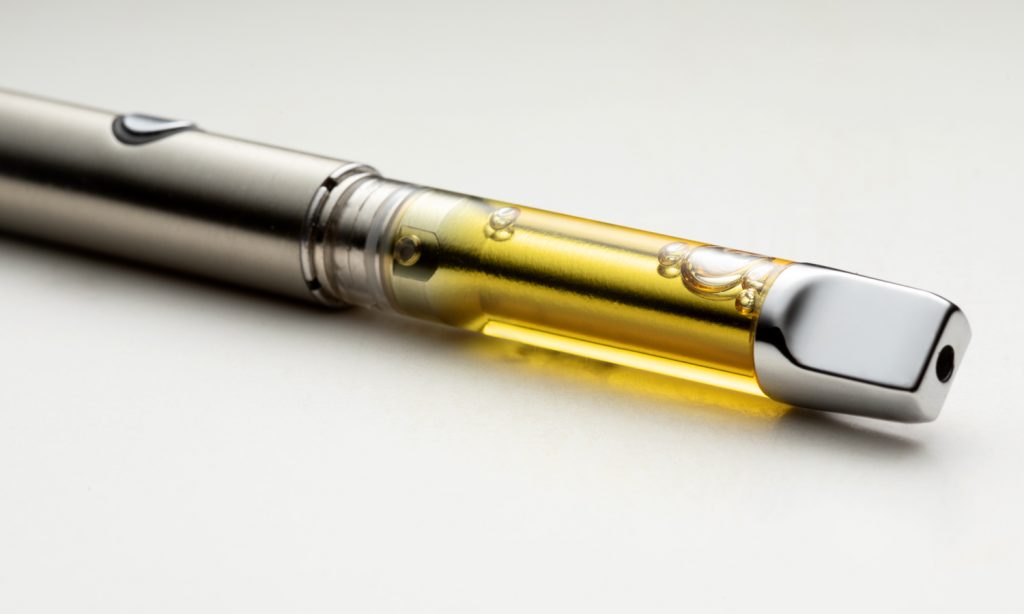
CBD e-liquid or CBD vape juice is a form of CBD oil designed for vaping. The CBD oil extract is mixed with a thinning agent that makes it less viscous, a form that can be heated to produce vapor.
However, most people use CBD vape oil and CBD e-liquid interchangeably even though there’s no such thing as CBD vape oil. CBD e-liquid should only be used for e-cigarettes and vape pens.
CBD E-Liquid vs CBD oil: Method of Extraction
In its original form, CBD plant extract is solid. It needs to be converted into a form ideal for consumption and absorption. Carrier oil is usually used in this process, but the type of oil used is different for each of the consumption methods.
CBD tinctures or generally oils are taken orally are extracted using food-grade oils that are easy to digest and absorb such as coconut or olive oil. But to produce liquids that can be vaped, thinning agents are used since ordinary oils are too viscous for vaporization. The widely used thinning agents are vegetable glycerin (VG), propylene glycol (PG), and medium-chain triglyceride (MCT) oil.
CBD E-Liquid vs CBD oil: Ingestion Method
How you take CBD oil and CBD e-liquid are different. That means you shouldn’t consume the vape juice orally or vape the oil. But to bring the difference home, let’s see the difference between CBD “liquid” and “oil”.
Any CBD product that has “liquid” in its name is designed to be taken in vapor form or vaporized. On the other hand, CBD products with the term “oil” are designed for oral consumption and not ideal for vaping or smoking.
Can you vape CBD oil? Well, CBD tinctures or oil are viscous. That means they are hard to turn into vapor. If you try vaping it, your vape pen could get clogged or malfunction.
Can you ingest CBD e-liquid? Majority of the CBD vape juices contain non-toxic food-grade ingredients. But while you can ingest them, you don’t have to. They offer a much better experience when vaped.
CBD E-Liquid vs CBD oil: Delivery
CBD oils are best ingested sublingually. Through this method, the oil is absorbed through the sublingual membrane into your bloodstream. Although it is a faster consumption method since the vape juice doesn’t undergo digestion, it takes a bit longer to feel the effects compared to vaping. But after waiting between 30 to 60 minutes, the effects last considerably longer- up to 12 hours.
Inhaled CBD e-liquid vapor rushes through the lungs into the bloodstream. This delivery method is faster allowing you to feel the effects in as little as 30 seconds. But on the downside, the effects won’t last longer – at most 5 hours.
CBD E-Liquid vs CBD oil: Taste
CBD oil in its original form has an unpleasant taste leaving an oily feel in your mouth. But tinctures come in various flavors from vanilla to chocolate which improves the taste. Similarly, most vape juices are flavored making them more delicious.
Photo by Chimpinski/Getty Images
CBD Vape Vs CBD Oil: Pros and Cons
CBD Oil Pros
More discrete
Easy to use
Comes in different strengths
No need for special equipment such as vaporizers
Easy to make at home
CBD Oil Cons
Long delivery time
CBD Vape Pros
Faster delivery
Better taste
Comes in different strengths
CBD Vape Cons
Less discrete
Banned in some places that don’t allow smoking
Considerably more expensive
Conclusion
CBD is non-psychoactive. So, regardless of the method you choose, you can enjoy all CBD benefits. The key differences are in terms of taste, bioavailability, extraction, and consumption method.
However, everyone is different and sometimes it might take more time before you feel the effects. You need to experiment to find out which method is the most suitable for you. But don’t overdose for immediate effects, just increase the doses gradually as you note the results.
South Dakota AG aborts defense of adult-use cannabis initiative, Hawaii Senate votes for legalization, and New Jersey is still struggling to figure out the details of its cannabis ballot measure.
Hawaii Senate Committee on Public Safety, Intergovernmental and Military Affairs voted in favor of two cannabis measures on Tuesday. (h/t Marijuana Moment)
The first bill asks for adult-use cannabis legalization and the other to amend the state’s current decimalization law.
The Aloha State decriminalized the possession of up to three grams of cannabis in 2019, under a law that went into effect in 2020.
The law also replaced criminal penalties with a $130 fine.
The new bill, SB 758, proposes decriminalization for up to 28.5 grams of cannabis. It is now sent over to the Judiciary Committee.
The legalization bill, SB 767, asks for cannabis legalization and enabling licensed companies to grow, manufacture, and sell cannabis products. Furthermore, it suggests for the adults to be allowed to cultivate up to three mature plants for personal consumption.
SB 767 now awaits a joint hearing between The Senate Judiciary and Ways and Means committees, after which it is supposed to reach the chamber floor.
Cannabis advocates in Hawaii believe there is a strong chance for the amendment bill on cannabis decriminalization to get voted for.
Drug Policy Forum of Hawaii, together with other cannabis supporters, is asking from lawmakers to include social equity requirements.
New Jersey’s Cannabis Legalization Bill Still In Question
In spite of voting for cannabis legalization during the November election, New Jersey is still struggling to figure out the details of the ballot measure.
Democratic Governor Phil Murphy asked for a “cleanup bill” that will impose higher fines for underage people caught with cannabis.
This Tuesday, another compromise was halted, questioning the future of cannabis legalization in the Garden State once again. (h/t NJ.com).
Sen. Nicholas Scutari, D-Union postponed the voting out of fear the bill would not have enough support to pass the full Senate.
The Senate Judiciary Committee will meet on Wednesday to review another cannabis-related bill together with a “cleanup” bill, added Scutari.
One of the main difficulties lies in balancing two requests 1) to discourage those under 21 to consume cannabis and 2) make sure there are no biased policing against them.
Two bills, one that launches the legal cannabis industry, and the other that stops arrests, have been on Muprhy’s desk for almost two months.
The problem is in the type of penalties – the legalization bill proposes that those underage caught with cannabis should be treated with persons offense, while the decriminalization bill ends all penalties.
The question is if the bill makes enough compromise for Murphy. If so, Murphy could “sign legalization, decriminalization, and youth penalties into law as a package.”
Murphy also has an option of vetoing until the deadline, and if he chooses to do nothing, the bill would turn into law without him signing.
Several previous efforts to make a compromise and push the governor to sign the bill have failed, this may be the last chance.
Another voting is scheduled in the Assembly and Senate for Friday.
Photo by Fokusiert/Getty Images
South Dakota AG Aborts Defense Of Adult-Use Cannabis Initiative
Another state facing cannabis legalization challenges is South Dakota.
The Mount Rushmore State was one of five states that welcomed cannabis-related ballot proposals on Nov. 3.
The state Governor Kristi Noem was first to challenge the amendment, ordering a lawsuit to cancel the adult-use portion of the measure.
Now, the South Dakota Attorney General’s Office is aborting its defense of the recreational marijuana initiative. (h/t Marijuana Business Daily)
While it is the duty of state Attorney General offices to defend state laws, Attorney General Jason Ravnsborg’s office stated he completed his duty by defending the measure in the lower court, according to the Argus Leader in Sioux Falls.
“It’s difficult to understand when he (Ravnsborg) argued clearly that it (the initiative) was lawful,” Matt Schweich, deputy director of The Marijuana Policy Project, which supported the cannabis legalization campaign in the state, told the outlet.
The Marijuana Policy Project is working together with the legalization group South Dakotans for Better Marijuana Laws to make an appeal to the state Supreme Court.
Most Americans never stop to consider just how many “drugs” they actually use regularly, but the list is vast, as it includes alcohol, caffeine, nicotine and even aspirin.
Marijuana is one of the most popular drugs in the world, according to the latest United Nations World Drug Report. That statement, however, really sticks in the craw of those cannabis advocates who argue that the cannabis plant is an herb, not a drug. They believe that drugs are concoctions created by pharmaceutical companies, not something that is natural and from the Earth.
But what is the real answer to this age-old debate? Does marijuana fall into the classification of a drug, or is it something else altogether?
Photo by Olena Ruban/Getty Images
Well, a drug, by definition, is any substance that affects the way the body functions physically or psychologically. Most Americans never stop to consider just how many “drugs” they actually use regularly, but the list is vast, as it includes alcohol, caffeine, nicotine and even aspirin. These substances are ingested into the body and pass through the brain, where they fire off messages that ultimately leads to the desired result. In the case of caffeine, a person might feel more awake, while with something like aspirin, they could notice in time that they no longer have a headache.
Marijuana actually has a lot in common with mainstream drugs like alcohol and aspirin. It can be used to get high (recreational use) by stimulating pleasure receptors in the brain in the same way as food and sex. It is known for releasing a chemical called dopamine, which makes the user feel relaxed and euphoric.
Meanwhile, millions of patients use cannabis for therapeutic benefits. The National Academies of Sciences, Engineering and Medicine, which consists of some of the leading scientific minds in the country, admits that cannabis can relieve some pain conditions, nausea, spasms and insomnia.
Photo by Bill Oxford/Getty Images
So, there are those people who use marijuana in the same way as others might beer — to unwind and have fun — while others lean on it as their medicine of choice.
The federal government considers marijuana to be a Schedule I dangerous drug — ranking right in there with heroin. This classification was determined based on the potential for abuse and a lack of research showing that it has any medicinal value. Still, more than 30 states have legalized the leaf for medicinal purposes. Some are giving access to people with severe health conditions, such as Alzheimer’s and cancer, and others allow participation by those with various pain conditions.
Uncle Sam, however, refuses to fall in line with this trend because federal health agencies say there aren’t enough large-scale studies to show that marijuana can actually help America feel better.
But is marijuana really a drug? By definition, yes, it is. It is certainly not a dangerous drug in the same way as heroin or cocaine, but it still fits the criteria just like alcohol or even aspirin. The fact that weed is only a plant isn’t an argument either. Other vegetation, including peyote, tobacco and ayahuasca, are also drugs. Agree or not, cannabis certainly falls into the classification of a drug.
The public announcement of Meghan Markle and Prince Harry’s second pregnancy was made through unconventional methods.
Meghan Markle and Prince Harry recently announced the pregnancy of their second child. This announcement was one that was met with a lot of celebration from all over the world, particularly in light of Markle’s recent openness about the miscarriage she had last summer.
The Duke and Duchess of Sussex announced the big news in the form of a photograph, one that was taken through unconventional methods. While the couple was located in Los Angeles, the photographer was based in London.
“In the age of COVID, it’s impossible obviously for me to be there to shoot it, so technology came to the rescue,” Harriman said. “I was able to remotely take over the iPad and they could hear my voice and it was conversational and the rest really is history.”
Harriman is a close friend of the Sussexes and has had a historic career, being the first Black photographer to shoot the cover for British Vogue‘s September issue. Before that, he rose to prominence while photographing Black Lives Matter protests. He also previously shot the engagement of Princess Beatrice of York and Edoardo Mapelli Mozzi in 2019.
No date has been announced for the birth of Archie Mountbatten-Windsor’s little brother , with a spokesperson for the couple saying: “We can confirm that Archie is going to be a big brother. The Duke and Duchess of Sussex are overjoyed to be expecting their second child.”