Saturday, June 13, 2026
Home Blog Page 455

Don’t Hold Your Breath For Federal Cannabis Legalization

Without a major change in the structure of Congress and a president who will actually sign a bill legalizing cannabis, it’s not going to happen.

Earlier this month, Vermont became the most recent state to legalize recreational cannabis. In the 2020 elections, cannabis legalization initiatives will appear on the ballots in Arizona, Mississippi, Montana, New Jersey and South Dakota (we’ll be doing a weekly series on these states each Sunday leading up to the election, and you can read about Arizona, Mississippi, Montana in those links). To date, the vast majority of U.S. states have legalized cannabis in one form or another.

While states have been increasingly willing to legalize cannabis, the federal government has dropped the ball. Over the last few years, Congress has made many efforts to legalize cannabis or at least provide some benefits to the industry, but nothing has materialized. Most recently, the House of Representatives kicked the can further down the road on the MORE Act by delaying a floor vote that ultimately would have been pretty meaningless anyway if the law had made it to the Republican-controlled Senate.

RELATED: America Can Probably Forget About Federal Marijuana Legalization Anytime Soon

While it’s clear that Congress can’t seem to get its act together, many had hoped that the U.S. Supreme Court would hear Washington v. Barr, a case in which petitioners sought to have the Court declare certain provisions of the Controlled Substances Act (CSA) relative to cannabis unconstitutional. But, just a few days ago, the Court nixed that opportunity by denying the petition for a writ of certiorari (fancy legal term meaning they declined to hear the case).
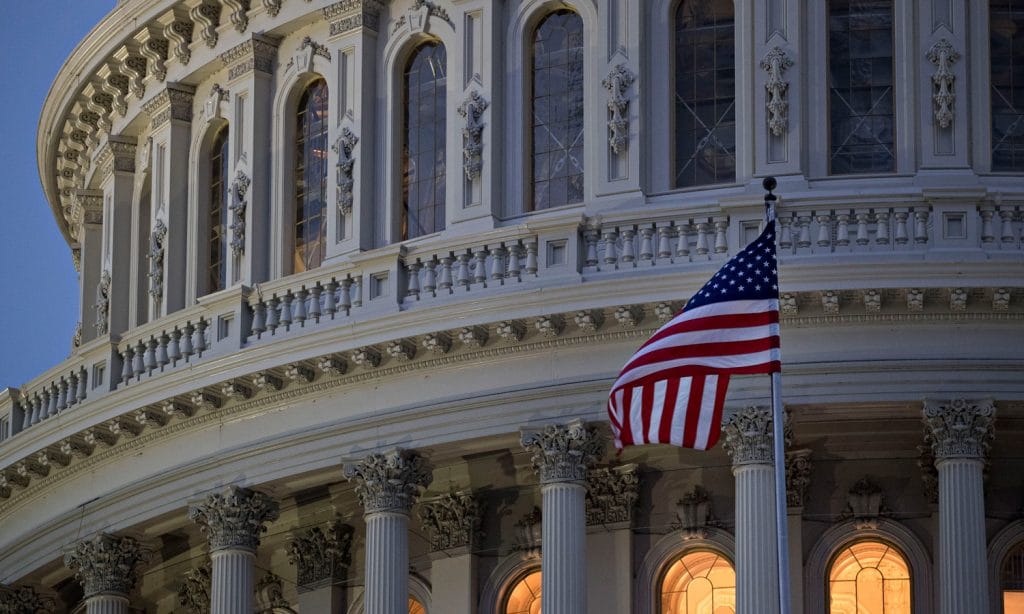
Federal Marijuana Legalization Is Only Way Corona Bailouts Happen For Cannabis Trade
Photo by Bloomberg Creative Photos/Getty Images

That leaves us with the executive branch. You can read our posts from last year giving President Trump a D+ on cannabis, and frankly, not a lot has changed since then. Legalizing cannabis hasn’t been even close to a priority under his administration and in fact, we’ve seen the federal government continue to attack even the state legal industry under his watch (e.g., Jeff Sessions’ rescission of the Cole Memo or William Barr’s antitrust investigations into cannabis mergers).

RELATED: Another Congressional Shot At Federal Marijuana Legalization Fizzles

If President Trump wanted to legalize cannabis, I am pretty sure we’d know by now. His failure to consider federal legalization during his first term will probably not change during any second term. And ultimately, without legislation by Congress, it’s unlikely that he’d be able to do a whole lot himself–an executive order de-scheduling cannabis under the CSA, for example, probably wouldn’t be legal. Joe Biden may not be a whole lot better.

So, where does that leave us? Without a federal entity taking responsibility for cannabis, legalization won’t happen. Without a major change in the structure of Congress and a president who will actually sign a bill legalizing cannabis, it’s not going to happen. There’s a better chance that we may soon be living in a world where all states have legalized cannabis, but the federal government still refuses to act. That’s an unfortunate possibility given the number of Americans that the industry employs and the extremely detrimental effects that legalization imposes on all of them.

Hopefully, something will change. Are we optimistic it will happen soon? No.

Griffen Thorne is an attorney at Harris Bricken, a law firm with lawyers in Seattle, Portland, Los Angeles, San Francisco, Barcelona, and Beijing. This story was originally published on the Canna Law Blog and has been reposted with permission.
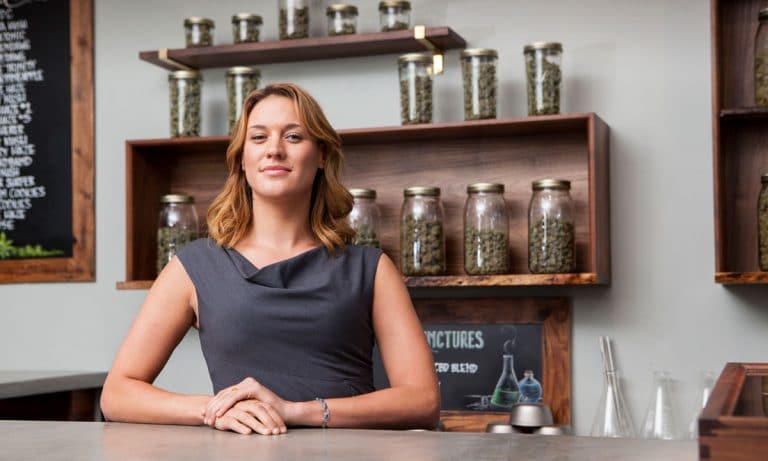
Cannabis Industry Job Growth Up 50%

The wonderful thing about this industry is that while the cannabis plant is the most important part, it isn’t the only part.

The cannabis industry is one of the fastest growing industries in the world today, but especially in the United States. As more and more states begin legalizing, the need for workers continues to go up. Marijuana Business Daily estimates the cannabis industry job growth up 50%.  People in the industry is jumping from 240,000 to 295,000 in 2020 alone. This represents a 50% increase over 2019’s industry growth, which estimated the year to start with 165,000 jobs and end with 210,000. MJBiz Daily considers those in the industry to be those who work directly with the plant like budtenders, all the way up to ancillary positions like lawyers and consultants.

Many people are leaving their current fields to join the rapidly growing cannabis industry, and a lot of them are taking their existing skills with them. Registered nurses become cannabis nurses and begin educating patients, retail managers transition to dispensary managers, traditional horticulturists join cultivation teams, and tech workers become part of a cannabis software team. The wonderful thing about this industry is that while the cannabis plant is the most important part, it isn’t the only part. The cannabis industry relies on truck drivers to transport product, security teams to ensure employee and product safety, content creators to create content that meets FDA guidelines, and more. Without these positions, the cannabis industry could not get itself off the ground.

Vangst is the cannabis industry’s leading recruitment platform, and they are hosting a virtual cannabis job fair next month. They already have over 3,000 job seekers and more than 50 leading companies looking to connect with each other. Job seekers can expect to talk with people from top companies like Cresco Labs, Flowhub, LeafLink, and Native Roots. The virtual fair begins on October 21st and goes until the 22nd.

Just because this is a virtual event doesn’t mean it isn’t worthwhile. While it isn’t what most are used to, Vangst is coming up with innovative techniques to allow job seekers and employers to get the most out of their experience, even through a virtual setting. They are offering two different educational tracks to follow, the Main Stage track which features educational content and panels from some of the leading voices in the industry. The Vangst track is specifically for cannabis recruitment topics, including resume and interview prep, career specific Q&As, and industry speak. In addition to these two tracks, job seekers can connect with employers through their virtual booth, as well as virtual networking hubs.

RELATED: 5 Of The Hottest Jobs In Cannabis Right Now

One of the most unique aspects of the virtual career fair is Vangst’s partnership with The Last Prisoner Project, an organization that fights to end unfair prison sentences for nonviolent cannabis offenses. The event will host a social equity networking space intended to empower job seekers to connect with unique social equity and employment programs offered by employers, volunteer, and advocacy groups that are present at the event. Social equity job seekers will also receive wait priority from job seekers in order to put them at the front of the line.

Photo by Bulat Silvia/Getty Images

In addition to Vangst’s partnership with The Last Prisoner Project, they have also partnered with Mission Green (an extension of The Weldon Project) and California Cannabis Coalition. The Last Prisoner Project’s founder, Steve DeAngelo, will kick-off the two day event with a social equity panel on “How Employees, Entrepreneurs, and Advocates Can Participate in Social Equity Programming.” Vangst is truly trying to drive home the point that the cannabis industry has a place for everyone, and aims to make employment as accessible as possible to all people.

RELATED: How To Succeed At Marijuana Job Fairs

Vangst is not the only company to host a virtual event due to the coronavirus pandemic. Since people began staying home more, there have been tons of virtual events taking place. MJBizCon, which is said to be the largest cannabis conference in the world, recently canceled all of their in-person events and moved to a five-week digital conference and trade show instead, starting on November 2nd and finishing up with their original dates of December 2nd-4th. Even before the decision was made to cancel the in-person events, attendees had the option to opt for a fully online event.

“We organized this virtual career fair in the hopes that it will introduce job seekers to the full range of available roles within cannabis,” said Vangst CEO Karson Humiston. “We want to provide exposure to every type of opportunity – from plant-touching to ancillary, cultivation to tech, and everything in between – and give them the tools they need to join this growing industry, no matter what their path is.”

This article originally appeared on Green Market Report and has been reposted with permission.
Insurers And Marijuana: What’s Next For Clinicians To Know?

The world of medicine is staunchly rooted in a form of health conservatism, tried and true in its collective wisdom.

Many health insurers will not cover for consumers to use medical marijuana. Beyond all the bad connotations, marijuana is seen as a Schedule 1 drug — illegal under federal law. Many insurers will not cover activity that is illegal, even if the use of medical marijuana is increasing in leaps and bounds. There are many consumer insurance companies more than a little leery of supporting homeowners or individuals.

Prescribing a Schedule 1 drug, even in a state where medical marijuana has been legalized, would place a physician at risk of having his or her DEA registration revoked. This type of punishment would restrict the physician from prescribing anything, even cough syrup. Most medical professionals will not chance that risk, to their professional reputation.

RELATED: Doctors & CBD: 5 Things Your Patients Want To Know

Some physicians try the side screen door around these restrictions. Many physicians will recommend medical marijuana, rather than prescribe it. The recommendation does not carry the same prohibitive weight of a prescription. For example, Medicare (as a Federal health program) never pays for medical marijuana prescriptions or treatments.

The Latest Report From The FDA Shows How Poorly It Has Handled CBD
Photo by athima tongloom/Getty Images

The world of medicine is staunchly rooted in a form of health conservatism, tried and true in its collective wisdom. The sense of values seeks to minimize risk for patients, as well as medical professionals. There are also very real medical and insurance concerns that the cultivation of marijuana is not regulated, or even watched as closely as the restrictions for prescription drugs, which are released to the market, following FDA government guidelines, and only after years of clinical trials. 

RELATED: Doctors And Patients Agree: Doctors Aren’t Good Sources For Medical Marijuana Info

The end result is that patients are paying for all aspects of using medical marijuana, and  that is something patients should be made aware of if they want to bring marijuana into the treatments they are seeking. There is some hope for the future, as both doctors and patients are increasingly using medical marijuana

There have been some gaps in the monolithic wall of opposition to marijuana, however. For example, the FDA has approved the use of CBD (cannabidiol) in the treatment of certain forms of epilepsy (the common drug name for this is Epidiolex). There is also ongoing medical research into the use of medical marijuana that might yield future loosening of restrictions. In addition, the FDA has sanctioned the use of Nabilone, a synthetic form of THC, which has been tested and approved.

How The Cannabis Industry Can Help Expunged Individuals Enter The Legal Market

“The entire industry has to remain united and focused on making cannabis justice part of our platform, right alongside other fundamentals like legalization and access.”

By Andrew Ward

The United States continues to have the largest prison population globally. Some 2.1 million Americans were incarcerated as of November 2018.

On the federal level, marijuana sentencing has dropped sharply in recent years. Just 92 individuals were sentenced for possession in 2017.

Yet according to Federal Bureau of Investigation data, officers on the state level made roughly 663,000 marijuana-based arrests in 2018, totaling 40% of those arrested for drugs that year.

Possession accounted for 92% of those arrested in 2018.

Efforts are underway to expunge the cannabis records of imprisoned individuals in select states, and proponents of marijuana reform are hoping the MORE Act is passed.

“We still have a very long way to go to remedy the damage done, but we are headed in the right direction and making more progress with each election cycle and legislative session,” says Dr. Chanda Macias, CEO of Ilera Holistic Healthcare and CEO of Women Grow.

“Our industry and advocates must continue to apply pressure to right the wrongs.”

Supporting Returning Citizens

Macias, who also heads up The National Holistic Healing Center, says post-incarceration social services have always been lacking.

“Freed cannabis prisoners have to fight for a slice of a pie in seeking ownership or jobs,” she says.

While the industry and certain states are advancing support for those affected by the drug war, more could be done to reduce recidivism and encourage industry participation.

RELATED: How Marijuana Reform Intersects With Policing And Racial Justice

“It is very encouraging to see so many states reforming and releasing prisoners,” says Liesl Bernard, CEO of the staffing firm CannabizTeam. “There is a long road ahead to reach adequate support for justice impacted individuals reentering the workplace.”

LaTorie Marshall, the founder of National Expungement Week, says that we all could be doing more to help returning citizens.

“We need to stay in communication to make sure that our people know they’re supported,” Marshall says.

“This helps to reduce the high recidivism rate that runs rampant through disenfranchised communities that have been systematically targeted for years.”

marijuana legalization
Photo by stokpic via Pixabay

N.E.W. provides services to returning citizens that address the thousands of legal and socioeconomic barriers they face, including voting, work and employment rights.

For Bernard and CannabizTeam’s Aim Higher training and re-entry program, the efforts include working with clients to create entry-level and internship roles for additional workplace opportunities.

The N.E.W.’s Marshall commends these efforts, but remains concerned.

RELATED: Prosecutorial Misconduct: The Invisible Problem Behind The Police

“This increase in awareness has yet to fully translate into opportunities for returning citizens, as most of the efforts being made are not specific enough and are too easily co-opted by those outside of these impacted communities,” Marshall says.

Marshall commended Michigan for the recent passage of Clean Slate Michigan, which makes hundreds of thousands of citizens eligible for a clean record.

Returning Citizens ‘Have The Skill Set’

For those whose records have been expunged, finding work can be challenging.

In recent years, states have taken steps to improve pathways to employment with varying degrees of success.

Macias says that retail and cultivation work provides entry-level pathways for returning citizens.

Many states impose restrictions that limit felons from entering the market.

The system is broken and in need of repair for those with records as well as those having their records expunged, she says.

“There are people who want to have careers or ownership in this industry, but they are being discounted,” Macias says. “What’s even more insane is they have the skill set.”

RELATED: Twista, Berner, And Chris Webby Discuss Racial Bias In Cannabis Arrests

That skill set can translate to ownership. CannaSafe CEO Aaron Riley was once arrested on several felony and misdemeanor charges for selling on his South Carolina college campus.

Thanks to pretrial intervention, he was able to have the record expunged. In the years since, he’s gone on to head up one of the largest companies in the cannabis space.

Photo by Doug Berry via Getty Images

Riley, who is white, says his race and the sentencing disparity allowed him and the other men arrested, who were all Black, to receive pretrial intervention and not a stiffer sentence.

“If I wasn’t arrested, it would have been really different for them,” Riley says.

In addition to finding work in the space, returning citizens could also find opportunities creating an ancillary business or joining a team seeking a license. In many states, applicants receive additional points for partnering with returning individuals.

Additional Efforts To Continue Healing

Those looking to do their part can do so in a variety of ways.

“The entire industry has to remain united and focused on making cannabis justice part of our platform, right alongside other fundamentals like legalization and access,” says Macias. “Mentorship is free.”

N.E.W.’s Marshall says that funding and support for literacy workshops, programs and other educational efforts are also key.

“Let other industries know that they should be doing the same healing work, if you do any, and challenge them to do the same,” she says.

“We should all be asking what are the right steps to making justice, equity and wealth realistic, obtainable and available for communities that have been the most impacted and affected by this systemic injustice that capitalism no longer wants to call ‘a drug.'”

This article originally appeared on Benzinga and has been reposted with permission.

Small Gatherings Are COVID Hot Spots — What Does This Mean?

0

Small gatherings are increasing the number of COVID cases around the country. What does this mean for the winter and holiday season?

As fall and winter approach, the U.S. has been experiencing a rise in COVID-19 cases across the nation. According to the director of the Centers for Disease Control (CDC) one of the most worrisome sources of infections is small gatherings, especially now that the holidays are near. What does this mean?

After 7 months of living through a pandemic, government guidelines regarding COVID-19 safety remain strangely hazy. While the CDC hasn’t exactly defined a “small gathering,”  they have released a guideline regarding COVID-19 and the holidays, giving us something to work with.

RELATED: Why We’re Seeing A New Wave Of COVID-19

According to the CDC, the location and length of gatherings are two very important factors; outdoor gatherings are less risky than indoor ones, providing people with sources of ventilation and more space to comply with social distance guidelines. The duration of the gathering is also important, because the more time you spend with others, the higher the risk of contracting COVID-19. This means that outdoor drinks held in someone’s backyard, with a moderate amount of guests, are less risky than a large dinner held in someone’s home.

didnt use
Photo by rawpixel.com

Other factors to consider include whether you or your guests have traveled recently, the level of risk of the area where you live, and your guests’ lifestyle. Have they been complying with social distancing guidelines? Have they been exposed to the virus within the last 10 days? All of this information matters before setting up an in-person meeting of any kind.

RELATED: Here’s What Socializing Will Be Like During The Fall And Winter Months

Dr. Shunling Tsang, medical director for ambulatory quality and vice chair of the department of family medicine at Riverside University Health System in California, explained to Health magazine that while it’s tough to stay away from friends and family during the holidays, with the numbers of cases and hospitalizations rising all over the country, the safest gatherings would be those that are virtual.

“If there is a need for a small gathering,” she said, “it should be held outdoors with social distancing, [and] strict adherence to mask wearing and to local and state public health guidelines.”

Hemp Litigation: DEA Sued Again

0

The hemp industry contends the Interim Final Rule is unlawful because it exceeds the DEA’s authority and violates the Agricultural Improvement Act, among other things.

The Canna Law Blog has been writing about the Drug Enforcement Agency’s (DEA) interim final rule (IFR) on hemp since its August publication in the Federal Register:

Most recently, Nathalie Bougenies wrote about a petition for review against the DEA filed by the Hemp Industries Association and RE Botanicals in the United States Court of Appeals for the District of Columbia (the “D.C. Circuit”). Why the fuss? As Nathalie explained, the IFR:

suggests that in-process hemp shall be treated as a schedule I controlled substance during any point at which its THC concentration exceeds 0.3 percent on a dry weight basis. ‘Any point’ includes even fleetingly during the processing phase and includes situations where the THC percentage is brought back into legal compliance for the finished product.

So will the DEA start raiding hemp processors? Who knows, but the implications are not good and led to the hemp industry making a concerted effort against the IFR. One such effort is the petition for review, which contends the IFR is unlawful because it exceeds the DEA’s authority, violates the Agricultural Improvement Act of 2018, and contends that the DEA violated the regulations governing the promulgation of rules set forth in the Administrative Procedures Act (“APA”).

RELATED: DEA Doesn’t Want You To Worry About Its New Hemp Rule—Don’t Take The Bait!

This week, the hemp industry opened a new front against the DEA and the IFR. On October 12, Petitioners in the D.C. Circuit filed a separate lawsuit against the DEA in the United States District Court for the District of Columbia. This is the “trial court” for Washington D.C. as opposed to the appellate court, the D.C. Circuit, in which the petition for review was filed. (Email me if you’d like a copy of the Complaint).

Although the lawsuit and petition overlap, the lawsuit seeks relief different from the petition for review as well as injunctive relief  that is not available through the petition for review. In the lawsuit, where Petitioners are now “Plaintiffs,” they seek:

  1. A declaration that the definition of hemp in Section 1639o, includes “intermediate hemp material” (IHM) and “waste hemp material” (WHM).

Section 1639o is the law that defines hemp. The Complaint describes IHM and WHM as “two necessary and inevitable byproducts of hemp processing.” More specifically, it describes IHM as the output from the evaporation of oil, “which contain concentrated levels of cannabinoids, because all other parts of the plan have been stripped away.” This by-product, say Plaintiffs, is not added to, or used as an ingredient in, any consumer product. Instead it is refined into extracts or isolates containing not more than .3% Δ9-THC. As for WHM, the Complaint describes that as another “output from evaporation” when a processor is creating isolates of specific cannabinoids.

Hemp Farmers Really Need A Break In 2020
Photo by Bloomberg Creative/Getty Images

Broadly, the legal argument is as follows:

By defining hemp, inclusive of derivatives and extracts, based on its Δ9-THC concentration on a dry weight basis, and by removing THC in hemp from control, Congress removed hemp-derived materials from the CSA that do not contain more than 0.3% Δ9-THC at points when Δ9-THC can be measured on a dry weight basis.” (emphasis added).

So once material is hemp (i.e. passes testing, and including IHM and WHM) it remains hemp through processing even if there are temporary moments where the Δ9-THC concentration of the IHM or WHM may exceed .3%. And since hemp is not a controlled substance, neither are IHM or WHM.

  1. A declaration that the THC in IHM and WHM is not a controlled substance.

The argument here is straightforward. The 2018 Farm Bill amended the Controlled Substances Act (CSA) Schedule I to read that “Tetrahydrocannabinols, except for tetrahydrocannabinols in hemp (as defined under [Section 1639o]).” Consequently, the argument goes, Congress removed all THC in hemp from the CSA. And since IHM and WHM are hemp-derived materials which contain THC, the THC in those materials is not a controlled substance.

RELATED: The Hemp Industry Responds To The DEA Rule With A Lawsuit

The third claim for declaratory relief is similar to the Petition for Review as it asks the Court to declare that the DEA lacks independent authority to regulate any aspect of hemp production, including IHM and WHM.

And finally, the Complaint seeks preliminary and permanent injunctive relief in the form of an order that enjoins the DEA from enforcing the CSA as to IHM and WHM and from classifying IHM or WHM as Schedule I substances. The claim for injunctive relief is important in at least two respects. First because Plaintiffs seek to stop the DEA from trying to “fix” the interim final rules, if the Court finds that certain aspects are problematic.  And second because the Plaintiffs have the opportunity to seek preliminary injunctive relief  before a trial which may not happen for more than a year.

The claim for injunctive relief also is important because the petition for review, filed in the appellate court, is not the forum to seek injunctive relief in the first instance. So by bringing a claim for injunctive relief in district court, Hemp Industries Association and RE Botanicals have the ability to try and prevent the DEA from enforcing the IFR on a much quicker timetable.

The public comment period on the DEA’s new rule is open until October 20, 2020. We encourage all stakeholders in the hemp industry to submit comments against the DEA’s interim final rule. You can submit your comment at this link.

Jesse Mondry is an attorney at Harris Bricken and this article was originally published on the Canna Law Blog and was reposted with permission.
What Is Your Practice Doing To Eliminate Shame And Stigma Around THC And CBD?

For the past few years, hospitals and medical professionals have been meeting to develop policies that set a unified pattern of using products derived from marijuana to treat specific patients.

“A new and deadly menace is lurking behind closed doors. Marijuana, the burning weed with its roots in hell…” That is the opening trailer voice over of the extremely alarmist 1936 black-and-white film Reefer Madness. In the old Hollywood trailer, the narrator elevates the marijuana melodrama to the danger level of an immediate alien invasion. 

We like to think we have become enlightened in the eight or more decades since then. But the subject of marijuana is still causing extreme concerns in the medical community. And there are still many pockets of resistance in the legal, medical and user community to prescribing marijuana, because of the legacy of this history.

Even as two of its key components, CBD and THC, are studied and researched, the ingredient that produces the high associated with marijuana and the side effects of that high are still being discussed, debated and explored today.

For many people suffering from chronic pain and other physical ailments, marijuana could be used quite successfully. Even with conditions like,  fibromyalgia, endometriosis — which both share chronic pain — THC can alleviate some symptoms

For the past few years, hospitals and medical professionals have been meeting to develop policies that set a unified pattern of using products derived from marijuana to treat specific patients. In 2015, the Minnesota Hospital Association made policy decisions around marijuana and its legalization for some medical conditions. A broad consensus of medical professionals agreed that products could benefit patients, especially those with chronic pain conditions said Dr. Rahul Koranne, MD, MBA, FACA, who is the chief medical officer of the Association.

RELATED: Dr. Sanjay Gupta: Researchers Are Focused On Treating Autism With Marijuana

Speaking from experience, Dr. Koranne also strongly advised the nurses, pharmacists, representatives from drug associations (including professional boards), as well as drug advisory councils and legal counsel, be brought into the policy making meetings.

Israeli Firm Says Medical Marijuana Best Taken In Microdosing Format
Photo by Esther Kelleter/EyeEm/Getty Images

A case from 2014, that eventually won over Dr. Sanjay Gupta and made national news, is still relevant and underscores the use of both CBD and THC in the treatment of patients. An incredibly young patient, Charlotte Figi, suffered daily epileptic seizures, from a rare form of epilepsy. With doctors and initially Charlotte’s patents, both opposed to the use of medical marijuana for such a young patient, everyone eventually came together. The family met with two doctors, Margaret Gedley and Alan Shackelford, who advised medical marijuana. 

To address their desperately needed supply, the Figi family met with a Colorado couple, the Stanleys, who had a modified strain, that was high in CBD and comparatively low in THC. The strain was ideal for a young child and became known as Charlotte’s Web and is now widely available.

RELATED: Charlotte’s Web Namesake Charlotte Figi Passes From COVID-19

The visibility of the later Dr. Gupta segment with Charlotte removed some of the stigmas for medical marijuana and led to more states adopting rules governing the safe use of marijuana. But since 2015, we haven’t come so far. As a doctor, are you educated around marijuana and the risks and rewards?

Can Social Isolation From COVID-19 Cause Pornography Compulsion?

0

We know that sex can be a great stress reliever for many people. That can also be said for viewing pornography.

During the months of uneasiness and stress of the pandemic, there have been notable changes in behaviors.

In the early months of the pandemic new stresses entered our lives as we moved in and out of quarantine, social isolation, debated about masks and social distancing, dealt with social issues in America, financial uncertainty, health concerns and what to do with the kids (if you have them).

So why would that affect our sex lives? And how could it affect our sex lives?

Sex is a very interesting part of the human experience. It is affected by our physical being and our emotional makeup. Assuming that there has been no change in the physical nature of a person over the past seven months of the pandemic, we have to look at the emotional makeup of a person to ascertain what can change their behavior.

During extended periods of stress, we can see an increase of our typical sexual activity, a decrease in sexual activity, a change from typical sexual activity, a change in watching pornography, an indifference to sexual activity. During the pandemic we also have the addition of isolation or sequestration with a small group of people for an extended period of time.

RELATED: Pornhub Premium Is Free For Everyone Thanks To Coronavirus

So why are there so many possibilities? Different people react differently to stress and boredom. Our social situations are different.

For those who are single, an adjustment has to be considered about both casual dating and long term non-live in relationships. Many people are concerned about breaking down the social distancing because their risk of becoming infected with COVID-19 is dependent upon whom they or their partner have been near.

37% Of Americans Would Give Up Sex & Porn For This During The Pandemic
Photo by scyther5/Getty Images

The recent work of Justin Lehmilleri showed that during the pandemic, half of those interviewed had a decrease in their sexual activities and 20% expanded their sexual repertoire. It has also been reported that internationally, pornography viewing has surged. Pornhub reported a rise in traffic during the early time of social distancing. International traffic increased by 11.6% early in March. Surprisingly, traffic in Italy increased by 57% on March 12ii.

We know that sex can be a great stress reliever for many people. That can also be said for viewing pornography.

RELATED: How The Coronavirus Pandemic Is Affecting Our Sex Lives

So, is pornography addiction a possibility? The DSM (Diagnostic and Statistical Manual of Mental Disorders) doesn’t recognize pornography addiction as a mental health diagnosis. But there can be compulsion to watching porn. In 2002 a Kinsey Institute surveyiii found that 9% of people who view porn were unable to stop. This can lead to cause difficulties in time management and romantic relationships. It is interesting that in men it tends to cause difficulties in sexual intimacy whereas in women, intimacy increasediv.

If we put two and two together, considering that the social isolation has changed the sexual repertoire in couples, I wonder if the viewing of pornography might also push people into exploration of new pornographic sites. Even pornography might become boring to some people who need new challenges to increase interest.

So, in my viewpoint, social isolation, stress and boredom of the pandemic gives people an outlet to view pornography which, in a small proportion of them, will lead into a compulsion to watch pornography.

. I Justin J. Lehmiller, Justin R. Garcia, Amanda N. Gesselman & Kristen P. Mark (2020) Less Sex, but More Sexual Diversity: Changes in Sexual Behavior during the COVID-19 Coronavirus Pandemic, Leisure Sciences, DOI: 10.1080/01490400.2020.1774016

ii Joe Price (2020) March 19, 2020, These Graphs Demonstrate How Much Pornhub Traffic Has Increased Due To Coronavirus Self-Isolation, Complex.com

iii Weir, K. (2014, April). Is pornography addictive? Monitor on Psychology, 45(4). http://www.apa.org/monitor/2014/04/pornography

iv BRIDGES, A.J. and MOROKOFF, P.J. (2011), Sexual media use and relational satisfaction in heterosexual couples. Personal Relationships, 18: 562-585. doi:10.1111/j.1475-6811.2010.01328.x

Minimalism Is Growing Increasingly Popular — Here’s Why

0

Minimalism has grown more popular in our cultures, helping people declutter and focus on the stuff that really matters in their lives.

Minimalism is a word that refers to many things, most closely associated with topics like art and design. When mentioned, it evokes images of white walls within spare and functional apartments. Now, it’s a word that is also seen as a lifestyle, even if there’s no clear cut definition as to how to do it or what it does.

When discussed by people who’ve embraced minimalism, the term refers to cutting from your life all the stuff that isn’t considered necessary. This can be internalized in different ways, whether that means having less books in your library, less clothes cluttering up your closet or less distracting relationships in your life.

It’s a lifestyle choice that sounds healthy and tempting, but that can also be intimidating, especially when out culture focuses so much on consumption. The good thing is that, again, minimalism can be interpreted in any way you want. It can help people save money, be happier, and find more peace in their day to day lives.

RELATED: Here’s What Socializing Will Be Like During The Fall And Winter Months

“Being at home allowed me a moment to pause and assess everything I owned and, more importantly, what I really needed. The idea of conscious living and of maintaining a simple life were the ideals that attracted me to minimalism,” minimalist Christine Platt tells Domino Magazine.

Photo by Hutomo Abrianto via Unsplash

While a lot of minimalists adhere to the sparseness of spaces and clean and white colors, not all of them do. “Our buying and furnishing choices hinge on a different question: Does this matter and does this make us free?” says Platt, who incorporates elements of her African heritage in her home’s design.

When it comes to the challenges of minimalism, there are a few, especially when it comes to decluttering and in coming face to face with all the stuff we own and that we put emotional baggage into. Realizing all the stuff you own and have spent money on can make people feel guilty and like they’ve lost control of their lives, which of course can be regained the minute they try to exert some control over what they own and use.

RELATED: Keep This In Mind When Choosing Your Face Mask

One of the most beneficial aspects of minimalism is how the physical — less items, less clutter — can translate into the internal. People who embrace minimalism often discuss the benefits that the philosophy has added into their lives, how they are now more intentional with their time, goals and relationships. Once you cut down on distractions, there’s more time and energy to focus on what matters most.

What CBD Can Do For Parents During These Unprecedented Times

0

There’s a lot of anxiety and uncertainty right now, but CBD can help you manage your stress and be the best parent you can be. 

The start of every school year is always chaotic for parents. But now, between online classrooms, managing hybrid schedules, and giving out endless snacks (all while working from home), this year has brought on a whole new level of mayhem. Talk about stressful!  

Unfortunately, excess stress isn’t healthy for you or your family, though. Your kids need you to be at your best every day so they can thrive, whether they are going to school in person or online.  

More and more parents are turning to CBD during the pandemic to reduce stress, quell anxiety, and sleep better at night. Here’s why you might want to consider CBD as you navigate these unprecedented times 

Keep calm 

You and your kids are navigating uncharted and nerve-wracking territory this year. Yes, they are probably going to ask you 500 math and reading questions a day. However, yelling or getting frustrated isn’t healthy for you or your child. It’s so important to stay calm. study published in the Journal of Clinical Child Psychology found that parental hostility like yelling and nagging can lead to behavioral problems and child aggression over time. Luckily a 2018 study found that a combination of CBD and THC reduced stress and anxiety by 58% among participants.  

Reduce anxiety  

Here's How Parents Can Smoke Weed During The Pandemic
Photo by Juliane Liebermann via Unsplash

There’s a lot of anxiety and uncertainty right now — when will your kids return to school and see their friends again?   

Unfortunately, anxiety can lead to a host of symptoms, such as higher blood pressure, increased heart rate, and fatigue. Over time it can even lead to long-term health problems like heart disease and a higher likelihood of getting sick. 

RELATED: Moms Are Using Marijuana More Than Ever During Pandemic

You want to stay healthy and be there for your family, of course. Studies have found that CBD can help reduce anxiety symptoms. It also may help treat anxiety disorders like panic disorder, social anxiety disorder (in case you get anxious about those daily Zoom calls with your kid’s teachers) and obsessive–compulsive disorder.   

Sleep better  

You probably make your kids adhere to a strict bedtime on school nights. But if you aren’t sleeping well, you aren’t going to perform well or show up for your kids the next day, either. CBD can help reduce symptoms of insomnia. A 2019 study also found that participants who reduced anxiety overall slept better at night. That means performing better and being more alert the next day, too.  

Now if CBD could just help solve those math problems for you!

Don't Miss Your Weekly Dose of The Fresh Toast.

Stay informed with exclusive news briefs delivered directly to your inbox every Friday.

We respect your privacy. Unsubscribe anytime.