Sunday, June 14, 2026
Home Blog Page 467

COVID Is Causing A Mental Health Crisis Among College Students

0

College students, a demographic that already struggles with mental health, is experiencing even more stress due to COVID.

The coronavirus pandemic has heavily impacted schools and universities, throwing them into an unprecedented tailspin that has created many economical and other problems.  Another issues, COVID is causing a mental health crisis among college students. Making matters worse is the fact that the pandemic has impacted learning in ways that we can’t yet understand; while students can learn through online classes, having access to texts and professors, their learning environment has been uprooted. College students, a subset of young adults who are already coping with the abrupt transition into adulthood, have been having a tough time.

CDC stats show that suicide rates between the ages of 10 to 24 incresed by 57% from 2007 to 2017, with young people reporting increased problems with depression, anxiety and more. The coronavirus will most likely impact these stats and create even more issues.

The Huffington Post spoke with several experts who provided recommendations on how to cope with the mounting stress.

“College students have been experiencing high rates of stress and depression. Now, with the added stressors of the pandemic, more students are experiencing hopelessness and loneliness,” said Jessica Hold, assistant professor from Washington University. Coping tools that students used to have access to, like hanging out with their friends and opportunities for counseling, are now out of their reach, making it more important for parents and young adults to keep an eye out for warning signs.

College Students Seek CBD For Pain And Stress Management
Photo by tortugadatacorp via Pixabay

Students should look for creative ways of socializing with friends aside from Zoom and texts, in an effort to try and emulate their college experience. Social distanced hangouts or group study sessions can work if taken outdoors and discussed and planned properly.

RELATED: This Is The Best Way To Cope With Depression

While it’s tough to avoid distractions when studying and attending lectures through a laptop, it’s important for students to create an environment that’s meant for study, even if that means clearing a corner of their room where they can put their laptop and someplace to sit. These settings provide students’ brains with a framework that allows for school time and that limits interruptions and distractions.

Universities should be providing their students with new activities and ways of staying involved with campus life. They should also provide options for counseling, prioritizing the  importance of parents and students staying informed.

RELATED: Why What You Drink First Thing In The Morning Is So Important

This year continues to push us beyond our comfort zones. It’s important for people to communicate effectively and to not take for granted the trauma and stress that they’re going through. With COVID is causing a mental health crisis among college students, we need to take action. The only way to stay on top of things and to stay healthy is to talk things out and reach out for help when necessary.
Are There Any States That Restrict CBD Products?

The most lenient states permit consumers to purchase almost every CBD type irrespective of its source or intended use.

As of 2018, all 50 states have officially legalized the use of hemp-based CBD products. In the United States, governing officials initially classified CBD, hemp, and marijuana as harmful substances. However, recent medical insight encouraged federal authorities to legalize industrial hemp and CBD on a national level.

For routine CBD consumers, legalization may be good news. Though CBD-based products are manufactured and distributed throughout the United States, you’ll need to remember that each state has set its own rules regarding CBD use.

If your state allows its citizens to use CBD products, it doesn’t mean that a neighboring state has implemented the same rules and regulations. Put simply, federal laws are mostly for legislation purposes and will only override the provisions of state law in rare circumstances. With this in mind, pay close attention to any exceptions to the nationwide legalization.

Before answering the question of which states allow CBD and pinpointing what CBD products you can use, you should gain an understanding of how CBD’s source and intended use impact legislation. Studying the relationship will make it a lot easier for you to differentiate between CBD’s legal and illegal use.

CBD legislation: source and usage

CBD is derived from either hemp or marijuana. Most US states allow the use of CBD if sourced from hemp. In contrast, the legislation for CBD extracted from marijuana is much stricter due to the potential risks associated with marijuana use. Besides the source, each state’s laws may differ based on the CBD consumers’ intended use.

RELATED: FDA And USDA Start Making Sense On Hemp CBD

For instance, most states will allow the medical use of CBD, given the strict regulations affiliated with the medical industry. On the other hand, some areas are reluctant to allow the recreational use of CBD, as experts can’t enforce proper safety precautions. In other states, the recreational use of CBD is only permitted if the manufacturers don’t extract the CBD from marijuana.

In summary, CBD regulations are often determined based on the source of the CBD and its intended use. If you’re planning to relocate or travel as part of your day-to-day work responsibilities, conduct a quick online search before crossing your state’s borders, whether it be via airplane or automobile.

States that allow almost every type of CBD

In terms of CBD use, the most lenient states permit consumers to purchase almost every CBD type irrespective of its source or intended use. For instance, Vermont allows its residents to use hemp or marijuana-based CBD for recreationally and medically. In layman’s terms, states like Vermont have wholly legalized the use of CBD.

As of 2020, twelve US States fall in this exclusive category. These are: Washington, District of Columbia, Oregon, Alaska, California, Nevada, Colorado, Illinois, Michigan, Vermont, Maine, and Massachusetts.

How To Find The CBD Dosage That's Best For You
Photo by Sohini via Unsplash

States that allow the medical use of marijuana-based CBD

Thirty US states allow the use of CBD in a limited capacity. These states restrict the use of marijuana-based CBD for medical purposes only. In these states, you cannot use marijuana-based CBD for recreational purposes.

RELATED: The Laws And Regulations On Hemp CBD In All 50 States

As of 2020, 28 US States don’t allow recreational use of CBD and only allow marijuana-based CBD for medical treatment. These are: Alabama, Arizona, Arkansas, Connecticut, Delaware, Florida, Georgia, Hawaii, Iowa, Louisiana, Maryland, Minnesota, Missouri, Montana, New Hampshire, New Jersey, New Mexico, New York, North Dakota, Ohio, Oklahoma, Pennsylvania, Rhode Island, Utah, Virginia, West Virginia, Wisconsin, and Wyoming.

It’s important to note that Arizona is still undecided regarding the medical use of Marijuana-based CBD. Rules governing the medical use exist within a murky grey area.

States that don’t allow any type of marijuana-based CBD

States such as Indiana have banned the use of marijuana-based CBD altogether with no exceptions. If you currently reside in the states listed below, it’s illegal to distribute or consume CBD sourced from marijuana.

RELATED: This Is How Millennials Prefer To Consume Their Cannabis

Here is the list of ten US States that forbid any type of marijuana-based CBD products: Indiana, Kansas, Kentucky, Mississippi, North Carolina, South Carolina, South Dakota, Tennessee, and Texas.

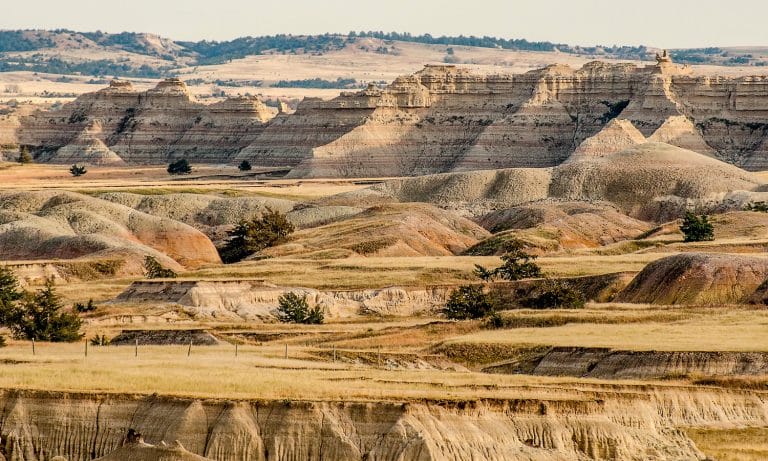
If you live in South Dakota, ask a healthcare professional about the legality of using marijuana or the hemp-based CBD. While some medical providers allow patients to use hemp-based CBD, various products are still considered illegal even if they’re sourced from hemp.

US states that ban hemp-based and marijuana-based CBD

Only Nebraska and Idaho don’t allow any type of CBD within their jurisdiction unless these products adhere to 0% THC concentration criterion. Unlike other state governments, Idaho state officials consider unregulated CBD to be a controlled substance. As stated earlier, rules on CBD in South Dakota are somewhat ambiguous. Therefore, you’ll need to discern which products are safe to use and store in your state.

Conclusion

To avoid receiving possession charges and fines, review your state’s CBD laws. Take extra precautions when traveling or permanently relocating to another area, as these laws will still apply even if you aren’t a permanent resident.

While the announcement of nationwide legalization may have initially excited those consumers hoping to capitalize on CBD’s pain-relieving and anxiety-reducing benefits, the use of “legalization” may be potentially misleading. Do your due diligence, and research what types of CBD products your state approves.

This article originally appeared on Green Market Report and has been reposted with permission.

This Is The Best Way To Cope With Depression

0

Everyone can work a little harder to live better and, in the case of depression, some preparation and planning provides plenty of benefits.

Depression encompasses many symptoms. It can also look different depending on the person who’s affected. Usually associated with deep sadness, depression can also look like a lack of interest in things people used to enjoy, irritability and a difficulty in managing  everyday life, like work and relationships. It’s the worldwide leading cause of ill health, affecting over 300 million people.

People with depression can lead comfortable and normal lives, especially if they’re going to therapy and taking the appropriate medication. Still, everyone can work a little harder to live better and, in the case of depression, some preparation and planning provides plenty of benefits, giving people coping tools and strategies that’ll allow them to stay productive even when experiencing rough symptoms.

Health activist Jessica Gimeno gave a TED talk on depression, sharing her most productive strategies for coping with the illness. Here is a brief breakdown:

Be proactive

Gimeno explains that in order to develop a plan and act ahead, you need to know your symptoms of depression and figure out what works best for you. Pinpoint your individual warning signs, whether that means trouble falling asleep, apathy, spending too much time on your phone, etc. Once you start spotting these symptoms, look for coping strategies that have worked for you in the past, like talking out your feelings with a friend or going for a run. The sooner you act, the better, preventing your emotions from spiraling out of control.

Prioritize

How CBD Can Treat Symptoms of Depression Right Now
Photo by Arif Riyanto via Unsplash

RELATED: 5 Ways To Prep For The Winter Blues

Prioritize the activities that need to get done and go easy on the things that can wait until you’re feeling better. Split up your activities between the essentials and the non-essentials, prioritizing work over social gatherings that can be held at any time. Gimeno says that instead of worrying over getting things done, you should use this time to say no to non-essential activities.

Let the difficulty of your tasks lead your actions

“When I’m depressed, I label all tasks as a 1, 2 or a 3. If it’s an easy task, it’s a 1; examples include eating breakfast or taking a shower,” explains Gimeno. “If it’s a moderately difficult task, it’s a 2, and a 3 is reserved for difficult tasks. For example, finishing a paper in college, scheduling an appointment with your child’s teacher, or meeting a difficult work deadline.”

Gimeno says she focuses on completing most level 1 tasks when in a depressive episode, working her way up to level 2 and 3 tasks. This method allows you to keep track of your goals, with each task that’s scratched off the list representing that you’re getting more done.

10% Of All South Dakota Arrests Are Cannabis Related

Cannabis law enforcement in South Dakota disproportionately targeted Blacks and Native Americans, and cannabis arrests have risen over the past decade.

Enforcement of South Dakota cannabis laws disproportionately affects Black Americans and Native Americans in the state, while also costing taxpayers millions of dollars, new research shows.

The study, commissioned by South Dakotans for Better Marijuana Laws, reveals that in one in 10 arrests in the state were for cannabis-related offenses in 2018, with marijuana arrests increasing over the past decade. The organization was also behind initiatives to legalize both medical and recreational cannabis, both of which will receive votes in the November Election.

Conducted by Jon B. Gettman, a Shenandoah University at Virginia professor of Criminology and Criminal Justice, the study analyzed statistics from the U.S. Department of Justice’s Uniform Crime Reporting (UCR) program. According to the report, 31,883 people were arrested for cannabis in South Dakota between 2009 and 2018. Possession of two ounces or less was the reason behind 95% of the arrests. Over that 10-year span, cannabis arrests climbed 166%, from 1,586 in 2007 to 4,218 in 2018.

RELATED: Black Resident Make Up 97% Of All Marijuana Arrests In New York Capital

https://www.facebook.com/SouthDakotaMJ/posts/404357444295963

Gettman concluded that cannabis law enforcement in South Dakota disproportionately targeted Blacks and Native Americans, as commensurate with population figures.

“Native Americans accounted for 8.9% of the population of South Dakota in 2016, for example, but based on UCR data, they comprised 29.3% of all marijuana possession arrests that year,” reads the report. “Blacks make up 2.1% of the population but accounted for 10% of possession arrests in 2016. These disparities are not explained by differences in the use of marijuana. The prevalence of annual marijuana use among these [Whites, Blacks, and Native Americans] is similar.”

RELATED: FBI Data Shows Marijuana Arrests Increased For Third Straight Year

The report also calculated how cannabis law enforcement is costly business for South Dakota. While not specifying the median or average stay of those arrested for cannabis, the report did find the state pays around $90 a day to keep someone in jail. If the 4,218 people arrested in 2018 were each jailed 15 days, that would cost around $5.7 million on cannabis-related incarceration. Should those individuals spend 90 days jailed, that number jumps to $34.3 million.

Cannabis Behind 10% Of All South Dakota Arrests, New Report Shows
Photo by ROOKIE23 via Pixabay

Those 25 years or younger accounted for over 60% of these cannabis arrests. During a virtual press conference, former U.S. Attorney for South Dakota Brendan Johnson said these laws have resulted in “almost an entire generation” to be criminalized.

RELATED: How Marijuana Reform Intersects With Policing And Racial Justice

“We are simply ruining too many lives in South Dakota (because of) possession of a small amount of marijuana,” Johnson said, according to the Sioux Falls Argus Leader.

“When we see that one in 10 arrests in South Dakota are for marijuana, we know that it is taking a huge economic toll on our state—not only in terms of taking productive citizens out of the workforce,” he added, “but also in terms of the day-to-day law enforcement costs associated with enforcing this prohibition.”

A recent poll found that a majority of voter favor both medicinal and recreational marijuana legalization in the upcoming election.

How To Choose Cannabis Topicals That Will Actually Work

0

With the rapid increase of CBD topicals flooding the market, how can consumers find products that will actually deliver results?

Along with the increased legalization of cannabis and hemp, one finds a rapid increase of topicals available for sale containing cannabinoids. In particular, consumers can find hemp-derived CBD topicals at farmer’s markets, natural food stores, and even chain stores like Walmart, as well as online. 

With this rapid increase of CBD topicals flooding the market, how can consumers find products that will actually deliver results? Becca Recker of Frogsong Farm describes how one should seek out therapeutic grade hemp CBD products by focusing on purity, concentration, and consistency. 

Photo by Moose Photos via Pexels

Purity: Seek cannabis or hemp that was grown without pesticides or synthetic fertilizers. It should be extracted in a gentle way that preserves the cannabinoid profile (where much of the medicinal benefits lie) and does not introduce contaminants into the extract. Ethanol or CO2 extraction are preferred methods. Other, cheaper methods can leave carcinogenic solvent residues in the extract. The extract should also be lab tested and proven free from mold, heavy metals, and solvents. 

RELATED: How To Treat Your Pain With Homemade Cannabis-Infused Topicals

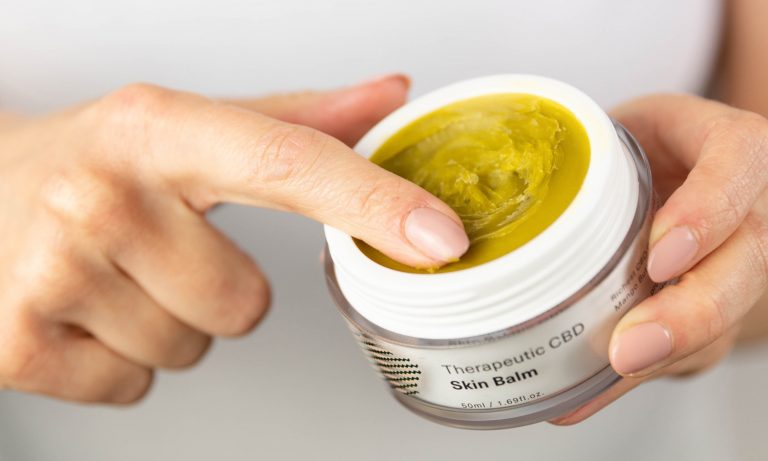
Concentration: There needs to be enough cannabinoids to actually have some therapeutic effect on the user. This can be pain relief, reduced inflammation, skin repair, etc. This usually means at least 10 milligrams per usage, up to 25 or even 50. In other words, look for a product with at least 250 mg per ounce. If a jar only has 50 mg of CBD, it’s not going to do much. Lab tests should prove the concentration of cannabinoids.

Photo by rawpixel.com

Consistency: The product should have the intended results/benefits, and be reliable and predictable in its effects. This mainly comes from consistent recipe, dosage, and handling, as well as sourcing of the actual product. Look for products that contain at least 250 mg of CBD per ounce of product. Also, look for products that have high quality, skin nourishing ingredients beyond CBD. Here consumers should expect the same standards they seek in other high end skin care by selecting products that are all natural, preservative free, and fragrance free. As such, they do not contain mineral oil, petroleum byproducts, parabens, phthalates, and artificial ingredients. 

RELATED: A Conversation About Topical Cannabis Massages

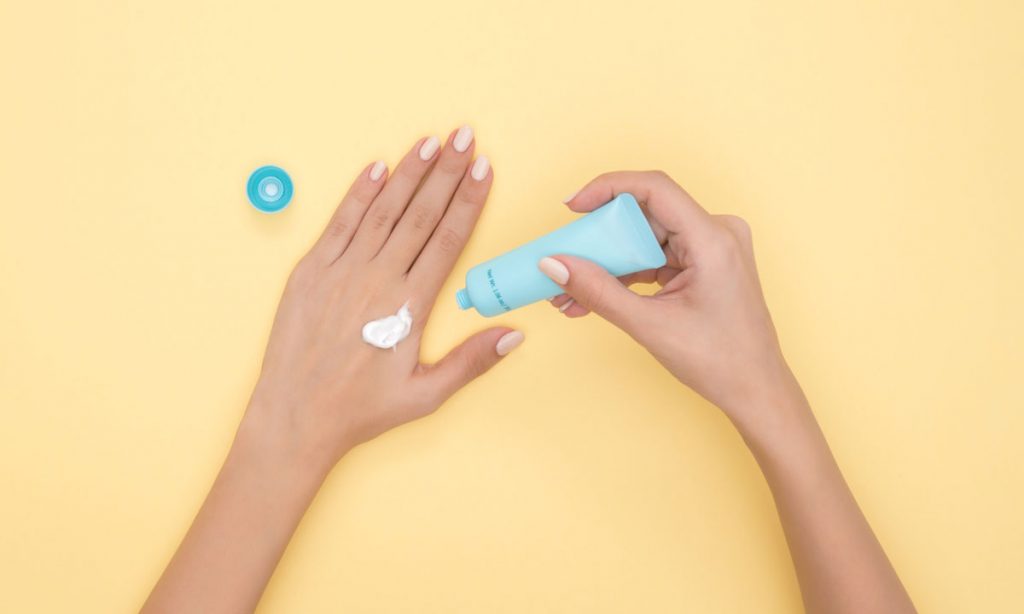
Finally, Recker urges consumer to disregard marketing ploys that are filled with buzzwords like phytocannabinoids, hemp extract, nano-extracted, and MCT oil. In addition, consumers should not expect much from products like shampoo, lip balm, and body wash that either are rinsed right off, applied to a small area, or have very low doses of CBD. 

Armed with this information, consumers should be able to ask the questions that can enable them to find the cannabis or hemp-derived topical that works best for their individual needs. 

How To Roll The Perfect Joint

0

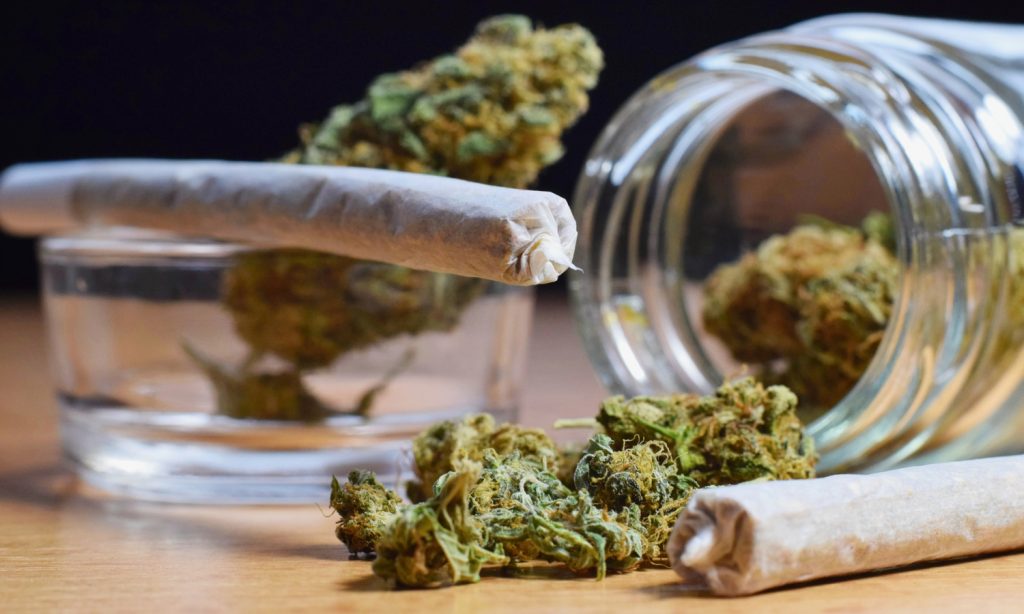
Joints are a basic part of the marijuana experience. Here’s how you can learn how to roll one like a pro.

Joints are marijuana’s bread and butter. They’re convenient and easy, only requiring  some weed, a filter and rolling paper. Any kind of seasoned weed user has smoked a joint at some point in their life. Still, a good joint isn’t easy to roll if you don’t have the right tools or the dexterity, which only comes with tons of practice.

A decent joint should have some sort of filter and should burn evenly, ensuring that it’s a pleasant experience where no weed goes to waste. Here’s how to get started on your quest to rolling a perfect joint:

Gather your tools

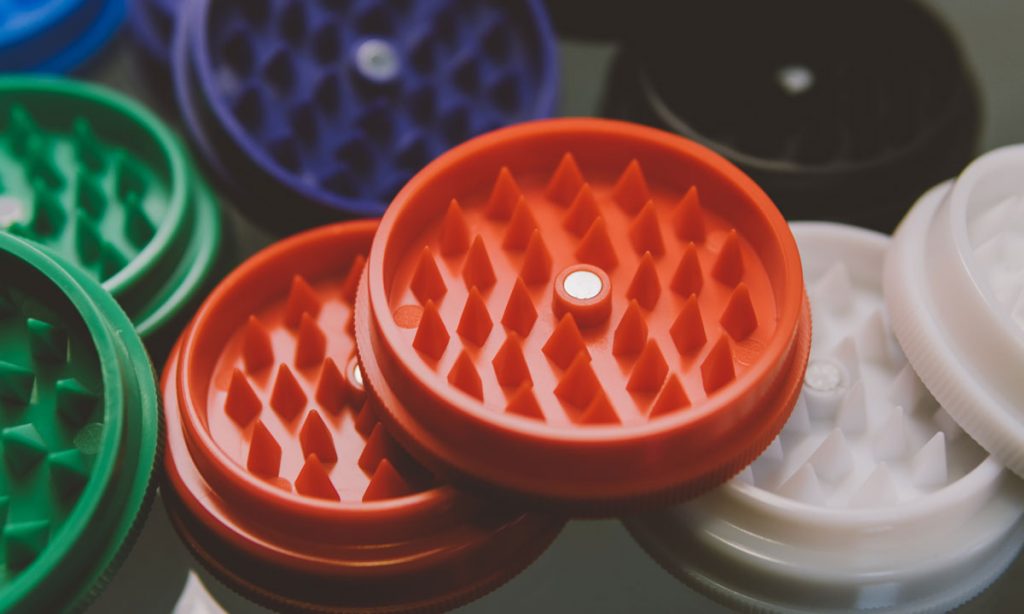
These Are The 7 Cutest Marijuana Grinders On Amazon
Photo by VasilevKirill/Getty Images

RELATED: Here’s Why Using A Weed Grinder Is A No-Brainer

Before you start, get all of your tools in a space that’s clean with no dust or clutter. Put your grinder, rolling papers, filters and a pen nearby, and designate a small section of space for your rolling. A small tray or a clean book cover will do the trick.

Start off small

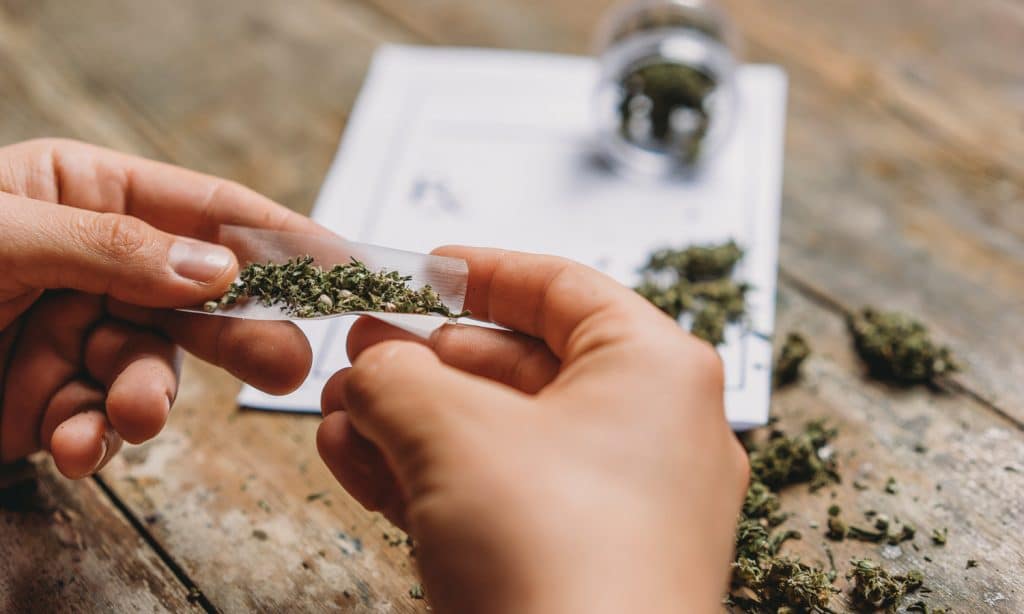
marijuana stronger than ever but doesn't mean what you think it does
Photo by FilippoBacci/Getty Images

If you’re rolling your first joint, be sure to purchase normal sized rolling papers and grab a small amount of marijuana. Half a gram or a couple of pinches should be enough; it’s better for your joint to be small and well distributed than something that’s too big and breaks down mid-smoke.

Get to work

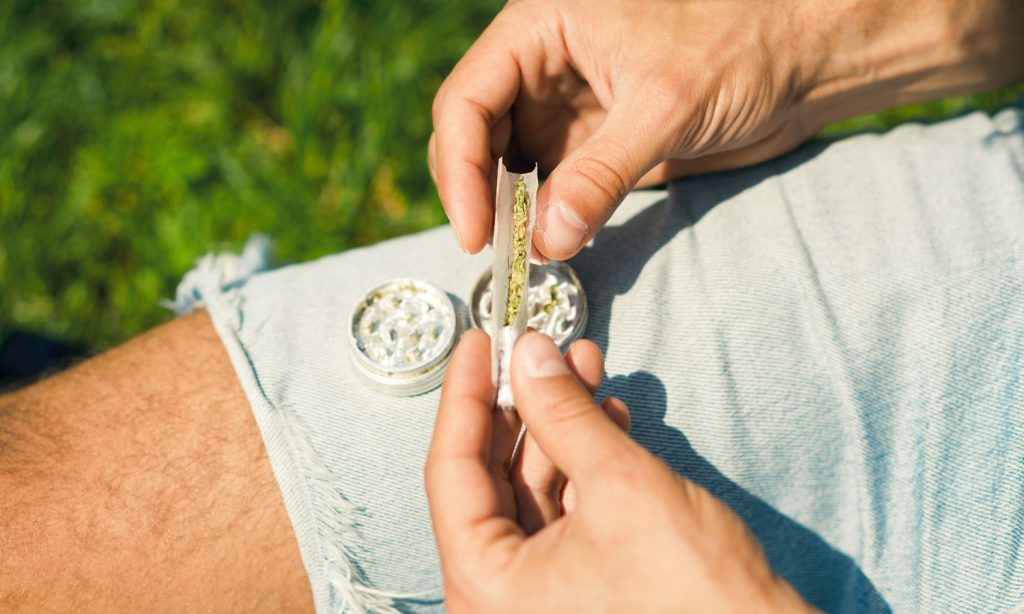
Photo by MStudioImages/Getty Images

Grind down your cannabis and place it somewhere accessible, so when you’re packing the joint you won’t run out of hands. Place a filter at one end of the rolling paper, making a cone shape so that it doesn’t fall out. You can buy filters or make them from scratch by folding a piece of cardboard or a business card. A filter is important since it gives you some stability and prevents you from burning your fingers once you’ve smoked down the joint.

Add pinches of weed to your rolling paper, distributing it evenly with your finger. Pick up any bits of weed that fall off into the tray or book cover underneath you and put them back in the joint.

Start rolling

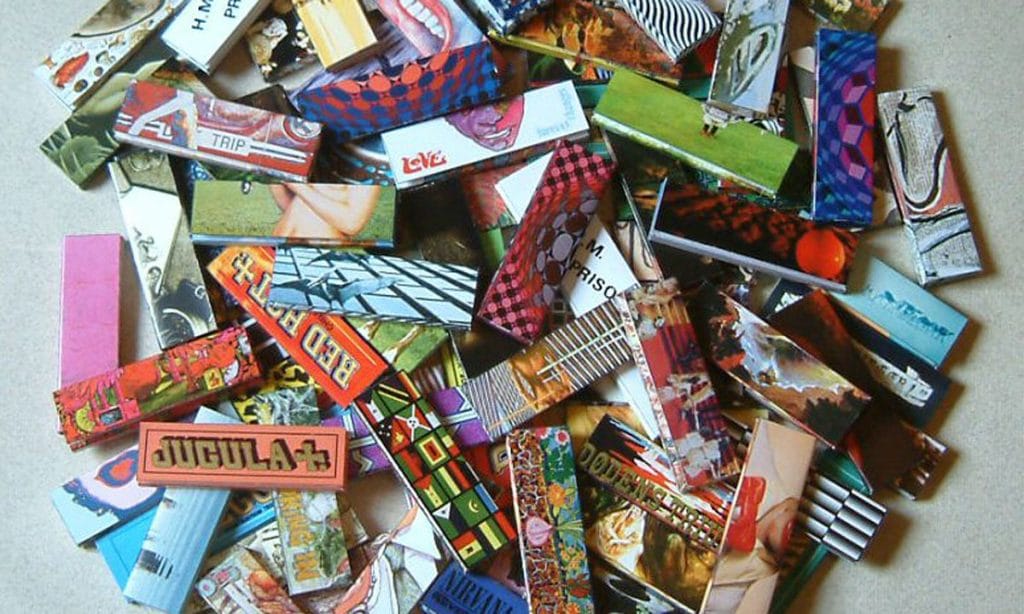
Rolling Paper
Photo by Flickr user Ian Burt

RELATED: 5 Common Benefits Of Sativa Strains

Lastly, start rolling the joint; this step takes some practice but the best way to do it is to pinch the paper between your fingertips and roll it back and forth until it gets its joint shape. Tuck the unglued part of the paper into the roll and lick the edge that has glue, pasting it to the roll. (Make sure to moisten all the glue you can so that your joint stays glued throughout your smoke session.) Use a pen to pack the open end of the joint, pressing it gently in. Twirl that tip of the joint and you’re ready to go.

Other options

Smuggling Weed In From A Legal State? Don't Get Caught By Doing This
Photo by Tunatura/Getty Images

Rolling joints is a skill, one that a lot of people might not have the patience for. Luckily, in this day and age there’s no need for everyone to be an expert joint roller. You can purchase pre-rolled joints or buy a cigarette roller, which does all the hard work for you and allows you to smoke homemade joints if that’s what you’re into.

Canada Comedic Campaign Against High Driving

0

New data shows 1 in 5 Canadians have recently driven high or with someone who was.

In an attempt to convince Canadians not to drive after eating a marijuana edible, officials took a left turn by making some jokes. The Canadian Automobile Association released a new set of comedic public service announcement videos warning the dangers of being behind the wheel. According to the organization, one in five Canadian say they have driven high or rode in the car of someone who was.

Many consumers still don’t recognize just how high edibles will get them. A 2019 study of Canadians ages 16 to 30 found less than 10% could correctly gage the potency of an edible, based on packaging. Starting with New York Times columnist Maureen Dowd in 2014, numerous folks have shared experiences where an edible hit them harder than expected.

<iframe width="100%" height="370" src="https://www.youtube.com/embed/f7vHBfFI9FE" frameborder="0" allow="accelerometer; autoplay; clipboard-write; encrypted-media; gyroscope; picture-in-picture" allowfullscreen></iframe>
Photo by melissamahon via Pixabay

CAA polling data suggests a strong number of consumers still don’t connect edibles with dangerous driving. The organization found 50% of Canadians assume it’s safe to drive less than five hours after consuming an edible. However, a 2018 CAA-funded study found drivers were more at-risk of a car accident five hours after consuming cannabis.

RELATED: Here’s What You Should Know If You’re Caught Driving While High

But the CAA doesn’t want to shame young Canadians for eating edibles and getting high—they just don’t want them to drive. Each of the new videos depict a situation where someone finds themselves paranoid, euphoric, or generally goofy after eating an edible.

“If you do edibles, do anything but drive,” reads the ad campaign tagline.

RELATED: Half Of Marijuana Users Think They Can Drive While Stoned — Is That Wrong?

This series isn’t the first humorous attempt to dissuade high driving by Canadian officials. Last year, the Ontario government ran a similarly themed campaign called “Barely high is still too high to drive.” In those videos, young adults were seen enjoying themselves while “barely high” through eating, dancing, or rubbing their toes in shag carpet.

Numbers show Americans may also benefit from such a campaign. Nearly 15 million Americans drove a car within an hour of smoking marijuana in the last 30 days, an AAA study reported last year. Another poll found more than 50% of cannabis users felt comfortable driving with someone characterized as “stoned.”

What Pet Owners Should Know About Cannabis And CBD Products

0

A symposium looking into the veterinary use of cannabis shows that there’s a lot of questions regarding CBD and pets.

A lot has been said about CBD pet products and their capacity to tame anxiety and other stressors that pets experience. Anecdotal evidence indicates that many pet owners are happy with the cannabis products they’ve used on their pets, stating they put their pets  at ease when they’re exposed to stressors like fireworks and separation anxiety. Pet owners feel a sense of comfort when using these products, since there are little to no side effects associated with them.

A cannabis symposium hosted by the American Veterinary Medical Association (AVMA) last month delved into the topic of veterinary cannabis, with different experts discussing its pros and cons.

“We certainly recognize the potential opportunities that cannabis-derived compounds may offer and acknowledge the significant interest in these possibilities,” said Randall Gnatt, a senior regulatory counsel in the Office of Surveillance and Compliance in the FDA’s Center for Veterinary Medicine.

RELATED: The Relationship Between CBD And Owning Pets Is Deeper Than You Think

“We’re also aware that some companies are marketing products in ways that violate the federal Food, Drug, and Cosmetic Act and then may put the health and safety of people and animals at risk.”

Waking up to this every morning would surely give you more will to live. Unsplash/jonathan daniels, CC BY-SA

While Gnatt made it clear that CBD is a promising compound for both humans and animals, he also expressed the FDA’s concern regarding it, particularly in the way in which the cannabinoid has been advertised by dozens of companies. “Other than the approved human prescription drug, we know little about the potential effects of sustained or cumulative long-term use of CBD,” he said.

RELATED: Some CBD Pet Products Don’t Actually Contain Any CBD

“We don’t know about coadministration with other medicines or risks to vulnerable human and animal populations. This doesn’t mean that we know CBD is categorically unsafe under all circumstances, but given the gaps in our current knowledge and the known risks that have been identified, we’re not at a point where we can conclude that CBD products are safe for use.”

CBD and cannabis remain largely unregulated. While significant steps have been made over the years to validate the medicinal claims of cannabis, much work needs to be done in order to get a full picture of the plant, especially if we’re giving it to animals who have no say on the matter and who might be better off visiting their veterinarian.

Enhancing Athletic Performance With Cannabis

0

It can reduce anxiety, promote healing, and relax the body and mind. Here are some other ways athletes use cannabis to enhance performance.

Anna Symonds, Education and Partnership Manager for East Fork Cultivars, has been a  rugby player for 18 years and attributes a lot of her longevity as a professional athlete to cannabis. 

While she experimented with cannabis as a teenager, she discontinued this practice when she got more serious about sports. After she smoked with some teammates after a game, she experienced immediate healing and muscle relaxation. “I started to have this mental shift of seeing cannabis as medicine.” About five years ago after she got a back injury, cannabis proved to be the only thing that would provide her with pain relief and muscle relaxation, while increasing her functionality without the side effects from other medications.

Some time ago, Symonds observed how she would play better if she smoked the night before. “In addition, it  helped with the anxiety that comes before a competition, as well as relaxing the mind and body.” Also, the munchies enabled her to take in enough good calories so she could power up for the next day.

RELATED: How Rock Climbers Can Use Marijuana In Recovery And Training

By microdosing before practice with a 1:1 full spectrum chocolate edible containing 1 mg THC, Symonds found the sweet spot where her pain would reduce and her mind would get into flow state where she was fully present and performing fully optimally. 

How Do You Know If Your Workout Pain Is Dangerous?
Photo by bruce mars via Unsplash

Choosing Cannabis over OxyContin 

Nathan Quarry, a Former UFC contender and ZombieCageFighter, grew up as a Jehovah’s Witness, where he was indoctrinated into the Refer Madness way of thinking about marijuana as a drug. “From day one, I was told that if I smoked marijuana, I would be excommunicated from the church and God would kill me at Armageddon.”

In his twenties, he began questioning his faith and trained to become a UFC fighter. For twelve years, he took the abuses he suffered as a child and took it out on his opponent. As his injuries mounted, his OxyContin use increased to 120 mg daily. 

RELATED: Marijuana And Exercise: A Great Combo For Mindful Athletes

Then after taking cannabis on the recommendation of a friend, he slept solidly for eight hours and he felt incredible. He’s now complexly off OxyContin. “I start my day with CBD and it really helps to get everything moving.”

workouts
Photo by Flickr user ThoroughlyReviewed

Cannabis as an Aid for Performance and Recovery 

While Antonio DeRose, COO, Green House Healthy, has used cannabis recreationally for over 15 years, he didn’t begin using this plant to help with his performance and recovery as a trail runner until about 5 to 6 years ago. He describes himself as a “wake and bake” person. “When I wake up in the morning, I use cannabis to recharge my endocannabinoid system. Then I do some sort of physical activity.” 

DeRose prefers a high dose edible followed by some flower before he runs. “Cannabis is a bronchodilator, so it allows me to absorb more oxygen with each breath.” He finds cannabis aids in recovery by calming down his nervous system and reducing inflammation. Topicals work well for isolated areas where he has specific pain. Also, he uses hemp as a nutritional supplement, noting that as the body regenerates bones every ten years, technically he’s made of hemp.

Using Cannabis To Treat Inflammatory Bowel Disease

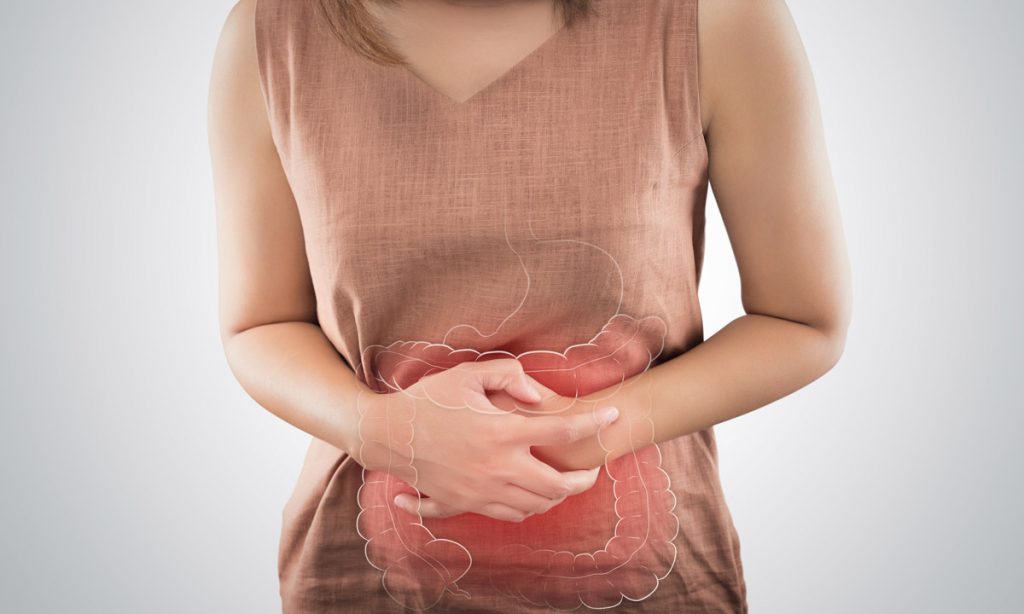
Inflammatory bowel disease (IBD) is a challenging, long-term disorder typically characterized by chronic inflammation of the digestive tract. IBD is further subdivided into ulcerative colitis and Crohn’s disease. Ulcerative colitis causes inflammation and sores within the lining of the large intestine and rectum, while Crohn’s disease is identified by a more generalized, deeper inflammation of the entire digestive system. Both classifications may involve weight loss, abdominal pain, diarrhea, and fatigue. In some cases, IBD can lead to life-threatening complications. Additionally in younger patients, delays in puberty and growth failure may occur.3

RELATED: Marijuana Can Eradicate Inflammatory Bowel Disease

The cause of IBD is not completely established, though it is likely that genetics coupled with a dysregulated immune system may result in an inappropriate inflammatory response in the gastrointestinal tract. Current pharmacologic interventions focus on immune suppression and may include antibiotics, corticosteroids, aminosalicylates, and biological therapy. In some cases, surgical intervention may be necessary.4

Study: Marijuana Can Eradicate Inflammatory Bowel Disease
Photo by Tharakorn/Getty Images

Using animal and human cell lines in experiments, it has been theorized that a lack of naturally produced endocannabinoids in some people may result in the body being unable to control the inflammatory process in the gastrointestinal tract. Consumers of cannabis report that it aids in alleviating symptoms of cramping, abdominal pain, nausea, and poor appetite. It is believed that supplementing an under-producing endocannabinoid system results in improved quality of life and reduction in symptoms.

RELATED: The Way Cannabis Helps Inflammation Is Pretty Amazing

In a study comparing tetrahydrocannabinol (THC), cannabidiol (CBD), and sulfasalazine in the treatment of intestinal inflammation in rodents, it was discovered that the most effective therapy was a combination of low dose THC with CBD. The research is promising for developing a safer, more effective treatment for IBD, especially due to a lack of psychoactive effects when using CBD in combination.

In another study, scientists used CBD without THC to determine the efficacy of inflammation reduction. They discovered that if CBD was given before inducing a flare up, it prevented inflammation from occurring. Additionally, if a patient was suffering from an active flare-up, administration of CBD reduced inflammation.

RELATED: Marijuana Can Treat Crohn’s Disease Symptoms Effectively

There is growing evidence to suggest that more specific cannabinoids such as cannabigerol and THCa may be especially useful in alleviating IBD symptoms. It is important to note that THCa needs to be consumed orally in order to derive benefit from it.

Additionally, terpenes such as beta-caryophyllene and myrcene have proven to be beneficial for abdominal pain relief. Specific strains that contain the previously mentioned cannabinoids and terpenes include Sour Diesel, Tangie, Cookies, and Durban are the most commonly cited.

While further research is integral to clearly identifying the best possible treatments for IBD, it is at least encouraging to see cannabis be a part of the conversation moving forward.


Don't Miss Your Weekly Dose of The Fresh Toast.

Stay informed with exclusive news briefs delivered directly to your inbox every Friday.

We respect your privacy. Unsubscribe anytime.