Lakshmi uses her celebrity platform to speak up for her political beliefs, even if they might place her in the midst of controversies. Does this include marijuana?
Among other things, Padma Lakshmi is an author, model, and TV personality, most notably as the host of “Top Chef.” Lakshmi has published several cookbooks and is a strong force within the food industry. She’s quickly becoming an icon.
This week, her new Hulu seres “Taste the Nation” debuted. The program has already received great reviews, praising its political tone and the fact that it chooses to highlight the voices of minorities, which are often lost within the restaurant world.
Lakshmi uses her celebrity platform to speak up for her political beliefs, even if they might rob her of supporters and place her in the midst of controversies, like the time she baked a 4th of July pie with a message for closing migrant camps.
When it comes to weed, however, there’s not much information out there on whether she enjoys a smoke sesh as much as she enjoys an authentic bean burrito. Still, she has spoken up for marijuana legalization, much like other outspoken progressives who oppose the war on drugs.
She added another tweet to the chain and recommended followers to watch “13th,” the documentary directed by Ava DuVernay that discusses how prisons are disproportionately filled with black people.
An increased tax on flower has forced legally operating dispensaries to increase their prices, which makes it hard for them to compete with the black market.
In California, medical marijuana has been legal since 1996. In 2018, recreational use became legal in the state as well. With that, the state became the largest legal marijuana market in the world, according to date from BDS Analytics.
Unfortunately, this isn’t the only way California tops the charts in the world of cannabis. The state also has the largest marijuana black market in the world.
The Numbers: Black Market Marijuana in California
In 2018, law enforcement officials in California reported destroying 1.6 million marijuana plants because they were illegally grown, according to The New York Times. What does this mean for the financials of the industry? Halfway through 2019, black market sales were projected to reach $8.7 billion in California, according to the LA Times. Meanwhile, legal sales were on track to reach a little over one third of that number at $3.1 billion.
The black market has a real cost for the state as a whole as well as for entrepreneurs in the industry. When California first legalized marijuana, tax revenue was predicted to reach $643 million during the first year of legal sales, according to BDS Analytics. In reality, the state only took in $345 million that year.
Take a look a MedMen as an example of how the illicit market is hurting dispensaries that are sticking with the legal route. By the time the second half of 2018 came around, this major retail chain was struggle to make ends meet. The reason? They couldn’t compete with the low prices being offered by illegal sellers. Meanwhile, other retailers report the frustration of competing with unlicensed dispensaries operating in plain sight.
Photo by Free-Photos via Pixabay
Behind the Thriving Marijuana Black Market
It isn’t a mystery why black market marijuana is thriving in California. First, we know that licensed dispensaries are facing high taxes on everything they sell. As recently as January 2020, the state increased taxes on the flower from $9.25 to $9.65 per dry ounce and the leaf from $2.75 to $2.84 per dry ounce, according to a notice from the California Department of Tax and Fee Administration. This has forced legally operating dispensaries to increase their prices, which makes it hard for them to compete with the black market.
There is also the issue of availability. The majority of California’s illicit weed isn’t even used within the state. Instead, the black market is feeding illegal sales in states where recreational sales remain illegal, according to Politico. And, within the state, the opening of legal dispensaries has been slow with a concentration of locations in specific areas while other areas have few or no dispensaries.
What does the future hold for the black market in California? It doesn’t look great, especially if things don’t change within the legal industry. Researchers predict that illegal marijuana will still claim 54% of sales in 2024 in California, while other legal states are predicted to see illegal sales to only account for 30% of cannabis income.
Your inaugural weed smoking session is largely dependent on your body and mindset. But here’s what you can probably expect your first time.
Your first experience with marijuana can be great, but it can also be terrible. No wonder people are nervous. Here is what to expect when smoking weed for the first time.
Despite the fact that people have been getting high for hundreds of years, we still know very little about the drug and what it’s capable of. But we do know that your mindset, body and the type of marijuana you’re consuming can all have an effect on your high, leaving vastly different first impressions from person to person. You might get relaxed and giggly, while your buddy gets paranoid and anxious. Good times!
Here’s a breakdown of some of the most common reactions you might expect from your first time consuming weed.
If everything goes correctly, people who are consuming weed for the first time should get high with a good amount of ease. Their bodies haven’t been exposed to cannabis, which means that there’s no tolerance. People who experience a good first high report feeling happy, relaxed, giggly, and very aware of their surroundings, which include colors, sensations, and more. This is why high people can have deep conversations about the state of their shoes. Also why they eat so voraciously.
The Bad
Photo by Wokandapix via Pixabay
Bad highs usually happen when first timers smoke too much or are in a place that’s uncomfortable for them, such as a crowded party. If someone is naturally anxious, smoking weed might also increase their odds of having a bad time. They might start to worry over other people “knowing” that they’re high, and experiencing dry mouth and thirst.
In order to prevent a bad high, it’s important to moderate how much weed is smoked and be surrounded by people you trust. If a bad high occurs, remember that these are temporary and harmless.
It’s also common for people who smoke weed for the first time to feel nothing. It’s sad. Experts believe that THC must interact with some people’s bodies several times in order to activate their endocannabinoid system. This is called a “sensitization period.”
Know you know what to expect when smoking weed for the first time, so have fun!
As cycling becomes the latest pandemic exercise trend, using CBD products in recovery and training should become an attractive option.
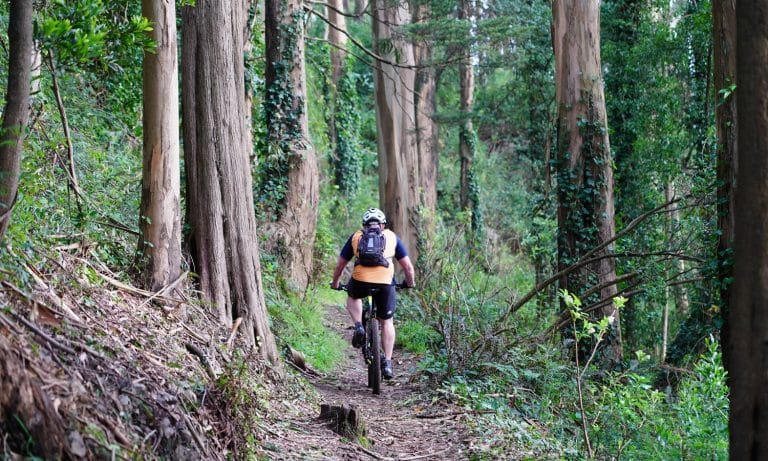
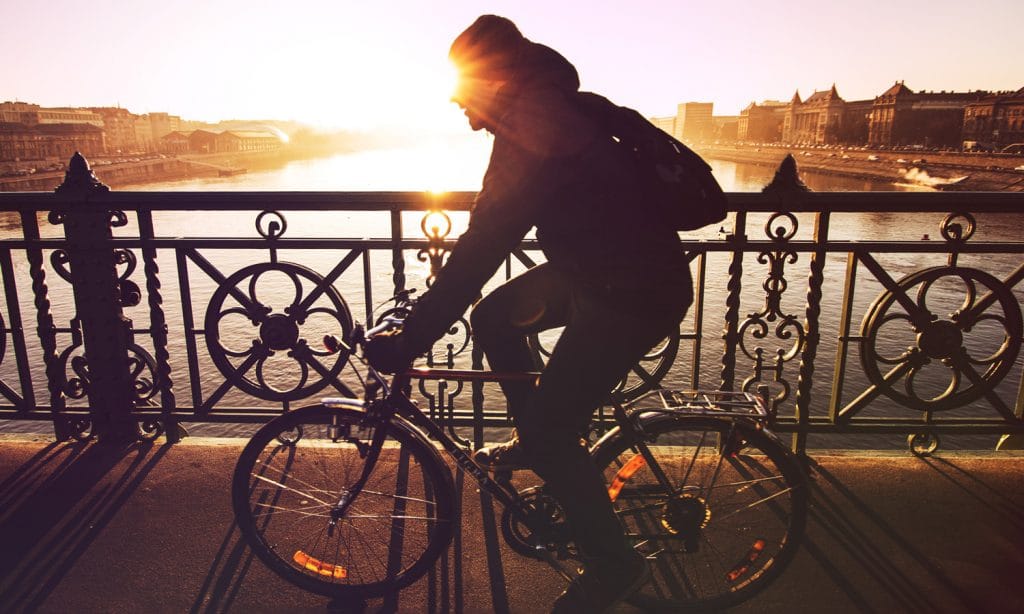
America is cycling more than ever. Yes, you can count bicycles among the items customers have enthusiastically purchased — just like toilet paper and marijuana — amid the pandemic. April sales of bike and corresponding accessories grew 75% compared to last year and passed $1 billion in combined sales for the first time ever. According to some experts, this is the biggest spike in American cycling since the 1970s, when the country faced an energy crisis.
Folks who haven’t cycled in years now hit the asphalt with routine as a way to exercise and/or socialize with friends from a distance. But riding a bike is no walk in the park. It can result in aches, pains, and possible injury if you’re not careful.
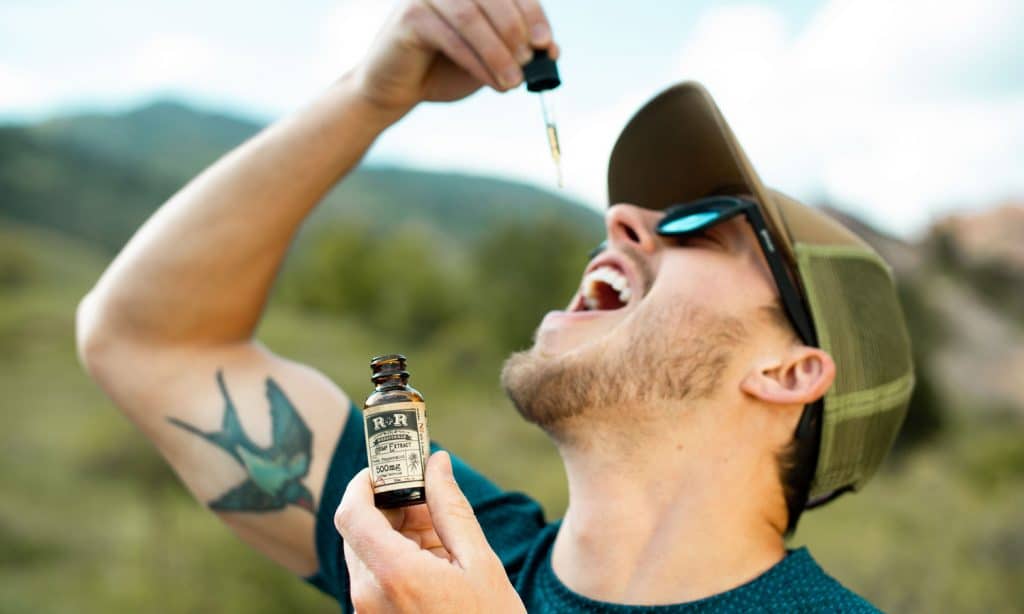
That’s where cannabidiol comes in. More commonly referred as CBD, the cannabinoid is established in scientific research as an analgesic and anti-inflammatory. Reducing pain and inflamed muscles, in addition to improving sleep, is exactly what your body needs after a tough ride.
Faster recovery isn’t the only way CBD can assist cyclists. Physical activity creates endocannabinoids, which are neurotransmitters in your body that interact with cannabinoids like CBD. This in turn allows the therapeutic effects of CBD — or THC, marijuana’s psychoactive element — to relay a deeper impact in your system.
Photo by Viktor Kern via Unsplash
A 2005 French study that focused on the relationship between sports and cannabis found that “the relaxing properties of cannabis may be frequently used to enhance performance.” By lowering mental anxiety or possible negative associations to an event, like a big competition or hitting your personal best, it allows athletes to get more into the zone. Several bikers in the industry have attested the boosting capabilities CBD can provide.
“Pre-CBD, my absolute limit without being in horrendous pain would be to run six miles, since taking CBD I have done several 10 mile off road trail runs and I don’t have nasty side effects of prescription drugs hindering my riding,” mountain biker Beccy Booth, one-half of Fat Creations, told PinkBike. “I feel more alert and less tired as I’m in less pain and sleeping better. The only side effect I have noticed is an increased feeling of happiness, others have noticed that in me too. My mood has improved a lot.”
Photo by R+R Medicinals via Unsplash
However, not all consumption is created equal. If you’re a casual rider, taking CBD responsibly doesn’t present any consequences. But those engaged in serious competition should proceed with caution. While CBD is permitted by the World Anti-Doping Agency — the guiding rules committee for most competitions — cannabis as a whole remains off limits.
Those concerns, however, may not apply during a pandemic. Most will be fine using CBD in recovery and training from cycling. Your legs will thank you for it.
Bongs take up more space, but they can help you make the most of your weed and add some personality to your living quarters.
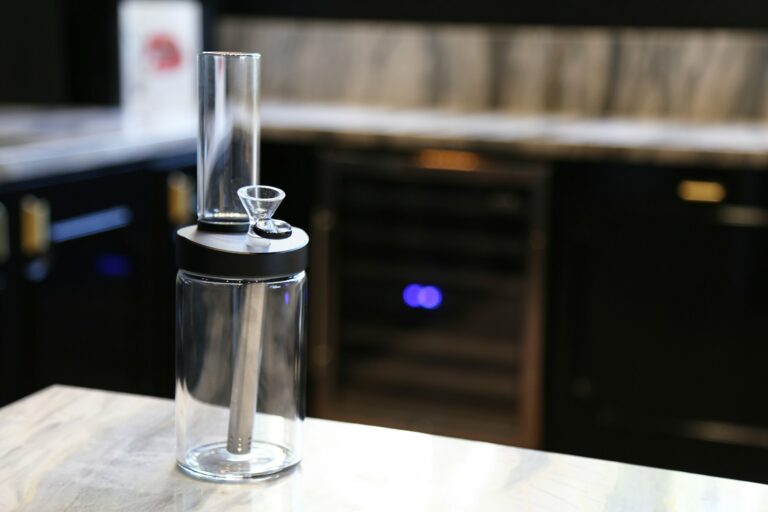
There are myriad ways of consuming cannabis, all with their pros and cons. When it comes to smoking, however, the basics are joints and bongs. Although some people find bongs inconvenient and apropos to a college dorm room, these items are effective in managing dosages and treating your lungs with a little more care than a joint ever could.
Bong technology has evolved over the years, with devices now available that can help you keep your space clean, aren’t too bulky and, most importantly, make the most of your high priced weed.
Here are 5 reasons why you should consider splurging on a good bong:
Better grasp on your dosage
Consistent doses are difficult to achieve when smoking weed. When rolling a joint or a blunt, these can end up coming out in different sizes, containing different grams of weed. When packing a bong, there’s always the same bowl, which allows for consistency and keeping better track of how much you smoke without having to count the amount of puffs you take.
Smoking blunts or joints is always messy, covering whatever surface you’re working with with ash. You also need to have an ashtray where you can store the smoke, which tends to get quickly filled with roaches, papers, etc., often sitting there for days. Ash is not the most appealing of components, leaving a lingering smell and contributing to dust and allergies. Bongs allow you to worry about one piece only. These devices are easier to clean and put away, whether you want to keep your area free of weed paraphernalia or simply like to pull out your bong when you feel like having a smoke.
Longer lasting marijuana
Bongs are very efficient when it comes to prolonging your weed. Since you consume so much smoke per hit, they tend to get you high faster, with less puffs than if you were smoking a joint or blunt.
Water used in bongs allows the hits to be smoother and gentler on your lungs, preventing irritation and filtering out some of the ash that occurs with combustion. There’s also no need to add tobacco or paper, both compounds that damage your lungs.
They’re decorative
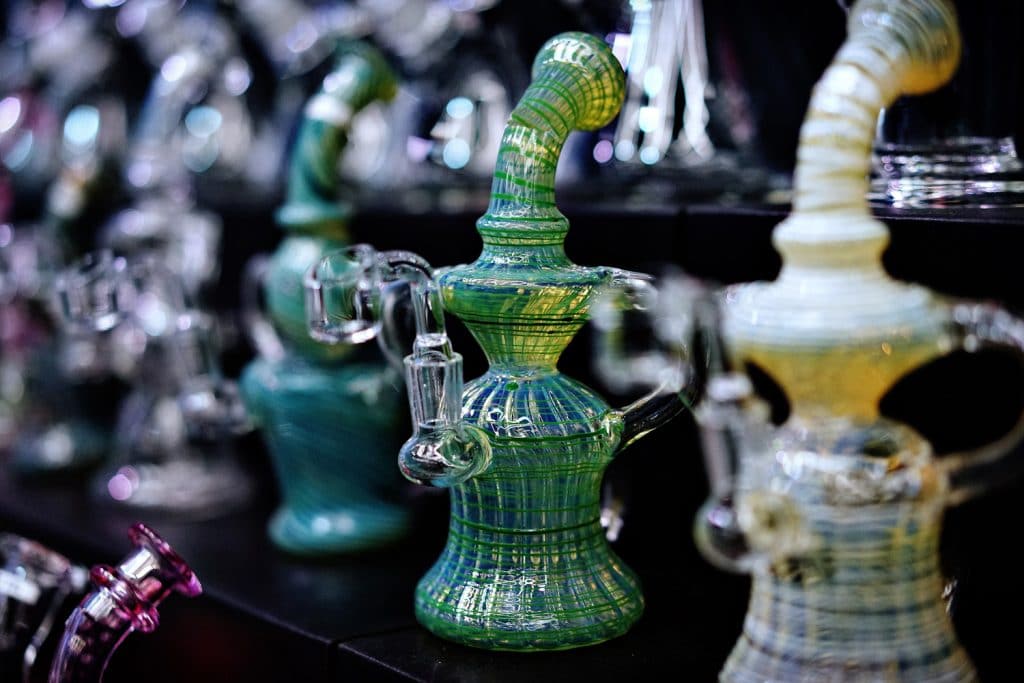
While not everyone loves to have a bong there sitting in the middle of their living room, they can be used for decorative purposes. There’s also an endless amount of bong shapes and styles, from sleek and modern looking devices to ones that have a more psychedelic look going on.
Using marijuana helps some men who identify as gay, bisexual, or trans experience less shame and anxiety around sex.
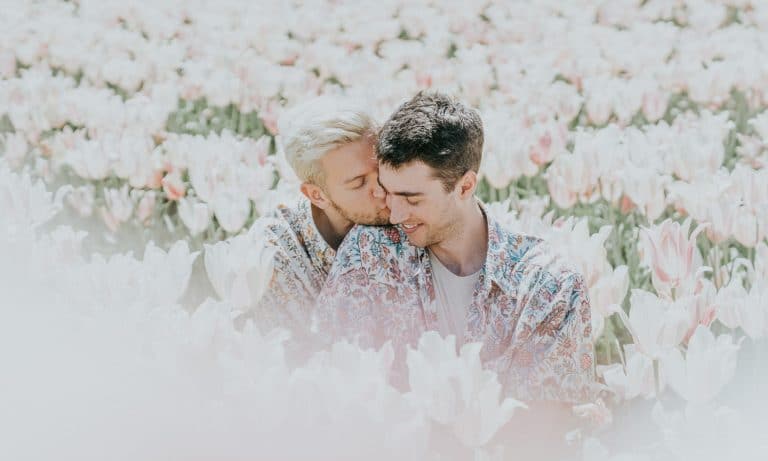
Marijuana could help gay and bisexual men establish intimacy and experience less anxiety around sex, according to a small pilot study. Previous research has shown cannabis loosens inhibitions and enhances sexual experience, but those studies predominantly focused on straight sexual encounters.
The study, published in the Culture, Health & Sexuality journal, featured 41 men between the ages 15 and 30 who did not identify as straight. These participants were then interviewed for up to two hours regarding marijuana use during sex. A majority of the men reported enhanced satisfaction and increased feelings of intimacy toward their partner. It also allowed them to feel less anxiety and shame about their appearances, especially when meeting through dating apps like Grindr.
“In our study, we found that the use of cannabis can allow men to access a deeper sense of sexual freedom and intimacy in a context where same-sex sex is historically stigmatized,” the researchers wrote. “In other words, the sexualized use of cannabis can help sexual and gender minority men overcome feelings of anxiety and shame resulting from internalized homophobia, biphobia and/or transphobia, so that they can more fully enjoy the sex they want.”
According to subject responses, these stigmas and negative associations can discourage gay, bi-sexual, or trans individuals from opening up during sex. Marijuana helped the majority of men in the study release inhibitions and access deeper emotions, however. Participants also found themselves enjoying sexual activities they previously didn’t, thanks to cannabis.
Photo by Marcelo Chagas via Pexels
“I’ve been having anal sex for, like, probably a decade, but until very, very, very recently while having an edible [i.e. ingesting cannabis], I’ve never actually liked it… It’s never been better than a six out of ten,” one study participant said, reports Insider.
“I’m actually enjoying this for like the first time, solidly, like a nine out of ten [after taking the edible]! And then the next time I had sex without an edible, I was enjoying it as an eight out of ten. I’m like, ‘Huh?!’ So it changed something in me.”
Due to the small nature of this study, it’s worth noting these results don’t represent the rest of the population. The study was also limited to men only within Vancouver, Canada. But researchers still believe this identifies marijuana as “a ‘strategic resource’ for sexual minority men to deliberately achieve both physiological and psychoactive effects.”
According to the study’s authors, “Given that the contexts, patterns and motivations for using cannabis for sex align closely with those typically associated with chemsex, we will keep looking at how cannabis may be able to reduce or replace more harmful drugs used with sex.”
Sanders described marijuana legalization as a key pillar in police reform during a speech on the Senate floor this week.
National leaders and lawmakers have held ongoing conversations around criminal justice reform and racial injustices following George Floyd’s death by Minneapolis police. According to Sen. Bernie Sanders, one obvious place to start is legalizing marijuana.
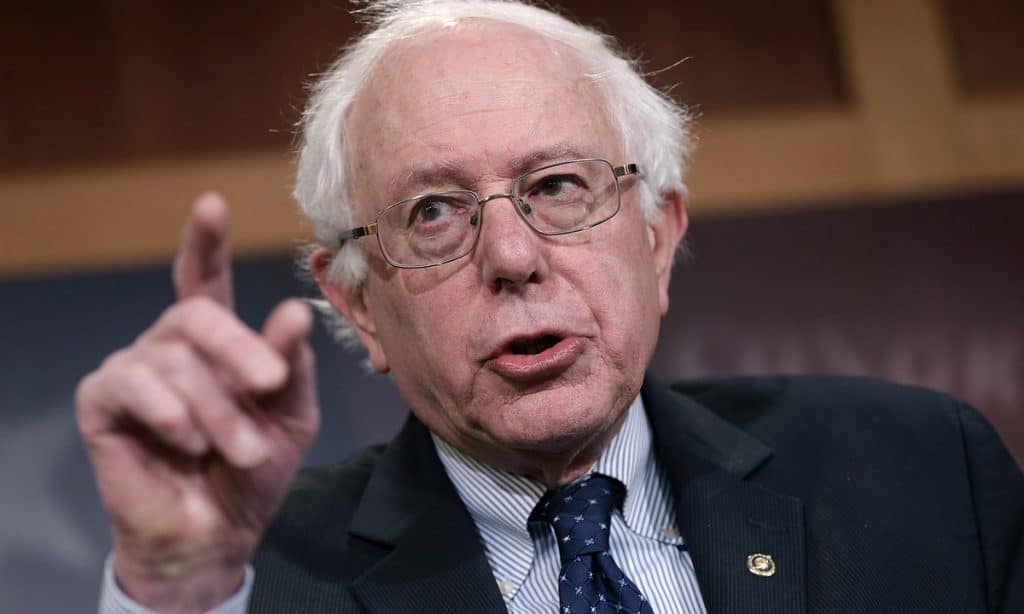
Sanders gave a speech on the Senate floor Wednesday, discussing several solutions to address police violence in the country. He proposed abolishing qualified immunity and establishing a “civilian” core of unarmed first responders. But legalizing marijuana is a key pillar to police reform, Sanders added, especially amid other issues, such as the coronavirus pandemic.
“Finally, and certainly not least importantly, we need to legalize marijuana,” Sanders said, as Marijuana Moment first reported. “In the midst of the many crises we face as a country, it is absurd that, under the federal Controlled Substances Act, marijuana is at Schedule I, along with killer drugs like heroin.”
Photo by Win McNamee/Staff/Getty Images
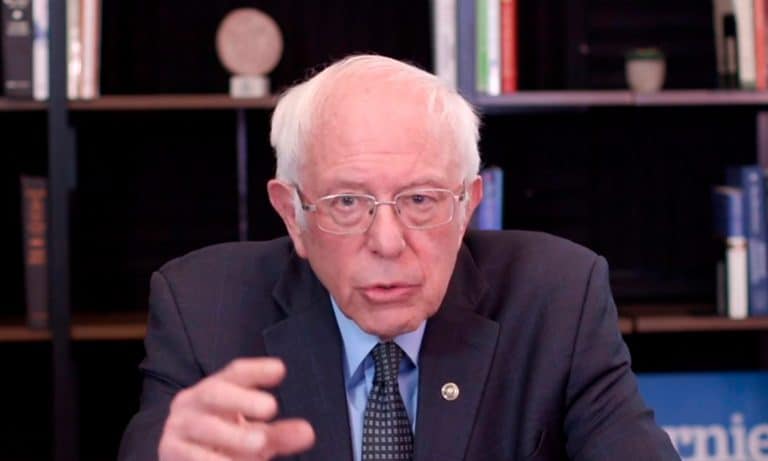
Just last week Sanders held a virtual town hall meeting with Sen. Cory Booker, where they discussed the consequences caused by the War on Drugs. The Senators stated that marijuana legalization had to include expunging past criminal records for marijuana-related arrests, adding black Americans were disproportionately targeted in marijuana enforcement. It was a theme Sanders continued this week.
“State after state have moved to legalize marijuana, and it is time for the federal government to do the same,” he said. “When we talk about police department reform, we must end police officers continuing to arrest, search or jail the people of our country, predominantly people of color, for using marijuana.”
Similar conversations have occurred at the state level this month. Nevada Gov. Steve Sisolak proposed officially pardoning tens of thousands of marijuana convictions to reverse damages related to the Drug War. In addition, Portland Mayor Ted Wheeler announced the city would redirect millions in cannabis tax revenue paid from the Portland police department and instead fund programs supporting communities of color.
One of the first reports looking into the effects that the pandemic has had on teens shows that they’re feeling scared and isolated.
The pandemic feels as if it’s been going on for years, even if it’s only been around for a few months. While there are no studies or statistics looking into the imprint of the virus and the isolation we’ve experienced, there’s evidence of stress everywhere, from the thousands of parents whose kids are driving them crazy, to the vast amount of stress baking that’s apparent on our social media feeds.
One demographic that hasn’t been all that discussed is teenagers. These young adults have been forced to miss out on important stepping stones, the kind of social experiences that we remember for years to come, such as the end of the school year, graduation and prom.
A recent survey commissioned by the National 4‑H Council shows that the coronavirus had already affected many teens in the early stages of the pandemic, highlighting their struggles with mental health, such as anxiety, depression and fear of the future.
The survey, conducted by Harris Poll, compiled answers from 1,500 teenagers between the ages of 13 and 19. Results show that 7 out of 10 of them said that the pandemic had caused them to struggle with their mental health in one way or another; 64% of respondents believed that the experience of COVID-19 would have a significant impact on their futures.
Photo by Klaus Vedfelt/Getty Images
Other results show that factors like schoolwork and the urge to repress their feelings are causing teens significant amounts of stress. In order to cope with these feelings, many teens are pretending that they’re okay by isolating themselves, not discussing their feelings or spending most of their waking hours online in order to stay connected and informed.
These are stressful times for any person, whether they’re kids, teens or adults. Steven Meyers, CEO of National 4H Council, explained to the Huffington Post that these results shouldn’t cause a panic since they’re not diagnostics provided by mental health professionals; they’re simply a snapshot of what teens were going through during the early period of the virus in the U.S..
During these troubling times it’s important for everyone to be open about their emotions, voicing them with people they trust and trying to cope with them in the best way they can. It’s important for parents to be available to their kids, asking them how they’re feeling when necessary. It’s also important to spend time together in person, no matter how busy and stressful life gets. Says Meyers, “These interactions are important for reinforcing connection, creating routine, and providing in-person interaction that may not otherwise occur.”
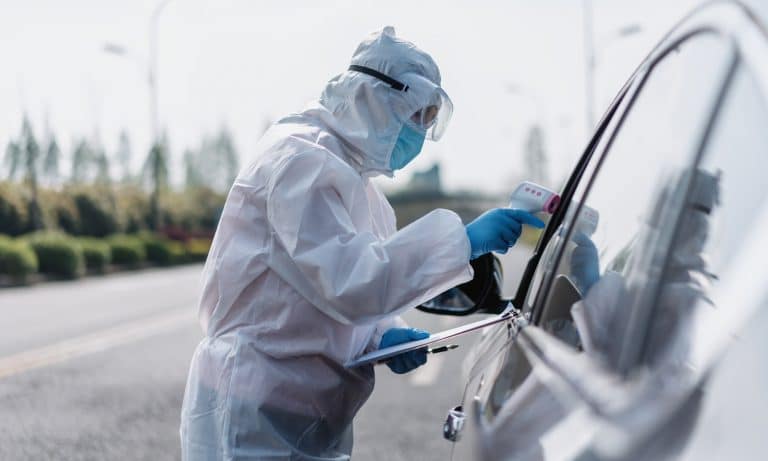
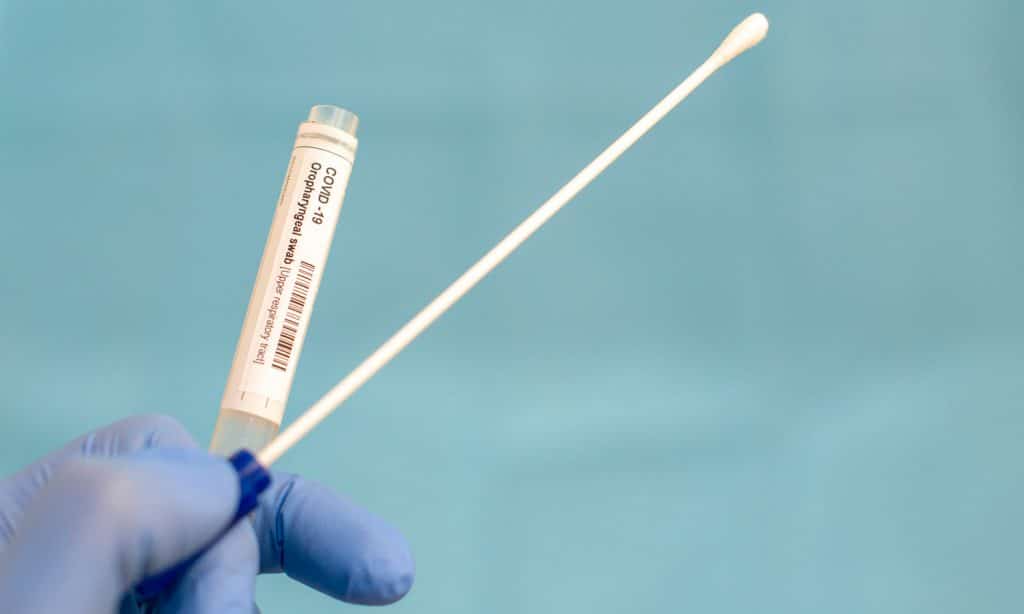
There is expanded and increased availability of at-home tests — a step forward in the common goal of making sure that more Americans are tested for COVID-19.
The U.S. Food and Drug Administration (FDA) announced recently a new round of updates on home coronavirus tests in the battle against COVID-19. In the same breath, the FDA announced another list of tests will be discontinued as the battle against SARS-CoV-2 enters another front against the deadly virus. There is a focused push on these serology (antibody) tests posted as recently as June 4.
The FDA maintains a dedicated FAQs page, to keep both health professionals and the general public regularly informed as the COVID-19 battle continues. For this latest announcement, the FAQ’s have been updated to reflect the new available information.
As part of the next phase, there is expanded and increased availability of at-home tests, among those commercially available — a step forward in the common goal of making sure that more Americans are tested for COVID-19. The FDA announced Emergency Use Authorization (EUA) of new in-vitro tests, as well. The newest information will provide Americans with more updates about testing, as well as other news the FDA is unveiling.
Photo by Paul Biris/Getty Images
Here are the largest takeaways of the newest measures put in place by the FDA:
Testing changes
As testing for COVID-19 improves in recognizing the virus or past virus, the FDA continues to examine test accuracy. Some tests were withdrawn because the manufacturer indicated that they were no longer available or being currently manufactured. Additionally, tests were withdrawn from use because the manufacturing company had voluntarily withdrawn its test from the EUA consideration process by the FDA.
Serology Testing
The FDA is supportive of at-home testing and has authorized several COVID-19 tests for home collection of specimens to be sent to in-state test centers for subsequent processing and to generate test results. Under the guidelines for serology testing, manufacturers can offer their COVID-19 test for at-home self-collection if the EUA issued by the FDA governing self-collection is specifically authorized. In addition, COVID-19 tests for at-home self-collection may be used as part of an Institutional Review Board (IRB) approved study.
According to the FDA, several states have authorized the ongoing creations of test centers to collect results for COVID-19 tests. Those states, according to the FDA online updates, are Connecticut, Maryland, Mississippi, Nevada, New Jersey, New York and finally, Washington state.
To date, The FDA has worked with 400 test manufacturers to develop the antibody tests, who have submitted or indicated their intent to submit EUA tests to the FDA, to help develop tests that detect the COVID-19 virus, or antibodies to the virus.
The FDA has authorized 113 tests under EUAs, which include 100 molecular tests, 12 antibody tests, and 1 antigen test.
Members of the public can submit questions about the (FDA) templates via CDRH-EUA-Templates@fda.hhs.gov, or they can submit comments regarding the templates to the public docket established for the guidance.
It’s not just that the DEA has failed to keep Americans safe from drugs, gangs, cartels and violence, it has actively made matters worse.
Racism in America is not confined to the criminal justice system, it is embedded in all aspects of our society, but the continued killing of Black men and women by police and law enforcement personnel has lead to a breaking point. The video of George Floyd’s murder is particularly gruesome and has lead to nationwide protests which seeking to bring meaningful and major changes to American police departments. George Floyd has “changed the world.”
Minneapolis and various other US cities are seriously considering defunding Though much of the focus has been on the protests and police responses, federal law enforcement agencies have been resisting change in less obvious but equally sinister ways.
Buzzfeed News first reported that the Department of Justice expanded the Drug Enforcement Administration’s (DEA) jurisdiction in response to these protests. According to a DEA memorandum, the agency requested to expand its jurisdiction beyond federal drug laws to include the enforcement of “any federal crime committed as a result of protests over the death of George Floyd.” The DEA justifies its position by claiming people are violently reacting to yet another murder of a Black man at the hands of police. Now, the DEA does not even need to suspect a drug crime has been committed to take action against protesters.
The DEA has been waging a War on Drugs that has disproportionately impacted Black people for nearly fifty years. George Floyd was killed over a counterfeit $20 bill, not an alleged drug offense, but the DEA has influenced racial policing that the world now protests.
The DEA should be defunded or, better yet, disbanded, as we suggested way back in 2015. It has failed to address the drug problem and it is beyond saving. It’s not just that the DEA has failed to keep Americans safe from drugs, gangs, cartels and violence, it has actively made matters worse.
In 1973, Richard Nixon created the DEA to enforce US drug laws and to coordinate drug controls. The drug problem in the US has not improved and is much worse today than when the DEA was formed. In 1973, 1.1 out of 100,000 deaths in the US were attributed to unintentional drug overdoses. In 2018, the CDC reported that 19.1 out of 100,000 were attributed to unintentional overdoses. Drug War Facts reports that in 1973 there were 328,670 arrests for drugs out of 9,027,700 total, meaning that 3.6% of all arrests were for drugs. In 2018 there were an estimated 1,654,282 arrests for drugs out of 10,310,960 accounting for 6% of all arrests. Americans are now 19 times more likely to overdose on drugs and about 5 times more likely to be arrested for drugs than they were the year the DEA was created.
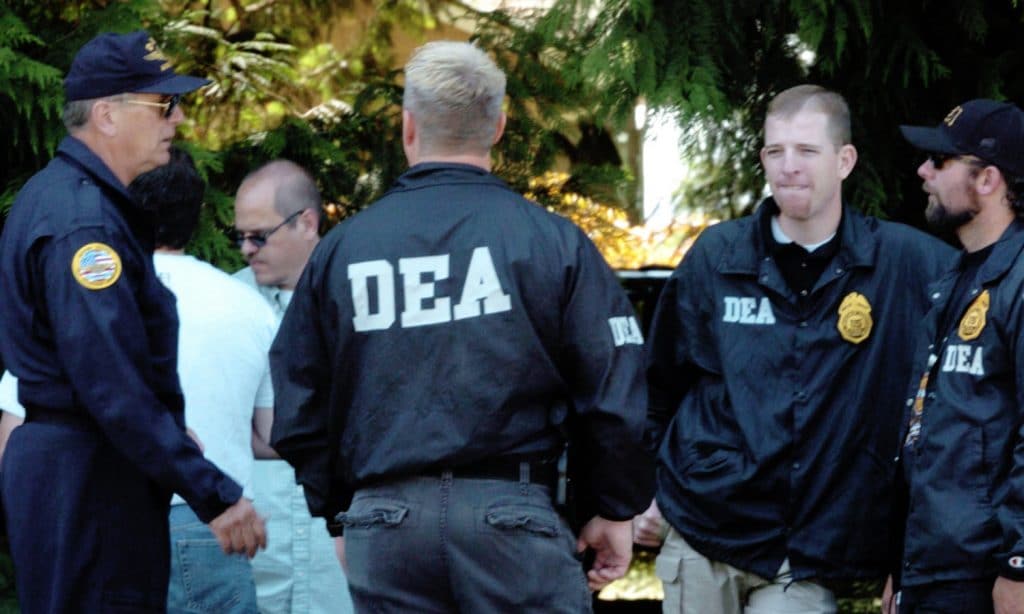
The DEA’s repeated failures to mitigate or reduce drug-related deaths has not limited its scope or its budget. The DEA has infiltrated state and local police departments across the country and exerted its regressive enforcement policies nationwide by pouring resources into police departments. According to a report from the Government Accountability Office (GAO), the DEA’s focus shifted over time from its original mission of disrupting and dismantling major drug trafficking organizations to a focus on the “seamless continuum” of drug trafficking which includes “street-level drug gangs and other local community programs.” The GAO also found that the DEA devoted an increasing amount of resources to state and local law enforcement over time.
Photo by Don MacKinnon / Stringer via Getty Images
In 1986, the Anti-Drug Abuse Act solidified the DEA Task Force Program. These task forces allow the DEA to work with local law enforcement to enforce both state and federal drug laws. A 2015 article in Criminal Justice Matters by Rebekah Delsol outlined how these tasks force influenced racial profiling across the country:
The current understanding of racial profiling developed out of the ‘drug courier profile’ that was created in the mid-1980s by the [DEA] in an effort to combat interstate drug trafficking under the rubric of the ‘war on drugs.’ The DEA trained local law enforcement officials to look for ‘indicators’, based on a drug courier profile, that included race as well as behavioural clues such as nervousness or the use of rental vehicles. There was no evidence that that African-Americans and Latinos/as were more likely to use or transport drugs than their white counterparts, yet the DEA training materials described and pictured predominately minority faces. The targeting of minorities for traffic stops, searches and fines thus became common practice and embedded in policing policy and structure in police forces across the country.
The DEA linked criminal drug activities to minorities and then spread this biased profiling across the country.
The DEA and its racist policies are embedded in federal, state, and local drug enforcement. The Washington Post reported in 2019 that not one of 179 “defendants arrested in DEA reverse-sting cases in the Southern District of New York were white, [and] all but two were Black and Latino.” The ACLU reported that in 2013, a DEA task force in San Francisco’s Tenderloin District resulted in 37 federal prosecutions. All 37 defendants were Black even though 40 percent of those engaged in the Tenderloin drug trade are not. The US attorney dismissed the case against these 37 people after a federal district court judge found substantial evidence of racially selective enforcement and ordered the police department to produce further discovery. These are just a few examples of a much larger problem.
The Drug Policy Alliance has long tracked racial disparities in the War on Drugs. Nearly 80% of people in federal prison and 60% of people in state prisons for drug offenses are Black or Latino. In addition, Black people and Native Americans are more likely to be killed by law enforcement than other racial or ethnic groups.
The DEA’s existence conflicts with the simple premise that Black Lives Matter. The DEA has endangered and ruined Black lives throughout its history, while never succeeding in its statutory role of preventing drug use and stopping the drug trade. Now the DEA is trying to arrest protesters who seek to ensure that America’s “crime fighters” finally stop endangering those they are sworn to serve and protect. The DEA encompasses all that’s wrong with policing in America. Shutting down the DEA will not immediately fix everything, but it would be a huge step in the right direction.