


From social media memes to comments in restaurants, it seems they are multiplying in leaps and bounds…but are truly a huge amount of vegans?
if you look at social memes, you would think vegans are taking over the world…but is it true? Significant mainstream popularity and recognition arrived in the 2010s and beyond. While the term “vegan” was coined in 1944, it took several decades for the concept to become widely known and embraced as a lifestyle choice. A 2023 Gallup poll found that 1% of U.S. adults identify as vegan, a figure that has remained relatively stable over time. A 2020 survey reported that 4.6% of Canadians identified as vegan, but more recent data from the Agri-Food Analytics Lab at Dalhousie University (Spring 2025) shows this figure has dropped to about 3%.
RELATED: How Marijuana Can Heighten Intimacy With Your Partner
Over the past decade, veganism has shifted from a niche lifestyle to a mainstream dietary consideration. While its meteoric rise has slowed somewhat, veganism is still present — particularly in urban centers, among younger demographics, and in environmentally conscious communities. However, its growth is now more incremental than explosive, and it’s facing challenges in maintaining momentum among the broader general public.
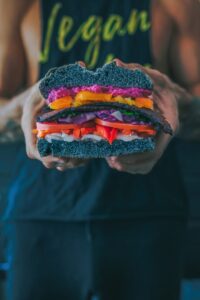
Recent surveys show while the percentage of people identifying as vegan has plateaued in some regions, interest in plant-based eating continues to rise. Many consumers are adopting flexitarian diets — reducing meat and dairy intake without fully committing to veganism. This broader shift toward plant-based eating has arguably had a larger cultural and economic impact than the strict vegan label alone.
The motivations behind veganism remain strong: climate concerns, animal welfare, and health benefits. But cost, accessibility, and taste remain key barriers for many. As food inflation continues and plant-based alternatives often carry a premium price tag, some consumers have scaled back. Still, plant-based options are no longer fringe; they are now mainstream — even if total vegan adoption lags.
RELATED: Being A Couch Potato Changes Your Personality
Fast food chains initially raced to capitalize on the plant-based trend. From Burger King’s Impossible Whopper to McDonald’s McPlant, major brands tested meatless products. However, the follow-through has been mixed. Some items have been discontinued or scaled back due to lackluster demand, especially in less urban or conservative markets.
That said, the fast food sector hasn’t turned its back on veganism. Chains like Taco Bell, Chipotle, and Starbucks continue to expand or refine their plant-based offerings. Internationally, especially in parts of Europe and Asia, vegan fast food menus are growing faster than in the U.S.
While the initial novelty may have worn off, veganism is evolving from trend to staple. The fast food industry’s response reflects this nuance — not a wholesale embrace, but a strategic, location-based rollout. For the general public, full veganism remains a minority choice, but the broader shift toward plant-based eating continues to influence food culture, menus, and supply chains alike.
As sustainability and health remain top-of-mind for consumers, veganism — in full or in part — is here to stay, even if it no longer dominates headlines.
