


Idaho lawmakers escalate efforts to block cannabis legalization, restricting voter initiatives despite overwhelming public support.
Idaho electeds at odds with the general public on cannabis, joining the growing list of states where political leadership is increasingly at odds with shifting public opinion, particularly when it comes to marijuana policy. While much of the United States has moved toward legalization or at least decriminalization, Idaho remains one of the most resistant holdouts, with lawmakers continuing to take a hardline stance contrasting sharply with broader national trends.
While much of the country continues to liberalize cannabis laws, Idaho remains one of the strictest prohibition states in America, with no medical program, no decriminalization, and some of the harshest penalties in the nation. What makes Idaho stand out is not just resistance—but escalation.
RELATED: Waffle House And The Feds Keep Popping Up Together
In 2025, lawmakers took a dramatic step by advancing House Joint Resolution 4, a constitutional amendment designed to strip voters of their ability to legalize cannabis through ballot initiatives. If ultimately approved by voters, the measure would give exclusive authority over cannabis policy to the legislature itself, effectively ending citizen-led reform efforts permanently.
The push has clear political leadership. State Representative Bruce Skaug emerged as a central figure, sponsoring both the constitutional amendment and additional legislation imposing stricter penalties for cannabis possession. Support has also come from lawmakers like Senator Scott Grow, who argued elected officials—not voters—should control drug policy, emphasizing Idaho is “a democratic republic” rather than a direct democracy.
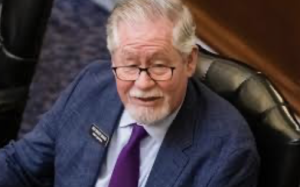
More recently, this month, Idaho lawmakers have gone even further. The state Senate passed a resolution explicitly urging residents not to sign a citizen-led petition to legalize medical cannabis—an extraordinary move critics say amounts to direct political interference in a democratic process. The resolution, championed by Senator Ben Toews, warned legalization would threaten Idaho’s “way of life” and tied cannabis reform to crime and social decline.
At the same time, lawmakers have continued introducing measures to tighten the initiative process itself, making it more difficult for grassroots campaigns to qualify for the ballot. These efforts coincide with a renewed push by advocacy groups to place the Idaho Medical Cannabis Act before voters in 2026—a proposal modeled conservatively and backed by strong public support.
The public support is not marginal. Polling has shown overwhelming backing for medical cannabis, with figures as high as 83% of likely voters in favor, including a strong majority of Republicans. Yet despite consensus, the legislature has consistently blocked or preempted reform.
RELATED: US Army Relaxes Rules On Marijuana
Governor Brad Little has also reinforced the state’s hardline stance, previously stating voters “elected the wrong guy” if they expect legalization, underscoring the entrenched opposition at the highest levels of state government.
Critics argue Idaho has become a case study in political overreach—where lawmakers are not just resisting change, but actively working to prevent voters from having a voice. From constitutional amendments limiting ballot power to resolutions discouraging petition signatures, the state’s approach reflects a broader tension playing out nationwide: when public opinion shifts faster than those in power are willing to follow.
As the 2026 ballot effort moves forward, Idaho may soon face a defining question—not just about cannabis, but about who ultimately gets to decide.
