

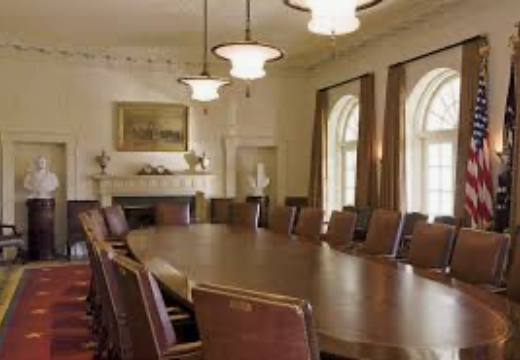
The president’s Cabinet Cannabis Policy 2026: Where top officials stand on marijuana legalization, enforcement, and federal reform
As cannabis legalization expands across the United States, the stance of top federal officials remains a critical factor in determining the pace—and limits—of reform. With recent shakeups, what the President’s inner circle stands on marijuana? The economy is shakey and there is new leadership at the Department of Justice and Homeland Security, so now could be a could be a good time for a smart move. The industry is anxious as the administration’s approach to marijuana policy evolves in real time.
Vice President: JD Vance
Vice President Vance has taken a cautious but pragmatic tone on cannabis. While not an outspoken supporter of legalization, he has acknowledged the disconnect between federal law and state-level legalization. His approach leans toward states’ rights, suggesting tolerance rather than proactive reform.
RELATED: US Army Relaxes Rules On Marijuana
Attorney General (Acting): Todd Blanche
As Acting Attorney General, Blanche steps into a pivotal role overseeing federal cannabis enforcement. While he has not built a public record on marijuana policy, acting leadership typically signals continuity. Expect a measured approach—maintaining current enforcement norms while avoiding sweeping changes on legalization or prosecution priorities.
Chief of Staff: Susie Wiles
Wiles remains a behind-the-scenes power player. While she has no public cannabis stance, her influence on policy prioritization and messaging is significant. She is expected to align cannabis positioning with broader political strategy rather than drive policy herself.
Senior Advisor: Stephen Miller
Miller continues to represent one of the more hardline voices in the administration. His broader emphasis on law enforcement and federal authority suggests skepticism toward legalization, particularly if framed as a public safety issue.
Cabinet Secretaries
Secretary of State: Marco Rubio
Rubio has historically opposed recreational marijuana legalization, citing concerns about health and social impact. While he has softened slightly in support of medical research, he remains cautious about broader reform.
Secretary of the Treasury: Scott Bessent
Bessent’s role is central to cannabis banking reform and he has been holding his cards close to his chest. Though not publicly vocal, Treasury leadership will influence whether cannabis businesses gain broader access to financial services—a key issue for the industry.
Secretary of Defense: Pete Hegseth
Hegseth oversees a department where cannabis remains strictly prohibited. He has been active in the ongoing War on Drugs. There is little expectation of change, particularly given military readiness and federal drug policy standards.
Secretary of Health and Human Services: Robert F. Kennedy Jr.
Kennedy stands out as one of the most cannabis-friendly figures in the cabinet. He has supported legalization and regulation, framing marijuana as both a public health and criminal justice issue. His department could play a key role in rescheduling decisions.
Secretary of Homeland Security: Markwayne Mullin
Mullin brings a law-and-order perspective to DHS. His focus is expected to remain on illicit trafficking and border enforcement rather than state-legal cannabis markets. While not central to legalization debates, DHS under Mullin will influence how federal authorities handle interstate and cross-border cannabis issues.
Secretary of Commerce: Howard Lutnick
Lutnick is likely to view cannabis through an economic lens. As federal restrictions evolve, Commerce could play a role in normalization, especially regarding interstate trade and industry growth.
Secretary of Labor: Lori Chavez-DeRemer
Chavez-DeRemer has shown moderate openness on workforce-related cannabis issues, including employee protections and workplace policies tied to legalization.
Secretary of Energy: Chris Wright
Wright has not taken a clear public stance. However, cannabis cultivation’s energy use and environmental footprint could bring the issue into his policy orbit.
Secretary of Education: Linda McMahon
McMahon has expressed support for medical marijuana, noting its benefits in 2019. While she has not been directly linked to owning cannabis companies, her son, Shane McMahon, previously invested $500,000 in a Connecticut-based cannabis cultivation tech startup called EnviroGrow in 2015. The Federal educations programs under her are expected to continue focusing on prevention messaging.
RELATED: Rand Paul Is A Champion Of Legal Cannabis
