

High taxes, complex regulations, and unlicensed sellers continue to undermine California’s legal marijuana industry
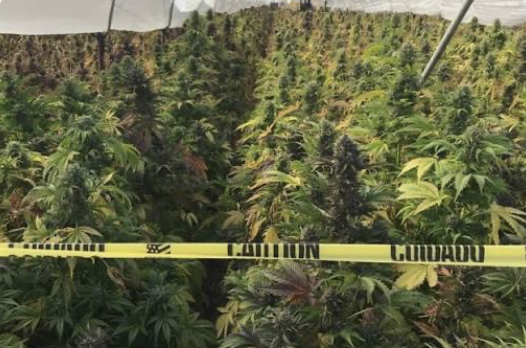
California was expected to become the gold standard for legal cannabis. As the first state to legalize medical marijuana in 1996 and the largest legal recreational market in the United States after voters approved adult-use cannabis in 2016, many believed the illicit marijuana market would gradually disappear. But 10 years later, California is struggling to control its booming illegal cannabis market. And with aid from some in the industry, it is home to one of the country’s largest illegal cannabis markets.
Despite billions of dollars in legal cannabis sales, experts estimate a significant share of marijuana sold in California still comes from unlicensed growers, manufacturers, distributors, and retailers. The result is an uneven playing field hurting licensed businesses, reduces tax revenue, and creates ongoing public safety and environmental concerns.
RELATED: New York Cannabis Is Finally Stabilizing
One of the biggest challenges facing California’s legal cannabis industry is taxation. Licensed businesses must pay cultivation costs, testing fees, licensing expenses, local permits, security requirements, employee wages, and multiple layers of taxes. Those costs are ultimately passed on to consumers, making legal marijuana significantly more expensive than products sold through the illicit market.
For many consumers, especially occasional users or those on tight budgets, the price difference is enough to keep buying from unlicensed sources.
Regulation also plays a major role. California’s legal cannabis businesses must comply with strict testing standards designed to ensure products are free from dangerous pesticides, heavy metals, mold, and contaminants. While these rules improve consumer safety, they also increase operating costs and slow product movement.
Illegal operators face none of those requirements.
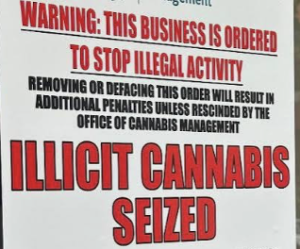
The state has increased enforcement efforts, conducting raids on illegal cultivation sites and shutting down unauthorized dispensaries. Authorities have also targeted illegal grows on public lands damaging wildlife habitats, divert water resources during drought conditions, and use banned pesticides threatening nearby ecosystems.
Yet enforcement remains difficult. California’s vast geography and long history of cannabis cultivation make it challenging to eliminate illicit operations entirely. Many illegal businesses simply relocate or reopen under different names after being shut down.
Licensed cannabis operators say the imbalance has become one of the industry’s biggest threats. Many small businesses who invested heavily to comply with state regulations have struggled financially or closed altogether, unable to compete with sellers who avoid taxes and regulatory costs.
RELATED: Who Is the Same Size As The Cannabis Industry
The illicit market also creates uncertainty for consumers. While many illegal products may appear identical to those sold legally, they generally do not undergo the same laboratory testing required for licensed cannabis. Without independent verification, consumers have less assurance about potency, contaminants, or product consistency.
Industry leaders continue to urge lawmakers to simplify regulations, reduce taxes, and create policies encouraging consumers to purchase from licensed retailers. Some economists argue making legal cannabis more affordable could do more to weaken the illicit market than enforcement alone.
