

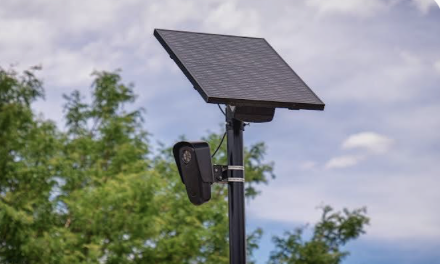
Flock cameras were supposed to help police catch criminals. Instead, a growing number of cases show the technology being used to monitor perfectly ordinary Americans
Flock cameras were sold to police departments as a powerful new weapon against crime. The pitch was simple: Use license-plate cameras to find stolen cars, identify suspects and help solve burglaries, assaults and murders. The public was sold Flock cameras are supposed to fight crime not track weed….so how did it go wrong?
The question is emerging as Flock Safety’s nationwide network of automated license-plate readers expands. The cameras can record where vehicles are seen and allow law enforcement agencies to search the information later.
A recent Wisconsin case shows how far the power can reach.
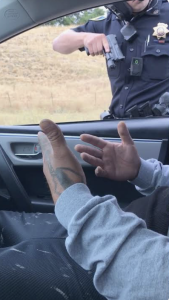
Police used Flock data to track a Wisconsin man who repeatedly drove to Michigan, where recreational marijuana is legal. His travel pattern became part of an investigation ultimately leading to police to stopping him over suspected marijuana possession.
RELATED: New York and Texas Take Opposite Paths on Cannabis, CBD and Hemp
Think about the resources involved. A camera records a license plate. Someone searches the database. Investigators analyze travel patterns. Officers follow up and make a traffic stop. Prosecutors may ultimately become involved.
All because a driver went to a state where marijuana is legally sold.
Flock does not publish a universal price for its cameras, but public contracts and reporting have put the cost at roughly $2,500 per camera annually, depending on the agreement. For a department with 100 cameras, that can mean roughly $250,000 a year before considering the personnel time required to investigate the information those cameras produce.
That’s a lot of technology and police resources.
The question is whether those resources are being directed at the crimes Americans actually expect police to prioritize.
How many burglaries were solved with those cameras? How many stolen cars were recovered? How many violent offenders were identified? How many murder investigations benefited? And how much time was spent looking for people suspected of buying weed?
The issue isn’t Flock cameras are inherently bad. Used to find a violent criminal or recover a stolen vehicle, they can be enormously valuable.
The concern is a small number of government officials appear willing to use the technology to enforce a broader idea of how citizens should live.
This concern became even more striking in Texas, where investigators used the Flock network to search for a woman who had obtained an abortion. Records obtained by the Electronic Frontier Foundation showed that the search reached more than 83,000 cameras.
Flock can help police catch criminals. But a nationwide system capable of tracking where Americans drive can also become something else: a tool for monitoring personal behavior.
RELATED: Cannabis Is Helping Seniors Have A Better Quality Of Life
