


Marijuana and memory have long been linked, but research suggests occasional cannabis use may affect the brain differently than alcohol — with THC, dosage and frequency playing a major role
For decades, the forgetful stoner has been a staple of pop culture. Someone gets high, loses their train of thought and suddenly can’t remember why they walked into the kitchen. There is some science behind the stereotype. But does casual cannabis use affect your memory? And is it worse than alcohol? The story is considerably more complicated.
THC, the primary intoxicating compound in cannabis, can temporarily interfere with the brain’s ability to form and retrieve memories. Research has consistently found some of cannabis’s strongest short-term cognitive effects involve verbal learning, working memory and remembering information presented while someone is intoxicated.
RELATED: Gen Z Is Drinking Way Less Than Previous Generations
A recent randomized, placebo-controlled study of 120 cannabis users found acute THC use affected multiple types of memory, including immediate and delayed verbal memory, visual memory and prospective memory — essentially remembering to do something in the future. THC also increased susceptibility to false memories.
But it doesn’t necessarily mean the occasional gummy or weekend joint is slowly destroying your memory. Frequency appears to matter.
Research examining young adults found poorer working-memory performance was primarily associated with daily cannabis use rather than occasional use, and the size of the differences was relatively small. Other research has found cannabis-related cognitive effects are influenced by dose, frequency, duration of use and THC exposure.
In other words, being forgetful while high is not the same thing as developing permanent memory problems.
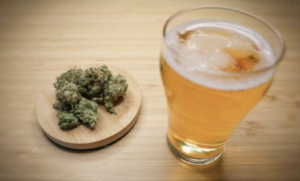
So, is cannabis worse for your memory than alcohol? Not necessarily — and comparing the two isn’t as simple as declaring one the winner.
Alcohol also interferes directly with memory formation. Even relatively small amounts can produce subtle memory impairment while someone is drinking, with impairment generally increasing as alcohol consumption rises. At higher levels, alcohol can produce something cannabis is far less associated with: a blackout.
During an alcohol-induced blackout, a person can remain awake, talk, socialize and perform activities while the brain fails to properly transfer experiences into long-term memory. The National Institute on Alcohol Abuse and Alcoholism explains alcohol disrupts this memory-consolidation process in the hippocampus.
Cannabis tends to produce a different pattern. THC can make it harder to absorb new information, maintain attention and correctly recall what happened while intoxicated. Higher THC exposure also appears to increase memory impairment.
And combining the two may be particularly unhelpful for your memory.
A recent study comparing alcohol alone with alcohol plus legal-market cannabis found combining cannabis and alcohol produced greater impairment in immediate verbal learning than alcohol alone. Both conditions impaired delayed recall after use.
RELATED: How To Avoid The Marijuana Munchies
