

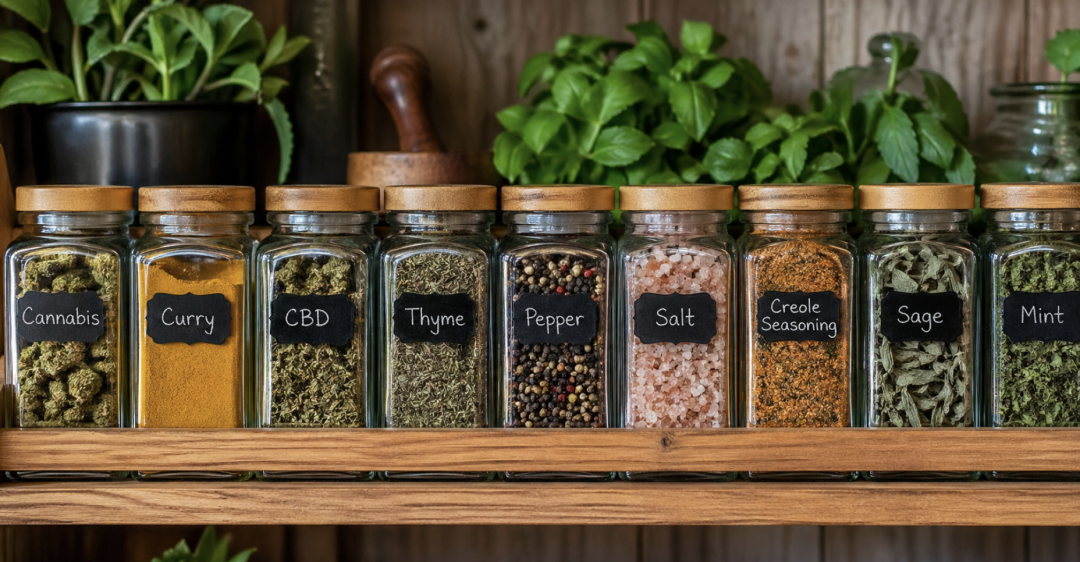
From kitchen staples to emerging plant medicine, National Herb Day highlights nature’s powerful role in everyday health and modern wellness trends.
National Herb Day is celebrated annually on the first Saturday in May, falling on May 2 in 2026. The day serves as a reminder herbs are far more than simple flavor enhancers—they are deeply rooted in human history as tools for healing, nourishment, and overall well-being. Across cultures and centuries, herbs have played a central role in both traditional medicine and daily life, and today they are experiencing a renewed appreciation as part of a broader wellness movement. One of nature’s herbs spotlighted for modern wellness is cannabis.
RELATED: Try This Mouthwatering Pasta With An Optional Marijuana Kick
Estimates suggest between 2,000 and more than 3,000 plant species are actively traded or commonly utilized worldwide for medicinal, culinary, and aromatic purposes. This wide spectrum reflects the incredible diversity of herbs and their applications, from teas and tinctures to essential oils and dietary supplements. Despite this vast number, only a relatively small core group—roughly 10 to 20 herbs such as basil, parsley, mint, and rosemary—are used consistently in everyday cooking. These familiar staples form the backbone of global cuisine, yet they represent just a fraction of what the plant kingdom offers.
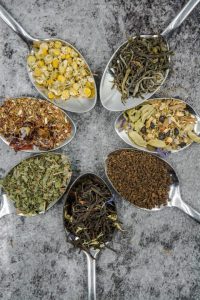
Beyond the kitchen, herbs are increasingly recognized for their potential role in supporting wellness. Many are associated with anti-inflammatory, antioxidant, or calming properties, making them appealing to those seeking more natural approaches to health. Among the most talked-about herbs in recent years is cannabis, which has undergone a significant shift in public perception. Once viewed primarily through a recreational or regulatory lens, cannabis is now being explored as a wellness-focused plant with a range of potential applications.
Cannabis contains compounds known as cannabinoids, including CBD and THC, which interact with the body’s endocannabinoid system—a network involved in regulating mood, sleep, appetite, and pain. For some individuals, cannabis-derived products are used to support relaxation, manage discomfort, or improve sleep quality. While research is ongoing and regulations vary, the growing interest reflects a broader trend toward plant-based wellness solutions.
RELATED: Can Cannabis Help Your Body Bounce Back Faster
Importantly, cannabis is not replacing traditional herbs but joining a larger ecosystem of plant-based options. Just as chamomile is associated with calming effects and ginger with digestion, cannabis is finding its place as part of a holistic approach to health. This perspective aligns with the spirit of National Herb Day: recognizing the value of plants in enhancing quality of life while encouraging informed and responsible use.
As interest in wellness continues to evolve, herbs—both familiar and emerging—are likely to remain at the center of the conversation. National Herb Day offers an opportunity to reflect not only on the flavors defining our meals but also on the plants supporting our well-being. Whether it’s a sprig of rosemary in a dish or a carefully chosen cannabis product, the enduring appeal of herbs lies in their versatility, accessibility, and deep connection to human health.
