Sunday, December 21, 2025
Home Blog Page 127

Should Marijuana Be Like Alcohol In Public Use?


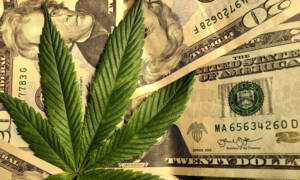
Marijuana has become mainstream, 23 states have recreational and 40 have medical marijuana. A whooping 90% believe it should be legal in some form and even Fox News covers it during business segments. But with legalization, comes a whole bunch of rules, policies and guidelines for use.  We have gone through this before with smoking and alcohol, and now it is starting with cannabis.  Should marijuana be like alcohol in public use?  Would it make things much easier all the way around.

people playing soccer on green grass field during daytime

Tobacco use is harmful, but the industry put up a good fight about where you could light up. Up until the 1970s you could smoke anywhere, planes, hospitals, restaurants, schools, church, etc.  Looking back it seems crazy to think about it. Pressure for an inflight plane smoking ban came from the public, Ralph Nader and the flight attendants’ unions, such as the Association of Flight Attendants. United Airlines was the first to create a nonsmoking section in 1971.  Literally, at the time, you could be one row behind the smoking session and it was considered ok. It wasn’t until 1993 that you couldn’t smoke in a hospital. Today’s generation takes it for granted all the smoke free air.

RELATED: California or New York – Which Has The Biggest Marijuana Mess?

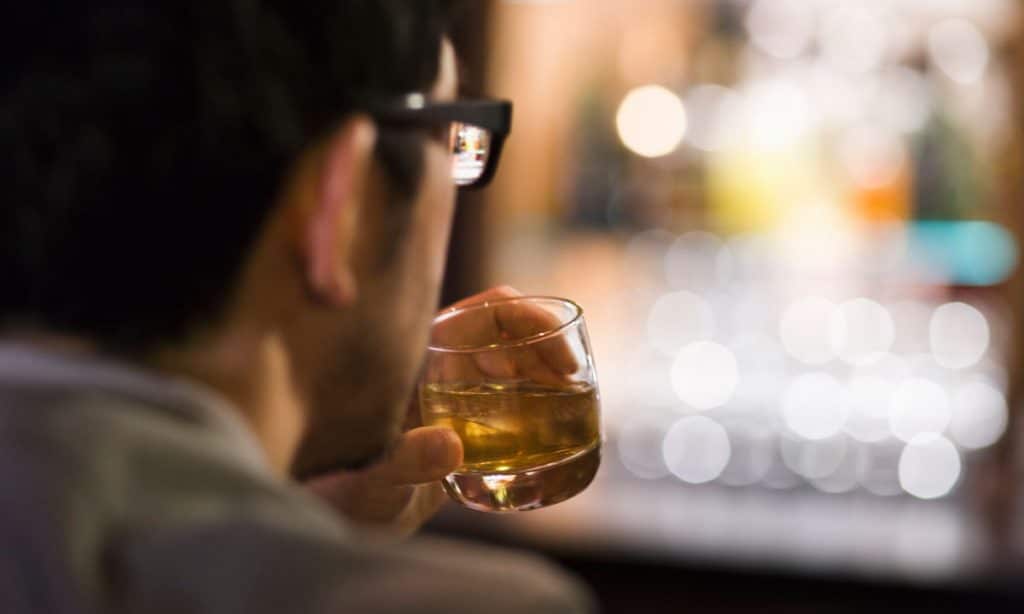
Alcohol, on the other hand, has been wiser and it is smells way less. First, the United States went for a crazy, failed experiment called Prohibition, that outlawed all alcohol.  The lesson taught everyone how to break the law and not feel bad about it.

Colorado Weed
Photo by MichaelGaida via Pixabay

Between 1975 and 1990, cities and states slowly started to impose different versions of open container laws as a response to the decriminalization of public drunkenness and homelessness. Public spaces, especially those family friendly, became less accepting of alcohol. The two big exceptions are New Orleans and the Las Vegas Strip. During Covid and post-Covid exceptions were made due to limited indoor restaurant and bar space.

Unlike cigarettes, alcohol is not banned, rather you aren’t supposed to have it in an open container as it is easier to drink some alcohol without noticeable smells.

In Duluth, Minnesota, the City Council took more than an hour of public testimony from concerned citizens as the state’s fifth largest municipality considers whether it should prohibit people from smoking marijuana in its public parks.  Other cities in the state are considering similar rules.  Currently you can walk streets in most major cities and have a whiff of cannabis. And that is rubbing some people the wrong way for a variety of reasons.

RELATED: Americans Want It, Some Politicians Prefer a Nanny State

Open container laws don’t outlaw drinking, rather it builds guidelines for a larger population. As how we consume marijuana changes, it makes sense to adapt to some laws which the public accepts and provide legal pathways for consumers.

3 Marijuana Myths Which Have Been Debunked

How they get started is one thing, but why they continue is another.  Fake News has become a cry in the last few years, but some myths just continue to live in, even before teh digital world.  No swimming for an hour, cracking your knocks, 24 for a missing person, etc…all out there…all long dismissed.  Now, here are 3 marijuana myths which have been debunked.

marijuana edibles
Photo by Sarah Pender/Getty Images

Marijuana Is The Gateway To Addiction

According to science, the majority of people who use marijuana do not go on to use other, “harder” substances. Alcohol and nicotine prime the brain for a heightened response to other drugs and are, like marijuana, also typically used before a person progresses to other, more harmful substances.

Studies conducted by the federal government find that marijuana is actually no more addictive than caffeine. In fact, cananbis has a rate of addiction significantly less than alcohol and tobacco.

RELATED: 8 Things You Need To Know About Eating Marijuana Edibles

As for whether cannabis users will eventually go on to shoot heroin in the bathroom of a truck stop somewhere – that’s not likely either. Other studies have shown that alcohol and prescription painkillers are the real gateway drugs. Former U.S. Attorney General Loretta Lynch says so. “When you look at someone that, for example, has a heroin problem, it very often started with a prescription drug problem. Something totally legal. Something in every medicine cabinet. Something you can have prescribed to you in good faith by a doctor,” she said back in 2016.

Marijuana Legalization Won’t Stop Drug Cartels

With 23 recreational and 40 medical states plus all of Canada, marijuana is a profit center for drug cartels. Cannabis trafficking is on the decline, according to a report from the Washington Post. To compensate, drug gangs are now slinging fentanyl, heroin and meth.

In fact, the GOP is clear it does stop drug cartels, This week four anti-marijuana legalization Republican senators admitted the policy change disrupts illegal sales by cartels. Writing to FDA Commissioner Robert Califf on Monday, Sens. Bill Cassidy (R-LA), Marco Rubio (R-FL), Ted Budd (R-NC) and Bill Hagerty (R-TN) made the case for the legalization and regulation of controlled substances.

They point out in a letter urging the Food and Drug Administration (FDA) to reconsider plans to ban menthol cigarettes and set nicotine content limits, arguing that the prohibition and strict regulations could benefit illicit trafficking operations. The main point is to express concern FDA’s proposed menthol cigarette ban, which the senators said could “empower” transnational criminal organizations (TCOs) to “exploit black market opportunities that such policies could create.”

Interestingly, some reports show that American weed is now being shipped into Mexico. It seems the tides have turned, but there is still some illegal marijuana activity happening in the United States. However, these criminal acts stem only from a fluctuation in laws from state-to-state. The moment the federal government ends marijuana prohibition, the criminal organizations responsible will be stopped. After all, no one is out there these days turning a profit on bootleg beer.

Legalizing Medical Marijuana Reduces Drunk Driving, New Data Shows
Photo by Jan Baborák via Unsplash

Stoned Driving Is No Different Than Driving Drunk

There is no doubt that drinking and driving is detriment to public safety. Alcohol is responsible for killing around over 14,000 people annually in Canada and the US. Researchers from the University of Chicago Pritzker School of Medicine, who are working to create a self-assessment tool for people on the fence about whether they’re too high to drive, have been trying to find out how weed might hinder an individual’s performance. But the group is having some difficult pinpointing the affect the herb on “vigilance and judgment.” It seems the test subjects are “generally aware” of just how wrecked on reefer they are.

There is also evidence that longtime cannabis users are typically less impaired behind the wheel than those with a lower tolerance. It is the differences between alcohol and marijuana impairment that has made it so difficult for science to develop an effective testing device to gauge stoned driving. To this day, no device functions well..

RELATED: Are Marijuana Edibles Better For Your Brain Than Smoking?

Now you are informed and knowledge and can continue to


Israel Is A Global Leader In Cannabis

Israel is a global leader in cannabis, But currently the country is being rocked with protests as citizens feel the country is moving to an unhealthy form of government. Long a beacon of democracy, it is has been a steadfast partner of the United States and has developed a robust technology industry. Benjamin Netanyahu, who is again the country’s leader after some bruising elections has been forcing changes on the government structure which would give more authority to the prime minister. This would come at the expense of the Supreme Court and a check on everyone’s power.  Continued protest could destabilize the country.

Israel has been a tech and medical tech innovator and been conducting extensive research on medical cannabis. A key focus is on adherence, safety, and effectiveness of medical cannabis, as well as the epidemiological characteristics of the patient population. In addition, there has been research on the impact of cannabis consumption during immune checkpoint inhibitors (ICI) immunotherapy.

Award Winning Researcher Engineers Cannabis Strain With 20% THC
Photo by CasarsaGuru/Getty

One of the most prominent figures in cannabis research is Raphael Mechoulam, a pioneering Israeli chemist who identified the structure and function of the key compounds of cannabisMechoulam and his team at the Weizmann Institute of Science in Rehovot, Israel, began to break down the chemical structures of THC, the psychoactive compound in marijuana, to assess how it did what it did — namely, make users high. He continued this research for decades at the Hebrew University of Jerusalem.

RELATED: Science Says Medical Marijuana Improves Quality Of Life

The cannabis research in Israel has been conducted in collaboration with various institutions, including the Clinical Research Center Faculty of Health Sciences Soroka University Medical Center, Ben-Gurion University of the Negev, Be’er Sheva, Israel Research Department Tikun Olam -Cannbit Pharmaceuticals Tel Aviv, Israel, and the Raphael Mechoulam Institute for Drug Research Medical Faculty Hebrew University Jerusalem, Israel.

RELATED: Medical Marijuana Supports Veterans

Israel has also become a global investor in the cannabis market. They see a global market that will be profitable. Recently, tobacco giant Philip Morris bought an Israeli cannabis firm for up to $650M.  Investment firms in the country has been making bets in the US, Canada and Europe for starts up believing in the long term growth and profits of cannabis.

cannabis research
Photo by Nastasic/Getty Images

RELATED: Medical Marijuana Supports Veterans

Research institutions work closed with government agencies and law enforcement to secure product. Despite the amazing amount of research and investment in cannabis, marijuana is still illegal in Israel, and researchers have had to develop contacts within law enforcement to procure a supply for their studies.  It is decriminalized in Israel, so smoking pot in Tel Aviv and other places will not get you in trouble. Officers aren’t very strict when it comes to cannabis consumption, especially if you’re not causing any harm to the community. Being Israel, they have premium product available from black market dealers.


CBD And THC, What Are They And How Do They Affect Your Health?

0

As more time passes, the medical benefits of both CBD and THC are slowly becoming apparent.

You’re probably familiar with the words CBD and THC, but what they are and how they can affect your health? Cannabidiol (CBD) and delta-9-tetrahydrocannabinol (THC) are two compounds found in members of the cannabis plant genus. They’re just two of many compounds called cannabinoids found in the plant.

While they both come from the same plant, they have vastly different effects and benefits. Knowing the differences between the two and learning as much as possible about the two compounds prior to use can help you see the potential health benefits and risks of each. Start by knowing what they are, followed by their risks, side effects and potential healthy uses.

What is THC?

THC (the abbreviated name for tetrahydrocannabinol) generates many of the psychological (or high) effects the body may experience when using marijuana. It is only one of a great deal of compounds in the cannabis plant, but it can have a range of psychoactive effects.

THC interacts with cannabinoid receptors in the human brain. The body’s cannabinoid receptors — associated with memory, pleasure, thinking and motor skills — are activated when THC touches them. This leads to some of the impairments in memory, senses and time perception associated with the compound.

Per an in-depth report by the National Institute of Drug Abuse, the combination of all the changes in your system creates the high and causes it to differ from person to person.

What is CBD?

Cannabidiol, colloquially known as CBD, is another cannabinoid that comes from the cannabis plant. It tends to reduce or  neutralize effects of THC, based on the amount of each one a consumer uses. Mostly consumed oil form, it’s readily accessible to those interested in using it for its health benefits.

Perhaps the most significant difference between CBD and THC is that CBF does not have any psychoactive properties. CBD is ideal for taking advantage of the plant’s healthy benefits without getting high or experiencing any psychoactive effects.

person holding white and black box mod
Photo by Evopure CBD via Unsplash

Risks and side effects

There are a few risks and side effects associated with both compounds.

Per Harvard Medical School, CBD can cause nausea, fatigue, irritability or potentially increase the level of a blood thinner called coumadin within your bloodstream. Knowing the proper dosages to use is also not exact, as CBD is more often sold as supplement (which the FDA does not regulate) rather than a medication. Studies show it may be effective for treating epilepsy and inflammation, but using the compound may make you tired, decrease your appetite or experience some gastrointestinal issues within the first few weeks of use. There is also some concern via the FDA that taking unapproved CBD with other medicines could affect your body and they warn taking it with alcohol could cause some damage.

RELATED: Do I Really Need Both CBD And THC?

THC is difficult to measure and could result in the risk of stronger than intended dose especially in regard to edibles. THC can also affect memory and may affect a decline in general knowledge or cause some respiratory issues later in life for those who smoke it often.

The medical benefits of both CBD & THC

As more time passes, anecdotal evidence from users is assessed and studies on their effects are conducted, the medical benefits of both CBD and THC are slowly becoming apparent.

RELATED: How CBD Blocks The Paranoia And Anxiety From Marijuana’s THC

CBD is used to help mitigate and alleviate some medical conditions including inflammation/pain, bowel disease, seizures, depression and anxiety (among others). It may also help a person fall (and stay) asleep. CBD has a strong legacy of helping ease these conditions and more studies are conducted each year to further explore its benefits and medicinal uses.

THC on the other hand is typically used more for pain, glaucoma, muscle issues, insomnia, nausea and a lower than normal appetite.

Additional learning resources

Education is always the best route to understanding and you can learn more by exploring a number of additional resources both online and at your local library if possible. The FDAWHO and CDC are good sources of information.

How To Shrink Marijuana’s Carbon Footprint

The challenges of growing marijuana sustainably are real, and becoming increasingly challenging as powerful companies buy up growing operations.

Cannabis grew on its own, without the help of mankind or fossil fuels, for thousands of years. Just as the plant is generally eco-friendly, cannabis consumers are often environmentally savvy consumer. You can see glimpses of this in the often-recycled or zero-waste packaging some cannabis brands. But how to shrink marijuana carbon footprint while supporting a booming customer base?

Currently, the carbon footprint of cannabis high, and keeps growing as the industry continues to expand in states and in product sold. The answer to this question lies in the way marijuana is grown.

cannabis
Photo by Kirill Vasikev / EyeEm/Getty Images

We asked Heather Dunbar, the Director of Marketing and Communications for the non-profit Sun+Earth Certified, some questions about the current state of marijuana’s carbon footprint, and what needs to change in order to make it smaller. Sun+Earth Certified growers, according to the organization’s website, are all holistically, responsibly and restoratively grown. In other words, the goal is to give back to the environment, rather than diminishing it.. 

We wanted to know how to curb, or even reverse the current issues with marijuana cultivation and its use of fossil fuels. But as marijuana continues to grow into a major player in business and industry, is it possible to change the tide and return to a climate conscious method of pot growing? Or is it destined to continue to morph into a major consumer of fossil fuels.

Use the Sun — It’s There and It’s Free

Perhaps the most fundamental reason for this major shift in fossil fuel energy use within cannabis farming is how each plant gets its light. Since the dawn of the plant, cannabis has relied on the sun to get its much needed rays of light. Now, however, outdoor cultivation occurs in a small minority of marijuana growing operations. “Nationally, 80% of cannabis is cultivated indoors with sophisticated lighting and environmental controls designed to maximize the plant’s yield,” according to Politico.

So instead of getting natural light, companies are using indoor farms to reduce the number of variables, which helps create a stronger yield of potent bud, but at a financial and environmental cost. This is why Sun+Earth Certified aims to use sunlight to feed to plants, rather than electricity. “These methods are good not only for the environment, but for the bank account too,” said Dunbar. “Regenerative methods use natural sunlight and avoid the high cost of expensive energy bills that come from using high-intensity lights.” After all, as important as environmental concerns are, knowing there is potential money savings is a great way to encourage change. 

But it is not easy to sway the big growers who have built major indoor facilities that run like clockwork to churn out harvest after harvest of reliable buds. But this methodical consistency comes at a cost. “Large indoor grows require a massive amount of energy with high-intensity lights and HVAC systems that run 24/7, which has a major environmental impact and huge carbon footprint,” Dunbar said.

worms eye photo of wheat field under cloudy sky

Use Environmentally Pesticides and Materials

Not only can unregulated and man-made pesticides be dangerous to our bodies, as we have previously reported, but these toxic pesticides are also bad for the environment. “Synthetic petroleum-based pesticides and fertilizers have a major negative impact,” said Dunbar. “By reducing, or ideally eliminating, the use of these products, one’s carbon footprint is drastically reduced.” 

RELATED: Is Marijuana Messing With The Environment?

Fertilizers are also an area of opportunity for marijuana growers to reduce their footprint. Composting and creating one’s own fertilizer is not only cheaper, but it means you don’t need to purchase fertilizer that has traveled on a truck for hundreds or thousands of miles. Some of the fertilizers available for purchase might even have some damaging effects on the environment and climate change as well. As Dunbar explains, “Petrochemical pesticides and fertilizers not only disturb the soil biology negatively, but also use large quantities of fossil fuels.” This is why her company encourages making one’s own fertilizer. It helps save money, and the environment. 

Small and Sustainable Farms Are a Great Way to Lower Carbon Footprint

Dunbar and Sun+Earth Certified work closely with many smaller growing operations, and it is these smaller operations where there is some hope for environmental stability. The concept is that these farms work together, as a collective. “Farmers share best practices, join collective forces, work together to bridge the gap from farmer to consumer, amplify the message of regenerative cannabis cultivation, and strengthen communities,” Dunbar said. She explains that the goal is that this low-waste, regenerative way of farming will spread to other growing operations who want to do the right thing but just don’t know how. 

While this seems like a noble and optimistic plan, it is clear that there is a limited time to make these changes happen, especially as small cannabis farms continue to struggle. “The farmers who have been doing right for generations are having an incredibly hard time making ends meet. Currently there is no profit margin and some farmers are closing up shop,” Dunbar said. 

RELATED: 4 Ways Cannabis Is Becoming A Greener Industry

Dunbar looks at her own state of California, where the power grids are already becoming very stressed and overwhelmed. “If large industrial grows continue to produce record amounts of cannabis using an enormous amount of energy, this will continue to strain the grid,” she said.

The challenges of growing marijuana sustainably are very real, and becoming increasingly challenging as powerful companies buy up growing operations. The industry using vast amounts of water and power.  With federal legalization, outdoor grows will significantly reduce the carbon footprint.

Still, for such a vast carbon footprint problem, the solution is rather simple in the end. As Dunbar said, “It is time to grow it in a way that is aligned with nature and what makes sense for a sustainable and regenerative future: growing under the sun and in the soil.”

Government Promised Equity Help, Doesn’t Deliver, No One Surprised

The marijuana industry has been transforming in the last couple of years. Social equity has become a mission to provide access to growth, development and ultimately wealth to communities that have been must harmed by the war on drugs.  New York upended their whole system in an effort to provide a pathway, ending in a fiasco with over 1,600 unlicensed dispensaries operating in NYC alone.  Now Massachusetts is the latest to have green egg on their face.  The state government promised equity help, doesn’t deliver and no one is surprised.

pink pig coin bank on brown wooden table

Last August, Massachusetts legislature passed a bill which last created a new fund that promised millions of dollars to equity-owned cannabis businesses. At the time, Republican Gov. Charlie Baker signed  the legislation into law which seeks to promote greater diversity among those participating in the state’s licensed cannabis industry.

The state grants two license that are given to to entrepreneurs who come from marginalized groups or who were harmed by the war on drugs. The fund was due to receive 15% of the revenue collected from the sale of cannabis in the state and give it to social equity and economic empowerment licensed businesses. Last year both adult-use and medical marijuana together hit $1.76 billion in the state, their best year over. This is according to data from the state regulatory body Cannabis Control Commission.

The fund was established, and the Cannabis Control Commssion established the Cannabis Social Equity Trust Fund.  It was duly charged with oversight of the income and the grants. There was some grumbling regarding the board, but it looked as if things were moving forward.

RELATED: Unlicensed Shops in NYC Are Doing Better Than The Naked Cowboy

As it approaches a one year birthday, a group of businesses have petitioned the state Cannabis Control Commission asking regulators to disburse money from a social equity trust fund to existing social-equity-licensed businesses rather than to encourage new entrants to the marketplace.

RELATED: Outdoor Grows Will Uproot The Cannabis Industry

Turns out in the all the excitement of saying they are doing good, they neglected to put the system in place to capture and accumulate the money. One year later, the fund has zero dollars much to the shock of the industry. But not a surprise to the people it is supposed to help.

A potential interim fix by the Office for Administration and Finance is in the works, which could make $2 million-$4 million available for social equity companies within a few months.  But previous revenue is lost and licensed who had thought they would have help will have to develop alternative plans to maintain and grow their businesses.

Tips To Manage Your High

For the canna newbie, you can sometimes overdose. In the wrong setting, it can be an issue…here are some tips


People are drinking less and consuming marijuana more. Like alcohol, sometimes you over indulge or you’re just not used to a Long Island Ice Tea and things hit you harder than you expect.  The same thing can be done with marijuana, experience or not, sometimes you go a bit farther you than you know, so here are some tips to manage your high.

people sitting on chair in front of table with candles and candles

Lemonade

Probably the most easy if you are near or store or at a party, is lemonade. People who regularly use cannabis know having a drink nearby is a good idea for multiple reasons. Lemonade is particularly useful because citrus can be effective in helping offset the effects of THC due to the presence of the limonene terpenes that promote alertness upon consumption.

The best way to ingest the terpenes necessary to offset the effects of THC is to consume lemon slices or lemon peels. Having lemon slices also help your breathe. This may not be the most subtle way to go about managing your high, but no one will comment on you a chill beverage. Lemonade also provides people with the opportunity to quench the cottonmouth that comes with marijuana consumption.

Though it may seem unlikely, lemonade could be the best aid in helping to manage a seemingly uncontrollable high.

lemonade
Photo by Elaine Goss via Unsplash

Ibuprofen 

Another one that may seem unusual is something that most people likely have stowed away in their medicine cabinet. Ibuprofen, while effective at treating head and body aches, has also shown to be effective in helping people manage their high after overindulging on THC.

RELATED: 7 Ways To Get A Bad High Under Control

A 2013 study published in the journal Cell found a safe dosage of ibuprofen was instrumental in helping some patients offset the effects from THC.  Having a few ibuprofen on hand could be crucial in helping people overcome over serving.

Ibuprofen can be taken inconspicuously in public or in private. Either way, remembering the effects that they can have in offsetting an inconvenient high could be a lifesaver this holiday season.

Photo by Jose Luis Pelaez Inc/Getty Images

CBD

Whether it’s in the form of a vape pen or gummies, CBD could be the best resource in helping people deal with a high that they can’t shake. Scientific research shows evidence that the cannabinoid has properties that negate the effects of THC. Perhaps having a CBD pen, oil or gummies could be instrumental in overcoming an overbearing high.

RELATED: How To Be Discreet When Using Weed

Taking that into consideration, people considering using CBD vape pens to overcome their high should be slightly more mindful of their setting since vaping isn’t universally accepted  and may raises questions or suspicions.  

Everyone has a bit too much at times, at worst you can go to sleep and later you can have some great stories. Be prepared if you are heading into a gathering where you need to stay focused, watch out and hopefully you can chill out and have fun.


Hitting the high seas? Marijuana on a cruise!


Cruises have rebounded from Covid in a HUGE way with some cruises sold out for upcoming years. Also popular are smaller, charters with 15-30 friends. This all inclusive bounty of food and fun has a great appeal.  And now they have alcohol packages that make imbibing easier and more cost efficient. But what do if you want marijuana on a cruise?

The cruise industry is expected to have over 31 million people board their ships this year.  This is larger than the 2019 numbers showing people are craving to board a boat and let loose.  The demand is so great, a new ship the Icon of the Seas, can carry 5,600 passagers and has built the largest waterpark on water.

All you can eat buffets, relaxing in the sun, music, multiple opportunities to chill, it would seem to be the perfect place to kick back and consume some marijuana.  But you need to be mindful of the rules.

white and black ship on sea during daytime

Marijuana products are simply illegal by federal law, so they’re banned across the entire fleets of pretty much every cruise line and river cruise company. Included in the prohibition are delta-8 and cannabinoid hemp products.  It also includes CBD and medical marijuana.

What if you bring them onboard?

Norwegian Cruise Line says in their policies that “items will be confiscated and not transported aboard. When an item is determined to be illegal the appropriate authorities will be informed.”

Carnival has a similar notice on its website. It says that the cruise line “reserves the right to confiscate any item” and that “items will be removed and disposed of and no compensation will be provided.”

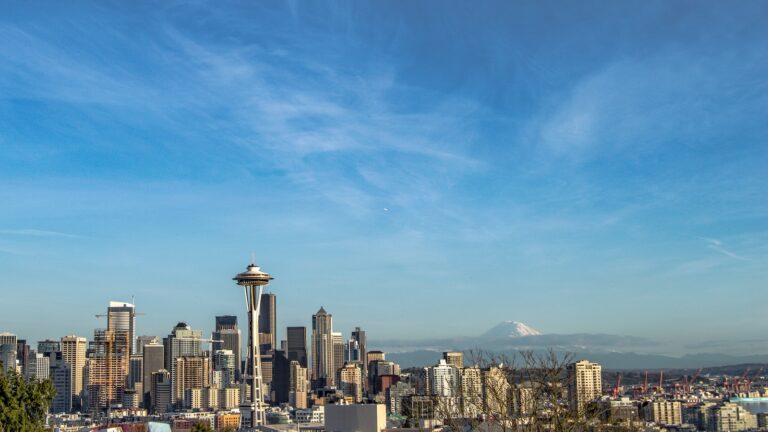
Some ports of call have legal weed, like Seattle and Canada, so there is another opportunity for you to relax or restock.

RELATED: 3 Key Tools To Help Manage Your High

Knowing the rules, you can figure out your game plan. Many seniors use medical marijuana for pain and inflammation, in general, people use it for anxiety. And, some just use it for fun. If you can drink on board, perhaps you can have a gummy?

If you want to take it, remember the two giveaways.  Don’t use anything that produces a smell. It is a dead giveaway and very easy to trace back to you.  And you don’t want a staff member to have to confront you in front of your fellow passengers.  The second is don’t be overly high. While being a bit tight on alcohol is legal, but messy, onboard.  Being fully stoned is not.

RELATED: People Who Use Weed Also Do More Of Another Fun Thing

do cannabis products over promise and under deliver
Photo by Jamie Grill/Getty Images

RELATED: How To Be Discreet When Using Weed

Consider how you are going to consume.  Tintures, oils and edibles are the easiest for boarding and produce the least smell. They are also better in managing your high.

Don’t use a cruise as your first time experiment. You may not have the reaction you want and it is tough to respond in an unknown and unfamiliar environment.

RELATED: Science Says Medical Marijuana Improves Quality Of Life

If you decide to have marijuana on a cruise, be discreet, be chill and have a great time.  Bon voyage!

Does Legalizing Marijuana Reduce Drunk Driving?

DUIs are well known, seen in TV shows, newspapers and movies…we now the accidents and reason to avoid it.  But a night out and one too many beers/cocktails/wine and things can take a rough turn. Recreational cannabis legal in 23 and medical in 40 states, so does legalizing medical marijuana reduce drunk driving?

Data finds a link between states with medical marijuana programs and lower risk of dangerous driving and car accidents. The data belongs to a study in Health Economics that analyzed insurance information and trends from auto companies from 2014 to 2019.

no vehicles at the road during daytime

RELATED: Regular Cannabis Users Better Drivers Than Casual Consumers, New Study Explains Why

The study found auto insurance premiums decreased in states with medical marijuana programs due to cars being involved in fewer accidents on the road.

The date showed premiums dropped by approximately $22 dollars a year after states enabled their medical marijuana programs. Researchers theorize that this is due to fewer car accidents and drunk driving in these states, with drivers substituting alcohol for cannabis.

“Medical cannabis legalization has reduced auto insurance premiums by $1.5 billion in all states that have currently legalized, with the potential to reduce premiums by an additional $900 million if the remaining states were to legalize,” reads the study.

The results are not wholly understood, but the link between legal cannabis and a reduction in drunk driving matters. While driving while high is potentially dangerous and should be avoided and monitored, the fact that legal marijuana might curb drunk driving is important. Statistics claim that drunk driving account for 10,000 deaths a year, accounting for a little under 30% of traffic fatalities.

The odds of being involved in a motor vehicle crash when driving ‘stoned’ are approximately double those of sober driving, but significantly less than the 10 to 15 times increase when driving with a blood alcohol concentration of approximately 0.1,” shared Godfrey Pearlson, MD, medical director of the Olin Neuropsychiatry Research Center at the Institute of Living, part of the Hartford HealthCare Behavioral Health Network.

Your body reacts to alcohol and marijuana differently. Despite the fact that both substances alter people’s perceptions, when people use marijuana they tend to stay at home or go to house parties. Alcohol prompts the opposite behavior, encouraging people to drive to bars and clubs.

RELATED: Here’s How Getting High Affects Your Driving, According To New Study

it seems legalizing marijuana does reduce drunk driving.  But driving stoned is not a smart idea. Marijuana affects areas of the brain that control your body’s movements, balance, coordination, memory, and judgment.

Data Clear THC Has A Positive Effect On PTSD

Veteran’s give there all and experience things rarely faced by average citizens. In Canada and America alone there are 17 millions with over a million suffering from Post-traumatic stress disorder (PTSD).  Now data is clear THC, from marijuana, has a positive  effect on PTSD. The US Department of Veterans affairs are working to provide medical marijuana to veterans.

Research has consistently demonstrated that the human endocannabinoid system plays a significant role in PTSD. People with PTSD have greater availability of cannabinoid type 1 (CB1) receptors as compared to trauma-exposed or healthy controls (18,19). As a result, cannabis use by individuals with PTSD could produce short-term reductions of PTSD symptoms.

Is Enduring Justice For Medical Marijuana Coming Soon?
Photo by Esther Kelleter/EyeEm/Getty Images

Researchers from Wayne State University in Michigan have been working to help.  They published data in the journal Neuropharmacology. The study found the combination of a specific type of therapy and moderate amounts of THC were particularly beneficial for people with PTSD.

RELATED: Veterans And Cannabis: What The Law Is Now, And Where It Might Be Headed

They conducted a double-blind experiment on 51 participants. These subjects were randomly given 7.5 mg of THC or a placebo pill and were kept under supervision and timed. Participants were scanned on a MRI with researchers conducting regular check-ins on their mental state.

After consuming their pills, at the peak of THC’s effect, researchers provided participants with emotional regulation tasks, like showing participants triggering images and repeating this with the goal of having them reappraise them, and thus successfully regulating their emotions.

RELATED: Veterans And Cannabis: What The Law Is Now, And Where It Might Be Headed

Results showed that only participants who’d consumed THC were able to reduce and manage their negative emotions. The compound also activated areas of their brains that are normally stunted in people with PTSD. “THC may prove to be a beneficial pharmacological adjunct to cognitive reappraisal therapy in the treatment of PTSD,” wrote the study’s authors.

RELATED: PTSD Patients Report On Efficacy Of Medical Cannabis

This study isn’t the first to find a link between THC and PTSD, but it is the first to see THC’s impact during cognitive reappraisal tasks for individuals with PTSD, which is important. When patients are able to successfully reappraise their emotions they’re more likely to repeat this behavior in the future, reducing anxiety and negative responses. This suggests that THC could become an effective way of treating these patients and improving their symptoms.

RELATED: As Suicide Rates Surge, Nebraska Gov. Says There’s No Evidence Cannabis Helps Veterans With PTSD

PTSD patients share THC helps them with their migraines, panic attacks and overwhelming emotions.

Unfortuanly,  a key Senate panel on advanced legislation for the first time which would require Veterans Affairs officials to hold clinical trials on using medicinal cannabis for the treatment of chronic pain and post-traumatic stress.  Key GOP members blocked the bill, currently stalling a path of relief for the citizens who have served.

Don't Miss Your Weekly Dose of The Fresh Toast.

Stay informed with exclusive news briefs delivered directly to your inbox every Friday.

We respect your privacy. Unsubscribe anytime.