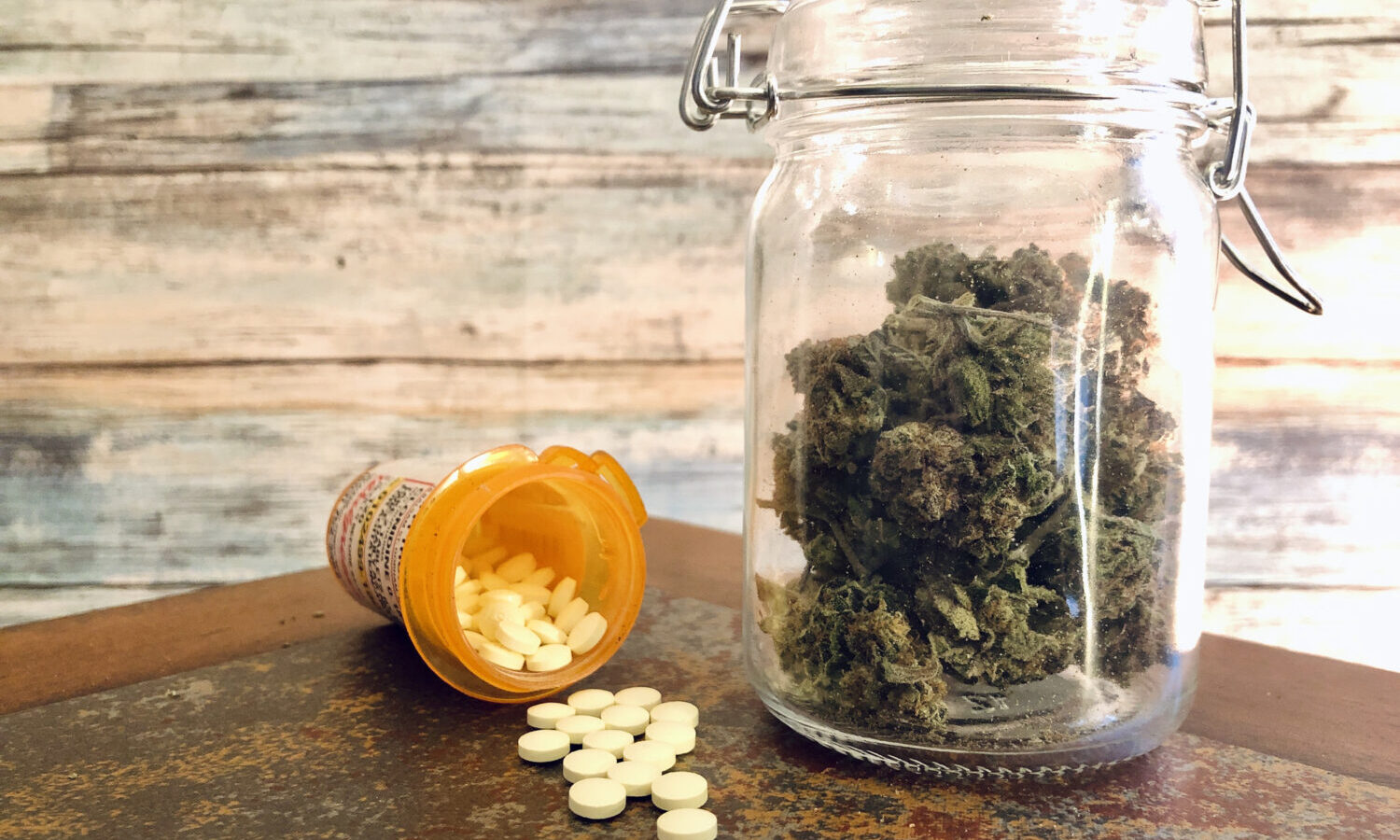
Here is a list of medications and conditions that are currently thought to have adverse effects when mixed with cannabis.
Marijuana is considered a relatively safe drug, and as time passes medical professionals are finding more and more uses for it as a medicine. From helping those with multiple sclerosis to an FDA approved medical derived from cannabis to treat epilepsy, cannabis is finding its footing and rooting itself firmly in the medical community. But beware, there are certain drugs you don’t want to mix with marijuana.
While marijuana can have often-desirable effects, these effects can sometimes be dire those with certain medical conditions or mixed with prescription medication for health reasons.
Testing and research is limited, as marijuana is still illegal on a federal level. However, here is a list of medications and conditions that are currently thought to have adverse effects when mixed with cannabis.
Opioids and Sedatives
Opioids and sedatives come with their own risks even when they are not combined with other substances. When they are combined with marijuana, however, their effects can be heightened and amplified, which can be dangerous for those who combine these substances.
“Marijuana’s biggest-known impact is with opioids (for pain), sleep medications, muscle relaxants and alcohol because all affect the central nervous system,” according toSalem Health, which also mentions that when marijuana is used with sedatives and hypnotics it can have an addictive effect.
It is important to be up front and honest with your physician if you are prescribed opioids or sedatives but also want to use marijuana for recreational or medical purposes. At the very least, your physician can recommend some drugs over others or suggest a dosage that will not put your health at risk.
Photo by Cappi Thompson/Getty Images
Blood Thinners
Marijuana and blood thinners are another potentially dangerous combination. Marijuana can cause blood thinners to work excessively well, which can have dangerous consequences. “Marijuana can increase the levels of the blood thinner warfarin in the body, which can lead to excessive bleeding,” according to NBC News. Marijuana combined with certain blood thinners can thin your blood out to dangerous levels, so it is imperative you know whether or not the blood thinning drugs you are taking might be affected by marijuana use.
Even if the drugs may not cause severe side effects like excess bleeding, they may otherwise change the drugs effectiveness. ”Using marijuana while on a statin or a blood thinner can change how these drugs work in the body,” lead author Dr. Muthiah Vaduganathan, a cardiologist at the Brigham and Women’s Hospital in Boston, told NBC News.
Anxiety or Depression Medication (SSRIs & Benzodiazepines)
Another group of drugs that can have negative and even dangerous consequences when mixed with marijuana are medications meant to treat anxiety and depression. More specifically, SSRIs (like Cipralex or Prozac) and also Benzodiazepines (like Xanax or Valium) can both have adverse effects when mixed with marijuana.
One reason it is a bad idea to mix these drugs with marijuana is that both types of drug are mood altering. “The challenge for people who have mood disorder or depression is that every time they’re using cannabis, they’re taking another psychoactive drug,” Dr. Timothy Brennan, director of the Addiction Institute at Mount Sinai West and Mount Sinai St. Luke’s Hospitals, told Women’s Health. “And that can make it very challenging for a patient or physician to figure out what drug is actually having an effect on what,” Brennan continued.
This also means that marijuana can potentially negate the positive effects these mood and anxiety medications are having.
Photo by Christina Victoria Craft via Unsplash
Tamoxifen
While medical marijuana is often prescribed to cancer patients undergoing treatment, one medication in particular should never be taken with marijuana. Tamoxifen, which is one drug used to combat breast cancer, may have its benefits negated when combined with marijuana. “If pot interferes with the processing of tamoxifen, it could cause the breast cancer patient to receive little to no benefit from the drug,” Philip Lazarus, a professor of pharmaceutical sciences at Washington State University, told WebMD. This should be a sobering reminder to always consult your physician about your cannabis use when you are on any type of life saving or critical medication.
Continued Challenges With a Lack of Research
While the medications we listed above could be dangerous or pose risks when mixed with marijuana, there still needs to be more research conducted. Unfortunately, even though (as we’ve reported) more people now smoke marijuana than cigarettes in this country, there have been limited trials on how pharmaceuticals interact with marijuana.
“So even while many people may use marijuana, tight federal restrictions limit researchers’ ability to study cannabis as approved medications are typically studied, including evaluating whether it can safely be taken with medications,” according to U.S. News. This is one strong argument as to why there needs to be a reclassification of marijuana. Taking marijuana off the Schedule I drug list would allow for significantly more research on the substance, and would improve how we understand the ways it interacts with other substances in our body.
Horror movies are known to be often tied to physical sensations and mental explorations. In fact, many times they become a vehicle to experience flashes. They are also synthesized as a lysergic capsule that makes what explodes on the screen vibrate in the body. For this reason, sometimes, due to its introspective side, you might want to consider these horror movies you should not watch when high!
They have an introspective side, so here are horror movies you should NOT watch when high!
Photo by JESHOOTS.com from Pexels
So, with this list designed especially for El Planteo, various experts in the field rummaged through the depths of their video libraries to warn us about these dark films. In short, films to avoid if you’ve smoked marijuana.
Trances should be skipped if one was sensitively predisposed and does not want to cross the threshold of the shadows toward that striking, but not always nice “other side” of the mind.
Moreover, experts would not recommend to anyone who has taken any illegal substance to watch The Trip, by Roger Corman. People who consume any substance could have a ‘bad trip’.
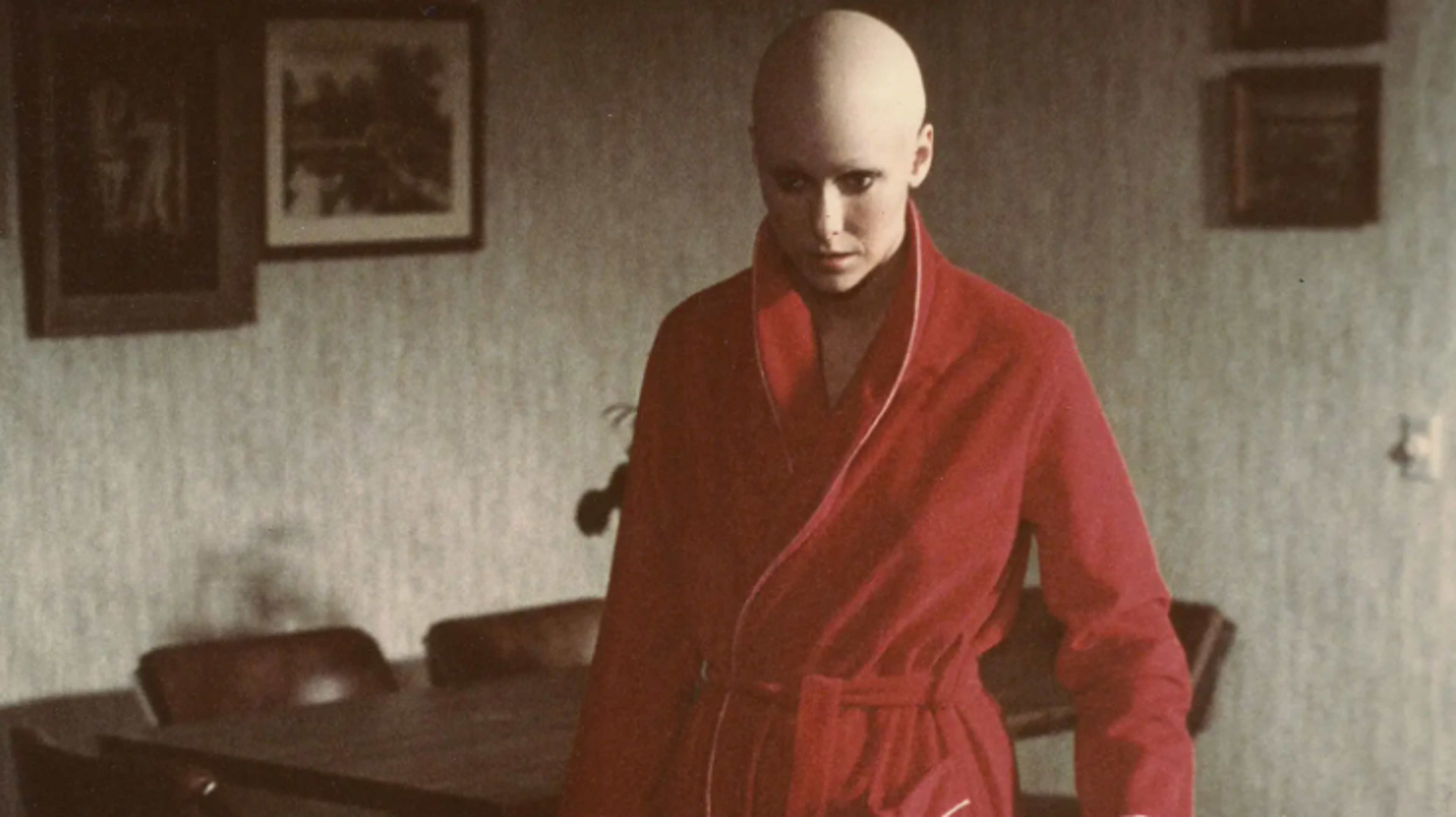
In a second instance, Blue Sunshine is about the delayed effects of a hallucinogenic substance in the 60s. Which, years later, people start to get bald and start killing other people. That’s also a bit of an awkward movie to watch for anyone who has experienced or tried to evade our reality through banned substances.
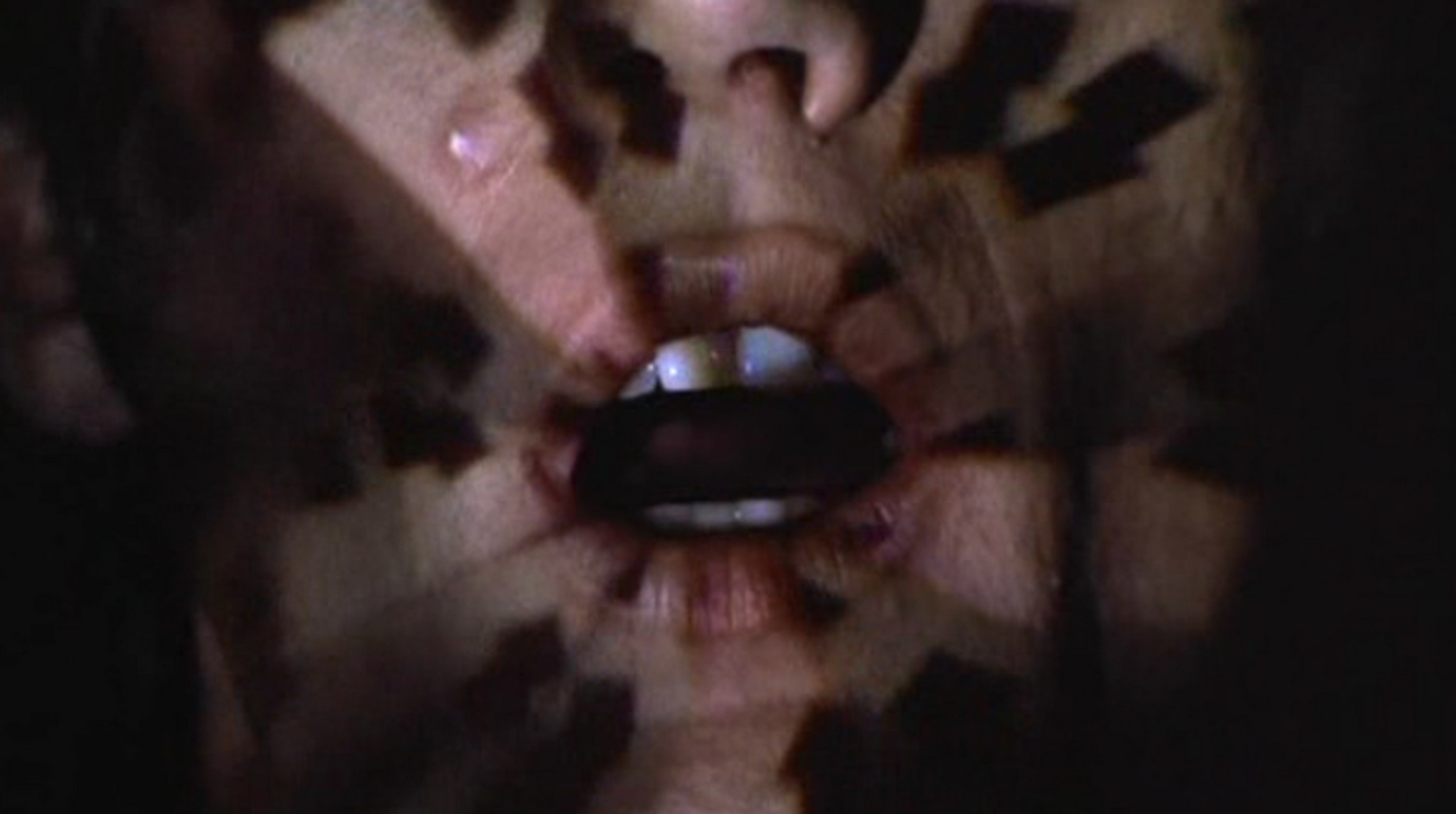
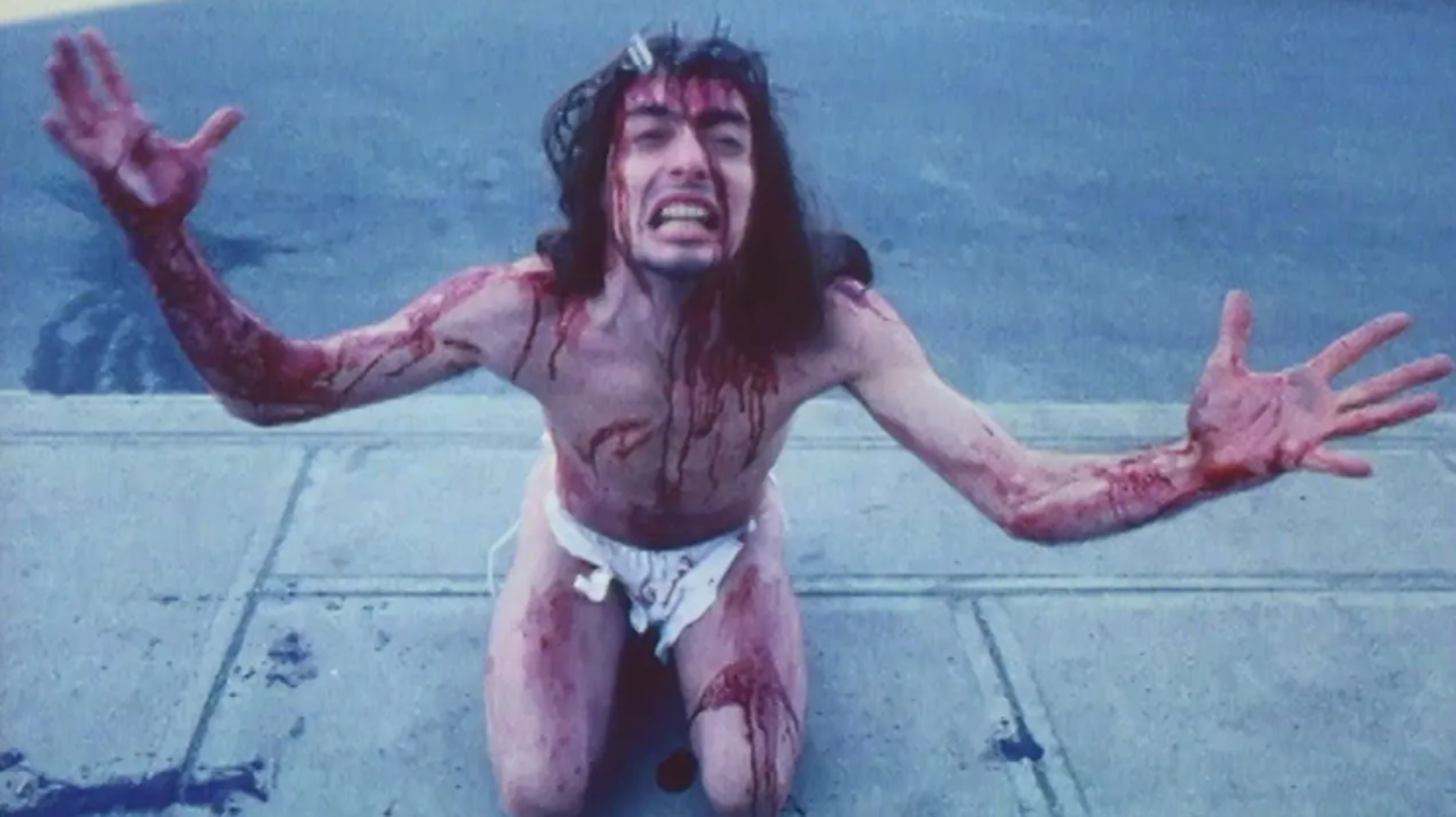
Subconscious Cruelty (1999) from Karim Hussain is a film/essay about pleasure and enjoyment in the suffering of a human being. The human and his two cerebral hemispheres are in eternal conflict: on the one hand, logic; and, on the other hand, momentum. The images are disjointed, deeply eschatological, and strong. Everything we describe may seem ideal, but NO!
Chances are, Hussain’s film will leave you shivering in a fetal position, understanding absolutely nothing of what you saw and, at the same time, understanding it so well that you scare yourself.
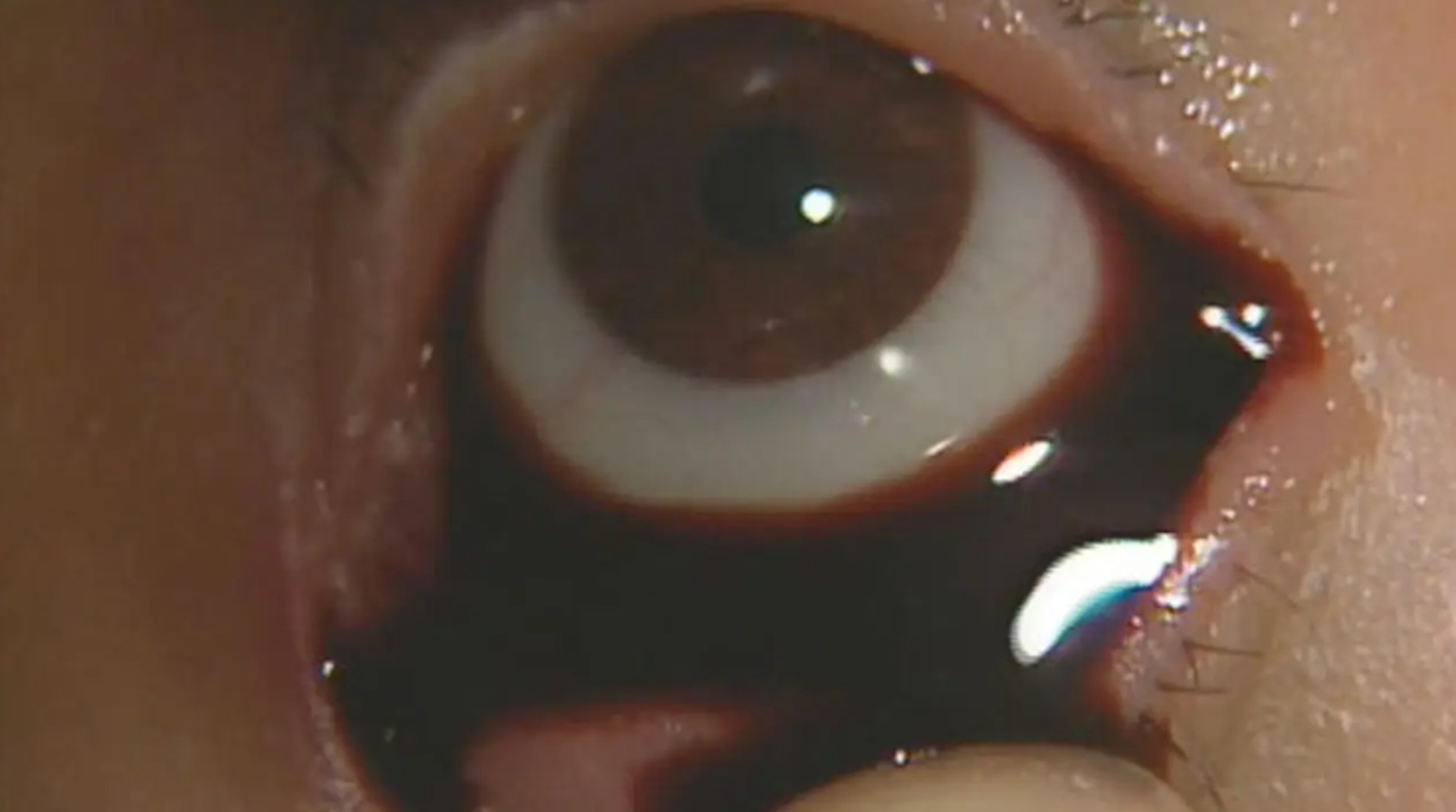
Additionally, all the installments of the Guinea Pig saga. Do you think you like gore and that you tolerate it perfectly? Guinea Pig is not a movie to watch while out of your mind; you need to be very connected to the idea that “it’s just a movie”.
Charlie Sheen saw it and called the police because he mistook it for a snuff movie (literally) because he didn’t know that it wasn’t convenient for him to see high (and we have no proof or doubt that he was).
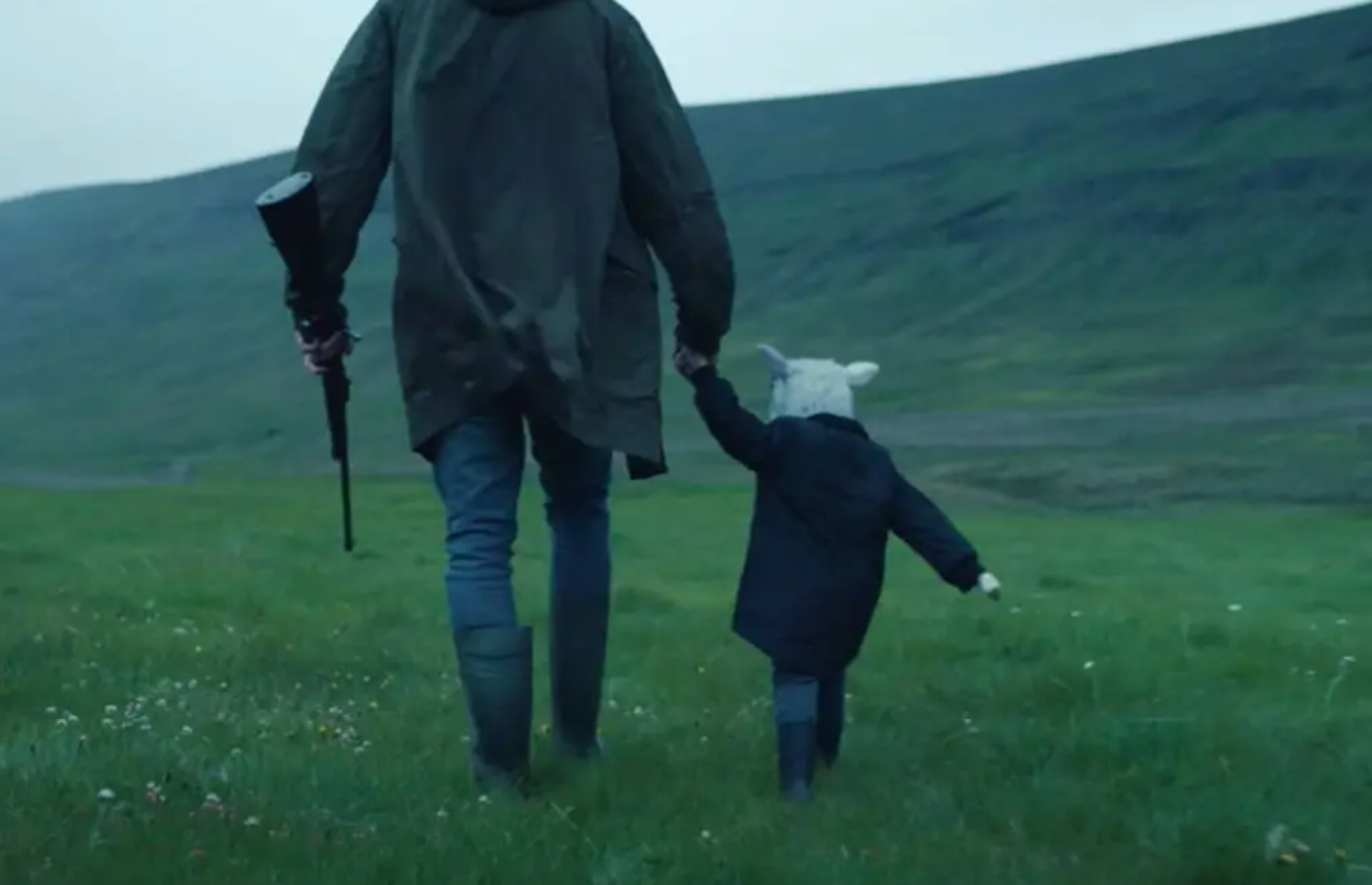
Moreover, the most current of the anti-recommendations is Lamb, a 2021 Polish film directed by Valdimar Jóhannsson, in which a couple raises a humanoid sheep named Ada and puts all kinds of clothes on it: from kid dresses to jumpsuits.
El Planteo believes that “If you watch the film high, it’s very likely that this crossover between a farm animal and a human infant will start to seem sinister and disturbing very quickly.”
The truth is that it is difficult to think about what horror movie NOT to watch while high because, for someone who loves horror as much as I do, it seems to me that most of the flashy and psychedelic ones improve when you are high.
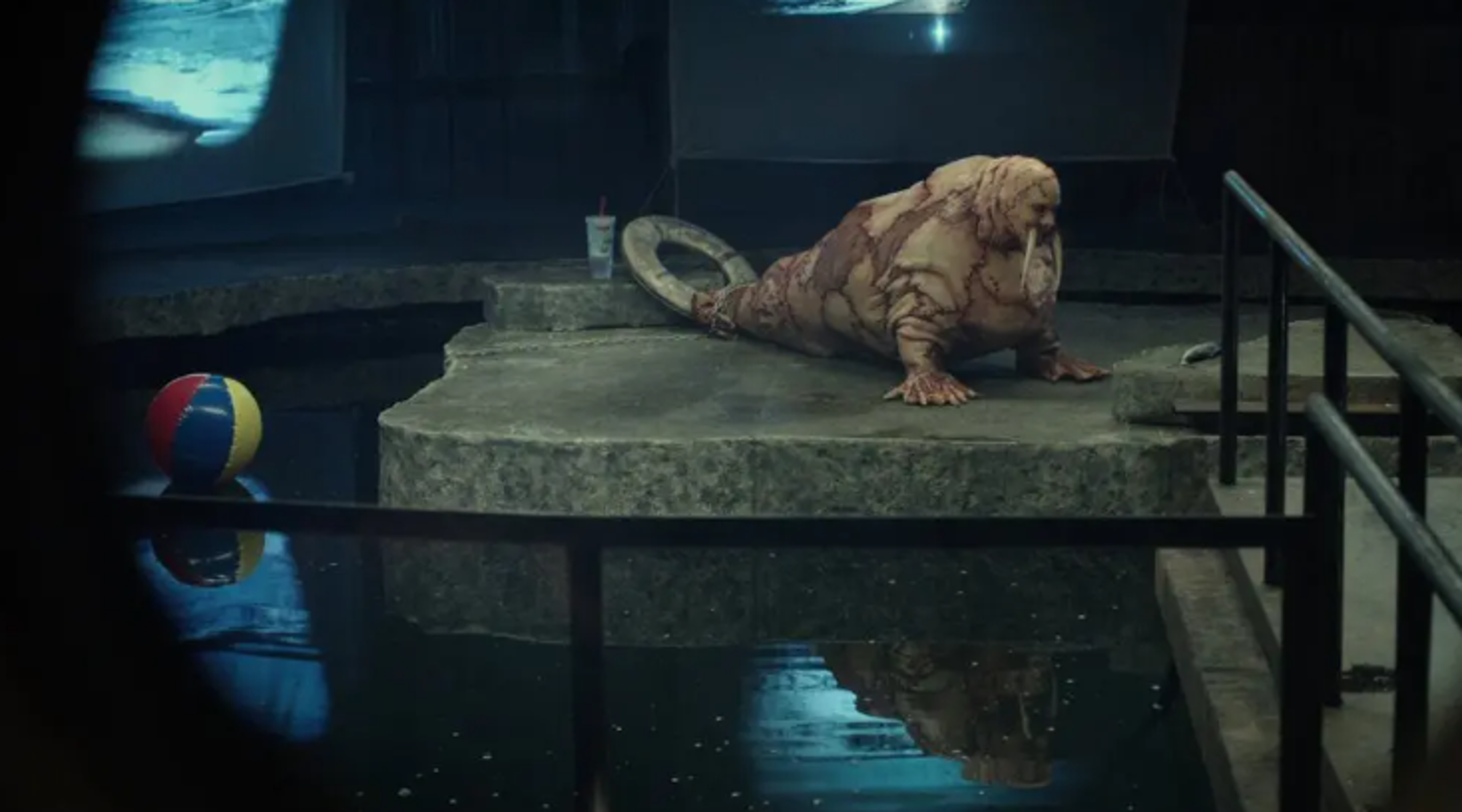
But there is one that I can tell you not to watch because you could have a bad trip, and that is Tusk, Kevin Smith’s body horror comedy. It’s a bizarre one that I hate and love at the same time, with Johnny Depp and a bunch of well-known actors, in which a kid is turned into a walrus.
The process is a cringe, a joke, and total disgust, but the problem with being high is the underlying subtext. If you are one of those who smoke and get caught persecuting yourself, you can take the pessimistic and existentialist vision that you have in the background too seriously and become depressed, very depressed, or very angry. This movie, itself seeks that, imagine if you get stoned.
If you smoke a joint, never see Where the Dead Go to Die, the closest thing to a cursed video coming out of a creepypasta in the cinema.
A strange collage of hellish visions, violence, and surreal nightmares with rough 3D animation, typical of a video game so rudimentary that it makes it more disturbing, a semi-anthology with an insane general plot full of torture, parricide, incest, bestiality, pedophilia and diabolical pacts that it works better the less sense it makes. An exercise in extreme provocation with its own intuitive mythology.
The equivalent of an amateur comic fanzine from the ’90s in a home animation style, whose chaotic style has coherence and adds a pertinent texture of dirt and ugliness. It is crazy, not suitable for any palate that, under psychotropic effects, can lead to very, very bad vibes.
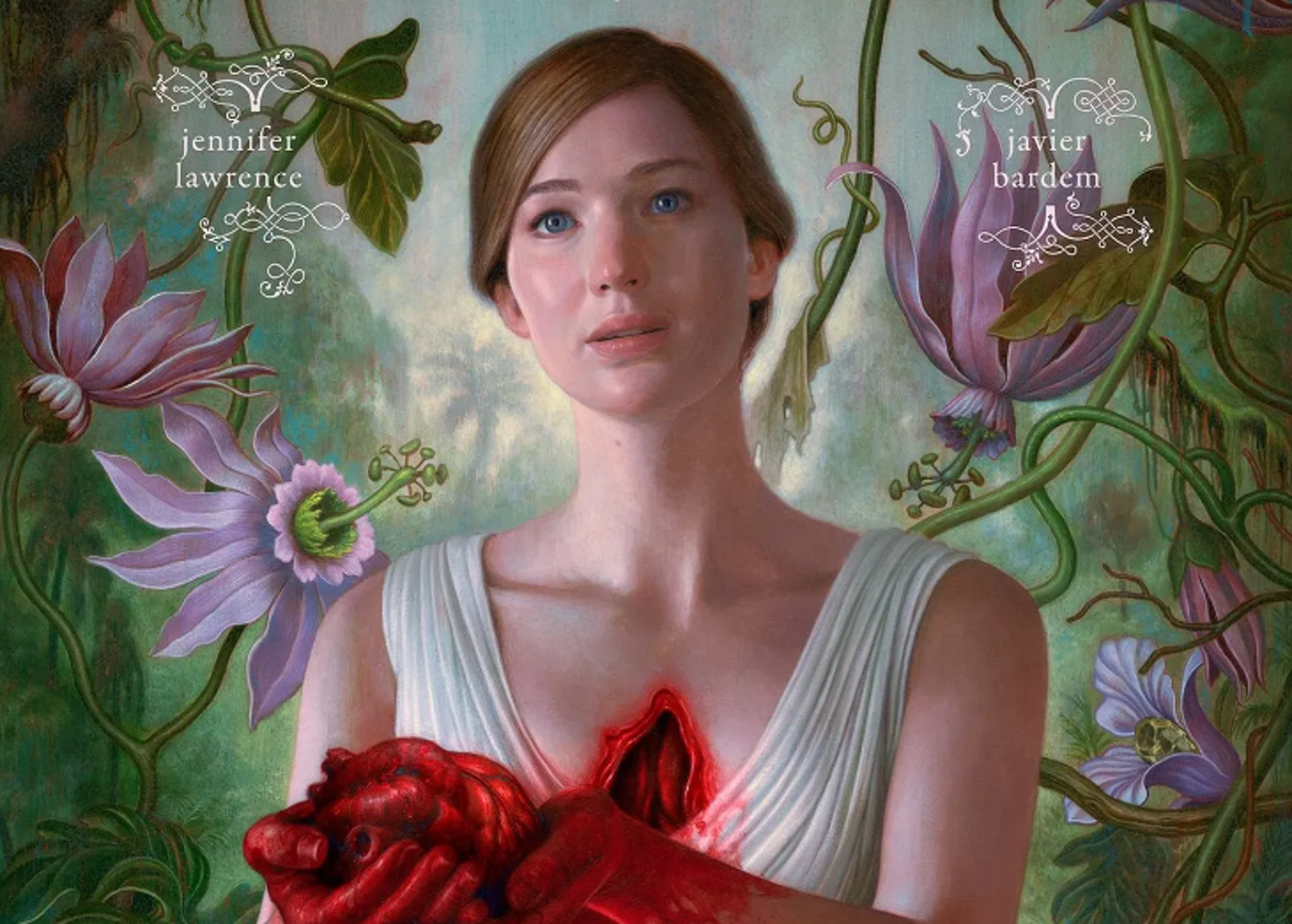
According to El Planteo, “the movie not to watch if you smoked a joint is Darren Aronofsky’s Mother! Rare movie, with Jennifer Lawrence and Benicio del Toro.” A very symbolic film, which has sequences that, for people with anxiety or for those who start to flash it badly, can be very complicated. They may become violent watching this movie. I don’t think I should tell it, it’s more to enjoy it.
Keep in mind that it is very symbolic, very strange. It does not have a very armed plot. The plot is used as an excuse to tell something, what the director wants to symbolize with the characters and events. It happens inside a house, throughout the year. And it has sequences that look like a bad trip, really.
Another movie that we recommend avoiding if you consumed a “strange substance” is John Carpenter’s The Thing. That it is an experience, in itself, paranoid, grotesque and that, in a “special mood”, it can maximize that experience and take you to really unpleasant places.
With all that paranoia and that catalog of monstrosities, “I wouldn’t dare to watch it like this.” The Thing is a movie you might want to avoid in that mood.
Another movie you should avoid if you have smoked or consumed “something very special” is Hellraiser. It is a Clive Barker film with those creatures, the Cenobites, who come from the underworld to apply the idea of pleasure that has to do with torment. Having consumed “something weird” you can flash it in an unexpected way.
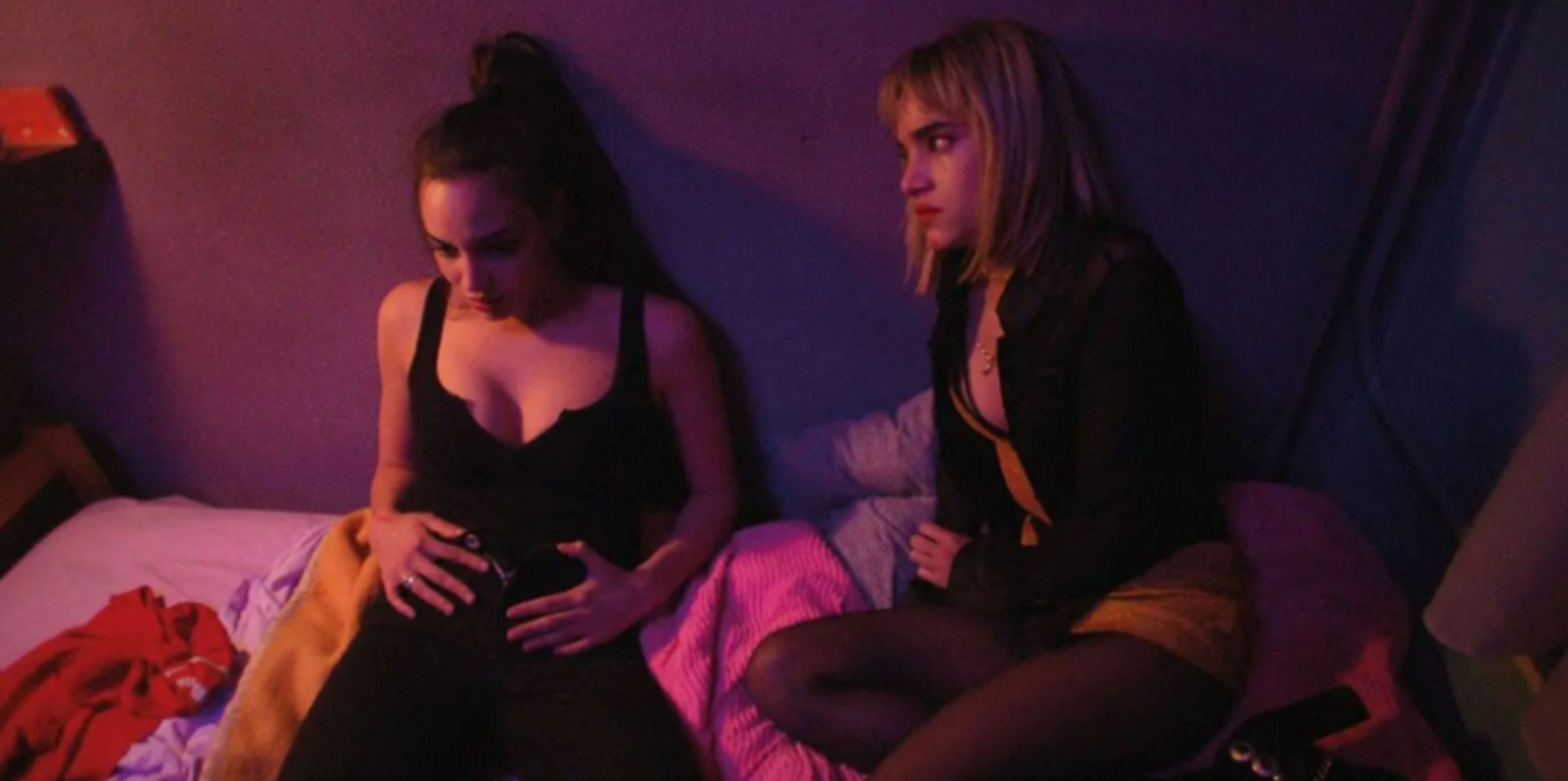
The mystique that constantly surrounds this film by Gaspar Noé has almost become an urban legend. Its mixture of psychedelia, unconventional camera movements, hypnotizing music, and highly aesthetic photography with very nice colors and neon lights made Climax stand out as a “psychedelic movie”.
The truth is that this 2018 film seems to have all the necessary elements to want to see it stoned and fall into the clutches of the dream that Noah wants to induce us to. But more than a dream, Climax can become a nightmare.
In 2020 we did an episode of our podcast talking about “drugs and terror” and featured Climax. Not only does the drug play an important role in the development of the plot, but many people included it in their lists of movies to watch while stoned.
However, “we believe that this is not a movie to watch stoned, or at least to watch stoned and have a good time.”
Why? Because the concept of this movie is basically going through a bad trip. We see how several characters find themselves in a situation of confinement, very claustrophobic, and they fall into a limitless spiral that brings them closer to collective madness.
“Climax” is actually a very big anxiety trigger. This movie is uncomfortable and, seeing it in an altered state, can make you fall into the same spiral as the characters. Seeing it smoked can make you go through a bad trip and get you into the depths of that nightmare.
Here are horror movies you should NOT watch when high! You can’t say we didn’t warn you.
While Halloween and marijuana seems like a perfect pairing for the cannabis enthusiast, it’s important to remember that there are right and wrong ways to infuse the celebration with weed.
Halloween is perhaps the most unique holiday celebration of the year. It’s the only day where you can dress like pretty much anything and run amok in the streets without anyone so much as batting an eye. Not only that, but it’s spooky and creative energy tends to lend itself nicely to a little THC.
From haunted houses to costume parades, all sorts of Halloween happenings can be heightened by cannabis. Marijuana is a one way to take your spooky or comical Halloween adventure to the next level, but there are definitely some precautions you should take before you set off on your fright fest.
While Halloween and marijuana seems like a perfect pairing for the cannabis enthusiast, it’s important to remember that there are right and wrong ways to infuse the celebration with weed. In order to make sure you and those around you have a safe and memorable halloween weekend, we laid out some essential do’s and don’ts for you to follow.
Photo by smileitsmccheeze/Getty Images
Embrace the Halloween Snacks and Treats
Halloween is not exactly a gourmet holiday like Thanksgiving or Christmas. It is, however, perhaps the best day of the year for the munchies. From rice crispy treats and candied apples to mountains of bite sized candy bars and sweet candies, Halloween is a genuine munchies heaven.
“The Munchies,” as any cannabis user knows, and as wereported, are very much a real and scientific side effect of cannabis. Embrace the moment, and indulge in all the sweets and otherwise forbidden treats that this holiday has to offer. Maybe consider having a big salad earlier in the day to make you feel less guilty later. And no matter how high you get, remember to brush your fangs before you retire to your coffin for the night.
Don’t Eat All the Candy
It can happen to the best of us. You decided to stay in instead of going out, and you are ready for all the trick-or-treaters. But the doorbell isn’t ringing, so you take a peak into the candy bowl and take one piece. Suddenly the bowl is half gone and the bell won’t stop ringing. Don’t be that house that has to turn off its light because you ate all the trick-or-treater candy.
To avoid this, have your own stash. Select the candy you like best, and make that your trick or treat snack. Just consider whatever is leftover an added bonus for you and your household, the next day.
Photo by Sarah Gualtieri via Unsplash
Arrange Safe Transportation to Your Destinations
According to the National Highway Traffic Administration (NHTA), on Halloween, “during the years 2015-2019, there were 126 people killed in drunk-driving crashes.” Not only does this shed light on the fact that Halloween is a dangerous day to be on the road, but it also means police presence will be in full effect.
Halloween is a popular day for police to have sobriety checkpoints and road blocks where they conduct field sobriety tests. Just because you think you are no longer high does not mean that you can’t still get arrested for a marijuana related DUI, especially if you consumed marijuana in the last few hours, or have it on your person. Take a ride service or public transportation and make sure you stay safe.
Embrace the “Spooky,” Avoid Paranoia
Of all holidays, Halloween can be the most mind-bending and emotionally jarring. There are crowds of people dressed in all sorts of wild costumes, and everyone – friends and strangers alike – wants to scare you.
One side effect of cannabis is paranoia, and the last thing you want to add to your Halloween is increased paranoia. Sure, there are ways to cope with cannabis-induced anxiety and paranoia, but it’s better to not let it even get to that point, especially on this wild weekend. Instead, make sure you take the right dose of a strain that has been reliable to you in the past. Don’t use Halloween as an excuse to test out a new strain if you can avoid it. Go with what works.
Photo by KatarzynaBialasiewicz/Getty Images
Get Your Costume and Plans in Order Before You Get High
Don’t make the rookie move of getting high before you get your costume together. The odds are you may completely lose motivation, or take your costume into a strange and incomprehensible direction. Most of all, it can make you very late.
It is easy for Halloween night to slip away from you while you’re vibing with your costume in front of the mirror. So make sure you get your costume and plans in order before you pop your edible or roll a joint. It will help get you out the door on time.
Be Sure To Label Your Edibles
With so many brownies, cupcakes, chocolates and gummies everywhere, your weed edibles can easily get lost in the shuffle. Make sure you keep your stash in its packaging and on your person. Also, if you decide to make a batch of edibles for your friends at a party, label them and portion them out appropriately.
Never leave this precious gift unattended or unlabeled. It is best practice to individually wrap and label them, and hand them out personally. It’s a nice touch and definitely the safest route.
Don’t Be a Zombie (Unless That’s Your Costume)
Remember that halloween is a long day, and can involve lots of walking, dancing and bar hopping. Don’t get so stoned right off the bat that you just want to sit in the corner like a mummy – even if that’s what you’re dressed as. Portion control is key on holidays like this. Learn how toconsume the proper edible dose if you are at all unsure and plan on consuming instead of smoking your weed. It makes sure you have energy to spare and will keep you safe and in control on this often daunting holiday.
Photo by Keira Burton from Pexels
Know the Marijuana Possession Laws In Your Area
Before you embark on your Halloween cannabis journey, make sure you know your state’s marijuana possession laws. Just because you bought the marijuana legally does not mean you can take it anywhere.
For example, “open containers” of marijuana should never be brought into a car. Also, many haunted houses are on municipal or even federal land, which can be a no-go for cannabis possession. Make sure you know where you are going, as cannabis may be forbidden in these areas.
As we have previouslyreported, just because marijuana is legal doesn’t mean you won’t still get arrested for having it. Many private clubs also have door policies that prohibit cannabis, so read up on your destinations and your laws before you venture out.
A new study conducted in rats found some adverse side effects that appeared when marijuana was used during pregnancy. These side effects greatly affected one gender.
Marijuana use during pregnancy has long been controversial. While the plant seems perfectly geared for treating some of pregnancy’s most annoying side effects (nausea, digestive issues, physical aches, anxiety, etc.), consuming any type of substance is likely to impact the fetus.
Using pregnant rats as subjects, researchers found that THC affected the offspring’s brains, particularly in the areas of the brain that process anxiety and addiction.
Interestingly, male offspring were much more affected than females, with researchers saying that males were “badly hit on almost every metric”. Male offspring were likely to have more anxiety, with their addiction and reward systems severely impacted, especially in the long term, being more prone to depression, anxiety, and poor emotional regulation.
“[At adulthood], the females often [experienced] no anxiety, no brain activity changes, no depression, no reward processing alterations and really very few protein changes as well,” said study lead Mohammed H. Sarikahya, PhD.
He also said that the study achieved these results while using a six percent dose of THC; average THC levels are now well over 12 percent.
Now that marijuana is becoming more and more common, it’s important to inform the public about its side effects and for researchers to study the plant fully, from learning more about its properties to understanding its effect on pregnancies. While it’s good that the drug is being embraced for its medicinal value, it’s also important to learn and acknowledge its side effects.
The months-long litigation over marijuana’s Scheduled 1 drug designation in Nevada is finally over. Weeks after a Clark County District Court judgeweighed in on a closely-followed lawsuit filed against the Nevada Board of Pharmacy determining that the listing of cannabis as a Schedule 1 drug is against the state’s constitution, the final ruling was issued on Wednesday, reported The Nevada Independent.
Photo by FatCamera/Getty Images
With the new decision, which follows an interesting precedent at the state court level that sought to remove cannabis’s Schedule 1 designation, Judge Joe Hardy stripped the Board of Pharmacy of the ability to regulate cannabis.
The judge said that the board “acted outside of its authority when it failed to remove cannabis from the list of Schedule I substances” even though voters amended the state constitution to legalize medical marijuana.
“If the [pharmacy] board designates a substance as a ‘controlled substance,’ but the designation falls outside the authority delegated by the Legislature, the designation is invalid,” the new ruling said.
Nevada legalized medical marijuana use in 2000 followed by another ballot in 2017 that legalized recreational cannabis sale and use.
Photo by RODNAE Productions via Pexels
Background
American Civil Liberties Union (ACLU) of Nevada won a clear victory in September after filing the lawsuit in April 2022. Judge Hardy sided with the ACLU’s argument that marijuana has an accepted medical use.
“The notion that a state agency is able to engage in unlawful actions because it’s happening at the federal government – it’s just not the way it works,” said Athar Haseebullah, executive director of the ACLU on July 15 after the first hearing. “They don’t work for the feds. We didn’t sue the DEA here. We sued the State Board of Pharmacy because this is a state action.”
The plaintiffs — Cannabis Equity and Inclusion Community (CEIC) and Antoine Poole through counsel of the ACLU — sought injunctive relief, alleging that despite the passage of the Nevada Medical Marijuana Act and the Initiative to Regulate and Tax Marijuana, the state via the Pharmacy Board failed to comport with the will of Nevada voters, the state Constitution and revised statutes.
“The ruling today that cannabis cannot be scheduled as a Schedule 1 substance by Nevada’s Board of Pharmacy without violating the Nevada Constitution reaffirms what the people of this state have known for decades, that marijuana has medicinal value and can be safely distributed to the public,” said Chris Peterson, Legal Director for ACLU of Nevada.
More than 70% of cannabis businesses say that the “lack of access to banking or investment capital” is their top challenge, according to a recent survey.
Members of the NAACP’s Board of Directors have approved a resolution calling upon Congress to enact legislation that explicitly allows banks to provide financial services to state-licensed cannabis businesses.
Federal law discourages banks and other financial institutions from maintaining relationships with marijuana-related businesses because the plant remains classified as a Schedule I controlled substance. According to data provided by the US Treasury Department earlier this year, only about 11% of all US banks and about 4% of all US credit unions are “actively providing banking services to marijuana-related businesses.” Survey data compiled in February by Whitney Economics reported that over 70% of participating cannabis businesses say that the “lack of access to banking or investment capital” is their top challenge.
House members have advanced legislation, the Secure and Fair Enforcement (SAFE) Banking Act, amending federal law on seven separate occasions. Nonetheless, members of the Senate have yet to take up the bill. In recent weeks, however, some Senators have expressed an appetite for advancing an expanded version of the Act immediately following the midterm elections.
Photo by Kindel Media via Pexels
The NAACP resolution states: “The SAFE Banking Act could enable cannabis businesses with social equity licenses, diverse ownership licenses, or other licenses made available by states with medical- and adult-use cannabis laws that aim to foster a diverse and equitable industry, to better compete in the industry if it was coupled with the federal descheduling of marijuana and explicitly provided for fair terms and rates for Black-owned and social equity licensed cannabis businesses.”
According to polling data compiled by Morning Consult in September, 65% of respondents “support allowing cannabis-related businesses to have access to banking services in states where cannabis is legal.” Moreover, 63% of voters agree that allowing cannabis-related businesses to access the banking system will help improve public safety, and 58% say that it is “important” that members of the US Senate vote to establish a safe harbor for licensed cannabis businesses.
In 2019, the NAACP for the first time called upon Congress “to remove cannabis from the list of federal controlled substances and provide federal grants to states seeking to implement entrepreneurship opportunities and job creation in the cannabis industry for low-income individuals and people of color from communities that have been disproportionately impacted by marijuana arrests and prosecutions.”
In written testimony to Congress, NORML previously stressed the need for banking policy reform, stating: “No industry can operate safely, transparently, or effectively without access to banks or other financial institutions and it is self-evident that this industry, and those consumers that are served by it, will remain severely hampered without better access to credit and financing. Ultimately, Congress must amend federal policy so that these growing numbers of state compliant businesses, and those millions of Americans who patronize them, are no longer subject to policies that needlessly place them in harms way.”
NORML’s full Congressional testimony is online here.
Horror movies are stressful experiences in themselves, but they paradoxically make a lot of people feel less stressed out.
For non-horror movie watchers, horror movie fans are strange people. They find it difficult to understand why someone would enjoy watching serial killers stalk teenagers or a girl getting possessed by a demon. But there’s a science to watching horror movies, one that, when understood, comes with comfort and a sense of safety. Watching scary movies is, in the moment, scary. Afterwards it’s cathartic.
Photo via pxhere.com
Dr. Andrew Scahill spoke with Healthline about this popular phenomenon, discussing a little bit of the history of horror and how experts observing the genre have shifted their perspective with the passing of time. While, at first, they thought horror would be a bad influence on people, especially children, nowadays there are other schools of thought that provide different perspectives.
“Today, we have what we would call ‘surrogacy theory,’ which essentially says horror films allow us, in a way, to control our fear of death by giving us a surrogate experience,” explained Scahill. “Our body is telling us we’re in danger, but we know that we’re safe in these cushy theater seats. Allowing yourself to be triggered in a safe environment can actually be a process of therapy.”
In 2022, when there’s a lot to be afraid and anxious about, it might sound crazy that people are watching more horror content, but it’s true. According to Business Insider, in 2020, horror movie sales were up by 194% when compared to the previous year. The most watched movie was “Contagion,” which tells the story of a global pandemic. At the time, many experts reasoned that “Contagion” gave people a blueprint as to how a pandemic would play out in the real world.
Photo by rawpixel.com
For some, horror movies provide a distraction from real world problems. Coltan Scrivner, a pHD candidate from the University of Chicago spoke to CNET and said that many people with anxiety love horror for this reason. “My research finds that, on average, people with anxiety are more likely to be horror fans.”
While the movies are stressful and put our bodies in a fight or flight state, a lot of people feel safe since it’s all happening within a screen, allowing them to use these moments as learning experiences, so their bodies know how to handle stress better when faced with a real world situation.
You can’t force people to enjoy certain types of content, but, if you’ve been finding yourself more anxious and stressed out than usual, it wouldn’t hurt to give horror movies a try. You might discover a new trait about you, and a coping mechanism for your real life problems.
There are various mechanisms by which cannabis could impact creativity and focus. But is there any scientific data that supports the idea that it actually has a positive effect on either?
Many people who consume cannabis for a cognitive boost are seeking to enhance their creativity and their focus at the same time.
It could be a computer programmer who finds that consuming a 1:1 CBD-THC edible in the morning settles her nerves for the day and opens her mind up to new solutions; a 70-year-old triathlete who discovers that a few drops of a sativa tincture allows him to stay focused during grueling bike rides; or a PhD student who breaks up long hours in the lab with a few tokes from a high-CBD joint.
Is cannabis or CBD the right choice for you to enhance your focus and creativity? Jointly can help you find out, but first let’s review what is known about cannabis, focus, and creativity!
Photo by Polina Zimmerman via Pexels
Is Cannabis a Cognitive Booster?
In the popular imagination, cannabis has a much closer link to creativity than it does to focus, but there is also a long tradition of cannabis being used to enhance focus, especially during prolonged physical activities.
Wrestlers in Northern India traditionally took bhang, a cannabis infused drink, “to ensure long term concentration during exhausting all day practice.” Similarly, a survey of adult athletes who use cannabis revealed that 46.3% of athletes who used cannabis in the hour prior to exercising did so to improve focus.
But there is far more scientific research into how cannabis affects creativity, possibly because the link between cannabis and creativity has existed in the popular imagination for at least 160 years.
In 1860, Charles Baudelaire, the French poet who is credited with coining the term “modernity,” wrote a book called Artificial Paradise in which he describes his experiences with hashish: “the simplest words, the most trivial ideas, take on a strange and new physiognomy. You are surprised at yourself for having up to now found them so simple…interminable puns, comic sketches, spout eternally from your brain.”
More recent artists and thinkers also tout marijuana’s creativity-enhancing benefits. Steve Jobs once said, “The best way I could describe the effect of the marijuana and hashish is that it would make me relaxed and creative.” Evidently, people have long used cannabis to spark creativity and enhance focus.
Photo by Jose Luque / EyeEm/Getty Images
What Science Says About Cannabis, Creativity and Focus
Due to federal prohibition on cannabis, there is not enough research into how cannabis impacts focus or creativity to state any firm conclusions.
The limited amount of research has focused far more on how cannabis affects creativity than if or how cannabis affects focus and attention. While focusing and creating are distinct mental states, both are complex cognitive processes that involve dopamine and the frontal cortex of the brain. Creativity is associated with the brain’s frontal lobes, and the prefrontal cortex governs focus and attention. Cannabis has been demonstrated to increase blood flow to the frontal lobes.
Marijuana and Creativity
According to Dr. Alice Flaherty from the Department of Neurology at Harvard Medical School, people with high creativity demonstrate “high baseline frontal lobe activity and greater frontal increase while performing creative tasks.” This observation has led Dr. Flaherty to conclude that in the short term cannabis may boost creative output: “Marijuana is a stimulant. And most stimulants, in the short term anyway, boost output of all kinds.”
Dr. Flaherty explains that cannabis may affect creativity by boosting cerebral blood flow to the frontal lobes, which serves as the control center for “divergent creative thinking.” While creativity is hard to objectively measure, scientists have teased out two cognitive processes that are thought to play a significant role in creative thinking: divergent thinking and convergent thinking.
Brainstorming is divergent thinking, or “being able to explore options through loose associations to generate novel ideas.” Convergent thinking is the opposite: you take various different ideas and find a common thread between them.
Photo by Cappi Thompson/Getty Images
Cannabis, Dopamine and Creativity
Dopamine is a neurotransmitter that helps regulate motor function, learning and emotional responses, but it also plays an important role in the neuroscience of creativity and focus. Experimental studies have shown that “dopamine helps to enhance attention, especially in the context of making sure that you pay attention and shift your focus in a flexible and appropriate manner.”
Authors of a 2010 study exploring the relationship between dopamine and creativity stated, “human creativity has been claimed to rely on the neurotransmitter dopamine, but evidence is still sparse.”
The study found that “dopamine has a negative linear correlation with convergent thinking, whereas an ‘inverted U’ shape correlation with at least one aspect of divergent thinking, where too much or too little [dopamine] harms it, but a middle amount is just right.”
THC is known to stimulate dopamine release in the striatum, which is a part of the brain involved in creative activities. However, chronic marijuana use may lead to decreased dopamine activity in the brain. This data suggests that in long-term cannabis users with depressed dopamine activity, inhaling THC could temporarily improve their divergent thinking. But convergent thinking is “negatively correlated with dopamine activity, so inhaling marijuana should hamper this aspect of creative thinking in anyone.”
Cannabis affects cerebral blood flow and the dopaminergic system, so there are various mechanisms by which cannabis could impact creativity and focus. But is there any data that indicates that cannabis or CBD actually has a positive effect on either?
Photo by Matthew Henry via Burst
Does Weed Make You More Creative?
A 2003 survey revealed that 50% of cannabis users believe cannabis heightens their creativity. Of course, self-reported surveys are not exactly objective. An early clinical trial from 1975 looked at the effect of marijuana on convergent and divergent thinking, and found that a 3mg joint of THC improved divergent thinking, but a 6mg joint worsened it. If your goal is to focus or create, it is probably best to start with a small dose.
In 2011, Dr. Gráinne Schafer and colleagues at the University College London reviewed literature “suggesting that the effects of cannabis on creativity have not been extensively studied nor are the mechanisms by which it stimulates creativity well understood.” In 2012, Schafer et al. published a study demonstrating that people with low creativity demonstrate improved verbal fluency after consuming cannabis. However, people with high creativity were unaffected by consuming cannabis.
The authors speculated that the low creativity group experienced “dopamine release in the mesolimbic pathway which includes the frontal cortex,” while the high creativity group may have already had “some sort of disinhibition of frontal cortex functions.” So there is some evidence that cannabis can boost creativity, but how it affects you seems to vary based on your specific neurochemistry, genetics or personality.
Another study from 2014 looked at the effect of vaporized cannabis on creative thinking in 54 Dutch men and women who regularly used cannabis. The study tested convergent and divergent thinking in three groups: no THC, low THC and high THC.
Convergent thinking was not affected in any of the three groups. The no THC group and the low THC group performed equally well on divergent thinking tasks, but the high THC group performed significantly worse than they did at baseline. This study provides some evidence that cannabis can negatively affect creative thinking.
However, this study has some significant limitations. Creativity was measured using word associations, which may not relate to creativity in other domains such as dance, music or creative problem solving. All the subjects were regular marijuana users, so it is unknown if these results would be mirrored in the general population.
Photo by Fertnig/Getty Images
And the researchers note that they may have given their high THC group too high of a dose, as this group experienced more negative subjective effects than the other groups, leading the researchers to suggest “maybe the participants had to spend their cognitive resources dealing with the bad feelings rather than the task at hand, which fits with the ‘ego depletion’ model of cognitive control.”
This detail is worth singling out: too much THC may negatively impact Focus & Create, because you will have to use your cognitive resources battling the high rather than focusing or creating.
As for why the no THC and low THC groups performed equally well on the divergent thinking tasks, the researchers suggested that possibly the low THC dose was too low. Or the no THC dose may have contained enough THC or other active ingredients to exert an effect on the subjects. Alternately, the smell and taste of the no THC cannabis could have triggered a strong placebo effect “simply based on expectation.” The authors did not provide a possible explanation for why convergent thinking did not differ between groups.
So there is some evidence that low doses of cannabis might stimulate creative thinking, but higher doses seem to have a negative impact on creativity or focus. Despite these findings, many people find that controlled doses of cannabis or CBD boost their creativity and enhance their focus. Why might that be?
Why Might Cannabis Enhance Creativity?
One of the reasons cannabis might enhance creativity is simply because it is psychoactive. As Robert Weiner wrote in his tome Creativity & Beyond: Cultures, Values and Change, many people “have found that the exaggerated emotions and altered perspectives they’ve gained from drugs stimulate their creativity.” Schafer et al. suggested, “Cannabis produces psychotomimetic symptoms, which in turn might lead to connecting seemingly unrelated concepts.”
Of course, while this state may be beneficial for generating new ideas and connections, these ideas should be reviewed and edited the next day. As Gina Beavers, a painter who makes surreal, abstract pieces emphasizes, “A few times, I’ve been mulling over how to solve some issue and weed will give me ideas, but not always the ones I go with. I have to wait and look at the solutions in the light of day.”
What to do with leftover cannabutter weed
Why Might Cannabis Enhance Focus?
Scientists have given much less attention to how cannabis impacts focus. People rarely ask the budtender at their local cannabis dispensary for products that help them focus better. However, many people note that a purposeful dose of cannabis or CBD helps them focus. Perhaps one of the ways that cannabis or CBD helps people focus is by muting distractions like mild anxiety, stress or chronic pain. For example, patients who get a prescription for anxiety or chronic pain from a cannabis doctor at a medical marijuana clinic often find that they can think more clearly after their first dose of cannabis. Additionally, cannabis interacts with the dopaminergic system, and depending on your unique physiology, it may interact with your brain in a beneficial way.
There is evidence that cannabis affects aging brains differently than young brains, so the focus-enhancing effects of cannabis or CBD may vary based on age, as well as various other factors like an individual’s stress levels or unique endocannabinoid system.
People who are chronically stressed may find more focus-enhancing benefits from anti-inflammatory cannabinoids like CBD than people with less stress. Chronic stress often results in chronic inflammation. Research published in November 2019 by Dr. Ali Mazaheri and colleagues at the University of Birmingham showed that “inflammation specifically affected brain activity related to staying alert.”
“These results show quite clearly that there’s a very specific part of the brain network that’s affected by inflammation,” says Dr. Mazaheri. “This could explain ‘brain fog’.” People who find that CBD helps them focus may be benefiting from its anti-inflammatory effects.
Terpenes are another mechanism by which cannabis could potentially enhance focus. Linalool seems to have an anti-inflammatory effect similar to CBD, and could possibly provide similar cognitive benefits.
According to a High Times article, dabs high in pinene should be called “study dabs.” Pinene is a terpene that has been shown to strongly inhibit acetylcholinesterase. Acetylcholine is an important neurochemical in the brain that “enhances attentional focus by modulating neural activity,” and acetylcholinesterase is the enzyme that breaks down acetylcholine.
Photo by wildpixel/Getty Images
Different cannabis strains have different ratios of terpenes, and perhaps this variation explains why Sativa strains are considered good for focusing and creating, while Indica strains are believed to be better for relaxing. But is there any evidence that one strain is better than another for focusing or creating?
An Examine.com article reviewing whether cannabis affects creativity concluded, “the question of whether or not one strain is ‘better’ than another for a given purpose (such as creative thinking) requires more direct testing, or, on the consumer side, some experimentation.” Jointly can help you experiment with different strains and keep track of how well they help you Focus & Create.
Find the Best Strains for Productivity
Want to find the best strains for productivity? Are Sativa strains better for focusing than Indica strains? For help choosing the best weed strain, check out our article Why Jointly is Better than a Strain Finder. In that article, you will learn what strain names really mean, how to find the best weed strains for productivity and creativity, and how to use Jointly to discover the most effective products in your area.
Best Cannabis Products for Creativity
Looking for products to boost your focus and creativity? Brands and manufacturers have designed a vast range of legal cannabis and CBD products for this exact purpose: “study dabs” high in pinene; sativa tinctures; cannabis infused coffees; low THC, high CBD cartridges. But how do you know if these products actually work? Jointly’s Find Product feature allows you to look up legal, licensed cannabis and CBD products in your state based on your wellness goal. Select Focus or Create and see how other users like you rated a product on a scale from 1-10, based on how well it helped them Focus or Create. By reporting your cannabis and CBD consumption, you are contributing important data to the Jointly community and helping Jointly make better product and routine recommendations for you.
“Germany has long been the leader in medical cannabis reform and all the other countries in EU will follow with similar versions once completed,” said Mike Sassano, CEO of Somai Pharmaceuticals.
Germany, the largest economy in Europe, is making plans to legalize and regulate recreational cannabis. On Wednesday, the health minister, Mr. Karl Lauterbach, presented a plan for cannabis legalization to the German cabinet. This move will make Germany among the first countries in Europe to legalize recreational cannabis, said German Chancellor Olaf Scholz. Currently, Malta is the only country in Europe that has made this bold move.
Legalizing cannabis for recreational use was captured in the coalition government’s manifesto. The coalition government is made up of three parties: Social Democrats (SPD), the Greens and liberal Free Democrats.
Photo by SusanneSchulz/Getty Images
How things are unfolding is therefore not surprising. How long the process will take is however not clear. While the Finance Minister Christian Lindner (FDP) believes that this should happen by 2023, the Federal Drug and Addiction Commissioner Burkhard Blienert suggested that it will not be possible to have the law in place before the end of 2024.
According to Lauterbach’s plan, about 4 million Germans used cannabis in 2021. This signifies the existence of a vibrant illicit market which by all means presents a significant public health risk.
The plan presented by Lauterbach made a number of provisions for adult-use cannabis in Germany. Adults will be allowed to use and possess 20 to 30 grams of cannabis. Private cultivation of cannabis will be restricted to 2-3 plants per household, according to reports from the local media. In addition, marijuana-related cases that are ongoing but no longer illegal due to the new laws will be dropped. The coalition government plans to introduce a special tax for marijuana consumption alongside the usual sales tax. The plan also includes rolling out country-wide cannabis education and drug abuse prevention programs.
According to Mike Sassano, CEO of Somai Pharmaceuticals, this move is likely to spark a wildfire across Europe. “Europe is officially moving towards full legalization with the bold moves by the German Health Ministry. The initial proposal is being floated and kicks off the public debate that will shape the rules further.
“Germany has long been the leader in medical cannabis reform and all the other countries in EU will follow with similar versions once completed. As countries position behind Germany, so too will the EU parliament and UN be forced to recognize that their rules need modernizing, which is no surprise to these over-arching bodies. 2023 will be a cannabis wildfire in Europe, and Germany is the leader as the biggest EU economy that generally sets the trend and agendas,” Sassano said.
Germany legalized cannabis for medical use back in 2017. The Netherlands allow for small amounts of cannabis to be sold in coffeeshops, but the market is not regulated. According to Mr. Olaf, Germany will not be trying to emulate the Dutch but instead they will be creating a regulated market that other European countries can benchmark against in the future. Legalizing cannabis for recreational use could potentially generate 4.7 billion euros yearly for the German economy, according to a survey that was conducted last year.
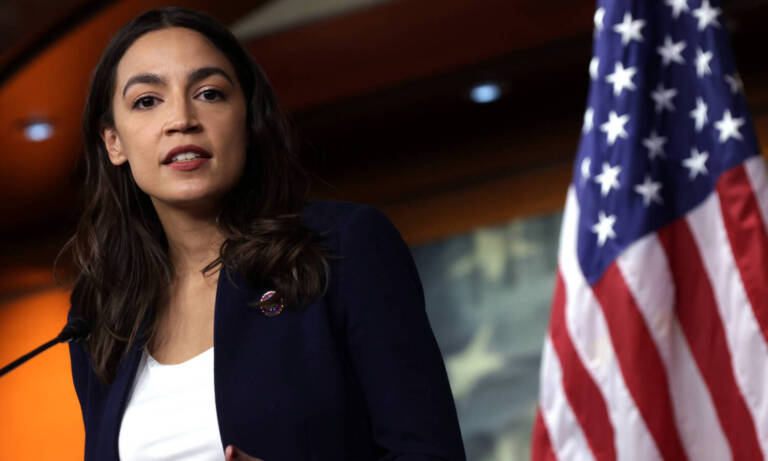
Rep. Alexandria Ocasio-Cortez (D-NY) is once again standing up for immigrants. In a Tuesday interview with Pod Save America, AOC applauded President Biden’s recent cannabis pardons but criticized them for excluding immigrants who were undocumented at the time of their offense.
Photo by Drew Angerer/Staff/Getty Images
She highlighted the importance of having a Democratic Party that fights for Latino communities and immigrants.
“The Democratic Party has not tried in terms of Latino electorates. And I mean, where’s our DREAM Act? Where is our immigration reform? And, even recently with President Biden’s marijuana executive order, I very much applauded that he went there, but he exempted people if they were convicted while they were undocumented,” the congresswoman said.
“That is 90%. We’re looking at the overwhelming majority of people who have been convicted that would benefit from that pardon, they have status complications,” AOC added. “We really need to step up, both in our efforts on campaigning but also our efforts in governance.”
The U.S. Sentencing Commission (USCC) from 2016 noted that 92% of all federal cannabis possession cases in fiscal year 2013 occurred at the southern border and 94% of those arrested were nonresidents, reported Marijuana Moment.
“I see these conversations, and it’s tough because on the other side, they have no qualms about having an anti-immigrant message, but I think we get scared of that,” said the NY representative. “And that segmentation prevents a clear message, and that lack of clarity makes it hard to win people over.”
This is not the first time Ocasio-Cortez has commented on the issue. She raised the question shortly after Biden’s announcement. “If the US is admitting these laws were unjust, then we shouldn’t discriminate pardons based on citizen status. Let’s get that liberty and justice for ALL,” she wrote on Twitter.
This is truly great news.
And for people to truly be freed from having their lives haunted by unjust marijuana convictions, we must work to *expunge* records beyond pardoning.
Between that and descheduling cannabis, we can make huge steps forward for so many communities. https://t.co/cJVAvyOM0n
It is important to note that Biden’s pardons are estimated to benefit approximately 6,500 Americans, while some 40,000 people who were convicted on a state level remain unaffected unless state governors take Biden’s suggestion and do the same. Biden’s cannabis pardons also do not apply to members of the U.S. military, confirmed a White House official.
Taking all these “exemptions” from the pardons, it comes as no surprise that cannabis activists protested outside of the White House on Monday, urging Biden to keep on his promise and release those incarcerated over marijuana-related offenses. The action was organized by Students for Sensible Drug Policy (SSDP) the Last Prisoner Project (LPP) and DC and Maryland Marijuana Justice (DCMJ/MDMJ).
Watch AOC’s interview in which she criticizes Biden’s pardons: