Over the past year, Colombia’s president, Gustavo Petro, has criticized the War on Drugs and has asked countries all over the world to rethink their stance on these substances.
Colombia appears to be the next country on its way to marijuana legalization. On Tuesday, lawmakers approved a bill to legalize and regulate marijuana all across the country, earning almost unanimous support. It’s a first step towards legalization.
The proposed ruling would set the groundwork for legal cannabis sales, ensuring that revenue is distributed across municipalities and can support issues like public health and education.
Photo by Guillermo Legaria/Getty Images
The proposal includes a breakdown of how cannabis legalization would work and impact the country. In Spanish, the bill explains several things, making it clear that the legal use of the drug is meant for people that are of age and promoting a message that echoes what Colombia’s president has been saying ever since he was elected, which is to remove the criminal aspect associated with the drug and to focus on harm reduction and public health.
“With this legislative act, we will promote strategies that benefit farming and we will implement tools to battle marijuana’s illegal trafficking, betting on public health and social growth,” reads the bill.
Over the past year, Colombia’s president, Gustavo Petro, has criticized the War on Drugs and has asked countries all over the world to rethink their stance on these substances.
“The War on Drugs has lasted 40 years. If we do not correct the course, and this continues another 40 years, the United States will see 2.8 million die of overdoses,” said Petro when addressing the United Nations. “You will see millions of African Americans be imprisoned in their private prisons.”
“I propose to you, as President of one of the most beautiful and bloodied countries on Earth, to end the War on Drugs and thus allow our people to live in peace.”
Previously, Petro had informally talked about legalizing marijuana and seeing what benefits that could provide for the country. “Let’s see if by exporting cannabis we make a few dollars because in part of the world the drug is legal,” said Petro in a translation per Noticias RCN. “Why can’t the farmers from Cauca plant cannabis?,” he said, referencing a region in Colombia known for its prolific farming.
Petro has yet to make any statements or shows of support for the bill that was approved on Tuesday.
The marijuana market is growing on native lands, which are exempt from the state’s rules and regulations.
Marijuana stores are popping up in unexpected places. In NY, native lands are selling weed with tribal members have taken matters into their own hands, creating a functioning marijuana business that’s exempt from the state’s law. This means that marijuana shops are popping up in unorthodox locations, including gas stations, which are coming up with deals like handing out a joint per every 10 gallons of gas sold.
The New York Times reports that this phenomenon is occurring in different locations with different tribes getting a jump on the legal cannabis market, even though state dispensary applications are in the process of earning approval.
New York state legalized marijuana in March 2021, creating a state of confusion as they geared up for a functioning legal market. Some tribes have taken the green light of legalization to create marijuana markets of their own, which are then supported by their tribal governments, which have created rules and regulations to support the nascent business.
These tribes are located in different areas of the state, from the Canadian border to smaller tribes on Long Island. Businesses that have popped up in gas stations tend to operate in the back of the building and have become a source of income for tribal governments, free of the state’s influence, at least for the time being.
“Because we don’t need a license from the state, because we don’t have to have permission to enter in the industry from the state, we are a true, authentic Native American cannabis business,” said Chenae Bullock, a member of the Shinnecock tribe and manager of Little Beach Harvest the tribe’s leading marijuana business. “This business is going to not only provide jobs, and establish careers in an industry, but also have business-to-business with other tribal members.”
Unlike other marijuana businesses that have gotten a headstart on cannabis, marijuana businesses on tribal lands are not subject to the state’s Office of Cannabis Management (OCM). “What’s happening on tribal lands right now, it’s outside our purview,” said Chris Alexander, director of the OCM.
While many have criticized the slow pace of the OCM, taking months to start accepting applications for dispensaries, Alexander disagrees and says that he’s proud of the progress the organization has made and how quickly they’ve been in taking in applications.
In addition to the sales decline, wholesale prices seem to be dipping to record lows, which is why a group of Colorado growers is asking the state to stop issuing cultivation licenses.
With sinking weed prices, cultivators want to halt new licenses. Colorado cannabis companies blame oversupply and are demanding change.
Medical marijuana (MMJ) sales in Colorado have significantly declined. So far this year, total sales have reached more than $1 billion, yet MMJsales for July reached just over $18 million, “the lowest monthly figure ever recorded since January 2014,” whenretail sales were legalized in Colorado.
In addition to the sales decline, wholesale prices seem to be dipping to record lows, which is why a group of Colorado growers is asking the state to stop issuing cultivation licenses, reports Westword.
According to the data from the Colorado Department of Revenue, the price per pound of all commercial cannabis reached a record low in September. The coalition of thirty cannabis cultivators and dispensary ownership groups in Colorado says oversupply is the main culprit.
“For the first time since legalization was implemented, marijuana sales and the revenue generated from marijuana taxes will be substantially lower than the previous calendar year,” the coalition wrote in a Sep. 15 memo. “The problem is further exacerbated by the country’s broader economic situation, with record-high inflation driving down sales of consumer goods. Despite a decrease in demand, the supply of marijuana continues to increase, with new licenses being issued and additional cultivation capacity being authorized to current licensees.”
Photo by traffic_analyzer/Getty Images
Similar Scenario In Michigan
The Great Lakes State seems to be facing the same issue. As a result, its largest cannabis operators recently launched an offensive meant to keep competitors from getting into the market.
Responding to demands from lobbyists for some of the state’s big growers, the Legislative Service Bureau drafted new legislation to prohibit the Michigan Regulatory Agency from issuing any new cultivation licenses.
The draft legislation effectively calls for a moratorium on licenses for an undetermined period of time.
The legislation should be presented after the November election.
Prices for recreational weed in Michigan dramatically dropped. In August, the average price of $1869 per pound fell 3.9% sequentially and 47.5% from year-over-year.
This article originally appeared on Benzinga and has been reposted with permission.
A cannabis label might easily include any desirable qualities in addition to the suggested basic appellation standards, just like a wine label can specify the location and method of production on a product’s label.
Within the past year, there have been different ideas to scale up the cannabis industry. One of the popular strategies was for growers considering identifying geographic locations where cannabis is widely grown. The growers said they got their idea from appellation and terroir designations in agriculture and winemaking.
Terroir is a phrase used to describe the climate, soil, and other environmental factors that affect the production of product batches in numerous sectors, including those that grow hops, coffee, maple syrup, and chocolate. It is widely used by the wine industry, which produces a lot of wine in Northern California. On the other hand, an appellation is a geographical area designated explicitly by law as where wine grapes were cultivated.
Integrating Terroir Into the Cannabis Industry
Terroir defines geographical locations, environmental features, circumstances, and influences that impact a plant’s genotype. These elements include soil type and farming methods to elevation and the surrounding area.
The French appellation d’origine contrôlée (AOC) classification, a wine regulation and appellation system in France, is based on terroir’s concept. The basis for the AOC classification is that the grapes exhibit distinctive characteristics unique to that region and its environs.
According to a viticulture and plant physiology professor at the University of California, Mark A. Matthews, the concept of terroir is a myth. In the professor’s book, Terroir and Other Myths of Wine Growing, he noted that climate and geographic characteristics could affect plant growth and produce. Mathews further explained that the term terroir is not precise in its definition and is mainly based on traditional beliefs.
Photo by GeorgePeters/Getty Images
Some of the natural factors that make up terroir are species growing on, in, and around plant plots, soil type, geomorphology, or the natural terrain of the surrounding places such as mountains, valleys, or water sources; climate; and geomorphology.
Integrating Appellation Into the Cannabis Industry
As previously mentioned, an appellation is a geographical area legally recognized and protected to indicate the precise spot where the grapes for a wine were cultivated. However, there are limitations besides geographic ones, such as those governing the permitted grape varieties, maximum grape yields, and alcohol content. Before an appellation name may be legally printed on a wine bottle label, other quality requirements must also be met. The country where the wine was produced determines the regulations that apply to appellations.
For example, the United States uses the American Viticultural Area (AVA). An official appellation is provided by an AVA, which is a certified wine grape-producing region in the United States that benefits both wineries and customers.
Since grapes cultivated in a particular region can have highly different characteristics, wineries want to inform clients about the geographic origin of their wines. Well-informed customers look for specific wines from particular AVAs and wines from those AVAs in general. A special bottle of wine from a famous AVA might fetch high prices and attract a large following of devoted consumers.
The Alcohol and Tobacco Tax and Trade Bureau (TTB), a division of the U.S. Treasury, establishes the borders of an AVA at the request of wineries and grape farmers. At least 85% of the grapes used to manufacture the wine must have been cultivated in the AVA if the AVA is listed on the bottle label. The wine must have been produced and entirely completed in the AVA’s state of origin.
Even more burdensome regulations apply to some particular states. For example, California mandates that all grapes used to produce wine come from the state and that the wine be completed entirely there. 95% of the grapes in a Washington wine must be cultivated in Washington, according to state law.
Photo by Terry Vlisidis via Unsplash
Relationship Between Terroir, Appellations, and Cannabis
The idea of using “terroir” to identify the provenance and environmental effects of a particular batch of cannabis has been discussed several times. Terroir, in the classic sense, would not apply since cannabis is frequently grown in highly controlled environs or using commercial growth medium, fertilizer, additives, etc… In contrast, terroir is focused mainly on the natural surroundings where wine is made.
Furthermore, because there are no N-P-K fertilizer treatments or pH adjustments made to the water or soil while growing grapes, it is impossible to apply the terroir and wine grape cultivation concepts to the production of cannabis. The soil still has its original makeup. The terroir of a particular region would be extolled without fertilizer, amendments, or pH adjustments, which is not ideal for the growth of high-quality cannabis.
Cannabis is manufactured and sold at the state level because it is federally prohibited, making it a regionally produced and controlled item. Many cannabis plants are grown inside, but other areas like Northern California’s Emerald Triangle are already well-known for their prolific outdoor cannabis production. As former hemp producers ready their products for adult-use sales, the Hudson Valley area of New York may become increasingly significant.
The proposed appellation’s boundary, facility acreage, the kinds of structures used for cultivation (if any), and a “description and evidence of the legacy, history, reputation, and economic importance of cannabis production in the area” are some of the details that California companies’ petitions for appellations must include, per the final CDFA regulations.
Photo by Anton Petrus/Getty Images
Additionally, following CDFA requirements, requests for California appellations contain details regarding “geographical attributes,” including regional temperatures, altitudes, and more. According to the laws, petitioners must offer “strong proof that the geographical region is different compared to places beyond the proposed border and other relevant locations which grow cannabis for sale into the marketplace.”
Bottom Line
Appellations may play a significant role in evaluation and categorization when cannabis gets legalized on a federal level. A cannabis label might easily include any desirable qualities in addition to the suggested basic appellation standards, just like a wine label can specify the location and method of production on a product’s label. Growers in Humboldt County who cultivate indoors and outdoors can also specify the precise microclimate and whether they do it indoors, outside, or in a greenhouse.
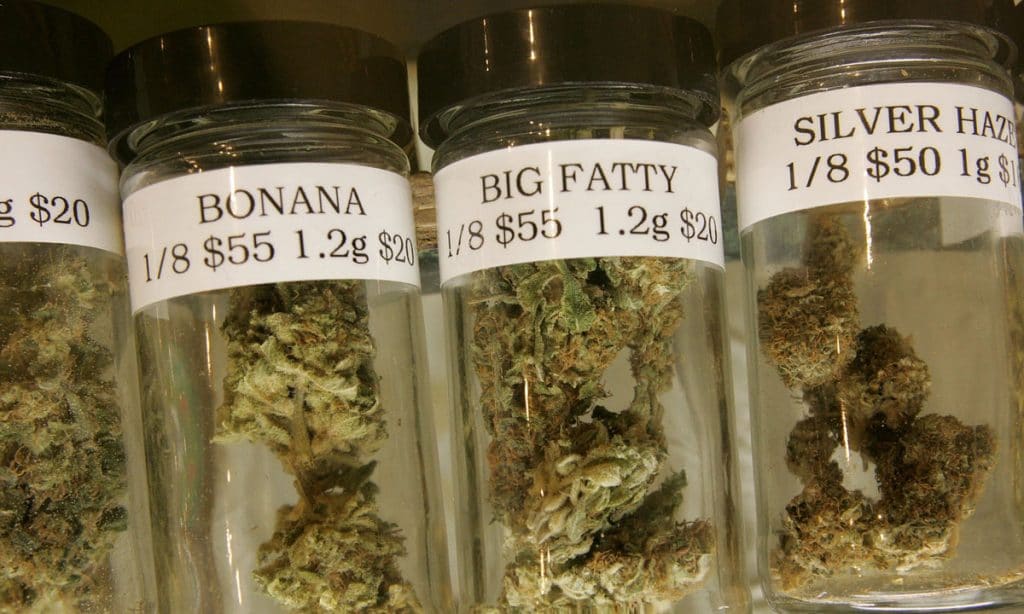
There is no international system of naming cannabis products. The name of a product is up to the breeder and the marketing agency in charge of promoting the product.
Cannabis products are named the same way everything else in the world is named. Some names are unusual, some fascinating, some silly, and others logical. Most of these names have a tale behind them.
There are also cannabis strains that are named after the other older strains in the generation. A perfect example of this can be found in the naming system of the Kush varieties. Strains like Sputnik and Pre-98 Bubba Kush were named after unforgettable events in history.
Photo by Zummolo/Getty Images
And finally, we have names that give an idea of the taste or flavor of the product, for example, Sweet Dreams or California Orange, etc.
Nowadays, the naming system of cannabis products is not enlightening, and some even leave you confused. Very little effort is put into naming these products. Breeders focus on developing the product with little thought going into how it is named. Every year, at least 20 new products are developed, with new names added to the already confusing pile of names.
Past System Of Naming Cannabis
In the 60s and 70s, marijuana started getting exported across major countries of the world. The modern cannabis was called landrace strains and their seeds were also ferried across cities to be transplanted in different regions.
Back then, strains were named based on the original geographical location. For example; Durban Poison from Durban, Colombian Gold from Colombia, Panama Red from Panama, and several others that originated from Afghanistan, Central America, Mexico, and Jamaica.
When breeders began to cross-breed these strains, the genetic diversity of cannabis was born.
The cross-breeding of these strains was done to satisfy the consumer’s hunger for better effects, new flavors, and aromas, and just to satisfy a farmer’s curiosity.
Some breeds were developed coincidentally.
Although many of these breeds are extinct now, their vacuum has been filled up by newer hybrids that we’ve created over the years.
Photo by Elsa Olofsson via Unsplash
Current Naming System Of Cannabis
There is no international system of naming cannabis products. The name of a product is up to the breeder and the marketing agency in charge of promoting the product.
The most common method being used by breeders in the country now is that a name is crafted by combining the names of the parent strains. A good example of this is the Triple G strain, the names of its parents — Gorilla Glue and Gelato 33 were cleverly combined into Triple G.
Some strains are named after some people as a way of honoring them. For example, the strain Ringo’s gift was named after one of the best CBD-Strain breeders named Ringo. Another example is Jack Herer which was named after the famous cannabis activist.
Like the early methods of naming strains, breeders still use the effects of a strain to name it. An example being Blue Dream. When a customer sees a product named blue dream, the first thing he makes of it is that it may induce a dreamy sedative state when used.
More often than not, breeders name a product after its morphology. For example, Purple Kush was named after its intense purple-colored leaves. The White Widow on the other hand was named after the abundant white trichomes present on its flowers.
Photo by Yarygin/Getty Images
A few strains have been named after celebrities and other icons for their market reach. A small sampling includes Khalifa Kush, named after rapper Wiz Khalifa, and Margaret Cho-G, named after comedienne Margaret Cho.
But like I mentioned earlier, a larger percentage of the names of products found in the market is random and meaningless in a way. These names have very little usefulness to the consumer.
Some breeders have claimed that these random names have hidden stories behind them, but regardless, these names hold no significance to the consumer.
Prospective Naming System Of Cannabis
The naming system of cannabis products needs to evolve globally. As more states adopt the use of cannabis legally, there will be an increase in the number of newly developed strains. The cannabis industry will be more mature if the names of the products are consistent and regulated.
Or better still, the names of cannabis strains will be specific to the breeder. For example, the cultivation of widely produced OG Kush will be limited to just one breeder, prohibiting other growers from using the name. This way, products will easily be traced to the producers with just their name.
Another way this can be done would be for a producer to attach their name as a prefix to the product’s name. This has been observed in states that have legalized the recreational use of cannabis products. An example is Emerald Jane’s Blue Dream and Artizen Blue Dream.
Photo by Justin Sullivan/Staff/Getty Images
Some of the other ways the naming system can be better regulated in the future include:
Abolish the names of all strains
Have a recognized system for naming cannabis strains. This could either be dependent on their effects, usefulness, or cannabinoid content.
Each state must have a regulated naming system
Last Words
The name of a cannabis strain must be consistent enough to guarantee the same effects whenever products with the same name are purchased. Having a regulated system of naming cannabis strains takes the pressure off marketing and PR strategists that most consumers feel are coming up with meaningless names.
Always confirm the source of a product before you consume it in any form. Also, do not forget to always procure your weed from respectable dispensaries. This way you’re sure the product is what the name inscribed says it is.
One of the measures would allow veterans to legally possess and use marijuana under federal law, as recommended by doctors in accordance with state law.
Recently, Senators filed another pair of marijuana amendments to a large-scale defense bill, the National Defense Authorization Act (NDAA).
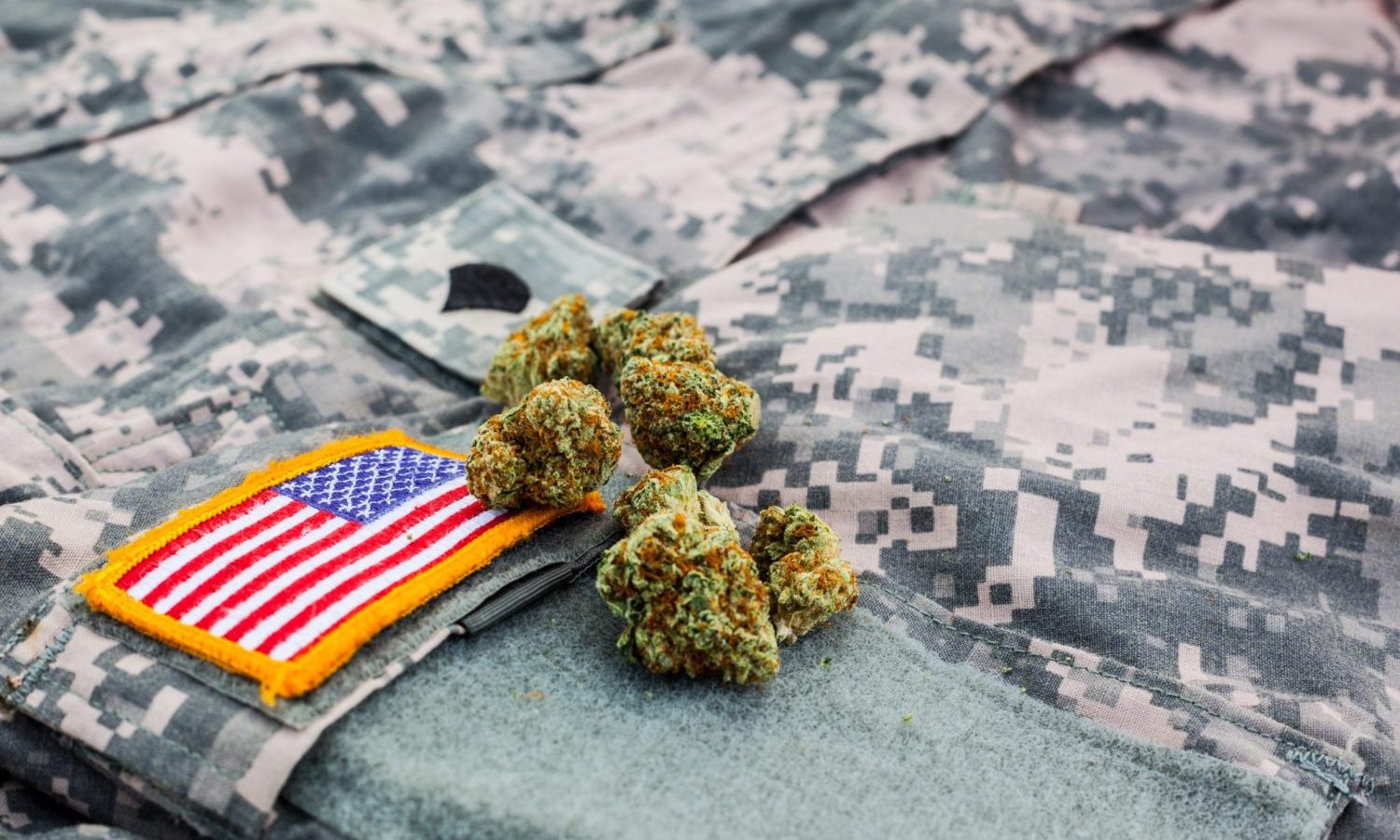
Cannabis-related amendments proposed for the Senate version of the NDAA include legalizing medical cannabis for military veterans and pressuring the VA to provide federal home loan benefits to veterans in the cannabis industry.
Sen. Brian Schatz (D-HI) introduced an amendment that mirrors the language of a standalone bill, the Veterans Medical Marijuana Safe Harbor Act “that he’s sponsoring,” reported Marijuana Moment.
Photo by RODNAE Productions from Pexels
What If These Measures Come Into Law?
One of the measures would allow veterans to legally possess and use marijuana under federal law, as recommended by doctors in accordance with state law. VA doctors would also be allowed to issue such recommendations for the first time.
Additionally, it would require the VA to study marijuana’s therapeutic potential for pain and reducing opioid misuse. The text said that Congress must provide as many funds as “necessary to carry out” the investigation.
In addition, Sens. Jacky Rosen (D-NV) and Cynthia Lummis (R-WY) separately filed an amendment to NDAA that simply expresses “the sense of Congress” that veterans “should not be denied access to Department of Veterans Affairs home loans on the basis of income derived from State-legalized cannabis activities.”
However, “many veterans continue to be denied access to home loans on the basis of income derived from State-legalized cannabis activities,” the amendment stated.
Related to the above, the senators said the VA “should improve communication with eligible lending institutions to reduce confusion among lenders and borrowers on this matter.”
Photo by DerwoodPhotography/Getty Imagess
Measures Recently Filed
Last week, Sen. Ron Wyden (D-OR) filed measures that would prevent the denial of federal security clearances for people over cannabis use at any time, while the other would limit the protection only to people who admit to past use prior to entering national security vetting.
According to one of the senator’s amendments, the “use of cannabis by an individual shall not be determinative to adjudications of the individual’s eligibility for access to classified information or eligibility to hold a sensitive position.”
The other one, which Wyden is sponsoring with Sen. Kirsten Gillibrand (D-NY), focuses on past cannabis use.
CBN has been shown to have some overlapping effects with CBD, such as anti-inflammatory activity. But using CBN particularly for sleep appears frequently in literature.
Scientists have confirmed the existence of over one hundred cannabinoids in Cannabis sativa, including cannabinol or CBN. What is CBN?
While tetrahydrocannabinol (THC) is the best studied cannabinoid, interest in the endocannabinoid system has spurred research into lesser-known cannabinoids like cannabidiol (CBD), cannabigerol (CBG), cannabichromene (CBC), cannabidivarin (CBDV), and tetrahydrocannabivarin (THCV), and cannabinol (CBN).
In this article, we’ll dive into using CBN for sleep, explore if the cannabinoid CBN has other health benefits, and look at which cannabis products have CBN.
Cannabinol explained
CBN was the first cannabinoid isolated in the 19th Century, and its chemical structure was defined in the 1930s. Early experimentation led to the observation that CBN could cause similar psychoactive effects to THC, but only at much higher doses.
Perhaps the most unique characteristic of CBN is the process through which it is synthesized. CBN is formed through the oxidation of THC — a process that occurs naturally when cannabis is exposed to the oxygen in air, similarly to how a sliced apple will brown.
Researchers report that it is difficult to make definitive conclusions about the effects and potential uses of CBN. Studies show that CBN potentiates the effects of THC in humans, but antagonizes the effects of THC in mice. Other contradictions concern how CBN affects dopamine and norepinephrine: some studies have found the CBN has minimal effects, while others have found that CBN may enhance or suppress the release of these neurotransmitters.
CBN has been shown to have some overlapping effects with CBD, such as anti-convulsant activity and anti-inflammatory activity. One particular use for CBN appears frequently in the literature: using CBN for sleep.
Photo by Mpho Mojapelo via Unsplash
CBN for sleep
Sleeplessness, defined by one study as “less than seven hours of sleep at least two nights a week,” is “a chronic condition for up to 36% of the U.S. population,” resulting in massive loss of productivity and “increasing the frequency, severity, and medical costs of personal injury.” A lack of sleep is also associated with a host of ailments, including obesity, high blood pressure, hyperlipidemia, inflammation, heart attack, stroke, and diabetes.
The same study notes that CBN has demonstrated relaxing and sedating effects without intoxication — meaning that CBN, when taken in an effective dose, doesn’t give the same “high” as THC, but may still provide similar wellness benefits.
This study used hemp-derived CBN “treated using proprietary nano technology to produce a water-soluble liquid” meant to be added to water before sleep instead of a traditional cannabis extract. This specific CBN formulation appears to have greater bioavailability than similar supplements made with traditional methods given the efficacy at low doses of 1-4mg.
The study reports that CBN had a generally positive impact on the participants. CBN significantly decreased the number of individuals experiencing sleep difficulty. Side effects such as morning grogginess were resolved through dose adjustment, and over 70 percent of a subgroup that took other medications or supplements for sleep were able to discontinue them.
Another study reviewed the effect of administering a combination of CBN and THC via extended-release capsule to 35 participants who were already medical cannabis users and had used cannabis as a sleep aid in the past.
Photo by cottonbro from Pexels
This study is affiliated with cannabis industry startup Curio Wellness, and states that the “validation study found that a repeat-action tablet [the specific type of extended release capsule used for this study] formulation of THC and CBN was associated with improved sleep quality.” Patients taking this formulation of THC and CBN reported improved sleep quality.
In a 2022 review on cannabinoids and sleep, Maddison et al. report that “CBN can moderate the intoxicating and psychological effects of THC,” and note the importance of finding new alternatives to traditional sleep aids, which can come with issues related to “poor adherence, tolerance, or side effects.”
The same review notes that many of the studies on cannabis and sleep “specifically recruited participants with a history of chronic or heavy recreational cannabis use, who appear to have poorer sleep than non-users” and that the “baseline or placebo data in these participants may be a reflection of sleep architecture associated with withdrawal.”
CBN cannabinoid benefits
While many people use CBN for sleeping, CBN has various other potential health and wellness benefits.
For example, a 2003 study explored the human skin permeabilities of Delta-8 THC, CBD, and CBN with the goal of determining whether any of the three cannabinoids could be used for transdermal combination therapy, a type of hormone therapy that is sometimes combined with chemotherapy.
The study found that the permeabilities of CBD and CBN were ten times higher than THC, suggesting that both cannabinoids could be adapted into transdermal products.
In another study, Wong and Cairns (2019) found that CBN had nearly indiscernible effects on motor function and was actually more effective for pain relief when combined in a 1:1 ratio with CBD than when used on its own. Although both CBD and CBN were found to be less effective for pain relief than THC, the lack of intoxicating effects from either makes them worth further research.
Photo by 24K-Production/Getty Images
CBN also might serve as a non-intoxicating alternative to THC for users looking to stimulate appetite. One study conducted on the effects of CBN and CBD on rat feeding patterns found that administration of CBN resulted in reductions of time between eating bouts and “significant increases in the food consumed during the first hour and meal,” indicating that CBN stimulates appetite.
Additional potential medical and wellness benefits of CBN include its “anticonvulsant, anti-inflammatory, antibacterial (specifically against MRSA), anti-proliferative, and anti-tumor effects.”
Where to find CBN products
As we noted above, CBN has historically been most commonly found in aged cannabis products.
More reliable sources include CBN tinctures, which are the most widely available product for users looking to incorporate CBN into their cannabis consumption routine.
To make CBN yourself, expose your flower to oxygen and light, and wait.
According to one study conducted in 2010, decarboxylated THC has a half-life of about a year when stored in daylight at room temperature, meaning that about half of the THC will have degraded into CBN at that point. If you’re interested in speeding up the process, the same study reports that cannabis concentrates degrade significantly faster, with a half-life closer to 35 days when stored under the same conditions.
Those who think that drug misuse is getting more serious in the US don’t see cannabis as one of the causes.
Most Americans don’t think weed is dangerous, but they have another concern a new survey by Rasmussen Reports revealed. The poll questioned 1,000 Americans about drug misuse and whether they believe marijuana is dangerous or a gateway “to more dangerous drugs,” reported Marijuana Moment.
Key Takeaways
Some 59% of respondents agree that drug misuse in the U.S. is getting “worse” in general, compared to 9% who think health issues are improving.
As many as 28% of respondents believe cannabis is either not very dangerous or not at all dangerous – 29%.
For 23%, cannabis is “somewhat dangerous” and some 12% view it as “very dangerous.”
Most Democrats (60%) said they didn’t think that cannabis is dangerous, compared to Republicans who are divided, with 48% thinking it is at least somewhat dangerous and 45% believing it isn’t.
Photo by Daria Kulkova/Getty Images
What’s important is that 56% of those who think that drug misuse is getting more serious in the US don’t see cannabis as one of the causes nor think of it as dangerous.
What about marijuana being a gateway drug? Respondents seemed to be evenly divided on this, with 46% thinking it is either “very likely” or “somewhat likely” that marijuana use “leads to the use of more dangerous drugs,” versus 46% who don’t believe this is likely.
The survey questioned 1,000 American adults from September 14-15, with a margin of error of +/-3 percentage points.
Rasmussen Reports is an American polling company founded in 2003. The company engages in political commentary and the collection, publication, and distribution of public opinion polling information. Rasmussen Reports conducts nightly tracking, at national and state levels, of elections, politics, current events, consumer confidence, business topics, and the United States president’s job approval ratings. Surveys by the company are conducted using a combination of automated public opinion polling involving pre-recorded telephone inquiries and an online survey.
In a recent interview, he expressed his finding that “people almost exclusively talk about their quality of life getting better when using cannabis as compared to opiates.”
In the field of medical cannabis, not many issues have been hotly debated as that of cannabis in relation to opioid addiction. (Is cannabis the ultimate exit drug for opioid addiction?) Given that millions of Americans are hooked on opioids and struggling to find an exit, the controversy is not surprising. Here his a physician’s advice on how to use cannabis to manage chronic pain.
For a number of years, a 2014 “review of death certificates” served as a landmark study proving that opioid-related overdose deaths were reduced in states with legal cannabis programs. This study has been cited time and again when the issue of cannabis and opioids comes up. However, a subsequent review showed that this correlation weakens when you look at studies extending beyond the 2014 period.
A 2017 study found a minimal reduction in opioid-related overdose deaths in states with legal adult-use cannabis programs. However, no significant correlation was observed in a 2020 study. While it appears that post-2014 evidence is jumbled up, having the right policies in place could significantly reduce opioid-related harms.
Peter Grinspoon is a medical doctor who is both a thought leader and pacesetter in the field of medical cannabis. He’s authored a book, “Free Refills,” that narrates his struggle with opioid addiction and how has been able to break free. His second book, “Seeing through the smoke,” is in the pipeline. He is an internist as well as a medical cannabis physician working at the Massachusetts General Hospital. He is also a Harvard Medical School instructor. He is an acclaimed speaker on matters of cannabis and addiction.
Photo by Cappi Thompson/Getty Images
Speaking to Filter Magazine, he expressed his finding that “people almost exclusively talk about their quality of life getting better when using cannabis as compared to opiates.”
Dr. Grinspoon believes that medical cannabis is a solution to the opioid crisis and recommends the following strategies for recommending cannabis for chronic pain:
Start new chronic pain patients on cannabis instead of offering NSAIDs or opioids to reduce the risk of adverse effects that come with long-term use of these drugs
To gradually transition chronic pain patients from opioids to cannabis voluntarily
To use cannabis and opioids together to manage chronic pain
To use cannabis to manage opioid addiction
In 2020, there were 91,799 opioid-related overdose deaths in the United States. Other complications from opioids include bone thinning, physical dependence, and tolerance. While chronic cannabis use may also trigger physical dependence, it’s hardly ever problematic.
Cannabis and opioids work on different systems in the body, but they have overlapping effects, especially analgesia. Cannabis, however, does not cause respiratory depression and hence the risk for cannabis-related overdose deaths is theoretically nil. For mild to moderate pain, opioids might be a safer and more effective alternative for pain management, especially when long-term care is in the picture. But again, qualified prescribing doctors are best placed to advise on a case-by-case basis.
As this landscape of marijuana users continues to shift, here are some interesting findings as to exactly who is smoking marijuana these days.
If you’re at a Pink Floyd light show, the odds are the person next to you is high. But what about when you are at a grocery store, or waiting in a procession for your college diploma, or in a voting booth?
Marijuana users come in all forms. They don’t all look the same, especially in today’s world where cannabis is much less associated with its burnout stigma that clung to it during the War On Drugs era.
In fact, there really is no “type” of marijuana user, at least not according to most recent studies. Usage is up in many categories, from baby boomers to young women. With many states and companies loosening laws and policies on drug testing at work, the odds that your co-worker is a cannabis enthusiast may have gone up significantly as well.
As this landscape of marijuana users continues to shift, here are some interesting findings as to exactly who is smoking marijuana these days.
Photo by Cavan Images/Getty Images
No, Cannabis Users Aren’t Lazy Stoners
The idea that cannabis users are unmotivated high school dropouts is a stereotype that is disappearing, mostly due to the fact that it simply is not true. According to the most recent Gallup Poll, both college graduates and those without a college degree enjoy smoking weed in similar numbers. According to thepoll, 12% of college graduates say they consume marijuana while 18% of non-graduates say they consume.
The authors of a June 2021 study wrote that, “Marijuana users are equal to or more likely to exercise than non-users,” adding that, “the commonly held perception that marijuana users are largely sedentary is not supported by these data on young and middle-aged adults.”
So the idea that cannabis makes you lose your ambition is not exactly a sound argument.
Democrats Are More Green Than Republicans, for Now
According to the same Galluppoll, 20% of Democrats smoke marijuana, while only 12% of Republicans say they indulge (with independent voters coming in between the two at 17%). This statistic alone is likely not all that surprising, seeing how historically Democrats in power have historically been more supportive of cannabis legalization.
However, Republicans and Republican lawmakers are starting to come around to the idea of cannabis legalization, suggesting that perhaps in the not too distant future Republicans may use, or at least support, marijuana as much as Democrats.
Several studies, including one poll we recentlyreported on, suggest that support for cannabis legalization within the Republican party is on the rise. Republican candidates are even currently supporting and drafting cannabis legislation. This means that in some states, people can vote for a Republican and vote for cannabis legalization at the same time. Times have changed.
Photo by RODNAE Productions from Pexels
Baby Boomer Pot Use Is Booming
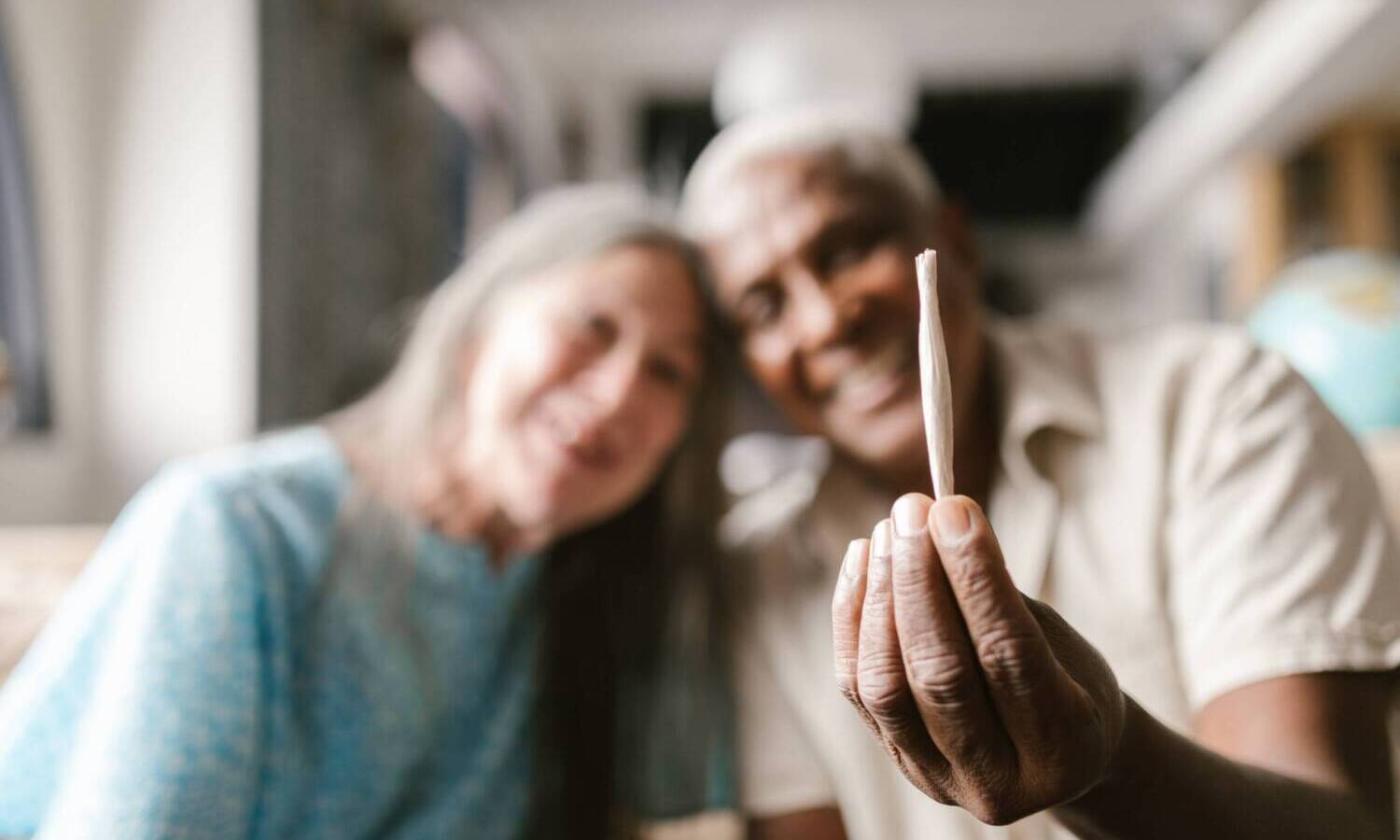
It may have taken several decades, legalization and a change in the general societal view of marijuana, but it seems as though Baby Boomers are finally starting to embrace cannabis use in their golden years.
“Consider that not even 10 years ago 0.4% of adults 65 and older said they had used marijuana in the past year, and now it’s 10 times that at 4%,” Benjamin Han, a NYU School of Medicine professor told Reuters in 2020. Han was also the lead author of a study conducted by JAMA Internal Medicine, which discovered this increased cannabis usage he mentioned. While this group still does not consume marijuana nearly as much as younger generations, this increase means that there is perhaps less of a wall between generations when it comes to marijuana use as some might think.
The Future of Cannabis Is Female
While many demographics have shown an increase in cannabis use, none have shot up recently as much as Generation Z women. “Year-over-year sales for Gen Z women, defined as those born in 1997 or later, grew the fastest in 2020 compared to any other cohort, at 151%,”reported NBC News.
There are many possible reasons for this large spike. Some reasons include the ease and inviting atmosphere of cannabis retail facilities, and also the growing interest to use low doses of marijuana to treat anxiety and other conditions instead of prescriptions. “The future of cannabis is female,” said Bethany Gomez, managing director at Brightfield Group.