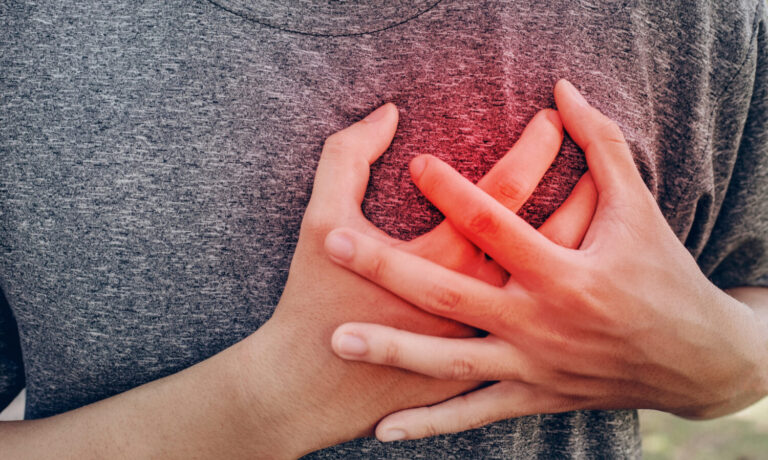
New data found that people with this condition have a tougher time recovering after a heart attack.
Heart disease is one of the most common conditions that affect people in the United States. And with this disease, complications follow a heart attack it seems from new data. The study indicates that those with autoimmune diseases are more likely to die or suffer further cardiac incidents after their first heart attack.
These people were also less likely to receive common post-cardiac event procedures, likely due to the fact that they were at a higher risk for further complications.
Photo by Kelly Sikkema via Unsplash
Published in the Journal of the American Heart Association, the study examined whether or not people with autoimmune diseases were more likely to suffer from health complications following a heart attack.
Historically, autoimmune conditions like rheumatoid arthritis, lupus, psoriasis, and more, are likely to increase the risk of cardiovascular disease. People with these conditions are more likely to suffer from chronic inflammation and a variety of issues, while also being exposed to long-term medications, making them the perfect target for a host of conditions.
Over 1.6 million people were analyzed for the study, with researchers obtaining this data through Medicare Provider Analysis and Review File between 2014 and 2019. All subjects were over the age of 65 and had been admitted to the hospital with a heart attack diagnosis over this period of time.
Researchers discovered that people with autoimmune diseases were younger than those who didn’t have this condition and that a large percentage of them were women. They also found that people with autoimmune diseases were more likely to die by any cause (15%), were more likely to be hospitalized for heart failure (12%), more likely to have another heart attack (8%), and more likely to have another procedure related to their arteries (6%).
“Traditional CVD (cardiovascular) risk factors are accentuated in this population and how these risk factors manifest is also unique,” said lead study author Heba Wassif, M.D., M.P.H. “For example, cholesterol levels are affected by inflammation, therefore patients with active inflammatory disease have lower levels of cholesterol, a phenomenon known as the lipid paradox,” she said. “Physical activity, which is highly recommended to improve cardiovascular outcomes, may be limited by joint pain. Furthermore, some disease-modifying agents may increase cardiovascular risk. Knowledge of these nuances and a team-based approach may improve outcomes.”
Autoimmune diseases are some of the most mysterious conditions for people to live with. Often, doctors and experts don’t have all the answers, making treatment difficult and uncomfortable. These conditions are also incredibly risky, affecting people’s health in a variety of ways.
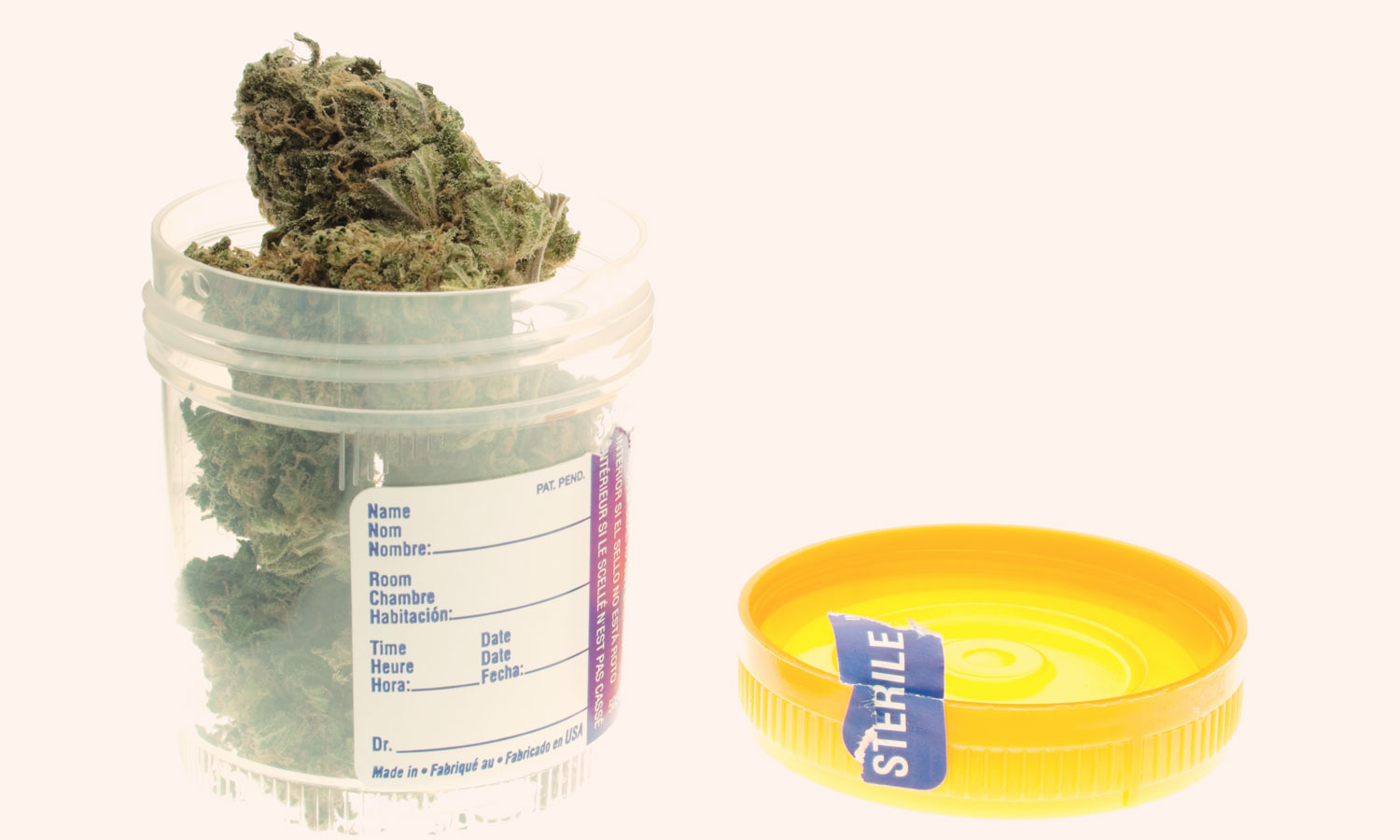
Currently, saliva, urine or blood testing are the most popular ways to find marijuana in the system. That being said, some states have started piloting oral fluid pilot projects.
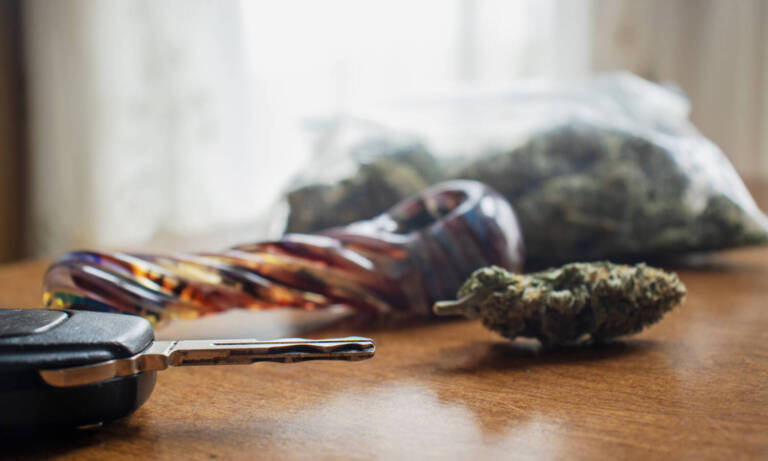
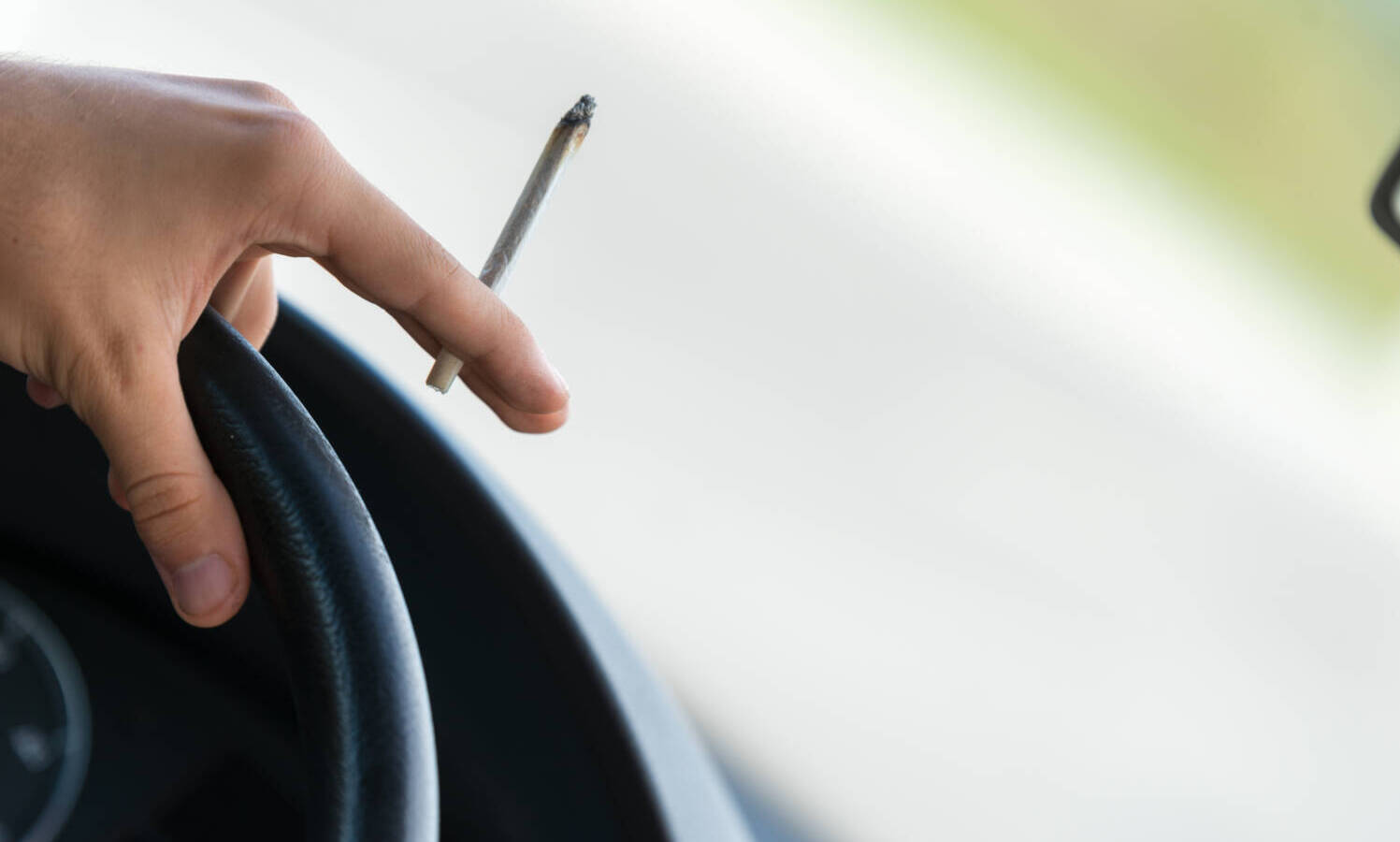
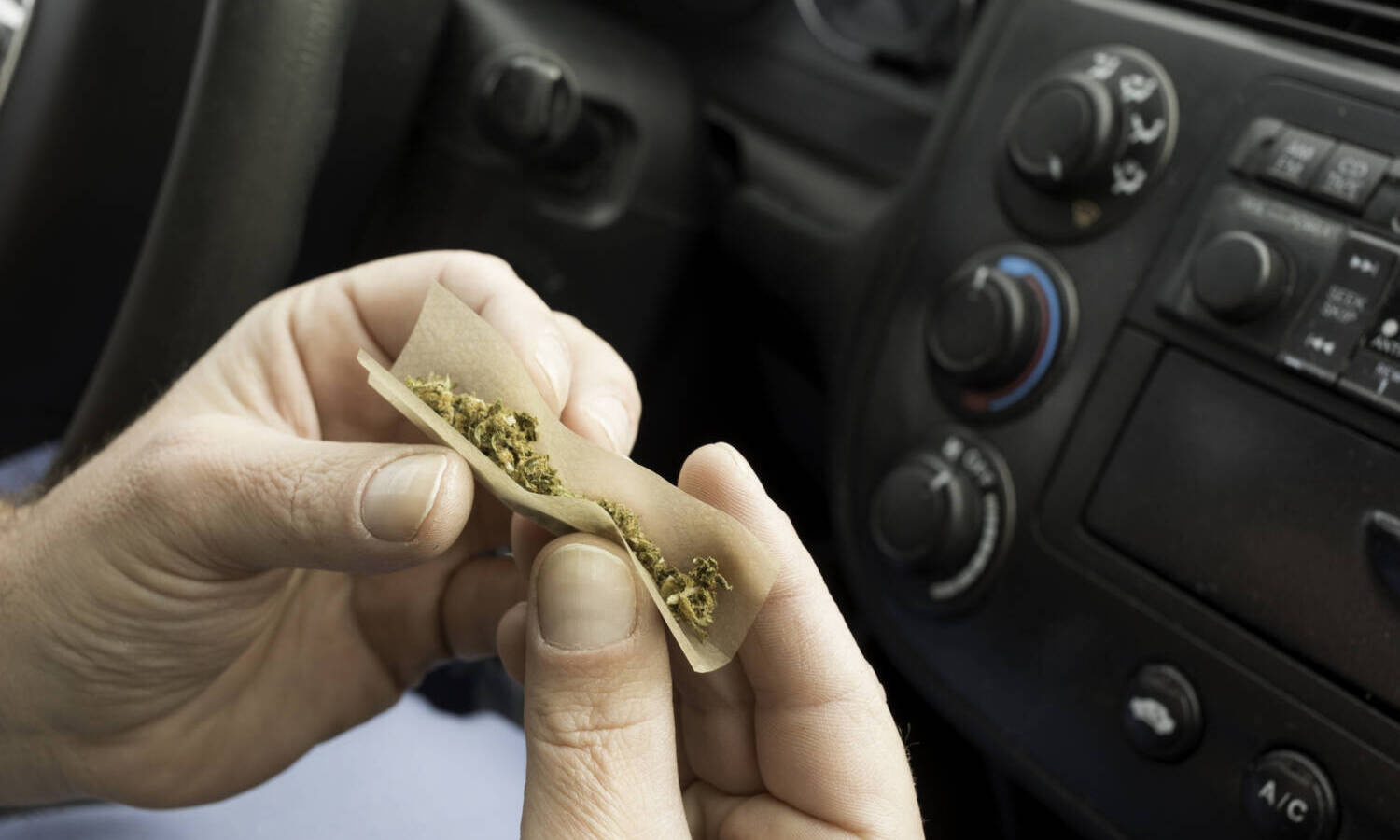
DUID (driving under the influence of drugs) appears to be a contributing factor in crashes involving impaired driving. According to the National Highway Traffic Safety Administration’s 2013–2014 National Roadside Survey, there was a decline in drivers’ alcohol consumption from 1973 to 2013-2014. On the other hand, there was a rise from 8.6% in 2007 to 12.6% in 2014 in the proportion of night-time weekend drivers who screened positive for cannabis use.
A study carried out in 2013-2014, concentrated on drugs that could potentially impair driving skills, such as, prescription, over-the-counter, and illicit drugs and found that 8.3% of weekend night-time motorists screened positive for alcohol (a blood alcohol level of over .005) and 1.5% had a blood alcohol level of.08 or greater, 22.5% had a positive drug oral fluid and/or drug blood test. The study does note that impairment is not always present when drugs are present. NHTSA reports that marijuana use quadrupled between 2007 and 2016, from 25% to 42%, among motorists who were fatally injured and who had drug tests.
Photo by sestovic/Getty Images
Difficulty Testing For Drug Use
Due to the limits of drug detection technologies and the lack of a consensus threshold to define impairment, doing tests for drug impairment is challenging. .08 g/mL blood alcohol concentration is the threshold of impairment for drunk driving in the United States. But for driving while under the influence of drugs, there is no comparable national standard. People respond to drugs differently each time. Additionally, marijuana and other drugs can linger in the bloodstream for weeks, making them visible in roadside tests even if they no longer cause impairment.
Because motorists who might be under the influence of both cannabis and alcoholic beverages are frequently ticketed for having high blood alcohol levels and infrequently tested for other substances, it is therefore challenging to track cannabis-impaired driving.
Each state has a statute that, in some way, addresses the problem of driving while high on marijuana. Oral fluid roadside testing systems are in place or are currently being used in Alabama, Michigan, and other states to check drivers for cannabis and other substances that might impair their ability to drive safely. States are also investigating ways to improve crash and citation data collection in order to strengthen DUID legislation and enforcement.
States and Their Drug Stance
The use of cannabis for recreational purposes is legal in 18 states, as well as Washington, D.C., Guam, and the Northern Mariana Islands; these states are Maine, Arizona, Colorado, Michigan, Alaska, California, Connecticut, New York, Nevada, Illinois, Oregon, New Mexico, Massachusetts, New Jersey, Vermont, Washington and Virginia.Thirty-seven states, including Washington, D.C., Puerto Rico, the United States Virgin Islands, and Guam permit extensive public medical cannabis programs.
In 2020, Oregon became the first state to authorize psilocybin (psychedelic plant) products for anyone age 21 and older.
Tetrahydrocannabinol (THC), the chemical in cannabis that gives it its intoxicating effects and causes impairment, has specified per se limitations in these five states: Montana, Illinois , Ohio, Nevada, and Washington. These limits range from 2 nanograms per milliliter (ng/ml) of blood to 5 ng/ml. According to per se law/legislation, a person is deemed legally impaired after it is established that they have reached or exceeded the legal limit.
Colorado’s rational inference rule stipulates that in circumstances when THC is discovered in a motorist’s blood in concentrations of 5ng/ml or greater, it is permissible to believe the driver was driving under the influence. Laws based on reasonable inference are different from per se legislation in that they let those who have been charged with driving to provide an affirmative defense to demonstrate that they were not impaired even when their test results were at or over the legal limit.
THC, among some other substances, remains completely illegal in 12 states, namely Arizona, Delaware, Georgia, Indiana, Iowa, Michigan, Oklahoma, Pennsylvania, Rhode Island, South Dakota, Utah, and Wisconsin.
The percentage of motorists in Washington who test positive for cannabis after a severe collision has doubled, from approximately 9% to nearly 18%, according to recent study from the AAA (American Automobile Association) Foundation for Traffic Safety. This occurred after the state legalized it in 2012. The study did not establish a causal connection between legalizing cannabis and an increase in the number of motorists involved in severe accidents who tested positive, the study also revealed.
The number of casualties in accidents when drivers tested positive for THC increased from 18 in 2013 to 77 in 2016 in Colorado, where cannabis for recreational use was likewise authorized in 2012.
Photo by JasonDoiy/Getty Images
According to the American Automobile Association’s 2020 Traffic Safety Culture Index, the majority of respondents (69%) and (87%) respectively believe that it is very or extremely unsafe to drive after taking cannabis and taking other potentially impairing prescription drugs. The index also revealed that 77% of poll respondents are in favor of outlawing driving while having a particular level of marijuana in their system.
Currently, saliva, urine or blood testing are the most popular ways to find marijuana. That being said, some states have started piloting oral fluid pilot projects. Alabama, for instance, used oral fluid testing devices for both evidentiary and screening purposes in its initial pilot program before converting it into a permanent oral fluid toxicology program.
State police in Michigan were given the green light to create a pilot program for oral fluids under Public Act 242 and 243 of 2016. The oral fluid test was administered during the initial pilot in five counties by professionals in drug detection. This initiative was not voluntary, in contrast to earlier ones (such the three-year Colorado test program that began in March 2015), as drivers did not have the choice to refuse to provide a sample. It was a civil offense to refuse to take an oral fluid test. The program is now run statewide and has been extended for one year, ending on September 30, 2020.
Bottom Line
Frankly, driving under the influence of drugs should be outright prohibited. Even with the new trend of cannabis legalization everywhere, there has to be room for that boundary. With the number of accidents recorded from this DUIs, this should not even be a discussion.
Rep. Jared Huffman and Rep. Earl Blumenauer filed a bill that would help small cannabis growers compete against multi-state operators when (and if) marijuana is federally legalized.
With this legislation, titled the “Small and Homestead Independent Producers (SHIP) Act,” the two congressmen are proposing to give growers the ability to ship and sell products directly to consumers within and across state lines, reported Marijuana Moment.
Congress continues to work toward ending the marijuana federal ban, and the ideal would be that after legalization, markets become available for everyone who wants to build their own cannabis businesses.
In July, the long-awaited U.S. Senate legislation that would decriminalize and deschedule cannabis on the federal level, while also promoting social equity, was unveiled. Known as the Cannabis Administration And Opportunity Act (CAOA) the bill (sponsored by Senate Majority Leader Chuck Schumer and Senators Ron Wyden and Cory Booker) proposes a comprehensive marijuana reform.
Photo by CRYSTALWEED cannabis via Unsplash
What Is In SHIP Act?
The SHIP Act addresses concerns that smaller businesses will find it difficult to compete with large corporations, which have the resources and infrastructure to expand rapidly when marijuana becomes federally legal. For this reason, one of the objectives of the legislation is to allow small growers to consolidate themselves in the market, just as the multi-state operators do.
The legislation is designed to minimize that risk and maximize opportunities for those smaller farmers and producers.
“It is a daunting business environment that they’re facing. Markets are consolidating,” Rep. Huffman told Marijuana Moment ahead of the bill’s introduction. “The huge multinational corporations are certainly going to do very well, but we want to make sure that the smaller operations have a chance to compete and succeed.”
Small Marijuana Producers, First on the Value Chain
Historically, direct-to-consumer models have benefited small farmers in traditional agriculture farms, allowing them to bring their produce to market without going through third-party distributors or retailers requiring additional expenses.
“A small cultivator of marijuana and a small manufacturer of a marijuana product may ship and sell marijuana or a marijuana product to an individual located in that State or another State in which possession of marijuana or the marijuana product is lawful by that individual, using the Postal Service or any private or commercial interstate carrier,” reads the text of the legislation.
Huffman, who represents a large swath of California long associated with the marijuana trade, said that he does not think folks are going to see “a lot of the mega-farms in my district” when marijuana is federally legalized. “You’re going to see a lot of mom-and-pop operations trying to keep the lights on,” he added.
Photo by Remedy Pics via Unsplash
Cannabis Means Social Equity
Moreover, Shaleen Title, co-founder of the Parabola Center and a former Massachusetts cannabis regulator who has advocated for equity-based solutions in the cannabis industry, said that her organization is “proud to endorse the SHIP Act—the first federal marijuana bill we have ever endorsed.”
“This is the only legislation so far that takes cannabis policy beyond the Big Tobacco model of industry domination and toward the craft cannabis model that benefits both small businesses and consumers,” Shaleen Title added.
In addition, Genine Coleman, executive director of Origins Council said in a press release that “the direct-to-consumer model is a necessary resource for any small-scale craft-producing community that is deeply tied to the land on which it creates—whether it produces wine, whiskey, cheese, beer, cannabis, or honey.”
Among trade organizations that have already endorsed the SHIP Act are Origins Council, Humboldt Country Growers Alliance, F.A.R.M.S. Inc, Washington Sun & Craft Growers Association, Vermont Growers Association, Maine Craft Cannabis Association, Farm Bug Co-Op, Big Sur Farmers Association, Nevada County Cannabis Alliance, Mendocino Cannabis Alliance, Trinity County Agricultural Alliance and the Sonoma County Growers Alliance.
The letter claims that indoor cannabis cultivation accounts for 10% of overall energy consumption in Massachusetts andcannabis grow emissions in Colorado are on par with trash collection and coal mining.
Republican Reps. Earl Carter of Georgia and Doug Lamborn of Colorado urged Senate Democrats to conduct research into the environmental impact of their proposed cannabis legalization bill.
“The American people must have a better understanding of the environmental costs of this rapidly growing industry,” wrote the lawmakers, which was obtained by the Washington Examiner.
“As Congress debates whether to advance marijuana legalization, the American people must have a better understanding of the environmental costs of this rapidly growing industry. If the Administration seeks to reduce emissions and protect our environment as aggressively as it has previously committed, we must have a comprehensive view of where emissions and other pollution occurs, as they will likely only grow,” wrote Carter and Lamborn.
Photo by Olena Ruban/Getty Images
Citing studies of the energy usage of the industry, the letter claims that indoor cannabis cultivation accounts for 10% of overall energy consumption in Massachusetts andcannabis grow emissions in Colorado are on par with trash collection and coal mining.
Carter and Lamborn asked the four agencies for “detailed responses” to these questions by Nov. 30:
How does current marijuana legalization impact state energy consumption and emission levels?
How would federal legalization of marijuana affect national energy consumption and emission levels?
What is the anticipated growth of energy usage and emissions from the marijuana industry?
How will growing energy demands from the marijuana industry affect the reliability of our electric grid?
What impact do illegal marijuana growing operations have on the country’s water supply?
What harms do illegal marijuana growers’ use of various fertilizers, herbicides, and pesticides pose to wildlife, habitats, and humans in the United States?
The letter was addressed to the Environmental Protection Agency and the US Departments of Energy, Interior, and Power in response to the bill released by Senate Majority Leader Chuck Schumer (D-NY), entitled Cannabis Administration And Opportunity Act (CAOA) and presented in the Senate in July.
The bill includes plans to remove marijuana from the Controlled Substances Act, expunge prior convictions and allow people who are serving time for applicable crimes to petition for resentencing, which also promotes social equity.
Schumer said that the proposal will “ensure restorative justice, public health and implement responsible taxes and regulations.” “The overwhelming evidence from the states that have legalized cannabis is there has not been an increase in crime and has not been an increase in drug use,” Schumer recently told reporters. “I think it makes a great deal of sense to legalize it.”
A new study found a link between marijuana use during pregnancy and a variety of mental health disorders in young children.
A new study suggests that children born from mothers who consumed cannabis during pregnancy have higher odds of experiencing a variety of mental health issues.
Published in JAMA Pediatrics, the study found that children whose mothers used marijuana in their fifth or sixth week of pregnancy were at higher risk of developing mental health problems.
Photo by Wes Hicks via Unsplash
The study has data from 10,000 students who were exposed to cannabis while in the womb, all between the ages of 11 and 12. Results showed that these kids were more likely to have ADHD and to exhibit aggressive behaviors, conduct disorders, and were more likely to break rules.
While researchers believe that these results should be kept in mind, especially in the case of pregnant women, they make it clear that the study doesn’t suggest that marijuana produces mental health disorders.
Like any other type of substance use during pregnancy, marijuana use has long been considered a risk. While cannabis can provide relief for pregnancies, particularly for those that are dealing with nausea, there’s not a lot of research on the matter.
The evidence that’s available is confusing and needs more research in order to draw definitive conclusions and to allow people to be educated on the substances they consume and the impact these can have on their bodies.
Now that marijuana is becoming legalized across the U.S. and in different parts of the world, it’s vital for responsible parties to equip people with all the information they can, especially when discussing children’s health.
Timing edibles can be tricky. There’s no exact science, but there are some tips that can help you get the most out of heightening experiences.
Edibles are growing significantly in popularity, and are finding their way into all sorts of activities. From exercise, travel, sleep and everything in between, someone is popping an edible and seeing if it enhances the experience. Edibles do, in fact, enhance all sorts of activities (when practiced safely, of course). But they also take time to work their magic.
When it comes to edibles, it’s all about timing. Too soon and you’re high before you want to be. Too late and you’re staring at your watch wishing you ate your gummy sooner and wondering how much longer it will take to feel the effects. While there’s no definitive answer, here are some helpful tricks to enhance your edibles experience.
When You Have a Long Journey Ahead
Best Time: During Pre-Boarding Announcements
Edibles are becoming a companion of the avid traveler. For those who take frequent long flights (five hours or more), or are frequent riders of long buses and trains, edibles can really take the edge off. Even if you aren’t able to sleep, the anxiety and restlessness decreases. Suddenly, looking out your window is interesting, and just like that – you’re at your destination. But timing your edible for a long journey is critical.
If you have a coast to coast flight or something similar, around 6 hours, then a standard dose edible (between 5 and 10 mg — depending on your tolerance) is perfect.
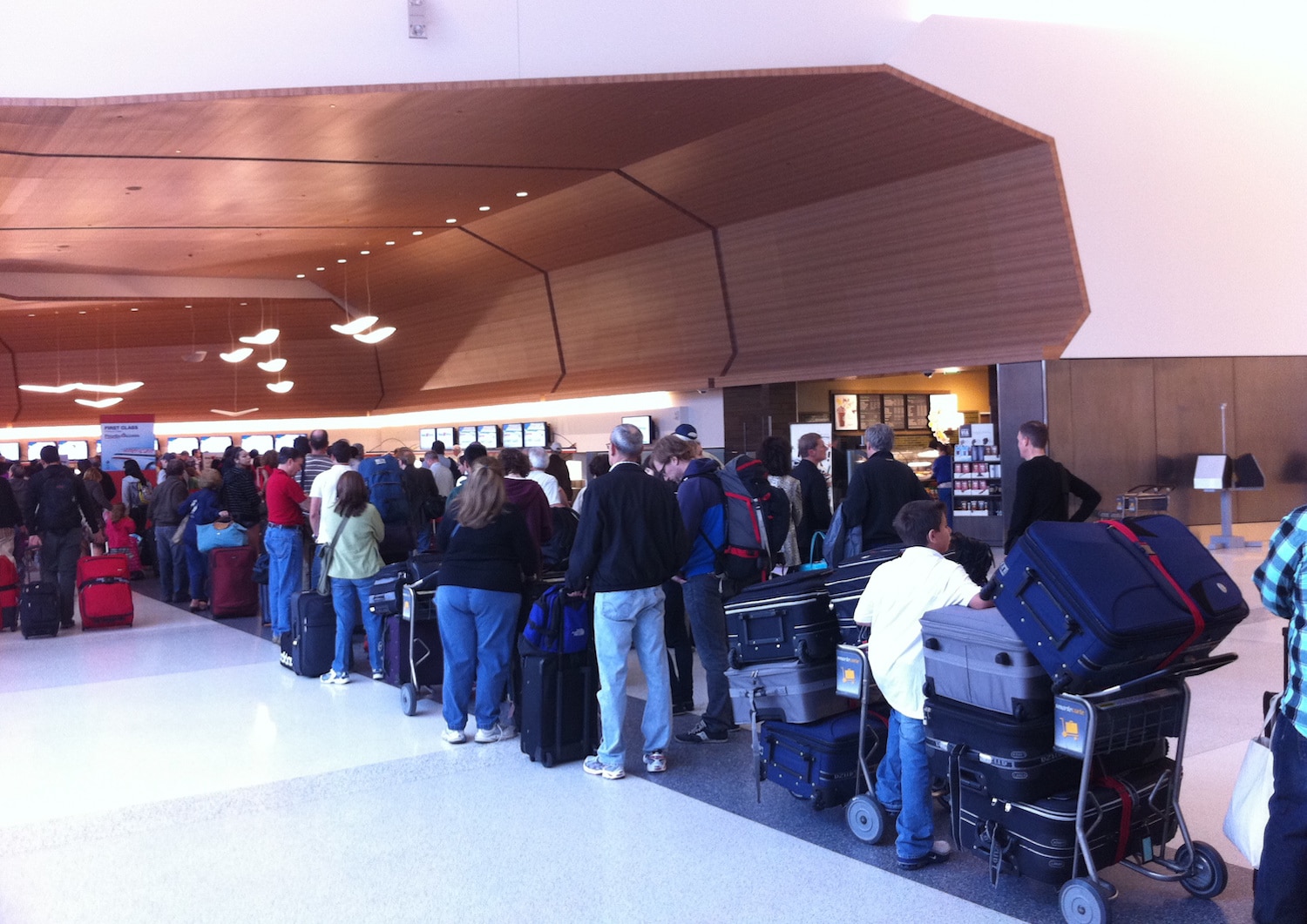
Since an edible should last for almost the entirety of your flight, you should want it to kick in just after departure. In order to have that timing, you would need to pop your edible before you prepare to board your train, bus or airplane. This, of course, would involve bringing it through TSA if you are flying. As wereported before, TSA might not be looking for your edibles, but they are under obligation to report them if they find them – so consider yourself warned.
Before the Concert
Best Time: After the Opening Act Plays Their First Song
As we have previouslyreported, marijuana and music are a wonderful pairing. But you want to make sure your edible is peaking when your favorite songs are playing, not when the opening act takes the stage. While concert security is less concerned with edibles than weapons and hard drugs, you might not want to risk having your edibles confiscated.
Try and get a detailed schedule, or call the venue to find out when the headliner is scheduled to perform. According toMusic Getaway, most opening acts play around 30 minutes, and sometimes a big longer. Figure about 30 minutes of a break between the opening act and the headliner, and you are looking at a little over an hour after you hear the first song by the opening act before you hear the main event. For this reason, try to wait until the opening act has played at least one song before you pop your edible. If edibles take a while to kick in for you, then pop it before you go through security.
Before Bed
Best Time: Before You Start Your Nightly Routine
More and more people are turning to cannabis in the form of CBD and THC to help with sleeping issues. Edibles are definitely the way to go, as they are long lasting and kick in gradually. Also, no one wants to smell like weed and smoke right after they finish a nightly routine and brushing their teeth.
Photo by Lux Graves via Unsplash
Instead, consider popping your edible before you start your evening routine. This way once you are fully winded down your edible will slowly start to reveal its effects. Keep in mind, however, that what you ate for dinner can impact how your edible kicks in. According toShape.com, “If you have a carb-heavy meal with little fat, expect the edible to take longer to sink in and have a shorter effect. With a fat- and oil-rich meal, the edible will likely kick in sooner and you’ll have a longer-lasting effect in the body.” So make sure you factor in your dinner and dessert into your timing.
A Day In Nature
Best Time: After You Lay Out a Picnic Blanket and Apply Sunscreen
Marijuana is a great way to help you reconnect with nature, and edibles are a great way to unlock this magic. The slow onset, and the long lasting experience can turn a day in the park into a truly mood altering activity. Edibles are ideal not only because they come on slower and last longer, but also because smoking may not be an option.
Many parks are smoke free (this usually includes tobacco and cannabis). In fact, according to American Non-Smokers Rights Foundationliterature, there are close to 2,000 parks (and all National Parks) that ban smoking. So edibles are definitely the safe way to go. But when is the best time?
Photo by Jennie Clavel via Unsplash
When it comes to marijuana and a day outdoors, it is important you have everything you need for the day before you get stoned. This means checking you have water, food, sunscreen applied and everything else you need to enjoy your day before you throw caution to the wind. So it is safe to say that once you have unpacked your materials, confirmed you have the necessities, you can officially pop your edible and apply some sunscreen.
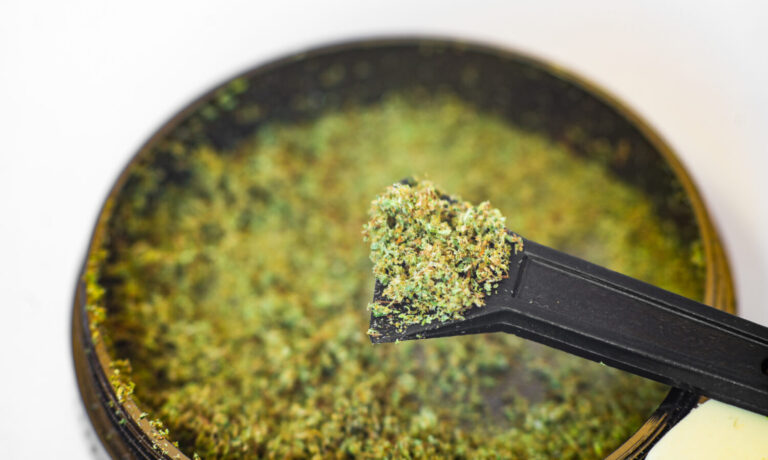
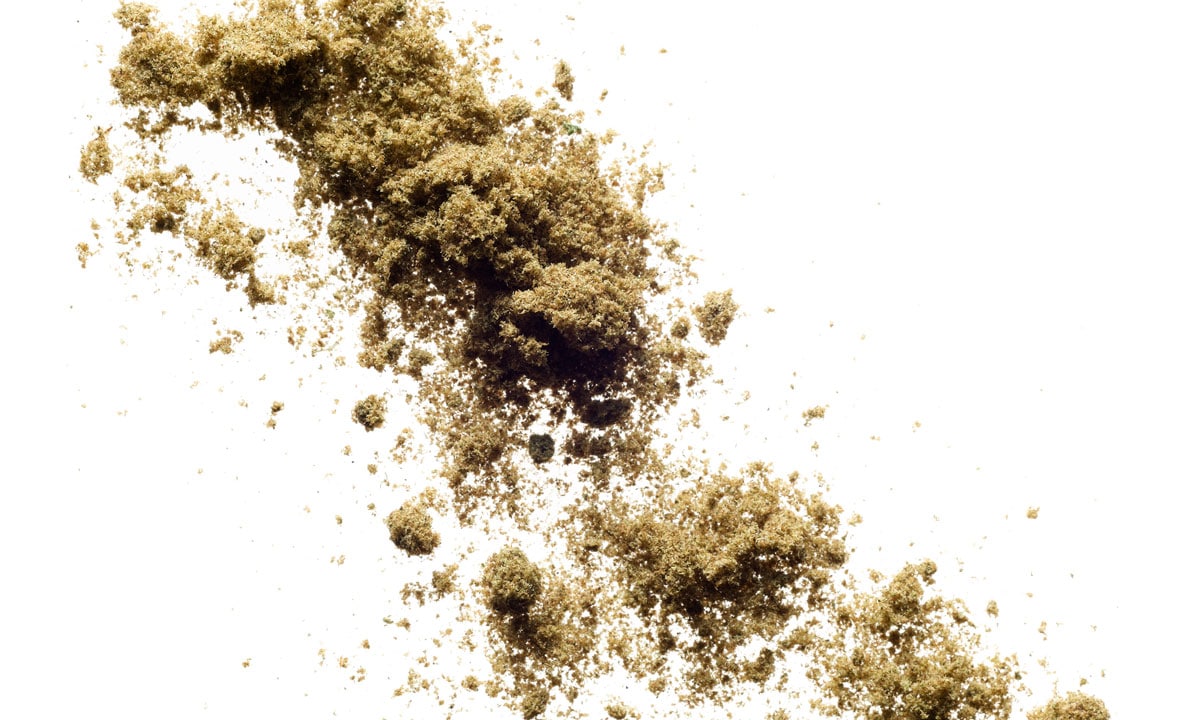
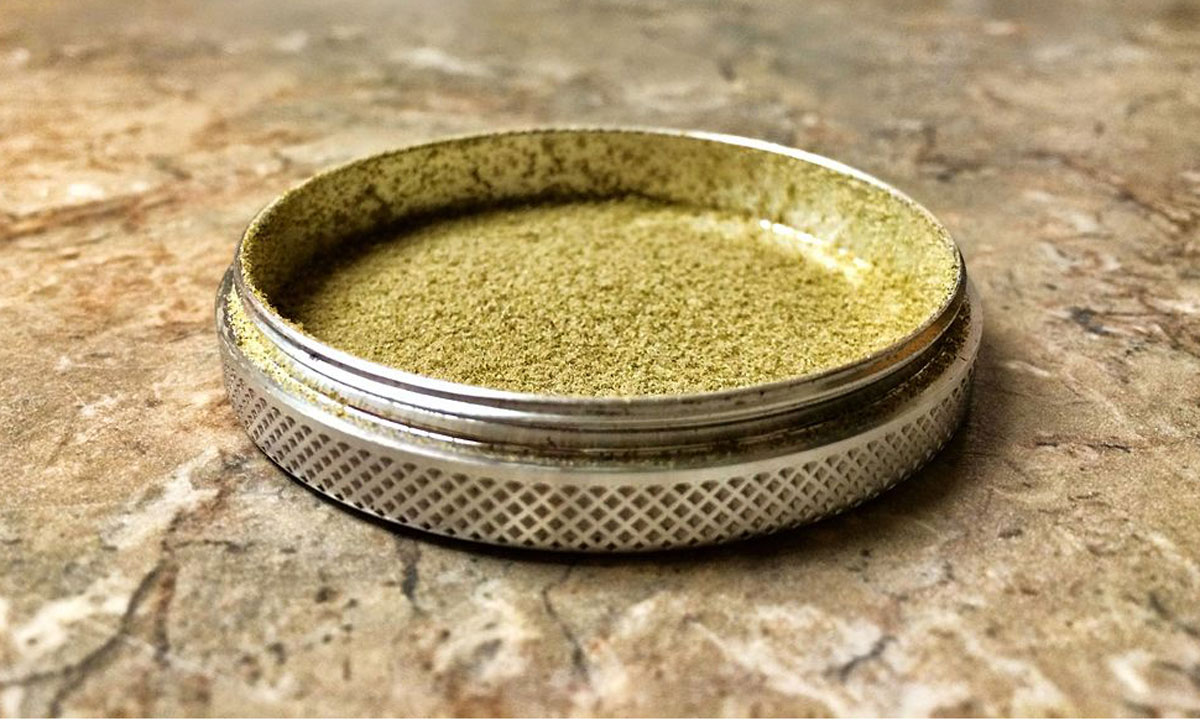
Kief is the trichome-rich powder you’ll find at the bottom of your grinder. It’s loaded with THC, and is traditionally used as the basis of hashish.
Kief is term that refers to trichomes that have been separated from the cannabis plant. Cannabis kief contains significantly less plant matter than whole cannabis flower, and it is rich in cannabinoids, making it a highly potent cannabis product.
Commonly referred to as “keef,” “cannabis crystals,” “chief,” or simply “dust” due to its particulate nature. It can be harvested from marijuana leaves, flower, and plants by dry sifting cannabis with a kief box.
Another common way people extract it is by grinding marijuana with a 3-chamber grinder; the powdery substance beneath the mesh screen is kief.
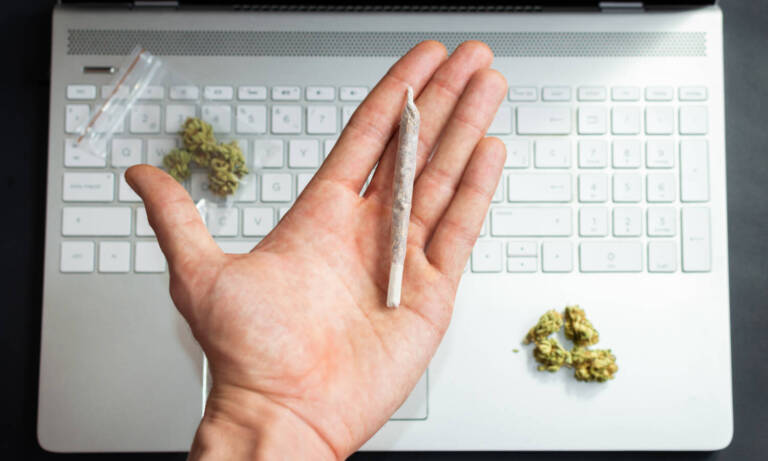
Kief is a powdery substance, so it is best to combine it with cannabis flower when smoking. A popular way to smoke is to roll a joint, which is where you mix your flower with kief and then roll a joint. If you want to smoke it without cannabis flower, you can use a pipe, bong, or dry herb vaporizer. Many kief aficionados prefer vaping.
How to Use Kief
There are plenty of ways to use, even if you don’t want to smoke it. Here are some ideas to inspire you:
Bake it into edibles
Kief makes it easy to infuse your kitchen creations with cannabis. Use it like cannabis flower, but be cautious as it is more potent than flower. Another good reason to make edibles it contains less plant material. As a result, the taste of cannabis won’t overpower the flavors of the main baking ingredients.
Add it to your tea
Whip decarbed kief with milk or cream, blend the mixture with your coffee or tea, and enjoy a delicious kief-y concoction.
Use it to make weed oil
Infuse olive oil or coconut oil with decarb kief to make cannabis oil. Read this if you don’t know how to decarb weed. Follow our recipe (replacing cannabis with kief) to make weed oil at home and store your infused oil away from direct sunlight for two to three weeks.
Press it into hash
Hash is often made with kief. Non-solvent hash is easy to make, and you can easily make it with a kief press and a heat source. Here are the steps to make a non-solvent hash:
Scoop it into a mold with a kief scraper.
Heat your mold using an indirect flame.
Pour the heated kief into a kief press.
Squeeze or apply pressure to the press. Sustain the pressure until it turns into bricks, blocks, or spheres.
Sam Anderson is the content Director at Jointly, a cannabis wellness company powered by a proprietary data platform to help people reach their full potential. The company was created on the premise that purposeful cannabis consumption is the key to unlocking a better you.
The World Anti-Doping Agency appears to want to leave cannabis on its list of banned drugs.
Despite the many controversies that surround the banning of marijuana for professional athletes, the World Anti-Doping Agency (WADA) is set in its ways. The organization has chosen to keep marijuana on its list of prohibited substances for 2023.
The Wall Street Journal reports that insiders had a look at the agency’s list and a decision will likely be finalized at the end of the month.
This decision comes months after the suspension of Sha’Carri Richardson, who was banned from participating in the Tokyo Olympics after she tested positive for marijuana. She was one of the U.S. favorites for the women’s 100-meter race and argued that she’d used marijuana to treat anxiety following the death of a family member.
Photo by Patrick Smith/Getty Images
Following Richardson’s suspension, the U.S. Anti-Doping Agency and a variety of U.S. politicians urged WADA to reconsider its stance on marijuana. The agency agreed to initiate a scientific review of its banned substances list. While the decision to keep cannabis on the list is yet to be announced, WADA’s Prohibited List Expert Advisory Group claims that keeping or removing marijuana from their list is based on the scientific evidence that’s available. According to these criteria, marijuana should be banned from sports.
“The draft 2023 Prohibited List is still under consideration,” said a WADA spokesperson. “WADA’s Executive Committee will be asked to approve the final version of the List during its 23 September meeting, with the List itself being published on or before 1 October and coming into force on 1 January.”
Politicians in the U.S. have praised Richardson, although President Biden refused to comment on the suspension itself. A WADA spokesperson said that “to date neither the United States authorities nor the U.S. Anti-Doping Agency has requested the removal of cannabis from the Prohibited List.”
Still, countries like the Netherlands have made their stance clear and have called for WADA to reconsider their stance, worrying over the use of common CBD products which could affect athletes. “Cannabinoids most likely have a negative impact on athletic performance,” said the Dutch agency.
WADA’s prohibited list was published in 2004, and it includes drugs that can enhance sports performance, present a health risk to the athlete and violate the spirit of the sport. It puts marijuana alongside cocaine, heroin, and ecstasy.
“A scientifically reliable objective testing method that indicates the presence of cannabinoid metabolites in the employee’s bodily fluid alone is insufficient to support an adverse employment action,” according to new workplace guidance.
The New Jersey Cannabis Regulatory Commission (NJ-CRC) approved new guidance for “employers stating that they cannot be penalized based solely on positive drug tests for cannabis metabolites.”
These are interim policies that will be in effect as the commission “formulates and approves standards” for “Workplace Impairment Recognition Expert” (WIRE) certifications, reported Marijuana Moment.
“Although tests are improving in accuracy, there is no perfect test for detecting present cannabis impairment,” Jeff Brown, NJ-CRC Executive Director, wrote in the new guidance document.
“Therefore, best practice has been for employers to establish evidence-based protocols for documenting observed behavior and physical signs of impairment to develop reasonable suspicion, and then to utilize a drug test to verify whether or not an individual has used an impairing substance in recent history.”
Moreover, NJ-CRC provided a sample form that employers can reference or adopt when they suspect an employee of being intoxicated on duty. It lists a number of “physical signs” and “behavioral indicators” of impairment and prompts them to fill out the relevant information if they intend to submit a reasonable suspicion report.
“A scientifically reliable objective testing method that indicates the presence of cannabinoid metabolites in the employee’s bodily fluid alone is insufficient to support an adverse employment action,” continues the workplace guidance. “However, such a test combined with evidence-based documentation of physical signs or other evidence of impairment during an employee’s prescribed work hours may be sufficient to support an adverse employment action.”
“When incorporating this guidance, employers should ensure compliance with all state and federal employment laws,” New Jersey marijuana regulators said.
Additionally, Brown said that “striking a balance between workplace safety and work performance and adult employees’ right to privacy and to consume cannabis during their off hours is possible. We have been doing that with alcohol without thought.”
In California, a proposed bill passed through both houses of the legislature would prohibit people from losing their jobs for smoking marijuana outside of work. Specifically, it would prohibit companies from punishing those who fail a certain type of drug test. Among other marijuana measures awaiting Gov. Newsom’s signature is this legislation that would provide job protections for people who smoke marijuana off the clock.
Recently, the New York Police Department (NYPD) announced it will stop randomly testing police officers or job applicants for cannabis. What’s more, at the same time, the New York City Fire Department (FDNY) announced it is considering a change to its cannabis testing policy.
Sex and sleep have a solid relationship, one that’s supported by hormones, physical tiredness, and emotional vulnerability.
Sex and sleep make a great combo, something that’s incredibly convenient and maybe the reason why it’s so common to have sex before bedtime. But why does sex result in better sleep? Is it a real thing that can be explained by science or is it a statement that we believe in due to anecdotal evidence?
The link between sex and sleep is very real, with scientists explaining that the drowsy post-sex feeling is due to the hormones that the body releases. Still, whether or not someone feels sleepy after they have sex is up to the person and depends on a variety of factors.
“Sex and other forms of physical intimacy at bedtime have been shown to increase drowsiness, reduce the time it takes to fall asleep, and improve overall sleep quality,” Dr. Shanon Makekau told Everyday Health.
Photo by Pablo Heimplatz via Unsplash
The moment sex is over, two hormones are released: oxytocin and prolactin. The first is the love hormone, known for promoting bonding, affection, and for providing people with better sleep. The latter is known to increase while people sleep, and it peaks after orgasm, which explains why some might feel like nodding off immediately after.
Other reasons why you might find yourself feeling sleepy after sex include physical exertion and emotionally feeling tired. Even if you’re not doing any crazy positions while having sex, it’s still a cardio workout and thus an activity that releases endorphins, improves your blood flow, and is tiring.
In the case of your emotions, when people have sex with someone they trust, they lower their guard and might find themselves feeling very relaxed because of it. This can translate to sleep or a feeling of emotional exhaustion, which is also something that likely results in sleep.
Sex and sleep have a solid relationship, one that’s supported by hormones, physical tiredness, and emotional vulnerability. Still, you shouldn’t stress out if that isn’t the case for you. Sex feels different from person to person and can be impacted by a variety of factors.
While someone might feel sleepy after an orgasm, someone else might feel wired and energized. This can change depending on the occasion, your mental state, the person you’re having sex with, and more.