Patients with advanced cancer respond favorably to medicinal cannabis, according to a study published in the journal Cureus on a trial that included participants enrolled in the NY state’s medical cannabis registry.
Researchers affiliated with Upstate University Hospital in Syracuse evaluated the use of marijuana by cancer patients for palliative purposes.
“The goals of this study were to review the characteristics of patients who received medical marijuana under our ambulatory palliative care program and to determine barriers to access and use of medical marijuana in this population,” reads the study.
“Data from June 2017 to June 2020 were analyzed. Patients were included if they had a diagnosis of cancer, were certified by a qualified practitioner in the New York Medical Marijuana Program, and received care at Upstate Medical University,” stated the study. “Patients were excluded if no marijuana certificate was found or if they transferred care.”
Results
“Ninety-three patients (51.5%) received at least one prescription from a New York licensed marijuana dispensary while 72 (39.13%) were certified but never obtained any medical marijuana,” according to the study that involved 184 patients.
“For patients who took at least one dose of medical marijuana, 48.14% experienced an improvement in pain, 44.95% used fewer opioids, and 85.11% had an improvement in at least one symptom. Adverse effects were low at 3.72%.”
Although more prospective research is needed to optimize delivery and dose, per the study “medical marijuana appears to have an important role in palliating symptoms of advanced cancers with few adverse effects.”
“Prospective studies examining this treatment modality should be prioritized,” the authors concluded.
Similar Study, Similar Results
A Technion study published in Frontiers in Pain Research showed that half of the patients enrolled in the research discontinued their other pain medication after six months of medical cannabis treatment.
“Traditionally, cancer-related pain is mainly treated by opioid analgesics, but most oncologists perceive opioid treatment as hazardous, so alternative therapies are required,” said author David Meiri, an assistant professor at the Technion Israel Institute of Technology.
Yes, it takes time and some dedication, but once you have your potions on hand and travel through your day balancing your emotional and physical wellbeing, you’re going to thank yourself for sticking with the discipline.
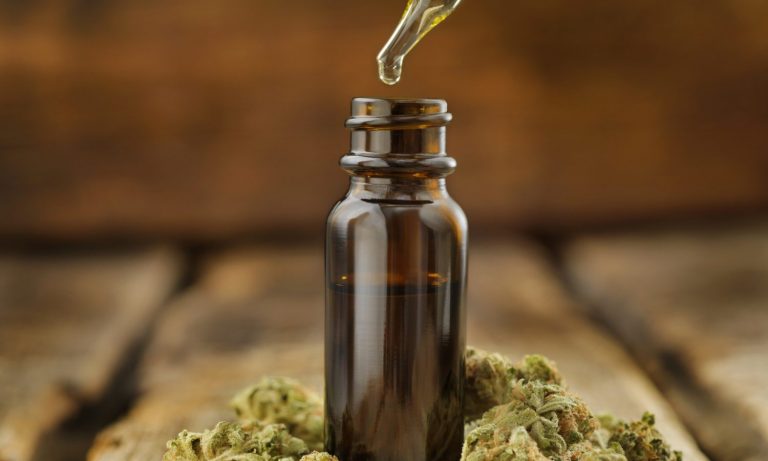
One of the best things I have ever incorporated into my “cannabis smoking” was harvesting the stems and excess leaf and putting it into a jar filled with 100% proof alcohol. Every time I break up a bud, I toss that excess into the jar, give it a shake, and place it back into the dark closet in my kitchen. But why do this at all?
This stem-infused tincture is filled with cannabinoids. It’s an alcohol-based tincture, meaning it helps disinfect and clean out wounds, bites, and scratches. When you combine it with the cannabinoids your extracting from the leaf and stem, you’re adding medical properties to the mix.
Photo by 24K-Production/Getty Images
For example, here’s a short list of some of the medical properties you add to the tincture;
Anti-inflammatory properties
Anti-viral properties
Anti-bacterial properties
Anti-anxiety properties
Anti-tumor effect
etc.
The point of today’s article isn’t to show the long list of medical benefits of cannabinoids (not to mention terpenes and flavonoids), rather, we’re going to take our classic cannabis tincture and begin to create variety.
At the end of this article, you will be able to not only create a classic cannabis tincture such as the Green Dragon, but you will also learn how to infuse other essential oils into the tincture to take your holistic effectiveness to a whole new level.
First, let’s take a quick recap of the process of making Green Dragon or your basic cannabis tincture.
Cannabis Tincturing 101: Edible vs. Non Edible Tinctures
I think it’s important to mention that there are two main types of tinctures available – those that can be ingested and those that can’t. The Green Dragon is an edible tincture since it uses a high grain alcohol such as 100-proof vodka or any other consumable alcohol with a high proof rating. Preferably 90-proof and higher.
The first thing you’ll want to do is to grind up your herbs as finely as possible. With Green Dragon, it doesn’t matter if you grind up stems, the extraction process will take care of any unwanted elements.
Once ground up, you’ll move onto decarboxylating it. To do this, you’ll place it in the oven at 170º F and keep the cannabis in there for no more than 15 minutes.
Quickly remove your herbs and set it aside. Now, take your jar and fill it with the alcohol. Fill it about ¾ of the way. Then, simply add your herbs and close the jar. Make sure to shake it up.
For the next week, you’ll keep the jar in a dark place and you’ll give it a shake once a day. It’s best if you wait more than a week (closer to 2-3 weeks), however 1 week is enough to get a lot of cannabinoids in the tincture.
After you’ve soaked your concoction, you’ll need to strain it into a new jar using the cheesecloth. Make sure to remove all plant matter. You can strain it again if the first time didn’t do the trick.
Once more, transfer it into a sealable jar.
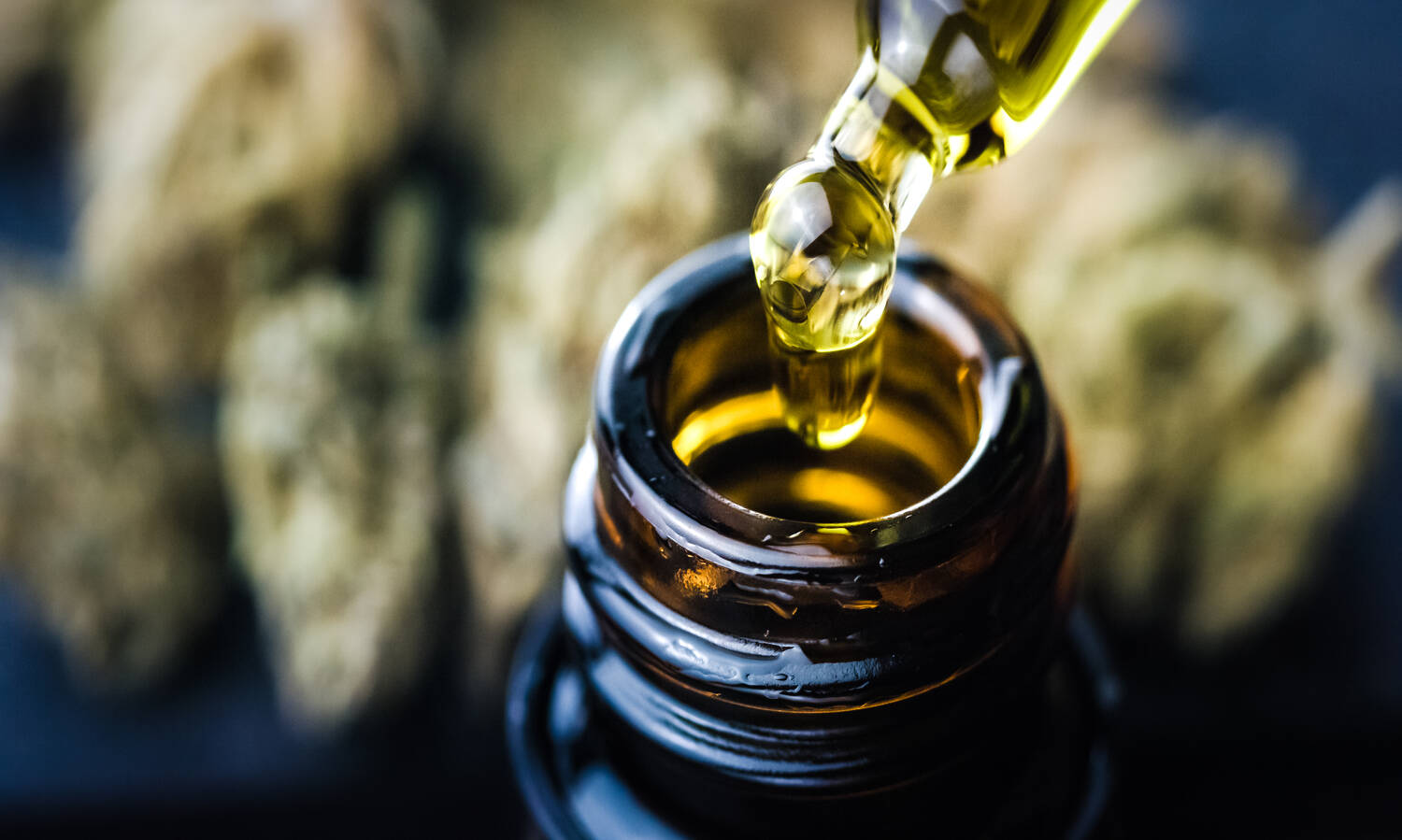
If you have a dropper on hand, then you can simply pour out some of the Green Dragon into the dropper.
In order to create the “topical only” you can use any type of high proof surgical alcohol. These can be purchased virtually anywhere. As you could imagine, this type of tincture is not to be consumed. If you are planning on consuming the tincture, you will have to do the Green Dragon Method or the alternative recipe provided in the article linked above.
The next thing on our list will be to begin extracting the essential oils from these other flowers, herbs, and weeds.
The tincturing process is virtually the same for all of these herbs and plants, and I would recommend creating specific jars for each extraction. That way, you can mix and match different oils and create specific effect-inducing tinctures. For example, making a tincture that makes you go to sleep and another that picks you up.
Today, I’ll be walking through a few concoctions you can make at home.
First, let’s talk about the main extractions you’ll want to make; You can also NOT make them and head out to an apothecary near you to find all of these essential oils without the effort. However, I’m the type of guy who likes to get my hand dirty and understand the process of extraction. For me, I find it far more satisfying to have a bunch of jars with different extracts sitting in a closet, where I can mix and match my own concoctions as I see fit.
If you are going to be doing the extracts, make sure that you do it right for each one of them. For example, making an extract from orange peels follow the exact same protocol as the Green Dragon infusion – using high proof alcohol and a jar – however, the time of infusion is different.
When you’re extracting the essential oils from the peel, it will take between 1-2 months to have a full extraction.
This is why I highly recommend that you keep good records when you start infusing and also to do mass infusions in a single day. Get as much of the ingredients you can and try to do as many infusions as you can. It’s far more worth your time to spend an entire weekend infusing and creating your tincture system than it is to do it over time.
Of course, not everyone will have all the ingredients listed here on hand, and so, perhaps you start with the most accessible first and then work your way to infusing more “rare” elements.
The point here my fellow cannabis enthusiasts, this is almost as addictive as growing your own weed. When you master advanced tincturing, you’ll open up a whole new world of possibilities for yourself. At the end of the article I’ll be supplying a few blends for you to start you off on your journey.
Let’s go full tincture.
Lavender – Lavender is considered an “all purpose” extract and can help for calming you down, releasing muscle tension, clearing the mind of mental fog so that you can focus. Lavender can be extracted in a similar fashion as the Green Dragon and the process takes roughly a week to complete. The longer you leave the concoction, the better. For my personal extractions, I wait between 3-5 weeks at least.
Orange – You’ll want to start your Orange extraction sooner than later. This is because you extract the essential oils from the peels themselves and this takes a long time. Make sure to remove all the white pulp and only leave the orange peel to extract. The pulp makes the tincture turn bitter, which defeats the point of this aromatic and energy inducing tincture. Just smelling this tincture will wake up the nervous system and get a jolt of energy in you. It takes about 2-months to fully extract it, so be sure to make a bunch!
Lime – Similar to the orange extract, lime is an “upper” and can help you clear up mental fog, boost energy levels, and just perk up your day. Just like with the orange extract, this takes months to complete so it’s best to make a lot of tincture from the get go. Yes, this might make the whole process of extracting the properties more expensive, but you’ll thank me when you only need to do this once or twice a year.
Basil – Basil is another super plant you’ll want to add to your garden. Recently, I was walking my dog when he came by this bush. After he pissed all over it, this whiff of sweet aromas came up and I realized it was the plant. I snapped a bit and took it home to clone. When I researched what it was, it turned out it was Basil. I then proceeded to check out the medical benefits of Basil and this is what I found;
Alleviate Nausea
Anti inflammatory
Helps with indigestion
Helps with constipation
Helps with respiratory illnesses
May alleviate asthma symptoms
May have antibacterial properties
Possible insect repellent
Possible anti-fungal agent
Stress Relief
Improve blood circulation
Pain Relief
It isn’t recommended for people who are pregnant or breast feeding. I’m not sure why, but virtually every source I checked recommended the same.
There are two ways to extract essential oils from basil, the extraction method or the infusion method. The Green Dragon is an infusion method.
Here’s a snippet from DIYNatural.com where they talk about the extraction method using a Crockpot.
Ingredients & Supplies for DIY Essential Oils
a crockpot with a lid
distilled water
enough fresh plant material to fill the crockpot about half full (at least 3-4 cups, chopped)
time
Process
Place the plant material in the crockpot and cover it with water. The water shouldn’t fill more than ¾ of the volume of the crockpot. Put the lid on upside down. (The concave structure will allow any steam that forms to condense and fall back into the pot. If you don’t have a lid, you can use a plate.)
Turn the crockpot on high to heat the water. Once the water is hot, turn it down to low. Simmer on low for 3-4 hours.
After the plant material is cooked down, turn it off and let it cool. When it is cool, place it inside of the crockpot into the refrigerator. If your crockpot doesn’t come apart, you can place the whole unit in there, or transfer the liquid into another container. Leave it in overnight.
The next day, pull the crockpot out of the refrigerator. A thin film of oil will form on the top and will be hard after cooling. (These are your DIY essential oils!) Carefully lift the oil off of the water. Work fast – it will start to melt quickly!
Place this into a bottle and cap. Label contents well. There may be a small amount of water-based liquid on the bottom. You can gently heat the oil to turn the liquid to steam and release it from the oil. Don’t heat the oil for too long as it can lose its potency.
Store in a colored glass container away from light and heat.
This method can be used for other sources on this list.
Cinnamon – Cinnamon is another thing that can make you feel alert and focused. I personally prefer to do an alcohol infusion with cinnamon since it’s fairly straightforward. Also, if you’re going to be fusing on extracting the most medical benefits from a plant/peel, I’d focus my energy rather on limes and oranges, over cinnamon. An alcohol infusion is more than enough to mix with your cannabis tincture.
Ginger – Ginger has a lot of medical benefits. It can help with inflammation, it has antioxidant properties, helps with nausea, helps with weight loss, helps with osteoarthritis, may help drastically lower blood sugars, can help with chronic indigestion, may help lower cholesterol, contain substances that may prevent cancer, helps fight infections. You can extract it similar to Green Dragon waiting between 3-5 weeks.
Peppermint – Peppermint is said to help with, IBS, nausea, digestive issues, common colds, headaches, reducing inflammation, and much more. You can make the infusion or extraction method here. I personally always work with infused tinctures first, and then make essential oils later since they take more time to complete.
Frankincense Essential Oil – Frankincense is known as the “King of Essential Oils” and for good reason. It helps boost the immune system, regulates Cytokine production, slows hypersensitivity, Increases immunoglobins, Improve T-cell interactions, fights pain and inflammation, prevents and treats cancers, and much more. In order to make an alcohol tincture from Frankincense and Myrrh, you’ll want to follow this detailed process here. It takes about 8 weeks for a full extraction.
I only wrote about these because I found them most fascinating, however, there are plenty of other extractions one can do. This is only meant to whet the appetite for this exploration. Getting into this kind of tincturing will make you feel like an Old Timey wizard of sorts…and the result will be potions of health!
Photo by MysteryShot/Getty Images
Let’s Make Some Blends!
Alright, now let’s get into some basic blends. Please note, I am NOT an expert in this. At most, I’m an amateur learning. But this is what I’ve found thus far;
(All of these will be for 10 ml bottles)
GET PUMPED!
Alright, you’re in need of a JOLT of energy. Try this blend;
Cannabis tincture 2.5 ml
Orange or Lime Tincture (or a combo) 2.5 ml
Ginger 1 ml
1 ml Basil
1 ml Rosemary
2 ml Peppermint
This will have a very peculiar taste, however, it gets the job done. Typically, you’ll want to have a “Sativa Cannabis Tincture” or a strain that gives you a boost. If you have an all purpose cannabis tincture, this will work too since you’re going to be adding the citrus, Gingerol, basil, etc. All of these are designed to keep you going, keep you focused, and relaxed in the process.
Take 3-5 drops in the morning and see how you feel. Take 3-5 drops every time you need a pick me up.
MOTIVATION NOW!
The next one on the list is meant for mental focus and motivation.
4 ml of Cannabis Tincture
3 ml of Frankincense
1.5 ml Black Pepper essential oil
1.5 ml Lime Tincture
This one is great for being creative, studying, remaining focused on your work. Simply take 3-5 drops of this in the morning and you’ll feel rather quickly the creative juices flowing.
THE CHILL SPILL
The final tincture recipe on the list is the “Chill Spill” which is a tincture to get you calm and relaxed, ready to get some R&R.
5 ml Cannabis Tincture
3 ml of Cinnamon Tincture
2 ml of Orange Essential Oils
1 ml of Ginger Tincture
If you want to curl up and feel warm and cozy, this will do the trick. The good thing, is that the taste of this one is awesome. So you can make a warm tea, drop in 5-10 drops into it, and sip yourself to Lala Land. If you’re a person who is also very anxious all the time, this blend could be perfect for you throughout the day. Simply take 2-3 drops whenever you feel anxious, give it 10-15 minutes, and you should feel relaxed afterward.
Final Words
Mark my words, this is a rabbit hole that has a lot of return on investment. Yes, it takes time and some dedication, but once you have your potions on hand and travel through your day balancing your emotional and physical wellbeing, you’re going to thank yourself for sticking with the discipline.
Of course, if you don’t have the patience, then just go ahead and buy the essential oils. Just be warned that it might turn out to be slightly expensive.
Fortunately, now you know how to make it yourself at home. Do you make your own blends? Let us know which blend works best for you!
BONUS: By saving all of your stems and soaking it in alcohol, you are still infusing cannabinoids. The time for extraction just takes a bit longer, at least 8 weeks.
Last Sunday, the Massachusetts House and Senate both passed cannabis compromise legislation poised to create a more equitable environment in the legal marijuana industry.
Senate Bill 3096, which aims to advance diversity in the sector and regulate the host community agreement (HCA) between cannabis companies and municipalities, also includes the proposed study on medical marijuana consumption in schools.
While the measure is now on its way to Gov. Charlie Baker’s desk, the American Academy of Pediatrics opposes “medical marijuana outside the regulatory process of the US Food and Drug Administration,” an academy spokesperson told the Boston Herald on Tuesday.
Photo by Olena Ruban/Getty Images
“The cannabis control commission, in consultation with the department of elementary and secondary education and the department of public health, shall conduct a study on the possession, administration, and consumption of medical marijuana, as defined in chapter 94I, at public or private schools in the commonwealth as it relates to students,” the proposed measure states.
Athol Official Shaun Suhoski Fights For Existing Host Community Agreements
Meanwhile, Athol Town Manager Shaun Suhoski urged Gov. Baker in a letter to rework the legislation to address host community agreements already signed by municipalities and marijuana businesses that include so-called “community impact fees,” reported Athol Daily News.
“For all of the good in this legislation with respect to social equity, there is also a dose of inequity with the potential invalidation of over 1,000 existing contracts, negotiated in good faith, between the cannabis industry and communities incentivized to host a new and previously illegal business,” Suhoski said.
What’s in the bill? The measure stipulates that 15% of the money in the Marijuana Regulation Fund, fueled by the state’s cannabis excise tax, various operational fees, and industry penalties, should be allocated to a new Social Equity Trust Fund. The new fund would provide grants and loans to people from communities most affected by the drug war who are now interested in joining the cannabis industry.
Furthermore, the new bill also gives Cannabis Control Commission the central authority over assessing and authorizing host community agreements before a cannabis operation receives its final license.
Photo by Olena Ruban/Getty Images
However, Suhoski said that the measure’s final version that advanced through both chambers leaves space for the regulatory body to throw out or amend existing host community agreements when they come up for renewal.
“There is no exemption for the existing host community agreements,” Suhoski explained, “There’s so much good in the bill, but the one item, at the very expense of cities and towns — the great majority of which negotiated in good faith, in many cases following the terms that the cannabis industry presented to the community. They are contract law, and the final bill that sits on the governor’s desk would now subject these existing agreements to come under a state agency review rather than the court system, which is how contract law is adjudicated.”
Newbies or cannabis connoisseurs alike can benefit a simple and literally free way to elevate your bong experience.
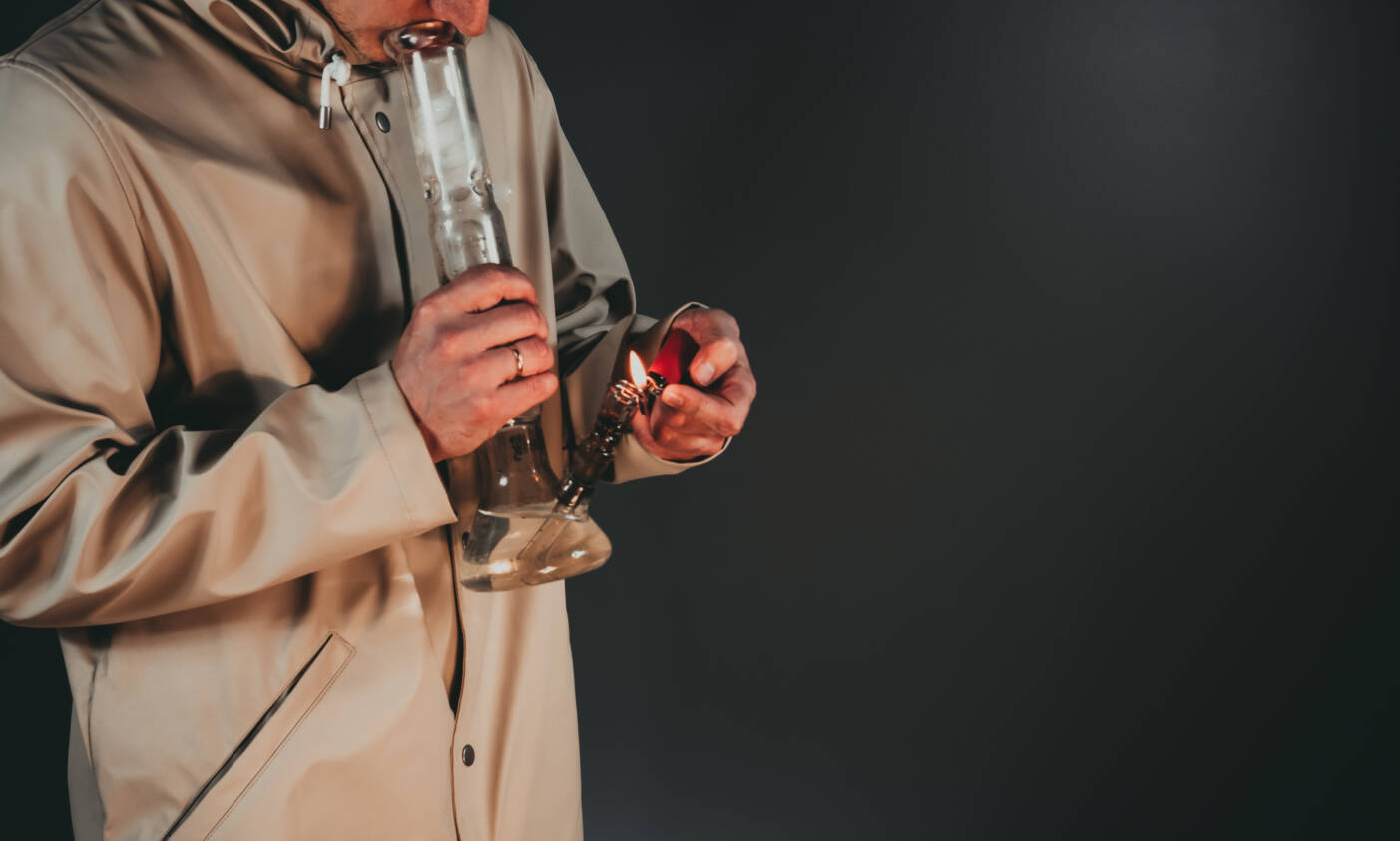
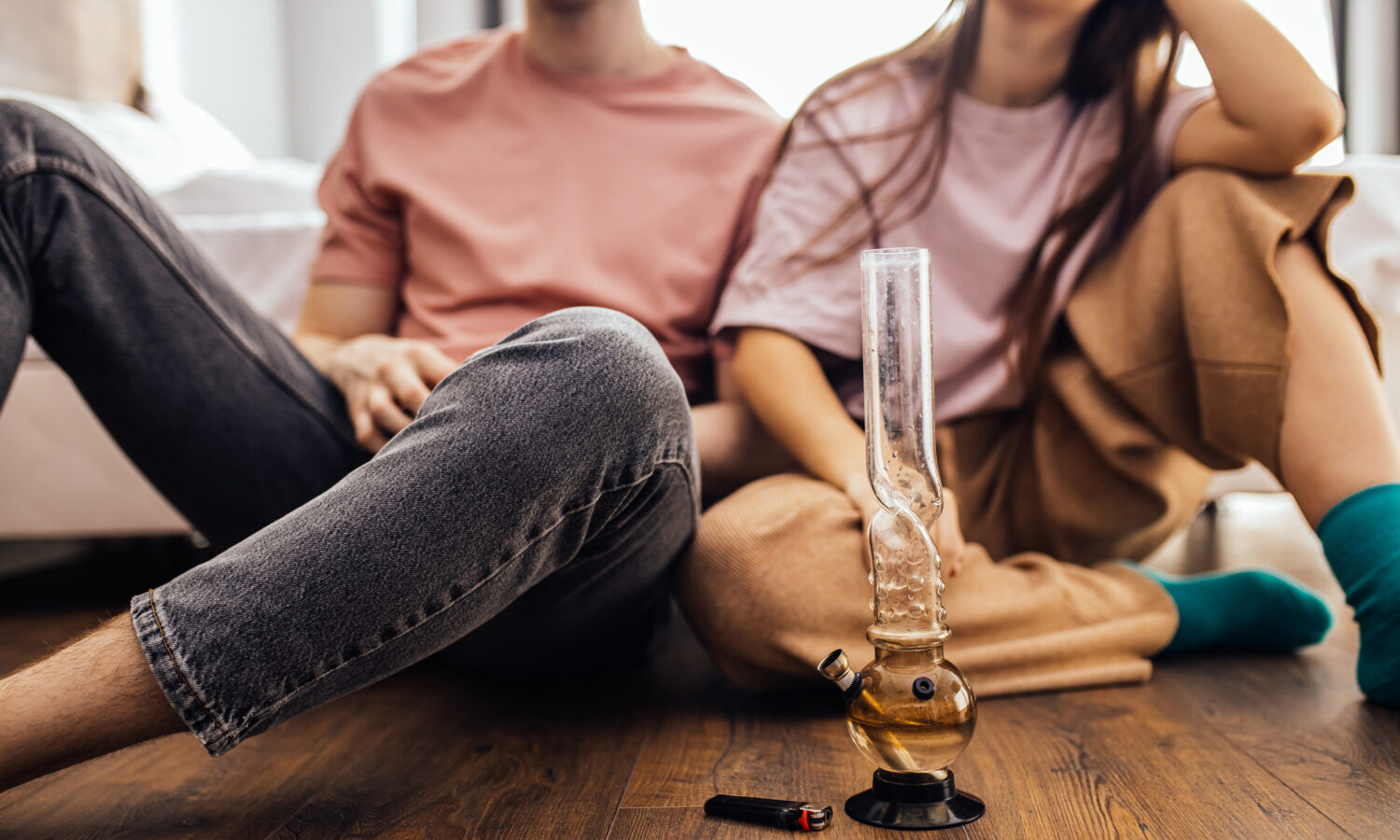
Bongs are a traditional and old school way to get high. In fact, bongs are an iconic marijuana paraphernalia that has been around for decades. They come in a huge array of shapes and sizes, made out of simple plastic tubes to more elaborate glass bongs. However, in essence, they all feature a cylindrical structure with a wider base which is designed to hold water. But why do people put ice cubes in a bong?
Some newer bong models with little ice catchers placed above the beaker, while others make do with a regular bong and put ice in it. This shows how popular and effective this hack can be.
Photo by Volodymyr Bondarenko / EyeEm/Getty Images
Benefits Of Putting Ice In Your Bong
Newbies or cannabis connoisseurs alike can benefit from adding ice to a bong. It’s a simple and literally free way that you can elevate your bong experience. There are many benefits to adding ice:
Ice cools your throat: Even though bongs have a cult following, there’s no denying that it can sometimes give scratchy, harsh smokes. Oftentimes, you can be left coughing much harder than you prefer after taking a solid bong hit.
That’s where the ice comes in. It significantly lowers the temperature of each inhale, resulting in a cooler, smoother hit every time.
Ice reduces the temperature of the smoke: When smoking a bong with ice cubes, the smoke passes through the water in the chamber. This water cools down a few degree before it touches the ice, after which the smoke is cooled down even more.
Ice filters the smoke: This is primarily why many bongs are designed with ice catchers; your enjoyment is second. The ice is such an effective filtration system for the smoke, which it can’t do itself.
Ice enhances or increases flavor of your bud: The smoke you inhale from a bong with ice isn’t just filtered, but it also has a better flavor. This amplifies the taste, terpenes, and flavonoids from your stash though you can also add in your own flavors such as through the use of flavored water, fruits, and even flavored ice.
Ice enables you to take bigger rips: Bongs are renowned for the large rips you get to take. You only need one solid puff and you’ll be high for hours. Add ice – and you get to take even bigger hits because it’s so much cooler and smoother on your throat.
Ice acts as a splash guard: Nobody likes water splashing back from the bong. This is enough to put off many people from smoking one in the first place. But adding ice acts as a splash guard already – for as long as it’s placed above the water chamber.
Bongs that have a built-in ice chamber provide a catch for the ice. Once you add it, the smoke from the bong travels through it and will hit the ice. This is where it gets to act as a filter; from here it will also reduce the smoke temperature so that it’s at a much more comfortable level for smoking.
Remember to remove the ice cubes once you are done with your bong session. This will eliminate the chances of ice melting into the water chamber.
What If My Bong Doesn’t Have An Ice Catch?
There’s no need to spend money to enjoy these benefits if you already have a bong, even if it doesn’t have an ice catch.
Simply add some ice cubes in through the neck then allow them to sit on top of the water; this is just as useful and effective as using an ice catch. Just remember to give yourself some time before you decide to inhale. Another way you can use ice is to just add the cubes in the bottom of the chamber though ice catchers are necessary for this.
Never ever put ice cubes in the bong neck. This is dangerous because ice shards and frost can travel directly into your respiratory system and cause irritations. This is why, unless you have an ice catcher, always place the ice cubes through the neck and into the water, where it will reduce the temperature.
Which Bongs are Ideal for Ice?
Generally speaking, one could place ice on just about any kind of water pipe.
But it should be said that some bongs are better suited for ice than others. Of course, it would be recommended to go with a bong that already has an ice catcher but this isn’t completely necessary. If you want to try the benefits of adding ice to your bong, glass bongs are highly recommended. It will enable you to see the smoke as it swirls through and it also enhances the flavor of your smoke.
Tube and beaker shaped bongs are the most logical for those who want to add ice to their bong. But depending on the size of its chamber, you may need smaller ice cubes. You may also notice that varying sizes of ice will have an effect on the cooling temperatures and harshness of your hit, so you can also do some experimentation.
The practice of putting ice in one’s bong has been around a while. It’s generally safe and well-tolerated.
However, if you have respiratory conditions or are prone to asthmatic attacks, using bongs (even with ice) is not recommended. The intense smoke can irritate your respiratory system so you are better off not smoking and instead opting for other methods of consumption that are gentler on your throat and chest. These include edibles, oils, and beverages.
Other than that, ripping a bong in much cooler temperatures thanks to the ice makes bongs so much healthier and safer for everyone else.
The US Drug Enforcement Administration (DEA) classifies all drugs under five distinct categories (from schedule I, to V). The listing and scheduling of drugs by the DEA is contained in the Controlled substances act (CSA).
Currently, cannabis is classified under schedule 1 in the US, together with other “hard drugs” such as peyote and heroin. Drugs in this schedule have “no known medical value and a high potential for abuse.” One can argue that if science can prove that cannabis indeed has medical value then it will no longer qualify to be classified under schedule 1, right?
Photo by ChrisSteer/Getty Images
A recent study published in the Journal of Cannabis Research showed that to date close to 30,000 cannabis-related studies have been conducted. However, when it comes to getting FDA approval for drugs, randomized controlled trials (RCTs) are the gold standard for evaluating the safety and efficacy of investigational drugs.
RCTs use “randomization” to eliminate bias. Because they have comparable groups, they are likely to provide the highest evidence for establishing a causal relationship between an intervention and the outcome.
The Therapeutic Use of Cannabis Goes Way Back
Cannabis sativa has been used as medicine in different parts of the world for over two millennia. However, due to propaganda and personal interests, cannabis use was banned by the 1937 Marihuana Tax Act and consequently it was removed from the 12th edition of US pharmacopeia. In 1985, pharmaceutical companies in the US received the go ahead to develop synthetic THC preparations on the form of dronabinol and nabilone which are still in use today.
Dronabinol is used to treat HIV/AIDS related anorexia and chemotherapy induced nausea and vomiting (CINV)
Nabilone is also used to treat CINV and neuropathic pain
Nabiximols is an oromucosal spray containing THC and CBD in a 1:1 ratio that’s used to treat MS pain and spasticity. It is approved for use in the UK and Canada, even though the drugs is still undergoing phase 3 clinical trials in the US.
Science-Backed Evidence to Reschedule Cannabis
This 2017 review by the National Academies of Science, Eng, and Medicine claims that the only evidence (randomized trials) for the efficacy of medical cannabis is for the following conditions:
Chronic pain
Chemotherapy-induced nausea and vomiting
Patient-reported spasticity symptoms in MS
Evidence for Chronic Pain
Five systematic reviews were considered and eventually Whiting et al 2015 was the most comprehensive. It included 28 randomized trials with a total of 2,454 participants. Most of this trials evaluated the efficacy of nabiximols in relieving chronic pain. The authors concluded that there’s substantial evidence to support cannabis use in treating chronic pain in adults.
Photo by Visivasnc/Getty Images
Evidence for Chemotherapy Induced Nausea and Vomiting (CINV)
The review by Whiting et al which included 28 RCTs with 1,772 participants was used here. Cannabinoid therapies included the following:
Nabilone
Tetrahydrocannabinol
Levonantradol
Dronabinol
Nabiximols
The authors concluded that oral cannabinoids (dronabinol and nabilone) are effective as anti-emetics in the treatment of CINV.
Evidence for MS Spasticity
Two systematic reviews were considered here, one of them being Whiting et al 2015. Nabiximols and nabilone showed a positive improvement in spasticity symptoms in both reviews. The authors concluded that there’s substantial evidence supporting the usefulness of oral cannabinoids in reducing spasticity symptoms in MS.
Conditions With Limited Evidence
The authors evaluated the usefulness of cannabinoids in treating several other conditions for which they found “insufficient or limited evidence.” They include the following:
Cancer
Irritable bowel syndrome
Tourette’s syndrome
Amyotrophic lateral sclerosis
Huntington’s disease
Parkinson’s disease
Dystonia
Dementia
Glaucoma
Traumatic brain injury
Addiction
Anxiety
Depression
Sleep Disorders
Post traumatic stress disorder
Schizophrenia and other psychoses
Three medical conditions seems like good enough evidence to remove cannabis from schedule 1, but is there other credible research that supports medical cannabis for other conditions?
In 2018, the FDA approved the first CBD-based drug, Epidiolex, for the treatment of severe childhood seizures: Lennox-Gastaut syndrome, Dravet syndrome, or tuberous sclerosis complex. Does this ratify the medical value of cannabis?
“It’s going to take a lot of education in order to change that climate and to be able to show voters that this would be, in fact, harmful,” said Asa Hutchinson
Governor Asa Hutchinson is encouraging law enforcement to “stand firm” against cannabis legalization, after the proposed measure to legalize adult-use cannabis was blocked from appearing on the state’s ballot in November. Here is why the Arkansas Governor opposes legalizing weed.
“And the reason I oppose it is simply this: that it will increase the usage of marijuana,” Hutchinson said at the Arkansas Municipal Police Association Convention.”I believe that marijuana is a harmful drug. It is as simple as that. I look back to Alaska. In the 70s, they decriminalized marijuana. Marijuana use went up dramatically, particularly among their teens, and Alaska reversed courses and re-criminalized marijuana.”
Several hours before the initiative was dismissed, Hutchinson urged law enforcement officials to get ready for the debate on marijuana legalization, believing it might end up on the November election ballot, reported The Sentinel-Record.
“Now, they’re going to sell this as something that’s going to help law enforcement. Fifteen percent of the revenue from the taxes on the sales of marijuana will go to a fund to support law enforcement stipends, 10% of it will go to UAMS in Little Rock, and 5% will go to drug courts,” the governor said.
“And so, once again, they’re selling a harmful drug to the citizens of Arkansas based upon promises that look good. Now, those promises might be a reality, but I think you’ve got to be prepared for this debate.”
Photo by PhotoAlto/Katarina Sundelin/Getty Images
The governor noted that the polls are close, with only 54% of voters backing the initiative.
“It’s going to take a lot of education in order to change that climate and to be able to show voters that this would be, in fact, harmful,” he said.
Why Was The Initiative Rejected?
The State Board of Election Commissioners dismissed the ballot title, and popular name of the proposition, even though it received enough signatures to qualify for the November ballot.
The commissioner said the initiative was rejected because the ballot title was not precise enough, citing THC levels allowed in cannabis edibles.
“If I’m a voter, I might be all for this, but I’d like to safeguard that edible limit,” Commissioner J. Harmon Smith said.
Steve Lancaster, attorney for Responsible Growth Arkansas, said they plan to appeal to the state Supreme Court.
“The type of detail that the board expected, or demanded in this case, would make our ballot title thousands and thousands of words long,” Lancaster told reporters following the vote. “That just simply is not workable for a ballot.”
You have to know what ratio suits you best. And the only way to do this is to sample some strains.
The expansion and growth of the legalized marijuana market in several countries imply that cannabis smokers are free to choose from several options of cannabis. People that procure their products from the right legal sources tend to notice the THC and CBD content percentage stated clearly on the product.
In addition to the CBD to THC ratio, other key details are also stated. However, some consumers have no idea of the usefulness of the CBD to THC ratio, and the few that do tend not to pay attention to it unless they have to.
Most times, the consumers that pay the most attention to the ratio are the medical patients being prescribed cannabis-based medication. So, what then is the CBD to THC ratio, why is its important, and what is the best CBD:THC ratio?
Brief Description of THC
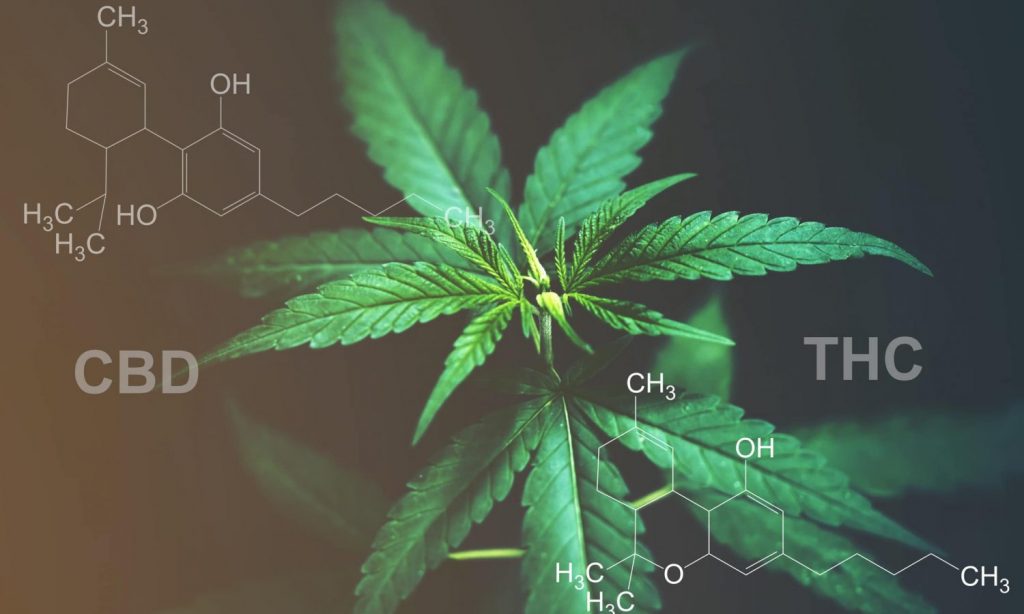
THC is short for Delta9-Tetrahydrocannabinol. It is the most popular cannabinoid in cannabis plants and products. In the raw and suppressed form of cannabis, THC is present as an acidic compound.
The psychoactive high induced whenever cannabis is consumed can be attributed to this compound. This reaction happens because THC binds to a receptor in the nervous system. Hence, causing an alteration in the user’s cognitive and behavioral ability.
Brief Description of CBD
CBD is short for cannabidiol. It is the second most famous compound in cannabis. it is not responsible for any form of psychoactivity when ingested. Cannabidiol is responsible for countering the psychoactive effects of the THC compound.
The distinct feature of CBD is that it influences the endocannabinoid system (ECS). For this alone, it has a high potential of being medically beneficial to the human body. Research is still being carried out to figure out the scope of its usefulness.
Photo by Christin Hume via Unsplash
The Disparity Between CBD and THC
CBD induces its effects through the ECS. This system is found all over the body; it is made up of reception that interacts with the naturally produced endocannabinoids in the body.
On the other hand, THC can be attributed to the cozy, effusive, and placed feeling induced whenever a psychotropic strain is consumed. It also produces a feeling of hunger in its user. Simply put, the THC affects the cerebral activity of the body to induce the mood and behavioral changing features in its users.
Of course, both compounds interact, however, their interaction is to counter the effect of the other. CBD reduces the psychotropic effects of THC.
The Importance of CBD to THC Ratio in Cannabis
These compounds occur naturally in a very high concentration. When cannabis is ingested, both compounds are primarily responsible for the effects that are induced.
A user’s experience can significantly be altered when one of both compounds is higher or lower than the other, since both are responsible for the crucial benefits users seek to find when using cannabis.
The high—THC
The relief— THC, and CBD
Therefore, you have to figure the best ratio that suits you before you consume any marijuana product.
Comprehending CBD to THC Ratios
More than 70% of the marijuana products sold at legit stores are THC-dominant strains with very low CBD content present in them. Some of the common ratios inscribed on the containers of cannabis products include 1:1, 5:1, 10:1, etc.
What is the correlation of these numbers to your wants?
The ratio depicts the percentage of CBD to the amount of THC content present in the product. It is important to state that the ratio is quite different from the quantity of these compounds in the product.
For example, in a product with a 1:1 ratio, both compounds have equal amounts in each dose of the product.
There isn’t a widely accepted best ratio for cannabis. All ratios have an advantage over each other. So, it all depends on the user’s preferences and reason for using.
Each ratio group will be explained here, along with their advantages.
1:1 Equal Ratio
This implies a uniform dose of both compounds in the product. This provides a less intense buzz that does not inhibit normal body functions and activities.
These types of products are preferred for taking the stress off daily activities.
High CBD, Low THC
This includes products with 5:1, 12:1, 3:1, ratios. These products induce intense relief and calm. It is used medically to offset anxiety symptoms and a very fast heart rate.
The ‘high’ effects seen here are very subtle.
Photo by Bill Oxford/Getty Images
High THC, Low CBD
These forms of products have 1:2, 1:5, etc written in them. This ratio implies that a rewarding high with a subtle amount of CBD will be achieved.
The high THC content is complemented by the little CBD content present. Hence a smooth and clarifying high is gotten. It is usually used by smokers with anxiety.
High CBD, Zero THC
Right now, it is impossible to find a cannabis strap with zero THC content at 1:0. Rather, the THC content will be in trace amounts— less than 1%.
These products cannot get a user high. They are oftentimes
used by people who need just CBD in their system.
High THC, Zero CBD
This is the ratio a lot of users prefer to procure.
Strains with this ratio induce the most potent high. And are used most times by recreational smokers.
Bottom line
The CBD:THC ratio is very important to note when purchasing a cannabis product. You have to know what ratio suits you best. And the only way to do this is to sample some strains.
You have to take extra care not to overindulge when sampling the potent strains. Although, I would suggest that you begin from the less powerful cannabis strains or products.
Finally, in an event that the product needed failed to include a ratio— You need to, first of all, look closely at the labels. Secondly, you could ask the storekeeper for more information.
Under the proposed amendment, people aged 21 and older could legally possess up to an ounce of cannabis, while state-licensed dispensaries would be approved to sell recreational marijuana.
A proposed measure to legalize recreational cannabis in Arkansas was blocked from appearing on the state’s ballot this November. The State Board of Election Commissioners rejected the ballot title and popular name of the proposition after receiving enough signatures to qualify for the November ballot, reported Associated Press.
The commissioner rejected the measure on the grounds that the ballot title is not clear enough when it comes to the impact of the amendment, citing the issue of the level of THC allowed in edible marijuana products.
Photo by Tara Winstead via Pexels
“If I’m a voter, I might be all for this, but I’d like to safeguard that edible limit,” Commissioner J. Harmon Smith said.
Under the proposed amendment, people aged 21 and older could legally possess up to an ounce of cannabis, while state-licensed dispensaries would be approved to sell recreational marijuana.
Eddie Armstrong, former Arkansas Democratic House minority leader and head of the activists’ group Responsible Growth Arkansas, submitted the petitions to the secretary of state’s office last month. He said recently that they’d collected more than twice the number of signatures needed to qualify the proposal for this year’s general election.
“Because of the time frame to get this done, they stopped at 90,000 verified signatures and now have moved on to the casino petition,” Kevin Niehaus, a spokesman for the Arkansas secretary of state’s office, said. “Knowing how many signatures they still had left to go and with it already reaching 90,000 signatures, they felt comfortable saying they made it.”
In July, the activists filed petitions containing 192,828 voter signatures supporting the marijuana legalization amendment.
What’s Next?
Responsible Growth Arkansas’ attorney Steve Lancaster plans to appeal to the state Supreme Court.
“The type of detail that the board expected, or demanded in this case, would make our ballot title thousands and thousands of words long,” Lancaster told reporters following the vote. “That just simply is not workable for a ballot.”
“We have more and more state senators coming on to the major bill, and now more Republicans stepping up looking to help us perhaps land to compromise,” said Booker.
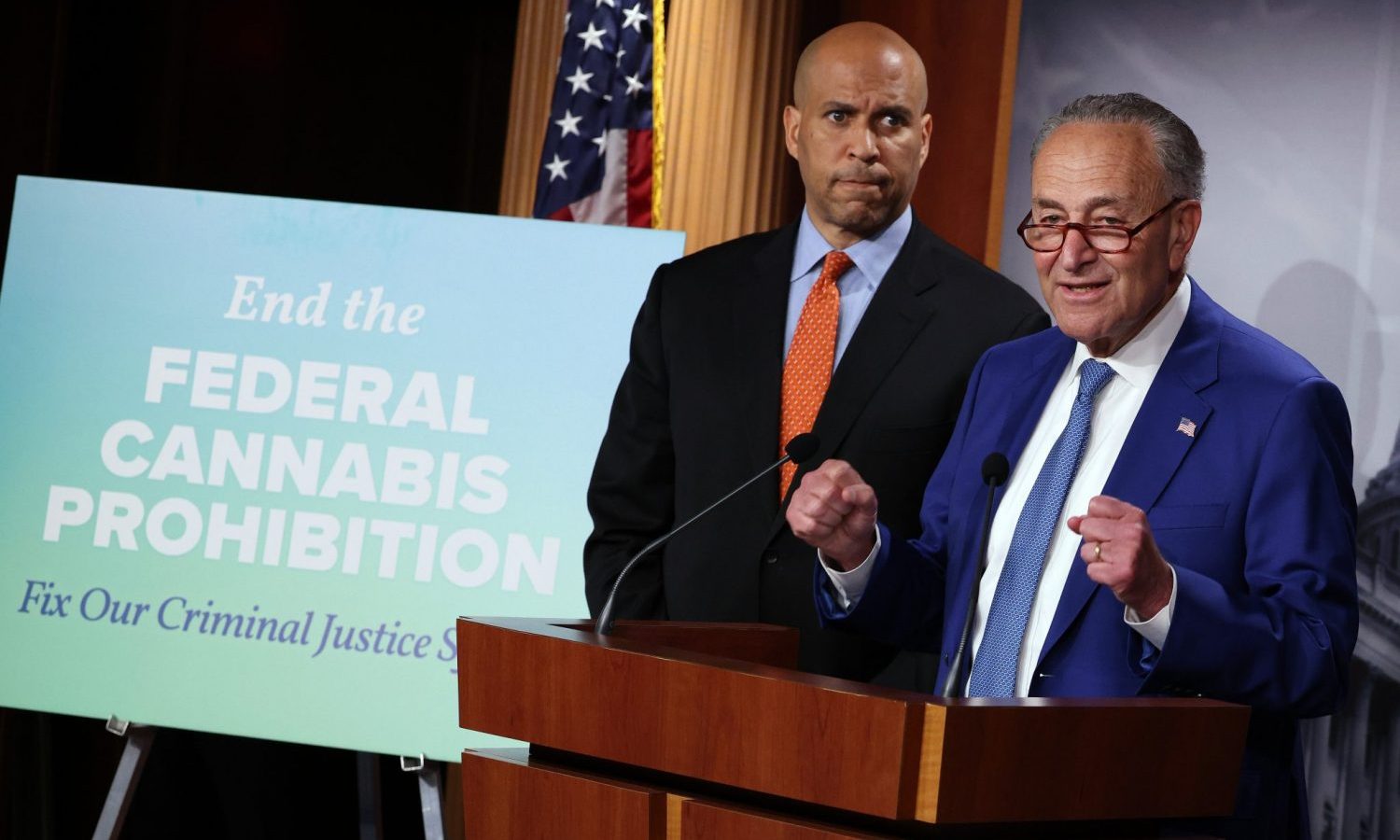
Weeks after the long-awaited marijuana decriminalization Senate bill was presented, it has faced a lot of criticism, mostly for its complexity. Many industry experts, such as Cantor Fitzgerald’s Pablo Zuanic and Emily Paxhia, co-founder of one of the longest-running dedicated cannabis investment funds, Poseidon Asset Management agree that the chances of the bill passing the Senate are slim. The bill is called the Cannabis Administration And Opportunity Act (CAOA).
“There is too much packed into CAOA for this to get through, this was a Hail Mary bill put forth by Schumer and the supporting democrats,” Paxhia recently told Benzinga.
Photo by Kevin Dietsch / Getty Images
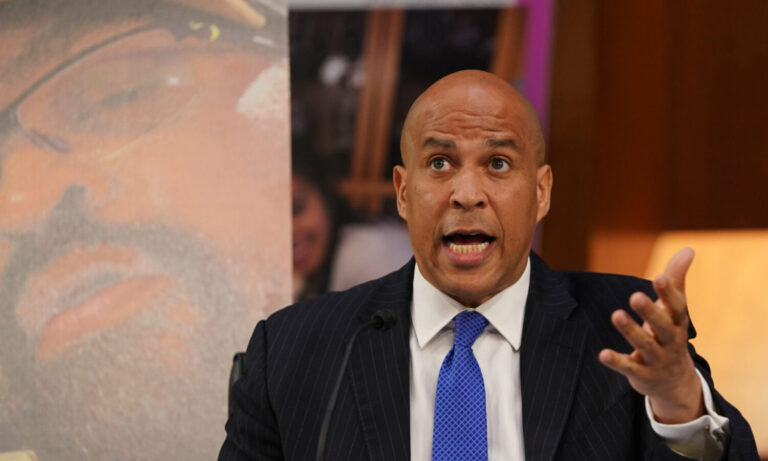
Nevertheless, one of the bill’s leading sponsors, Senator Cory Booker, remains optimistic about seeing marijuana decriminalized at the federal level. “I’m actually gaining enthusiasm,” Booker told Pix11 on Wednesday.
“We have more and more state senators coming on to the major bill, and now more Republicans stepping up looking to help us perhaps land to compromise.”
The statement came on the heels of Booker having revealed that he is open to compromise, signaling the possibility of his chamber passing a marijuana banking measure with certain social equity components, before taking action on the CAOA.
“I’m open to compromises that are going to achieve my goals of safety, of investment opportunities that are equal for business communities, and, finally, to make sure we do something for all of these people right now who have marijuana possession charges that deserve some relief from the impact that it’s having on their economic and family wellbeing,” Booker told NJ Spotlight News last week.
Previously, Booker had opposed passage of the SAFE Banking Act on its own, out of concern that it did not deal with restorative justice. Hence the news of his shift to accepting a possible compromise came as a surprise to many. It could also signal a challenging fate for CAOA despite Booker’s apparent enthusiasm.
In addition to expressing his optimism about reform, the senator stressed the importance of pushing for cannabis legalization on the federal level.
“You know since I got here, this prohibition on marijuana has particularly hurt low-income minority communities,” Booker said. “They were more marijuana arrests in 2019 for possession, than there were all violent crime arrests combined. And so we are wasting so many resources. What we need to do is decriminalize this on a federal level.”
If you area marijuana fan, then cannabis beverages could be for you.
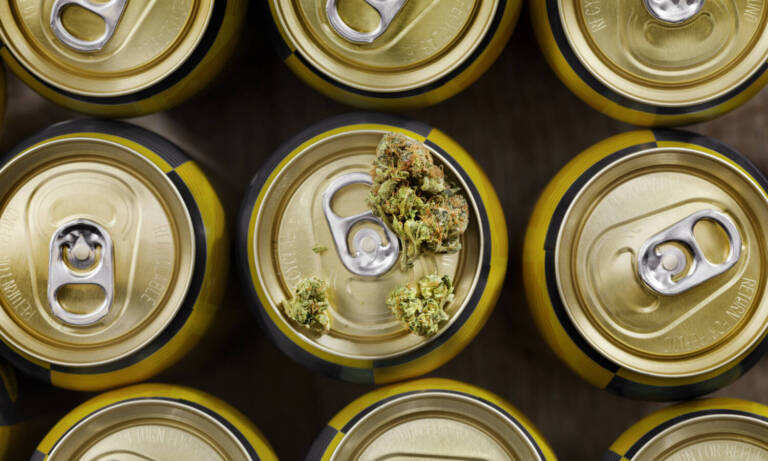
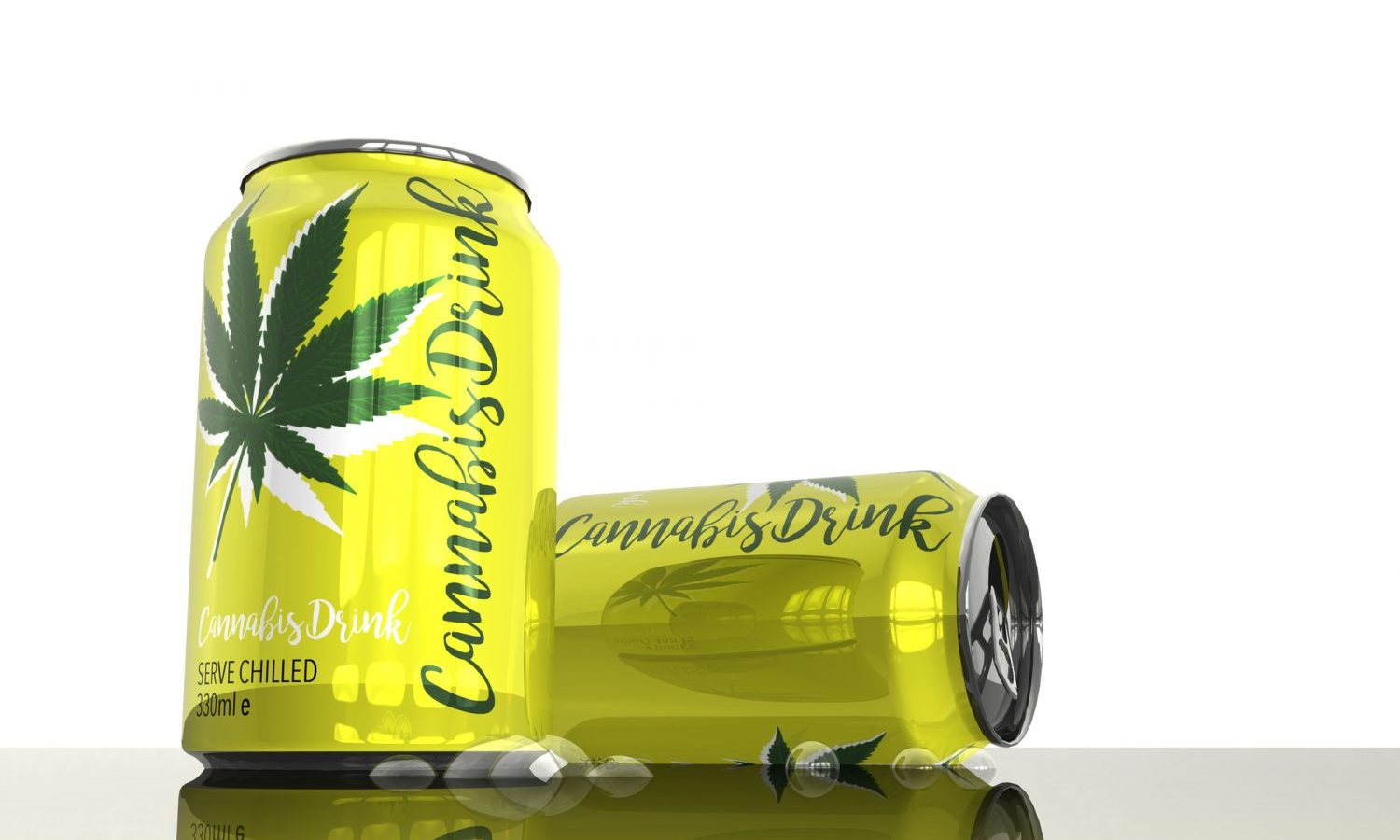
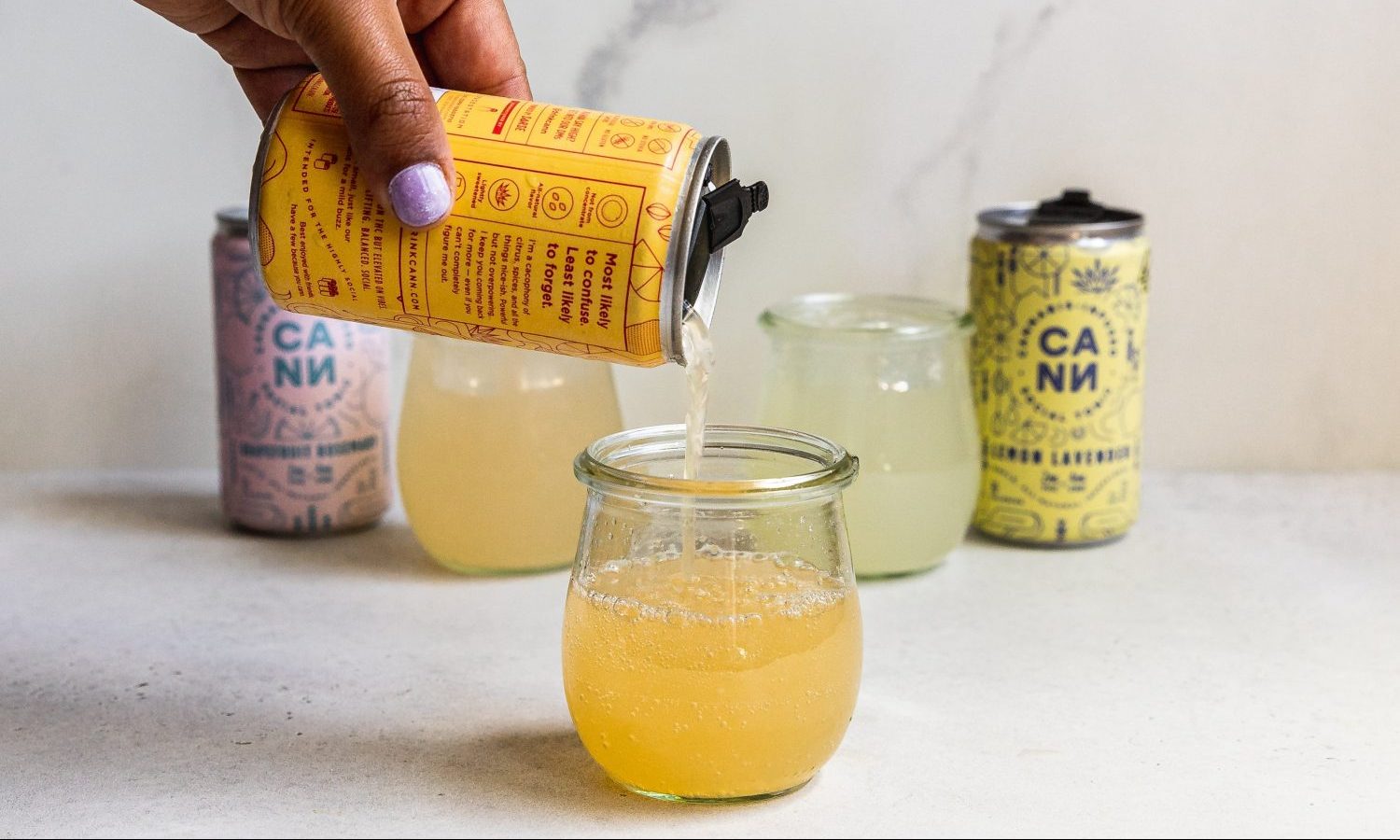
We are living in fun, you might even say, chill times. If you live in a legal state, chances are you’ve seen at least a few different kinds of cannabis infused non-alcoholic beverages. From infused wines, beers, seltzers, sparkling waters, and pre-mixed cocktails, the choices are fascinating and interesting to say the least. So can cannabis and hemp-infused drinks replace your boozy drinking habits?
Manufacturers have figured out how to infuse beverages the right way, providing consumers with a tasty beverage that may very well be able to replace alcohol. They taste just as good — sometimes even better — and they get you high or at the very least, relax you.
Photo by VICTOR HABBICK VISIONS/SCIENCE PHOTO LIBRARY/Getty Images
According to experts, the marijuana-infused drink market could be valued at $2.8 billion each year from 2025 onwards. However, many think these estimates are actually conservative since the drug is still federally illegal, but it could change drastically if the tides change.
Given how accessible marijuana infused beverages now are, you can literally replace them in situations where you would normally drink booze: at parties, at home, gatherings with friends, even festivals and concerts. They’re ready to drink, tasty, and provide a similar experience to alcohol, but without the alcohol. Instead, you can choose from varying levels of tetrahydrocannabinol (THC) and/or cannabidiol (CBD). But could getting high be a good alternative to getting drunk?
Tailor Your Experience
Cannabis drinks come in a wide variety of THC and CBD levels. From a mild 2mg of THC to as much as 10 servings of 10mg THC in a drink, the options out there are virtually limitless.
Newbies to the cannabis infused drink game can start with low doses, increasing your consumption gradually as it lets you have more control on how high you want to get. For many people, 20mg of THC is enough to feel a good buzz without getting too wasted. Pacing your drinks out just like you would with alcohol will let you have more control for a pleasurable experience without regrets.
Ideal For Beginners
Beginners have a wide array of low-dose THC cannabis drinks out there. There’s no need to worry about getting too high since low dose drinks let you enjoy social (or solitary!) “drinking” situations as you please. Simply take smaller sips so that you can gradually enjoy its effects. Whereas taking one THC gummy can deliver the same effects, one full can or serving of a THC infused drink will also give you the same effects.
By replacing alcohol with cannabis drinks, you can enjoy a wide range of therapeutic and medicinal effects. From reducing inflammation to treating anxiety, depression, and even physical pain, drinking cannabis drinks can have you feeling so much better than you may have ever anticipated. Meanwhile, drinking alcohol does the opposite: numerous studies have shown the association between alcohol use and health problems: liver disease, breast cancer, increased anxiety, and much more.
Creative Ways To Imbibe
Cannabis beverages can be enjoyed in a multitude of ways. They also make delicious mixers: you can simply add them to a non-alcoholic drink of your choice or use it as a mixer to create your own tailored cannabis infusion. Make a marijuana ice cream float, turn them into popsicles, enjoy it on its own… the possibilities for a good time are virtually endless.
CBD for a Relaxing Time
There are also CBD-infused beverages for those who prefer not to get high. Instead, you can count on CBD drinks for a more relaxing high. These can be consumed in social occasions, and can even replace your wine habit because they are also sedating and can be taken before bed.
In addition, CBD drinks offer many potent health benefits such as fighting inflammation, cancer, and anxiety. They also cater to more health-conscious consumers who don’t want to get blazed.
Photo by Elsa Olofsson via Unsplash
Improved Mood
When you’re having a rough or stressful day, cannabis drinks can improve your mood without you needing to light a joint or smoke it up.
In fact, you don’t even need a lot of it: a low-dose drink with as little as 5mg THC is all you need to feel better. In the past, you may have reached for a bottle of alcohol to make you feel better at the end of a crappy day. But with cannabis infused drinks, a little will go a long way in an uplifted mood. Studies have shown that cannabis does indeed do an effective job at improving one’s well-being; it stabilizes your mood while reducing emotional symptoms that you may have if you struggle with depression or anxiety.
Sure, maybe cannabis infused drinks aren’t for everyone; some people may still prefer a glass of wine or cocktail, while others still prefer to have an edible or smoke a joint. However, if you already enjoy consuming CBD or THC in reasonable amounts, and prefer actually ingesting it to vaping or smoking, then cannabis beverages could be for you.
They are a generally milder form in a socially-accepted format (drink) which also offers the same benefits that you would get from THC or CBD. Additionally, individuals who may have health problems such as asthma, which prevent them from smoking, may see the value of cannabis drinks.
On top of that, recovering alcoholics can also benefit from it. Even those who tend to go over the top sometimes, blacking out occasionally with alcohol, cannabis drinks can give you the same social benefit but still functioning as a safe middle ground so that you don’t have to fall off the wagon. And you aren’t exactly sober in the process too.