Researchers behind a recent survey were surprised to find that physicians’ level of knowledge of medical cannabis did not vary between states.
A recent survey has revealed that 71% of physicians affiliated with the Society of Cannabis Clinicians learned about medical cannabis from conferences. Only 1 participant out of 37 participants reported having learned about medical cannabis from medical school.
This survey confirms that cannabis education is not available in mainstream medical schools at either undergraduate or graduate levels, an issue that has been highlighted by the cannabis community on countless occasions. However, a majority of the physicians reported being content with the amount of cannabis information that is available to support physicians prescribing medical cannabis.
The aim of the survey was to investigate the knowledge level and source of knowledge of Prescribing Physicians in California as well as other states. Because California was the first state to legalize cannabis, the researchers assumed that physicians in this state would be more knowledgeable about cannabis. Surprisingly, this didn’t emerge as true from the survey.
The survey forms were sent out electronically to members of the society. Only physicians were eligible for the study and participation was purely on a voluntary basis with no incentives offered. A total of 133 members were eligible for the survey and 45 participated. Here are a few key findings that were highlighted by the survey:
71% of the participating physicians obtained most of their cannabis knowledge from conferences
Over 50% of physicians reported being satisfied with the medical cannabis information that is available
Over 75% had sufficient knowledge of cannabinoids and the endocannabinoid system
The researchers were surprised to find that physicians’ level of knowledge of medical cannabis did not vary between states. Physicians in California were not more knowledgeable as compared to physicians from others states, in spite of the fact that California has the oldest medical marijuana program.
It was concluded that more effort needs to be put into ensuring that physicians’ knowledge of medical cannabis is enhanced. To achieve this it may be necessary to review medical school curricula to include the endocannabinoid system and cannabinoid-based medicine.
The National Conference of State Legislatures (NCSL) recently voted to adopt a revised policy directive expressing support for federal marijuana descheduling and cannabis banking reform, reported Marijuana Moment.
The measure passed the organization’s 2022 legislative summit in a voice vote on Wednesday. A state lawmaker present at the event told Marijuana Moment that most of the discussion leading up to the vote focused on the need for federal banking reform. However, there was no debate on the language of legalization.
Photo by Olena Ruban/Getty Images
In 2017, NCSL passed a directive calling for the descheduling of cannabis, however, the most recent measure revised this year hinted that states should be able to set their own cannabis policies without federal intervention.
To amplify that position, NCSL members voted to include an explicit call for federal legalization. Added to the policy directive is another new section that pushes Congress to pass cannabis banking reform as well.
“Under federal law, cannabis businesses in states that have legalized the sale of cannabis are unable to utilize the country’s banking system, forcing them to operate as primarily cash-only entities,” stated the NCSL directive.
“This reliance on cash makes cannabis businesses prime targets for theft, burglary, armed robbery, and other property crimes. NCSL urges Congress to pass legislation allowing financial institutions to provide banking services to legitimate state-authorized cannabis-related businesses,” reads the directive.
This year’s summit, held in Denver, pointed to more explicit language in its support for congressional action to solve the problem. In addition, the summit involved an NCSL-organized visit to a Colorado cannabis cultivation facility, hosted by Columbia Care.
The group also hosted a panel focused on how lawmakers use data to develop state cannabis laws. To this end, the event featured a representative from the federal Centers for Disease Control and Prevention (CDC).
“The policymaking process often provides opportunities to craft rules and regulations addressing common public health and safety concerns and measure data over time,” NCSL said in a summary document.
“The early involvement of state and local health officials brings a range of perspectives and expertise into the policymaking process, according to interviews. Early and more recently adopting states have looked to each other for examples of evolving policies and new ideas, creating an ever-changing policy landscape.”
While the study revealed that “patients with cannabis abuse were 55% less likely to have HCC compared with patients without cannabis abuse,” the researchers highlighted that this only confirms correlation and that they could not definitely confirm direct causation.
Marijuana users have 55% fewer chances of developing one of the most common malignancies worldwide — hepatocellular carcinoma (HCC), according to a study published this year in the medical journal Cureus.
HCC is considered the fourth leading cause of cancer deaths in the world, and based on a study that analyzed data for millions of people in the National Inpatient Sample (NIS) database, cannabis consumers have significantly lower chances of developing this disease.
Photo by PhotoAlto/Katarina Sundelin/Getty Images
Researchers from Georgetown University Hospital and the Cleveland Clinic, who led the study, said that the association between HCC and marijuana has already been noticed in ice, but to their knowledge, it hadn’t yet been confirmed in humans.
The study used data from the NIS database between 2002 and 2014 and included a total of 101.23 million patients. Out of the total, 996,290 were patients who consume marijuana, while the control group with no cannabis usage included 100.23 patients.
“We noticed that patients with cannabis abuse were younger (34 vs 48 years), had more males (61.7% vs 41.4%) and more African Americans (29.9% vs 14.2%) compared with the control group (P<0.001 for all). Besides, patients with cannabis use had more hepatitis B, hepatitis C, liver cirrhosis, and smoking, but had less obesity and gallstones,” the study authors said.
And while the study revealed that “patients with cannabis abuse were 55% less likely to have HCC compared with patients without cannabis abuse,” the researchers highlighted that this only confirms correlation and that they could not definitely confirm direct causation.
“We suggest prospective clinical studies to further understand the mechanism by which various active ingredients, particularly CBD in cannabis, may possibly regulate hepatocellular carcinoma development,” they wrote.
Pre-Clinical Study Showing Cannabinoid Therapies Stop Liver Cancer Growth
While this study does not confirm that marijuana can keep people’s livers safe from HCC, other recent studies are closely in line with the suggestion. In April, the biotech company, Can-Fite BioPharma completed pre-clinical studies demonstrating cannabinoid-based therapies stop liver cancer growth. The studies showed that CBD-rich T3/C15 cannabis fraction inhibited the growth of liver HEP-3b hepatocellular carcinoma cells via the A3AR by inhibiting Wnt- and NF-kappa B-related regulatory pathways. The company’s lead drug candidate Namodenoson is expected to enter the Phase 3 study in Q4 2021.
Photo by fstop123/Getty Images
Previous Studies On Marijuana And Cancer
Colon Cancer: In March, An Israeli biotech company that develops medical products based on cannabis and fungal extracts, Cannabotech reported cell model study results showing that its “Integrative-Colon” products killed over 90% of colon cancer cells. The Integrative-Colon products are based on a combination of several cannabinoids from the cannabis plant and various mushroom extracts.
Pancreatic Cancer: Experiments conducted on a cell model showed that a botanical drug based on an extract of the Cyathus striatus fungus and a cannabinoid extract from the cannabis plant eliminated 100% of pancreatic cancer cells relatively selectively and without damaging normal cells. The results were revealed in April 2022.
Breast Cancer: A study conducted by Hadassah Medical Center physicians and published in December revealed a sixfold improvement in killing breast cancer cells when using specific Cannabotech’s medical cannabis products in combination with standard oncology treatments and drug protocols such as chemotherapy, biological and hormonal, over the existing treatment.
Researchers examined 10,000 middle-aged and older adults and found that those who consumed over 20% of their calories from processed foods experienced a faster decline in cognitive performance.
Ultra-processed foods is a term we’re likely all familiar with: junk foods that have very little to no nutritional value. More specifically, the term refers to “industrial formulations of food substances (oils, fats, sugars, starch, and protein isolates) that contain little or no whole foods and typically include flavorings, colorings, emulsifiers, and other cosmetic additives,” according to a new study that found these foods are bad for our brains.
The results of the study are concerning since ultra-processed foods can be easily packaged and disguised as healthy, particularly since they’re convenient and can save a lot of time for people, including frozen meals, hot dogs, ice cream, breads, crackers, and more.
Researchers in Brazil examined 10,000 middle-aged and older adults and found that those who consumed over 20% of their calories from processed foods experienced a faster decline in cognitive performance. In America, where diets are made up of 58% ultra-processed foods, this is very concerning.
Previous studies have linked ultra-processed foods with a variety of diseases, from obesity to cardiovascular disease. This new study focused on the food’s effect on the mind and found that inflammation was the culprit.
“That’s because they cause inflammation, which can affect neurotransmitters in the brain. Processed foods also operate on a micro level with billions and billions of bacteria cells that (impair) functioning,” Rafael Perez-Escamilla, professor of public health at Yale University, told USA Today.
Ultra-processed foods are a serious problem in the US, being cheaper and easier to access than a large number of healthy, whole foods. They have longer shelf lives and are easier to cook, becoming a convenient option for people who don’t have the time to cook or are simply looking for cheaper options.
Still, it’s important for people to know this information on these types of foods, and to keep in mind that they take a toll in the long run, depriving you of years of health.
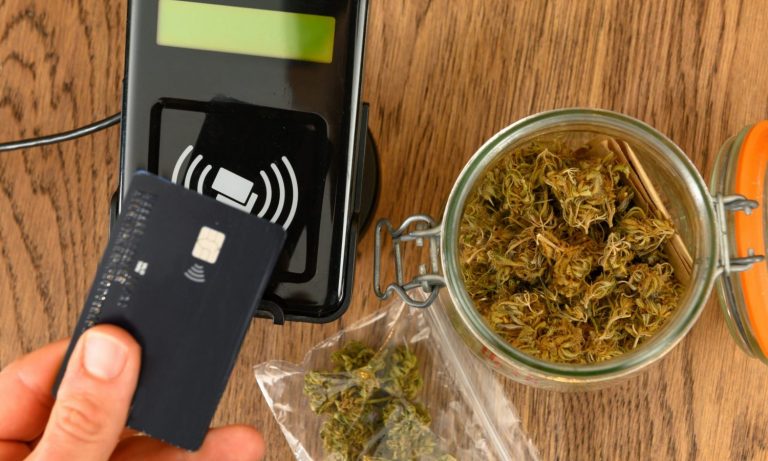
Regardless if you are someone who purchases cannabis for recreational or medical use, you will need to choose a dispensary that is going to fulfill your requirements.
While each dispensary varies from location to location, you will want to find one that meets specific criteria when choosing to ensure you don’t select one that is going to drain all of your hard-earned money. You want to look for the dispensary that gives you the most for your money when buying medical marijuana.
Here are some other things to look for.
Quality
Photo by Heath Korvola / Getty Images
You’ll find various strains of marijuana in the marketplace with varying levels of CBD and THC. Both geneticists and marijuana growers are consistently developing brand new strains that are better every day. You want to be certain you are choosing a dispensary that is going to offer you various selections, but one that isn’t going to sacrifice on quality to do so. After all, quality over quantity is always the way to go for marijuana.
Quality cannabis is going to deliver the best experience every time. This is especially true if you are purchasing the strain at a higher price. You want it to smell good and to look good. You’ll find that different cannabis strains will need to be packaged differently to ensure you can see what you’re buying. If you want to know more, look here to find the best online dispensary Canada.
Photo by mikroman6/Getty Images
Location
You won’t want to spend time traveling multiple hours if you don’t necessarily need to. This is especially true for those who are using cannabis for its pain relief benefits. It can be very difficult to travel long distances for many people. Because of this, you want to find one that is nearby. However, you don’t want to choose one solely based on location alone. You can always check out Google Maps and use it to identify some of the different dispensaries nearby. You’ll find some even offer delivery services. This could be a good option for those with medical conditions that make it difficult to leave their homes.
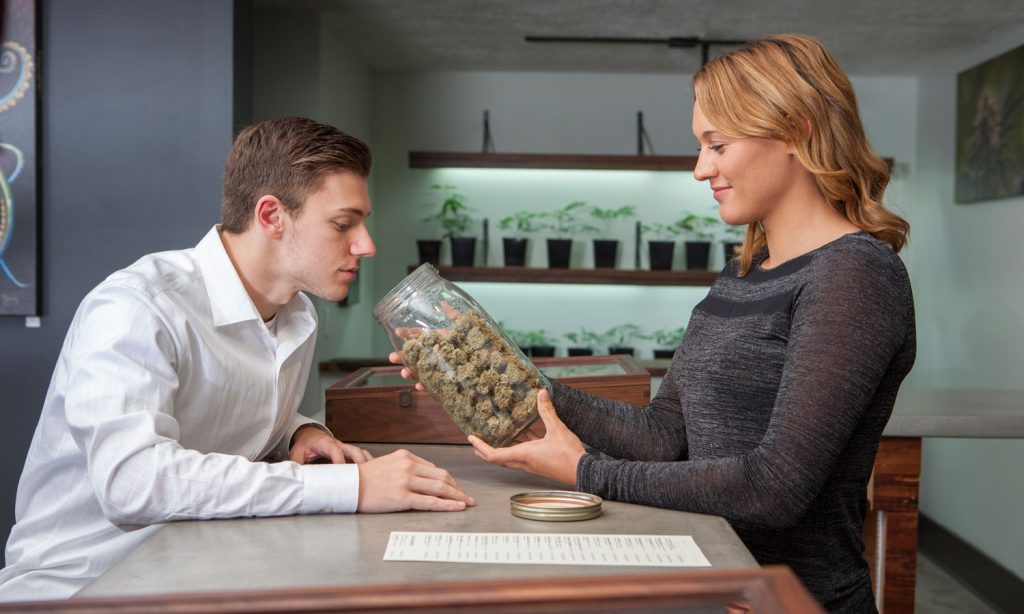
You’ll find a lot of people end up frequenting marijuana dispensaries without having a clear idea of what they are doing and what they should be looking for. You want to find a dispensary that employs knowledgeable and friendly staff that are willing to advise you and answer your questions. They should have detailed knowledge of the products they are selling and what the key differences are between all of their products.
You want the budtender to be friendly to customers and you want to find someone that is going to be patient in helping you identify the right strain for yourself. Budtenders that don’t know a lot about cannabis are more likely to try to sell you cannabis you don’t need. For a dispensary to gain loyal clients, they’ll need to be able to provide education to their staff about their products.
Photo by Zummolo/Getty Images
Feedback
You want to look at the different dispensaries nearby to ensure you can find one that has a lot of positive feedback. While it’s common for dispensaries to have people with negative experiences, you don’t want to choose one that makes it a frequent occurrence. You want to look for one that has a lot of positive reviews. That way, you can narrow down your options to try to choose a dispensary that is likely to offer you a good experience yourself.
Forms of Cannabis Available
You’ll find that people have different ways they like to consume marijuana. Not everyone is going to want to smoke it. You’ll want to find a dispensary that provides different consumption methods including infused cannabis, edibles, and even CBD oils. That will help them remain as relevant as possible and it will give you more of a selection to choose from if you have a preference.
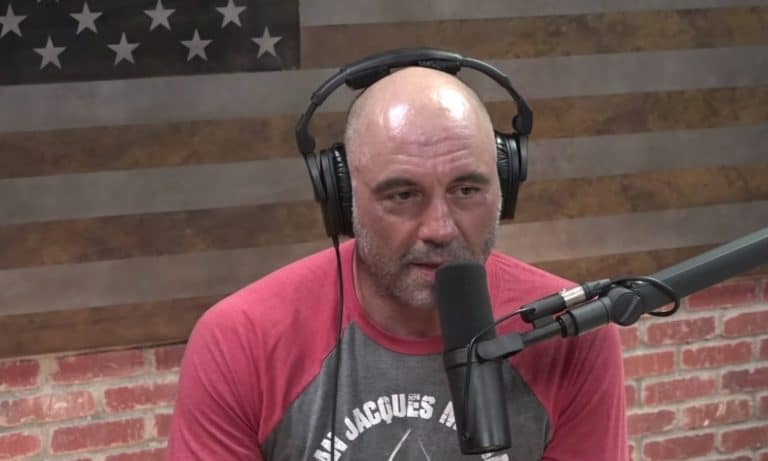
We’ve people in America right now, locked up for marijuana, and they’ve been locked up for f**king years. For years and years and years. And there’s not one. There’s thousands of them,” Rogan said.
Joe Rogan has joined the chorus regarding Brittney Griner’s imprisonment over cannabis, in his inimitable fashion.
“F**k, it’s horrible. It’s for nothing. It’s like she’s the clearest form of political prisoner,” he said on one of his recent shows, The Joe Rogan Experience. “I’m not a very political person, in that sense. I’d like to see them resolve this, but I think it’s just one part of a bigger problem.”
Photo by Mike Mattina/Getty
Don’t we know it, Joe? Thousands of cannabis prisoners are still serving time behind bars for merely possessing a plant that is legal in some form in over half of the United States.
“She might do 10 years in jail over there… She has already been over there for months. But here is what is important… People are freaking about this right? Russia needs to let her go. We’ve people in America right now, locked up for marijuana, and they’ve been locked up for f**king years. For years and years and years. And there’s not one. There’s thousands of them,” Rogan said.
The American Civil Liberties Union has updated stats and demographics regarding who is getting busted these days and who’s getting a pass.
“Of the 8.2 million marijuana arrests between 2001 and 2010, 88% were for simply having marijuana. Nationwide, the arrest data revealed one consistent trend: significant racial bias. Despite roughly equal usage rates, Blacks are 3.73 times more likely than whites to be arrested for marijuana,” according to a recentACLU report.
“Imagine sitting in a cell for years, decades, or even for life, convicted of an activity that is no longer a crime, while thousands of other people build intergenerational wealth doing exactly the same thing,” writes the Last Prisoner Project (LPP), which is on a global mission to leave no cannabis prisoner behind.
Joe Rogan agrees: “Something to consider when we’re talking about Russia’s horrific imprisonment of Brittney Griner: there are tens of thousands of people in prison in America for cannabis right now. No one should be in jail for weed.”
Michigan State University researchers found that marijuana legalization does not lead to more young people trying the substance. By contrast, that’s not the case with adult users, as the number of those deciding to try marijuana for the first time has increased in states where recreational marijuana is legal.
Among those aged 12 to 20 who are not allowed to purchase or use recreational marijuana as it is considered unlawful, the study found no evidence of an increase.
Photo by Eliott Reyna via Unsplash
“We offer a tentative conclusion of public health importance,” wrote the authors of the peer-reviewed research article, published in the journal PLOS One last month. “Legalized cannabis retail sales might be followed by the increased occurrence of cannabis onsets for older adults, but not for underage persons who cannot buy cannabis products in a retail outlet.”
The authors, who used public data from more than 800,000 respondents to the National Survey on Drug Use and Health, emphasized that their goal was to examine the incidence of use or when people initially consume cannabis following the adult-use legalization.
“[T]here has been no policy influence on cannabis incidence in the underage adolescent population after adults have been allowed to buy cannabis in retail shops,” they wrote.
Contradictory Results
Meanwhile, recent government-funded studies also showed a decline in young people’s use of marijuana and other controlled substances.
After Michigan’s annual Monitoring the Future (MTF) survey showed an unprecedented year-over-year decline in 8th-graders, 10th-graders and 12th-graders, Coloradans followed suit.
The Colorado Department of Public Health and Environment’s (CDPHE) Healthy Kids Colorado Survey’s results showed that in 2021 young people were 35% less likely to use marijuana than in prior years.
Still, studies like UC San Diego New Center’s observational survey, which showed contradictory results, continue to warn that cannabis use by youth is a vital issue.
“Cannabis addiction is a real issue that teenagers should be aware of, as they appear to be much more vulnerable to it than adults,” said Dr. Will Lawn, lead author of a recent study published in the Journal of Psychopharmacology. “There is a lot of concern about how the developing teenage brain might be more vulnerable to the long-term effects of cannabis, but we did not find evidence to support this general claim.”
Sen. Cory Booker (D-NJ) is “open to compromises” when it comes to federal cannabis reform. He is even considering the possibility that his chamber could green-light a marijuana banking measure that would include social equity components, before taking action on the Cannabis Administration And Opportunity Act (CAOA), the senator signaled in a recent interview published by NJ Spotlight News.
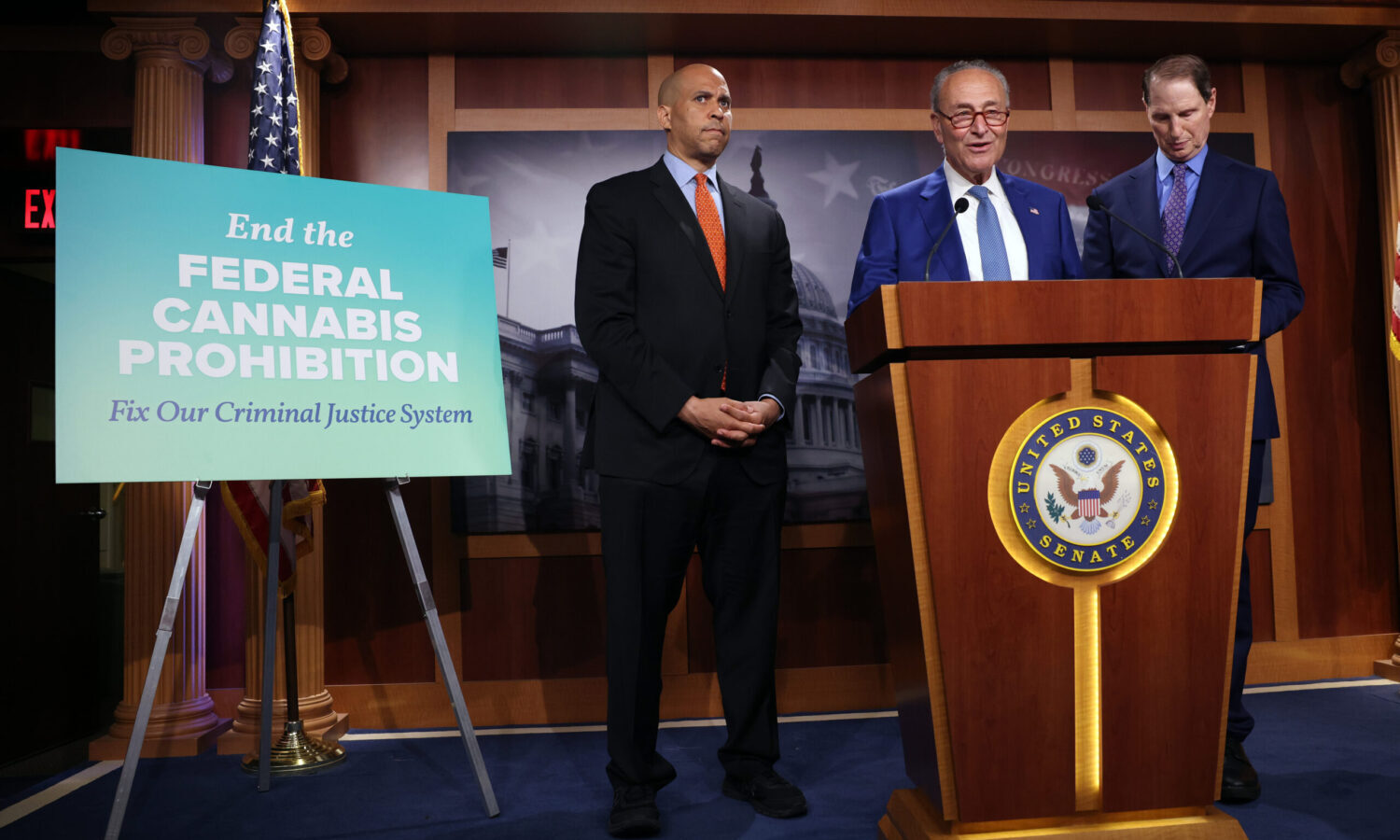
In late July, Booker, Senate Majority Leader Chuck Schumer and Senator Ron Wyden (D-OR) introduced a long-awaited marijuana bill that would decriminalize and deschedule cannabis on the federal level, while also promoting social equity.
U.S. Senate Majority Leader Charles Schumer (D-NY) (C), joined by Sen. Cory Booker (D-NJ) (L) and Sen. Ron Wyden (D-OR) / Photo by Kevin Dietsch/Getty Images
Shortly after, Senate Judiciary Subcommittee on Crime and Terrorism, chaired by Booker, held a hearing called “Decriminalizing Cannabis at the Federal Level: Necessary Steps to Address Past Harm,” during which the senator called for an end to the federal ban on marijuana, saying that “federal cannabis prohibition has failed.”
Despite criticism for accepting a more dialed-back approach to the issue of federal marijuana reform, the senator remains firm in his position to be open to compromise.
“New Jersey sent me down here to get things done—not to make stands where I make good points but don’t pass bills,” Booker said. “I’m open to compromises that are going to achieve my goals of safety, of investment opportunities that are equal for business communities and, finally, to make sure we do something for all of these people right now who have marijuana possession charges that deserve some relief from the impact that it’s having on their economic and family wellbeing.”
Referring to the bipartisan Secure and Fair Enforcement (SAFE) Banking Act that seeks to protect financial institutions wanting to provide their services to state-legal marijuana businesses, Booker supports it. He’s called it a “very important” measure, though believes it should include “some restorative justice as well.”
SAFE Banking Act has passed the House seven times. However, it is still in the Senate under Republican and Democratic leadership.
In a speech he delivered last week in Las Vegas, Nevada, Former President Donald Trump said that the US should replicate the drug policies of China where drug dealers face the death penalty after quick trials.
He discussed drastic measures which he believes are the solution for law and order in the country, praising China’s preferred method of governance. “The penalties should be very, very severe. If you look at countries throughout the world, the ones that don’t have a drug problem are ones that institute a very quick trial death penalty sentence for drug dealers,” he said.
“It sounds horrible, doesn’t it? But you know what? That’s the ones that don’t have any problem. It doesn’t take 15 years in court. It goes quickly, and you absolutely – you execute a drug dealer and you’ll save 500 lives,” he explains. He went on to say that the US needed a crack down on illegal drug dealers with the strengthening of police force, whom he thinks should be present in every corner.
“It’s terrible to say, but you take a look at every country in this world that doesn’t have a problem with drugs, they have a very strong death penalty for people that sell drugs,” Trump said.
The United States is already well on the way to spreading cannabis legalization, as well as the legalization of therapeutic psychedelics, both of which have tremendous benefits for society as proven by the data. But the opioid epidemic still haunts us, taking lives each day — and the death penalty is no solution to the opioid epidemic.
Death Penalty Is Not The Solution
If any country has a drug problem, the presence of illegal drug pushers is merely a symptom of a bigger issue. Death penalty is never the answer.
For people like Trump who think it is, their moral compass is seriously off the radar. Nobody has the right to take someone’s life from them.
According to a 2018 report by Harm Reduction International, some 35 countries around the world still issue the death penalty for drug related offenses. However, while these countries choose to use capital punishment, that doesn’t mean that it’s right or that it works. In fact, the trend is that more countries are working to abolish the death penalty for crimes – not just drug-related crimes, so if the US decides to adopt such an extreme measure, it would go against the global trend. Besides, the countries that have these measures in place don’t have any proof that it works in stopping the cycle of the illegal drug trade and the pushers behind them.
One also has to remember that in numerous cases, many people who have had no choice but to become pushers have only done so out of desperation. They are usually tricked or forced into going against the law, and oftentimes they are only teenagers. It is simply not fair to rob a teenager of their right to live – they are not the ones the law should be after.
Take the case of Shahrul Izani of Malaysia, who was only 19 years old when he was convicted of drug trafficking back in 2003. He was found with 622 grams of marijuana on him and was then given the death penalty due for 2009, with many fighting for his life. Thankfully, Amnesty International Malaysia was effective in their campaigns for his clemency and instead was sent to prison, where he is scheduled to be released in 2030.
Malaysia doesn’t disclose their execution statistics, though according to experts, more than half of the death sentences in the Asian country have been due to drug convictions. However, Iran and Malaysia were once two countries that were prime supporters of the death penalty yet both countries have already made efforts necessary to minimize having to go to this extreme for drug-related measures. It makes no sense for a country supposedly as progressive as the United States to start going in the opposite direction.
Instead, we should be looking at measures that are always humane and evidence based. More importantly, any measure should seek to address the root cause of any public health crisis. Policies are needed to ensure that marginalized communities are always protected while spreading awareness and information on harm reduction policies. Treatment and medication for those who are addicted to drugs need to be provided, but these things simply do not happen in cultures that use the drug penalty to punish drug pushers with the death penalty.
At the end of the day, capital punishment goes against the values of a democratic system. There are many things that are unfair, unjust, and inhumane about it but in the United States (and many other countries), what makes it worse is that it’s carried out on people based on their wealth status. It’s far more common for marginalized people, people of color, and the poor to be executed compared to rich, white people.
Besides, going after the death penalty will only waste resources: law enforcement, taxpayer money, and more. There is no real benefit for public health and will not even stop violent crime. Experts know that the real solution to end violent crime is to provide more employment, work on a better, more lucrative economy, and increasing the police force.
Photo by MachineHeadz/Getty Images
The data is there: based on the FBI’s Uniform Crime Reports, states that have the death penalty have a higher murder rate compared to states that don’t. It does nothing but fool the voting public that the government is indeed working on reducing violent crime but these laws really do nothing to protect you from criminals. Nobody deserves to die — not by the hand of another man and most especially not the law.
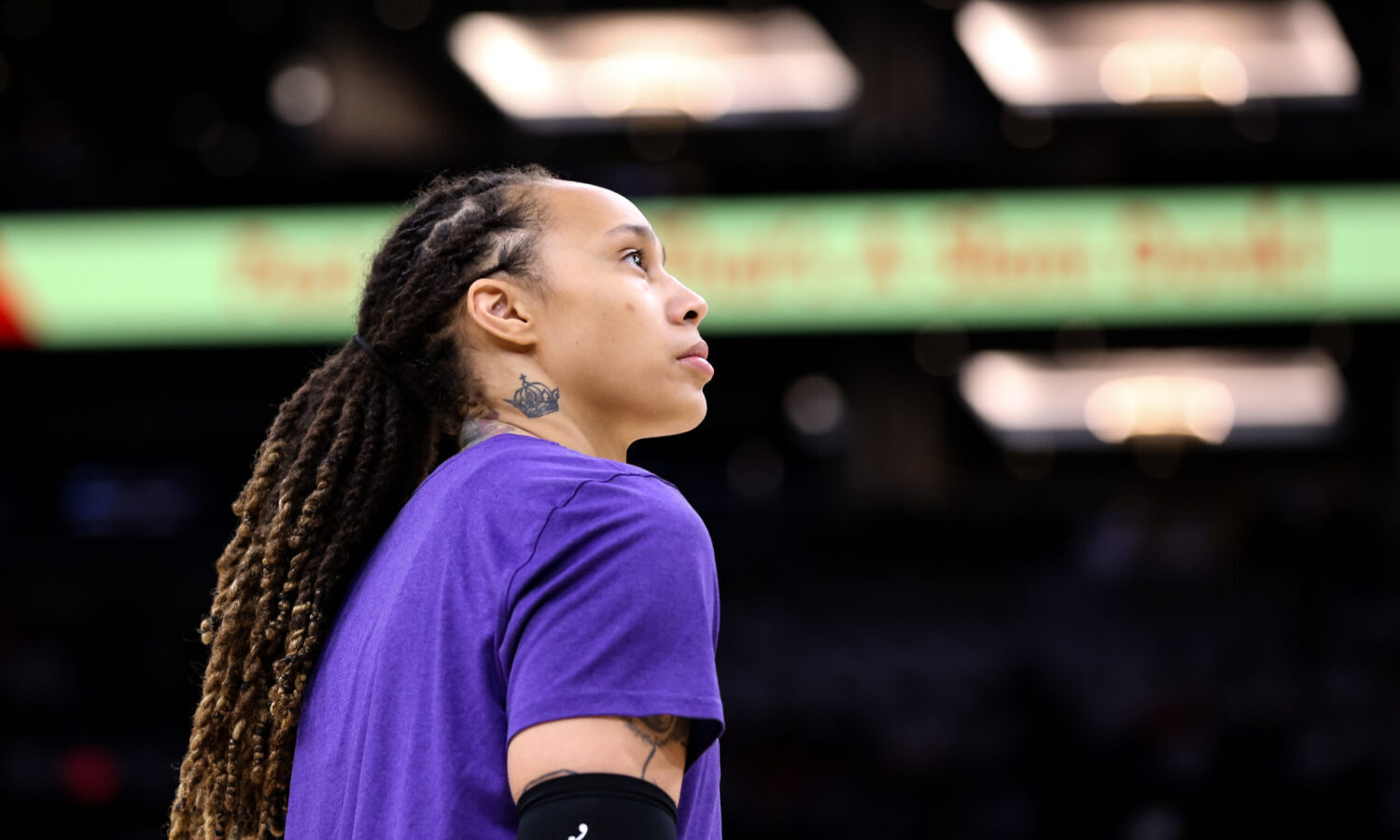
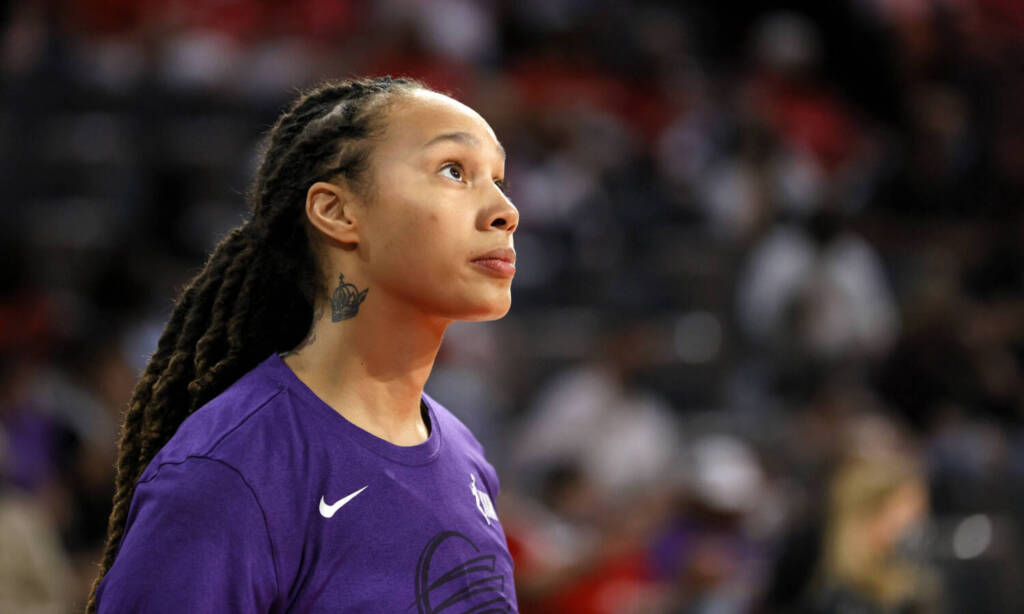
Brittney Griner was arrested in Russia for possession of marijuana. She’s not the only athlete to use the drug for medical purposes.
Last week, Brittney Griner testified in front of a Russian court after being arrested for possession of marijuana. She claimed she used marijuana to treat her sports injuries. And she isn’t the only one.
“Because of my injuries that I’ve had over the long career of basketball. From my spine, no cartilage in my knee. I was in a wheelchair for four months. I broke my ankle and I also sprained my knee really bad. So I was wheelchair-bound,” she explained.
Photo by Ethan Miller/Getty Images
Griner shared that she had purchased the cannabis in Phoenix, and had winded up with them in Russia by accident. “In the seven years that I came back and forth (to Russia), I never brought any substance that needed to be declared. And I didn’t plan on bringing any substance when I came on Feb. 17,” she said.
While banned by all sports, athletes are amongst the most consistent cannabis users in the world. In an interview with GQ, retired NBA pro Al Harrington said that he thought about 85% of NBA players used “some type of cannabis.” Martellus Bennett, a retired NFL player, said he believed “about 89 percent” used cannabis.
It’s usually when players retire that they come clean about their drug use, claiming that marijuana helped them calm down and manage the pain that comes from submitting their bodies to long hours of stress and exercise. “When we looked at the positive effects of cannabis for this population, sleep, pain levels, and the ability to calm down were the most common areas where athletes saw improvement,” said Joanna Zeiger, who conducted a study on the matter.
Despite the large numbers of cannabis users involved in sports, there’s not a lot of research on the matter. Kevin Boehnke, a researcher at the University of Michigan’s Chronic Pain and Fatigue Research Center, spoke with the New York Times and explained that while cannabis tended to be safer than anti-inflammatories and opiates, “that doesn’t mean it’s without risk.” Still, he believes the drug should be studied.
As we’ve reported before, although there is the prospect of developing a marijuana dependency, research shows that less than 10% of consumers end up doing so. Plus, unlike opioids, there are no recorded marijuana overdoses on record.
Griner’s future remains in limbo. She plead guilty but made it clear that it wasn’t her intention to smuggle any substances into Russia. It’s up to the US and Russia to figure out what to do next and how that will impact the sporting community.