Wednesday, May 6, 2026
Home Blog Page 230

Federal Court Rules Hemp-Derived Delta-8 THC Is Lawful

The Court concluded that the 2018 Farm Bill explicitly included all hemp derivatives, including psychoactive substances such as delta-8 THC, in the definition of hemp.

On May 19, 2022, the United State Court of Appeals for the Ninth Circuit (9th Circuit) ruled in a landmark case regarding the legality of delta-8 tetrahydrocannabinol (delta-8 THC).

The 9th Circuit held, in AK Futures LLC v. Boyd Street Distro, LLC, that the plain and unambiguous text of the 2018 Agricultural Improvement Act (2018 Farm Bill) compelled the court to the conclusion that e-cigarette and vaping products containing delta-8 THC are lawful.

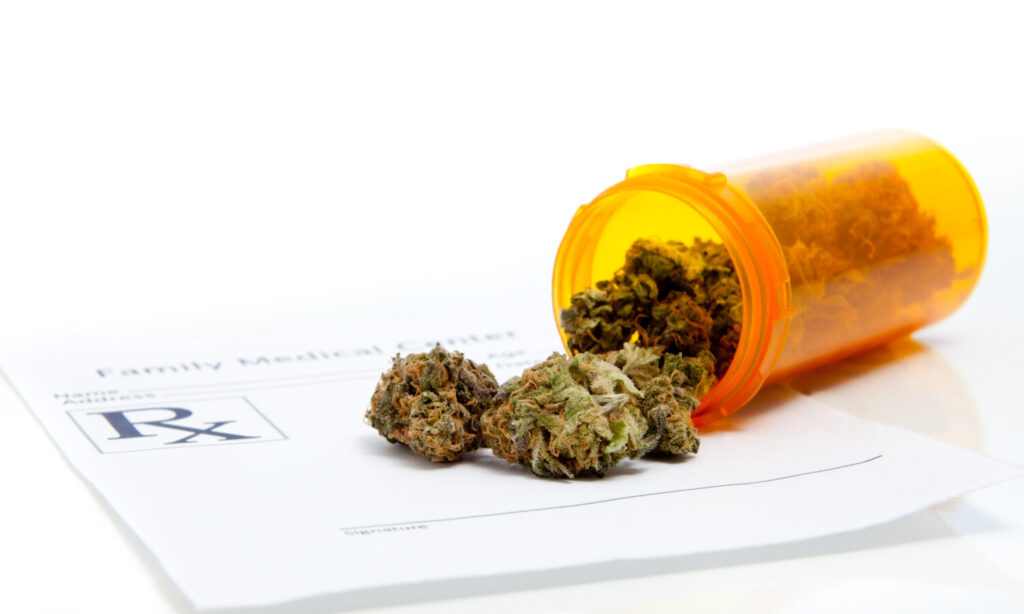
marijuana legalization
Photo by Olena Ruban/Getty Images

The 2018 Farm Bill Legalized Hemp Derivatives and Extracts, Which Includes Intoxicating Cannabinoids Such as Delta-8 THC

In the opinion, the Court analyzed the text of the 2018 Farm Bill to determine whether hemp-derived delta-8 THC was lawful. The 2018 Farm Bill removed hemp from the Controlled Substances Act (CSA) definition of “marihuana” as well as tetrahydrocannabinols in hemp. The Court then turned to the definition of “hemp,” which in full reads as follows:

The term “hemp” means the plant Cannabis sativa L. and any part of that plant, including the seeds thereof and all derivatives, extracts, cannabinoids, isomers, acids, salts, and salts of isomers, whether growing or not, with a delta-9 [THC] concentration of not more than 0.3 percent on a dry weight basis.

The Court analyzed the language of the 2018 Farm Bill as follows:

Importantly, the only statutory metric for distinguishing [CSA] controlled marijuana from legal hemp is the delta-9 THC concentration level. In addition, the definition extends beyond just the plant to ‘all derivatives, extracts, [and] cannabinoids[.] This seemingly extends to downstream products and substances, so long as their delta-9 THC concentration does not exceed the statutory threshold[.] Certainly, a substance must be a derivative, extract, cannabinoid, or one of the other enumerated terms to fall within the 2018 Farm Bill’s statutory definition. However, these terms do not impose meaningful constraints.

The Court concluded that the 2018 Farm Bill explicitly included all hemp derivatives, including psychoactive substances such as delta-8 THC, in the definition of hemp and therefore those compounds are lawful and distinguishable from “marihuana” under federal law. While this case dealt with delta-8 THC to the exclusion of other hemp-derived cannabinoids, its reasoning certainly suggests that hemp-derived cannabinoids and their downstream products, such as CBN, enjoy the same federal legality as delta-8 THC.

Context Is Key

It is important to note that this decision is only binding in states inside the jurisdiction of the 9th Circuit, which include Alaska, Arizona, California, Hawaii, Idaho, Montana, Nevada, Oregon, and Washington. While this decision is likely to be persuasive in other regions, it is not dispositive and other Circuits could deviate from the 9th Circuits analysis.

RELATED: The FDA Sets Targets On Delta-8

While proponents of products containing delta-8 THC are justifiably pleased with this result, the facts of the case are important to consider when planning operations after AK Futures v. Boyd Street Distro. Here is how the Court framed the dispute:

AK Futures LLC, a manufacturer of popular e-cigarette and vaping products, brought suit for trademark and copyright infringement against Boyd Street Distro, LLC, a downtown Los Angeles storefront and smoke products wholesaler. According to AK Futures, Boyd Street has been selling counterfeit versions of its “Cake”-branded e-cigarette and vaping products containing [delta-8 THC] a chemical compound derived from hemp. Boyd Street contends that AK Futures does not have protectible trademarks for its Cake products because delta-8 THC remains illegal under federal law.

AK Futures was seeking to affirm an injunction issued by the District Court to prevent Boyd Street from continuing to infringe on its intellectual property. An injunction is an order from a court that enjoins (stops) a person from beginning or continuing an action that threatens another person’s legal rights. The District Court enjoined Boyd Street from selling goods bearing imitations of AK Futures’ two Cake logo trademarks or copying of Cake’s branding and from “reproducing, distributing . . . , or displaying” copies of the copyrighted Cake design.

6 Cannabis Experiences You Can Be A Part Of In Legal States
Via Getty Images/ArtistGNDphotography

To obtain a preliminary injunction, a party must show, in part, that it will likely succeed on the merits. Boyd Street did not contend that it was selling counterfeit Cake products, instead it argued that AK futures could not own a valid trademark because delta-8 was illegal under federal law. The Court held that “AK Futures is likely to succeed on its trademark claim because its delta-8 THC products are not prohibited by federal law, and they may therefore support a valid trademark.” In reaching this conclusion, the Court first determined that AK Futures legally used the Cake brand in commerce.

RELATED: What It’s Like To Get High On Delta-8 THC Compared To Regular THC

Then the Court turned to whether the use was lawful. Only the lawful use of a trademark can establish a trademark priority. Because the US Patent and Trademark Office (USPTO) is a federal agency, the use must comply with federal law. This has prevented many cannabis brands from obtaining federal trademark protection. In order to determine whether trademark protection extended to AK Futures’ products, the Court had to evaluate whether the 2018 Farm Bill legalized delta-8 vapor products.

FDA Tension

An important component to this analysis is that it involved smokable delta-8 products that did not contain tobacco or nicotine. This case did not involve delta-8 THC in consumable form, such as gummies or tinctures. Early this month the Food and Drug Administration (FDA) issued warning letters to companies selling delta-8 products. For a full analysis of the letters, check out my recent blog post. The FDA does not necessarily have jurisdiction over smokable hemp products so long as they do not contain nicotine or tobacco and so long as they are not marketed as a drug through claims made by the manufacturer or distributor.

The 9th Circuit’s holding that delta-8 smokable products are lawful may not necessarily apply to ingestible products containing delta-8 THC because those products are regulated by the FDA and the FDA has determined that adding delta-8 THC to food or dietary supplements is a violation of the Food, Drug, and Cosmetic Act (FDCA). This is true even though delta-8 THC derived from hemp is not a controlled substance. There are many things that are not controlled substances that cannot be added to food for example, bleach is lawful to possess but unlawful to add food. CSA exclusion does not equate to FDCA compliance.

Accuracy of Claims

The Court also noted that its analysis turned on the veracity of AK Futures’ claims that its products contained hemp derivatives and did not contain more than 0.3% THC:

The conclusion that AK Futures’ delta-8 THC products are lawful necessarily depends on the veracity of the company’s claim that these products contain no more than 0.3 percent delta-9 THC. A showing that AK Futures’ products contain more than the permitted threshold level of delta-9 THC would defeat AK Futures’ entitlement to trademark protection.

Rejected Arguments that the Farm Bill Did Not Legalize Hemp-Derived Delta-8 THC

Boyd Street presented two arguments that were rejected by the Court:

  • The DEA interpreted the Farm Bill not to apply to Delta-8 because the method of manufacturing the compound; and
  • Congress never intended to legalize any psychoactive substances, such as delta-8 THC.

Boyd Street cited to the DEA’s explanation that accompanied its hemp-related regulation that, “[a]ll synthetically derived tetrahydrocannabinols remain schedule I controlled substances” and claimed that because delta-8 is refined through a manufacturing process it is synthetic. The Court did not need to consider the agency interpretation because the text of the 2018 Farm Bill was unambiguous and did not limit how hemp derivatives, extracts, and cannabinoids were produced. The Court wrote that “the source of the product – not the method of manufacture – is the dispositive factor for ascertaining whether a product is synthetic.”

Marijuana Is More Popular Than Politicians In This State
Photo by Westend61/Getty

Boyd Street also argued that Congress did not intend the 2018 Farm Bill to legalize psychoactive substances like Delta-8 but instead intended to legalize truly “industrial” hemp. The 2014 Farm bill, which did legalize the cultivation of hemp for research purposes, specifically used the term “industrial hemp” to define cannabis with less than 0.3% THC. The 2018 Farm Bill dropped the term “industrial” defining hemp simply as “hemp.” Boyd Street pointed to testimony in the Congressional record of lawmakers using the term “industrial hemp” but the court did not read that limitation into the unambiguous language of the 2018 Farm Bill and therefore was not persuaded.

Conclusion

The AK Futures case provides clarity on the legality of delta-8 THC vapor products and e-cigarettes under federal law. It shows that the federal courts are not reading in some limitation on psychoactive hemp derivatives that does not appear in the 2018 Farm Bill. Regardless of how you feel about delta-8 THC, this is a significant case in the history of cannabis legalization.

Daniel Shortt is a corporate and regulatory attorney based in Seattle, Washington who works extensively with entrepreneurs in the cannabis industry. You can contact him at info@gl-lg.com or (206) 430-1336. This article originally appeared on Green Light Law Group and has been reposted with permission.

California Dispensaries Are Not Selling To Minors, But Edibles Remain Threat — Here’s Why

The side effects a child experiences after consuming a marijuana edible could range from drowsiness, agitation and confusion to increased heart rate, trouble breathing and even seizures.

By Jelena Martinovic

Marijuana use among young people in the United States overall has declined over the past few years, a government-funded study found last year.

Specifically, the data identified a 38% year-over-year reduction in self-reported marijuana use among eighth-graders, a 38% decline among 10th graders and a 13% decrease among 12th graders. Despite this hard evidence, the misconception that dispensaries are selling marijuana to minors still exists.

New Bill Would Allow Edibles To Be Treated As Medial Marijuana In Pennsylvania Dispensaries
Photo by Roberto Machado Noa via Getty

A New Study Sheds More Light

According to a new study, California dispensary workers are unwavering in their decision to check IDs as required by state law.

The study published in the Journal of Safety Research earlier this month revealed that 50 randomly selected cannabis retail locations across the Golden State were visited by undercover patrons who looked underage and asked if they could get cannabis without first showing an ID.

RELATED: FDA Warns About THC Copycat Edibles, Children In Serious Danger

Interestingly, all stores passed the test.

“It appears that licensed recreational marijuana outlets in California are checking young patrons for identification of their age,” the researchers said. “Therefore, it is unlikely that youth are purchasing marijuana directly from these outlets. It is more likely they are using other sources, such as asking an adult to purchase it for them, obtaining it from older friends or siblings, and using it at parties where the marijuana use might be shared. These sources will be difficult to monitor and control.”

More Caution Necessary With Edibles

As more states legalize marijuana for recreational use, the number of children inadvertently consuming cannabis edibles has increased.

Resurgence Behavioral Health, an addiction treatment center in Costa Mesa, California, recently urged parents to take note of this alarming situation and use extra caution if they have edibles in their homes.

RELATED: How Long Do Marijuana Edibles Stay In Your System?

Last year, the American Association of Poison Control Centers received nearly 2,500 calls about children under 12 who accidentally consumed marijuana edibles at home in 2020, as compared to a little over a hundred in 2016, The New York Times wrote. Fortunately, no resulting deaths were reported.

However, the side effects a child experiences after consuming a marijuana edible could range from drowsiness, agitation and confusion to increased heart rate, trouble breathing and even seizures.

This article originally appeared on Benzinga and has been reposted with permission.
What To Do If Your Weed Gets Wet Or Is Just Too Moist

Your stash getting wet is not the end of the world, but you must act properly to salvage it. Here’s how.

This article originally appeared on Cannabis.net and has been reposted with permission.
It often happens that you find your weed moist or it accidentally gets wet. What you do next after this discovery is weirdly not as popular as it should be.

First, you want to ask yourself if wet or moist weed is good for smoking or consumption. Then the possible actions that can be taken on the wet weed to make it still suitable for use. If you do not have most of this information already, do not worry. Here are some different things that can be done to take care of weed when it gets wet.

marijuana grinder
Photo by Printexstar via Pexels

Is Wet Weed Good or Not?

When weed gets wet, unlike dry weed, it can pose a great deal of health risks to users. The major forms of these health risks are tied to the fact that wet weeds create good conditions for mold spores.

Inhaling these mold spores or smoking these wet weed samples invariably leads to symptoms such as nausea, vomiting, and coughing. This act can also promote allergic reactions with symptoms such as wheezing, sinus pain, inflammation of the lungs, and so on.

Patients who have cardiovascular issues weakened immune systems, and lung diseases are at grew risk when smoking moldy weed. It is therefore important for users to take proper care of their weed before use.

What Happens to Weed When it Gets Wet?

A common question cannabis users ask is if cannabis loses its potency when it becomes wet. Many who have accidentally spilled water on their weed have gone ahead to discard it thinking it has lost its potency and flavor. But this just isn’t true.

RELATED: Is Vacuum-Sealing Your Weed Worth It — Or Is It An Urban Legend?

Cannabinoids and terpenes are responsible for the potency and flavor of cannabis strains and thankfully they are both water insoluble. This means the water present in the weed will not make it lose its taste and effect. However, the growth of mold spores on such weed can still render it useless.

How To Identify Wet or Moist Weed

There are samples of weed that are not outrightly wet yet they are too moist for the intended use. It is therefore important to be able to identify such types of weed.

The simplest way to identify the weed that is too moist is by making use of physical senses such as your hands, eyes, and nose. When you touch properly dried week, it has a certain feel to it. The buds easily snap when you try to bend them. Likewise, it gives a crinkle and crunch sound as the leaves and calyxes break apart. You can also grind the weed to see if it breaks apart easily or sticks together. Wet weed sticks together while dry weed can be grinded easily.

RELATED: Is Sticky Weed A Good Or Bad Sign?

Wet or moist weed can also be identified using the scent it gives off. Properly cured weed gives off a very strong and unique aroma depending on the terpene profile of the strain. Wet or moist weeds tend to be grassier in their smell. The presence of moldy is also identifiable with the pungent and unpleasant smell of ammonia. Burning the weed can also be used to separate wet and dry weeds. Dry weed will burn evenly while smoking while wet weed will not burn evenly or even not burn at all.

Here's What You Should Know About Synthetic Marijuana
Photo by Jorge Alberto Mendoza Mariscal via Getty

How to Treat Wet Weed

Now that we have seen the downsides of smoking wet weed and how to identify it, we will move into how to treat wet weed. There are a number of things that can be done to help dry wet and make it suitable for use. We will be looking at some of the common steps that can be daily taken to treat wet or moist weed.

  • Dry weed with rice

This method is quite common because it is used to dry other materials like wet cellphone batteries or laptops. Rice is a good adsorbent and it easily absorbs moisture from materials. You can easily put the buds on paper cloth and dip them into a container of rice. Allow the buds to remain overnight after which most of their water content would have been absorbed.

  • Dry weed with a cardboard box

Just like rice, cardboards are good absorbers. You can dry your wet weed by placing it on small cardboard. Seal the cardboard and wait for 8 hours or preferably overnight to speed up the drying process.

  • Dry weed with a paper towel or paper bags

Paper towels and paper bags are also good absorbers. For paper towels, wrap the cannabis bus with different layers of paper towels. Store the paper towels in a cool, dry place and wait for 4 to 8 hours to complete the drying process. The same process can be repeated while using paper bags.

  • Dry weed with humidity packs

Humidity packs help to regulate pH levels and they can come in handy when used in curing jars to dry weed. They can help to ensure the buds reach their desired temperature for dryness while maintaining their integrity. It is however important to note that they can only be used for weed that has been previously dried or cured.

  • Dry weed with an oven or microwave

It must first be stated that this method should only be used as a last resort. This is because it can affect the quality of the weed as extreme temperatures affect quality. To get the best result, first, preheat the weed to 120 degrees before lining the oven with a baking tray. Bake the weed until it becomes dry to touch and ensure you check concurrently to avoid burning the weed. The time to use in the oven depends on how wet the weed is.

Bottom Line

It is obvious that your weed getting wet is not the end of the world, but you must act properly to salvage it. Once you identify that your weed is wet or too moist, you can easily use any of the methods outlined above to dry it. It should be noted that to efficiently dry your kush, it’s paramount you employ the proper drying methods and techniques.

This article originally appeared on Cannabis.net and has been reposted with permission.
Delaware Shows The War On Drugs Lives On In Liberal Enclaves

Instead of framing his position with a “let’s save the children” canard, Gov. Carney should be more honest with Delaware residents about what his position does promote: the police state.

This article originally appeared on Brookings and has been reposted with permission.

By John Hudak

By and large, liberal politicians in the United States—and the vast majority of Democrats—support the legalization of cannabis. Many have come to see the War on Drugs, especially cannabis, as a civil rights issue that has had devastating effects for African Americans. But the Democratic Governor of Delaware, John Carney, is not one of those. His veto of a cannabis-related criminal justice bill was a throwback to an earlier time.

During the current legislative session, the Delaware House and Senate voted on HB371. Unlike some of the legislation passed by liberal Democratic state legislatures in the past two years, this bill simply removed any penalty for individuals, aged 21 and older, found possessing or consuming one ounce of less of cannabis. The legislation allows the penalization, via a fine, for individuals possessing one ounce or less if those individuals are under the age of 21. The law also eliminates penalties on adults aged 21 and older who transfer or “gift” one ounce of cannabis or less.

John Carney
Gov. John Carney / Photo by Mark Makela/Getty Images

RELATED: Delaware Gov. Vetoes Marijuana Legalization Bill Despite Passing Both Houses

The law does not set up the type of commercial cannabis operations seen in more than a dozen states that have legalized cannabis for adult-use. Nor does the law facilitate the possession or use of cannabis by minors. Instead, it restricts the ability of the state to make money off of adults who possess small amounts of cannabis for personal use or want to transfer small amounts of cannabis for adults who seek to do the same.  Delaware shows the war on drugs lives on in liberal enclaves, but it needs to end.

In his veto message, however, Governor Carney trots out the tried and true tropes of the drug war that are either based on a lazy misunderstanding of the legislation or that protects the interests of the precise apparatus that has used drug laws to enrich themselves and hobble communities of color. First, Gov. Carney notes, “I do not believe that promoting or expanding the use of recreational marijuana is in the best interests of the state of Delaware, especially our young people.” This legislation does nothing to promote or expand the use of recreational cannabis in that state. That argument could be used as a concern against a commercialized system with advertising that would promote use. This legislation deals only with criminal justice issues.

What’s more, Gov. Carney throws in the “especially young people” line that politicians who oppose cannabis reform vacantly use to justify their outdated position. This legislation specifically included an exception to the removal of penalties: minors. Minors still face fines for possession and use, and this legislation does not promote or expand use among that subpopulation.

Instead of framing his position with a “let’s save the children” canard, Gov. Carney should be more honest with Delaware residents about what his position does promote. It promotes the police state. It promotes the power of police to penalize adults engaging in conduct that is perfectly legal in more than a third of American states. It promotes the continued racially biased drug war that have kept communities of color down for generations. This position does not save children; it promotes racism.

A later passage in Gov. Carney’s veto statement clarifies this. He notes that “serious law enforcement concerns remain unresolved.” On that point, he is right. Law enforcement uses simple possession of cannabis as grounds for further searches and seizures. It also uses drug laws to bring in fines and court fees and to target communities of color. Law enforcement officials in many states oppose weakening cannabis laws because it cuts into their ability to use the power of the state to harm specific communities in specific ways.

While law enforcement concerns remain unresolved, Americans’ concerns about cannabis have broadly dissolved. The vast majority of Americans support cannabis legalization. And the vast majority of Delaware legislators supported HB371. The House passed the legislation 26-14; the Senate passed the legislation 13-7; each chamber had one member absent for the vote. But, rather than supporting the public will, the Governor of Delaware opted instead, to support the racially discriminatory War on Drugs. The failure to understand the consequences of those actions for a population that is nearly 40% Latino and/or non-white shows that many elected officials hold on to aged belief systems despite significant data and analysis to the contrary. In a surprise in the age of legalization, Delaware shows the war on drugs lives on in liberal enclaves

RELATED: Delaware Senate Green-Lights Bill Removing Penalties For Adult Marijuana Possession

The governor’s veto comes on the heels of a racially-motivated incident involving a Delaware women’s lacrosse team in Georgia in April. The team bus from Delaware State University—an HBCU—was pulled over on a Georgia highway and police officers searched the entire bus, with one officer noting, “there’s probably some weed.” The officers referenced “marijuana” multiple times during the stop.

Governor Carney responded to this incident angrily. He stated, “Moments like these should be relegated to part of our country’s complicated history, but they continue to occur with sad regularity in communities across our country. It’s especially hard when it impacts our own community.” That day, Gov. Carney sided with the rights of individuals—especially Black individuals—not to be harassed by police using the foundation of our nation’s drug laws. Today, he sided with law enforcement and their ability to target people of color in precisely the same way the Delaware State women’s lacrosse team was. The veto statement for HB371 speaks volumes louder than his defense of his own state’s college students.

This article originally appeared on Brookings and has been reposted with permission.

Cannabis And Rheumatoid Arthritis: What Are The Best Options?

Cannabis has long been touted for its anti-inflammatory properties, so it’s no surprise that it works well for rheumatoid arthritis.

Rheumatoid arthritis (RA) is a type of autoimmune disease caused by inflammation. It occurs when healthy cells are attacked by the immune system, resulting in extreme inflammation characterized by severely painful swelling in some parts of the body.

The joints are the most commonly affected area, though it can also occur in the knees, wrists, and hands. When a joint is affected, its lining is inflamed and the joint tissue becomes damaged. This tissue damage can cause complications and chronic pain, and when left untreated, deformity may occur. The symptoms of RA may occur slowly and worsen over time; these include swollen, tender joints, fatigue, joint stiffness, loss of appetite, and fever.

whats next for rheumatoid arthritis and cannabis
Photo by gilaxia/Getty Images

A great deal of people who suffer from rheumatoid arthritis also experience conditions affecting the skin, eyes, and internal organs including the kidneys, heart, lungs, blood vessels, bone marrow, or nerve tissue.

Diagnosing rheumatoid arthritis can be tricky since its symptoms are similar to other ailments. However, the irony is that early diagnosis is critical to successful disease management. Oftentimes, doctors have to prescribe medications though medical experts have found that remissions are common even with the use of drugs. Nonsteroidal anti-inflammatory drugs (NSAIDS) are widely used to treat RA, as well as biologic agents, and targeted synthetic disease-modifying antirheumatic drugs.

Despite these, many patients with RA still do not find the relief that they need while suffering from side effects caused by these drugs.

How Cannabis Can Help

Medical marijuana has been getting attention as potential treatment for rheumatoid arthritis. Since there is still no known cure for the condition, treatment is focused on improving the patient’s quality of life.

Cannabis has long been touted for its anti-inflammatory properties, so it’s no surprise that it works well for rheumatoid arthritis. Patients diagnosed with a myriad of inflammatory conditions have been able to live better lives free from NSAIDS, opioids, and steroids – all of whose side effects are notorious. Since the human body has CB1 and CB2 receptors, with most of the CB1 receptors found in the central nervous system and CB2 receptors are in the immune cells, when we medicate with the main cannabinoids in the plant – THC and CBD, problem areas can effectively be targeted.

RELATED: Study: Medical Cannabis Use Reduces Opioid Prescriptions In Patients With Osteoarthritis

We already know that the cannabis plant possesses several active compounds which studies have proven can benefit those suffering from rheumatoid arthritis. Products containing both THC and CBD can trigger apoptosis, or cell death in immune cells including macrophages and T-lymphocytes, which reduce chronic inflammation in the body.

While there is a lack of large-scale studies on the subject, there are some smaller but promising studies available. The first trials to study the effect of cannabis on rheumatoid arthritis took place in 2006; for this study, researchers used Sativex, a pharmaceutical drug made with cannabinoids from cannabis. They found that the subjects reported an improvement in pain and sleep, with only mild side effects.

Another study in 2016 examined the use of CBD gel on animal subjects with joint pain and inflammation. The researchers found that the CBD gel was effective in decreasing both, and no side effects were noted. Then, one in 2021 involved researchers who analyzed the impact of medical cannabis on 319 human subjects who had rheumatoid arthritis as well as other ailments. Questionnaires were used to determine how the use of cannabis affected their sleep quality and pain levels, and the researchers concluded that cannabis was indeed beneficial for them.

Photo by rawpixel.com

However, the dearth of studies on rheumatoid arthritis and cannabis hasn’t stopped people from medicating with it. An anonymous questionnaire sent out to Australian medical cannabis patients back in 2005 showed that 25% of patients used cannabinoid products for treating their symptoms. There are also many anecdotal reports of patients finding success managing their symptoms thanks to cannabinoids.

How To Medicate With Cannabis For RA Pain

As mentioned earlier, there are two main cannabinoids in cannabis: THC and CBD. THC (tetrahydrocannabinol) is psychoactive and can cause you to feel high, while CBD (cannabidiol) won’t. Both of these compounds have incredible healing properties for inflammation and pain, and there are already several studies that highlight their benefits for pain and inflammation.

There are many ways you can medicate with them for treating rheumatoid arthritis pain. THC can be taken in small or higher doses to provide relief from pain while helping you sleep, though it may not be suitable for seniors or older people who have no experience with its psychoactive effects. CBD is widely used even for children, and is well-tolerated among all age groups.

RELATED: What’s Next For Rheumatoid Arthritis And Cannabis?

The most effective way to benefit from its therapeutic properties is to try topical cannabis products and apply it on the affected area. Topicals come in a wide array of products ranging from balms to lotions and ointments. They may be formulated with other ingredients such as camphor and menthol to increase its pain-relieving properties.

Oral consumption through capsules taken daily, edibles, or sublingual tinctures have also been proven effective for arthritis pain. For patients that struggle with sleep, you can opt to smoke indica cannabis strains or consume THC edibles that will help you go to bed. With so many options out there, there’s no reason that rheumatoid arthritis sufferers have to stay in the dark or be confined to dangerous medications with side effects. Talk to a doctor today and see how cannabis can help you.

This article was created in partnership with Cannabis.net

Argentina President Signs Medical Cannabis Law

The new legislation legalizes the production of cannabis for medicinal and industrial purposes, creating a new industry that will help the recovery of Argentina’s struggling economy.

By Joana Scopel

Argentina’s Congress approved a law that to create a regulatory framework for public and private investments in the production of hemp and cannabis products in early May. Next, the Argentina president signs medical cannabis law allowing relief for patients.

“This is another triumph of society against hypocrisy. I lived it with the divorce law, with same-sex marriage, and with abortion. I am an inveterate fighter against hypocrisy. Today we are winning another battle,” said President Fernández.

argentina
Photo by Angelica Reyes via Unsplash

RELATED: Argentina’s Lower House Legalizes Medical Cannabis And Industrial Hemp

The new legislation legalizes the production of cannabis for medicinal and industrial purposes, creating a new industry that will help the recovery of Argentina’s struggling economy. In addition, the law provides banking services for cannabis businesses and opens a huge potential market of some 45 million people.

Matias Kulfas, Argentina’s Minister of Productive Development, said the cannabis industry could create up to 10,000 new jobs by 2025, increase the domestic market by $500 million, and increase export revenues to more than $50 million.

Cannabis And Hemp: Multi-Talented

Cannabis can be used for medicinal purposes while hemp has numerous practical uses, including in the construction and textile industries.

Thanks to its highly resistant fibers, Argentine hemp will be used in the clothing industry, production of biofuels, construction of low-impact housing and due to its high cellulose content, the production of paper.

Globally, industrial sales are expected to triple in the next 7 years, rising from $4.71 billion in 2019 to $15.26 billion in 2027.

Meanwhile, Argentina has at least eight different varieties of cannabis seeds, good news for keeping costs down as well as the need to import the plant.

What’s In The Bill

The bill creates the Regulatory Agency for the Hemp and Medicinal Cannabis Industry (ARICCAME), whose function will regulate the import, export, cultivation, industrial production, manufacture, marketing, and acquisition of seeds, of the cannabis plant and its derivatives derived products for medicinal or industrial purposes. Argentina President signs medical cannabis law, let’s see what happens next.

This article originally appeared on Benzinga and has been reposted with permission.

Why Some Life Long Smokers Never Develop Cancer

0

Smokers face the biggest risk of developing  lung cancer, even if it doesn’t result in every long-term smoker developing the disease. A new study shows why.

It is medical question that confuses some patients, why some life long smokers never develop cancer.  Now, scientists may have an answer. While lung cancer’s largest risk is smoking on a regular basis, the majority of smokers don’t develop lung cancer. Turns out, people’s genes play an important role, in particular the cells that line their lungs.

Researchers spotted this benefit in the lungs of regular smokers, finding cells that are less likely to mutate with the passage of time.

A small study, published in Nature and made by researchers from Albert Einstein College of Medicine, made this discovery. Researchers have long speculated that smoking triggers people’s DNA to mutate, something that was proved in this study, which looked into the lungs of 14 non-smokers and 19 light, moderate and heavy smokers, comparing and contrasting their results.

Study Says Smoking Cigarettes Makes People Look Uglier
Photo by an dooley via Unsplash

RELATED: Is It Smoking Weed Or Just Smoking That’s Bad For Your Heart?

Their findings on heavy smokers suggest that some people’s DNA are more likely to repair itself over time, protecting them from cancers that could arise due to exposing their lungs to harmful agents in smoke.

“Our data suggest that these individuals may have survived for so long in spite of their heavy smoking because they managed to suppress further mutation accumulation. This leveling off of mutations could stem from these people having very proficient systems for repairing DNA damage or detoxifying cigarette smoke,” said pulmonologist Simon Spivack from the Albert Einstein College of Medicine.

This finding could explain why 80% to 90% of lifelong smokers never develop lung cancer. Other factors like people’s diets, physical activity, and lifestyle could have an impact on their odds of developing cancers, including that of the lungs.

RELATED: Is It Smoking Weed Or Just Smoking That’s Bad For Your Heart?

Aside from understanding the disease further, the study’s results could lead to better disease prevention and could help physicists spot the disease earlier on, something pivotal in the disease’s prognosis.

“This may prove to be an important step toward the prevention and early detection of lung cancer risk and away from the current herculean efforts needed to battle late-stage disease, where the majority of health expenditures and misery occur,” said Spivack.

Japan Considers Legalizing Medical Marijuana, Criminalizing Recreational Use

Japan’s health ministry plans to revise current law in a way that would forbid certain substances of cannabis instead of parts of the plant, making it easier to allow certain medical marijuana products.

By Nina Zdinjak

Could Japan be the next country in Asia to embrace medical marijuana? It’s looking that way.

The country’s health ministry held a meeting Wednesday to negotiate the revision of the Cannabis Control Law from 1948. The ministry is considering legalizing cannabis for medical use and adding a provision to criminalize its consumption for recreational purposes, writes The Asahi Shimbun.

Japan
Photo by Aleksandar Pasaric via Pexels

Last June, the ministry prepared a report recommending the government allow medical marijuana-based drugs to treat refractory epilepsy, as is the case in the U.S. and other countries.

This summer, the ministry intends to draft proposals amending the Cannabis Control law, which forbids cultivation and possession of cannabis as well the production of medicine made from the plant. The law bans the leaves, roots, spikes and ungrown stalks of the plant, which contain compounds that can be used to make therapeutic products.

RELATED: Asian Americans Embracing Marijuana Legalization Despite Cultural Hurdles

Other members of an inter-governmental political forum, the Group of Seven (Canada, France, Germany, Italy, Japan, UK and U.S.), permit the use of epilepsy drugs with CBD derived from cannabis.

The ministry plans to revise current law in a way that would forbid certain substances of cannabis instead of parts of the plant, making it easier to allow certain medical marijuana products. It will also discuss adding a new provision to the Cannabis Control Law to criminally punish the use of marijuana, except for medicinal purposes.

RELATED: Thailand Is Giving Away A Million Cannabis Plants

This kind of penal provision was not previously included in the law due to concerns that marijuana growers could end up being punished for symptoms resulting from unintentionally inhaling marijuana substances  As it turns out, no substance of cannabis was detected in cannabis farmers’ urine, as per the ministry survey in 2019.

This article originally appeared on Benzinga and has been reposted with permission.
New York Office Of Cannabis Management Asks TikTok To Allow Educational Weed Ads

How do more than 1 billion active monthly users on TikTok view cannabis content According to a recent study, mostly in a positive light.

By Joana Scopel

The New York Office of Cannabis Management (OCM) sent a letter recently to TikTok executives asking the company “to end its ban on advertising that involves the word ‘cannabis’ as they work to promote public education in the state’s move to legalize,” reported Marijuana Moment.

The legislation requires the OCM to settle educational campaigns about the legalization of adult cannabis use and its impact on public health and safety.

tiktok
Photo by Solen Feyissa via Unsplash

“To fulfill our legal obligation to establish education campaigns, our office has launched Cannabis Conversations to educate New Yorkers on who can purchase cannabis, where you can legally use cannabis, and how to use cannabis, including protecting youth safely,” OCM executive director Chris Alexander wrote in the letter.

The OCM assumes that this TikTok advertising ban would be related to its Industry Entry Advertising Policy, which restricts the depiction or featuring of drug-related words, symbols or images.

“We know that our colleagues at The New York State Department of Health have run paid advertisements on TikTok as part of their public health campaigns. We hope to be allowed to run similar public health campaigns on your platform,” the letter reads.

“One report indicates that 75% of TikTok users are between the ages of 18 and 34, a demographic we are attempting to target with our public education campaigns,” Alexander said, adding that it is a critical age group in terms of brain development.

“Our public health education campaign also delivers the message that it’s both unsafe and illegal to drive while impaired by cannabis, another important message for this age group where decision-making often leans toward risk-taking,” he concluded.

RELATED: How To Find Cannabis Content On TikTok

But, how do more than 1 billion active monthly users on TikTok view cannabis content?

Apparently, mostly in a positive light.

A new research study published in Drug and Alcohol Review analyzed marijuana content on the platform, including concerns with youth consumption, considering that one-third of TikTok users are under 14 years of age.

social media
Photo by Creative Christians via Unsplash

The study, “Getting high for likes: Exploring cannabis-related content on TikTok,” found that cannabis consumption is mainly seen as positive on the platform.

Facebook-owned Instagram (BCBA: FB) accounts are removed daily for cannabis-related content, even if they don’t advertise/sell or promote its use. However, there are exceptions in social media, such as Amazon-owned video game streaming service Twitch (BCBA: AMZN), which allows users to keep identifiers that contain references to cannabis.

If you want to hear more about the relationship between TikTok and cannabis, listen to this Benzinga podcast.

This article originally appeared on Benzinga and has been reposted with permission.

Why The Cannabis Industry Needs More Stringent Testing

With proper testing regulations, consumer health can be protected and a prosperous, strong and trustworthy cannabis industry will be created.

This article originally appeared on Cannabis.net and has been reposted with permission.

With the increasing demand for legal cannabis and heightened participation of various states, the need for comprehensive and rigorous testing solutions has become vital. Considering a lot of individuals use cannabis products for medical purposes, they should not have to worry about falling ill from consuming pathogenic infested cannabis products.

This concern is most especially true for consumers with autoimmune disorders as the negative impact of consuming contaminated hemp is fatal. While there could be federal criteria for pathogen testing prerequisite, that can’t happen just yet as cannabis isn’t legal at the feral level. To this end, the tasks have called on state regulators, legislators, and maintenance operators to safeguard consumers’ health via the implementation of more rigorous testing.

Federal Drug Agency Is Looking For Marijuana Supplies For Research
Photo by CasarsaGuru/Getty

Looking at the environmental conditions needed for cannabis to grow — light, heat, soil, and humidity, these same sets of conditions also allow the prolific growth of pathogens. These pathogens are so present that even when cannabis farmers take all the necessary sanitation protocols, contamination is still very possible.

This is why cannabis firms need to be very proactive and hyper-vigilant about testing rather than reactive. At the moment, several states are lacking testing regulations which is quite alarming, and considering the competitiveness in the cannabis industry, many companies have been established within a short time.

Unfortunately, many of these cannabis firms are unscrupulous actors that rode into the industry courtesy of loose testing regulations. Many of the businesses were established to earn quick cash even to the detriment of consumers’ health. To break this vicious cycle, then there’s a need to establish more rigorous enforcement and regulations.

What many cannabis firms don’t realize is that while loose testing regulations might help them make money in the short term, more damage will be done in the long term. The long-term effect of this loose testing regulation will carry major economic consequences and damage to the industry. Above all, death or injury to patients and customers. If recalls of cannabis products should happen based on the mentioned instances, it could be the beginning of the end.

If recalls should happen, the media will be all over it, and opponents of cannabis legalization will have a reason to back their claims. To win the public hearts and the opposition’s minds, then the need for a safe product is paramount. Hence, cannabis will be labeled as a risky herb.

RELATED: Mandatory Pesticide Testing Begins April 2 For All Cannabis Products In WA

Taking a closer look, the irony at play is evident. While a sense of cannabis regulation at the federal level increases the risk of cannabis contamination, recalls can be used by the opposition to justify their claims to keeping the plant illegal. Notwithstanding, sooner rather than later federal legalization of cannabis will happen. When that happens, federal agents will be able to regulate and effectively test cannabis with cGMP effectively required

Violation of any testing regulation will no longer be overlooked and businesses will be closed for negligence. To avoid a meltdown of the cannabis industry, cannabis firms on their own have to practice wide-sweeping and rigorous testing regulations. If not, the outcome is dangerous and if companies decided to wait for federal cannabis legalization before taking a step, the industry might sink before that.

Present Testing Regulations

In truth, the present structure of cannabis testing regulations is non-existent and the repercussions are yet to be recognized. Barely a few months back, a judge in Michigan overturned a recall put out by the Marijuana Regulatory Agency (MRA) in Michigan. This decision re-introduces contaminated cannabis products on the shelf. A product that has been tested to contain a high amount of aspergillus and mold. This is the usual case of greed and the power of money prevailing over the health and safety of consumers.

RELATED: California Develops Standardized Marijuana Testing In Attempt To Clear Up Inconsistencies

The lack of testing regulations even in a well-established cannabis market is glaring. For example, testing for aspergillus was not part of testing regulations in Colorado. Aspergillus which causes aspergillosis when inhaled can be very deadly, particularly for those with immune complications and diseases. Till now, many states still overlook trace amounts of various pathogens (aspergillus inclusive) when present in samples of cannabis.

While you may think trace amounts are insignificant, accumulation is likely among frequent consumers who have been smoking for a very long time. Constant inhalation of trace amounts of pathogens can lead to various pulmonary diseases and lung problems in the long run. To this end, MSOs and state regulators are needed to raise testing standards higher, demanding more aggressing and stringent testing protocols.

marijuana testing
Photo by Esther Kelleter/Getty Images

These companies and regulators can establish enormous changes in the industry to adequately protect the well-being and health of consumers. Just following the present loose testing regulations shouldn’t be part of it.  Shortcuts around testing should be a thing of the past and better demand for an effective testing framework should be adopted for adult use and medical cannabis products.

Presently, several states adhere to cGMP for medical cannabis but not adult use. For many who are effortlessly seeking cannabis legalization, potentially causing harm to consumers is against their objectives. Cannabis, when pure, offers clinical and therapeutic values to both medical and recreational users. Cannabis firms should ensure that consumer health via their cannabis product is not endangered.

To produce pure and untainted products, companies should carry out the best practices. This is done by carrying out tests at every stage in the supply chain and not only at the final product. We advise that the latest testing solutions and methods should be used in the testing of these products for quick, and more efficient results. A lot of companies do not have access to this advanced testing equipment which is why they use the archaic Petri dish method. A method that is slow, and quite inefficient usually overwhelm companies, and they end up not testing their products adequately.

Conclusion

Presently, while regulatory structure seems to be falling short as regards safeguarding the health of consumers, better solutions are already available. The missing piece is for all regulators and cannabis firms to view testing in a new light.

Testing is a very important aspect of production. With proper testing regulations, consumer health can be protected and a prosperous, strong and trustworthy cannabis industry will be created.

This article originally appeared on Cannabis.net and has been reposted with permission.
Don't Miss Your Weekly Dose of The Fresh Toast.

Stay informed with exclusive news briefs delivered directly to your inbox every Friday.

We respect your privacy. Unsubscribe anytime.