The pandemic has impacted our drinking habits and has increased the amount of alcohol-related deaths by a significant margin.
We don’t need a study to inform us that alcohol consumption has increased with the pandemic. You can probably see that on your credit card statement. Still, as more studies come out, the more the picture gets worse, with COVID-19 drinking exceeding our predictions and affecting the world in a myriad of ways. According to a new study, alcohol-related deaths have increased by 25% between 2019 and 2020.
The study, published in the Journal of the American Medical Association, was conducted on people aged 16 and older.
The statistics accounted for a variety of scenarios that related to alcohol deaths, including underlying mental health conditions or the combination of opioids and alcohol. It listed up to 20 contributing causes. While the researchers’ net was wide, they also accounted for deaths of all causes in that year and found relatively little increase, suggesting that alcohol did play a part in the deaths that were reported.
“Deaths involving alcohol reflect hidden tolls of the pandemic. Increased drinking to cope with pandemic-related stressors, shifting alcohol policies, and disrupted treatment access are all possible contributing factors,” wrote the study’s researchers. “Whether alcohol-related deaths will decline as the pandemic wanes, and whether policy changes could help reduce such deaths, warrants consideration.”
Alcohol issues have grown pervasive since the pandemic, influencing people in ways small and large. The majority of these issues stem from developing an alcohol disorder, a term that encapsulates a variety of behaviors that range from having difficulty balancing the need to drink with doing other activities, experiencing symptoms of withdrawal, and continuing to use alcohol even when it causes physical and mental problems.
A study shows that changes in alcohol consumption have been significant, with drinking days increasing 14% since the start of the pandemic. For women, these numbers are even higher, reporting a 41% increase in heavy drinking days. Researchers speculate this is due to women having to balance, work, their personal lives, and their household throughout the past 2 years.
The pandemic has submitted us all to great amounts of stress. While it’s understandable to turn to alcohol for relief, it’s also important to factor in other self-care activities that can make you feel happier and healthier.
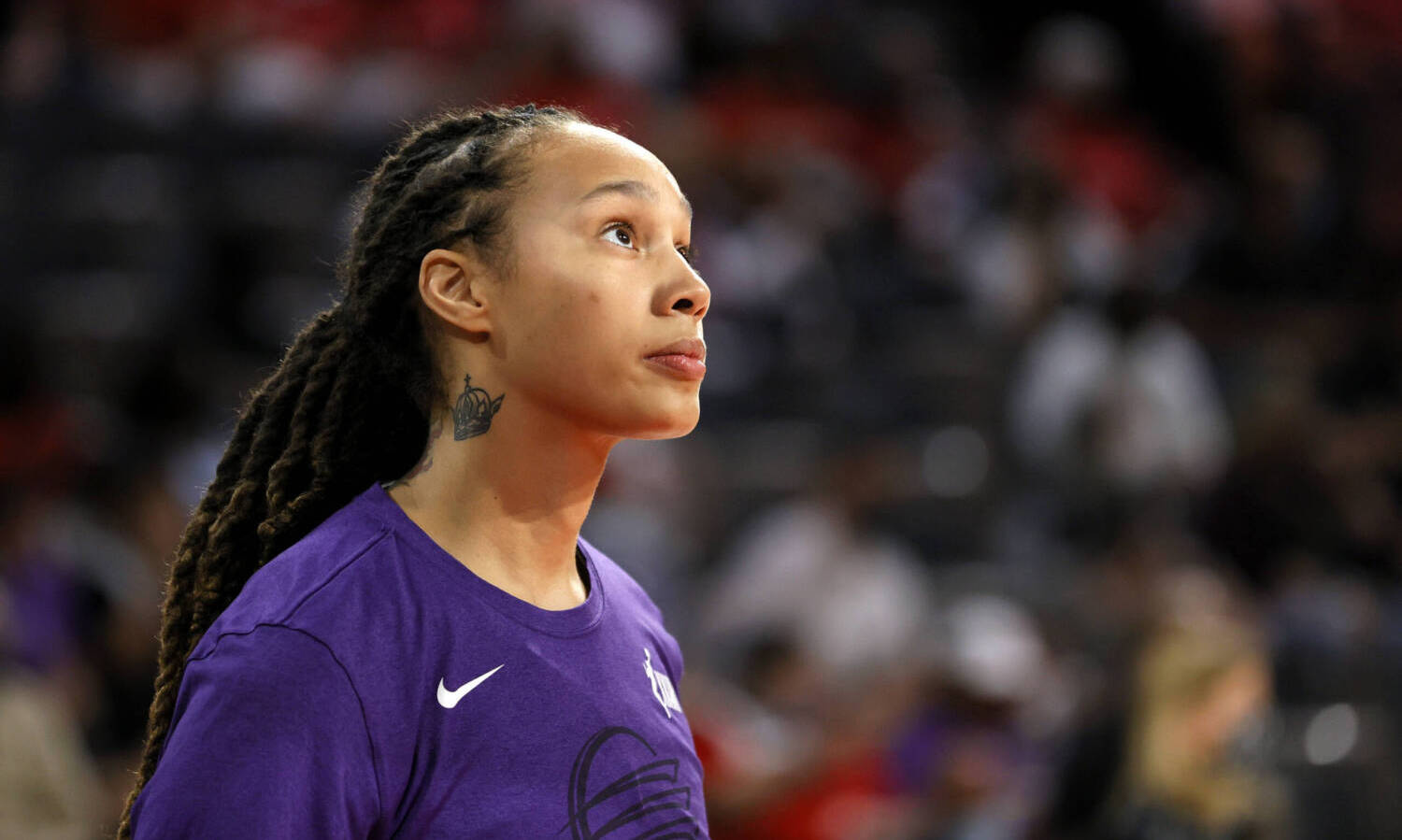
The U.S. State Department shared an official update on WBNA star Brittney Griner’s Russian detention. The official granted access to detained WNBA’s Brittney Griner found her to be in “good condition,” they shared Wednesday.
The State Department confirmed Wednesday that a U.S. embassy official in Moscow was granted access to the seven-time WNBA All-Star.
Photo by Ethan Miller/Getty Images
“We were able to check on her condition, we will continue to work very closely with her legal team, with her broader network, to see to it that she is treated fairly,” U.S. State Department spokesman Ned Price told CNN.
State Department spokesperson Ned Price provides an update on US basketball star Brittney Griner who remains detained in Russia on allegations of drug smuggling.
State Department spokesperson Ned Price provides an update on US basketball star Brittney Griner who remains detained in Russia on allegations of drug smuggling. pic.twitter.com/PquLiJKqWr
“Our official found Brittney Griner to be in good condition and we will continue to do everything we can to see to that she is treated fairly throughout this ordeal,” Price added.
The U.S. recently increased pressure for consular access to Griner, who has won two Olympic gold medals. Over the past seven years, she has traveled to Russia on dozens of occasions where she plays professionally during the WNBA off-season.
“We are closely engaged on this case and in frequent contact with Brittney Griner’s legal team,” the State Department said in a statement Friday. “We insist the Russian government provide consular access to all U.S. citizen detainees in Russia, including those in pre-trial detention, as Brittney Griner is.”
Russian news agency Tass recently reported that a Moscow court extended her arrest until May 19.
A growing contingent of family, friends and officials including Hillary Clinton are calling for Griner’s safe return.
“She’s an amazing person, role model, champion and she doesn’t deserve what’s happening right now,” Griner’s friend and basketball legend Nancy Lieberman said, reported WBNS.
A campaign from a college in Canada hopes to provide accessible and scientific information on cannabis.
Cannabis misinformation has been one of the main problems plaguing the drug since we learned of its existence. Now, a university in Canada is hoping to instruct younger demographics, who are at risk for cannabis misuse. The program hopes to debunk weed myths and help shape the future generation and their perceptions of weed.
This new project from Humber College, done in partnership with the Canadian Students for Sensible Drug Policy and the Canadian Public Health Association, is called “Weed Out Misinformation,” and was devised by the colleges’ cannabis researchers and students.
According to the project’s website, the campaign kicked off after conducting a survey on 1,600 Canadian consumers, who were asked how they acquired their cannabis information. According to The Star, researchers found that there were little options for young people who wanted to learn more about cannabis and that they distrusted public education efforts.
“Weed Out Misinformation” encourages honest conversations that prioritize science, removing the stigma attached to the drug. It’s geared towards consumers between the ages of 18 to 30 years old.
“From our initial research, we found that young people are feeling stigmatized, and they wanted access to reliable sources of information about cannabis,” said Daniel Bear, the study’s lead researcher and a professor in Humber’s faculty of social and community services. “For too long, the focus has been on potential harm to dissuade use, but that approach hasn’t reduced consumption and hasn’t kept consumers safe. This new campaign dispels myths and provides young cannabis consumers with a safe space in which the discussion of it feels normalized.”
Today’s young adults are growing up within a changed cannabis landscape; while the drug is more normalized and accepted than it was in the past, there’s still a lot of misinformation surrounding it, with there being few places that provide the answers people need in ways that are scientific, unbiased and trustworthy.
In the case of young adults, these types of programs could be incredibly helpful, addressing the demographic that’s most at risk of experiencing the negative side effects of cannabis.
Colon cancer is scary and when you see one of the signs, you should immediately go to a physician. Over 130,000 Canadians and Americans are diagnosed with it each year. Colon cancer have risen steadily since the 1990s, especially a adults. Undetected and treat later survival rates are just 64%, but if diagnosed early, the prognosis increases significantly to 91%. Perhaps could cannabis-mushroom combo stop colon cancer cells? Thanks to research from Israel, there is a bit of hope.
Photo by SolStock/Getty Imagees
There is a dire need to develop more advanced medical solutions to address the growing colon cancer cases in order to save lives. Driven but this, Cannabotech, an Israeli biomedical firm that innovates botanical-based solutions for oncology and preventive medicine, has found promising results in an experiment involving its Integrative-Colon product. The formula combines mushroom extracts together with cannabinoids from the cannabis plant, then tested on various subtypes of colon cancer. They found that the ingredients of the formulation acted more effectively compared to isolating the cannabinoids, and that the active ingredients showed great synergy working together. Based on the findings, the Integrative-Colon product was able to kill more than 90% of colon cancer cells.
The mushroom extracts had a high concentration of PSK, which is derived from the Trametes mushroom, renowned for its cancer-fighting properties. In fact, the Trametes mushroom has already been approved for cancer treatments in South Korea, Taiwan, and Japan. They intend to combine the formulation with conventional chemotherapy treatment in the next phases, and also combine it with the Cyathus Striatus mushroom.
In addition, their study shows that there are different impacts of each cannabinoid on various colon cancer subtypes. According to Cannabotech, it demonstrates the importance of personalizing medical care for each patient’s unique needs. However, the goal of Cannabotech’s work is not to completely replace conventional cancer treatments though they hope that with the new formulations, cancer patients need less treatments in order to get the same benefits.
“We know that patients need a minimum amount of chemo, but a lot of people can’t survive this because of side effects, so they stop the treatment,” said Elchanan Shaked, Cannbotech’s CEO to Israel21c.
“This is a significant milestone in Cannabotech’s growth to becoming a leader in integrative oncology medicine. The integrative products developed by Cannabotech are intended for use in combination with chemotherapy treatment to reduce its side effects. Cannabotech’s solutions will be launched in Israel and the US towards the second half of 2022, while the company’s goal is to define a new standard for the medical cannabis industry,” said Shaked.
Photo by Cavan Images/Getty Images
They are currently studying four cancers aside from colon cancer: breast, prostate, lung, and pancreatic. CannaboBreast, their breast cancer product, has so far already been developed furthest along, having been tested on various breast cancer subtype and they have adjusted the treatments based on the subtype.
While many studies are focused on the benefits of magic mushrooms which contain psilocybin, Cannabotech utilizes some of the many other medical mushrooms that have healing benefits. In fact, back in 2015, Shaked was traveling to Nepal on business when he first heard about mushrooms. “A local entrepreneur was collecting mushrooms from the locals and selling them to the Indian alternative pharmaceutical industry,” Shaked told Israel21c. “He wanted to examine the effectiveness of those mushrooms.”
This piqued the interest of Shaked so once he got back home to Israel, he linked up with Prof. Solomon Wasser, who heads the International Center for Biotechnology and Biodiversity of Fungi at the Institute of Evolution at the University of Haifa. He also spoke with Prof. Fuad Fares, director and founder of the Carmel Medical Center’s molecular genetics unit, and an associate professor of human biology in the University of Haifa.
Cannabotech is seeking to release a personalized cancer treatment kit by the middle of this year.
Cancer-Fighting Properties Of Mushrooms
The anti-cancer benefits of cannabis is already well-documented, but what about the trametes mushroom?
Trametes, more famously known as the turkey tail mushrooms, contain naturally-occuring compounds known as the PSK (polysaccharaide-K) and PSP (polysaccharopeptide). There have been numerous studies conducted showing the efficacy of these compounds in fighting cancer. The Chinese have been drinking turkey tail extract for centuries in traditional medicine, where it’s known as Tun Zhi.
Aside from the Chinese, the turkey tail mushroom, which is usually found on dead hardwood trees, is prized in other Asian cultures including Japan. It is a symbol of health and longevity as well as infinity and spiritual attunement.
Other uses of turkey tail mushroom in traditional medicine include strengthening the lungs and respiratory function, spleen, stomach, and overall immunity.
While there are more studies being done, here’s what we know:
In a 2008 scientific review, researchers proposed investing more on researching turkey tail mushrooms and its PSK content for breast cancer. The researchers suggested that it can be used as an add-on treatment to boost immunotherapy after the initial treatment for breast cancer such as chemotherapy or surgery. In 2012, a small study followed up on this; though it only had 9 subjects, the researchers found that consuming Trametes versicolor orally through powder form significantly improved the immunity of breast cancer patients.
Then in 2019, another study examined the impact of turkey tail mushrooms combined with hen-of-the-woods mushroom. Amazingly, both mushrooms were shown to be effective in preventing the spread of cancer cells; they also enhanced the anti-cancer properties of 5-fluorouracil, which is usually used for treating colorectal cancers.
There was a review conducted of 8 studies, including over 8,000 people who had gastric cancer. After adding PSK to their treatment plan and chemotherapy, the study’s findings showed that their prognosis improved and the patients were able to live longer.
Given all the exciting therapies being developed, and considering how powerful the combination of cannabis and mushrooms are, we hope to see these treatments go mainstream to save more lives.
Representatives Nancy Mace (R) and Barbara Lee (D) filed a resolution on Friday expressing “the sense of Congress” that the United States representative to the United Nations Commission on Narcotic Drugs should use “the voice, vote, and influence of the United States to seek to de-schedule cannabis from Schedule I of the Single Convention on Narcotic Drugs of 1961 and treat the plant “as a commodity.”
In 2020, the U.N.’s Commission for Narcotic Drugs voted to remove medicinal cannabis from Schedule IV of the 1961 Single Convention on Narcotic Drugs, following recommendations from the World Health Organization.
Photo by VICTOR DE SCHWANBERG/Getty Images
The U.S. voted in favor of removing cannabis from Schedule IV, however, cannabis and cannabis resin are still on Schedule I.
“Many countries would deschedule cannabis and reevaluate how cannabis is classified if the U.N. did so. Cannabis has been shown to be effective in the treatment of numerous medical conditions such as epilepsy, PTSD, cancer pain relief, nausea, and chronic and terminal illnesses. Descheduling at the U.N. would support global research into how cannabis can treat a wide range of ailments and conditions,” stated Rep. Mace in a press release on Friday.
“Scientific research has shown that cannabis has wide-ranging positive effects on chronic illness treatment. The classification of cannabis as a schedule one drug is outdated, out of touch, and should be addressed not only in the United States but around the world. The United States should be leading the way on cannabis reform on the global stage, and descheduling at the United Nations would be a great start,” added Rep. Lee.
Dementia is a cluster of conditions that affect older adults, with risks increasing as people age. Researchers now say this is a sign you may develop it.
Dementia is a common concern for people over the age of 65. The condition, which is often confused with the normal symptoms of aging, affects 2 out of every 100 adults. Now, a new study has found a link between the condition and excessive naps.
The study, published in Alzheimer’s and Dementia: The Journal of the Alzheimer’s Association, showed that seniors who napped once a day or more than an hour a day were 40% more likely to develop dementia. This is a tough symptom to single out since elderly adults tend to nap more often due to the changing demands of their bodies.
To get results, researchers gathered information from a study that had the data of 1,400 people between the ages of 14 and 88 and tracked them for over 14 years. For 14 days a year, these people wore trackers that signaled their patterns and movements, including whether or not they were sleeping.
“Regardless of the reason, falling asleep during the day or excessive napping raises my antenna to focus on whether the person may be at higher risk for Alzheimer’s disease or cognitive decline,” said Dr. Richard Isaacson, director of the Alzheimer’s Prevention Clinic at the Center for Brain Health at Florida Atlantic University.
While there’s not sufficient information to determine whether the relationship between napping and dementia is causal (meaning that one doesn’t trigger the other), the study’s results are significant enough to make researchers think that excessive napping could be a symptom of a larger problem and can suggest brain deterioration.
When talking about sleep, the majority of people tend to think that more is better. This tends to be the case in most stages in life, when people are growing up or are busy with work and commitments. In the case of older adults, it’s important for family members and caregivers to be informed and to keep an eye on any changes in behavior.
New studies show that medical cannabis can help decrease and even eliminate the use of opioid medications.
One of medical cannabis’ most common uses is the treatment of chronic conditions, which affect around 40% of Americans a year. A new set of studies show evidence that, aside from making patient’s lives easier, medical cannabis can also curb the use of opioids.
The studies were presented at the 2022 Annual Meeting of the American Academy of Orthopeadic Surgeons (AAOS), calling medical cannabis an alternative to opioids and the many issues that their misuse have resulted in, especially when discussing chronic conditions.
The study had access to the records of patients with chronic back pain who were certified for medical cannabis. Their morphine milligram equivalents (MME) were measured twice: once before patients had access to medical cannabis and a second time, six months after they had gained access.
The studies found that there was a significant decrease in patients’ MME following their cannabis prescriptions, with 38% of patients completely quitting opioids. Following their medical cannabis approval, patients reported feeling better and having better functioning.
“Our studies show that medical cannabis can be an effective treatment for chronic back pain and osteoarthritis, potentially helping reduce the reliance on opioids,” explained lead author Dr. Asif M. Ilyas. Still, he emphasized that more data is necessary in order to completely understand cannabis and its effect on these conditions and whether there could be any possible side effects that aren’t apparent in the study.
Medical cannabis has long been considered an option for chronic conditions, at least on a theoretical level. While more studies should be conducted in order to get a better understanding of marijuana’s possible side effects on this demographic, studies like this mark important first steps that could help battle opioid related deaths and provide safer alternatives to people struggling with chronic conditions.
Unlike CBD oil, this oil is mainly used to make skincare products because it has potent hydrating properties and an abundance of antioxidants.
Cannabis sativa is a unique herbaceous plant that has been around for centuries. In the past, communities used this plant for several purposes from skincare, to textiles and food. This plant has about 80 active cannabinoids and most of these are concentrated in the plants’ leaves. What you might not know is that hemp and marijuana are both from the cannabis sativa plant.
However, as they have different structures biologically, they have a number of distinct differences. The most significant difference between these two is that hemp generally has very little THC while marijuana has a higher percentage.
Photo by Anna Efetova/Getty Images
Marijuana As Alternative Medicine
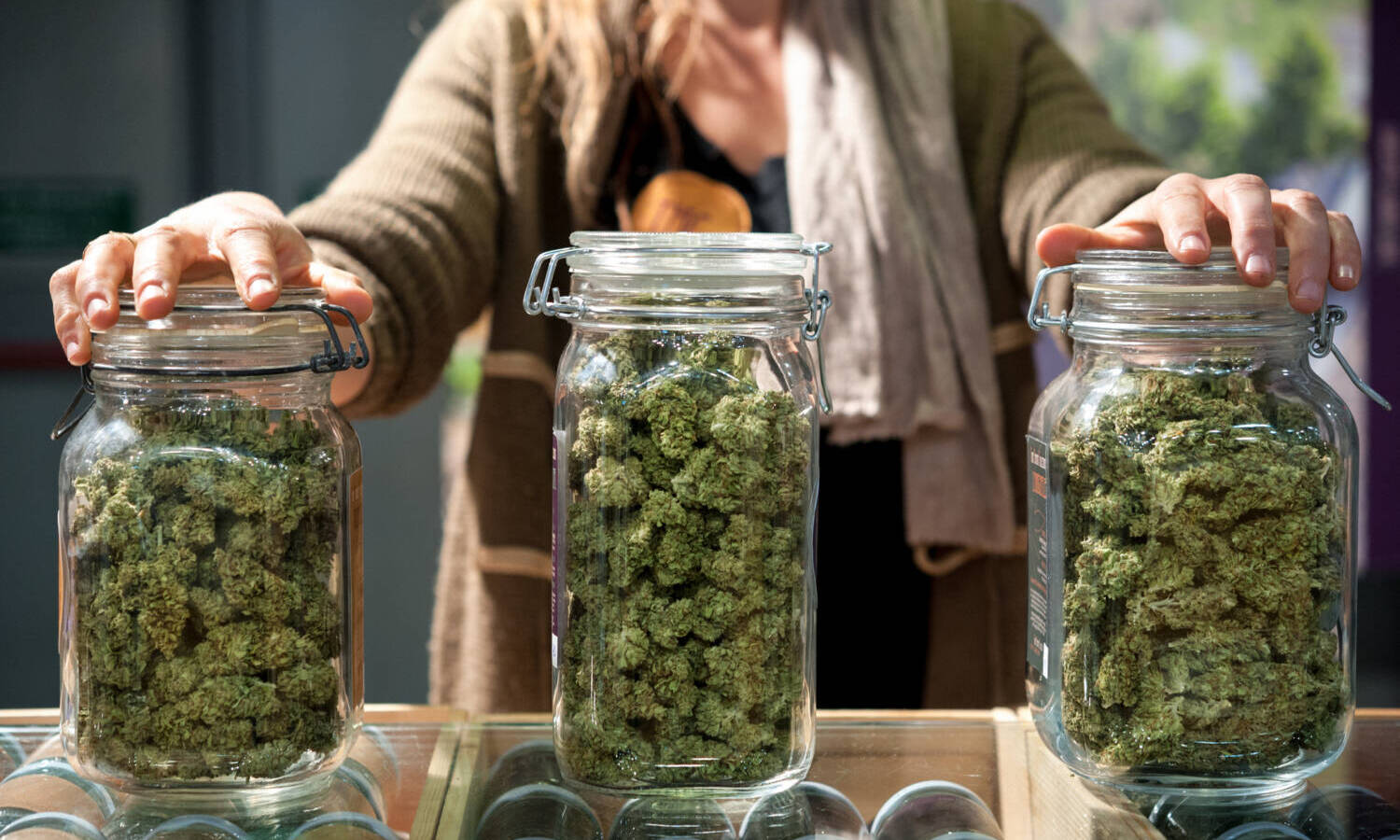
As mentioned, marijuana contains higher levels of THC. In the past, this herb was used by communities as medicine. Doctors and scientists are actively working on studies and experiments to show that like in the past, this herb can be used as alternative medicine. For the better part of the last few decades, marijuana has been criminalized and is still illegal — including on the federal level — in several states across the U.S. as well as most parts of the world.
Nowadays people are curious about the medicinal benefits of marijuana and this has pushed them to explore the various possibilities. It is also being taken as a legal recreational drug in several states, which is major progress for the entire cannabis industry. With legalization, there are now various regulations in place to protect consumers. This ensures that the products you are getting from your local dispensary are safe for use.
Thanks to research, new cannabis strains have also been developed to cater to certain needs and provide a variety of effects. For instance, it is possible to now get strains that help individuals suffering from insomnia to get better sleep or ones that work wonders in chronic pain management.
What Is Hemp?
Hemp is a multi-beneficial, multi-purpose ingredient which is made from the pressed leaves, flowers, seeds and stalks of cannabis sativa. Often, it is grown to be used in a variety of industries such as the food, beauty and agriculture. It is also fibrous, which makes it suitable for the production of paper, clothing and textiles.
Hemp seed oil is also very beneficial for the body and is used in foods as a source of omega fatty acids among other essential nutrients.
Hemp Seed Oil
This is an herbaceous oil that is cold-pressed from hemp seeds and is widely used as an ingredient in the beauty and food industries. Over the past years the use of hemp oil in different types of skincare products has drastically increased. Subsequently, this has picked the interest of consumers regarding the benefits of plant-based ingredients in skincare formulations.
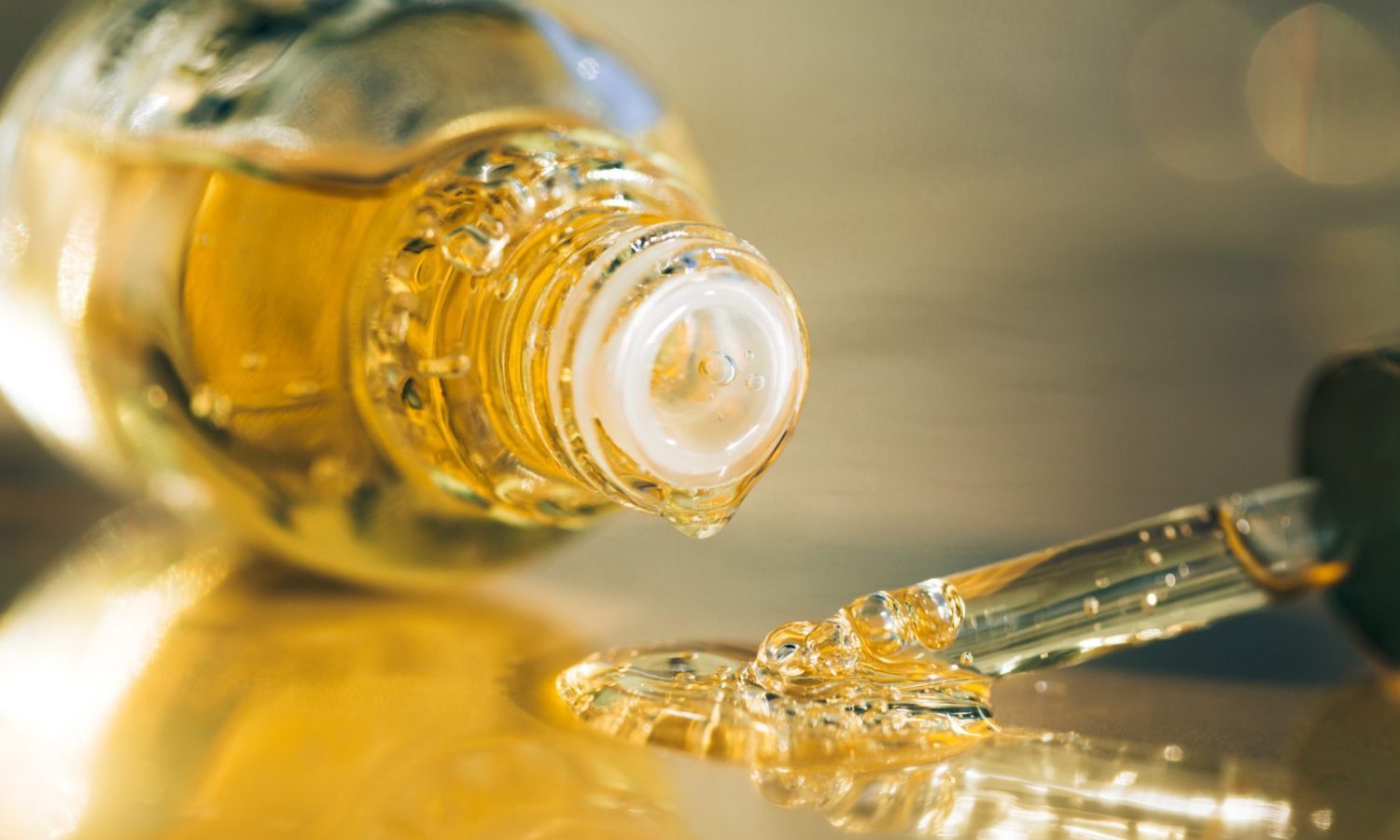
Hemp seed oil is naturally green and is up to 90% omega fatty acids. Unlike CBD oil, this oil is mainly used to make skincare products as it has potent hydrating properties and an abundance of antioxidants.
Benefits of Hemp Seed Oil for Your Skin
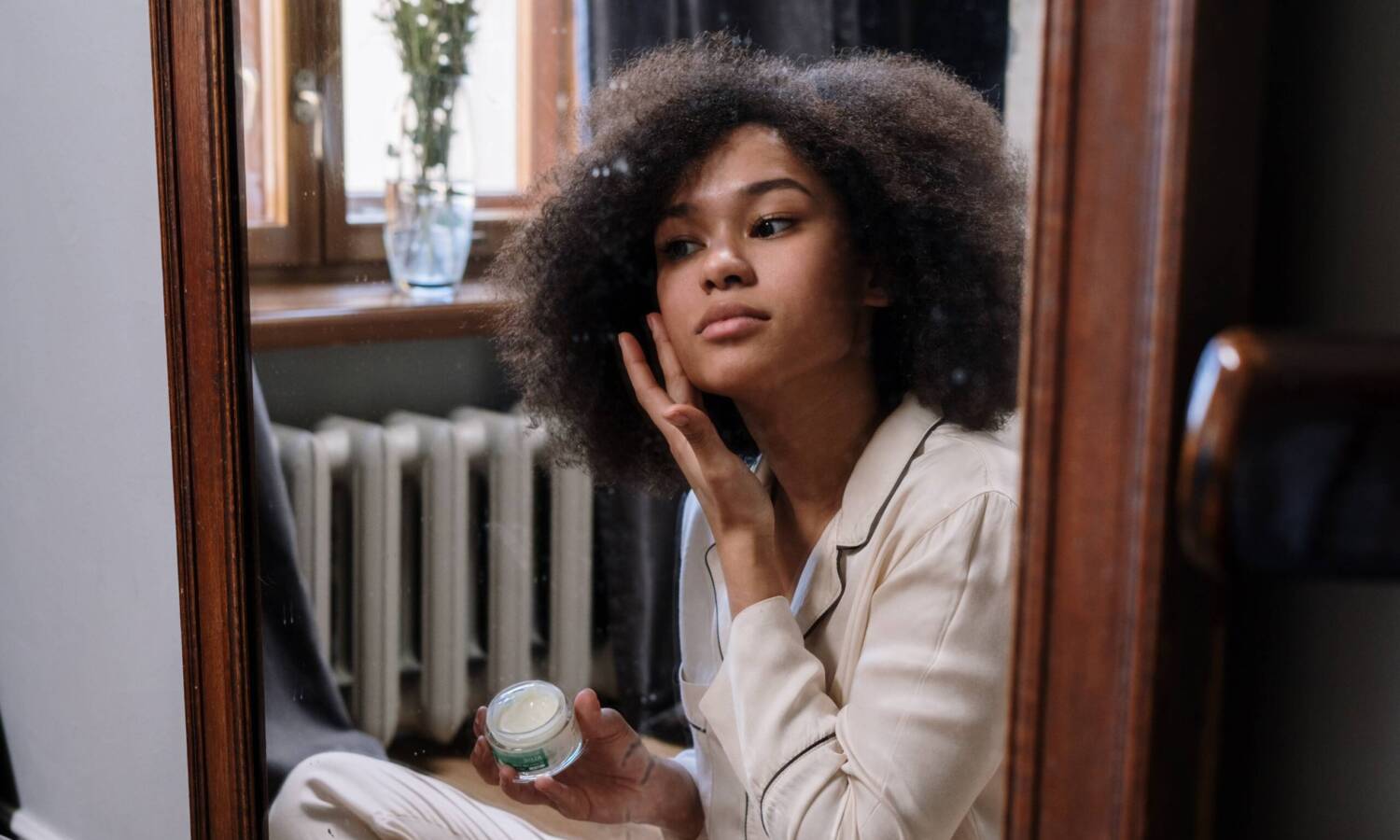
Your skin provides a barrier for your organs and the rest of your body, protecting you from injury and infections from external environmental factors. Because of this, your skin is bound to become damaged something that may at times be inevitable. Hemp seed oil helps to tackle symptoms of stressed skin which also slows down visible signs of aging, decreases irritation and improves your skin texture and tone.
Your skin needs to be healthy to function optimally. Hemp seed oil has a good balance of omega-3 and omega-6, which are some of the most essential ingredients in a quality skincare product. Here is an in depth look at some of the benefits of hemp seed oil for your skin.
Moderating oil production
Hemp oil works perfectly on most skin types and it moisturizes without clogging the pores. The oil can also help balance out your skin for those with oily skin by hydrating and regulating its oil production. Sometimes, people with dry skin types experience and overproduction of oil which sometimes stimulates acne.
If you have dealt with this, using a product with hemp seed oil will prevent the dryness without clogging our pores. This will therefore help combat acne resulting from excess oil production.
2. Treating atopic dermatitis
One of the things that make Hemp oil really beneficial for the skin is its high concentrations of omega-3 and omega-6 fatty acids. Consuming these essential nutrients can help treat skin conditions such as atopic dermatitis. Dietary hemp oil has been found to substantially reduce the appearance and symptoms of clinical atopic dermatitis.
The omega-6 fatty acids in hemp oil include gamma-linolenic acid (GLA) a powerful anti-inflammatory ingredient. GLA also stimulates skin growth and cell regeneration. This helps with calming any irritation and inflammation on your skin hence helping with the management of conditions like psoriasis and acne. Simultaneously, it keeps your skin moisturized and well-nourished.
4. Contains anti-aging properties
Apart from helping to keep your skin soft and supple, hemp oil also has anti-aging properties. Therefore, it can help to reduce wrinkles and fine lines on your skin which helps to slow down the signs of aging. The oleic acids and linoleic acid found in hemp oil cannot be naturally produced by the body, but they play a crucial role in anti-aging and promoting skin health. Therefore, they are important and you can incorporate them into your diet.
In addition to applying to your skin, you can consume hemp oil sublingually or orally, which is why you’ll find topical products alongside capsules of hemp oil in the market. The next time you go shopping for skincare, look out for products containing this oil as one of the main ingredients. You can also ask your dermatologist to recommend some of the best products containing hemp oil.
This article was created in partnership with Cannabis.net
California’s high rate of cannabis production has inspired a bill to commence cannabis exports. California is one of the highest cannabis producing states in the country. It meets its residents’ demand for marijuana every month and still has a surplus to go around. The state could be generating millions of dollars from this product oversupply annually.
Almost all states in the United States have revoked their strict laws on cannabis use and sales in the last decade. Even in different regions of the world, cannabis laws are constantly evolving. Not all the changes have been good, but more than enough have brought positive changes to the U.S. cannabis industry. California’s cannabis operators could be in for a treat as the most recent proposed cannabis bill will generate more profit for them and the state.
Photo by Matthew Hamilton via Unsplash
California: The Forerunner of Bold Cannabis Moves
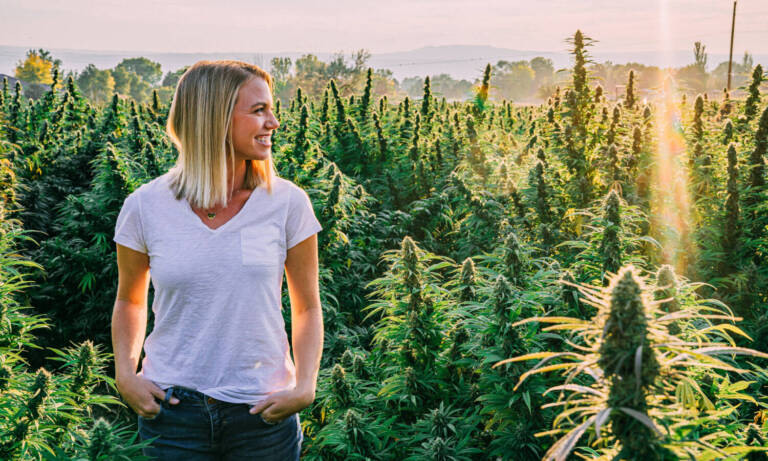
California was one of the first states to adopt cannabis reforms in the country. This, coupled with the state’s optimal weather and environmental conditions, has led to the state’s being the highest producer of cannabis.
SB 1326 seeks to approve interstate commercial transactions for cannabis products. This means that the introduced measure, if passed, would affect the import and export of cannabis products between California and other states. Legal cannabis states with low supplies can liaise with the Californian state government to import cannabis to meet the demand of their residents. It doesn’t necessarily have to be a recreational state. The bill would permit states with medical programs to import cannabis raw materials and finished products from California.
The primary objective of the new bill is to reduce the state’s saturated recreational sector. There’s a massive oversupply of cannabis that could be used by other states, and it’s time for the state to tap into this. Some also reckon that the bill was likely created to better position the state’s cannabis industry for future business deals once the federal reforms are finally approved.
At the moment, there are at least two national measures in both chambers of the legislature that could enact a change in the national stance on cannabis. It’s more or less a win-win situation for California’s cannabis sector.
Fears Over the Bill
Although House Bill 1326 brings good tidings for weed-friendly states in the U.S, critics say that the bill could eliminate the opt-out clause that is currently in place. Most weed-friendly states have opt-out clauses for municipalities that have no interest in allowing the establishment of dispensaries and cannabis businesses in their localities. The opt-out clause could be overshadowed by the new bill. The silver lining in this situation is that lawmakers are starting to believe that it couldn’t be such a bad thing for the towns after all. Instead, these municipalities will have more options than the opt-out clause provides.
The L.A. Weekly reported that the bill states that businesses and operators registered in other states will not be allowed to participate in California’s cannabis market. All entities and individuals who are interested in conducting commercial cannabis activities in the state must procure the state’s licenses, permits, and other necessary paperwork before they will be allowed to do business here. Simply put, small-scale operators in the state stand to benefit the most, as major industry players and several large cannabis-related companies will be unable to operate in some municipalities.
In addition to this, there are a few provisions to amend health and tax regulations in the existing legislation. Very few changes will be made in other areas.
Photo by Sterling Davis via Unsplash
It Has Taken a Long Time
The Executive Director of the California Cannabis Industry Association, Lindsay Robinson, said that the association has been pondering the issue for some months now. According to the cannabis operator, the organization has been talking with various trade associations and key players in the industry about the idea of multi-state or interstate cannabis commerce. She stressed that the process itself is very delicate and must only be handled with caution.
Lindsay Robinson also noted the association’s commitment to ensuring the California cannabis industry is stabilized. She said that the state’s cannabis industry has to function well and thrive before it can begin its multistate commerce phase.
Senate Bill 1326 would go a long way in settling the cannabis economy of multiple states. The agreements that would be signed would top up the supply lines of the receiving state without production licenses being issued. Cannabis exports are a compelling idea, and with the proper framework, millions of dollars could be made.
Data shows that women consume significantly more cannabis than men. It isn’t surprising, considering that women are plagued by much more stress these days: parenthood in general, being the breadwinner, managing the household, pregnancy, child-rearing, career growth, and so much more. On top of that, women also suffer from anxiety as well as gender-specific conditions including endometriosis, dysmenorrhea, menopause, and much more — all of which cannabis has been proven to help with.
Market research firm Brightfield Group released data in 2021 revealing that women make up 59% of new cannabis consumers. The data also showed that women tend to be of younger age, and consume more than men. Meanwhile, they also found that the market share of women continued to rise gradually in 2020.
Photo by Zummolo/Getty Images
“The future of cannabis is female,” said Bethany Gomez, Brightfield Group’s managing director. “An order of magnitude or more.” Gomez explained that because of changing public attitudes together with more sophisticated packaging and design, women are increasingly becoming attracted to cannabis. “It’s more acceptable, more compact and packaged in a way that’s more feminine,” she said. But why aren’t more women working in cannabis?
The cannabis industry has the reputation for being progressive, though there is no doubt it’s still heavily being operated by white males. Having said that, you will find many strong women in cannabis who are excellent examples of entrepreneurship and leadership rolled into one.
Inequalities Abound
Back in 2017, Marijuana Business Daily published a report called “Women & Minorities in the Marijuana Industry.” It detailed that 37% of individuals in executive roles in the industry back then were women. The sad news is that this number has declined to 22%. Though these figures similarly reflect what is going on in other industries, many have been disappointed that the cannabis industry isn’t doing better.
According to MJBiz, one of the reasons why the numbers of women (and minorities) in the higher ranks decrease is because white men came into the picture and provided “established access to capital” so that companies could grow faster. Additionally, executives from mainstream industries also chose to join the cannabis industry, resulting in the white male’s quicker rise to power.
“Social equity initiatives and cannabis legalization are now intertwined, but there is still no magic bullet to improve the landscape,” said MJBizDaily report editor Jenel Stelton-Holtmeier. “It is encouraging, however, to see new markets wanting to improve upon the programs that came before and older markets attempting to fill the gaps that still exist.”
“Few states provide robust data concerning ownership demographics, and those that do, provide data based on different classifications. As a result, MJBizDaily’s data team extracted a sample of data from select markets to provide a snapshot across the industry,” the report read.
Stelton-Holtmeier did say that since the first report in 2017, there have been some notable improvement such as the fact that people with previous drug convictions are no longer penalized; in the past, this was a major barrier for them to own a cannabis business.
Photo by The Cannabiz Agency/Getty Images
It’s obvious that there needs to be more women in the rooms where big decisions on cannabis business are being made. Yet women are still criticized and stigmatized for choosing to focus on their careers, and the stigma gets even worse when women decide to prioritize a business regarding what is still a Schedule 1 substance in the United States. Women are required to have thick skin to navigate a male-led industry, having to hear ruthless comments about the career path you’ve chosen as you try and get one foot in the door.
Because of this, many women are hesitant to associate themselves with THC products, and you’ll find many women in CBD instead. But that doesn’t mean that the opportunities are limited — you just need to know how to find them and break the glass ceiling.
Women have been able to enter the cannabis industry through several channels especially in dispensaries, wellness, cultivation, cooking, and writing. But that isn’t where it ends, yet women still need the support of other women and have the peace of mind knowing that there is adequate business for everyone in the room.
The good news is that while there is room for improvement, things are changing in this aspect.
Closing The Gender Gap
It’s critical and essential for the cannabis industry to be inclusive, diverse, and equal.
There should be a plan in every cannabis company to ensure diversity all the way from leadership down to product. In every industry, women continuously have to do the work and fight for equality while having time for family at the end of the day. No one has time for it all but women have to prioritize what’s important to them.
For any cannabis business selling a product or service, remember that all types of diversity should be available. Everyone you are selling to must be represented — companies should avoid forcing diversity for aesthetic.
Photo by rez-art/Getty Images
The gender gap can be closed in many aspects within the cannabis industry especially when it comes to capital access, board representation, C-suite representation, equity ownership, and of course, equal pay. There is still much more room for improvement in all of these areas for both business owners as well as employees who want to further their careers in cannabis.
We can start with pouring more money towards research designed to track changes in gender parity. It’s also critical for women in all levels to have improved access to mentorship. These are among many changes that can be done across all levels to improve equality and access for women in the cannabis industry.
It’s important because women can provide tremendous value to the cannabis industry; it’s no secret that women improve company culture thanks to their intuition, intelligence, empathy, and communication skills. When you put female leaders in cannabis businesses, it can only do more good.