Earlier this year, advocacy group Americans for Safe Access gave Texas a failing grade for its medical marijuana program, saying it was neither accessible nor practical.
Democratic gubernatorial candidate Beto O’Rourke said that if elected governor of Texas, he would pursue legalizing marijuana and that he anticipates the Republican majority in the Legislature would get on board.
“I’ll let you in on a secret: Republicans like to get high just as much as Democrats,” O’Rourke said, speaking during a South by Southwest panel in Austin on Saturday.
Photo by Brandon Bell/Getty Images
“When I’m governor, we’re going to legalize marijuana in the state of Texas,” he said. “(It is) a substance that is legal in most of the rest of the country, most of the rest of the free world.”
While some Republican-led states have legalized recreational marijuana, Texas is not among them.
According to the Austin-American Statesman, O’Rourke’s comments may work as an applause line, but they may also “undersell the difficulty of winning over the legislature’s most conservative members” and the Lone Star state has some serious conservatives. Lt. Gov. Dan Patrick, for example, has repeatedly threatened to block marijuana reform and he sets the agenda for the Texas Senate.
O’Rourke has long championed efforts to decriminalize and legalize marijuana, including during his tenure on the El Paso City Council. In 2011, he co-authored a book, “Dealing Death and Drugs: The Big Business of Dope in the U.S. and Mexico,” which argued that ending the federal prohibition on marijuana would reduce drug-related violence.
Photo by Scott Eisen/Stringer/Getty Images
While Texas lawmakers did approve a slight expansion of the state’s medical marijuana program during the previous session, the rules remain among the most restrictive in the nation.
Earlier this year, advocacy group Americans for Safe Access gave Texas a failing grade for its program, saying it was neither accessible nor practical.
Nevertheless, O’Rourke suggested that Texas may not be immune to the sweeping tide of cannabis legalization.
O’Rourke is facing an uphill battle in his quest for governor though as he challenges the two-term Republican Gov. Greg Abbott, whose campaign boasts a massive war-chest and has promised a “knock-out, drag-out fight” against O’Rourke.
Are you looking for answers to the question, “is marijuana a depressant?” If you have ever felt sleepy or sedated after using cannabis, you might have wondered, “is weed a depressant?”
This article answers the questions “what is a depressant?”, “is weed a depressant?”, and “is cannabis a CNS depressant?” We will also discuss whether weed is an upper or a downer, and why this is such a common question.
Photo by Maskot/Getty Images
What is a Depressant?
Depressants are drugs that slow down the activity of the brain. The Alcohol and Drug Foundation defines a depressant as a class of drugs that decreases stimulation and arousal. At a basic level, depressants “do not directly reduce arousal in the brain; they enhance the activity of a neurotransmitter that reduces arousal in the brain.” This neurotransmitter is GABA. In mammals, GABA is the primary inhibitory neurotransmitter and glutamate is primary excitatory neurotransmitter, and their balance controls “the brain’s overall level of excitation.”
Depressants work by enhancing the activity of GABA, which has a “calming influence on anxiety and acute stress reactions.” Depressants can cause a range of effects from calming you down, to making you drowsy, and “extending progressively to sleep, unconsciousness, coma, surgical anesthesia, and…fatal respiratory and cardiovascular depression.”
Fortunaely, cannabis does not lead to fatal respiratory and cardiovascular depression. If you want to know why you can’t fatally overdose on weed, read this. Some common depressants include alcohol, prescription benzodiazepines like Xanax, prescription sleep medication like Ambien, and cannabis.
Is Marijuana a Depressant or Antidepressant?
Many people wonder if marijuana is a depressant or an antidepressant. That makes sense given that in some states, doctors can recommend medical marijuana to patients suffering from depression. Additionally, animal studies indicate that cannabinoids like THC can have antidepressant effects. However, cannabis can help you relax or fall asleep. The sedating effects of cannabis suggest it also acts as a depressant. So, is cannabis a depressant or an antidepressant?
If you recall, the definition of a depressant is a drug that slows down brain activity, which is why depressants are also called central nervous system depressants, or CNS depressants. The opposite of a depressant is not an antidepressant, but a stimulant, or a drug that increases CNS activity.
At a basic level, an antidepressant is defined as “anything, especially a drug, used to prevent or treat depression.” For example, SSRIs and MAOIs are two classes of antidepressants with different mechanisms of action. SSRIs affect serotonin levels by inhibiting the reuptake of serotonin into the synapse, while MAOIs block the breakdown of neurotransmitters like dopamine, serotonin, and norepinephrine.
In the United States, cannabis is federally illegal and classified as Schedule I Drug with no medical benefit. As a result, the FDA does not consider cannabis to be a treatment for depression. Please note that we are not advising anyone to replace prescription drugs with cannabis. Anyone who feels they may be suffering from depression should consult their healthcare practitioner to determine the best course of treatment.
The question “is marijuana a depressant or antidepressant” is based in the misconception that depressants and antidepressants are opposite. Depressants refer to the effect of a drug on the CNS, not how it affects mood. In fact, many depressants induce euphoria. So, is weed a depressant? Let’s find out whether marijuana is an upper or a downer.
Photo by Tim Allen/Getty Images
Is Weed a Depressant?
The answer to the question “Is weed a depressant?” is “yes, cannabis is a CNS depressant at some doses.” Cannabis is a biphasic drug. For an in-depth discussion of this idea, check out Does Weed Help With Stress? Remember how the levels of GABA and glutamate determine the overall excitation of the brain? Cannabis is known to significantly increase GABA levels. However, cannabis also increase glutamate and dopamine, which means that weed is a stimulant as well.
Is Weed an Upper or Downer?
Evidently, the answer to “is weed an upper or downer” is a bit complicated. Cannabis is both an upper and a downer. There isn’t a simple answer, which is why this question persists through the years. Beyond the effects of THC, there are other compounds in cannabis that can sedate you. For example, if you consume a strain with moderate to high myrcene, linalool, or terpineol terpene content you may experience calming and sedative-like effects. As we discussed in Is Cannabis Good for Sleep?, cannabis was historically classified in medical textbooks as a hypnotic and sedative, two types of drugs that are depressants. In short, cannabis is a depressant.
Sam is an award-winning screenwriter of “Are You Glad I’m Here” on Amazon Prime. His passions include helping people understand purposeful cannabis consumption. He is the content Director at Jointly, a cannabis wellness company powered by a proprietary data platform to help people reach their full potential. The company was created on the premise that purposeful cannabis consumption is the key to unlocking a better you.
Since all the philosophies and treatments in Ayurveda are intended to balance the body while promoting wellness, it isn’t surprising that they don’t encourage long-term use of cannabis.
Ayurveda is an ancient medical system originating in India, dating back to over 3,000 years ago. At the very core of Ayurveda, the treatments and lifestyle recommended are meant to promote good health while preventing illness. Some of the practices that are recommended in Ayurveda include using herbal remedies, massages, yoga, meditation, and following the specified diet.
Additionally, Ayurveda sees the five elements of nature—water, fire, air, space, and earth—combine in the human body as doshas, or components. These doshas are the pitta, vatta, or kapha, all of which relate to the elements of nature. Ayurveda states that for optimum mental and physical health, all the doshas should be well balanced.
Photo by Alan Caishan via Unsplash
In India, Ayurveda is the most widely accepted type of medical care the way we accept western medicine here. Professional ayurvedic practitioners should undergo institutionalized training in order to be able to practice.
Many westerners look to Ayurveda to counter illness and even as a substitute for western medicine as a whole. Just like naturopathy, homeopathy, and other more eastern-types of medical systems, Ayurveda has many benefits for those who want to veer away from conventional pharmaceuticals and the western medical system – which has failed many.
The uses of cannabis in ancient Indian medical texts has been traced to thousands of years ago, as it was written about in the Atharva veda, the traditional sacred literature that is part of the Vedas, stating that it’s one of the earth’s five sacred plants together with soma, sugar, darhbha grass, and barley. There are also certain ayurvedic names that refer to cannabis which are Vijaya for one, meaning, one who conquers; the other is siddhi, which means achievement and subtle power.
It wasn’t until the Middle Ages that cannabis was mentioned in ayurvedic texts where it was referred to as Bhang (leaves of female and male marijuana plants, and a name for hemp), charas (plant resin), and ganja (flowering tops of the female plant), among others.
Ganja is more widely used to refer to marijuana plant parts and in some Indian regions, they use Bhang to refer to a drink made out of cannabis.
Photo by Shane Cotee/EyeEm/Getty Images
How Ayurveda Recommends Cannabis Usage
Since all the philosophies and treatments in Ayurveda are intended to balance the body while promoting wellness, it isn’t surprising that they don’t encourage long-term use of cannabis. They believe that doing so will dry up the body; ironically, they also think that long-term use will cause anxiety, depression, reduction in testosterone and infertility in men.
However, they do promote moderate use which they believe will warm the body, stimulate the nervous system, sedate, and act as an aphrodisiac. According to Ayurveda, the properties of the plant are heat-producing, penetrating (quickly spreads around the body), sharp, pungent, and light.
When making medicine out of cannabis, they use the flowers, resin, seeds, and leaves. Bhang made from leaf powder is usually given at a dose of 125 to 250 mg, for ganja 50 to 125 mg, and resin, 30 mg. They believe that the resin and the flowers are a powerful narcotic that has many spiritual and physical benefits.
The benefits of cannabis in their medical text is covered in multiple ways:
Bhang is recommended for the temporary treatment of high blood pressure. It’s intended to be used for the short term only since high blood pressure is treated also using other types of ayurvedic practices.
Bhang is also recommended for treating glaucoma.
It stimulates the nervous system and provides relief from nervous exhaustion, convulsions, neuralgia, delirium, and headaches
Sikh in the north of India occasionally take a mixture of bhang together with pistachios and almonds as well as rose petals, saffron, and black pepper among other things with cow’s milk to help them concentrate especially after tiring all-day practices. It’s also used to help them efficiently digest food.
Oral cannabis was recommended during Tibbi and Ayurvedic rituals for the treatment of rheumatism and malaria
Bang was consumed by newlyweds to help increase their libido
Marijuana was mentioned by the Bhav Prakash Nighantu for treating nasal congestion, diarrhea, pain relief, and respiratory disorders among many others
During the Holi, or Indian spring color festival, they prepare a drink called Thandai which has some variants, one of which is made with Bhang. Since the Kapha dosha tends to get imbalanced during the spring, they believe that drinking Bhang will help restore balance and treat seasonal congestions including coughs and colds
These are just some of the many recommended uses of cannabis in Ayurveda.
Photo by Nicole De Khors via Burst
It’s also interesting to note that preparing marijuana requires purification first. In many cases they boil it first in Acacia arabica, a decoction known as Babbula. Other detoxification methods involve mixing cannabis in milk.
The philosophies of Ayurveda include right and wrong ways to use cannabis, but when used correctly, it’s effective in treating the conditions listed above. Primarily, it’s widely known to be effective in treating digestive and respiratory disorders and other disorders requiring the use of a tonic.
It also has spiritual properties as there are some scriptures indicating that it was cultivated and prepared for spiritual use. It was also a valuable plant for Lord Shiva, the god of transformation. There are no mentions in ayurvedic scriptures where it’s used for recreational purposes or intoxication, though many people in North India as well as Nepal use it regularly these days for recreation and as part of religious rituals.
If the research were to be successful, this tool could be used in a variety of situations, whether measuring intoxication in commercial drivers, or as a tool for law enforcers.
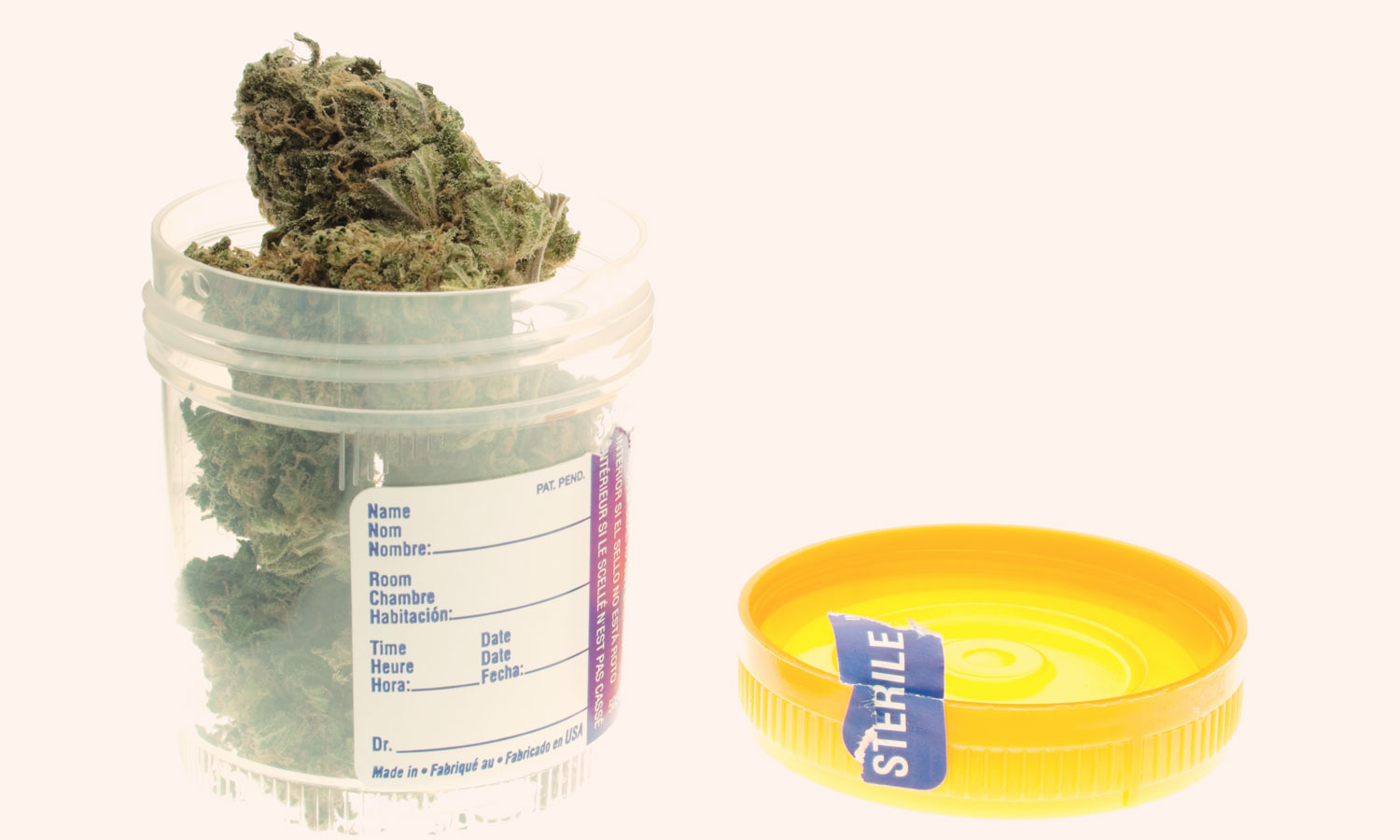
The U.S. Department of Transportation is en route to make an important change that could influence workers who use cannabis. The department recently proposed a new rule that gives employers the choice to include oral cannabis tests for their employees. While a drug test is still a drug test, there are a variety of benefits associated with these, especially when compared to urinalyses.
The transportation industry might be among the few industries where a cannabis drug test is actually useful, judging whether or not a worker is equipped to drive. Still, the use of urinalysis is invasive and doesn’t provide an answer on whether or not a person is intoxicated with cannabis; it only shows if the person consumed cannabis at some point in the past month. An oral saliva exam could provide a more accurate reading, showing if the person consumed THC at some point in the past 24 hours.
Aside from all of this, oral tests are less likely to result in cheating, since they’re usually provided on the spot. “This will give employers a choice that will help combat employee cheating on urine drug tests and provide a more economical, less intrusive means of achieving the safety goals of the program,” reports the notice.
According to a new labor report conducted by the U.S. Bureau of Labor Statistics, the transportation and warehousing industries lead in terms of requiring drug tests from their employees. While jobs have become more lenient as cannabis earns its legal status in a variety of states, drivers with commercial driver’s licenses (CDL) can face serious penalties if failing a drug test, being stripped of their work, and facing suspensions.
There’s yet to be a test that measures whether or not someone is currently intoxicated with cannabis, but a saliva test is the closest thing there is. According to an ongoing study, researchers discovered a way of measuring whether someone is currently intoxicated with cannabis or not, using a technique called functional near-infrared spectroscopy that measures brain patterns. If the research were to be successful, this tool could be used in a variety of situations, whether measuring intoxication in commercial drivers, or as a tool for law enforcers.
The public has until March 30 to submit comments and propose additions to this new policy.
The very specific requirements for qualifying applicants, and the system for selecting dispensary locations and assigning applicants to these locations, may complicate the application process.
It is an exciting time in New York, as there is finally momentum towards the first sales in the adult-use cannabis market. Just weeks after Governor Kathy Hochul signed a bill to permit qualified hemp farmers to start growing the first batch of adult-use cannabis, the Cannabis Control Board has released draft regulations that would award the first 100 retail licenses to applicants that meet certain requirements, most notably that an individual applicant or an immediate family member have a past conviction for a marijuana-related offense in New York.
It should be noted up front that state cannabis regulators have extremely difficult jobs balancing a number of conflicting interests. Regulators have tried a number of novel approaches to craft fair and equitable industries in their states, but almost inevitably there has been litigation from parties that do not feel they had a fair shake, sometimes delaying the launch of the entire industry in that state.
The new draft regulations in New York unfortunately may end up with a similar result. Every headline announcing the regulations has focused on the requirement for an applicant to have a marijuana conviction in the family, but the requirements for an applicant to qualify for these conditional licenses unfortunately do not end there. The draft regulations also require that a controlling owner of an applicant needs to “hold or have held, for a minimum of two years, at least ten percent ownership interest in, and control of, a qualifying business, which means a business that had net profit for at least two of the years the business was in operation.” This is potentially problematic for a number of reasons.
First, the stated goal of the regulators is to help families that have been significantly hurt by marijuana convictions. But if these families have been so severely impacted, would it not be extremely difficult to have owned a part of a profitable business? Outside of that potential incongruity, the practical effect of the profitable business ownership requirement is that the pool of possible applicants that could qualify for the license will decrease, to a degree that would appear to be difficult to estimate.
While most states require applicant entities to provide information about their owners and managers to state regulators, these draft regulations are exceptionally detailed in listing out the types of information and documents relating to ownership and control of an applicant entity that are required to be disclosed. The draft regulations are designed to ensure that the individual owners of an applicant that are “justice involved” (i.e. have a marijuana conviction in the family) maintain control of the applicant entity throughout the application process and during the life of the conditional license, barring approval of an ownership transfer by New York regulators.
The other significant part of the draft regulations that should not be overlooked is the insight they provide into the potential locations of the license winners’ dispensaries. New York is trying to create a $200 million fund to support license winners’ real estate requirements. The state is currently utilizing real estate brokers to find over 100 suitable locations for dispensaries, and the state intends to use the fund to enter into leases and manage the construction and equipping of these properties.
On this point, the draft regulations provide that regulators may establish geographic zones throughout the state, and link these to applicants’ scoring point totals. Applicants may be asked to rank their preferences for the geographic zone where their dispensary would be located, and then regulators would assign the applicants with the highest application point totals to their preferred geographic zone. If there are more applicants that request a particular geographic zone than there are leased dispensary locations in that zone (say, New York City!), regulators would assign applicants with lower point totals to another geographic zone.
Photo by Ferdinand Stöhr via Unsplash
There is no information as to how applicants in a particular geographic zone would be assigned to specific properties, but it would presumably be a similar ranking system based on points totals.
Taking a step back, the result of this system is that there are certain applicants that may end up with dispensary locations far away from where they live. Applicants that win these conditional retail licenses may have the benefit of being the first to open their doors, and the economic support of the proposed fund, but in exchange they would seemingly sacrifice some autonomy, including selecting the location of their business.
To summarize, New York regulators have created a novel approach to the issue of equity within the cannabis industry in the draft conditional retail regulations. Unfortunately, the very specific requirements for qualifying applicants, and the system for selecting dispensary locations and assigning applicants to these locations, may complicate the application process and launch of these conditional retail dispensaries.
As is the case with many industries, the biggest financial and operational issue facing many cannabis bosses today is staffing, which likely won’t get any better with soaring gas prices.
The rising price of gas is an unavoidable reality for millions of Americans today, and it is already making many rethink daily routines and expenses. With the average price of gas climbing well over $4 per gallon, and continuing to climb, many are worried that gas prices may result in an even bigger economic fallout.
The recent ban on Russian oil importing is “boosting the prospect of higher short-term inflation while threateningeconomic growth and spending and even reshaping hiring patterns,” according to the Washington Post. It is understandable then, that many Americans are experiencing unprecedented levels of anxiety.
For those living in a state where cannabis is legal, some marijuana therapy might be an option, but how long will Americans be able to afford it? Gasoline prices are skyrocketing and inflation has not stopped. How will this all affect the price of marijuana moving forward?
First it is important to understand if there is a strong connection between gasoline and marijuana cultivation. The answer is: occasionally. With marijuana still illegal on a federal level, marijuana must be grown and sold in the same states, which means no cross-country trips on gas guzzling diesel trucks, which is good news for cannabis consumers.
Some marijuana cultivation techniques, however, do use oil and natural gas. According to Slate, some cultivators “are putting in bottled CO2, or they’re burning natural gas on-site to basically get CO2 in the room,” which helps boost growth. This technique and others that use unnecessary fossil fuel usage is frowned upon by environmentalists, and is certainly not a requirement in order to grow quality cannabis.
There are several ways growers can use alternative energy sources, but they may not need to right away if price is their only motivation. While the cost of many goods are increasing as a ripple effect of rising gas prices and inflation, marijuana prices are lower this year than last year. According to a study by Headset, a cannabis analytics company that tracked sales in California, Colorado, Michigan, Nevada, Oregon and Washington, the average price of flower, vapes and edibles fell more than 10% between January 2021 and January 2022.
Photo by Karolina Grabowska from Pexels
There are several reasons for this price decrease, and many more speculations. Supply and demand is always a factor as is wholesale pricing, and of course the competition of the illegal underground cannabis market plays a role. Just because the price of weed is low, however, does not mean those in the cannabis industry are not having the same financial difficulties other businesses are having.
As is the case with many industries, the biggest financial and operational issue facing many cannabis bosses today is staffing, and this problem likely won’t get any better with soaring gas prices.
Native Roots, a cannabis company with 20 retail stores in Colorado, told CNN about their labor troubles. “The biggest cost increases have come from labor, where Native Roots increased its wages by 14% on average to keep pace with competitors and retain employees,”according to Theresa Ekman, the Native Roots supply chain director. Ekman and other companies said they are working on ordering smarter to compensate for the increased labor cost. This might mean secure prices, but it might also mean a smaller selection than consumers are used to.
For now at least, it looks like the price of cannabis is secure. You may notice some decline in options at your local dispensary, but do not take this as a lack of effort. This sparsity of options may actually be the result of months of effort and forethought by cannabis businesses in order to keep your top selling weed products affordable in these stressful times.
The vast majority of Americans want to have legal cannabis on a federal level, there are numerous polls that support this notion. The problem, however, comes down to “how” it is supposed to be done.
For the past few years, Senator Chuck Schumer has been the most vocal about legalizing cannabis on a federal level and has been attempting to push his cannabis legalization bill which aims to remove cannabis from the controlled substance act, while also creating provisions for minority business owners to gain easier access to cannabis licensing.
Photo by Chip Somodevilla/Getty Images
One would think that this would not have too much opposition, however, as of now, the bill has not gained too much traction. One of the main reasons comes down to taxes. While the senator might be well intentioned in his approach, his proposal of high taxation got a lot of flak from cannabis reformists.
It (federal legalization) would land at 25 percent of a federal prevailing price, charged per ounce of product sold in flower form, or per milligram of THC — a psychoactive compound known to give marijuana users a high — for edibles, vapes and other alternatives.
Tax credits would slash rates in half for the first $20 million in annual sales, creating an effective rate as low as 12.5 percent for small businesses.
However, these taxes would solely be applied to recreational cannabis. Any FDA approved treatment would be void of paying these taxes. This could mean a significant boost for medical marijuana, but many advocates in legal states claim that this tax system will only continue to embolden the black market. In fact, since Canada legalized cannabis the majority of sales have remained a black market preference.
This is due to THC caps and excessive pricing – and the same can be said of California. California has a problem where it produces too much weed to be sold recreationally, and due to federal prohibition cannot export it to other states. As a result, a lot of the weed continue to be sold on the black market and taxes is one of the main reasons why people prefer to buy from their dealer and not from a licensed store.
“As more and more states move to legalize cannabis for both adult and medical use, the federal government has an important role to play. Hundreds of millions of Americans live in states that have legalized cannabis in some form while it remains illegal at the federal level. This discrepancy leads to confusion and uncertainty and raises significant questions around criminal justice reform, economic development and small business growth, and public health and safety, all of which we believe require some type of federal answer.”
As mentioned, they may have good intentions, but if they are incapable of seeing how high taxes would act contra to their intentions, this bill is pretty much dead in the water.
Photo by Jose S/Getty Images
GOP to the Rescue?
Who would have thought that a GOP sponsored cannabis bill would be the most comprehensive and clear cut road to legalization. Where the Democrat sponsored bill would want to raise taxes on cannabis up to 25%, the GOP bill places a 3% tax on cannabis and that way, maintain low competitive prices allowing minority business owners a fair shot at participation.
Whenever a Democratic bill wishes to “ensure social equity”, it almost always requires the creation of a new agency to handle those kinds of requests. As a result, it requires more tax dollars to fund those kinds of operations and in turn raises the price on the consumer. The consumer says, “Why buy legally when I can buy for cheaper from my dealer”. After all, the majority of the criminal penalties have been reduced to a misdemeanor meaning that even if people are buying an ounce off the streets, they no longer fear prolonged incarceration.
While I’m not arguing for longer prison sentences, I’m pointing out that when you raise taxes on cannabis and reduce penalties, you remove all incentives to participate in the legal system. I have long argued that the best approach would be to have two tiers of cannabis licensing: a small business tier and a large business tier.
Both of these would have their own tax regime, requirements, costs of operations, etc. However, I’d still argue that we should aim to keep the taxes as low as possible. With inflation reaching record highs, and the US economy suffering due to lockdowns, if the government places too much tax on goods such as cannabis we will only see a greater influx of black hat buying.
Photo by SOPHIE-CARON/Getty Images
Think about it rationally. If you could save $20-$30 per ounce by buying from the street, pretty much have similar quality as dispensary weed and in many cases can home order your weed, wouldn’t you opt in for the black market stuff instead?
I know that any person who feels that $20-$30 extra per week or month will help their bottom line would opt in for this option.
Keep It Low, Allow It to Grow!
The Democrats love taxing the hell out of everything. In this case, being a Republican is better. Sure, they both stink, but when it comes to business you want to have a system that awards entrepreneurs, creates a lower barrier of entry and maintains low competitive taxation policies to ensure that the market continues to grow until it can handle heavier taxes. Right now, the market still has to migrate from the illegal to the legal, and excessive taxation will only choke the growth.
The U.S. Bureau of Labor released a report that includes the workplace drug testing practices of businesses. Here are the results.
Drug testing in the workplace has slowed down with the passing of time — and marijuana legalization. Still, some industries are more likely to demand it from their workers, creating a problem, especially now that marijuana is mainstream and some states have legal medical marijuana programs in place.
Per Marijuana Moment, the U.S. Bureau of Labor Statistics (LBS) released a labor report that measures businesses’ responses to the pandemic. It goes into detail about drug testing practices and the types of businesses that are more likely to make these demands.
The report is the first one since 1996 to ask employers whether they conduct drug tests. Predictably, numbers have changed, with only 16% of the surveyed worksites practicing drug tests. In 1996, 30% of the surveyed worksites practiced drug tests.
The survey found that the industries that are more likely to ask for drug tests include transportation and warehousing, with far higher rates than other industries. Businesses that had the lowest rates of drug tests included the ones involved in the arts, entertainment, and recreation.
The LBS also found that drug tests were less common in legalized states, showing that the laws had an impact on the mentality of the people that lived there. Eight out of 10 states with the lowest drug testing numbers had legal cannabis programs, including California, Vermont, New York, and Colorado. Out of the 10 states that had the highest drug testing rates, none had legal cannabis programs. These include South Carolina, Kentucky, and others.
Workplace drug testing is a practice that grew popular with the Reagan administration, a time when the war on drugs took off. As the years passed and new research appeared, the outlook on marijuana has drastically shifted, with the majority of people losing their fear over it and even preaching for its legalization.
Marijuana legalization is inevitable. While the process is slow, it’s only been growing in support, with more and more states decriminalizing and working towards building a functioning industry that’s profitable and gives the people what they want. Workplace drug testing is one of the last kinks that should be resolved in the coming years. It will go away at some point, but for now, people have to be careful.
Poor oral health has been linked to a variety of health conditions, among them cardiovascular diseases.
Oral health is important. Maintaining healthy gums and teeth requires a lot of steps, something that most of our dentists love to passively-aggressively remind us of. Still, they may be right. While a cavity may not seem like the worse thing in the world, poor oral health has been linked with a variety of diseases, including heart disease.
According to Harvard Health, people who skip out on brushing their teeth and flossing have higher odds of developing heart disease.
While not wholly understood, the relationship between poor oral health and higher odds of heart disease has been one that has appeared in a variety of studies. Experts from Harvard have a variety of theories as to why it exists.
For starters, it’s believed that diseases like gingivitis and periodontitis result in bacteria that travel through the bloodstream towards different parts of the body; they could result in blood clots, heart attacks, or strokes. It’s also believed that the body’s response to oral bacteria (inflammation, which is the body’s standard response to infection) could affect the response of the heart and the brain in unexpected ways. Still, researchers make it clear that the connection between heart disease and oral bacteria may or may not exist; one study found that smoking, something that a lot of people with cardiovascular conditions and poor oral health have in common, might be one of the uniting factors.
Cardiovascular diseases are the leading cause of death in America, responsible for 1 out of every 4 deaths, according to the Centers for Disease Control and Prevention (CDC). If there are any measures that can be adopted and that could provide some form of protection, they’re worth considering.
Other conditions that have been associated with poor oral health include arthritis, particularly in the case of people who suffer from periodontal disease, and pancreatic cancer.
There’s plenty of room for investigation in the area of oral health, but all of this evidence suggests how important it is for the rest of your body. Even if you brush your teeth several times a day, it’s important to floss often, no matter how tedious it might be. Going to the dentist is never a good time, but, as plenty of evidence suggests, what goes on in your mouth has the power to affect the rest of your body.
If you are struggling with gastrointestinal disorders, trying cannabis can be beneficial especially when combined with lifestyle changes, a healthy diet, and exercise.
Digestive and gastrointestinal disorders affect millions of people worldwide, and refer to a myriad of conditions affecting digestion, appetite, the bowels, gas, and inflammation to name a few. Cannabis has been proven many times over to help treat and prevent several digestive disorders that plague people everyday, some of them so debilitating that they prevent people from living normal lives.
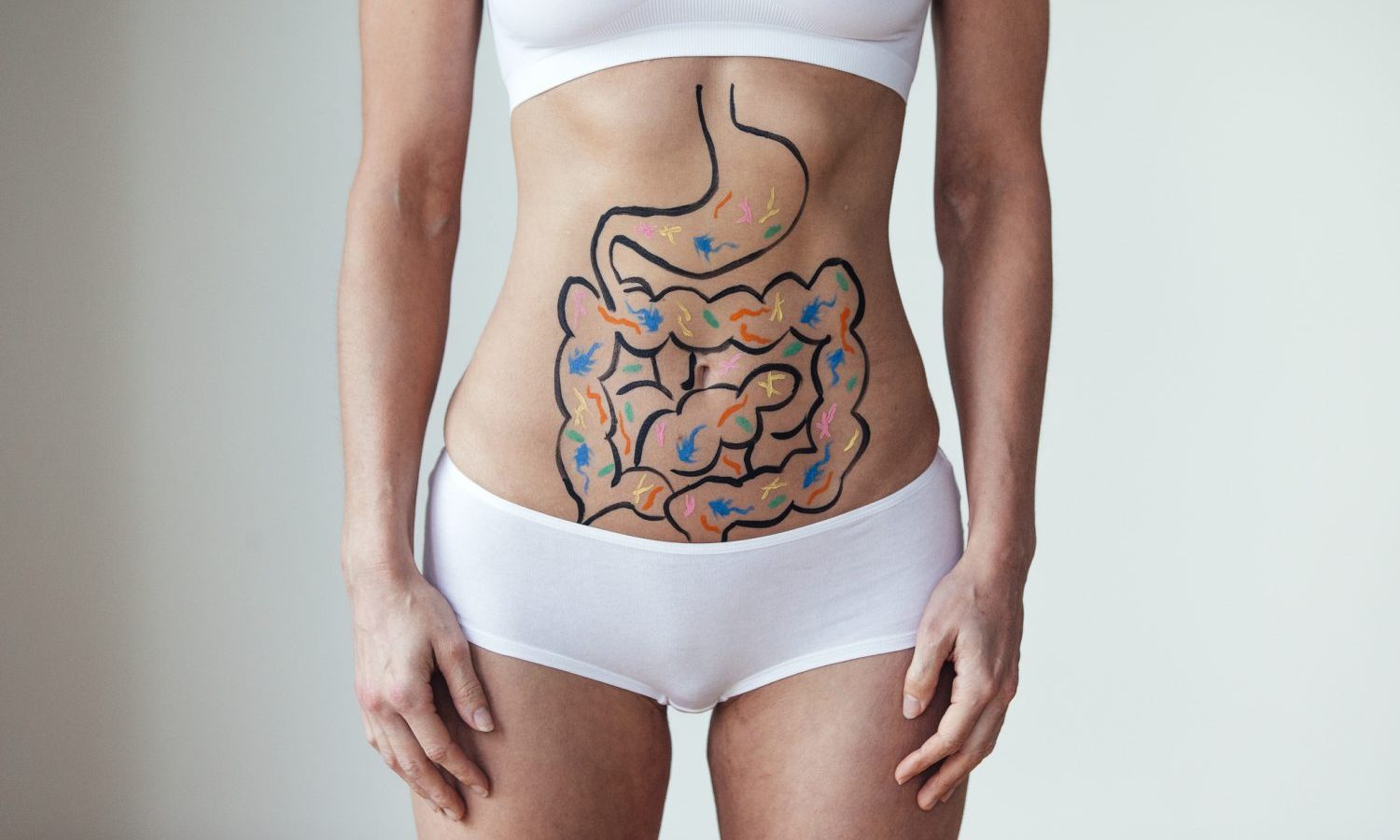
The human body has endocannabinoid receptors CB1 and CB2 in the gut and stomach, all of which help to heal us from these digestive issues while improving motility, appetite, absorption, and overall gastrointestinal health when we medicate with cannabis — either THC, CBD, or both. However, you don’t necessarily have to consume cannabis orally through food, capsules or drinks in order to benefit your stomach; you can also smoke/vaporize, and place drops underneath your tongue especially since these consumption methods work fastest.
Photo by SolStock/Getty Imagees
Consuming cannabis has proven to be beneficial for treating gastrointestinal conditions in many people especially since conventional treatments don’t always work as well; they also come with unwanted side effects.
Here are some of the common digestive disorders that cannabis can treat:
Inflammatory Bowel Disease
Inflammatory bowel syndrome (IBD) presents itself with a variety of symptoms including diarrhea, cramping, weight loss, abdominal pain, and rectal bleeding. Two subtypes of this condition are known as Crohn’s disease and ulcerative colitis, which is diagnosed based on where the inflammation occurs within lower gastrointestinal tract.
Studies show that when patients with IBD consume cannabis, it can benefit them in several ways such as by relaxing the esophageal sphincter, reducing gastric motility, improving visceral pain, bowel motility, and much more.
In one particular study, 91% of patients reported an improvement in their symptoms following cannabis use. Specifically, 83.9% said that it helped treat abdominal pain, 76.8% reported improvements in abdominal cramping, 48.2% saw better results with joint pain while 28.6% said that diarrhea had lessened.
In another study, “Cannabis use is common amongst patients with IBD for symptom relief, particularly amongst those with a history of abdominal surgery, chronic abdominal pain and/or a low quality of life index.”
Appetite Loss
Losing one’s appetite can be detrimental for health because eating is the primary way the body takes in nutrients and vitamins through food which is necessary for normal functioning of every organ in the body.
Chronic appetite loss can lead to malnutrition and severe weight loss, which are both serious if left untreated. Medically, this can also be known as anorexia. There are many conditions that can cause loss of appetite, though some common reasons include a respiratory infection, gastroenteritis or other gastrointestinal and digestive conditions, pneumonia, meningitis, HIV, chronic liver disease, dementia, heart failure, kidney failure, or cancer among others.
In addition to that, some medications can also cause appetite loss especially some antibiotics, chemotherapy drugs, morphine, codeine, and cancer treatments. Thankfully, one of the most well-known effects of marijuana is its ability to stimulate appetite. There have been many studies proving how cannabis can do this through multiple processes within the body including triggering the hunger hormones.
“We found that cannabis exposure caused more frequent, small meals,” said researcher Jon Davis, Ph.D. So instead of cannabis making you want to eat a huge meal, it’s helpful for those suffering from appetite loss that it stimulates the appetite enough to make us want to eat several meals albeit smaller.
Irritable Bowel Syndrome
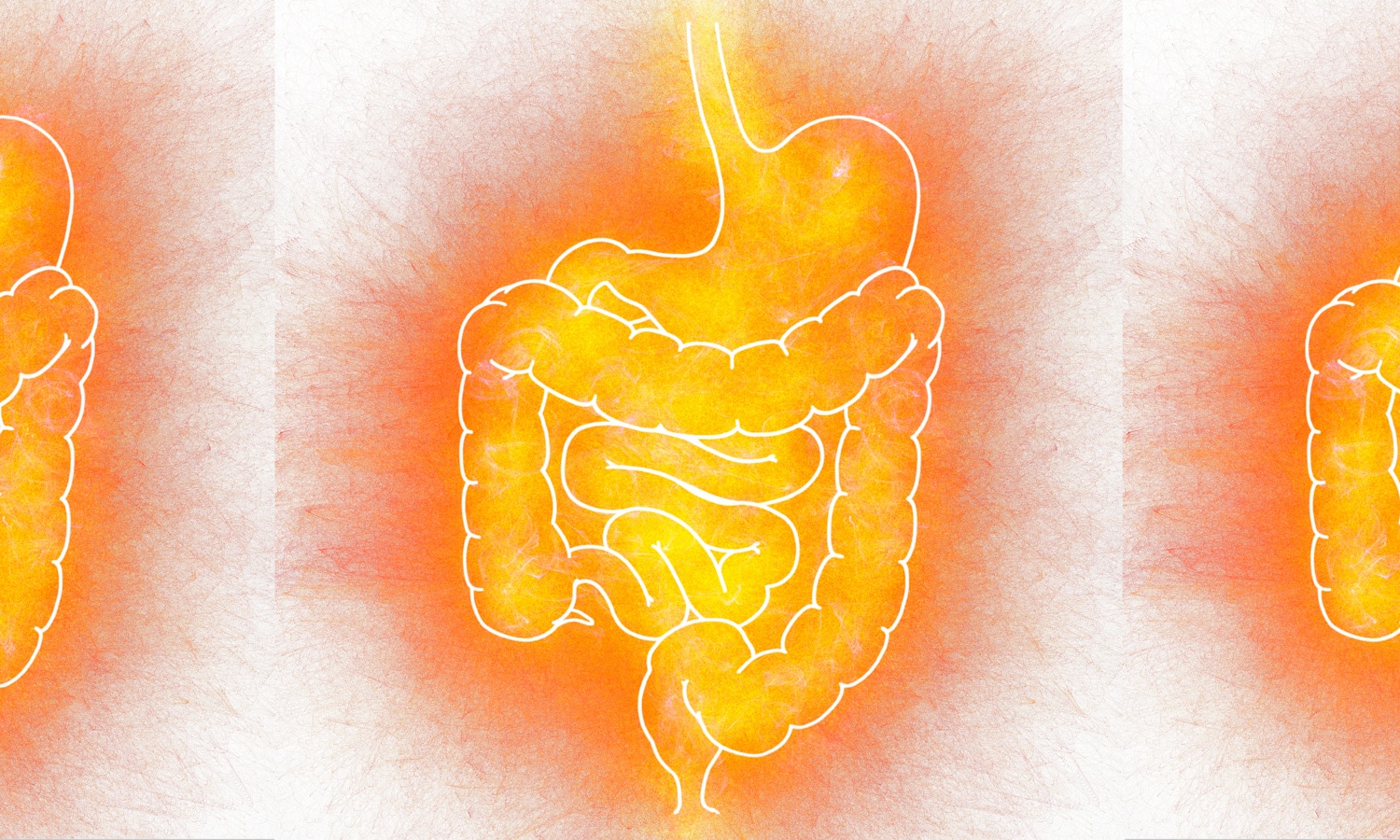
Irritable bowel syndrome (IBS) is a common gastrointestinal condition affecting the large intestine, small intestine, and the colon. Its symptoms include abdominal pain and cramping, diarrhea, gas, bloating, or constipation. A majority of patients with IBS are triggered by the symptoms after a bout of food poisoning, which is the primary culprit of this condition.
While most patients can see relief after a one-off cycle of antibiotics, others have to keep treating it again and again since the symptoms come back. This is why other medications as well as lifestyle changes can be necessary for it to fully be treated. It’s critical to treat IBS or see a doctor as soon as you think you may have its symptoms because when left untreated, it can result in rectal bleeding, unexplained vomiting, weight loss, iron deficiency anemia, and much more.
Illustration by MEHAU KULYK/SCIENCE PHOTO LIBRARY/Getty Images
Patients can take medical marijuana to help manage the symptoms of IBS, particularly bloating and cramps. Studies show that cannabis is effective in helping treat IBS, and regular marijuana intake has also been linked to less hospitalizations and shorter hospital stays that would otherwise be caused by IBS.
Gastroesophageal Reflux/Acid Reflux
More commonly known as acid reflux, gastroesophageal reflux is a condition characterized heartburn and nausea. It affects the upper gastrointestinal tract.
Acid reflux has an impact on how we enjoy our food and drink, since many popular and well-loved things contribute to acid reflux. These include fried food, cheese, chocolates, soft drinks, fatty meats, processed snacks, wine, and coffee to name a few. Other things can also lead to acid reflux such as eating before bed, pregnancy, smoking cigarettes, and medications including ibuprofen, aspirin, and blood pressure drugs.
However, the endocannabinoid system is responsible for regulating many conditions including the processes within the upper gastrointestinal tract such as reducing the inflammation causing the acid reflux, it relaxes the esophagus, increases pain threshold, and much more. Furthermore, it can provide relief from the burning or discomfort that commonly occurs in the upper abdomen and treat nausea.
Bottom Line
If you are struggling with gastrointestinal disorders, trying cannabis can be beneficial especially when combined with lifestyle changes, a healthy diet, and exercise. Remember that self-medicating may not be best in the case of severe symptoms, so always talk to a medical professional who has knowledge in medicating with cannabis.