A group of scientists is conducting a trial for a treatment that’s capable of restoring people’s sense of smell and taste.
A group of researchers from Thomas Jefferson University in Philadelphia are trying to resolve one of COVID-19’s biggest mysteries. Loss of smell, also known as anosmia, is one of COVID-19’s most striking symptoms, one that has affected over 1.5 million people in the long term.
The method that researchers have devised relies on implanting the patient’s plasma on the nose. Still, researchers wanted to come up with a way that was less invasive, providing patients with a topical application once a month for at least three months.
“I’ve dedicated over two decades to helping patients recover from the loss of taste and smell,” said Dr. David Rosen, MD, Otolaryngologist, Thomas Jefferson University Hospital. “It was very important to me and our team to explore less invasive options as this issue has become increasingly prevalent due to COVID-19. The results of phase I of the clinical trial have been promising and we are looking forward to phase II to further improve the treatment.”
The plasma that’s administered acts as a restorative agent, regenerating cells, tissue in the nose and the nasal tract, areas that were disturbed by the presence of the virus. While the research is still in its early stages, participants are already reporting symptoms of improvement.
In a study published this year, researchers finally understood why COVID-19 triggers episodes of anosmia. “Researchers discovered that the coronavirus does not infect brain cells. Instead, it attacks supporting cells located in the nasal cavity. As the infected cells shed the virus and die off, the immune system floods to the nasal area with immune cells. This activity inflames the area, disturbing smell receptors and completely disrupting how they normally work. It’s a sort of brain short circuit that can last for weeks,” we wrote in a previous post.
While a loss of smell may not sound like the worse side effect of a deadly virus, its long-term presence greatly affects people’s quality of life, reducing their interest in food, causing a loss of appetite, and even facilitating depressive episodes.
For the time being, this experimental solution could provide an answer to the thousands of people who are still waiting to get their smell and taste back after losing it to a COVID-19 infection.
A number of the panels at this year’s event will focus on the cannabis and psychedelic space, including “The Cannabis Futurists, 5 Predictions for 2050.”
Cannabis users and investors are constantly wondering what the future will hold for marijuana. Countries all around the world have legalized cannabis to some extent, but marijuana’s future remains uncertain. What will be the next way to consume cannabis? Will the U.S. legalize cannabis at the federal level? If so, when?
Faith Popcorn, a futurist known for her accurate track record of predicting trends, and Julian Cohen, the innovation chief at Canopy Growth Corp (NASDAQ:CGC), will speak on the main stage of South by Southwest (SXSW) about the future of cannabis.
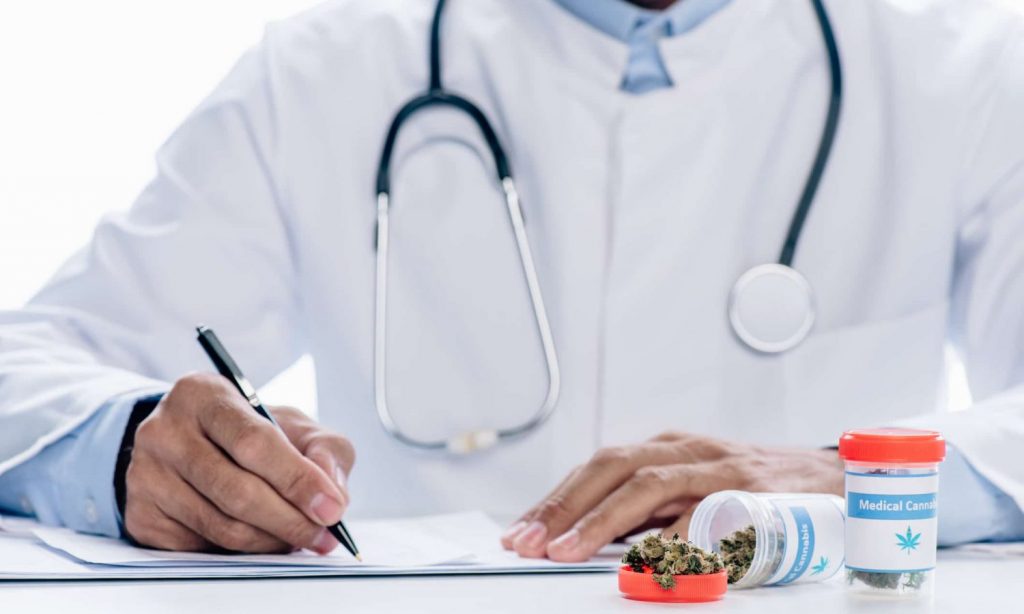
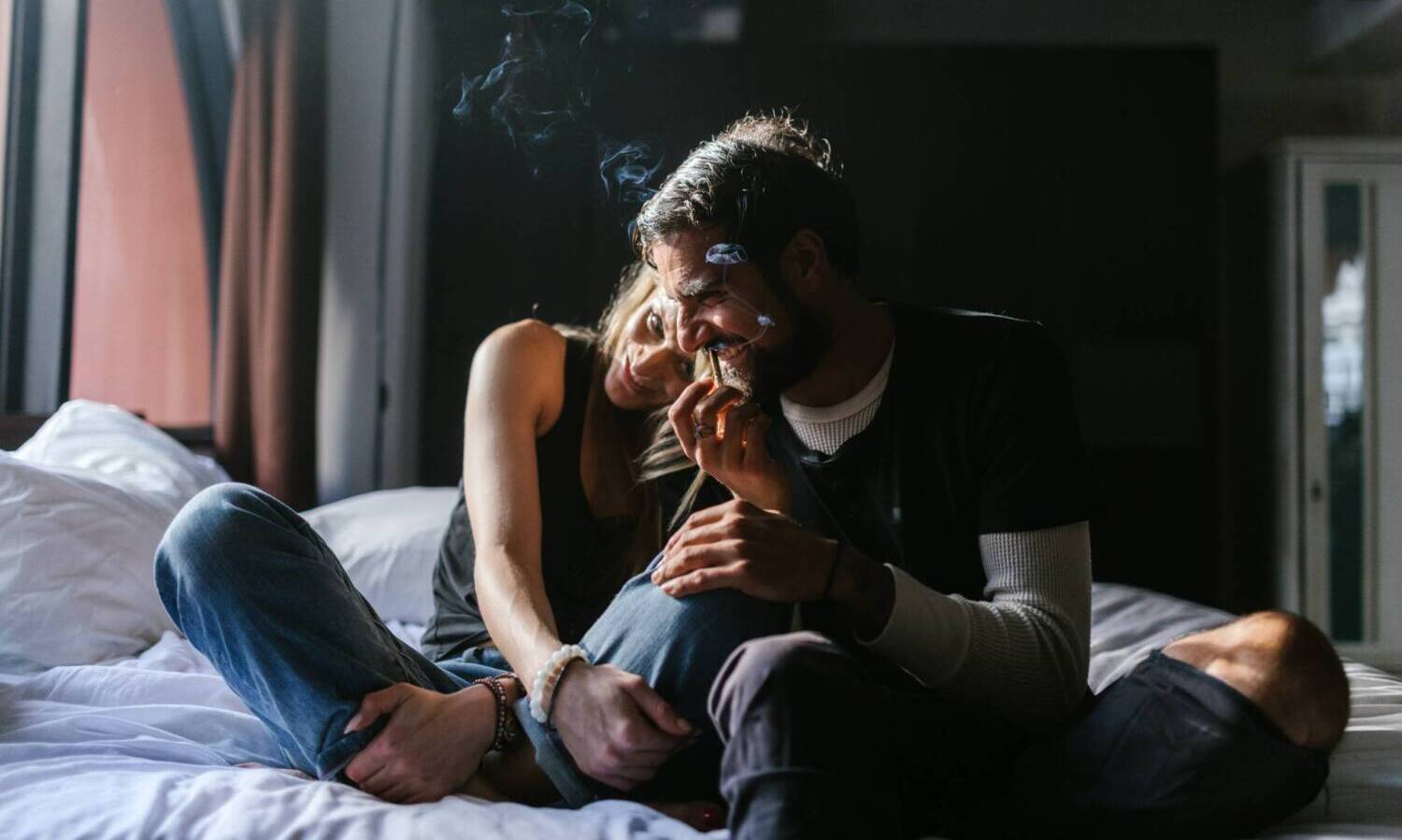
Photo by Kampus Production from Pexels
SXSW is an innovative festival/conference hybrid featuring live music, films, panels and speakers. A number of the panels at this year’s event will focus on the cannabis and psychedelic space, including “The Cannabis Futurists, 5 Predictions for 2050.”
Cohen and Popcorn joined Benzinga’s Cannabis Insider on Wednesday to preview their SXSW panel. Here are some of the highlights of their fascinating conversation.
One reason people use cannabis is to help improve their mood. Some users report feeling less anxiety or depression while using THC. Because of this, companies are innovating cannabis strains that have only certain desired effects, for example, a strain that makes you sleep, or a strain that keeps you focused.
“It’s really about picking areas of focus,” Cohen said. “There is pain, sleep and anxiety that are the main focuses. We’re doing research on sensuality, we’re doing some work in women’s health…are there things we can do for muscle recovery?”
This research and innovation make for a much better marketplace for consumers. Customers are able to pick and choose which products they want and believe will match their needs. Someone who uses cannabis for pain relief may not want the same cannabis someone else is using for anxiety.
Another topic discussed on the show was the different use cases and products coming in the cannabis industry. Popcorn and Cohen shared their thoughts on the various types of use cases and products we could see in the future, including diffusing cannabis into the air we breathe.
“Stress being the number-one killer up there with heart disease, the idea that you can actually let down, I eventually think it (marijuana) will be pumped into rooms,” Popcorn said. “It could lead to fewer heart attacks, cancer. I’m seeing that as a future path.”
To watch the full interview click here. To learn more about Popcorn and Cohen’s SXSW panel click here.
Just about everything these days is increasing in price: from food to utilities, and the crazy gas prices soaring due to the war in Ukraine, it can get difficult to keep up with costs.
Thankfully, cannabis prices seem to be going down — and this is fantastic news for consumers. Data from Headset, a cannabis analytics company, has shown that the prices for cannabis flower, vapes, and edibles have reduced on average by 16.7%, 12.4%, and 11.8% respectively when prices from January 2021 through January 2022 were studied. They analyzed sales taking place in California, Washington, Oregon, Nevada, Colorado, and Michigan.
Photo by Darren415/Getty Images
There are many reasons that contribute to this. For one, risk: if cannabis growers face a high risk of getting caught selling cannabis, then that would contribute to an increase in prices. However, cannabis is legal in most states already, which reflects in a price drop. Growers can legally and safely sell their product to brands as well as consumers directly.
Of course, supply and demand also has an impact on prices. Just because prices don’t increase doesn’t mean inflation isn’t happening; it simply means that there are other forces at work that help keep prices stable. There’s also the fact that the black market still exists (which has long been a cheaper option for consumers in pricey markets), plus taxes, so dispensaries and brands need to ensure that prices are still attractive enough.
In addition, it’s hard to just make a package size smaller while charging customers the same price the way manufacturers have done with other commodities like chocolate bars. This can’t be done as easily with cannabis where many categories of product are sold by either its THC/CBD content or weight, such as flower, edibles, and vape pens. When package sizes are reduced, consumers notice them immediately and they will then be so much harder to market and sell.
The cannabis industry did suffer during the height of the pandemic especially because of challenges spurred by the labor market, and supply chain issues. But the higher costs incurred by these were absorbed by the margins instead of increasing product prices at dispensaries.
Factors Affecting Price
Another report called “Price. It’s Complicated” by Deloitte Canada, BDSA, and Hifyre explains that “consumers are willing to pay a premium price for quality, and the laws of economics do apply to cannabis. But in other instances, price-related factors suggest there are several key differences. The price/quality relationship – in other words, the value – can be confusing. There is no national pricing. And branding does not (yet) play a big role.” The report also found that consumers use the THC and CBD levels of a cannabis product to determine its value, as well as the type of high it will produce which is determined by smell and taste.
It’s also important to note that location plays a role. The report stated that the same product costs differently in various states without clear explanation why. They indicated that 10mg Wana Sour Gummies were selling for $27.59 in Illinois for a 10-piece pack, $18.01 in Colorado, then in Oregon, just $8.03. Take note that some markets have also adopted certain practices that enable their loyal consumers to save money; in Washington and Colorado for example, if you buy more cannabis, you pay less. This kind of method encourages more frequent product turnover while motivating return customers to come back again and again.
So while the cannabis industry isn’t exactly inflation-proof, there are reasons why the price has been seemingly protected from the impact of inflation.
Photo by Olena Ruban/Getty Images
Changing Landscape
These things don’t mean that the prices of cannabis will always stay the same. Remember that the industry has an ever-changing landscape, and there are different laws in each county and state that will always have an impact on its distribution, legality, and growth. Many states are already mature, and with the coming years, many more will do so. Vice industries including tobacco, alcohol, and pharmaceuticals have been investing seriously into the cannabis market, which, in a few years, will transform the industry.
And just like any young industry, capital is required for cannabis businesses to continue growing. And since it’s still illegal on the federal level, cannabis companies don’t have the same banking benefits that other industries do. Raising capital is a struggle and it is expensive, but thanks to low interest rates, it’s become easier to do so in the last few years.
The Federal Reserve did hint that they were intending to increase interest rates not once but thrice by the end of next year and this could severely impact how cannabis companies are going to be able to get capital for growing their businesses.
Bottom Line
Having said all that, how does one know if you’re paying too much for your habit? Well there really is only one way to tell: Do you feel like you’re getting value from the monthly expenses you’re shelling out for cannabis? If your answer is no, then it’s probably too much.
Inflation is continuing to affect other industries, but for now, cannabis consumers can enjoy being spared from it. But the cannabis industry is still on its way to expansive growth, and it will eventually become more socially acceptable to use in the years to come. But despite that, it will continue to face challenges resulting in a volatile environment.
Cannabis tourism is growing, with states providing guests with a variety of weedy and awesome experiences.
Cannabis tourism is only just beginning. While the plant remains illegal on a federal level, many states have enabled medical and recreational programs, creating a new industry that’s already produced large sums of money.
Tourism boards in legal states are providing special opportunities for cannabis users across the spectrum. It doesn’t matter whether you’re a seasoned stoner or someone who’s curious about experimenting, there’s an experience here for everyone.
Visit cannabis museums
Photo by Cavan Images/Getty Images
Now that cannabis is legal, there are all sorts of places that memorialize it and celebrate it. In Vegas, there’s the Cannabition Cannabis Museum, the first interactive museum of its kind. Guests can peruse cannabis art installations and have fun, while also learning about the history of recreational and medicinal cannabis in the country.
If you’re still in the mood to learn, there’s the International Church of Cannabis, located in Denver. Founded in 2017, this location is home to the Elevationists, a group of people who believe the use of cannabis helps them get in touch with their best selves. While it sounds a little weird, there’s no need to convert to a new way of thinking in order to enjoy the church’s weedy decorations, which include murals and elaborate walls.
Visit dispensaries
Photo by Zummolo/Getty Images
For those of us who grew up with marijuana fear-mongering, the existence of dispensaries remains amazing. These spaces feature a variety of products and experts that feel leagues away from buying weed of unknown origins from your friend’s college dealer.
An even more impressive experience is to tour a marijuana grow facility, where experts will show you the grounds and take you through marijuana’s cultivation process. This is a fun and informative experience to have, whether you’re looking for a good time or want to learn how to grow your own plant at home.
Enjoy professional weed and dinner pairings
Photo by Alex Haney via Unsplash
Weed and food is the ultimate combination. Food prepared by professionals and paired with the right type of weed is something every weed enthusiast should experience at some point in their life. While every legal state has its own set of rules when it comes to these cannabis experiences, most rely on preparing delicious food and pairing it with the right strain, much like a sommelier pairs wines with meals. In Colorado, there’s the company Cultivating Spirits and in Los Angeles, there’s The Cannabis Supper Club. I’m sure there are more options coming out every couple of months.
Cannabis bead and breakfasts are becoming more popular, providing people with the opportunity to book a beautiful getaway where they can smoke and consume weed to their hearts’ content. We wrote a detailed guide about locations that can serve your purposes, all located on the West Coast.
Cannabis paint classes
Photo by Darrin Harris Frisby/Drug Policy Alliance
Lastly, there’s nothing more accessible than a cannabis paint class. Much like drinking wine and painting a project, these experiences provide you with a canvas, an instructor, and a good time. Puff, Pass and Paint is one of the most popular of these experiences, providing you with materials for your art and an instructor, who’ll guide you along the way. While they can’t provide you with cannabis, you’re encouraged to bring your own. They have locations and classes in a variety of states, including Portland, California, New York, Vegas, and more.
Legal Missouri 2022, one of the proposals with chances of ending up before voters this fall, would allow the state to cap licenses, giving current license holders an advantage over the new applicants.
With the state on the verge of another potential vote on legalizing Missouri’s recreational marijuana, local minorities fear being excluded by regulations. “The industry is growing, but our involvement is not,” said Brennan England, state director of Minorities for Medical Marijuana, reported the Missouri Independent.
Although the state does not have records of the race of license holders, according to Abe Givins, social equity activist and co-owner of Village, a vertically-integrated medical marijuana company that’s minority-owned and part of the Viola Brands franchise, few licenses were granted to Black business owners. Upon the legalization of medical cannabis in the state, regulators issued limited licenses.
Photo by AYEHAB/Getty Images
According to a report released by the Missouri Medical Cannabis Trade Association (MoCannTrade), the Missouri Department of Health and Senior Services has approved 322 facilities, including 185 dispensaries, 63 infused products manufacturers and 46 marijuana cultivation facilities. In addition, the Department has licensed and certified a total of 386 facilities to cultivate, manufacture, test, transport and dispense medical marijuana to Missouri patients.
Legal Missouri 2022, one of the proposals with chances of ending up before voters this fall, would allow the state to cap licenses, giving current license holders an advantage over the new applicants. For the first 18 months, the state would only award recreational cannabis licenses to the entities that already have medical marijuana business licenses.
“[Legal Missouri] creates monopolies,” said state Rep. Ashley Bland-Manlove (D), president of the Missouri Legislative Black Caucus. “People who have the desire and the skill set, and maybe the bare minimum qualifying capital, are boxed out.”
Legal Missouri 2022
The proposed legislation contemplates the creation of 144 “micro licenses” for applicants with ZIP codes with high incarceration rates for marijuana. However, licenses on their own do not guarantee access to capital or business networks.
According to Adolphus Pruitt, president of the NAACP chapter in St. Louis, the lack of access to traditional banking is another burden on Black business owners in general.
“Those micro licenses are what’s going to be Black folks’ entry into the marketplace because they don’t have the capital,” commented Pruitt in support of Legal Missouri.
“If you want to have equity for the people that win the micro licenses, then you do want to have some level of limits there,” added John Payne, campaign manager for Legal Missouri.
On Tuesday, a Missouri House committee heard testimony on a proposal sponsored by Republican Rep. Ron Hicks that would legalize recreational marijuana without caps on licenses, arguing that these affect minority-owned businesses.
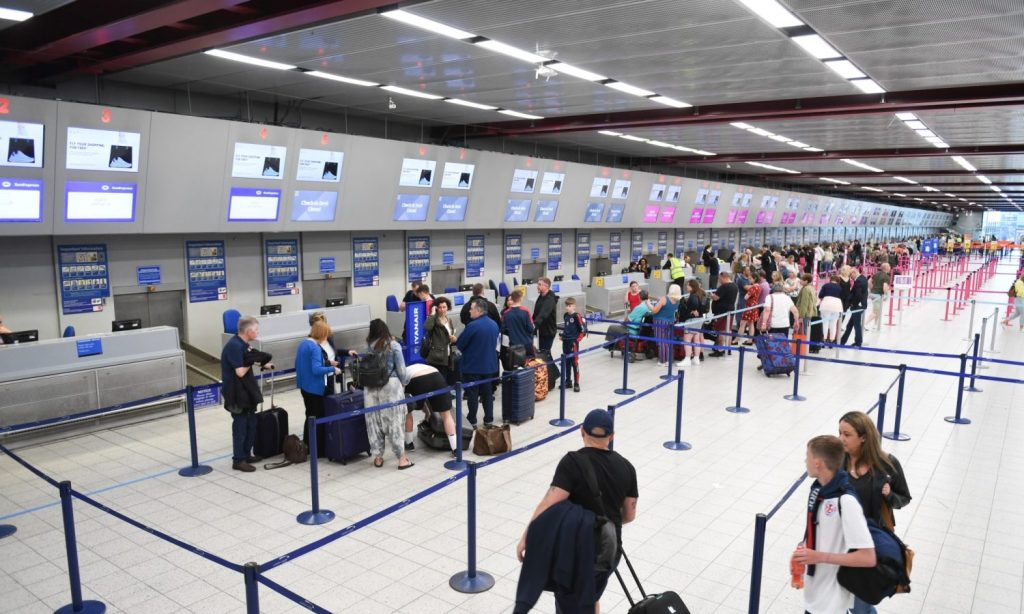
Weed and trips are a tricky combo. Here’s what you should know before you get to the airport about traveling with a marijuana vape.
Traveling with marijuana shouldn’t be taken lightly. This week, it was announced that WNBA superstar Brittney Griner had been detained in Russia after her vape cartridges were spotted in her luggage. It’s a mistake that could result in a 10-year prison sentence.
While America doesn’t operate like Russia, cannabis still remains tricky. No matter the laws in the state you’re traveling to, marijuana remains a federally illegal drug in the U.S. Internationally, it’s even worse since cannabis is illegal in most countries.
If you’re considering traveling with a weed vape, here are some of the most important things you should know.
Nationally
Photo by Chalabala/Getty Images
Wouldn’t it be great to not have to worry about weed when traveling? Sadly, we’re not there yet — far from it, in fact. On a national level, it all depends on the state. While some airports are fine with weed, others are not. For example, Denver’s airport, which is located in the very legal state of Colorado, forbids cannabis.
As for the Travel Security Administration (TSA), their stance is pretty clear. Since marijuana is federally illegal, passengers will be stopped if they have cannabis on them. Still, it helps to know your rights; don’t interact with police officers unless you have to and, if detained or arrested, let them know that you don’t consent to a search and that you want a lawyer.
While vape pens are discreet, it’s still important to be careful with these devices considering the fact that they’re illegal on a federal level. The TSA is not on the lookout for weed, they’re more concerned with things that can pose an immediate risk, but you never know what an agent might do if they stumble upon your vape during a security screening.
When it comes to international travel, weed is never a good idea. If traveling to a country with illegal cannabis, there’s no way of knowing what they could do and whether you could be arrested or not. And even if the country has a legal marijuana program, like Canada for example, traveling with marijuana remains illegal. “Cannabis is illegal in most countries. If you try to travel internationally with any amount of cannabis in your possession, you could face serious criminal penalties both at home and abroad,” according to the Canadian government website.
If you have a medical marijuana card, you might face fewer hurdles in airports. Still, it’s not a clear path and, if caught, you’re on the losing side of the argument. If caught with a weed pen having all of your documentation in hand might help you, including your doctor’s certificate, your marijuana medical ID card, and your physician’s number. Ideally, you’d be traveling to a state with medical marijuana reciprocity.
Bottom line: if traveling nationally with weed, the more discreet you are the better, and know that there’s always a degree of risk, no matter how farfetched it might seem. When traveling internationally, don’t do it. No matter the legal status of the drug, jail time is a real possibility and it’s best to be as careful as possible.
We find ourselves in volatile times. The past two years have taken its toll on the collective mind, body and soul of humanity. We no longer trust the media, the institutions that are meant to safeguard us, and many have drawn imaginary lines of “difference” between themselves and their neighbors.
Many of us find it difficult to understand just how the hell we got here.
Photo by Fiordaliso/Getty Images
How did the conspiracy theorists get so much “right?” Are we really entering into a dystopian future, enslaved by the elite in a neo-corporate feudalistic system…where you need to prove how many times you got “boosted” against the latest alarmist pandemic before you can exercise basic human freedoms such as traveling or dining at your favorite restaurant?
These are all narratives that have been circulating the internet and have plagued conspiracy theorists for decades. Only recently, has the possibility of such a future gone mainstream due to the tyrannical reactions of western leaders and their allegiances to elitist clubs trying to shape the world in their image.
The uncertainty, the looming fear, the volatile news cycles — could all of this be part of a war strategy called “Cognitive Warfare”? As outlined by NATO:
“In cognitive warfare, the human mind becomes the battlefield. The aim is to change not only what people think, but how they think and act. Waged successfully, it shapes and influences individual and group beliefs and behaviors to favor an aggressor’s tactical or strategic objectives. In its extreme form, it has the potential to fracture and fragment an entire society, so that it no longer has the collective will to resist an adversary’s intentions.
“The aims of cognitive warfare can be limited, with short time horizons. Or they can be strategic, with campaigns launched over the course of decades. Several successive campaigns could be launched with the long-term objective of disrupting entire societies or alliances, by seeding doubts about governance, subverting democratic processes, triggering civil disturbances, or instigating separatist movements.
“Cognitive warfare integrates cyber, information, psychological, and social engineering capabilities to achieve its ends.
According to this Substack article: “[Cognitive Warfare] seeks to sow doubt, to introduce conflicting narratives, to polarize opinion, to radicalize groups, and to motivate them to acts that can disrupt or fragment an otherwise cohesive society. Social networking sites induce social proofing, wherein we mimic and affirm others’ actions and beliefs to fit in with our social groups, which become echo chambers of conformism and groupthink.”
The article by Karen Hunt is a must read! This is but one aspect from the article and will help put into perspective a lot of what’s happening in this world.
The fact of the matter is that when you look objectively at what’s going on, through the lens of warfare, the mind is truly the ultimate battlefield. Can you honestly say that you “trust” the media or your government? Surely there are some that would say yes, but we are at a point in time where the vast majority of people feel disenfranchised by their leadership, subjected to the agendas of the affluent and powerful.
However, understanding that the mind is the ultimate battlefield — and knowing that the CIA attempted to use cannabis as a mind control agent yet found it to have the opposite effect — I was wondering whether cannabis could also inoculate you against this kind of mental warfare.
Photo by Kampus Production from Pexels
“Turn On, Tune In, Drop Out”
Timothy Leary famously said, “Turn on, Tune in, Drop out” and was infamously labeled as the “most dangerous man in America” according to Bill Minutalgio and Steven L. Davis. Leary had escaped prison after he was arrested for two cannabis joints and thrown into jail for ten years. Leary was a Harvard professor and an outspoken representative of an ever-growing counter-culture.
But what Leary meant by his infamous quote, “turn on, tune in, drop out” is a call to awaken the conscious mind. Leary also mapped out the 8-Circuits of Consciousness which is a map of how the human consciousness imprints itself in hierarchical orders. Robert Anton Wilson talks about it in detail in his book Prometheus Rising.
The point I’m trying to make here is that when it comes to Cognitive Warfare – your participation is absolutely essential. In order for the warfare to work, you need to opt in and respond emotionally. Leary found emotional action to be of the lowest expressions of consciousness. He said:
“Emotions are the lowest form of consciousness. Emotional actions are the most contracted, narrowing, dangerous form of behavior. Emotions are caused by biochemical secretions in the body to serve during the state of acute emergency. An emotional person is a blind, crazed maniac. Emotions are addictive and narcotic and stupefacient.
The emotional person cannot think; he cannot perform any effective game action (except in acts of physical aggression and strength). The emotional person is turned off sensually. His body is a churning robot. […]
The only state in which we can learn, harmonize, grow, merge, join, understand is the absence of emotion. This is called bliss or ecstasy, attained through centering the emotions”
Turn On
Turning on, in my view point is “becoming an active observer” of the self. It’s about becoming conscious about your own actions and thoughts, to become mindful about where your attention rests.
In this aspect, cannabis can help as I explained in my article about Mindfulness Toking. This is the first step in being able to interrupt the Cognitive Warfare because when you become aware of your own thoughts and actions, you also become aware of thoughts and actions that are not of your own – and then you have a decision on how you respond.
Photo by RODNAE Productions from Pexels
Tune In
This aspect of the quote relates to “what frequency you’re tuned in to”. In other words, where do you spend your awareness? Robert Anton Wilson once wrote; “What the Thinker Thinks, the Prover Proves” which basically eludes to how our unconscious mind interacts with reality when we engage with particular “reality tunnels”.
Within the context of Cognitive Warfare – those engaging in these tactics would like you to fall victim to particular narratives in order to increase instances of your focal point in your life. For example, if you believe that there are people out to get your money and to steal everything you have, your unconscious mind begins to look for “evidence” to support this idea.
Therefore, “tuning in” is what you can do by tuning your conscious awareness into that which you want to see more of, and diminishing that which you don’t
Drop Out!
Finally, you need to drop out of the mainstream narrative. The media, corporate press, politicians, they all spin tales to influence your behavior. Your superpower is “non-engagement”. This doesn’t mean to ignore actual threats to your life, but it does mean to stop emotionally responding to these issues by realizing that you are in control of where your attention rests.
While the World Economic Forum might be pushing an agenda called “The Great Reset,” dropping out of the narrative is as simple as doing something completely different when confronting the narrative. For example, “The Great Reset” is also the name of a breathwork meditation I created as a response to the WEF agenda. This is meant to disrupt the narratives and reclaim your mind.
Bottom Line
While cannabis can help you disrupt the internal and external automation, it cannot do it by itself; you have to actively work on safeguarding your mind from invasive narratives meant to demoralize, ostracize and ridicule the individual.
In a world where people are pushing war, we’ve got to be pushing peace.
“It’s important to be able to gift cannabis because not everybody has the financial stability that they need in order to enter into the medical program,” said one local activist.
The General Law Committee, a joint standing committee of the Connecticut General Assembly, debated a proposed bill that would prevent residents from gifting cannabis products or face up to a year in prison and a $10,000 fine, reported NBC.
During a public virtual hearing streamed live on March 8, business owners and cannabis advocates expressed concerns about Raised Bill No. 5329 seeking to address the loophole of “gifting” cannabis.
Photo by Daniel Garzón Herazo / EyeEm/Getty Images
“It’s important to be able to gift cannabis because not everybody has the financial stability that they need in order to enter into the medical program,” said Christine Capitan, from CT Canna Warriors, a local advocacy group.
“Enacting a law that criminalizes any of the giving of this plant-based medicine to our fellow family members, friends or even complete strangers is unethical, unfathomable, borderline nefarious,” added Duncan Markovich, from Better Ways, a local cannabis retailer.
“Why should it be criminal to give a vegetable or herbs from my own garden to my community?” Markovich asked.
Rep. Michael D’Agostino of Hamden explained that the newly proposed bill was created to deter large-scale gifting, reported High Times.
“The committee’s intent, with this language, was to really prevent and rein in these retail gifting events that have been occurring in the state, which really are retail events,” D’Agostino noted, in reference to festivals such as “High Bazaar,” which allowed visitors to explore local vendors.
“They’re just an end-run around the permitting and transaction process that we’ve set up through our cannabis laws.”
Photo by Tim Allen/Getty Images
House Minority Leader Vincent Candelora said a homegrown model would have been a better way to make cannabis more affordable for medical patients. “This is not the legalization of marijuana. This is truly a commercialized market,” Candelora said.
Anxiety affects a large number of people in varying ways. And now, a new study has found links between this common activity and significant anxiety relief.
Many things claim to cure anxiety, but those who struggle with the condition know that it’s not so simple to get rid of. A new study shows that something as common and pleasant as listening to music can be very effective when it comes to treating anxiety, helping people relax by a considerable amount.
The study, published in the journal Plos One and conducted by a group of Canadian researchers from Ryerson University, utilized music and Auditory Beat Stimulation (ABS), a sound that combines tones and plays them in one ear or another, stimulating the brain. ABS is an interesting method, one that seeks to provide anxiety relief (a condition that’s on the rise and that affects people of all ages) in the least invasive form possible, disregarding medications.
The research examined 163 patients who were already taking anti-anxiety medication. They were instructed to listen to relaxing music, ABS sessions, both, or “pink noise,” a sound similar to white noise. Participants listened to these sessions for 24 minutes, with an artificial intelligence device selecting the music depending on the participant’s mood.
Researchers found that participants with moderate levels of anxiety experienced the most benefits after listening to music and ABS. Participants who had high levels of anxiety reaped more benefits from listening to music only when compared to the group who listened to ABS.
“The findings from this research are exciting as they indicate personalized music shows great promise in effectively reducing anxiety in specific segments of the population that suffer from anxiety,” wrote the researchers.
Music has long been associated with anxiety-relieving properties, but there haven’t been many studies that look at it through a scientific lens. Nowadays, when there are so many options for remote and digital treatment, the exploration of auditory stress-relieving tools sounds like something worth investigating, that could provide relief to large amounts of people.
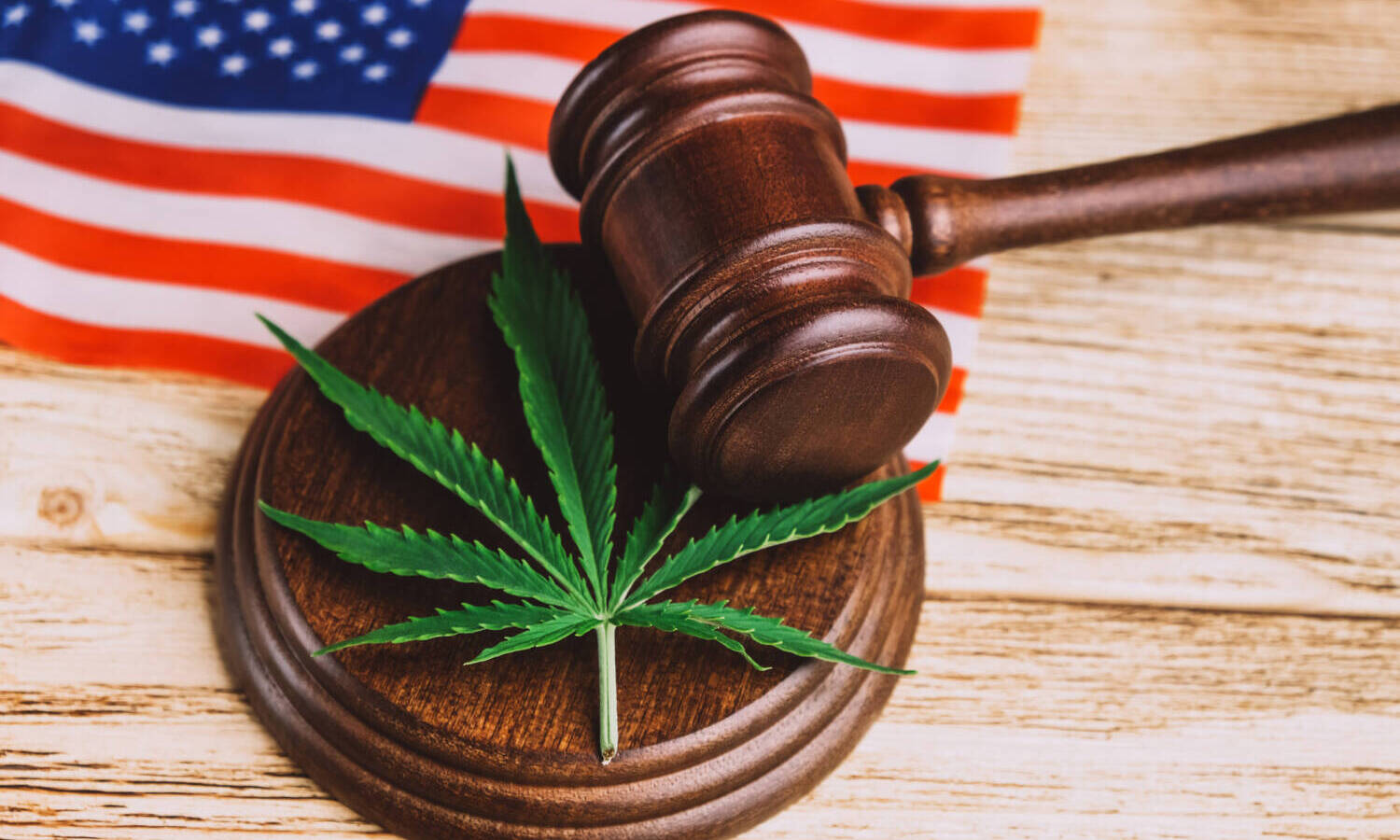
Moving cannabis drugs away from Schedule 1 to Schedule 2 or lower would positively impact the national cannabis industry. But there is a downside, too.
Cannabis drugs are federally illegal and are classified as Schedule 1 drugs in the United States. For a country where 35 out of 50 states have decriminalized or legalized the use of cannabis for medical reasons, this federal policy seems absurd.
Schedule 1 drugs are considered the most addictive drugs, and they offer no therapeutic benefits to users. Drugs included in this group include marijuana, psychedelics, and heroin. The illogicality of having cannabis on this list is that many studies have shown that the drug has immense medicinal value. Patients suffering from chronic pain, cancer symptoms, muscle spasms, and inflammation have shown improvements when placed on cannabis-derived drugs.
Photo by Olena Ruban/Getty Images
On the other hand, Schedule 2 is reserved for drugs considered less addictive and with little medicinal value. This is where the absurdity compounds. Cocaine is listed here. This implies that the Drug Enforcement Administration believes cocaine is less addictive and less dangerous than cannabis. Even though cocaine is a well-known, dangerous drug that millions have abused in different regions of the world,
Rescheduling Cannabis from Schedule 1
The Controlled Substances Act was first approved in 1971. During that period, cannabis was widely prohibited in most countries globally, and there were misconceptions about it. Cannabis advocates tried their best to make the governments see reason as regards the designation, but they couldn’t.
Fast forward to today: countries like Canada, Germany, and Spain have legalized cannabis for medical use. At the same time, the United States government chooses to stick to its ancient CSA. The recent wave of cannabis support in the House and Congress has people looking for other means to shift the direction of federal cannabis laws.
In 2018, the federal government approved the cultivation, possession, and use of hemp through the Farm Bill. However, this has more or less thrown many stakeholders into a state of confusion over how CBD can be used. The federal government’s attempt to differentiate between cannabis and hemp wasn’t as successful as they thought it would be. Experts even revealed that the bill created a grey area for delta-8 THC and some intoxicating cannabinoids.
Cannabis industry observers and advocates suggest that rescheduling cannabis from schedule 1 to a lower schedule would be the best bet.
Why Reschedule?
The efforts of Congress to decriminalize cannabis have been unsuccessful. Although the legislature would have been the best path to cannabis legalization, rescheduling is not a bad option. With congress, cannabis gets descheduled and decriminalized. However, with rescheduling, the drug remains a controlled substance.
The current political atmosphere suggests that the legislature might not be able to decriminalize the drug soon, with the presidency enacting policies that do not show that federal cannabis legalization is in the works.
Some cannabis executives believe that it would be best to reschedule the drug while Congress continues to try other strategies. Rescheduling cannabis to a lower level would make the drug more available for research. For legal states, it would increase the number of opportunities for resident pharmaceutical companies and marijuana businesses.
The executive director of the U.S. Cannabis Council in Washington, DC, Steve Hawkins, said that rescheduling talks might divert attention from better cannabis reforms. He says that Congress currently has few opportunities to approve progressive cannabis policies.
Photo by Jordan Siemens/Getty Images
The Advantages of Rescheduling Cannabis
Moving cannabis drugs away from Schedule 1 to Schedule 2 or lower would positively impact the national cannabis industry.
Firstly, rescheduling will create more research opportunities for scientists and institutions. This would be the most positive impact of rescheduling. Pharmaceutical companies and institutions will find it easier to apply for licenses to study cannabis and its compounds. The federal requirements for this would also be reduced.
Dr. Steven Groff, founder, and co-chair of Groff North America, said that rescheduling to schedule 2 would serve as a short-term solution. But researchers would face fewer restrictions when applying for approval to carry out cannabis-related research.
The CEO of MedPharm, Albert Gutierrez, pointed out that more companies will be encouraged to apply for schedule 2 permits to conduct experiments on cannabis-derived products. MedPharm is one of the Colorado-based companies with DEA permits to carry out cannabis research.
Right now, only large-scale companies can afford to fund cannabis research. This limits the amount of information discovered about the drug. With the proposed paradigm, multi-state operators would also consider researching their most preferred formulations in search of ways to make the products fit for human consumption.
Rescheduling cannabis would reduce the stigma attached to the drug’s use. Medical doctors would finally be free to discuss cannabis treatments with patients before they get to the dying stage. These physicians will have fewer fears if they know that their DEA registration isn’t at risk.
Downsides to Rescheduling Cannabis
It would be wrong to acknowledge the pros without considering the potential downsides of rescheduling cannabis.
The most important aspect is that rescheduling cannabis to the immediate lower level would not remove Section 280E of the national tax code. Except the drug is moved to Schedule 3 or 4, which is quite unlikely.
Photo by athima tongloom/Getty Images
The Vice President of Columbia Care MSO, Adam Goers, said that the massive disparity between state and federal cannabis laws wouldn’t be resolved by taking cannabis off schedule 1. For this to work, the federal government will first have to recognize the progress of legal cannabis states before deciding to move cannabis to a lower tier.
Any mistake made while rescheduling cannabis could open the door for the black market to thrive. Goers pointed out that no one wants a repeat of the ambiguous 2018 Farm Bill.
Conclusion
It is essential that rescheduling is done in a way that boosts existing state markets rather than undermining them.
Many cannabis skeptics believe that a change in the CSA drug list will precede the legislature’s legalization of cannabis markets. In terms of international drug treaties, the U.S. has already picked a position supporting medical cannabis in 2020. Hence, the country can drop the drug from the category of the most dangerous and addictive drugs. The probability that the U.S government will take cannabis to a level lower than Schedule 2 remains very low.