A new poll shows that marijuana support has been steadily growing over the years.
Legal marijuana in Florida has been a heavily debated topic. Despite the fact that legalization is still not on the map, a new poll shows how much voters want to have the option. According to the survey, about three-fourths of Florida voters support legalizing cannabis for adults.
The survey was conducted by the University of North Florida, which has conducted some of these polls in the past. This year’s poll had the highest marijuana approval, surpassing the 2019 poll by 19%. Governor Ron DeSantis has insisted he knows the voters will and they are mistaken. DeSantis has been leaning into more of a nanny state model for Florida than most other states.
Poll results indicate that 76% of voters stand in support of allowing adults to “legally possess small amounts of marijuana for recreational use.” Only 20% of poll voters opposed marijuana legalization. This support appeared regardless of race, political party, age, race and more.
Despite the overall embrace of marijuana, common trends of marijuana support did appear. For example, Democrats were more likely to support marijuana when compared to Republicans, with young voters being more likely to support it than older voters.
“Previous polls we conducted have shown support in the mid-60s for marijuana legalization but Floridians are now highly supportive of recreational marijuana,” said Michael Binder, UNF professor of political science.
The poll survey the opinions of 600 voters, who provided answers to some of the state’s leading economical and social concerns. Some of the topics addressed include the new abortion bill that was passed in the House of Representatives, the “Don’t Say Gay” bill, sports betting, and more.
The Grand Canyon State set another marijuana sales record as residents spent more than $1.4 billion on cannabis during the first year after voters approved recreational cannabis in November 2020 when nearly 60% of voters said “yes” to Prop 207, dubbed Smart & Safe.
Data from the Arizona Department of Revenue showed that the adult-use market has pulled in almost $650 million, even though sales only began on Jan. 22, 2021, reported Arizona Mirror. Medical marijuana, which has been up and running for some 10 years, brought in $752 million in 2021.
Interestingly, in December adult-use sales surpassed medical cannabis for the second time, bringing in almost $67.2 million, versus $53.5 million, respectively. Furthermore, December sales set a record for the third in a row, exceeding November sales of $64 million.
When adult-use cannabis sales started last January, they generated $11.4 million in about 10 days. At the time, Harvest Health, which has since been acquired by Trulieve Cannabis Corp., was the only dispensary ready for sales expected to start in March. Other marijuana shops didn’t waste any time jumping in and expanding their business to medical cannabis.
With Arizona collecting a 16% excise tax on recreational sales in addition to the standard sales tax, cannabis sales provided a notable tax contribution last year.
At the end of 2021, adult-use marijuana sales brought in more than $104.1 million in excise taxes, and tax revenue amounted to $113.5 million. Counting in medical cannabis sales taxes, cannabis sales in the state accumulatively contributed nearly $218 million to state funds.
A new study shows some interesting evidence in regards to antibodies and what’s safe to do right after getting a vaccine.
Vaccines prompt an immune reaction from your body, creating antibodies and protecting you from a virus. It’s understood that the stronger your reaction, the better and more thorough your protection will be, with your body producing the necessary antibodies to fight off the virus when exposed to it in the future.
A new study found that exercising after getting your COVID-19 shot might help you produce even more antibodies.
Published in the Journal of Brain, Behavior and Immunity, the study found that active adults who worked out for over 90 minutes after getting their vaccine demonstrated increased serum antibodies.
Researchers from Iowa State University studied participants who received a flu shot and a COVID-19 shot. For the COVID group, researchers collected blood samples prior to their shots, two weeks after receiving their first shot, and one week after receiving their second shot. The flu group submitted a blood sample before their immunization, and on weeks two and four after their injection.
The flu group was asked to exercise for 45 minutes, 90 minutes, or not at all, while the COVID-19 group was asked to exercise for 90 minutes or not at all, all completing their workouts soon after their immunization. Researchers discovered that those who worked out consistently for 90 minutes showed increased serum antibodies for up to 4 weeks after their shot.
“Based on the data we have, it appears that as long as individuals are in the 60 to 70 percent of the age-based estimate of max heart rate, we see the same benefit [of increased antibodies],” said lead researcher Marian Kohut, Ph.D.
Some of the study’s most interesting findings were the ones that demonstrated how important the duration of the workouts was in terms of increasing antibodies. People who worked out for 45 minutes or with vigorous intensity did not show any benefits; what mattered was the fact that people completed their 90 minutes at the pace of their choosing.
While small, the study shows some interesting evidence in regards to antibodies and what’s safe to do right after getting a vaccine. Still, it’s important for people to avoid working out if they have a fever or some other side effect from their immunization that makes them feel weak and like they can’t take on a long workout.
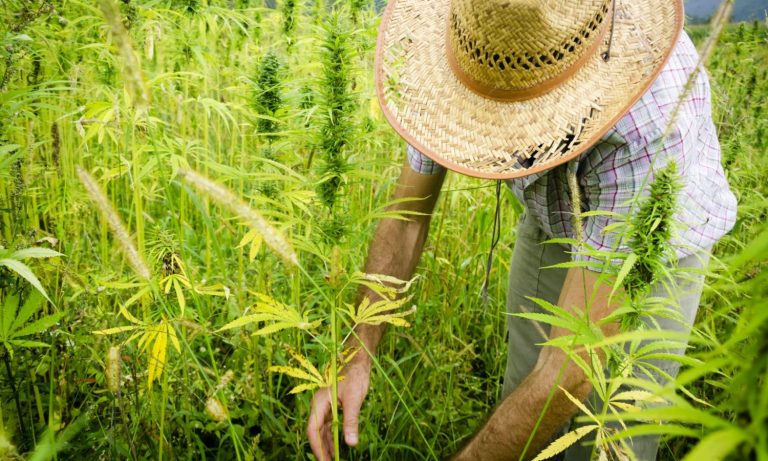
The endless restrictions imposed by the 2018 Farm Bill have limited the growth of the industrial hemp sector. This shows a glaring need for amendments, where the Hemp Advancement Act of 2022 comes in. This measure will eliminate major constrictions in the farm bill that have made it highly unlikely to thrive.
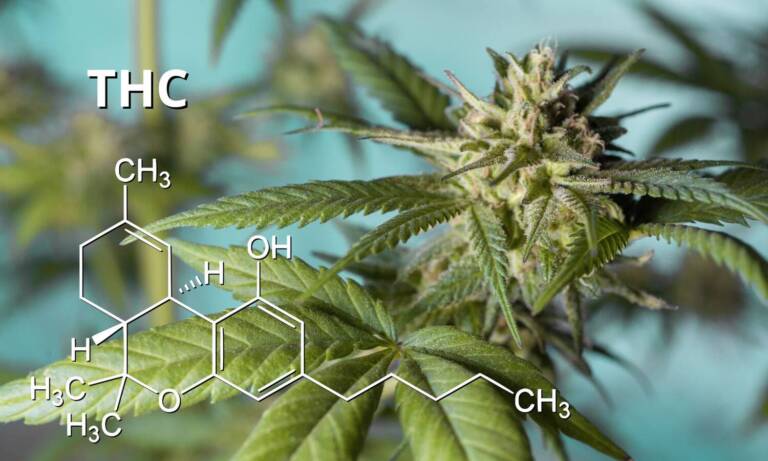
Hemp production was approved in the United States through the Farm Bill. Being the first of its kind, the federal initiative makes so many regulatory demands that it makes it impossible for legal operators to compete with the illegal growers. The central issue in the bill, which growers and processors cannot seem to wrap their minds around, is the THC thresholds. The 2018 Farm Bill demands that all hemp products contain less than 0.3% THC. This has been very difficult to achieve, with growers describing the provision as “unbearable.”
Photo by Marti157900/Getty Images
The Hemp Advancement Act Of 2022
This bill is a legislative amendment that would fix some of the problems in the current hemp laws, and potentially increasing the threshold for THC in hemp products to 1%, which is more than reasonable.
In the past, some farms and processing plants have been ruined by this existing threshold due to some hiccups that made them unable to produce plants with less than 0.3% THC. In this case, some of these firms proceed to destroy the crops, especially in non-legal states, while a few get encouraged to sell them off in the black market to make a profit.
The new bill, the Hemp Advancement Act of 2022, was introduced February 8, by Congresswoman Chellie Pingree. She clarified that the objective of this proposed measure is to improve the provisions in the 2018 Farm Bill and increase the flexibility of hemp growers and processors when producing these products. She added that these amendments would provide greater clarity to the existing laws.
Pingree explained that the 2018 Farm Bill laid the foundation for the legal hemp industry in the U.S. but, in the process, created extremely confusing policies and difficulties for growers and small-scale operators. She further explained that her newly introduced bill could remove non-feasible and unreasonable testing requirements demanded by the farm bill without compromising the safety of consumers. She added that a one-percent THC level is a feasible threshold for hemp products.
Another necessary provision in the new bill is to create equality in the industry. Persons of color, whites, and both convicted and not convicted cannabis offenders will have equal rights to cultivate legal weed.
The congresswoman also pointed out that her bill is a straightforward, non-complicated strategy to solve the complex problems encountered while implementing hemp laws. With the hemp amendment act, the United States hemp industry could be more profitable and accessible to all. She said her bill is better equipped to support the growth potential of the country’s hemp economy while making a clear path forward for its operators at the same time.
Photo by Remedy Pics via Unsplash
Major Provisions In The Amendment Bill
During the bill’s introduction, Pingree emphasized three potential corrections to the Farm Bill that the new 2022 bill would make.
The first fix is raising the acceptable level of THC for hemp flowers and extracts to make the industry more bearable for hemp producers. The proposed threshold will be suitable enough to allow the growers and processors to flawlessly execute their operations while making sure that the released products dispensed in the markets are not psychoactive or intoxicating.
The second fix is to eliminate the provision stating that all hemp tests must be done at laboratories licensed by the Drug Enforcement Agency. This provision has been a significant challenge for hemp producers in Maine, as none of the testing facilities in the area are approved by the DEA.
The third fix is to bring an end to the ban issued on people with cannabis or drug-related felonies. The 2018 farm bill says that Americans who have served drug-related sentences or convictions must be banned from applying for grower or processor licenses for ten years. Seeing that most of these excluded individuals are either blacks or Hispanics, the provision indirectly excludes communities of color from the budding market.
Several hemp organizations have read through the Hemp Advancement Act of 2022 and have offered their support to Congresswoman Pingree to see to it that the bill is approved. One of these notable companies in the U.S. Hemp Roundtable. This organization represents several significant grassroots agencies in the U.S. hemp scene.
According to U.S. Hemp Roundtable General Counsel Jonathan Miller, the 2018 Farm Bill, though appreciated, needs several modifications as the current bill comes with unresolvable challenges. He commended the USDA’s commitment to attending to farmers’ concerns and issues on time. Still, he said that the current Farm Bill needs to be amended to eliminate significant burdens on cannabis producers across the country.
Photo by anankkml/Getty Images
The Future Of The Hemp Industry
The progress of the hemp sector depends on how fast these proposed bills or a similar amendment can be approved. The hemp industry is one of the few industries that face high risks due to excessive regulations and mandatory demands by the governing agencies.
Miller stressed that it is so unfair that cannabis farmers could be forced to burn down entire or major parts of their crops just because they contain more than 0.3% THC. If this continues, hundreds of farmers will quit the industry or move to illegal markets to prevent loss. All this could be resolved with a slight modification to the THC threshold and more.
Conclusion
The Hemp Amendment Act of 2022 is vital to the progress of the industry. Congresswoman Pingree is extremely pained about the matter because hemp production in her home state of Maine is at a standstill. Her newly introduced bill could put the federal hemp industry on the progressive track to the top.
Remember that hemp is a legal crop that could serve as a raw material for the textile, fuel, food, and medicinal sectors. The only way to fully harness its potential is to give growers and processors more freedom to grow these plants through the Hemp Amendment Act of 2022.
The National Institute on Drug Abuse (NIDA), the lead federal agency supporting scientific research on drug use and its consequences, is promoting federally funded research in cannabis expressing interest in studies on differing cannabis regulatory models and consumption patterns across the U.S., reported Marijuana Moment.
On Friday, the agency issued a notice of interest with instructions for researchers on how to apply for funding.
“Policies around cannabis products (including whole-plant cannabis and cannabis constituent compounds) in the United States (and globally) continue to evolve, and far outpace the knowledge needed to determine the public health impacts of these changes,” the notice says. “Growing numbers of states have loosened restrictions on cannabis, including those on sales and use, bypassing medical marijuana laws or by making cannabis legal for adult recreational use, and in increasing numbers, states have done both.
Areas of programmatic interest to NIDA include developing standards for measuring cannabis and cannabis constituents (including THC, CBD, other cannabinoids and terpenes) dose, intoxication, and/or impairment, and enhancing existing epidemiology research to study trends for cannabis product use and cannabis use disorder (CUD); including new products (e.g. delta-8 THC products), patterns of use, and reasons for use in different populations.
NIDA seeks to characterize the composition/potency, the pattern of use, and methods of administration of cannabis products, including whole-plant cannabis, cannabis extracts/concentrates, and varying cannabis constituents (e.g. cannabinoids or terpenes), as well as how those factors impact physical and mental health.
In addition, the agency is interested in exploring the impact of polysubstance use on health outcomes, investigating how cannabis industry practices — including research on marketing, taxes, and prices — impact health and exploring the heterogeneity of regulatory schemes to understand which combinations of components minimize harm to public health.
The notice applies to due dates on or after June 5, 2022, and subsequent receipt dates through May 5, 2025.
While shifts in drug enforcement patterns in recent decades have reduced prison populations, they have done little to mitigate the public health consequences of drug misuse.
Despite cannabis’ ongoing decriminalization, drug arrests continue, steady as they’ve always been. A Pew analysis reveals a deep look into these trends, capturing data from 2009 to 2019. The research found that while rates of incarceration decreased, there were still high rates of drug arrests over the years.
Pew published some of their results through Twitter, highlighting some important findings. “Arrests for drug possession barely changed between 2009 and 2019, even as arrests overall plummeted by over a 1/4. Yet, the number of arrests for drug sales/manufacturing—and of people admitted to and held in prison for drug offenses—all fell by roughly a 1/3 at the same time.”
They added more key findings to the thread, showing that while laws are changing, police enforcers are still ways behind.
For decades we’ve relied on the criminal legal system to address drug misuse
5 decades of heightened enforcement spurred a 1,216% increase in people in prison for drug offenses
Aside from a few exceptions, the majority of the findings were positive, including fewer charges and incarceration rates towards Black people. Evolving drug laws have also resulted in a 62% reduction in prison populations.
Troubling findings include that drug and alcohol mortality rates in prisons have increased by a small margin, 5% and 3%, respectively. Drug possession arrests barely budged, decreasing by 0.4%. There’s also the fact that while marijuana arrests have decreased, other drug arrests have increased, highlighting the racial differences in the types of drugs Black and white people use and are charged with.
To gather these findings, Pew conducted an overview of national data on drug arrests and imprisonment, drug treatment, and more. The study concludes that while “shifts in drug enforcement patterns in recent decades have reduced some racial disparities and decreased prison populations, they have done little to mitigate the public health consequences of drug misuse.”
More needs to be done in order to curb the justice system’s reliance on drug incarcerations and to make sure that the law treats people fairly and equally, regardless of their race or economical status.
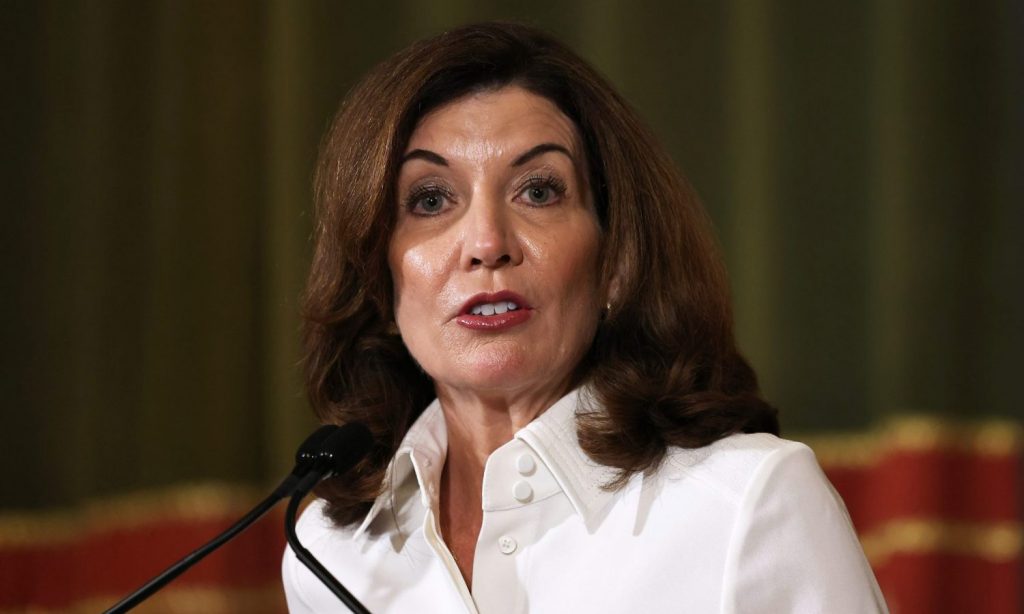
Gov. Hochul signed the bill, “which positions New York’s farmers to be the first to grow cannabis and jumpstart the safe, equitable and inclusive new industry we are building.”
New York governor Kathy Hochul (D) signed a bill that would give provisional cannabis growing and processing licenses to hemp businesses that are currently engaged in promoting equity in the industry, reported Marijuana Moment.
The news comes about a week after the Senate approved the bill in a 50-13 vote to speed up the process of New York’s adult-use market and support equity goals in cannabis business participation. The bill was sponsored by Assembly Majority Leader Crystal Peoples-Stokes and Sen. Michelle Hinchey (D).
Gov. Kathy Hochul/Photo by Michael M. Santiago/Getty Images
“I’m proud to sponsor legislation to help them obtain conditional licenses, which will allow New York to implement its cannabis program faster,” Sen. Hinchey said at the time. “Our existing hemp growers, who have been some of the hardest hit by market fluctuations, already have the knowledge base to meet this need, and I’m proud to sponsor legislation to help them obtain conditional licenses, which will allow New York to implement its cannabis program faster.”
Hochul Proud To Sign Bill
Gov. Hochul (D) said in a press release that she is “proud to sign this bill, which positions New York’s farmers to be the first to grow cannabis and jumpstart the safe, equitable and inclusive new industry we are building. New York State will continue to lead the way in delivering on our commitment to bring economic opportunity and growth to every New Yorker in every corner of our great state.”
The new measure, which places heightened importance on equity, requires conditional license holders to “participate in an environmental sustainability program and a social equity mentorship program. Such mentorship program shall be directed to train individuals interested in becoming licensed cultivators and shall leverage remote and in-person mentees with experience in agriculture business management, sustainable cannabis cultivation, and best practices.”
In addition, the marijuana bill demands conditional licensees to “enter into a labor peace agreement with a bonafide labor organization that is actively engaged in representing or attempting to represent the applicant’s employees within six months of licensure.”
The Office of Cannabis Management (OCM) will be allowed to issue the conditional licenses up until June 1, 2023, after which candidates should apply for a standard adult-use license.
Conditional cultivator licensees will be allowed to “minimally process and distribute cannabis products, provided that such final products shall be in the form of cannabis flower,” according to the bill.
“This law places New York’s farmers first in line to grow cannabis, the timing of which is critical to our efforts to roll out the adult use program,” Cannabis Control Board chair Tremaine Wright said. “With this bill, we’re continuing to put equity and inclusion at the forefront of the new cannabis industry we’re building.”
The cannabis industry has been making gigantic leaps, even while other industries entered into a recession.
Since Amazon made headlines lobbying for the federal legalization of cannabis, several other “high profile” organizations have made similar headlines by shifting their cannabis policy. One of these companies last June updated their Terms and essentially gave permission for cannabis companies that operate within a legal state access to their platform. The company in question? Apple!
While a few people reported on this, the general gist of the story has faded out of the mainstream’s field of attention due to the immeasurable instances of other “more dire” news, political debates, and, of course, the witch hunt of comedians. Let’s also not forget the prevalence of a little virus known as COVI-19.
1.4.3 Apps that encourage consumption of tobacco and vape products, illegal drugs, or excessive amounts of alcohol are not permitted on the App Store. Apps that encourage minors to consume any of these substances will be rejected. Facilitating the sale of controlled substances (except for licensed pharmacies and licensed or otherwise legal cannabis dispensaries), or tobacco is not allowed.
In essence, what Apple is saying is that apps that deal with selling cannabis in states that are legal will not be prohibited from being on their store. Unlike Google, Meta (formerly known as Facebook), and similar tech giants, Apple decide to take a more nuanced approach than the Nancy Raegan “just say no” strategy. Considering that Apple is the most valued company in the world, this is a big deal and will begin to make a definite shift in the hearts and minds of the average American.
The Future Of Weed
What does all of this mean for cannabis in the future? If we take a look at Amazon, their motivation is simple: they want to sell cannabis. Or at the very least, provide a platform where they can leverage their monster wing of logistics to facilitate the distribution of cannabis all over the nation. Considering that 1 in 2 adults have tried cannabis in the past, this could represent billions of dollars.
As for Apple, they want to have more apps on their store. The more apps available on their store, the more their platform remains relevant. The more people can find what they want on Apple’s ecosystem, the less likely they are migrating to other tech solutions to solve their cannabis related problems. Apple tends to be in tune with what the consumer wants, and thus their choice to make a change to their Terms & Agreements means that other companies might follow suit. IF this happens, then the pendulum will begin shifting in favor of legalization quite drastically.
In the future, you’ll be able to use an app on your iPhone to order some weed grown in Hawaii, which would then be shipped via Amazon to your home. In some cases, overnight delivery will be available. However, as the cannabis market continues to expand, we’ll simply see a greater number of choices become available.
Apple, Amazon and even Facebook and Google all technically want a part of this pie, except due to the current federal restrictions, most companies don’t want to play ball. This is why companies like Amazon are funding lobbyists to make national changes in cannabis.
While I’m inherently opposed to the idea of a private organization being able to pay to change laws in their favor, in this particular case it could benefit the greater good.
Photo by PhotoMIX Company from Pexels
When Will Weed Be Legal?
Since the 1960s, people have said “five more years and weed will be legal”. For a long time I was on board with that sentiment, and after about the third or fifth “five more year” cycle, I personally gave up on predicting when cannabis will be legally available on a federal level. Nonetheless, there seems to be a strong indication that this year could be the year that some major political shift in policy will happen. Whether this will be beneficial to consumers everywhere is still up for debate.
What is interesting is that these giant tech companies are beginning to shift public opinion even more than it already has.
Bottom Line
Marijuana has been a snowball, slowly collecting support as it rolls down hill towards full legalization. With the addition of these big names, we can see that the momentum is only gaining in speed. Therefore, what I personally think is that there will be some major policy shifts not only in the U.S., but in the entire North America.
While the world has been struggling to adapt to a COVID existence, the cannabis industry has been making gigantic leaps, even while every other industry entered into a recession. With more support for legalization than ever, it makes no sense to maintain the status quo that generates no additional revenue, costs the taxpayer billions, and doesn’t seem to even make a dent in the international illicit drug market.
If we’ve tried to prohibit cannabis for the past 50+ years with little to nothing to show for it — except perhaps more drugs than ever before — perhaps it’s time we do the opposite and legalize and regulate cannabis so that it can serve society as it was meant to do.
Apple, Amazon, and the NFL are all big names that have come out to support cannabis — let’s all pressure our representatives so that we can begin to see national policies reflect the attitudes of the general population.
While cannabis may not be good for everyone, everyone should have a fundamental right to choose to consume or not. Currently, that choice is not yours to make. Let’s hope that this massive corporate support for reform gives us back our freedom of choice sooner rather than later.
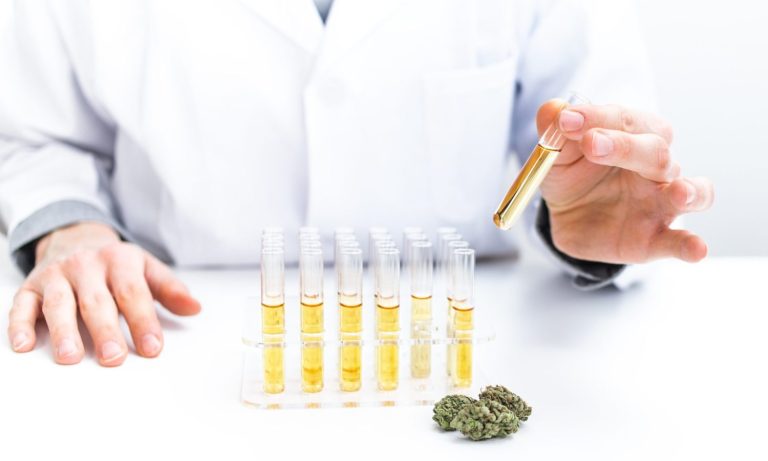
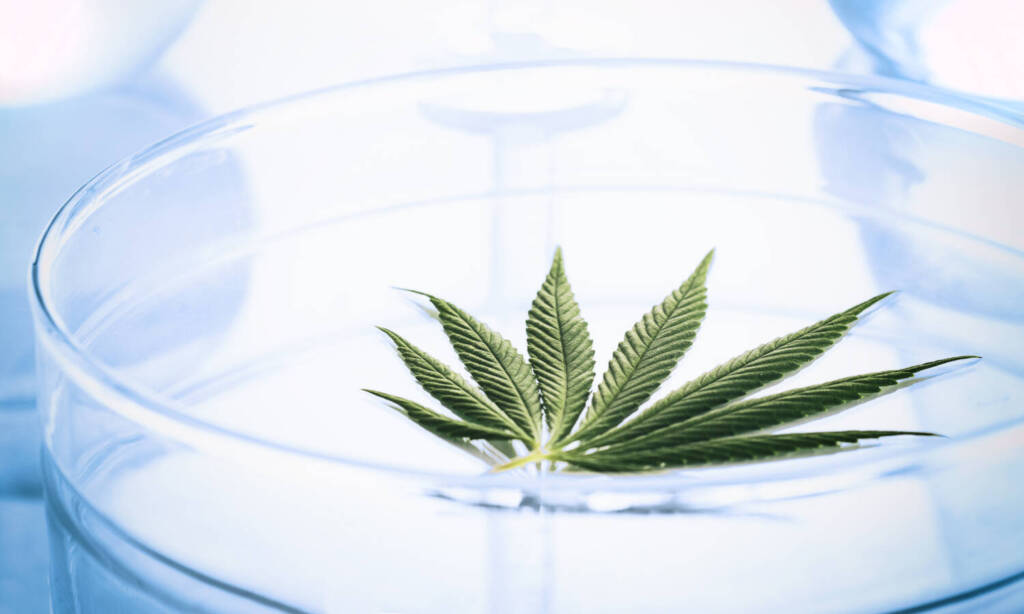
Cannabinomics refers to the scientific approach of using mass spectrometry and statistical analysis to differentiate between available cannabis species.
It is the year 2022, where cannabis laws are becoming more flexible by the day and adequate and precise information about the natural herb is available to everyone. While we are all grateful for the growth of cannabis laws and regulations, there is still a need for more scientific research about the plant.
In this article, we will be paying close attention to cannabinomics and its use in analyzing cannabis varieties.
Photo by CRYSTALWEED cannabis via Unsplash
What Is Cannabinomics?
It is safe to say that cannabinomics isn’t exactly a word that is commonly used among the majority of cannabis enthusiasts and this is because it is majorly a scientific term. Cannabinomics refers to the scientific approach of using mass spectrometry and statistical analysis to differentiate between available cannabis species. In clearer terms, the scientific process involves the use of analytical processes to identify phytochemical markers that can be used to differentiate between cannabis varieties.
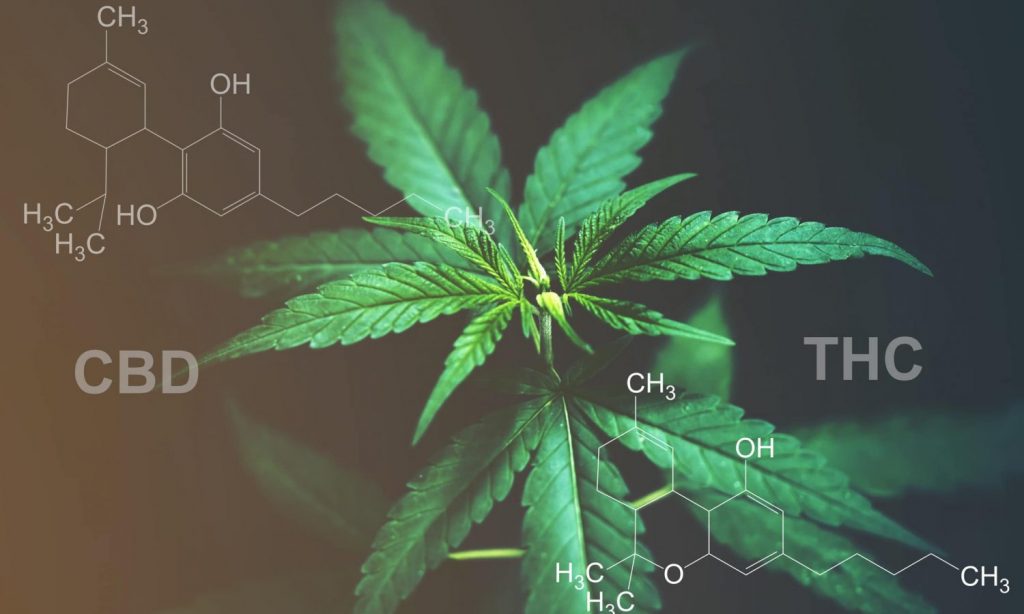
The general knowledge among most cannabis users is that the difference in cannabis varieties largely boils down to whether it is sativa, indica, or a hybrid of both. While this may be fundamentally true, there is still more to the differences in cannabis varieties than the species they originate from. This is why many cannabis growers and researchers over time have used THC and CBD concentration as a major marker in differentiating varieties.
The use of THC and CBD as main markers for differentiating cannabis varieties has been quite instrumental both in terms of research, cultivation, and use. This is because it helps to give the grower and/or user an idea of what to expect from the herb. However, there is still room for differentiating cannabis varieties beyond just THC and CBD which is where cannabinomics comes in. The process uses compounds less prominent as THC and CBD to analyze and differentiate different cannabis varieties.
A Closer Look At Cannabinomics
Cannabinoids might be the most talked-about constituent in the cannabis plant matrix owing to their psychoactive and medicinal effects, yet that doesn’t mean they are the only compounds present in the cannabis plant matrix.
Other important phytochemicals present include terpenes, flavonoids, alkaloids, lignans, phytosterols among others. These chemicals play special roles in synergistically producing the medicinal effects of cannabis in dealing with pain, metabolic disorders, neurogenerative disorders, seizures, cardiovascular disorders, and many more. The obvious benefits of this herb have improved the pace of scientific research into the available varieties of cannabis, how they elicit their effects, and other possible medicinal effects yet to be discovered.
With over 10 articles being published daily, the demand for scientific literature on cannabis is ever-increasing and proper differentiation and identification of cannabis strain varieties is key to meeting this demand.
Photo by Nastasic/Getty Images
The Science Of Cannabinomics
As stated earlier, cannabinomics seeks to utilize numerous metabolites that are less prominent than THC and CBD to analyze different cannabis varieties. Cannabinomics, therefore, becomes a more comprehensive approach and it is gradually gaining acceptance in plant science research. The approach uses either liquid chromatography-mass spectrometry (LC-MS), gas chromatography-mass spectrometry (GC-MS), or nuclear magnetic resonance spectroscopy (NMR) for detection. The detection and annotation process is also supported by the use of bioinformatics and statistical analysis to classify the chemotypes and identify other phytochemicals present.
The scientific procedure of cannabinomics commences with identifying and collecting the plant material to be used. This is then followed by metabolome analysis using appropriate materials while ensuring good laboratory practices. The products then go through a data mining process using the available analytical tools. The results obtained from the analytical tools can be used for genotyping of the cultivars, quantification of main phytocannabinoids, and other statistical analysis.
Advantages Of Cannabinomics
Before we delve into the advantages of cannabinomics over other approaches, we need to state some of the hindrances to the proper identification of phytocannabinoids. Only a few phytocannabinoids are available commercially and those that are available are very expensive. There are also restrictions by national regulations to some standards which restricts studies to the use of in-house databases or mass spectral libraries.
The first advantage of cannabinomics over other approaches is that it shows major discriminant compounds between varieties. Through proper annotation and detection of these compounds, cannabinomics helps to improve and fasten biological research into such varieties. It also helps in characterizing possible entourage effects of such discriminant molecules in the varieties being analyzed.
The second advantage of cannabinomics over other analytical approaches is that it helps in unraveling characteristic markers of different cannabis varieties. While a host of cannabis phytochemicals have been identified, there are still numerous specific markers of each variety yet to be identified. Cannabinomics unravels such characteristic markers using independent heatmap analysis and Anova tests.
Cannabinomics also helps to easily classify analyzed varieties depending on quantified phytocannabinoids. There are different types of phytocannabinoids as they exist as different isomers and the labile nature of their acidic form makes this classification important for further research purposes.
There are a plethora of other benefits that the use of cannabinomics as a research tool for analyzing cannabis tables brings to the table. This is why the approach is widely being accepted and increasing in use in different studies aimed at analyzing the complex matrix of phytochemicals in the cannabis plant.
Bottom Line
There is still much to be achieved using cannabinomics as it applies to the detection and annotation of phytochemicals. This is because it doesn’t limit analysis to phytocannabinoids alone, but instead extends to other compounds such as terpenes, flavonoids, alkaloids, and so on.
The knowledge gained through cannabinomics will be instrumental in cultivating plants with the right chemotype and genotype needed for food and material purposes. The knowledge from cannabinomics is also important in the medicinal world as it helps to improve the breeding of cannabis varieties with greater expression of minor phytocannabinoids. This will further help to correlate therapeutic effects with the perceived entourage effect of such cannabinoids.
For those who have been reading my work for the past couple of years, I have always held the position that prohibition is a terrible government policy. I mean, if it didn’t work for God in the Garden of Eden, then why do we think it would work for man?
Nonetheless, it’s something that we’re still contending with today despite the fact that 37 states have legalized cannabis in some form at the time of writing this article.
Photo by RODNAE Productions from Pexels
However, I have recently come to the conclusion that the Controlled Substance Act is not only a policy of prohibition of drugs, but rather the control and enslavement of people. This is due to a little thing known as the 13th Amendment which clearly states:
Section 1
Neither slavery nor involuntary servitude, except as a punishment for crime whereof the party shall have been duly convicted, shall exist within the United States, or any place subject to their jurisdiction.
Perhaps the CSA wasn’t originally drafted as a means of turning free citizens into slaves. This may not have been its initial purpose, but in application, this is exactly what it had become. Currently the Controlled Substance Act functions as a means for the pharmaceutical industry to maintain a monopoly on all drugs.
However, the fact of the matter that the prohibition of drugs makes all drug users essentially criminals mean that the policy that is meant to “protect the people from drugs” is actually an excuse to turn people into slaves — at least in a legal and constitutional sense.
Forty-six percent of prisoners sentenced to federal prison were serving time for a drug offense (more than 99% for drug trafficking) on September 30, 2019, the most recent date for which such data are available.
This is in relation to federal prison statistics. When it comes to State prison statistics:
The US Dept. of Justice’s Bureau of Justice Statistics reports that at yearend 2018 there were 1,249,700 sentenced people in state prisons in the US, of whom 176,300 (14.1%) had as their most serious offense a drug charge: 46,500 for drug possession (3.7%) and 129,900 for “other” drug offenses, including manufacturing and sale (10.4%).
Photo by Richard Ross/Getty Images
These people, some of them “drug traffickers,” meaning they have been legally turned into a slave according to the US Constitution. Surely, some of you might think that drug traffickers should be in jail. Except, according to the federal government, drug trafficking can be anything from simple possession as CriminalDefenseLawyer.com explains:
Under the federal statutes, the term “trafficking” has a specific meaning, one that is substantially different than the term’s common usage. A person commits the crime of drug trafficking when manufacturing, distributing, dispensing, or possessing with the intent to manufacture, distribute, or dispense any amount of a prohibited narcotic.
In other words, under the federal sentencing guidelines, the term “trafficking” is one that applies to situations that many people might view as possession.
(21 U.S.C. section 841)
Why don’t they call it mere possession? Simple. People would be outraged over a 15 year prison sentence for mere possession, but call it drug trafficking and those bastards can rot in a cell! Language is a powerful tool when wielded with malice.
“But prisoners aren’t slaves!,” you may be saying. While this is technically true, there is no legal mechanism in place where you can force an inmate to work; prisons can coerce prisoners to do labor for pennies on the hour.
Prisoners are not “forced to work” per say, they are given an incentive to go to work.
When you get to prison (in Arkansas anyway) you are considered Class II. You will be given a job on the ‘Hoe Squad’ and are expected to do that job for 2 months before you are granted Class I.
If you choose to not go to work you will be busted down to Class III and given some restrictions; no phone or store.
If you continue to not go to work you will be busted down to Class IV where you get no privileges at all; no store, phone or visits. You also do not generate any good time at Class IV.
So, if you want to flatten your time, (or you have a life sentence with no family to come see you or put money on your books) then not going to work isn’t an issue.
Most inmates do go to work so they can get out of prison sooner rather than later.
Going to work also has the advantage of making your time go by faster because you are constantly busy. If you are just sitting on your ass in the barracks, your time will creep by. So, going to work makes life in prison a little bit easier to cope with.
Photo by FatCamera/Getty Images
Of course, from a prisoner’s perspective, work most definitely has its advantages as explained by Don. However, what does work entail? In Arkansas that would be a minimum of $0.0 per hour with a maximum of $0.0 per day, according to PrisonPolicy.org
The same brief highlighted the following:
The average of the minimum daily wages paid to incarcerated workers for non-industry prison jobs is now 86 cents, down from 93 cents reported in 2001. The average maximum daily wage for the same prison jobs has declined more significantly, from $4.73 in 2001 to $3.45 today.
This means that despite the beneficial incentives for prisoners to get to work, the government, and in many cases private institutions utilize this labor to make goods, which they sell to government agencies. In fact, according to Corporate Accountability Lab, there are over 4100 corporations that profit from mass incarceration.
Around 63,000 inmates produce goods for external sale. Some of these goods are destined for government agencies, and some for the private market. Prison industries jobs range from farm work and manufacturing to call center and distribution services. Every state, except for Alaska, has a state-governed prison industries initiative, and the federal government runs a separate program, Federal Prison Industries (trading as UNICOR).
And this is where it all comes together, how many prisoners are incentivized to work for mere pennies per day due to drug trafficking aka possession charges? While this system is not technically or legally “slavery,” within all standards of ethics, it is.
Photo by Roman Budnyi/Getty Images
Therefore, I conclude that the Controlled Substance Act — a document that prohibits people from “holding a substance on their person”, which they would consume exercising the full autonomy of their body — is a legal mechanism to turn the average Jane and Joe into state or federally owned slaves.
The only sane thing we can do as a civilized society is to abolish this slavers agreement once and for all and rethink how we deal with the relationship between people and drugs. It’s been more than 50 years of the Nixon inspired War on Drugs where a hardline of prohibition has led all policy decisions.
Perhaps, it’s time to accept that, “We the People” like to get a bit crunked-up every now and then and that it’s completely okay. It’s much more effective to control the drugs than it is to prohibit them. And if you tax recreational drug use like any other recreational substance, the problem would essentially fund the only solution that would have ever worked — education, harm reduction, supply chain management, purity controls.