Although cannabis legalization advocates expressed support for the bill, they urged legislators to allow home cultivation and to add provisions to foster social equity in the cannabis industry.
After months of exploring the ins and outs of legalizing recreational cannabis, Maryland lawmaker Luke Clippinger (D) pre-filed a bill to put marijuana legalization on the state’s 2022 ballot, Forbes reported.
The move came months after forming a 10-member Cannabis Referendum and Legalization Workgroup, which Clippinger chaired. The bipartisan legislative group was appointed by House Speaker Adrienne Jones and tasked with studying issues related to legalizing adult-use cannabis in the state.
Photo by Ivan-balvan/Getty Images
Meanwhile, Clippinger’s House Bill 1 seeks to put a constitutional amendment on the ballot that will be introduced at the start of the 2022 session on Jan. 12. In addition, the bill has been referred to the Judiciary Committee, which Clippinger chairs.
If approved by at least three-fifths of the votes in both the Senate and House of Delegates, the new piece of legislation will place this question on the Nov. 2022 election ballot: “Do you favor the legalization of adult-use cannabis in the State of Maryland?”
Once voters pass the bill, possession of cannabis by adults 21 and older will be legal as of July 2023. Lawmakers would also be responsible for establishing rules permitting the “use, distribution, possession, regulation, and taxation of cannabis within the state.”
Although cannabis legalization advocates expressed support for the bill, they urged legislators to allow home cultivation and to add provisions to foster social equity in the cannabis industry.
“While we are grateful legislative leaders are prioritizing cannabis legalization in 2022, we are disappointed the pre-filed House referendum would continue the devastating war on cannabis for months after voters legalize cannabis,” Karen O’Keefe, director of state policies for the Marijuana Policy Project told Marijuana Moment. “We strongly urge legislators to revise the proposal to legalize possession and home cultivation upon enactment.”
Researchers concluded that “cannabis decriminalization seemed to be particularly beneficial to Blacks, who were suffering the most from the adverse consequences of criminal penalties.”
African Americans are nearly four times more likely to get arrested for marijuana possession laws than whites, though both groups use cannabis at roughly the same rates, according to the ACLU. Various analyses of marijuana-related arrests in recent years have proved this fact to be true.
However, according to a new study conducted by the Researchers from the University of California San Diego, cannabis decriminalization policy seems to be reducing the racial disparity in arrests for possession, Forbes reports.
Photo by Gleti/Getty Images
A Sharp Decline In Cannabis Possession Arrest Rates
The findings suggest that cannabis decriminalization in 11 states resulted in a 70% drop in cannabis possession arrest rates among adults and over 40% among youths.
The study, published in the peer-reviewed academic journal Social Science & Medicine, has taken into account FBI Uniform Crime Report data coming from 37 U.S. states from 2000 to 2019.
And while a 17% decline in racial disparity among adults is evident, there was no evidence of a drop in the racial disparity between Black and White young people following the decriminalization of marijuana. However, it was related to a decline in arrest rates among Blacks and Whites.
The study found that the main drivers of such a decline seem to be recreational cannabis laws. In addition, there was limited evidence for such an association in terms of medical marijuana.
Marijuana Decriminalization As Option For Cannabis Liberalization
“Cannabis decriminalization seemed to be particularly beneficial to Blacks, who were suffering the most from the adverse consequences of criminal penalties,” the study reads. “Taken together, we recommend that lawmakers and public health researchers reconsider cannabis decriminalization as an option of cannabis liberalization, particularly in states concerning the unintended consequences and implementation costs of medical and recreational cannabis legalization.”
However, the researchers disclosed that they did not identify a relation between recreational cannabis legalization laws and racial disparity in arrest rates due to a lack of evidence.
They also could not ascertain whether the drop in racial disparity among adults was due to individual cannabis possession or behavioral change on the part if law enforcement officers.
Photo by sakhorn38/Getty Images
In the end, the research pointed out that “it is possible that law enforcement behaviors did not change: Blacks might still be more likely to be stopped, questioned, or searched for cannabis possession than Whites after decriminalization.
“But if these behaviors did not result in arrests because of decriminalization, racial disparity in arrest rates would still decline,” the study reads.” It is also possible that Blacks were more likely to respond to decriminalization by possessing less cannabis below the threshold amount for the lowest level of criminal offense compared to Whites.”
Another Study Proving The Same
With the study, California researchers reaffirmed the findings of a recent study published by the American Medical Association.
Researchers from Eastern Virginia Medical School and Saint Louis University analyzed data from 43 states — gathered from 2008 to 2019 — only to find that removing or loosening laws around marijuana is connected to notable decreases in arrest rates compared to states that have kept cannabis illegal.
Moreover, the study also revealed that “cannabis arrests for adults and youth went up over time in states that did not implement a cannabis policy change,” with racial disparities in arrest rates increasing as well.
Earl Jacobe’s family said that an unfortunate series of episodes began after he consumed large amounts of THC from mislabeled Curaleaf hemp tinctures.
Earl Jacobe’s family has filed a wrongful death lawsuit against Curaleaf, an Oregon cannabis company. The family claims the mix-up between the product’s labeling early in the year played a huge role in his death.
Jacobe, 78, is one of the customers who purchased mislabelled hemp tinctures in Oregon. He experienced strange reactions after consuming the product, and after that, he suffered more complications after succumbing to COVID-19 some weeks later. In the last weeks before his death, he was hospitalized at least twice; his family claims he had stroke-like reactions which lowered his immunity and made him contract the dreaded virus.
The Oregon Liquor and Cannabis Commission (OLCC) subsequently issued a product recall and immediately uncovered this mixup. Cannabidiol products are not supposed to have any significant level of psychoactive tetrahydrocannabinol (THC) as they are supposed to be produced from hemp.
In the report issued by OLCC in September, customers got to know that the mistake occurred at Cura Cannabis’s Portland manufacturing site. The products were not meant to have THC, and negligence on the production site led to this mixup. From the tincture’s packaging and labels, customers thought that the product was made from hemp and contained no detectable THC.
In an interview, Mark Pettinger, OLCC spokesperson, said that the regulation immediately retested samples from the bottle. The results came back positive for THC; more bottles were tested and found to have the same impact. The investigation revealed that the product, Select Tincture 30ml THC drops– 1,000 mg unflavored, produced and sold in Oregon from June to August 2021 were mislabeled and had to be recalled for more tests or destruction.
The regulatory body, OLCC, also issued another recall for the brand’s THC tinctures for testing, but they were found to be safe as they contained no THC.
A Human Error
In a statement to respond to the ensuing backlash, Curaleaf blamed the mistake on unintentional human error. This so-called human error has led to the hospitalization of many and possibly the death.
Jacobe’s family is the first to file an alleged wrongful death lawsuit against Curaleaf. However, nine previous lawsuits have already been signed against Curaleaf Holdings in the last ten weeks. More cases may still pop up.
Photo by Rocky89/Getty Images
The tragic death of Earl Jacobe, as well as the pain he endured in his final days, are the focal points in this wrongful death suit. His family sadly explained that he had to be transported to the hospital via helicopter twice and that it was the doctors who let them know that the patient had exhibited stroke-like symptoms. His family said that an unfortunate series of episodes began after the deceased consumed large amounts of THC from the mislabeled Curaleaf hemp tinctures.
According to their reports, he was virtually comatose, and his immunity lowered significantly, which caused him to get infected with the COVID-19 virus some weeks later. Michael Fuller, the Portland attorney, handling all den cases against Curaleaf Holdings, said that the other customers who filed the previous case’s all suffered from dizziness, moodiness, confusion, paranoia, psychosis, and a few even had several thoughts of death after consuming the tinctures.
Trials, Trials, and More Trials
Micheal Lopez is the name behind another severe lawsuit. He was also admitted to the hospital after showing stroke-like symptoms, which led to unnecessary surgery. Lopez also added that he experienced psychosis and had a vivid fear of death. Fortunately, he is alive to tell the story.
Michael Fuller has disclosed that each client will have separate trials because each has their individual experience and injuries, which should not be combined with others. Many of these clients are elderly and in their late seventies; hence they have no interest in a prolonged trial and are willing to settle out of court if they can. Their age is also one of the reasons why the mislabeled products have such adverse effects on them.
No Comment
Curaleaf is yet to comment on the growing numbers of lawsuits filed against them. The only stated in September, a few days after the recall order was issued. They noted that a team member had confused the two containers holding THC and CBD while filling and packaging the tinctures.
Photo by CRYSTALWEED cannabis via Unsplash
The company added that this confusion resulted in an entire batch of THC laced tinctures being mislabelled as CBD drops and vice versa. In the issued statement, the company pointed out that THC in the product was the standard limit for their THC drops. Still, most complications occurred because the customers unknowingly consumed more than one dose. The amount of THC in these products was not precisely disclosed.
Curaleaf Holdings have assured the public that such a mix-up would not occur again. They said that the company had introduced a new control unit which would provide more training to the staff on the ground and also ensure the cameras are continuously monitored at all times. They also wrote that there is a new Quality Technician at the company’s unit in Oregon. The contract of the individual responsible for this mix-up has also been terminated.
Bottom Line
There is a high probability that there are other seniors out there who also experienced the same fate as Earl Jacobe or Michael Lopez after consuming these mislabelled products. Some of these recalled products could also still be with these consumers, as it’s not everyone that gets to know about recalls.
To ensure this does not occur again, these lawsuits have to be judiciously tried or settled out of court to allow these elderly clients to go back to their everyday lives, and for the Jacobe family, they need to know they did all they could. Multiple testing stages by third parties can also ensure this costly mistake never occurs again.
The Solicitor General sees “a lot of potential” in the cannabis sector and believes the loosening of regulations would help marijuana farmers in the future.
The British Columbia government has convinced many illegal cannabis growers to begin selling legally in an effort to squeeze out illicit marijuana from the marketplace, but the efforts have faced criticism from the craft growing industry, according to a Dec. 26 globalnewsca.com report.
The effort to bring black or gray market growers into the legal retail market has focused on the Central Kootenay region through a pilot project. “It’s still very much a work in progress, three years in,” said Solicitor General Mike Farnworth in an interview. “There’s still some challenges for the craft side and producers.”
Photo by rgbspace/Getty Images
Farnworth noted that industry members have expressed frustration over the regulations surrounding getting cannabis to market. He sees “a lot of potential” in the sector and believes the loosening of regulations would help marijuana farmers in the future.
The Solicitor General expects that the province’s farm-gate program will allow cannabis growers to operate a retail outlet and encourage craft growers and those operating illegally to join the program and start operating legally.
Abra Brynne of the Kootenay Cannabis Economic Development Council noted that the Council helped 53 businesses navigate the federal licensing process. However, she added that high insurance costs remain prohibitive for small growers starting out.
Meanwhile, Todd Veri, president of the Kootenay Outdoor Producer Co-Op, said many legal, small-scale growers struggle to cut through the bureaucracy to launch their businesses. He added that the government could allow craft growers to sell directly to retailers, a policy that would encourage more people to operate legally, and create a classification similar to B.C.’s Vintner’s Quality Assurance used in the wine industry.
The more you use marijuana, the more likely it is for the herb to become less effective. Here are some tips on getting a little more buzz out of your highs.
After consuming marijuana for years, it’s tough to find novelty with the drug. This isn’t a bad thing; as people grow up with cannabis, they develop their healthy routines and find their groove with the substance. Still, sometimes people want new things and a tolerance break, while helpful, is not your only option.
A few simple tricks, like mixing foods and different activities with your cannabis use, can help you craft a new cannabis experience.
Mixing cannabis with foods
Photo by chuttersnap via Unsplash
Mango and mango juice, when consumed alongside cannabis, has long been associated with intense highs. Many speculate that this is due to the fruit’s myrcene terpenes, which are also present in cannabis, with these elements interacting with each other. Mangoes are also healthy, making them a great option for the munchies.
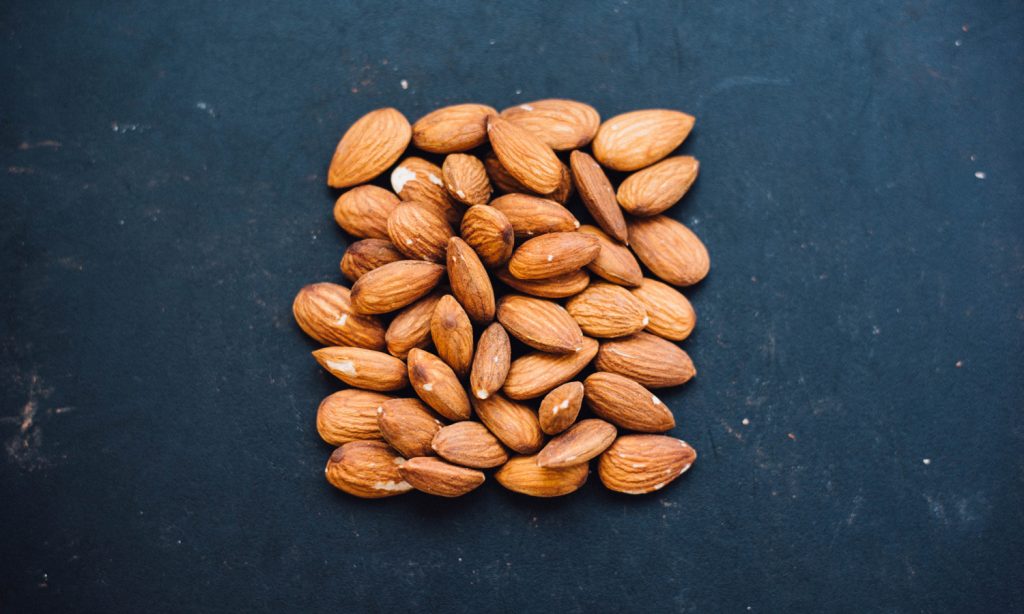
Another food that has been associated with strong highs is nuts, which contain fatty acids, which bind with cannabinoids and make your high hit you faster. Sweet potatoes are also a trick worth using, putting you in a good mood, something that might help if marijuana makes you paranoid.
Marijuana is a substance of routine, producing different responses depending on the way in which it’s used. If you smoke it on the couch, while working out, or while with friends, you’ll have different responses. For example, channeling all of your marijuana focus into physical activity can be really effective, especially if you’ve never done it before.
Smoke in a closed space
Photo by agafapaperiapunta/Getty Images
Also known as “hot boxing,” smoking up in a confined space amid the fumes can get you high pretty quickly, something that can be verified by a lot of high schoolers. While it might not be super healthy for your lungs, if you’re looking to get high and stay high on a rare occasion, hot boxing is the way.
If smoking just isn’t what it used to be, try out different methods of consumption. If you’re a smoker, try vaping or consuming edibles. If you prefer joints, try using a bong or a vape pen. A switch could trick your body and provide a much-needed fresh start, making your highs stronger and longer-lasting.
If nothing else works, you might just need to take a break. Marijuana’s lessening effect is due to the fact that your body becomes desensitized to the plant’s psychoactive effects. Most seasoned users swear by this trick. Just like with any other substance, this practice gives your body a cleanse of sorts, providing you with a fresh start.
A new study suggests there’s a link between a common viral infection and Parkinson’s.
Parkinson’s disease affects nearly a million people in the United States. It’s a condition that’s debilitating and affects movement, progressively limiting people’s lives. There’s not a cure for it, prompting many researchers to look for answers and for better understanding.
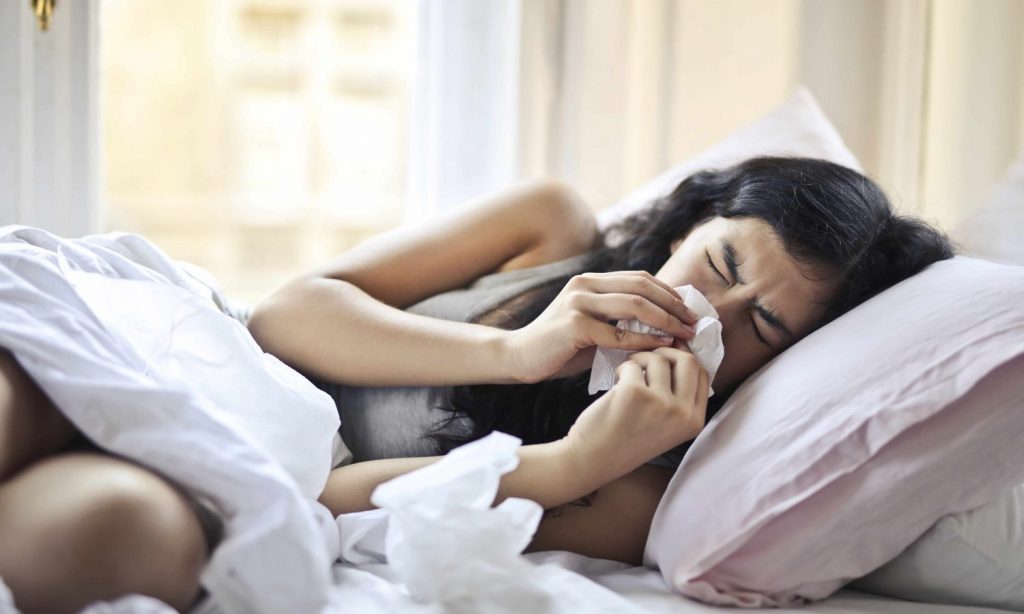
A new study suggests that having the flu can increase your odds of developing Parkinson’s later on in your life by 90%.
Photo by Andrea Piacquadio from Pexels
The study, published in JAMA Neurology, had access from Danish databases and looked into data belonging to 10,231 men and women diagnosed with Parkinson’s disease between 2000 and 2013. This data was then correlated with a control group, matching them by age and sex, while also tracking their flu infections since 1977.
The study showed that those who contracted the flu at some point were more than 70 percent likely to develop Parkinson’s disease within 10 years when compared to those who never caught the virus. Within 15 years, these people were more than 90% likely to contract the disease.
The reason why Parkison’s disease affects so many is still not understood. There are many theories out there, with researchers speculating on people’s environmental conditions and genetic predispositions. They’ve also found links between viral infections, mainly influenza, and Parkison’s, considering that the disease spiked after the flu pandemic of 1918.
The link between the flu and Parkinson’s isn’t clear yet, but it provides enough incentive to regularly get the flu shot as a preventive measure.
“But if there is an association with Parkinson’s, then vaccination would lessen your risk. Still, it’s pretty evident that Parkinson’s can be caused by many things. Infection may be one of the many causes,” lead author Noelle Cocoros told The Economic Times.
Photo by joeypistachio via Pexels
While the study’s findings are interesting, they don’t imply causation. Having the flu at some point doesn’t mean that Parkinson’s is occurring later on, but it provides enough encouragement for people to get their vaccines as a preventative measure. The study also shows that Parkison’s and viral infections are a topic worth investigating since it could illuminate the subject of infections and how they affect our bodies many years later.
The study showed that the combination of certain cannabinoids with standard chemotherapy upgraded the effectiveness of killing cancer cells up to six times compared to existing treatment.
Although there is still no single recognized and approved cure for cancer, there are many treatments that help people fight it off. This depends, of course, on the type, stage it’s been discovered, overall patient health and many other factors, some of which are probably still unknown.
Photo by FatCamera / Getty Images
The light of hope to those suffering from breast cancer brings a new study conducted by Hadassah Medical Center physicians. The research revealed a sixfold improvement in killing breast cancer cells when using specific Cannabotech’s medical cannabis products in combination with standard oncology treatments and drug protocols – chemotherapy, biological and hormonal, over the existing treatment.
Cannabotech is an Israeli biotech company that develops medical products based on cannabis and fungal extracts. Its CannaboBreast product series is based on a unique combination of cannabinoids and terpenes from the cannabis plant.
The Study
The study showed that the combination of certain cannabinoids with standard chemotherapy upgraded the effectiveness of killing cancer cells up to six times compared to existing treatment, from 10% mortality to 60% mortality of cancer cells.
What’s more, the research revealed that there’s the potential of also improving the efficacy of killing breast cancer cells while at the same time minimizing chemotherapy doses, which is especially important for those patients who can’t undergo standard cancer treatment because of harsh side effects.
“This is a significant milestone in Cannabotech’s growth to becoming a leader in integrative medicine,” CEO Elchanan Shaked said in a press release. “The integrative products developed by Cannabotech are intended for use in combination with chemotherapy treatment in several cancers and are expected to be launched in Israel and the US in the second half of 2022, while the company’s goal is to define a new standard for the medical cannabis industry.”
Prof. Tami Peretz, a senior oncologist who worked on the study added, “A significant proportion of active cancer patients are currently treated with cannabis in parallel with conventional treatment. The integrative products developed by Cannabotech are unique in that they are developed to standards similar to those of the pharmaceutical industry and combine several active agents.”
“The company’s products have demonstrated impressive and very promising activity in laboratory-tested cell cultures,” she said. “Based on these experiments, there is room to start exploring the possibility of integrating the products in the treatment of breast cancer patients as well.”
This treatment is expected to be commercialized during the second half of 2022.
One of the most important factors in determining the ideal dry herb vape is whether it’s convection or conduction based. Here’s how to tell the difference.
Deciding to purchase a dry herb vaporizer is exciting, but that excitement can quickly evolve into confusion without knowing what goes into choosing the perfect device.
There are numerous factors that go into successfully purchasing a vaporizer that can be used regularly. Not keeping these factors in mind can essentially lead to wasting a considerable amount of money.
On the contrary, keeping the finer details top of mind when shopping for a dry-herb vaporizer can completely transform the way you prefer to consume cannabis forever. Here are some of the biggest tips to remember when shopping for a dry herb vape for the first time.
Photo by Vaporesso via Unsplash
Understand Convection vs. Conduction Vaporizers
One of the most important factors in determining the ideal dry herb vape is whether it’s convection or conduction based. Even though the vast majority of vaporizers are convection based, it is possible to find some that use conduction. Conduction entails a heating element contacting cannabis, instead of burning it directly.
Vaporizers that rely on the convection method on the other hand heats the area surrounding the dry-herb material in order to vaporize it. Since the convection method doesn’t require any interference from other objects, this method is more likely to provide consumers with an even burn.
Keep Temperature Control in Mind
One of the characteristics that can make or break someone’s experience using a dry herb vaporizer is temperature control. Typically, dry herb vaporizers come with roughly anywhere from three to five options to choose from regarding temperature settings. Having more control over the temperature level allows people to base their vaping experience not only on the clouds that are produced, but taste as well.
Additionally, having high levels of temperature controls also provide the opportunity for users to preserve their marijuana for longer than they would ordinarily be able to.
Know How to Properly Maintain the Device
An important factor to consider when shopping for the perfect dry herb vaporizer is how much time you’re willing to spend cleaning it. Even though the vast majority of vaporizers are easy to clean, more complex ones could involve more maintenance than you’re ready to perform. This is why it’s crucial to understand what goes into cleaning a vaporizer before moving forward with buying one. In most cases, finding out what goes into properly maintenancing a device can be done by researching the product online or by reading its ratings and reviews.
Have a Good Place to Stash The Device and Accessories
One of the most devastating things that could happen after finally making a vaporizer purchase is losing one of its components or breaking it entirely. This is why it’s recommended to have a safe location in mind for safekeeping when the device isn’t being used. Many vaporizers on the market are fairly sturdy, but all it takes is one accident to end up right back on the market in search of a replacement.
The best way to avoid a catastrophic accident is by making sure you have a safe location to place the device before buying it. Doing so can save consumers an abundance of time and money.
A new study revealed that generalized content, character judgment-based arguments, and moralistic focus had a larger impact on marijuana legalization than anecdotal content.
What has influenced the recent marijuana legalization movement?
Probably many factors, such as more research on health benefits, positive examples of states and countries that have already enforced marijuana legalization, potential economic benefits and of course the power of social media.
Photo by OsmanZekiDemirkale/Getty Images
New Research Emerges
According to a recent study by a Brown University researcher, certain types of conservations on Reddit may have made an impact on the public support of cannabis legalization, reported Marijuana Moment.
The study, a dissertation from Ph.D. candidate Babak Hemmatian titled: “Taking the High Road: A Big Data Investigation of Natural Discourse in the Emerging U.S. Consensus about Marijuana Legalization,” examined more than three million Reddit posts from 2009 to 2019. As Hemmatian noted, support for cannabis legalization in the U.S. jumped from 38% in 2008 to 65% in 2019.
“Marijuana legalization is a highly unusual topic in how a bipartisan consensus was reached in a matter of years while the American society was otherwise becoming more polarized,” Hemmatian told Marijuana Moment. “I wanted to know if the way the public discusses marijuana facilitated this unusual shift, and how the societal change in attitudes in turn affected how we talk about cannabis.”
Character Judgements Lead The Way
Surprisingly, the study revealed that generalized content, character judgment-based arguments and moralistic focus had a larger impact on the marijuana legalization movement than anecdotal content.
“More generalized frames set the stage for each successful legalization bid. Character judgments were prominent in 2012, while crimes and politics took center-stage in 2016. The generalized precedents of legalization in the two periods shared argumentative and moralistic focus but had distinctive clause-level profiles. Meanwhile, legal and medical arguments were sidelined, meaning the novel consensus was not informed by much of the relevant information,” the study author highlighted.
Moral Principles As Compass
Another interesting discovery showed that posts on the health impacts of marijuana “only picked up after legalization was all but over, and only in casual conversations,” while legal consequences of reform “were not prominently discussed even after legalization had succeeded in most states.”
Photo by ROBIN WORRALL via Unsplash
“Both topics are highly relevant to whether and how the substance should be de-regulated, but were ignored in decision-making and at best attended to once the societal decision was already made,” Hemmatian said.
The author further explained that character judgments may have pushed people who were on the fence, but not those firmly against legalization. “This is because they highly simplify decision-making: One no longer needs to know the complicated effects of cannabis on health, the economy and the society to make up their mind; they just need to think through their personal moral principles. This may have been comforting during a transition period when the uncertainty surrounding marijuana’s status would have been anxiety-inducing for many folks,” he said.
The study concludes that “early legalization victories depended on Character judgments while the final nails were hammered into prohibition’s coffin with Plot-focused strategies revolving around politics and crime.”
This is not the only research around cannabis and Reddit, with The Food and Drug Administration (FDA) announcing plans in October to use the platform and similar data sources to obtain a better understanding of public health issues surrounding the use of CBD and other cannabis-derived products.
The Omicron variant has prompted health experts to reconsider vaccination plans. Here is what scientists expect in the coming months.
As new COVID-19 variants emerge, vaccines continue to be the most efficient way of protecting ourselves against the virus. Does this mean that we’ll be needing boosters in the near future? It all depends on a few factors.
For the time being, the third COVID-19 shot is becoming more and more necessary, but it’s not clear how long this protection will last. As more Omicron data becomes available, some researchers are theorizing that a fourth shot will be necessary sooner than expected, within a shorter timeframe than six months, which was the length of immunity for the initial round of vaccines.
“When we see real-world data, it will determine if the Omicron is well covered by the third dose and for how long. And the second point, I think we will need a fourth dose,” Pfizer CEO Albert Bourla told CNBC. “With Omicron we need to wait and see because we have very little information. We may need it faster.”
With the data that’s available on Omicron, it appears like the more shots people have the better. The variant is better equipped to avoid protection from vaccines, even if two shots can still protect you from severe disease.
A study from South Africa showed that two dosages provided 70% protection against hospitalization and 33% protection against infection from the Omicron variant.
Researchers are also wondering if Omicron will need a specific vaccine, which could be ready by March 2022. There’s still not enough data available, but current numbers on the Omicron variant suggest that it’s significantly different from the Beta and Delta variants, which were protected further by the vaccine.
Despite the stress of COVID-19 boosters for the foreseeable future, vaccinations will not be the only tools used to battle the virus. Antiviral pills are in development, which could be used to treat severe and mild infections, or to treat COVID-19 when patients are immunocompromised or have an underlying disorder they must account for. According to ABC News, antiviral pills should be consumed as soon as symptoms start showing, having a relatively small window of efficacy.