As we approach the end of another year that failed to see marijuana legalized on the federal level, there’s a bit of blame-shifting going on between the leading parties.
According to a GOP congressman, Democrats are responsible for Congress’ inability to pass a federal marijuana legalization bill, Marijuana Moment writes.
Photo by Andy Feliciotti via Unsplash
What Happened
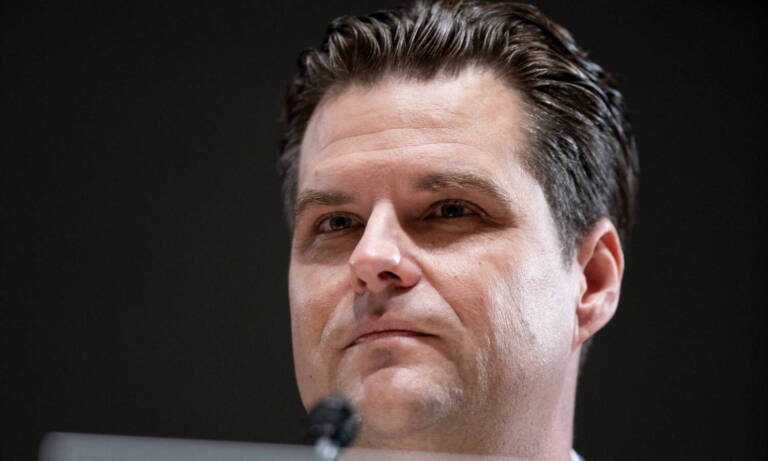
Rep. Matt Gaetz (R-FL) said last week during an episode of his Firebrand podcast that “Democrats, particularly the Congressional Black Caucus,” are to be blamed for cannabis still being a Schedule I drug — considered to be more dangerous than opioids, while offering no medical benefits.
He’s been critical of Democrats who’ve insisted that legalization measures contain specific equity provisions poised to address the consequences of the War on Drugs, emphasizing that they might be unnecessary and only holding up the adoption of long-anticipated and bipartisan-supported federal cannabis reform.
Why It Matters
Gaetz was one of few House Republicans who voted in favor of the MORE Act last year, a piece of legislation that could effectively decriminalize marijuana on a federal level. On the other hand, nearly every Democrat in the House voted to legalize cannabis, thus leading the charge on legalization.
The congressmen also shared his thoughts on the history of drug criminalization and the congressional response to the opioid epidemic, arguing that Democrats have been “fixated on opioids” in the 117th Congress —introducing numerous pieces of legislation aimed at mitigating the crisis— but they “can’t move the marijuana bill successfully.”
However, the latest breakthrough in the field came from the two Republican lawmakers who recently introduced new legislation in the House of Senate poised to further streamline research of Schedule I drugs like marijuana and psilocybin.
What’s Next
Halt All Lethal Trafficking of (HALT) Fentanyl Act is set to limit trafficking of powerful opioid. Filed by Sen. Bill Cassidy (R-LA) and Rep. Morgan Griffith (R-VA), the companion bills also include provisions to streamline the research process for all Schedule I drugs under the Controlled Substances Act, with the strict category including psychedelics like LSD, mescaline, and MDMA, besides cannabis.
So many questions are being asked about the cannabis industry and its stocks, as well as the fate of these stocks if the government fails to approve any form of decriminalization policy in the new year.
Regardless of what anyone thinks, the absence of federal reforms is putting a massive strain on the cannabis industry across the country. Mainly because of the lack of better policies, cannabis stocks are still not worth what they should be. This year, the stocks skyrocketed due to various states’ introducing their unique reforms. However, this does not excuse the need for a general overhaul that affects the country.
Photo by Darren415/Getty Images
Cannabis Reform And Trading
Throughout this year, no notable cannabis reform was passed at the federal level. There were only rumors of national measures and initiatives nearing approval, but none was signed into law.
Stockholders and traders explained that there were better trading options at a point this year. This improvement occurred around the time news surfaced that the government was taking specific steps to ensure the reforms were approved in a short time.
While the values of many cannabis stocks were rising due to this update, most companies could not maintain the upward positions. This resulted in a wave of unpredictable trading conditions that did more harm than good for the investors’ confidence level.
The Need For Cannabis Reform In 2022
Many investors are pondering on the same thing, which is what the future holds for cannabis reforms in 2022. The odds of federal reforms failing to pass again are pretty significant, and the industry needs something concrete to work with to put an end to the uncontrollable, volatile spikes in cannabis stocks and their trading options.
As of the time this is being written, none of the cannabis stocks have yielded good returns like they did a few days before and into 2021.
Many investors believe that the absence of federal reforms will prevent the better trading of marijuana stocks next year. They also feel that it will hurt the overall trade volume in the cannabis industry. This past year has been a rollercoaster for traders in the industry, and the majority of these traders and stockholders will prefer that the events of the last twelve months do not happen again.
This doesn’t bode well for the industry because it could deter new investors from venturing into the sector. Of course, many are trying to observe and see whether a new catalyst with the ability to help stocks recover will be announced before the year runs out.
The truth is that the only way to maintain a spark in the cannabis stock market is for federal reform to be approved immediately. As it stands, some investors are patiently banking on this idea.
Senator Chuck Schumer Remains Committed to Getting Federal Reform
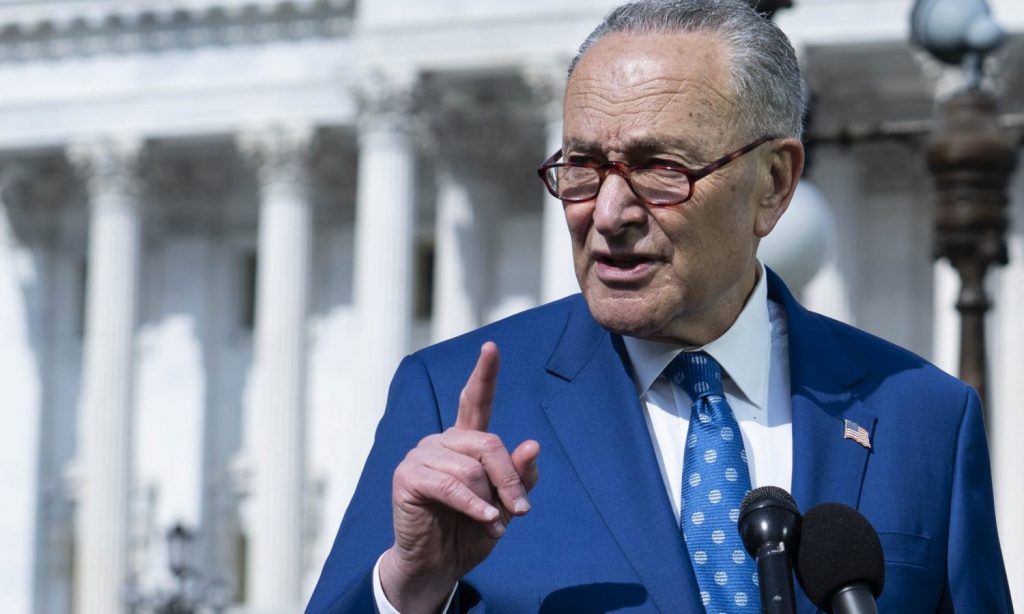
Senator Chuck Schumer is one of the most outspoken cannabis advocates in the Senate this year. He has introduced at least two measures to the Senate to seal the decriminalization of cannabis in some forms. However, most of these bills fell through. He made it known that he is still working on a more comprehensive bill that could yield significant changes in the federal cannabis industry.
For 2022 to not be another letdown for cannabis investors and stockholders, lawmakers need to rally around and get the necessary support not only to ensure marijuana remains in the spotlight but to guarantee that legislative changes come to fruition.
Photo by Sarah Silbiger/Getty Images
Schumer is committed to various reform efforts, and he’s hell-bent on introducing legislation that not only focuses on banking reforms for the industry but also on the bigger picture. In a recent interview, he said that a large percentage of the countries and their lawmakers have discovered that all the myths about cannabis are just that—myths. The drug has more medical and economic benefits to offer Americans. It is not too late or too early to invest.
The Pew Research Center disclosed in a survey report that 91% of U.S. adults support the federal legalization or decriminalization of cannabis for medical or recreational purposes. The probability of this occurring in the Biden Administration is still shaky. Many operators in the industry feel that it is unlikely that such a comprehensive bill like Schumer’s will be passed in the coming months.
Any form of reform would do the trick, though, as investors need assurance. While this is going on, it wouldn’t hurt to look into some of the best cannabis stocks you could invest in right now.
What Are Some Of The FANG Stocks Of Weed?
Curaleaf Holdings, Inc. (OTC:CURLF)
This company functions as a medical and wellness cannabis center in the United States. There are two arms of operations: cannabis operations and non-cannabis operations. The company recently opened four new dispensaries in Florida and still has plans to open more in the coming months. It also announced that it would be adding more innovative products to its stock.
Planet 13 Holdings Inc. (OTC:PLNHF)
This cannabis company dabbles in all the operations involved in cannabis production and processing. It cultivates, produces, and develops cannabis-derived products for the medical and recreational retail markets in Nevada. The company also distributes and markets these products while operating some of the most significant cannabis dispensaries in California. The company has a lot of value to offer as one of the prominent companies at the forefront of Nevada’s cannabis industry.
Green Thumb Industries
This company manufactures and sells many cannabis products for medical and recreational use in the United States. Last week, the company announced the opening of a new spot in Chelsea, Massachusetts. This brings the number of GreenThumb cannabis stores to 68. The company also disclosed that the store would be rebranded in the new year.
Bottom Line
Cannabis is here to stay, but only federal reforms can ensure the industry attains the level it ought to reach. National reforms will provide the trading momentum that lasts long enough for investors and shareholders to make significant ROIs. The cannabis sector lacks consistency. Any form of cannabis decriminalization will erase a tremendous amount of doubt and uncertainty in the industry.
When most people discuss the recreational cannabis trade, much of the focus is on how exciting it is that the industry is growing at such a fast pace. But that’s just one side of the coin.
Given the sales numbers marijuana has posted over the course of the past year, it’s hard to imagine that there were any obstacles at all to overcome. The cannabis industry was a force to be reckoned with during both 2020 and 2021. In fact, the legal cannabis market as a whole is expected to be worth $70 Billion as a whole by the year 2028.
Even though the nascent industry has lofty goals, they won’t be reached without overcoming some hurdles. Here are some of the biggest ones it faces in 2022.
Market Volatility as New Players Continue to Enter the Industry
Given the amount of new markets that have legalized cannabis in recent years, it’s no surprise that the space is getting more crowded. Entrepreneurs everywhere have recognized the lucrative opportunities at hand when it comes to the cannabis industry. In the second half of 2021 alone, investment in cannabis experienced an 85% spike.
Since the word is out on the potential revenue that can be made from investments within the cannabis industry, it’s only natural for new entities to eventually enter the fray. As new investors get involved, it’s likely that they may have inaccurate expectations on when they’d be able to yield returns. Those inaccurate expectations for quick returns, along with a lack of regulatory measures ensure that the volatility that currently exists within the cannabis industry will continue to serve as an obstacle going into 2022.
More Competition From Brands Producing Synthetic Cannabinoids
Another obstacle for the cannabis industry to overcome during the year 2022 is an influx in competition from producers of Delta-8, Delta-10 and THC-O products.
One of the biggest reasons the synthetic cannabinoid market serves as a threat to the recreational marijuana industry is because of the fact that lots of states allow for the online sales of these sorts of products. The fact that synthetic cannabinoids can be easily ordered just like any other consumer good means it’s easier to access for most consumers than recreational cannabis products. This could provide a level of competition throughout 2022 that the recreational cannabis industry may or may not be prepared to combat.
Photo by Cavan Images/Getty Images
Determining What Consumers Expect From Cannabis Brands
In most consumer industries, getting to the gist of customer sentiment is as simple as sending an online survey. But since the vast majority of transactions in the cannabis industry are in person and cash based, it’s hard to get an idea of what customers would change about their experience with a cannabis brand. Still, recreational cannabis brands have the task of staying ahead of the curve when it comes to satisfying customer needs. The cannabis brands that are able to figure out how to do that effectively will be well-positioned to advance ahead of the competition.
Since recreational cannabis sales are still federally illegal, keeping in contact with customers in order to gauge their satisfaction levels is difficult. Without P.O.S systems, keeping customer details on hand is nearly impossible, but by getting creative cannabis entrepreneurs should be able to find other innovative ways to tap into the heart of customer sentiment.
When most people discuss the recreational cannabis trade, much of the focus is on how exciting it is that the industry is growing at such a fast pace. Unfortunately, that’s just one side of the coin. The challenges it faces are clear, and they won’t be easy to overcome. However, 2022 still aims to be one of the most exciting years yet for the young, blossoming industry.
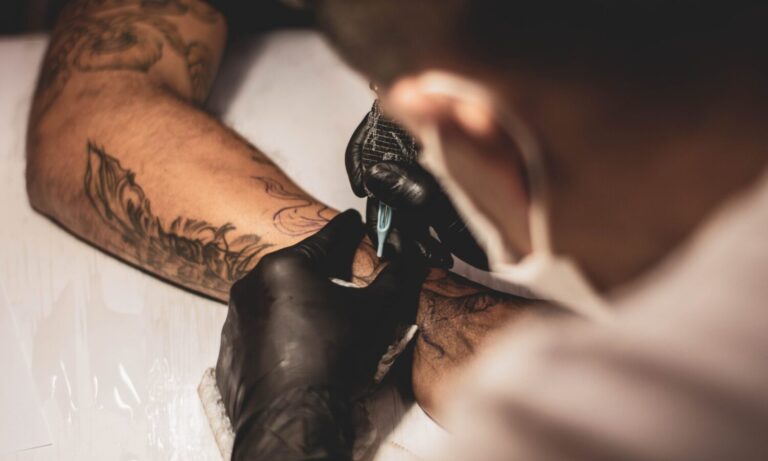
Getting tattoos can be a nerve-wracking experience. Should you add weed to the equation?
Marijuana is a natural anxiolytic, which means it quells anxiety. A lot of people turn to it in moments of high stress, using it to cope with social anxiety or to relax before something stressful. Should you turn to it when getting a tattoo?
The answer is complicated and largely depends on the person, their experience with cannabis, and their relationship with tattoos.
While consuming marijuana before any activity can make things better, this largely depends on your past experiences with the drug. Seasoned smokers will rarely be surprised with strong side effects from cannabis unless they’re trying out a new method or consuming a strain they don’t know about. When it comes to newcomers, pairing the new experience of cannabis with the novelty of getting a tattoo might not be a great idea, especially if this is their first tattoo.
According to International Highlife, smoking before getting a tattoo can get a little complicated. While marijuana may relax you for a semi unpleasant experience, it might also make you more anxious and sensitive to pain. Having anxiety while someone’s jabbing a needle through your skin doesn’t sound like the wisest decision.
Levi Moodie, owner, and artist from The Drifter’s Ink, believes clients should be careful when it comes to cannabis and tattoos. He prefers to tattoo people who are sober, who are clear on their idea of the tattoo, and who really want it and won’t change their minds mid-session.
“Oftentimes, people who smoke marijuana go from being cautious, as they should be, to over-thinking their tattoos, flip-flopping on ideas, or their tattoo placement, and then when the needle hits the skin, they can potentially overthink the experience and get freaked out. I’ve seen it happen a few times,” he said in an interview.
Being high can make people react in different ways, which means in a worse case scenario, someone could have a bad experience, and also end up with an ugly tattoo. While smoking prior to a tattoo is up to you, staying sober might be the best idea. You can get high afterward, using weed to treat your pain and inflammation, and helping you relax and find new awesome things to love about your new ink.
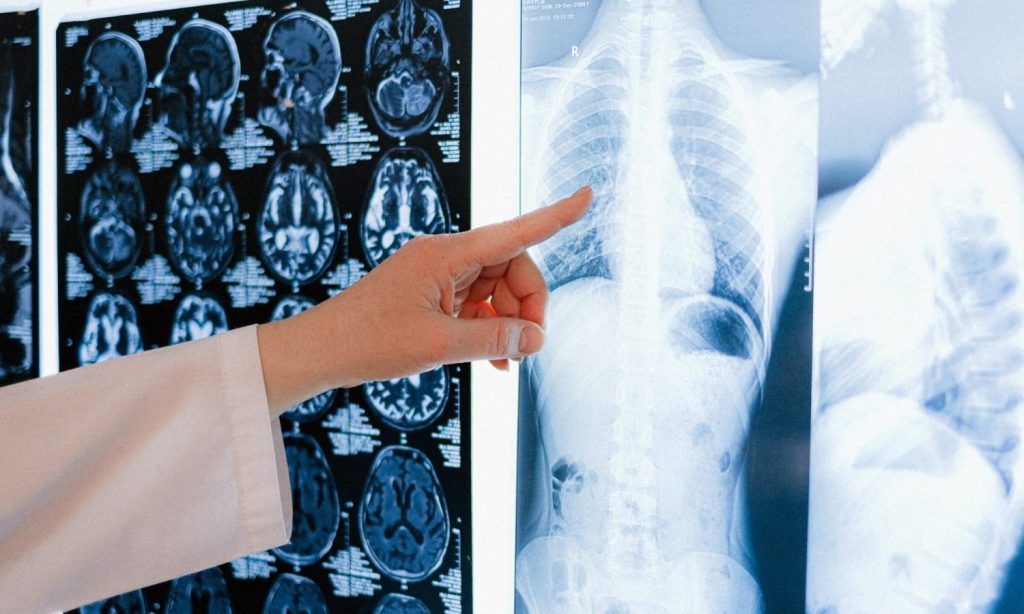
A study, carried out by the Coronary Artery Risk Development in Young Adults (CARDIA), examined both the short- and long-term effects of cannabis on lung function.
The relationship between cannabis and lung function has been a subject of heated debate for decades. Many are aware of the harm that smoking tobacco causes to the lungs. If anything, the image of what the lungs of a smoker look like is etched in the minds of many. When it comes to smoking cannabis, obvious deductions are often made. Is there any science to back this?
Tobacco smoking has been linked to chronic obstructive pulmonary disease (COPD). [1] It is also the leading cause of preventable death in the U.S. [2,3] While cannabis smoke contains similar combustion products, it is unclear whether cannabis causes an equivalent level of destruction to the lungs.
Photo by Anna Shvets from Pexels
Some studies have shown that cannabis smoke causes inflammation of the airway mucosa and triggers pulmonary symptoms such as coughing, increased phlegm production, and wheezing. [4-6] However, there are no studies that have demonstrated a decline in pulmonary function. [7]
As the legalization wave continues to sweep through the U.S, increasingly more people are smoking cannabis. Any adverse long-term effects of cannabis on the lungs is a public health issue that requires immediate attention.
A study, carried out by the Coronary Artery Risk Development in Young Adults (CARDIA), sought to understand both the short- and long-term effects of cannabis on lung function. [8] This was compared to data collected from tobacco smokers.
The study including 5,000 participants who had been repeatedly exposed to tobacco and cannabis smoke. Data was collected for 20 years, with the researchers analyzing the current and lifetime intensity of smoking and pulmonary function. Cannabis exposure was compared to pulmonary function over twenty years to determine any associations.
Healthy male and female adults (18-30 years) were included in the study. They were sampled from four communities in the U.S and comprised of different kinds of cannabis and tobacco smokers. Participants signed informed consent and underwent six assessments. Pulmonary function testing was conducted at intervals of 0, 2, 5, 10 and 20 years. At 20 years, there was 69% retention.
Results: Cannabis exposure occurred at a similar rate to tobacco exposure. Tobacco exposure was linearly associated with declining pulmonary function over the given period (lower forced expiratory volume in one second (FEV1), a measure of one’s ability to expel air; and lower forced vital capacity, FVC, the total amount of air exhaled during the FEV test). Cannabis exposure, on the other hand, had a non-linear relationship. Lower levels of exposure to cannabis smoke resulted in increased FEV 1 and FVC. Chronic exposure tapered off and, in some cases, reversed this effect. At 20 joint-years (a joint-year is equivalent to 365 joints or pipe fulls smoked (1 year * 365 days/year * 1 joint/day), lung function remained significantly more elevated than the baseline. The study demonstrated that occasional cannabis smoking was not associated with adverse lung effects. [9]
Photo by Dejan Marjanovic/Getty Images
References
1- Pauwels RA, Rabe KF. Burden and clinical features of chronic obstructive pulmonary disease (COPD). Lancet. 2004;364(9434):613-620. – [journal impact factor = 79.321; times cited = 956]
2- Danaei G, Ding EL, Mozaffarian D, et al. The preventable causes of death in the United States: comparative risk assessment of dietary, lifestyle, and metabolic risk factors [published correction appears in PLoS Med. 2011 Jan;8(1). doi: 10.1371/annotation/0ef47acd-9dcc-4296-a897-872d182cde57]. PLoS Med. 2009;6(4):e1000058. [journal impact factor = 11.07; times cited = 1776]
3- Mokdad AH, Marks JS, Stroup DF, Gerberding JL. Actual causes of death in the United States, 2000 [published correction appears in JAMA. 2005 Jan 19;293(3):298] [published correction appears in JAMA. 2005 Jan 19;293(3):293-4]. JAMA. 2004;291(10):1238-1245. [journal impact factor = 56.27; times cited = 4866]
5- Tetrault JM, Crothers K, Moore BA, Mehra R, Concato J, Fiellin DA. Effects of marijuana smoking on pulmonary function and respiratory complications: a systematic review. Arch Intern Med. 2007;167(3):221-228. [journal impact factor = 21.87; times cited = 309]
6- Hall W, Degenhardt L. Adverse health effects of non-medical cannabis use. Lancet. 2009;374(9698):1383-1391. [journal impact factor = 79.321; times cited = 686]
7- Tashkin DP. Does cannabis use predispose to chronic airflow obstruction?. Eur Respir J. 2010;35(1):3-5. [journal impact factor = 12.34; times cited = 18]
8- Pletcher MJ, Vittinghoff E, Kalhan R, et al. Association between marijuana exposure and pulmonary function over 20 years. JAMA. 2012;307(2):173-181. [journal impact factor = ; times cited = ]
Marijuana’s recent reevaluation has shown seasoned users and newcomers alike that there’s a variety of ways in which the drug can be used.
Marijuana is currently being legalized across the U.S., which has prompted business owners and consumer alike to do creative things with it. Now more than ever, there are hundreds of ways of reaping the benefits of the plant. Here are 5 offbeat ways to use cannabis.
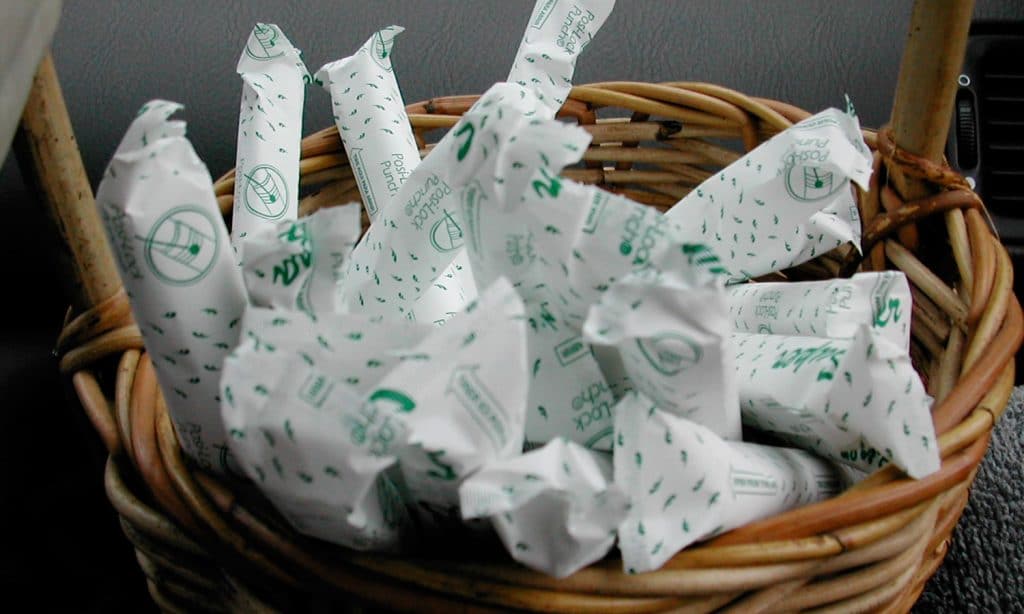
THC suppositories are powerful ways of obtaining fast-acting relief for a variety of conditions. This method of cannabis consumption results in the body absorbing around 80% of the cannabis, a much higher amount than when you consume marijuana through smoke or vape. While you’ll certainly feel high, THC suppositories are ideal for treating GI conditions, endometriosis, and painful cramps. Can’t Afford $50 Marijuana Tampons? Here’s How To Make Your Own.
Strips of THC that you place under your tongue can get you high within 5 or 15 minutes. These strips are a good option for those who prefer to ingest their cannabis orally and want to avoid the harms of smoking.
Patches
Photo by B. Boissonnet/Getty Images
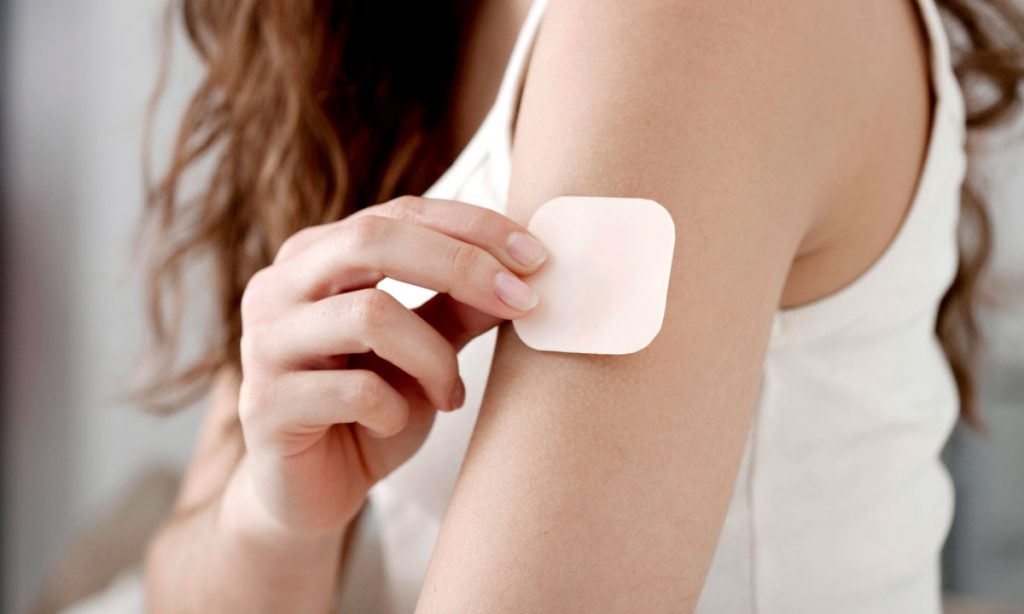
THC transdermal patches deliver strong results, especially when you place the patch in a veinous area of the body. These patches release THC directly into the bloodstream over a slow period of time, preventing negative side effects like a bad and paranoid high. Patches are discreet and allow you to get rid of the negative side effects of smoking and vaping. Here’s Why You Might Want To Try Some Transdermal Cannabis After Your Next Workout.
Ingestible oils
Photo by 24K-Production/Getty Images
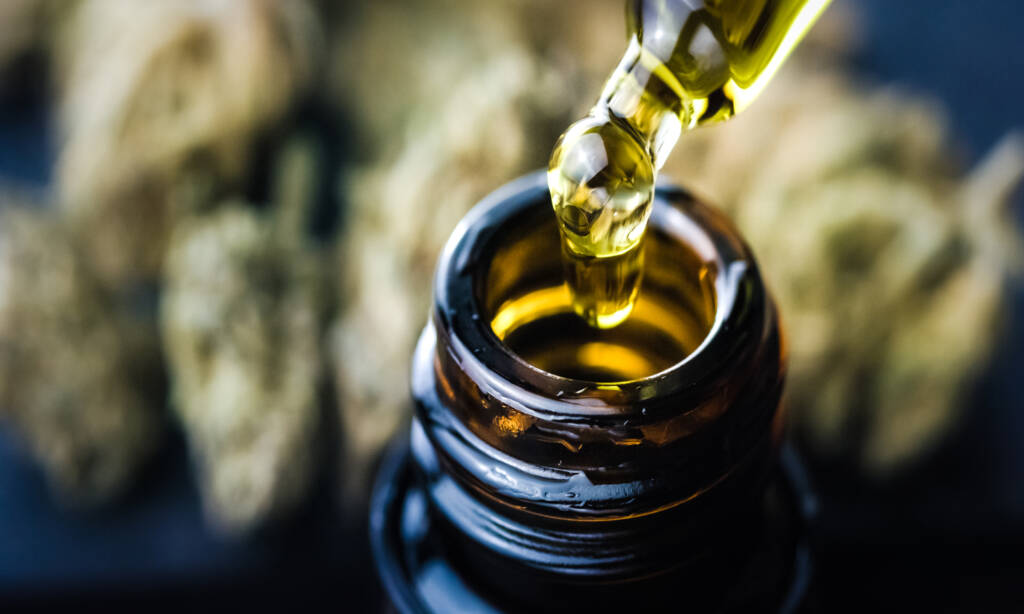
There are a wide range of cannabis oils, which are extracts from the plant, presenting the compound in its concentrated form. These include tinctures, which are dropped under the tongue and provide results within 30 minutes, and capsules, which are swallowed and provide effects within a couple of hours. They can contain CBD or THC, producing the therapeutic or psychoactive effects that these two elements are known for.
Cannabis-infused gum is another item that’s available for purchase on the market. The amount of THC varies depending on the brand, with some providing 10mg of weed per serving, an effect that’s manageable and pleasant. Cannabis-infused gums make great options for people who are looking for the medicinal and relaxing benefits of the drug or who want to try a different way of getting high.
The holidays are an emotional time of year, making it an easy excuse to drink. But if you want to keep the temptation away, here’s how.
We’re back here again. Despite vaccines and some relative peace for the past couple of months, COVID-19 cases are spiking again and many people’s holiday plans were thrown out the window. This leaves most of us in a pretty vulnerable place, making alcohol a tempting option to soothe our concerns, something we’ve done a lot during the past two years. And while there’s nothing wrong with this approach, you could also try spending the holidays sober.
Trying to get through the holidays without the help of any kind of substance is a tall order under normal circumstances. It’s borderline unrealistic under these circumstances. Still, if alcohol or other substances are causing you discomfort, here are some tips that can help you stay sober through the holidays.
Spot your triggers
Photo by Robert Mathews via Unsplash
Most of us don’t think about what makes us want to have a drink. Take this opportunity as a chance to be more introspective, thinking about your relationship with alcohol and jotting down whenever you feel the urge to have a drink and what prompted that reaction. After a couple of days of this, you’ll start spotting some trends and patterns that can help you steer clear of triggering situations, making it easier to stay sober.
Keeping track of your triggers is also a helpful practice when using alcohol or substances to numb emotions, which should be cause for concern.
Days of celebration, like Christmas Eve or New Years, are usually associated with a lot of drinking, making it more difficult than other days to stay sober. Make a plan for these dates and try to stick to it, waking up at a certain time, perhaps working out, and planning whatever it is you want to do to celebrate. If you’re not in the mood for workouts during the holidays, it’s okay. This advice still applies; plan out your movie marathon, your phone calls with friends or your video game binge. Keep yourself busy and the odds of drinking or overthinking will be dramatically reduced.
Inform people of your plans
Photo by fauxels via pexels
If you’re spending the holidays with someone, let them know of your plans. There’s no need to go in too deep as to why you’re not drinking or consuming any substances for the holidays, but verbalizing this will likely reduce people annoying you to have a drink when you don’t want to.
No matter what your plans are over the holidays, whether you’re riding solo or staying with family, it’s okay to feel overwhelmed. The pandemic is rough and the holidays are the perfect occasion for exacerbated emotions. Reach out to your loved ones and let them know how you feel; odds are, they’re probably coping with something similar.
The holidays are stressful and it pays to enter the season prepared. Here are some tips to help you cope with holiday stress and anxiety.
The holidays are stressful times. Add in a pandemic and it’s all made significantly worse. Luckily, there are plenty of ways that can help you manage mild cases of anxiety and stress, allowing you to stay healthy and to have the best possible time alongside your loved ones. So, anxious over the holidays, tips to help cope
First though, why are the holidays so stressful? It’s not just you who experiences a rush of anxiety when the date is near. The holiday season is beloved by most, which adds a certain amount of pressure that appears to grow worse as you get older and have more responsibilities. Then there’s also the fact that human beings suffer when their routines get thrown out of order, something that the holiday season is meant to do.
Here are some mental health tips that can help you cope and have a good time this holiday season:
Resting is very difficult when it’s the holidays when you usually prioritize friends, family, and alcohol. And while it’s good to share with your loved ones, it’s also important to have enough gas in the tank so you can actually enjoy these moments. Rest when you have time to do so, checking in with yourself periodically in order to have an understanding of how you’re feeling. If you have too many engagements, prioritize. You may not be able to attend every event you want to go to and that’s okay, just remember to let other people know with some time.
Stay in the moment
Photo by Külli Kittus via Unsplash
Anxiety functions by pushing us to the future, especially during times of high stress. Try not to think about the pandemic or the Omicron variant, and remember to stay in the present and to be as safe and comfortable as you can. Opt out of big parties if you don’t feel comfortable and make sure to get your booster if you haven’t done it already.
Set boundaries
Photo by Eugene Zhyvchik via Unsplash
Boundaries are good things, whether you’re talking about your time or your health. When it comes COVID-19 make sure to be clear about your health boundaries with others, whether that means asking people to get tested before meeting up or wearing face masks and meeting outdoors if they are not vaccinated. Then there’s also emotional boundaries, which are helpful when dealing with family and friends. Make sure you have time to be alone if you need it, whether that means going on a run or meditating. Be clear about your boundaries and your need for space.
The best thing you can do is be prepared for some craziness, entering the holiday season ready, with some tools at hand. Expect for your buttons to be pushed, since that’s kind of what family does, and try your best to understand your feelings and see where they’re coming from. Be ready to tap out of social situations if you’re not into them or to binge some TV if needing some alone time. Downloading a meditation app won’t hurt either.
Malta has opened the way with the new law, however, public consumption of cannabis remains prohibited for now. Failure to obey the regulations would lead to high fines.
Finally, a European country has made the big decision to legalize cannabis use, possession and sales. The government of Malta explained that the new law had been put in place to decriminalize the use of cannabis within the country and limit the occurrence of cannabis trafficking within and around the country.
Marijuana was removed from a list of the world’s most dangerous drugs by the United Nations in December 2020, and several countries are now taking a more liberal stance.
Photo by Karl Paul Baldacchino via Unsplash
The New Recreational Cannabis Legislation
People can carry up to seven grams of marijuana, grow up to four plants in their apartments, and keep up to 50 grams of dried cannabis at home under the law, which was signed by the President last Saturday.
This new law is a step in the right direction for cannabis use in Europe. The formal legalization of the service and cultivation of cannabis for adult use is a sign of a liberal approach. The acceptance of cannabis in Europe in recent years has been on the rise, and the sooner governments follow the Maltese blueprint, the sooner the European economy can benefit from the cannabis boom.
Not Everyone Was In Favor Of The New Legislation
According to Marica Cassar, a spokeswoman for the Catholic charity Caritas in Malta, gage recreational law is not the right step. She said that normalizing marijuana would cause more problems to the nation. The mind-altering substance will be popularized and most likely misused by some individuals. She supported this statement by explaining that at least twenty-five percent of the registered persons in her organization are suffering from cannabis addiction. She said that with the new law, it is unavoidable that the numbers would increase significantly.
Groundbreaking News
In a phone interview, the Maltese minister for equality, research, and innovation, Owen Bonnici, said that the latest cannabis update is groundbreaking. The new law would reduce the incineration rate of cannabis users and reduce the extent of illegal cannabis trafficking within the country’s borders. Bonnici, who introduced and sponsored the bill, added that the new measure would make the country a model for harm reduction.
According to the Maltese government, the new law will not encourage drug use, but rather protect those who do. Mr. Bonnici also said that cannabis use in the Netherlands, which has tolerated the sale and consumption of marijuana in coffee shops for decades, is comparable to the European average.
Beating Other Countries to Legalization
Many countries in Europe such as Portugal, Spain, and the Netherlands have some kinds of decriminalization laws that exist within their borders. However, those countries have a limit for the amount of cannabis that can be held by residents, failure to abide by these limits could result in civil offense lawsuits. In these listed nations, only coffee shops and cannabis social clubs are authorized to sell recreational cannabis according to court rulings.
Many European countries consider the recreational cannabis industry to be a gray area. Although several bills have been introduced to establish the industry in some of these countries, none has been accepted. Steve Rolles, an analyst, working at a British cannabis advocacy foundation called Transform Drug policies, said that Malta has successfully approved what other European nations classify as an untouchable gray area.
Records Can Now Be Expunged
According to the new law, citizens with non-violent cannabis-related convictions can now request their records cleared.
“It’s a fantastic day,” said Kevin Bellotti, 50, who was sentenced to 10 months in prison in 2003 after being caught with four marijuana plants in his apartment. Mr. Bellotti claimed that as a result of the incident, he lost his job, was forced to sell his apartment, and was subjected to a 10:30 p.m. curfew and a daily obligation to report to a local police station for four years.
Photo by Olena Ruban/Getty Images
He admitted, “I was a victim of the system.” “People who smoke cannabis will no longer be considered criminals in the eyes of the new generation.” Bellotis’s criminal record made it very hard for him to get a job in a lucrative establishment. With the new law, he can request to have his conviction wiped from his criminal record; and he can start cultivating his own crop of cannabis.
Regulating Cannabis in Malta
The Maltese government has also established the Authority on the Responsible Use of Cannabis to regulate recreational cannabis use. Marijuana will be available for purchase at outlets managed by nonprofit organizations that are more than 250 meters away from schools or youth centers. These nonprofits will be able to grow the drug and sell it to members who will be able to purchase up to seven grams per day, with a monthly limit of 50 grams.
The President of the Releaf group, an advocate for the new legislation, Andrew Bonello, said that the new law was an important change from the previous draconian law. With the new law, he believed that residents would have access to better quality marijuana and would also limit the current high level of criminal involvement in the drug trade.
The economy of the country is also set to be improved. More jobs will be created, and there will be an inflow of tourists into the country.
Conclusion
Malta is now a clear blueprint for other European countries to approve recreational cannabis reforms. Residents can now begin to purchase pipes, lamps, and other gear that would be needed for growing and processing cannabis for sale or personal use.
Until now, most of the marijuana sold in Malta came in from Albania through Sicily. Now that the new law permits the cultivation of cannabis, the plant can be supplied from various farms that would be set up across the country.
Malta has opened the way with the new law, however, public consumption of cannabis remains prohibited for now. Failure to obey the regulations would lead to high fines.
Three weeks after opening the country’s first overdose prevention centers (OPCs), New York City officials said the sites have saved dozens of lives already.
The centers have averted at least 59 overdoses and were utilized more than 2,000 times, the New York City Health Department reported.
In the overdose prevention centers people can consume pre-obtained drugs in controlled settings under the supervision of trained staff and with access to sterile consumption equipment, tools to check their supply for the presence of fentanyl, as well as connections to health care, counseling and referrals to health and social services, including drug treatment.
“These data are promising and show how Overdose Prevention Centers will reduce needless suffering and avoidable death,” said health commissioner Dr. Dave A. Chokshi. “The simple truth is that Overdose Prevention Centers save lives — the lives of our neighbors, family and loved ones.”
Photo by Jon Flobrant via Unsplash
The NY centers, operating in Washington Heights and East Harlem, are the first publicly recognized sites of their kind to open in the United States.