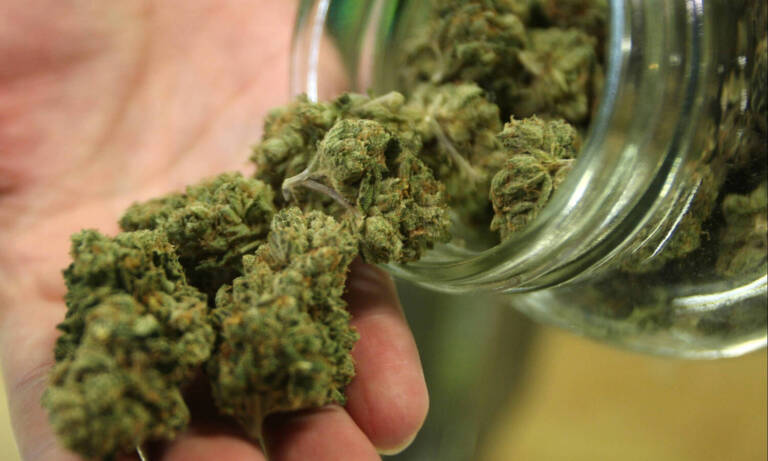
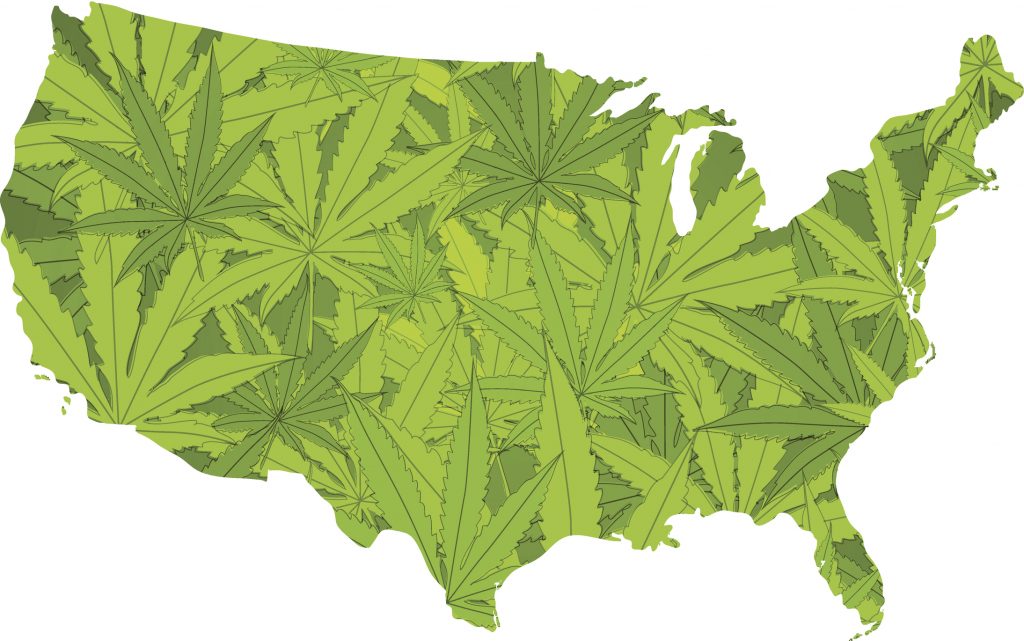
Now that more than half of the U.S. has permitted legalized medical marijuana, it’s clear to see the ripple effects that the law has had.
It’s hard to put into words how far along the fight to end marijuana prohibition has come. It’s fair to assume that much of that progress wouldn’t have been possible without the passage of California’s Prop 215 back in November 1996.
The passage of Prop 215 made it possible for Californians to purchase, possess and use marijuana for a select handful of conditions like cancer, glaucoma, arthritis, HIV and AIDS. Ever since the law passed, medical marijuana has steadily changed the way many Americans view cannabis.
Here are a few key ways the nation’s outlook on cannabis has changed over the course of the last quarter-century.
Photo by traffic_analyzer/Getty Images
By Exposing Skeptics to the Healing Properties of Cannabis
Since medical marijuana was relatively unfamiliar to most Americans, the concept needed to be put to the test before earning the trust of most people. The passage of Prop 215 allowed people to receive a firsthand look at the way medical marijuana could improve people’s lives.
Seeing the way medical marijuana helped patients suffering from numerous conditions not only made an impact on the general public, but on the medical community as well since research about the therapeutic effects of medical marijuana were still largely a mystery within the profession.
The results from medical marijuana patients in California provided enough evidence for other states to introduce medical marijuana programs of their own. Nowadays, medical marijuana is legal in 36 states across the country.
By Opening the Door for Further Cannabis Research That Dispelled Common Cannabis-Related Myths
Another reason why the passage of Prop 215 is partially responsible for changing American’s outlook on cannabis is because of how instrumental it was in breaking age-old myths about marijuana. Prior to the passage of Prop 215, research on the therapeutic effects of medical marijuana was almost nonexistent.
According to the marijuana policy project, efforts to study the medicinal effects of cannabis were largely prohibited by the DEA. Even though circumstances involving medical marijuana research have improved since the passage of Prop 215, there’s still more work that needs to be done in order for scientists to fully understand the potential of marijuana’s therapeutic benefits.
Medical Marijuana Helped Warm Americans Up to the Idea of Recreational Marijuana Use and Sale
There are numerous components that have factored into the changing attitudes of marijuana, but the passage of Prop 215 was the catalyst. For example, attitudes rapidly began to change towards marijuana once the law passed. In the year 2000, the number of Americans who were in favor of legalizing recreational cannabis was just 34%. Now, that number has more than doubled to 86%.
Photo by RODNAE Productions from Pexels
Besides the fact that Prop 215 allowed Americans to see firsthand that cannabis could be effective for treating medical ailments, the introduction of medical marijuana showed that there’s no reason people shouldn’t be able to walk into a storefront and purchase cannabis just like any other product.
Although the War on Drugs isn’t over, the passage of Prop 215 in California signaled that it probably wouldn’t last long. Now that more than half of the U.S. has permitted legalized medical marijuana, it’s clear to see the ripple effects that the law has had.
This makes it a little easier to have some optimism that 25 years after the passage of Prop 215, the end of the drug war could be closer than we think.
Florida representative Dotie Joseph (D) submitted a legislative proposal “Collateral Consequences of Convictions and Decriminalization of Cannabis and All Drugs Act” recently, in an effort to decriminalize all currently illegal drugs, reported Marijuana Moment.
Under the bill, anyone with a criminal record for past cannabis-related offenses would be eligible for an automatic expungement within a year since the arrest and cannabis possession of up to one ounce would be considered a non-criminal violation punishable with a $50 fine, instead of a misdemeanor offense. Marijuana delivery of up to an ounce will be treated the same way.
Photo by Rattankun Thongbun/Getty Images
The proposal “intends the prioritization of rehabilitative health intervention in lieu of criminalization for personal usage of controlled substances, including but is not limited to stimulants including cocaine, methamphetamine, opioids, heroin, fentanyl, depressants or benzodiazepines, and other addictive controlled substance.”
Furthermore, the bill notes that offenses “associated with the personal usage and possession of controlled substances that do not involve production, distribution or sale shall be decriminalized in favor of civil fines and referral for drug rehabilitation.”
The bill’s goal is to promote the health and public safety of Florida residents and to use revenues to support education, improve substance abuse prevention and treatment, among other things.
The legislation also demands that Florida’s health department research “more effective methods of addressing drug addiction in lieu of criminalizing.”
Cannabis advocates praise the move saying that it will help raise the quality and reliability standards in the industry, protect consumers and also minimize false test results.
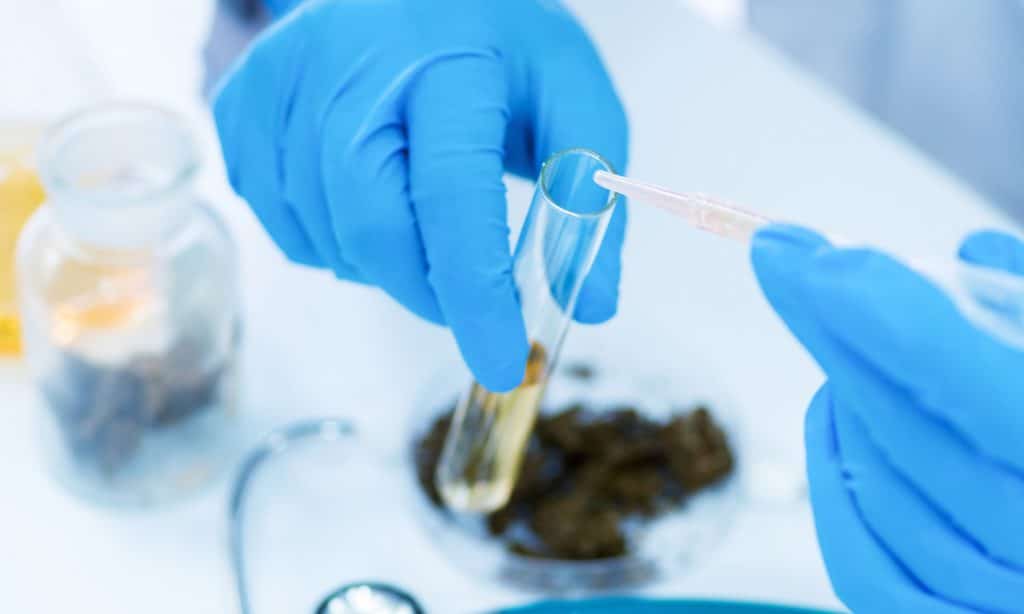
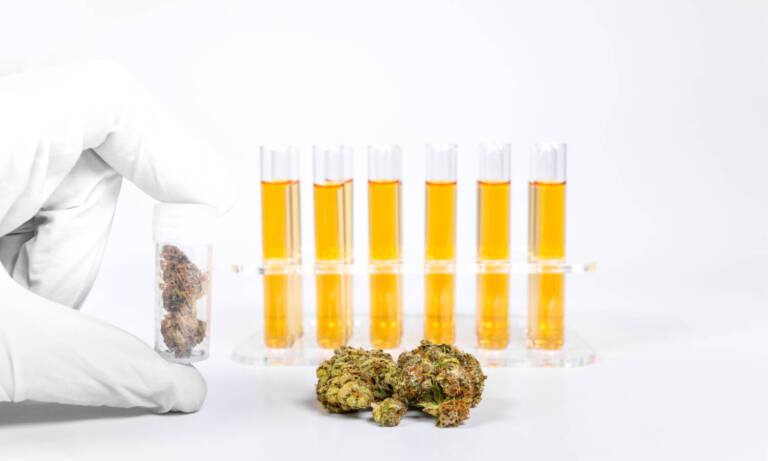
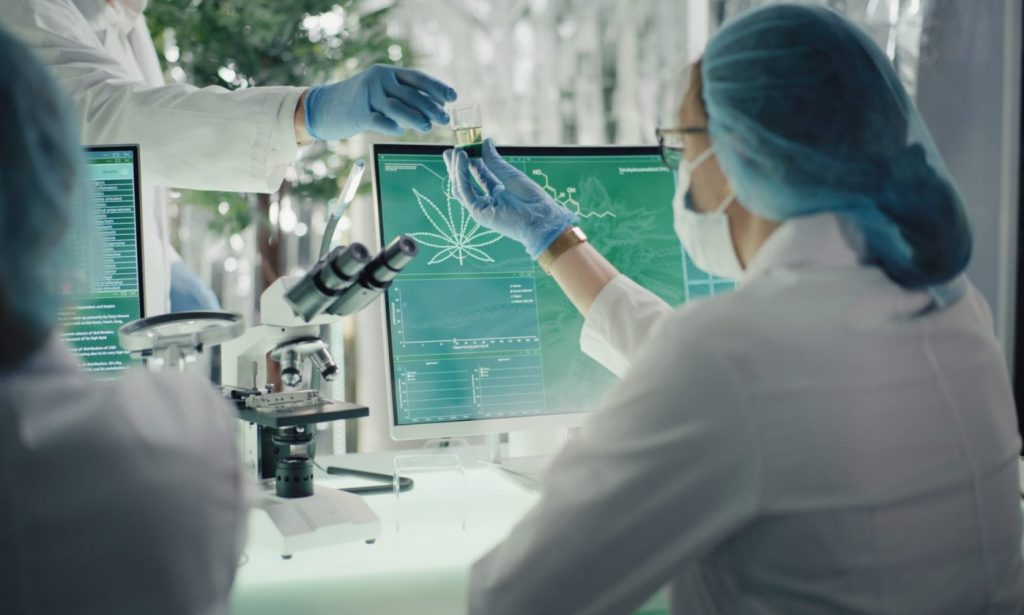
In an attempt to deal with cannabis testing issues and laboratory inconsistencies, California is standardizing the process throughout the state’s approximately 40 active weed testing facilities.
What Happened
The initiative comes under the new state law — Senate Bill 544, signed in October by Governor Gavin Newsom, which demanded that the Department of Cannabis Control (DCC) create strict criteria and guidelines for testing a plethora of microbiological contaminants, pesticides, residual solvents and cannabis compounds, reported Marijuana Business Daily.
Photo by boonchai wedmakawand/Getty Images
Why It Matters – Raising Quality Standards
Cannabis advocates praise the move saying that it will help raise the quality and reliability standards in the industry, protect consumers and also minimize false test results.
“This will bring additional consistency and accountability among licensed cannabis testing laboratories,” DCC spokeswoman Christina Dempseysaid.
“With a standardized method, laboratories can more easily identify and correct problems, and it will serve as an additional mechanism to ensure integrity.”
So far, the DCC has chosen two state-run labs to determine operating procedures that will act as a blueprint for all other cannabis testing labs in the Golden State. Under the initiative, the division will determine a reference lab via a partnership with the University of California, San Diego. It will be one of the two state-run labs.
“DCC anticipates leveraging these two laboratories to enhance accountability,” Dempsey added, “by verifying laboratory results and through initiatives such as challenge tests.”
California joins several other states that have standardized cannabis testing practices such as New Jersey and New York.
Long Road – Right Path
Jeffrey Raber, an organic chemist who was involved in one of the first marijuana testing labs in the state, said he trusts that the new standardized procedures and cross-validation will help clear up lab results.
“The lab game still needs so much help,” said Raber, CEO of The Werc Shop who stopped cannabis testing years ago and got into consulting and formulation development.
“I don’t think we’re fully there yet, but we’re on the right path.”
Knowing these hacks can be instrumental in helping cannabis users save money by extending their weed stash.
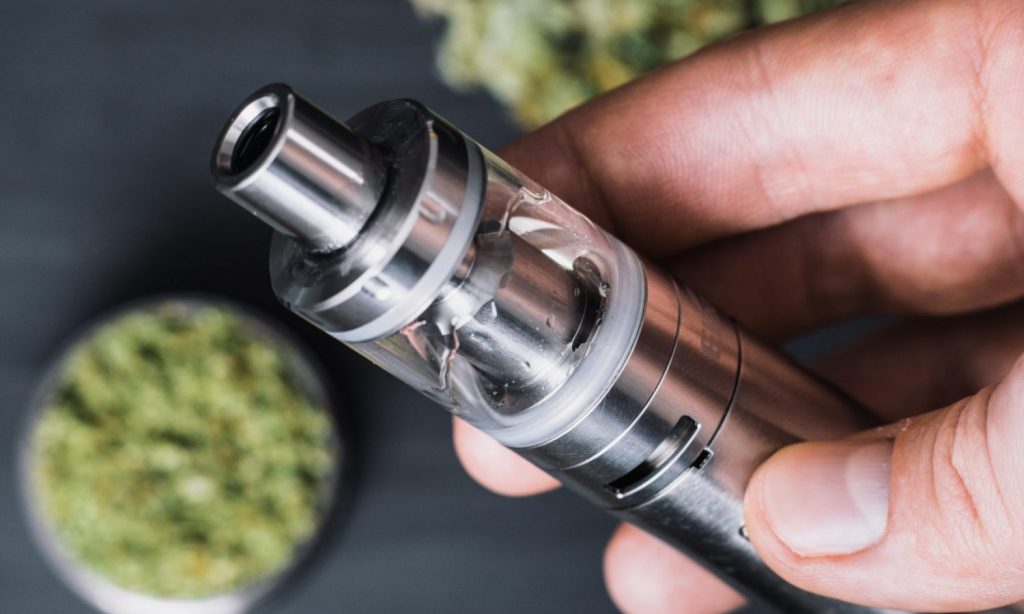
One of the most popular trends within the cannabis world is vaping dry herbs. It’s easy to see why people find vaping dry herb appealing, considering the fact that it’s healthier than traditional forms of smoking and more discreet.
Another reason why people have gravitated towards vaping as a primary method of consumption is because it’s easier for people to conserve their cannabis. Vaping also provides users with the opportunity to get more out of their cannabis than traditional methods allow.
After initially vaping marijuana, it turns into a brownish-green color which may lead some people to believe that it should be disposed of like ashes. Although that’s likely a common misconception, weed that’s been vaporized can still be repurposed in a number of ways that are enjoyable. Here are a few examples.
Photo by Dmitry_Tishchenko/Getty Images
Edibles
Already vaporized bud can be an essential ingredient for making cannabutter, which is necessary for making pot brownies, cookies and other cannabis infused goodies. The process for making cannabis-infused butter using already vaped bud is fairly simple, too.
Making cannabutter entails adding already vaped bud into melted butter. After it’s been added, cook the mixture on low for 45 minutes, stirring to prevent the mixture from burning. Once the time is up, strain the butter into a glass container, then save and store the cannabutter for when you’re ready to bake up a batch of feel-good brownies. Need a recipe? Here’s A Beginner’s Guide To Making The Best Ever.
Coffee and Teas
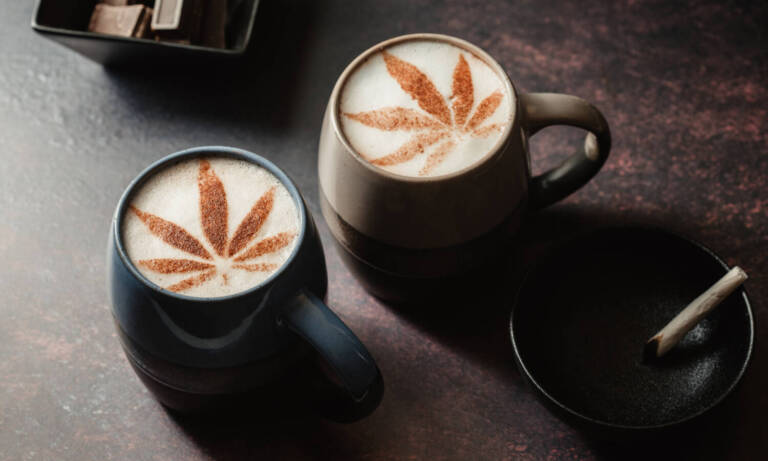
Since lots of people associate cannabis with relaxation at the end of a long day, the thought of adding cannabis to morning coffee or tea could be off putting. Even though it’s unconventional, adding already vaped bud can lead to interesting results that’ll lead you to no longer crave the coffee or teas you normally crave.
Similar to making cannabutter with already vaped bud, the process for using it to make cannabis-infused coffees or teas is fairly easy, too. All it takes is adding it to the coffee grounds prior to brewing it. While the effects of cannabis-infused coffee may make people feel better than a regular cup of joe, the taste likely won’t measure up. That’s why people planning on making cannabis infused coffee benefit from adding flavor enhancers such as French vanilla or caramel creamer.
Photo by Sara Johnston via Unsplash
Spliffs
Another use for already vaped bud that may be fairly obvious is smoking them. While smoking already vaped bud is an option, it won’t provide the same sensations as fresh, non-vaped bud. Additionally it may taste worse than you’re used to. That’s why a mixture of fresh and already vaped bud is a preferred combo. Spliffs rolled with a combination of already vaped bud and non-vaped bud provide both the taste and the sensation that cannabis smokers are accustomed to.
The benefits of vaporizing bud are impactful enough to change your relationship with weed entirely. That’s especially the case after understanding the possibilities that come with knowing how to repurpose it. Knowing these hacks can be instrumental in helping cannabis users save money by extending their weed stash.
Synthesized cannabinoids could help fill today’s market gap for rare cannabinoids and provide a chance to produce cheaper formulations that enrich the commoditized CBD segment.
Much of cannabis’ disruptive potential lies in the plant’s ability to produce cannabinoids like THC and CBD. When it comes to rare cannabinoids, however, a different approach might yield better results.
Scientists have found alternative ways of producing cannabinoids that don’t require the cannabis plant. These methods are currently in commercial production, and have the potential to change the entire market for less common cannabinoids like CBG, CBN, THCV and THCA.
Photo by boonchai wedmakawand/Getty Images
By adding genes from cannabis into the yeast fungi, biosynthesis companies can have yeast produce a vast number of compounds in the laboratory, including cannabinoids.
Take BioMediCan Inc. The company uses “a unique pathway” and “a unique yeast for production,” says Biomedican CEO and molecular biologist Maxim Mikheev.
Meet Cannabinoid Biosynthesis
Biomedican has developed a biosynthesis platform to produce rare cannabinoids and other high value compounds.
“We’re not competing with anybody that’s in that grow, harvest, extract and purify business,” says Biomedican CIO Dennis O’Neill.
The biotech company uses a genetically-modified, proprietary version of yeast to produce cannabinoids without the need for cannabis plants. The resulting cannabinoids are said to be bio-identical to the molecules that can be found in nature.
“We produce 99% pharmaceutical grade products,” says O’Neill. While the method used by Biomedican employs GMO yeast, the final product does not contain any of it, which is why the company can claim its cannabinoids are organic and GMO-free.
Rare Cannabinoids: A Booming Market
According to Ethan Russo, CEO of Credo Science and former medical advisor to GW Pharmaceuticals, minor cannabinoids will be of “vital research and therapeutic interest in future years.”
Phytocannabinoids beyond THC and CBD are miles behind in terms of research investment, but the evidence to date is extremely encouraging with respect to promising developments in treating cancer, autoimmune diseases and a wide variety of other disorders, he explained.
CBG has been found to have neuroprotective properties, as well as to contribute to the and-inflammatory and pain-relieving effects of cannabis.
“We know through our own research that CBG has a higher affinity to the endocannabinoid system receptors and is showing significant potential in many disease areas,” said Aras Azadian, CEO of Avicanna in a recent interview with Benzinga.
CBN, another minor cannabinoid, has also been found to carry therapeutic properties that can kick CBD off the throne, with research showing it can have sedative, sleep-prolonging, anti-inflammatory and anti-convulsant properties.
After decades of selective breeding, cannabis plants can produce up to 30% THC or CBD. These are by far the most common cannabinoids present in the plant and in the market.
Rare cannabinoids are naturally found in the plant in much smaller amounts, which is why they can be very expensive to produce.
Photo by Esther Kelleter / EyeEm/Getty Images
“These cannabinoids show up in such minimal trace amounts and each plant,” says Biomedican’s O’Neill, “It’s just not commercially viable to produce them via cultivation.”
However, other players in the industry dare to challenge this notion. Avicanna, a Canadian cannabis research company recently developed a CBG-dominant cultivar, which began cultivation in its Colombia facilities in the first quarter of this year.
According to O’Neill, biosynthesized cannabinoids are much more-cost effective than those extracted from plant material. He told us that in today’s wholesale market CBGA sells for $20 a gram, CBN for $40 a gram and THCV for $60 a gram.
With its biosynthesis method, Biomedican can produce these rare cannabinoids for less than $1 a gram.
“Not only is it better, safer, faster and cheaper, but we’re using 90 percent less natural resources and energy in producing these rare cannabinoids than if you actually grew the plants,” says O’Neill. “We’re not using soil fertilizers, we’re not using tractors, we’re not using land.”
Detaching production from traditional agricultural methods means that the companies that produce cannabinoids this way are not subject to the unpredictable events like wildfires and other environmental catastrophes.
However, Russo is not convinced. He stated that the premise that yeast culture is more cost-effective than traditional cannabis culture remains to be determined.
“I would like to see figures on cost-projections and energy audits of yeast culture versus a situation like that in Colombia, where three to four crops can be harvested outdoors annually at high elevation, with rich volcanic soil and cheap labor,” he voiced.
The Market for Minor Cannabinoids
As rare cannabinoids started gaining traction as possible alternatives to CBD, many cannabis brands began launching wellness products containing CBG, CBN, THCA and others.
Photo by janiecbros/Getty Images
Dr. Russo thinks that “It is not a matter of replacing CBD; rather, additional cannabis components will prove their worth as adjuncts to THC and CBD in cannabis extracts.”
In fact, over 140 distinct cannabinoids have been identified in the cannabis plant, many of which are still unresearched.
“All of these CBD products, they’re kind of commoditized at this stage. So [CBD companies] are looking for additional compounds to add into them, to make them differentiated in the market and significantly more effective,” says O’Neill.
Biomedican plans to sell its products to companies that have large CBD distribution networks.
The company said they have two products that are ready for production now, and should be in large scale production within nine months. They’re also aiming at selling bulk cannabinoids to the nutraceutical, cosmetic and pet care industries.
Chief Investment Officer O’Neill said that Biomdican expects to become profitable by the third quarter of 2021.
Controversy: Are Synthetic Cannabinoids Better?
“One of the key aspects for us is that, since we do not touch the plant and we do not produce THC at any point in time during our process, we are outside the federal and state regulations,” says Biomedican’s O’Neill.
He added that biosynthesized cannabinoids can be safer than cannabis products, since the process is not subject to pollution from the soil or from toxic contaminants used in agricultural products.
“The issue of agricultural toxins is a smoke screen. With proper agronomy or indoor cultural techniques, this is simply not an issue,” he remarked.
Biosynthesized cannabinoids are also offered as a means to achieve product consistency, which is something of a holy grail for cannabis cultivators.
“We do what’s called ‘continuous fermentation’, which means that we are harvesting every day, as opposed to harvesting every couple of months,” says O’Neill.
Photo by CasarsaGuru/Getty Images
While many cultivators struggle to achieve batch-to-batch consistency in their products, Russo says that this is not impossible under the right techniques.
“GW Pharmaceuticals has successfully pursued glasshouse culture for 20 years with no pesticides, and crops that are so consistent that biochemical fingerprinting batch-to-batch is virtually identical within tight parameters,” he says.
The scientific achievements in laboratory culture of cannabinoids with yeast are interesting and high tech, but Russo believes that they will never replace conventional cannabis culture.
“Yeast technology favors the production of single molecular products, and ignores the ability of plants to produce highly synergistic combinations of cannabinoids and terpenoids known as the entourage effect,” he concluded.
Although there’ll probably always be a place for full spectrum and whole plant cannabis products, synthesized cannabinoids could help fill today’s market gap for rare cannabinoids and provide a chance to produce cheaper formulations that enrich the commoditized CBD segment.
There’s not a lot of research on the matter, but plenty of anecdotal evidence links cannabis with hangover relief. Here’s how you can use the plant to your advantage.
Hangovers are annoying and difficult to treat. While some people may be able to cope with them with some water and Advil, others are forced to spend the day in bed, trying to sleep the alcohol off. Feeling hungover? Here’s how cannabis can help.
There’s not a lot of scientific evidence out there on this subject, but plenty of cannabis consumers believe that a joint can make the whole experience better. Symptoms like an upset stomach or a headache, common for hangovers, can be controlled with a bit of THC, even simply because it’s distracting.
While there’s a lot of questions regarding cannabis and hangovers, with little scientific study on both matters, the anecdotal evidence that we have suggests why some people choose to ingest weed when feeling this discomfort. Cannabis is known for its anti-anxiolytic effects, something that’s very common in hangovers. There’s also marijuana’s effect on nausea and pain relief, which could be key for treating body aches and headaches.
Here are some basics that can help you temper a hangover with some weed:
If you’re feeling bad and don’t want to add smoke into the equation, a low THC edible might do the trick. Ingesting something like 10 mg of cannabis won’t get you high, but it might help you address your headache, anxiety, and nausea
Cannabis topicals
Photo by vadimguzhva/Getty Images
For painful joints or bruises that occurred on the night before, when you were stumbling into things and too drunk to notice, can be addressed with cannabis balms and lotions. This could also be rubbed on your neck and shoulders, helping you dissipate that tension.
Just because you have a new way of treating your hangover doesn’t mean that you should forget about the basics. Outside of avoiding alcohol or limiting your intake altogether, a more realistic approach is to drink lots of water and eat a full meal before you imbibe. But remember: eventually your body will metabolize the alcohol (usually no longer than 24 hours), and you’ll be just fine. So remember, next time you are feeling hungover, cannabis can help.
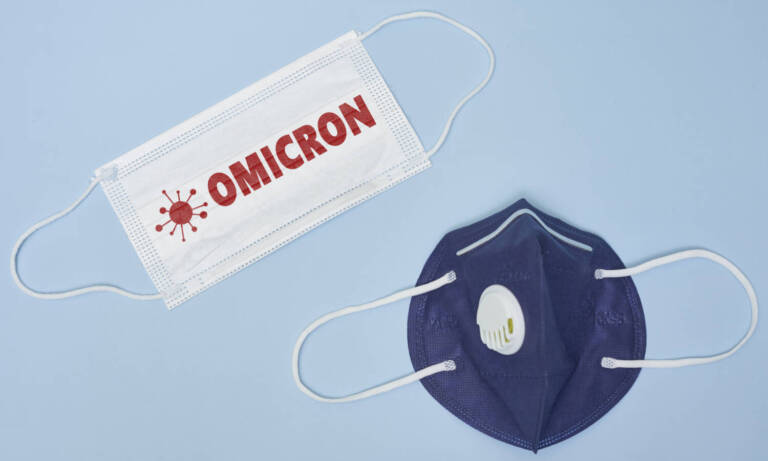
The world is full of worry again today as a new COVID strain, referred to as Omicron, has the World Health Organization (WHO) worried and travel restrictions in several countries are once again in place. As CNBC summarized the recent WHO health announcement on the new COVID strain:
The World Health Organization on Friday assigned the Greek letter omicron to a newly identified Covid variant in South Africa.The U.N. health agency recognized the strain, first referred to as lineage B.1.1.529, as a variant of concern.
Photo by Fiordaliso/Getty Images
Health experts are deeply concerned about the transmissibility of the omicron variant given that it has an unusual constellation of mutations and a profile that is different from other variants of concern.
“Omicron, B.1.1.529, is named as a variant of concern because it has some concerning properties,” Maria Van Kerkhove, the WHO’s technical lead on Covid-19, said in a video published on Twitter. “This variant has a large number of mutations, and some of these mutations have some worrying characteristics.”
In a true silver linings story, marijuana legalization and technology innovation boomed during the first COVID-19 shutdowns. Many states declared cannabis an “essential item” much like alcohol, and that allowed for massive advancements in curbside pickups, online ordering, and even delivery services in many areas.
Many states advanced cannabis legalization at a quicker pace than would have been seen without a COVID pandemic, and many people tried cannabis for the first time during the pandemic months. But what about a second shutdown or a more serious restrictive set up than we have now? What if Omicron causes a second “stay home” agenda in some states?
Let’s look at 5 questions regarding Omicron and the marijuana industry and see what happens if this variant becomes a serious threat to the economic recovery underway.
Does a serious COVID variant like Omicron help or hurt the cannabis industry?
The first COVID waves greatly helped the cannabis industry, or at least vaulted legalization, technology, and customer market share light years forward after cannabis was deemed an “essential item”. A second shutdown wave, while hurting current aspects of the marijuana industry that is dealing with the same problems as non-cannabis companies, would probably actually help it as a whole.
While cannabis companies can’t get enough workers and have supply chain issues just like everyone else, a second shutdown— and the massive bills that would come with relief payments — would only increase the pressure on the federal government to find new sources of tax revenue and jobs.
If you think the first financial drain was bad on state coffers and budgets, wait until you see what a second round of stimulus checks and COVID relief would do to state’s rainy day funds. At some point, bills have to be paid, and the greater the debt becomes, the more pressure there is to find new tax revenue and create new jobs.
Photo by Towfiqu barbhuiya via Unsplash
The cannabis industry would be prime picking for federal legalization not only for tax revenue, but for job creation going forward. Same story as before, just states are deeper and debt the Federal government would be more desperate to create tax revenue and jobs.
Would an Omicron shutdown help or hurt legalization efforts at the federal level?
Sad to say but another serious COVID outbreak would help legalization efforts if the first two years of COVID offer any clues. Not only are taxation and job creation important as mentioned in one, but technology advances would almost certainly come if people have to “stay in place”.
Delivery apps, online ordering, and dare to say it, putting cannabis in the mail and shipping it to people’s houses so they don’t go out, could be some sort of emergency agreement between legal states and federal government. Is it probable? No, but is it out the question if the federal government wants to keep people as spaced out as they can for a few months? Sure. That would open Federal legalization up to almost a moot point once THC can cross a state line and be shipped by UPS, Fed Ex, and the USPS.
Would Omicron force more research into the medical benefits of cannabis in relation to the COVID virus?
Yes and no. While most research shows cannabis can help deal with the side effects of a COVID society, such as stress, anxiety, and sleep issues, there is no “magic-bullet study” that shows cannabis is a major factor in fighting or decreasing the viruses’ potency or virality. For example, cannabis does not cure or stop the COVID-10 virus from infecting a person. As more people turn to cannabis instead of alcohol, more research will have to investigate how cannabis is helping or hurting COVID patients. Dr. Kovelchuk’s study on how cannabis can inhibit the “cellular doorways” the COVID-19 virus needs to spread, the subject itself will need more research and peer review.
How would an Omicron spike be bad for the marijuana industry?
Like all industries, a new shutdown will kill any job growth or worker training going on all over the country, including in the cannabis industry. Growers and processors would be in dire of need of workers in order to get products to the dispensary.
Transportation issues already plaguing companies like Amazon and Fed Ex, would also hit the cannabis industry as well, as the need for drivers of all kinds has created fierce demand right now from companies such as the USPS and Fed Ex, to delivery services like Uber Eats and Lyft.
Photo by Bruce Bennett/Getty Images
While workers in the cannabis industry may be deemed essential, the industry would face the same challenges as other essential service providers, like getting and keeping employees during a pandemic.
What would be the ultimate best-case scenario for the cannabis industry in a new Omicron shutdown?
Wild as it may sound right now, cannabis is deemed an essential item, and massive supply chain problems force the federal government to de facto legalize weed. Permits allow for Amazon to list local providers and dispensaries as storefronts on Amazon’s website and ship products through the mail.
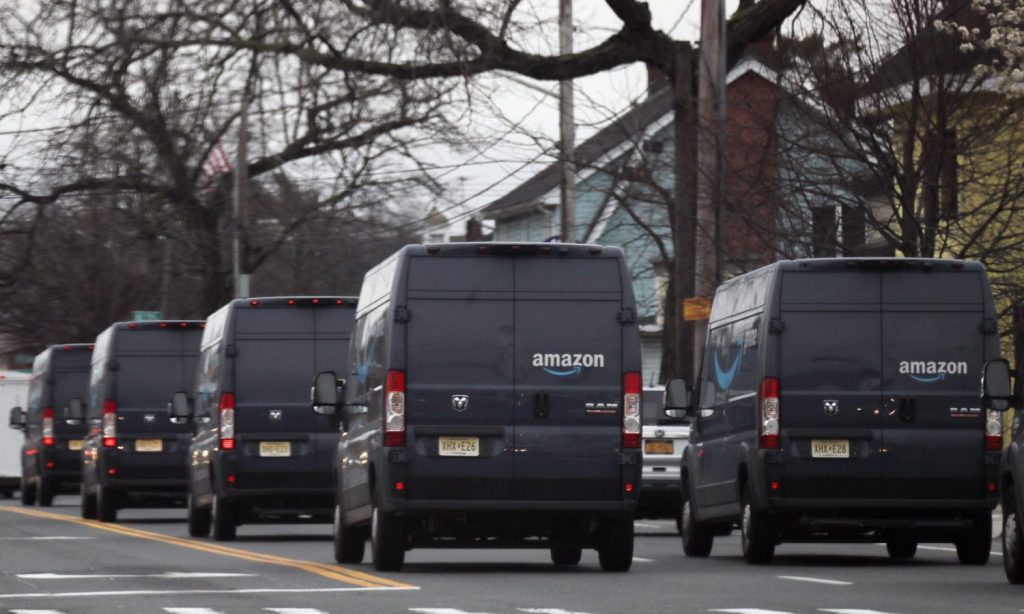
While the industry may cringe hearing that, Amazon has the delivery infrastructure and knowhow to actually be able to set it up and pull it off in a short amount of time. Dispensaries could have storefront on Amazon just like all the other businesses on Amazon, and the Amazon network of 2,500 DSPs, or delivery service providers, who run close to 125,000 Amazon-branded vans and trucks in the USA, could get cannabis to almost anyone in a legal state who wanted it.
Competition and efficiency of trucks would require UPS, FedEx, and the USPS to have the same rights, hence, full fledge legalization that looks a lot like the Republican’s plan for federal marijuana legalization.
Yes, Amazon would be in the weed business, but you would have full marijuana legalization in America.
Your cannabis loving friend doesn’t want another pair of socks with marijuana leaves on them. Instead, try one of these gifts, and get ready to be the MVP of your next smoke-out.
Since the holidays have arrived, it’s fair to wonder what gifts would make perfect holiday surprises for the cannabis enthusiast in your life. There are numerous stoner-approved products on the market that could make a bigger impression than you could have ever hoped for by making them gifting them to people you care about. Here are 5 essential gifts for the weed lover in your life.
Smell-Proof Stash Bag
Even though cannabis is legal in most locales, no one wants to obnoxiously reek of it whenever they carry it from point A to point B. That’s where having a smell-proof container comes in handy. Having something to safely stash cannabis that locks the smell in could avoid attracting unwanted attention, making it a must-have for stoners who take their goods to-go from time to time.
Another must-have tool in the arsenal of weed aficionados is a grinder that can be easily transported. A portable cannabis grinder and dispenser makes the process of breaking down bud much cleaner and simpler than with a traditional grinder. Additionally, an electric grinder can grind the bud much faster than by hand or with a manual grinder. This is the ideal gift for helping the weed enthusiast in your life take their process for breaking down bud into the 21st century.
Foldable Rolling Tray
The next gift idea certain to make an impact on the daily routine of the stoner you’re shopping for is a foldable rolling tray. That’s the type of resource that can help cannabis smokers keep their living space free of the excess bud and ashes. The fact that this rolling tray can be easily stored gives it a clear advantage over other rolling trays that can be found online and in smoke shops. A foldable rolling tray also comes with sections that make it easier to keep up with things like lighters and rolling papers.
Although it seems like an essential item that every stoner has handy, odor eliminating candles could be the perfect gift to give the cannabis lover who already has everything. Since a lot of stoners live in places, such as apartments or duplexes, there’s the possibility of them spreading the aroma of their cannabis smoke to the dismay of neighbors. Odor eliminating candles can eliminate that problem, which eliminates fears of unintentionally hotboxing shared living spaces. Need some ideas? These Are The 5 Best Candles For Cannabis Smokers.
Reusable Mini Joint Filter
After smoking enough joints, the most seasoned cannabis users can attest to experiencing the buildup of resin around its mouthpiece. That can make the experience of smoking one less enjoyable than it should be. This is just one of the problems that a reusable mini joint filter can solve for the cannabis lover in your life. Another way reusable mini joint filters make the lives of stoners easier is by providing better airflow while smoking than people often don’t get with paper or cardboard filters.
Studies like the one published in the NY Times should be critically analyzed and sources should be studied as well.
There I was, minding my own business when I read the headline, “Cannabis Use in Pregnancy May Lead to a More Anxious, Aggressive Child.” So claims the title of a New York Times article written by Melinda Wenner Moyer, who cites a study that looked at maternal cannabis use and an alleged suppressed gene networks in the placenta.
The article is well-written and contains many links embedded within the text creating the illusion of authority. However, if you were to read almost two-thirds of the way down, you’ll run into this paragraph:
Photo by Ömürden Cengiz via Unsplash
“The study does not, however, prove that prenatal cannabis use caused the children’s behavioral problems. Some of the mothers said they had used cannabis only after giving birth (though THC can pass through breast milk). And women who use cannabis may differ from abstinent women in other ways that put their children at risk for behavioral issues. They may have underlying risk factors, such as a family history of psychiatric problems, or they may have been exposed to other chemicals during pregnancy that increase the risk for behavioral issues in their kids, said Ryan Bogdan, a psychologist at Washington University in St. Louis who studies the underlying biology of psychiatric disorders. The authors of the study tried to control for such differences using statistical methods, but some could nevertheless have influenced the results.”
This isn’t to say that there may be biological concerns about consuming cannabis, this most certainly needs to be studied clinically. However, the study that was cited — as with many of the studies where there are scathing views on cannabis — was not clinical in nature. Additionally, the phrase “Some of the mothers said they had used cannabis only after giving birth,” makes the claim of the article seem more dubious.
Nonetheless, I decided to look at the information to see if it was true or not, whether smoking weed during pregnancy can create angry and anxious babies.
About the Author
I think before we dive deeper into the story we need to take a closer look at Melinda Wenner Moyer. Moyer is the author of the book, “How to Raise Kids Who Aren’t Assholes”. The book claims to follow scientifically driven concepts on raising your kids, however, after reading some of the negative reviews of her book it seems that there is a strong bias in terms of ideology.
Her concept of “asshole” is based on a particular type of thinking prevalent in mainstream media, which is totally fine. Of course, if you fall outside of her framed view of how life should be, you’d probably end up on her “asshole list” and subsequently your babies might as well.
One of the negative reviews on her book said the following;
“I am a big fan of evidence-based parenting, like Emily Oster’s books, so I wanted to try this one. However, it felt like just another book written by a parent who thinks their way is right and throws in some studies to try to justify it. It was NOT grounded in the research. I like books where the author discusses research that changed their approach. This is more like research used to justify the approach the author already believed in. It just feels biased and a little weak. So many better parenting books are out there that give more radical discoveries and insight.”
Another negative review read, “First 5 min of book author stages babies are racist. This is clear CRT Indoctrination.”
Once again, you’d probably be considered an asshole if you don’t subscribe to Critical Race Theory in the eyes of the author. Or the fact that “anti-racist” requires you to first be a racist to be against it, at least psychologically speaking. Framing matters! Any neuroscientist or behavioral psychologist will tell you that, but I digress.
Photo by Alex Pasarelu via Unsplash
Why is it important to understand who the author is? It’s important because if the author utilizes studies to justify a position she already believes in, then the objectivity of the science comes into question. Considering that her narrative is based on the premise of “not raising asshole children” and using “evidence” to justify this position, it seems that this article feels more like a well-crafted form of native advertisement to build authority within the niche of “non-asshole raising parents”.
Major Problems With the Studies
We have already exposed the fact that the study in question does not prove that prenatal cannabis use had any effect on the behavior of children. We have also established that these were non-clinical studies and that some mothers smoked cannabis after the fact.
There were also issues of environment. For example, how many of those “troubled tots” had an absent father? According to Fatherhood.org, the absence of a father can lead to severe behavioral problems and increases your chances of sliding into poverty four-fold. You’re also more likely to go to prison if you don’t have a father.
This is just one factor that can have major impact on your behavioral problems down the line. The fact of the matter is that the studies on prenatal cannabis use is lacking. Most of these studies are done through surveys and interpreted based on the answers, however, the vast majority of these tests have not been replicated.
Photo by Bruno Nascimento via Unsplash
Therefore, to draw any conclusion in relation to the behavioral impact of your children due to prenatal cannabis use is empirically non-scientific. It’s essentially reducing the human being completely to biology, which definitely does have an impact to a lesser degree. However, how you’ve been raised, whether you have money or not, the relationship of your parents, micro and macro experiences, all play a role in shaping how you behave.
Societal norms aren’t established by biology. Behavior is much more a consequence of parental action or non-action at critical points of development than it is about the type of foods you eat. The thing about THC is that it’s a phytocannabinoids that is almost identical to anandamide, which is found within breast milk.
The fact that your endocannabinoid system interacts with the chemical suggests that the impact it would have on our biology is minimal. Of course, we need clinical data to see whether this is true or not, but until then, studies like the one published in the NY Times should be critically analyzed and sources should be studied as well.
I’m sure Moyer completely believes everything she’s writing and continues to pile on more supporting evidence for her position — and that’s okay. After all, whatever it is you are looking for, you will find.
When traveling, we tend to forget about our nutrition, something that results in us being more stressed out and grumpy when in an airport. Here’s what health experts recommend.
The holiday season is upon us. After a pretty irregular year, the majority of Americans will be boarding a flight within the upcoming month. Aside from the usual anxiety that air travel evokes, the pandemic has made everything worse, increasing wait times, flight delays, and passenger stress.
One thing that’s under our control (kind of) is the meals that we feed our body. These should be an important part of our travel plans, reducing our stress and allowing us to handle flight inconveniences with a better attitude.
Photo by Karolina Grabowska via Kaboompics
The Huffington Post spoke with a variety of health experts on their opinions regarding meals and nutrition during air travel. While their advice differs, most agree on a couple of things: eating during stressful times is important to keep your mood up, and food purchased in airports is bad and expensive. Here’s what they recommend.
Eat at home
Photo by Pablo Merchán Montes via Unsplash
Eating at home before a flight solves a variety of problems, allowing you to eat something that you enjoy, that feels light in your stomach and that isn’t crazy expensive. The problem here is that time is usually tight when we have a flight ahead of us. If you have a flight during the early morning, it’s even tougher to make the time for meals.
According to Jonathan Valdez, owner of Genki Nutrition, if you aren’t able to eat at home, it’s best to eat your meal about an hour before your departure. “This can allow your body some time to digest your food and use the restroom accordingly before boarding,” he said.
Prepare snacks
Photo by Flickr user s58y
Another aspect that can help you stay energized would be to prepare snacks ahead of time. While eating on planes nowadays is annoying, requiring you to take off your face mask and then put it back on, by packing snacks like fruits or nuts you’ll eliminate messes and provide your body with the necessary nutrients.
If you want to avoid mask-shifting, have a good meal before you board the plane, made up of proteins like chicken or yogurt, and digestible fruits, like oranges or bananas. When it comes to water, there’s no limit. Remember to stay hydrated, drinking plenty of water before and during the flight.