New data finds that this group of people faces higher risks when it comes to contracting and battling COVID-19.
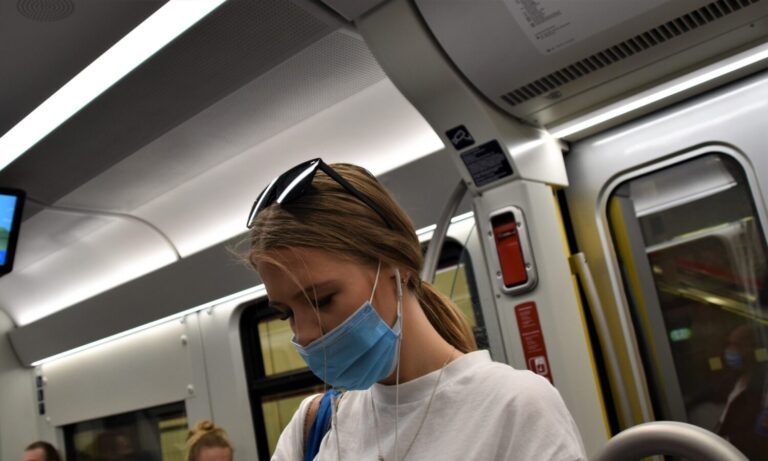
A lot of factors can affect whether or not a person has a higher risk of developing COVID-19. But now we’re learning that research from the past two years of the pandemic has shown that people with mental health conditions and disorders are at higher risk of developing the disease.
A study published last year showed links between worse COVID-19 infections and people who were diagnosed with mental health conditions. The study’s lead researcher, Dr. Luming Li, spoke with NPR about their findings and what these higher levels of mortality could mean.
Photo by Yasmina H via Unsplash
“What we found was we had a higher level of mortality for those that had a prior psychiatric history,” said Dr. Li. The data gathered found that people with a history of mental illness had 50% more risk of death from COVID-19 than people with no history of mental illness. Aside from having worse outcomes once the disease is contracted, studies also show that mental health disorders make it more likely for people to get COVID-19 in the first place.
Researchers have a lot of theories as to why this might be occurring. For starters, people dealing with a mental health condition might take care of themselves less than others. They might also be isolated, thus increasing their odds of experiencing other diseases.
These people are also more likely to have worse mental and physical health than others, coping with chronic conditions like diabetes, cardiovascular problems, and more. There are also medications such as antipsychotics, which increase the risk of chronic health problems.
Photo by Kyle Glenn via Unsplash
Lastly, it’s important to account for the homeless population in this country, which is comprised of about 40% of people who cope with some form of serious mental health illness, and who are also more at risk for COVID-19.
While the Centers for Disease Control and Prevention prioritize people with mental health disorders, it’s very important for all people that are aware of this to help out their closest friends and family members, advising them on getting their vaccine or booster. These numbers are significant and must be kept in mind as the pandemic continues to progress and change.
In addition to the runner’s high, researchers found that moderate-intensity paced exercise produced numerous benefits that aid sleep, mood and concentration ability.
Many athletes and running enthusiasts insist that once you start running, really running, you can’t stop — you get hooked! The same can be said for many other forms of physical exercise.
Indeed, science tells us that exercising produces chemicals called endorphins, which are often referred to as “feel-good” chemicals because they can act as a pain reliever and can trigger a euphoric feeling, or as many call it, a “runner’s high.”
Now, a new study adds scientific facts to that phrase, reports Miami Herald.
Photo by Caley Vanular via Unsplash
According to research published Nov. 17 in the journal Gut Microbes, exercise loads up anti-inflammatory and “cannabis-like” molecules by changing bacteria in your gut. Researchers call them “cannabis-like substances” because they act similar to cannabinoids produced by the cannabis plant. On the other hand, endocannabinoids, known to minimize inflammation and help with specific health conditions like heart diseases and arthritis, are produced naturally in our bodies.
“Our study clearly shows that exercise increases the body’s own cannabis-type substances, which can have a positive impact on many conditions,” the study’s first author and research fellow at the University of Nottingham’s School of Medicine in the UK, Dr. Amrita Vijay said in a news release. “As interest in cannabidiol [CBD] oil and other supplements increases, it is important to know that simple lifestyle interventions like exercise can modulate endocannabinoids.”
The Study Details
The research examined 78 participants older than 45 who had painful knee osteoarthritis. Thirty-eight volunteers were assigned specific strength exercises to do every day for six weeks, while the other 40 did nothing. Participants were compared to a group of healthy adults without osteoarthritis.
Photo by Victor Freitas via Unsplash
The collected blood and stool samples showed that the participants who worked out had experienced pain relief and had more specific bacteria in their gut that in turn induced anti-inflammatory substances. They also had higher levels of endocannabinoids, which are accountable for a third of the anti-inflammatory effects found in the gut, according to the researchers.
This low-risk activity, which has increased in popularity during the pandemic, may be your new go-to fitness exercise.
Walking is one of the world’s most common, no-gear-required activities. Aside from carrying us from point A to point B, walking is also a form of exercise that everyone can commit to, no matter their age or fitness level. But, this low-impact activity may burn more calories than walking. According to CNN, hiking, becoming increasingly more popular, can burn even more calories.
Walking and hiking are two very similar activities. Like most cardio workouts, they boost bone and heart health, improve your balance, and strengthen your core. The main difference between the two is the level of energy they demand, with hiking, an activity done in nature and usually accompanied by changes in the ground in terms of terrain and elevation, gaining the upper hand.
“Walking is one of the best workouts for heart health for all ages, including those with heart problems and conditions,” said cardiologist Dr. Fahmi Farah. “Hiking is also heart-healthy and provides a higher calorie burn in a shorter amount of time.”
Both activities are healthy and good for helping you manage stress. Hikes are usually more strenuous, burning more calories and distracting you more from the problems of your everyday life. The fact that hikes tend to put you in close contact with nature is also a perk, with studies linking happiness with surrounding yourself with nature.
Walking and hiking are activities that we should incorporate more into our lives. In 2020, over 57.8 Americans said they hiked, a figure that’s been increasing over the years. It’s a malleable activity that provides you with a nice change of pace from the gym, that can be done with friends and adapted to your preference.
Like walking, hiking also creates a perfect opportunity for consuming weed, resulting in the elusive workout that’s both healthy and very fun. Just remember to hike with a group of friends, be discreet and respect others, to start off slow, and to make the most of your experience.
Cannabis has been shown time and time again to improve the lives of those who struggle with certain ailments. Here’s just a small sample.
Medical marijuana is nowlegal in 36 states and several U.S. territories. Its medical applications continue to broaden as cannabis becomes a mainstream treatment option in this country.
With this increased accessibility, marijuana is now being researched and used to treat more medical conditions, and some of these may surprise you.
Inflammatory Bowel Diseases
Those who suffer from inflammatory bowel diseases (IBDs), such as Crohn’s disease and ulcerative colitis, are turning to cannabis for relief. Studies have shown that cannabis can not cure these diseases or stop the symptoms. There have, however, been reports that using marijuana as treatment for the painful symptoms has proven successful.
Photo by SolStock/Getty Imagees
According to TIME, “patients who used cannabinoids reported significant improvements in abdominal pain, nausea, diarrhea, appetite and overall well-being.” Cannabis cannot prevent these painful diseases, but when used to relieve the symptoms it can be highly effective.
Epilepsy
Cannabis has shown promise when used to treat some forms of epilepsy, in particular, more severe types of the disease. Lennox-Gastaut syndrome and Dravet syndrome are two rare epileptic disorders. Recently the FDA has approved a cannabis-based drug, Epidiolex, to help treat these rarer diseases.
According to the FDA website, Epidolex is “the first FDA-approved drug that contains a purified drug substance derived from marijuana. It is also the first FDA approval of a drug for the treatment of patients with Dravet syndrome.” This marijuana-based drug is used to treat seizures associated with these diseases and has shown marked success.
Asthma
There is debate as to whether or not marijuana helps or hurts symptoms related to asthma. Smoking any substance is highly detrimental to those who suffer from asthma. Some say that cannabis should be avoided in general if you suffer from asthma. Others have noted some benefits from using cannabinoids to treat symptoms related to asthma.
“Taking other forms of the plant that don’t require smoking may potentially benefit people with asthma,” according toHealthline. The research on using cannabinoids to treat asthma is still very new and contested. Time and further research is needed before declaring whether cannabis helps or hurts asthma.
Photo by FredFroese / Getty Images
Alzheimer’s
Alziehmer’s patients have found medical marijuana useful for several reasons. Not onlyt has marijuana has helped Alzeihmer’s patients put much needed weight on, it has also helped curbed the often-agitated moods and behavior that many who suffer from Alzeihmer’s experiences.
Additionally, there was a recent study that linked marijuana to slowing a process that may or may not cause the disease itself. “In one cell study, researchers found it slowed the progress of protein deposits in the brain,” wroteCNN. “Scientists think these proteins may be part of what causes Alzheimer’s, although no one knows what causes the disease,” the article continued.
Multiple Sclerosis
Medical marijuana has proven to be particularly effective in treating symptoms of Multiple Sclerosis. “In particular, marijuana appears to ease the pain of multiple sclerosis (MS), and nerve pain in general,” according to Harvard Medical School’swebsite.
Marijuana is often helpful for symptoms like stiffness, pain and spasms. Other pain drugs for MS can be very strong and can come with equally strong side effects. Cannabis can help relieve pain while not causing severe brain fog or other harsh side effects.
Sativyl contains a 27 mg/ml concentration of THC (tetrahydrocannabinol) and 25 mg/ml of CBD. It’s sold by the flask and contains 10 ml and 250 mg of concentration.
Cannabis-based drug Sativyl has been approved as a treatment for cancer-related pain in Peru.
Sativyl, produced by Verdemed, was created to be as similar as possible to Sativex, produced by Jazz Pharmaceuticals PLC’s GW Pharmaceuticals and is recommended for the relief of cancer symptoms and spasticity in patients with multiple sclerosis.
Photo by fstop123/Getty Images
Among other uses, Sativyl is indicated to relieve strong pain. The medication is considered an efficient, non-addictive substitute for opioids, like morphine or oxycodone.
In the United States, opioids are considered a public health issue. The CDC recorded a 28.5% increase in deaths caused by opioid overdoses between April 2020 and April 2021. For the first time ever, the country surpassed the mark of 100,000 drug-related deaths over a year-long period.
An Alternative To Classic Antiemetics
Sativyl also works to control nausea caused by chemotherapy treatment. The antiemetic performance of the medication improves the patient’s appetite and, consequently, their physical condition to face the therapy.
Sativyl contains a 27 mg/ml concentration of THC (tetrahydrocannabinol) and 25 mg/ml of CBD. It’s sold by the flask and contains 10 ml and 250 mg of concentration.
The medicine itself is produced in Canada by the pharmaceutical company Verdemed, in partnership with the Toronto Institute of Pharmaceutical Technology.
Photo by Rocky89/Getty Images
“In January of next year, we’ll have Sativyl on the Peruvian market,” says José Bacellar, the company’s CEO. “We believe it will cost a third of Mevatyl [the Brazilian version of Sativex], coming up to a mere R$500 [$89.60].”
The Peruvian health license was approved less than one month after Verdemed received the Brazilian Sanitary Agency (ANVISA) approval to distribute full spectrum 50 mg/ml CBD, a medicine developed in partnership with the American-Colombian company Clever Leaves. Documentation for Sativylhas already been submitted to ANVISA (the Brazilian equivalent of the FDA) for analysis.
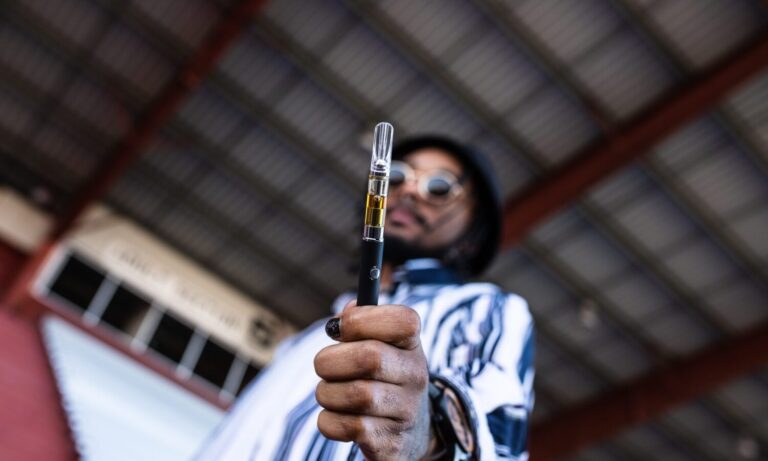
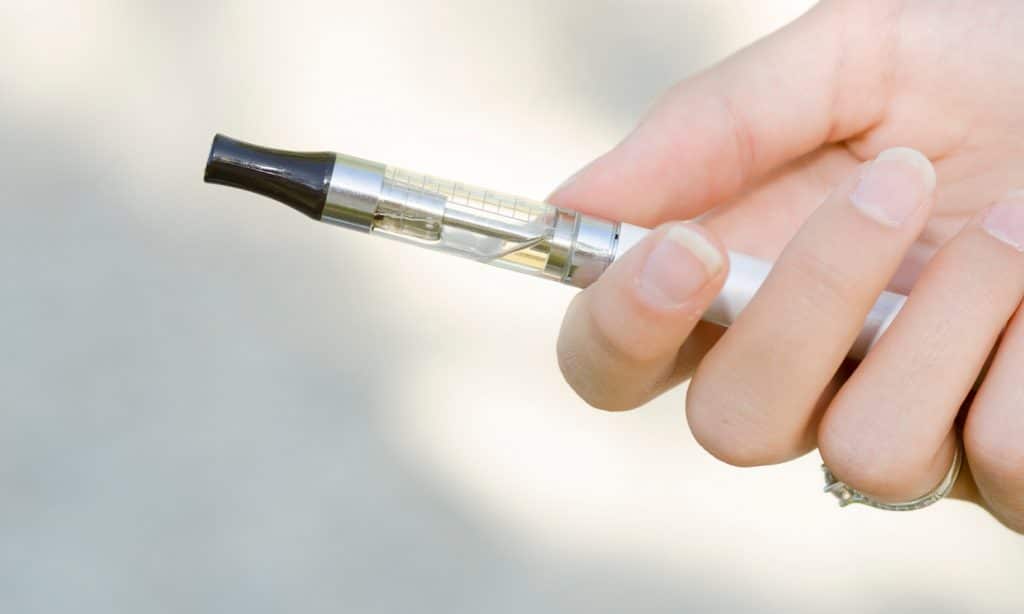
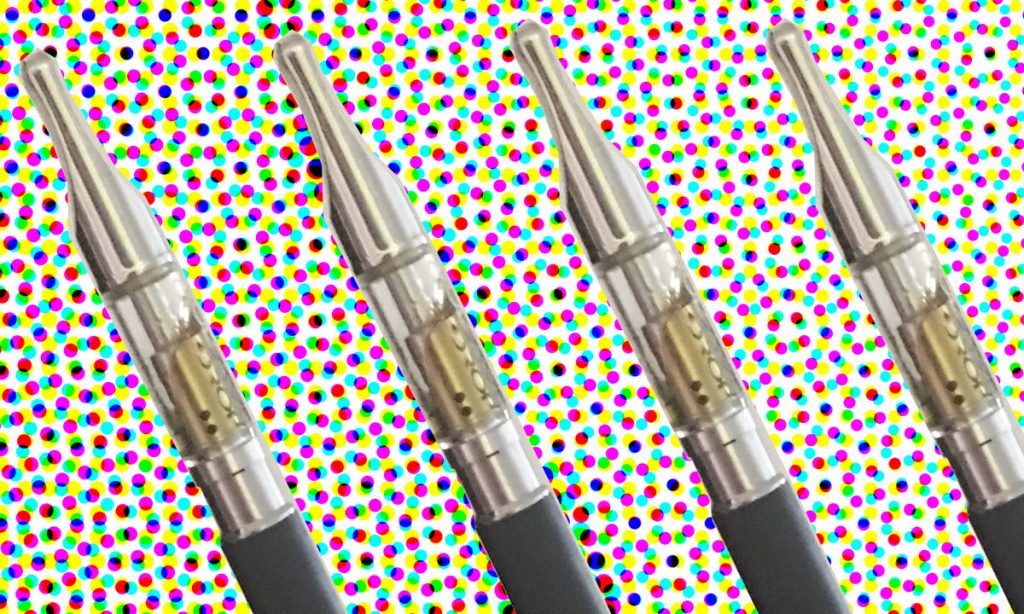
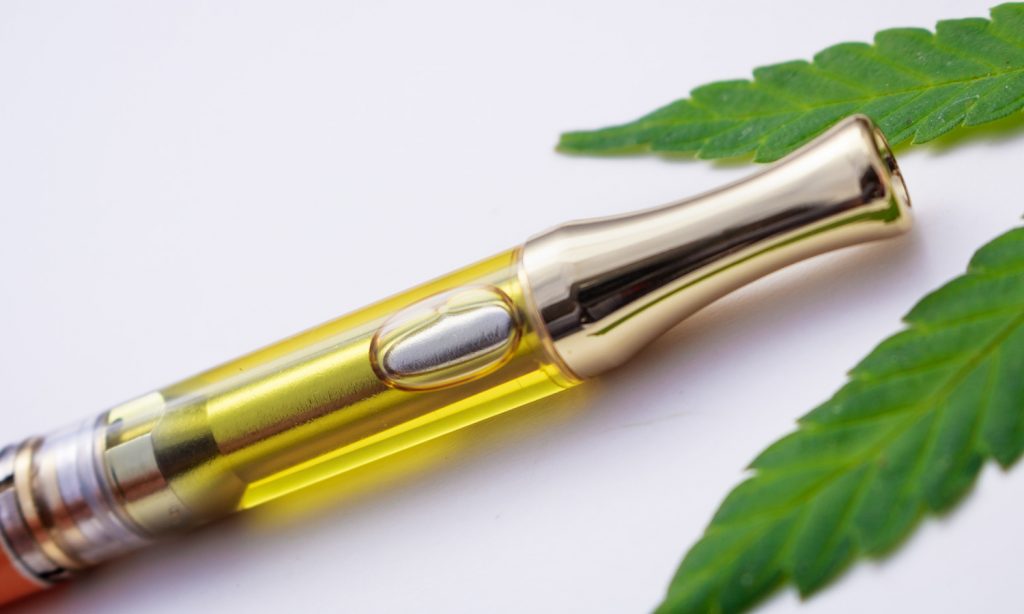
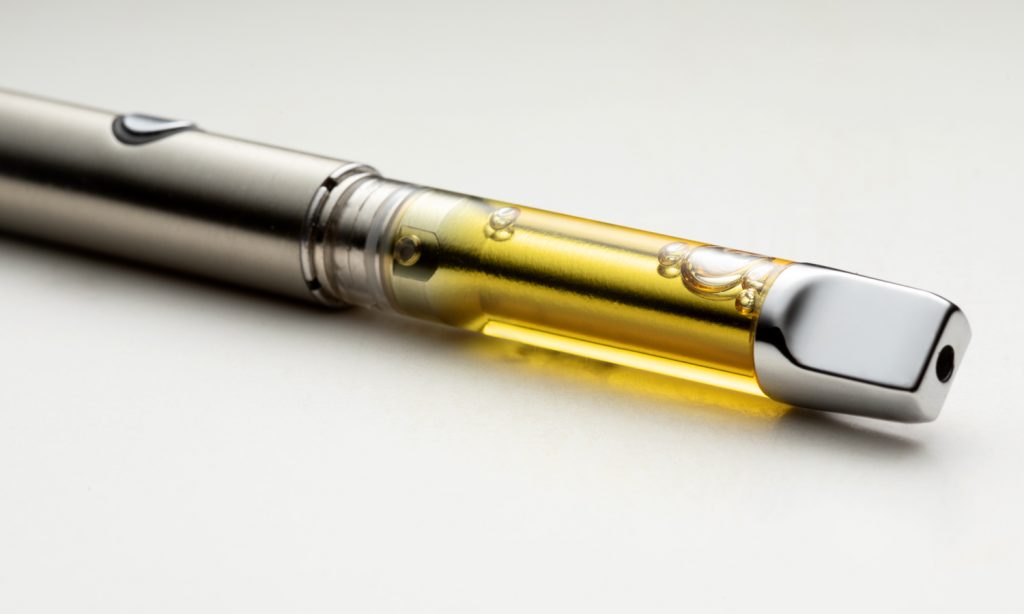
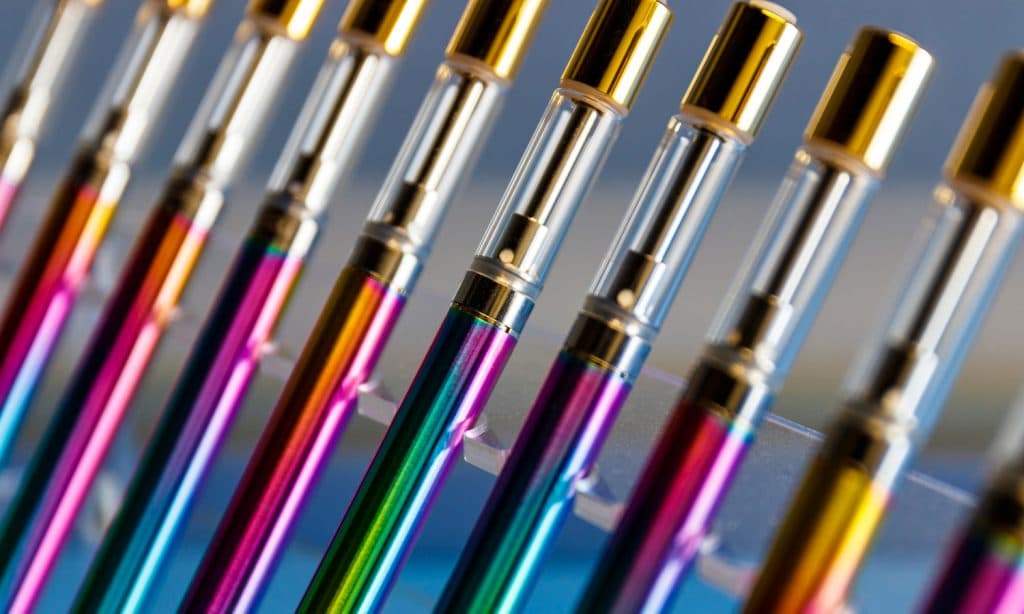
Vape pens are some of the most popular ways of consuming marijuana, but users should know the difference between consuming vaporized cannabis vs flower.
There are many ways to consume marijuana but none of them are as easy and convenient as a vape pen. These devices can be purchased in dispensaries and come in different models, with some being disposable and others just requiring the switch of a cartridge and a quick charge. They have understandably become some of the most popular items in the cannabis industry, with a 50% increase in sales between 2017 and 2018.
While vape pens are not the most extreme form of consuming cannabis, they’re a bit of a departure if you’re used to smoking flower. Here are some of the most noticeable pros and cons of these devices.
Vape pens are some of the most portable and discreet ways of consuming cannabis. Once you have one you won’t have to worry about where you store your pen or who’s looking at you while you vape. These devices generally release a much more muted smell when compared to joints and pipes, and are also hard to distinguish from e-cigarettes.
Quick Consumption
Photo courtesy of Mary Schumacher; graphic by TFT
One of the reasons why vape pens are so convenient is because you don’t need anything else (aside from the cannabis extract) to get high. Your plans won’t be derailed by a missing lighter and you won’t have to waste minutes in rolling up a joint or grinding weed and then packing it into a bowl.
Another positive aspect about vape pens is the fact that they’re much easier to manage than bongs and dabs. While either of those methods might get you too high from a single hit, this only occurs with vape pens if you take several hits in one go. Unless you’re a beginner or have little experience with vaporized cannabis, one hit of a vape pen won’t lead to an overdose.
Flavors
Photo by Chimpinski/Getty Images
This might be a pro or a con depending on your perspective, but flavors are definitely one of the things that make vape pens more intriguing for a wide variety of users. Flavors make the smoke and the cannabis taste more palatable, especially if you’re someone who’s new to the drug and doesn’t enjoy the aromatic and weedy flavor and smell that occurs when consuming other forms of weed. Vape juices come in every flavor, whether that’s fruits, drinks, mint, and more.
Switching from smoking marijuana flower to vaping requires some adaptation since the latter tends to be a lot stronger. A 2018 study conducted by Johns Hopkins Medicine researchers analyzed two groups of subjects: one of them smoked concentrate and the other smoked flower. Both groups consumed the same dosage. The study found that subjects who smoked concentrate experienced more short term anxiety, paranoia, memory loss and distraction.
Need Charging
Photo by Flickr user Ecig Click
Unlike flower, bongs and dabs, vape pens must be charged. This shouldn’t be much of a hassle if you regularly charge your devices but it could lead to some annoyance if you lose the charger or if you forget and had planned to smoke on the go.
Vape pens, depending on their price and level of complexity, demand some care. While disposable pens can be thrown away after they run out of juice, more expensive products demand regular cleanings, protection from extreme weather, a protective case and regular charge.
Feeling super high while surrounded by family is not a good time. Here’s how you can navigate this potentially awkward situation.
Thanksgiving can be an emotional time of year, filled with food, booze, and close friends and family. While you may have the world’s best relationship with your loved ones, once you’re past a certain age, finding yourself drunk and in a food coma while in your childhood bedroom doesn’t always equal fun.
Some weed might be just what you need in order to keep things under control. But if you’re smoking and hiding it from your relatives, getting too high might be a stressful and bad idea.
While every family is different, no one enjoys being super high while having relatives ask them about their job prospects or the people they’re dating. Here are some tips that can help you navigate this difficult moment.
It may seem basic, but water is very important when it comes to managing a really intense high, especially if you’re the kind of person who gets cottonmouth and might find themselves making weird sounds with their mouth in the middle of dinner. Drink something cold and preferably non-alcoholic to keep you from getting more intoxicated. And make sure to hold on to that drink. Take periodic sips and get refills, which will help you feel grounded and provide you with a sense of time. Snacking on something (not edibles!) might also help.
Don’t panic. It’s just a bad high and it’s amplified by your own head. Unless you reek of marijuana, people won’t likely notice. Go for a walk before dinner or hang out in your bathroom for a little bit to help you chill out. A walk is particularly effective since it provides you with a change of scenery and some fresh air.
Take a shower
Photo by 955169 via Pixabay
If you can make a quick escape and take a shower, do it. Showers can help you feel more relaxed and provide a safe space for introspection and some much-needed perspective. As you shower, remember to take a few deep breaths. Afterward, put on some fresh and comfy clothes. You might still be high, but you’ll give yourself some space to calm down.
You know that what you really want to be doing is eating, so go off. Eat to your heart’s content. Thanksgiving is a nice cover for your munchies. While eating is completely a weed activity, it’s Thanksgiving, the one day where people won’t question you if you get seconds or thirds. After every couple of bites, tune in to what people are saying and give out compliments to the chef. Just, space them out a little bit.
Most people won’t notice a thing if you’re careful, so try to keep your cool and remind yourself that no one knows the depths of your high except for yourself. If you think someone is looking at you weirdly or asking you too many questions, just chalk it up to marijuana-induced paranoia. The best thing you can do at the moment is to stay calm and to remind yourself that this is momentary. Also, to enjoy the food.
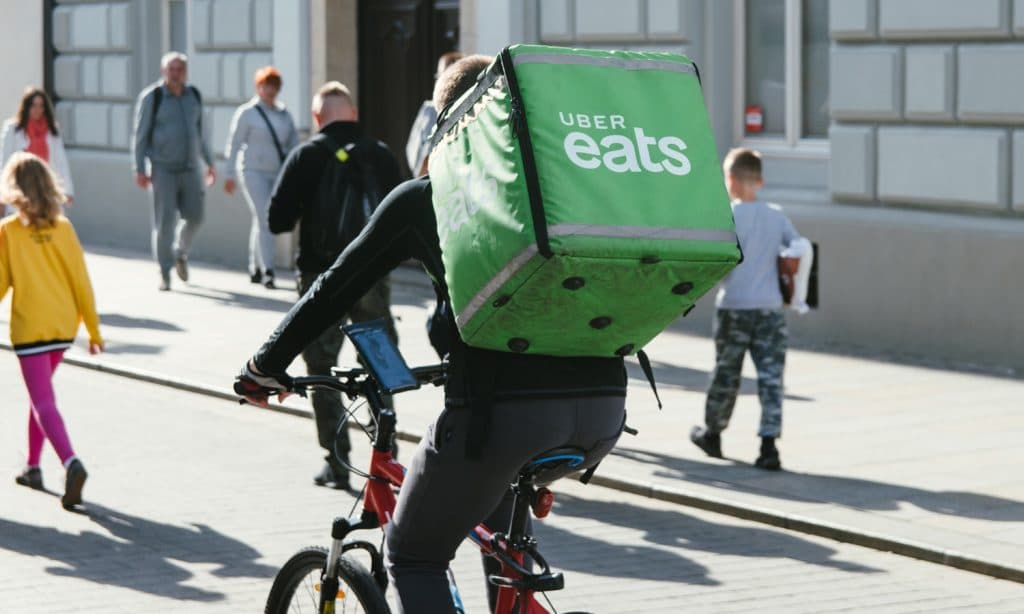
Uber has said its new cannabis delivery service will attract more Canadian adults to turn to safe, legal weed, which will ultimately help the country wrest sales away from the illicit market.
Uber is getting into the cannabis industry in Canada!
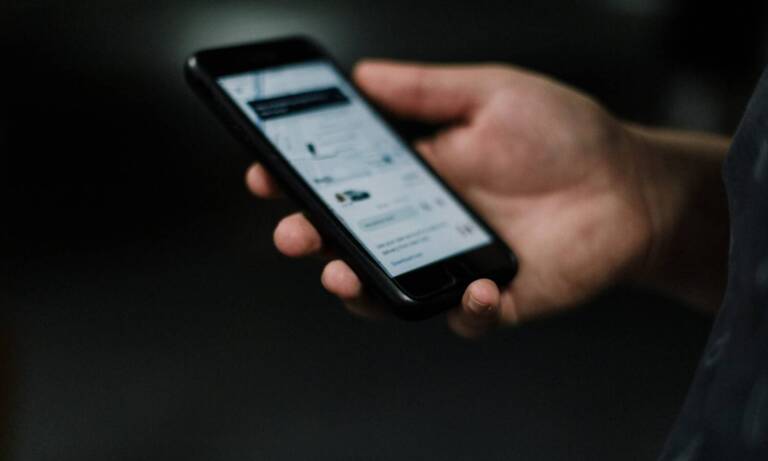
The delivery and takeout division of Uber has teamed up with the cannabis retailer Tokyo Smoke to deliver weed products orders via Uber Eats in Ontario, Canada, a company spokesperson confirmed to Reuters.
Photo by Kai Pilger via Unsplash
Under the new arrangement, adult consumers can order cannabis via the Uber Eats’ app and then pick it up at their closest Tokyo Smoke shop, starting today (Monday) at 9 a.m. ET.
The rideshare company that already delivers alcohol via its Uber Eats division has been contemplating joining the booming marijuana space for a while. In April, the company’s CEO Dara Khosrowshahi revealed that Uber is open to including cannabis deliveries in the U.S. once the plant is legal on the federal level.
“When the road is clear for cannabis, when federal laws come into play, we’re absolutely going to take a look at it,” Khosrowshahi said at the time.
It’s been over three years since Canada legally embraced adult-use cannabis sales in an effort to deal with the illicit and unsafe marijuana market. Nevertheless, the country is still having trouble with illegal producers that are somehow still managing to snag a significant share of total annual sales.
Uber has said its new cannabis delivery service with Tokyo Smoke will attract more Canadian adults to turn to safe, legal weed, which will ultimately help the country wrest sales away from the illicit market that now accounts for more than 40% of all non-medical marijuana sales across Canada, reported Reuters.
What’s Next?
Will Uber reach other provinces with this new cannabis delivery service? So far, there is no clear confirmation from the company.
“We will continue to watch regulations and opportunities closely market by market. And as local and federal laws evolve, we will explore opportunities with merchants who operate in other regions,” the Uber spokesperson told Reuters.
Uber Expressed Interest In The Cannabis Space Last Year
This is not the first time Uber has explored the advantages and opportunities in the cannabis space. Last year, Uber hired cannabis advertiser Fyllo to help it target cannabis consumers when marketing its food delivery services, Bloomberg reported.
“A cannabis consumer is younger than the normal consumer, has more disposable income; they are busier than most, they are working all the time, exercising all the time, going on adventures all the time,” Travis Freeman, Uber’s global head of media, told the outlet at the time.
Reportedly, Uber revealed that cannabis consumers are more prone to finish watching video ads than average consumers.
With much to be thankful for, industry experts appeared optimistic about continued progress through 2021 and into the new year.
Cannabis operators tell Benzinga that there is much to be thankful for as the United States heads into Thanksgiving this year.
Dozens of sources cited a range of subjects they’re thankful for, including the eroding stigma against the plant, growing sectors and state marketplaces and improving tech. Some brought up subjects that included the industry’s growth, advancing legislation and their community.
Photo by colnihko/Getty Images
Thankful For Industry Growth, Shrinking Stigmas
Matt Hawkins, managing partner of Entourage Effect Capital and Interim CEO of Harborside Inc., said he is thankful to see the industry grow into a sophisticated, professional space that he’s happy to help scale.
U.S. sales are slated to reach $26 billion in 2021, according to Marijuana Business Daily.
“This is a consequential period of growth, especially considering how private investment firms like Entourage can access attractive deals before institutional investors -which is virtually unheard of in mainstream sectors,” said Hawkins.
With the COVID-19 pandemic ongoing, several noted that legislative and consumer growth is that much more impressive. They credit the public’s increased cannabis use as a critical component.
“As COVID continues to be a challenge, more and more people are finding cannabis to be a safe and effective option to treat all the anxiety and depression that has come with battling a pandemic,” said Green Chip Stocks founder Jeff Siegel.
Joe Caltabiano, CEO of Choice Consolidation Corp., is also thankful to see the stigma erode as plant access increases.
“Perhaps even better, we are seeing fewer people prosecuted for the use of cannabis, and we are making real progress toward setting right some of the many wrongs that occurred during the War on Drugs,” added Caltabiano.
Thankful For Making An Impact Across Communities
Various educators and operators noted their thanks for being part of community outreach and educational endeavors.
Nick Kovacevich, CEO of Greenlane Holdings Inc., said, “I am thankful to be working in an industry that is doing good for society.” He noted a range of issues, including job creation, tax generation, patient access, crime reduction and addressing some wrongs stemming from the war on drugs.
A web page for KushCo, a Greenlane company Kovacevich founded, notes that it participates in efforts geared towards criminal justice reform, the pandemic, paid day off for Election Day and two additional employee days off to take on philanthropic endeavors.
Photo by SEASTOCK/Getty Images
Dr. Alicia Reid, faculty lead and chair of the chemistry and environmental sciences department at Medgar Evers College in New York City, is proud to see her school offer its first introductory cannabis class this past August.
Reid said that the cannabis education initiative at Medgar Evers, a predominantly Black student population, is “grateful for the opportunity to educate and intercede on behalf of a population that has been largely sidelined from meaningful participation in this emerging industry.”
The class aims to be the first of several courses the college introduces over time.
Thankful For Legislative Progress
Numerous cannabis operators cited legislative movements on the state level and potential activity on the federal level as reasons why they’re thankful this year.
Cannabis legislation was introduced in 34 states in 2021, passing in 15 as of November 19.
Kameron Norwood, co-founder of Half Day CBD, is thankful for the SAFE Banking Act passing the House in September 2021.
“This is a huge step forward in removing barriers to bringing the cannabis industry out of the shadows, protecting business owners and consumers and generally legitimizing the industry,” said Norwood, adding he hopes to see the momentum continue for legislation and stigma erosion.
Photo by MasterKeySystem/Getty Images
Morgan Paxhia, managing director for Poseidon Investment Management, said she is thankful for the people leading the legislative charge.
“We are thankful for those teams that have their eyes on the horizon and are building towards a much bigger outcome,” she said.
Thankful For Their Community
Numerous sources thanked those around them.
David Farris, VP of sales and marketing for Planet 13 Holdings Inc., thanked the Las Vegas community.
“Every year, we are moved by the generosity of our customers, sponsored vendors, and staff,” he said, adding that Planet 13 works with local nonprofits to donate food and toys to the community during the season.
Operators thanked employees that worked through the pandemic.
Todd Green, director of investor relations at Jushi Holdings Inc., said staff kept Jushi-owned Beyond and Hello locations functional and safe during the pandemic.
“They rose to the occasion time and time again, ensuring the safety and wellness of our patients and customers, fostering a supportive and positive environment, and going beyond to properly educate people on the best products that suit their needs,” Green said.
Meanwhile, Jim Higdon, co-founder of Cornbread Hemp in Kentucky, thanked the state’s organic hemp cultivators despite being one of 14 states without a legal medical cannabis market.
“Thankfully, the Kentucky agricultural climate is so favorable for growing cannabis that our farmers have been able to overcome the challenges of growing exceptional hemp flower in a state without legal marijuana,” Hidgon said.
With much to be thankful for, sources appeared optimistic about continued progress through 2021 and into the new year.
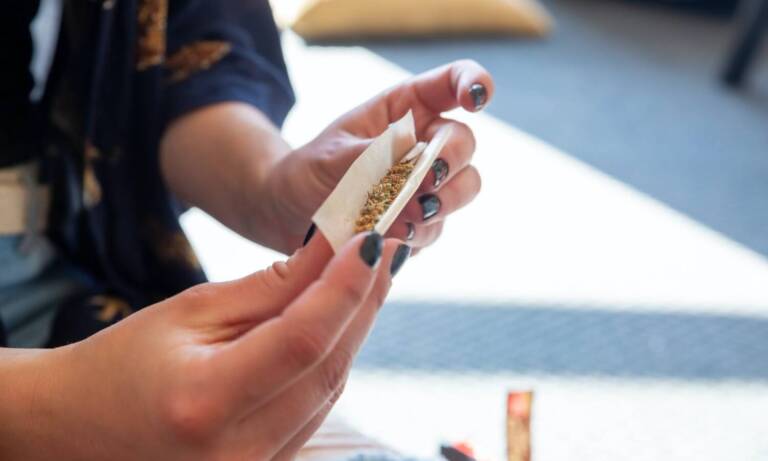
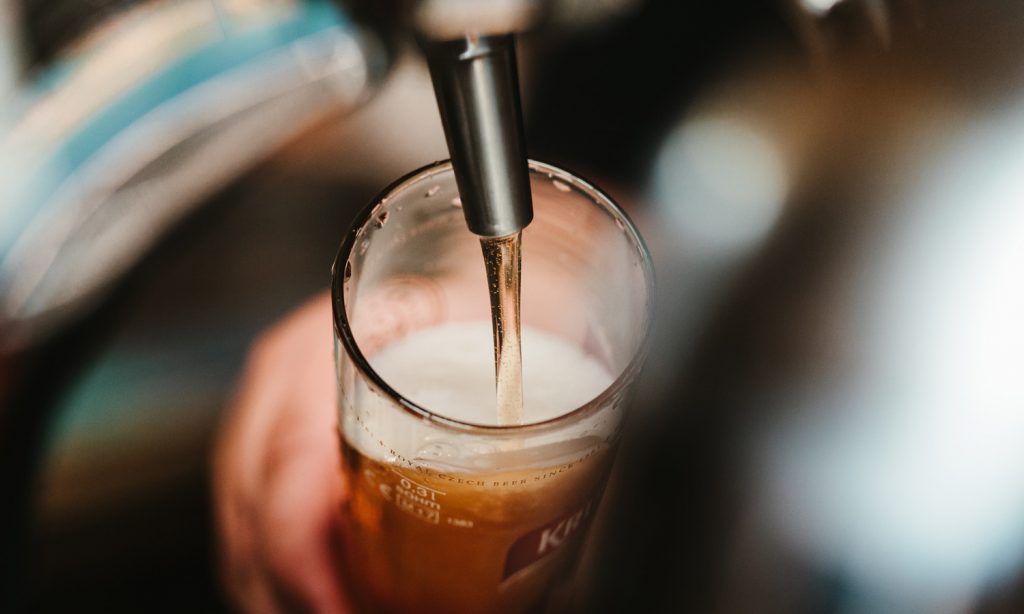
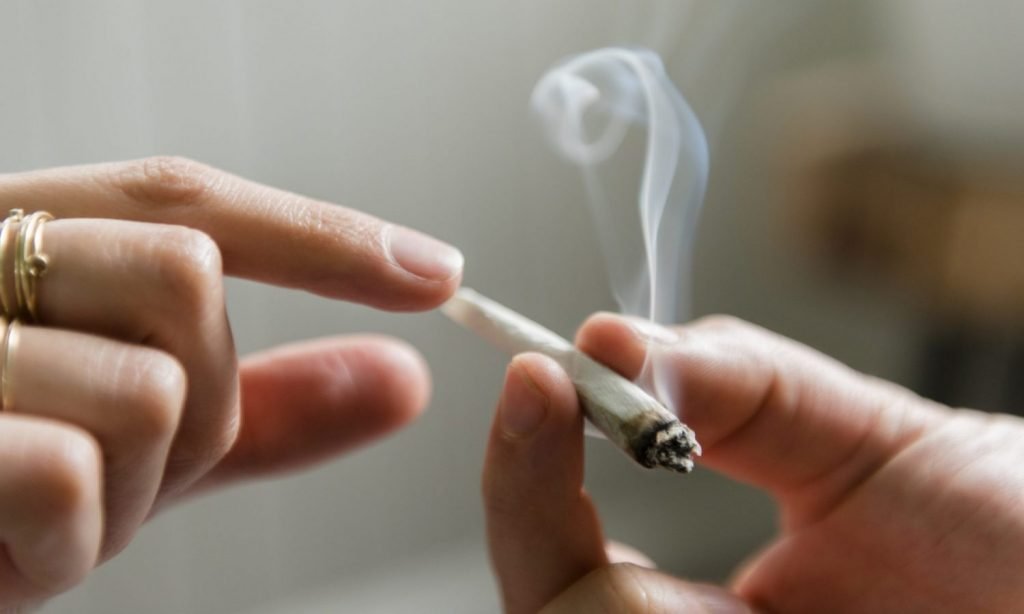
The idea that people are seeking alternatives to alcohol is demonstrated by the fact that only 60% of American adults reported drinking alcoholic beverages this year.
Ever since Colorado legalized marijuana for recreational use back in 2012, it’s been no secret that it would create a financial windfall for both cannabis businesses, along with the State itself. A decade later, multiple other states have followed in the footsteps of the Centennial State in allowing their citizens to purchase cannabis in a manner similar to alcohol or liquor.
Although the assumption was that recreational marijuana sales would start off strong, experts couldn’t have predicted demand for it would be as high as it has been. Here are a few key indicators that reveal that alcohol is no longer ruler of the vice kingdom.
Photo by BENCE BOROS via Unsplash
People Are Seeking New Alternatives to Alcohol
No one has been caught more off guard by the high demand for cannabis products than beer, wine and liquor companies. Sales tax revenue for alcohol has been surpassed by those of recreational marijuana. According to David Feldman, CEO of Skip Intro Advisors, a strategic consulting firm for up-and-coming cannabis brands, there are numerous reasons why tax revenue for cannabis has surpassed alcohol.
“Some states tax rates on marijuana sales are higher than that of alcohol, so this differential may partially reflect that,” he explained. “That said, it is an important milestone to see cannabis tax revenue exceed that of alcohol, as it appears more people are turning to cannabis as an alternative to more addictive products like alcohol and pain products.”
Numbers Don’t Lie
The idea that people are seeking alternatives to alcohol is demonstrated by the fact that only 60% of American adults reported drinking alcoholic beverages this year, which is down nearly 10% from a decade ago when that number was as high as 67%. Over the course of the past decade, the public perception of adult recreational cannabis use has shifted dramatically. That’s led to cannabis usage heading in the complete opposite direction of alcohol use, which is one of the main reasons it has surpassed alcohol in sales tax revenue. Research shows that roughly 22 million Americans use cannabis each month.
Further demonstrating America’s continued gravitation towards cannabis as an alternative to alcohol is that more studies predict that the rate of Americans who’ve at least tried marijuana will surpass 50% soon. Both Washington state and California are current examples of how nationwide legalization of cannabis could lead to alcohol playing second fiddle for good. California, for example, collected $369,028,000 in revenue from alcohol sales, compared to more than $1 billion in tax revenue from cannabis sales. The state of Washington happened to collectmore than $229.4 million in sales tax revenue for cannabis products than for alcoholic products during the fiscal year of 2020. That trend shows no signs of slowing down.
According to data received from the Washington State Liquor and Cannabis Bureau, sales tax revenue from cannabis products nearly tripled those of alcoholic products. While total sales tax revenue from alcohol was around $18,500,00, sales tax revenue for cannabis products totaled more than $46,503,315. The question is whether or not these sales tax figures will remain the same after the market for recreational cannabis starts to mature.
Photo by Jamie Grill/Getty Images
Will Cannabis’s Reign as King Last as Long as Alcohol?
After prohibition ended, alcohol was the substance of choice for several decades. The peak of America’s alcohol consumption occurred during the mid-to-late 1970s when more than 70% of Americans reported being drinkers. In the near century after the end of alcohol prohibition, Americans were likely overdue for a new vice to catch their attention and subsequently their wallets.
As marijuana prohibition is now in its final phases, a question that’ll boggle the minds of cannabis users for years to come is what will be the substance of choice that threatens the crown that marijuana took from alcohol.