The midday slump is a common affliction. Here’s what you can do to curb and manage it.
After a very productive morning comes the common afternoon experience of wanting to take a deep nap. This situation is so common that the majority of people prioritize their important tasks for the morning, that way, once the midday slump appears, they can hobble along and make it home just in time to have dinner and crash.
This isn’t a coincidence. According to the Sleep Foundation, our bodies and circadian rhythms fluctuate throughout the day, with the majority of people feeling their most tired post-lunch. Luckily, there’s a variety of activities you can do that will help you stay alert and ready for the remainder of the day.
Caffeine
Photo by Priscilla Du Preez via Unsplash
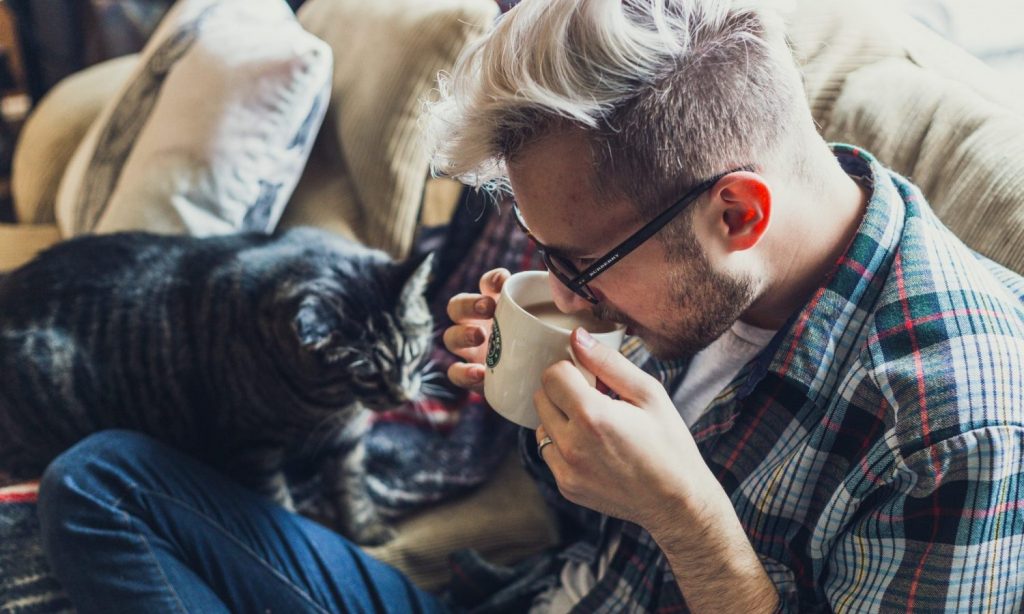
Caffeine is a pretty straightforward answer to solving your midday slump problems. While providing a solution it’s a bandaid fix, one that won’t solve the problem in the long term. If your tiredness persists, it might be best to find a different solution, one that involves more effort.
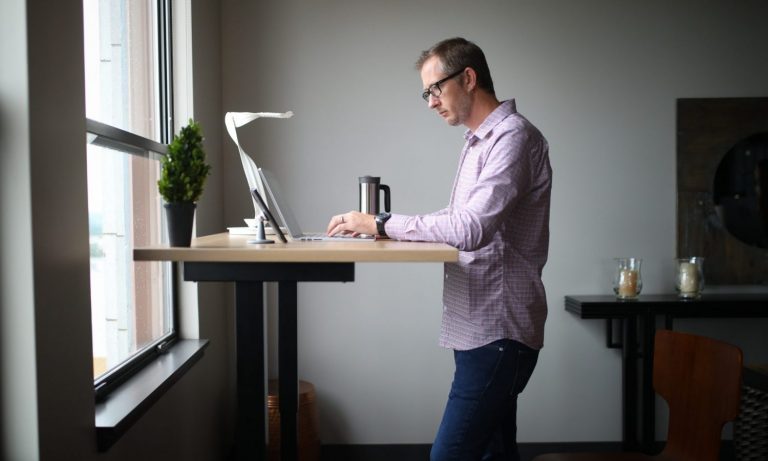
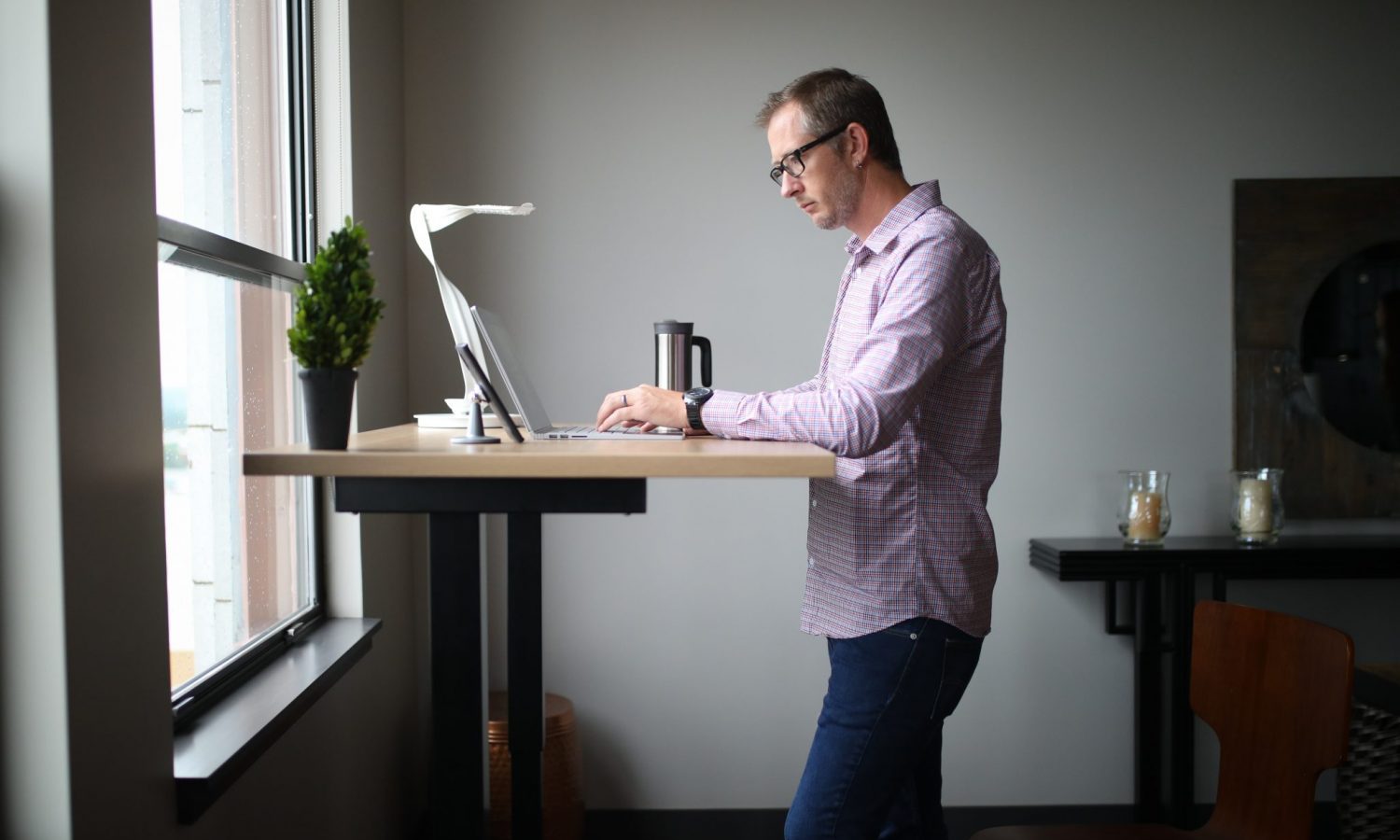
Studies conducted on standing desks have demonstrated that they make people more productive and focused, perhaps because they’re not very comfortable and thus want to get their work done as soon as possible. It makes sense then that the use of a standing desk will solve the midday slump problem, providing you with the necessary focus to complete your assignment, no matter how tough it is. If you don’t have a standing desk, you can use a counter, a bookshelf, a dresser, anything that allows you to stand and to work. Just be mindful of your posture.
A helpful trick to generate afternoon energy is to move for at least 15 minutes. This will provide a more natural and effective burst of energy than a cup of coffee. Fifteen minutes of activity is also relatively easy to get done, whether by walking your dog, going for a midday walk around the block, going up and down the stairs, and more.
Stay hydrated
Photo by yunjeong via Pixabay
This deceptively simple solution will not only help you stay energized, but it will also make you feel better, healthier and will help your body with a variety of functions, like completing complex tasks, preventing muscle fatigue and helping your skin look good. Drinking water won’t suddenly make you feel energized, but it paired with other decisions will certainly help you manage that feeling of tiredness that so often creeps in in the middle of your day.
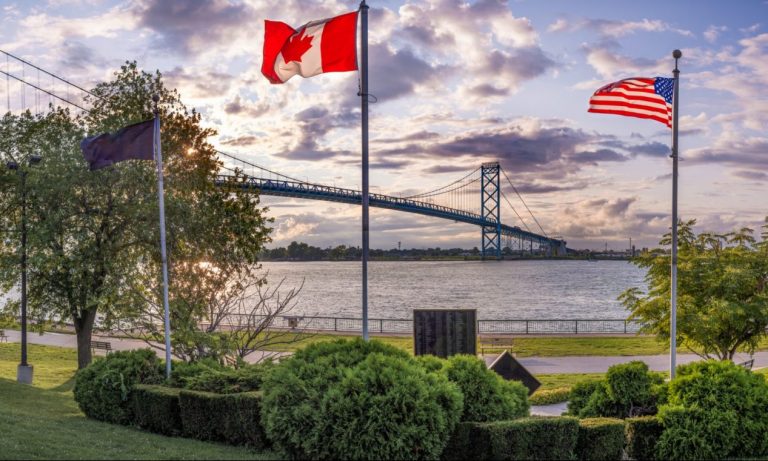
Canadian smugglers are using sophisticated techniques such as small submarines to get marijuana into the U.S., where a patchwork of laws ranging from full legalization to total prohibition creates economic opportunities, reported MLive.com.
“It’s about profit,” said Matthew Stentz, Detroit-based Homeland Security Investigations special agent. “Especially with the high-grade, potent stuff that’s being grown within the greenhouses. That is still very desirable in states where it’s not necessarily legal.”
Photo by Mark Spowart/Getty Images
Supply and Demand
Customs and Border Protection officials this year alone have seized nearly 15,000 pounds of marijuana at the Michigan border, predominantly in Detroit. That’s seven times as much as the 2,189 pounds seized in 2018.
Meanwhile in Buffalo, 1,071 pounds were seized in 2016, versus 41,000 in the fiscal year 2021.
Most of the Canadian-smuggled weed intercepted in Detroit It’s usually headed for states where demand -and prices- are higher (…) in states where marijuana is illegal, (…) Tennessee, the Carolinas, and Georgia,” Stentz said.
Earlier this year, Buffalo News reported that Customs and Border Protection officers based in Buffalo keep finding unprecedented amounts of marijuana.
The agency seized more than 40,000 pounds of marijuana in the fiscal year that ended Sept. 30, nearly 10 times more than was seized during the previous fiscal year.
Canadian cannabis can sell for $3,000 to $5,000 a pound on the illicit market in the U.S. “Clearly, the demand in the U.S. is great,” said Kevin Kelly, special agent in charge of the Homeland Security Investigations office in Buffalo.
“The plants grown inside greenhouses can produce flowers over four growing cycles a year. Then there’s the fact that the flower is a perishable product. You can’t store it so they just shotgun it through the border,” Kelly added.
These changes will give New Yorkers access to whole flower that has undergone standardized procedures and testing protocols, ensuring quality and safety.
New York’s Cannabis Control Board is moving quickly to make up for the lost time under the previous administration. In the group’s first meeting since incoming Gov. Kathy Hochul stepped in and nominated people for the board, they approved raw cannabis flower as a medical product effective immediately.
Boris Jordan, the founder and chairman of Curaleaf (OTC: CURLF) said on Twitter:
Thank you, NY Gov. Hochul & the Office of Cannabis Management for allowing the sale of whole flower. This decision impacts 151k+ medical patients in NY who will now have access to quality & safe whole flower. Action (not talk) from our new Gov! $CURA$CURLF
In addition to approving flower, the Board also loosened other restrictions.
Doctors can approve medical patients
30 day supply increases to 60 day supply
$50 registration fee for patients is waived
Streamlining dispensation
Photo by Photo by Elsa Olofsson via Unsplash
Currently, New York cannabis law states that adults 21 and older can possess up to three ounces of cannabis or 24 grams of concentrates in New York. The irony is that regular citizens could legally smoke cannabis flower in public, while medical patients weren’t allowed such a form factor.
The meeting was a quick one and lasted roughly 30 minutes. The board members are Tremaine Wright (Cannabis Control Board Chair) , Jessica Garcia, Rueben McDaniel III, Jen Metzger, Adam Perry and Chris Alexander (Executive Director). The meeting also named Jason Starr as the Chief Equity Officer. He served as assistant counsel to former New York Gov. Andrew Cuomo (D) and also worked at the New York Civil Liberties Union.
Patrik Jonsson, Regional President of the Northeast at Curaleaf said, “The expansion of New York’s medical program allowing the sale of whole flower is a very big deal for the thousands of patients affected who now have access to the most cost effective and natural form of the plant. On behalf of Curaleaf and our patient community, I want to thank legislators and the Office of Cannabis Management for their leadership on this issue.
This continued evolution of the medical program, which includes expanded qualifying conditions and the removal of application fees, will empower more patients to make choices that work best for their needs. These changes will give New Yorkers access to whole flower that has undergone standardized procedures and testing protocols, ensuring quality and safety. Curaleaf looks forward to expanding our product offerings to best serve our valued patients.” Curaleaf said it could have products on the shelf within a week.
Stocks See Lift
Several of the cannabis companies with large exposure to New York saw stock prices immediately jump on the news. Curaleaf Stock rose as did Green Thumb Industries (GTBIF).
The reality is that with sites like Patreon, Fansly and JustForFans, there are multiple avenues available to people willing to earn a living by showing off to strangers.
The labor crunch has been problematic for industries across the board recently. The struggle to find good employees has been so tough that even recreational cannabis dispensaries are having a challenging time finding employees. And who wouldn’t enjoy legally selling weed for a living!?
While working in the cannabis industry comes with its own culture that’s hard to find in a conventional career path, it’s always hard to beat working for yourself.
Nowadays, the path to entrepreneurship has never been more accessible for people who prioritize the freedom of controlling their own time and labor, over the structure a traditional 9-to-5 job can provide. Influencers, and content creators of all types have all played a role in redefining what constitutes a worthwhile career in the year 2021. What that means for industries that rely on a traditional workforce remains to be seen. Even though the recreational cannabis industry is still in its infancy, it’s already suffering from a labor crisis that appears to have no end in sight.
Photo by DESIGNECOLOGIST via Unsplash
Although the labor crisis doesn’t appear to be showing signs of slowing down, one Washington state cannabis retailer, who wishes to rename anonymous, recently told us that it would, and for good reason, too. He shared that among his staff, 10-20% of his workers had pages on the popular subscription-based site OnlyFans. Although OnlyFans considers itself a platform for creators of all types, the site has developed a reputation for its high-concentration of adult-content creators. The popularity of the site was only fueled by the pandemic, helping it amass over 130 million users and 2 million creators.
In August, the site made the decision to ban adult content in hopes of improving scalability. This decision led the cannabis retailer to believe that the decision might entice some of his workers who left the business in exchange for OnlyFans subscribers to return to work. And he is far from the only business owner suffering from a tight labor market. A recent report revealed that as of August, there are more than 10 million open jobs nationwide, which is the most ever. Additionally, there’s over a million more vacant jobs than there are unemployed individuals.
Those labor numbers lead to business owners like our cannabis friend searching for months on end to fill open positions. The cost of hiring workers has increased for 40% of business owners, too. Considering those factors, it’s easy to assume that the retailer was more than relieved when he caught wind of the OnlyFans decision to move away from explicit content since he’s in real need of good employees.
For certain employees, the prospect of being able to make enough income to support an easy-going lifestyle complete with all the perks — like vacations, outdoor adventure and nights out on the town they can handle in exchange for some naughty pics and vids — is too good to pass up. That’s why when the cannabis retailer found out about the decision OnlyFans made to walk back their plans to ban adult-content, he knew he had no chance of getting his old employees back.
Photo by Timothy Dykes via Unsplash
For example, we spoke to one OnlyFans creator who began making content for her subscribers roughly five to six months before the pandemic began. We’ll call her Sasha for privacy’s sake. She says she started creating content on OnlyFans because she wanted to live a little bit of a more luxurious lifestyle than she was used to living, and wasn’t being paid what she desired at her current job.
The fact that she’s able to sustain her lifestyle in one of the most prominent areas in Seattle — one of the most expensive metros in the country — leads us to believe she was able to secure the supplemental income she was after. Making matters even easier for her is the fact that she has the full support from her family.
“People in my life have come from the entertainment industry, and sex work themselves, so I don’t get questioned in a negative way,” she says. In fact, she told us that her mom bought her a ring light to help her start filming, which helped to bring her start-up costs down. Sasha says starting an OnlyFans account can be a timely, cost consuming venture.
“[OnlyFans creators] have to put in 10 to 20 hours of work. It’s a lot of talking to people,” she explained. Aside from a ring light, another part of her start-up costs were wardrobe updates to fulfill niche requests like “baking a cake in a cute little outfit” or posing in a WonderWoman outfit. As someone with experience working in male-dominated industries, she has no problem putting her foot down and making her boundaries clear with her subscribers.
“I don’t do anything with anyone else, mine is just me, mostly topless smoking in my bedroom,” she says. “I don’t offer any XXX and I’m comfortable telling people that.”
Photo by Oleg Elkov/Getty Images
One of the reasons she gets those requests and puts a fast halt on them, she believes, is due to the wide and increasingly growing availability of porn. Actually, that’s also part of the reason she says she’s “in the process” of pivoting away from OnlyFans.
“OnlyFans has become so overly saturated, so many people price their subscriptions for so low that people can buy what they want for a lot cheaper than I offer,” she says. Regardless of how oversaturated it is, she still manages to pull in $500-$800 a month fulfilling the niche content demands of her subscribers.
As far as the Onlyfans decision to ban adult content goes, she had one reaction: She saw it coming. “From a business standpoint it makes a lot of sense,” she says. “If they want to make money [by] having a platform grow, they need to eliminate explicit content if they want an app. Deferring to the web platform could be detracting from adding more users.”
Even though she clearly understood the business ramifications behind the decision to ban adult content, she says the decision still broke her heart as a sex-worker — as did the decision to take 20% of income from sex-workers who rely on those funds for survival.
The decision by OnlyFans to reverse the ban on adult content still won’t stop Sasha’s plans for what she describes as “a slow fizzle out” from the platform. Right now she says she only posts the link to her OnlyFans profile on social media platforms during “late nights” on her instagram story.
While she enjoys keeping her OnlyFans content restricted to a group of loyal subs who eagerly await seeing her take topless bong rips every month, she says she may consider joining another platform that’s a hit with adult content makers called Patreon.
The reality is that with sites like Patreon, Fansly and JustForFans, there are multiple avenues available to people willing to earn a living by showing off to strangers. With that in mind, it wouldn’t be surprising to see retailers like our friend in the cannabis industry continuing to struggle with staffing shortages for the foreseeable future. The question is, how many others will leave the traditional workforce and join them?
A myth revolves around the legal cannabis industry.
Forged out of the ashes of an illegal business, cannabis is often viewed as a space led by revolutionaries, ready to challenge the injustices set by the status quo. This notion has often perpetuated the idea that cannabis and social justice are inseparable, two sides of the same coin.
Photo by rez-art/Getty Images
However, according to a new report, the cannabis industry is not an exception to the general underrepresentation of women and minorities in the overall US economy.
“Racial and gender diversity in the marijuana industry is still lacking—especially in ownership and executive positions,” reads a new report done by the research team at MJBizDaily.
Report author Jenel Stelton–Holtmeier states that social equity initiatives are now an inseparable part of cannabis legalization, but the solution is still not a magical one.
Are Women Well-Represented In Cannabis? Not Really
According to MJBizDaily’s report, only 19% of cannabis businesses are owned by women across Colorado, Massachusetts, Nevada and Ohio. Due to a lack of reliable nationwide data available on this issue, the firm used these states as examples to provide a snapshot of the federal market.
“Lack of access to capital remains a key challenge for women looking to start a plant-touching business, regardless of the market,” wrote the report’s analysts.
The amount of capital needed to launch a plant-touching cannabis business can surpass six figures and the networks of investors that can provide that amount of money can be hard for women to tap into, noted the report.
In 2021, the number of women in executive positions fell below the national average for the larger U.S. business landscape. This is true across almost every sector of the industry.
This trend had seen an encouraging peak in 2019, reaching 38,6%. However, the number proceeded to drop down to 22.1%.
Photo by Anna Nekrashevich from Pexels
The subsector where this number is the most worrying is the investments side of the industry, where “less than 5% of executive positions at cannabis-focused investment firms are held by women,” possibly leading to the aforementioned difficulties in access to capital for female entrepreneurs.
In terms of regular employment including non-managerial positions, women account for 41.9% of the industry’s workers, somewhat below the national business average of 46.8%
Minorities Also Fall Far Below Average In Cannabis Ownership
The report looked at Nevada, Colorado and Michigan to showcase different stages of growth in the cannabis industry, from mature (Colorado) to nascent (Michigan).
In all three states, most businesses are not minority-owned, with whites or Caucasians representing ownership of 63% in Nevada, 79% in Michigan and 83% in Colorado.
“Colorado, with its leading position in launching legal cannabis markets, paid no attention to diversity when developing its programs.”
In New York, where adult-use cannabis was approved earlier this year, there appears to be an intention to tilt the balance, with a stated goal of issuing 50% of adult-use licenses to social and economic equity applicants and 40% of tax revenues to go into a community grants reinvestment fund.
On Monday, California announced a similar program. Marijuana Moment reported the Golden State is making $100 million available for grants programs to support marijuana social equity initiatives.
In 2021, minority executives were also very low in the charts, representing only 13.1% of the overall managerial positions, in line with the average across all U.S. businesses.
Only as a source of employment for minorities, the cannabis industry surpasses the national average, with 32% of employees coming from a minority, versus just 22% in the entire national economy.
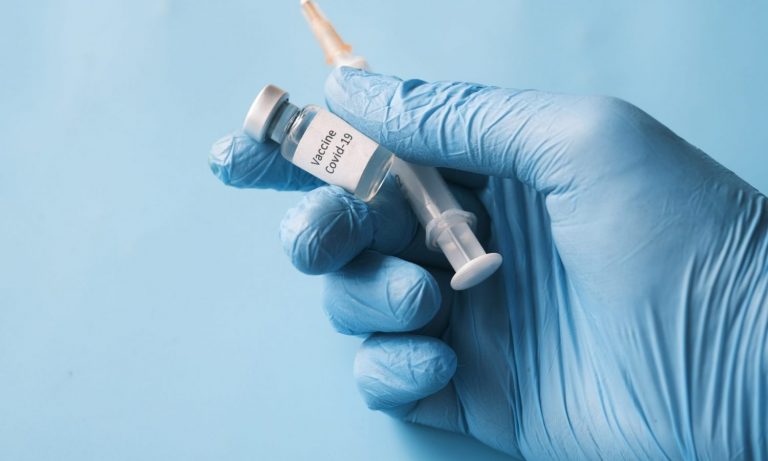
A new study shows that skipping out on this important step might lower your immunity to the virus.
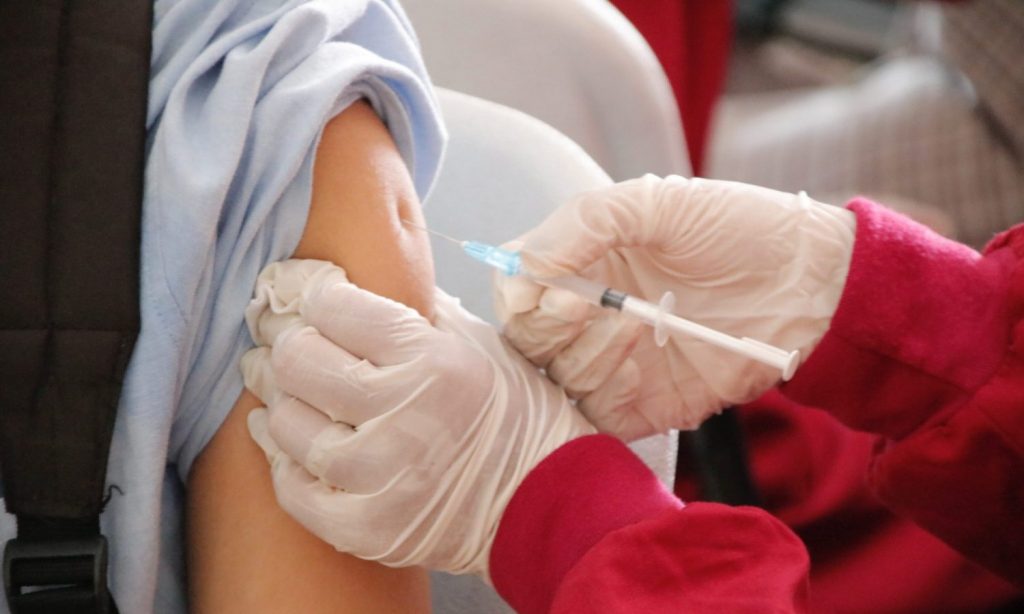
A recent study has shown that the combination of a COVID-19 infection and the COVID-19 vaccine results in the most powerful form of protection against the virus. But another study indicates that this isn’t always the case, especially if you contracted COVID-19 after your first vaccine dosage.
Published in the journal Epidemiology & Infection, this recent study suggests people should get both rounds of shots no matter their situation, including if they contracted COVID-19 after their first shot or months before their inoculation.
The study tracked a small amount of participants’ antibody levels in Israel and showed that those who got a COVID-19 infection after their first shot and never got their second shot had similar antibody levels than people who’d only gotten their first shot and had never contracted the disease. While the study’s sample was small, the results should encourage people to complete their full immunization.
While there’s a belief that one shot is better than no shot, it’s still very important for people to get both rounds of shots. A study published in October showed that immunization from a single shot is relatively short, lasting for about three months. After that period of time has lapsed, reinfection is possible, opening yourself and others to risk.
The CDC has been adamant about vaccinations, claiming that everyone that’s eligible — basically everyone over the age of 12 — should get their shots. If someone contracted COVID-19 after their first shot, their second shot should be delayed until full recovery, primarily in order to prevent putting others at risk of contracting the disease. Once the person is tested and the COVID-19 test returns negative, they should get their second shot, completing their immunization.
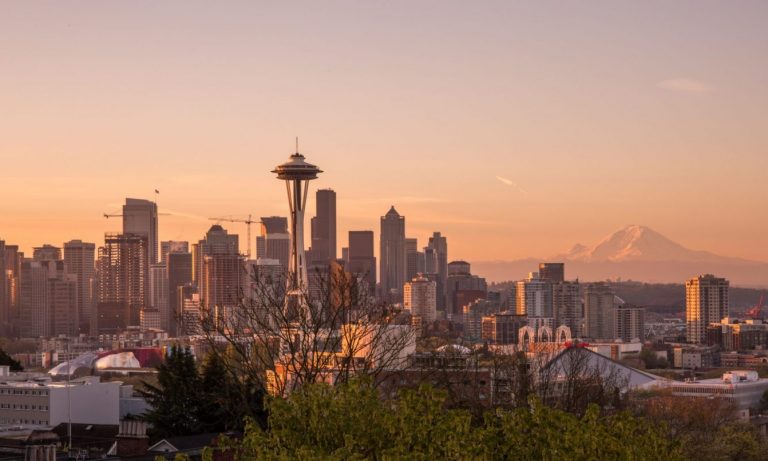
This new ordinance means that the Seattle Police Department will formally codify its current “non-enforcement” practice, including actually formalizing protections from arrest, prosecution, etc. for those possessing psychedelics.
In a continuing trend across the country whereby cities are taking steps to decriminalize the possession of certain amounts of all kinds of psychedelics, Seattle joined the herd this week by voting to formalize the non-prosecution of the possession of certain entheogens, commonly known as psychedelics. We were especially gratified to see the results of the vote, as John Rapp and Mason Marks from our office have been working hard on this behind the scenes.
Resolution 32021 passed on Monday (see the actual ordinance here), and it basically renders as one of the lowest “law enforcement priorities” the “investigation, arrest, and prosecution of anyone engaging in entheogen-related activities.” More specifically, the ordinance states that:
“. . . the investigation, arrest, and prosecution of anyone engaging in entheogen-related activities, including but not limited to the cultivation of entheogens for use in religious, spiritual, healing, or personal growth practices and the sharing of entheogens with co-practitioners without financial or other consideration, should be among the City of Seattle’s lowest enforcement priorities.”
Almost more importantly, the Council openly indicates in the ordinance its full support behind decriminalization of the foregoing activities and directs the Office of Intergovernmental Relations to add to its 2022 agenda full decriminalization of psychedelics under state law.
Photo by eskymaks/Getty Images
Right now in Seattle, the Seattle Police Department (SPD)’s current enforcement practice with respect to entheogens is “. . . neither to detain nor arrest individuals, nor to confiscate these substances from individuals, solely for suspected violations or violations of [Washington’s Controlled Substances Act].” Nonetheless, this ordinance means that SPD will formally codify this “non-enforcement” practice, including actually formalizing protections from arrest, prosecution, etc. for those individuals who “. . . cultivate entheogens for use in religious, spiritual, healing, or personal growth practices and those who share entheogens with others, without financial or other consideration”. The Council expects SPD to fully commit to non-enforcement by reporting back to it on the status of non-enforcement efforts, including producing a timeline for completion of the institutionalization of those efforts.
Just like all of the other cities that are embracing decriminalization, it’s important to note that any commercial activity around psychedelics in Seattle is expressly prohibited. As we previously wrote regarding other similar decrim measures on the local level:
“[e]ach of these decriminalization measures is different, but fundamentally they are the same in that they do not actually make psychedelics legal. All they really do is direct law enforcement in those cities to make enforcement of existing criminal laws a low priority, and only then for non-commercial possession and use. Decriminalization measures don’t change state or federal law, and even don’t really change local law.”
Ordinance 32021 is not that different from these other local level “decrim lite” ordinances that we’ve seen come out of other cities. It’s a bit better in that, because Seattle is so very influential in what happens in the state’s capitol (Olympia), there’s a solid chance that the state will engage in full-scale decriminalization in the near future. To boot, as first reported in late 2020, Washington is also flirting with the legalization of psilocybin through the people’s ballot initiative process for 2022 (similar to what Oregon did in 2020). Washington is obviously no stranger to being a first mover in emerging industries– after all, it legalized cannabis back in 2021 along with Colorado, which was huge at the time.
In the end, Seattle’s current entheogen ordinance is a major path forward to getting bigger change on the state level towards legalization and commercialization. So, stay tuned!
There are several ways in which you can get high, with some more fast-acting than others. Here are some ideas to consider.
There are a variety of methods in which you can get high, all with their pros and cons. Among these is the time in which marijuana hits you. For instance, inhaled cannabis is absorbed through the bloodstream, producing a quicker high than edibles, which are absorbed through the stomach lining.
Still, while weed absorbed through the bloodstream is faster than most other options, there are small differences between each method, from joints and dabs, to cartridges. Here are some of the fastest ways to get high:
Dabs are quick and powerful, which is why they’re usually recommended for people who have experience with cannabis and have developed a certain tolerance to it. Dabs are very strong because they’re concentrates, containing mostly THC and terpenes, that are vaporized once you apply heat to them. With a dab, you’ll likely wait a couple of minutes before feeling high.
Vape pens
Photo by BackyardProduction/Getty Images
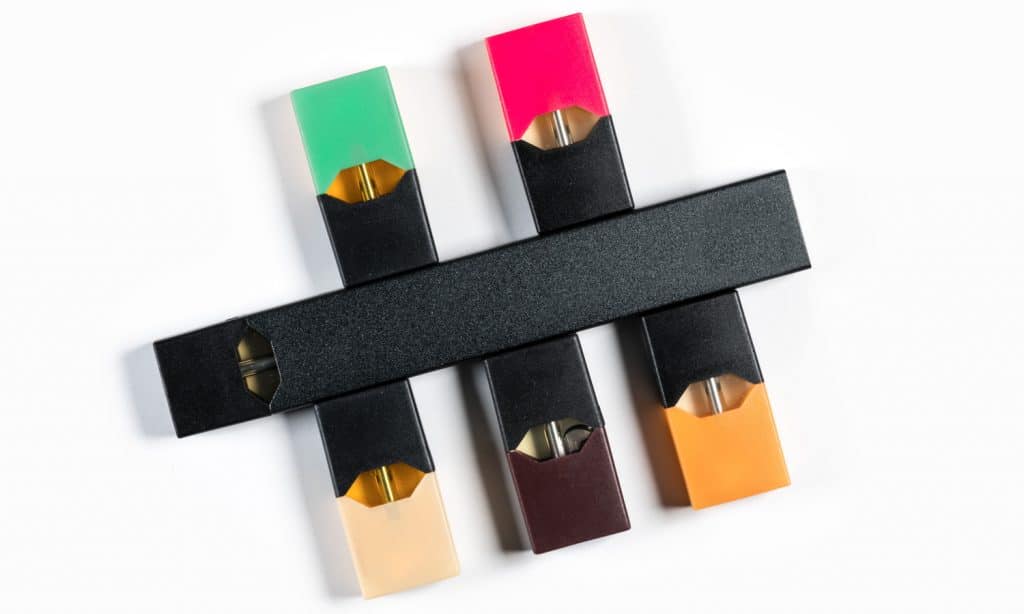
Another fast-acting method is THC pens, which, again, are concentrates that act very quickly. They’re usually stronger than flower, since the concentrates eliminate much of the elements that are present in cannabis, leaving terpenes and the cannabinoid people are looking for, like THC and CBD. If you’re looking for something fast-acting, the more THC there is, the better.
Gravity bongs are another quick-acting method of consuming cannabis. Since they’re water-based, it’s easier for people to inhale more vapor, which tends to be thick and cloudy. There’s also no burning sensation, making it easier and more pleasant for people to take really big hits.
Steamrollers
Photo by Grav via Unsplash
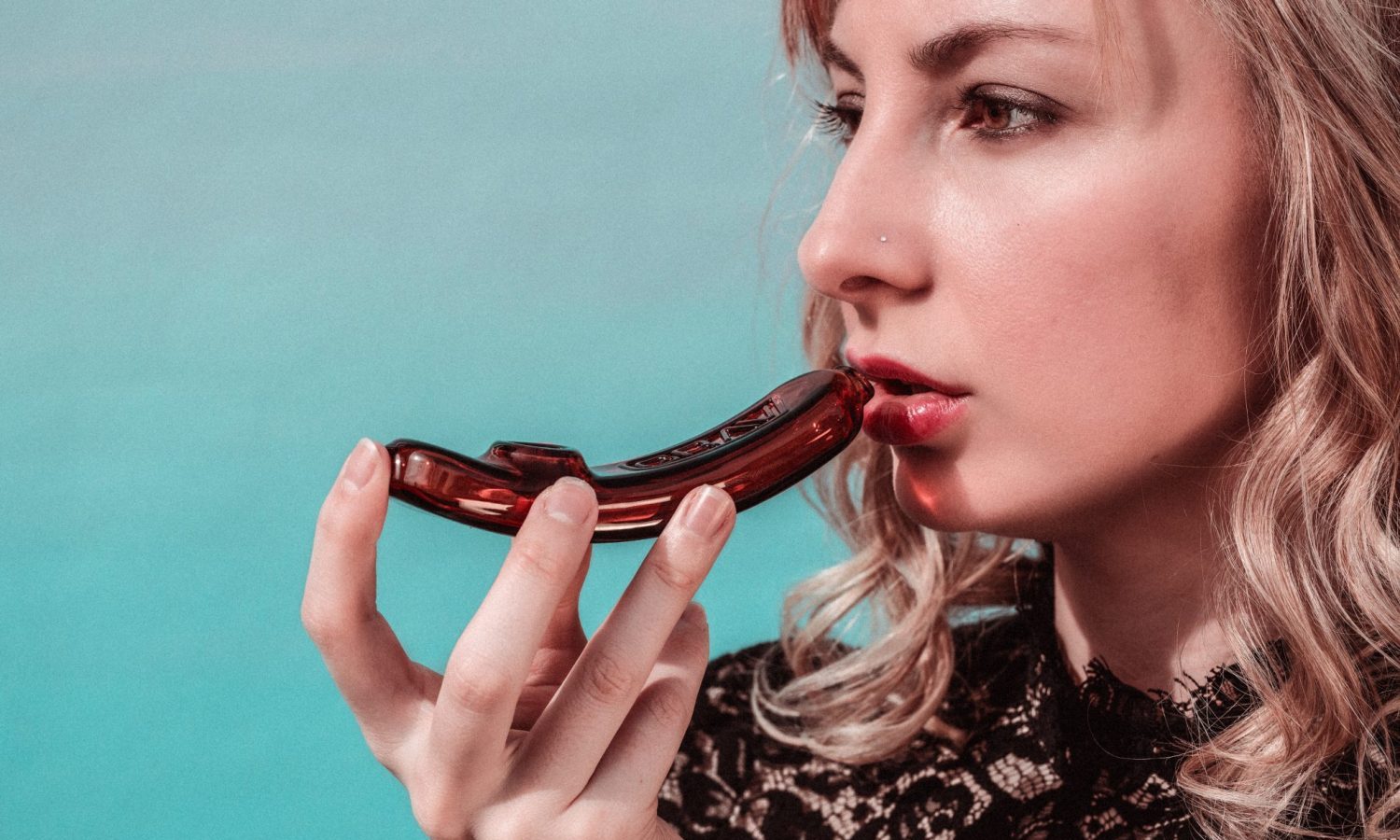
Steamrollers are a type of pipe, designed to get the hit to reach you as soon as possible. They’re simple, usually consisting of a pipe with a straightforward design that gets the smoke straight to you after you light the bowl. Steamrollers produce bigger tokes, resulting in thicker hits.
For more information on marijuana highs, we recommend reading:
In a letter to the rapper, Valon Vailes highlighted that while following Jay-Z’s career, he was touched by the musician’s advocacy for the “underprivileged and voiceless.”
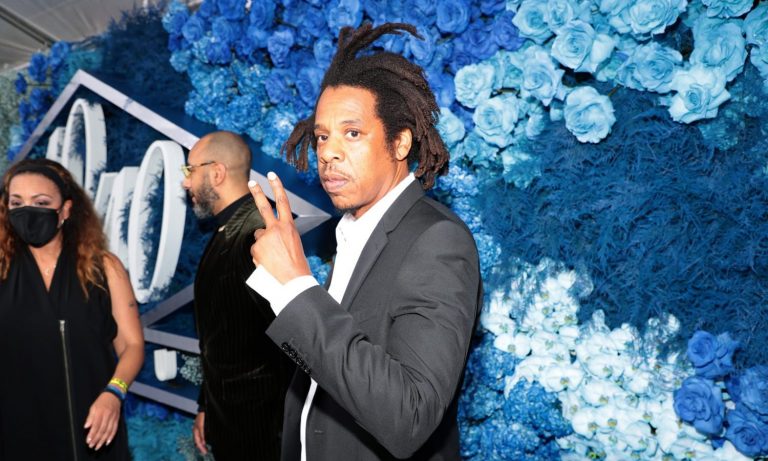
Shawn “Jay-Z” Carter, music industry mogul and a chief visionary officer at cannabis company TPCO Holding Corp. doing business as The Parent Company, is helping Valon Vailes get out of prison.
Jay-Z, known in the cannabis community for his luxury weed brand Monogram, and his legal team have twice made a plea to a North Carolina judge asking for “compassionate release” of Vailes, now 55, who was sentenced to 20 years in prison over cannabis-related charges, reported Page Six.
Photo by Alberto E. Rodriguez/Getty Images for The Recording Academy
According to court documents obtained by Page Six, attorney Alex Spiro asked the court to reconsider their previous request, which was dismissed due because of Vailes’ COVID-19 vaccination record.
“Mr. Vailes’ motion for compassionate release does not mention COVID-19 and does not rely on any COVID-19-related argument as a basis for arguing in favor of a reduced sentence,” Spiro argued.
An Emotional Letter To Jay-Z
Back in December 2007, Vailes was found guilty for conspiring to possess with the intent to distribute more than one ton of weed from 2003 to 2007. He was sentenced to 20 years in federal prison with an additional 10-year supervised release.
Jay-Z and his legal team became aware of Vailes’ case after the inmate sent an emotional letter to the rapper, saying: “This correspondence is a plea to ask for your help with the intent to campaign for my clemency. 13 and a half years is a long time to be still incarcerated over a substance that has become the ultimate green rush.”
Vailes highlighted that while following Jay-Z’s career, he was touched by the musician’s advocacy for the “underprivileged and voiceless.”
“A lot has changed in my life, but most importantly, I have a newfound view of society,” Vailes wrote. “Therefore, I pledge to my family, my children, and myself that my incarceration would not be in vain.”
The Injustice
Vailes highlighted the injustice of the judicial system.
“It is a bittersweet reality that I am a casualty and a commodity of this system filled with injustice,” Vailes wrote.
Photo by sakhorn38/Getty Images
After reading the letter, Jay-Z connected Spiro and his team at Monogram and asked them to file a petition on Vailes’ behalf. The first motion for a compassionate release request was filed this past August.
On Wednesday, another filing sought to release Vailes by reducing his sentence to time served, Spiro argued: “Mr. Vailes has exhausted his administrative remedies with the [Federal Bureau of Prisons]; extraordinary and compelling reasons warrant compassionate release in his case; the relevant factors support release and Mr. Vailes is not a danger to the community.”
A Change.org petition advocating for Vailes’ release already has more than 4,300 signatures.
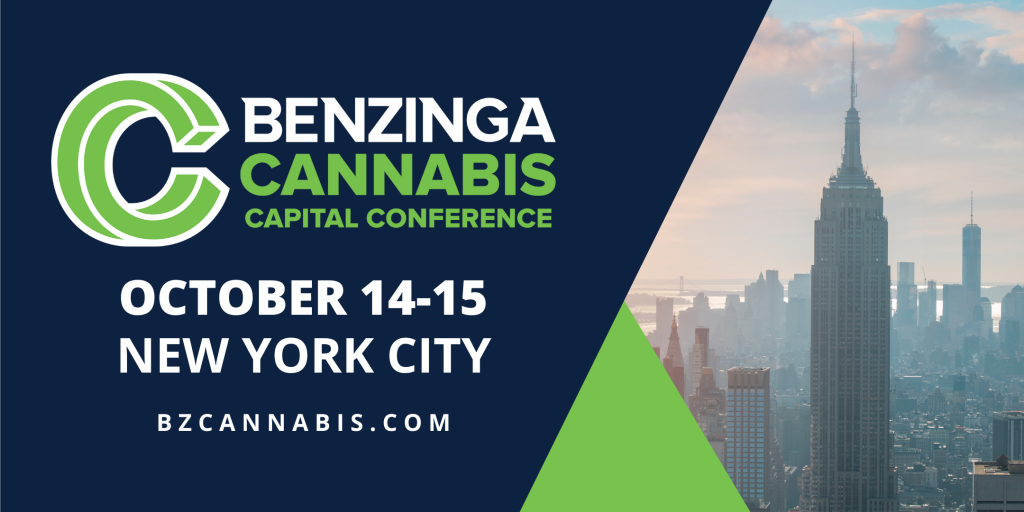
The Benzinga Cannabis Capital Conference will take place on October 14 and October 15 at the Marriott Marquis hotel in New York City.
The next iteration of the famed Benzinga Cannabis Capital Conference will gather industry insiders and investors from around the world once again on October 14 and 15 in New York City. Attendees can expect two full days of keynotes, panel discussions, fireside chats, networking, company presentations, celebrity appearances, and more.
The Benzinga Cannabis Capital Conference is guaranteed to offer participants all the benefits of an immersive and robust in-person conference from any remote location. The conference will feature an interactive forum of live and on-demand presentations from top CEOs, investors and leaders in the cannabis space.
You’ll hear from some of the top names in the industry including:
Click here to register for the full In-Person or Virtual Benzinga Cannabis Capital Conference experience, featuring networking, one-on-one meetings, access to investors, and more.
“We’re really excited to hop into some of the key issues related to cannabis and capital markets, as well as legalization, with these top notch speakers,” said Chief Zinger Jason Raznick.
“Having such an impressive lineup of speakers evidences the quality of Benzinga events and their massive growth over the years,” added Patrick Lane, Senior Vice President of Partnerships at Benzinga.
Benzinga is a financial technology, media, and data company headquartered in Detroit, Michigan[2]. The company’s free online news service publishes an average of 50 to 60 daily articles[3], including news on the global financial markets and financial commentary and analysis[3]. The company also offers a variety subscription-based services for investors and financial audiences, including live events and investor education.
“Deal-making in the cannabis space is more exciting than ever and we are proud to be the de facto platform for companies and capital to connect. While we were happy to help deals get done virtually, the Benzinga team, investors and operators are beyond excited for the opportunity to meet in person after such a long hiatus” says Luke Jacobi, Director of Operations.