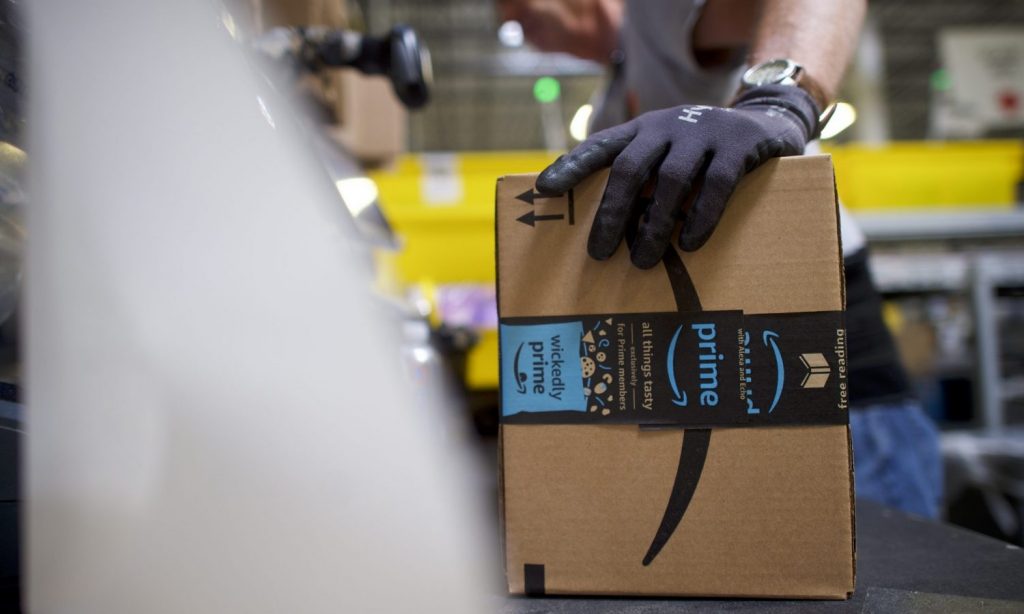
Amazon recognizes that an increasing number of states are moving to some level of cannabis legalization which makes it difficult to implement an equitable, consistent and national pre-employment marijuana testing program.
Amazon disclosed on Tuesday that its earlier decision to end drug testing for cannabis will be retroactive, meaning former workers and applicants who were punished or rejected for testing positive for THC will have their employment eligibility restored, reported various news outlets.
Amazon also announced on Tuesday that it is lobbying Congress in favor of legalizing cannabis at the federal level in part to promote equitable hiring practices.
Photo by Mark Makela / Getty Images
In a Tuesday blog post, Beth Galetti, Amazon’s senior vice president of human resources, said that the firm has “reinstated the employment eligibility for former employees and applicants who were previously terminated or deferred during random or pre-employment marijuana screenings.”
According to Galetti’s post, Amazon recognizes that an increasing number of states are moving to some level of cannabis legalization which makes it difficult to implement an equitable, consistent and national pre-employment marijuana testing program. Publicly available national data indicates that pre-employment marijuana testing disproportionately impacts people of color and acts as a barrier to employment.
“Pre-employment marijuana testing has disproportionately affected communities of color by stalling job placement and, by extension, economic growth, and we believe this inequitable treatment is unacceptable” stated Galetti.
The Lead-Up
In June, the company came out in support of the Marijuana Opportunity Reinvestment and Expungement Act of 2021(MORE Act) and announced that it will stop testing for cannabis use in most positions. In September, Amazon began asking its delivery partners to stop screening applicants for marijuana use in an effort to address the shortage of the company’s delivery drivers though the company will continue to have zero tolerance for working while impaired.
Steven Hawkins, CEO of the U. S. Cannabis Council, pointed out that when a drug-testing policy that affects over a million Americans gets changed, it’s a signal.
Amazon is not alone in its removal of cannabis screening. From the corporate world to professional athletics, major organizations are significantly retooling—or removing altogether—testing or sanctions for cannabis, Hawkins told Benzinga.
“The unprecedented labor shortage is making it difficult for employers to find workers to fill those jobs and employers that meet the moment with smart, modern hiring policies stand to gain the most,” Hawkins added.
Others in the industry seem to agree that the lawsuit is exposing a serious flaw in the regulatory system that is cutting the financial legs out from under the legal market.
A suit filed last week in state court by a California retail chain against the Department of Cannabis Control (DCC) alleges that criminals have been legally buying an unknown number of cannabis distribution licenses, reported MJBizDaily. Surprise, CA turns blind eye to marijuana black market, hurting what could be another robust industry for the state.
The DCC is responsible for, among other things, establishing, implementing, maintaining, and enforcing a track and trace program for reporting the movement of cannabis products throughout the distribution chain.
Photo by Viviana Rishe via Unsplash
Through this lawsuit, HNHPC, Inc., a state/local licensed dispensary in Santa Ana, seeks to compel the DCC to perform its legal duties.
According to HNHPC, the DCC’s failure to perform its legal duty to implement systems to properly track and flag questionable transactions has led to the exponential rise of “Burner Distros,” which conceal and launder State-grown cannabis for delivery to unregulated markets without paying significant legally mandated taxes.
According to the suit, operators (usually legal cannabis operators) purchase or obtain distribution licenses in various local jurisdictions, often where cultivation operations are prevalent and/or where such licenses are relatively easy to acquire. They do this by using an array of different “front men” who agree to attach their names to the licenses.
Once licensed, the Burner Distros purchase large quantities of cannabis from cultivators within the State. By law, Burner Distros are responsible for paying all mandated taxes although they “may or may not pay” them, alleged the Plaintiff.
HNHPC is informed and believes the system implemented by the DCC, called “METRC,” can be re-designed to identify Burner Distros, but it would require the State to amend its current agreement with the developer of METRC.
In addition, the suit alleges that the DCC and the State have purposely turned a blind eye to illegal Burner Distros in order to keep excess cultivation tax money flowing in.
“This leads to two inevitable and ultimately devastating consequences,” claims the suit.
A cheaper illicit-market cannabis undercuts the legal industry, for starters.
A huge hit to state tax revenue, which the suit estimates could be in the “hundreds of millions of dollars.”
The practical result: The legal market has been propping up the illicit market instead of replacing it, said Elliot Lewis, CEO of Catalyst Cannabis Co., a California retail chain that operates six stores. Catalyst’s parent company, HNHPC, is the plaintiff in the suit, per MJBiz.
Photo by Matthew Karila via Unsplash
“More legal product is going out of the state than is being sold legally in the state,” Lewis added. “The only question is, is it two times, three times, four times?”
Industry executives say the lawsuit is important because it exposes a problem that state regulators and lawmakers need to address.
“I’m really happy this lawsuit is coming to light because it’ll force the state to act,” said Vince Ning, CEO of Oakland-based marijuana distributor Nabis.
Others in the industry seem to agree that the lawsuit is exposing a serious flaw in the regulatory system that is “cutting the financial legs out from under the legal market,” wrote MJBiz Daily.
Given the astronomical growth spurt of new adult-use markets, however, the latest findings suggest that medical cannabis will be lucky to maintain its 10-20 % of total market share.
Cannabis data and analytics specialist Headset just released its latest report comparing U.S. medical and recreational cannabis market development, bearing results that reveal sales patterns and unifying trends across the industry. The report’s findings are grounded in the context of the predominant pattern of a three-step process in cannabis market development, including prohibition, medical access, and adult-use legalization.
Though there are exceptions to this evolution where markets leapfrog medical use and go straight from cannabis prohibition to adult-use legalization, flagship states like California, which approved medical use in 1996 but took another 20 years to allow adult-use cannabis, follow a more predictable pattern. The report compares California’s slower rollout to Illinois accelerated process, evident in its shorter six-year span between medical and recreational legalization.
Photo by Ivan-balvan/Getty Images
The Medical To Rec Jump
Due to the time-tested predictability of this market pattern, industry analysts are using it to make sense of the past, paint a clearer picture of the present, and forecast future sales patterns in states such as New York, New Jersey, and Montana, which will all be transitioning to recreational use this year. Headset’s report also looks at cannabis markets in Illinois and Michigan, which made the medical-to-recreational transition fairly recently, and Colorado and Oregon, which jumped on that bandwagon much sooner.
Overall, analytics show significant growth when markets first transition to adult-use, as illustrated by Illinois’ 226% gain in the period between the January 2020 launch of their recreational market to July 2021. Michigan’s recreational use program may have had a more sluggish start, but its total adult-use sales still saw a whopping increase of 1077% over the same period.
The impact of adult-use legalization on the medical market is less predictable and more state-specific. While Illinois medical use sales initially held steady once adult-use legalization passed, Michigan saw 75% growth in medical sales between January 2020 and July 2021. Still, the proportion of total cannabis sales to medical patients in Michigan has steadily declined since the introduction of the recreational market, and Illinois saw a steady decline over the first quarter resulting in an all-time low of 20.9% in July 2021.
However, Colorado and Oregon, two of the most mature recreational markets in the country, offer some evidence that adult-use legalization is not necessarily a death knell for medical use. Oregon’s medical sales have held steady at 8-12% since the beginning of 2020 with Colorado topping that over the previous twelve months at between 18-20%.
Photo by LPETTET/Getty Images
Medical Patients Spend More
Buying behavior differences between recreational and medical use consumers can impact the market as well. Headset data shows that medical consumers tend to purchase more product at one time (a metric they refer to as “basket size”) than recreational consumers, giving Oregon as a prime example, where pre-tax average basket size for medical patients over a 90 day period was a staggering 99% larger than that of recreational use customers. Consumer differences carried over into preferred consumables as well, with medical patients trending higher in concentrate consumption versus the recreational user predilection for edibles and pre-rolls.
In the end, lower taxes, higher potency THC products and more knowledgeable staff and sales experience give the medical use market enough of an edge that it shows some promise of holding its own, even with the advent of adult-use legalization. Given the astronomical growth spurt of new adult-use markets, however, Headset’s latest findings suggest that medical cannabis will be lucky to maintain its 10-20 % of total market share.
Professional golf is one of, if not the most, cannabis-friendly globally played sports today. While Olympians and athletes in other sports continue to be suspended for cannabis use, several pro golfers and the Professional Golf Association (PGA) have largely embraced CBD and its $2.8 billion global market value.
Still, skepticism remains as the bond between pro golf and CBD seems to forge stronger over time.
Photo by Court Cook via Unsplash
Several top names in CBD and golf have come together in recent years. cbdMD, Inc.boasts an array of athletes, including two-time Masters winner Bubba Watson, who partnered with the company in 2019. Cativa CBD added 2009 tour Rookie of the Year, Marc Leishman, as a global spokesperson that year as well.
The deals were announced despite the PGA telling Marijuana Moment that it had warned players about CBD use in April 2019.
Kadenwoodand its athlete-centric brand Level Select added 2015 Players Championship winner Rickie Fowler as a brand ambassador in 2020. In 2021, Catriona Matthews OBE signed on as a brand ambassador for the UK’s Golfers CBD brand.
Erick Dickens, Kadenwood CEO and co-founder, said that Fowler is one of several athlete partnerships “that illustrate the brand’s commitment to integrating CBD into the mainstream sports world.”
Some are taking their involvement further. Ten-year LPGA pro, Amelia Lewis became an investor and vice president of CBD brand Zeal Pure — a brand operated by her mother. Others include Darren Clarke, 2011 Open Championship winner, who launched his Darren Clarke CBD brand in July 2021.
The PGA tour also got involved, with PlusCBD Oil, a CV Sciences, Inc company, announced as the January 2020 Farmers Insurance Open sponsor. The PGA also agreed to a three-year partnership, sponsorship and education deal with European CBD brand Cannaraythat year.
Why Golfers And The Professional Tours Turn To CBD
Golfers often use CBD to treat mental and physical pains like any other consumer might.
Alan Rownan, head of sports at Euromonitor International, said that the profile of an average golfer is an athlete often playing into their retirement years, setting it apart from most other sports. He said the purported benefits address long-term symptoms faced by golfers as they age.
He added that CBD acceptance plays into the sport’s recent initiative to grow the game. “From a marketing standpoint, this revolves around how to become more progressive,” he stated.
Still, he said the sport’s CBD connection must grow to meet the sponsorship footprint made by finance and insurance sponsorships, which Euromonitor reports are above 10% of deals across the global tours. Consumer health accounted for just 1%.
Reluctance Remains
Despite the growing acceptance among many in the sport and global governing bodies, like the World Anti-Doping Agency (WADA), some remain uncertain.
PGA professional, Will Shaw, is a UK-based Ph.D. in biomedical science and founder of Golf Insider UK’s performance center.
Photo by sydney Rae via Unsplash
He said golf “becomes a game of if they can control their arousal, anxiety and thought process to execute when it counts,” and that CBD is marketed as a product capable of facilitating those outcomes.
Shaw remains “highly cautious” over a lack of clinical scientific studies. He’d like to see more analysis on the short- and long-term effects CBD has on golfers.
“When you dig into the references, you’ll notice they are either solely 1) golf performance studies or 2) clinical CBD studies,” he stated. Until he sees peer-reviewed research directly applied to golfers, Shaw says he’ll remain skeptical.
Shaw reports that UK golf bodies are pushing for CBD use. “I personally receive one to two emails a week for CBD placements on my own website,” Shaw added.
Anecdotally, he doesn’t recall any top-tier pros using CBD despite some marketing products.
“I could be wrong, but I feel the sponsorship deals with more elite players are there to try to sell this to the mass market of everyday players, rather than this being for elite players,” he opined.
There are some anecdotal use cases from pro golfers. In 2020, Billy Horschel, winner of the 2021 World Golf Championships-Dell Technologies Match Play event, told the New York Times that he is convinced CBD helped him break a six-month streak without a top-eight finish on tour. After using CBD, Horschel finished in the top-eight four times over four months.
Horschel’s website lists partnerships with Ralph Lauren Corp, Velocity Global and Titleist, among others.
A new study found that the COVID-19 vaccine can result in benefits that go beyond simply protecting people from the virus.
There are plenty of health benefits associated with the COVID-19 vaccine, primarily the fact that it helps keep you safe and alive during a global pandemic. But, aside from that, a new study suggests that one big benefit the COVID-19 vaccine can lead to is an improvement in your mental health.
Published in the journal PLOS One, researchers tracked people who received their first COVID-19 shot between the months of December 2020 and March 2021. People who had received a shot were less likely to be depressed when compared to people who hadn’t been vaccinated or had scheduled a vaccination appointment but had yet to get the jab.
Another interesting bit of data indicates that mental health benefits were reported without having full inoculation. “Getting the first dose of COVID-19 resulted in significant improvements in mental health, beyond improvements already achieved since mental distress peaked in the spring of 2020,” concluded the study.
While the study didn’t look into why this was occurring, it makes total sense that people would be feeling better following the vaccine and the year we’ve all been through. The mental health impacts of the pandemic have long worried researchers and experts, believing that a year of fear, isolation, and economic stress is likely to result in deteriorated mental health and increased odds of substance abuse.
People who are vaccinated have less to worry about, with fewer odds of getting infected. They can go out and meet other people without the fear that surrounded these engagements before the existence of the vaccine.
Photo by Noah via Unsplash
The benefits reported by researchers are likely short-term, meaning that, if the pandemic continues indefinitely and people get used to having their vaccines and adapting to their new lifestyles, they’ll likely fade away. Still, it’s encouraging to see these results, which indicate that the benefits of the vaccine go beyond just physical health.
The vaccine gives people a lot of hope and the possibility to get back to a sort of normal, where they can ride the bus or the subway, go to work and hang out with their friends and family without exposing themselves or others to too much risk.
The health benefits of cannabis has had limited medical research reported health benefits. There isn’t much evidence surrounding the adverse effects either.
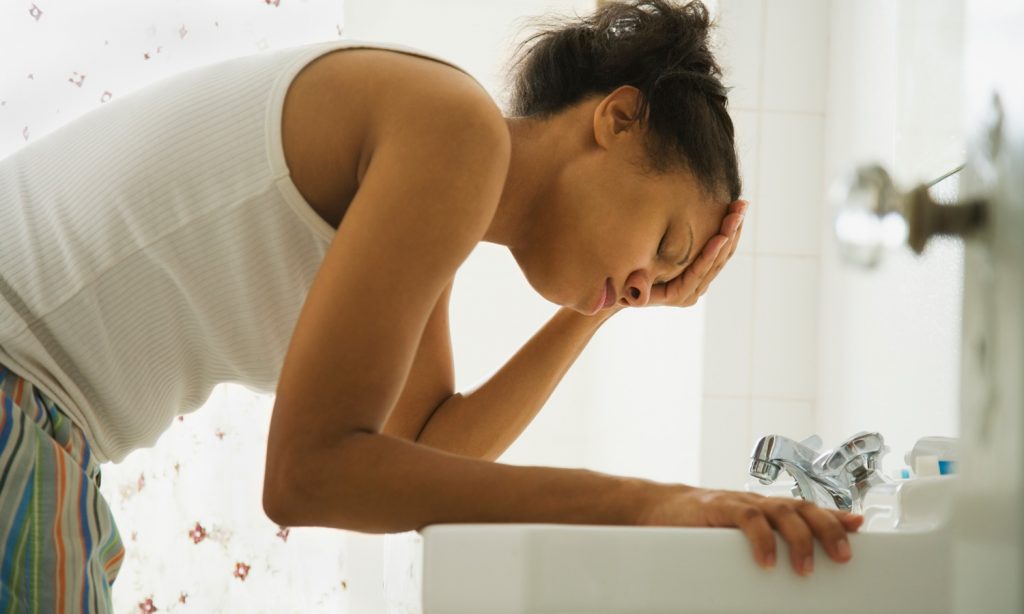
There is reportedly a rise of an unusual illness happening across the United States, and it is prevalent in spots that have legalized marijuana. It seems that droves of people are going to the emergency room for stomach problems, including “uncontrollable vomiting,” resulting from marijuana use.
“They are writhing, holding their stomach, complaining of really bad abdominal pain and nausea,” Dr. Sam Wang, a pediatric emergency medicine specialist and toxicologist at Children’s Hospital Colorado, told CNN.
Photo by Terry Vine/Getty Images
Once the nausea turns to full-blown vomiting, Wang says the diagnosis is quickly established. “They vomit and then just continue to vomit whatever they have in their stomach, which can go on for hours,” he said. “They often say they took a scalding hot shower before they came to the ER, but it didn’t help. “That’s when we know we may have a case of cannabis hyperemesis syndrome.”
There indeed exists a condition known as cannabinoid hyperemesis syndrome (CHS). The symptoms range from morning nausea to stomach pain in the early stage and persistent vomiting as a patient gets worse. However, medical experts admit they aren’t exactly sure what causes CHS. They only have theories. Some claim genetics are to blame, while others believe it results from brain changes following longtime pot use. They just can’t pinpoint which is closest to the truth.
Although the condition was once considered rare, doctors agree that it can still be dangerous. It can even prove fatal in severe cases.
Joseph Habboushe, MD, MBA, assistant professor of emergency medicine at New York University School of Medicine/Bellevue, spoke to Healio Gastroenterology and Liver Disease about the condition back in 2018. He said people who experience CHS often find that hot showers DO relieve the symptoms. It’s dangerous, as “this increases their chances of dehydration and acute renal failure due to a combination of sweating in the shower and vomiting.”
Although CHS is an actual medical condition, not all doctors are willing to accept marijuana as the cause. Why? Because “the diagnosis code is new [October 2020] and cases are being lost in the total number of Nausea/Vomiting coded cases,” Dr. Adrian Elliot, head of the Emergency Department at Fairview Hospital, toldThe Berkshireedge. “Additionally,” he continued, “it is difficult to get to the diagnosis of cannabinoid hyperemesis syndrome, as getting all of the history needed to make the definitive link between marijuana use and the nausea/vomiting patient complaint is difficult in the emergency department setting.” It usually takes several ER visits to solidify a diagnosis.
Photo by Image Source/Getty Images
A school of thought suggests marijuana potency is to blame for the purported uprising in CHS cases. But the truth is, modern medicine doesn’t have any idea. There is only speculation surrounding potency, predisposition, specific products, etc. But there isn’t any data to support these claims. The best researchers can do is examine ER vomiting cases and look for a correlation.
Wang’s study, published last week in the journal JAMA Network Open, claims to have found that correlation. His teams noticed a near 30% increase in vomiting cases (800,000 total) since marijuana was made legal in Colorado. But there doesn’t appear to be any cut-and-dry proof that the cases were pot-related. As Dr. Elliot stated, it’s almost impossible to link CHS cases to cannabis consumption.
There is undoubtedly a lot we do not understand about marijuana. Let’s get that straight. We don’t have much concrete evidence (outside the anecdotal) that it comes with any of its many reported health benefits. At the same time, there isn’t much evidence surrounding the adverse effects either.
This lack of research is the federal government’s fault. For decades, the powers-that-be have made it difficult for researchers to examine the herb. President Biden said during his campaign he would change the course of cannabis — downgrading its Schedule I classification on the Controlled Substances Act — but he has yet to make good.
So, it could be years before medical professionals better understand CHS and its relationship to cannabis. In the meantime, cannabis users experiencing persistent vomiting should seek medical attention and ultimately take a break from bud. The condition improves once a person stops using cannabis.
I’m still not a fan of NIDA, but then again, I can also understand that their primary function is to deal with drug abuse, which is why they have been historically so negative about all the drugs. It’s their function.
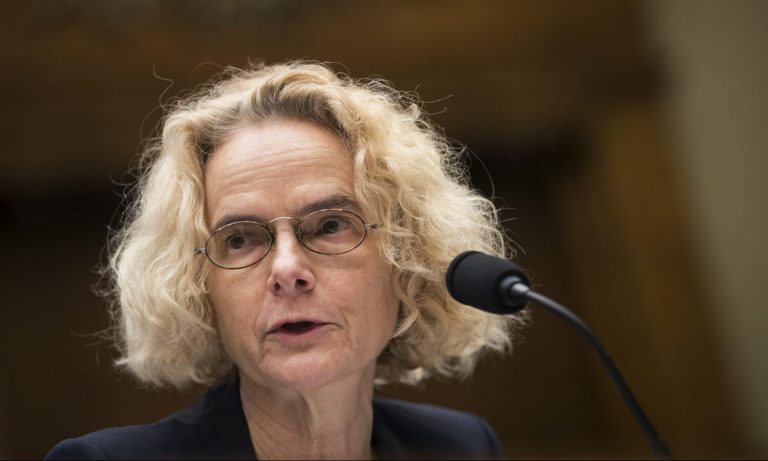
You may not have heard the name Nora Volkow. She’s the head of the National Institute on Drug Abuse (NIDA). This is the very agency that funds all those studies on the dangers of cannabis and other drugs and have been used as an arm of the government to justify the prohibition of cannabis.
I have frequently analyzed their studies and poked holes in their methods over the years and, in my mind, Volkow was some crazed drug warrior trying to maintain the status quo. The problem with this assessment was that it wasn’t based on any facts whatsoever. I simply projected what I thought she was like and never took the time to actually investigates her ideas around drug use.
Recently, she appeared on Drug Policy Alliance founder Ethan Nadelmann’s podcast where she discussed various different drug policies, including the impact of legalization and youth consumption.
I must admit, after hearing her out, I was forced to readjust my point of view about her. It made me see her in a completely different light. Here’s some of the core points that made me think twice.
No rise in teen marijuana use
The first major revelation from Volkow was her ability to admit when she was wrong. Advocates have been saying that cannabis legalization does not increase teen consumption, and evidence has suggested that it may even deter youth consumption. While there has been certain spikes within a few demographics, the overall use of youth consumption has remained steady. There is no significant evidence to suggest that legalization has any real impact on adolescent consumption — except for “risk perception”.
Volkow said on Drug Policy Alliance founder Ethan Nadelmann’s show that she was “expecting the use of marijuana among adolescents would go up” when states moved to legalize cannabis, but admitted that “overall, it hasn’t.”
While I’m not a big fan of NIDA’s view on cannabis in general, it was refreshing to hear the head of the organization admit when the data instructs a different narrative.
Some states have benefitted from marijuana legalization
Another refreshing perspective from Volkow was the fact that she could see the benefits in some states post-legalization. However, she did point out that in other states there have been problematic cannabis use however does not ascribe this to the plant as opposed to the policies surrounding legalization.
Photo by MmeEmil / Getty Images
“Understanding what policies basically protect from negative effects and may actually lead to better outcomes is crucial,” Volkow, who has been in office since 2003, said. “And we’re funding it,” as reported in Marijuana Moment.
I think it is also important to define “negative effects” prior to creating blanket policies that might be difficult to change at a later stage.
California is currently struggling to get their cannabis market functional and as of now has generated far more cannabis than consumers can handle. This prompts illegal out-of-state commerce, the closing down of legacy farms and the burden is shifted on the consumer – paying exuberant fees for their cannabis.
The criminalization of drug use
What surprised me from the interview was her views on the criminalization of drug use. One would think that an agency that has been historically against the use of drugs would not take issue with the current policies surrounding drug enforcement, however Volkow said that she had long been opposed to these ideas.
“Hopefully science will serve to change policies and reduce the stigma [around addiction] and basically change the notion of criminalizing people to that of treating and helping people and preventing them from relapsing.”
In other words, Volkow believes that drug use and addiction should be a public health issue and not a law enforcement issue. This is something that cannabis activists have been saying for years — and the evidence is clear that when you confront drug addiction as a public health issue, you can make a difference.
Photo by FatCamera/Getty Images
Admitting that NIDA is a political tool
When the head of an agency tells you that their agency has been a political tool, you know it’s true. Volkow didn’t textually say the word “tool”, but implied it with the following comment.
“Operating (NIDA) in a political context in which punitive prohibitionist policies, mass arrests [and] the heavily racial biases that go with all of that has been pervasive.”
“From day one, I’ve been against criminalization of people because they have a problem with substance use disorders. I’ve been very, very vocal. One of the reasons why I took this position was because, I say, we can develop the science in such a way that policy changes.”
NIDA ultimately is under the authority of the federal government, and while the people working there might have a different view on how to approach drug use and addiction, they are forced to play the political game.
In this case, creating studies to justify the prohibition of drugs.
She’s fighting the system her way
Volkow has been trying to change the system from within the system, however, it’s apparent that what they have been doing is not enough. More importantly, it’s an indication that “science” is not the dictating force within policy making.
“There are structural systems in such a way that promote certain behaviors, and science is not enough to change those policies.”
Anyone who has studied the war on drugs and drug prohibition knows that science has never been the core driver behind these policies.
She finds promise in psychedelics
Finally, Volkow is opening up her views on other Schedule I and Schedule II drugs and how they may play an active role in helping people with psychological disorders.
“We have been funding research that is ongoing—on ketamine for opiate treatment and also ketamine for pain. For PCP, if you look at the data, actually, the evidence is strongest for showing potential benefits for depression.”
“We need to learn from what the evidence is showing us,” she continued. “If we can use ketamine for the treatment of severe depression in a way that is safe, this is an example of really that we can use drugs that we thought were dangerous and use them in ways that are therapeutic.”
The evidence is clear — drug criminalization simply doesn’t work. When we shift our priorities from trying to lock people up to trying to help those vulnerable to drug abuse and substance abuse, we begin to see real results.
Conclusion
I’m still not a fan of NIDA, but then again, I can also understand that their primary function is to deal with drug abuse, which is why they have been historically so negative about all the drugs. It’s their function.
There should be another agency that explores the benefits of these drugs in order to paint a wide enough picture to see how we can create policy that permits individual freedoms while protecting the most vulnerable among us.
There are millions of Americans like me whose ancestors came from that island and are essentially “bio-identical” to the otherwise free Scottish people who have had to suffer for years.
Disclaimer:The views expressed in this article solely belong to the author and do not necessarily represent those of The Fresh Toast.
A few hundred years ago my Cowan ancestor got on a boat in Scotland and headed west. I have been to Edinburgh in the winter, so I am grateful to him for many reasons.
The BBC reported that, “Scotland’s first medical cannabis clinic has begun prescribing to patients suffering from chronic pain conditions… The Sapphire Medical Clinic in Stirling was approved by regulators in March and…. provides unlicensed cannabis-based medicines for people with conditions that do not meet the criteria for NHS-prescribed cannabis products… Medical cannabis was legalised in the UK in November 2018 and doctors are allowed to prescribe it in certain situations.”
“The 2018 law change moved cannabis from schedule 1 under the Misuse of Drugs Regulations 2001 – meaning it had no therapeutic value – to schedule 2. It now means doctors can prescribe the drug in certain situations…Many other cannabis products are unlicensed but can still be prescribed privately.”
A Healthcare Improvement Scotland spokesperson said unlicensed cannabis-based medical products should be prescribed by specialist clinicians “where there is clear published evidence of benefit” and where there is a “clinical need which cannot be met by licensed medicines and where established medicines have been exhausted“.
Photo by LPETTET/Getty Images
In other words, when the patients have suffered enough, they may be allowed to try cannabinoids.
I would cheer, “Scotland Forever!”… if this had not taken forever.
There are millions of Americans like me whose ancestors came from that island and are essentially “bio-identical” to the otherwise free Scottish people who have had to suffer for years before the politicians and bureaucrats decided that they are worthy of a loophole.
The statement added: “Independent clinics must ensure that appropriate consultations take place, that clinicians make informed assessments, that informed patient consent is obtained in accordance with the law and professional guidelines, and that patients understand the risk and benefits of a treatment or medication.
“Moreover, clinicians should make it clear to patients if there is only limited evidence of the effectiveness of the chosen treatment.”
Hey, ever heard of the United States, or Canada, or the Netherlands? Apparently not.
It was in February of 2002, that I visited Edinburgh, Scotland’s beautiful capital, where I met Kevin Williamson, a very bright, likable fellow, who is a fixture in Edinburgh’s literary scene. He was also drugs policy advisor to the Scottish Socialist Party. (Cannabis is probably the only thing we agreed about!)
Photo by thegoodphoto/Getty Images
He was planning on opening a Dutch-style coffee shop and had just returned from a visit to Haarlem, where our mutual friend, the late Nol van Schaik had three shops.
The Guardian would report later in the year: Rebel publisher plans cannabis cafe; he brought Trainspotting to print, and now he wants an urban retreat for Britain’s dope smokers.
Unfortunately, Williamson could never get the nod from the Edinburgh police. So almost twenty years later, a clinic is only now able to allow sick people to access cannabinoids.
Meanwhile, Scotland has a real problem with really dangerous drugs.
“On 15 December 2020, the National Records of Scotland reported that the number of drug-related deaths recorded in Scotland was 1,264 during 2019, a rise of 6% on 2018, when 1,187 drug related deaths were recorded1. The 6% increase was no surprise to many experts, some of whom had previously warned of an expected rise in drug-related deaths for 2019. However, more significantly, the figures for 2018 – released in July 2019 – were 27% higher than the previous year (2017), and the highest at the time since records began in 1996.”
Eating healthy doesn’t have to be boring. Here are some tips that can help you eat better without sacrificing all of the fun.
Eating healthy is usually associated with things that are not a lot of fun, like bland salads and dry toast. But slow and simple steps are capable of making your experience better and smoother, providing you with healthy meal options that can also be delicious.
While we all know basic healthy foods, it’s a tall order to ask someone to completely change their diet overnight. It’s also not fun. But a few small changes can add up to a significant difference over the long run. Here are some tips that can help you eat more healthy:
Your eating speed is very important. The slower you eat, the quicker your stomach will get full. Your brain normally takes 20 minutes to process the signals the rest of your body is sending. By slowing down your eating and chewing more, you’ll give more time to your brain allowing it to catch up with what’s going on with the rest of your body.
Do some research
Photo by Vlada Karpovich from Pexels
While research is not the most fun of things, it can be. Even a little bit. Read up on healthy foods and foods to steer clear of, that way you can have some choices at your disposal. It’s very difficult to eat healthy if you don’t know what to eat or if you simply think that by sticking to salads you’ll lose weight and provide your body with all of the necessary nutrients. Find a book on the types of food you enjoy, or take an internet deep dive. Some basics include: staying away from refined sugars and processed foods, eating more plants, and drinking lots of water.
Start your day with lots of hydration and whole foods, such as oatmeal, fruit, a smoothie, or even avocado toast. And drink water before you have your coffee to hydrate your body first thing in the morning (our bodies become dehydrated overnight). And if you eat enough carbohydrates (we’re not talking about pancakes, which have a lot of fat and refined carbs), you’re less likely to crave sweets later in the day. If you start your day with a bowl of sugar cereal or something high in fat and low in water, like bacon and eggs, you’re more likely to get that afternoon crash we all dread.
Be thoughtful with your snacks
Photo by Brodie Vissers via Burst
Snacks can easily turn into desserts, which is why it’s important to stick to stuff that is healthy and without crazy amounts of refined sugar. Nuts and fresh fruit are great options, as is dried fruit (just make sure there is no added sugar). Oats, microwave popcorn (without added salt and oil), and sweet potatoes are also great options.
Gardening is a skill that develops over time. Here are some tips that can help you get started.
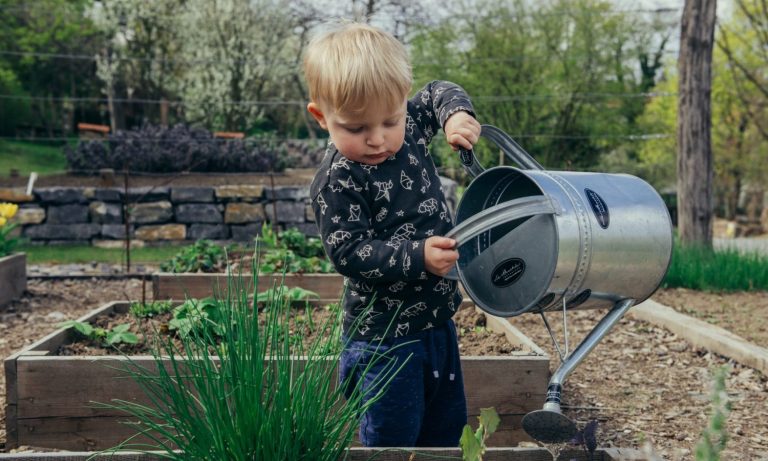
Gardening and tending to plants can be very relaxing. The activity allows you to care for living beings and to maybe reap some benefits off of it, like veggies. But gardening can also be stressful, especially if you don’t have the ever-elusive green thumb.
Gardening, like many other activities and hobbies, has increased in popularity over the pandemic. There’s something very rewarding about knowing that you can grow your own produce, especially amidst the apocalypse. Still, if you’ve ever tried to nourish a tomato or zucchini, you’ve likely seen it shrivel up before your eyes. Gardening depends on the weather, the plant itself and how well you tend to it.
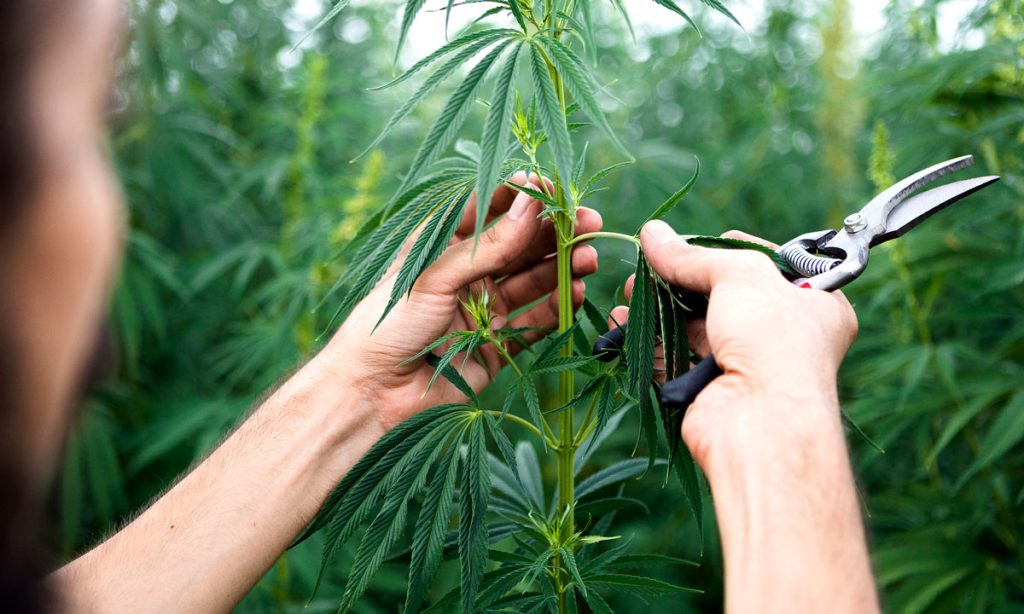
Whether you’re planting some produce you want to cook up or your own batch of weed, here are 5 tips that can help you get started:
Have realistic goals
Photo by Nastasic/Getty Images
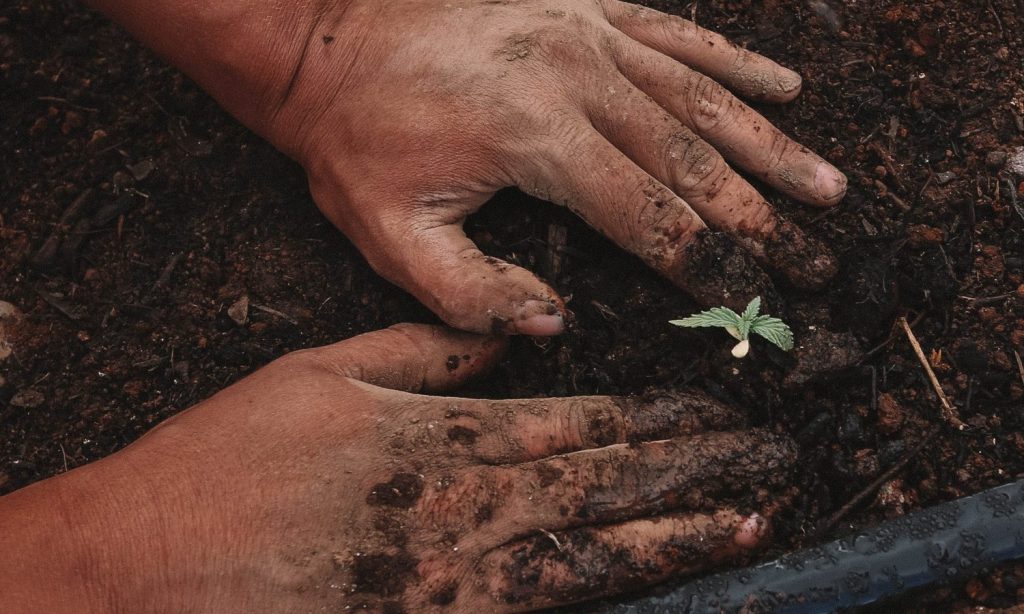
If you’ve never planted and grown a plant in your life, it’s best to come in with realistic goals and expectations. While gardening is not rocket science, there is a science to it, one that you’ll learn through trial and error. Start off slow, with a small and manageable project. If you’re planting your first weed plant, do that. If you’re planting cucumbers, do that. Stick to something manageable and have some patience.
The sun is your friend, with the more of it usually the better. Look at your space and find a spot where plenty of sun hits and put your pot there.
Know your weather and your plant
Photo by Connor Jalbert via Unsplash
Planting vegetables and plants all depend on your location and the type of plant you’re trying to grow. Do some research on the type of plant that grows well in your area, during this particular time of the year. By doing this, you’re more likely to have success in the long run and lose fewer plants over time.
Tend to them but not too much
Photo by Matthew Henry via Burst
Plants need love and attention but also not too much love and attention because you’ll overwater them and they’ll slowly rot. This has happened to me several times.
Each plant has different requirements and recommendations, so don’t take a one size fits all approach. The majority of plants want to have their soil moist; come up with a watering schedule that works for you, perhaps in the mornings, when there’s more sunlight. If you notice that the water is accumulating and the soil is too wet, ease up on your watering. If you feel the soil is too dry, add more.
Cut yourself some slack
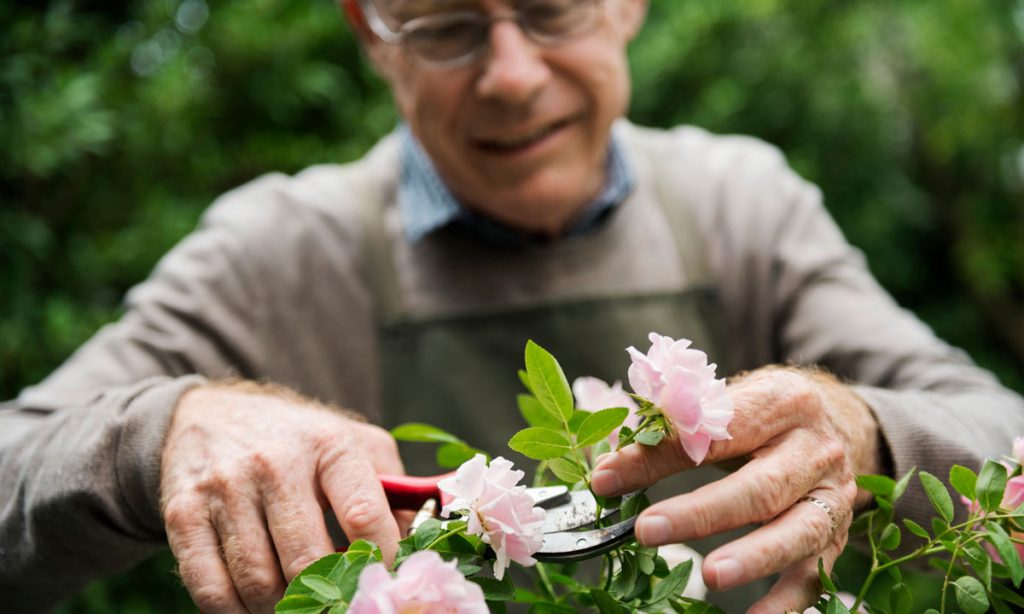
Photo by rawpixel.com
If you’re serious about your gardening habit then you should expect some heartbreak. Your plants will die and get diseases, and you’ll learn and tend to them better the next time. If you keep at it, at some point, you’ll smoke your own weed or eat your own produce, and that’s pretty cool.