Being tired all day is very common, and even expected. If this explains you, here are a few things that could be causing this.
We all go through moments in life where we’re feeling too exhausted and zapped of energy. Feeling tired is one of the most common feelings people report no matter their age. About one-third of people report experiencing it on a regular basis. But tired all the time? Here’s what might be happening?
Sleep problems affect a large percentage of people and have a significant impact on our health. These issues can be difficult to treat, perhaps because they’re a reflection of our overall lifestyle. Sleep can be affected by stress, diet, and level of activity. In order to improve it, go from the ground up, analyzing the different factors that might be unbalanced and result in sleep problems.
Here are 4 factors that might be contributing to your tiredness:
You’re not getting enough sleep
Photo by Andrea Piacquadio from Pexels
While obvious, sometimes the reason why you’re tired is that you’re not getting enough sleep. A lot of people prioritize other things over sleep, getting less than seven or eight hours a night. Though sometimes it’s not an option to get the recommended allotment of sleep, you should try your best to develop a healthy and functioning bedtime routine, one where you go to bed at relatively the same time every night, allowing for high-quality sleep. This results in a restful feeling the next morning and only occurs when you sleep for long periods of time uninterrupted.
What you eat and drink can impact your sleep and whether you feel active or not. People with certain allergies to foods might feel more tired than normal or experience headaches and other symptoms that make them feel lethargic. Consuming too many energy drinks could also backfire and make you feel tired over the long run. They help you feel a quick sharp burst of energy but once the caffeine or sugar wears off, a rebound effect is likely to appear.
Your life might be too sedentary
Photo by rawpixel.com
As odd as it seems, a sedentary lifestyle could increase your levels of exhaustion and make your tired all the time. Luckily, small changes in your daily life can impact your activity levels for the better. Taking the stairs instead of taking the elevator, and adding a daily walk can make you feel more energized and like you’re stronger and healthier.
Chronic stress can impact a lot of aspects of your life, including your levels of energy. A study conducted on college students showed that, as a defense mechanism, participant’s bodies experienced exhaustion when experiencing a lot of stress. There’s no direct way to fix stress, but learning coping mechanisms to deal with it could result in less exhaustion in the long run.
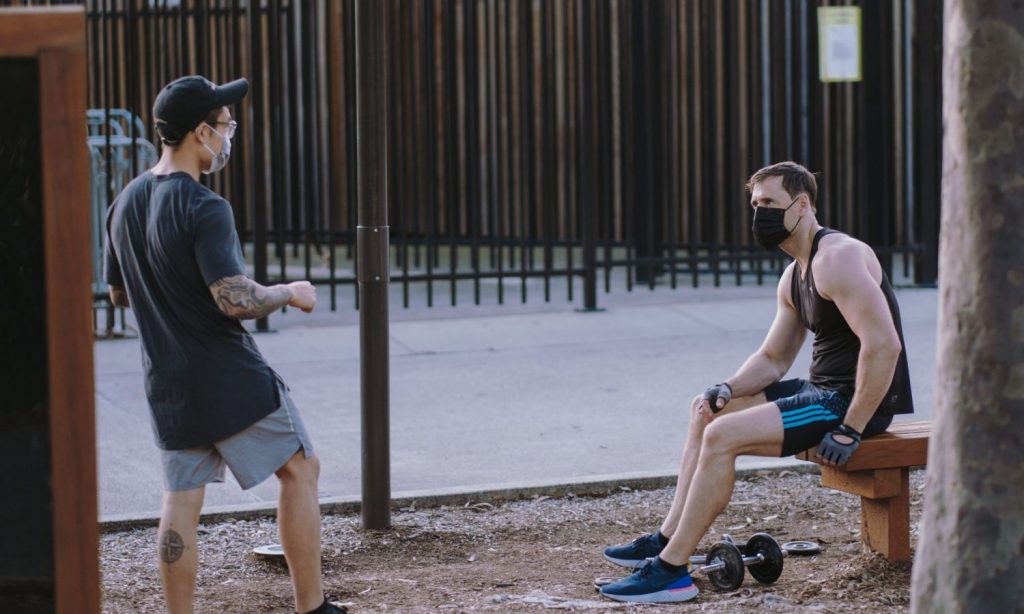
Hot weather can make an outdoor workout uncomfortable very quickly. Here’s how to make the most out of these sweaty days.
This June was the hottest on record, something that outdoor runners struggled with all month. While global warming is terrifying, for the time being, you can still workout outside as long as you’re prepared for it.
If you’ve been running outdoors for some time, you know that there’s a huge difference in performance depending on the hour of your run. This is due to the time of the day, and the heat. For example, on a hot summer day, it’s best to workout in the early morning or in the evening, that way you avoid the sun’s prime time.
According to the review, during these hot days, the best option is to run in the early morning. They explain that urban locations have concrete buildings, which soak up the sun throughout the day and may make late in the day runs hotter than expected.
Slowly acclimate
Photo by Jad Limcaco via Unsplash
In order to acclimatize to the weather successfully, the process must be gradual. Head out for your run earlier than usual, with your water bottle, and complete your a shorter and gentler version of your workout. Check your heart rate and your level of heat and continue to do this until you feel like you’re feeling back to normal.
An icy drink beforehand, like a slushie or a smoothie, might make your workout more pleasant. According to the researchers, you should aim to drink 16 ounces of cold fluid 20 minutes before you go out for your run.
Know the signs of overheating
Photo by Kate Trifo via Unsplash
Lastly, it’s very important to recognize the signs of overheating. Pause periodically to check for feelings of nausea, dizziness or cramps, since these could point to heat illness. If you feel any of these symptoms, stop your workout and look for a shady place where you can rest. When in these instances of extreme weather, researchers advice working out with a partner, which helps keep each other safe.
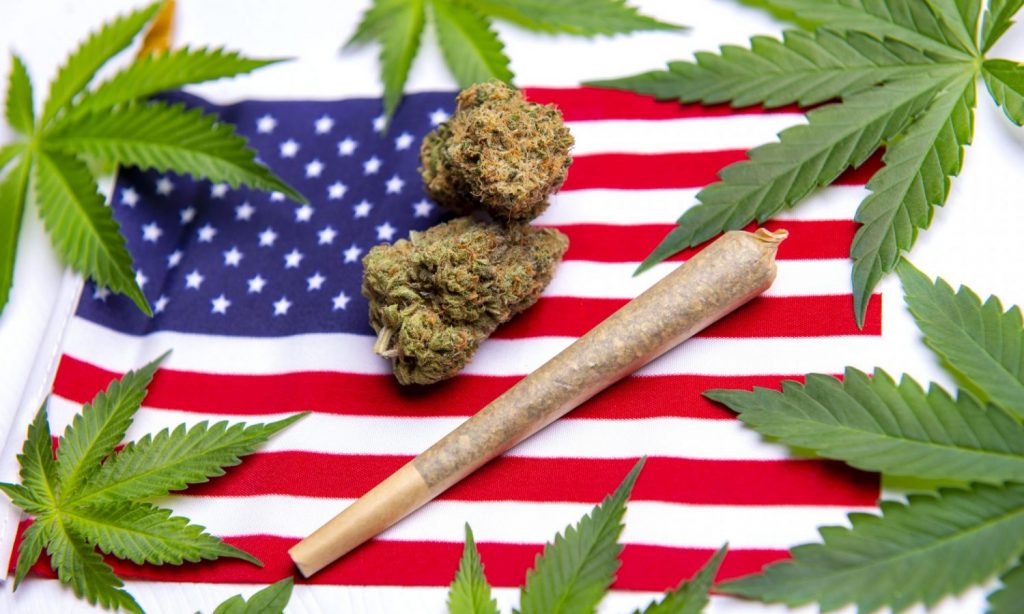
Towns and villages should consider the very real possibility that, by opting out, they are forever depriving themselves of a cannabis tax dividend that could help pay for parks, schools and local infrastructure.
Adult-use cannabis regimes throughout the country vary in the amount of local control they confer. In New York, power will largely reside in Albany. Under the Marijuana Regulation and Taxation Act (the “MRTA”), the Governor, the Assembly, and the Senate will appoint the Cannabis Control Board (the “CCB”) which (in coordination with the Office of Cannabis Management) will issue regulations, award licenses, and exercise oversight over the state’s cannabis program.
However, the MRTA left some of the authority to the municipalities. Between now and December 31, 2021, cities, towns, and villages can elect to “opt-out” of the MRTA. This means they can prohibit the establishment of retail dispensaries and on-site consumption lounges within their borders. Municipalities that fail to “opt-out” by December 31, 2021, will seal their participation in the MRTA’s licensing scheme indefinitely.
Photo by Kevork Djansezian/Getty Images
While it is still too early to say for sure which way the local political winds are blowing, many towns in Westchester and Long Island have already declared their sworn opposition to the “Devil’s Lettuce,” banning both dispensaries and consumption lounges from their communities. Others are taking a “wait and see approach”. Elsewhere, the voters themselves will decide through a permissive referendum, either because town supervisors are eager to avoid political backlash, or because aggrieved constituents have called a vote to overrule their elected officials.
The choices made by these towns over the next six months will reverberate for years to come. The MRTA allots 3% of all the revenue generated by dispensaries and consumption lounges to the municipalities they inhabit, so towns and villages that opt out will forfeit a reliable source of tax revenue. But that’s not all. Counties will collect an additional 1% levy from all retail facilities within their confines and then re-distribute it to participating municipalities in proportion to their total share of the adult-use program. Because even a modestly successful cannabis dispensary can realize millions of dollars annually, the adult-program offers local governments a potentially prolific source of local tax revenue.
The MRTA does permit municipalities that opt-out now to opt back in later, and this has led some towns to withdraw now with the expectation of re-entering at a later date. But opting in later on may not entitle a municipality to the financial benefits available today, including because (i) the CCB may not license any more cannabis businesses after it concludes its inaugural round in 2022, and (ii) licensed cannabis businesses that have ensconced themselves in hospitable communities are unlikely to re-locate.
Accordingly, towns and villages should consider the very real possibility that, by opting out, they are forever depriving themselves of a cannabis tax dividend that could help pay for parks, schools and local infrastructure. They’re also making life harder for their cannabis consuming citizens and providing an unintended boon to the illicit market.
Given the stakes for both towns and their citizens, we can only hope that reason will prevail, and towns opt in to the MRTA.
(For more information contact Matt@dfmklaw.com and Julia@dfmklaw.com.)
This article originally appeared in Feuerstein Kulick’s monthly cannabis newsletter, The Leaflet, which you can subscribe to here. For more information you can contact Rich at rich@dfmklaw.com or (201) 410-4737, or email The Leaflet at theleaflet@dfmklaw.com.
It probably won’t pass, but it may be a harbinger of the bill that finally does. And it raises some fascinating questions for the future of cannabis in the U.S.
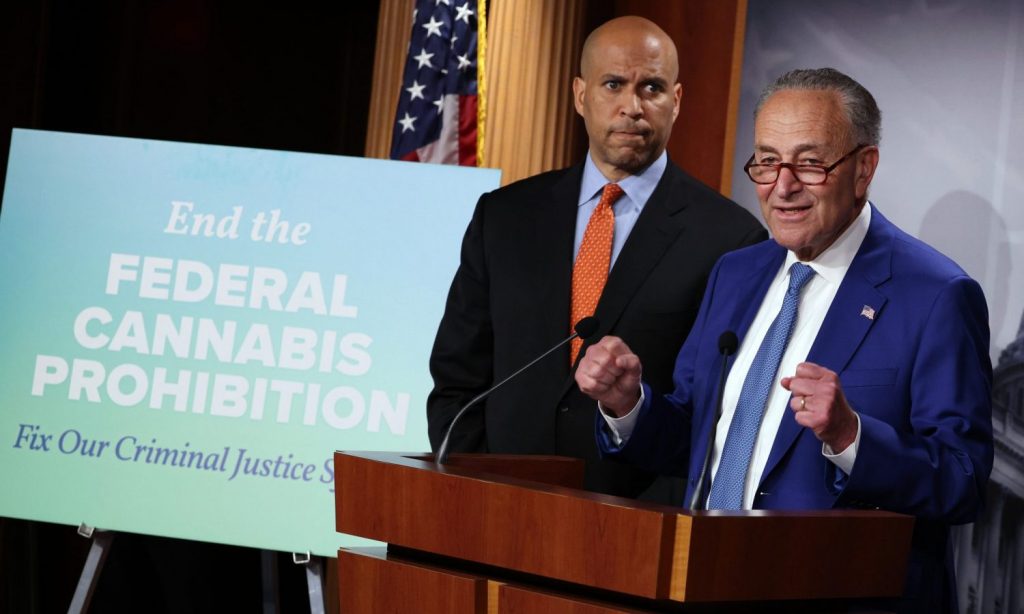
They finally did it! Senate Democrats — specifically, Majority Leader Schumer and Senators Cory Booker and Ron Wyden — finally released the much-anticipated cannabis reform bill previously known only as the “Schumer Bill”. Its official name, the Cannabis Administration & Opportunity Act or (if you’re a fan of acronyms the CAOA), is terrible (at best). How do you even pronounce “CAOA”? But what about the policies, you ask?
Before we dive into the weeds (get it?), we should take a minute to put the CAOA into political context. Few, if any, Capitol Hill observers expect the bill to pass as written. If you’ve been reading The Leaflet’s coverage of the ongoing cannabis saga on Capitol Hill, you’ll know that the CAOA was destined to be DOA — dead on arrival. The lack of response from the Biden Administration also speaks volumes, as the President seems unwilling to spend his political capital in support of the bill.
So, what is the cannabis industry to make of the CAOA? It probably won’t pass, but it may be a harbinger of the bill that finally does. And it raises some fascinating questions for the future of cannabis in the U.S.
Photo by Kevin Dietsch / Getty Images
Will Cannabis go Interstate and When?
You’ve likely heard of the “first mover” advantage — the theory that the first company to provide a new service or product gains an advantage over the competitors that come later. But because of the constantly shifting nature of the cannabis industry over the last decade, the companies that come first sometimes end up having a first mover disadvantage.
Because of its illegality under federal law, the cannabis industry has developed along state (not national) lines. If you have a cannabis dispensary in your town, the products sold there are made from cannabis grown and processed in your state. While a winemaker can grow its grapes in California, process them in Nevada and sell its wine in New York, state and federal laws prevent cannabis companies from doing the same. Thus, whenever an MSO sets up shop in a newly legal cannabis market (like New York or New Jersey), it has to build the infrastructure to sustain the business in that state. That requires an enormous amount of investment capital.
So, what happens to all that investment (and all the jobs that go with it) if interstate cannabis commerce is suddenly legal? Newcomers to the industry could set up a single cultivation facility in California (or another state with ideal conditions for growing cannabis) and produce enough product to supply dispensaries throughout the country. (For example, Anheuser-Busch has only 12 breweries that make all the Anheuser-Busch beer consumed in the U.S.) In other words, full-on interstate commerce in cannabis could render many of the cultivation facilities obsolete.
Which brings us back to the CAOA. Section 111 of the CAOA would prohibit states from banning interstate transport of cannabis through its borders for lawful delivery in another state (hello Dormant Commerce Clause). In other words, it gives interstate cannabis commerce the greenlight, and could cause an enormous disruption to the industry — unless it’s modified to phase in interstate commerce over time.
Photo by RODNAE Productions from Pexels
Which is why many industry observers expect there to be some modifications to this provision because (i) states with existing state-legal cannabis industries will want to protect the jobs created within their borders, and (ii) full-on interstate commerce would likely be counterproductive to the CAOA’s social equity goals, as smaller operators could be overwhelmed by large, out of state competitors.
What Does FDA Involvement Mean for Cannabis?
Section 101 of CAOA would de-schedule cannabis and transfer agency jurisdiction to the FDA. What would FDA involvement mean for the future (and present) of cannabis? The proponents of the CAOA offer no clear answer.
The bill makes reference to the preservation of state “primacy”, but the FDA has its own standards for the approval of food and drugs, and heavily regulates the manufacturing, labeling and sale of the products that fall within its jurisdiction. Industry observers may recall the chilling effect that the FDA’s regulatory process had on what everyone assumed would be a robust CBD industry.
In the 2018 Farm Bill, Congress de-scheduled CBD and gave farmers the green light to cultivate and sell hemp and CBD across the country. And while businesses were ready to put CBD into everything from Ben & Jerry’s to Coca Cola, the FDA’s excruciatingly long and opaque regulatory process ground the once promising industry to a screeching halt. Whether the FDA will make the same mistake with cannabis remains to be seen.
Will the Federal Government Listen?
All of this leads to one big meta-question more important than any other: Will the federal government listen? In the summary of the CAOA released with the bill, its sponsors request “comments from stakeholders and members of the public.”
But the CAOA raises a multitude of thorny questions, many of which will require thoughtful policy solutions. Will the proponents of the CAOA (whose hearts seem to be in the right place) actually accept comments (and not ignore them)? Time will tell. But let’s hope they do, because it’s the only way to enact a cannabis reform bill that strikes a balance between liberating the industry and smothering it.
(For more information contact Mitch@dfmklaw.com and Justin@dfmklaw.com.)
This article originally appeared in Feuerstein Kulick’s monthly cannabis newsletter, The Leaflet, which you can subscribe to here. For more information you can contact Rich at rich@dfmklaw.com or (201) 410-4737, or email The Leaflet at theleaflet@dfmklaw.com.
The real risk associated with marijuana continues to be in the policies supporting its prohibition.
The cannabis industry is moving across the United States with the power of a Mack Truck screaming down the highway, plumes of smoke wafting out the windows, and a sign on the back that reads, “red-eye express.” The business of growing and selling weed has matured into a multi-billion-dollar operation, despite not having any support from the federal government, and around 70% of the population thinks the business should be taxed and regulated like alcohol and tobacco.
Nevertheless, naysayers of the nug are worried that borderline apocalyptic times are coming from increased efforts to legalize the leaf. More than that, they can’t understand why the country is willing to listen to federal health agencies concerning COVID-related issues while discounting the evidence against marijuana.
Photo by Christina Winter via Unsplash
“At a time when millions of Americans are turning to the CDC and the NIH for advice on COVID-19, the health warnings about marijuana from these very same institutions are being ignored in favor of claims delivered by pot profiteers,” wrote Kevin Sabet, president of the anti-drug organization Smart Approaches to Marijuana (SAM) in a column for Newsweek. “Why the double standard?”
The biggest gripe Sabet has is the popular notion that marijuana isn’t a gateway drug. He believes pot supporters have the wrong idea about the ‘gateway theory.” It’s not necessarily a concept that ensures a person who uses marijuana today will shoot heroin tomorrow. It’s just that, true to the gateway name, it opens the door to the possibility. “The truth is simply that people who use drugs do not normally use just one,” Sabet wrote, pointing to a prominent study in the journal Addiction that finds marijuana users are 2.5 times more susceptible to opioid addiction.
While Sabet’s argument is admirable and even true, the same could be said about alcohol and tobacco, both of which are legal nationwide. Any substance that alters the brain could be considered a gateway drug. Alcohol typically gets the blame, mostly because it’s what teens try first.
Higher crime is another concern Sabet has with ongoing moves to legalize cannabis. “While it is difficult to say whether marijuana legalization causes crime, plenty of research suggests a strong connection,” he wrote, sourcing two studies that show increased crime rates in Colorado, where weed is legal.
Photo by FatCamera/Getty Images
Realistically, however, this crime is pot-related and directly attributed to conflicting cannabis laws across the country. Legal weed isn’t causing an influx in rape, murder, and theft. Most of the offenses are connected to organized crime and money laundering, probation infractions, and transfer using parcel services.
Sabet is also worried about pot potency. He leans on several studies showing a link between high-potency marijuana and the development of mental illnesses like schizophrenia and psychosis.
“Today’s marijuana is up to 50 times stronger than marijuana used in the past, causing people to do more than just “chill out,” he wrote. “Scientists have confirmed the harmfulness of these products.”
Is this true?
Well, maybe to some degree. There is a lot of conflicting evidence, yet those who develop mental health problems due to regular cannabis consumption appear to be wired for it anyway. Furthermore, as the New York Times published in 2019, yes, cannabis can cause schizophrenia, “but so can overuse of caffeine, nicotine, alcohol, stimulants, and hallucinogen.” Most of which are legal drugs in the United States. However, the paper continued, “the vast majority of people…do not go on to develop a persistent condition such as schizophrenia, which is characterized by episodes of psychosis that recur for years, as well as cognitive problems and social withdrawal.”
Photo by LordHenriVoton/Getty Images
There’s also the lore about marijuana reducing the opioid epidemic. Sabet has a problem with this claim, and rightfully so. As he lays it out in his column, cannabis advocates continue to rely on a “now-debunked” study showing a 25% reduction in opioid deaths where marijuana is legal. Stanford has since done further research and found the opposite: Opioid deaths increased by 25% in legal marijuana states. “We must stop perpetuating the false notion marijuana is an answer to opioid abuse,” Sabet wrote.
Almost full circle, studies show that, consistent with the gateway theory, people who regularly use cannabis are more likely to abuse prescription opioids. Other studies show that cannabis isn’t even an effective pain reliever anyway — at least no more than ibuprofen. It’s just not the same.
“Legalization supporters often argue as if they have science on their side. The truth is exactly the opposite: every single major medical association opposes legalization. Often citing non-peer reviewed papers, or papers in low-quality journals, legalization advocates’ cherry picking does a severe disservice to those interested in the truth,” Sabet wrote.
Americans might be quicker to listen to the federal government about COVID than cannabis because, well, they are two different things. Most fear being exposed to a virus and ending up on life support, but they are fully aware that marijuana doesn’t come with those risks. They want information about vaccinations, masks, and other prevention methods because they don’t want to die. After all these years, even marijuana’s greatest enemies aren’t worried about it killing people.
The real risk associated with marijuana continues to be in those policies supporting its prohibition. Hundreds of thousands of people are being arrested every year, families are being disrupted, jobs lost, etc., all because conservatives are afraid of high society. Sure, there might be a double standard. This is America, after all. Double standard is what we do. But it’s coming from all sides.
The locals can be extremely rough on cannabis businesses and their budgets, and even the passage of Chuck Schumer’s legalization bill won’t change that for the foreseeable future (for better or worse).
Who decides the future of Cannabis? Nationwide, cannabis companies and advocates are hailing the Cannabis Administration and Opportunity Act as the savior of the future of cannabis (a copy of the bill is here). If the Act passes, we will finally have federal legalization and the consequences of the current federal conflict will end, or, at least be reversed in the minority of states that continue to outlaw the plant locally.
Such a development would, of course, be huge. With IRC 280E no longer an issue, cannabis companies would have the unfettered ability to secure banking outside of the 2014 FinCEN Guidelines, which means no more all-cash transactions; they would have the ability to raise institutional capital without the threat of criminal liability, etc etc. However, even if the Act passes (and chances of that happening appear slimmer by the month), what’s not going to change (probably forever) is the power of local governments to make or break America’s cannabis businesses.
Photo by Kevin Dietsch / Getty Images
For the longest time, I’ve preached that the states are in total control of these unique democratic experiments, and they definitely are where they control license categories, compliance standards, taxes, reporting requirements, etc., but that power is ultimately limited by cities and counties. And the Act gives major deference to the states to keep up their independent cannabis regimes.
The catch is that all states pay some (or more like a lot of) credence to local control because of the inherent police powers granted to cities and counties to protect the health and welfare of their citizens. I can’t name a state where local control hasn’t mainly caused major issues for cannabis operators (retail, in particular, gets the short end of the stick in most cities and counties). Cannabis businesses need to realize now that even if the Act passes and even if states maintain their current licensing systems, the cities and counties are going to remain one of biggest barriers to entry.
The notorious trend among cities and counties is to either have an “all open” policy to allow the establishment and operation of all license types, restricting the businesses only by property buffer requirements and/or zoning limitations, or to be incredibly selective about the license types they allow within their borders, creating tall barriers to entry (or, worse, to not allow any commercial cannabis activity at all, which is their right).
Here are some of the local barriers to entry that operators will probably run into indefinitely regardless of federal legalization:
License caps. Even if the state government doesn’t institute a cap by license category, cities and counties often instate caps to prevent significant environmental and other impacts resulting from too many licensees or too many of a given license type in their borders.
Local entitlements. If a city or county allows for the establishment and operation of cannabis businesses, it will have a local entitlement process that the cannabis business must clear to operate. In each city and county, this process will be different when it comes to timeline and costs.
Some jurisdictions may require a simple cannabis-oriented permit in addition to secure traditional permitting like building permits and/or conditional use permits depending on the property involved. Other jurisdictions may require a permit and a local license, which will be a parallel track that requires the submission of a variety of information about the business and the property involved.
Photo by Jacques Laurent/Getty Images
Still, other jurisdictions may also require the applicant to execute a development agreement (see here, here, and here) that includes a litany of performance obligations. They could include anything from developing more parking to beautifying a certain stretch of neighborhood in proximity to the property on which the cannabis business operates. It could also include indemnification agreements protecting the city/county from third party claims arising from the project. To know what you’re up against, you must take the time to read the city or county’s ordinance(s) in play on the topic.
Competitive licensing. As a way to ensure that only the most well-capitalized, well-heeled operators gain a foothold in given jurisdictions, certain cities and counties implement competitive licensing, which entails operators having to spend hundreds of thousands of dollars on just the application/opportunity to operate. Oftentimes, these applicants have to submit hundreds of pages of information about themselves and their businesses that go above and beyond what any run-of-the-mill company would have to provide to acquire a city business license, including things like odor plans, capitalization plans (and proof of funds to support those plans), inventory management plans, vendor lists for certain product types, community liasion plans, etc. etc. The City of West Hollywood, California was probably the most competitive local license application I’ve ever seen in more than ten years of practice.
Increased sin taxes. While state tax rates may (hopefully) be nominal, the locals don’t necessarily have to abide by reason. In countless cities, operators are running into aggressive gross receipts taxes and other sin taxes that just go to the city and/or county in which they operate (and that’s on top of state and federal taxes).
Locals-only ordinances. Even if a state doesn’t have a residency requirement, its cities or counties might. Operators must read local ordinances closely to see who can occupy their cap tables and stock ledgers if they want to operate in certain cities or counties. Sometimes, the directive from the local government is that a certain percentage of business ownership has to be made up of city/county locals (or you’ll get more points on your application score card if you have a local), which will force some hasty business marriages in the industry.
Increased distance requirements. State law or regulators may (and usually do) implement certain distance requirements between cannabis businesses and “sensitive uses” like schools, parks, and “youth centers”. The locals are free to be more restrictive and can tack on other sensitive uses like houses of worship or rehabilitation facilities, and they can of course up the buffer distance, too (which can effectively eliminate the establishment of cannabis businesses in entire neighborhoods).
Photo by rgbspace/Getty Images
Objections from/disputes with neighbors. State cannabis laws are not going to take into account disputes between cannabis businesses and their neighbors. However, local laws that govern cannabis businesses will always have mechanisms for angry NIMBYs to appeal the issuance of any local entitlements to cannabis businesses, which can create massive, costly delays for the cannabis operator (and in all states you need both the local entitlement and the state license to open your doors).
Bans/moratoria. While cities and counties are free to regulate cannabis businesses (including more restrictively than the state), many cities and counties in states with cannabis legalization or “medicalization” still ban commercial cannabis activity altogether. This only serves to promote the illegal market and stymie the success of these democratic experiments, which hinge a great deal on being able to provide consumers with reasonable and convenient access to cannabis and cannabis products.
Worse, cities/counties often institute rolling moratoria to study the impacts of cannabis, which can take years to resolve while cannabis operators hang in limbo. Or a city or county may decide that it no longer wants any cannabis businesses in its borders and, depending on existing local laws, may declare cannabis businesses non-conforming uses with a timeline to wind them down and close them out.
Here, in California, local control has had a stranglehold on the implementation and the overall success of the Medicinal and Adult-Use Cannabis Regulation and Safety Act. That hold is loosening as more cities and counties realize that instituting cannabis businesses can be a significant financial boon without creating major societal harm. According to MJ Biz Daily, more cities are now diving in on allowing cannabis businesses (though the overall number of dispensaries in the state compared to citizens is pretty pitiful).
I’m sure California is not the only state in which this trend of tolerance is occurring. Still, cannabis operators shouldn’t rejoice too much over pending federal legislation. The locals can be extremely rough on cannabis businesses and their budgets, and even the passage of the Act won’t change that for the foreseeable future (for better or worse).
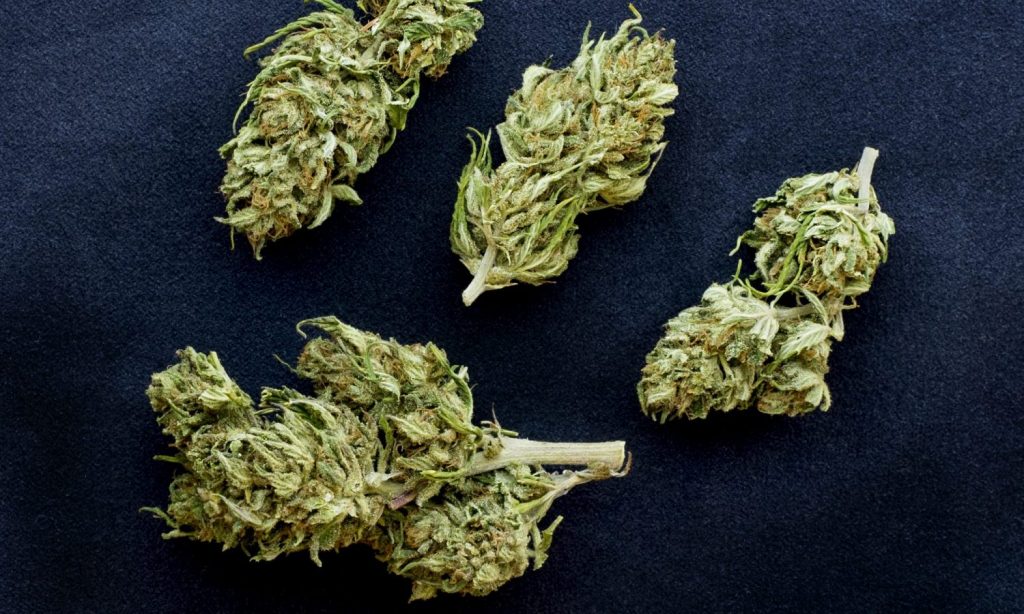
Our understanding of how humans initially bred and manipulated cannabis genetics could be crucial for maximizing its medicinal value and countering stigma about its inherent danger.
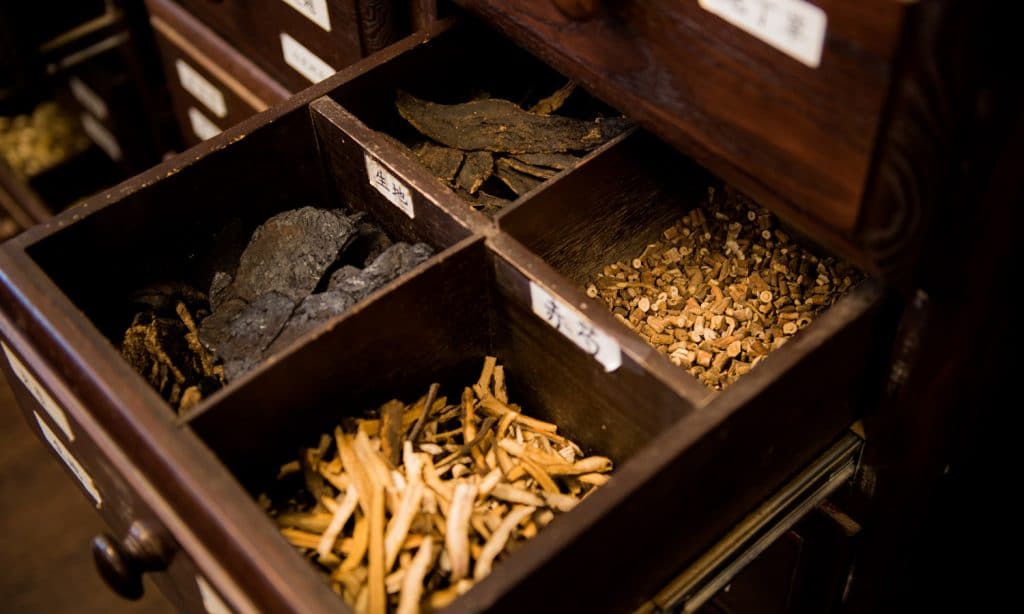
Cannabis is an old, old plant. Its use as a medicinal substance and spiritual enhancer have been documented in ancient times and found in archeological sites across Asia dating back thousands of years. Cannabis was mentioned in the sacred Hindu texts known as The Vedas, estimated to have been produced around 2000 to 1400 B.C., and woven hemp fibers were found at an ancient burial site in Taiwan dating back 10,000 years.
Its history is long, but no one has been able to accurately identify when our ancestors went from living alongside the cannabis plant to actively engaging with it for agricultural domestication, and where that happened. That is, until now.
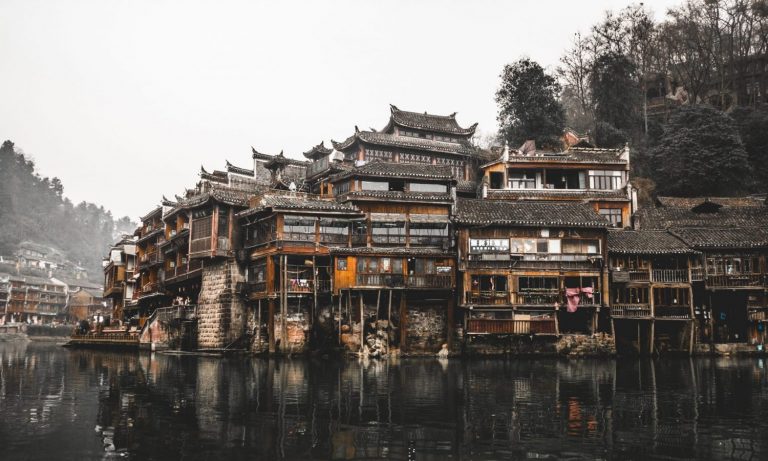
Research over the last couple years indicates the plant likely originated in Central Asia, namely Mongolia, but a research article in the July issue of Science Advances indicates that, based on genome mapping, it was first domesticated in China approximately 12,000 years ago.
The study examined “whole-genome resequencing of 110 accessions from worldwide origins,” which include feral, landrace and hybridized cannabis and hemp plants, to determine where cannabis was first domesticated to accommodate human needs, and how that changed its gene pool and subsequent psychoactive, medicinal and practical properties.
With international discourse of cannabis legalization becoming more and more prevalent within the last couple of years, and more and more states in the U.S. having changed their tune, our understanding of how humans initially bred and manipulated cannabis genetics could be crucial for maximizing its medicinal value and countering stigma about its inherent danger.
Photo by Danny JIA/Getty Images
Tracking the chances through time can also give us insight into how societies utilize cannabis both as a fiber, medicine and recreational drug. As the study states, “some of the current Chinese landraces and feral plants represent the closest descendants of the ancestral gene pool from which hemp and marijuana landraces and cultivars have since derived.”
Disinformation, or understudied information, surrounding cannabis abounds, and prohibition and criminalization have created huge roadblocks to understanding everything about this plant’s past, present and future. Studies like this ground the research in verifiable science, and open the door for what additional knowledge can be unearthed.
Cannabis is here to stay, but with most things, it takes knowing where you’ve been to understand where you’re going.
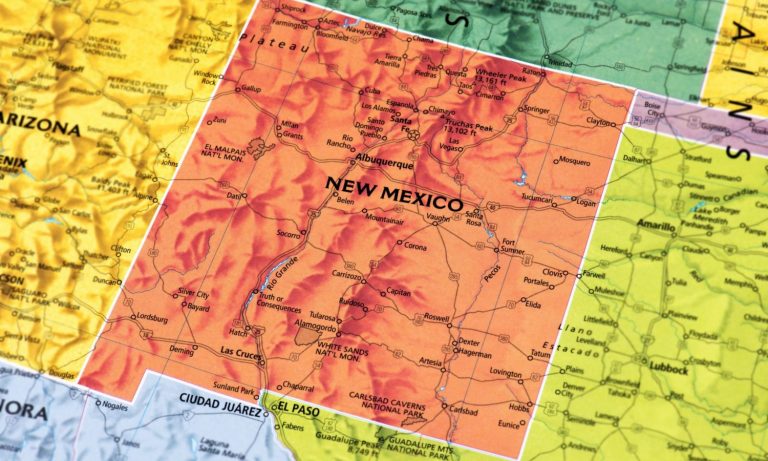
New Mexico’s anticipation of a deficit is not paranoia; it is a safe prediction given the precedent set by other states.
When New Mexico started legalizing cannabis, the marijuana community in the state was ecstatic because it marked a new dawn for them. When it finally attained legalized status, the excitement was through the roof, but today it seems like something is threatening that joyful feeling in the state.
The trouble with availability
New Mexico faces a looming crisis and may have trouble with marijuana availability. Experts in the state are saying that recreational marijuana products may run out in the first week when sales begin.
Photo by nattrass/Getty Images
The Superintendent of the Regional and Licensing Department5, Linda Trujillo, discussed with the Economic Development and Policy Committee on July 26. She said that it is likely the state will face Krispy Kreme Syndrome.
The Krispy Kreme Syndrome is likened to when the Krispy Kreme franchise opened its door and faced an unprecedented rush leading to the unavailability of products. In referring to cannabis sales, Trujillo said that the state anticipates not having the products that will suffice for the demand when the program launches next year.
She maintains that they are projecting that products will run out in the first two weeks, and this information is derived from the feedback they got from other states within the first week of them launching their legalized cannabis products.
In truth, some states that legalized cannabis way before New Mexico also experienced a shortage of products within the first two weeks. So New Mexico’s anticipation of a deficit is not paranoia; it is a safe prediction given the precedent set by other states.
Trujillo also maintains that the state must ensure that it has about 500,000 plants to meet the anticipated demand. It wouldn’t be easy to grow that amount, as Trujillo notes that the stipulated number of plants will account for at least 18% of the growth failure rate.
New Mexico is ready for the rush
The state’s new recreational laws were officially effected on June 29. but it has a deadline to start issuing marijuana licenses as early as September 1. But the Regulation and Licensing Department has still not released details about the planned retailer rule, and individuals haven’t been chosen to operate the Cannabis Regulatory Advisory Committee.
Trujillo had expected that by the start of June, everything would be in place, so it is disappointing that it is taking too long to effect. The New Mexico legislative arm has approved this cannabis legislation at a unique session at the start of April.
Photo by Heath Korvola/Getty Images
They set a harsh deadline for all aspects of the cannabis industry, from production to retail and even testing facilities, at the legislative session. The new regulatory movement includes Cannabis Control Division (CCD) which alters plant-based laws. The CCD agreed to increase the number of plants that a grower can cultivate from 4,500 to 8,000. They also included an additional 500 years for four years, leading to a total of 10,000 plants.
It is expected that New Mexico will get up to $50 million in marijuana revenue in its first year of the law in effect. The rising payment also means it will positively impact the job sector with an expected 11,000 jobs. Although there wouldn’t be a shortage of interest in marijuana, Trujillo’s main worry is how the state can make it easy for locals to gain access to cannabis.
The focus here is on locals with poor finances because access to capital is not always available. Trujillo’s fear hinges on the fact that people interested in entering the cannabis industry will take extreme measures to get in. Some of the steps include taking out the family savings, mortgages, or even their retirement funds.
Concerns shared by New Mexico’s cannabis business owners
Matt Munoz is a partner in the Carver Family Farm Venture, and he is looking to become a marijuana microbusiness owner. From Yahoo Finance, he maintains that the state should assist residents that want to enter the marijuana industry.
He also asserts that assistance should come in obtaining licenses: that the cost of getting requests shouldn’t be too high. He also said that the cost of operating the cannabis business is also high.
Cannabis availability is limited in New Mexico. For instance, in Albuquerque, Munoz insists that the vacancy rate is up to 2% which means it is too complex and expensive for residents to operate a marijuana business. He has also voiced his concerns about the rising black market for cannabis in Oklahoma, where the cannabis program has been active for three years.
Munoz also wants the state of New Mexico to ensure that all its residents are the priority when it is time to apply for cannabis licenses. He wants this to happen even before other established, and out-of-state companies apply for the permits and approvals. But Trujillo maintains that the bill that was signed into law doesn’t give room for that.
Photo by Jacques Laurent/Getty Images
Munoz argues that if New Mexico’s residents interested in the cannabis business do not get an early shot, I can contribute to the growing black market. The residents may justify their action to seek cannabis through other means when the government deserted them.
The Cannabis Control Department will organize another public hearing. Subsequent meetings will be held even after the sales of recreational marijuana commences.
Bottom line
The legalization of cannabis in any state is not the end of the state’s challenges with marijuana. Legalization just means all persons above the state’s legal age can gain access to the marijuana market, which also means an increase in demand.
An increase in demand is a good thing, right? It is supposed to be a good thing, but if the state is unable to match such needs, it becomes a problem. New Mexico may run out of cannabis within its first week after legalization.
But if the state takes a proactive approach to the situation by ensuring that growers are planting more plants. When demand meets supply, the market can thrive: suppliers will be happy, citizens happy, and hat to ensure a stable cannabis market.
Nowadays, there’s numerous ways to smoke cannabis. Here are some things you should consider before making your purchase.
Buying your first marijuana smoking piece is a big deal. It’s the moment when you say to yourself that you’re committed to your weed habit. Once you own a pipe, bong or other piece of equipment, you won’t need to depend on the whims of your stoner friend, which is a clear step forward.
Despite the excitement you’ll feel over the prospect of buying a cute pipe in the shape of an elephant, it’s important to first do some research. What is it that you’re looking for? Is it something discreet or something geared for premium enjoyment? Here are some tips that can help you find what you’re looking for:
Pipes
Photo by SharonMcCutcheon via Pixabay
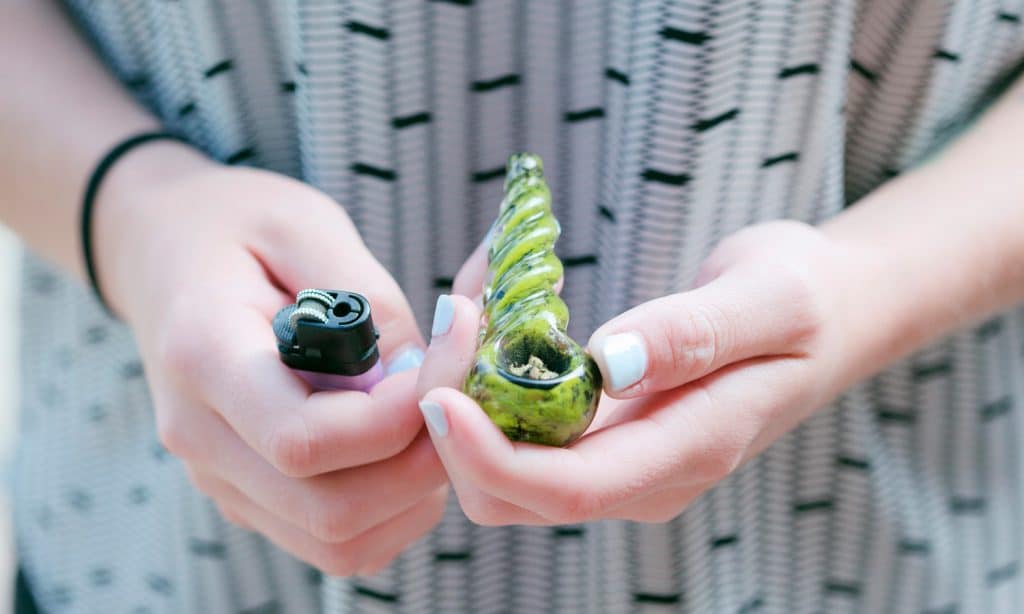
Pipes are the most basic tools for any marijuana enthusiast. They tend to be cheaper and easier to use, thus, easier to purchase. You can buy a decent one in local smoke shops across the country so you don’t have to worry about legalization.
These pipes tend to be made out of glass, wood or metal, and despite the varied shapes they may have, they tend to be portable and easy to use. Since the design is so straightforward, there’s no sections for water that make the drag smoother. If that’s among your priorities then you should probably look for other options.
Bongs
Photo by vladans/Getty Images
If you are uninterested in pipes or already have one, then bongs are the next logical step. These devices are larger and much less discreet but they’re more luxurious. Of course, there are still shitty bongs, but the fact that you’re smoking from a larger piece means that the smoke will travel further and that the hit won’t be as harsh as one taken from a pipe. These pieces are more expensive than pipes but, when purchased correctly, allow for modification and have a longer shelf life. Just don’t drop it.
Bongs can be made out of almost any material, but the best options are those made out of glass or scientific glass, which is more resistant. Once you’ve gotten all that out of the way, you can focus on colors and shapes.
Dab rig
Photo by wikimedia user VaporVanity.com
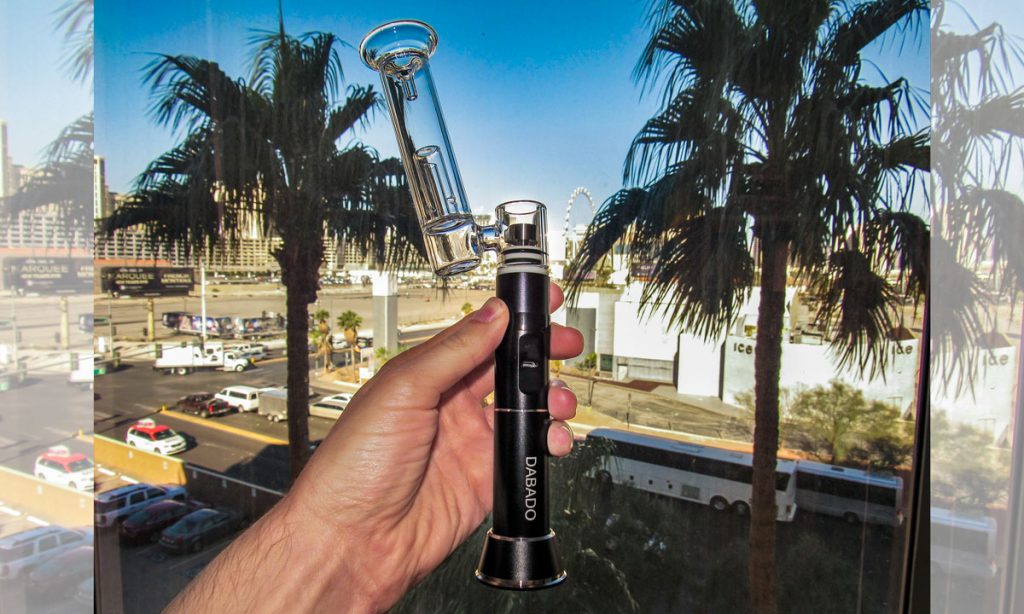
Dab rigs work differently than bongs in almost all ways. Instead of smoking flower, you’ll be inhaling a concentrate. Instead of lighting the bowl once you’re ready to smoke, you’ll have to apply heat to the nail before placing the concentrate.
Dab rigs are devices are smaller than bongs, and sometimes the device is sold in pieces. Before you dab you’ll need a rig, a nail, a dabber tool and a torch. If you’re buying online, be sure to read through your purchase so you have everything you need.
If you’re buying your first marijuana smoking piece, it’s a good idea to visit a shop where you can ask all of your questions. Since these devices tend to have different pieces, the shop might have special bundles or might even recommend good brands and models.
Too much caffeine could facilitate osteoporosis. Here’s what a recent study revealed.
For most coffee drinkers, coffee is one of the best parts of the mornings. Being a part of many people’s rituals, the smell and taste of coffee signals that it’s time to start the day and get things done. The jolt of energy it provides is one of the reasons why it’s so popular, but also kind of problematic.
While it’d be great to drink coffee all the time, consuming too much of it can harm us. According to new research, it can increase your odds of developing osteoporosis.
The study, published in the British Journal of Pharmacology, found a link between high doses of caffeine and osteoporosis.
Photo by Nathan Dumlao via Unsplash
Researchers studied the data of 24 people who were split into two groups. The first group was asked to chew a non-caffeinated gum; the second a caffeinated gum. Over the course of six hours, both groups were provided with more gum, with the latter group consuming about 800mg of coffee in a day, the equivalent of about eight cups of coffee.
The group that chewed the caffeinated gum experienced several changes in their systems, including the presence of calcium in their urine. This percentage was augmented by 77% when compared to the start of the study, suggesting that kidneys were ridding the body of calcium faster than the body could replenish it.
While this study is a magnified picture of people’s coffee habits — eight cups of coffee a day is a bit excessive, even for intense coffee drinkers — it does reflect the effects of caffeine on the body. There are a variety of caffeinated drinks on the market, meaning that by drinking some coffee, a bottle of soda, and an energy drink, you might be introducing a lot of caffeine to your body without knowing its side effects.
The FDA suggests consuming no more than 400mg of coffee a day. Still, you should balance this out by working out regularly, since that improves bone health, and consuming healthy meals that can increase the amount of calcium you consume.